A Day in Pu'er: A Perfect Symphony of Tea, Rainforest, Coffee, and Lakeside Scenery
A Day in Pu'er: A Perfect Symphony of Tea, Rainforest, Coffee, and Lakeside Scenery
During the 2026 winter break, our group of three friends entered the sixth day of our ten-day free travel through Yunnan. On this day, we chose to explore Pu'er by chartering a car — a city steeped in the fragrance of tea and embraced by lush rainforest. From misty lakes at dawn to sprawling tea plantations, from tropical rainforests to coffee estates, and finally to Meizi Lake bathed in the golden glow of sunset, the day unfolded like a slowly unrolled scroll, each frame worth treasuring.
A Surprise Before Departure: Meeting a "Hidden Gem" Driver
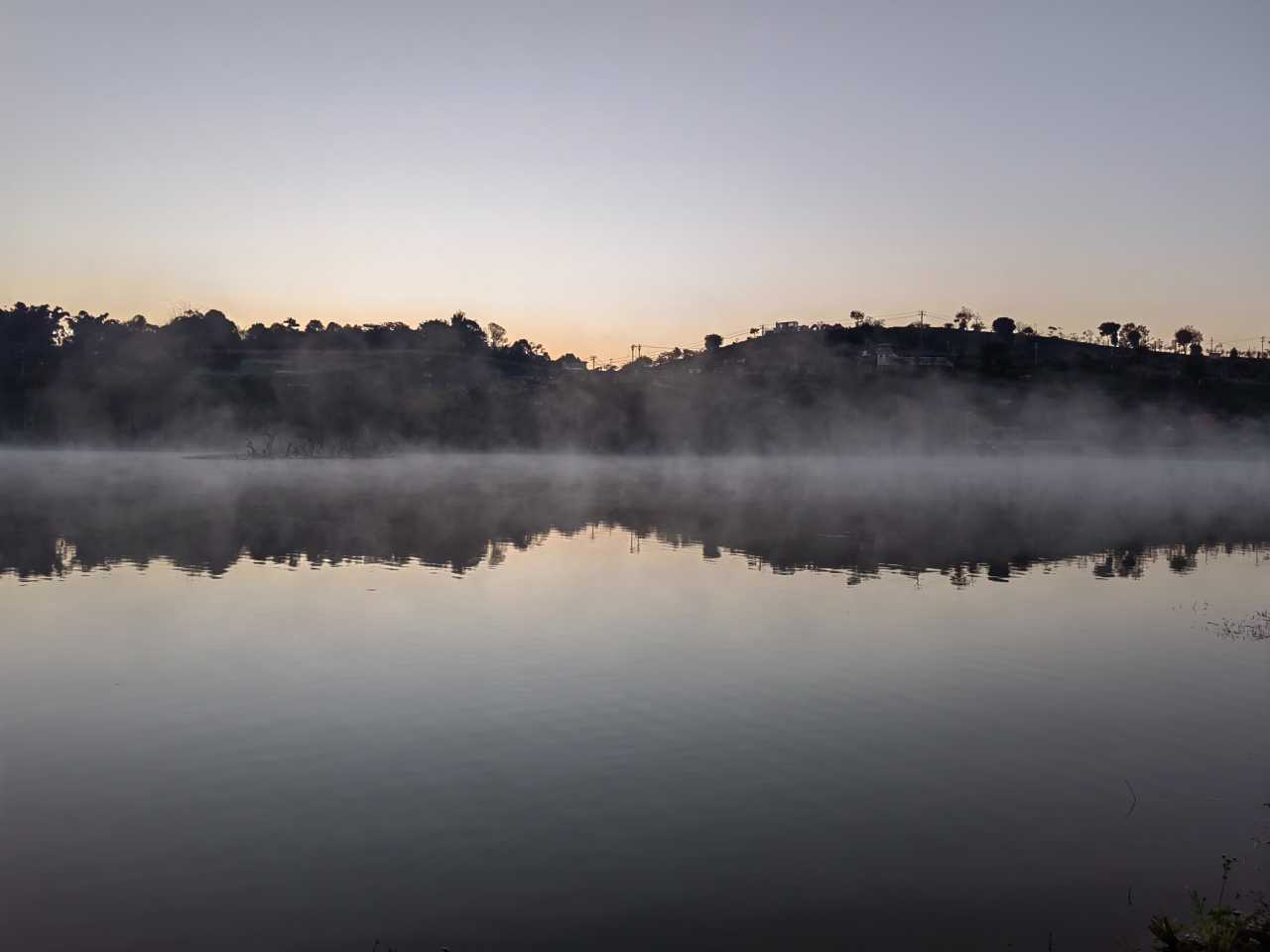
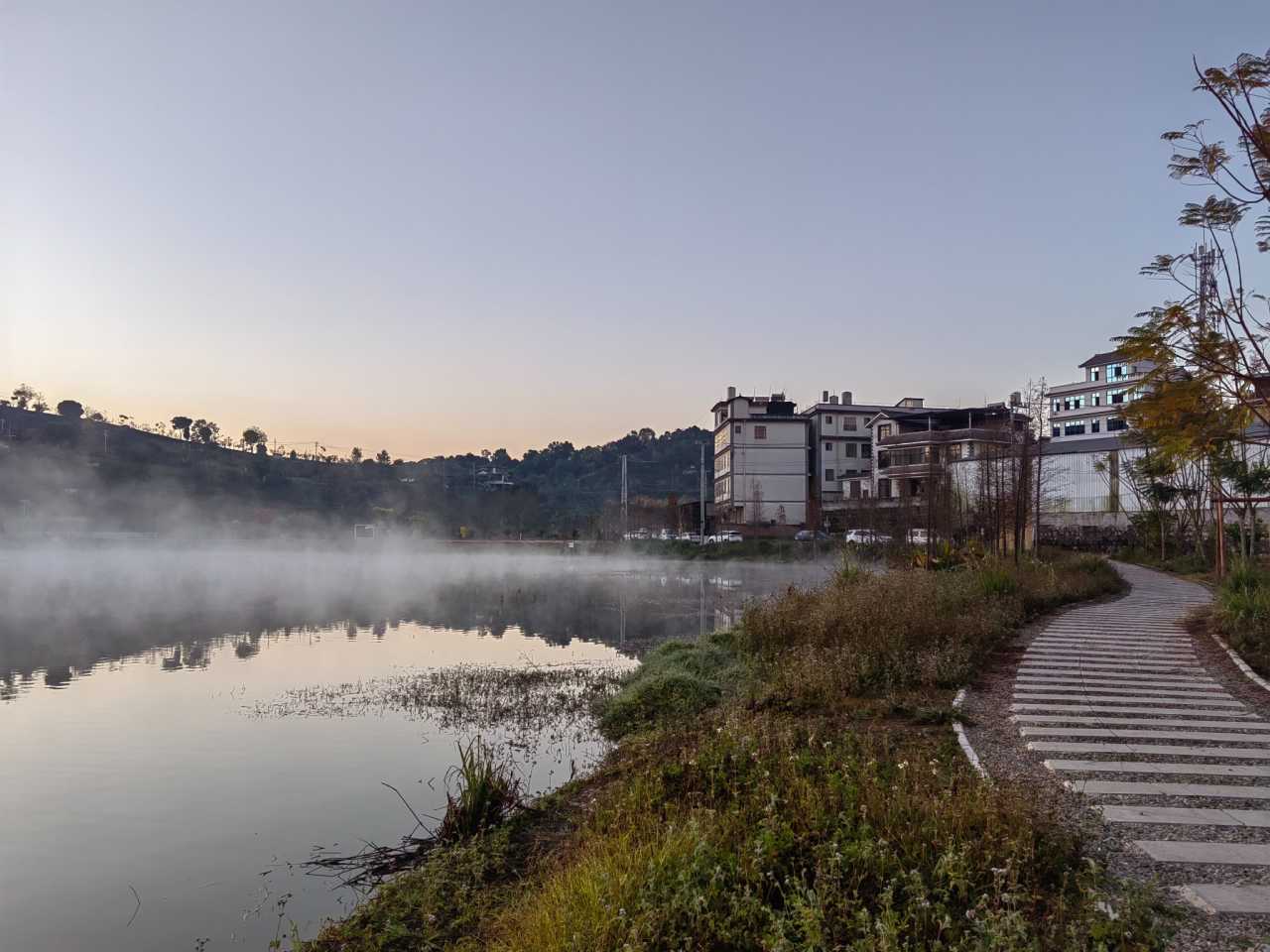
The night before, we stayed at a guesthouse near downtown Pu'er. Opening the window in the early morning, a delicate mist was gently caressing the surface of a nearby lake. The hazy beauty instantly made us fall in love with this place. The day before, when we took a taxi to Nakeli, we casually asked the driver if he could be our charter driver for a full day. To our surprise, he not only agreed readily but also offered a very reasonable price.
What touched us even more was that his "value-added service" far exceeded expectations. He arrived punctually at the agreed time (and deliberately waited until exactly 8 a.m. to call, afraid of disturbing our rest), and proactively helped us search for and order the most cost-effective combo tickets for admission and sightseeing carts. When we spontaneously mentioned wanting to visit other spots, he agreed without a second thought — this flexibility and sincerity infused the entire day's journey with warmth.
First Stop: China Pu'er Tea Expo Park — Encountering Intangible Heritage Amidst Vast Tea Plantations
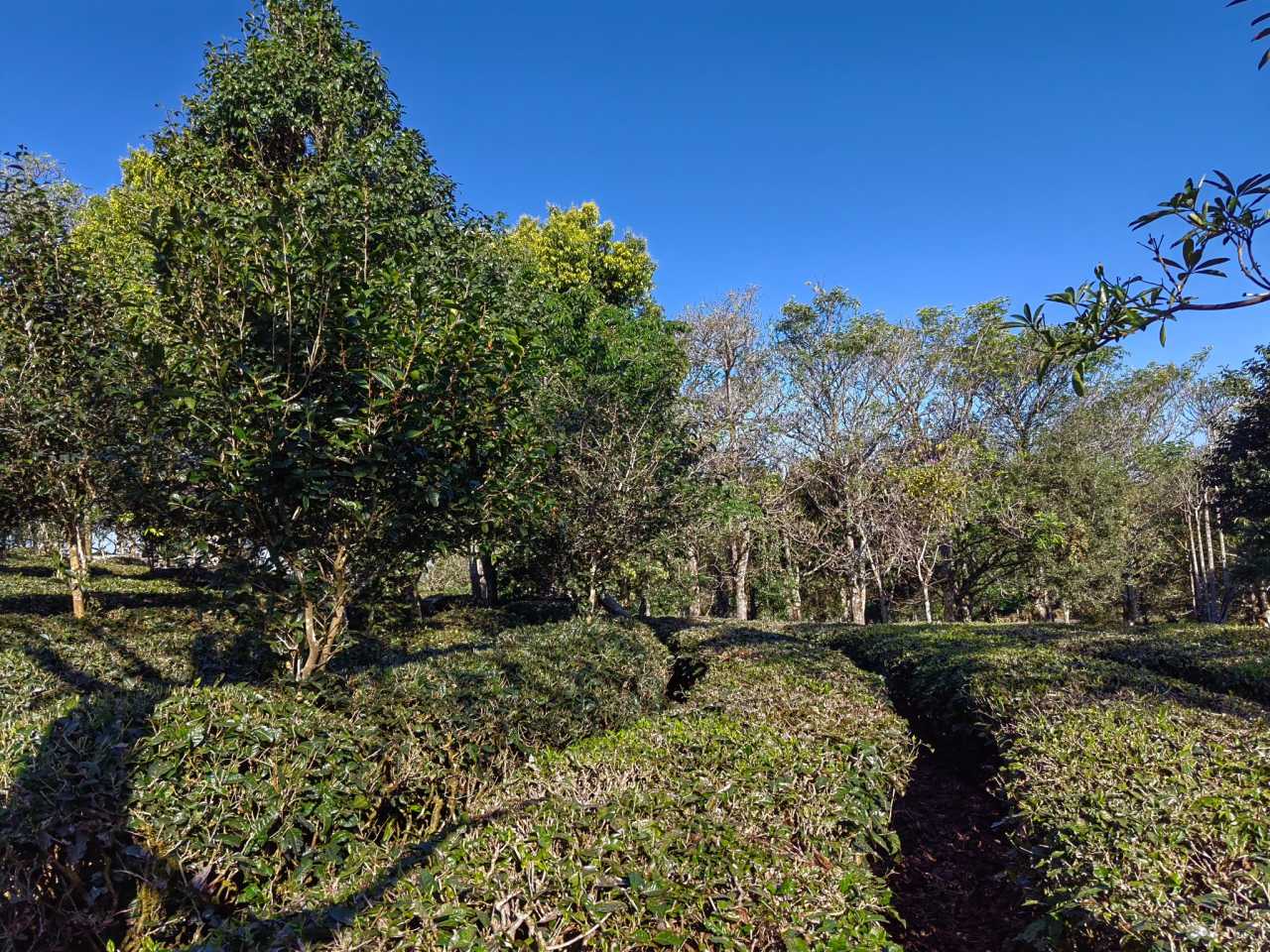
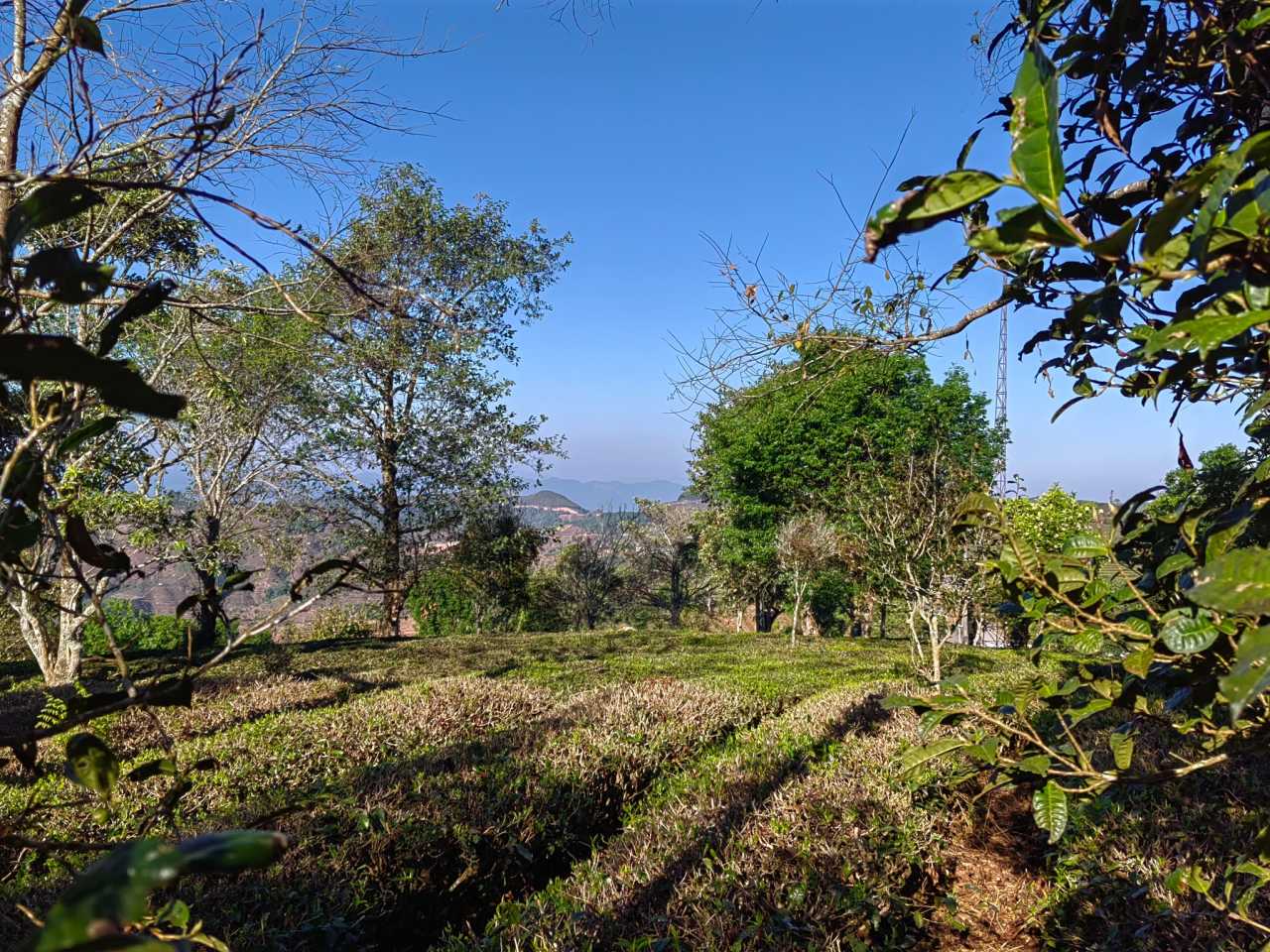
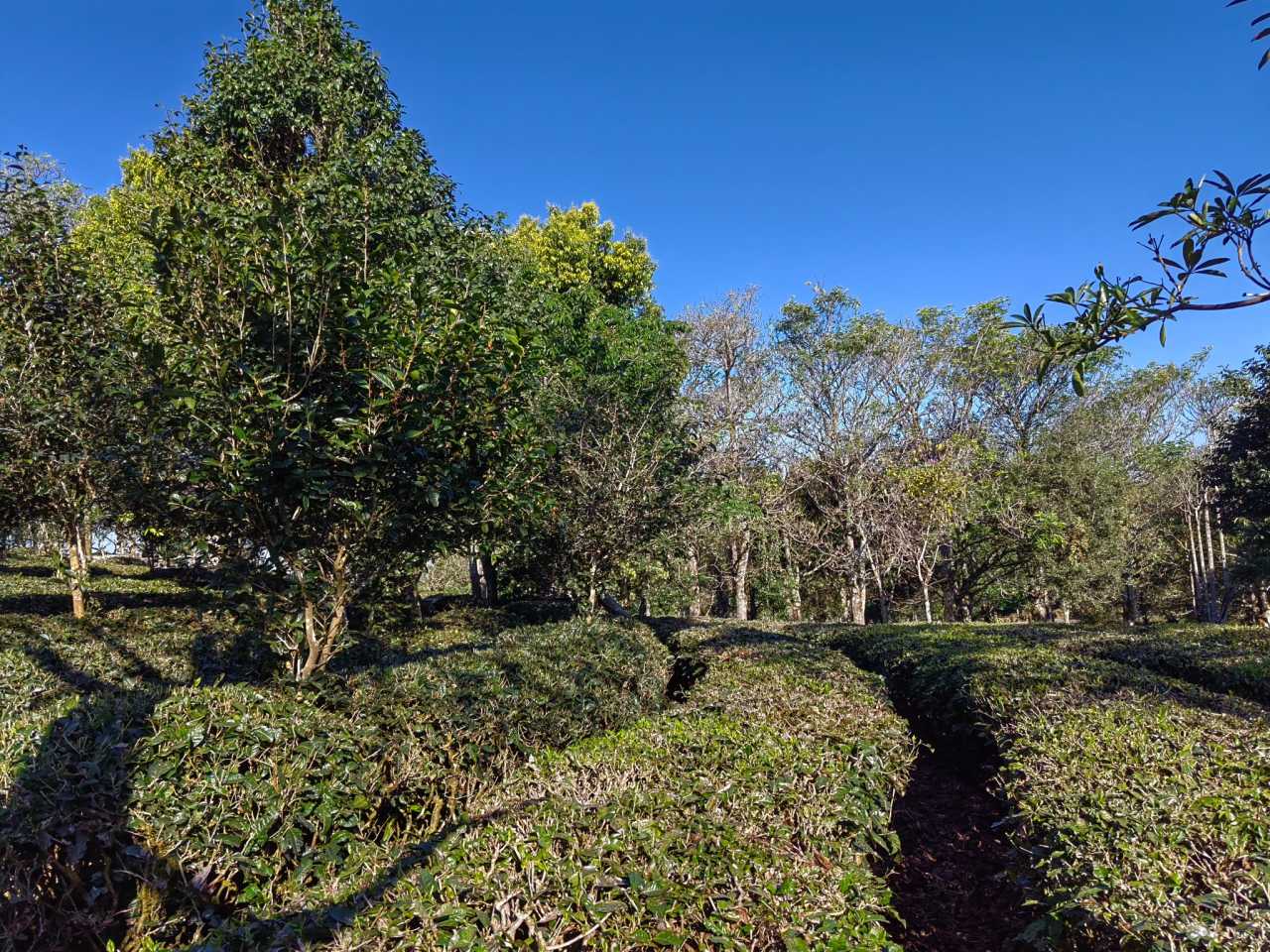
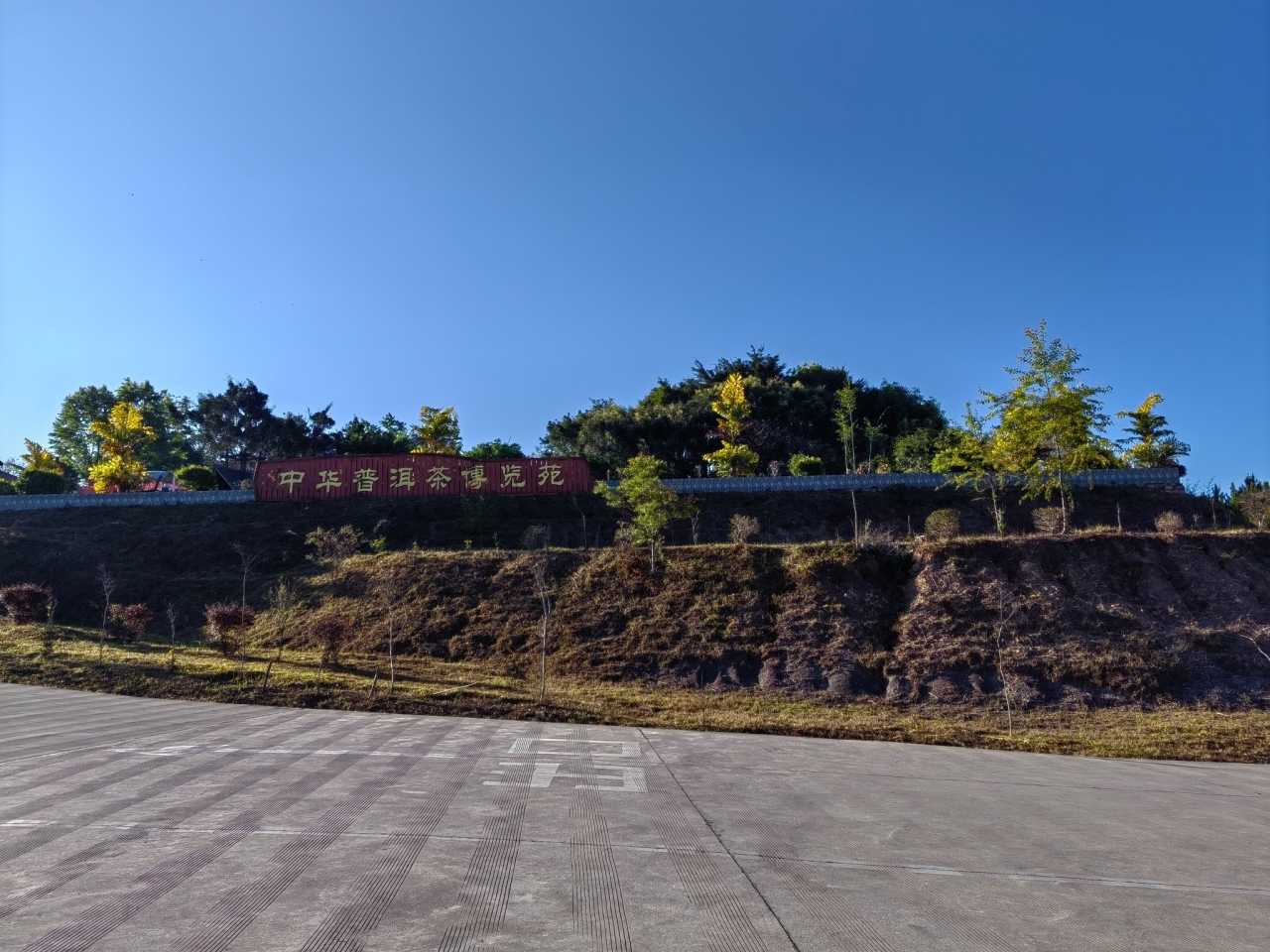
We set off promptly at 8 a.m. After about a 70-minute drive, we arrived at the China Pu'er Tea Expo Park, located within the Yingpan Mountain's vast tea plantation covering over 10,000 mu (about 667 hectares). Situated 29 kilometers from Simao District, at an altitude of 1,700 meters, the park's core area spans 287 mu (about 19 hectares). It serves as a key showcase for Pu'er City's strategy of being the "World Tea Source, China Tea City, and Pu'er Tea Capital."
Wa Ethnic Wooden Drum Tea Ritual: An Immersive Intangible Heritage Feast
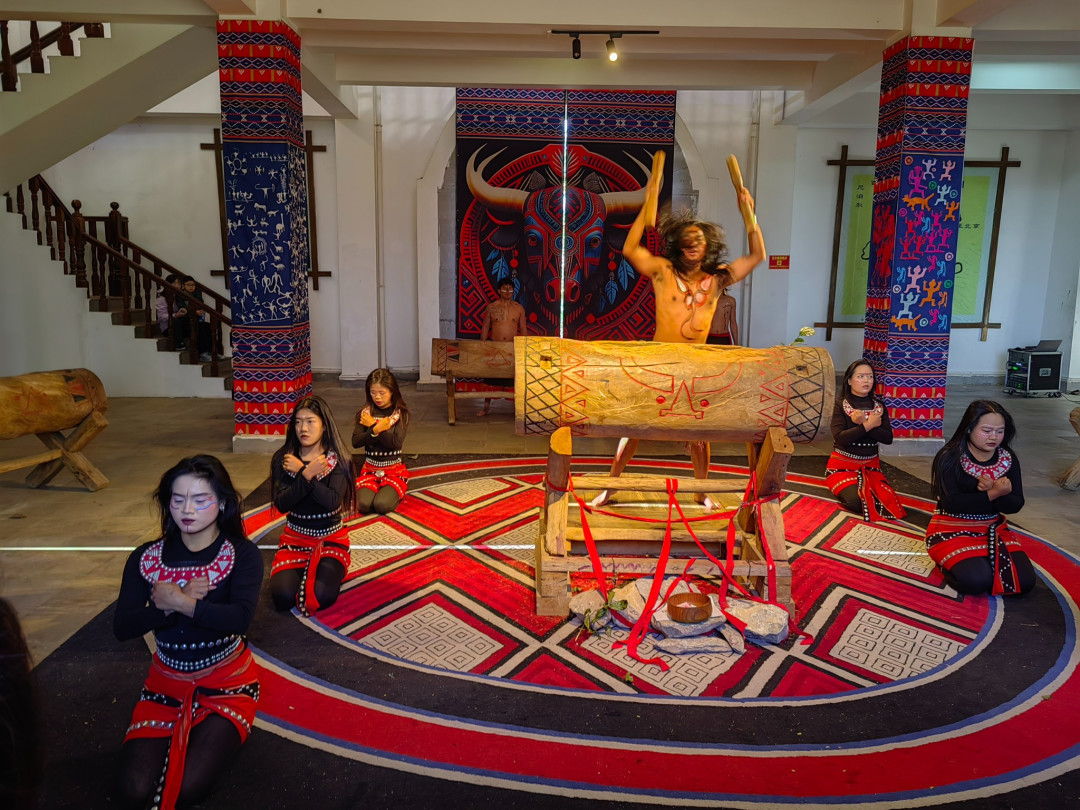
After a few minutes on the sightseeing cart, we reached our first stop. As we stepped off, thunderous drumbeats echoed from a distant hilltop — we had caught the 9:30 a.m. "Wooden Drum Tea Ritual" performance. This is an innovative fusion of the Wa ethnic group's wooden drum dance, a national intangible cultural heritage, and Pu'er's traditional tea ceremony. It breaks away from the conventional "you perform, I watch" model, incorporating interactive elements.
The drumbeats were electrifying, the dancers exuded passion, and tourists eagerly raised their phones to capture this awe-inspiring moment. The wooden drum dance is the essence of Wa culture, inscribed on the first batch of the National Intangible Cultural Heritage List in 2006. Here, it is no longer just an artifact in a museum but comes alive vividly amidst the tea mountains, allowing every visitor to experience the unique charm of this living heritage.
Deer Valley and Shengshi Yipin: From Cute Creatures to the Art of Tea
After the performance, we took the sightseeing cart to Deer Valley. This is a favorite spot for families with children — kids can get up close to gentle deer, feed them by hand, creating heartwarming and healing scenes.
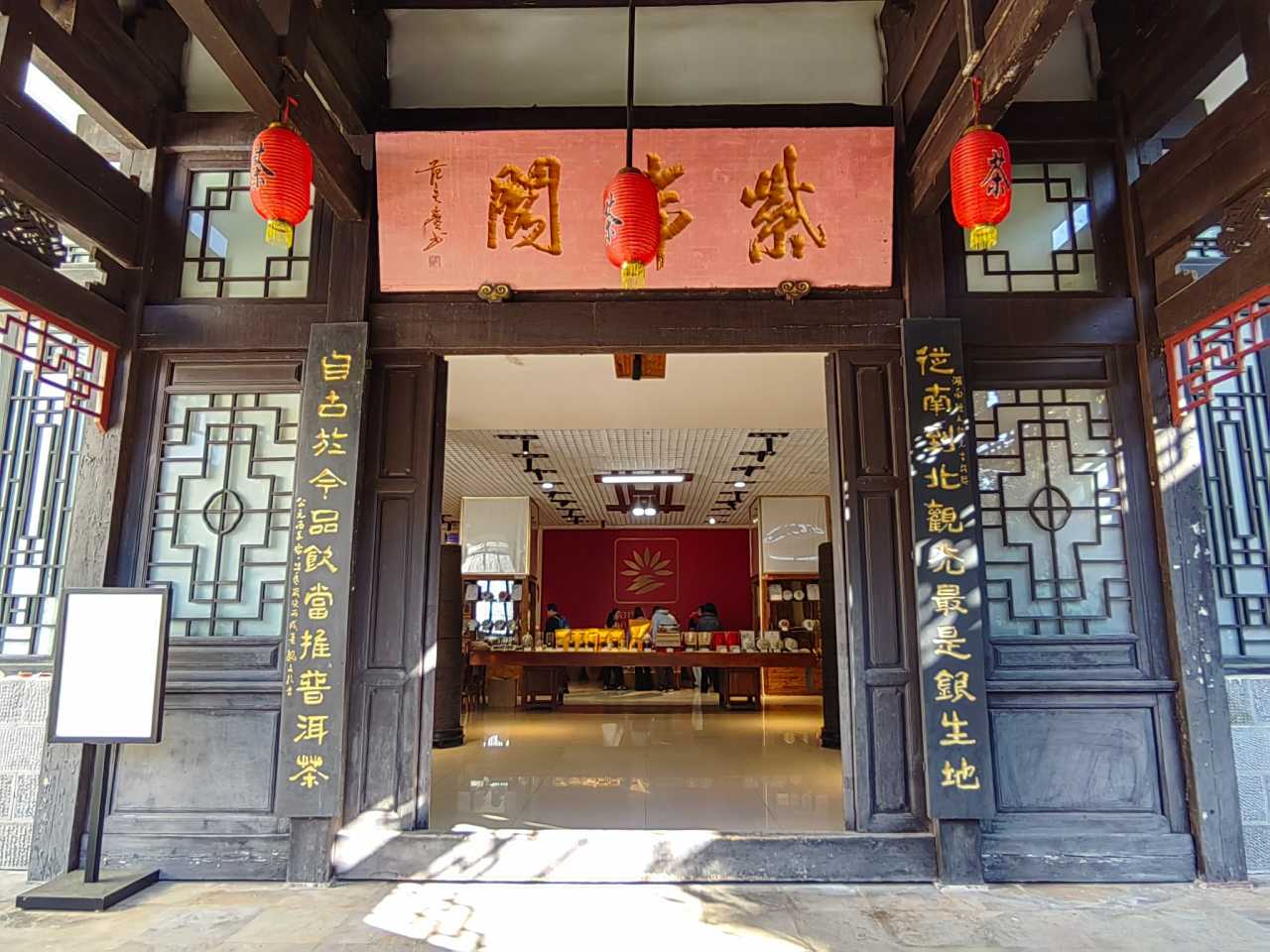
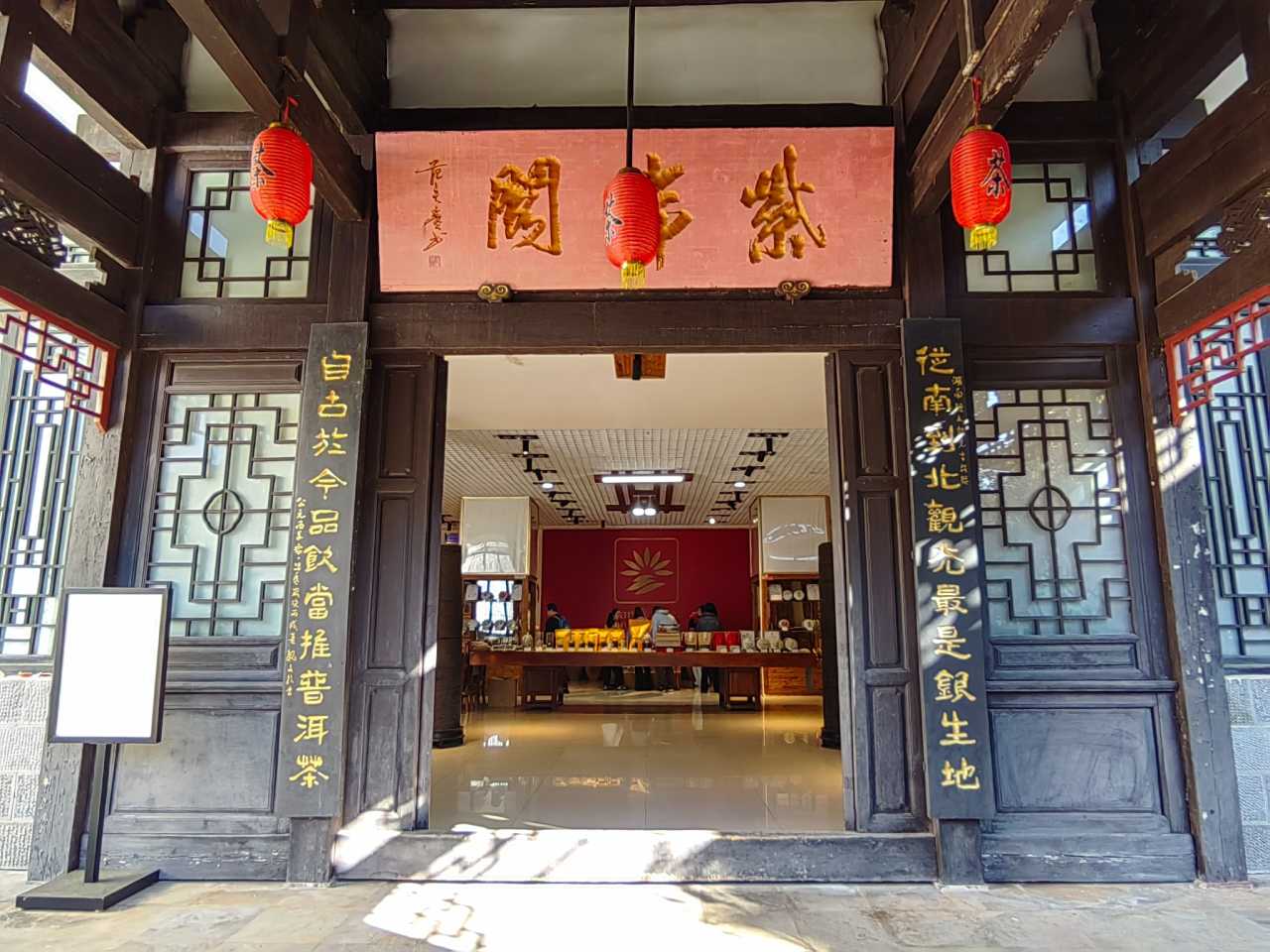
We then headed to "Shengshi Yipin" (also known as the Tasting Garden), which offered a completely different atmosphere. The architecture here replicates the style of century-old Simao houses, with pavilions like Jurei Pavilion, Xianghun Pavilion, and Shuixuan Pavilion arranged in harmonious disorder. Here, you can sample Pu'er teas of different years and processing techniques while enjoying tea art performances, immersing yourself in the Zen-like realm of "tea and meditation as one." It is said that the garden also houses a fossilized branch of an ancient tea tree, over a hundred million years old, with veins resembling a "dragon pattern" and its back outline strikingly similar to the map of China — unfortunately, we missed this treasure of the park, a small regret.
Second Stop: Taiyanghe Forest Park — A Miracle of Life on the Tropic of Cancer
We left the Tea Expo Park around 11 a.m. and headed to our second stop — Taiyanghe Forest Park. The journey was relatively smooth, but the last two kilometers were plagued by severe traffic jams, prompting many visitors to simply get out and walk. We also got off about five to six hundred meters from the park entrance and proceeded on foot.
Entering the "Gene Bank of the Animal and Plant Kingdom"

Taiyanghe Forest Park is located in the southern part of the Wuliang Mountains, part of the Hengduan Mountain range. It is one of the best-preserved tropical rainforests on the Tropic of Cancer. Covering a total area of over 3,000 hectares, with vegetation coverage exceeding 97%, it is hailed as the "Gene Bank of the Animal and Plant Kingdom."
Stepping onto this land felt like entering a world sealed in time. Towering ancient trees soared into the sky, vines coiled like giant pythons, and moss blanketed every exposed rock. The air was filled with a blend of earthy and woody fragrances; each breath felt like a deep cleanse for the lungs. Forest boardwalks wound forward, with sunlight filtering through the layered canopy, painting mottled patterns of light and shadow on the ground.
Red Panda Manor: Encountering the Charm of the "Fire Fox"
In the "Red Panda Manor" area of the park, we had the privilege of observing these rare creatures up close, also known as "red pandas" or "fire foxes." They have reddish-brown fur, bushy tails like brooms, and bright, lively eyes. Some curled up on tree branches napping, others held bamboo leaves in their forepaws, chewing slowly, occasionally peeking out curiously at the crowd — an endearing mix of cuteness and a hint of wild alertness.
Gibbon Peninsula: A Heartfelt Farewell Across Species
The most touching part of the entire park for me was the experience at Gibbon Peninsula. Initially, we only saw branches shaking but no gibbons in sight. Then the crowd stirred; looking up, we spotted a black gibbon leaping agilely between trees, as if urgently searching for something.
Suddenly, we heard visitors calling out the name "Yuanyuan." Following the sound, we saw a golden gibbon with only a tuft of black hair on its head, sprinting swiftly through the branches, making soft whimpering sounds. She finally caught up with the person she was looking for — an elderly man surrounded by onlookers. Like a clingy child, Yuanyuan jumped onto a tree by the roadside, stretched out her long arm to block the man, her whimpers growing more coquettish.
Later, we learned that this elderly man was Yuanyuan's former keeper, who had cared for her for eight or nine years! The man needed to move on, but Yuanyuan refused to let go. He even "threatened" her, saying, "If you don't let go, the ** is coming." Although Yuanyuan looked around nervously, she still held onto him tightly — perhaps fearing that once she let go, she would never see her closest companion again.
Due to time constraints, we only took a few photos and videos before leaving. I wonder how long that pair — the man and the gibbon — waited before finally parting reluctantly.
Third Stop: Tianyuzhuang Coffee Estate — From Coffee Cherries to Creative Cuisine
Around 3:50 p.m., we left Taiyanghe Forest Park and headed to our third stop — Tianyuzhuang Coffee Estate. Pu'er's coffee estates have gained significant fame in recent years, and Tianyuzhuang stands out among the best.
This estate, covering about 100 mu (about 6.7 hectares), was taken over by the couple Liu Xiaodong and Yu Dun in 2020, though coffee had been grown there for 12 years prior. The estate uses the full-berry sun-drying method for processing coffee beans and explores a new model of "homestay + coffee + rural tourism." Twelve fully transparent panoramic space capsules are embedded into the hillside, offering a unique experience of "sipping coffee by day, sleeping under the stars by night."
What truly sets the estate apart is its creative cuisine: lemon coffee, coffee-roasted chicken, deep-fried fresh coffee leaf tips, cold-tossed fresh coffee cherries, coffee-style sa pie (a Dai ethnic cold noodle dish), coffee fruit wine, coffee fruit peel tea... These dishes, blending coffee flavors with Dai ethnic characteristics, were an eye-opening feast. We also enjoyed a panoramic view of the lush surrounding landscape from the estate's observation deck. Our friend Sherry, intrigued by the coffee products, inquired and purchased several items to take home.
Fourth Stop: Meizi Lake Park — Poetry in the Golden Sunset Glow
We left the coffee estate around 5:30 p.m. According to the original plan, the full-day charter tour should have ended, and we would be taken back to our guesthouse. But seeing that it was still early, I tentatively asked the driver if we could make a detour to Meizi Lake to watch the sunset. Without hesitation, he agreed — this was already the umpteenth time that day we were moved by this driver's kindness.
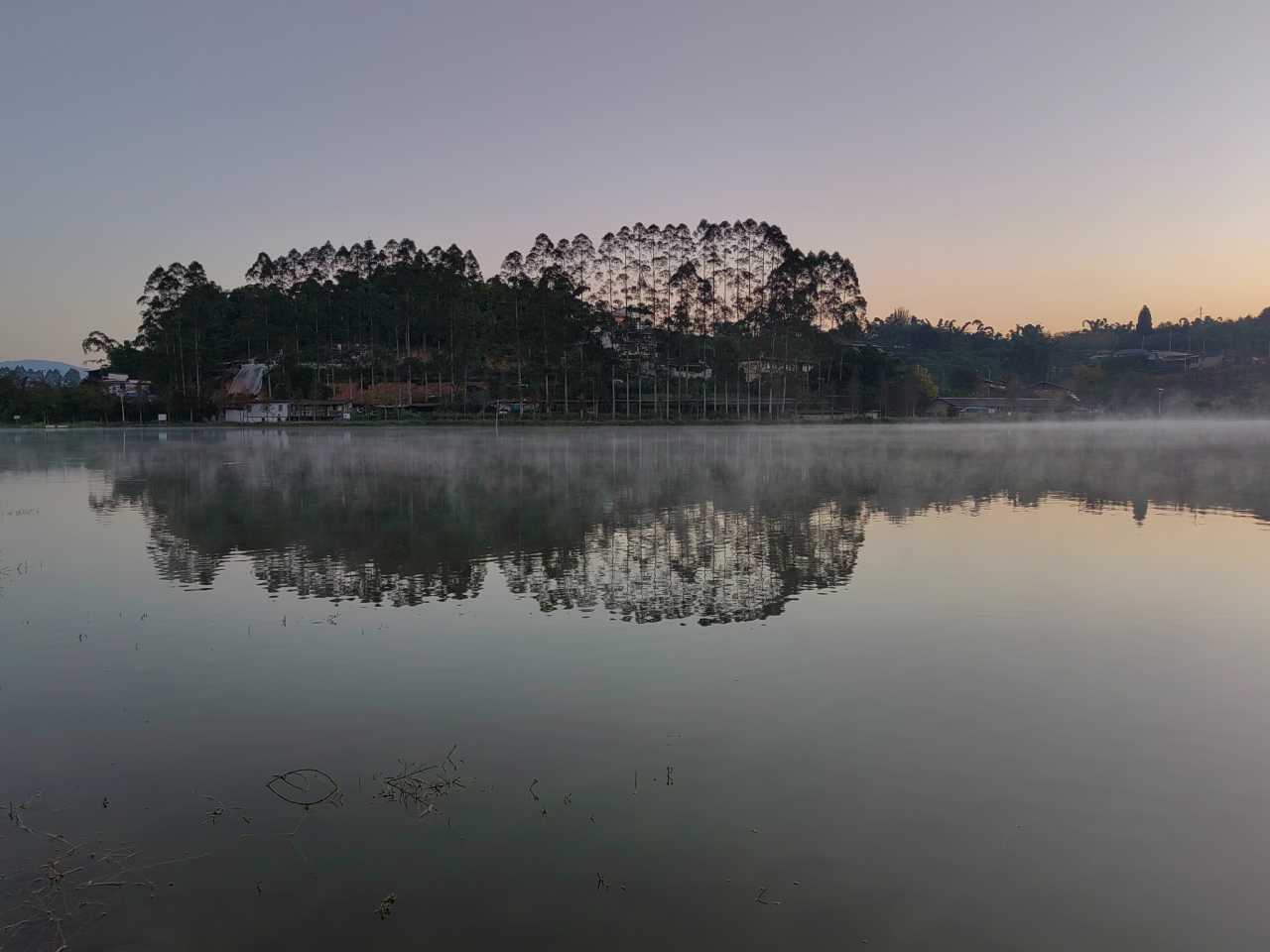
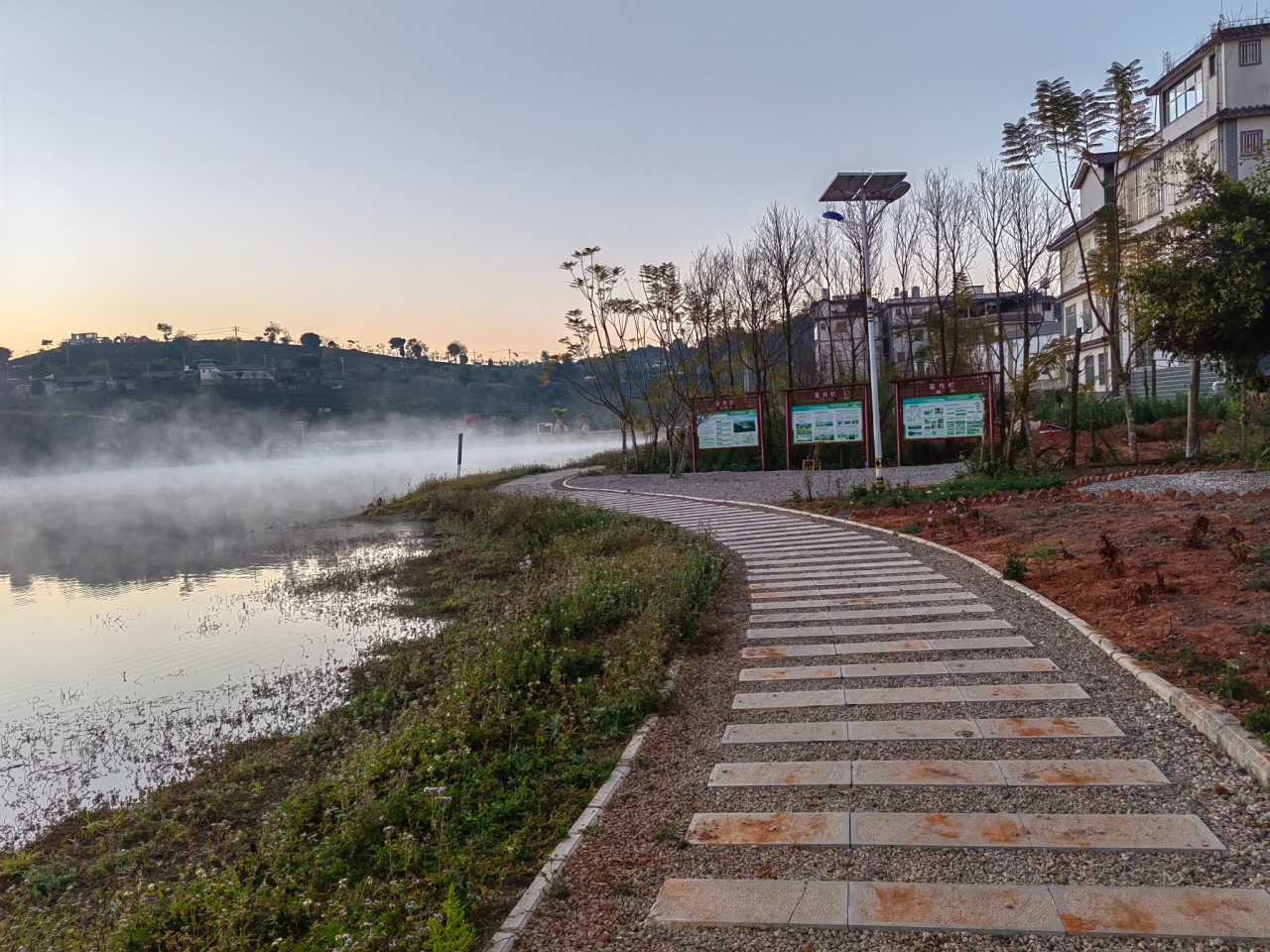
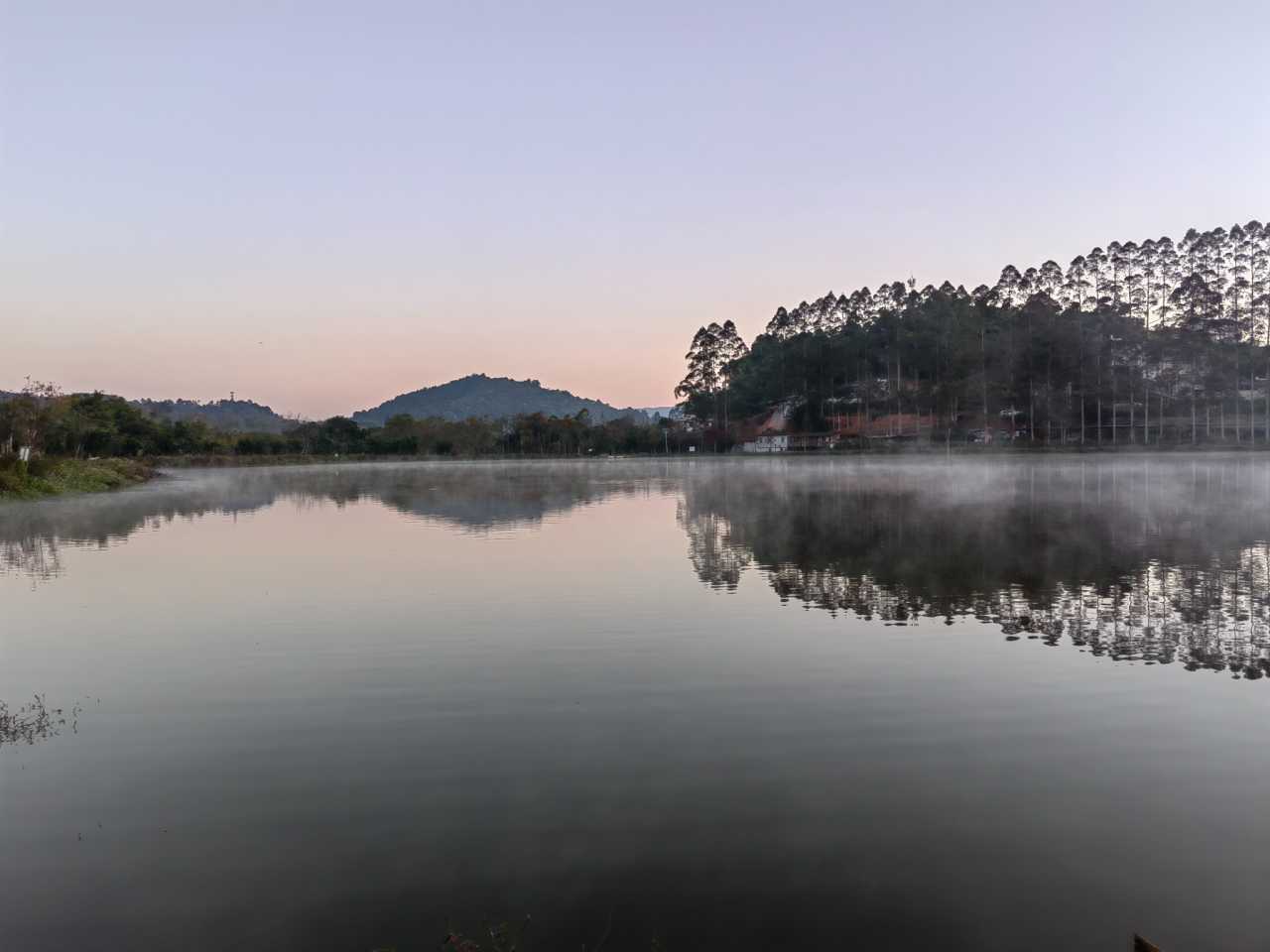
Around 6 p.m., we arrived at Meizi Lake Park. Originally a reservoir, it was converted into a park in 1982 and named after the Meizi River, which was dammed to create the lake. The lake stretches 3.2 kilometers, covers an area of 600 mu (about 40 hectares), and averages 15 meters in depth. Surrounded by mountains on all sides, the lake's water is crystal clear like a mirror, reflecting the blue sky, white clouds, and green hills. Pavilions and towers dot the lakeshore, with plum trees forming groves, perfectly complementing the couplet: "Looking at plums quenches thirst, seeing the lake brings coolness."
As the sun set, golden rays spilled across the lake's surface, creating shimmering ripples of breathtaking beauty. We strolled along the shore, savoring this tranquility and splendor, until dusk fell and we took a taxi back to our guesthouse.
Fifth Stop: Dream Pu'er Happy World — An Unexpected Quiet
Back at the guesthouse, we ordered a few dishes — the owner's cooking was quite good, with authentic local flavors. After dinner, we decided to take a walk nearby and see what the amusement park we had passed during the day looked like at night.
Dream Pu'er Happy World is Pu'er's first large-scale comprehensive amusement park, officially opening on May 1, 2025, with a total investment of 200 million yuan (about $27.6 million). Its first phase covers 58.7 mu (about 3.9 hectares). The park operates on a fully open model, with no admission fee to enter; visitors pay per ride. It features 21 attractions, including a Ferris wheel, jungle roller coaster, pirate ship, glass water slide, and high-altitude flying, with plans for a water park, a non-motorized playground, and an animal and plant zone.
However, for reasons unknown, this newly opened amusement park felt eerily quiet, with almost no visitors. We walked around briefly and left, feeling a tinge of regret — hoping this new city landmark will soon see the crowds it deserves.
Final Thoughts: The "Thousand Faces" of Pu'er in One Day
This day in Pu'er took us from misty lakes at dawn to vast tea plantations, from tropical rainforests to coffee estates, from sunset-lit lakes to a quiet amusement park — we experienced the city's "thousand faces."
What struck me most, however, was not the magnificent natural landscapes or rich cultural experiences, but the warmth between people, and between humans and animals — the selfless driver who went above and beyond, the gibbon Yuanyuan who clung to her former keeper, and the strangers we met among the tea mountains, in the rainforest, and at the coffee estate. These small, genuine moments are the most precious memories of travel.
If you're planning a trip to Pu'er, my advice is: set aside at least a full day to explore by charter car, find a reliable driver (thanks to ours, our experience that day was doubled in value), and come with an open heart to embrace every facet of this city — whether it's the fragrance of tea, the aroma of coffee, or the earthy scent of the rainforest.
You should also read:
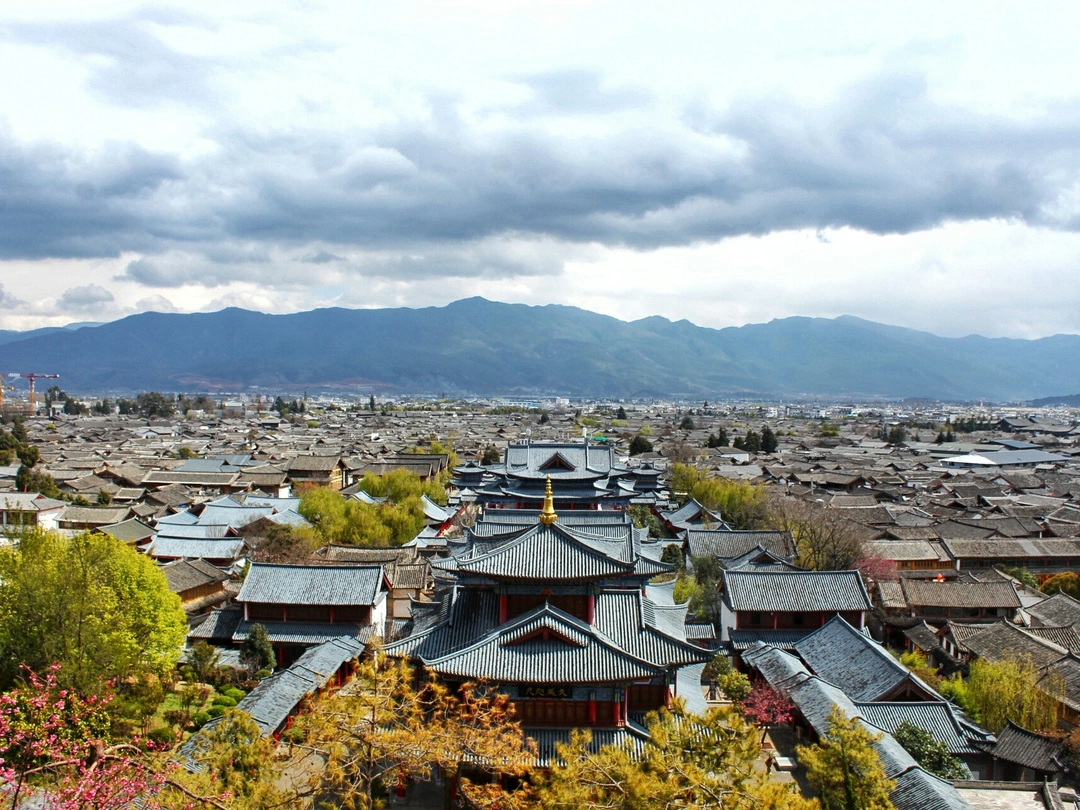
My Lijiang Budget Travel Diary: Seeing the Most Beautiful Scenery with the Least Money
My Lijiang Budget Travel Diary: Seeing the Most Beautiful Scenery with the Least Money A young photography and travel enthusiast did something crazy one March spring day — he bought the cheapest flight ticket he could find and set off on a spontaneous solo trip…
Continue reading...
Yunnan Cycling Diary: When Wheels Rolled Through Scenery, I Finally Understood the Vastness of Life
Yunnan Cycling Diary: When Wheels Rolled Through Scenery, I Finally Understood the Vastness of Life Before I Set Out, I Never Thought I'd Cry Like That On the last night before the cycling trip ended, I wrote on my social media: "When this journey is…
Continue reading...
Nine Days of Rain, Three Parts Scenery, Seven Parts Food: A Yunnan Adventure with My Best Friend
Nine Days of Rain, Three Parts Scenery, Seven Parts Food: A Yunnan Adventure with My Best Friend Five years ago, my best friend and I planned a trip together. We spent a full two weeks, day and night, researching routes, mapping out attractions, scouring travel…
Continue reading...