First Post! Shangri-La in My Heart!
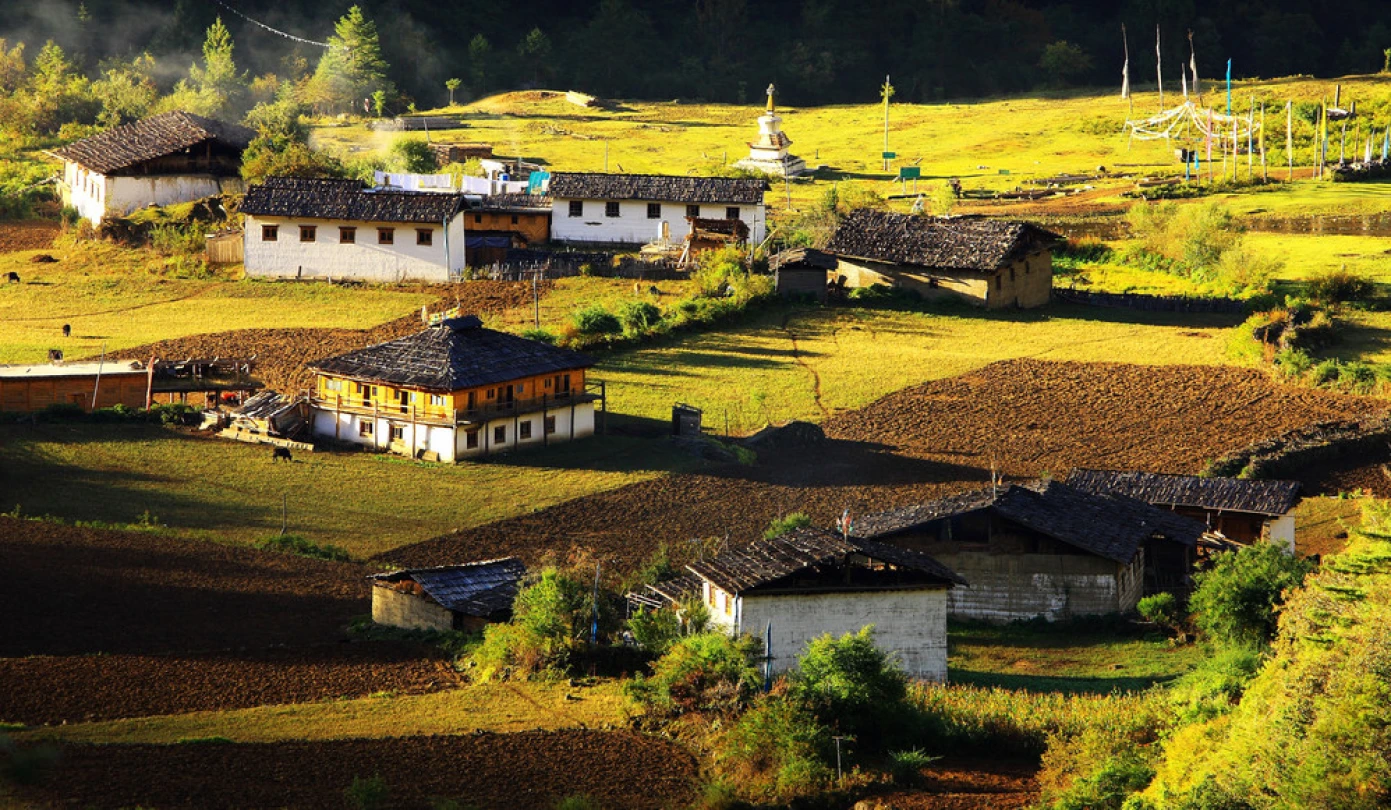
First Post! Shangri-La in My Heart!
The mind in its essence is neither good nor evil; good and evil arise with intention. Knowing good and evil is conscience; doing good and removing evil is the investigation of things.
Before setting out, I wrote these words in my notebook. At the time, I didn't fully grasp their meaning—not until I stepped onto that land called "Shangri-La" did it suddenly dawn on me: perhaps "investigating things" means measuring mountains and rivers with your own feet, sensing heaven and earth with your soul, and finding your truest self in every step of the journey.
The Beginning: A Promise Made
On September 19, 2008, my wife and I embarked on a journey to Yunnan. Twelve days in total, from Kunming to Lijiang, from Tiger Leaping Gorge to Shangri-La, from Feilai Temple to Yubeng—this route was the result of countless late nights spent poring over travel guides.
Before we left, I patted my chest and said to my wife, "I'll carry the luggage; you just enjoy yourself." My face was full of confidence when I said it. But the moment I took my first step on the Yubeng trek, those words became like an invisible rope tightening around my throat. Regret? No—it was a deep, humbling "slap in the face."
Yet it was precisely that "slap" that made this journey unforgettable.
Day 1-2: Kunming Transfer, Lijiang Assembly

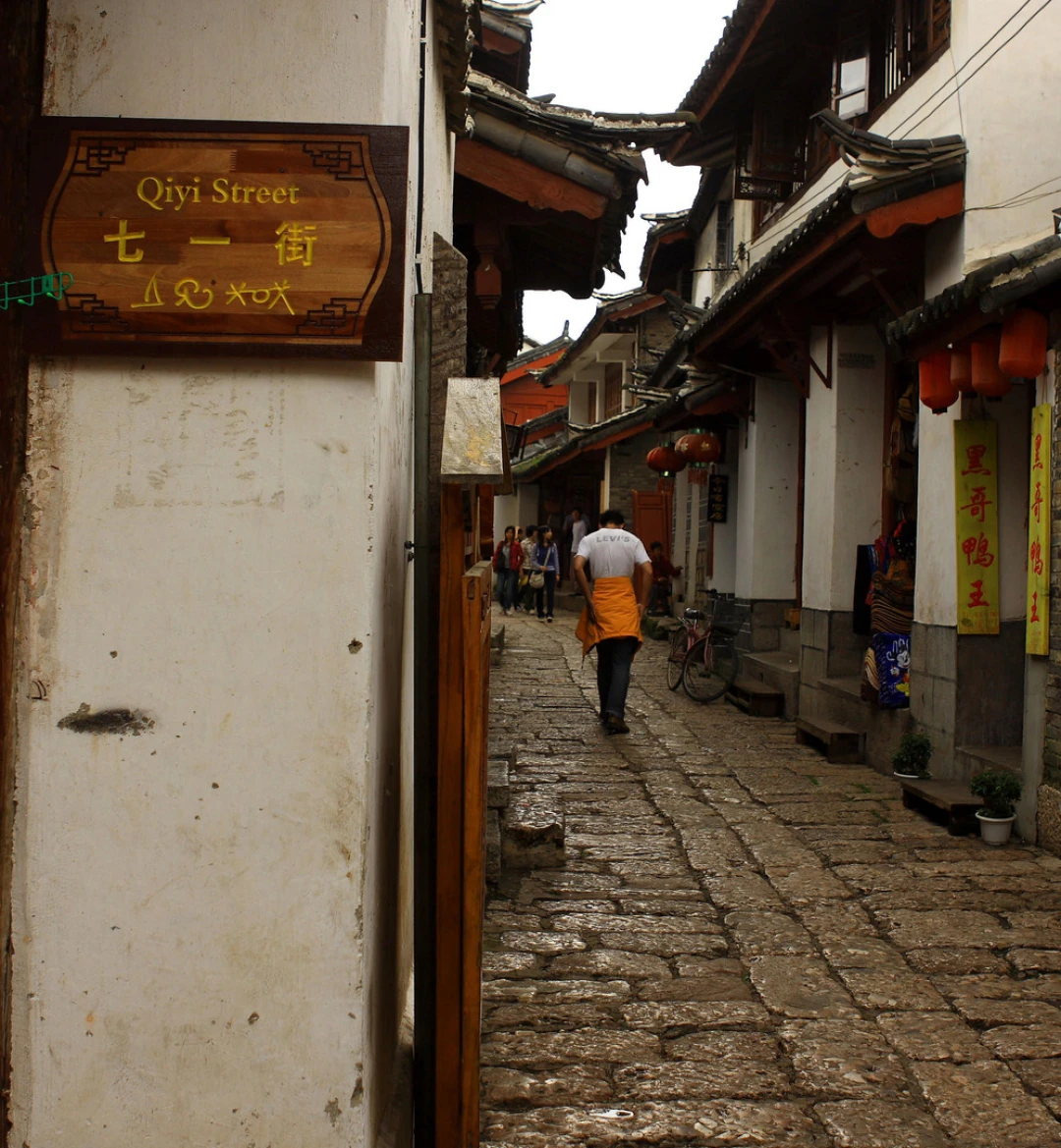
To save on the budget, we chose to transfer through Kunming. We arrived in Lijiang on the afternoon of September 19. Without stopping to admire the ancient town's charm, we rushed straight to the Off-Road Outdoor Club to pay the fees and sign the agreement. Once everything was settled, we checked into a guesthouse on Qiyi Street—a quiet spot amid the bustle, perfect for recharging before the next day's hike.
On the morning of September 20, the weather was impossibly beautiful. Along the way, we passed small villages wrapped in morning mist, with curling cooking smoke rising from chimneys—every frame looked like a postcard. The first viewpoint, "Xionggu Scenic Area," left us in awe: Haba Snow Mountain and Jade Dragon Snow Mountain rose abruptly, flanking the Jinsha River. The grandeur made you want to jump up for a group photo. Later, we realized that no one would ever willingly attempt that "group jump" pose again after the trek was over.
Day 3: Middle Tiger Leaping Gorge—A Nightmare for Acrophobes
At noon, we arrived at Tiger Leaping Gorge Town. After a full meal, the real challenge began.
Among our group, Lao Zheng and his wife Lao Zhong were Buddhist vegetarians, and our guide Tiger also ate vegetarian. That meant, over the entire trip, I only had one meal with meat. At every mealtime, I'd stuff myself with eggs, all the while imagining the eggs turning into chicks—it was a form of mental victory, you know.
The hike began. I turned back and shouted to my wife, "Honey, stay close to the wall and look back!" The moment I pressed the shutter, my hands were shaking. My acrophobia had my nerves and muscles wound tight; every step felt like dancing on a knife's edge.
Tiger spotted a protruding rock, and we bushwhacked through a stretch with no trail to reach it. I sat down, sweat streaming down my cheeks. Click—the photo was taken, but my legs were so weak I could barely stand.
When we reached the bottom of the gorge, an elderly woman was selling fruit. I stared blankly at the unfamiliar fruits in her basket. My wife later told me they were cactus fruit. It's been so long that I've forgotten the taste, but I remember the stillness of that moment.
The Middle Tiger Leaping Stone was right in front of us. Zooming out, Haba Snow Mountain loomed in the distance. We took a photo at the bottom of the gorge to commemorate this "self-torturing" journey.
When I took a shortcut up the Heavenly Ladder, my pants were ruined, and my leg was scraped. The price of acrophobia was pushing my limits with every step. But as the seasoned trekkers say, "Once you've done Middle Tiger Leaping, you don't need to go anywhere else in Tiger Leaping Gorge."
Day 4: Shangri-La—The Only Meat Dish
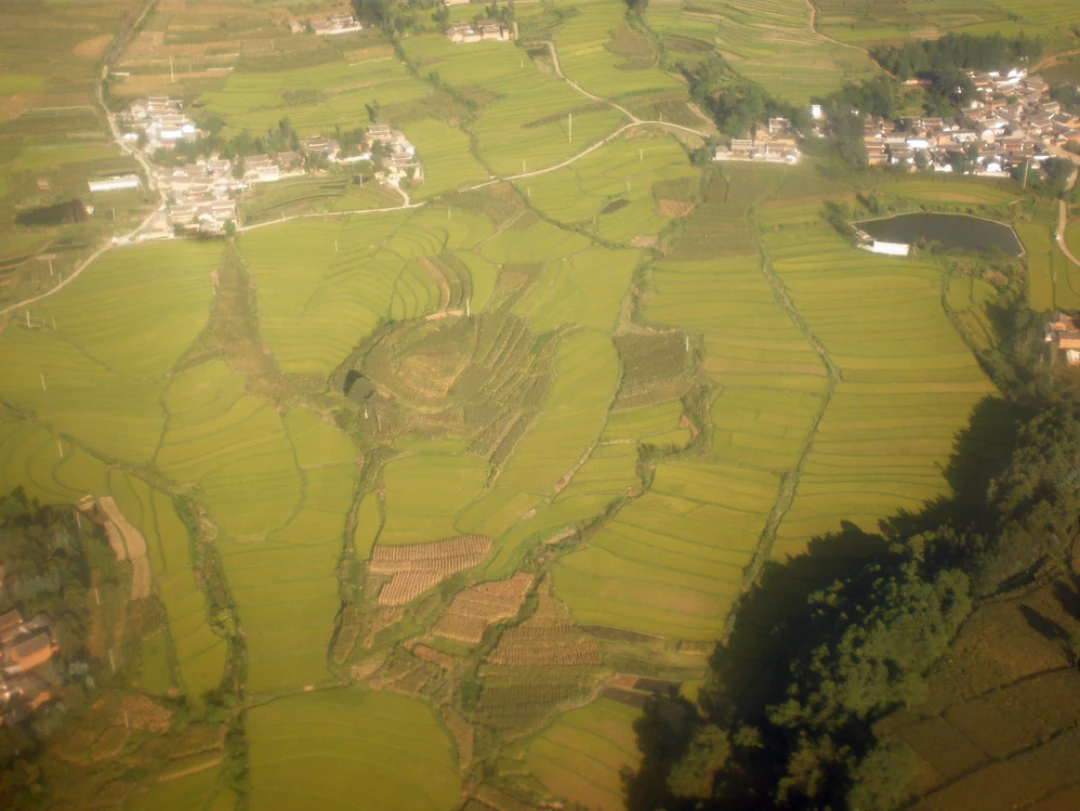
By the time we reached Shangri-La, I was so hungry my eyes were turning green. Finally, on the sixth day of the trip, I got my one and only meat dish—a yak meat hotpot with two jin (about 2.2 lbs) of meat. Only three of us were eating it (the others were vegetarian), and I single-handedly polished off most of it.
After the meal, we went to see the world's largest prayer wheel. Its massive body glowed with golden light in the sunset. At that moment, I suddenly felt that all the exhaustion was worth it.
Day 5: Dongzhulin Monastery—A Sanctuary for the Soul
Our original plan was to visit Songzanlin Monastery, but Tiger said, "There are too many tourists there, and it's become very commercialized—it's lost its original flavor." We took his advice and went to Dongzhulin Monastery instead.
The result? Two words—"totally worth it."
This is a monastery that can truly purify the soul. The murals of the Wheel of Life made me ponder: where will I be in my next life? The monks entered the main hall barefoot. After the ceremony, each found their own shoes and returned to their quarters. One chubby lama kept smiling at us—a pure, radiant smile that made you forget all your worries.
After leaving Dongzhulin, we continued driving. At the Baima Snow Mountain pass, elevation 4,292 meters, thirteen white stupas stood in alignment with the thirteen peaks of Meili Snow Mountain. Kawagebo was right before our eyes. In that moment, I truly understood what "sacred" meant.
Because we lingered too long at Baima Snow Mountain and hit a traffic jam caused by a landslide, we missed our chance to buy groceries in Deqin. We had planned to bring some vegetables into Yubeng, but ended up having to survive on highland barley.
At the guesthouse in Feilai Temple, a documentary played all night about the 1991 Sino-Japanese expedition team that perished while attempting to climb Kawagebo. After watching it, the entire room fell into silence. In the eyes of the Tibetan people, sacred mountains are not to be defiled. To this day, Kawagebo remains an unconquered virgin peak.
Day 6: Yubeng—Between Hell and Heaven
Early in the morning, I got up to photograph the "Golden Sunlight on the Snow Mountain." But luck wasn't on my side—before the sun came up, I could still see Kawagebo, but soon it shyly hid behind the clouds.
Since we missed the golden light, it was time to set off—Yubeng, here we come!
The car could only take us as far as Xi'dang Hot Spring. The trek began here. My 70L backpack was stuffed to the brim. Later, I weighed it—38 jin (about 42 lbs)! I can't believe I carried that weight for three days.
Fifteen minutes into the hike, I was drenched in sweat. Along the way, I met three little black pigs and ran over to say hello, but we didn't share a language. Trekkers coming out of Yubeng kept cheering us on, but after seeing my backpack, they all stared at me like I was some kind of freak, studying my body structure.
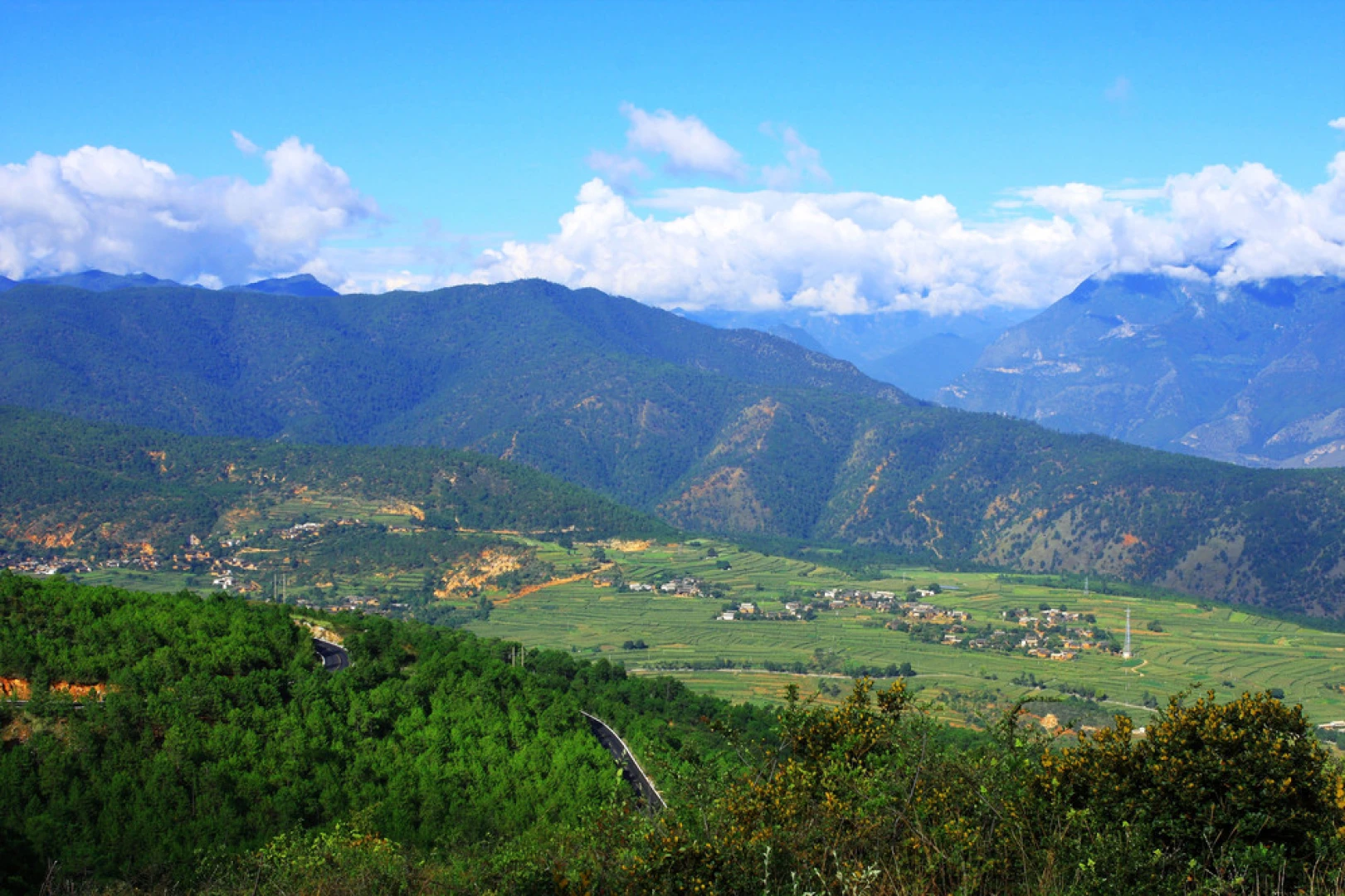
How long did we walk? I don't remember. Finally, we reached the first rest stop: the "Relaxed Teahouse." There, I had the best butter tea of my life—I downed five bowls. Wahaha!
After the butter tea, we continued. The path Tiger led us on was mostly through the rainforest. That's when I thought of Lu Xun's words: "There is no road on the ground; when many people walk it, it becomes a road." But my feeling was: in Yubeng, even if many people walk it, it might not necessarily become a road...
At the second rest stop, I saw a group of people riding horses. Carrying nearly 40 jin of luggage, watching others ride past, I was lost in envy. Me: "Those horses are really nice!" Tiger: "No riding!" Me: "..."
Finally, we reached the pass, covered in prayer flags. Thank heavens—the uphill section was over. From the pass, we could already see Mount Miancimu (the Goddess Peak) and Gyiwa Ren’en (the Five Crown Peak). Beyond the pass, the tree moss was noticeably thicker, meaning the air was purer on this side.
Through the gaps in the leaves, I finally caught sight of Lower Yubeng Village—victory was in sight!
Day 7: Ice Lake—The Most Beautiful Scenery Lies Beneath Your Feet
I was woken early by my wife to photograph the golden sunlight on the snow mountains. Today, our luck was much better than at Feilai Temple—both sacred peaks revealed their full glory. Under the golden light, Mount Miancimu looked like a goddess draped in a golden silk scarf, breathtakingly beautiful.
The path to Ice Lake led through a primeval forest. A little creature followed us all the way from Yubeng Village to the Xiaonong Base Camp, with astonishing stamina. When we reached the base camp, we rested and ate, getting an even closer view of the sacred mountain.
Umu, the young daughter of the family we were staying with in Yubeng, was strikingly beautiful. Look at the shoes she was wearing—she moved much faster than we did on the trek! I felt ashamed.
Finally, we reached Ice Lake. The sacred mountain, the ice lake—the scenery was indescribably beautiful. I propped up my camera with a few rocks and captured the most precious photo of the entire trip.
We lingered for nearly two hours before heading back. The only place in Upper Yubeng Village where you could get a cell phone signal was near a white stupa. The conditions at Yubeng Elementary School were incredibly harsh—the children's basketball court was just a patch of open ground. Seeing this, I suddenly realized that what we call "suffering" is nothing at all.
Day 8: Farewell to Yubeng—Finding My Shangri-La
Early in the morning, I swapped to my telephoto lens and took a close-up of Mount Miancimu. The snow on the summit looked like a cream cake, making you want to take a bite.
Time to head back! Honestly, I wanted to ride a horse out, but I gritted my teeth and insisted on walking. Finish what you start—that's the only way to make it perfect. The slope was about 45 degrees or more, and in some places, I had to use both hands and feet.
Back at the pass, we sat down to rest. Tiger was stretching in a yoga pose. I looked at him and suddenly asked, "You walk this route year-round, through every season—don't you ever get bored?"
Tiger replied, "Every time I go into Yubeng, I have a different experience. That's why I love it here so much."
When we reached Xi'dang Hot Spring, I threw my luggage into the car and felt like my whole body was falling apart. Three days of trekking in Yubeng had taken me into another world. Without the effort, I wouldn't have been rewarded with such beauty. That, perhaps, is the meaning of hiking—every step you take, firmly planted on the ground, brings you closer to finding your own Shangri-La.
If you ask me where my Shangri-La is, I'll answer without hesitation: Yubeng!
Epilogue: Soft Lijiang, but My Heart Has Moved On
Back in Lijiang, my wife and I both felt an overwhelming boredom. We had planned to spend a few days idling in Lijiang, but once we rested, we felt that hiking was still better. It seemed we had both fallen in love with the activity.
During our days in Lijiang, we ate authentic chicken bean jelly and Lijiang baba (a type of flatbread), watched the "Lishui Jinsha" performance, and met an old man who trained eagles. But no matter what we did, our hearts remained in Yubeng.
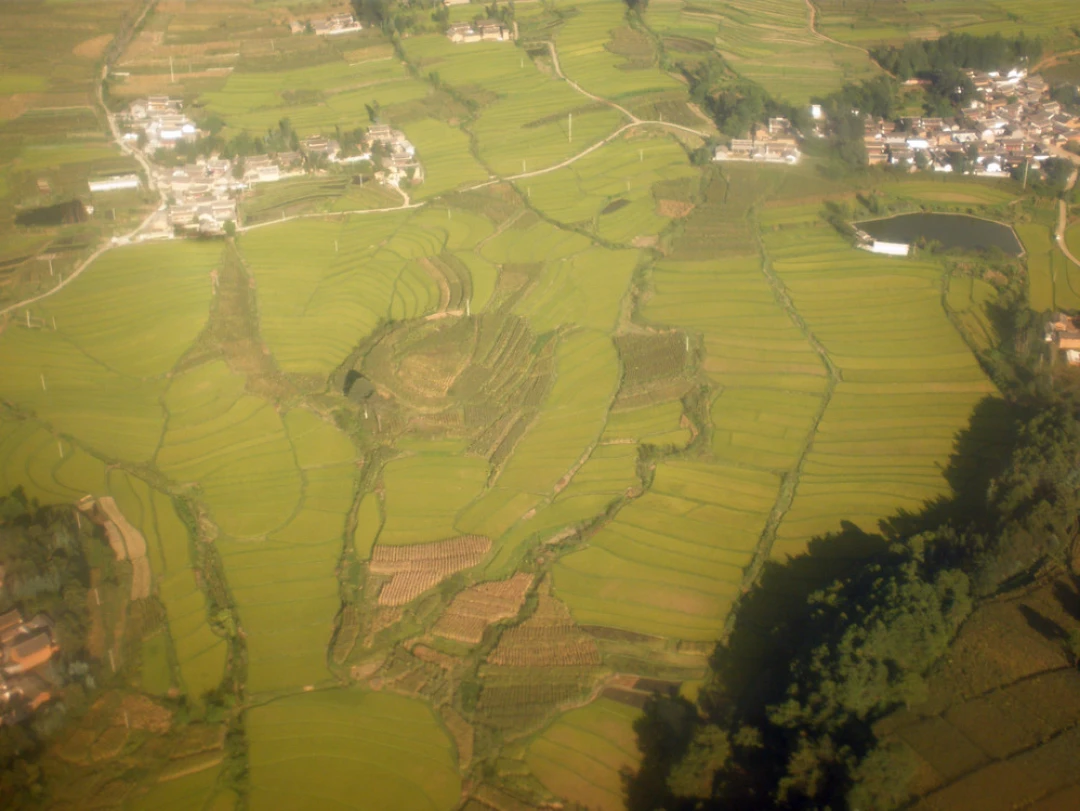
I'll end this with a photo of Yubeng at dawn. The two-week trip yielded so much. The scenery of the Greater Shangri-La region defies any words. But that feeling of spiritual cleansing can only be understood by those who have been there.
Thanks to a guide like Tiger, I discovered that I, too, could carry dozens of jin of gear into the mountains. Thanks to the people who love Shangri-La, we city dwellers could find our own Shangri-La.
Blessings to the people living in Shangri-La—may they always be happy!
I think this was my first taste of the beauty of southwestern Yunnan, but it certainly won't be my last. On September 11, 2010, I will set out from Beijing again—Yubeng, Daocheng, Yading—I'm coming back!
Practical Tips
- Gear: A 70L backpack is enough, but try to keep it under 30 jin (about 33 lbs). Make sure your shoes are the right fit, or blisters will be a daily occurrence.
- Food: If anyone in your group is vegetarian, bring your own jerky or high-calorie snacks.
- Acrophobia: Both Middle Tiger Leaping Gorge and Yubeng have plenty of steep sections. Acrophobes should prepare mentally in advance.
- Signal: In Upper Yubeng, signal is only available near the white stupa. Download offline maps ahead of time.
- Best Season: September to November—stable weather and the most beautiful scenery.
Final Words: If you ask me where Shangri-La is, I'll tell you—it's not on any map. It's in the steps you dare to take.
You should also read:
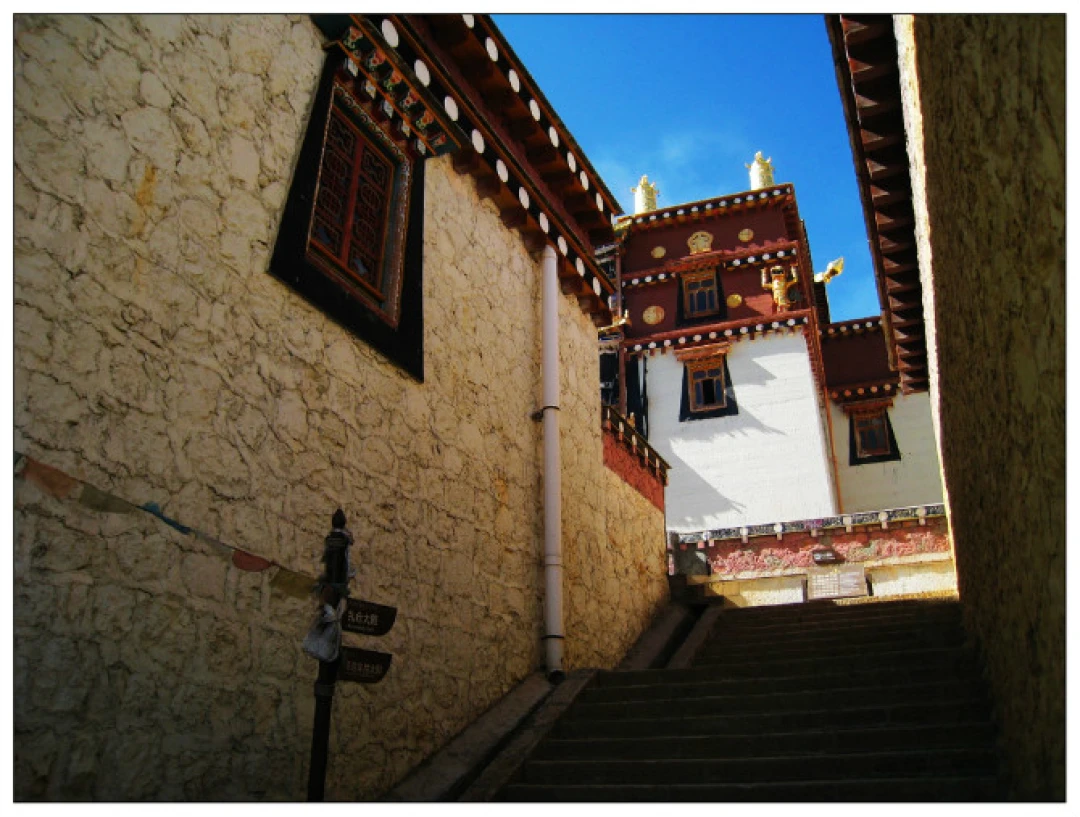
Yunnan's Colorful Clouds: Touching Shangri-La — A Dialogue with the Sky
Yunnan's Colorful Clouds: Touching Shangri-La — A Dialogue with the Sky If you ask me where in China is closest to heaven, I would tell you without hesitation: Shangri-La. The name itself carries a mysterious magic, as if every syllable whispers tales of distant lands.
Continue reading...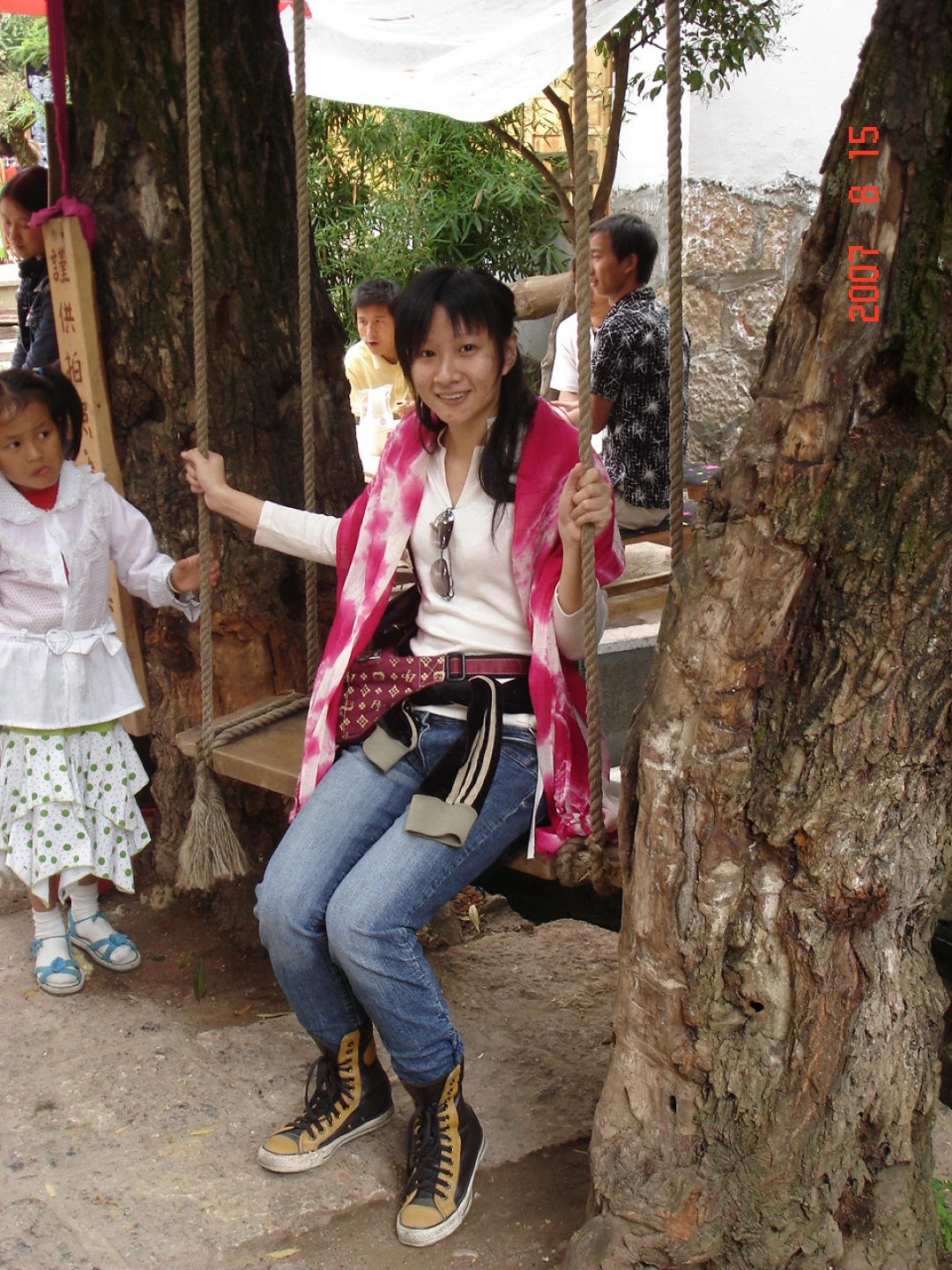
A Soulful Journey to the South of the Clouds: A Love at First Sight
A Soulful Journey to the South of the Clouds: A Love at First Sight Prologue: When Destiny Took a Detour Some journeys are meticulously planned; others arrive as unexpected gifts from fate. I had always believed that Tibet was my soul's true destination—the lover to…
Continue reading...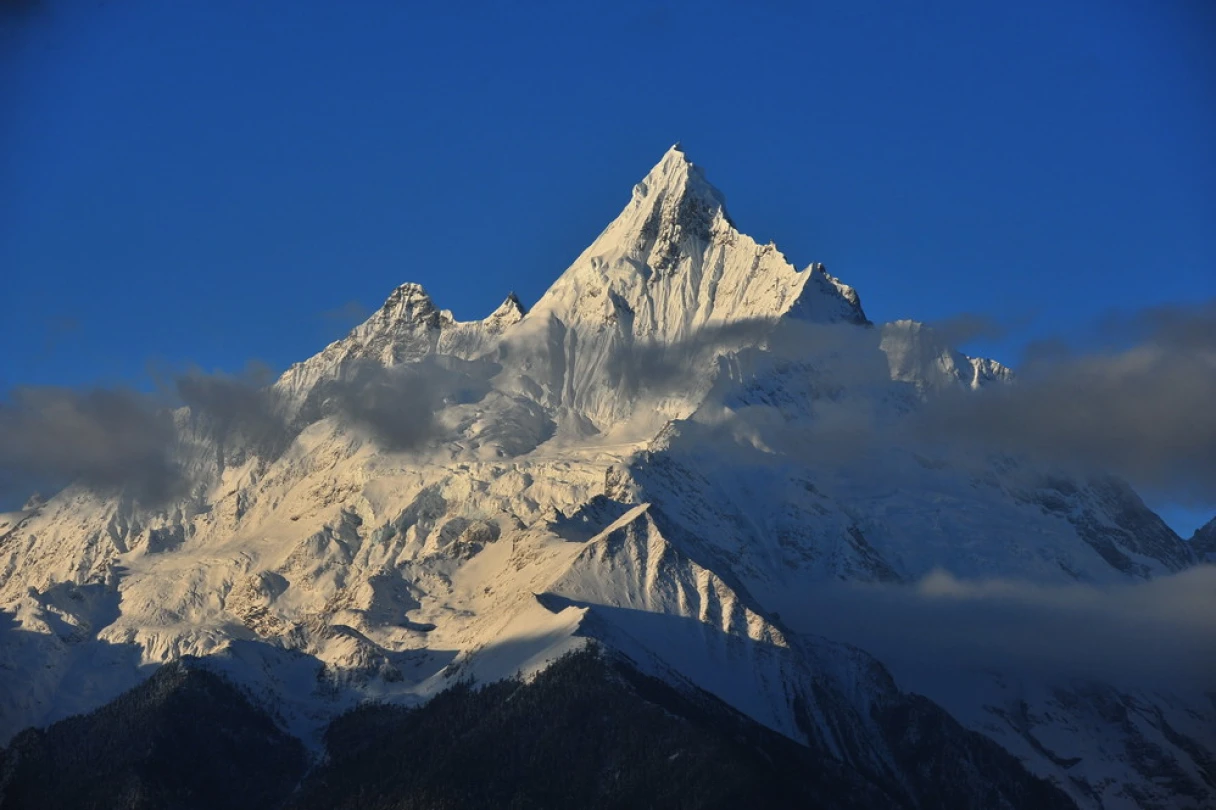
Entering Shangri-La, Meeting the Snow Mountain God—Meili
Entering Shangri-La, Meeting the Snow Mountain God—Meili Before setting foot on this land, I had pored over countless photos taken by seasoned travelers—those majestic snow-capped peaks, the azure skies, the prayer flags fluttering in the wind. They had already painted vivid images in my mind.
Continue reading...