A Healing Journey at 21° North Latitude: Xishuangbanna and Pu'er — A Romantic Encounter Between Rainforest and Tea Aroma
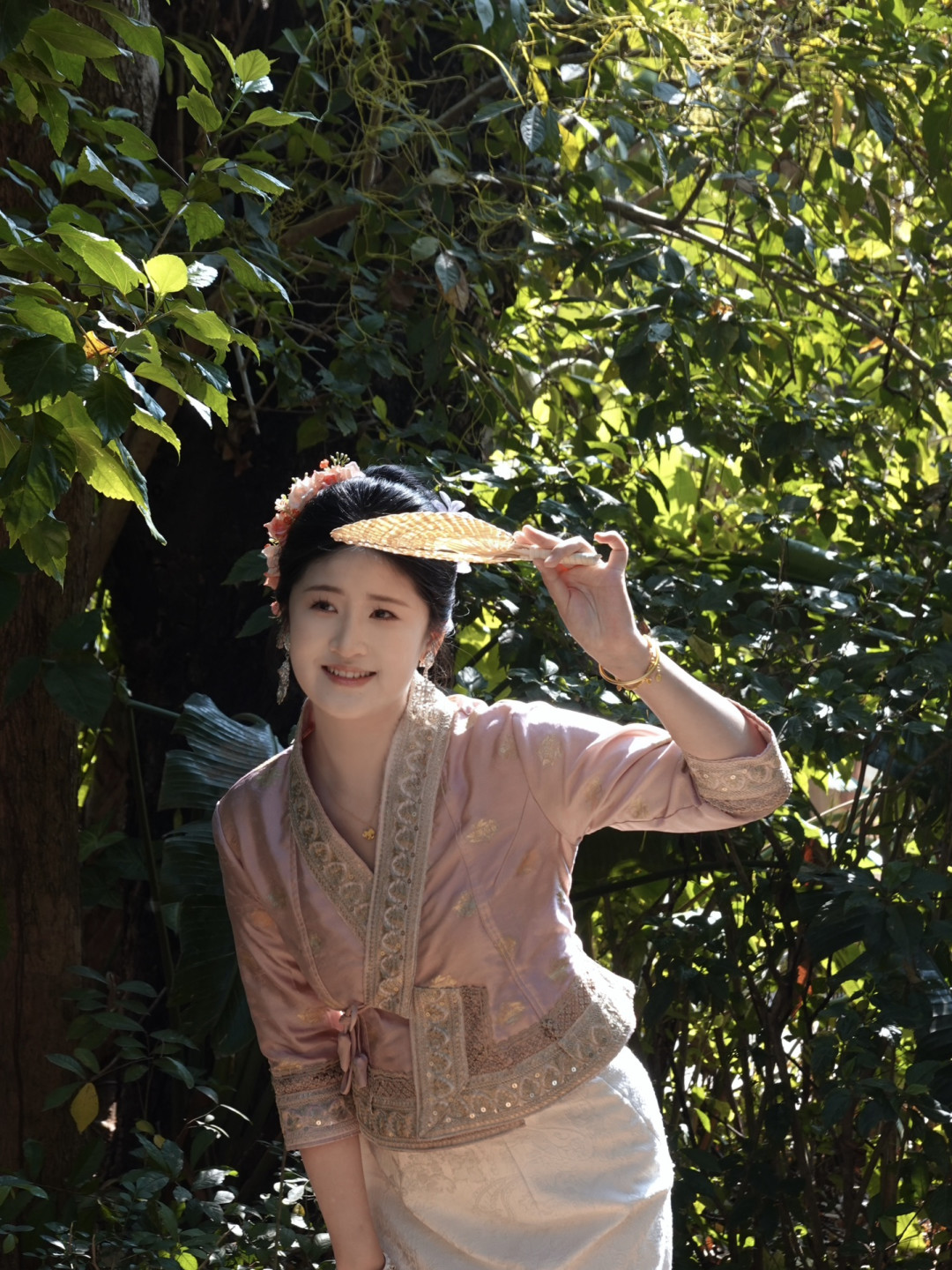
A Healing Journey at 21° North Latitude: Xishuangbanna and Pu'er — A Romantic Encounter Between Rainforest and Tea Aroma
While the bitter winter winds still howled across the north, I couldn't wait to escape the damp chill of Shanghai and embark on a warm, spring-like southern getaway. Just before the Spring Festival, my sister and I discussed where to find sunshine. We scoured the map and finally set our sights on southern Yunnan — Xishuangbanna and Pu'er.
The original intention of this trip was simple: find a warm place to truly relax. Little did we know that along the way, we would reap far more surprises and emotions than we had anticipated. The tropical rainforest at 21° north latitude, the tranquility of thousand-year-old tea mountains, the rustic charm of Dai villages, the peace of ancient stockades... Every scene felt like a poem, gently healing our weary souls.
Itinerary Overview: A Six-Day, Five-Night Southern Yunnan Wander
Day 1: Shanghai → Xishuangbanna, Manhana Village, Gaozhuang Starry Night Market
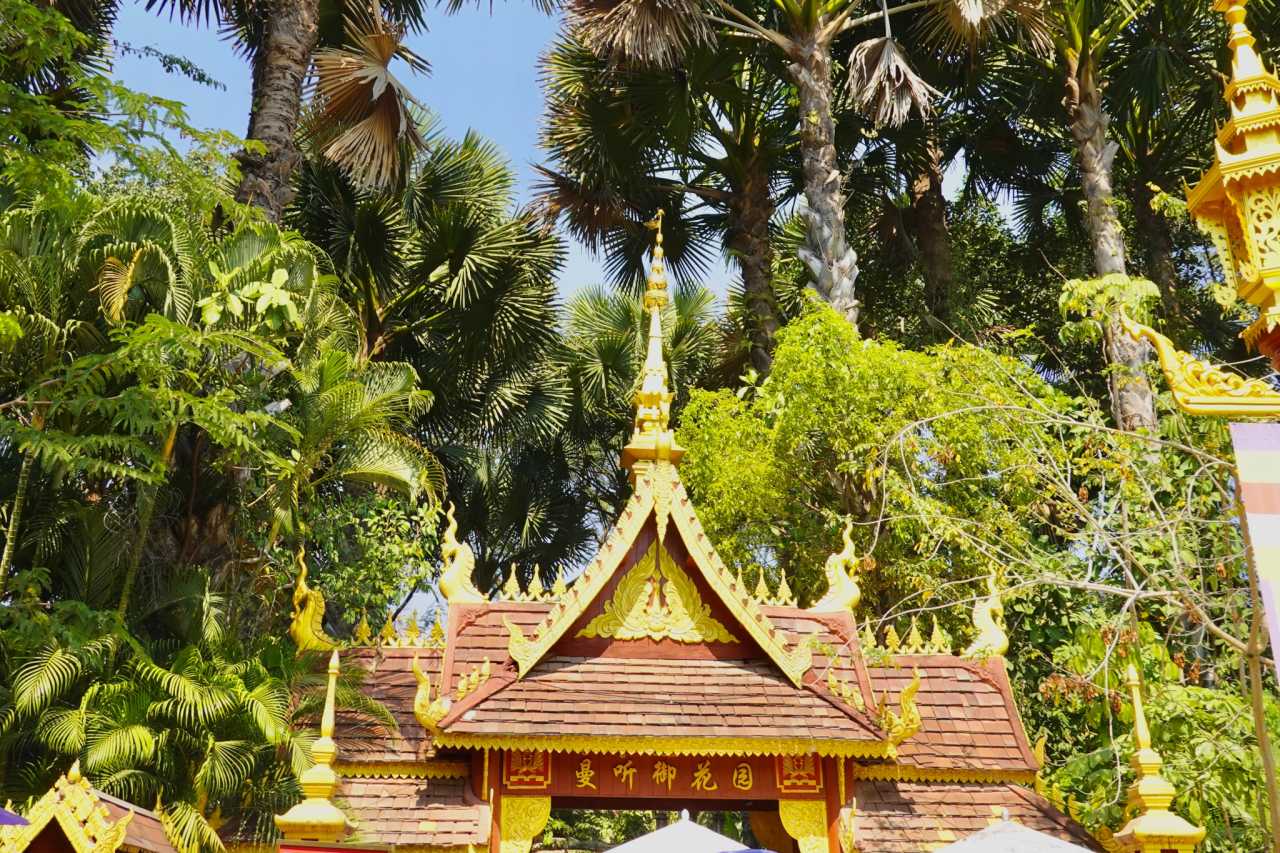
Day 2: Manting Royal Garden → Night Tour of the Xishuangbanna Tropical Botanical Garden (Chinese Academy of Sciences)
Day 3: Xishuangbanna → Wild Elephant Valley → Pu'er
Day 4: Pu'er Tea Market → Zero-Degree Rainforest Coffee Estate → Sun River National Forest Park
Day 5: Pu'er → Jinuo Mountain Rainforest Hike → Xishuangbanna
Day 6: Xishuangbanna → Shanghai
Pre-Trip Preparation: Details Make the Experience
Before departure, we did plenty of homework. First was car rental — this time we chose Shenzhou Car Rental, which requires a minimum of six days during the Spring Festival. In the past, we usually used Yihai, but ever since experiencing Shenzhou's smart services, we've been completely hooked. App-based pickup and return, automatic ETC toll deduction, real-time highway fee notifications... Everything was so smooth, saving time and hassle.
Next was mosquito protection. Xishuangbanna is a rainforest city, and the mosquitoes are astonishingly abundant. Mosquito repellent patches and insect repellent spray were absolute must-haves. Despite the heat, wearing long sleeves and long pants was the wiser choice to avoid bites.
With everything ready, we set off on this long-awaited journey.
Manhana Ancient Village and the Starry Night Market: An Evening Where Commerce and Daily Life Intertwine
The moment our plane landed in Xishuangbanna, warm air mixed with the scent of grass and flowers rushed toward us. Shanghai was only 10°C (50°F), but here it soared to 33°C (91°F) — the feeling of instant summer was both sobering and exhilarating.
From the airport to our guesthouse in Manhana Ancient Village, it took less than half an hour by car. The guesthouse was filled with banana leaves and various tropical plants — every shot looked like a masterpiece. After a short rest, we set out to explore the ancient village.
Manhana Village is divided into an outer modern residential area and an inner core of the ancient village. The village preserves 103 complete traditional stilted wooden houses, a golden-spired Theravada Buddhist temple, a mirrored well tower, bluestone-paved alleys, and an elevated viewing platform... Every corner bears the marks of time. At the market by the entrance, a dazzling array of fruits was on display. The peanuts in Xishuangbanna were different from what we're used to — a bit limp and lacking that crunchy texture — but the thumb-sized corn (a local variety of baby corn) absolutely amazed me. After tasting one, I immediately added the vendor's WeChat.
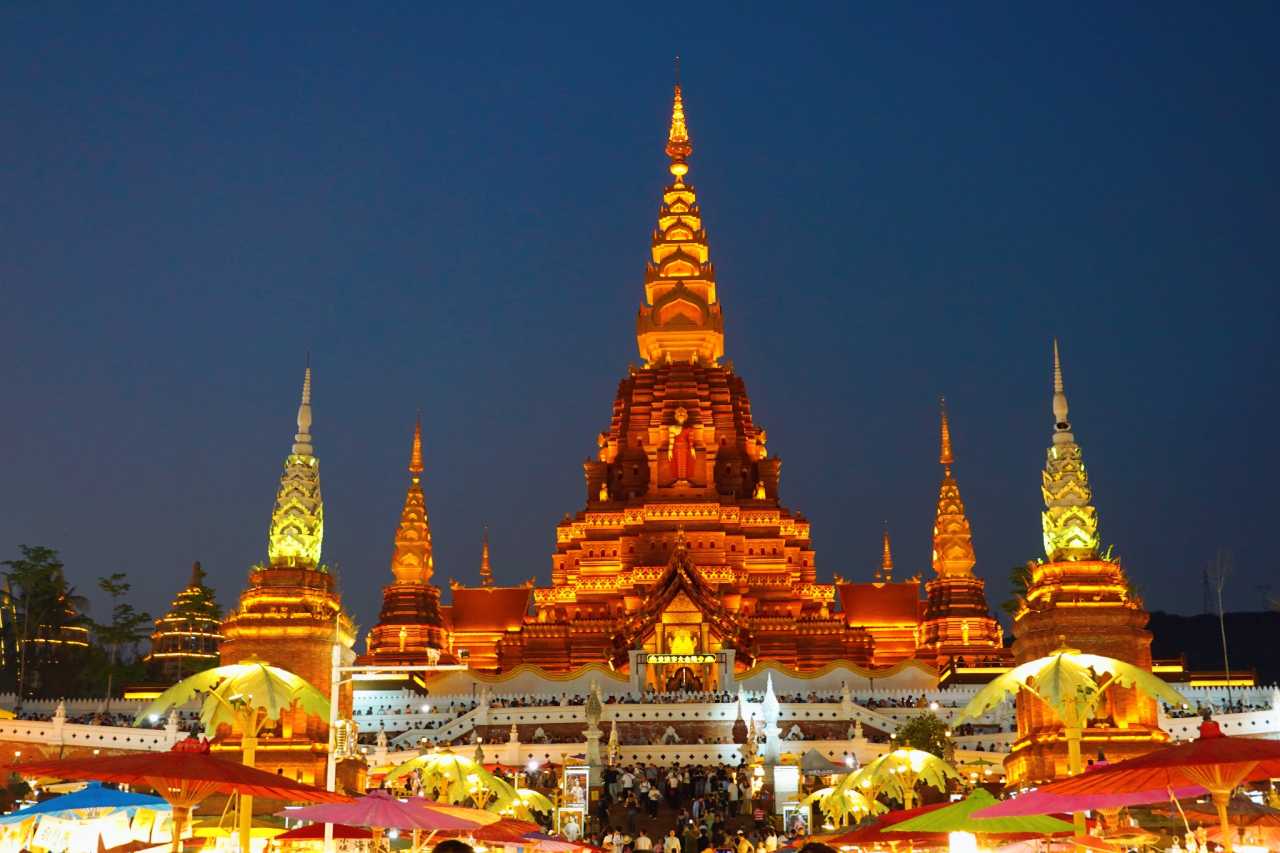
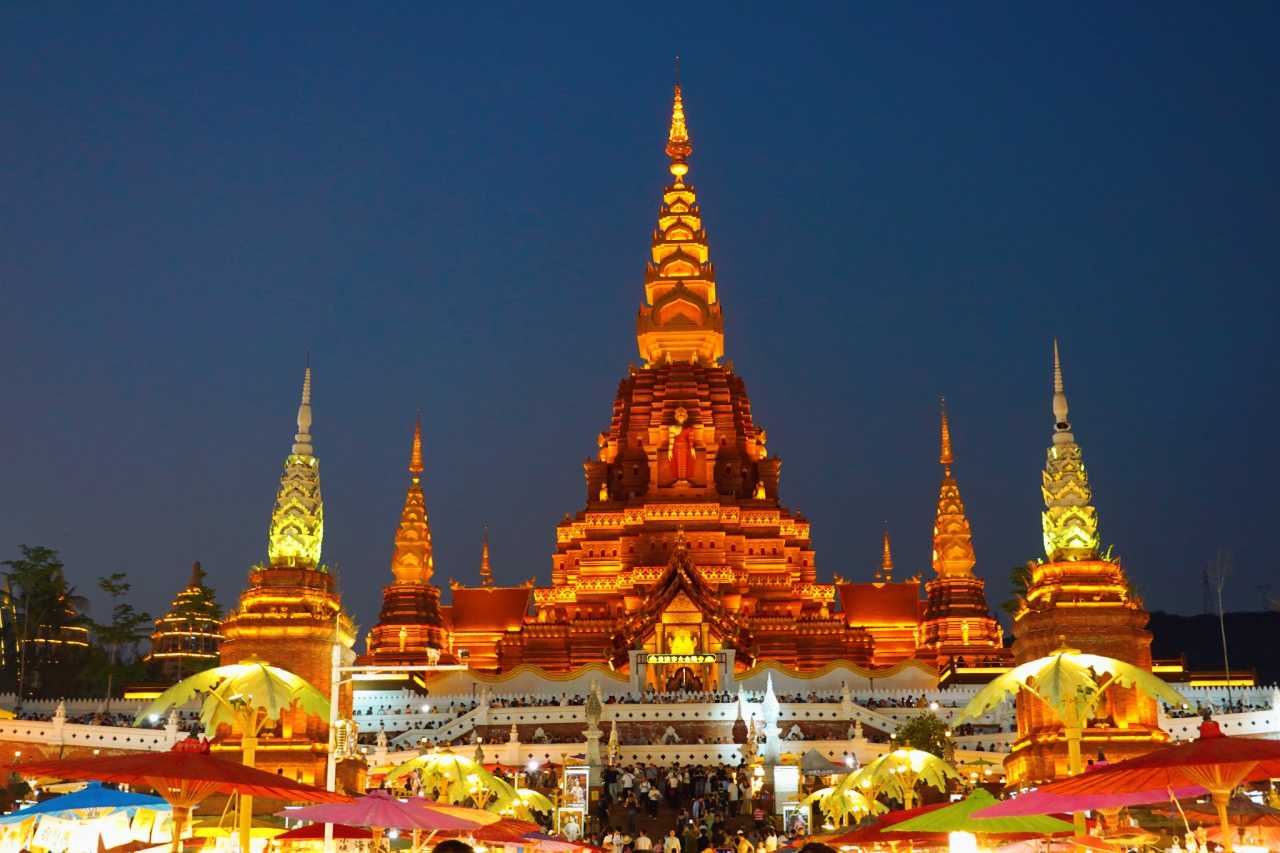
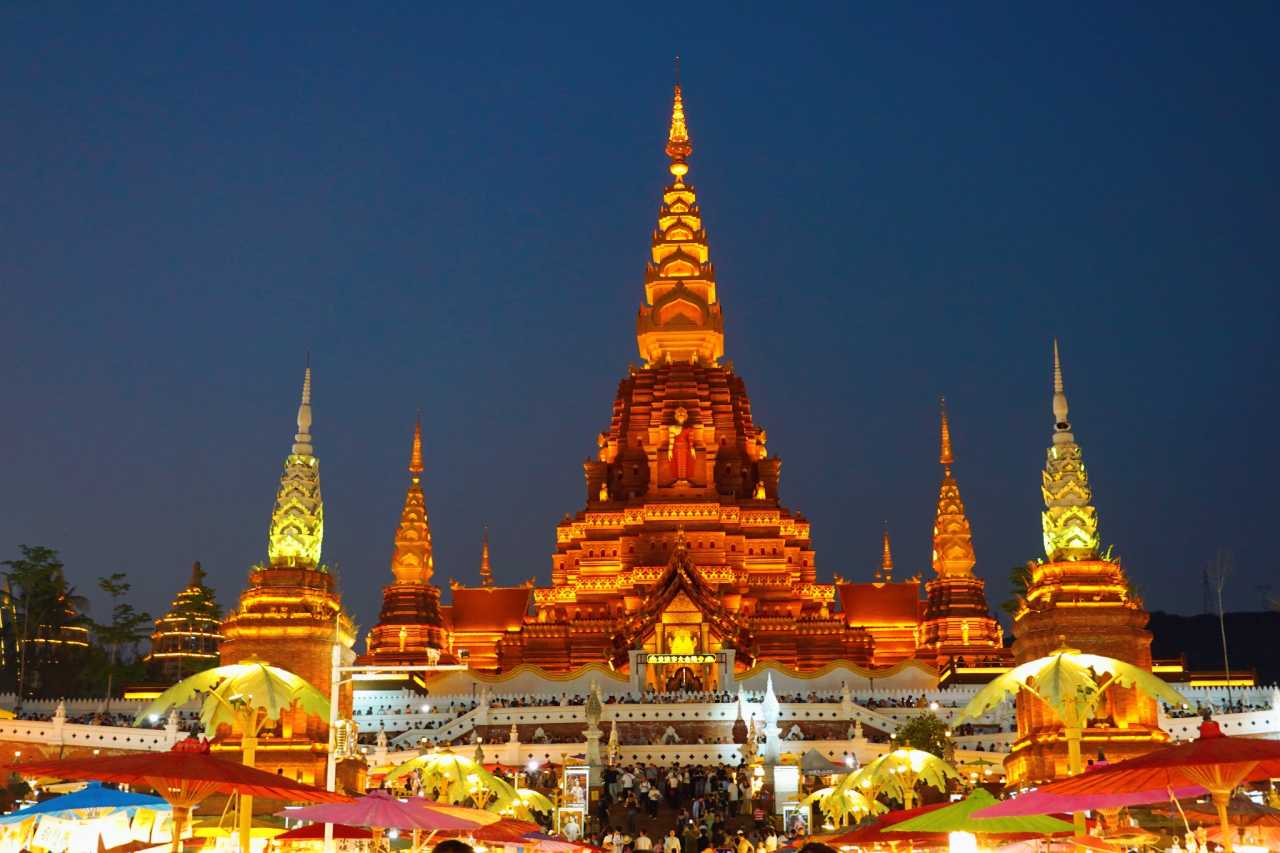
As night fell, we gave up on driving and hailed an electric tricycle to the Starry Night Market. Xishuangbanna's roads have no dedicated lanes for non-motorized vehicles, so the tricycle weaved through traffic — thrilling and risky, but full of rustic charm. Beneath the Great Golden Pagoda, lights cascaded like a river of stars. Along the Mekong River, the spicy-sour aroma of "舂鸡脚" (pounded chicken feet with lime and chili), the rich flavor of Lao-style iced coffee, the fragrance of lemongrass-grilled fish... But we had done our research beforehand and heard that food from the night market can easily cause stomach issues, so we only looked, never ate.
The restaurant "Chun Mei Noodle Stall" (椿媚粉档), recommended on Xiaohongshu, was right at the market entrance. We took a number, wandered around, and finally got seated around 8 PM. Whether it was because we weren't used to Yunnan cuisine or our expectations were too high, the taste was only so-so.
Manting Royal Garden: Be a Dai Girl for a Day, Shoot a Set of Stunning Photos
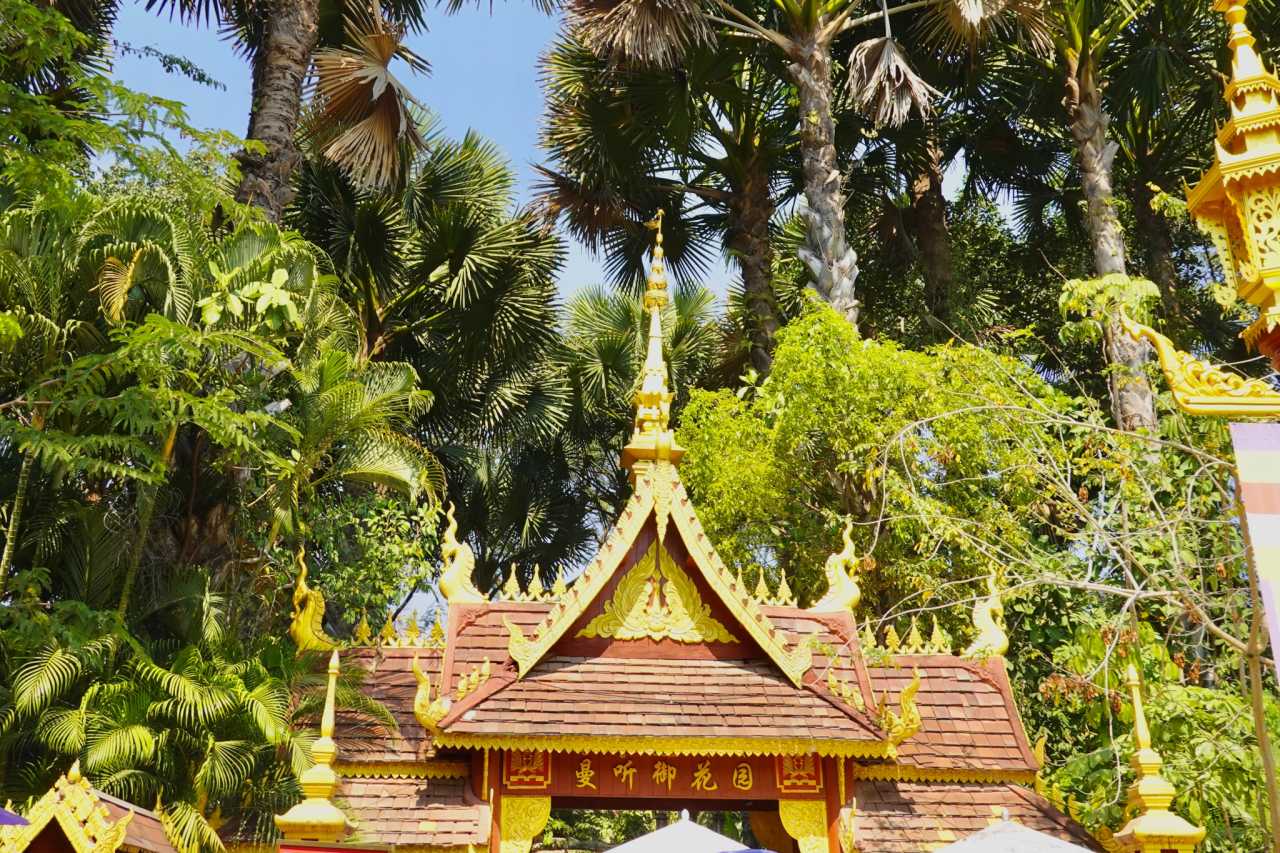
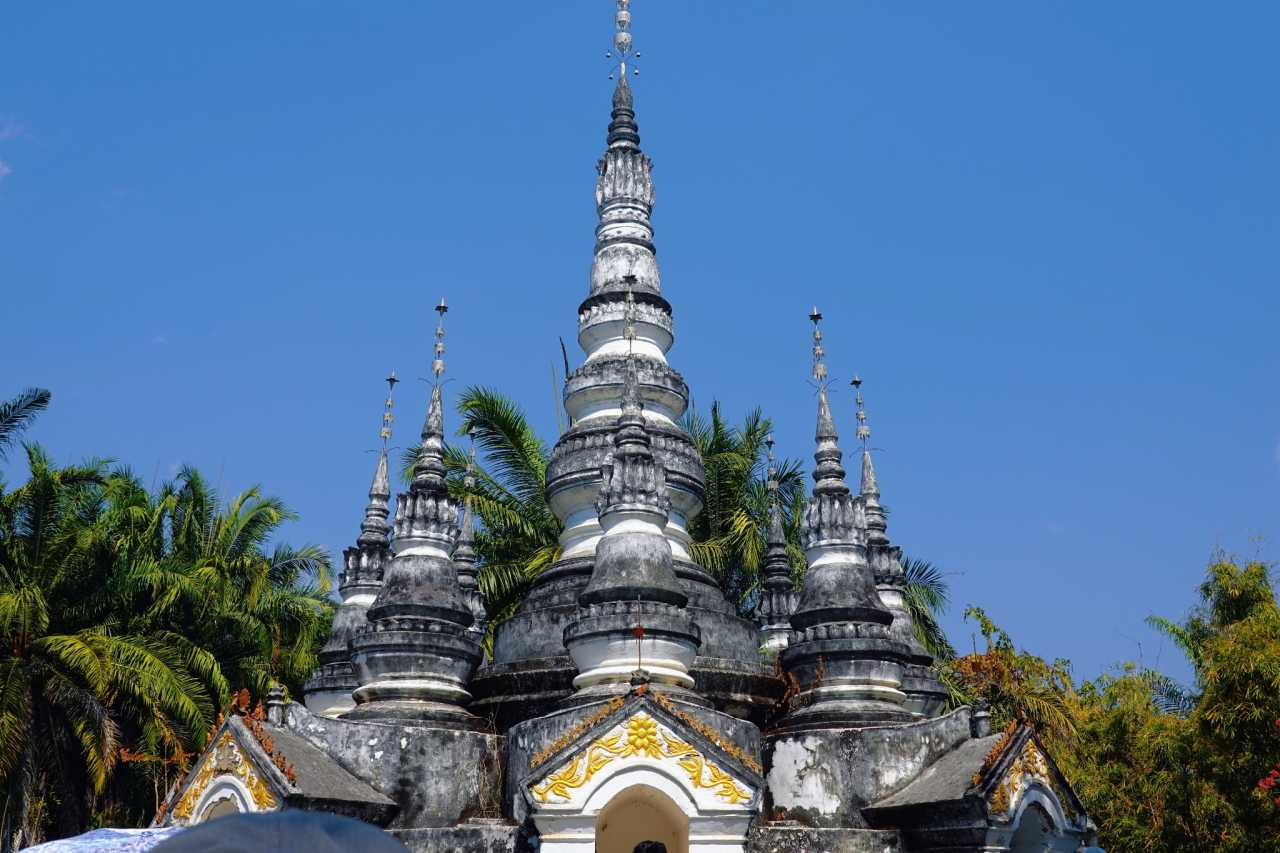
Manting Royal Garden is the core landmark of Xishuangbanna's cultural and natural scenery, integrating Dai royal culture, Southern Buddhist culture, tropical ecological gardens, and Dai folk intangible heritage. Admission is 40 RMB per person, with half price for children and seniors.

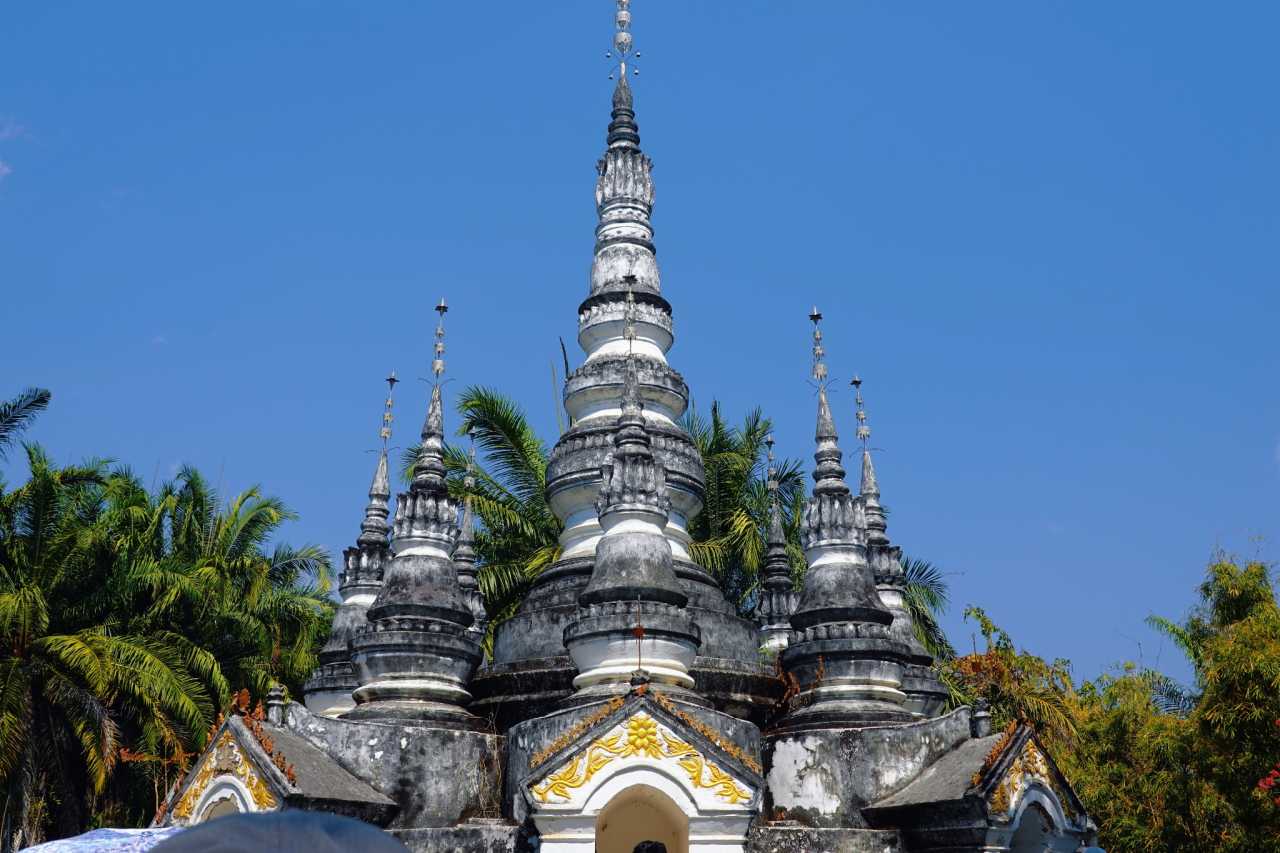
The White Pagoda, the City Heart Pagoda, the Holy Water of the Royal Garden... Every spot made us linger. The most impressive was the statue of the Earth Goddess Nang Thorani, holding a long serpent, surrounded by eight guardian deities with hands clasped in prayer. The entire statue was gilded and painted, exuding a strong Southern Buddhist artistic feel. Following local customs, we cleansed our hands with holy water — first the left hand, then the right, and finally a small amount lightly patted on the forehead, symbolizing the washing away of worldly troubles and the purification of the soul.
Of course, the highlight was trying on traditional Dai clothing. We had pre-booked a session at "Sansan Photography Studio" (三叁摄影工作室), right across from Manting Royal Garden. They specialize in female photographers. Our package was 799 RMB for two adults and one child, including makeup, styling, and 20 retouched photos. After getting ready at the studio, we went into the park to meet the photographer — no extra ticket required. During the Spring Festival, it was packed with people, but the photos turned out stunning — with flowers adorning our hair and the beautiful garden as a backdrop, every shot looked like a magazine cover.
From Manting Royal Garden, we walked straight to the General Buddhist Temple (Zongfo Temple) without needing an additional ticket. However, there were many performances in Manting Royal Garden, such as the Dai King's Parade and Royal Elephant Show, which we completely missed. If you go, be sure to check the performance schedule.
Night Tour of the Xishuangbanna Tropical Botanical Garden: A Wonderful Nature Adventure
My sister had a bit of heatstroke during the morning photo session, so we canceled the afternoon visit to the botanical garden and switched to a night tour instead. This activity is extremely popular — if official tickets are sold out, you can buy them on Ctrip, which also uses official guides.

The night tour costs 350 RMB for a group of four. Our group had 18 people in total and lasted about 2.5 hours. Flashlights were not allowed; the guide said we would see everything with just natural light, and we would look at whatever we found. Golden ants, stick insects, slugs... Every little creature excited both adults and children.
The biggest surprise was that, although we didn't see many fireflies (they're abundant in summer), when we looked up, the entire starry sky was laid out before us. Orion, Gemini, satellites, Jupiter... The guide explained everything in detail. For families with kids, this is absolutely worth it.
Wild Elephant Valley: Scenery at Every Step, Living with Elephants
Wild Elephant Valley is about an hour's drive from the city center. We arranged it as a stop on the way from Xishuangbanna to Pu'er. We arrived at 10:30 AM, but the official parking lot was already full. We were directed to a lot nearly 10 kilometers from the entrance and then took a shuttle bus in.
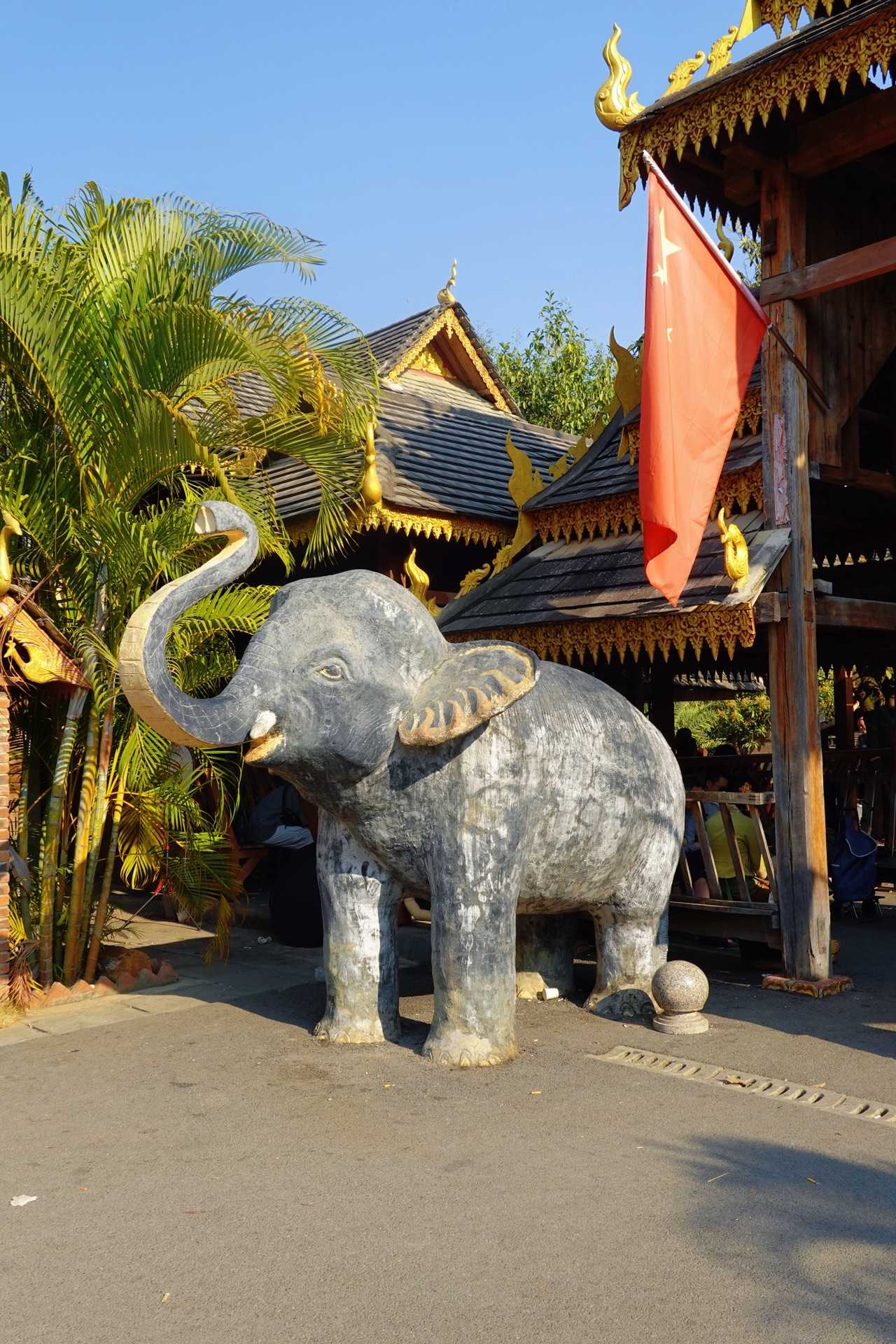
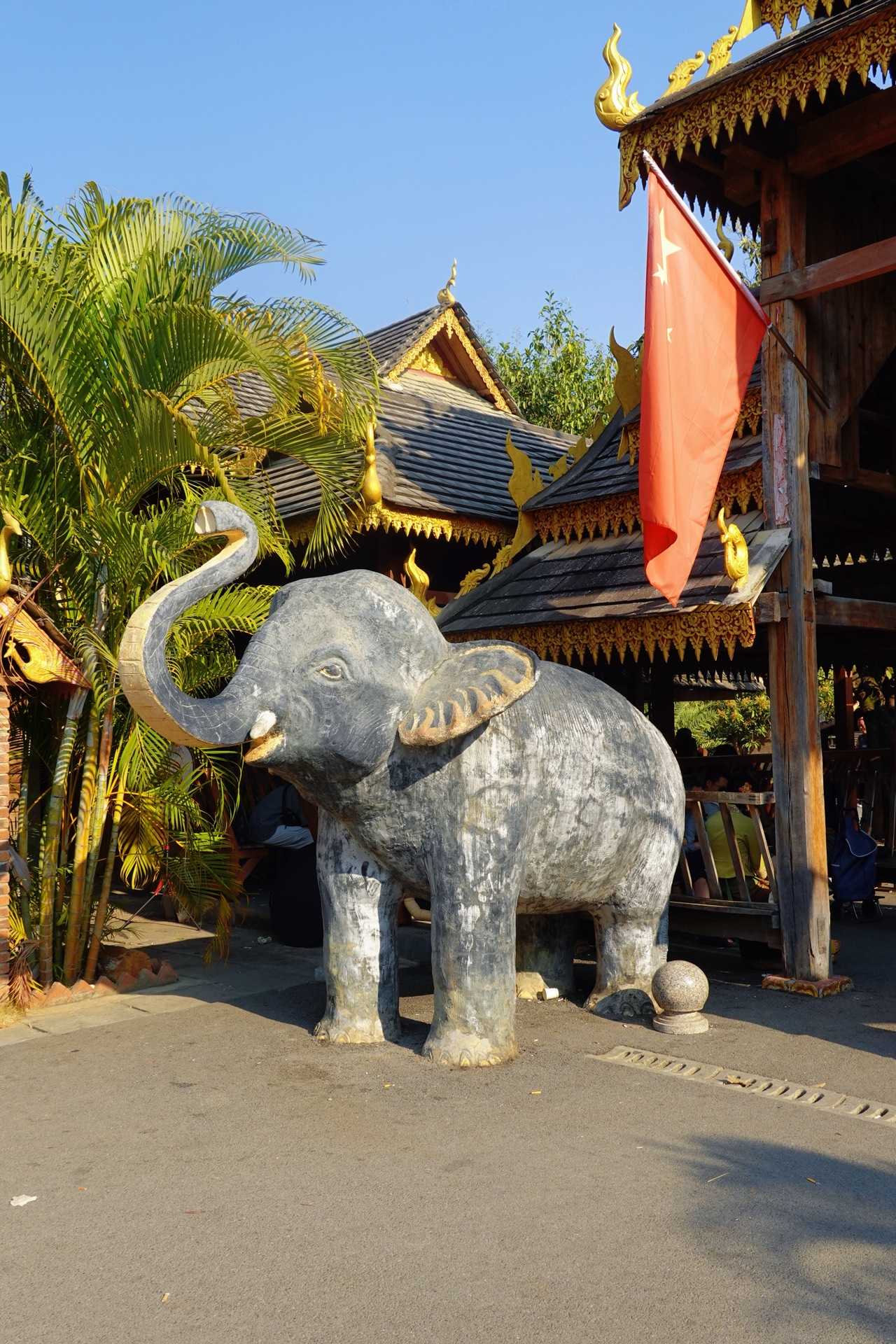
Entering through the North Gate, we first walked along the elevated boardwalk. The air was fresh, and soon we spotted slow lorises — several of them hanging in groups from the trees, incredibly cute. On the boardwalk, we searched for elephants deep in the jungle. Lucky for us, we saw them from the cable car — a group bathing in the water, and one elephant completely absorbed in eating, using its trunk to grab grass and stuff it into its mouth, utterly adorable.
Near the South Gate, there were activities like feeding elephants and elephant shows. My sister took my niece to experience them. Popular activities like the elephant bath required booking a month in advance, so we had to miss out.
Pu'er: Coffee in One Hand, Tea in the Other — The Poetry of Slow Living
From the exuberance of Xishuangbanna, we stepped into the refreshing gentleness of Pu'er. There were no crowded throngs, only endless tea-covered mountains and a soft mountain breeze — though, in reality, there were still quite a few people, but it was much better than Xishuangbanna.
In the evening, we strolled through Daijia Alley and Simao Old Street. The streets were lined with trinkets made from bean pod dolls and coffee beans, making for a charming walk. The May Day Night Market was lively, and fruit prices were very affordable.
The next day, we visited the Pu'er Tea Trading Market. My sister said, "How can you come to Pu'er and not drink Pu'er tea?" We browsed many shops and were finally drawn to "Mapu Tea" (马濮茶业). The owner was very talkative, sharing a wealth of tea knowledge and some life experiences. His shop's decor and packaging stood out among the many tea stores. We bought some as gifts and some for ourselves.
Pu'er also has many coffee estates, but they were packed during the Spring Festival. We chose a newly opened one close to the city — "Zero-Degree Rainforest Coffee Estate" — which had almost no visitors. A factory employee gave us a coffee education session, and my little niece even tried a hand-brewing course (88 RMB per person). We got to drink coffee made by the "little miss" herself.
Sun River National Forest Park: Where Are the Amazing Animals?
It took an hour to drive from the coffee estate to Sun River National Forest Park. We arrived at 3 PM, when the crowds had thinned — a successful off-peak strategy. The ticket was 158 RMB (including round-trip shuttle bus), but our hotel provided complimentary tickets.
The park shuttle took us to the farthest point, and then we walked back slowly. White rhinos, slow lorises, raccoons, black bears, macaques, capybaras... Every animal made us stop and stare. In the red panda area, there were many red pandas taking turns "working" — once one had eaten its fill, another would take over.
The funniest moment was when two raccoons fought over food, even making pig-like squealing noises. The entire walk took about two hours. The paths were easy to navigate, and we saw most of the small animals. The only disappointment was that the famous white orangutan didn't make an appearance.
Jinuo Mountain Rainforest Hike: Immersive Suffering, But Worth It
On the day we returned from Pu'er to Xishuangbanna, we spontaneously changed our plans to a Jinuo Mountain rainforest hike. We contacted a guide the day before and managed to snag the last few spots. The hike cost 270 RMB per person. Since we drove ourselves and didn't need hotel pickup, we saved 60 RMB.
The guide was waiting at the village entrance and led us up the mountain. The road was incredibly steep — if your driving skills are average, it's better to have the guide pick you up. The hiking camp provided one meal. We chose to eat before entering the rainforest to ensure we had enough energy for the entire trek. The total distance was 4 kilometers, taking about 4 hours.
Our guide was named Zibao, a very thoughtful person. While we were eating, he went to cut wood to make walking sticks for us. Once inside the rainforest, the trail was truly difficult — wearing rubber boots, the rocks were extremely sharp on the feet. If you come for this hike, remember to bring your own insoles.
Rainforest swings, tree descents, boating, archery... Every activity brought joy to both adults and children. The guide helped each of us draw three stripes on our faces — a Jinuo tribe entry ritual, using paint made from natural minerals and plants. It repels insects, protects from the sun, and doesn't cause allergies. The three stripes represent the Mountain God, the Tree God, and the Water God, praying for the forest's blessing and a safe journey.
Once you're marked, you're considered "one of the rainforest people." Everywhere we looked, there were massive trees with intertwined roots. One tree, the guide said, was just a shell — it had been a black bear's home and was now adopted as a photo spot. The inside was hollow, and you could see the sky through it, yet the tree was still alive — the wonder of nature.
After four hours, we finally finished. The 4 kilometers in the mountains and a 4-kilometer city walk are worlds apart — this was real trekking through water and over hills. After exiting, we almost got lost going downhill, and our car nearly got stuck in a mud pit. Luckily, a kind person helped direct us.
Food and Drink: Some Worthwhile Recommendations
Chun Mei Noodle Stall (椿媚粉档): A trendy restaurant. The noodles had a unique taste — not bad, but not amazing.
Shanjiao Renjia (Dazhai Road) (山角人家): The roasted chicken was incredibly fragrant. You need to call an hour in advance to have them roast it — it's super delicious.
Laiyanghe Fish Village (莱阳河鱼庄): Near the Jinuo Mountain rainforest hike. The fish was very fresh and tender, and the fish soup was excellent. The mint-fried spare ribs were also very tasty.
Shanyu Yunsu Pu'er Courtyard (山雨云思普小院): Nice atmosphere, great for photos.
Some Takeaways: For Those About to Go
- About Xishuangbanna: It's famous, but the infrastructure really needs improvement. The road planning is chaotic — all vehicles share the same lane, which is genuinely terrifying. Renting a car in the city isn't cost-effective; you could rent an e-bike, but it feels quite dangerous. The entire city seems to be under construction, and the air quality is mediocre. You have to go deep into the mountains to feel like you're breathing pure oxygen. There are too many hotels with false advertising (especially guesthouses) — it's better to choose chain hotels.
About Pu'er: I had a much better impression of Pu'er than Xishuangbanna, probably because there weren't as many tourists. The Green Valley Hotel, which I most wanted to stay at, was fully booked for the Spring Festival. Due to time constraints, we didn't visit the Ancient Tea Horse Road or Nake Li, so those will have to wait for next time.
About Gear: If you have allergies or are prone to mosquito bites, definitely wear long sleeves and long pants. Also, bring stomach medicine. A southern Chinese palate still isn't quite suited to Yunnan's many spices. There are tons of insects in the forest, so make sure to take mosquito prevention measures.
Final Thoughts
This journey through Xishuangbanna and Pu'er was a deep dialogue with nature and culture. The rainforest at 21° north latitude, the tranquility of thousand-year-old tea mountains, the rustic charm of Dai villages, the peace of ancient stockades... Every scene made us reluctant to leave.
Half passion, half serenity; a glimpse of Southeast Asia in one eye, a gaze into the Ancient Tea Horse Road in the other. This might be the gentlest, most healing travel answer that southern Yunnan has to offer.
If you, too, want to escape the cold winter and embark on a rendezvous with rainforest and tea aroma — then go. Just go.
You should also read:

Body in Hell, Heart in Heaven: A Pilgrimage Through Tiger Leaping Gorge — A Dialogue Between Heaven and Earth
Body in Hell, Heart in Heaven: A Pilgrimage Through Tiger Leaping Gorge — A Dialogue Between Heaven and Earth Introduction: When the Gorge Splits Open Beneath Your Feet Some say Tiger Leaping Gorge is the closest place on Earth to the border between "hell" and…
Continue reading...
Cloud Travelogue · Dali of Wind, Flowers, Snow, and Moon: A Three-Day, Two-Night Journey of a Free Spirit
Cloud Travelogue · Dali of Wind, Flowers, Snow, and Moon: A Three-Day, Two-Night Journey of a Free Spirit I am a cultured female foodie with a touch of rogue charm. I slung on my backpack, took my lover's hand, and set off on a spontaneous…
Continue reading...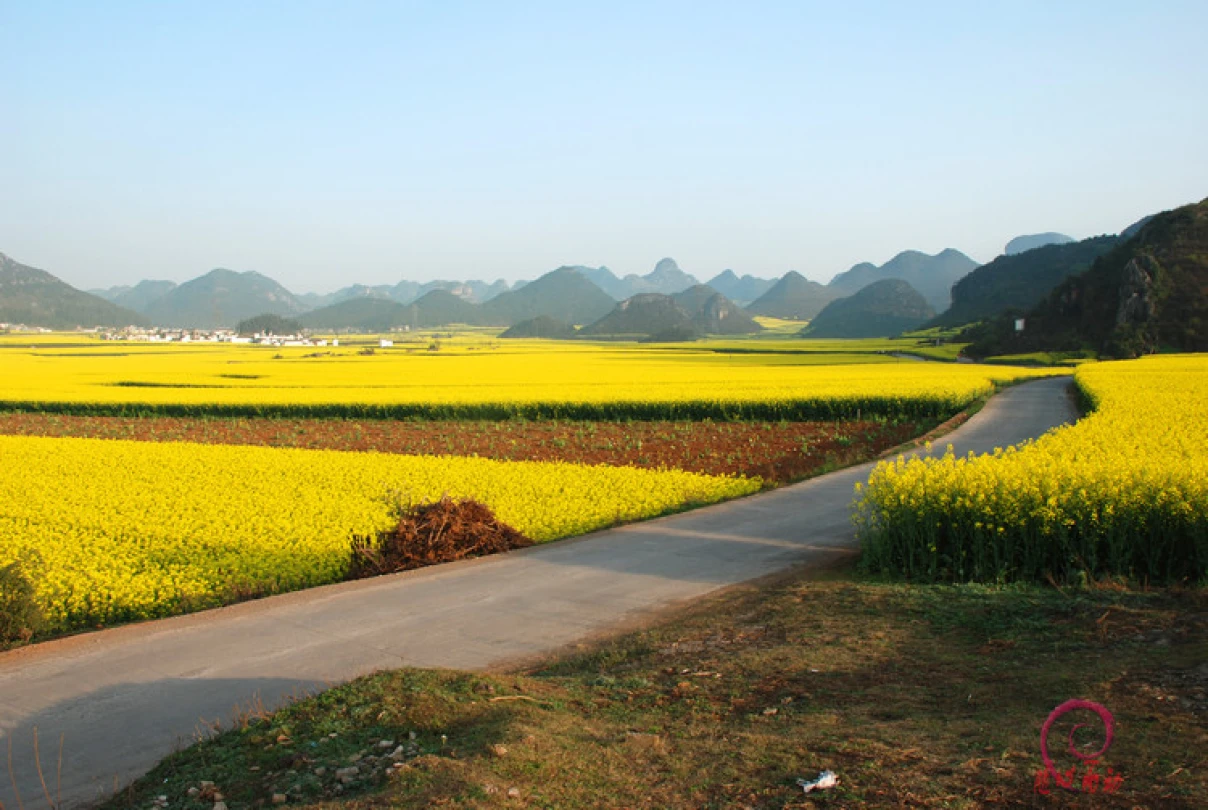
Golden Luoping: A Romantic Encounter with Sunshine and Seas of Flowers
Golden Luoping: A Romantic Encounter with Sunshine and Seas of Flowers Introduction: The Third Time's the Charm Some landscapes are destined to be seen at the right moment. For me, that was exactly the case with Luoping's rapeseed flowers. On February 22, 2011, the Luoping…
Continue reading...