A Moment in Dali, Beyond the Clichés of Wind and Moon
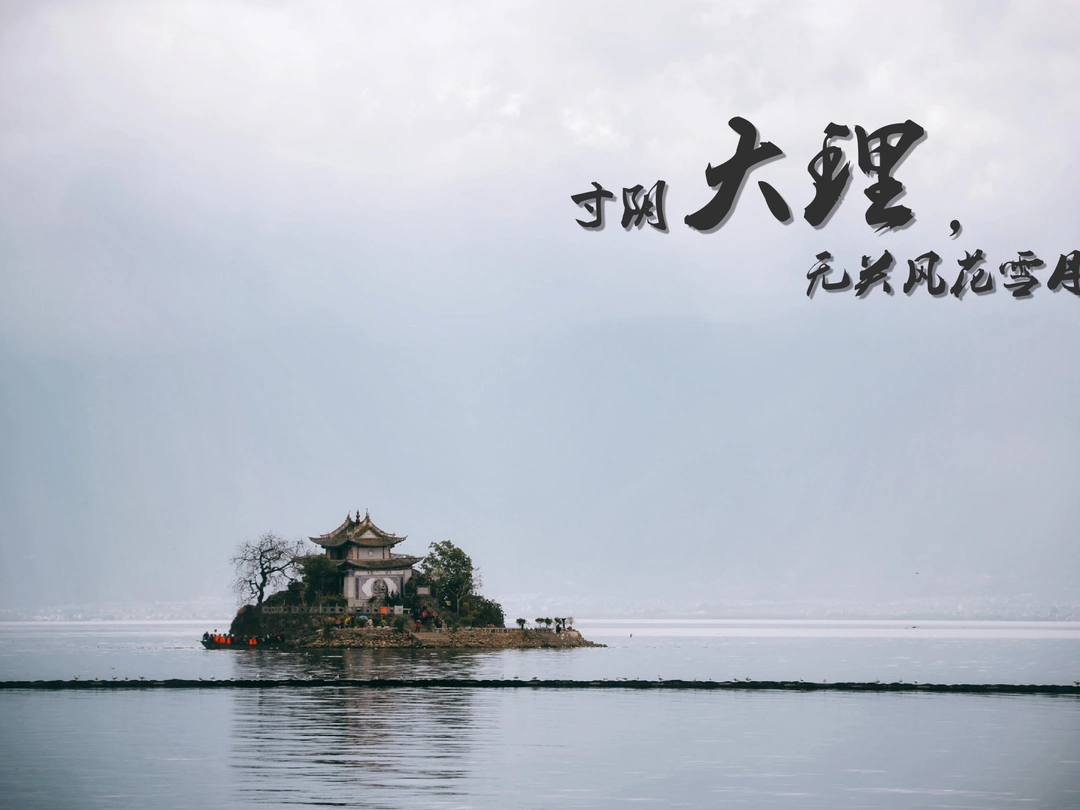
A Moment in Dali, Beyond the Clichés of Wind and Moon
Introduction: When Cherry Blossoms Meet the Cangshan Mountains
The March breeze sweeps in from Erhai Lake, carrying the damp scent of earth and the sweet fragrance of petals. On my social feed, friends are posting scenes of "spring blooms at every doorstep," as if the entire season has been compressed into their phone screens. Meanwhile, I've already booked my flight to Dali.
Someone asks me: Why March? Why Dali?
The answer is simple—when cherry blossoms explode into clouds of pink across the campus of Dali University, when the Cangshan Mountains stand silently behind the ancient town, when the shimmering waters of Erhai glow softly even under overcast skies, you'll understand that this city has never needed the label of "wind, flowers, snow, and moonlight" to prove itself. It has its own rhythm, its own stories, and a certain magic that draws you back again and again.
Compared to Lijiang, I prefer Dali. The reason is straightforward: the openness of the landscape. Dali's old town sits on a gentle slope between the Cangshan range and Erhai Lake, with a layout that feels airy and expansive. From almost any vantage point, you can see the entire town, even the cherry blossom trees scattered among the white-walled, gray-tiled roofs. This sense of openness makes your heart feel lighter too.
Dali Old Town: The Silent Mountains and the Bustling Streets

The Cangshan Mountains' Defining Trait: Silence
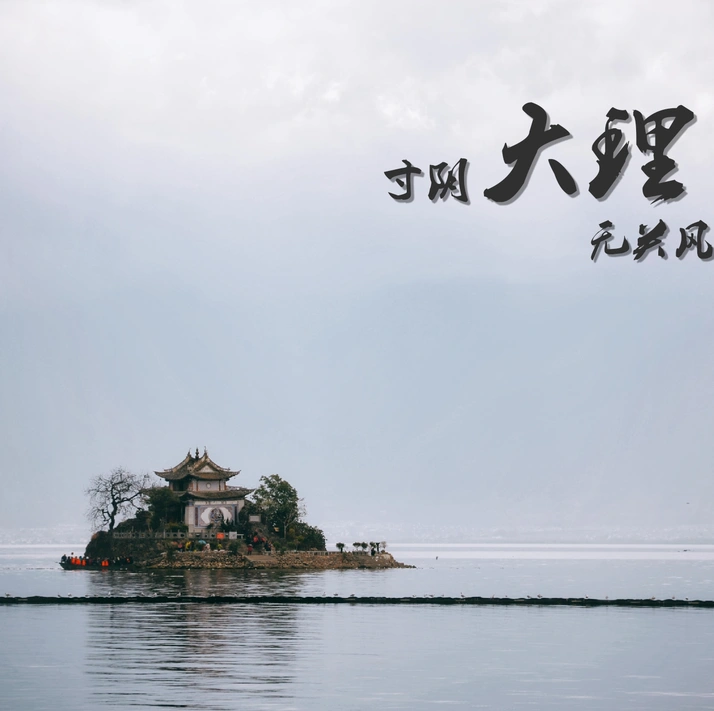
At least seven-tenths of Dali's beauty belongs to the Cangshan Mountains.
Mountains can have many personalities: mysterious, desolate, majestic, or elegant. But Cangshan is different. Its defining trait is silence. Standing in the old town, you can barely make out the mountain ridges—they appear flat, unthreatening, quietly serving as a backdrop to the ancient city, introverted like an old man who doesn't speak much.
March in Dali is rainy. Every day, a light drizzle falls, pattering on the cobblestone streets, on the eaves, on the cherry blossom petals—a sound as gentle as a lullaby. Walking through the old town in this weather, you realize that Dali is a place of warmth—not physical warmth, but the kind that makes you feel safe, that makes you want to stop and stay.
The Early Morning Town: Its Truest Self
Many come to Dali for a slow-paced life, yet they often miss the old town at its finest hour.
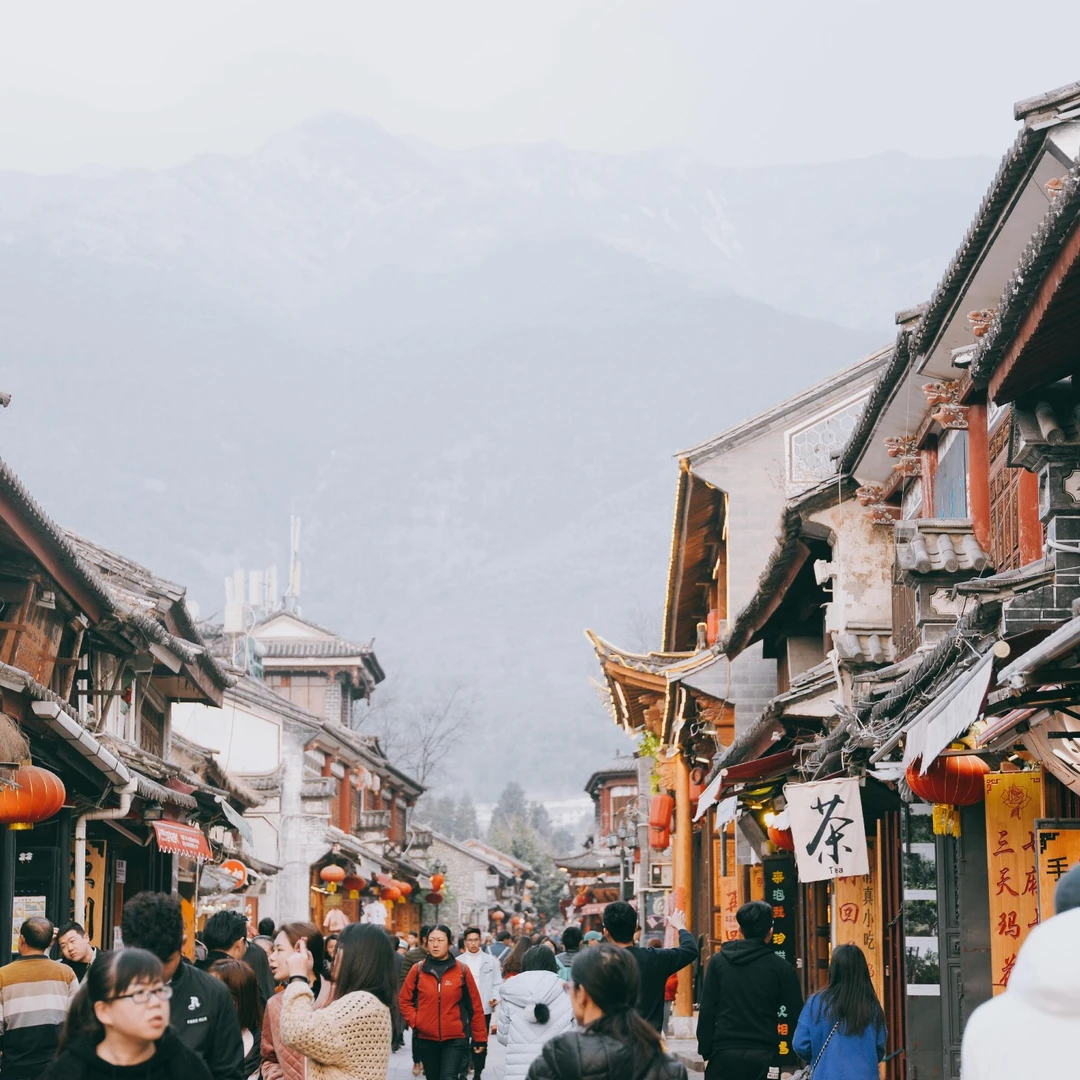
At six in the morning, the town hasn't woken up yet. No crowds of tourists, no shopkeepers hawking their wares. Only elderly locals, baskets in hand, shuffling slowly along the stone paths, and the occasional stray dog dozing by the roadside. Walk from Erhai Gate to the upper section of Renmin Road, turn into Zhuyuan for a steaming bowl of 饵丝 (rice noodles), and watch the kitchen smoke rise lazily into the air. This is Dali old town in its original form.
I cherish these moments—no trace of haste, no loud clamor, just life as it is.
Night on the City Wall and the Changing Flavor of Piaoxiang Tavern
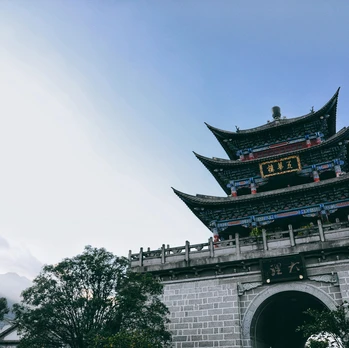
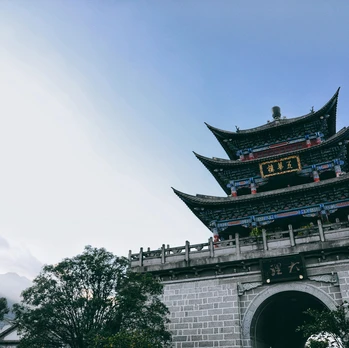
At night, Wuhua Tower is still buzzing with visitors. Climb up onto the ancient city wall, and as the lights come on, you'll see that few people truly take in the night view of the old town. Are we all too caught up in the middle of things to see clearly?
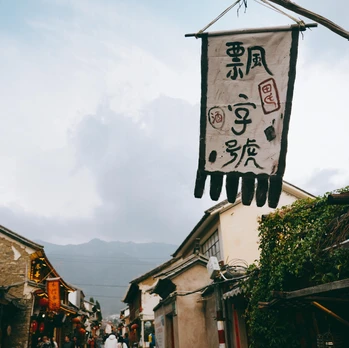
Walking from Erhai Gate to Cangshan Gate, I notice new shops sprouting up like mushrooms after rain. Piaoxiang Tavern, once famous for its hot-tempered owner who would yell at customers, has now become a commercialized shadow of itself—several branches have opened in the old town, and the grumpy owner is nowhere to be found. I've passed by a few times, hesitated, and never stepped inside. The food and the wine, I imagine, must have lost their original flavor.
Dali is changing, changing in ways that make people forget what it used to be.
An Awkward Existence and a Real Answer
Some say that coming to Dali is about living the slow life: running a guesthouse, listening to Erhai, reading books, and daydreaming. Comfortable and carefree, as if all the troubles of the outside world have nothing to do with you.
But what exactly is Dali? What draws people from all corners of the country?
Is it a life of poetry and romance? Or the relief of escaping the city?
Everyone has their own answer. Perhaps Dali is just an excuse to run away from reality.
At a Taoist temple on Bo'ai Road, young monks scroll through their phones, while outside, a passerby earnestly practices Taoist standing meditation. The contrast feels absurd yet real—the incense burners aren't busy, and even the plaques and halls of the Yuanchen Hall are up for sale. Dali old town has become an awkward place: the Cangshan Mountains and Erhai Lake have stolen its original charm, while commercial development has eroded its authentic character. But as a place to while away an afternoon or evening, it's an absolute bonus.
The Three Pagodas of Chongsheng Temple: Legends of River Demons and a Thousand Years of Faith
The Pagodas That Tamed the River Demons
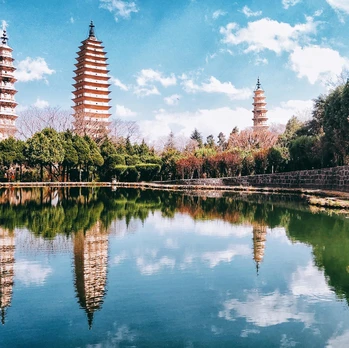
As a symbol of Dali's literary heritage, the Three Pagodas of Chongsheng Temple are a must-see.
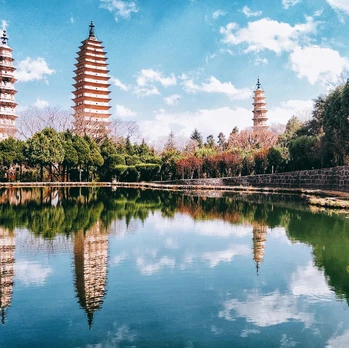
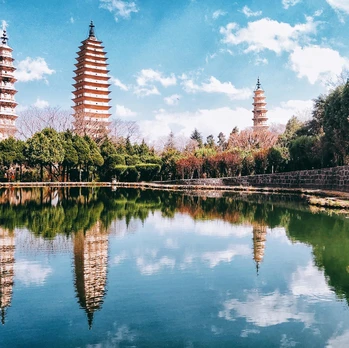
During the Tang Dynasty's golden age, the Nanzhao Kingdom was established in western Yunnan. In 825 AD, Chongsheng Temple was completed, along with the sixteen-story Qianxun Pagoda. During the Song Dynasty, two ten-story pagodas were added on either side. All three are brick-built, multi-eave pagodas, typical of Tang Dynasty Buddhist architecture.
Entering the site, the towering Qianxun Pagoda is the first thing you see. The closer you get, the more you feel its wonder—it has survived numerous earthquakes without falling, and it was built without a foundation, which is extremely rare in China.
The pagodas stand with their backs to the Cangshan Mountains, facing Erhai Lake. Above, clouds roll and surge with the wind from Xiaguan, creating a magnificent scene.
The Legend of the Golden Garuda
Local elders in Dali tell a story: During the Nanzhao period, Dali was known as a land of lakes. With the mountains behind and Erhai in front, the lake's water level was very high back then, causing frequent floods that devastated the people. So they decided to build a pagoda to subdue the river demons, and thus the Qianxun Pagoda was erected.
From the pagoda's celestial palace, a solid gold Garuda was unearthed. Why was it stored in the celestial palace rather than an underground crypt? Because Dali sits on soft, waterlogged soil near Erhai, making deep foundations impossible. The gold Garuda statue clearly shows Indian influences—in Hinduism, this bird is called Garuda, the mount of the god Vishnu.
The legend says Garuda fought and defeated the serpent clan to free his mother. When the story reached China, the sculpture incorporated Chinese elements, and the Garuda's diet shifted from serpents to dragons, giving rise to the belief that it could subdue dragon demons and water demons. After the Garuda was placed in the pagoda, Erhai's floods gradually subsided—actually a natural phenomenon as the lake's water level slowly dropped, but the people attributed it to the Garuda's power.
The Splendor of Chongsheng Temple
After the pagodas, Chongsheng Temple itself is not to be missed. The bell tower, built during the Nanzhao period, stands three stories high and houses a large bronze bell, with observation decks on every side. From the third floor, you can see the Three Pagodas to the south and the Rain Copper Guanyin Hall to the north.
The Rain Copper Guanyin Hall is the most famous building, with Tang-style architecture. Legend has it that the name "Rain Copper" comes from a story: while casting the Guanyin statue, the monks ran out of copper. The lead monk wept, and his tears moved the heavens, which sent down a rain of copper, allowing the statue to be completed. The current statue is a recast, over ten meters tall and gleaming with gold, retaining the original style of a male-bodied, female-faced Guanyin.
The Grand Hall is magnificent, complete in its layout and of the highest standard. It houses Shakyamuni, the Four Great Bodhisattvas, the Arhats, the Dharma Protectors, and countless other Buddhist figures, along with all manner of scriptures, banners, sculptures, and paintings. This is undoubtedly the highest realm of Buddhism, and the best place for non-Buddhists to learn about the faith.
Dali University: A Symphony of Cherry Blossoms and Youth
A Place Made for Romance
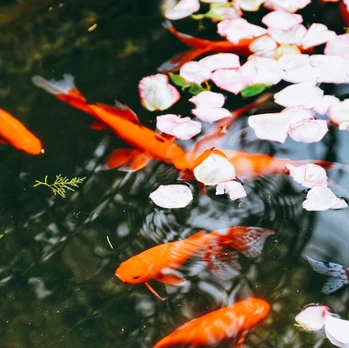
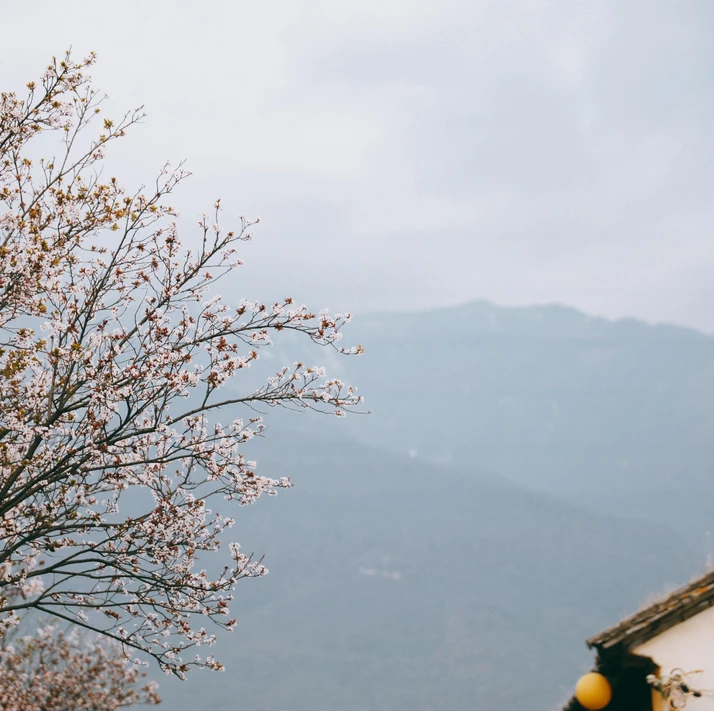
Dali University is a wonderful place for romance. Built on a mountainside, it sits high up, offering views of Erhai Lake from almost anywhere. In spring, the campus bursts into bloom—cherry blossoms, peach blossoms, pear blossoms, magnolias—a breathtaking sight that draws the entire city of Dali.
Many come to Dali to escape the world, and within Dali, the university is an even smaller refuge. Besides the cherry blossom season in March, when you're feeling down, you can run a few laps on the school track or join a pickup basketball game with the students. It's incredibly cathartic. The area around the campus is affordable—there's pool for five yuan an hour, all kinds of street food and barbecue, and best of all, the only movie theater in Dali town.
Every time I'm about to leave Dali, I make a point of wandering through Dali University. I find a familiar little eatery for a bowl of 饵丝 (rice noodles), stroll around the campus alone, catch a movie, and then head back down the mountain. All my reluctance to leave Dali lingers here, on this campus.
Cherry Blossoms Blazing Between the Mountains and the Lake
Dali isn't at a very high altitude, and Erhai Lake moderates the dry climate. The old town area is generally warm, with relatively high humidity for a plateau, and the temperature stays fairly consistent year-round. Flowers bloom in every season. But for cherry blossoms, you absolutely must come in March.
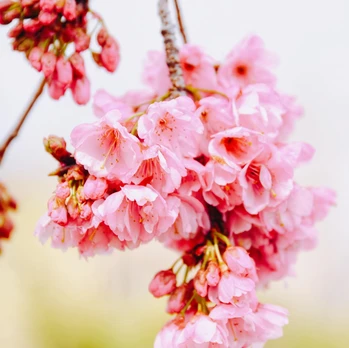
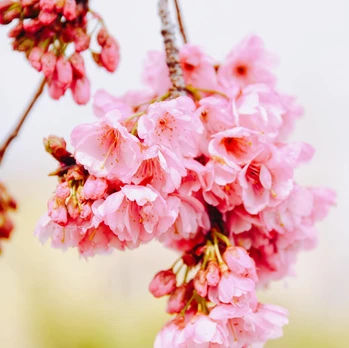
From the moment you step through the university gates, two avenues are lined with pale pink and white cherry blossoms, the entire campus bathed in pink. Follow the cherry blossom avenue to the library, where you'll find a perfect spot for photos. Continue uphill to the cultural square, and you'll come across a large cherry blossom grove—a very popular photography location. Go further up, and you'll reach the most beautiful hillside park on campus, with an artificial lake, tea gardens, ancient trees, and wisteria—ideal for a rest.
The cherry blossoms, in shades of light and deep pink, blend and interweave, reaching a peak of fragrance. Layer upon layer of petals, cluster upon cluster of flowers, pile up into waves of pink, into a warm tide of spring.
The writer Lao She once penned: "In the small courtyard under the spring breeze, long streets and short lanes are adorned with cherry blossoms. Ten cups of clear wine, a thousand sentiments—brush and ink await the flowing sunset clouds." This is perhaps the best description of Dali University during cherry blossom season.
Gantong Temple: Tea, Zen, and a Search for the Ancient
The First Temple of the Cangshan and Erhai Region
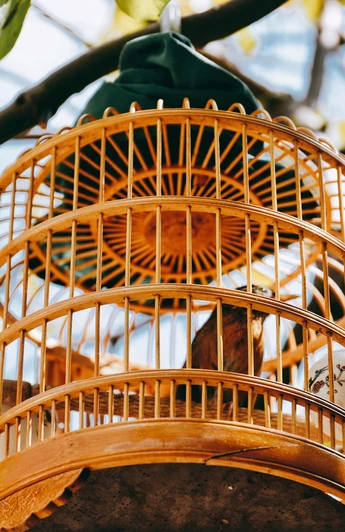
Gantong Temple sits at the southern foot of Shengying Peak in the Cangshan range, between Dali old town and Xiaguan—about 5 kilometers from the old town and 11 kilometers from Xiaguan. With its back to the perpetually snow-capped Cangshan Mountains and facing the vast, misty Erhai Lake, it gathers the spiritual energy of heaven and earth. It is also known as Dangshan Temple.
Surrounded by layered peaks and lush forests, it is one of Dali's Buddhist holy sites and one of the earliest Buddhist temples built in the region. According to historical records, Gantong Temple was "built during the Han Dynasty when Moteng and Falan entered China from the Western Heavens." By the Ming Dynasty, the Dangshan temple complex had grown to over thirty halls. Historically, Gantong Temple was a place where scholars studied, wrote poetry, and painted.
Famous Scholars and Eminent Monks Under One Roof
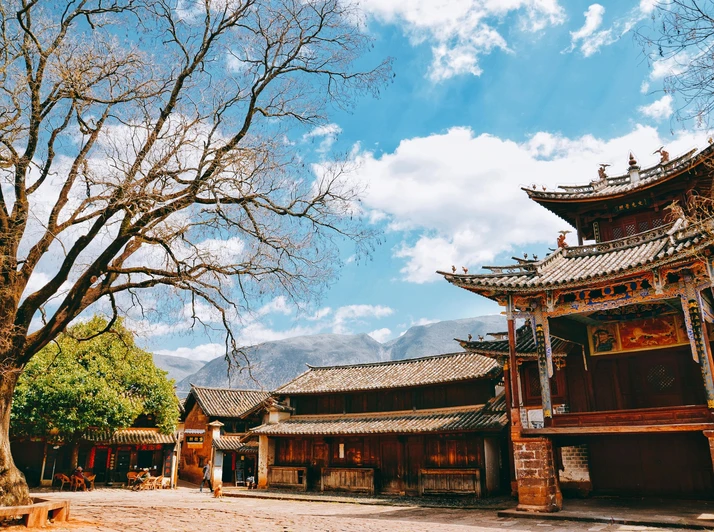
Gantong Temple is called "the first temple of the Cangshan and Erhai region" not only for its scenic beauty but also for its rich history of famous people, events, and flowers, along with many vivid legends.
In the ninth year of the Jiajing reign (1530), Yang Sheng'an and Li Yuanyang traveled together to Diancang Mountain, staying at Gantong Temple's Banshan Tower for over twenty days. There, they annotated the Six Books and studied the rhymes of a thousand characters. Li Yuanyang named the tower "Xieyun Tower" (Rhyme-Writing Tower).
The "eminent monk" refers to the monk Dan Dang, a renowned Yunnan poet, painter, and calligrapher who lived over a hundred years after Yang Sheng'an. Born Tang Tai, Dan Dang spent his later years at Gantong Temple. Admiring Yang Sheng'an's character and scholarship, he renovated Xieyun Tower as his residence, leaving behind the enduring couplet: "The dragon girl's miraculous flower has been famous for a thousand years; the famous scholar and the eminent monk share one tower."
Tea and Zen as One
Gantong Temple's specialty tea, Gantong tea, is well worth tasting. Xu Xiake, the great Ming Dynasty traveler, praised it after tasting it, saying it was "very similar to osmanthus" and that "the tea's flavor is quite fine." Today, Gantong tea has grown into large plantations and become one of Dali's premier export teas.
There's a tea-tasting spot within the temple. In this beautiful, serene setting, sipping tea and practicing Zen takes on a special charm. Where there's tea, there are flowers; where there are flowers, there is Zen—this is what is meant by "tea and Zen as one."
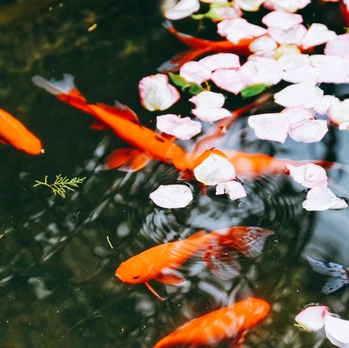
Walking alone through Gantong Temple, hearing the bells and chanting, the flowing water, the fish playing among falling petals, the wind carrying leaves, the warm sunlight on your skin, the drifting clouds—your heart feels moved yet peaceful.
Jizhao Nunnery: The Most Beautiful Buddhist Nunnery
A Temple Without Incense
On Cangshan Mountain, there's an ancient nunnery where the nuns live a life of leisure. The courtyard is filled with succulents, and ancient scrolls rest on the shelves. Tea is brewed with water from the mountain, rice is cooked with charcoal from Shengying Peak. Few visitors come, and at sunset, the nunnery settles into sleep.
Jizhao Nunnery is said to be the most beautiful temple. There's no burning incense here; instead, the grounds are covered with charming, diverse succulents. The vegetarian meals are vibrant and alive, each dish like a painting.
Jizhao Nunnery has a very artistic feel. Unlike the image many have of temples filled with incense smoke, you won't see pilgrims burning offerings here. The resident master once said: "The Buddha lacks nothing. He doesn't need your stick of incense." Hidden among the trees, this exquisite nunnery is like a maiden unknown to the world—unpretentious, innocent of worldly ways.
Succulents and Vegetarian Fare
At Jizhao Nunnery, succulents grow freely in almost every corner. They are one of the nunnery's signature sights—some cascade down like waterfalls, others spread out like a spring pond, and still others stretch upward with unstoppable energy.
When you visit, you must try the vegetarian meal. It's reasonably priced, with a rich variety of dishes, and even the color combinations echo the surrounding environment. Above the serving counter, a plaque reads, "Eating vegetarian is a blessing." Indeed, even in a small space, every seat offers a view. By the tables and windows, there are calligraphy and paintings, or a green branch stretching out—perfect to accompany your meal.
An Afternoon Idyll
After the meal, you can pour yourself a cup of tea. The nunnery provides free tea; you just leave a small deposit for the teaware. The tea, brewed with spring water flowing down from Cangshan, has a natural clarity and sweetness. Paired with the nunnery's homemade passion fruit snacks, the lazy afternoon dissolves into a pale ink wash in the water.
By four in the afternoon, the visitors begin to thin out. Only a few volunteer aunties remain, trimming plants and cleaning. The master chants sutras in the main hall. The scent of lilies and sandalwood mingles with the sound of the wooden fish and chanting, making you drowsy—as if time has frozen in that moment.
Perhaps what makes Jizhao Nunnery so unforgettable is its wild, untamed vitality, untouched by worldly concerns. In this small corner of the world, people come and go, everything turns to emptiness, but only these tender, fragile plants deserve to be called eternal.
Wuwei Temple: A Secluded Retreat Where Emperors Became Monks
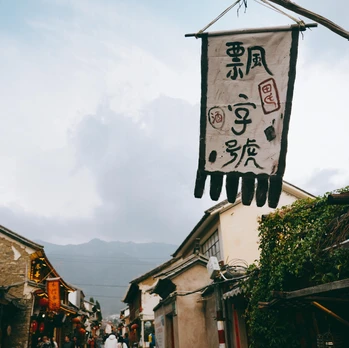
A World Apart in the Vulture Peak Mountains
Wuwei Temple lies north of the Chongsheng Three Pagodas scenic area, at the eastern foot of Lan Peak in the Cangshan range. You turn off the main road and drive a few kilometers along a rough, rocky path before reaching the gate of Lingjiu (Vulture Peak) Mountain.
Few tourists come to Wuwei Temple. Occasionally, you'll see a handful of visitors. The sound of a stream and birdsong fills the air. Sunlight filters through the branches, making the moss on the stone path look moist and bright. Walk about a hundred meters up along the stream, and you'll come to Yuexian Bridge, spanning a pool. Behind it stands a screen wall inscribed with "Namo Amitabha." Look inside from the bridge, and you might glimpse a kingfisher with a yellow beak and blue feathers perched in a cave.
At the entrance, a thousand-year-old locust tree has witnessed countless seasons.
Where Duan Yu Became a Monk
Wuwei Temple isn't large, but it has all the essential halls: the Medicine Buddha Hall, the Heavenly Kings Hall, the Arhat Hall, the Guanyin Hall, and the Grand Hall. The plaques and couplets are all beautifully written, mostly in regular script or a slightly rustic running script. Inscriptions like "The mountain is still, the clouds are idle; birds sing, flowers bloom" and "Past this gate, you are not allowed to be in turmoil" are quite thought-provoking.
Of the twenty-two emperors of the Dali Kingdom, ten became monks at this temple, including Duan Zhengyan, the historical prototype for Duan Yu in The Demi-Gods and Semi-Devils. In ancient times, the Dali Kingdom was founded on Buddhism and governed by it. Duan Yu entered the monastic life at Wuwei Temple at age 64 and lived until 94.
Wuwei Temple feels very different from the grand, imposing temples elsewhere. It is solemn and pure, surrounded by dense bamboo groves—truly a rare place for spiritual cultivation. It lacks the splendor and thriving incense of worldly temples, showing only its ancient, weathered beauty.
It remains hidden in the forests of Vulture Peak Mountain, standing apart from the world, serene and inactive, embodying the Dharma through its very existence. As the couplet at the main gate reads: "No self, no others, no sentient beings, no eternal soul—all are governed by the law of non-action. Like dew, like lightning, like a dream, like a phantom—thus should one see them."
Erhai Lake: Even on Overcast Days, There Is Beauty
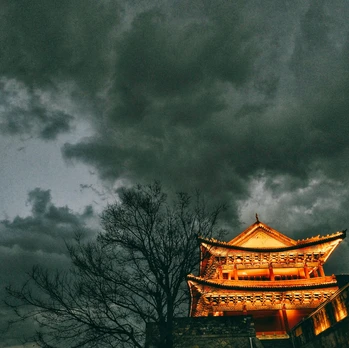
A Day Around the Lake
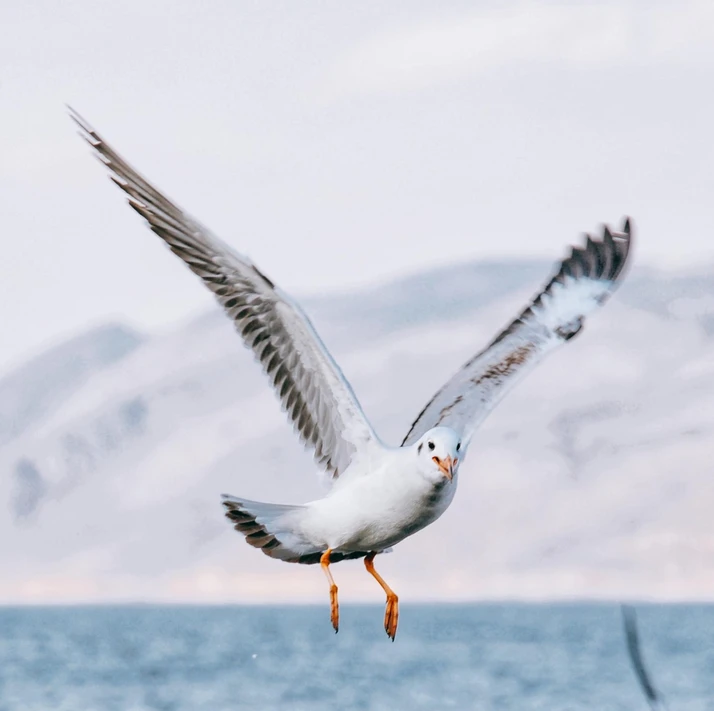
A visit to Erhai Lake is essential when you're in Dali. Whether you go to Caicun Pier to see the seagulls that have flown from Siberia, or rent an electric scooter to circle the lake, Erhai won't disappoint you.
This time, I rented a car, planning to spend a full day driving around the lake. But the weather refused to cooperate—it stayed overcast, with occasional drizzles keeping me company. Still, an overcast Erhai has its own beauty: the water and sky merge into one, and the Cangshan Mountains appear and disappear in the mist, like a Chinese ink painting.
They say the loop around Erhai is about 135 kilometers. With stops, an afternoon is just right; if you drive slowly, a full day is enough. I remember passing a nameless Guanyin temple along the way—the mountains were gentle, the water vast, the wilderness open, the sky low. The meditation hall was surrounded by flowers and trees, the clouds light, the wind soft. Looking back, that spot would be perfect for sitting by the lake, resting, and reading.
Scenery Along the Way
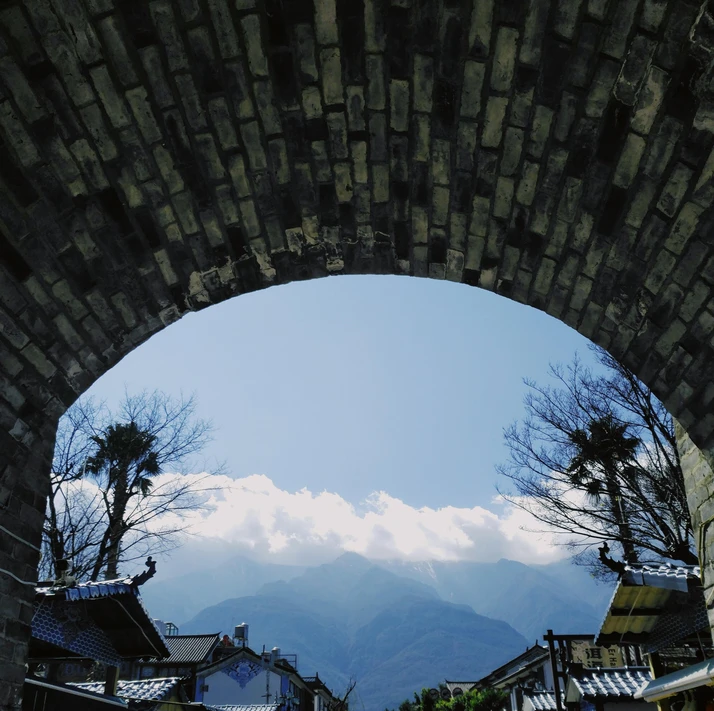
As you drive along the lakeside road, the scenery changes on either side. On one side, endless farmland and distant snow-capped mountains in the clouds; on the other, the lake at your fingertips and ever-changing shoreline views—a striking contrast. Occasionally, you'll come across wedding couples taking photos by the lake—even on a cloudy day, the shots are stunning.
Xiaoputuo (Little Putuo) Island sits in the lake about twenty meters from the shore, like a pearl set in jade.
Conclusion: What I Envy Isn't the Scenery
What is it that brings me back to Dali again and again?
I don't envy the Cangshan Mountains, nor Erhai Lake—because even the most beautiful scenery can eventually become tiresome. What I envy, I think, is that unhurried, carefree way of life.
Dreams can sometimes seem materialistic and mundane, but they are real dreams nonetheless. No one in this world is free from worldly concerns, so why should my dream be any different?
In Dali, time always moves slowly. A cup of coffee, a book, and an afternoon slips away in lazy contentment. Meeting friends for dinner, eating grilled fish with fine wine. After a few rounds, looking out at the drizzling rain through the window—this is Dali at night.
The early morning old town, the silent Cangshan Mountains, the legends of the Three Pagodas, the waves of cherry blossoms, the tea fragrance of Gantong Temple, the succulents of Jizhao Nunnery, the chanting of Wuwei Temple, the shimmering light on Erhai Lake—these fragments, pieced together, form the truest image of Dali.
It doesn't need the label of "wind, flowers, snow, and moonlight." It doesn't need the pretension of "poetry and distant lands." It simply sits there, quietly, waiting for you to come, waiting for you to leave, waiting for you to return once more.
Practical Tips: - Best Time to Visit: March for cherry blossoms; the destination is enjoyable year-round, but bring rain gear during the rainy season (June–September) - Transportation: Dali old town is walkable; for circling Erhai Lake, renting a car or electric scooter is recommended - Food Recommendations: Muslim restaurants on Yeyu Road, vegetarian meals at Gantong Temple and Jizhao Nunnery - Must-Visit Attractions: Chongsheng Temple and the Three Pagodas (entrance ~120 yuan), Dali University (free), Gantong Temple (free), Jizhao Nunnery (free), Wuwei Temple (free) - Accommodation: There are many guesthouses within the old town; choose a quieter area away from main roads like Renmin Road
You should also read:

Beyond Romance, Just for the Journey – A Slow Encounter with Shuanglang
Beyond Romance, Just for the Journey – A Slow Encounter with Shuanglang Prologue: A Long-Planned "Accident" My obsession with Yunnan was like a seed, carried by the wind into my heart without me even noticing when it took root. And the name "Shuanglang" was like…
Continue reading...
Lugu Lake: A Place Beyond Words
Lugu Lake: A Place Beyond Words Weibo: @CallMeXiaoMiao | WeChat: miaophoto This piece of writing stems from a trip I took during the May Day holiday in 2012. To be honest, when I first published this travelogue on Mafengwo, my attention to the craft of…
Continue reading...
Clouds Over the Rainbow: A Five-Day Soul Journey Through Kunming, Dali, and Lijiang
Clouds Over the Rainbow: A Five-Day Soul Journey Through Kunming, Dali, and Lijiang Prologue: The Decision to Fly into the Clouds In February, the chill of the North still lingered. A single discounted airfare sparked this spontaneous trip. Round-trip from Beijing to Kunming—1,700 yuan made…
Continue reading...