Clouds Over the Rainbow: A Five-Day Soul Journey Through Kunming, Dali, and Lijiang

Clouds Over the Rainbow: A Five-Day Soul Journey Through Kunming, Dali, and Lijiang
Prologue: The Decision to Fly into the Clouds
In February, the chill of the North still lingered. A single discounted airfare sparked this spontaneous trip. Round-trip from Beijing to Kunming—1,700 yuan made the purchase an easy decision. In early March, with the dual anticipation of family time and visiting friends, I boarded a flight bound for Yunnan.
After a layover at Chongqing Wuzhou Airport, the five-hour flight gave me a visceral understanding of just how far "the land south of the rainbow" truly is. As the plane descended slowly toward Kunming Changshui Airport, the sunlight outside carried a gentleness unlike the North—Yunnan, I had arrived.
Chapter One: First Impressions of Kunming—The Bronze Gleam of the Golden Temple and the Hearth Smoke of Farmhouse Cooking
Visiting Taihe Palace and the Golden Temple

After a brief rest, we headed straight to Mingfeng Mountain in the northeastern suburbs of Kunming. The Taihe Palace Golden Temple, which locals affectionately call the "Bronze Tile Temple," sits on a hillside about seven kilometers from the city center. This Taoist temple faces west, and its most astonishing feature is the main hall—entirely cast in bronze, gleaming brilliantly under the sun, hence the name "Golden Temple."
The existing structure was built in the tenth year of the Kangxi reign of the Qing Dynasty (1671), reconstructed under the supervision of Wu Sangui, the Prince of Pingxi. Standing before the hall, you can feel the weight of history and the cold austerity of metal intertwining into a unique texture. The bronze tiles shimmer with a warm luster in the sunlight, as if whispering tales of the turbulent times over three hundred years ago.
A Feast for the Senses at a Farmhouse Restaurant
For dinner, we chose a nearby farmhouse restaurant, where authentic Yunnan cuisine swept away all our fatigue. The most unforgettable dish was "One Chicken, Three Ways"—the spicy heat of dried chili chicken, the numbing fragrance of Sichuan peppercorn chicken, and the rich depth of braised chicken. Three distinct flavors, all from the same bird, showcased to perfection. Every dish carried Yunnan's signature fiery zest and fresh aroma, making it impossible to resist a second helping of rice.
Chapter Two: Dali—A Gentle Land of Sun and Shadow
The Solace of Cangshan and Erhai
Dali's beauty is a harmony of strength and softness. Cangshan stands like a sword pointing to the sky; Erhai lies like a mirror reflecting the clouds. Looking down from halfway up the mountain, even without time to walk beside the water, you can feel a quiet joy emanating from the scene. This feeling is hard to put into words—as if some corner of your heart has been gently touched, and you naturally settle into calm.
Dali's weather is like a willful child—one moment bathed in sunlight, the next shrouded in clouds. But it's precisely this unpredictability that gives every moment a different expression.
Chongsheng Temple and the Three Pagodas
Chongsheng Temple was the royal monastery of the Nanzhao and Dali Kingdoms, and the Three Pagodas are Dali's iconic landmarks. Sunlight spilled over the pagodas, golden light swirling, creating a stunning tableau against the backdrop of Cangshan. Incense smoke curled through the temple, Buddhist chants echoed softly, and I found myself unconsciously slowing down, savoring this rare tranquility.
Strolling Through the Ancient City
In the early morning, Yangren Street (Foreigner Street) was nearly empty, the stone slabs still damp with dew. Feeling the slight chill, I bought a long skirt from a local shop and slipped it on—both practical and fitting for the setting. Butterfly Spring felt more like a manicured park; the small pool near the spring was crystal clear, but honestly, if time is tight, it's not a must-see.
In Dali's ancient city, fading camellia blossoms kept quiet company with divination compasses. Sweet dates and Lijiang baba (a type of flatbread) filled the air with tempting aromas. A signpost pointed to a narrow alley on the left, where small shops offered fair prices and extraordinary flavors. Dinner—木瓜鸡 (papaya chicken), 芝麻菜 (arugula salad), 砂锅鱼 (clay pot fish), and 糖醋排骨 (sweet and sour spare ribs)—each dish was unforgettable. The cold chicken rice noodles at "再回首" (Looking Back Again) left a lingering craving.
By nightfall, a bonfire had drawn a few dancers. Perhaps due to the season, the ancient city felt quiet, with only the willows and flowers growing and blooming with abandon. But this very stillness gave Dali the air of a hidden paradise. From dusk until late, I wandered aimlessly through the old town, carrying a rare sense of calm and peace.
Chapter Three: Lijiang—A Symphony of Bustle and Solitude
Surprises Along the Way
The morning sun was bright and clear. After a good night's rest, we set out for Lijiang. Our hired driver was a talkative fellow, chatting about everything under the sun. Along the way, we humored him by stopping at what he claimed was Asia's largest jade shop—we all knew the drill. But what truly amazed me was a wheat field by the roadside. The grain had turned golden, still tinged with green, glowing warmly in the sunlight. I couldn't resist jumping out of the car, running into the field, and pressing the shutter to capture those warm images.
Four Hours in the Old Town
We arrived in Lijiang at noon. After checking into our guesthouse, I plunged straight into the ancient town. A full four-hour stroll gave me my first real impression of this place. The Naxi script looked like mysterious pictographs. People sat by the water sipping tea, completely at ease. Shop owners worked with focused intensity. A baby in a backpack carrier gazed curiously at the world.
Even more exciting, my friend Ni was flying into Lijiang that evening, and we could have dinner together. The joy of "meeting an old friend in a distant land" added another layer of anticipation to this journey.
Dinner and Street Music
Dinner was a dazzling array of dishes: 铁板牦牛肉 (sizzling yak beef), 过桥米线 (crossing-the-bridge rice noodles), 茉莉花炒鸡蛋 (jasmine flower scrambled eggs), 丽江粑粑 (Lijiang flatbread), 黄焖鸡 (braised chicken), 清汤鱼 (clear broth fish)—every dish was pure Yunnan flavor. When Ni arrived, we ate and talked, the atmosphere lively.
Then, a street singer walked into the restaurant and played for the guests. A foreign tourist, after requesting a song for his girlfriend, got so into it that he picked up the singer's guitar and performed an original piece. In that small restaurant, the sound of strings and voices flowed gently, followed by applause. In that moment, everyone was happy.
Morning in Shuhe and Black Dragon Pool
Shuhe Ancient Town in the early morning was peaceful and serene. Sunlight filtered through the leaves onto the stone paths, making you want to find a spot to sit, do nothing, and just bask in the warmth. Lijiang's liveliness can make you forget loneliness, but it can also make you feel profoundly alone under the eaves of some quiet alley. Some people wander; some heal; some fall in love; some drift. The morning streets seemed to carry the secrets of the night before.
Black Dragon Pool had lost much of its water, and the scenery was far from what it used to be. The 80-yuan 古维费 (ancient city maintenance fee) is mandatory, but to be honest, the pool these days feels a bit like a letdown.
Jade Dragon Snow Mountain and Blue Moon Valley
Jade Dragon Snow Mountain is majestic and elegant. On clear days, you can see the full snow-capped peak. This year, Yunnan suffered a severe drought, and the grass and trees at Spruce Meadow had lost their usual green. Blue Moon Valley, within the snow mountain scenic area, does have strikingly blue water, but it's too small to compare with Jiuzhaigou's grandeur. That shade of blue reminded me of Kanas Lake in Xinjiang—I decided to save that for another trip.
Jade Water Village, at the southern foot of Jade Dragon Snow Mountain, is a sacred site for the Naxi Dongba religion and the source of the ancient city's water system. The rainwater pools were stocked with rainbow trout, golden trout, and salmon swimming against the current. Dongba is a primitive polytheistic faith of the Naxi people, believing all things have spirits. Everything here felt steeped in mystery.
One Last Leisurely Afternoon
In the afternoon, I returned to Sifang Street in Lijiang's old town and kept exploring. The candied ginger maker worked with practiced hands. A street band's music made me stop in my tracks. An elderly woman fetching water moved slowly but with a serene expression. After another leisurely afternoon in Lijiang, we took the evening train back to Kunming.
Chapter Four: Kunming Again—Ethnic Village and Dianchi Lake
The Cultural Allure of Ethnic Village
Yang Liping's peacock house in the Ethnic Village showcased costumes so intricate they were breathtaking. The Wa girls celebrated black as beauty, their skin glowing with health in the sunlight. Kunming's Ethnic Village follows the same model as Beijing's World Park, but each ethnic group, like the architecture of different countries, carries its own cultural depth and charm.
Seagulls at Dianchi Lake
Dianchi Lake offers a completely different landscape. With time running short—we had a flight to catch in the afternoon—we only stopped at the pier plaza. But even that brief pause was unforgettable. Flocks of seagulls soared over the lake, their pure white feathers gleaming in the sun. These birds painted a perfect ending to our journey.
Epilogue: Returning with Rainbow-Hued Memories
This trip was a bit exhausting, but the rich, packed itinerary left no room for brooding. It was like carrying a handful of sand—walking and letting it sift through your fingers, feeling lighter with every step. On the return flight, my tired body jolted with the turbulence, until finally, we landed in the familiar city lights.
I bought a piece of tie-dyed fabric, wrapping up all the colorful memories of Yunnan to take home. The bronze gleam of the Golden Temple, Dali's shifting skies, Lijiang's bustle and solitude, the seagulls of Dianchi Lake—all of them, indelible images in my memory.
Practical Tips
Itinerary
- Day 1: Morning flight to Kunming, afternoon visit to the Golden Temple, farmhouse dinner, evening train to Dali
- Day 2: Early arrival in Dali, visit Cangshan and Butterfly Spring, afternoon explore Dali Ancient City, evening at Yangren Street
- Day 3: Morning departure for Lijiang, arrive at noon, afternoon explore Lijiang Old Town
- Day 4: Morning visit Black Dragon Pool, Shuhe Ancient Town, Jade Dragon Snow Mountain, afternoon explore Sifang Street, evening train back to Kunming
- Day 5: Early arrival in Kunming, visit Ethnic Village and Dianchi Lake, lunch, then fly back to Beijing
Travel Advice
- Transportation: Kunming to Dali by hard sleeper train costs 90 yuan (8 hours); Lijiang to Kunming hard sleeper 150 yuan (10 hours); Dali to Lijiang by road takes 3–4 hours.
- Packing: Use a backpack instead of a rolling suitcase—the ancient city's cobblestone streets are uneven, and suitcases are hard to drag.
- Clothing: Dali's weather is changeable; in spring, bring a jacket that's easy to put on and take off. Cable cars to Cangshan and the snow mountain close in high winds.
- Sights to Skip or Keep: Butterfly Spring feels more like a park—optional. Erhai Lake is free and stunningly scenic—highly recommended.
- Shopping Tips: Lijiang is more commercialized and bustling than Dali. Compare prices across multiple shops; most items are available in several stores.
- Accommodation: Guesthouse standards in Lijiang are similar. It's better to stay near the south gate of the old town—quieter and cheaper than around Sifang Street.
- Mandatory Fees: The 80-yuan 古维费 (ancient city maintenance fee) is required for visiting scenic areas and is a one-time charge.
This travelogue is adapted from a real journey. I hope it offers some useful references for your own trip to Yunnan.
You should also read:

Body in Hell, Heart in Heaven: A Pilgrimage Through Tiger Leaping Gorge — A Dialogue Between Heaven and Earth
Body in Hell, Heart in Heaven: A Pilgrimage Through Tiger Leaping Gorge — A Dialogue Between Heaven and Earth Introduction: When the Gorge Splits Open Beneath Your Feet Some say Tiger Leaping Gorge is the closest place on Earth to the border between "hell" and…
Continue reading...
Cloud Travelogue · Dali of Wind, Flowers, Snow, and Moon: A Three-Day, Two-Night Journey of a Free Spirit
Cloud Travelogue · Dali of Wind, Flowers, Snow, and Moon: A Three-Day, Two-Night Journey of a Free Spirit I am a cultured female foodie with a touch of rogue charm. I slung on my backpack, took my lover's hand, and set off on a spontaneous…
Continue reading...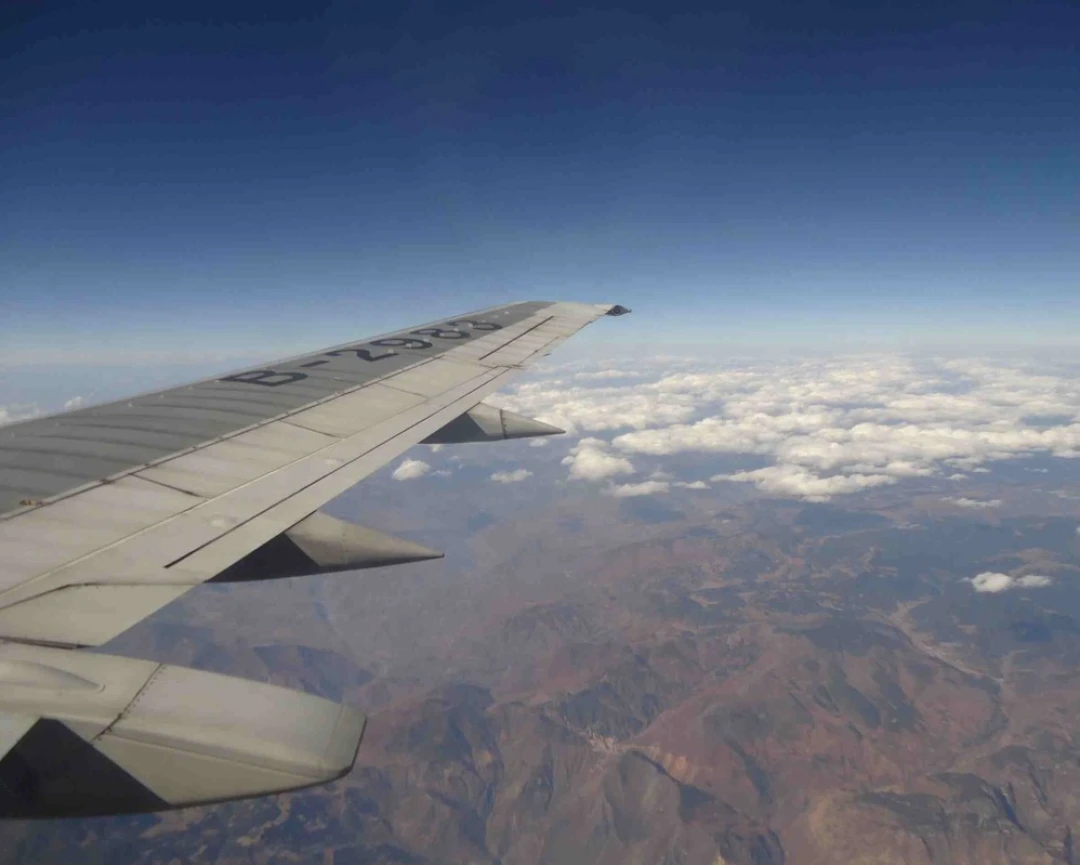
The Meaning of Travel – A Tengchong Story: A Journey of the Heart and Personal Growth
The Meaning of Travel – A Tengchong Story: A Journey of the Heart and Personal Growth Setting Out, Only to Return a Better Self Some say travel is nothing more than leaving a place you're tired of, only to go to a place where others…
Continue reading...