A Warm Winter Romance at 21° North: Embracing an Eternal Summer in Xishuangbanna
A Warm Winter Romance at 21° North: Embracing an Eternal Summer in Xishuangbanna
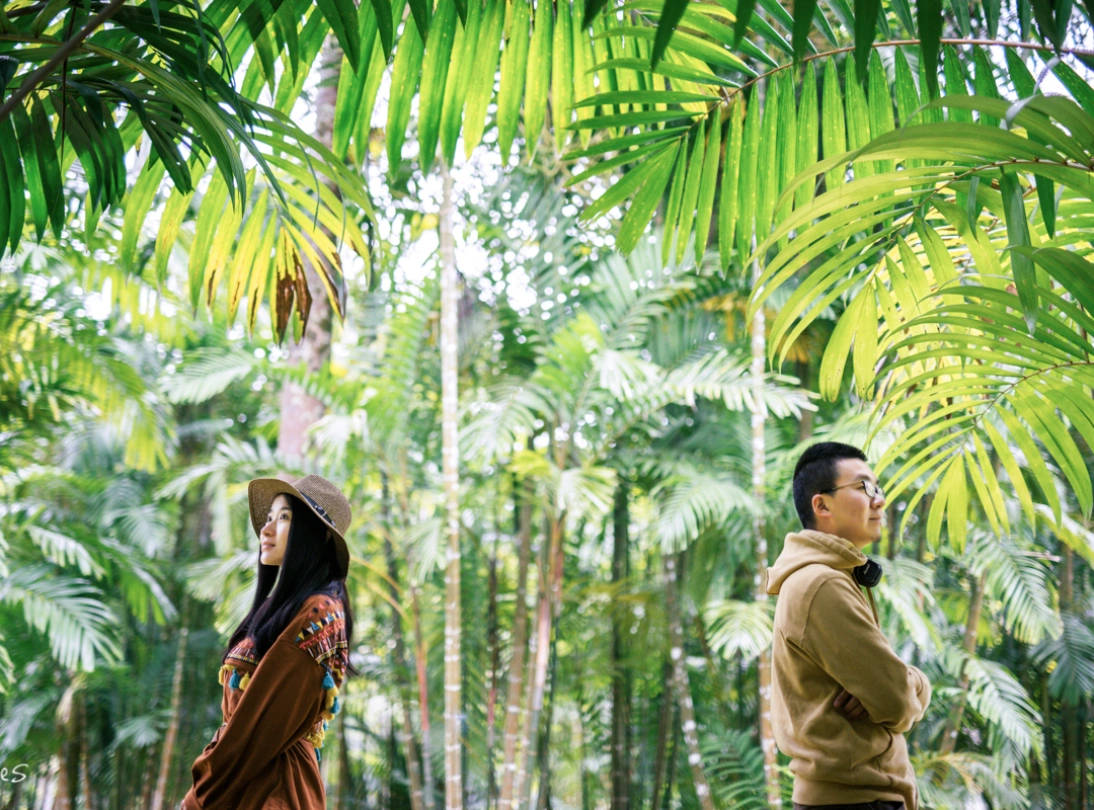
While the north shivered in the biting wind and the persistent drizzle of Chengdu invited the flu, Xiao Qiang and I—the "Divine Couple" armed with cameras, ready to traverse the world—made an absolutely perfect decision: we fled to 21 degrees north latitude, to Xishuangbanna, to embrace a summer that never ends.
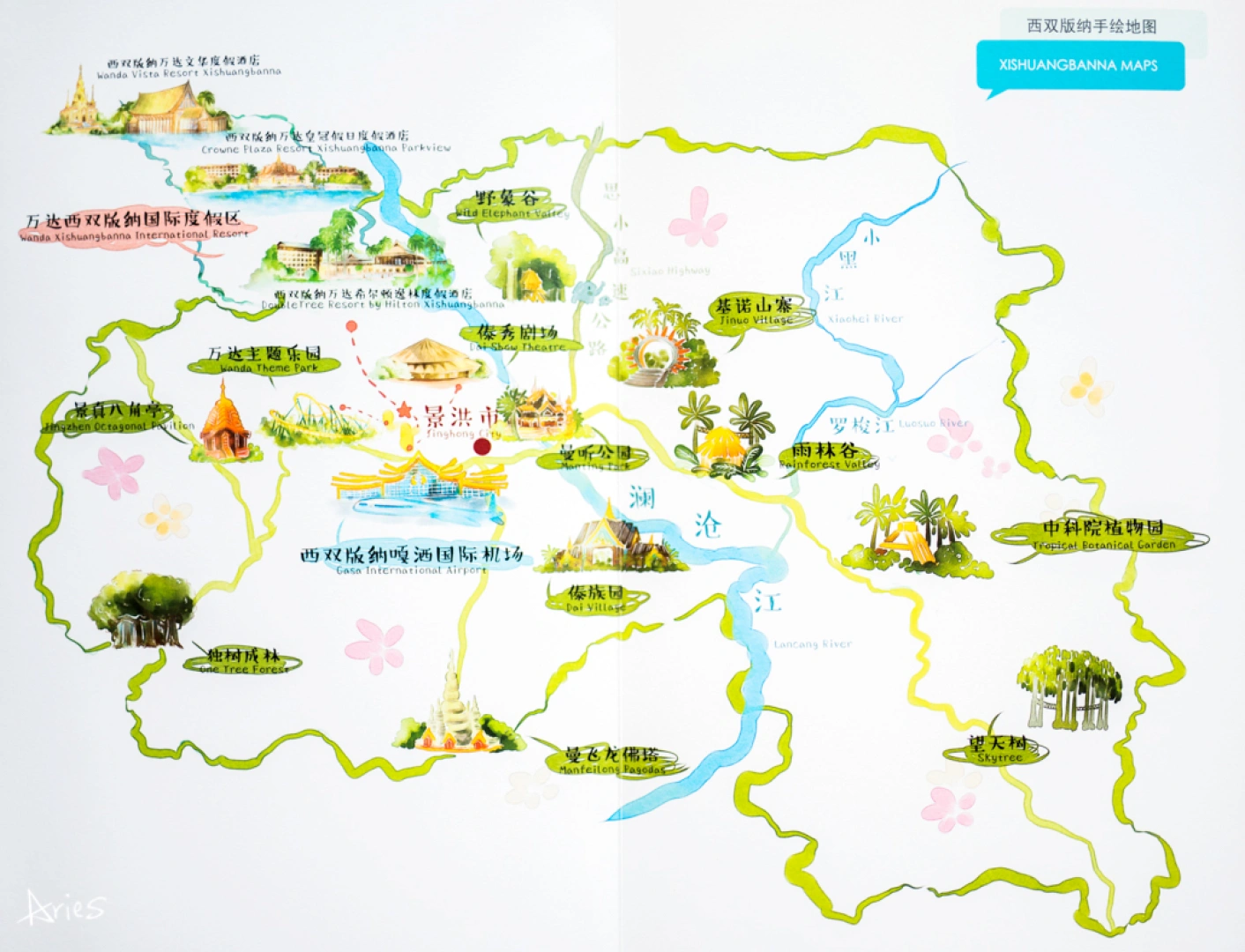
At 25, I pressed the shutter on my life and began measuring the world through my lens. This time, our destination was the tropical wonderland at the southernmost tip of Yunnan. Over five days, we went from the screams of Sunac Land to the deep breaths of the Wangtianshu Rainforest, from the ancient dreams of the Dai king in Mantin Park to the botanical kingdom of the Xishuangbanna Tropical Botanical Garden. Like two migratory birds heading south, we couldn't wait to escape the damp, cold winter and throw ourselves into the warm embrace of 21°C (70°F).
If you're planning a trip to Xishuangbanna during the Water Splashing Festival or whenever you need to escape the chill, this travelogue—blending personal experience with practical tips—might just light a spark of inspiration for you.
Why Xishuangbanna? The Perfect Excuse to Escape Winter
Open a world map and let your eyes settle on the tropical zone between the Tropic of Cancer and the Tropic of Capricorn. On China's map, Xishuangbanna, the Leizhou Peninsula, Hainan, and parts of Taiwan form this warm territory. Xishuangbanna, a city gently traversed by the 21st parallel north, enjoys an average annual temperature of 21°C (70°F)—the very definition of human comfort. There are no cold snaps, no typhoons, only the gentle alternation of dry and wet seasons.

A direct flight from Chengdu to Xishuangbanna takes just two hours, yet it feels like traveling through two seasons. You board shivering in a down jacket and step off ready for shorts and a t-shirt, squinting in the sunshine. This "one-click season switch" is a healing experience in itself.
Practical Tip: Don't underestimate the UV rays here. High-SPF sunscreen is a must. Don't be fooled by the winter calendar; the sun here is as passionate as a Dai girl, ready to give you a "tan" in no time.
Living a Dai Dream: A Hotel That's a Vacation Paradise in Itself
Choosing a Hotel: The Perfect Balance of Value and Charm

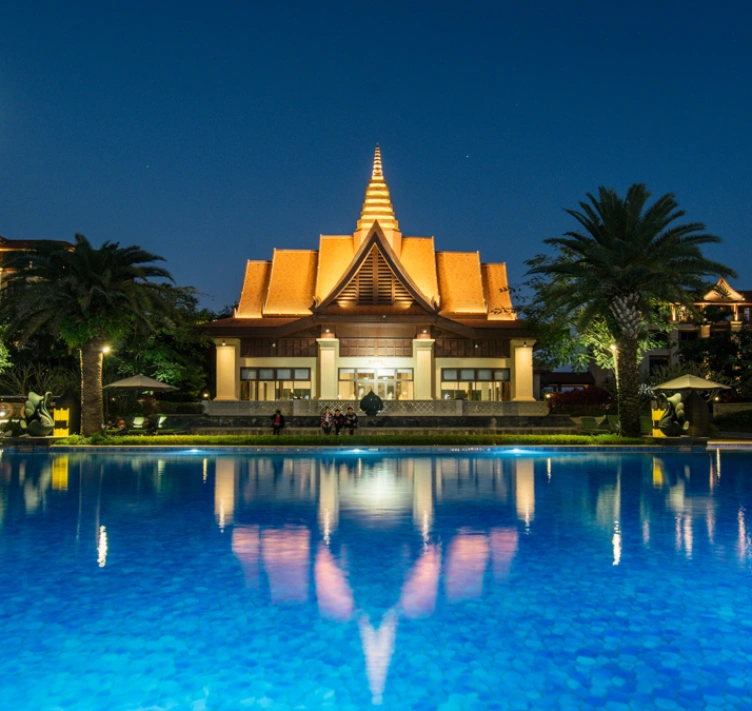
We stayed at the Crowne Plaza in the Sunac Resort area. After comparing several options on booking platforms, we were drawn in by photos of its Dai-style architecture and massive pool—and it turned out the pictures were spot on.
We arrived at 8 AM, and the front desk kindly arranged for our room to be cleaned early. We checked in an hour later. This "arrive and check-in" experience is a godsend for early morning flight passengers. Even better, we could check out late, allowing us to sleep in peacefully on a lazy afternoon.
Price Reference: A king room with breakfast costs around 700-800 RMB per night. The resort also features the six-star WENNA Hotel (with private pool courtyards) and the DoubleTree by Hilton, offering options for every budget.
Hotel Experience: Every Frame a Picture
Opening the door, we were instantly transported into Dai home life—bamboo weaves, printed fabrics, and uniquely ethnic ornaments filled the room. Floor-to-ceiling windows overlooked a 2-meter king bed with pillows you could choose for softness or firmness. The balcony faced the central garden. The bathroom was well-designed with separate wet and dry areas and a spacious bathtub with a view—the ailing Xiao Qiang was already imagining an evening soak while watching a movie.

The hotel is built in a square, "mouth" shape, with the garden and pool at its heart. Nearly every room has its own balcony. This design, inspired by Dai temples, creates a sense of secluded tranquility. In the afternoons, the courtyard echoed with children's laughter—most were families vacationing from Sichuan and Chongqing. Some had driven all the way from Chengdu, passing through Xichang, Kunming, and Pu'er, arriving in Xishuangbanna after three days. Hearing familiar accents, I suddenly realized that the most touching scenery in travel is often the people.
At dusk, we witnessed the most stunning sight: on one side, a blood-red sun was plummeting rapidly; on the other, the clear, bright moon was rising slowly. The azure pool lights flickered on, the water's surface perfectly still. In that moment, time seemed to freeze. The lingering effects of the flu quietly dissolved in the warm sunlight and the serene night.
Transportation Tip: The hotel is a 15-minute drive from Gasa Airport and offers free airport transfers (reserve one day in advance, earliest pickup at 10 AM). DiDi is the most convenient way to get around the city.
A Playground for the Young at Heart: Screams and Laughter at Sunac Land
This is China's only water-and-land theme park built in a tropical rainforest. Designed by the Canadian company Forrec, it combines thrilling rides with cleverly integrated Dai cultural elements.
The Land Park: From a Heart-Shaped Roller Coaster to an Ice Musical
Top 5 Must-Do Rides:
Rainforest Eagle Roller Coaster (★★★★★)
The world's only heart-shaped roller coaster, with a track length of 885 meters and a drop of 40 meters. The most "twisted" design? The seats flip you upside down, so you're face-down for the entire ride! Xiao Qiang said he felt like a fighter pilot on a mission, but got off with a bright red face. Intensity level: terrifyingly thrilling.Sky-High Giant Tree (★★★★★)
A 61-meter tall drop tower simulating a spaceship launch. Xiao Qiang was completely silent throughout, then said afterwards: "The astronaut's launch failed, rebooting... let me throw up first."
Ancient Trail Flying Ride (★★★★★)
The fastest roller coaster in Southwest China, accelerating from 0 to 80 km/h in just 2.8 seconds—comparable to a Porsche 911! Riding on a horse-shaped coaster, the exhilarating speed is addictive. Secret tip: constantly exhaling can help reduce the feeling of weightlessness.Raging Water Drift (★★★★★)
The king of water rides, tossing you up and down on turbulent rapids where you could get soaked at any moment. It has the longest queue, but it's absolutely worth it.Butterfly Princess Ice Musical (★★★★★)
A globally unique ice musical performed by professional skaters on a real ice stage, telling a beautiful story about a butterfly princess. The stage design, costumes, and lighting are top-notch, and the background music is so catchy you'll want to listen on repeat. Shows are at 1:00 PM and 3:00 PM; arrive early for good seats.
Other Highlights: - Dai Tower Bride-Snatching: An interactive show where a random audience member might be chosen as the "prince consort." We saw a chubby guy unexpectedly marry a princess, laughing his head off. - Butterfly Dance: A 360-degree spinning chair ride. Great for the brave who want to let go. - Bug Party: The carousel is the only ride where you can get a beautiful photo—don't miss it, ladies.
Practical Info: - Hours: 10:00 AM – 6:00 PM (off-peak), extended to 7:00 PM (peak season) - Tickets: Available on Mafengwo for instant booking - Outside food: Prohibited (but security checks are not overly strict) - Strategy: Do the rides in the morning; watch shows in the afternoon.
A Millennium-Old Imperial Garden: Mantin Park and the General Buddhist Temple
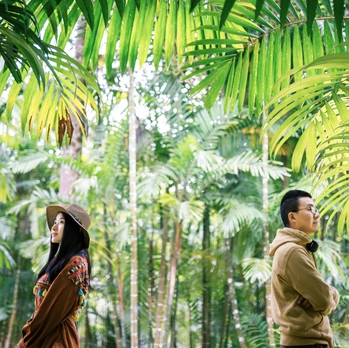
"Mantin" in the Dai language means "a place to plant trees and flowers." This 1,300-year-old park was once the imperial garden of the Dai king, also known as "Chunhuanyuan"—the "Garden of the Soul." Legend says the Dai princess was so captivated by its beauty that her soul stayed behind.
Architectural Beauty: A Feast of Color and Faith
Entering Mantin Park, the first thing you see is a bronze statue of Premier Zhou Enlai participating in the Water Splashing Festival in 1961, flanked by two bodhi trees planted by a Thai princess. Deeper inside, Dai-style palaces and temples come into view.
The colors here are bold and vibrant: gold, symbolizing wealth and status, intertwines with orange and yellow, creating a lively yet dignified atmosphere. High ceilings, intricate patterns, and mythical beast-shaped beams under the eaves all exude royal grandeur. The similarities to Southeast Asian architecture are clear, showing a rich history of cultural fusion.
Selfie Guide: Bring a tripod. In the golden splendor of the Dai King's Council Hall, you can take photos with a time-travel vibe. Even if the weather isn't perfect, it won't stop your creativity.
The General Buddhist Temple: A Sanctuary for the Soul
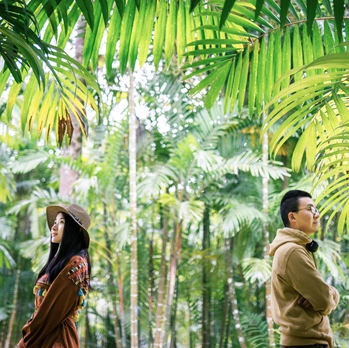
Connected to Mantin Park, the General Buddhist Temple is the highest-ranking temple in Xishuangbanna. Its architecture is more solemn, with golden pagodas gleaming in the sunlight. The incense here is thick, the devotees devout, and you can feel the power of faith.
Practical Info: - Hours: 8:00 AM – 5:30 PM (bonfire party after 6:50 PM) - Tickets: Available on Mafengwo - Suggested Visit Time: 2-3 hours
Wonders Deep in the Rainforest: Wangtianshu and the Tropical Botanical Garden

Wangtianshu Scenic Area: Walking at the Top of the Rainforest
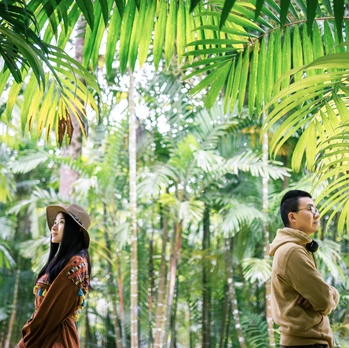
We drove to Mengla County to explore the Wangtianshu Scenic Area. The most breathtaking experience here is walking on the canopy walkway, dozens of meters high. Below is the dense tropical rainforest; above is the blue sky and white clouds. When the wind blows, the entire walkway sways gently—a feeling of both thrill and awe that you'll never forget.
The most stunning sight was a giant strangler fig. It started as a tiny epiphyte, gradually wrapped around its host, and eventually "strangled" it, taking its place. This perfect specimen illustrated the cruel yet magnificent survival rules of the rainforest.
The Xishuangbanna Tropical Botanical Garden: An Encyclopedia of Plants
On our last day, we visited the Chinese Academy of Sciences' Xishuangbanna Tropical Botanical Garden. It's divided into an East and West section. The East section preserves the original rainforest, while the West section features carefully designed specialized plant gardens.

Wandering through, it felt like walking into a three-dimensional plant encyclopedia. From the rare Wangtianshu tree to the peculiar dancing grass, from the giant Victoria water lilies to the shy mimosa, every plant told a secret of the tropical rainforest.
Practical Tip: Set aside a full day, half for each section. The park is large, so consider taking the electric cart.
A Taste of Xishuangbanna: A Tropical Feast for the Senses
What's a trip to Xishuangbanna without its food? The flavors here are as vibrant and bold as its climate.
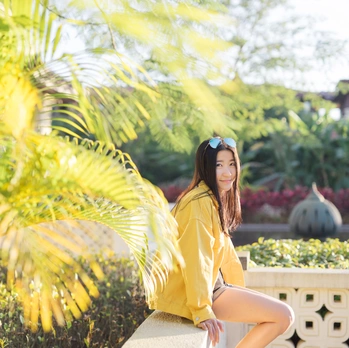
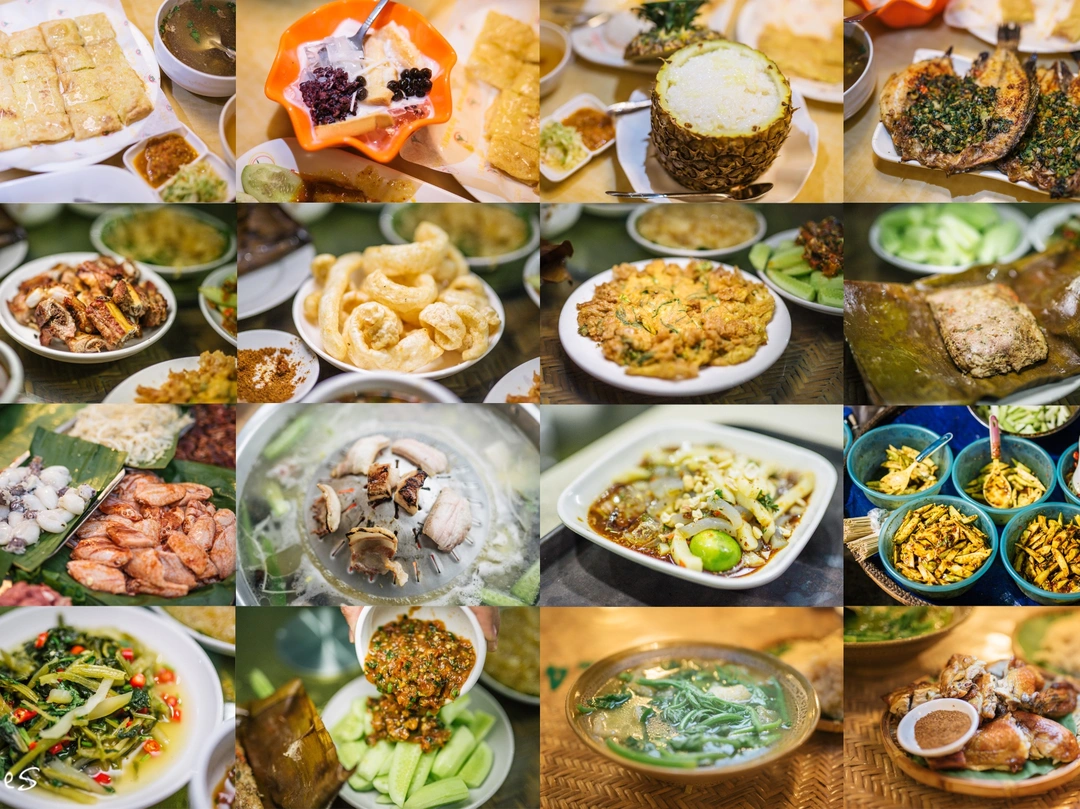
Must-Try Dishes: - Dai-style BBQ: Lemongrass-grilled fish, grilled pork belly, grilled chicken tendons—each bite is a delight with the unique dipping sauce. - Pineapple Sticky Rice: The sweet fragrance of pineapple perfectly melds with soft, sticky purple rice—a true taste of the tropics. - Pounded Chicken Feet: Chicken feet pounded in a wooden mortar, sour and spicy, incredibly addictive. - Tropical Fruits: Mangoes, jackfruit, sugar apples, passion fruit... every fruit here tastes like sunshine.
Recommended Restaurants: There are many特色 (specialty) restaurants around the resort, easily reachable on foot or by shuttle bus.
In the End: The Meaning of Travel

Our five-day trip to Xishuangbanna was a journey from winter to summer, from urban noise to rainforest silence. We screamed on the roller coasters at Sunac Land, stood in silent awe before the pagodas of Mantin Park, trembled on the canopy walkway of Wangtianshu, and marveled at the exotic plants in the Botanical Garden.
But what I'll remember most are the small, fleeting moments: the laughter of children in the afternoon courtyard, the moonlight reflected in the pool at sunset, the gentle "Suzhaoli" (hello) from a Dai girl at breakfast, and the man who pretended to be a "fighter pilot on a mission" on the roller coaster.
The meaning of travel, perhaps, lies in these seemingly insignificant fragments. They are like pearls, strung together by time into a necklace hanging in the window of memory. When we return to our cold, ordinary lives, we can still reach out and touch that warmth.
So, if you're looking for an escape from winter, go to Xishuangbanna. At 21 degrees north, embrace the wind of a "summer" that never ends. Let the sun heal your fatigue, let the rainforest awaken your curiosity, let the food fill your stomach. Let this border town write you a never-ending summer love song.
Final Tips: - Best Time to Visit: November to April (dry season, pleasant weather) - Essentials: Sunscreen, mosquito repellent, light jacket (temperature difference between day and night) - Transportation: Fly directly to Xishuangbanna; use DiDi or hire a car locally - Tickets: More affordable when booked on Mafengwo
May you also find your own summer in this warm land.
You should also read:
Bring a Tripod, Travel Lijiang Alone: A Winter Sun Solo Journey
Bring a Tripod, Travel Lijiang Alone: A Winter Sun Solo Journey When winter in the north wraps itself in smog and biting winds, painting the sky in shades of gray, the dream of Lijiang I'd been harboring began to grow wild and unstoppable. Can a…
Continue reading...
Beyond Romance, Just for the Journey – A Slow Encounter with Shuanglang
Beyond Romance, Just for the Journey – A Slow Encounter with Shuanglang Prologue: A Long-Planned "Accident" My obsession with Yunnan was like a seed, carried by the wind into my heart without me even noticing when it took root. And the name "Shuanglang" was like…
Continue reading...
Xishuangbanna Self-Drive Tour: Into the Tropical Wonderland at the Edge of the Sky (Complete Guide)
Xishuangbanna Self-Drive Tour: Into the Tropical Wonderland at the Edge of the Sky (Complete Guide) Introduction: A Dream Fulfilled Thirty Years Early Some journeys are destined to happen at a specific moment in time. For me, a self-drive trip to Xishuangbanna was originally the first…
Continue reading...