Along G219, From Coast to Border: A Family Road Trip Summer 2025
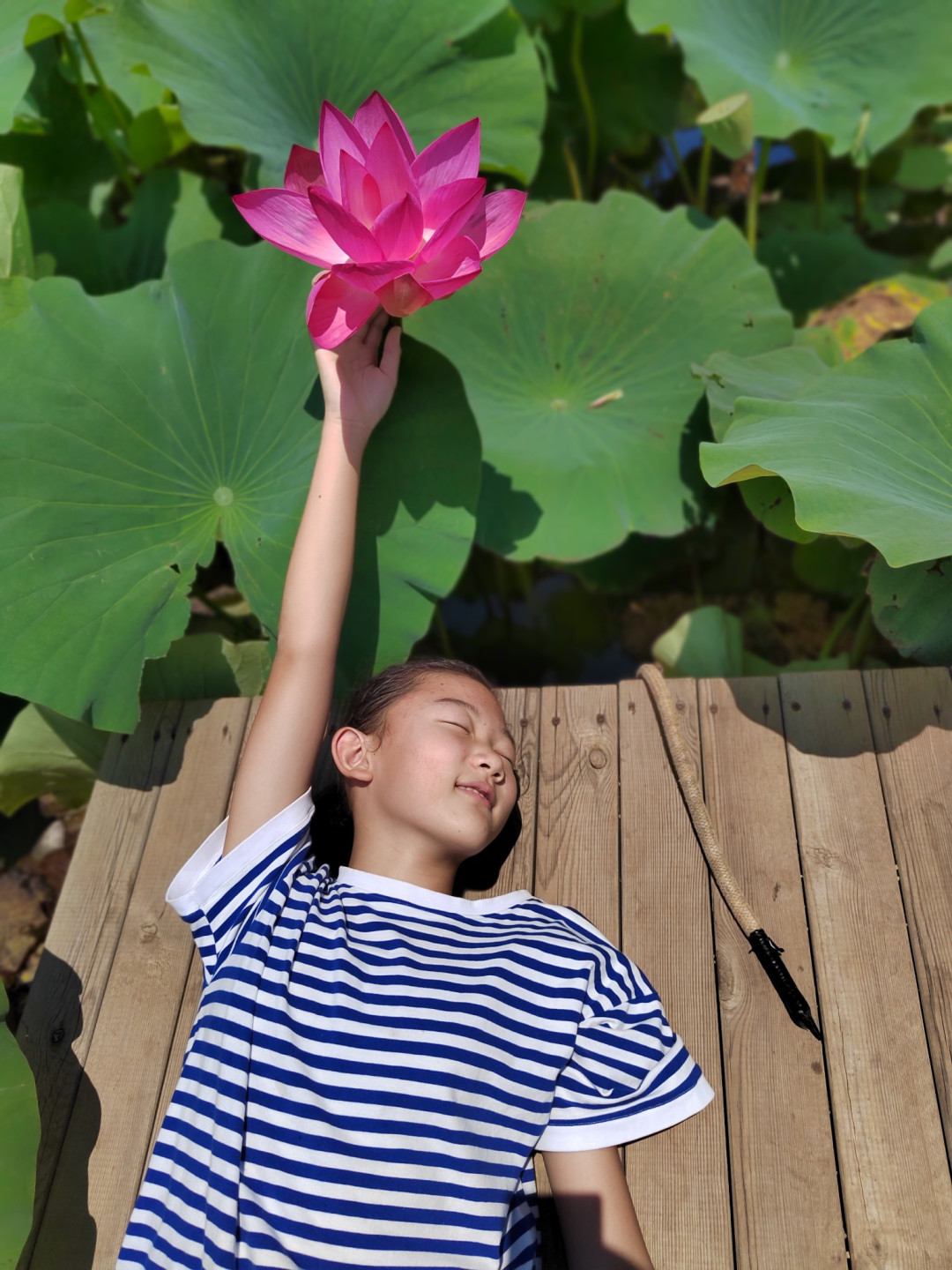
Along G219, From Coast to Border: A Family Road Trip Summer 2025
Preface: A Departure Full of Twists and Turns
The summer of 2025 was destined to be unforgettable for the Ruoxin family. Their little girl was so self-disciplined it was almost heartbreaking—math, English, piano, swimming, every day without fail. Her parents watched with pride and joy, but also with a touch of worry: this precious summer break, they wanted to do something special with her.
But plans rarely survive reality. Dad had fractured his leg and could barely walk. Work schedules for both parents never aligned. Typhoons and torrential rain battered Guangdong in waves. The destinations themselves—crowds, weather—kept them second-guessing. It wasn't until late July, early August, that everything finally fell into place.
In the end, between a loop through Gansu and a road trip through Yunnan, the family unanimously chose the latter—following National Highway G219 from Zhongshan, heading west, then south, tracing the coastline and the border. A journey of roughly 3,500 to 4,000 kilometers, spanning 10 to 11 days.
The destination list: Zhongshan → Maoming → Beihai → Fangchenggang (Dongxing) → Chongzuo → Jingxi → Yunnan's Puzhehei → Mile → Yuxi. Ruoxin's wish list was just as packed: beaches, beachcombing, the Vietnam border, waterfalls, canyon rafting, lotus-viewing at Puzhehei, foraging for wild mushrooms... and going back to her hometown for a wedding feast.
Day One: Leaving After Work, Midnight Duck Porridge in Dianbai
The beauty of a full road trip is the trunk space—food, drinks, gear, everything stuffed in, ready to go at a moment's notice.
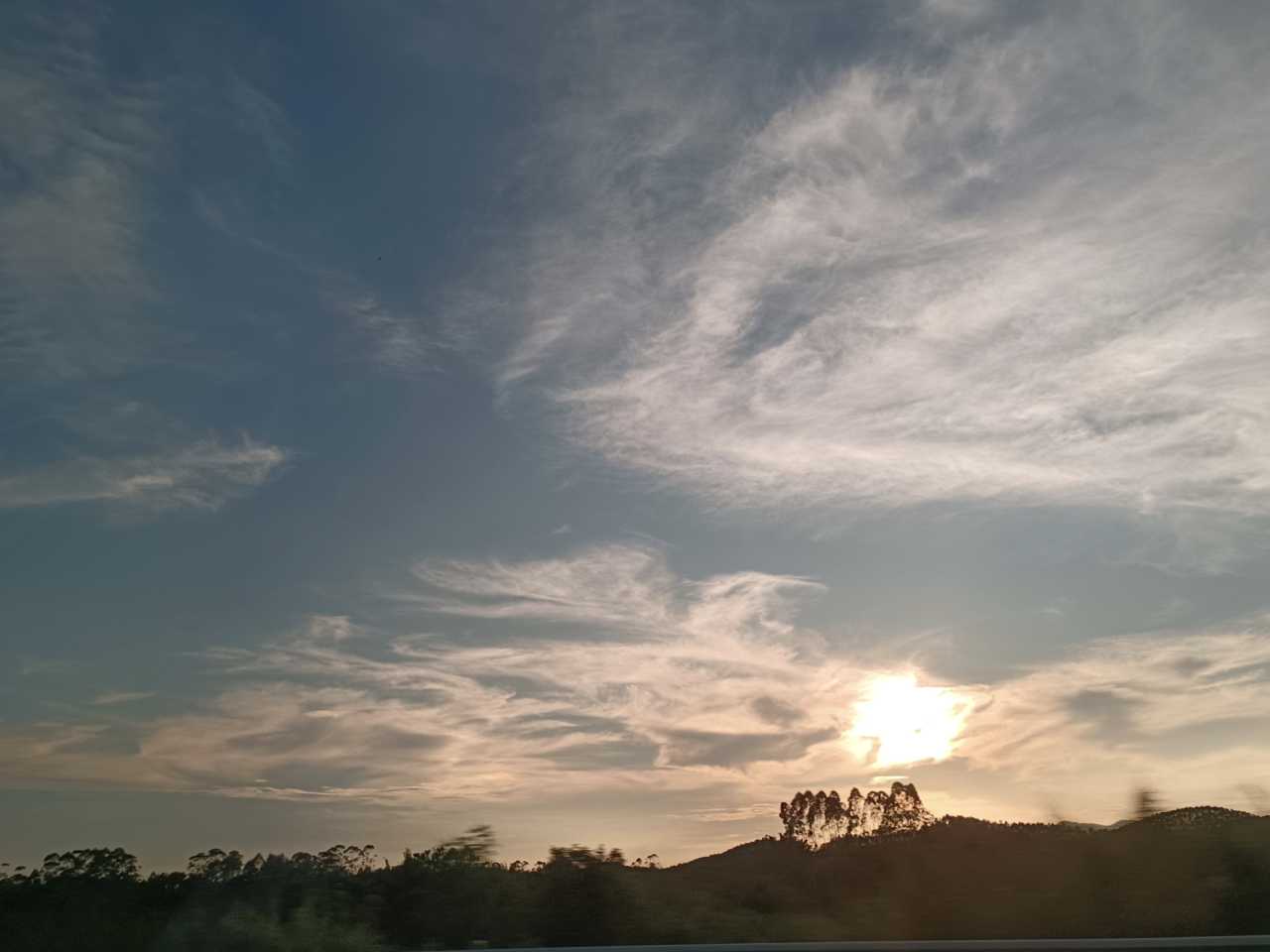
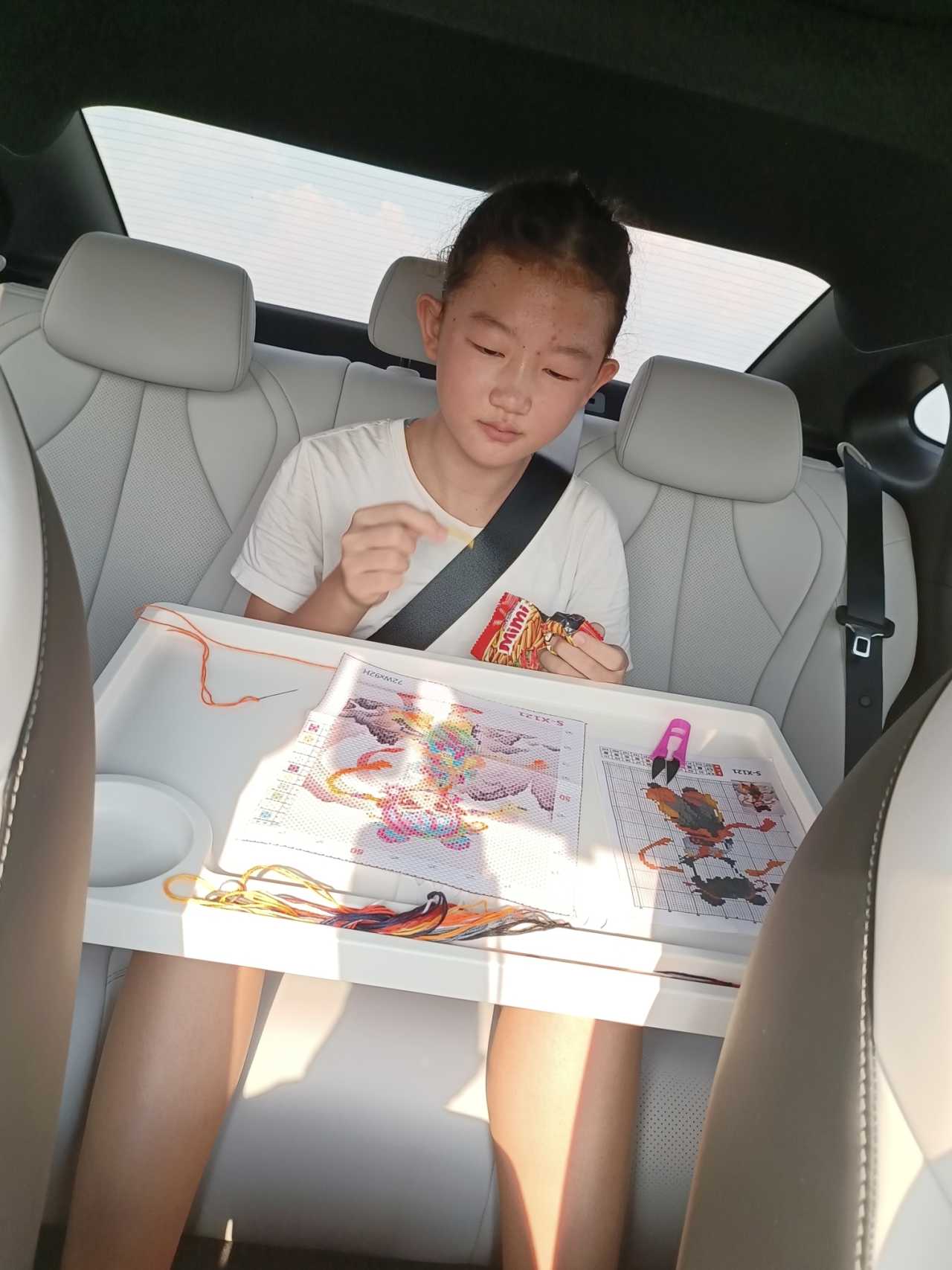
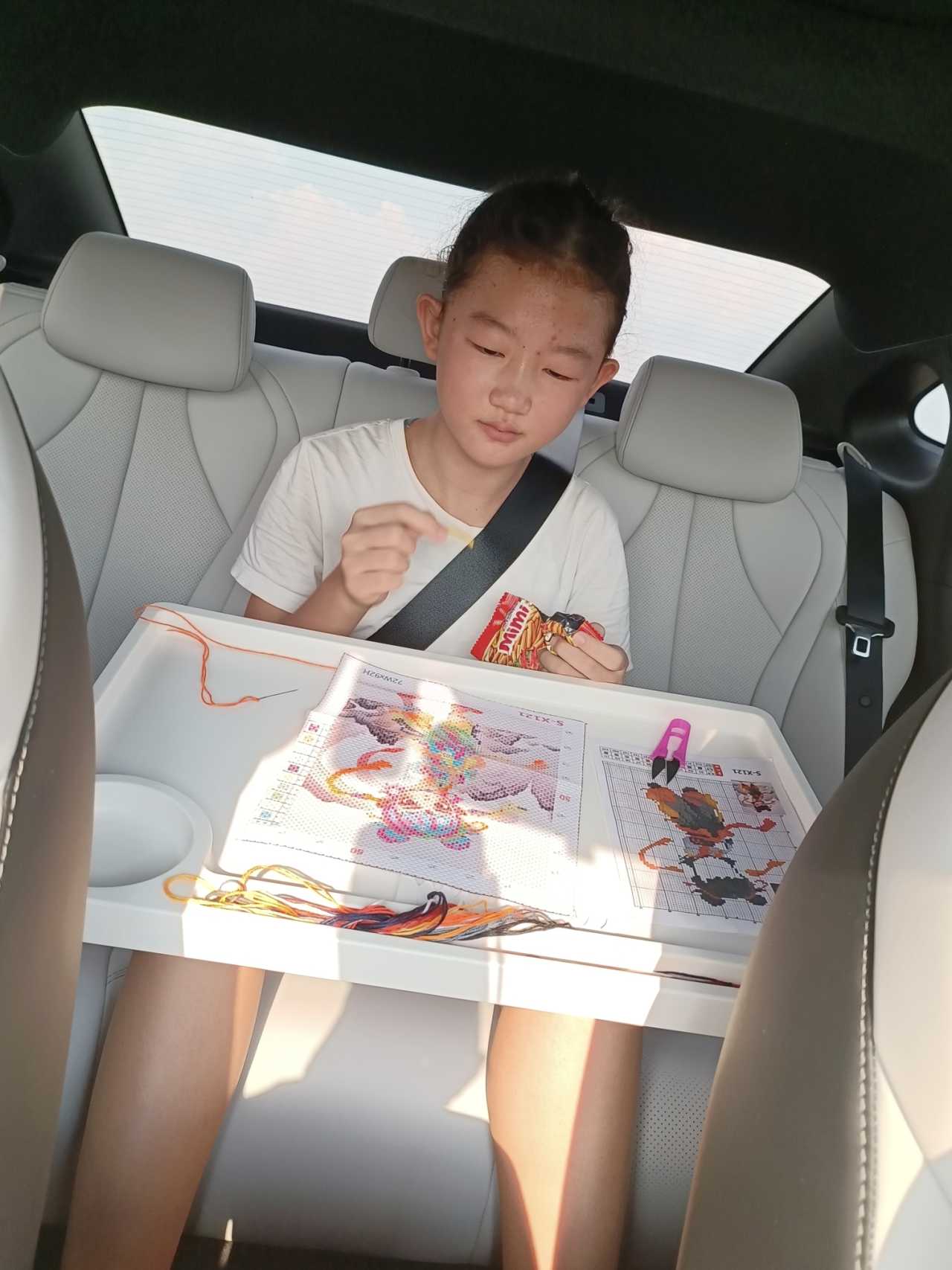
At 5:30 PM, the family of three set off from Zhongshan. Along the way, Ruoxin munched on snacks and worked on her cross-stitch. The three of them chatted and laughed, and the three-hour drive flew by.
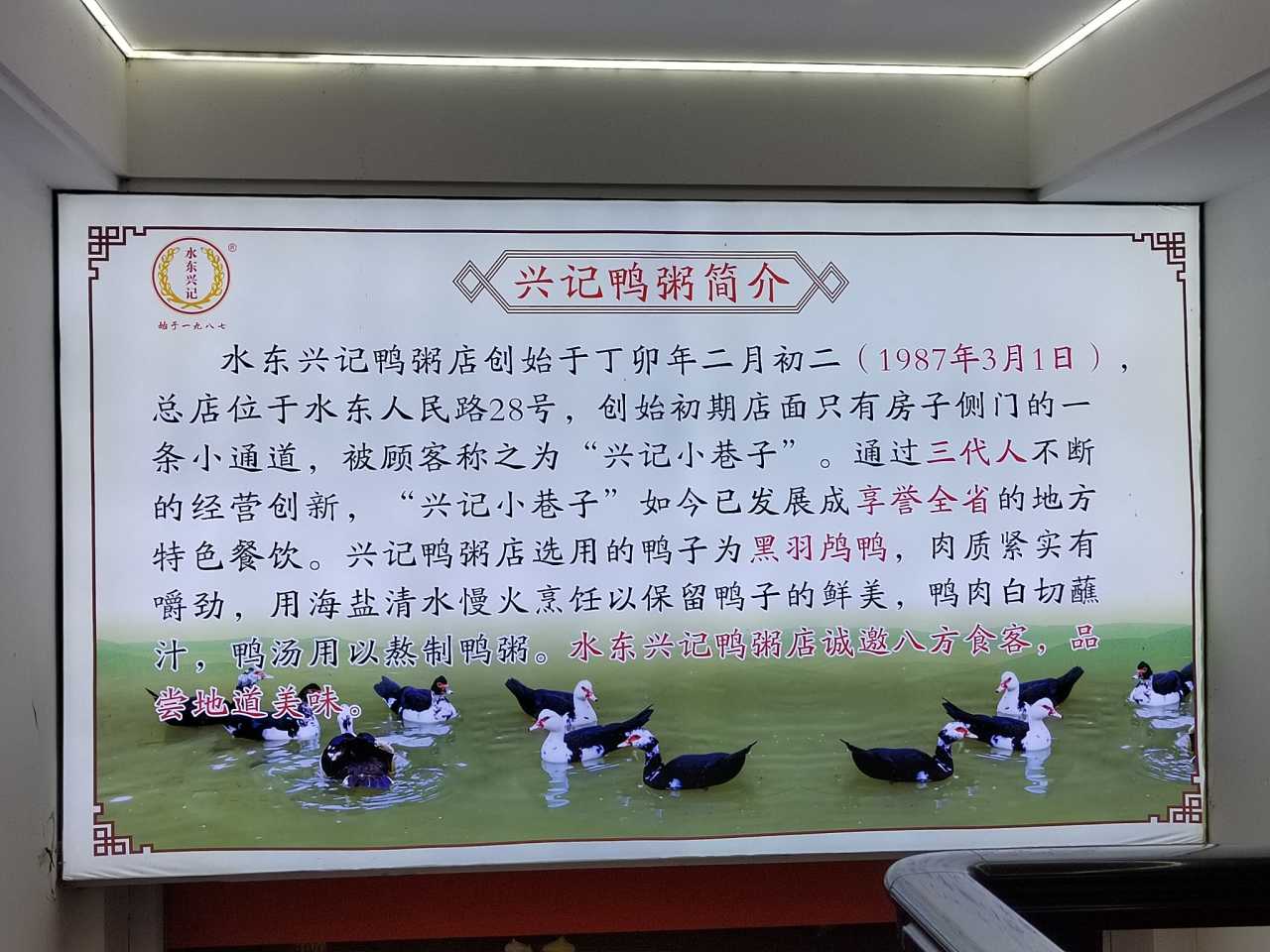
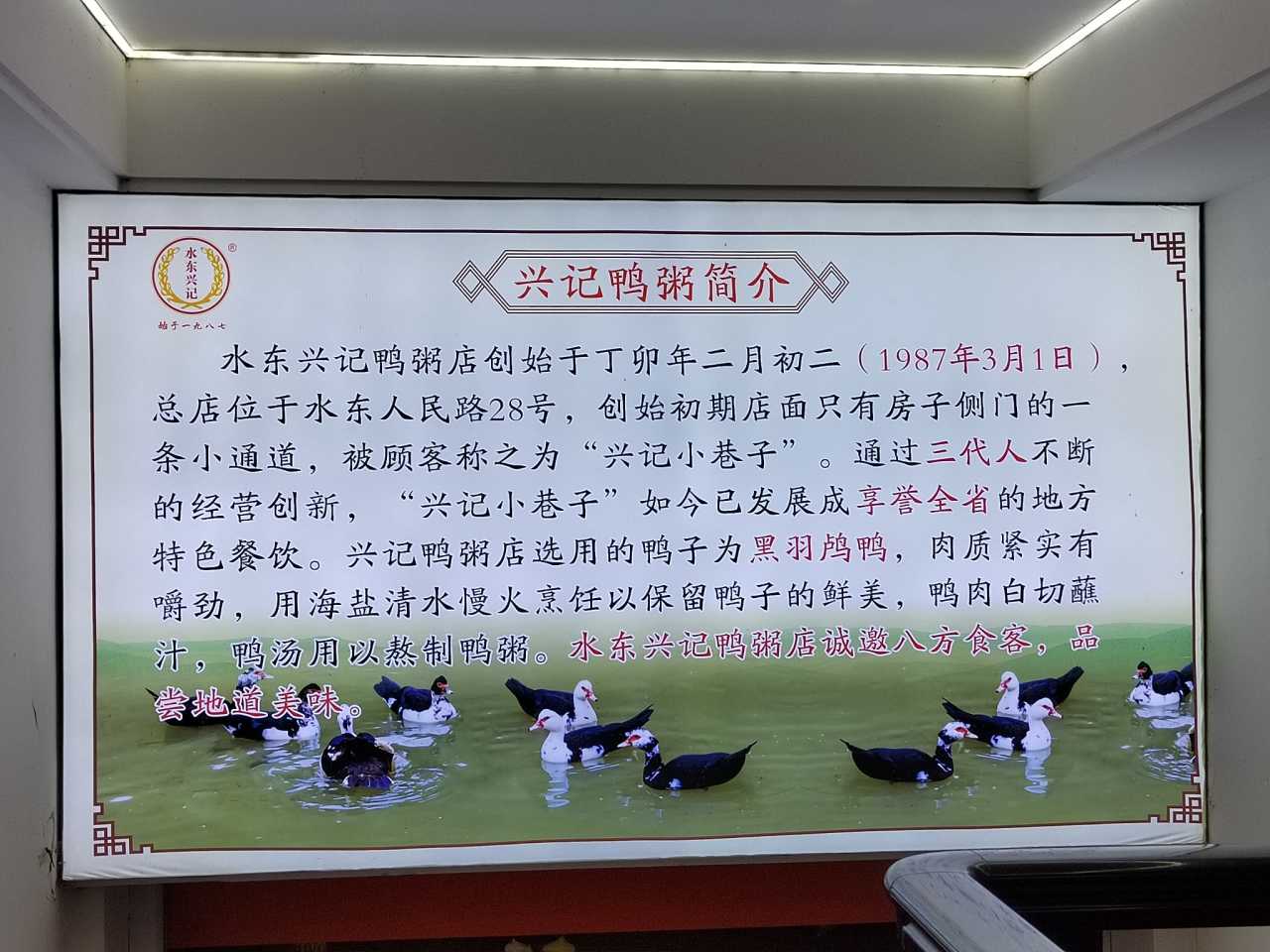
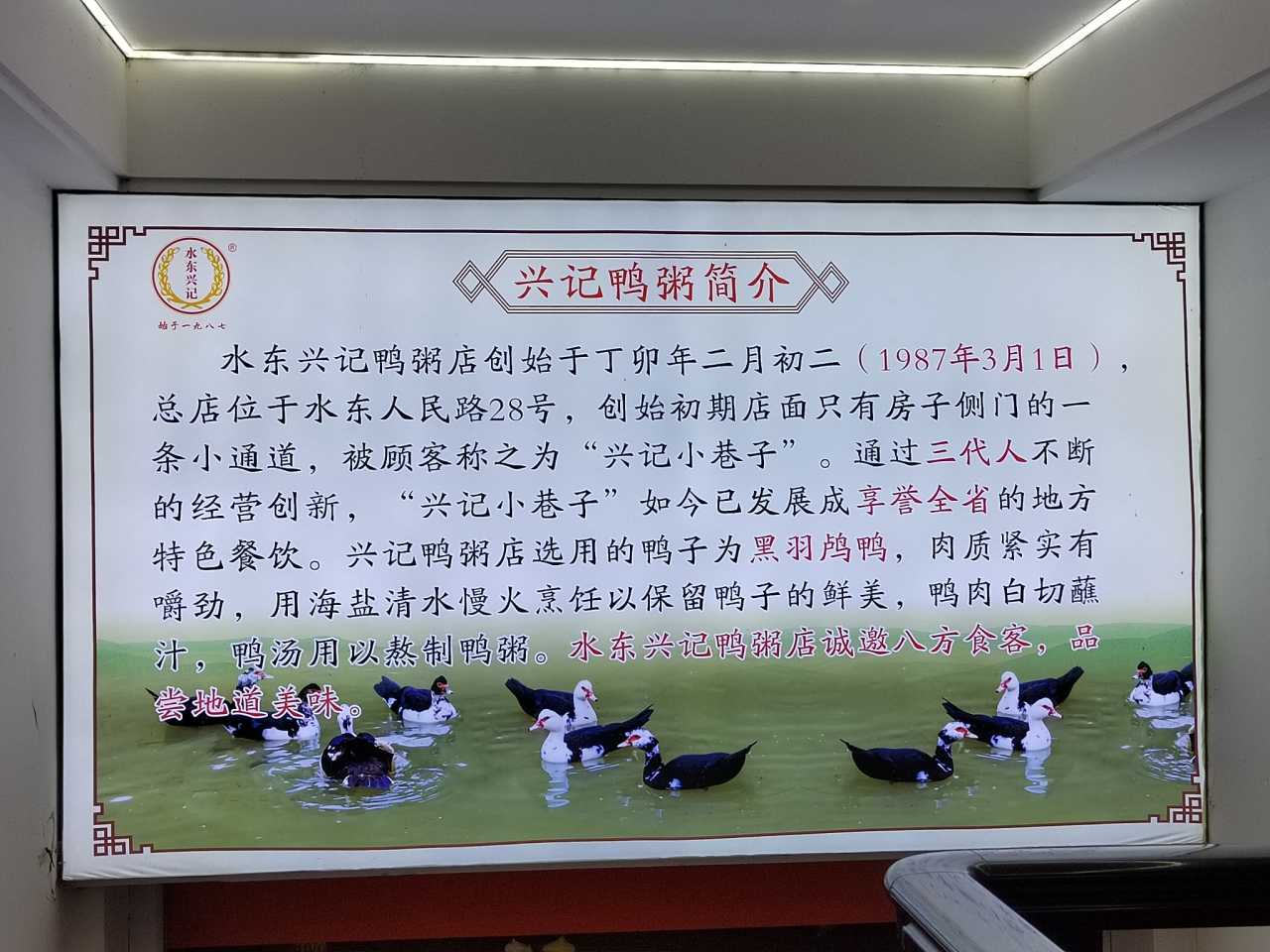
At 8:30 PM, they arrived in Dianbai, Maoming. A seafood dinner was out of the question, but the local late-night specialty—Xingji Duck Porridge (兴记鸭粥)—was just what their hungry stomachs needed.

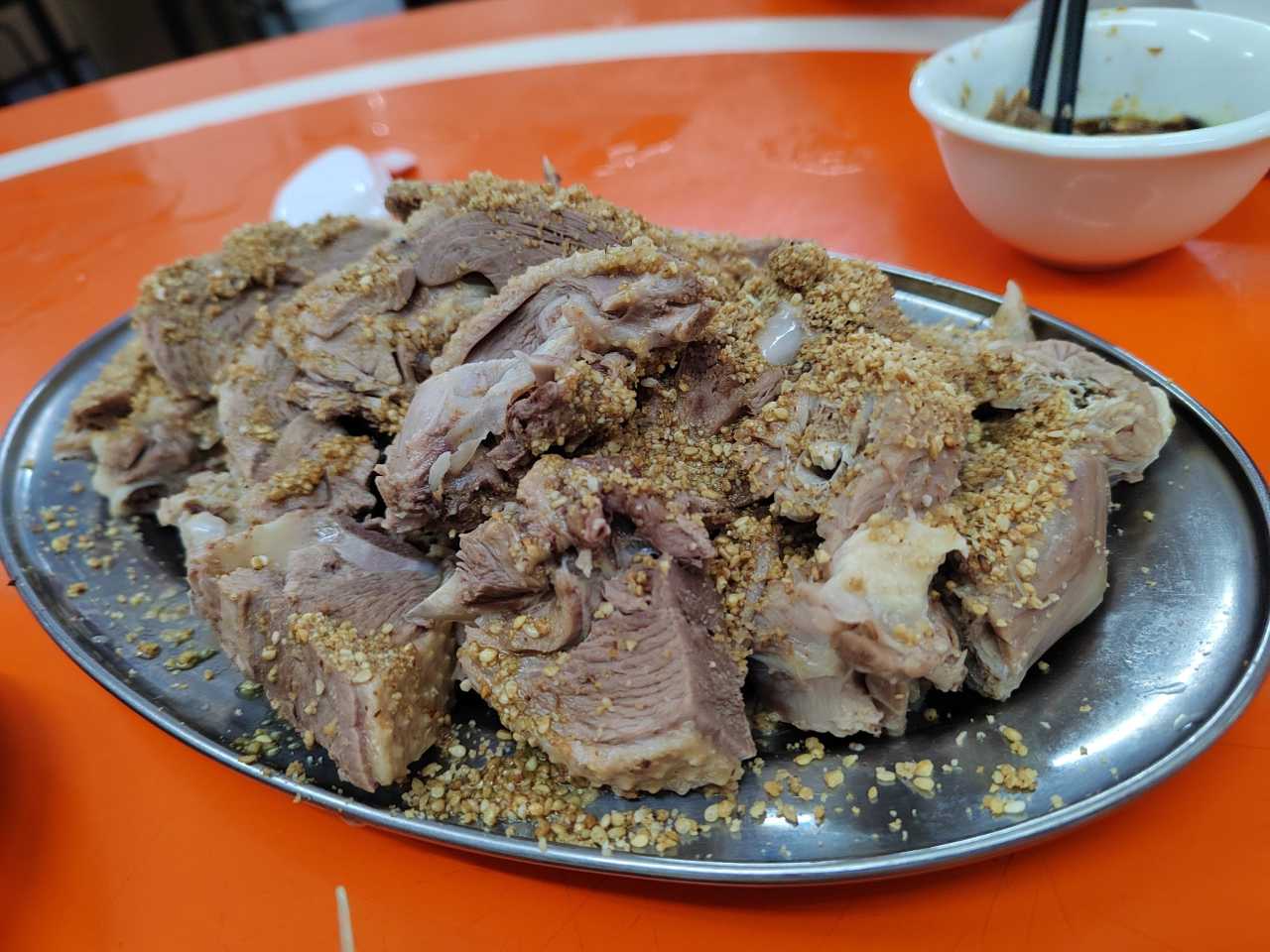
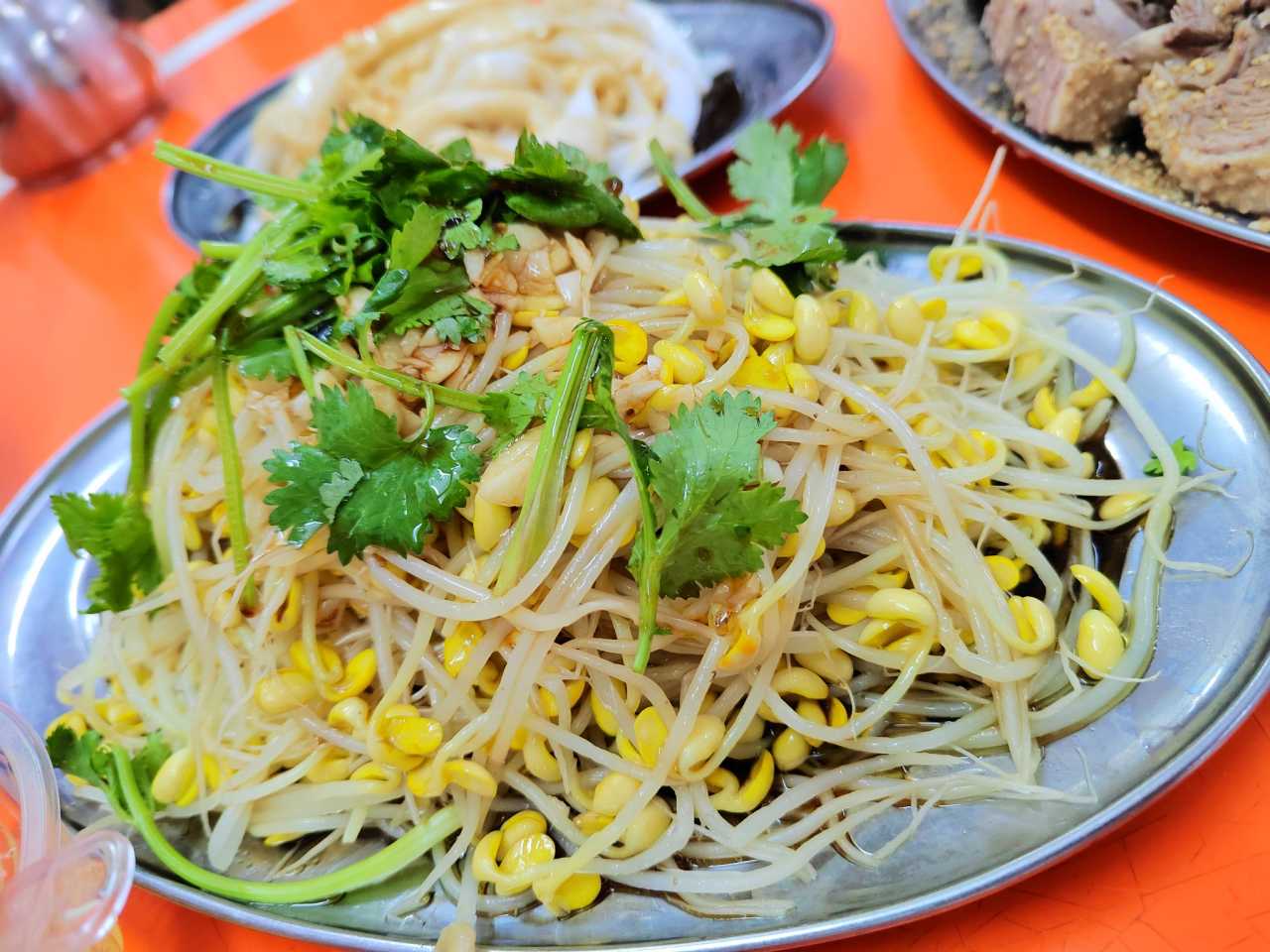
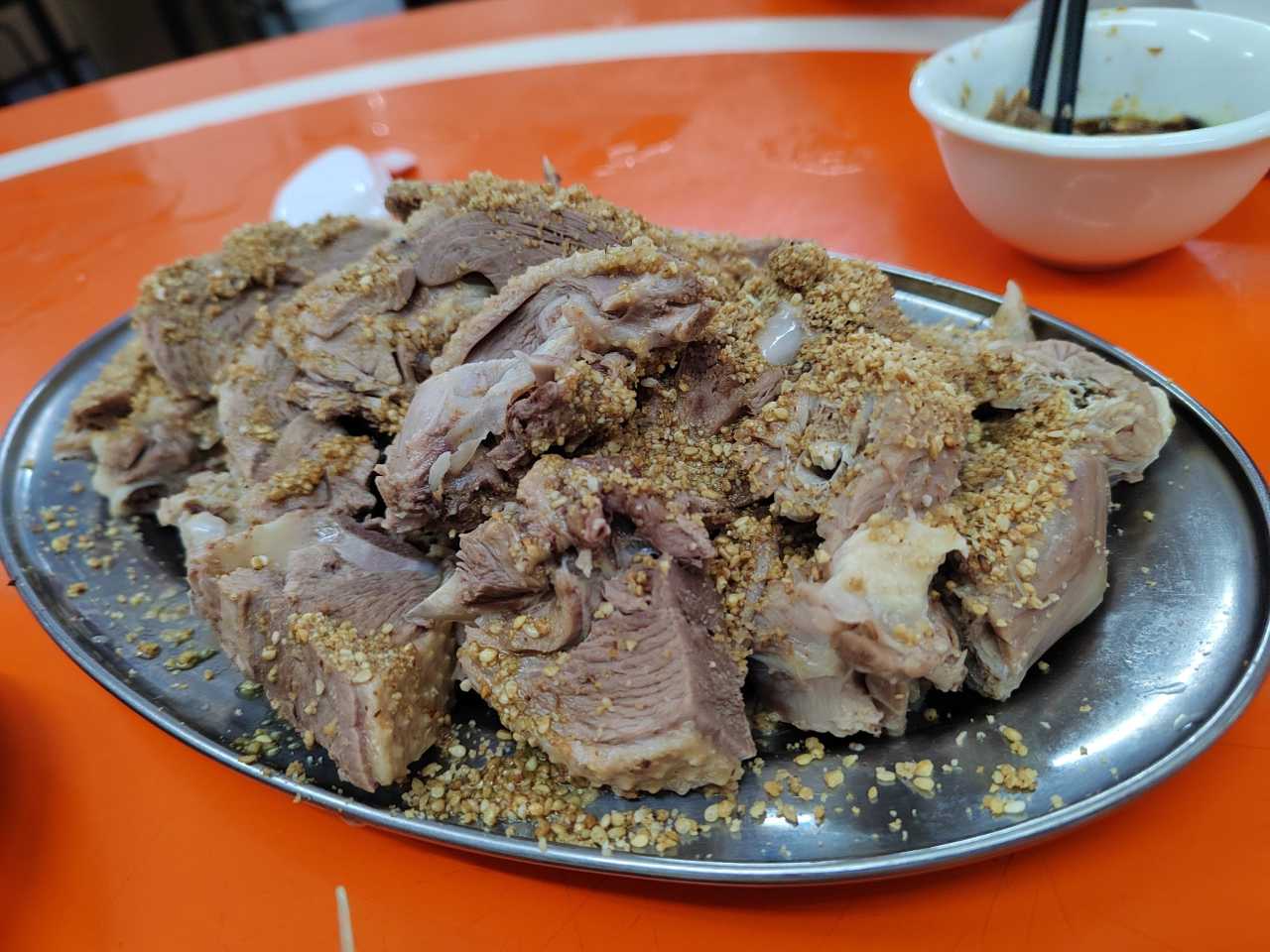
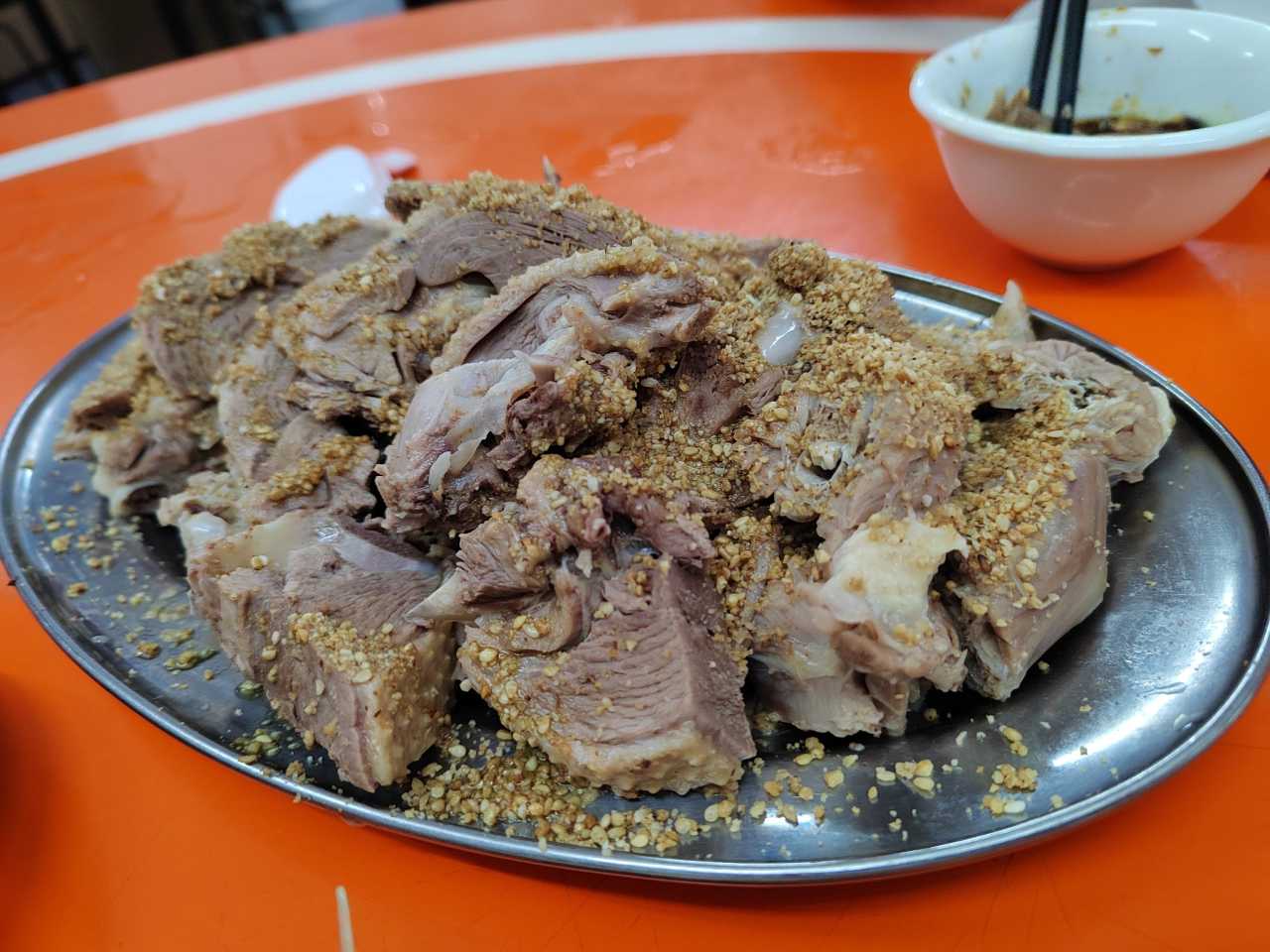
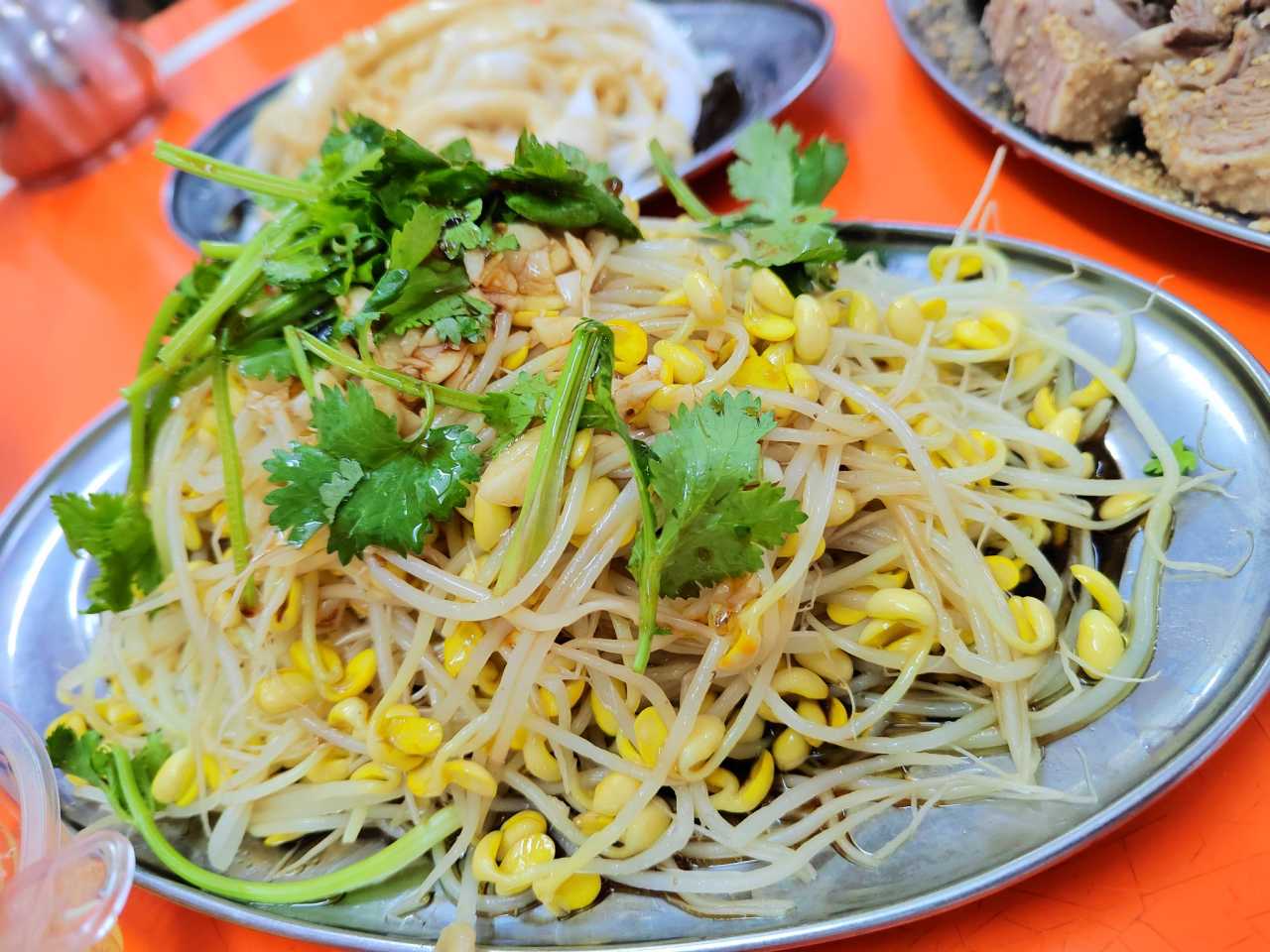
The poached duck (白切鸭) was tender and sweet, the dipping sauce fragrant and savory. The cold rice noodles (捞粉) looked plain, but with a drizzle of the house-special chive oil, Ruoxin ate more than half the plate herself. And the humble duck porridge (鸭粥), simmered in the broth from the poached duck, turned out to be the surprise star of the table. The price was almost absurdly low—4 yuan per person, all you can eat.
Porridge in one hand, noodles in the other, duck meat tucked in between—Ruoxin ate with her head down, not looking up once. Her mom snapped a photo and laughed: "Besides perfecting your eating technique, we need to talk about saving that middle-aged hairstyle."
Day Two: Morning Swim at China's First Beach, "People Beach" at Beihai
The Ramada's breakfast buffet ran until 1:00 PM—the latest breakfast hours Ruoxin's mom had ever seen, practically custom-made for a beach vacation.
But the family was up at 6:30 AM anyway, heading straight for China's First Beach (中国第一滩). Early morning at the beach meant few people, clean water, and an almost empty parking lot. The place wasn't overly commercialized, and the experience was surprisingly wonderful.
Ruoxin, wearing the new water shoes her mom had bought, excitedly collected seashells and hunted for treasures. Dad went into the water with her—body surfing, freestyle, breaststroke, backstroke, butterfly, doggy paddle. They played for two full hours. It was the little girl's first time swimming in the ocean. The seawater was bitter and salty, and the salt stung the acne on her face, which had burst open. But she toughed it out for half an hour until she was completely used to it.
They didn't skip the jet ski and the "flying fish" inflatable ride either. Mom was a nervous wreck on the shore, terrified that father and daughter might fall into the sea without anyone noticing.
After swimming, they went back to the hotel for a combined breakfast and lunch. Ruoxin fell asleep in the car, and Dad took the opportunity to drive the hour-plus to Beihai.
At Beihai Silver Beach (北海银滩), Dad's verdict was: "They should call it 'Beihai People Beach'—it's all people." The experience was far worse than at Maoming's First Beach. The family of three took some photos for the record, cooled off with old-fashioned popsicles, and Ruoxin, her face still flushed, happily posed with her bottom in the air.
In the evening, they wandered through Qiaogang Style Street (侨港风情街). It was crowded and overpriced. They grabbed some seafood in a hurry and left. The best thing they ate? A bowl of Hainan-style 清补凉 (cooling dessert soup).
Day Three: Mangrove Beachcombing, First Glimpse of the Dongxing Border
Beachcombing was the highlight of the trip. They had stayed by the sea the night before, and Dad got up early to check the weather—praying for no rain, no wind.
At 6:30 AM, the vast muddy flats of the mangrove forest awaited. The tools were ready: rakes, shovels, and salt—the secret weapon for catching razor clams.
From the guesthouse to the muddy flats where the real treasures lay, it was a 40-minute walk. The guide, a local woman, said these mangroves had been here for generations. Along the way, they spotted countless little crabs scurrying around.
At first, Ruoxin was thrilled to dig for sand crabs, only to learn later that sand crabs aren't edible. The real target was razor clams (圣子). The trick: find the "figure-8 holes," pour in salt, wait for the clam to spit out water and slowly emerge, then grab it fast.
The professional beachcombers, mostly older women, focused on digging for sandworms (沙虫), which sold for 40 to 65 yuan per catty. They could earn 300 to 400 yuan a day. But the constant bending took its toll—the guesthouse owner said she'd been doing it for ten years and could barely straighten her back anymore.
Ruoxin dug for three hours and came away with 6 to 7 catties of clams. For a first-time beachcomber, it was an impressive haul. They found a local restaurant to cook their catch. There's nothing quite like eating seafood you've caught yourself. Ruoxin even polished off the broth.
Stuffed and satisfied, Dad powered through two cups of black coffee, and the parents took turns driving for two hours to reach the border city of Fangchenggang's Dongxing (东兴).
Dongxing sits at the southwesternmost tip of China's mainland coastline, right on the border with Vietnam. Entering a border city meant more checkpoints—ID checks at every turn. They checked into the Dongxing Ramada, a 27th-floor room with a view. Below the window: the Beilun River and the border crossing, where people from both countries came and went.
From Dongxing onward, the trip shifted into leisure mode—tea, shopping, buying Vietnamese specialties, eating good food. Ruoxin had fallen asleep in the car and hadn't been woken up to do her homework, which made her grumpy when they arrived at the hotel. But she quickly perked up, discussing with her parents what a border is and what it does. She'd seen some materials on the subject before, and she held her own in the conversation.
The Ramada's 35th-floor rooftop observation deck offered a 360° view of the China-Vietnam border. To the left: China's Dongxing, a skyline of high-rises and dense population. To the right: Vietnam's Mong Cai, still largely undeveloped. One river, two countries—the contrast was stark.
Downstairs was Dongxing Port, separated from Mong Cai by just a single bridge. The streets were lively. Vietnamese vendors did business, their Mandarin mostly fluent. A platter of Vietnamese rice noodles, chicken noodle soup, and pure avocado juice all earned Ruoxin's enthusiastic approval.
On the way back to the hotel, Ruoxin's feet hurt, so Dad carried her for a while—forgetting, perhaps, that his own fractured leg was barely two months old.
Day Four: Wandering Dongxing, Detian Transnational Waterfall
In the morning, Dad went for a solo jog and bought some 木奶果 (Baccaurea ramiflora, or Burmese grape). Ruoxin said it tasted like a smaller version of mangosteen—sweet and sour with a slightly unusual aftertaste. Near the old border gate, there were still remnants of war and uncleared minefields, sitting right next to the bustling market streets—a stark reminder that happiness and pain can exist side by side.
Breakfast was on the 34th floor, with a view of the Beilun River and Vietnam outside the window. They were lucky—while Guangdong was getting hammered by rain, they were enjoying blue skies and white clouds.
On the way to Chongzuo, they made a detour to Zhushan Village (竹山村), a small fishing village at the southwesternmost tip of China's mainland coastline, at the mouth of the Beilun River. G219 runs from Dongxing, Guangxi all the way to Kanas, Xinjiang—a route that gathers some of the most beautiful, most dangerous, and most magnificent scenery in the country. Ruoxin had been to Kanas in 2019. Now, in 2025, she was at Dongxing—she had been to both the start and the end of G219. A strange and wonderful coincidence.
They stopped to photograph the Great Qing Dynasty Number One Boundary Marker (大清国一号界碑) and the Mountain-Sea Connection Square (山海相连地标广场), then visited the Jing Ethnic Museum. The Jing people number only about 33,100 in China—less than 0.01% of the national population—but in Vietnam, they make up nearly 90% of the population. Ruoxin studied the exhibits carefully, especially fascinated by Jing clothing and the single-stringed zither (独弦琴).
In the afternoon, they reached the Detian Transnational Waterfall (德天跨国瀑布). It was the rainy season, and the waterfall was thunderous and majestic. On the Chinese side, it's called Detian Waterfall; on the Vietnamese side, Ban Gioc Waterfall—a pair of "transnational sisters." They took a bamboo raft along the border river, right up to the base of the falls, soaking in the sights of both countries. The same river, the same mist, but reflecting completely different worlds—one side bustling and lively, the other quiet and slow.
After the raft ride, a passing cloud brought a brief rain shower. They only had one umbrella. But considering they'd gone days without any rain, one little shower was nothing to complain about.
That night, they stayed at a guesthouse. Dad had caught a cold, and the owner kindly gave him a few packets of Vietnamese herbal tea. It helped.
Day Five: Sandie Waterfall, Gulong Canyon Rafting, Night in Puzhehei
Leaving Dongxing, they continued along G219. Ruoxin hugged the big plush dog she'd bought and made Dad take a photo with it.
The main destinations for the day were Sandie Waterfall (三叠岭瀑布) and Gulong Canyon (古龙山大峡谷) for white-water rafting. The canyon offered two options: the "Classic Cave Run" (三峡两洞经典漂), with a professional guide steering, and the "Free Drift" (自由漂), where you paddle yourself. The family chose the latter—about 5 kilometers, two hours of self-guided paddling.
The rafting was so intense that phones stayed in waterproof pouches the whole time. The current had its fast and slow parts—fast sections were thrilling, with the constant fear of capsizing; slow sections made it easy to spin in circles or get stuck. The raft got jammed a few times. Ruoxin and Dad each had to get out and push once, then scramble back aboard before the current took the raft away. Mom sat in the middle, her job being to stress out and coordinate father-daughter teamwork. She ended up the wettest—soaked from feet to waist.
The two caves were limestone caverns. You'd drift along, then suddenly plunge into complete darkness, constantly watching out for stalactites hanging overhead. Ruoxin, sitting at the back, would only notice them at the last second, then yell: "I almost hit my head! Dad, look what you've done..."
After the rafting, they munched on boiled corn that Mom had bought. At the exit, a 7- or 8-year-old boy was selling drinks. His pitch—"I'm selling to earn money for school"—and his natural salesmanship were so convincing that they bought a 10-yuan bottle of sports drink.
A four-hour drive brought them to Puzhehei (普者黑) by 6:30 PM. The sky had a magical blue hue, and the temperature was a perfect 20°C. Relaxing and comfortable.
Epilogue: The Most Beautiful Scenery Is a Family Together
This journey began with duck porridge in Maoming and ended under the cool night sky of Puzhehei. Beachcombing, swimming, jet skis, border-town exploration, a transnational waterfall, canyon rafting... Ruoxin experienced countless "firsts," while her parents captured every smile and every moment of growth.
A 3,500- to 4,000-kilometer road trip over 10 to 11 days—with sweat, exhaustion, surprises, and unexpected joys. But looking back, all those "twists and turns" before departure, all those "last-minute changes" to the itinerary, turned out to be the best seasoning for the trip.
As Ruoxin's dad put it: "The best company isn't a perfect plan. It's the road you walk together."
Summer 2025. A family of three. Along G219, from coast to border, from Guangdong to Yunnan. The water was the scenery, the border was the story, but the time they spent together—that was the most precious souvenir of all.
You should also read:
Glorious Youth: Four Madmen Cycling from Guangzhou to Lijiang in the Fall of 2012
Glorious Youth: Four Madmen Cycling from Guangzhou to Lijiang in the Fall of 2012 18 Days, 1,700 Kilometers, Four Bicycles – A Wild Last Hurrah of Youth Some roads are meant to be measured by the soles of your feet. Some landscapes only reveal their…
Continue reading...
A 10-Day Yunnan Journey: From Kunming to Lugu Lake — A Slow Travel Adventure with Friends
A 10-Day Yunnan Journey: From Kunming to Lugu Lake — A Slow Travel Adventure with Friends After working for a full year, I finally gathered enough courage and annual leave. I rallied three close friends, packed our bags, and set off for Yunnan. The last…
Continue reading...
Happiness, on the Road: Someday, You'll Miss Today
Happiness, on the Road: Someday, You'll Miss Today Travel is never about reaching a destination—it's about rediscovering yourself along the way. The moment you truly take that step, your heart becomes free. Even a wildflower by the roadside or a worn cobblestone can feel fresh…
Continue reading...