Hungary: Beyond Budapest, a Hidden Central European Wonder You've Never Seen
Hungary: Beyond Budapest, a Hidden Central European Wonder You've Never Seen
When most people think of Hungary, their minds immediately jump to Budapest's Danube夜景, the Chain Bridge, and Fisherman's Bastion. These sights are undeniably charming, but if you think Hungary is only about them, you couldn't be more wrong. This country, nestled in the heart of Central Europe, is like a well-worn travel guide—most people only read the first chapter, missing the far more exciting pages that follow.
In the late autumn of 2018, I embarked on a solo journey deep into Hungary's hinterlands. There were no crowds of tourists, no cookie-cutter check-in routes—just lakes, hot springs, underground caves, thousand-year-old monasteries, and stories scattered across the countryside, polished to a shine by time. This seven-day trip cost around 20,000 RMB per person, but it gave me travel memories that far exceeded my expectations.
Pre-Trip Preparation: Practical Details You Must Know
Visas and Currency

Hungary is a Schengen member state, which means as long as you have an activated multi-entry Schengen visa (issued by, say, France or Germany), you can freely enter Hungary within one year of first entering the visa-issuing country.
One crucial thing about money: although Hungary is part of the European Union, it is not in the Eurozone. The local currency is called the forint (HUF). The exchange rate is roughly 1 RMB to 40 forints—sounds great, right? But in practice, you'll find that a meal can easily cost over 10,000 forints, renting a car over 20,000, and filling up the tank over 30,000. The good news is that most ATMs in Hungary accept UnionPay cards, and you can withdraw cash at the airport with the day's exchange rate, which is far better than using euros. If you really haven't had time to exchange money, some merchants accept euros, but the exchange rate will cost you nearly 10%.
Transportation and Self-Driving
Flying from China is obviously the smartest choice—walking there is just too far. If you have time to spare, you can opt for a connecting flight; which country you transit through depends on your shopping list and budget.
Once in Hungary, self-driving is the most liberating way to explore. Although fuel prices here are relatively cheap by European standards, diesel costs around 4,000 forints per liter (about 10 RMB), which isn't exactly cheap either. Fortunately, Hungary is not very large—I drove crisscross across the country for a week and used just over one tank of gas.
Here are some key reminders for self-driving:
- Highway Tolls: Several highways starting with "M" require a toll pass, but there are no toll booths. Instead, radar cameras scan your license plate. You need to buy a weekly pass (about 3,000 forints) at a gas station and register your plate number before hitting the road. Otherwise, fines will quietly find their way to you.
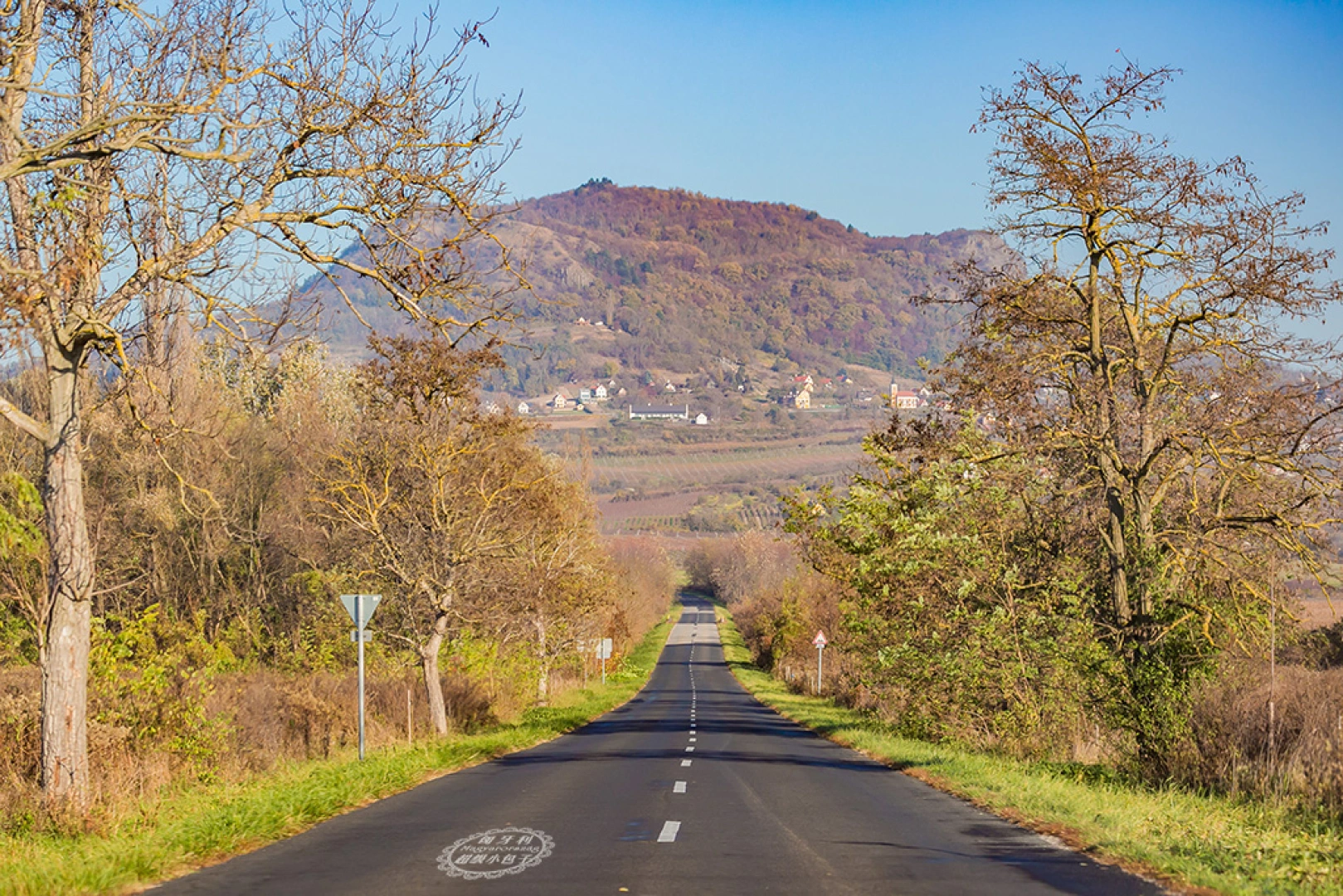
- Country Roads: Taking country roads to avoid highways saves money but costs a lot of time. Every time you pass through a village, you must slow down to 50 km/h, so a 100-kilometer journey can take over an hour longer.
- Headlights On During the Day: This is a legal requirement in Hungary. Ignore it, and the police might invite you for a chat.
- Avoid Night Driving: Rural roads are narrow, unlit, and often lack reflective markers. Beyond your headlights, it's pitch black—a significant safety risk.
Also, Eastern European roads are like a "vintage car exhibition." You'll see all sorts of bizarre vehicles—some look like 1920s Passats, and others are tiny little trucks with huge round cabs. But what amazed me most was the local villagers' creativity: some of their cars are literal "works of art" cobbled together from scrap parts.
Language and Tipping
Outside of Budapest, most Hungarians have very limited English. The better ones can manage a few words; the rest rely on gestures and imagination. However, locals are incredibly friendly and will enthusiastically try to communicate, even without a shared language. The EU is promoting tourism in Hungary, so many staff at attractions and service points now have basic English skills. Airports and other places have tourist information centers—be sure to ask for practical tips.
Regarding photography, some museums' tickets only cover entry; you need to buy a separate permit to take photos. Restaurant bills usually already include a 10% service charge, so no extra tip is needed. Finally, a tip for night photography enthusiasts: the lights on Budapest's major historical buildings go out at midnight sharp—don't ask how I know.
Lake Balaton: The "Inland Sea" of Central Europe
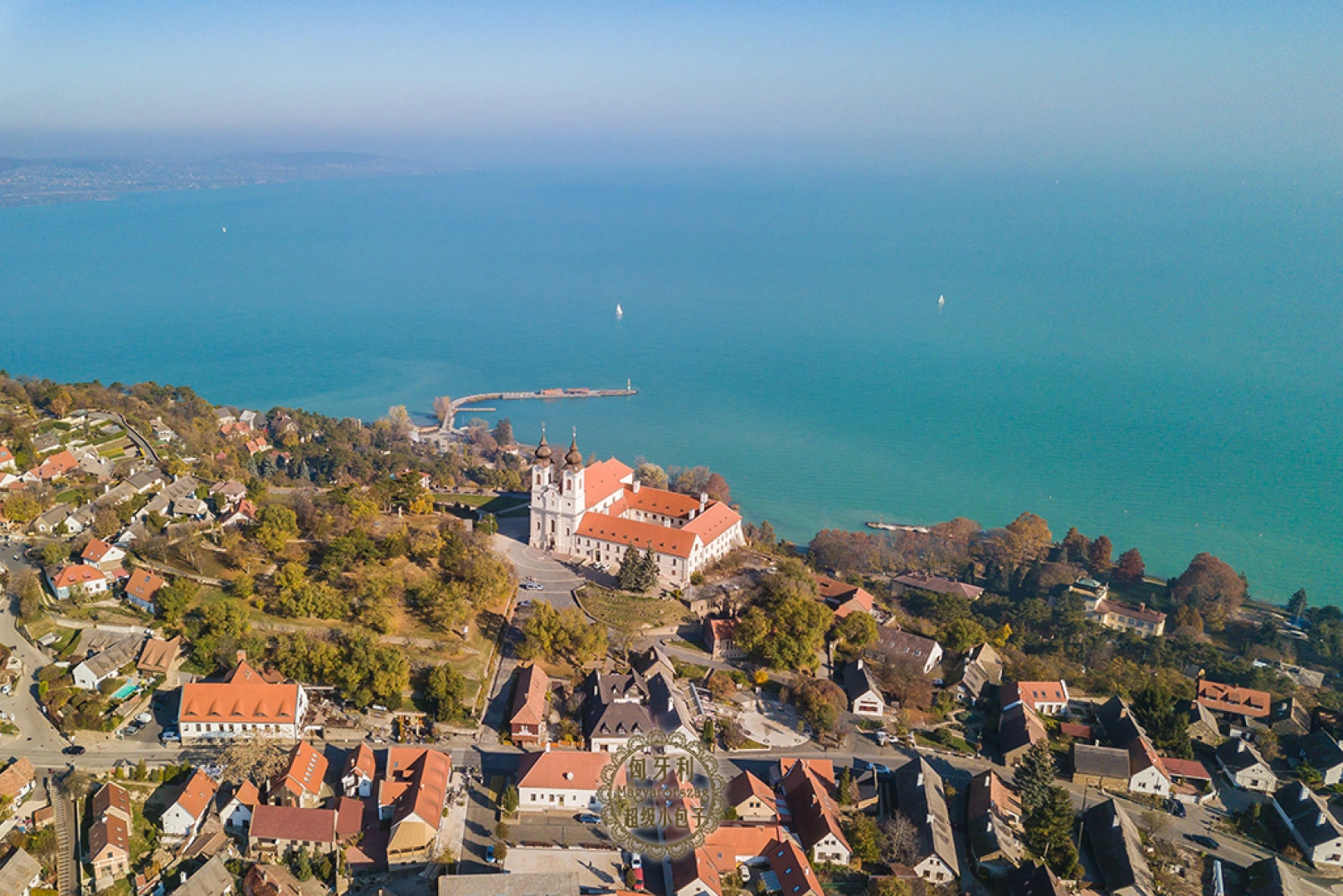
For Chinese tourists, Lake Balaton might be an unfamiliar name. But for people in neighboring countries like Hungary, Austria, and Germany, this is their "Sanya" or "Hokkaido"—the largest lake in Central Europe, so vast that locals simply call it the "Hungarian Sea." In summer, the southern shore's beaches are packed with vacationers swimming, fishing, sailing, and cycling.
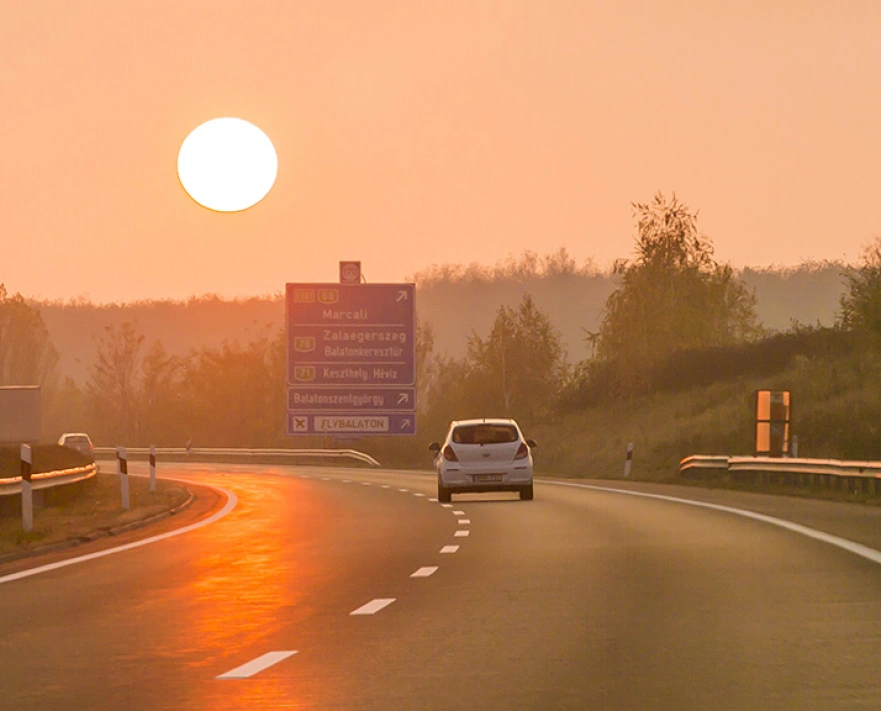
I chose to visit in winter to experience its completely different side. From Budapest, a 90-minute drive along the M7 highway brings you to the lake. Without the summer crowds, winter Lake Balaton is as quiet as an ink-wash painting.
I stayed in a small town on the northern shore, which is more forested and rich in historical sites than the southern shore—perfect for winter travel. Since it was off-season, the guesthouse prices were much lower. What surprised me most was that Hungary has heating! No matter how cold it is outside, as soon as you step indoors, you're back to life.
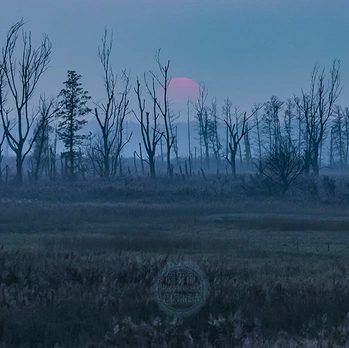
Every morning, the lakeside air was damp and cool, the town shrouded in mist as if still asleep. But as soon as the sun came out, everything changed—the fog lifted, warm sunlight poured down, and the orange leaves, green lawns, and blue lake formed a stunning oil painting. Best of all, there were almost no other tourists around.
Driving through the lakeside towns, I'd occasionally spot Hungary's most characteristic reed-roofed houses—white cottages topped with thick, fluffy reed roofs like giant furry hats. They were adorable. Lake Balaton is rich in fish; the zander (pike-perch) is tender, with few bones, and both fish soup and grilled fish are must-tries.
Hévíz: Swimming in a Bottomless Natural Hot Spring Lake
Hungary is one of the world's richest countries in underground thermal water reserves. But before I came to Hévíz, my understanding of hot springs was limited to "sitting in a steaming pool." It wasn't until I stood before Lake Hévíz—Europe's largest and the world's second-largest geothermal lake—that I realized how narrow my view had been.
The lake covers 4.44 hectares, larger than six football fields combined. Its water is warm year-round, reaching 37°C in summer and never dropping below 24°C even in the coldest winter. People have lived here since the 4th century BC. By the 18th century, Kristóf Festetics, the lord of the Keszthely Palace, began studying the therapeutic uses of the hot spring while building his palace, turning Hévíz into a famous resort and treatment destination.
I arrived near dusk, and the parking lot was packed. I followed a few local cars that seemed to know where they were going, winding around to the old town behind the hot spring lake, where I found a free spot deep in an alley. Walking through a park covered in fallen leaves—the lawn still green thanks to the geothermal heat—I reached the entrance of the spa.
In Hungary, hot spring visits are charged by time: 3 hours for 2,400 forints, 4 hours for 2,600 forints, and a full day for 3,700 forints. After buying a ticket, you get a wristband that looks like a watch, used for entry and operating lockers.
After changing, I hurried toward the center of the lake. This is a natural lake, not a tiled pool. The shallowest point is 2 meters deep, and the deepest reaches 38 meters! There's a handrail in the middle of the lake for easy entry, saving you the awkwardness of stepping on sharp stones or mud from the shore.
The air temperature was only 8°C, so being shirtless outside was a bit chilly. I quickly got into the water, only to find it wasn't hot at all! Because the water temperature varies with the seasons, in early winter it's only 24-25°C—about the same as a normal swimming pool in China. The steam rising from the lake wasn't from the heat of the water, but from the cold air—like your breath on a winter day.
After swimming a few strokes, I soon warmed up. Swimming in a completely natural hot spring lake felt amazing! I took a deep dive, and looking down from 2-3 meters, the water turned dark green—bottomless. It felt like the lake was connected to a black abyss. My heart raced, and I quickly surfaced—no wonder everyone was carrying a floatie.
A wild idea struck me: with all those minerals, would the buoyancy be like the Dead Sea? So I tried it... Three seconds later, I went from a "super little dumpling" to a "super soup dumpling." Lesson learned: overthinking doesn't pay off.
Tapolca: Exploring Underground Caves by Boat
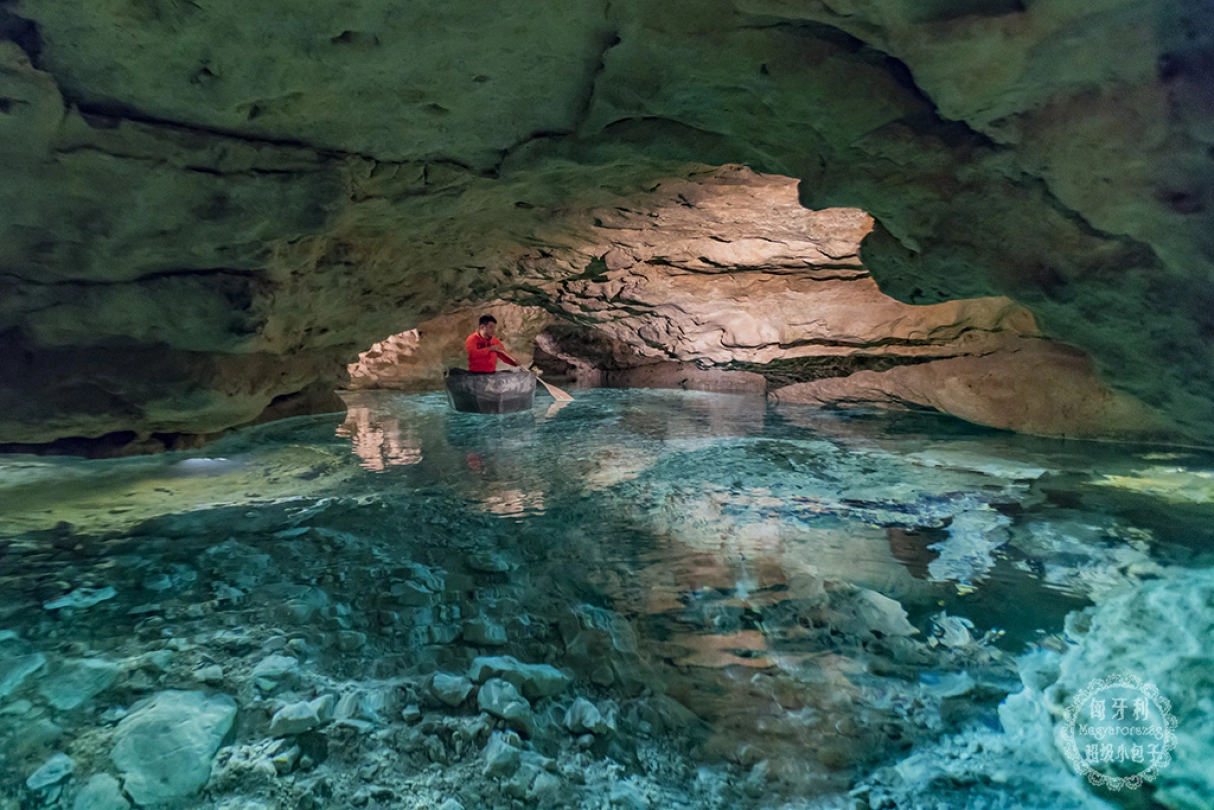
Tapolca is near the Lake Balaton region, but not right on the lake. Here, there's an underground cave system open for exploration. Upon entry, everyone gets a pair of 3D glasses to view stereoscopic photos of cave expeditions—the effect is stunning. It turns out that Tapolca, and indeed the entire Lake Balaton area, is riddled with underground caves. After seeing the presentation, I felt a bit shaky walking—worried that one hard stomp might send me straight down.
This is a karst landscape, but oddly, karst areas usually don't hold water, yet here there are numerous underground lakes. Known as Hungary's geological wonder, the "Crystal Garden" is the most beautiful underground lake in the country, so remote that even expert explorers struggle to reach it. The cave is named after Béla Károlyi, a former bank clerk and cave guide who later became the founder of the Cave Discovery Association and the director of the Tapolca Lake Cave.
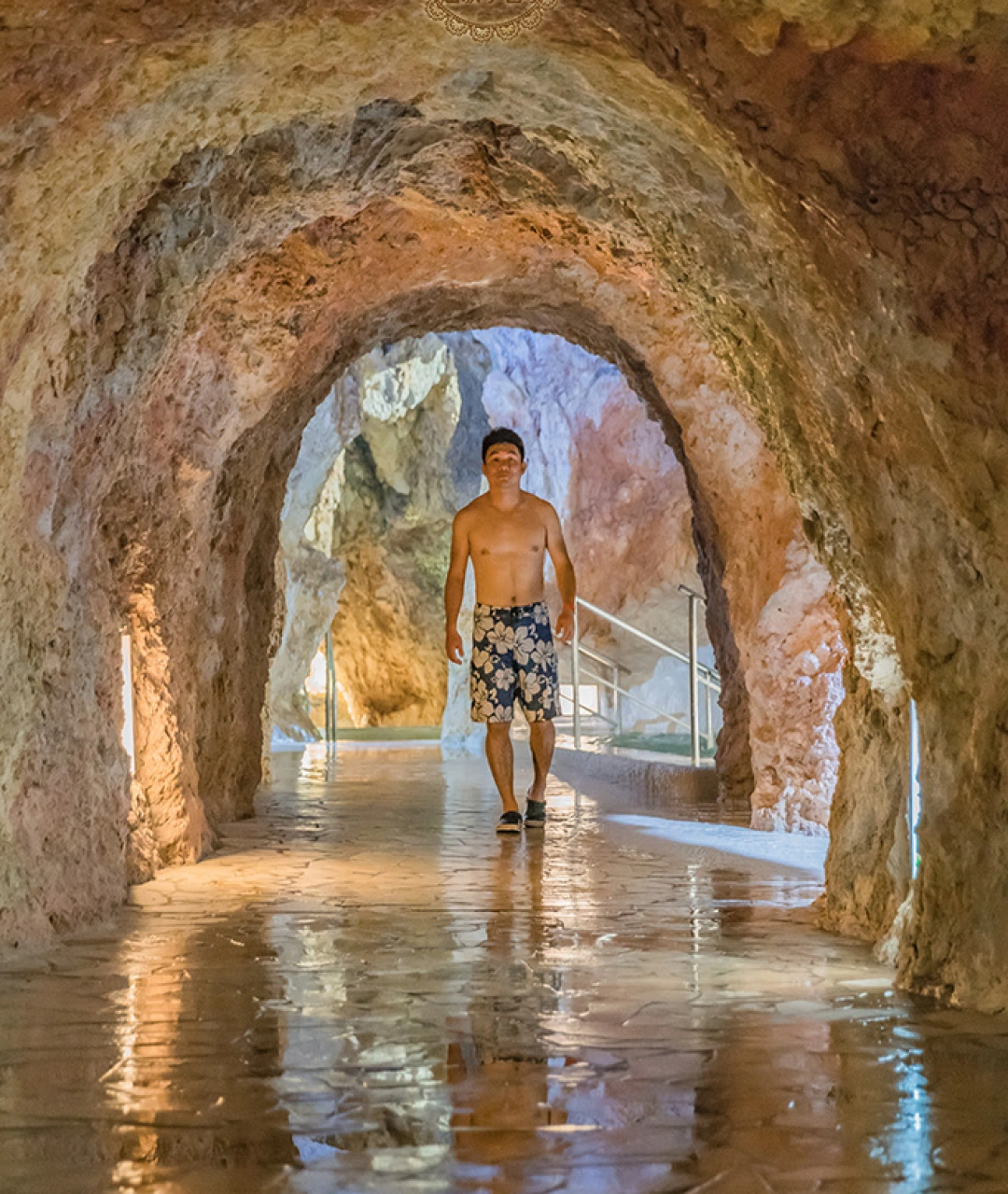
After touring the geological exhibition, it was finally time to go underground. Pushing open the heavy iron door, a faint, strange smell hit me—geothermal activity always brings a bit of hydrogen sulfide and other chemical elements. A winding tunnel led downward, the walls reinforced with simple bricks, the steps covered in water, getting slipperier as I descended. Luckily, there were handrails—otherwise, a cheerful, bouncy guy like me might have ended up flat on the floor at any moment.
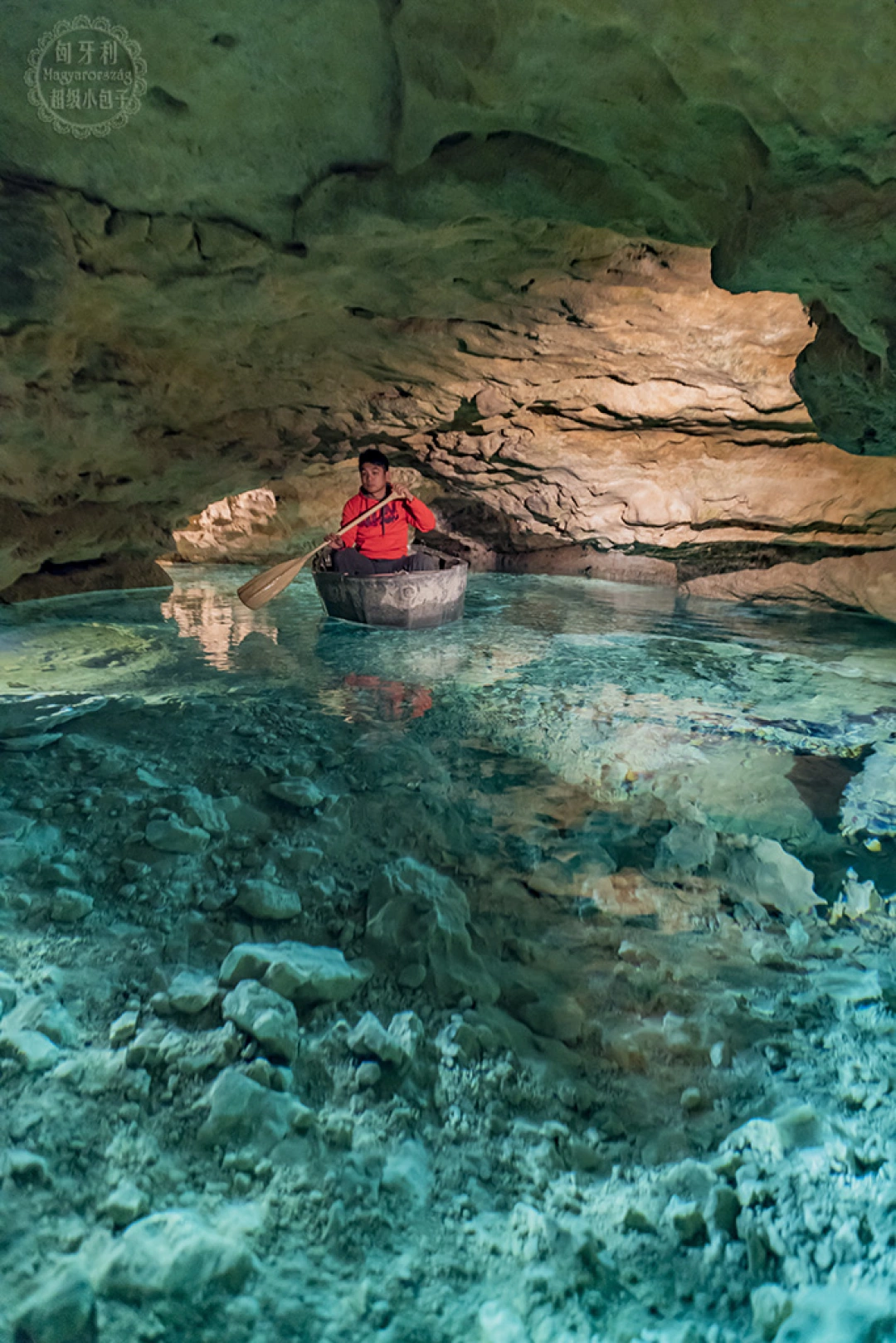
At the bottom, the space opened up dramatically. Apparently, people once lived here, and many household items and bones have been excavated. The cave felt comfortably warm—both in winter and summer, since the water temperature stays at a constant 20°C. In the days before central heating, this would have been an ideal shelter from the cold.
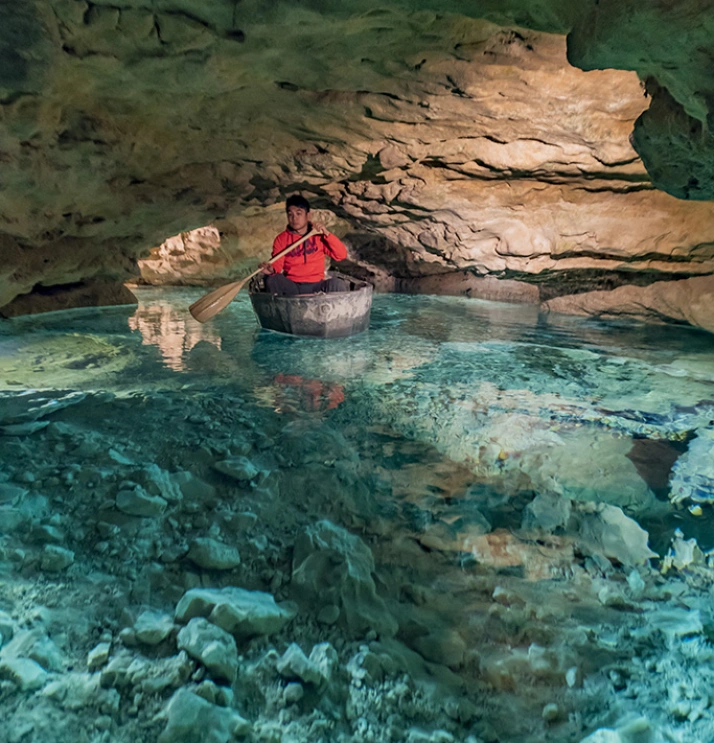
Further ahead, the path ended at an underground river, where several small boats were floating. I couldn't wait to jump in and paddle into the depths of the cave. The water was crystal clear; if I weren't in a boat, I'd have wanted to swim or wade through it. Many parts of the cave were already lit with floodlights, so no extra lighting was needed.
At first, the water was shallow and the ceiling very low—one wrong move and you'd scrape against limestone. After turning through a narrow opening, the ceiling suddenly rose, and the water became deep. Although underwater lights were installed, the unlit areas remained dark and mysterious. The minerals in the water gave off a blue-green glow, reflecting on the cave ceiling in shifting patterns. The entire waterway wasn't very long, and soon I was back at the starting point.
What an experience! After coming out, I excitedly praised the ticket seller. His English wasn't great, but he could tell I'd had a blast. He gestured enthusiastically, recommending a nearby lake and some local food.
When I reached the small lake, it was well worth it—the sunlight was perfect, and the reflections on the water were flawless. Calling it a "small lake" is generous; it's more like a pond, taking only five minutes to walk around. In late autumn, the ground was covered in golden fallen leaves, making the place feel like a painting. There was only one restaurant by the lake, a building that looked very old. I tried traditional Hungarian foie gras. It was much milder than in other European countries, probably because it was mixed with other spices, duck liver, and pork liver—the flavor was very Chinese-friendly. I also ordered a bowl of goulash, and this time it wasn't a soup—turns out Hungary's most famous beef stew can be either a soup or a hearty main dish.
A 15-minute drive south from Tapolca brings you back to Lake Balaton. Along the way, I passed a hill topped with a castle—Szigliget Castle, perched nearly 250 meters high, an impressive sight. This early medieval castle must have been impregnable in its day, but time is like a demolition crew, leaving only ruins. The area around the hill is mostly flat, offering excellent views. On a clear day, climbing the castle rewards you with a magnificent panorama of Lake Balaton.
Keszthely: The Story of Kristóf, the Outstanding Young Man
Keszthely is a major town on Lake Balaton, often called the "Capital of Lake Balaton." Its tourist infrastructure is much more developed. The lakeside pier is grand, and a small island extending into the lake is covered with changing rooms—you can imagine how lively it gets in summer. Now that the water had cooled, the lakeshore belonged to swans and ducks.
The Festetics Palace is the town's main landmark. This Baroque palace is one of the three largest in Hungary. It wasn't originally this big; it underwent several expansions over more than a hundred years to reach its current size. It represents the lifestyle of Hungary's 18th and 19th-century aristocracy, and all of this is thanks to its first owner, Kristóf Festetics.
Kristóf was a textbook "rich second-generation." In 1625, to escape the chaos of the Ottoman-Turkish wars, his grandfather Pál I moved from Croatia to Hungary. Fourteen years later, Pál II was born. The Turks still came, and 26-year-old Pál II joined the army, fighting under General Kristóf Batthyány to defend Hungary. Pál II was born with a lucky streak—he had a successful military career, married a very wealthy woman, and later amassed a fortune by exchanging prisoners for ransom.
But he also had troubles—during a war of independence, his son-in-law joined the enemy. Pál II didn't want his sons to become soldiers. Only his youngest son followed his wish and took up a civilian career. That was Kristóf Festetics. Kristóf chose to study law, graduated, became a civil servant, later entered national politics as a member of the Governor's Council, and eventually served as an important judge.
In 1739, Kristóf bought Keszthely. He didn't just focus on building his own palace; he brought in surgeons and craftsmen to build a hospital, pharmacy, and church in the town. It wasn't until 1745 that he began renovating what was then a ruined castle into the Festetics Palace. Over the next century and more, the palace underwent three major expansions to become what it is today.
The Festetics family was one of Hungary's most important ducal families. Its most prominent member was Tasziló II, known as "Hungary's greatest nobleman." In 1880, at age 30, he married Princess Mary of Hamilton from Britain, connecting the family to Western European royalty. In 1911, the King of Hungary granted him the title of "Prince"—even the king considered him an honorary son.
The most fascinating room in the palace is the library—the only intact aristocratic private library in Hungary, housing nearly 200 years' worth of over 86,000 books, prints, and artworks. Another captivating room is the dining hall—more like a banquet hall, 14 meters long and 10 meters wide, lined on both sides with five enormous mirrors, offering a view of Lake Balaton from the balcony.
The custom was for the whole family to dine together, but Tasziló II always sat at the head of the table. He would taste each dish first before passing it on. With so many family members and guests, by the time the dish reached the children at the far end, there was almost nothing left. And the prince ate quickly, calling for the plates to be cleared as soon as he finished. To avoid going hungry, the children would sneak down to the kitchen to ask the cooks for food—it seems aristocratic life wasn't always glamorous.
Tihany: A Monastery That Has Seen a Thousand Years
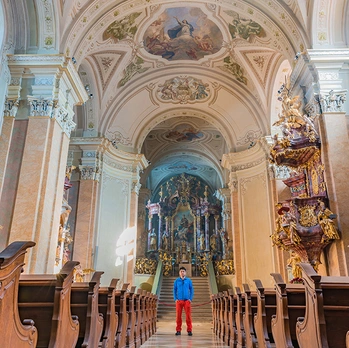
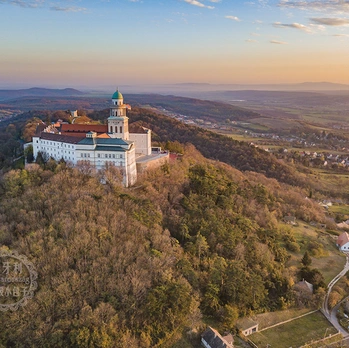
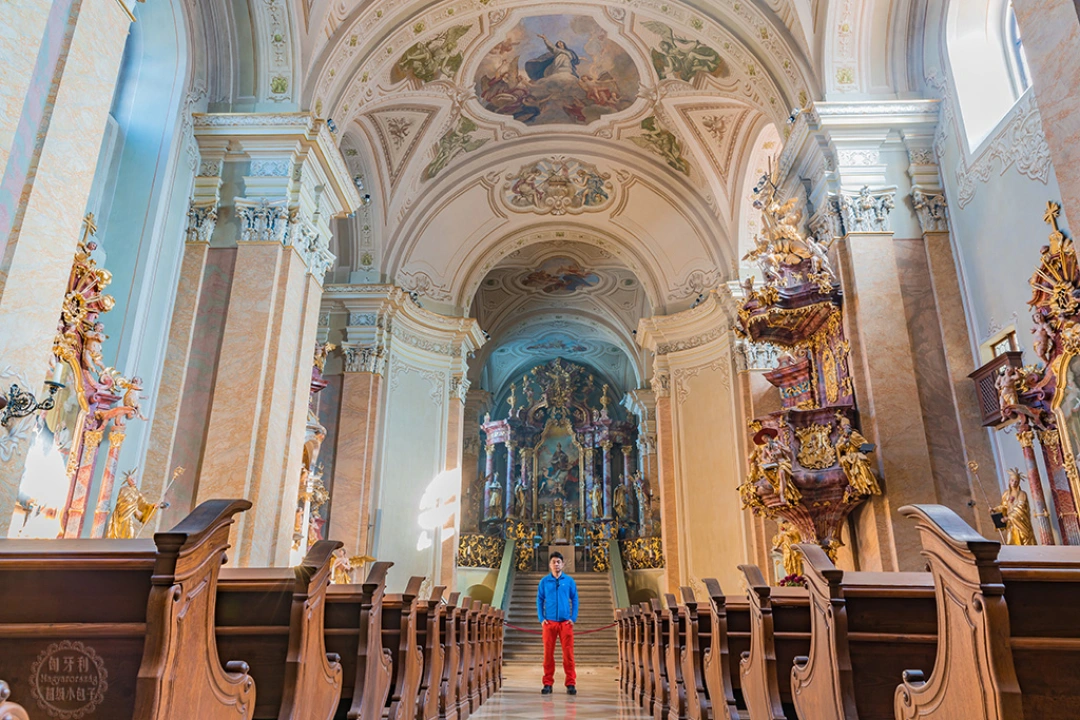
Tihany is the only peninsula that juts into Lake Balaton. At the heart of this picturesque island sits the Tihany Benedictine Abbey, a building so beautiful it takes your breath away. If you park at the foot of the hill, you'll definitely pass the uniquely shaped pepper house—it's like a warm guide, leading you up to the thousand-year-old monastery on the summit.
Final Thoughts
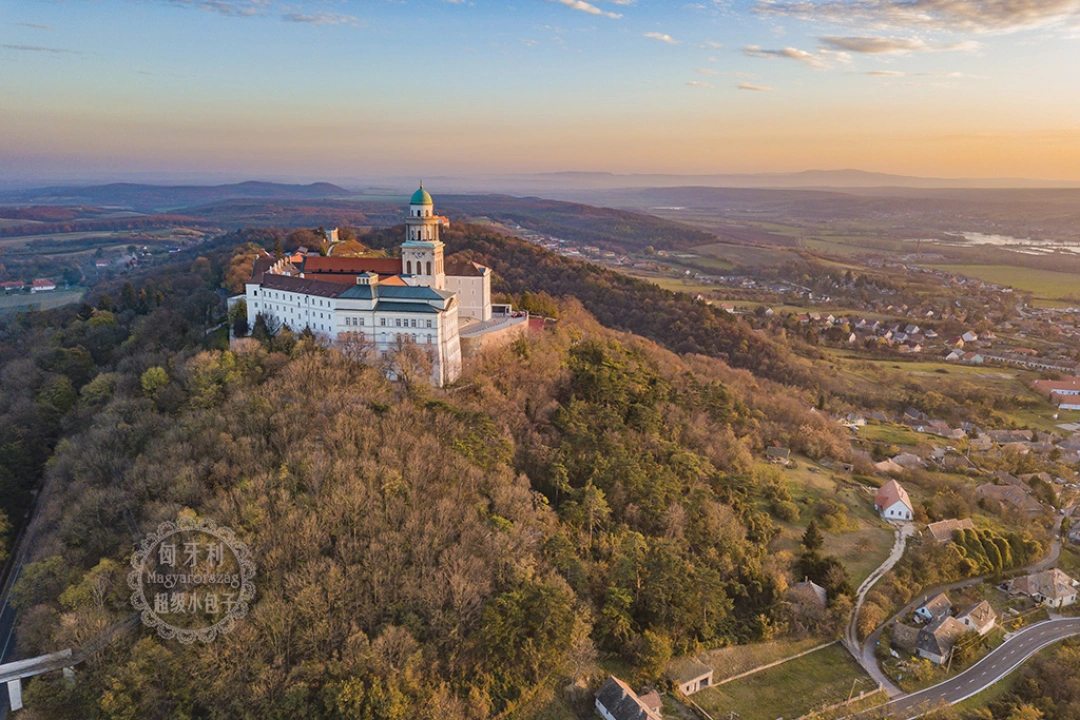
This trip to Hungary completely changed my perception of the country. Budapest is charming, no doubt, but the real treasures lie in the less-touristed places: winter Lake Balaton is a quiet poem, the Hévíz thermal lake holds the Earth's deep secrets, the Tapolca underground caves reveal nature's extraordinary craftsmanship, and the palaces and monasteries of Keszthely tell stories polished to brilliance by time.
If you're planning a trip to Hungary, my advice is: don't rush. Give yourself a few extra days for those "off-the-beaten-path" destinations. Rent a car, turn on the navigation, drive out of Budapest, and watch a sunrise over Lake Balaton, paddle a boat through an underground cave, swim in a hot spring lake—you'll discover that Hungary is far richer and more captivating than you ever imagined.
After all, the most beautiful part of travel is often found in the places "you never knew about."
You should also read:
Never Stop Walking: A Solo Journey Through Yunnan – 19 Days of Wandering Through Lugu Lake, Lijiang, Shangri-La, Dali, Shuanglang, and Kunming
Never Stop Walking: A Solo Journey Through Yunnan – 19 Days of Wandering Through Lugu Lake, Lijiang, Shangri-La, Dali, Shuanglang, and Kunming Weibo / WeChat Official Account ID: Fan Nuan Backpacking far and wide, with good wine always by my side The land of colorful…
Continue reading...
Beyond Romance, Just for the Journey – A Slow Encounter with Shuanglang
Beyond Romance, Just for the Journey – A Slow Encounter with Shuanglang Prologue: A Long-Planned "Accident" My obsession with Yunnan was like a seed, carried by the wind into my heart without me even noticing when it took root. And the name "Shuanglang" was like…
Continue reading...
Complete Guide to Fuxian Lake: A Yunnan Hidden Gem I've Visited Three Times – Ask Me Anything!
Complete Guide to Fuxian Lake: A Yunnan Hidden Gem I've Visited Three Times – Ask Me Anything! Why Fuxian Lake? If you ask me which place in China is worth visiting again and again, my answer isn't Lijiang or Dali – it's Fuxian Lake. In…
Continue reading...