Never Stop Walking: A Solo Journey Through Yunnan – 19 Days of Wandering Through Lugu Lake, Lijiang, Shangri-La, Dali, Shuanglang, and Kunming
Never Stop Walking: A Solo Journey Through Yunnan – 19 Days of Wandering Through Lugu Lake, Lijiang, Shangri-La, Dali, Shuanglang, and Kunming
Weibo / WeChat Official Account ID: Fan Nuan
Backpacking far and wide, with good wine always by my side
Preface: A Spontaneous, Unexpected Journey
The land of colorful clouds—Yunnan. This name had lingered in my mind for a long time, yet it had never truly made it onto my travel list. It wasn't until that summer, with a backpack, a DSLR camera, and a heart ready to go at a moment's notice, that I truly understood: the most beautiful scenery often hides around the corners you never planned to turn.
From August 26 to September 11, 2012, 19 days, crossing 6 cities, spending 4,021 RMB. This isn't just a simple travel diary; it's a complete record of one person picking up surprises and encountering the unknown on the road. If you also yearn for Yunnan, or are planning a similar trip, this article might offer you some inspiration.
Part One: Before Departure – Wisdom in Your Pack
Gear List: The Art of Traveling Light
A 40L backpack, a small daypack (specifically for the camera and essentials), and a pair of waterproof hiking boots—that was my entire inventory. Many people asked me how I managed to pack for a 17-day trip. The answer is simple: learn to prioritize.
Clothing: One light jacket, one short-sleeve shirt, one long-sleeve shirt, one fleece, one pair of jeans, one pair of casual pants, three sets of underwear, one pair of hiking boots, one pair of flip-flops, three pairs of socks. A scarf, sunglasses, a multi-purpose headwrap (keeps you warm and protects from the sun), and a wide-brimmed hat (covering your neck and cheeks) are essential.
Toiletries: SPF 50 sunscreen, moisturizing skincare products (use travel-sized bottles as much as possible), a bar of soap (for both showering and laundry), a hairdryer (not just for drying hair, but also for clothes that haven't fully dried), and anti-chap cream—this is a must! By the time I reached Shangri-La, my hands were so dry they were peeling. I had to apply lip balm to my nose just to get some relief. It was embarrassing.
Medicine: Band-aids, cold medicine, essential balm. At Lugu Lake, I was bitten by some unknown insect, and the itching was unbearable. I was saved by the miraculous medicated oil provided by the guesthouse owner.
Other Items: Phone charger, camera charger, spare batteries, a 7500 mAh power bank, several plastic bags. All of this luggage fit perfectly into the 40L backpack—except for the essential balm, I didn't miss a thing.
Part Two: On the Road – The Train Journey from Shanghai to Lugu Lake
Day 1-2: Shanghai → Chengdu → Xichang

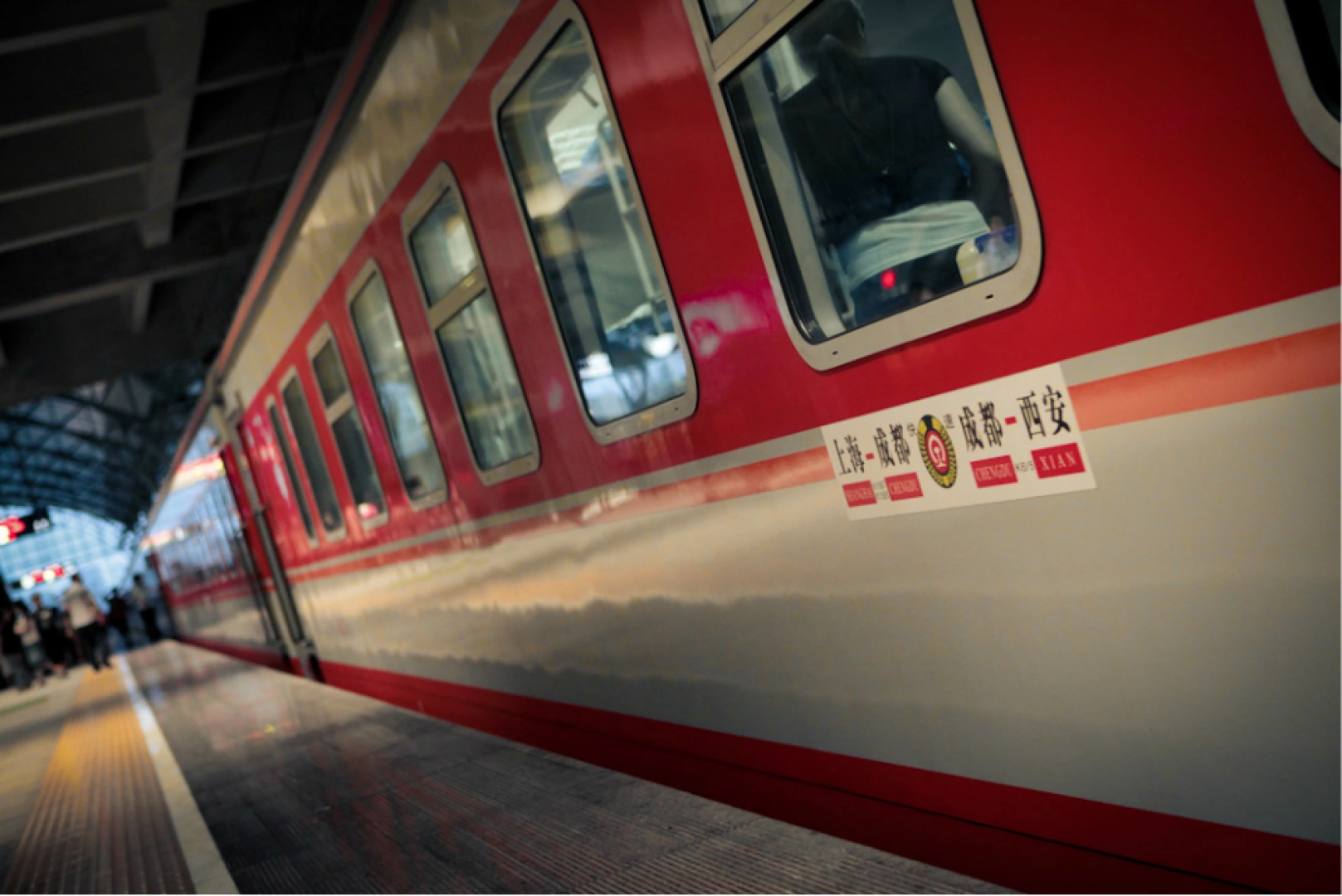
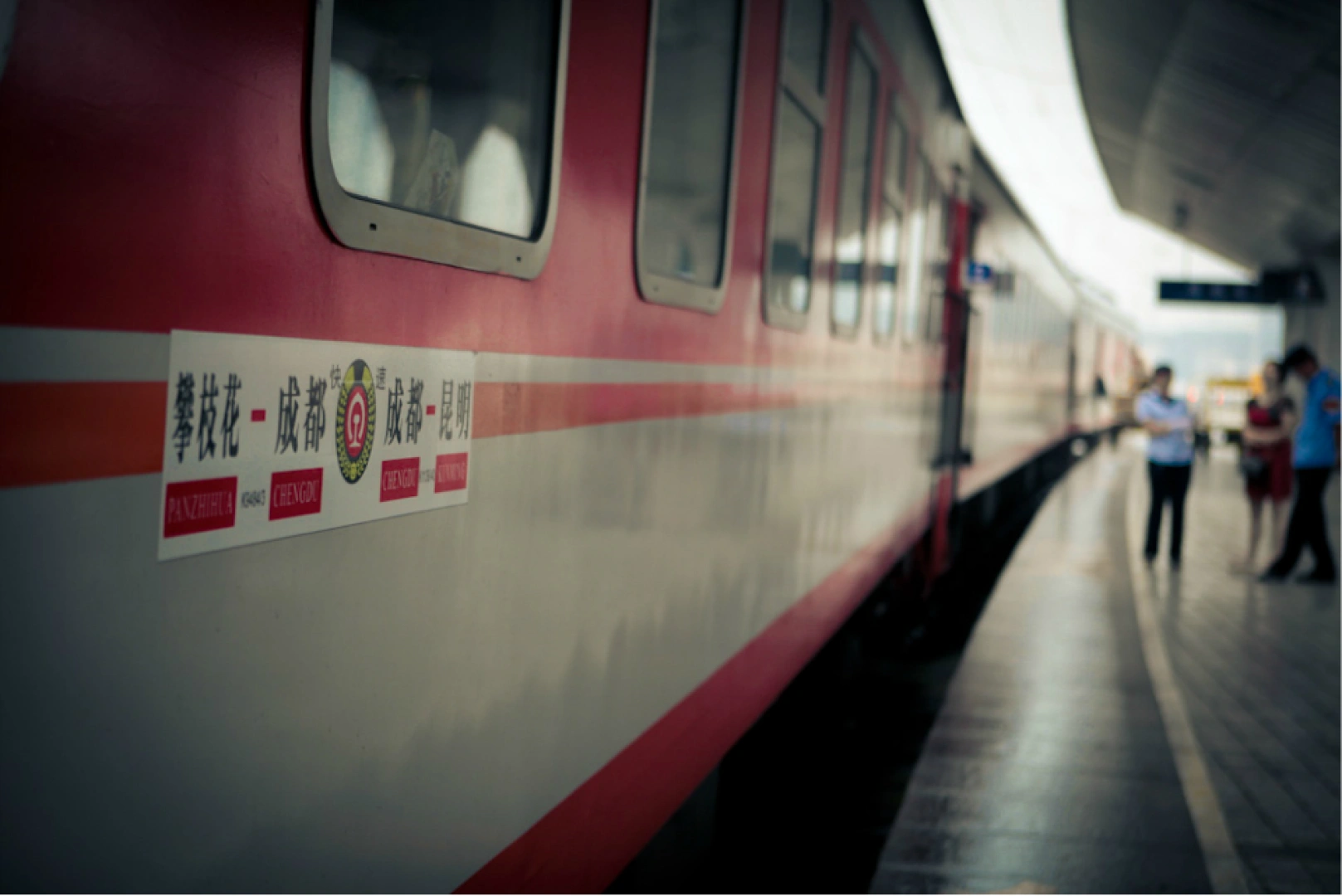
Long-distance train travel is my absolute favorite way to journey. Falling asleep to the rhythmic clatter of the tracks, waking up to the same sound, watching the scenery whiz by outside the window, and feeling time slowly slip away.
On the train from Shanghai to Chengdu, I met all sorts of interesting people: an uncle with a twin, a pregnant woman, a mother and daughter traveling during the summer break, a shy boy carrying a guitar with headphones on, a heavily made-up wealthy-looking woman... Long train rides are wonderful. It feels like the whole world is flowing past your window.
On the train from Chengdu to Xichang, the entire carriage was filled with a strong aroma of chili peppers, giving it a very authentic Sichuan feel. It was the start of the school season, so there were many students with backpacks everywhere. We arrived in Xichang just before 5 AM. Although it was a bit early, the train wasn't delayed, which gave me a sense of relief.
Day 3: Xichang → Lugu Lake, Settling in Luowa
From Xichang to Lugu Lake, there are two route options:
- Route One: Lijiang → Lugu Lake → Return to Lijiang (more crowded, mixed with tourists)
- Route Two: Xichang → Lugu Lake → Lijiang (less crowded, ticket is 10 RMB cheaper, saves 4 hours of travel time)
I chose the second option, taking a bus from Xichang Bus Station to Lugu Lake. There are two buses daily at 8:10 AM and 8:50 AM. The ticket costs 80 RMB plus 1 RMB for insurance, and the journey takes 8 hours. There is also an additional bus for 95 RMB plus 1 RMB insurance.
The road from Xichang to Lugu Lake was a bit bumpy, but still bearable. The driver stopped at one point for everyone to eat—the food was overpriced and tasted terrible. Bringing your own snacks is the wise choice.
Near the bus station, I had a bowl of shaozi mian (minced pork noodles). It was fiery red and deliciously spicy, and the noodles were very chewy. Looking back, this turned out to be the best meal I had during my many days in Yunnan—the subsequent destinations really didn't have good food. In fact, some of it was downright awful. Tears were shed...
Part Three: Lugu Lake – The Gentleness and Wildness of a Highland Pearl
Accommodation Choices: Luowa, Daluoshui, Lige
Luowa: The pier for boat rides and the starting point of the Grass Sea. If you enter Lugu Lake from Xichang, arriving around 4 PM, this is the perfect place to stay. The conditions are basic, the prices are the cheapest, and guesthouses usually offer pickup service.
Daluoshui: This is where buses from Lijiang to Lugu Lake stop. The accommodation is much better here. There's a row of guesthouses, restaurants, and cafes along the lakefront. It's not as noisy as Lige, offers the best value for money, and has relatively fewer tourists.
Lige: Unless you choose a lakefront guesthouse on Lige Peninsula (which requires booking many days in advance), the other accommodations here are average, the prices are high, and there's a lot of noise.
Tip: If it's not peak season, there are plenty of empty rooms. Even if a place shows as fully booked online, there might be vacancies. It's best to find accommodation before 2 PM, as guests are usually checking out and rooms have been cleaned. Dormitory beds generally cost 30-40 RMB. Hostels like Lao Xie Jia are relatively clean, but be sure to keep an eye on your belongings.
Circumnavigating the Lake: Car Hire, Hiking, and Cycling
Car Hire: Your guesthouse can help arrange it. It costs 200 RMB per car. If you share with three other people, it's 50 RMB per person. The driver can follow your planned route and stop whenever you want to take photos.
Hiking: From Daluoshui to Lige, walking and taking photos along the way, carrying a load of over 10 kg. The estimated time is about 2 hours. It's more flexible than cycling. When you get tired, you can just sit down on the ground—it's very relaxing.
Cycling: Renting a bicycle costs 30 RMB/day, and an electric scooter costs 80 RMB/day (can be shared by two people). Note: You must return the vehicle to the place you rented it from, unless you have the stamina to cycle the entire loop around the lake. The uphill sections are tough, and be sure to protect yourself from the sun—hat, face mask, long sleeves, and gloves. If you leave your hands exposed for a day, they won't just get tanned; they might even get sunburned and peel.
Must-Visit Attractions
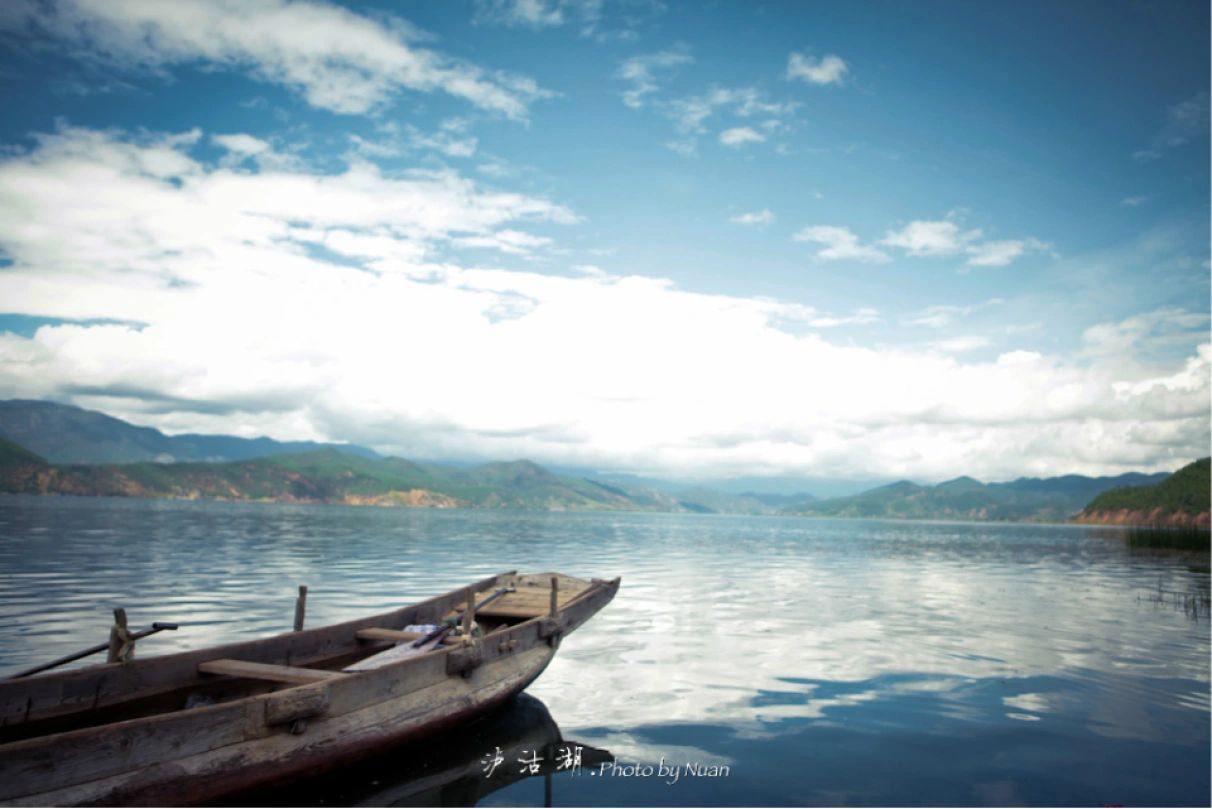
Goddess Mountain Cable Car: The ticket costs 90 RMB plus 2 RMB insurance, and it's well worth it. The cable car takes 20 minutes to reach the mountainside. From there, you hike to the summit for a panoramic view of Lugu Lake. On a clear day, it's incredibly beautiful and expansive. Don't forget to take the slide down the mountain—it's a lot of fun.
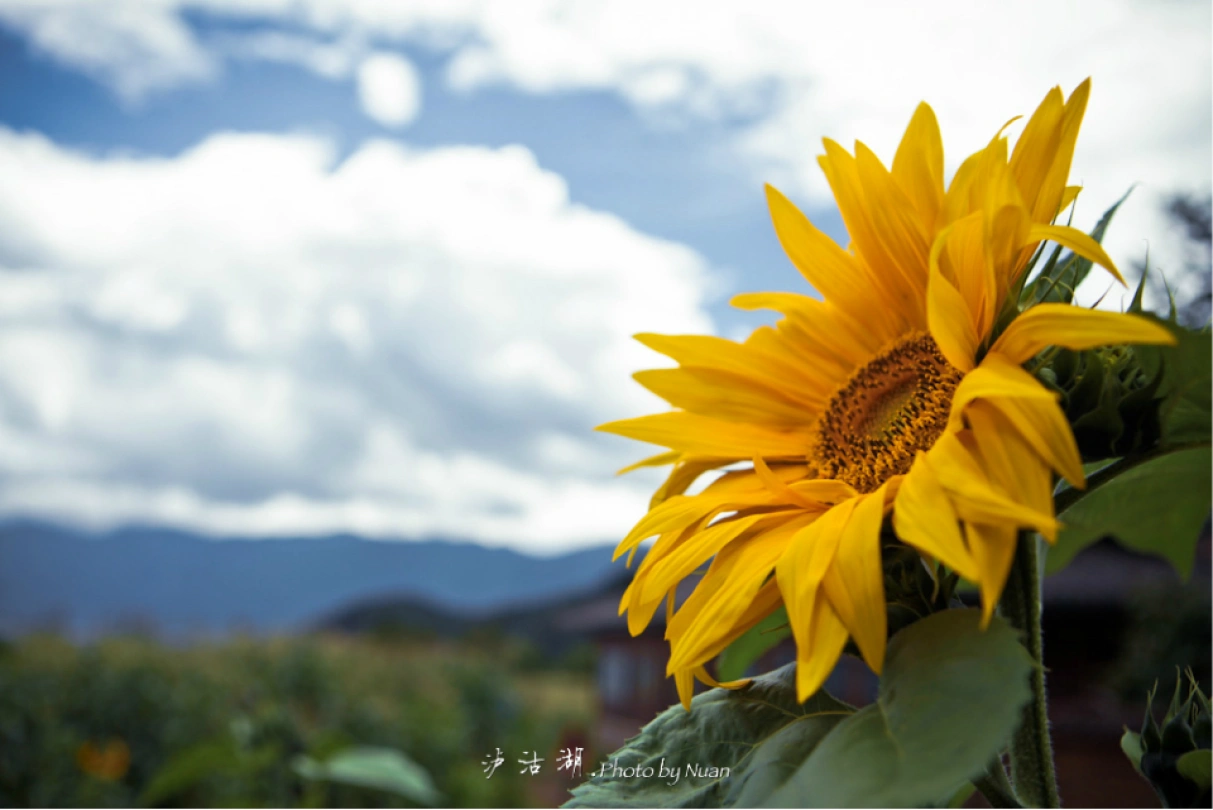
Lover's Tree: Located on the lakeshore in Nise Village, not far from the Goddess Mountain cable car exit. It's a three-minute walk down a side path. You'll pass through fields of gesang flowers and sunflowers. There are very few tourists here, making it a very peaceful spot.
Zouhun Bridge (Walking Marriage Bridge): Cars can't drive here; you have to walk along a section of cobblestone path. From the bridge, you can see the Grass Sea. Under the dark clouds, it has a unique, gloomy, and mysterious atmosphere.
About the Food: Don't Get Your Hopes Up
Breakfast: Steamed buns and rice porridge (the buns are very hard, and the porridge is more like watery leftover rice), rice noodles or wheat noodles (cooked in plain water with some seasoning, no real broth). The fried dough sticks were surprisingly tasteless. The buckwheat pancakes were sweet, but it tasted like artificial sweetener.
Stir-fried Dishes: Nothing special. You're lucky if you find a restaurant run by a Sichuan chef, at least then you'll get some chili flavor.
Barbecue: Grilled potatoes, grilled eggplant, grilled sausages, grilled duck eggs, grilled chives, grilled pork belly, suckling pig... There was a good variety of ingredients, and the flavors were decent.
Snacks: Lige has one fruit shop and two small convenience stores, but the selection is very limited and expensive. On the road, little girls might ask you to buy apples, claiming they're from their family's orchard—they're very sour and astringent.
Part Four: Lijiang – Slow Time in the Ancient City
Day 7-10: From Lugu Lake to Lijiang
The bus ride from Lugu Lake to Lijiang takes about 4 hours. Accommodation in Lijiang's new town is cheaper, but the Dayan Ancient City has more atmosphere.
A Day Wandering in Dayan Ancient City: Daydream, soak up the sun, watch people come and go. Time here is slow, so slow that you can sit in a guesthouse courtyard and watch the clouds drift by for an entire afternoon.
A Day in Shuhe: Write postcards, browse small shops, drink coffee. Shuhe is quieter than Dayan, making it better for daydreaming.
Lion Hill: Offers a panoramic view of the entire Lijiang Ancient City. The view is excellent.
Shopping: Buy warm clothes—the temperature in Shangri-La is much lower than in Lijiang, so you must be prepared.
Part Five: Shangri-La – The Place Closest to Heaven
Day 11-13: Lijiang → Shangri-La
The bus ride from Lijiang to Shangri-La takes about 4 hours. Dukezong Ancient City is the best choice for accommodation, with its strong Tibetan atmosphere.
Pudacuo National Park: Highland lakes, primeval forests, meadows, and pastures... Every frame here looks like a painting. Remember to bring your anti-chap cream. Shangri-La is extremely, extremely dry.
Yila Grassland and Napa Lake: Grasslands and lakes intertwine. Flocks of sheep and herds of cattle graze lazily. The blue sky and white clouds are reflected in the water. The beauty is breathtaking.
Lakeside Cycling: There are bike rental spots around Dukezong Ancient City. You can cycle around Napa Lake and experience the vastness of the highlands.
Tibetan Bar Atmosphere: In the evening, experience a Tibetan bar. Listen to Tibetan songs, drink butter tea, and immerse yourself in the charm of Tibetan culture.
Part Six: Dali and Shuanglang – Poetic Dwelling by Erhai Lake
Day 14-16: Shangri-La → Dali → Shuanglang
The bus ride from Shangri-La to Dali takes about 5 hours. Caicun Wharf is a great choice for accommodation. It's close to Dali Ancient City and also near Erhai Lake.
Strolling by Erhai Lake to Watch the Sunset: In the evening, sit by Erhai Lake and watch the sun slowly sink into the water. The sky is painted gold, pink, and purple... At that moment, all fatigue melts away.
Shuanglang: Quieter than Dali Ancient City, even better for daydreaming. Many guesthouses here are built right on the shores of Erhai Lake. Open the window, and you're greeted by the lake and mountains.
A Day Wandering in Dali Ancient City: Stroll through the ancient city, eat local snacks, buy handicrafts. The pace in Dali is even slower and more leisurely than in Lijiang.
Daydreaming by Erhai Lake: Find a café, order a coffee, gaze at the shimmering waves of Erhai Lake, think about nothing, do nothing—this is the true meaning of travel.
Part Seven: Kunming – The Final Farewell
Day 17: Yunnan University → Dongfeng Square → Changshui Airport → Shanghai
For my last stop in Kunming, I visited Yunnan University. The ginkgo trees on campus, the old buildings, the smiles of the students... everything was so beautiful.
The bustling Dongfeng Square, the hurried atmosphere of Changshui Airport, the journey back to Shanghai—my 19-day trip had come to an end.
Part Eight: Travel Summary – Solo, 19 Days, 4,021 RMB
Itinerary Overview
| Day | Location | Accommodation |
|---|---|---|
| D1-D2 | Shanghai → Chengdu → Xichang | Train |
| D3-D6 | Lugu Lake | Luowa, Daluoshui, Lige |
| D7-D10 | Lijiang | New Town, Dayan Ancient City |
| D11-D13 | Shangri-La | Dukezong Ancient City |
| D14-D16 | Dali, Shuanglang | Caicun Wharf |
| D17 | Kunming → Shanghai | Train |
Expense Breakdown
Total expenditure was 4,021 RMB, including airfare, train tickets, accommodation, meals, entrance fees, and transportation. Everything, down to a 5 RMB yogurt or a 1 RMB bus ride, was recorded. This detailed expense record is provided for your reference.
Travel Tips
- Pack Light: Fit all your luggage into a 40L backpack and keep your camera in a separate small daypack.
- Be Flexible with Your Route: Entering Lugu Lake from Xichang is cheaper and quieter than entering from Lijiang.
- Book Accommodation Early: Make reservations well in advance during peak season. You can find a place upon arrival in the off-season.
- Don't Skimp on Sun Protection: The UV rays in Yunnan are very strong. A hat, face mask, gloves, and sunscreen are all essential.
- Moisturize Thoroughly: Shangri-La is very dry. You must bring anti-chap cream and lip balm.
- Keep a Relaxed Mindset: The meaning of travel isn't about how many attractions you check off, but about how many unknown surprises you encounter.
Conclusion: Never Stop Walking, Heart on the Road
My 19-day journey through Yunnan started in Shanghai, passed through Chengdu, Xichang, Lugu Lake, Lijiang, Shangri-La, Dali, and Shuanglang, and finally returned to Kunming. Along the way, I met all kinds of people, saw all kinds of scenery, and experienced all kinds of emotions.
Some people say travel is about going from a place you're tired of living in to a place someone else is tired of living in. But I think travel is about encountering the unknown version of yourself. In the early morning at Lugu Lake, watching the floating flowers on the water's surface, I understood what tranquility meant. On the grasslands of Shangri-La, watching the cattle and sheep graze leisurely, I understood what freedom meant. By Erhai Lake in Dali, watching the sunset slowly sink into the water, I understood what poetry meant.
Never stop walking. The heart is always on the road. Where will we meet next time?
Weibo / WeChat Official Account ID: Fan Nuan
WeChat: sellnuan (please note you're from Mafengwo)
Backpacking far and wide, with good wine always by my side
You should also read:

Cloud Travelogue · Dali of Wind, Flowers, Snow, and Moon: A Three-Day, Two-Night Journey of a Free Spirit
Cloud Travelogue · Dali of Wind, Flowers, Snow, and Moon: A Three-Day, Two-Night Journey of a Free Spirit I am a cultured female foodie with a touch of rogue charm. I slung on my backpack, took my lover's hand, and set off on a spontaneous…
Continue reading...
The Meaning of Travel – A Tengchong Story: A Journey of the Heart and Personal Growth
The Meaning of Travel – A Tengchong Story: A Journey of the Heart and Personal Growth Setting Out, Only to Return a Better Self Some say travel is nothing more than leaving a place you're tired of, only to go to a place where others…
Continue reading...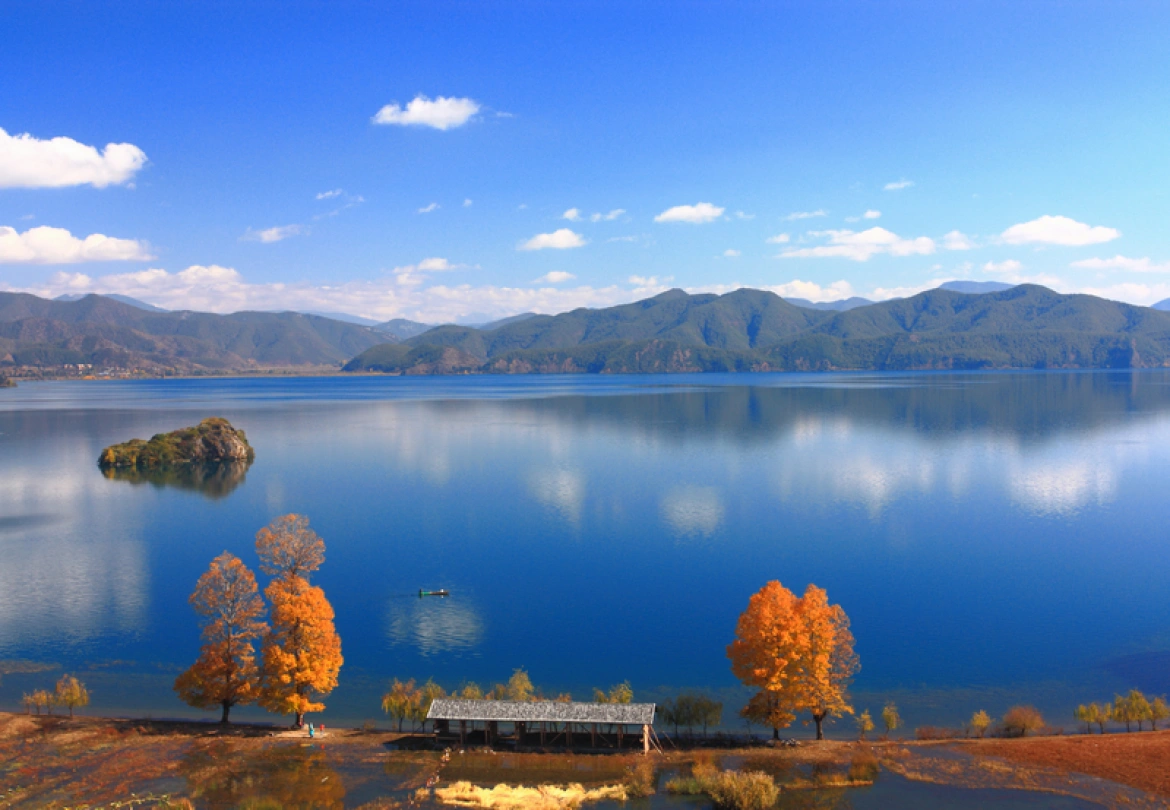
A Spiritual Journey to Lugu Lake in Lijiang: Experiencing the Legend of the Kingdom of Women! (Reproduction and Hotlinking Prohibited)
A Spiritual Journey to Lugu Lake in Lijiang: Experiencing the Legend of the Kingdom of Women! (Reproduction and Hotlinking Prohibited) Off-road自驾, food, hotel and民宿 reviews, Featured Traveler, Tank 300 owner, 200,000 km of self-driving experience. WeChat: y01294987 Ninglang Yi Autonomous County 2010.11.08 · 7 days…
Continue reading...