Leaning Against the Mountain, Listening to the Sea: A Slow Dance with Sun and Rain on Erhai Lake
Leaning Against the Mountain, Listening to the Sea: A Slow Dance with Sun and Rain on Erhai Lake
Some trips begin with a single thought and end in healing. In the spring of 2017, I made a promise to myself—to go walk along the shores of Erhai Lake, to do nothing at all: just daydream, listen to the waves, watch the stars, and wake up with the sunrise. That thought was like a seed, quietly taking root in the traffic jams of my daily commute, until it grew into a three-day, two-night escape.
A Trip Born from a Little Spat
The story actually starts with a bit of childishness. Two weeks before departure, I had a small quarrel with my husband, Lu Ge. In a fit of pique, I booked a solo plane ticket, thinking, "Fine, I'll go have fun on my own." But grown-up grudges don't last more than two days. Once my anger faded, I tentatively asked him, "Want to come along?" And just like that, my "solo soul-searching plan" fell apart, turning into a short getaway for two.

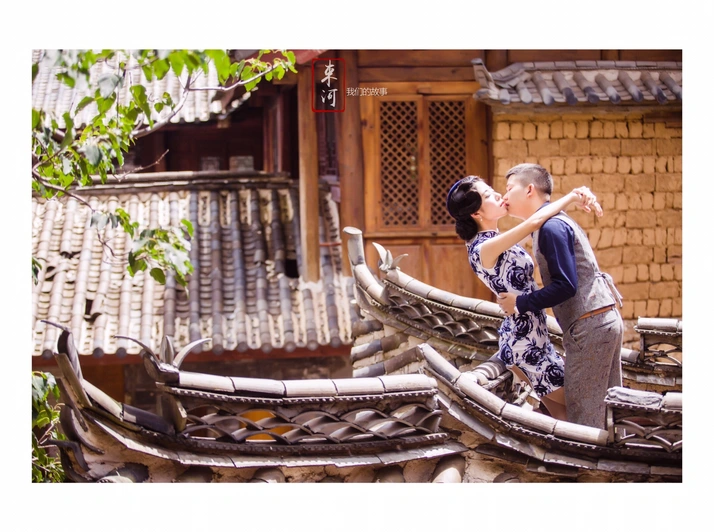
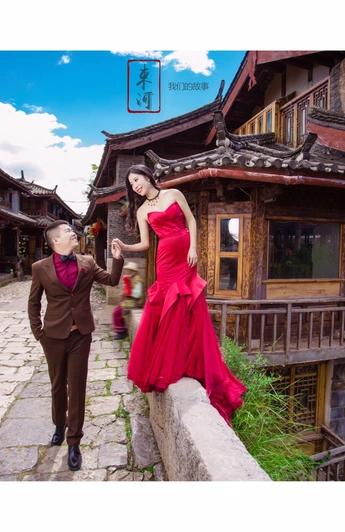
To be honest, it was better with him by my side. Because Lu Ge's camera lens is always chasing after me. From my first visit to Yunnan at age ten, to shooting our wedding photos here at twenty-four, and now in my early thirties—this land seems to witness every major chapter of my life. At ten, I was running a fever and pulled out my IV to go, bumping along the road while my parents barely slept. But the moment we reached Lugu Lake, it was as if magic had touched me—I was bouncing back to life instantly. At twenty-four, we shot a set of qipao wedding photos in Shuhe Ancient Town. Back then, I sighed, "Why did I marry him so early?" But married life turned out to be no different from dating. I just knew he was the one, and there was no more hesitation.
A Delayed Flight, But a Heart That Wasn't Late
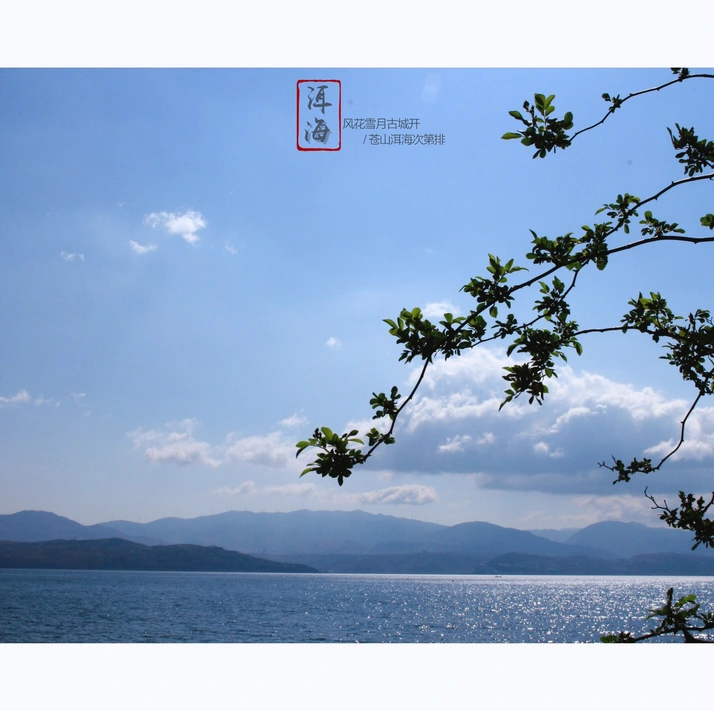
The beauty of a short trip is traveling light. One backpack each. After a leisurely breakfast, we headed to the airport, arriving right on time. Many people think a three-day holiday is too rushed and exhausting, but when you know you'll be lying in a bed with a view of Erhai Lake and the stars, waking up to the sunrise—how could you possibly feel tired? Besides, it's only a little over an hour's flight from Sichuan to Dali. If you want to go, you can always go again.
But reality loves a little joke. After boarding, we sat on the plane for two full hours before takeoff. I finished the magazine, completed the crossword, solved the sudoku. My neck ached, my back ached, my backside ached. I was about to lose it. And then, just one second before I snapped, the plane finally moved.
When we arrived at Dali Airport, the sky was a brilliant blue, but the wind was howling. The driver from our guesthouse had been waiting in the wind for two and a half hours. My heart swelled with gratitude. On the way, he told us that Erhai Lake was undergoing the largest-scale cleanup in its history—many guesthouses and restaurants had been shut down. Everywhere we looked, there were signs calling for protection of the lake: "Such a beautiful place—it must stay beautiful forever."
A Room That Sees the Sea, A Night That Hears the Waves
I'm a creature of habit. Ever since I started using Airbnb, I always check it first before any trip. Even though I knew Erhai Lake had no shortage of guesthouses, old habits die hard, so I booked through the app. What drew me to that particular homestay was purely the photos—a huge floor-to-ceiling window facing the lake, and a glass skylight above the bed. Lying there, I could watch the stars. Wasn't this exactly what I wanted?
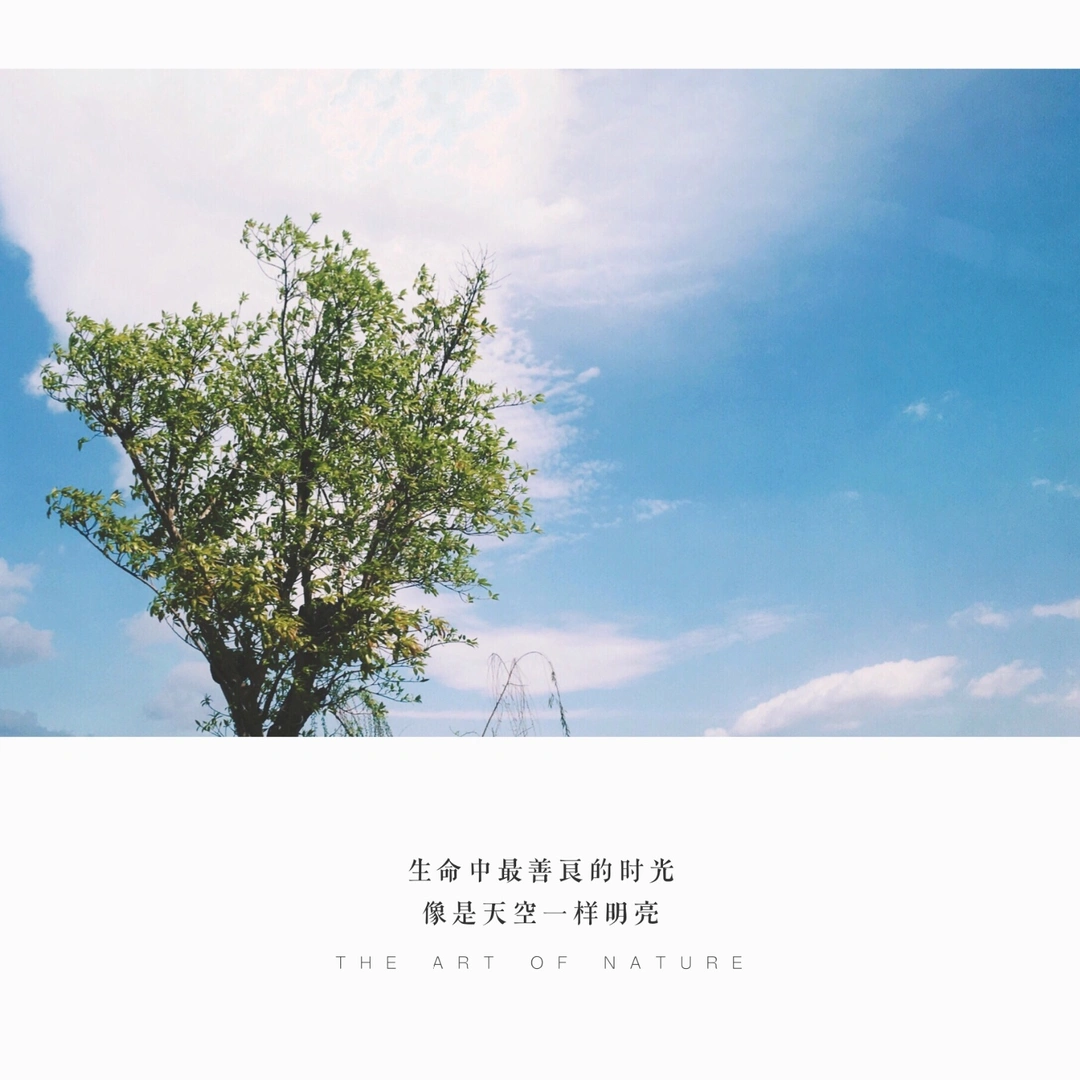
By the time we arrived in the evening, dark clouds were pressing down, the wind was raging, and it looked like rain was about to pour. But the floor-to-ceiling windows and the skylight in the room were so stunning that they instantly washed away the disappointment of the weather. Downstairs, there was a small courtyard connected to a spacious terrace. Standing at the edge, the lake water was right below my feet. At that moment, I was utterly satisfied.
After dinner, we took a walk through the winding alleys. The guesthouse was by the lake, while the streets were further inland. Along the way, there were almost no shops—just ordinary village streets. A few stores were still open, children were chasing each other, and many doors had already been closed for the night. On our way back, we spotted a barbecue stall open at the corner of an alley. Delighted, I grabbed some skewers and bought a couple of beers. Back in the room, we ate skewers while binge-watching a show. Even in Dali, I couldn't resist In the Name of the People—Da Kang's (a character) meme-worthy expressions flickered on the screen. Outside the window, the wind howled, mingling with the sound of the waves like an endless story. I fell asleep quickly.
From Rain to Shine: The Two Faces of Erhai
The next morning, we woke up to sunlight. Warm rays streamed through the floor-to-ceiling windows, spilling over us. The shimmering water sparkled before our eyes. Even though my alarm hadn't gone off, I couldn't bear to sleep any longer. Sitting on the edge of the bed, watching the light grow brighter, the wind rustling the branches, an occasional bird stopping by—a wave of happiness washed over me.
Breakfast was prepared by the guesthouse: one egg, one steamed bun, a piece of corn, a piece of purple sweet potato, and a cup of soy milk—nutritious, balanced, and refreshing. After eating, Dali started to blow up a storm again, threatening rain. I had planned to rent an electric scooter to circle the lake, but Lu Ge suggested renting a four-wheeled electric car instead—like a real car, so we wouldn't have to worry about rain. That turned out to be a brilliant idea. No sooner had we set off than the rain started. Watching cyclists and scooter riders struggling in raincoats or stopping to take shelter, we sat smugly in our little car, feeling a wave of superiority.
Erhai Lake in the rain had a stark, sharp beauty. The sky was gray, the air cool and filled with the smell of earth and plants. The wind was so strong I worried our little car might tip over. But the raindrops falling on the lake created delicate ripples, making the water look unusually calm and graceful. We parked and walked along the shore, where we saw many couples taking wedding photos in the rain—holding umbrellas, wading through puddles. They must have been cold, but their hearts were surely warm. I had thought rainy days wouldn't be photogenic, but without the blazing sun and blue sky, Erhai Lake in the drizzle had a charm all its own. Every shot looked like a scene from a Japanese film.
The road along the western shore of the lake was under construction, and we kept hitting dead ends. So we parked the car, found a highly-rated restaurant, and ordered a meal. The owner recommended 剁椒鱼 (chopped chili fish), which was delicious. We even added rice noodles to the leftover broth at the end. Yunnan cuisine isn't all that different from Sichuan food, but I still firmly believe that the soul of Sichuan cooking lies in 豆瓣酱 (fermented chili bean paste).
Xizhou Under the Weathered Old Walls
After lunch, the rain stopped, and the sun burst out. We drove along Dali Road to Xizhou Ancient Town. The town was bustling, with street stalls selling traditional snacks. One thing caught my eye: a local favorite—pickled fruits. Various fruits were soaking in fermented liquid, each kind in its own basin. An elderly lady warmly offered me a taste. I picked an apricot. The sourness hit me like a punch! I couldn't finish it, so I thanked her and moved on.
The local 粑粑 (flatbread) was more satisfying. The savory ones were stuffed with pork and green onions; the sweet ones had brown sugar and rose petals. I preferred the sweet version—the first bite was all brown sugar, and the aftertaste was pure rose fragrance. But half a piece was enough to fill me up.
The Yan Family Compound was the home of a wealthy family in Xizhou. The architecture blended Chinese and Western styles: the front courtyard featured traditional Bai ethnic wooden buildings, while the back courtyard had a Western-style mansion and even an air-raid shelter. Walking through it, I learned that this family had its own caravan, did business all the way to the United States, and even built the town's hospital and school. Lu Ge remarked, "They were like local emperors." The Bai wooden buildings were elegant and intricate, with winding corridors that made it easy to get lost—but also hard to leave.
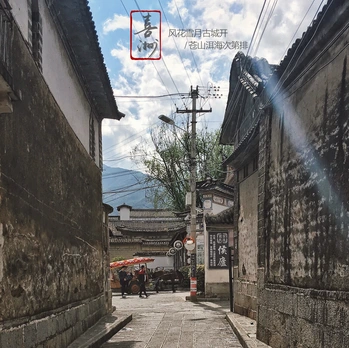
After leaving the compound, we wandered through the old town. It wasn't overly commercialized. The narrow streets and everyday shops reminded me of the small town where I grew up, as if turning right at the next corner would lead me to my favorite sweet potato cakes. At the back of the town, we found a hand-drawn map painted on an electrical box. It was the first time I'd seen anything like it, and I couldn't stop laughing.
Walking the Same Rainy Road Under Clear Skies
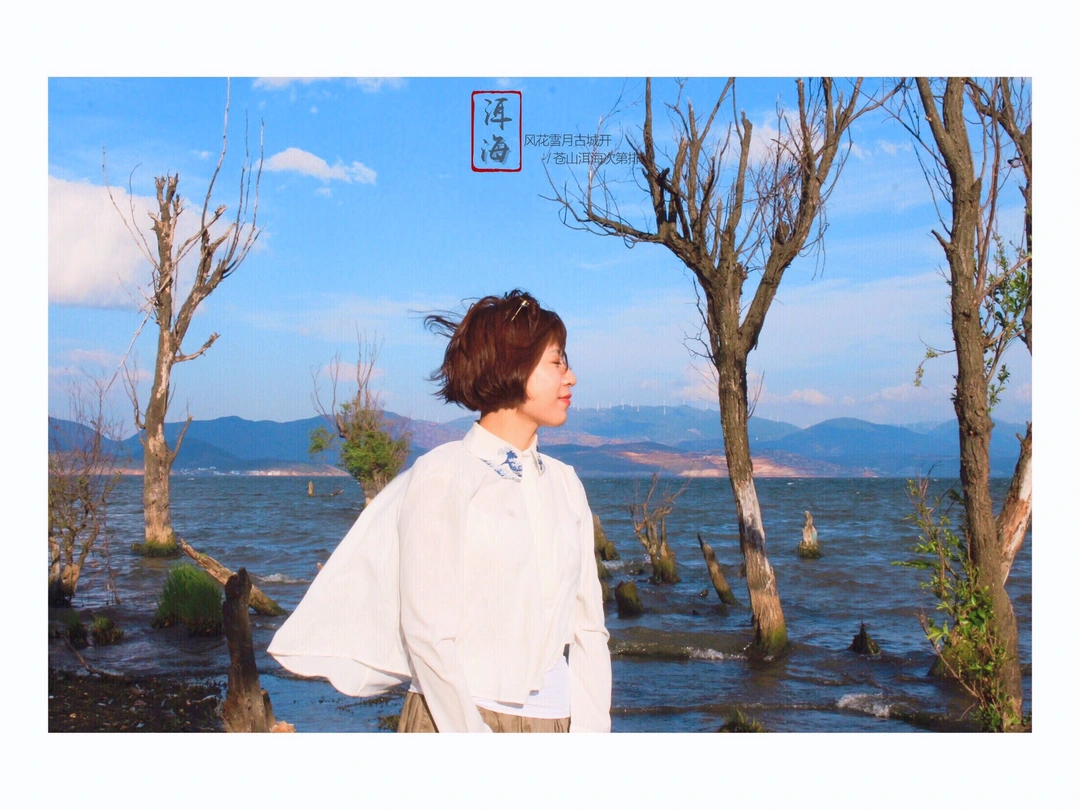
In the afternoon, the western shore road was much quieter than in the morning. Lu Ge said, "Perfect for a road-trip photo. Go sit on the ground!" And so, our little car, which had accompanied us all day, finally made its debut. Rays of sunlight broke through the clouds, spilling onto the pavement. The wind lifted my skirt and hair, puffing my clothes out like a bomb. But inside, I felt free.
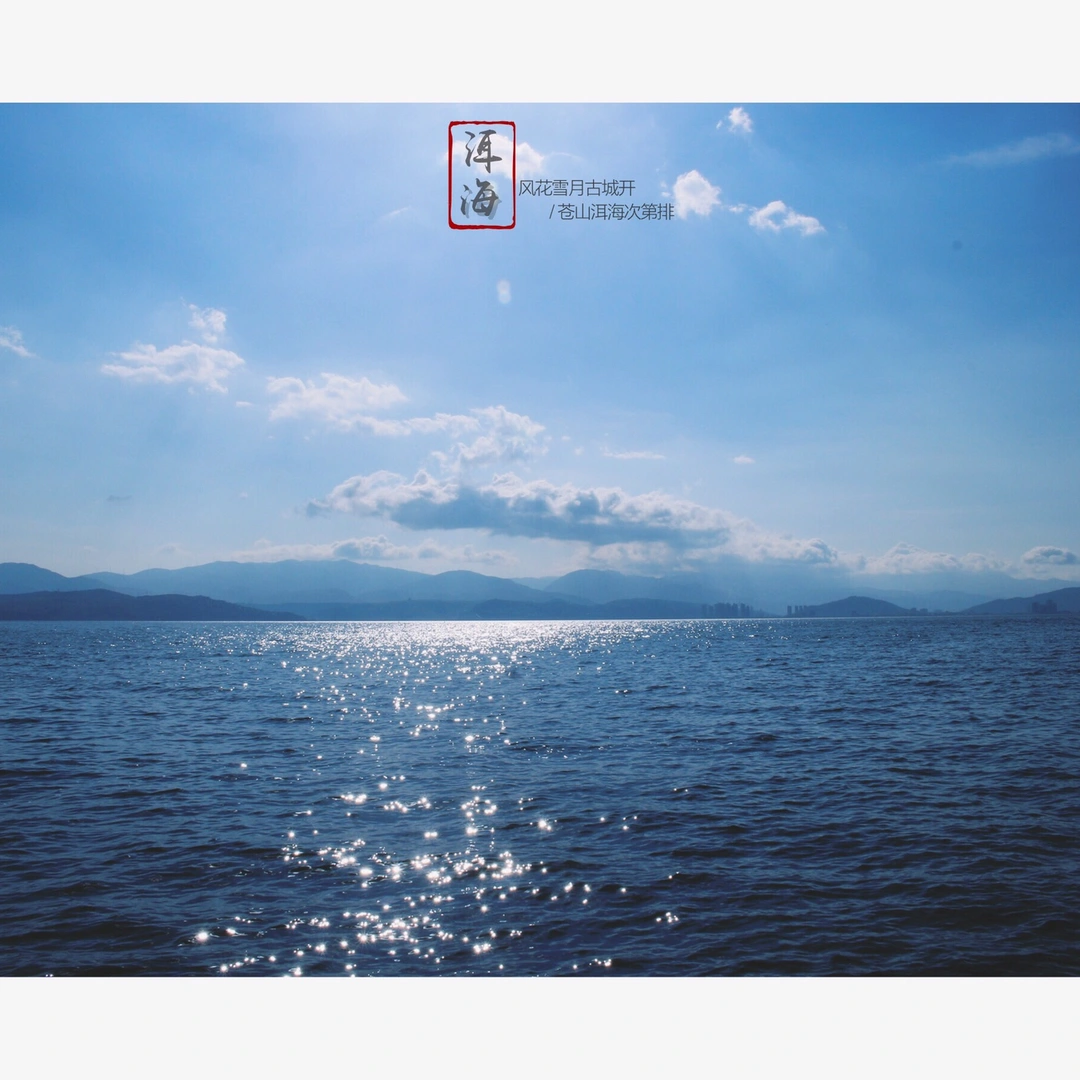
We returned to the same spot we had stopped at that morning. Same place, different scene. The wind was still strong, but it no longer felt cold. The sun was so bright it hurt to open my eyes. I stood on the shallow shore, listening to the waves crash. Behind me, Lu Ge called for me to turn around. Click. The moment was frozen. He said, "The wind has turned your dress into a bomb." I laughed and replied, "So what? I'm happy."
Driving slowly along the western shore, you'll find many such shallow spots where you can walk down to the water. With sunlight, even the same place felt completely transformed. I didn't want to leave. Lu Ge didn't rush me. We just stayed there, until the sun began to set.
Back at the guesthouse, we sat on the terrace, watching the last remnants of daylight. In the deep blue sky, the final trace of red slowly disappeared. At that moment, no words were needed. My heart was full.
Every Moment Before Leaving
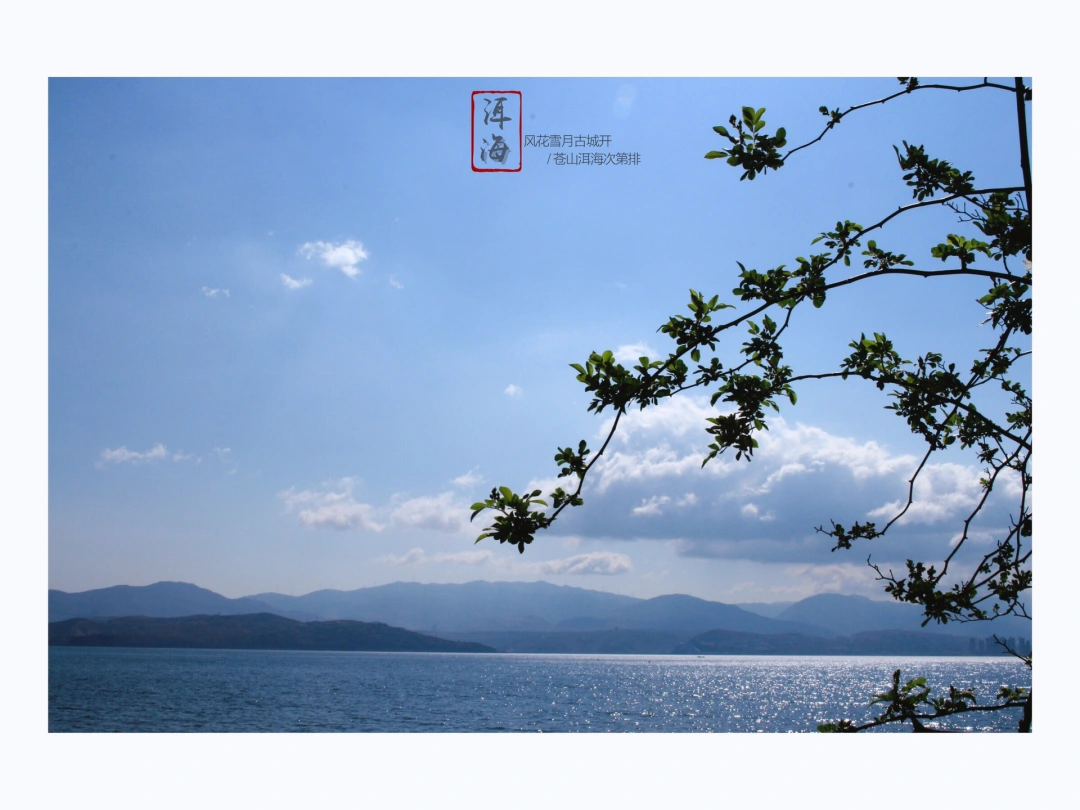
On the last day, we woke up again to the sunrise. We packed up our things, but instead of rushing off, we just sat on the terrace, facing Erhai Lake, eating fruit and daydreaming. On the rooftop terrace, the owner had planted flowers and greenery everywhere. Three little dog statues sat facing the lake, their tongues sticking out—so adorable it melted my heart.
I whispered to Erhai Lake, "I'll come back again." The lake was before us, and you were by my side. No words were needed. Happiness was spreading, quietly.
Final Thoughts
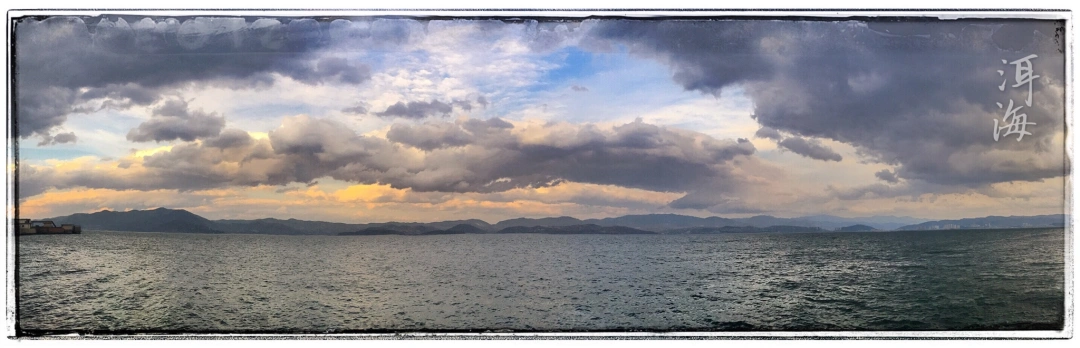
From age ten to thirty, Yunnan has witnessed my transformation from a girl to a woman. Every visit brings a different state of mind, but one thing remains the same: this land always heals me. The beauty of Erhai Lake isn't about sunny days or rainy ones. It's about being willing to stop, to listen to the wind, to watch the waves, to do nothing. It's like a mirror, reflecting your truest self—whether the sky is clear or covered in clouds, it's all worth remembering.
If you ever want to go walk along Erhai Lake, remember a few things: book a room with a lake view in advance; renting a car is more reliable than a bike, especially when the weather is unpredictable; the 粑粑 (flatbread) in Xizhou Ancient Town and the Yan Family Compound are worth a visit; and most importantly—don't rush the road. Feel the road.
Because some trips begin with a single thought and end in healing. And Erhai Lake is always there, waiting for you.
You should also read:
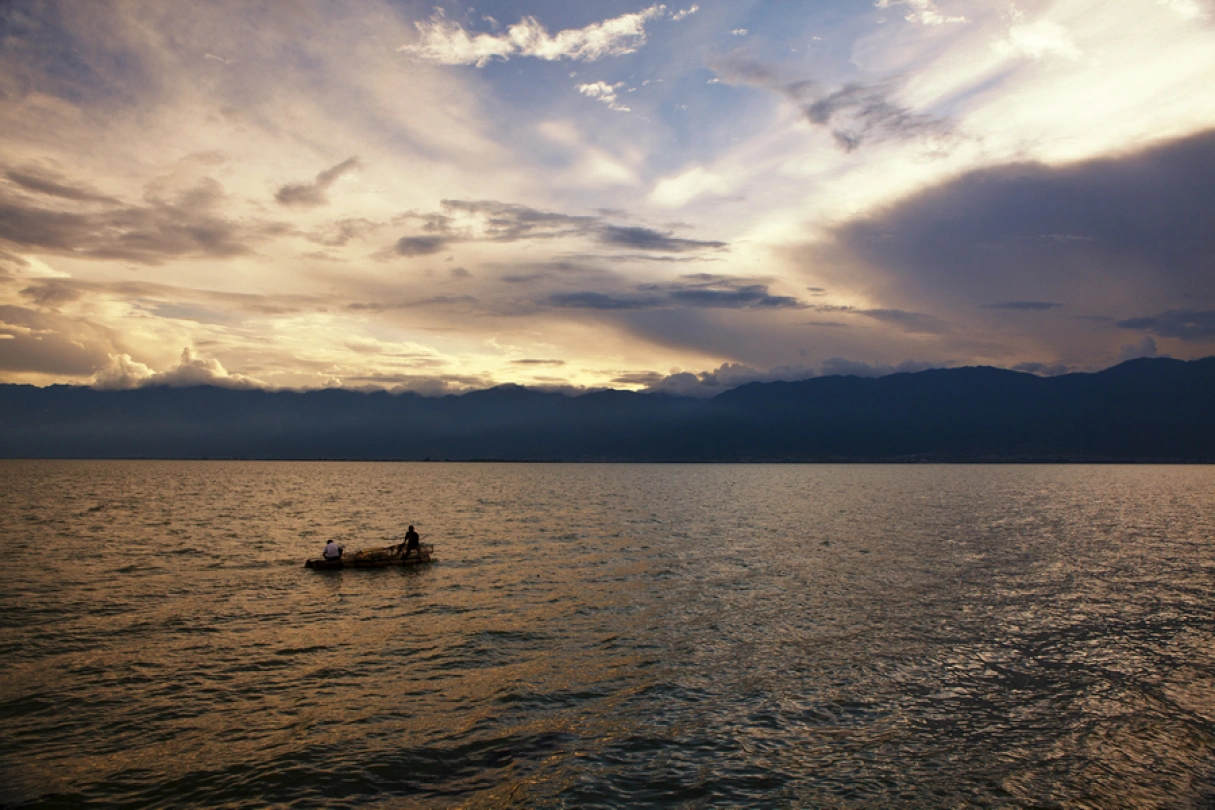
A Journey Through Shuanglang's Guesthouses: Finding Life as It Should Be on the Shores of Erhai Lake
A Journey Through Shuanglang's Guesthouses: Finding Life as It Should Be on the Shores of Erhai Lake Prologue: When Life Hits the Pause Button Have you ever had one of those moments? When the city's towering buildings press down on your chest, when you're swept…
Continue reading...
September: Finding Unexpected Warmth in Yunnan (Kunming, Dali, Shuanglang, Lijiang, Lugu Lake)
September: Finding Unexpected Warmth in Yunnan (Kunming, Dali, Shuanglang, Lijiang, Lugu Lake) Foreword: One Person's Journey, A Crowd's Story Before I set off, like every first-time solo traveler, I printed out a thick stack of travel guides and rehearsed countless possible scenarios in my head—getting…
Continue reading...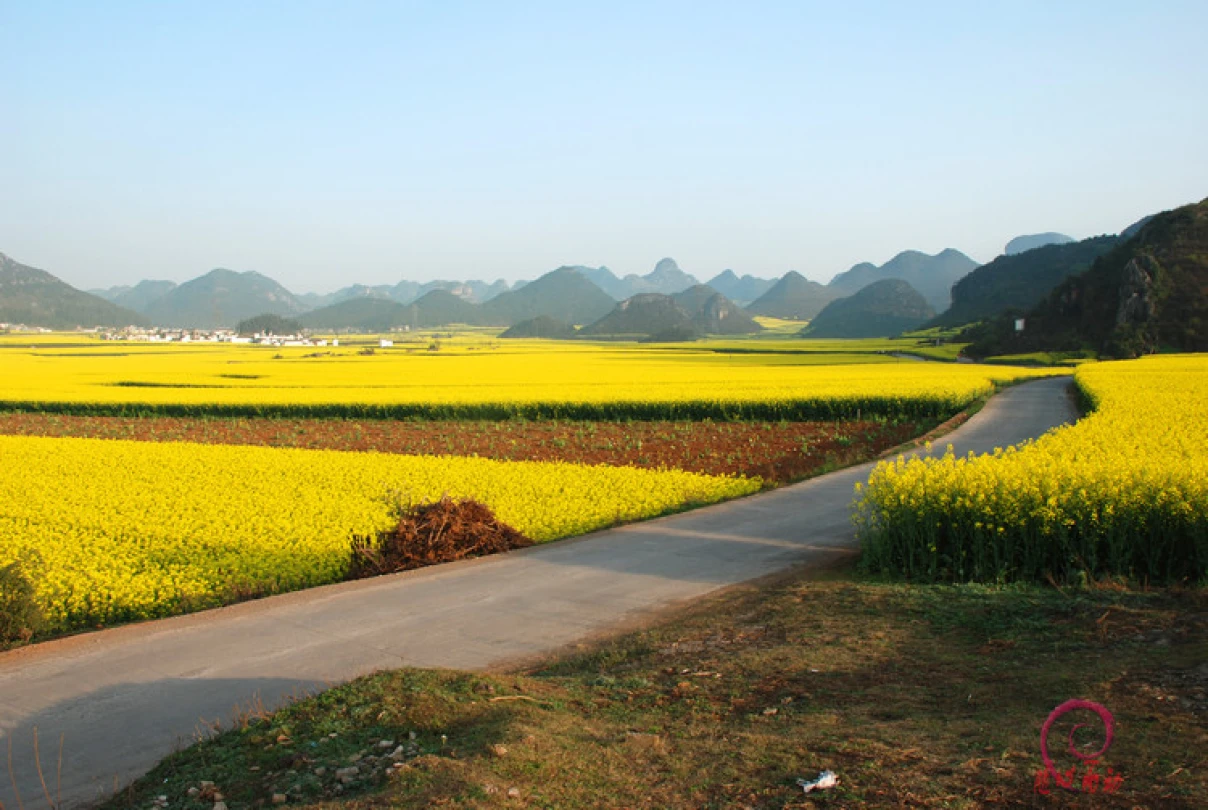
Golden Luoping: A Romantic Encounter with Sunshine and Seas of Flowers
Golden Luoping: A Romantic Encounter with Sunshine and Seas of Flowers Introduction: The Third Time's the Charm Some landscapes are destined to be seen at the right moment. For me, that was exactly the case with Luoping's rapeseed flowers. On February 22, 2011, the Luoping…
Continue reading...