September: Finding Unexpected Warmth in Yunnan (Kunming, Dali, Shuanglang, Lijiang, Lugu Lake)
September: Finding Unexpected Warmth in Yunnan (Kunming, Dali, Shuanglang, Lijiang, Lugu Lake)
Foreword: One Person's Journey, A Crowd's Story
Before I set off, like every first-time solo traveler, I printed out a thick stack of travel guides and rehearsed countless possible scenarios in my head—getting lost, losing things, altitude sickness... But the one thing I never expected was that the biggest surprise of this trip wouldn't be Yunnan's scenery, but the people I met along the way.
BINGO, StrongXu, Xiaoji, Xiaomi, Huyouge, Junjun, Saolaoshi, Yumige, Yumisao, Annie, Wilson, Dashu, the judge from Haidi, Candy and her companions, Laobanzhang, Xiao Shen... and those friends whose names I can't even recall. Some I arranged to meet on Mafengwo (a Chinese travel platform), others I decided to travel with after a casual chat in the hostel hallway. Without them, this trip would have been just another collection of mediocre scenic photos in my album, not the kind of memory that makes me smile every time I look back.
Oh, and I almost forgot—a dog from Lugu Lake named Xiao Hei (Little Black). You were the absolute star of the lake-looping day.
As for those friends who planned to hike Tiger Leaping Gorge and Yubeng Village with me after the 13th—Shitou, Tubai Bai, Chixing, and the two ladies I met in Lijiang—I can only say that being urgently called back home and having to bail on you all is something I'm still repenting for.
What You'll See in This Article
- A timeline-based narrative of my Yunnan trip
- Detailed route and major expenses
- Practical self-guided travel tips (scattered throughout, marked with ★)
- Top recommendations: Shuanglang and Lugu Lake
- Few photos of ancient towns (Dali, Lijiang) because I barely explored them
- Not much coverage of local snacks, since I'm no food blogger
- Attached: Tiger Leaping Gorge and Yubeng itineraries I didn't get to do (not personally tested, for reference only)
Day One: Starting with a Downpour
Strictly speaking, this trip began on September 2nd. That day, I caught up with a few older sisters in Xiamen and wandered around Gulangyu Island. On the morning of September 3rd, I flew out of Xiamen Gaoqi Airport to Kunming—what can I say, tickets from Xiamen were way cheaper than from Fuzhou.
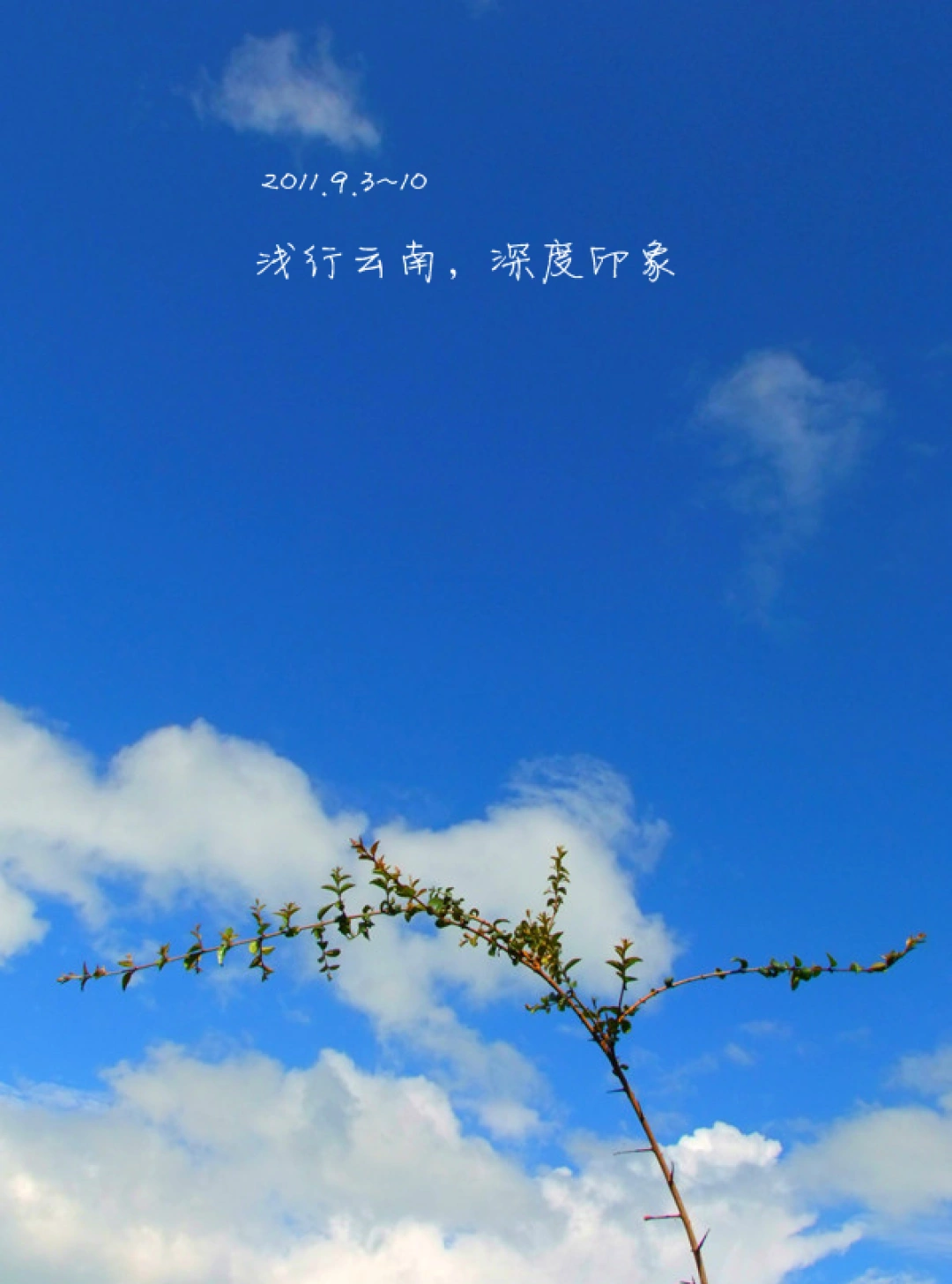
But just as I boarded, a light rain started. By the time I settled into my seat, the rain had intensified so much that the runway began to flood. Our scheduled 10:50 departure was delayed by a full hour.
To make things worse, the flight attendants, seeing we were bored, handed out lunch to keep us occupied. I was halfway through my meal when suddenly the announcement crackled: "Folks, great news—we can take off! But for safety reasons, please stow your tray tables..."
I had half a mouthful of rice still in my mouth, clutching a half-eaten lunchbox, as we lifted off. The passengers who had ordered noodle soup looked absolutely devastated.
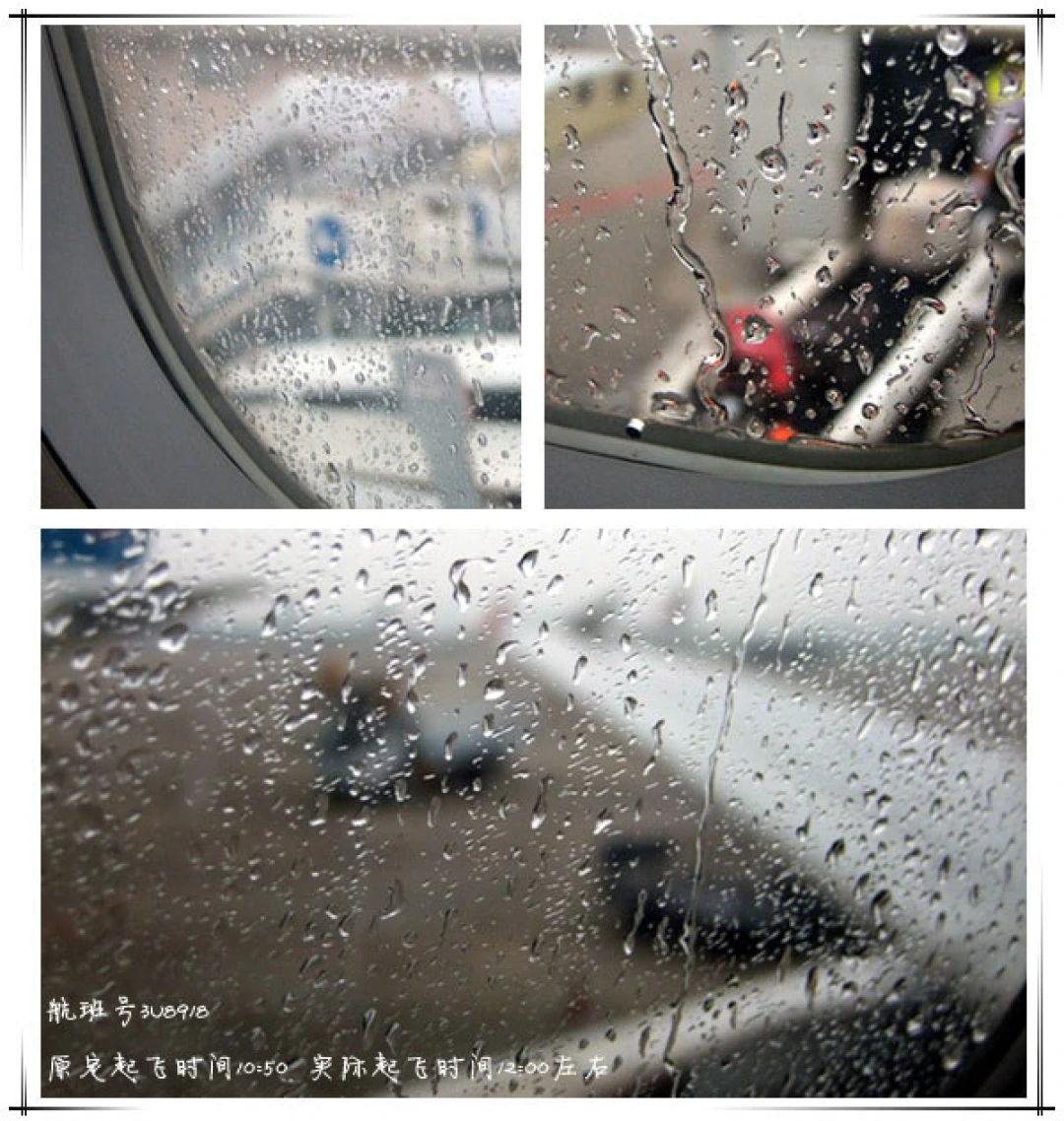
★ Practical Tip: Kunming Transportation
The information about Wujiaba Airport in this article is outdated. Kunming's new airport is Changshui Airport. Please refer to the latest information.
Cuihu Park: So Small It Makes You Question Life
After storing my backpack at Kunming Station, I met up with BINGO, Xiaoji, and Xuzhuang—whom I'd arranged to meet online—at Cuihu Park. What happened? BINGO and I arrived at the South Gate and called Xiaoji. They said they were at the North Gate. We decided to walk toward each other, hoping to meet in the middle.
Less than five minutes later, the phone rang: "We're at the South Gate now."

I turned around. The South Gate was less than fifty meters behind me.
Cuihu Park is ridiculously small.
As for the Golden Horse and Jade Rooster Archway (Jinma Biji Fang), I honestly don't think it's worth visiting—one word: empty. If you're short on time, skip it.
My First Overnight Sleeper Train on a Green Train
This trip created many "firsts" for me: first time staying in a hostel dorm bed, first flight delay, first overnight sleeper train on a green train, first time at an altitude of 3,000 meters, first time cycling over 60 kilometers, first overnight sleeper bus...
On the K9626 train, the guide said this train tends to arrive "early." At 11 PM, while we were still charging our phones at the station, the staff started urging us to board. Ten minutes later, most passengers were already in their seats, leaving us no chance to charge a bit longer. My advice: if you're taking this train, get on early.
Dali: The Hidden Skills of Touting Aunties
Exiting Dali Railway Station, you can take Bus No. 8 straight to the ancient town. As soon as I stepped out, an auntie running a guesthouse latched onto me, asking if I needed accommodation. If you don't mind, it's worth listening to her introduce Dali—the locals here are very warm. Even if you don't plan to stay at her place, she'll patiently answer your questions about directions. Of course, if you've already booked a room, don't waste her time. She followed me all the way from the station to the ancient town, which is no small effort.
★ Bus No. 8 Info
- First bus at 6:30 AM, last bus at 8:30 PM, about 40 minutes, fare 1.5 yuan
- Stops like Guoziyuan and Yuer Lukou are within the ancient town
- Taxi is usually 40 yuan; skilled hagglers can get it down to 35 yuan
★ Hostel Dorm Bed Experience
On this trip, I mostly stayed in YHA (Youth Hostel Association) dorm beds, priced between 25-35 yuan, much cheaper than the 50 yuan in Xiamen. Here are some tips for those considering dorm beds:
- Showers might be in the room or shared—about half and half
- As for security, I eventually got pretty casual—left my phone and camera charging on the bed while I wandered off. There's definitely risk, but I was lucky
- If you can't stand snoring or people coming back late, think twice about dorm beds
- YHAs don't provide toothbrushes or toothpaste—you must bring your own
- Laundry powder, hangers, and basins are usually free to borrow; washing machines generally cost extra
- Some hostels require you to strip your bed sheets and pillowcases when checking out
- Membership cards only cover your own bed—you can't book for others
- The biggest selling point of YHAs is the atmosphere—chat with your roommates; you'll get unexpected rewards
Grilled Milk Fan: My Life's Trauma
Let me introduce a Dali snack that left a lasting impression on me—grilled milk fan (kao ru shan).
The milky flavor was intense—so intense it was suffocatingly greasy. I took one bite, hadn't even swallowed, and felt like I was dying. I couldn't throw it away fast enough. And I'm someone who drinks milk regularly! That taste is unforgettable.
That said, tastes vary—maybe it'll be right up your alley. It costs 5 yuan each. Be careful when eating it; the filling might drip on your clothes—someone in our group got hit, and I won't name names.
There's also "Zaihuishou" cold shredded chicken rice noodles (zao hui shou liang ban ji si mi xian), 6 yuan a bowl. For me, it was just okay, because I prefer soupy dishes.
Xizhou: From Self-Guided Tour to Group Tour—A Surreal Experience
Xizhou preserves Bai ethnic residential buildings from the Ming Dynasty onward, so we went with high hopes. At the parking lot, we ran into a touting minivan driver who said taking the bus would require another chartered ride from the stop, but their van would take us directly for just 5 yuan one way.
We got in. They drove off. Destination: Yan's Grand Courtyard (Yan Jia Da Yuan), entrance fee 50 yuan. Suddenly, it was a group tour.
We got explanations, performances, tea tastings (three cups of Dali's "three-course tea" weren't enough), and finally, they started pushing tea sales. Luckily, it was raining hard, and I had no umbrella, so I just went with the flow.
The Real Xizhou Starts Here
After leaving Yan's Grand Courtyard, we had the driver wait and kept walking. If you're visiting Xizhou independently, just skip Yan's Grand Courtyard altogether. Nearby, you'll find large clusters of Bai architecture—a normal living area, no entrance fee, free to explore.
The walls had things like seashells embedded in them, along with local specialty "tile cats" (wa mao).
Xiaoji, BINGO, and Xuzhuang were with me.
Xizhou Flatbread (Xizhou Baba): Worth a Try
This time, it was Xizhou flatbread (Xizhou baba), and I personally found it delicious. Available in sweet and savory flavors, reasonably priced. I recommend the stall "Deshenghe"—very authentic.
Compared to the commercialized, noisy ancient towns of Dali and Lijiang, I preferred this place—raw, full of life. So it's inevitable that I can't give you a thorough introduction to Dali Ancient Town or Lijiang Ancient Town, because I didn't really explore them myself.
Tie-Dye (Zaran): Worth Seeing
Back in the van, we asked the driver to take us to see tie-dye (zaran), adding another 5 yuan per person. This experience was good—not a scam. The products were affordable, no hard selling, and we learned about the dyeing process—blue comes from indigo (ban lan gen), and different plants produce different colors.
If you don't buy anything, the per-person cost for Xizhou was 65 yuan (50 for the ticket, 15 for transport).
First Time Sharing a Meal
At a restaurant in Dali Ancient Town, the four of us shared our first meal together. The ingredients displayed in front of the restaurant were things I'd never seen before—if you love cooking, it's worth a look.
This place was on Pingdeng Road (I used satellite positioning, but not sure how accurate it is). Their mixed mushroom soup was completely flavorless, but the other dishes were okay. Splitting a meal is actually quite affordable—averaging 20-30 yuan per person, sometimes as low as a dozen yuan for a good meal. On this trip, I never skimped on my stomach.
Unexpected Encounter: Recognized at the Hostel Door
Back at Dali New Season Youth Hostel that evening, I connected with Tubai Bai via WeChat and found out they were staying there too. Just as I was about to head out for drinks, Tubai Bai recognized me at the door.
Tubai Bai and Zhuguli were super energetic people, while Chixing was experienced and meticulous about outdoor activities. Although our schedules didn't align for traveling together, we kept bumping into each other. They originally planned to hike Yubeng on the 13th—I have to say, they knew how to travel way better than I did, spending several days in both Kunming and Dali Ancient Town, while I didn't stay more than 24 hours in either place.
But there was a hiccup: they picked up a girl along the way, who later broke her arm while cycling around Erhai Lake. That night, New Season had no vacancies, so they had to lug their bags and the injured girl to find another place. So—stay safe, folks. Many sections of that road are under construction and are genuinely tough.
★ Cycling Around Erhai Lake Time Reference
- Dali Ancient Town → Shuanglang: about 5-6 hours
- Shuanglang → Dali Ancient Town: about 1.5 hours more
- Full loop takes two days
That evening, near the hostel, we ran into a street performer. His powerful drumming, paired with his original songs, had an incredible vibe. We stood at the intersection listening for a long time and ended up skipping the bars altogether.
Shuanglang: The Highlight of This Trip
Finally, I get to talk about Shuanglang. I'm excited.
Let me tempt you with a photo first—but the words alone say enough: Shuanglang was where I met the most friends, saw the best scenery, felt the greatest atmosphere, had the wildest fun, and left the deepest impression. Most of the friends from the rest of my trip were made here.
My honest advice: You can skip Dali Ancient Town, skip Lijiang Ancient Town, even skip Lugu Lake—but you absolutely must go to Shuanglang! And you must give yourself enough time!
We arrived at Shuanglang around noon on September 5th and left by chartered van on the morning of September 7th. Even with two full days, it felt far too short. You could easily spend a week or even a month here!
Getting to Shuanglang: Patience Required for the Bus
To get from Dali Ancient Town to Shuanglang, you first take a bus to Nanguocheng (there's a stop at the intersection of Bo'ai Road and Renmin Road; take Bus No. 2), then transfer to a minibus heading to Shuanglang. Get off at Nanguocheng, stand by the Dali-Lijiang Highway, and wait for a passing minibus. If you're lucky, one comes right away; if not, you wait. We waited about 15 minutes. The fare was around 16 yuan, and the ride took over an hour.
I'd suggest asking about operating hours—you might not find a bus in the afternoon because there are very few runs.
I snapped a random shot on the way to Shuanglang—some sections of the road were terrible. Once again: if you're cycling around Erhai Lake, safety first! If you can't handle roads like this, then the seven or eight hours of mountain roads to Lugu Lake—well, good luck.
The hostel we booked was called Haidi Shenghuo (Sky Sea Lodge). Just tell the driver the name, and they'll usually know it.
Final Thoughts: Why You Must Go to Yunnan
Writing this, I suddenly understand the meaning of the opening line.
The true meaning of travel isn't about how beautiful the scenery is along the way, but about how many interesting, thoughtful, passionate people you meet on the road. Yunnan's beauty is legendary—Dali's Cangshan Mountain and Erhai Lake, Shuanglang's tranquil moments, Lijiang's ancient town charm, Lugu Lake's crystal-clear blue—but without the people I met on the road, these scenes would just be pixels in a camera.
So if you ask me whether September in Yunnan is worth it, my answer is: Go. You must go. But don't just bring your camera—bring an open heart. Sit a little longer in the hostel common area, chat with someone while waiting for the bus, ask at a restaurant if anyone wants to share a table—
You never know. The next person who says hello to you might become the most unforgettable memory of your entire trip.
You should also read:

God’s Abandoned Palette: A Self-Drive Journey Through Yunnan’s Dongchuan Red Land
God’s Abandoned Palette: A Self-Drive Journey Through Yunnan’s Dongchuan Red Land Travel has never been about reaching some distant geographic coordinate. It’s about encountering, along the way, the version of yourself buried beneath the rubble of daily routine. During this May Day holiday, I finally…
Continue reading...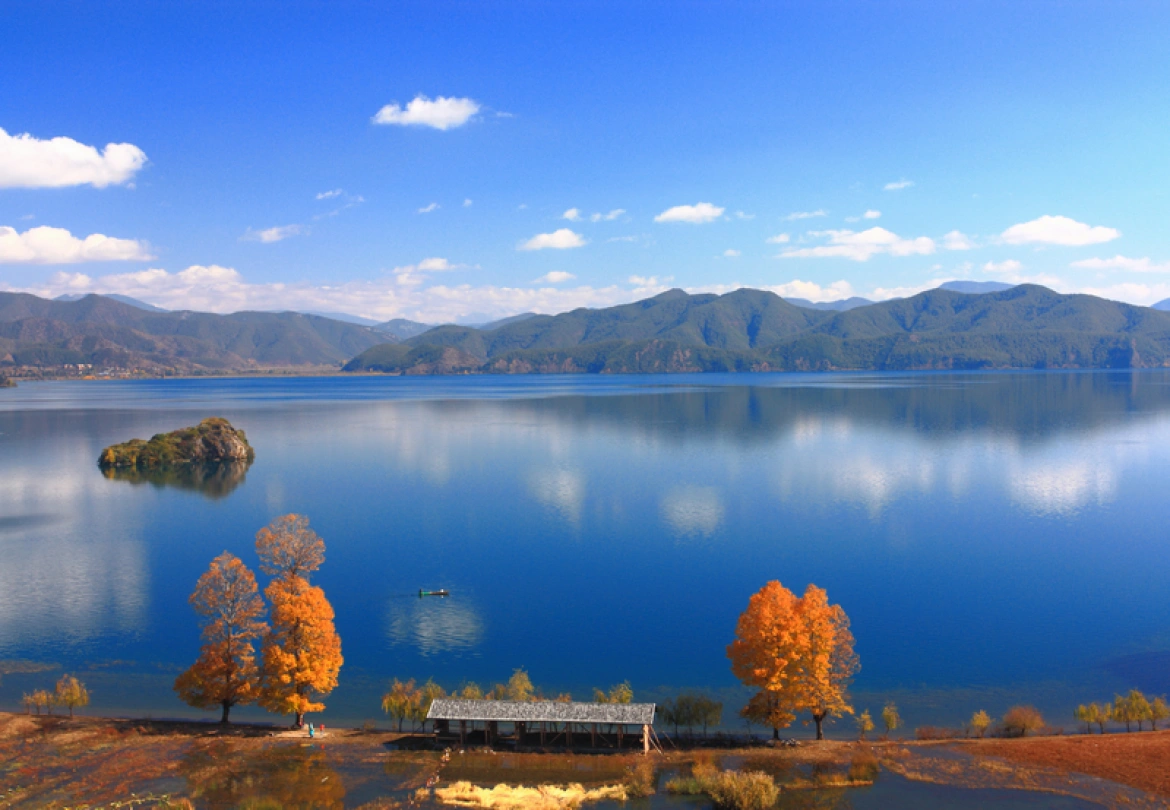
A Spiritual Journey to Lugu Lake in Lijiang: Experiencing the Legend of the Kingdom of Women! (Reproduction and Hotlinking Prohibited)
A Spiritual Journey to Lugu Lake in Lijiang: Experiencing the Legend of the Kingdom of Women! (Reproduction and Hotlinking Prohibited) Off-road自驾, food, hotel and民宿 reviews, Featured Traveler, Tank 300 owner, 200,000 km of self-driving experience. WeChat: y01294987 Ninglang Yi Autonomous County 2010.11.08 · 7 days…
Continue reading...
Hiking Around Lugu Lake: Measuring This Mysterious Highland Pearl on Foot
Hiking Around Lugu Lake: Measuring This Mysterious Highland Pearl on Foot Introduction: A Date with the Lake At the border between Yunnan and Sichuan provinces lies a highland lake embraced by mountains, embedded like a sapphire in the folds of the Hengduan mountain range. Here,…
Continue reading...