Let Time Slow Down: An 18-Day Wander Through Lijiang Dayan and Dali Ancient City, with 2013 Yunnan Fragments
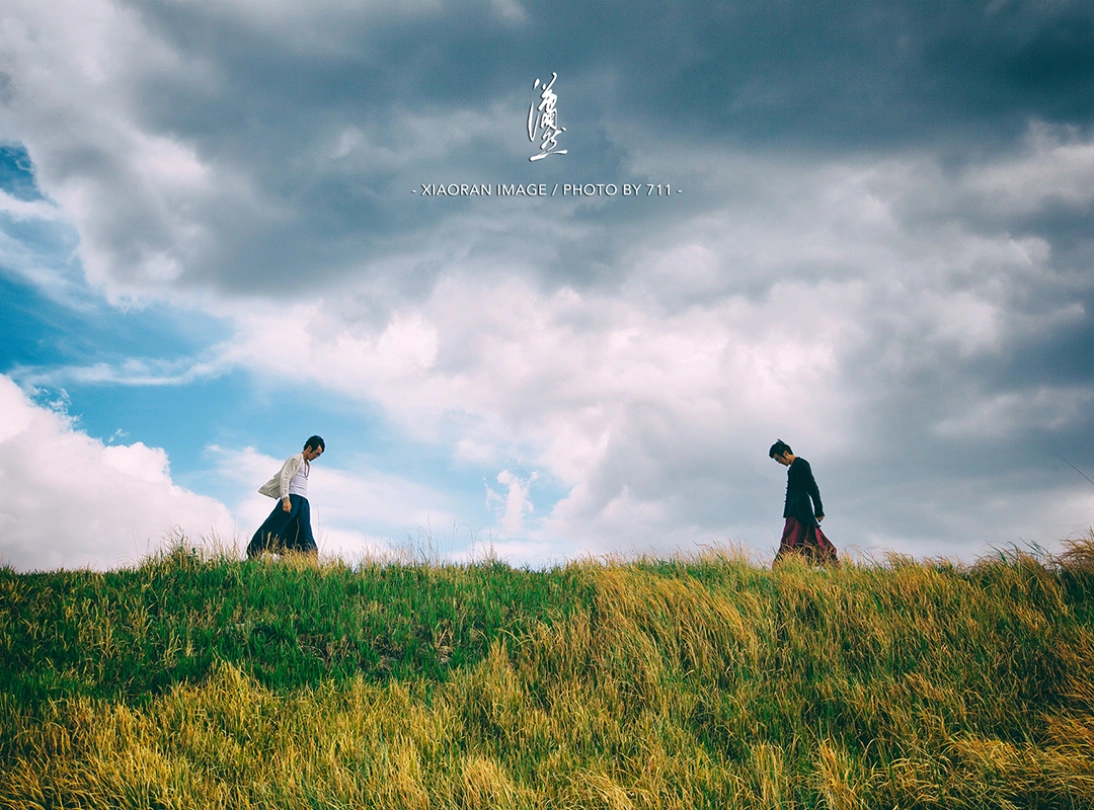
Let Time Slow Down: An 18-Day Wander Through Lijiang Dayan and Dali Ancient City, with 2013 Yunnan Fragments
Prologue: An Unexpected Solo Journey
Some journeys are meticulously planned; others are gifts casually tossed your way by fate.
In March 2015, I was supposed to be in a Beijing office tower, dutifully experiencing my first taste of "nine-to-five" life. As a longtime freelancer who lived with a camera in hand, I'd always harbored an almost obsessive curiosity about the corporate grind—until the ninth day of my new job, when my employer discovered my former "true profession."
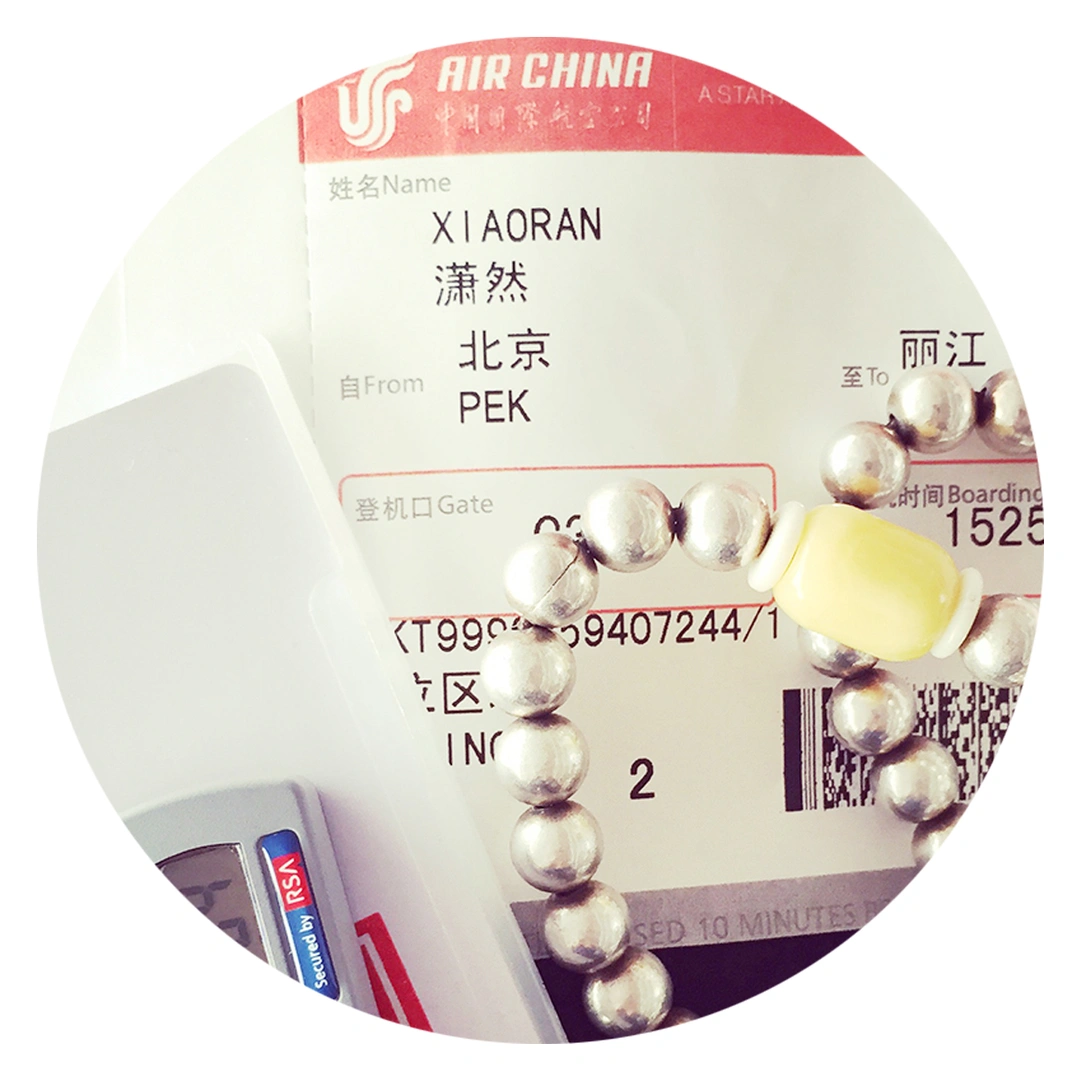
And just like that, a one-way ticket from Beijing to Lijiang thrust me into an entirely unforeseen adventure.
I received the notice just 24 hours before departure. My suitcase was barely half-packed when I rushed out the door. From March 18 to April 4—18 full days—I shuttled between Lijiang's Dayan Ancient Town and Dali's Old City, working as a photographer and designer. This wasn't pure travel; it was a "work trip masquerading as wandering." But who says work and poetry can't coexist?
Before You Go: A Yunnan Survival Guide

The Little Details Nobody Tells You
If you're planning a visit to Yunnan during this season, remember three things: lip balm, lip balm, and more lip balm.
The dryness here is far more severe than you'd imagine. Within two days of arriving in Lijiang, my lips were cracking. If you've ever experienced the agony of running out of lip balm on the Tibet loop, unable even to smile without pain, you'll understand my obsession. At a Watsons in Lijiang, I found men's lip balm for 22 yuan; at a cosmetics shop in Dali, there was no men's version, so I bought Mentholatum for 37 yuan. Either way—don't skimp on this.
As for temperatures: midday can reach 24-25°C (75-77°F), but mornings and evenings are bracingly cool. Lijiang sits at a higher altitude and runs cooler; Dali is about 3-5°C (5-9°F) warmer. Local wisdom: a hoodie is all you need. Ladies hoping for that perfect photo—wait until noon before slipping into your dresses.
Lijiang: Ten Days Adrift in Dayan Ancient Town
Arrival and Settling In
Lijiang Airport is small. After exiting, shared taxis cost 20 yuan per person and head straight to the old town. The airport is over 30 kilometers from the ancient city; if you arrive at night, a shared ride is your most hassle-free option—just remember to ask for a receipt.
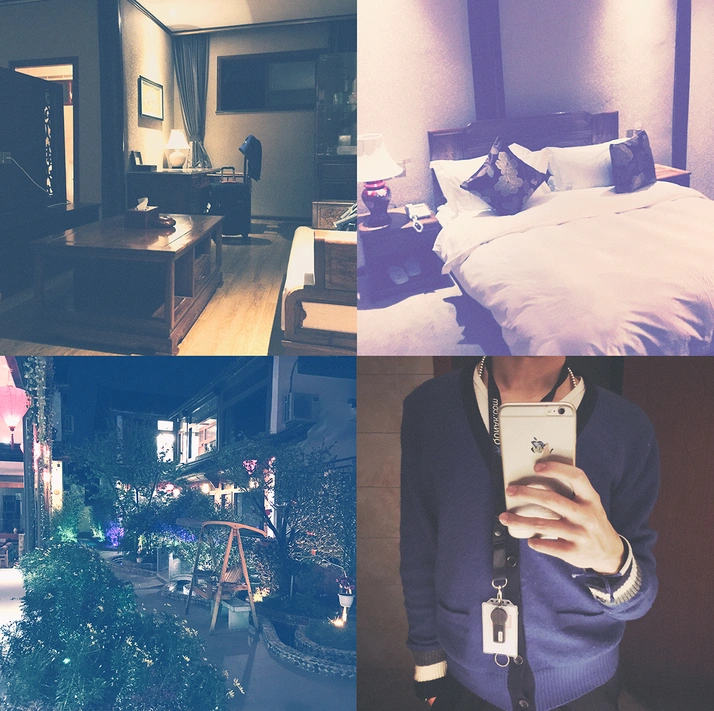
I stayed at Qinyuan Inn (沁园客栈), a place I'd rank as "S-class." The owner is a warm-hearted gentleman everyone calls "Boss Zeng," who occasionally cooks for guests himself. The butler, Mr. Yan, is chatty and helpful, making the entire courtyard feel like home. The inn is decorated with precious wood, and lounging in the yard with tea on a sunny afternoon is a rare luxury. The premium double rooms aren't expensive by old town standards—around 100 yuan per person for couples.
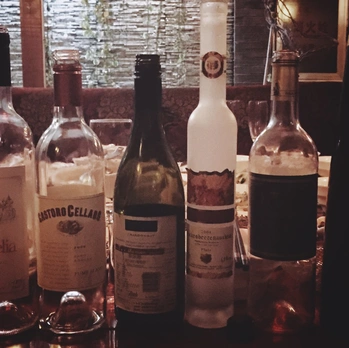
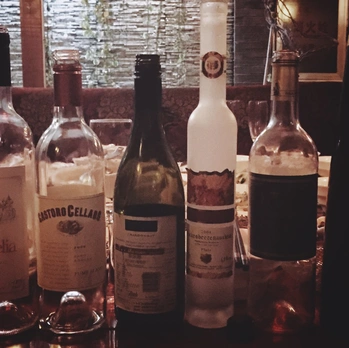
Best of all is the location: near the southwestern exit of the ancient town, quiet yet close to everything. It's a three-minute walk to the Mu Mansion (木府). The inn also has the owner's private wine cellar, stocked with spirits of every tier. On idle evenings, sampling a few bottles is a delight—the botrytis dessert wine is especially stunning.
Impressions of the Old Town: Commercialization and Glimmers of Poetry
Honestly, Lijiang's old town has been written to death in countless travelogues—the Mu Mansion, Sifang Street, the Big Waterwheel, all the same. But I'll say this: compared to Dali, which I visited later, Lijiang is undeniably more commercialized. Shop fronts line every street, and receipts are demanded without hesitation.
Yet if you're willing to slow your pace, you can still capture poetry in the cracks.
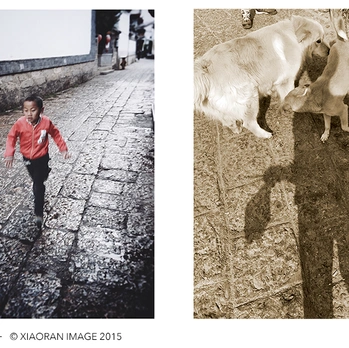
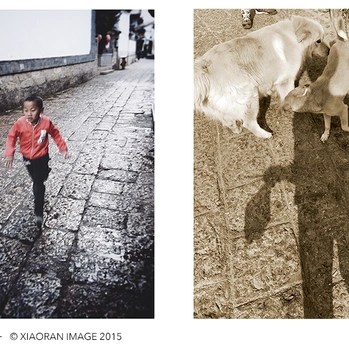
I averaged 15,000 steps a day starting from the 18th, until I could navigate Dayan blindfolded. Down every alley and street corner, I spotted fascinating kids—imagine growing up in a place like this; what a remarkable childhood that must be.
On Sifang Square, aunties lead tour groups in dance every day, and they're utterly adorable. By March 27, during the Sanduo Festival (三多节), hundreds of aunties gathered, creating an awe-inspiring spectacle.
On Food: A Non-Foodie's Warning
I'm not a foodie—in fact, I barely enjoy eating. But two things deserve mention.
Breakfast usually costs under 10 yuan—rice noodles (米线), congee, the usual. But be careful with erkuai (饵块). These are blocks of white or purple rice, stuffed with sausage and fried dough sticks, slathered in a delicious sauce. We all fell in love with them at first. Within two days, though, my team was hit with vomiting and diarrhea, and I came down with a gastrointestinal fever. It might have been partly due to adjusting to the local water, but the erkuai was certainly a suspect. Unless your gut is ironclad, proceed with caution.
The only food I photographed was Naxi rice cake (纳西米糕). The most authentic version is found inside Zhongyi Market (忠义市场), sold by an elderly grandfather. You'll need a local guide to find him. It's only good when fresh and hot—the street-side boxes selling for five yuan are garbage in comparison.
Getting Sick: The Warmth of Lijiang People's Hospital

On March 23, my frail constitution finally gave out—I had a fever. I highly recommend Lijiang People's Hospital (丽江市人民医院), just a 15-minute walk from Dayan's north gate. Mornings are packed, but the ER is relatively quiet. Best of all: it's cheap. A whole battery of tests and medication cost only 80 yuan. In Beijing, 800 wouldn't have covered it.
The doctor ordered a blood draw. I held out my ring finger automatically, but the young nurse said, "Venous blood." I was stunned. White blood cell count: 16,000. Diagnosis: viral infection with inflammation—gastrointestinal fever. I got a shot of bupleurum (柴胡) in my rear end, straight into the bone. I'm already thin, and that pain was unforgettable. Three types of medicine, one day bedridden. That day had the fewest steps—I couldn't even get up.
Dali: Eight Days Drunk on Cangshan and Erhai
From Lijiang to Dali: A Train Ride Saluting Erhai
A taxi from Lijiang to the train station costs 30 yuan—get a receipt. I bought my train ticket the day before on 12306; a hard sleeper was 77.5 yuan. Locals recommend the bus (40 yuan per person, closer to the old town), but I took a Dali local's advice and chose the train—it loops halfway around the lake, paying tribute to Erhai. The scenery along the way is so beautiful it makes you want to hum "By Cangshan and Erhai."
711 Inn: A Treasure in Dayuanzi Village
After arriving in Dali, I checked into 711 Inn (711客栈). You can find it on Qunar and Ctrip—a standalone courtyard house in Dayuanzi Village (大院子村). Prices start at just over 100 yuan per night for a single room with a private bathroom. The shower is fantastic.
The owner, 711, is a renowned outdoor expert from Chengdu who's traveled countless routes and knows every self-driving itinerary by heart. He's low-key and kind, spending his days either drinking tea or playing billiards. He runs the inn with his mother, who is wonderfully warm—she takes care of everyone like a mom.
The location is genius: tucked away in the village, yet it's only a three-minute walk to Erhai Gate (洱海门), perfectly escaping the nighttime noise. My happiest eight days in Dali were spent here.
The courtyard has three bicycles. The white one rides best, though the brakes are a bit dodgy. Bike rental is 20 yuan per day—ride as much as you have the energy for.
Power Outage Day and the Story of Glasses
Dali's old town starts losing power at 8 a.m.—for me, this was a disaster. No WiFi, no desire for offline games, just frantic selfies.
But power outages bring surprises. The inn had a pregnant cat named Glasses, about a year old and about a month along. She's a character—we hit it off instantly, and she loves sticking out her tongue. On that powerless day, I spent the afternoon lying around the inn playing with her.
And so, the first day passed in darkness. Power didn't return until 9 p.m. By then, I—someone who goes to bed at 10 every night—had no energy left for anything.
Dali Daily Life: This Is Living
During my days in Dali, every morning I'd open my door to find Glasses waiting. I'd hang my laundry on the third-floor balcony, greeting the first rays of sunlight. Then I'd head downstairs for breakfast made by the owner's mother. At first, this tranquility felt unreal, but after a while, you realize: this is the real Dali—life under Cangshan and beside Erhai.
The city wall near Erhai Gate offers a fantastic view of the old town's rooftops. In the morning sun, you see people exercising and jogging. Below the wall, at South Reservoir (南水库), when the light is right, you can capture reflections of Cangshan.
The cream puffs at 88 Haoxidi (88号西点) hooked even me—someone who doesn't have a sweet tooth. It's on the west section of Renmin Road (人民路), very artsy, with lots of foreign customers.
Dali Bed Sheet Factory (大理床单厂) is like Beijing's 798 on a smaller scale. From March 28 to April 1, it hosted the Dali Art Week—the air was thick with creativity. Upstairs, the Dali Photography Museum had excellent exhibits; I snapped a few surreptitious photos for my private collection.
A Day Around the Lake: From Xizhou to Shuanglang
On April 1 (April Fools' Day), I had a photo shoot around the lake and set out with 711.
Haishe (海舌, "Tongue of the Lake") is a wetland peninsula about a kilometer long, jutting into Erhai. The tree on the left is one of 711's two favorite trees by the lake.
For lunch, we entered Xizhou through the north gate and ate Xizhou baba (喜洲粑粑)—the kind even President Xi has tried. The meat-filled version takes forever to make, but the wait rewards you with a unique texture. Only one place in the world makes it this way: look for No. 9, Sifang Street, Xizhou Town.
Circling the northern edge of Erhai, we came to a spot that felt like Tamsui in Taipei—I've forgotten the name, but the resemblance was uncanny. Further south was Shuanglang. 711 put it plainly: Shuanglang really isn't that interesting. The only road is under construction, and unless you're staying at a seaside hotel like Haidi (海地), the experience is mediocre.
Xiao Putuo (小普陀) is a charming little island with a temple on it, reportedly manned daily.
Back at the inn, Glasses had given birth: five kittens—two gray, three calico, four males and one female. So the father was that gray cat after all! Watching new life arrive, the emotion was beyond words.
Leaving Dali: Sacred Light and Farewell
On the day I left, I was fortunate enough to witness sacred light. I felt nothing but gratitude.
Step count statistics: from March 18 to April 4, I averaged about 15,000 steps daily. At roughly 7 kilometers per 10,000 steps, that's over 100 kilometers total. I came back four pounds lighter—and I was already thin. Terrifying.
Bonus: 2013 Yunnan Fragments
Pu'er: Slow Life in Tea Country
Pu'er City is in southwestern Yunnan, near the border. It's a comfortable place, with a slightly tropical vibe and humid air—completely different from Lijiang and Dali, closer to Xishuangbanna's climate.
The Ten-Thousand-Mu Tea Plantation (万亩茶园) has just one path; everything else is tea bushes. Walking among them is pure bliss.
Nakeli (那柯里) is an important post on the Ancient Tea Horse Road. Strolling its old paths, you can still feel the echoes of history. On the stone map at the entrance, I marked the places I'd visited with a five-pointed star—and realized how much of Yunnan I've yet to explore.
Xishuangbanna: Tropical Heat and Water-Splashing Frenzy
Xishuangbanna is sweltering, incredibly humid, with occasional storms and downpours that hit hard and thrillingly.
The night view of the Lancang River (澜沧江) is beautiful—this is the upper section of the Mekong. Thinking of the tragic incidents that happened along this river, I felt a mix of emotions.
At the Dai Ethnic Garden (傣族园), I arrived during the Water-Splashing Festival. Tourists can change clothes and join in. First, the royal elder offers blessings, the fairy maidens sprinkle water, and then—chaos. The locals have countless tricks for splashing, and watching from a distance is spectacular.
Lugu Lake: Lucky Sunshine
I flew from Xishuangbanna to Lijiang. From the plane, I saw a jade-green river—after some research later, I believe it was the Nujiang (Salween River).
After hours on a bus, I reached Lugu Lake. It had been raining for days, but it cleared up just as we arrived—incredibly lucky.
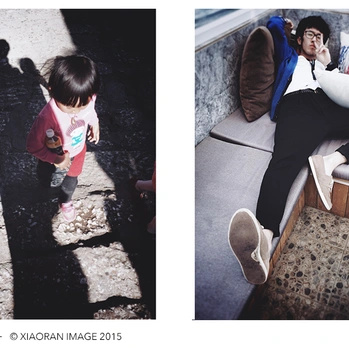
The Mosuo children are adorable but also pitiful, often sent by adults to sell things to tourists.
That over-photographed viewpoint? It really does produce stunning images. Occasionally, I spotted auspicious clouds on the road—not a halo, but tiny sun halos in the clouds. Very special.
I still remember it all vividly.
Epilogue: Yunnan, Worth Returning to Again and Again
This journey taught me something: some places aren't meant to be "checked off" but to be "lived in."
Lijiang's bustle and Dali's serenity, Pu'er's tea fragrance and Xishuangbanna's heat, Lugu Lake's clarity and Erhai's gentleness—Yunnan, in all its diversity, conquers every visitor time and again.
If you ask me when I'll go back? My answer is: anytime.
Because there, time truly does slow down.
Quick Reference
| Item | Cost/Notes |
|---|---|
| Beijing-Lijiang flight | 2,500-2,800 yuan |
| Lijiang accommodation (10 days) | ~1,500 yuan |
| Lijiang meals (10 days) | ~1,000 yuan |
| Lijiang-Dali train | 77.5 yuan (hard sleeper) |
| Dali accommodation (8 days) | Just over 100 yuan/night |
| Bike rental | 20 yuan/day |
| Total cost (18 days) | ~13,000 yuan |
Must-Pack Items: Lip balm, sunscreen, hoodie, comfortable shoes
You should also read:

Body in Hell, Heart in Heaven: A Pilgrimage Through Tiger Leaping Gorge — A Dialogue Between Heaven and Earth
Body in Hell, Heart in Heaven: A Pilgrimage Through Tiger Leaping Gorge — A Dialogue Between Heaven and Earth Introduction: When the Gorge Splits Open Beneath Your Feet Some say Tiger Leaping Gorge is the closest place on Earth to the border between "hell" and…
Continue reading...
Cloud Travelogue · Dali of Wind, Flowers, Snow, and Moon: A Three-Day, Two-Night Journey of a Free Spirit
Cloud Travelogue · Dali of Wind, Flowers, Snow, and Moon: A Three-Day, Two-Night Journey of a Free Spirit I am a cultured female foodie with a touch of rogue charm. I slung on my backpack, took my lover's hand, and set off on a spontaneous…
Continue reading...
Golden Luoping: A Romantic Encounter with Sunshine and Seas of Flowers
Golden Luoping: A Romantic Encounter with Sunshine and Seas of Flowers Introduction: The Third Time's the Charm Some landscapes are destined to be seen at the right moment. For me, that was exactly the case with Luoping's rapeseed flowers. On February 22, 2011, the Luoping…
Continue reading...