Roaming Western Yunnan: Exploring the Kingdom of Women – A 7-Day In-Depth Tour of Dali, Lijiang, and Lugu Lake
Roaming Western Yunnan: Exploring the Kingdom of Women – A 7-Day In-Depth Tour of Dali, Lijiang, and Lugu Lake
Foreword: A Spontaneous Annual Leave Getaway
As the year drew to a close, life felt like it had been pressed fast-forward, with琐事 (trivial matters) piling up like mountains. I decided to hit the pause button and recharge my weary soul with a trip. There are plenty of domestic travel options in China, but the one place that had lingered in my heart for years was Yunnan – a land steeped in romantic winds, blooming flowers, fine wine, and picturesque scenery.
My friends' social media feeds had long been flooded with Yunnan's blue skies and white clouds. And Hunan TV's hit show Dear Inn had elevated the beauty of Lugu Lake to the extreme. So, I locked in my annual leave for Dali, Lijiang, and Lugu Lake. My bestie Hanhan and I were instantly on the same page, kicking off this journey to explore the "Kingdom of Women."
Pre-Trip Planning: Smart Choices for Transport and Accommodation

Getting Around: Enter via Dali, Exit via Lijiang
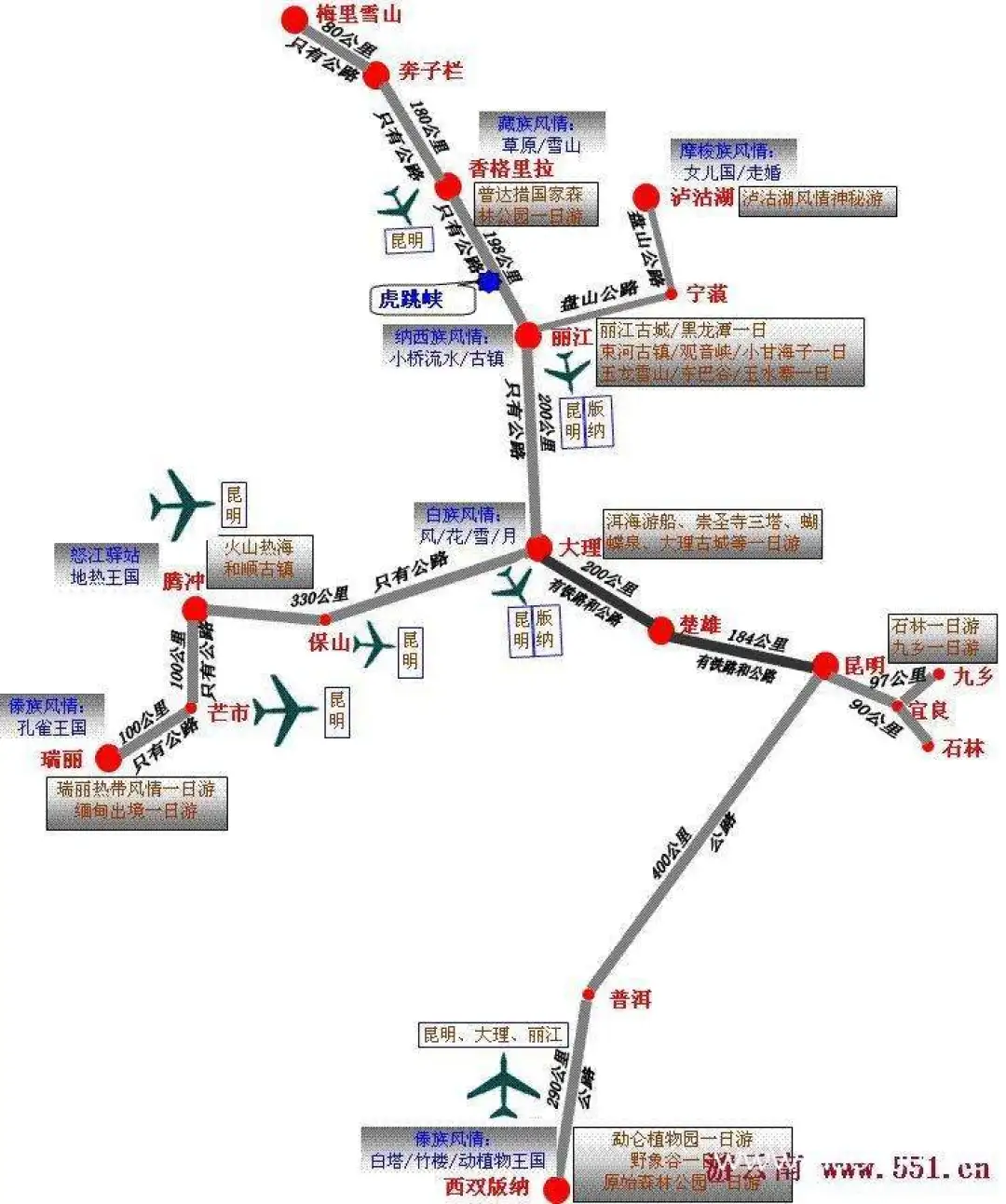
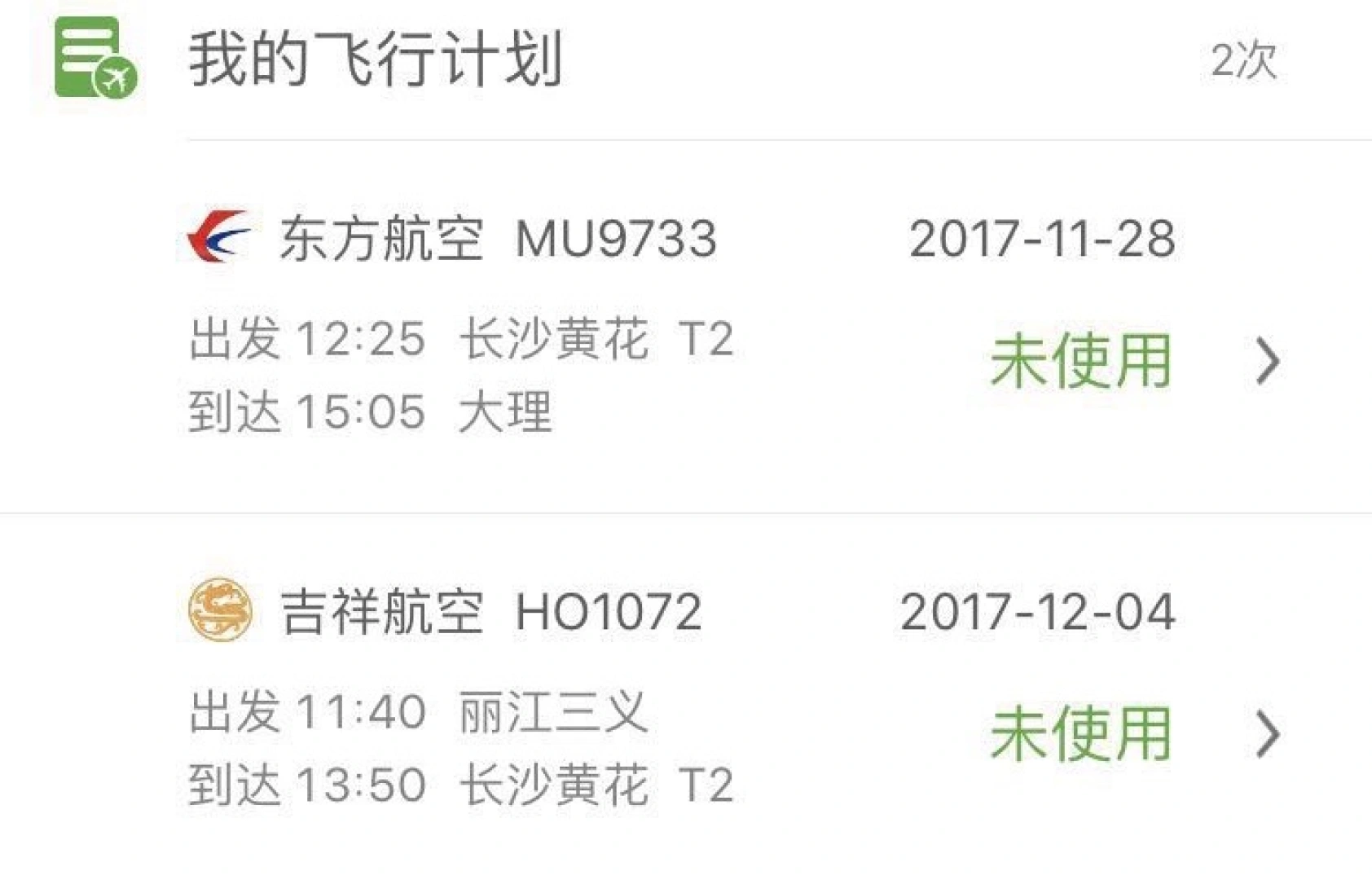
Yunnan's transport network is actually quite straightforward. Many people are used to transiting through Kunming first, but for me, Kunming lacked appeal. Luckily, there are direct flights from Changsha to both Dali and Lijiang, so we decided on a "Dali in, Lijiang out" route. For intra-provincial travel, we planned it as: Dali → Lijiang → Lugu Lake → Lijiang.
As mature tourist cities, Dali and Lijiang have ride-hailing apps that work perfectly. With platform oversight, prices are transparent, usage is convenient, and you can avoid the risk of unlicensed cabs. Highly recommended.
But Lugu Lake was the exception – this still-undeveloped paradise has almost no public transport, let alone ride-hailing apps. The traditional way to visit is to join a tour group or hire a private driver. But for someone like me, who values freedom and loves sleeping in, that sounded like a nightmare. The good news is that the Lining Highway opened at the end of 2016, cutting the drive from Lijiang to Lugu Lake from 7–8 hours down to just 4. Driving yourself not only gives you control over your schedule but also lets you slowly circle the lake, truly experiencing the beauty of the Kingdom of Women.
So, I coaxed and persuaded Hanhan into a self-driving trip. Considering we'd have to navigate the infamous "Lining Eighteen Bends," we rented a small SUV from eHi Car Rental. Over three days, the driving experience was excellent – a new car, fuel-efficient, and we used only three-quarters of a tank. The rental fee itself wasn't high; the bulk of the cost was insurance, but on mountain roads, it's better to be safe than sorry. As it turned out, with careful driving and the newly paved roads, safety was never an issue.
Accommodation: Off-Season Travel, Maximum Value
It happened to be "Singles' Day" and the end-of-year off-season, so we saved a fortune on accommodation.
- Dali: Due to environmental cleanup around Erhai Lake, the waterfront rooms in Shuanglang were shut down. We chose to stay two nights in Dali Old Town and save the lake-view rooms for Lugu Lake.
- Lijiang: Huajiantang (Blossom Hill Boutique Inn) is like the "Hermès" of guesthouses. We booked rooms in two of their courtyards. The Yinquan Courtyard is especially recommended for its stunning views.
- Lugu Lake: Langfang Village, the most recently developed area, offered the best accommodation. We chose the Chunshu Lake-View Inn, with a front-row seat to the lake – breathtakingly beautiful.
Day 1: Changsha → Dali, First Impressions of the Old Town
Escaping the cold and gloomy Changsha, we were greeted by the warm winter sun as soon as we stepped out of Dali Airport. The airport is tiny, built on a flattened mountaintop, and everything was orderly with no touts harassing you – a big improvement over Changsha.
The driver who picked us up was responsible enough, but he started pitching his private car rental service along the way. This happened with every taxi we took afterward. I can understand why, but safety came first, so we stuck to using ride-hailing apps for the entire trip and never hired a private car.
Dali Old Town didn't offer many surprises – it had the feel of a man-made ancient town combined with a pedestrian shopping street. We wandered around, tried a few snacks, but they were just average. The only real gain was buying a bohemian-style dress for 159 yuan, in preparation for photos by Erhai Lake the next day.
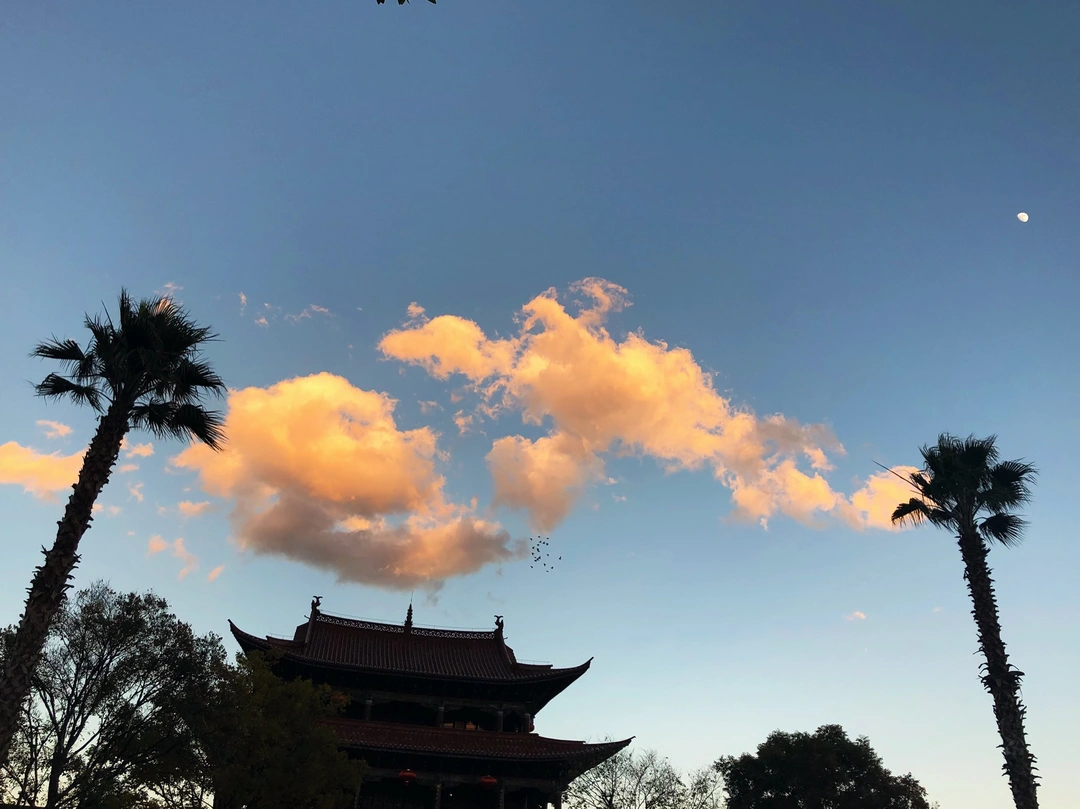
As evening fell, the sunset painted the sky red. Yunnan's sunsets have a kind of delicate beauty – not as intense as the fiery clouds by the sea, but still intoxicating. After nightfall, our attempts to find good food in the old town failed. We bought some snacks, went back to the inn, and cracked open a bottle of sake we'd brought from Changsha. It was a somewhat boring end to the first day.
Day 2: Xizhou Ancient Town & Haishe Park, Literary Time by Erhai Lake
Due to the environmental cleanup around Erhai Lake, the eastern lakeside road was under construction, so we could only cycle the eastern section. I tried hard to learn how to ride a bike, but I just couldn't get the hang of it and gave up. Anyway, Lugu Lake is supposed to be more beautiful than Erhai, so we just did the bare minimum in Dali – visiting only Xizhou, the Couple's Tree, and Haishe Park.
Xizhou Ancient Town: Bai Ethnic Culture and Rose-Filled Pastries
As soon as we got into the Didi car, the driver said Xizhou charged an entrance fee – how could that be? Sure enough, he dropped us off at a sparsely populated, ticket-required tourist trap. This kind of behavior... no wonder Yunnan tourism gets so much bad press. We gave the driver a three-star rating, and the platform later called to verify. I hope he stops ripping off tourists.
After a ten-minute walk, the real Xizhou Ancient Town appeared before us. It's not big – you can walk through it in half an hour – but there are a few beautiful old buildings perfect for photos. For lunch, we tried pomegranate flower stir-fried with pork and jasmine flower omelette – unique and delicious. The real highlight was the Xizhou pastry – 10 yuan for a big piece, available with meat filling or rose sugar filling. I chose the rose sugar one; it was sweet, soft, and sticky. Highly recommended!
Haishe Park: The Serene Beauty of Water and Sky
At the entrance to the old town, a friendly tricycle driver was enthusiastically offering rides. 10 yuan per person to Haishe Park. We agreed casually, and he waited patiently while we finished exploring the town. When we reached the Couple's Tree scenic spot, he specifically stopped to let us take photos, waiting the whole time without complaint.
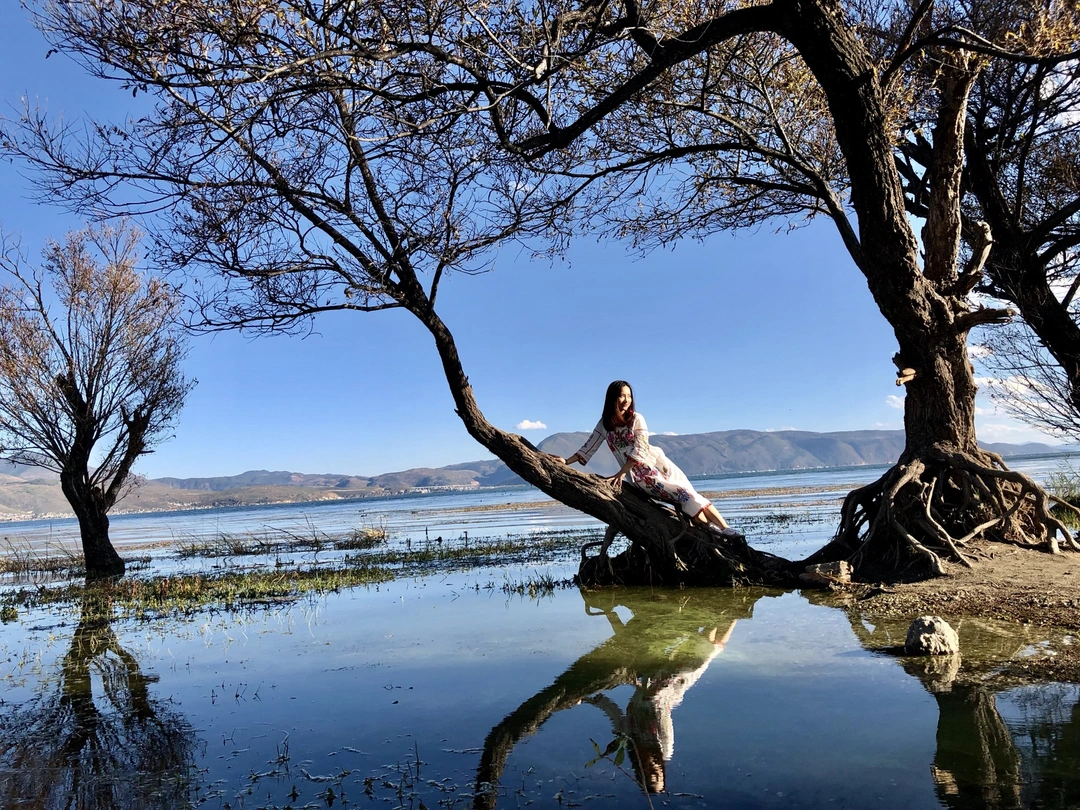
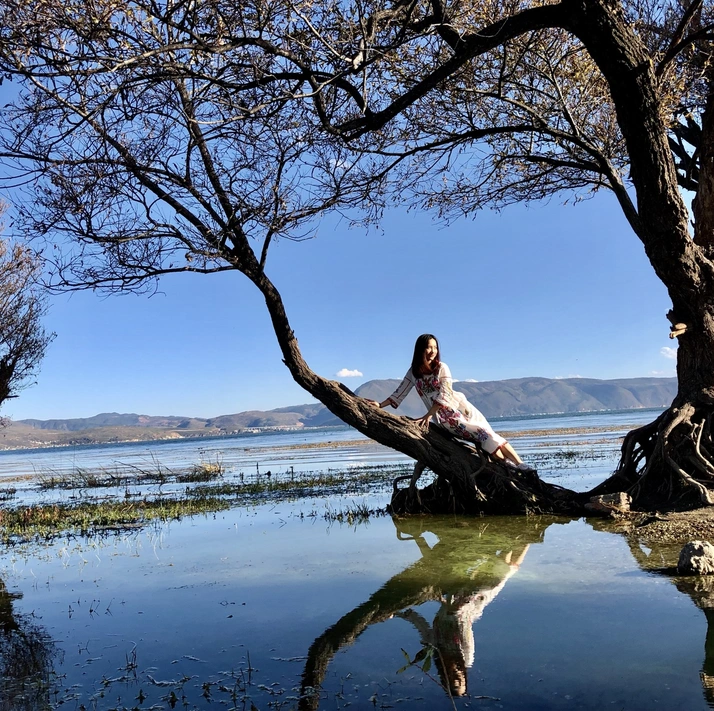
Haishe Park is shaped like a tongue, jutting out into Erhai Lake. Surrounded by water on three sides, it features green sand, white waves, and bare tree branches. The central forest was a golden yellow in early winter. We took a series of "happy five-shot" jumping photos – my jumping ability was impressive, and I bounced around for a good ten minutes. There's a famous "lying-down tree" by Erhai Lake, and we found a similar spot in the park. With its reflection in the water, the scene was a perfect blend of sky and lake. After we finished shooting, a long line formed behind us.
When we came out of the park, the tricycle driver was still waiting. He'd spent from noon to evening just to earn 40 yuan from us. The contrast between people like him and the scammers lifted our spirits. I highly recommend this driver, though during peak season, he might not wait.
The minibus ride back was another rip-off – they said they'd drop us at the city gate, but left us at the opposite end of town. We had to walk through the entire town to get back, grabbing dinner along the way. But it was all worth it – the sunset over Cangshan Mountain and a steaming pot of delicious wild mushroom soup healed everything.
Day 3: Jizhao Nunnery on Cangshan Mountain & Lijiang Old Town, from Buddhist Serenity to Earthly Vibrance
Jizhao Nunnery: A Literary Buddhist Nunnery Hidden in the Mountains
Cangshan Mountain is as famous as Erhai Lake, but I had no interest in hiking. Someone online had recommended Jizhao Nunnery, and I'd been wanting to visit for a while. You can actually take a taxi right to the entrance, but we didn't know that and got dropped off at the Gantong Cable Car station, then had to hike up a mountain path.
Jizhao Nunnery doesn't feel like a cold, secluded Buddhist retreat. Instead, it's more like a garden filled with birdsong and flowers. Succulent plants are arranged in exquisite displays, blending Buddhist tranquility with a touch of literary charm. There was a strict nun who would stop anyone from touching the succulents. To drink tea, you had to leave a deposit and get a tea set, but we were too busy taking photos to sit down and enjoy it.
The main event was the vegetarian meal – 20 yuan per person, served from 11:30 to 12:30. The line snaked around, but the taste was amazing. Potatoes, broccoli, eggplant, lotus root, pumpkin, bean dregs, red date cake, pickled radish, vermicelli, and a crispy flatbread – generous portions, rich flavors, slightly spicy and oily. I finished every bite.
Lijiang Old Town: First Encounter with the City of Romance
We went back to the inn to pick up our luggage and booked a Didi cross-city car to Lijiang. But what we booked as a private car turned out to be a shared ride, and the driver was calling other passengers to coordinate. I was furious. In the end, we compromised: four of us piled into one car and headed to Lijiang. The driver spent the whole trip trying to sell us his tour services, but he didn't make a sale. In fact, we even stole his thunder – the young guy from Northeast China in the car with us could drive, so he became our co-driver for the Lugu Lake leg.
In Lijiang Old Town, a staff member from Huajiantang came to pick us up. We checked into Zhiyuan Courtyard, which was originally the old residence of a Naxi family of traditional Chinese medicine doctors. It perfectly preserves the ancient "four courtyards and five patios" architectural style. Sunlight streamed through the windows, casting dappled shadows, and Hanhan took a great set of photos.
As soon as we stepped out, some sleazy guy tried to add me on WeChat – the legendary "City of Romance" living up to its reputation. I promptly refused. We had a meal of腊排骨火锅 (cured pork rib hotpot), and since neither of us had any interest in nightlife, we headed straight back to the inn.
Day 4: Lijiang → Lugu Lake, Conquering the Lining Eighteen Bends
We slept in, then spent some time taking photos at Huajiantang. I liked Lijiang Old Town far more than Dali – in the morning, the shops were still closed, flowers were in full bloom, streams babbled, and the old buildings retained their original character, peaceful and beautiful.
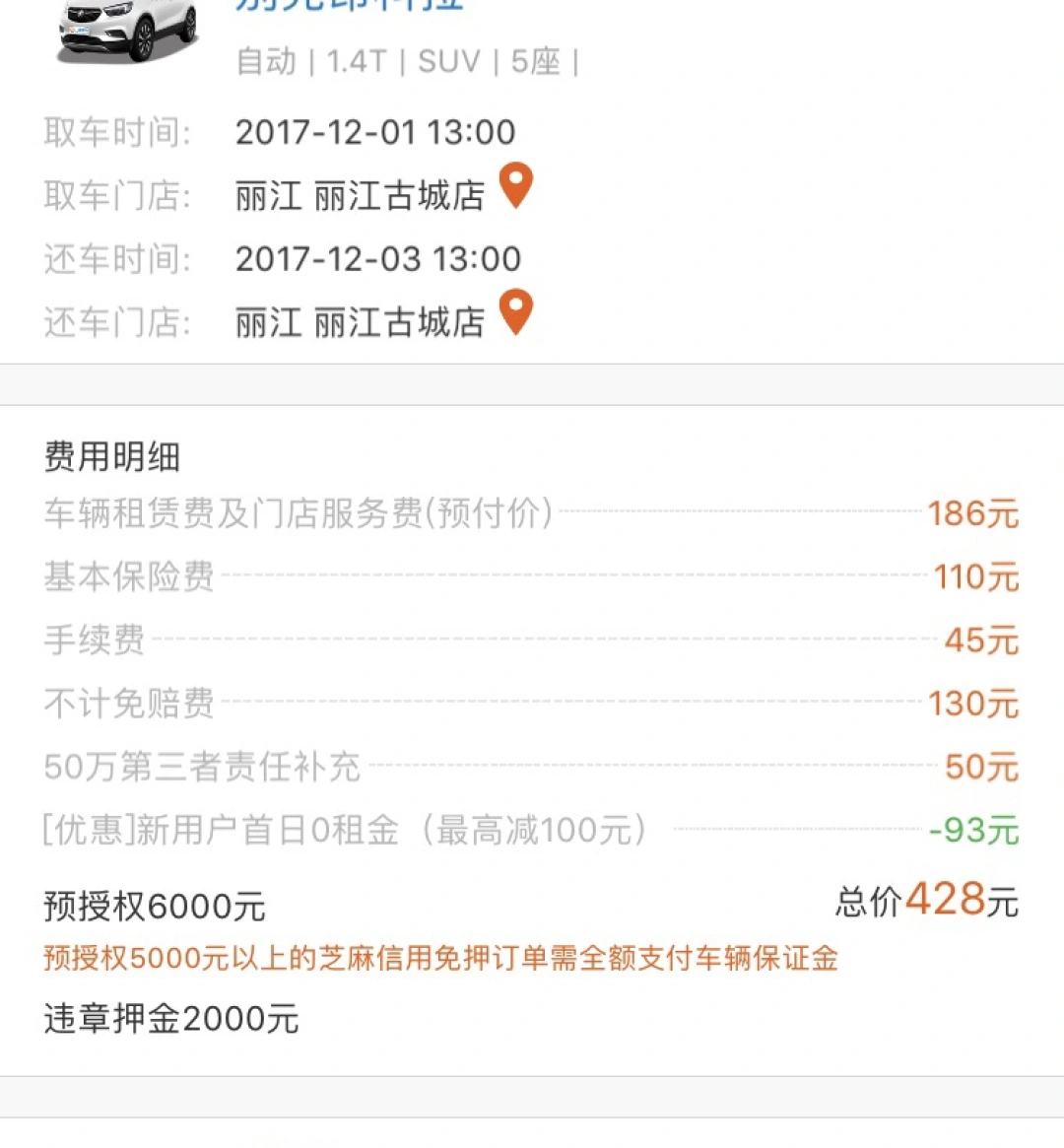
At 1 PM, we picked up the car and met up with the young guy from Northeast China. After inspecting the vehicle and handling the paperwork, we set off at 12:40 PM for Lugu Lake. Following the rushing Jinsha River, we wound our way through towering mountains, with visible rockfalls and landslides everywhere – this was the famous "Lining Eighteen Bends." Hanhan, not trusting the Northeastern guy who'd only had his license for a year, drove the entire way herself. Hats off to this seasoned driver!
Four hours later, when a patch of brilliant blue came into view, we cheered. It was like the moment in The Peach Blossom Spring when everything suddenly opens up – Hello, Kingdom of Women! The entrance fee was 100 yuan. We stopped at the viewing platform to take a panoramic photo.
Our inn was in Langfang Village, right on the lake. For dinner, we had grilled fish – I can't remember the name, but it was probably the best meal we had in Yunnan.
Day 5: Self-Driving Around Lugu Lake, An In-Depth Tour of the Kingdom of Women
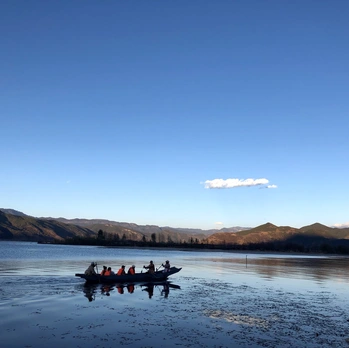
In the early morning, Lugu Lake was shrouded in mist, like a fairyland. The innkeeper arranged for a pig-trough boat for us – no need to go to the dock; we could board right from the inn. These boats are hollowed out from thick logs and shaped like pig troughs. We chose the 50-yuan experience, spending 40 minutes in the middle of the lake. The boatman had brought small packs of Daliyuan bread to feed the seagulls, selling them for 10 yuan each. The seagulls were smart and agile, snatching the bread crumbs we tossed into the air, and quickly spotting any that fell into the water.
We started our self-driving loop from Langfang Village, going clockwise. The lakeside road was well-maintained, with rest stops every so often. The beauty of self-driving was that we could stop anytime to take photos. We ran into a group of Sichuan aunties who were also self-driving. They asked if I was a celebrity and wanted a photo. Hanhan immediately said, "She graduated from the Central Academy of Drama and has a new drama coming out soon!" – The truth is, we both graduated from the "Central Academy of Drama Queens."
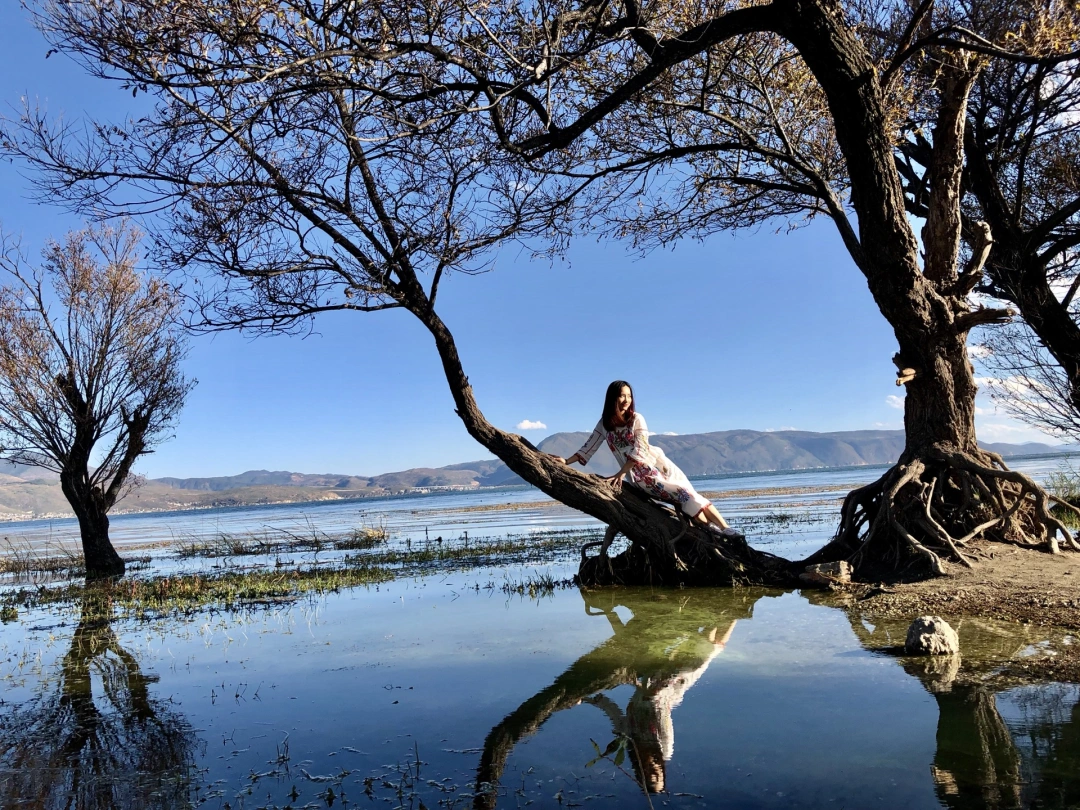
We had lunch in Lige Village, took the iconic photo of Lige Peninsula, and even got our hair braided. Gemu Goddess Mountain is the highest peak around Lugu Lake. The Mosuo people deify it, seeing it as a female incarnation. Its silhouette looks like a person lying on their side.
After passing the mountain, we entered Sichuan Province. The tourism development here is less intense than in Yunnan, more primitive, and closer to the everyday life of the locals. In winter, the sea of grass was a withered yellow, but as the setting sun cast its golden light, it shimmered. Most car tours around the lake take about 4 hours, but we took it slow and easy, covering only three-quarters of the loop in 6 hours.
Back at the inn that night, the power suddenly went out. The village was pitch black, and without heating, it was freezing cold. Luckily, the power came back in less than an hour – Lugu Lake's infrastructure still has some catching up to do.
Day 6: Lugu Lake → Lijiang, Saying Goodbye to the Kingdom of Women
In the morning mist, Lugu Lake looked like a celestial realm. With frost on our hands, we got up early and set off at 9 AM. Hanhan and the Northeastern guy took turns driving, and by 1 PM, we were safely back in Lijiang.
During the day, the bar street was almost empty, with little bridges and flowing water. This actually made me like it. As we wandered through the alleys, we met two adorable kids who were holding a map. They asked us where we wanted to go and offered to give us directions.
For our last night, we checked into Huajiantang's Yinquan Courtyard. The inn is halfway up Lion Mountain, overlooking the entire old town. At the foot of the mountain is the bar street, which is noisy until midnight, but the view is unbeatable. There's a beautiful rooftop terrace where we sat with our takeout, enjoying the panoramic view of the old town. It happened to be the night of a "super moon," and we had the entire large terrace to ourselves. It was way cooler than drinking fake alcohol in a noisy bar.
Day 7: Lijiang → Changsha, A Perfect Ending
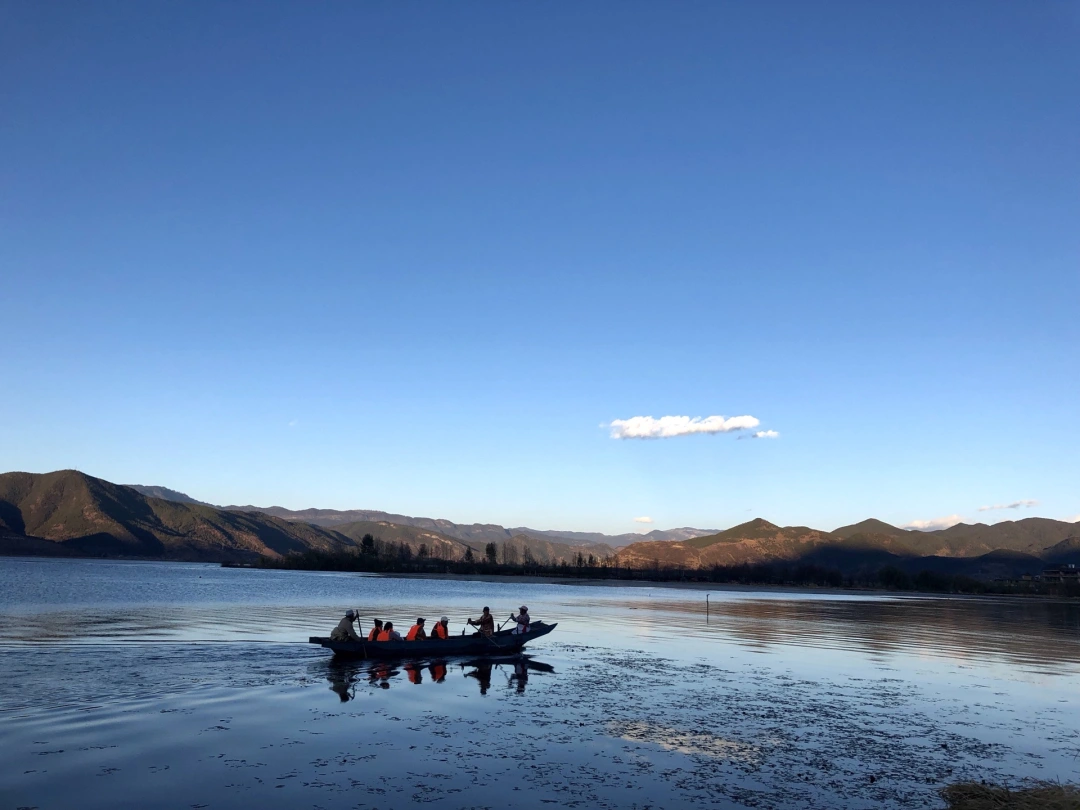
When I woke up, I climbed back up to the rooftop for breakfast. Yinquan Courtyard requires climbing some steps, but "to see a thousand miles further, you must go up another story." We took photos in the courtyard, packed our bags, and headed to the airport, bidding farewell to beautiful Yunnan.
Afterword: The Meaning of Travel
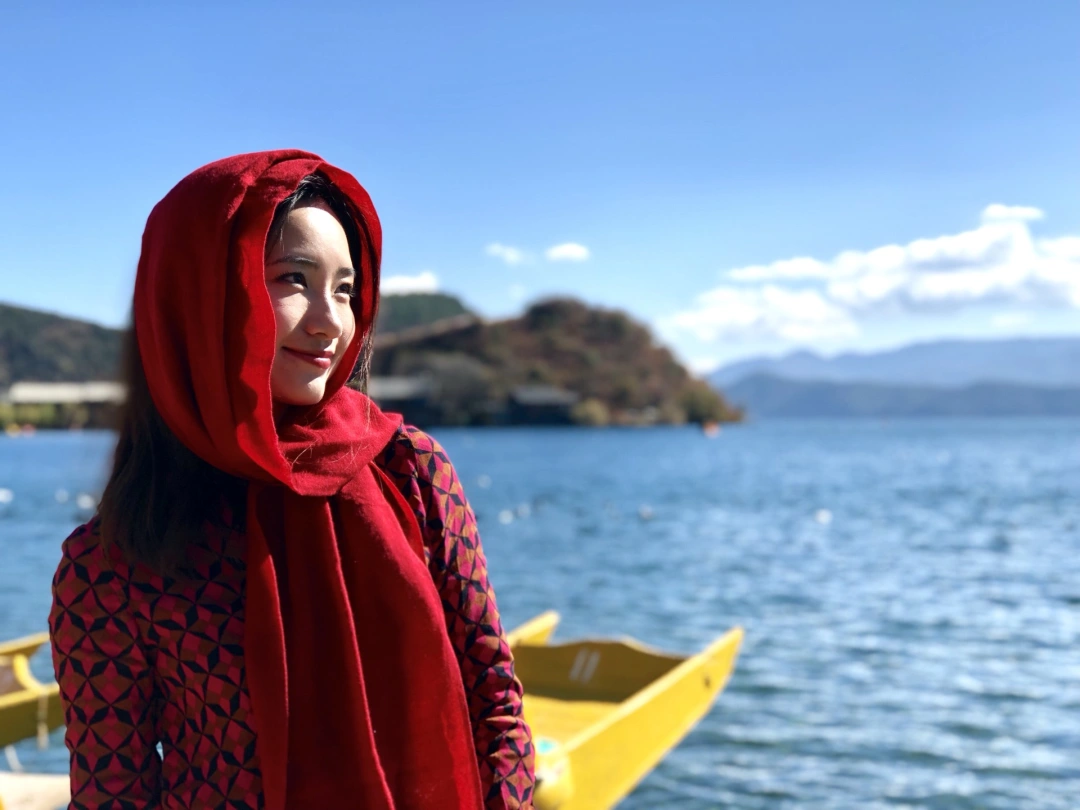
This Yunnan trip was absolutely perfect. Sunshine, off-season crowds, a relaxed itinerary, great food and accommodation, all the places I wanted to visit, and 8GB of photos.
I've always believed that the most important part of a trip isn't where you go, but who you go with. Hanhan and I had a clear division of labor and worked together seamlessly. She served as both driver and photographer throughout the trip – amazing job!
If there was one downside, it's the common problem with popular domestic tourist destinations – scamming tourists. While independent travel avoided most of the pitfalls, some were still unavoidable. Travel is supposed to be about relaxing, but having to constantly be on guard is a bit exhausting.
Practical Tips
- Sun Protection and Moisturizing: High-SPF sunscreen, hydrating face masks, and rich moisturizer are must-haves. Yunnan is both sunny and dry; by the last few days, I was getting nosebleeds.
- Self-Driving Recommendation: If you're a confident driver, I highly recommend driving yourself to Lugu Lake. Just drive carefully, and you'll be fine.
- Bring Cash: Mobile payments aren't widespread around Lugu Lake. The aunties who braid your hair might not be literate, so have cash on hand.
- Keep a Positive Attitude: If you encounter scams, don't let them ruin your mood. Yunnan's beauty is worth forgiving everything.
May every trip you take bring you the most beautiful scenery and the right company.
You should also read:
Xishuangbanna Self-Drive Tour: Into the Tropical Wonderland at the Edge of the Sky (Complete Guide)
Xishuangbanna Self-Drive Tour: Into the Tropical Wonderland at the Edge of the Sky (Complete Guide) Introduction: A Dream Fulfilled Thirty Years Early Some journeys are destined to happen at a specific moment in time. For me, a self-drive trip to Xishuangbanna was originally the first…
Continue reading...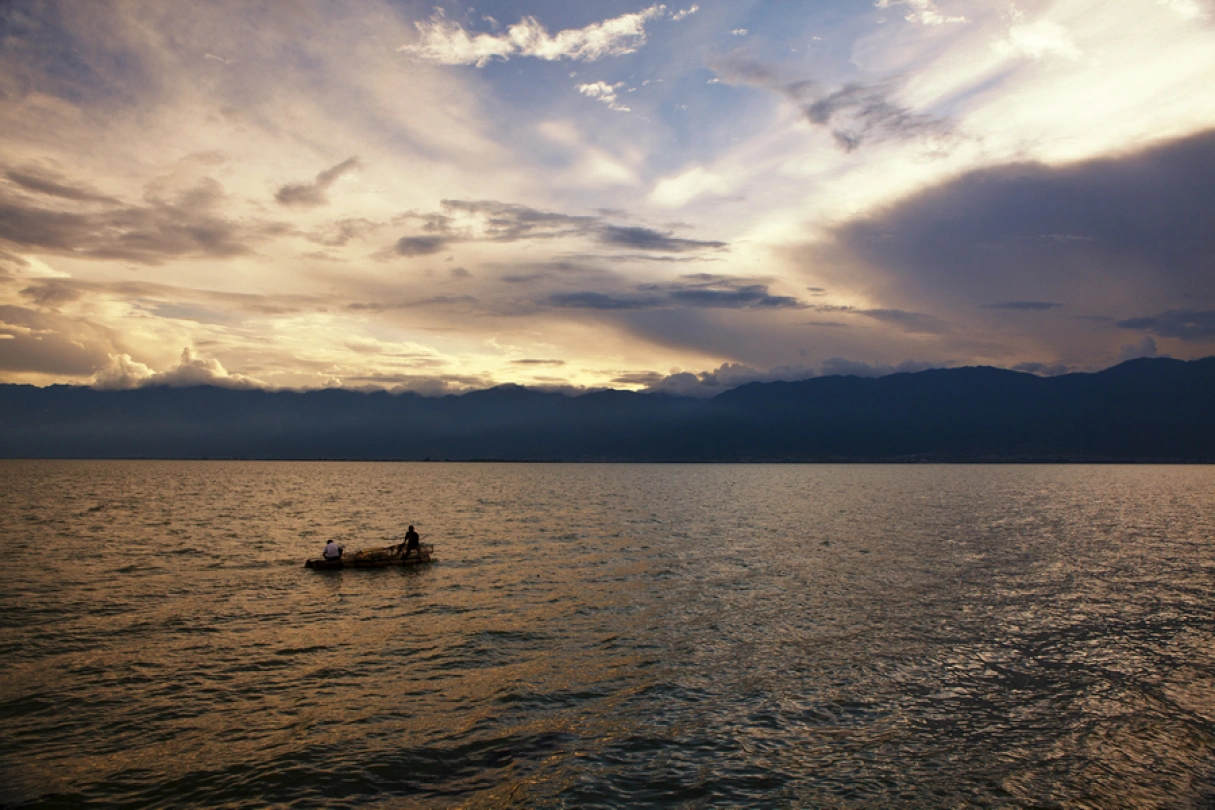
A Journey Through Shuanglang's Guesthouses: Finding Life as It Should Be on the Shores of Erhai Lake
A Journey Through Shuanglang's Guesthouses: Finding Life as It Should Be on the Shores of Erhai Lake Prologue: When Life Hits the Pause Button Have you ever had one of those moments? When the city's towering buildings press down on your chest, when you're swept…
Continue reading...
September: Finding Unexpected Warmth in Yunnan (Kunming, Dali, Shuanglang, Lijiang, Lugu Lake)
September: Finding Unexpected Warmth in Yunnan (Kunming, Dali, Shuanglang, Lijiang, Lugu Lake) Foreword: One Person's Journey, A Crowd's Story Before I set off, like every first-time solo traveler, I printed out a thick stack of travel guides and rehearsed countless possible scenarios in my head—getting…
Continue reading...