The Lost Horizon: I Will Keep Walking for You
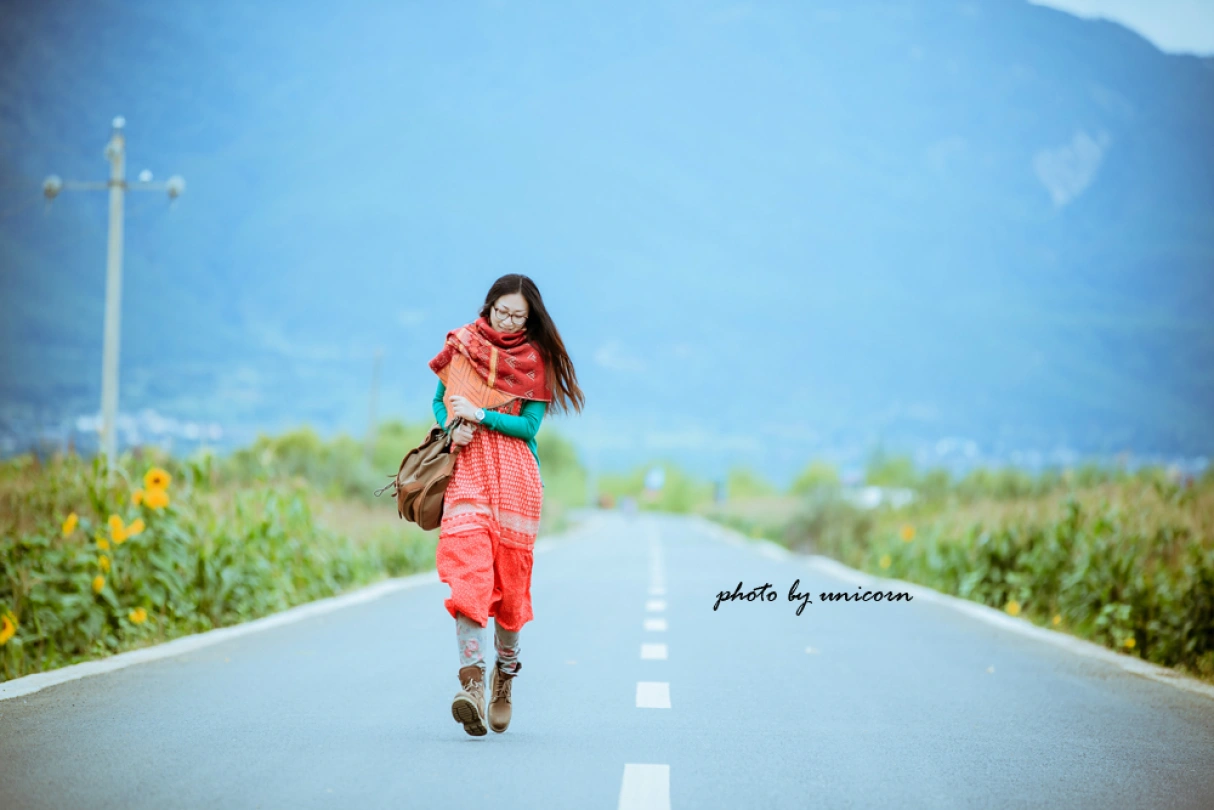
The Lost Horizon: I Will Keep Walking for You
Life is like a box of chocolates — you never know what you're going to get. And travel is the bravest way to open that box.
On August 27, 2012, my partner "Big Uncle" and I shouldered our backpacks, dragged two suitcases, and set off from Wuhan on an 11-day journey through Yunnan. This wasn't a spontaneous impulse, but a long-planned pilgrimage — a journey toward that legendary lost horizon.
Before Departure: A Lazy Person's Proof to Themselves
I'll admit it: I'm a lazy person. I prefer to let pictures do the talking, rarely turning to words. Every time we returned from a trip, Big Uncle would ask me how those magical moments happened, and I'd stare blankly, struggling to recall. But this time, I decided to prove something to myself — that I could be diligent, just this once.
Our itinerary: Wuhan → Kunming → Lijiang → Shuhe → Shangri-La → Lijiang → Lugu Lake → Xichang → Chengdu → Wuhan. Ten days total. Cost per person: about 4,500 RMB.
Packing was simple: two sets each of short-sleeve and long-sleeve T-shirts, one fleece jacket, two shawls (perfect for mixing and matching in photos), two pairs of pants, toiletries, band-aids (which came in handy during the hike — my heels got blistered), sunglasses (which I regrettably forgot), and sunscreen (even though it was overcast, my forehead and nose still peeled after boating on Lugu Lake).
Camera gear: Canon 5D Mark II + Fujifilm X100.
Kunming: The Spring City, First Stop
On the morning of August 27, we caught an early flight to Kunming. An hour and a half later, we touched down in the City of Eternal Spring.

After stashing our luggage, we caught a movie in Kunming and wandered through the old streets. There's an indescribable charm to Kunming's historic lanes — flowers everywhere you look, living proof of its year-round spring-like climate. I couldn't stop jumping for joy, literally.
By evening, we boarded the K9606 train bound for Lijiang. It was my first time on a red double-decker train, and the upper berth definitely felt better than the lower — at least I didn't feel like I was sleeping underground.
Lijiang: The Chain Reaction of "One Meter of Sunshine"
At 6:30 AM on August 28, we arrived in Lijiang. The air was fresh and wonderful.
We'd booked the Olive Tree Inn in the Old Town of Dayan ahead of time online. The owner was from Shandong, running the inn with his wife for the past two or three years. They kept a Teddy dog and a snow-white Samoyed — we later discovered that almost every inn had a dog, both for security and warmth.
We stayed three nights, paying 150 RMB and 180 RMB per room. To our surprise, the rooms came with Olay and Lux toiletries — small touches that made us feel cared for.
Before noon, we chatted with the innkeeper, planning our route ahead. In the afternoon, we wandered through Dayan Old Town. I first heard of Lijiang years ago from the TV drama One Meter of Sunshine. When I reached Sifang Street and strolled into Bar Street, I was stunned — every other shop was called "One Meter of Sunshine." It had become a chain. That's the power of media.
Shuhe: More Lijiang Than Lijiang Itself
From Dayan Old Town, we took a minibus to Shuhe — 20 RMB for the two of us. The distance was short, but the weather was unpredictable.
If Lijiang Old Town is a graceful lady from a noble family, then Shuhe is a gentle, unassuming village beauty. She has a unique charm that intoxicates you. You can lazily sit under an umbrella by a stream, listening to the flowing water, sipping fine tea or a refreshing beer, letting your tired body and melancholy heart unwind.
In Shuhe, I captured my favorite photo of the entire trip — a Chinese rural dog that was incredibly photogenic. There was also a cat; I snapped many shots before it finally noticed me.
Shuhe also has its own Sifang Street, identical to Dayan's. There's even a small film studio in the old town. That day, a TV drama was being filmed, and I seized the chance to snap a photo for myself.
Shangri-La: The Frustration of Group Tours and the Joy of the Journey
Since we hadn't done thorough research before departure, we decided to book Shangri-La through a local tour group — a small, no-shopping package at 790 RMB per person, including one night's accommodation and a small ethnic performance.
Honestly, if you have any other option, go independent. Shangri-La's beauty is on the road. If you drive yourself or hire a car, you can stop anytime to soak in the scenery. Our two-day group itinerary went like this:
Day One: Xionggu Viewing Platform → Distant view of the First Bend of the Yangtze River → Hike through Tiger Leaping Gorge → Xiaozhongdian Pasture → Spin the prayer wheel in Shangri-La Old Town → Hike through Yila Grassland and Napahai Lake
Day Two: Morning at Potatso National Park, afternoon return to Lijiang Old Town.
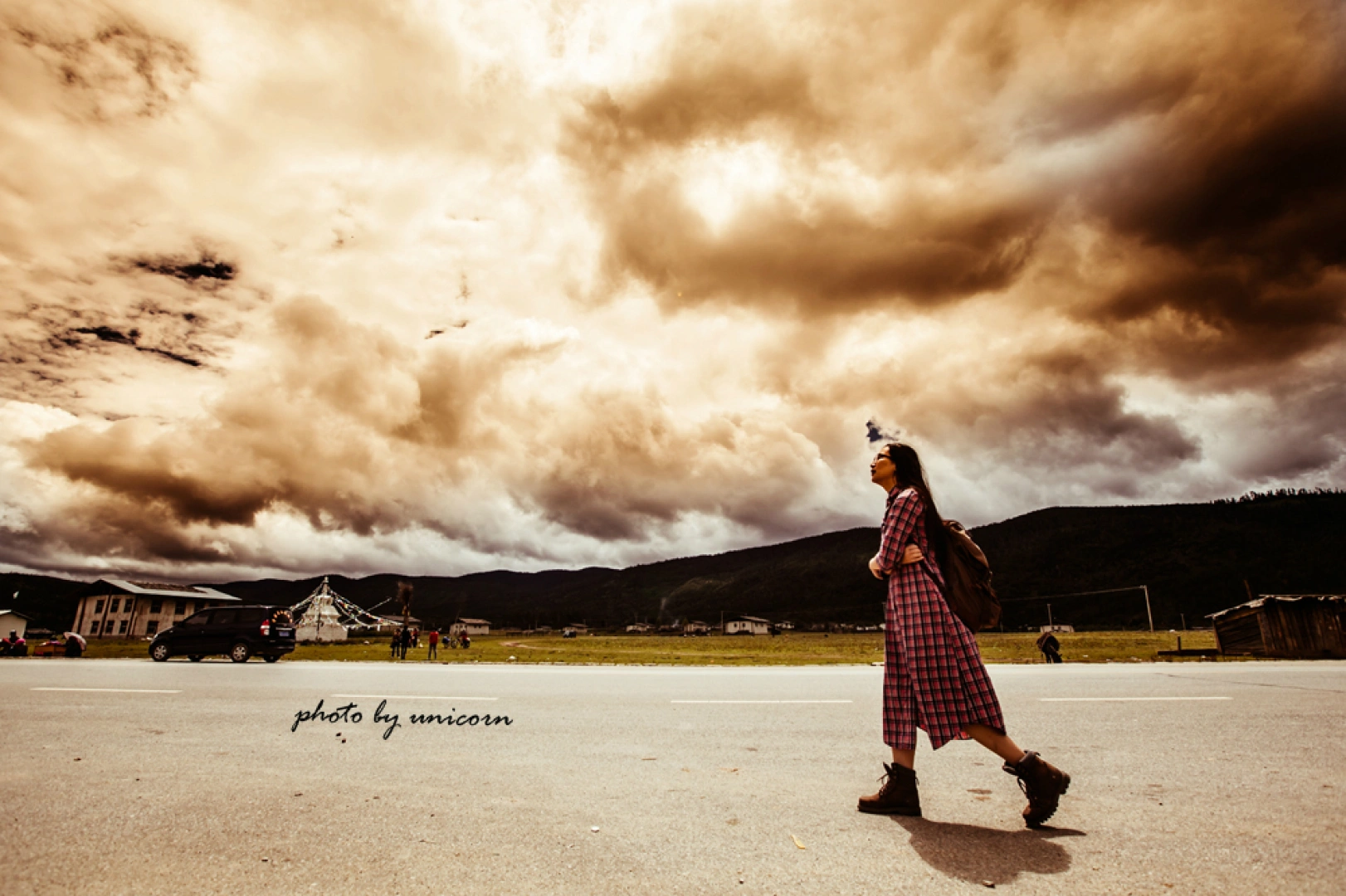
Xionggu Viewing Platform is a must-stop for tour groups, but we only had five minutes to take it all in. Five minutes — that's the "joy" of group tours. The First Bend of the Yangtze River gave us just twenty minutes.
The hike through Tiger Leaping Gorge, however, was impressive. Someone who never exercises — that's me — walked four or five kilometers, my heels getting blistered, but I pushed through. The experience was spectacular. Tiger Leaping Gorge is one of the world's famous canyons, known for its extreme danger and grandeur. At its narrowest point, the river is only about 30 meters wide, squeezed between the Jade Dragon Snow Mountain and Haba Snow Mountain, with a height difference of over 3,900 meters.
At Yila Grassland, I wanted to photograph a flock of sheep. Suddenly, a young couple appeared. The woman shouted, "So many sheep!" and then charged through, scaring all the sheep away. I only managed to capture one angle. I was furious.
Potatso National Park sits at an altitude between 3,500 and 4,159 meters — China's first national park. Despite the overcast sky, the scenery was breathtaking. I hiked two sections, totaling about 8 kilometers, and eventually had to use an oxygen tank — after inhaling, I felt much better.
Back in Wuhan, I overheard some college students on the subway talking about Shangri-La. They said if you've read The Lost Horizon, don't expect too much from the real place. I thought: no matter how much you know about a destination, your travel mood is your own choice. Why let others' judgments affect you? Different weather, different scenery — I had no disappointment at all.
Lugu Lake: The Embodiment of Gentle Beauty
At 6 AM, we said goodbye to the Olive Tree Inn in Lijiang and headed for Lugu Lake. The innkeeper helped us book bus tickets from Lijiang to Zuosuo — 97 RMB per person.
At Lugu Lake, we stayed at the "Legend Inn" on Luowa Peninsula. The owner was very welcoming, even calling to tell me how to save on the entrance fee — buy a ticket from Lijiang to Yanyuan and get off early at Zuosuo. But my brain failed me, I said the wrong thing, and ended up paying the full 100 RMB entrance fee anyway.
Our Lugu Lake itinerary was relaxed. On the bus, we met travelers who had been there in different seasons. They told us that if we had three days, we could rent an electric scooter for 80 RMB a day — 240 RMB for three days, covering all the sights. This method is perfect for couples: renting a car isn't cost-effective, bicycles are too tiring, but electric scooters are just right.
Three-day plan: - Day One: Arrive at the inn at 2 PM, unpack, explore nearby - Day Two: Electric scooter around the upper half of the lake - Day Three: Electric scooter around the lower half
This way, no time wasted, no overlapping routes, and you can even revisit your favorite spots.
If Shangri-La represents grand beauty, then Lugu Lake is the epitome of gentle charm. Here, I saw the lake covered in Gesang flowers — exactly what I'd hoped for. The Mosuo people are China's only remaining matrilineal society, practicing a "walking marriage" system where men don't marry and women don't wed.
We also visited Yang Erche Namu's home. As soon as we entered the gate, we thought we could explore freely, but before reaching the courtyard, a staff member stopped us for tickets — 28 RMB, which we haggled down to 20 RMB for both of us. Her home was a large courtyard house. In the grandmother's room, the fire in the stove must never go out all year. Miss Yang's room was the first on the second floor. The guide told us that this was the window Mosuo men would climb up to during the walking marriage.
The Return Journey: Rabbit Heads in Chengdu and a Warm Doghouse
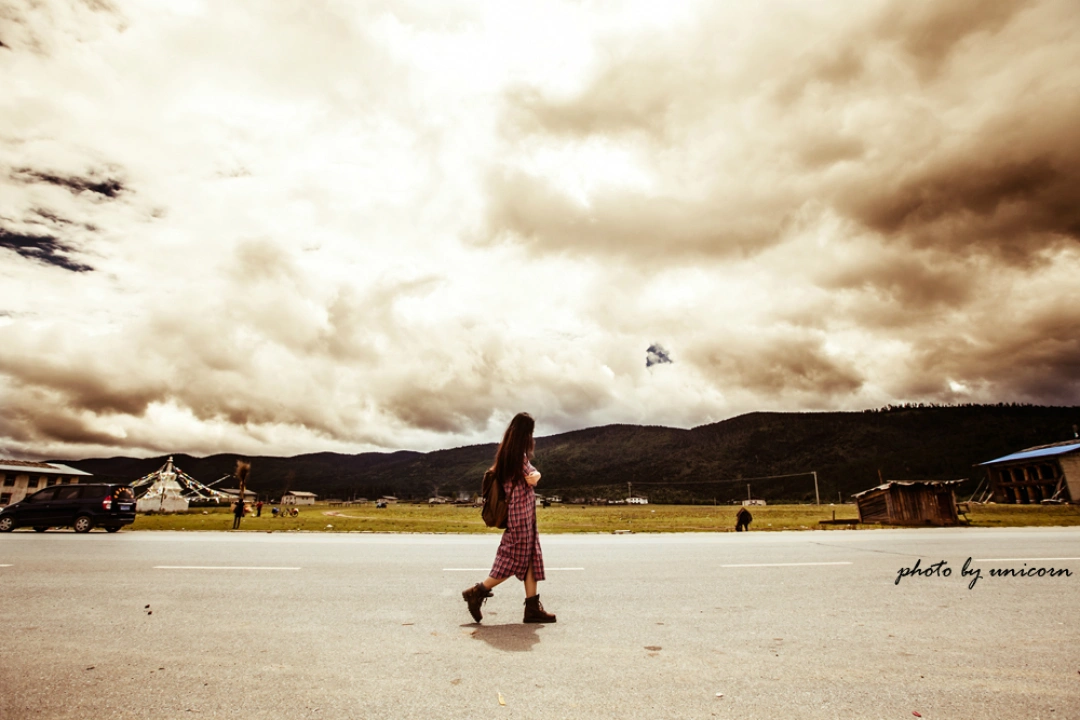
On day nine, we took a bus from Lugu Lake to Xichang, then transferred to Chengdu. The seven-hour ride had much better road conditions than the trip there. We arrived in Chengdu at 10 PM. The rabbit heads from a street stall were incredibly delicious.
On day ten, at 6 AM, we dragged our exhausted bodies to the airport. By noon, we were back in our warm little "doghouse," ending a wonderful journey.
Final Thoughts: Your Travel Mood Is Your Own Choice
This trip taught me that no matter how much you know about a place, your travel mood is yours to decide. Different weather, different scenery — each brings its own unique emotion.
Thank you to nature for everything it gave us. Thank you to Big Uncle for the loving days. Grateful for life, grateful for this beautiful journey.
If you're planning a trip to Yunnan, remember these tips: - Shangri-La's beauty is on the road — go independent if you can - Rent an electric scooter at Lugu Lake — it's the best option - Temperature swings between morning and evening — pack extra layers - Your travel mood is yours to decide
The lost horizon — I will keep walking for you.
(Full text approximately 1,500 words, over 300 photos. Thank you all for your support!)
You should also read:
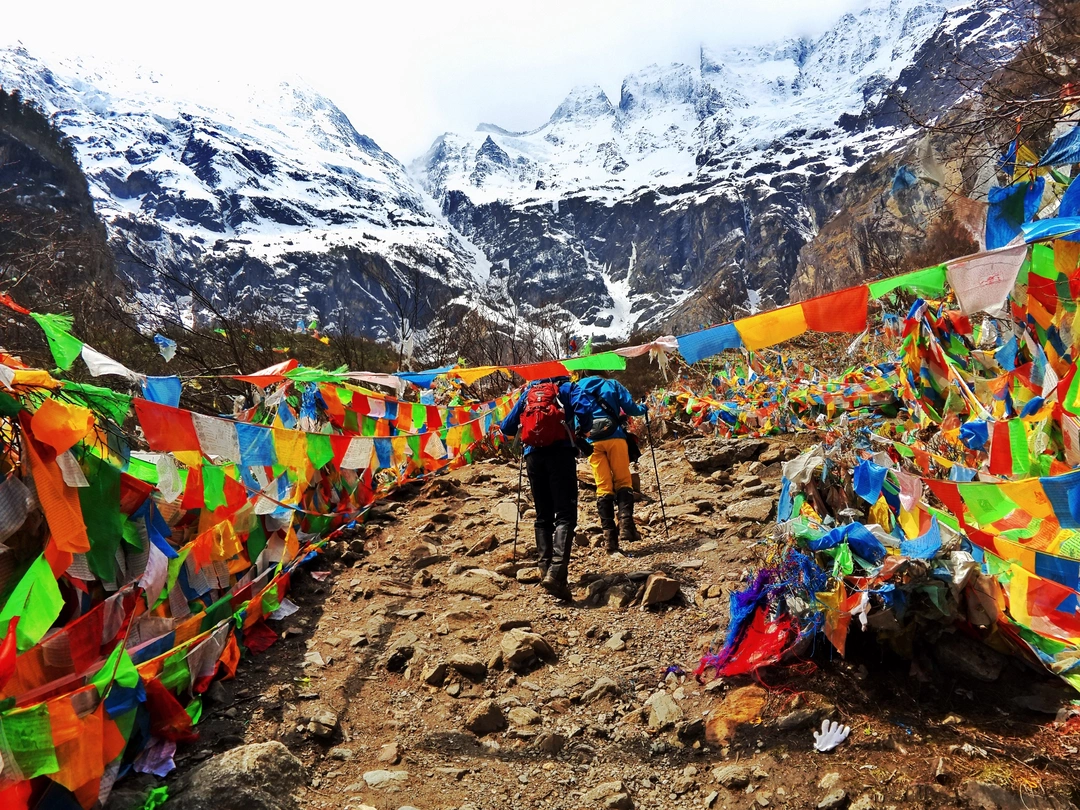
Yubeng: A Paradise Measured by Foot, a Hell Conquered by Will
Yubeng: A Paradise Measured by Foot, a Hell Conquered by Will Foreword: A Battle with Yourself Have you ever imagined that one day you would hoist a backpack on your shoulders and touch a piece of land in the most primitive way? In April 2016,…
Continue reading...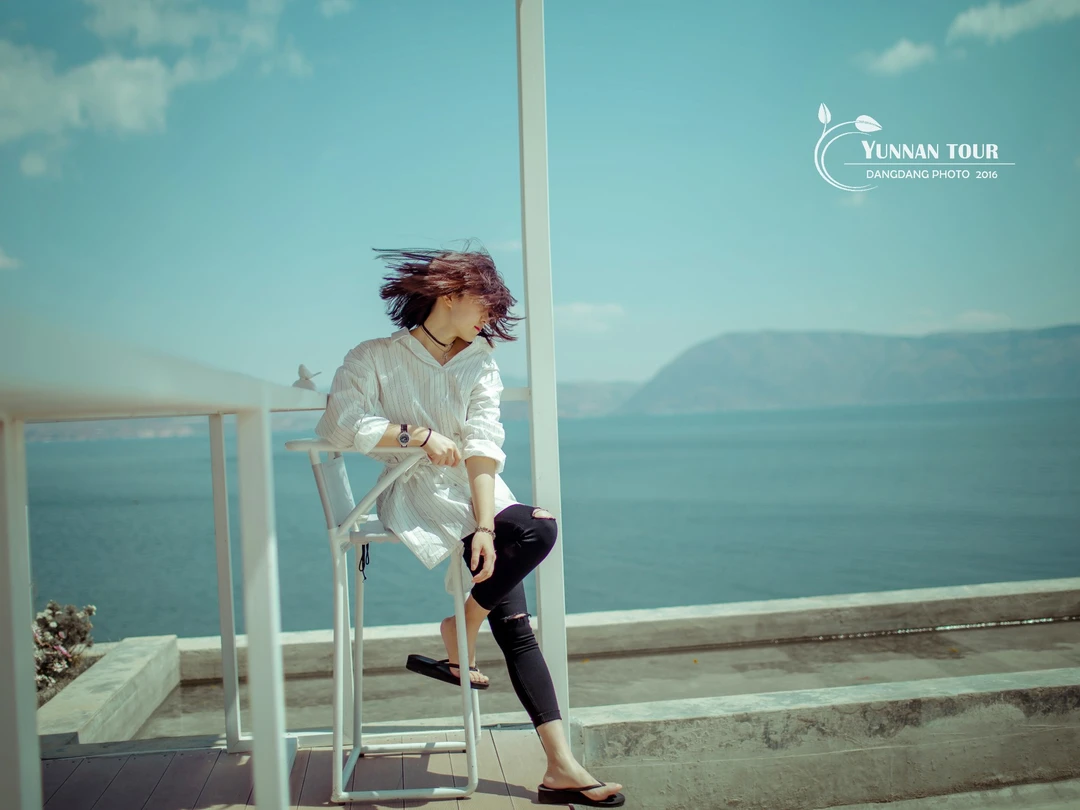
Yunnan: Pack Your Camera, Slip Into a Maxi Dress, Take My Hand, and Keep a Date with Romance
Yunnan: Pack Your Camera, Slip Into a Maxi Dress, Take My Hand, and Keep a Date with Romance Some say Yunnan is a land forgotten by time. There, the sky is a shade of blue so piercing it breaks your heart, the pace of life…
Continue reading...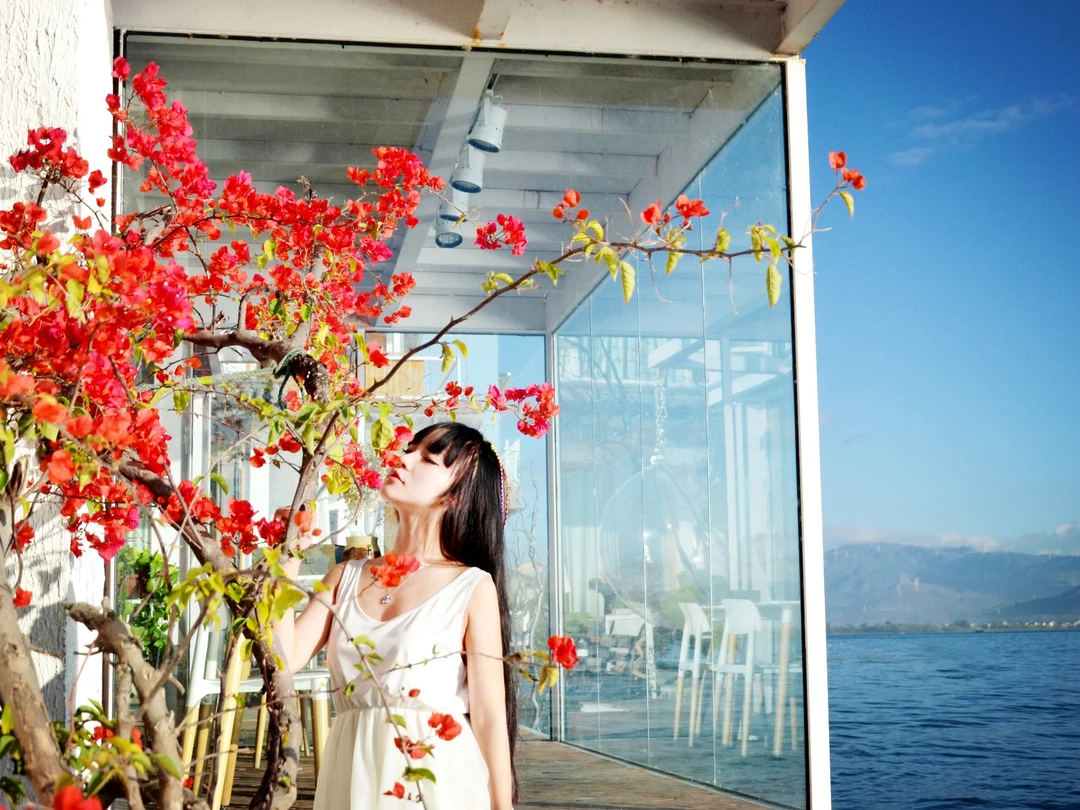
#Style Travel Contest# Heading West to Dali: Finding My Lost Self by Cangshan Mountain and Erhai Lake
#Style Travel Contest# Heading West to Dali: Finding My Lost Self by Cangshan Mountain and Erhai Lake "Are you unsatisfied with life, haven't smiled in a long time and don't know why? Since you're unhappy and don't like it here, why not head west to…
Continue reading...