Three Breaths of Yunnan: The Tranquility of Jingmai Mountain, the Ease of Pu'er, and the Vibrancy of Xishuangbanna
Three Breaths of Yunnan: The Tranquility of Jingmai Mountain, the Ease of Pu'er, and the Vibrancy of Xishuangbanna
A person's life should include several trips to Yunnan. Not the kind of whirlwind tours where you rush from one photo spot to the next, but journeys that allow your body and soul to sink fully into the rhythm of this land. In June 2024, I spent five days traveling between Pu'er and Xishuangbanna, experiencing three distinctly different breathing frequencies—the tranquility of Jingmai Mountain, the ease of Pu'er, and the vibrancy of Xishuangbanna. They were like three pieces of music in different keys, together composing the most moving乐章 of Yunnan.
Prologue: The Tea Mountain of My Dreams, Finally Reached
In mid-May, I stumbled upon a documentary about Jingmai Mountain titled "Toward the Tea Mountain Journey." In the footage, mist clung to ancient tea trees, an elderly Blang man sat by a hearth slowly brewing tea, and sunlight filtered through leaves onto stone slabs... It was the kind of scene that makes you want to pack your bags immediately.

Stranger still, a few days later I dreamed I was sitting in a tea house in Nuogan Ancient Village, a freshly brewed cup of Pu'er tea beside me, and rolling tea mountains stretching beyond the window. When I woke up, the urge to go was impossible to suppress any longer.
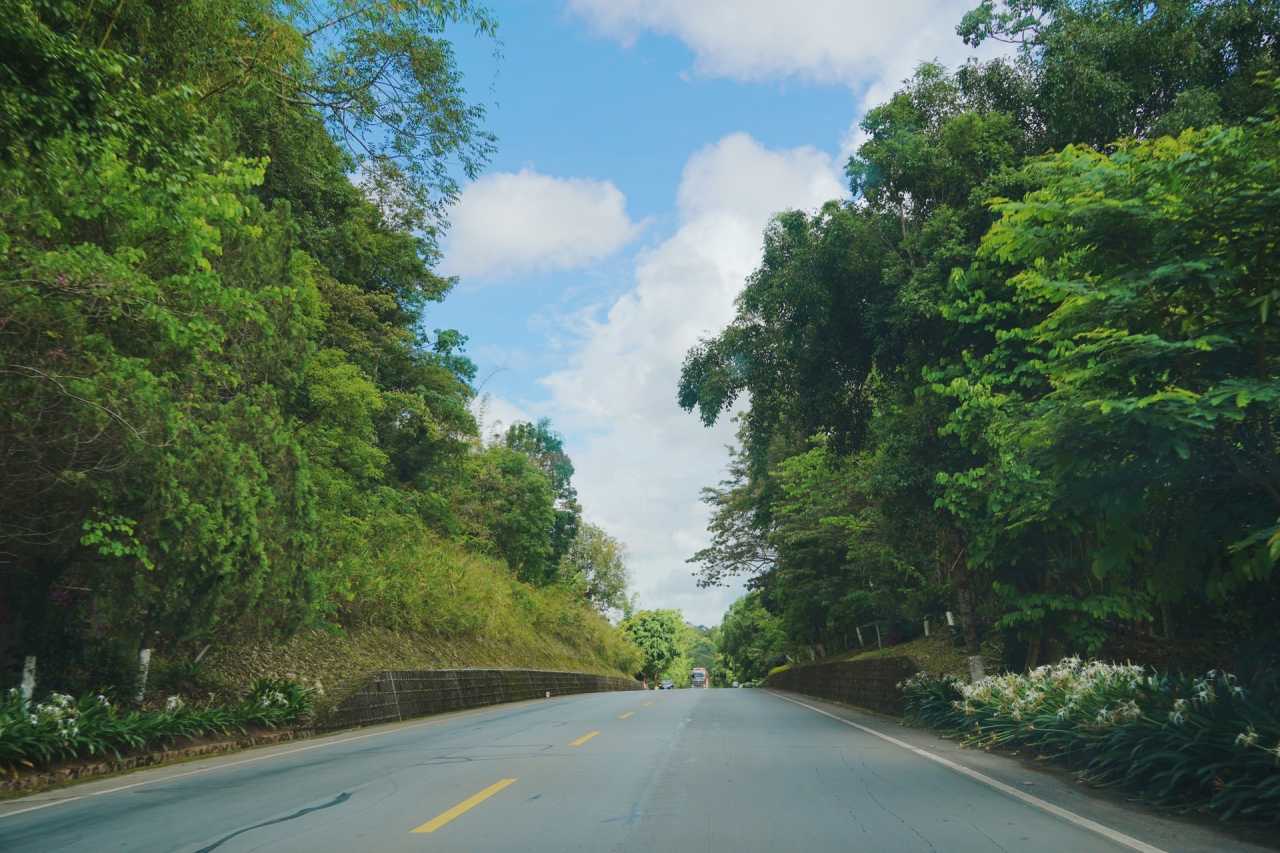
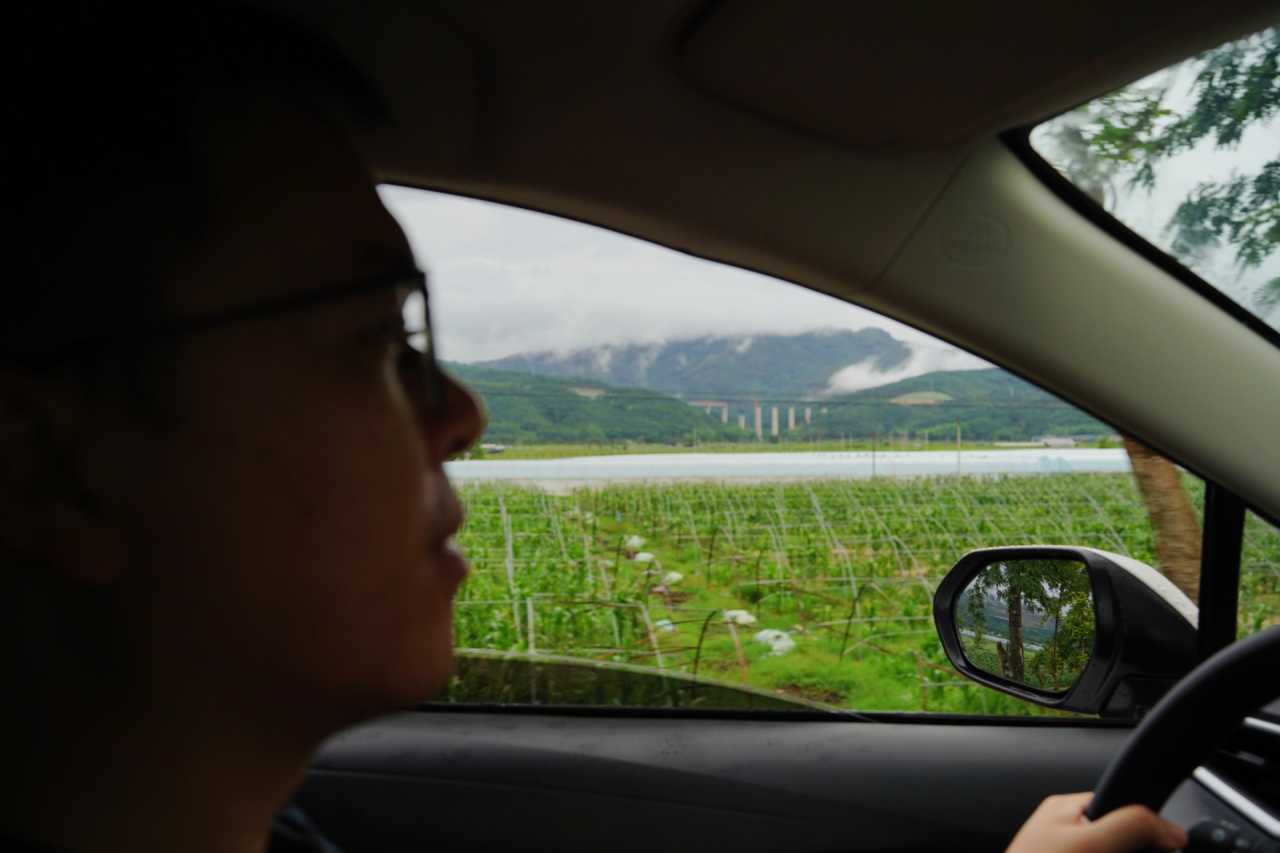
Driving from Xishuangbanna to Jingmai Mountain takes about three and a half hours. The mountain roads are winding, the rainy season leaves the pavement slick, and the car crept forward through continuous downhill stretches. I suddenly understood that all true hidden paradises are probably like this—standing apart from the world, neither currying favor nor pandering. They have been waiting there for a thousand years, only for those who understand to come.
I later summed up this journey in one sentence: Physically, it was a journey of sleeplessness—I drank too much tea and coffee; mentally, it was a journey of spiritual cultivation—every day, my soul was steeped in the ancient mountains and trees.
Chapter One: Jingmai Mountain—Timeless Tranquility in a World Heritage Site
Why Jingmai Mountain?
In 2022, National Geographic selected the 25 most desirable travel destinations in the world. In the category blending human history and culture, Jingmai Mountain ranked first. In September 2023, the "Cultural Landscape of Old Tea Forests of the Jingmai Mountain in Pu'er" was inscribed on the UNESCO World Heritage List, becoming China's 57th World Heritage site and the world's first tea cultural heritage.
These titles sound official, but when you actually stand on Jingmai Mountain, you understand that none of this is mere reputation.
Jingmai Mountain lies near the Tropic of Cancer, at the intersection of the Ailao Mountains, Wuliang Mountains, and Lancang River. Because the Qinghai-Tibet Plateau and the Hengduan Mountains block cold northern air currents, the tea plants of the Theaceae family here survived the Quaternary glaciation, making this area the origin of cultivated tea trees worldwide. Around the 10th to 14th centuries, ancestors of the Blang and Dai peoples migrated here, discovered wild tea tree communities in the forest, and settled down, continuing the "understory tea" cultivation method for a thousand years.
Nuogan Ancient Village: Where the Dream Began
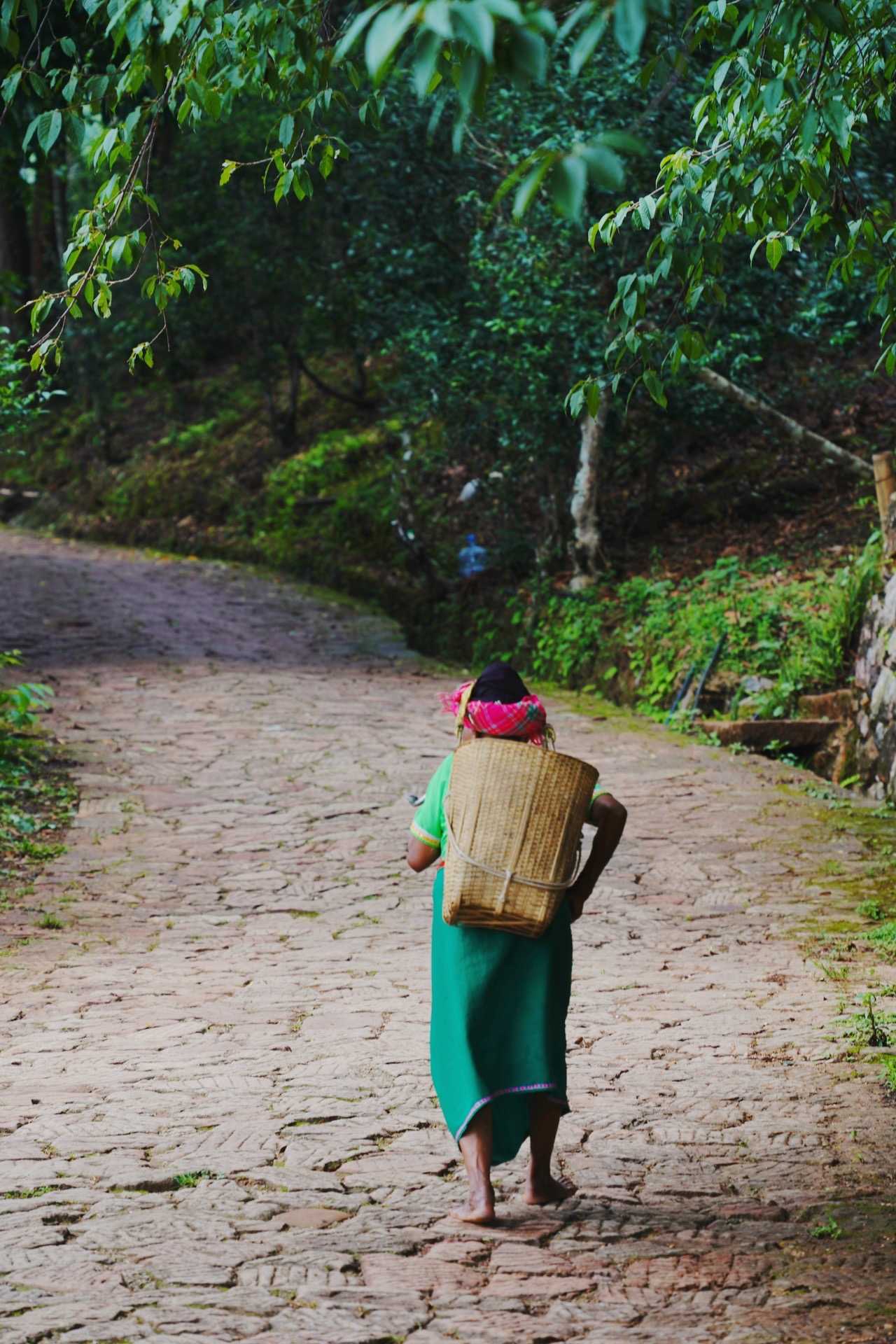
After entering Jingmai Mountain, the car shifted from asphalt to stone slabs. It's said that to protect the tea tree root systems, cement roads cannot be built on the mountain, and the maximum speed is only 40 kilometers per hour. But this is precisely the wisdom of Jingmai Mountain—it forces you to slow down, not to rush, just to feel the rhythm of the car passing through the forest and drifting through vast white mist.
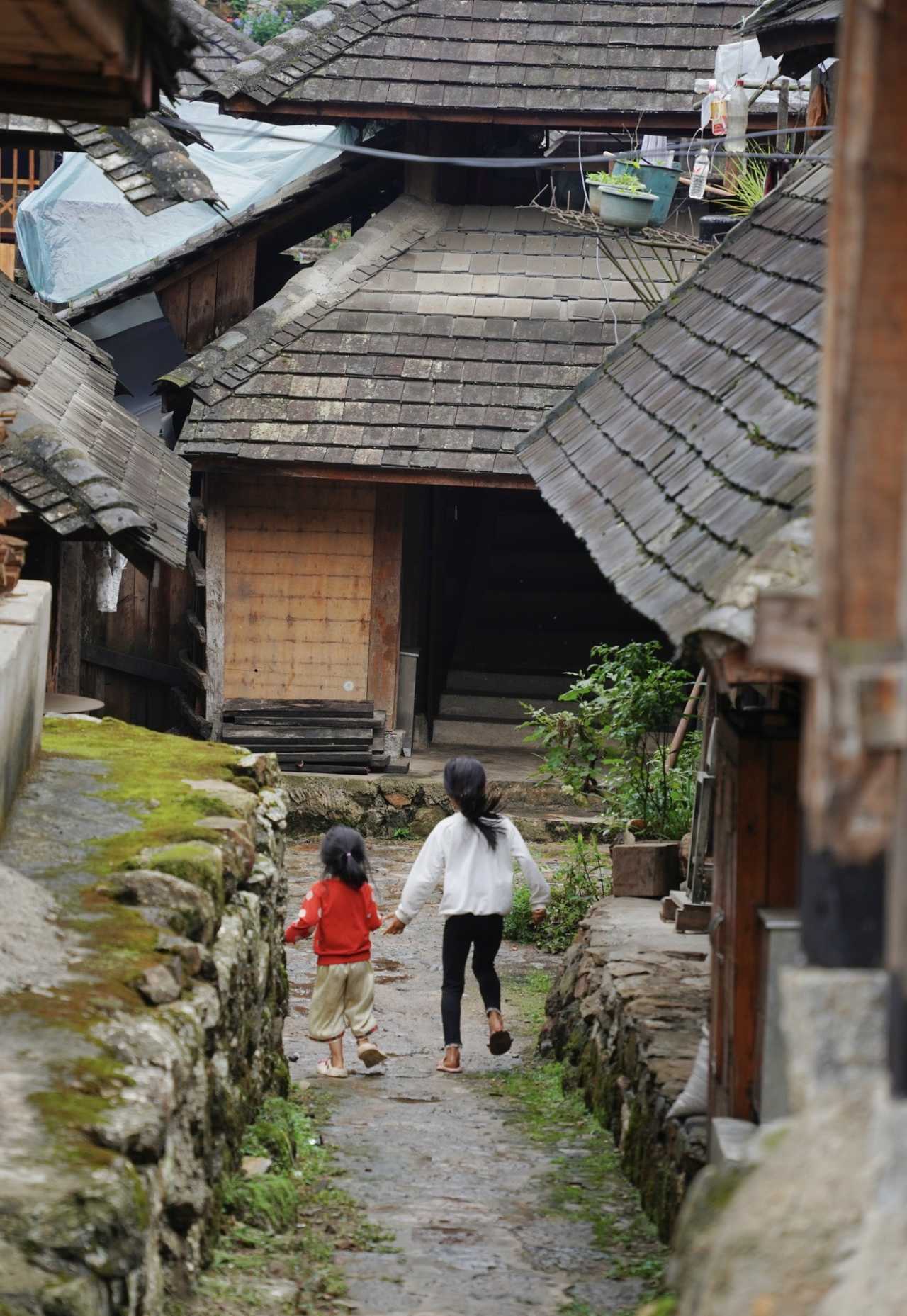
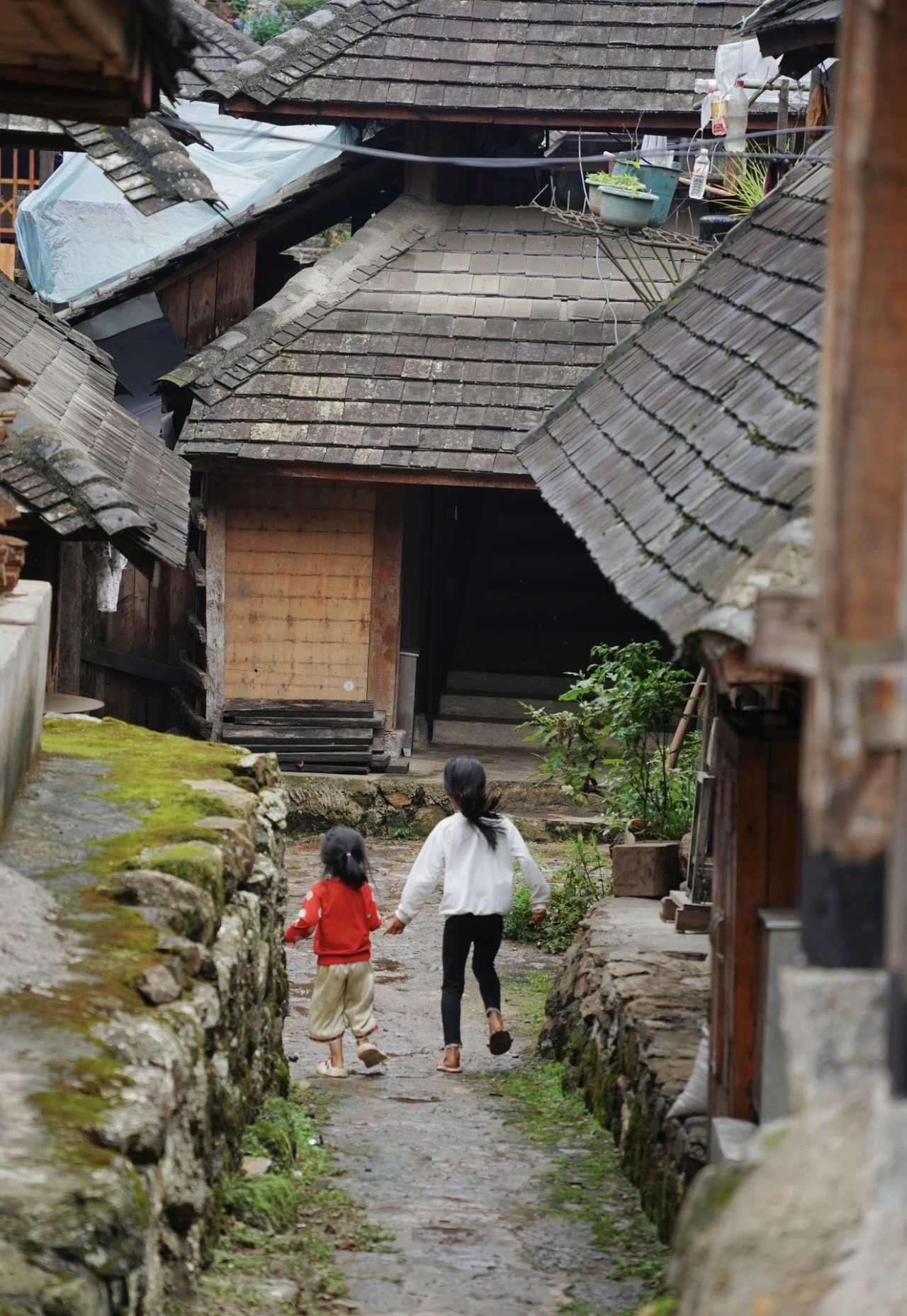
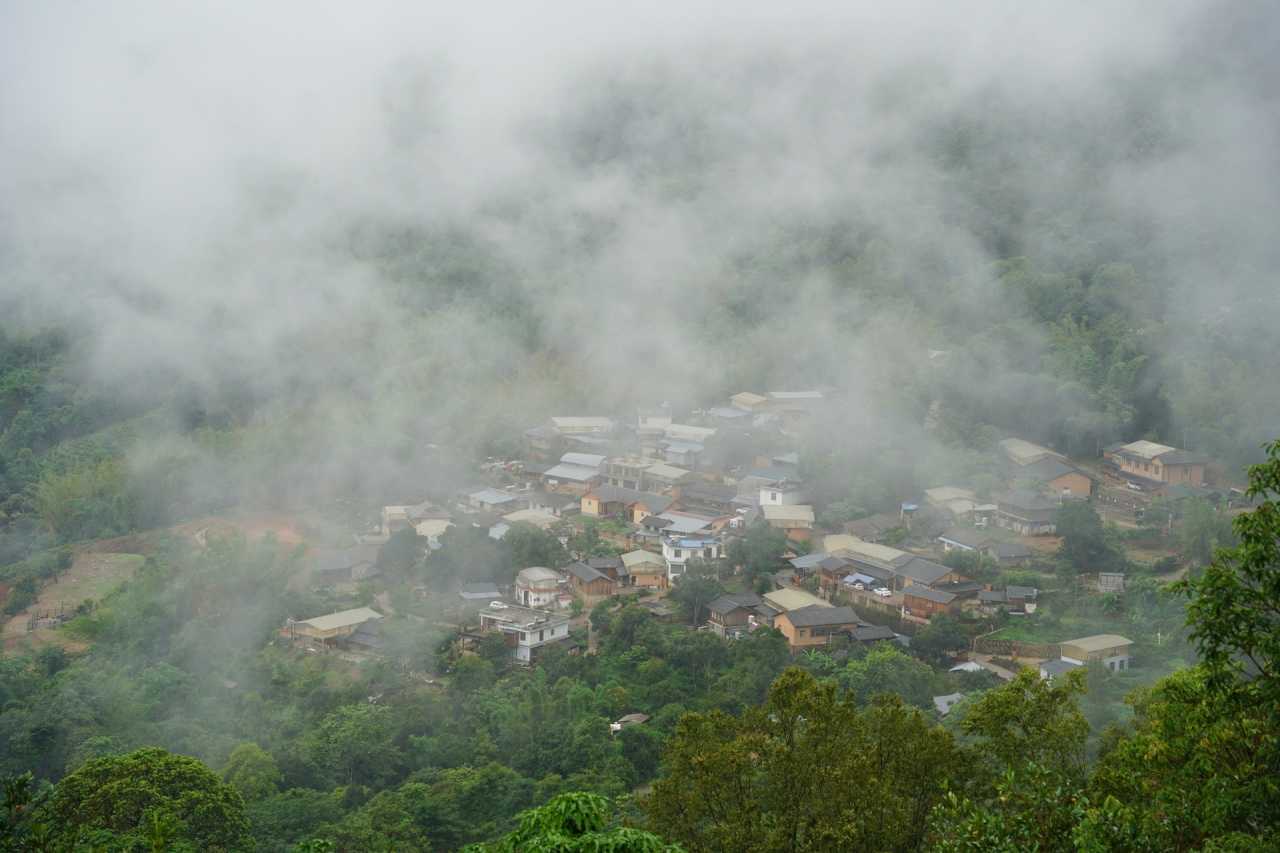
Nuogan Ancient Village was my first stop. At the village gate stood a detailed information board: this Dai village belongs to Huimin Town, Lancang Lahu Autonomous County, Pu'er City, at an altitude of about 1,450 meters, above the fog line. The village has preserved the traditional layout of Dai settlements on Jingmai Mountain, with the village heart as the center, developing in a centripetal pattern.
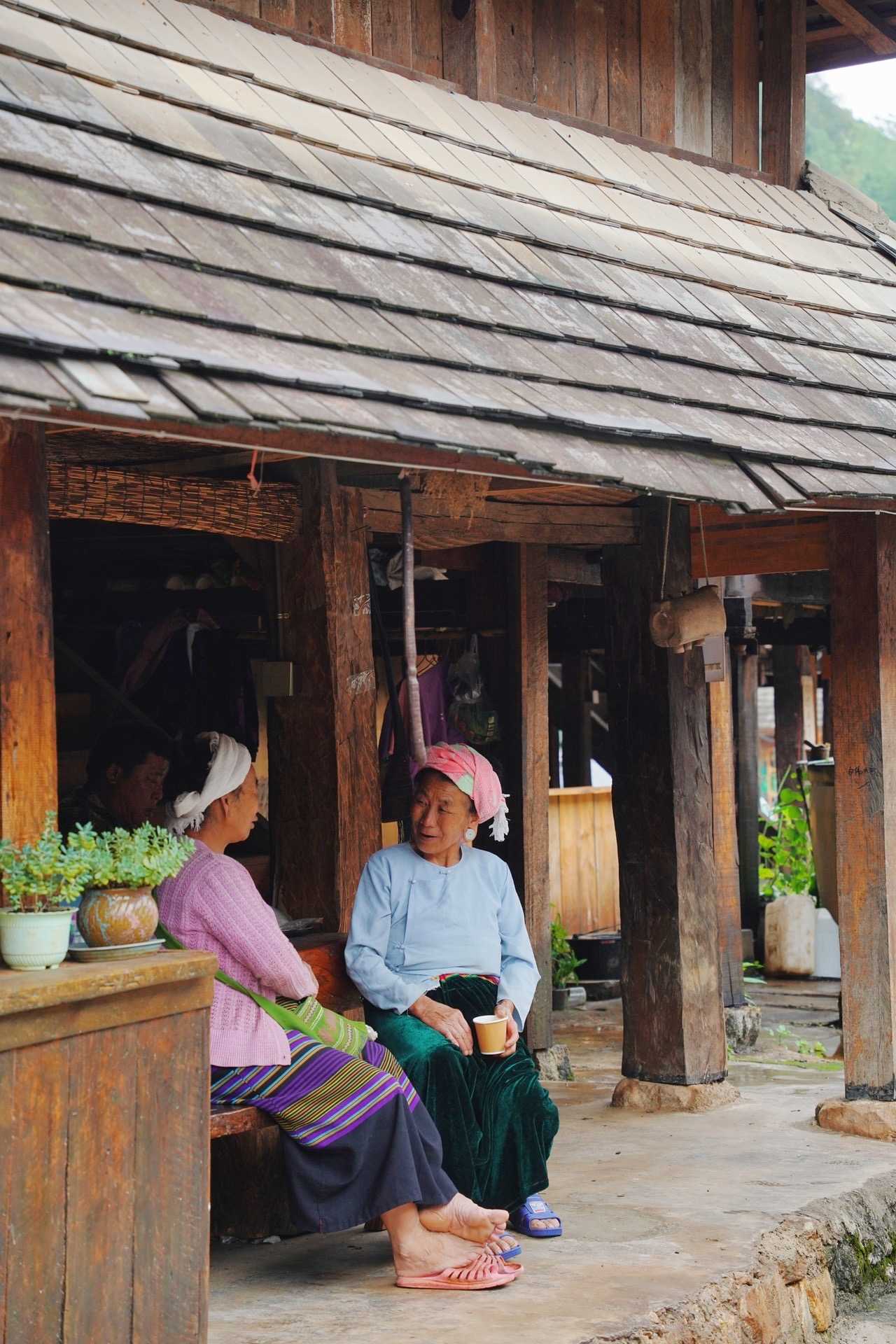
I climbed up a small path beside the guesthouse to the viewing platform, overlooking the entire village. It was exactly as I had imagined—ancient, pure, untouched by dust. Every household had a tea table set out front, and passersby were always greeted with, "Come in for a cup of tea." That warmth wasn't commercial; it was genuine hospitality ingrained in their bones.
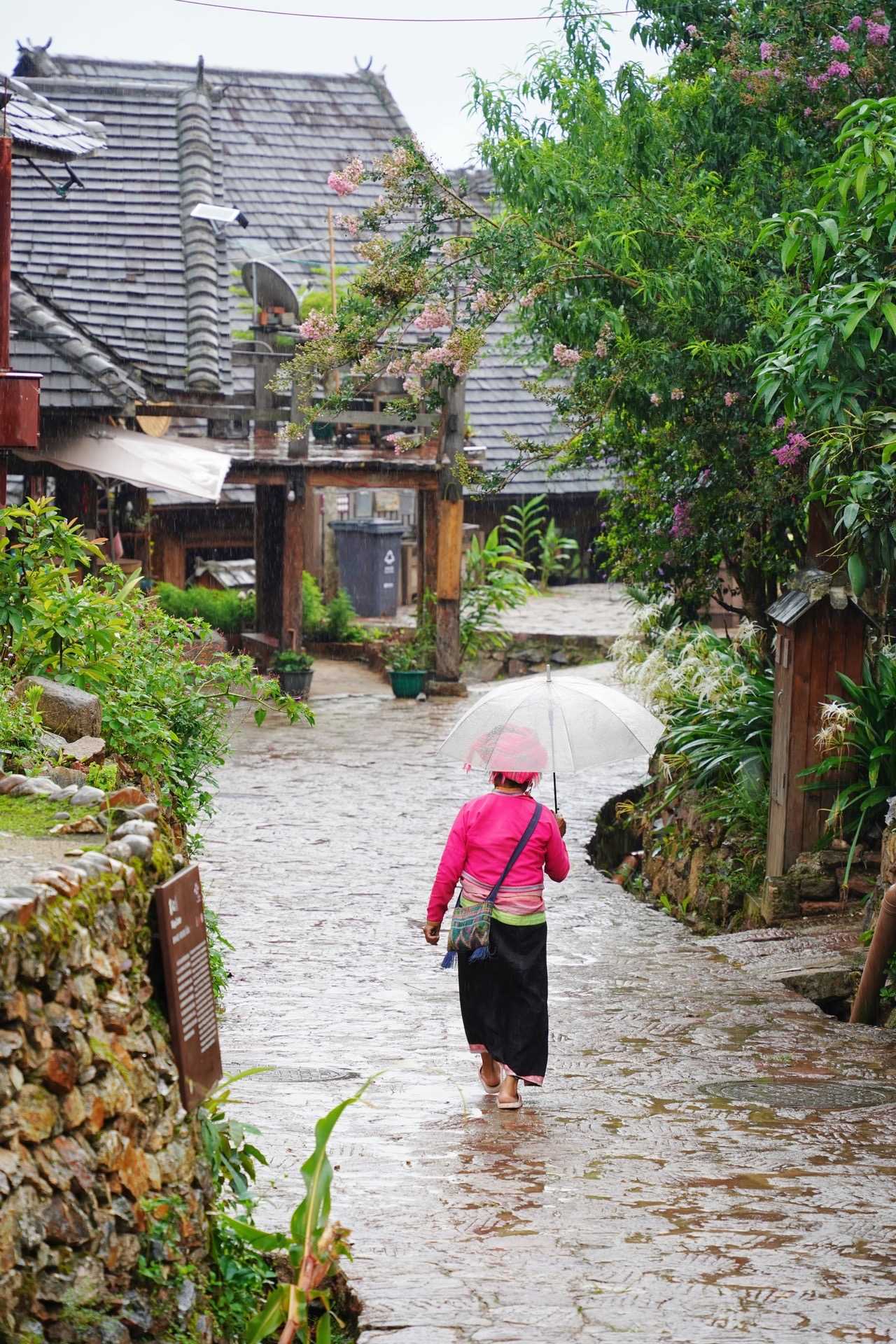
At a grilled milk shop by the village heart, the owner, a talkative local, shared many interesting facts:
- Jingmai Mountain has an abundance of folk activities. Besides the Sangkan Festival and Water Splashing Festival, there are also the "Gate Closing Festival" (beginning of Buddhist Lent) and "Gate Opening Festival" (end of Buddhist Lent). During the Gate Closing Festival, no weddings or moving into new houses are allowed.
- The Dai people have never favored sons over daughters. Regardless of gender, children inherit a portion of the tea mountain.
- The Dai have no surnames, only given names, and these change several times in a lifetime. Boys are called Ai, Ai Yi, Ai San... based on birth order; girls are called Ye, Yu, An...
As night fell, the tourists dispersed, and the entire village grew quiet. After ten o'clock, the ancient village was shrouded in darkness, with only the chirping of insects and the occasional dog bark in my ears. I hoped for a sky full of stars, but by 11:30, I could only see a few dozen embedded in the black curtain—yet I was still content.
At six in the morning, a rooster's crow woke me. I went out hoping to see the sunrise, but it was an overcast day. That was fine, though. In Nuogan, even a cloudy day has its beauty—the mist-wreathed ancient village looked like an ink-wash painting.
The Tea King Tree and the Bee Spirit Tree: Wonders of Nature
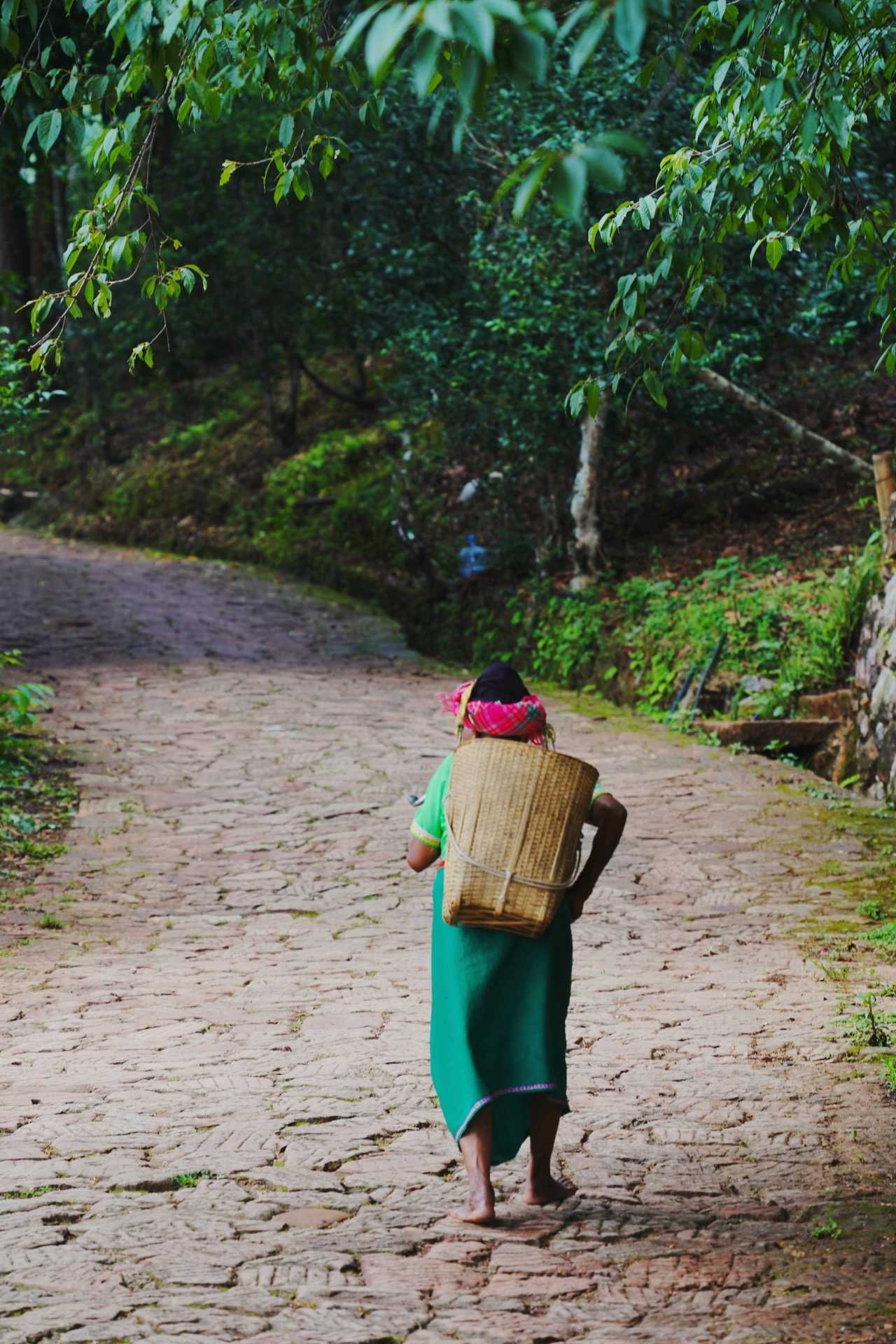
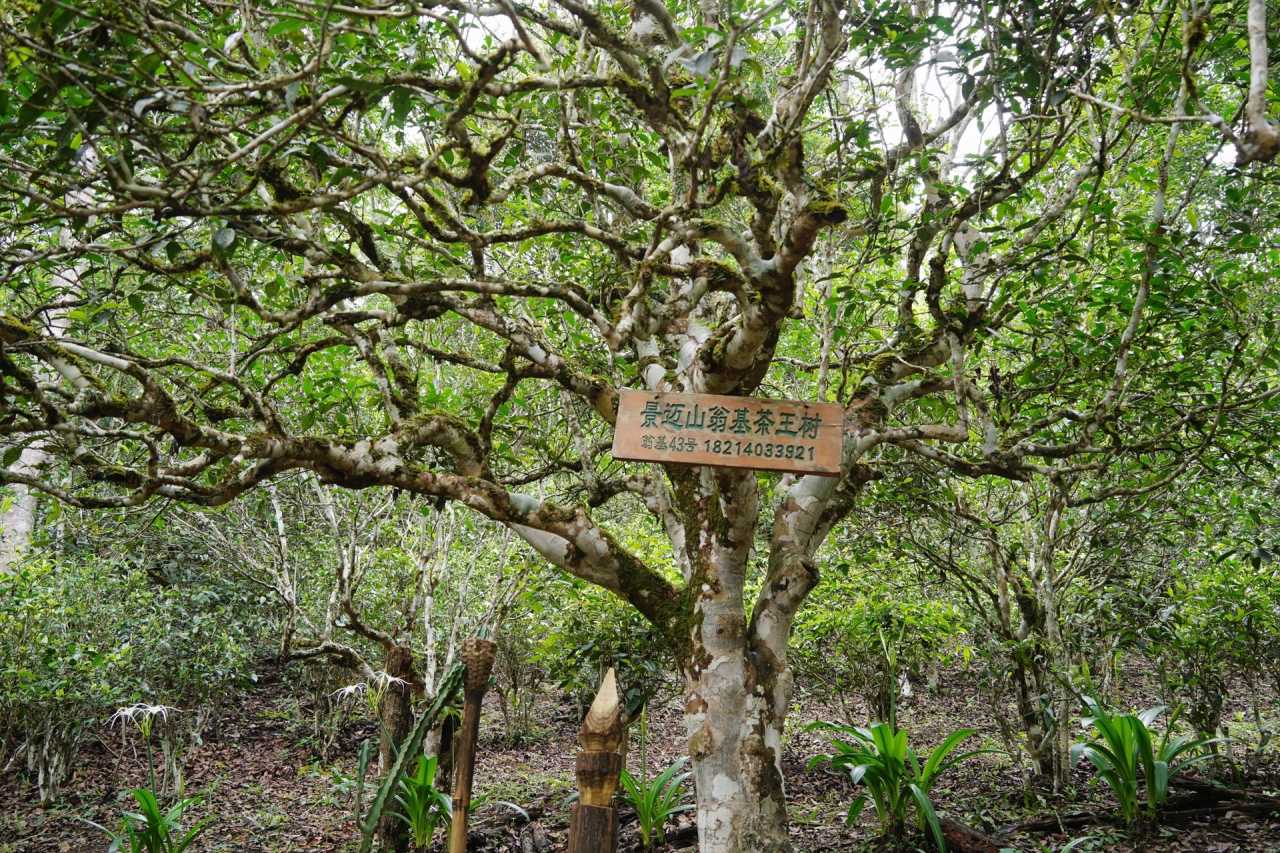
We spotted a sign by the roadside, parked, and walked in. The ancient tea trees on Jingmai Mountain aren't tall; some are even quite short. The "Tea King Tree" is only about two or three meters high, its branches spreading out—completely different from the towering tree I had imagined. It turns out that tea trees must be constantly pruned to keep them low, making it easier to pick the tender leaves from the branches. This "smallness" is precisely a testament to their tenacious vitality.
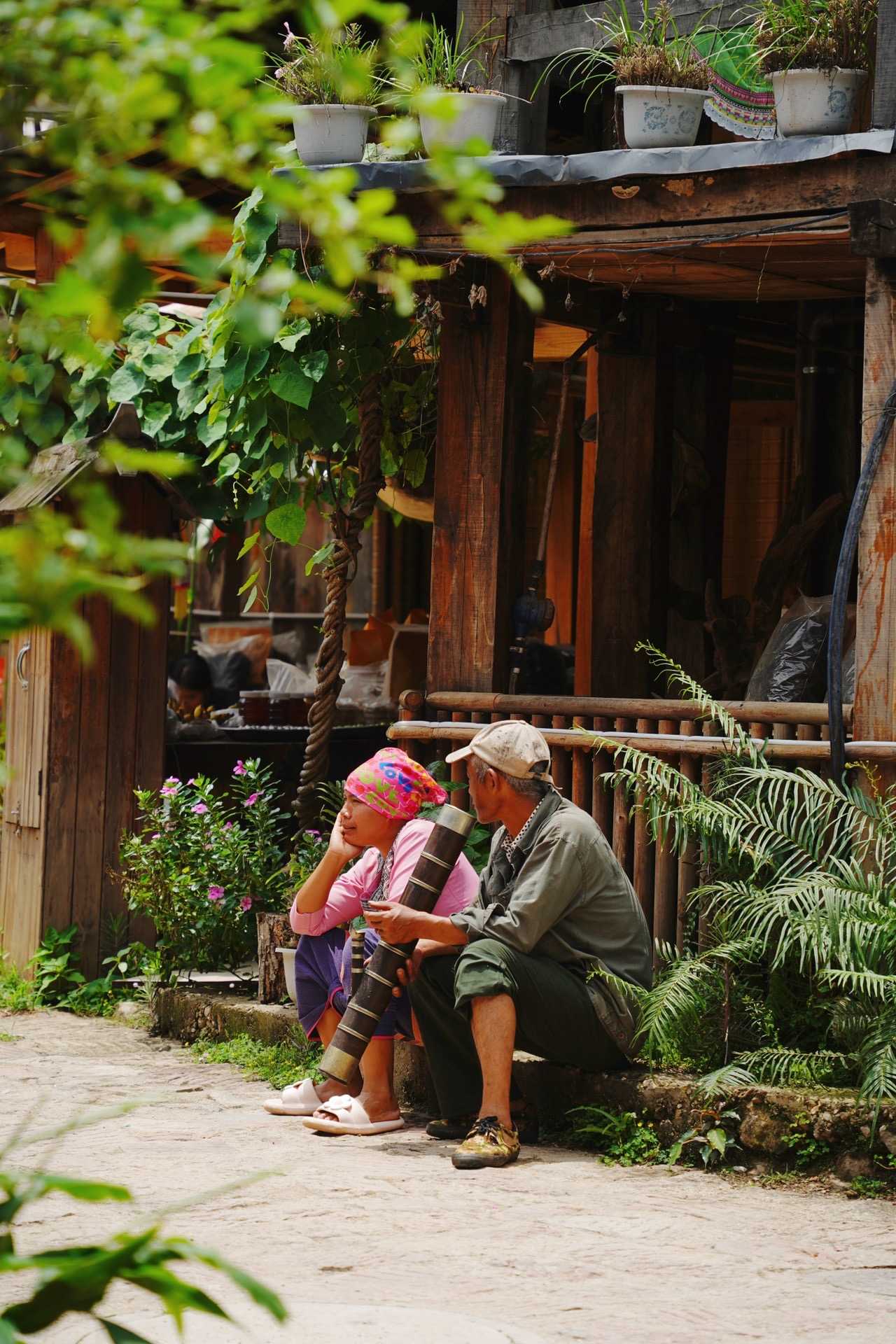
Throughout Jingmai Mountain, the pleasant chirping of insects fills the air. Ants, spiders, fungi... they form a powerful ecosystem that protects the health of the ancient tea forest.
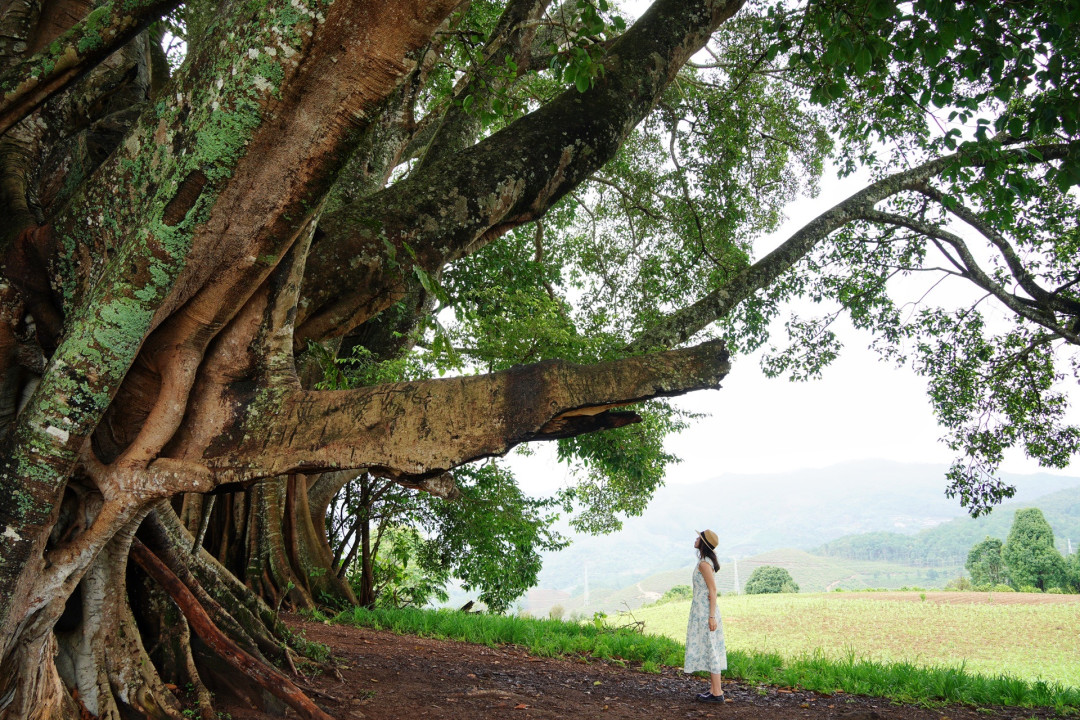
What struck me most was the "Bee Spirit Tree." This banyan tree, about 50 meters tall, hosts over seventy beehives. Normally, bees don't like such large communities—fighting breaks out—but the Bee Spirit Tree maintains a powerful cohesion. Every March, bees fly from distant places to gather on this giant tree. The Blang people regard it as a sacred tree and hold a "bee-summoning" ceremony beneath it during major festivals.
Standing under the tree and looking up, the spectacle and awe were beyond words. I thought, this is the power of nature—teaching us, in the simplest way, what symbiosis means.
Wengji Ancient Village: A Thousand-Year Vigil of the Blang People
In Nuogan, I met a girl from Guangdong who had already been living on Jingmai Mountain for a month. She suggested I also stay a night in Wengji: "Two villages, two ethnic groups, completely different feelings."
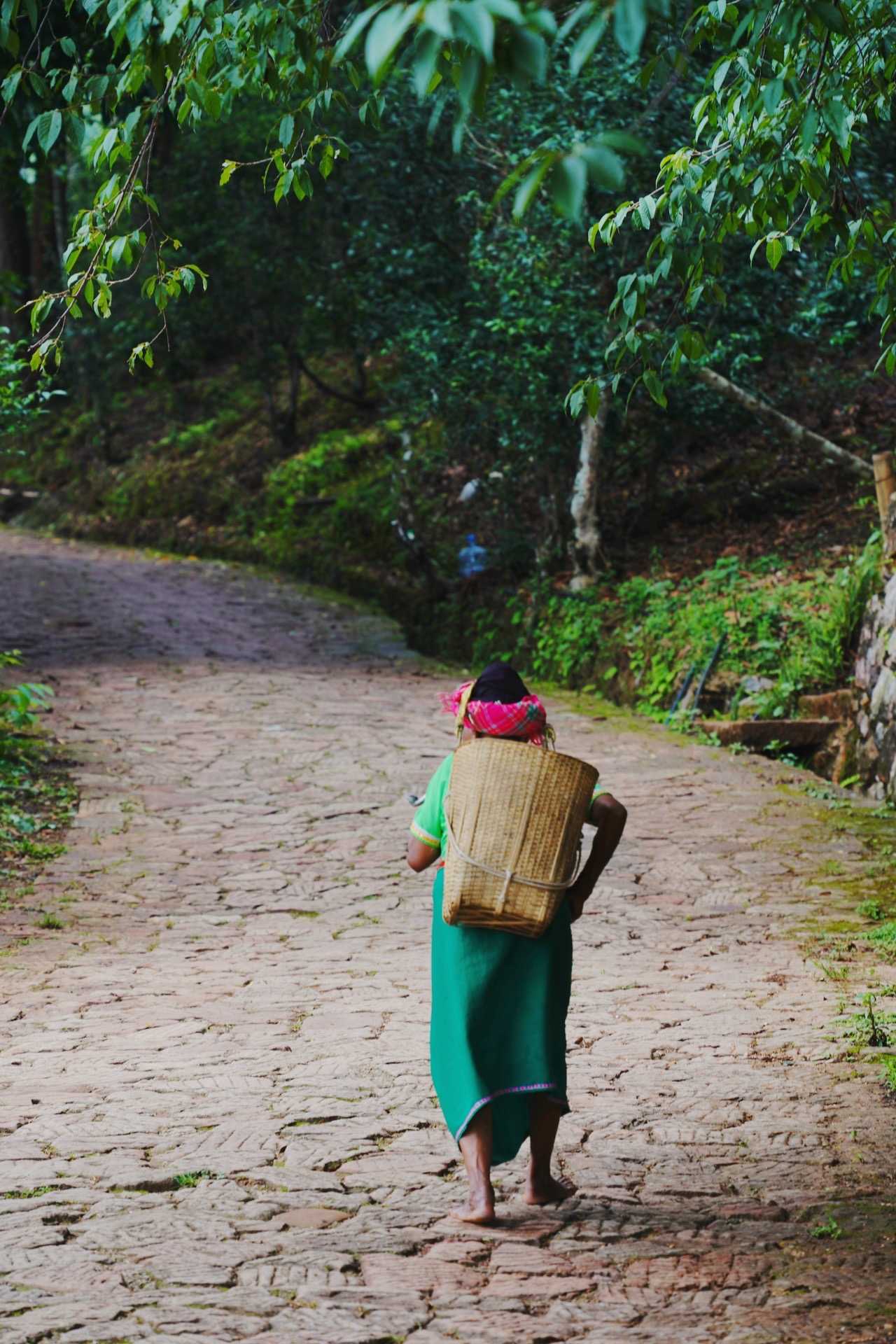
Wengji is a Blang ancient village. Unlike the Dai, who settle near water, the Blang prefer to live on higher slopes. Every house has an open view, and the entire village has an imposing air. The village has 80 households and 380 people, of whom 295 are Blang, earning it the title "Thousand-Year Blang Ancient Village."
Every village has a Buddhist temple and a village heart. The village heart is the center of faith—not necessarily the geographical center, but the spiritual home of the people. To the west of Wengji's temple stands an ancient cypress tree, with a root circumference of 11 meters and a height of over 20 meters, dated to 2,580 years old. No house in the village is allowed to be taller than these trees.
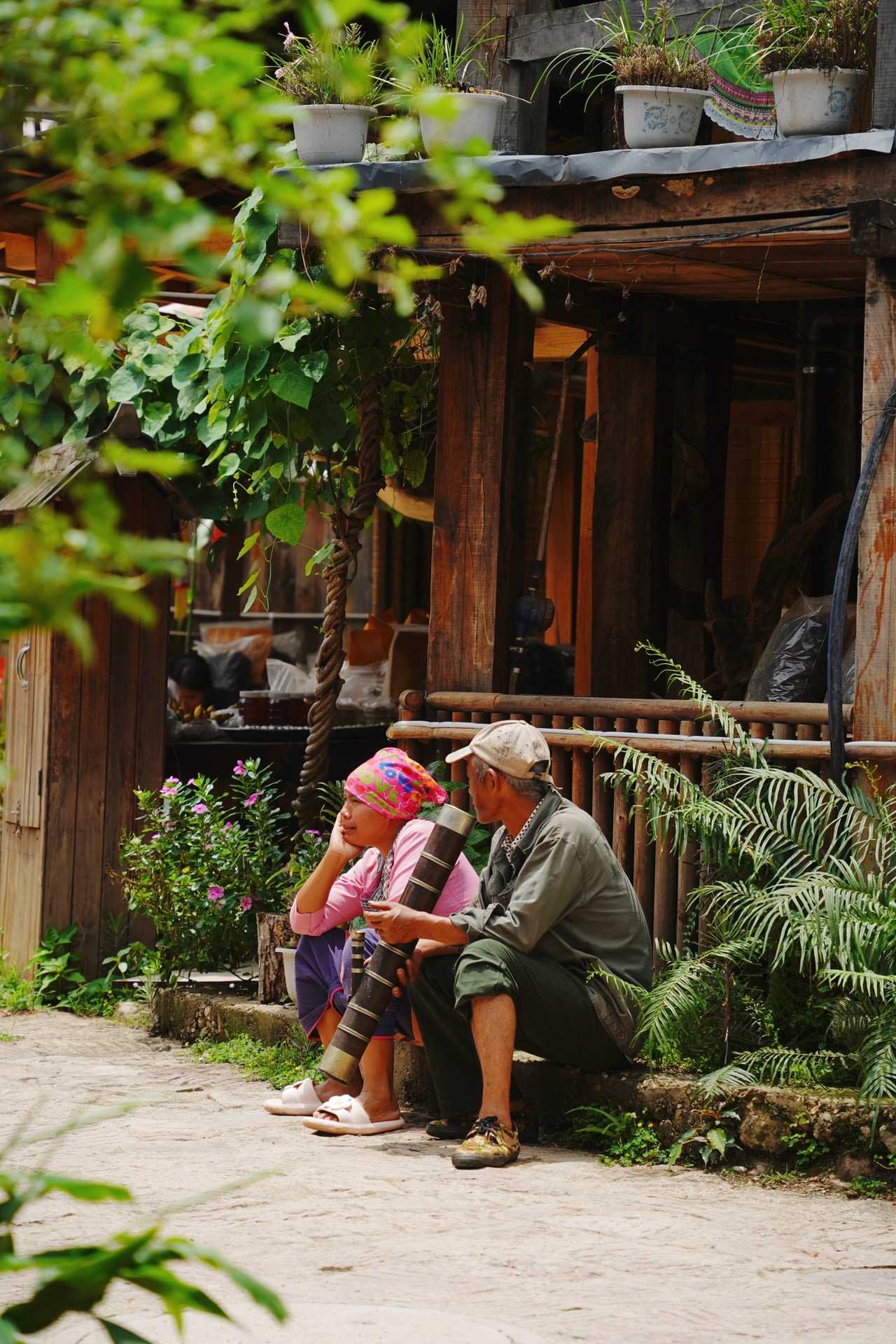
In the late afternoon, I was drinking tea at my guesthouse when I caught a glimpse of a few streaks of orange outside the window. I grabbed my camera and rushed to the viewing platform, but tall trees blocked my view. I pulled my companion along, ran down the steps, dashed through the entire village, and finally found the sunset at one edge—nothing particularly grand, but the colors were intense.
In that moment, I suddenly understood what "tranquility" meant. Not idleness, but a mind free of cares.
Chapter Two: Pu'er—Ease as a Way of Life
Coming down from Jingmai Mountain, we arrived in Pu'er city. If Jingmai Mountain was tranquility, then Pu'er was ease.
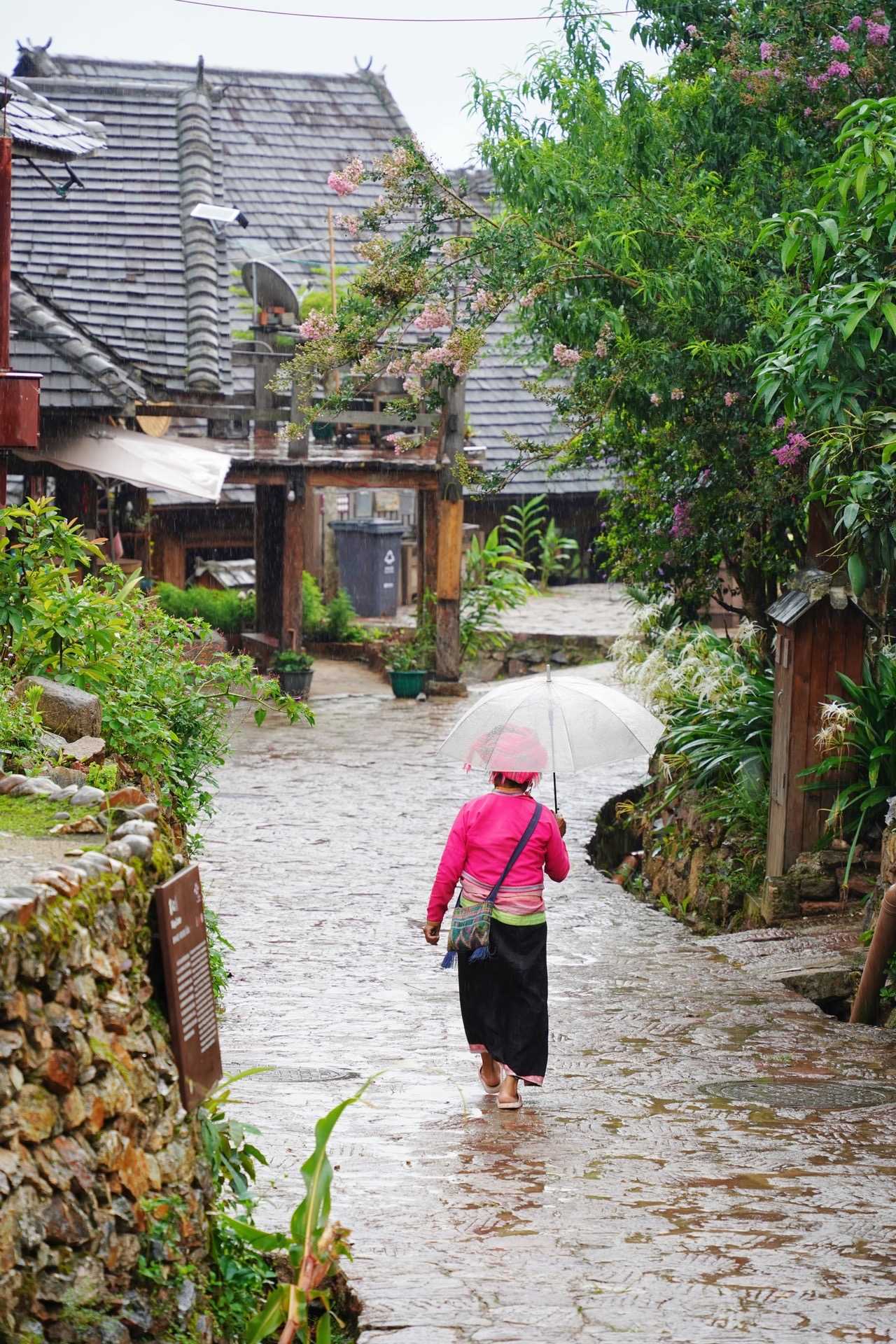
Pu'er isn't as artistic as Dali, nor as lively as Xishuangbanna. It has an attitude of "come if you want, but if you do, settle in and stay." People on the streets walk slowly, cafés are filled with people reading or daydreaming, and even the sunlight seems lazy.
We spent two days in Pu'er without any planned itinerary. We slept in, went to the market for a bowl of rice noodles (migan), then found a tea house to sit in for the afternoon. The tea in Pu'er is different from that on Jingmai Mountain—more mellow, more gentle, like the city itself.
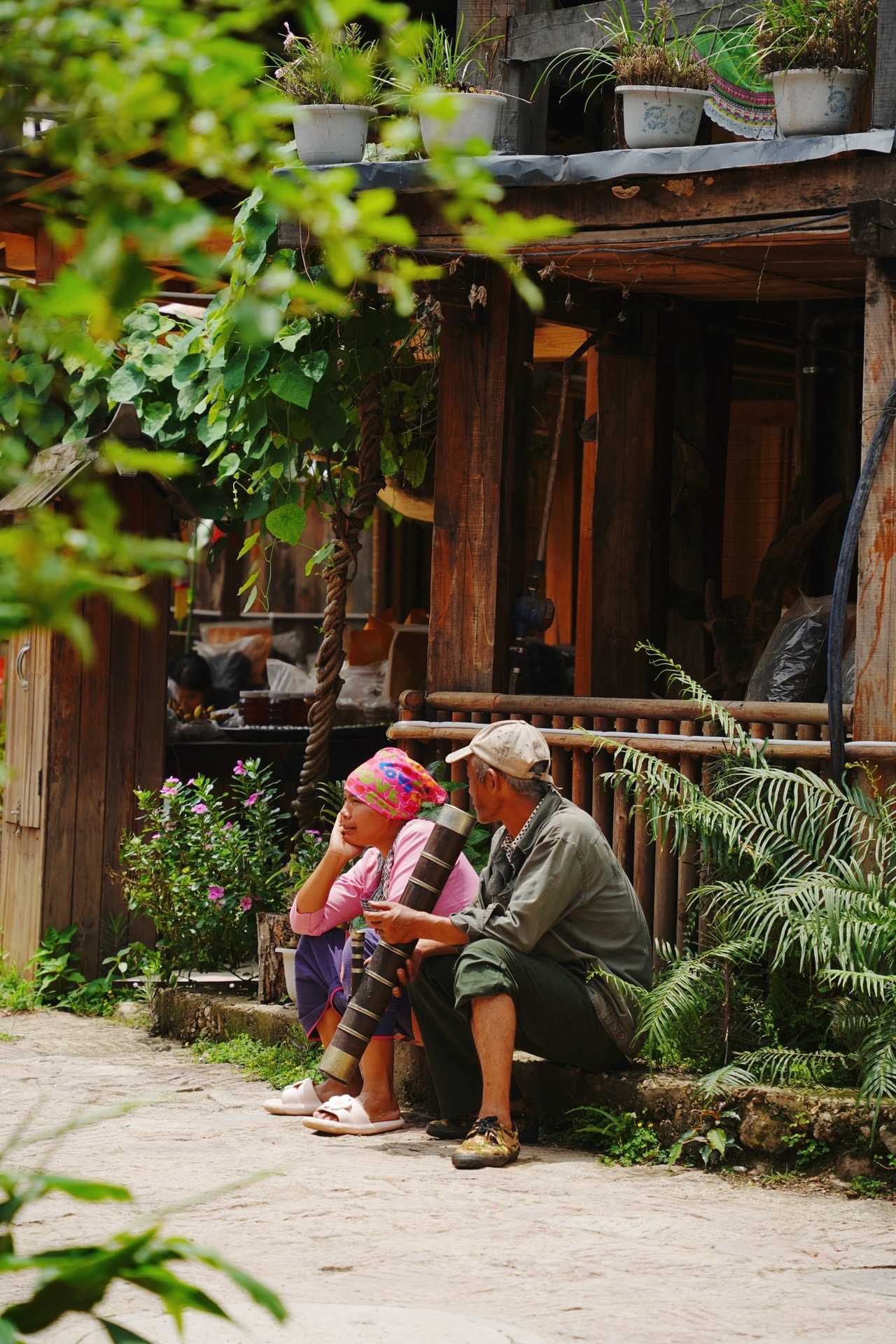
In the evening, we went to a small bar hidden in an alley. The owner was a middle-aged man who had moved from Beijing. He said, "In Beijing, I felt like a machine. Here, I feel like a human being."
That sentence is probably the best description of Pu'er.
Chapter Three: Xishuangbanna—Vibrancy, the Passionate Side of Life
An hour's drive from Pu'er brought us to Xishuangbanna. As soon as we entered the Banna area, the air became hot and humid, and the palm trees and pagodas along the roadside reminded us: this is the tropics.
Xishuangbanna is vibrant. The night market in Gaozhuang Xishuang Jing is brightly lit, tourists jostle shoulder to shoulder, and the smoky aroma of barbecue stalls mingles with Dai music drifting through the air. At the Starry Night Market, stalls are filled with handicrafts, snacks, and clothing, each vendor hawking their wares in different languages.
But the vibrancy of Banna isn't irritating. It's like a grand party where everyone is enjoying themselves to the fullest. You can wander the market in flip-flops, sit by the roadside and eat a bowl of spicy and sour papaya salad (chicken feet salad), or sway to the music however you like—no one cares if you can dance well or not.
The vibrancy of Banna is a passionate life force. It's not elegant, not restrained, but it's real.
In Banna, I suddenly understood that saying: The value of life lies not in its length, but in whether you have lived it to the fullest.
Epilogue: Three Breaths, One Yunnan
In five days, I experienced three distinctly different breathing frequencies.
Jingmai Mountain is tranquility. Time there flows as slowly as tea broth, and every breath carries the scent of ancient trees. You can sit by the village heart and daydream all day, or follow an elderly Blang person for a walk through the tea mountains. You don't need to do anything; you just need to be.
Pu'er is ease. Life there has a "whatever" quality—find any tea house, chat about anything, waste an afternoon however you like. There are no must-visit attractions, no must-complete tasks.
Xishuangbanna is vibrancy. Life there is passionate and unrestrained, growing wild like tropical plants. Night markets, music, food, dance... all your senses are awakened, and you can't help but sway to the rhythm.
But in the end, they are all Yunnan. This land is "never boring" precisely because of its richness—you can find peace on Jingmai Mountain, ease in Pu'er, and passion in Xishuangbanna. Every time you come, you can discover a different version of yourself.
If you ask me what the greatest gain from this journey was, I would say: I learned to breathe in different rhythms.
On Jingmai Mountain, I learned to slow down. In Pu'er, I learned to be lazy. In Xishuangbanna, I learned to let loose. And all of them are what life should be.
Practical Tips:
- Transportation: The drive from Xishuangbanna to Jingmai Mountain takes about 3.5 hours. Self-driving or hiring a car is recommended. The mountain roads have many curves; drive cautiously during the rainy season.
- Accommodation: There are guesthouses in both Nuogan and Wengji. It's recommended to stay one night in each to experience the different ethnic cultures.
- Best Season: Winter (November to February) offers the most spectacular sea of clouds. The rainy season (June to August) has more rain but fewer tourists, offering a different charm.
- Notes: The stone slab roads on Jingmai Mountain have a speed limit of 40 km/h; please drive slowly. Respect local customs—do not pick tea leaves or disturb beehives. There are many mosquitoes on the mountain; bring insect repellent.
You should also read:
Complete Guide to Fuxian Lake: A Yunnan Hidden Gem I've Visited Three Times – Ask Me Anything!
Complete Guide to Fuxian Lake: A Yunnan Hidden Gem I've Visited Three Times – Ask Me Anything! Why Fuxian Lake? If you ask me which place in China is worth visiting again and again, my answer isn't Lijiang or Dali – it's Fuxian Lake. In…
Continue reading...
A Solo Journey to Yunnan: Shuanglang Chapter — Meeting Your Truest Self by the Erhai Lake
A Solo Journey to Yunnan: Shuanglang Chapter — Meeting Your Truest Self by the Erhai Lake Introduction: When a Dream Finally Becomes Reality Some say Yunnan is a place meant for solo travelers. It took me three full years to truly understand that. Two years…
Continue reading...
Xishuangbanna Self-Drive Tour: Into the Tropical Wonderland at the Edge of the Sky (Complete Guide)
Xishuangbanna Self-Drive Tour: Into the Tropical Wonderland at the Edge of the Sky (Complete Guide) Introduction: A Dream Fulfilled Thirty Years Early Some journeys are destined to happen at a specific moment in time. For me, a self-drive trip to Xishuangbanna was originally the first…
Continue reading...