Traveling with the Soul: Yunnan Under My Feet, My Heart in the Clouds
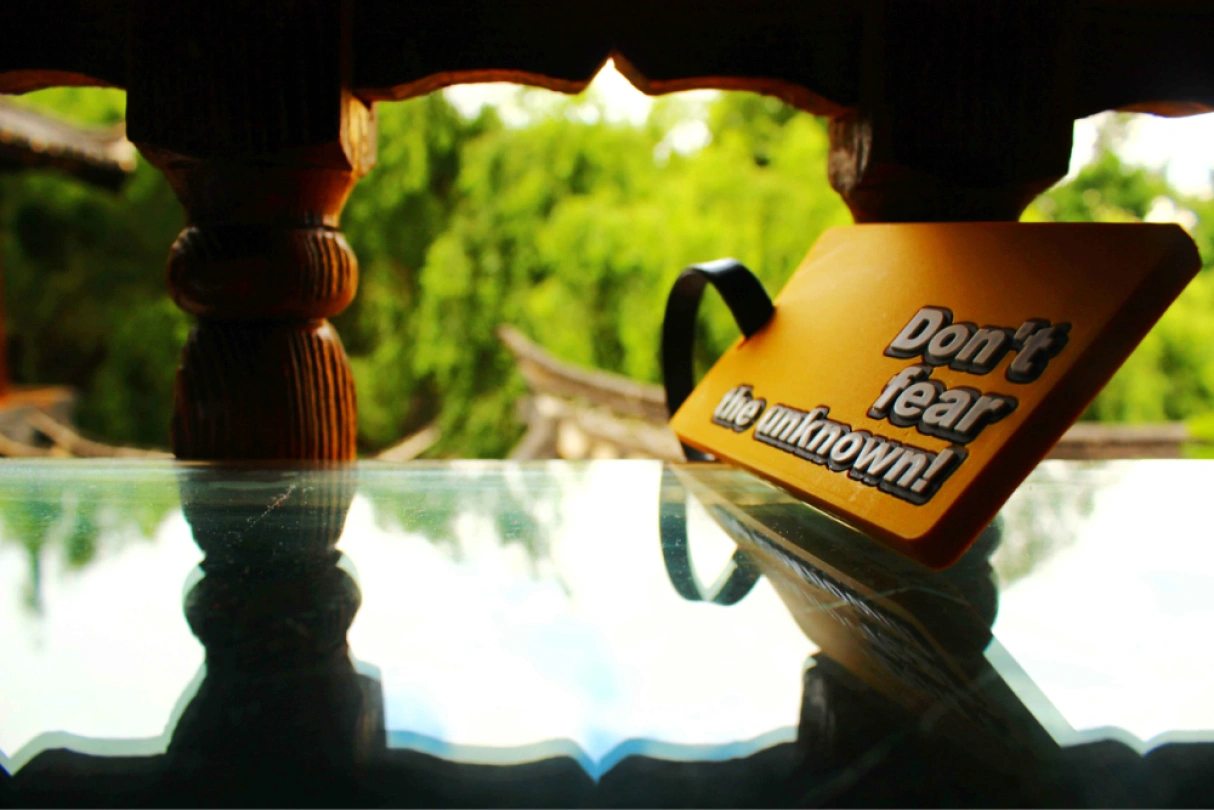
Traveling with the Soul: Yunnan Under My Feet, My Heart in the Clouds
Prologue: A Spontaneous Escape
Have you ever had that moment—sitting in a noisy city, staring at a screen full of dense text, suddenly yearning for a complete escape?
As the K159 train slowly pulled out of Chongqing Station, the temperature outside dropped from a scorching 37°C to a pleasant 25°C. I knew the journey had truly begun. The train cut through dusk, and in the carriage, someone was belting out "Qinghai-Tibet Plateau" while children's laughter rippled through the air. The mountain shadows blurred into the twilight, and the sky shifted from pale blue to deep indigo. In that moment, I felt as if I had broken out of a concrete jungle and stumbled into an entirely different world.
This, I suppose, is what it means to be "on the road"—all you need is a brave heart and a spontaneous impulse to say, "Let's go."
Kunming: A Spring City Morning, Slow and Just Right
Dawn at Green Lake: Lotus Flowers, Elderly Folk, and Slow Living
The train pulled into Kunming Station at exactly 7 a.m. As I stepped out, I was greeted by a swarm of enthusiastic touts, shoving all kinds of tourist flyers into my hands. I smiled helplessly and thought to myself: What's the point? Such a waste of paper.
I chose to visit Green Lake Park—not because of its fame, but because it sits right next to Culture Alley, where I could get a glimpse of everyday Kunming life. They say Kunming has "spring all year round," but the morning breeze and drizzle gave me a sense of autumn melancholy. Thankfully, the wind and rain soon passed, and the sky began to clear.
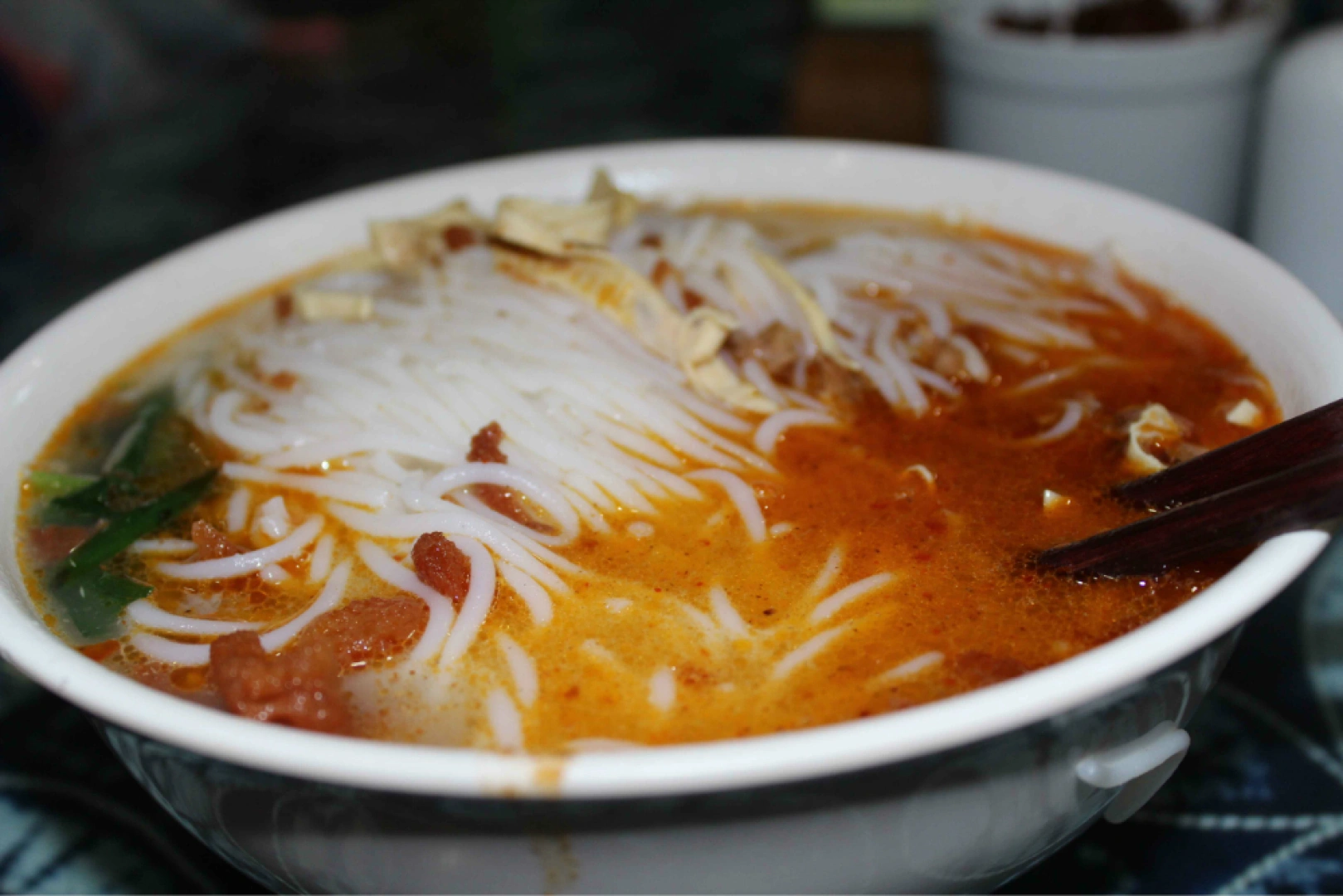
As a Chongqing native, riding a double-decker bus through Kunming's streets for the first time felt oddly novel. Near Green Lake Park, I found a "Bridge Fragrance Garden" restaurant and ordered a bowl of braised pork rice noodles—6 yuan for a bowl so generous it was heartwarming. In Yunnan, a "jin" at the market means a full kilogram, and a "liang" means 100 grams. That kind of honesty wins you over.
Of course, I couldn't resist trying the authentic cross-bridge rice noodles (13 yuan). To be honest, it wasn't as mind-blowing as I'd imagined—tossing various ingredients into a piping hot broth felt nutritious but somehow lacking. Maybe I'd built it up too much.
Green Lake Park: A Lotus Moment
Green Lake Park boasts a vast lotus pond, with flowers standing tall and elegant—some lightly made up, others boldly painted, their "uniquely red" blossoms set against emerald green leaves. Many photography enthusiasts had set up their long lenses around the pond, capturing the scene. I preferred to sit on the sidelines, watching elderly folks practice their morning exercises with calm composure, while ducks leisurely traced ripples across the water.

Lin Huiyin once wrote: "If my heart were a lotus, a lit candle would rise from its center." Here, time seemed to slow down.
After exploring Green Lake, I wandered over to Culture Alley with curiosity. Unfortunately, most of the quirky little shops were still sleeping in—many didn't open until 11 a.m. or even noon. "The early bird catches no worm," as the saying goes. So I plopped down outside "Hu Jiu Snacks," cracking pine nuts and watching the world go by. Plenty of foreigners strolled past with their children, chatting and laughing. I casually whiled away an hour or two like that.
When 11 a.m. finally rolled around, Hu Jiu Snacks opened its doors. I highly recommend their rose-flavored cold rice cake (6.5 yuan each)—the brown sugar syrup was thick and sweet, and the cake had a sesame filling in the middle. Cool and delicious, it made me want to pack some to take home.
Practical Tips
Kunming to Dali/Lijiang: Kunming is Yunnan's transport hub, but overnight train tickets are extremely hard to come by (reportedly snapped up by travel agencies). One of Yunnan's "Eighteen Oddities" says, "Trains aren't as fast as buses," so taking a bus is a solid option. The West Bus Station runs buses to Dali (7:30 a.m.–11:30 p.m., every 15 minutes, about 4 hours, fare over 100 yuan) and to Lijiang (8:00 a.m.–10:00 p.m., every 30 minutes, about 8 hours). When taking the bus to the West Station, ask multiple people for directions—sometimes, an old lady is more reliable than a cop.
Accommodation Choices: Dali Ancient Town has plenty of lodging. If you plan to go from the ancient town to Shuanglang, I recommend staying near Renmin Road—it's convenient and affordable. I chose a guesthouse with a standard room for 100 yuan, which offered great value.
Shuanglang: Facing Erhai Lake, Peace of Mind Is Paradise
From Dali to Shuanglang: A Long and Winding Road
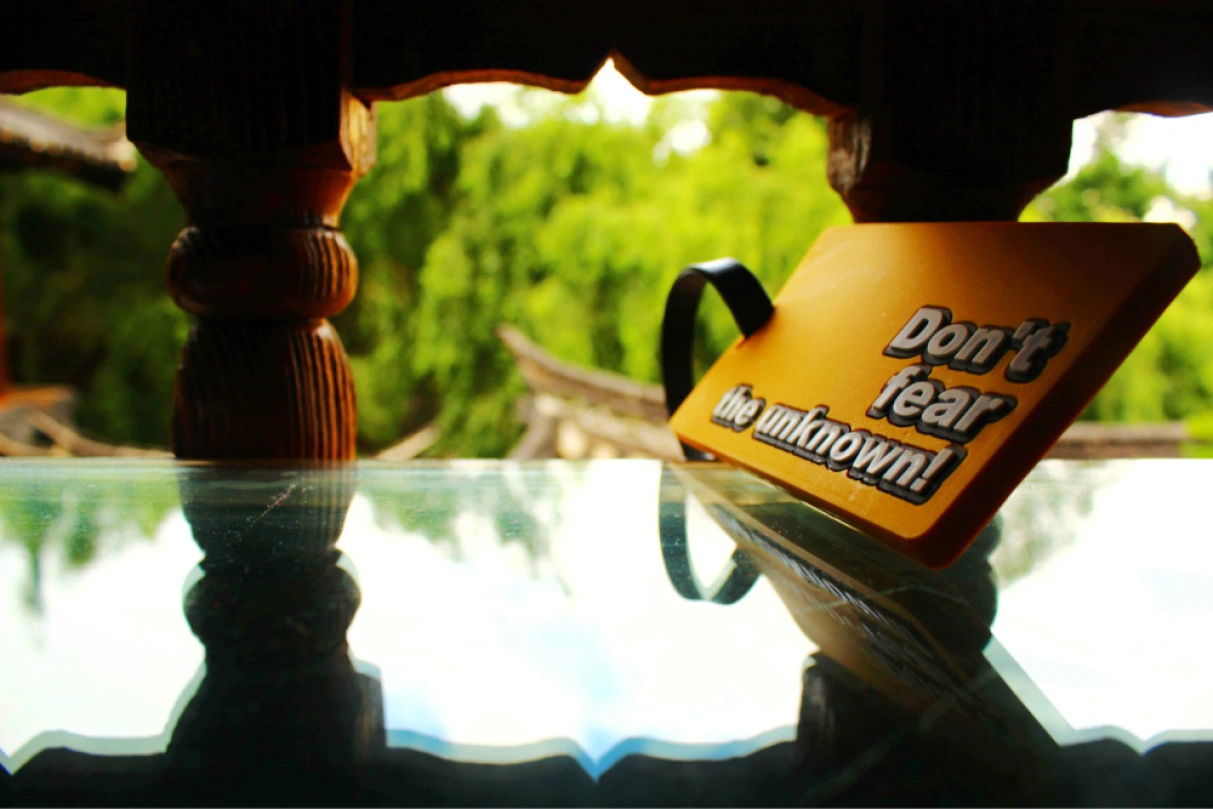
In Dali Ancient Town, I tried the legendary grilled milk fan (2–3 yuan each)—it was just okay, a bit sour and greasy. I also sampled grilled rice cakes (available in purple rice, white rice, and other varieties, slathered with peanut butter or spicy sauce—the texture was great). As for "Looking Back Cold Chicken Rice Noodles," the vinegar was too overpowering for my taste.
A little shop called "11 O'Clock Opening" (which lived up to its name) surprised me. Their pumpkin porridge (5 yuan per bowl) was a golden delight—generous portions and delicious flavor. The shop was warmly decorated, with a mural of a golden-haired girl riding a bicycle and the words: "You know what? Your own rhythm is the only true fashion."
After lunch, I headed to Dali Road to wait for a bus to Shuanglang. Buses came every 40 minutes, with fares around 10 yuan. Eventually, I hitched a ride in a minivan, bargaining the price down to 15 yuan per person. After a bumpy ride, I finally arrived in Shuanglang.
Cloud Seven Lodge: Living in a Landscape
The guesthouses in Shuanglang—especially the famous ones—were booked so tight it was maddening. I started reserving rooms ten days in advance, calling around. Hotspots like "A Drop in the Ocean," "Chong Er," "Seaside Life," and "Peninsula 63" were all full. In the end, I chose "Cloud Seven Lodge"—a bit pricey (standard room at 280 yuan), but it turned out to be the best decision ever.
Cloud Seven Lodge is a beautifully designed seaside garden hotel. Every corner—from the rooms to the courtyard to the water-facing platform—was ingeniously crafted. The hotel kept a large central courtyard, not overcrowded, so every angle offered a picture-perfect view. Lying on a lounge chair in the courtyard, facing Erhai Lake, lazily daydreaming in the sun, reading, taking photos—that sense of happiness and contentment was exactly what "peace of mind is paradise" feels like.
A poem I found online described Cloud Seven Lodge: "Cangshan and Erhai nurture Cloud Seven, chrysanthemums and ancient swords brew their own wine. The zither and crane find freedom here, spring leaves me alone with the plain breeze." The sunsets here were breathtaking—the clouds gradually turned yellow, then golden, and finally nature put on its most magnificent show.
Slow Time in Shuanglang
In Shuanglang, I visited Seaside Life. From its viewing platform, I could see blue skies, white clouds, Cangshan Mountain, Erhai Lake, little boats, and shimmering light—my mood brightened like the weather. A mother was taking photos of her son. The little boy sat on a white chair, saying, "I want to buy one pomegranate, two pomegranates, three pomegranates..." while gesturing, as his mother busily changed lenses and clicked the shutter.
I also stopped by Fen Si Hotel, owned by Yang Liping's sister, Yang Limei. The elder sister lives in the Moon Palace on Yuji Island, while the younger sister resides along the island's coastline—both sharing the serene view of Erhai Lake's calm waters. How delightful.
In the evening, I returned to Cloud Seven. A girl was on the balcony, capturing the scenery. The clouds in the sky turned golden, then slowly deepened to crimson. In that moment, I felt drunk on the sunset—all the city's nonsense and trivialities melted away, leaving only nature's wondrous artistry.
Shuanglang's beauty is raw and unpolished—it needs no embellishment. Go now, before it "sacrifices itself" to tourism. The real scenery isn't in some mediocre tourist spots; it's in pure places like Shuanglang.
Practical Tips
Going to Lijiang: Shuanglang has several tourist service stations where you can share a ride to Lijiang. I recommend taking a minivan to Shangguan first (to avoid detours), then transferring to a mid-size bus to Lijiang—total cost about 75 yuan per person. The same method works for going to Shangri-La.
Postcards: On Yuji Island roadside, you can buy postcards—10 yuan for three, and haggling is acceptable. For mailing, it's cheaper to go to the post office on Shuanglang's main street (turn left from Yuji Island and walk about 300 meters)—0.8 yuan per card.
Shuhe: An Ancient Town with Mountains and Water
From Lijiang to Shuhe: A Pleasant Surprise
On the mountain road from Shuanglang to Lijiang, we got stuck in traffic for an hour or two. Finally, under a torrential downpour, I arrived at Lijiang Ancient Town and checked into "Warm Little Nest," right across from the Mu Mansion. The innkeeper was a man from Inner Mongolia who had been living in Lijiang for seven years. He loved the laid-back lifestyle here and had even met his wife in the town. Their prices barely changed between low and high seasons, and the rooms were charmingly old-fashioned and comfortable.
The next morning, I had breakfast in the ancient town and was immediately targeted by a group of touts. They said a chartered car to Shuhe Ancient Town would cost only 10 yuan per person. I was almost tempted, but something felt off—why would they take a loss? The innkeeper told me they probably made their money on kickbacks from horse riding and boating at Lashihai. So I decided to go to Shuhe on my own.
That decision turned out to be absolutely right. I originally planned to stay in Shuhe for just one day, but I ended up staying three—this place had mountains and water, the liveliness of Lijiang Ancient Town, and a rare tranquility.
Nine-Ding Dragon Pool: The Soul of Shuhe
Shuhe Ancient Town's cobblestone streets, green dragon pool, and peaceful, unhurried atmosphere were captivating. At "Traveler's Canteen" on the central square, the food was affordable and incredibly tasty—the fish-flavored shredded pork was tender and fragrant, leaving a lasting impression.
I checked into "Dramu Station," a guesthouse with classically elegant rooms: wooden walls, wooden ceilings, big red lanterns, Chinese knots, carved lattice windows. At the end of the hallway hung a thangka and a Buddha statue, with a faint scent of sandalwood in the air. Outside the window were blue skies and green trees—a rare quietude.
The most beautiful scenery in Shuhe was near the Nine-Ding Dragon Pool. Ancient trees intertwined above the pool, and the water was a deep, crystalline green. When I first saw it, I was speechless. I lingered there countless times—this was the true face of an ancient town.
Under Green Dragon Bridge, many people were sketching and painting. Newlyweds also came to take wedding photos, drawing crowds of onlookers. By the Nine-Ding Dragon Pool, a guy sat in the same outfit every day, looking cool and detached, as if he had become part of the town itself.
Practical Tips
Lijiang Ancient Town to Shuhe: Take bus No. 11 or a blue minivan (route 3-8, 1 yuan per person) from outside the ancient town to Likelong Supermarket, then transfer to another blue minivan (2 yuan per person) to Shuhe Ancient Town. Shuhe has no entrance fee.
Shuhe to Lashihai: Take a blue minivan from Shuhe's parking lot, about 5 yuan per person. When bargaining for horse riding and boating tickets, haggle hard—aim for one-fifth of the asking price. Go early (9–10 a.m.) when there are fewer people and better bargaining leverage.
Accommodation in Shuhe: If you like excitement, stay in the ancient town center. If you prefer tranquility, stay near the Nine-Ding Dragon Pool. I strongly recommend the latter—though the pool is on the edge of town, the town is small enough that everything is within walking distance.
Learning the Hand Drum: If you're interested, drop by a hand drum shop and give it a try. Even if you don't buy a drum, there's no shame in it. Follow the music, tap out the rhythm, slowly lose yourself, slowly forget the world—it might become one of your fondest memories of Shuhe.
Epilogue: The Meaning of Travel
On my last night in Shuhe, I returned to Dramu Station and sat by the bookshelf on the ground floor. I picked up a copy of Zen Talks on Zhuangzi at random. Outside the window was the quiet Nine-Ding Dragon Pool; inside, the faint scent of sandalwood lingered.
Suddenly, I remembered those words: "You know what? Your own rhythm is the only true fashion."
Travel isn't about checking off attractions or taking a thousand photos. It's about finding your own rhythm. In Kunming, I learned to slow down. In Shuanglang, I learned that facing Erhai Lake, peace of mind is paradise. In Shuhe, I learned to zone out by the Nine-Ding Dragon Pool, watching ancient trees intertwine and the deep, still water.
So, if you're feeling exhausted, why not slow down and take a trip to Yunnan? You don't need an elaborate plan—just a brave heart and the courage to say, "Let's go." Because the best scenery is always elsewhere, and also within you.
Final Tips:
- Transportation: Yunnan's public transport is well-developed, but watch out for scams. Use licensed vehicles whenever possible.
- Accommodation: Book popular guesthouses well in advance, especially sea-view rooms in Shuanglang.
- Food: Yunnan has plenty of snacks, but tastes vary. Try as much as you can, but don't set your expectations too high.
- Mindset: The most important thing in travel is your attitude. Slow down, enjoy the moment, and you'll find that the most beautiful scenery is right by your side.
Traveling with the soul, Yunnan under my feet, my heart in the clouds.
You should also read:

Body in Hell, Heart in Heaven: A Pilgrimage Through Tiger Leaping Gorge — A Dialogue Between Heaven and Earth
Body in Hell, Heart in Heaven: A Pilgrimage Through Tiger Leaping Gorge — A Dialogue Between Heaven and Earth Introduction: When the Gorge Splits Open Beneath Your Feet Some say Tiger Leaping Gorge is the closest place on Earth to the border between "hell" and…
Continue reading...
Golden Luoping: A Romantic Encounter with Sunshine and Seas of Flowers
Golden Luoping: A Romantic Encounter with Sunshine and Seas of Flowers Introduction: The Third Time's the Charm Some landscapes are destined to be seen at the right moment. For me, that was exactly the case with Luoping's rapeseed flowers. On February 22, 2011, the Luoping…
Continue reading...
The Meaning of Travel – A Tengchong Story: A Journey of the Heart and Personal Growth
The Meaning of Travel – A Tengchong Story: A Journey of the Heart and Personal Growth Setting Out, Only to Return a Better Self Some say travel is nothing more than leaving a place you're tired of, only to go to a place where others…
Continue reading...