The Meaning of Travel – A Tengchong Story: A Journey of the Heart and Personal Growth
The Meaning of Travel – A Tengchong Story: A Journey of the Heart and Personal Growth
Setting Out, Only to Return a Better Self
Some say travel is nothing more than leaving a place you're tired of, only to go to a place where others are tired of living. But for me, every journey is an inward exploration—a chance to rediscover the self buried beneath the weight of daily routines amidst unfamiliar landscapes.
In the autumn of 2010, when I finally received the notice for my school's last holiday date, a long-cherished wish was instantly ignited—to go to Tengchong. The idea had actually taken root back in the summer of 2009, but at the time, I couldn't snag cheap plane tickets and ended up choosing Lugu Lake instead. But fate has a funny way of working—it makes you take a detour, only to save a more beautiful encounter for later.
My good friend Susu and I didn't hesitate for a moment. We booked round-trip tickets with China Eastern Airlines directly to Tengchong. From January 14 to January 20, 2011—a full seven days—the round-trip fare was only 660 yuan. Including fuel surcharges and insurance, it came to just 940 yuan per person. That price made us secretly gleeful for quite a while, as if we had stumbled upon an incredible bargain. From that moment on, Tengchong became the thing I looked forward to most every day when I woke up.
I did my homework well in advance, referencing travel logs from fellow adventurers on Mafengwo. I listed Rehai (Hot Sea), the Wetland, Ginkgo Village, the Volcanoes, the National Memorial Cemetery of the Fallen, Dieshuihe Waterfall, Heshun Ancient Town, and Sakura Valley in my itinerary. Even though I knew winter wasn't Tengchong's most beautiful season, for me, just setting foot on that land was enough satisfaction.
First Glimpse of Tengchong: Simple Happiness Under Blue Skies and White Clouds
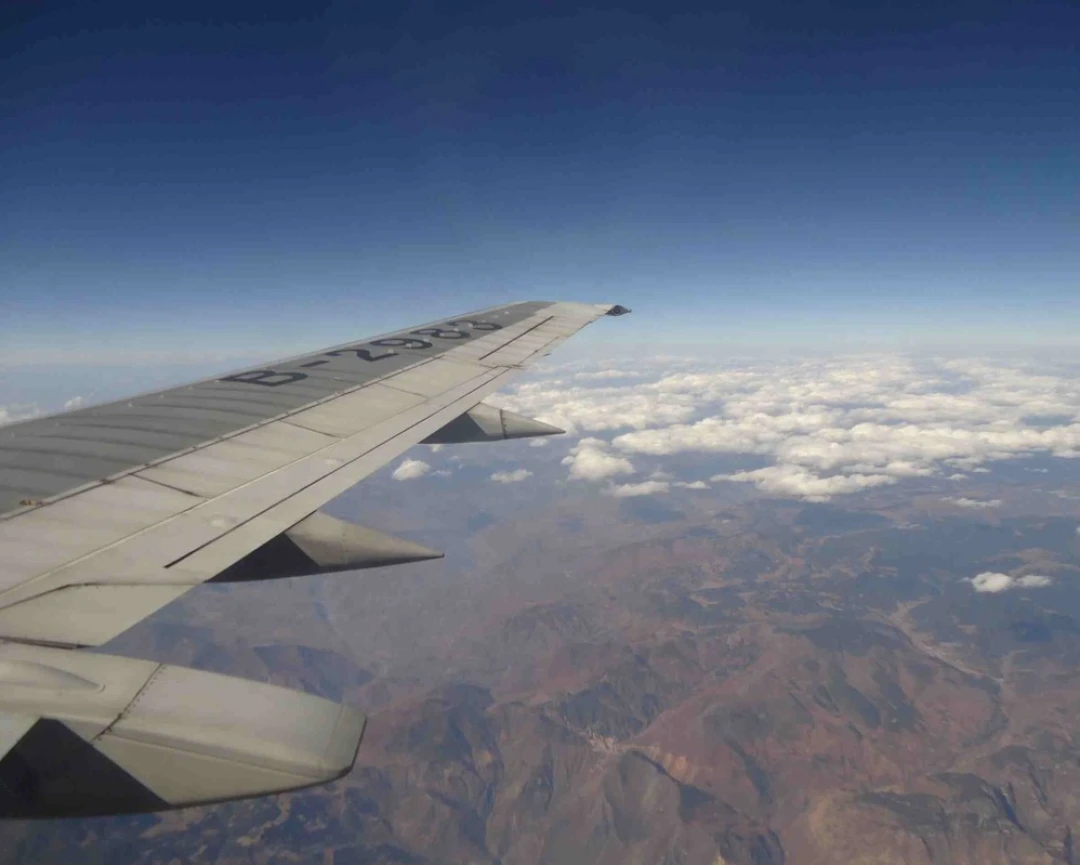
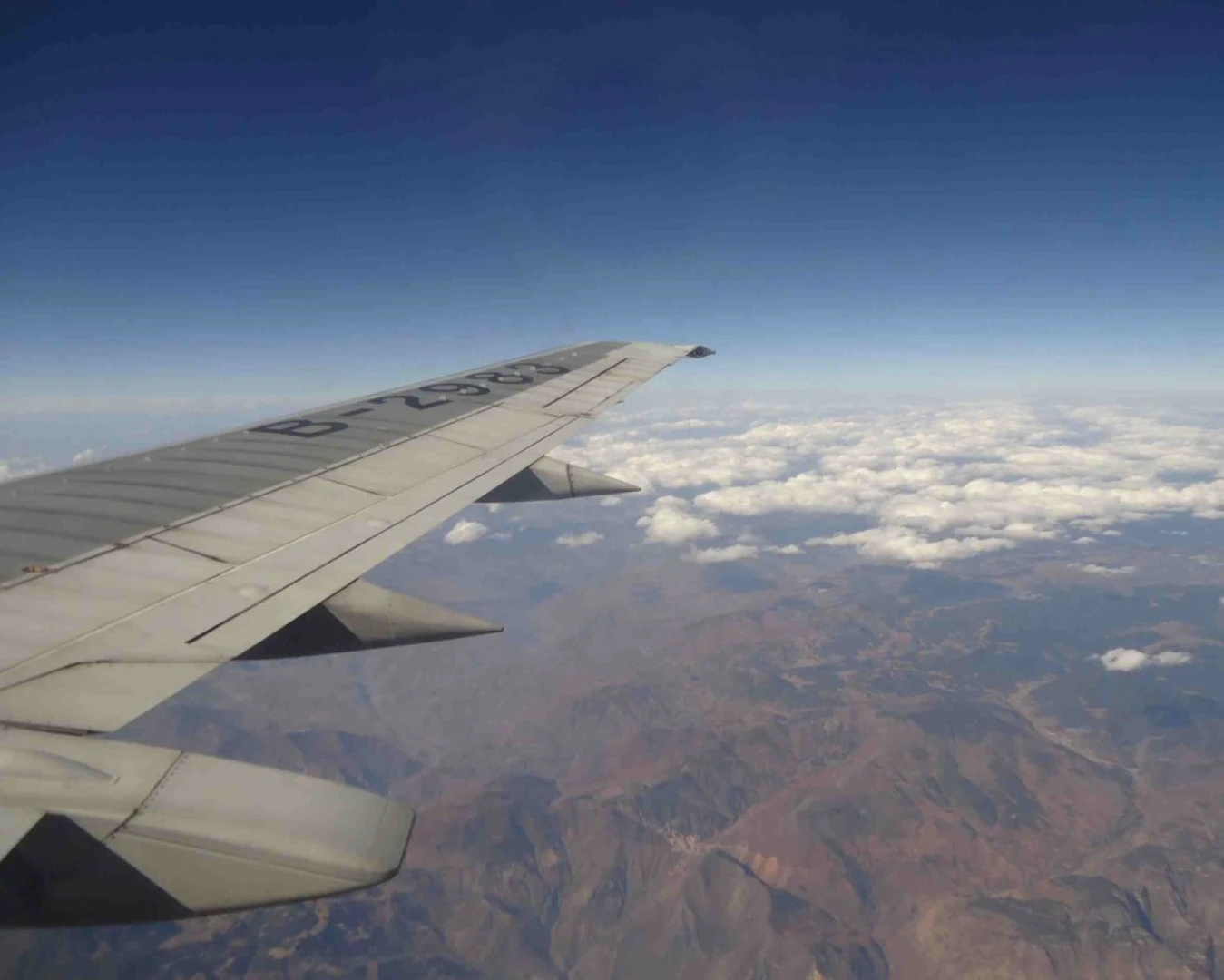
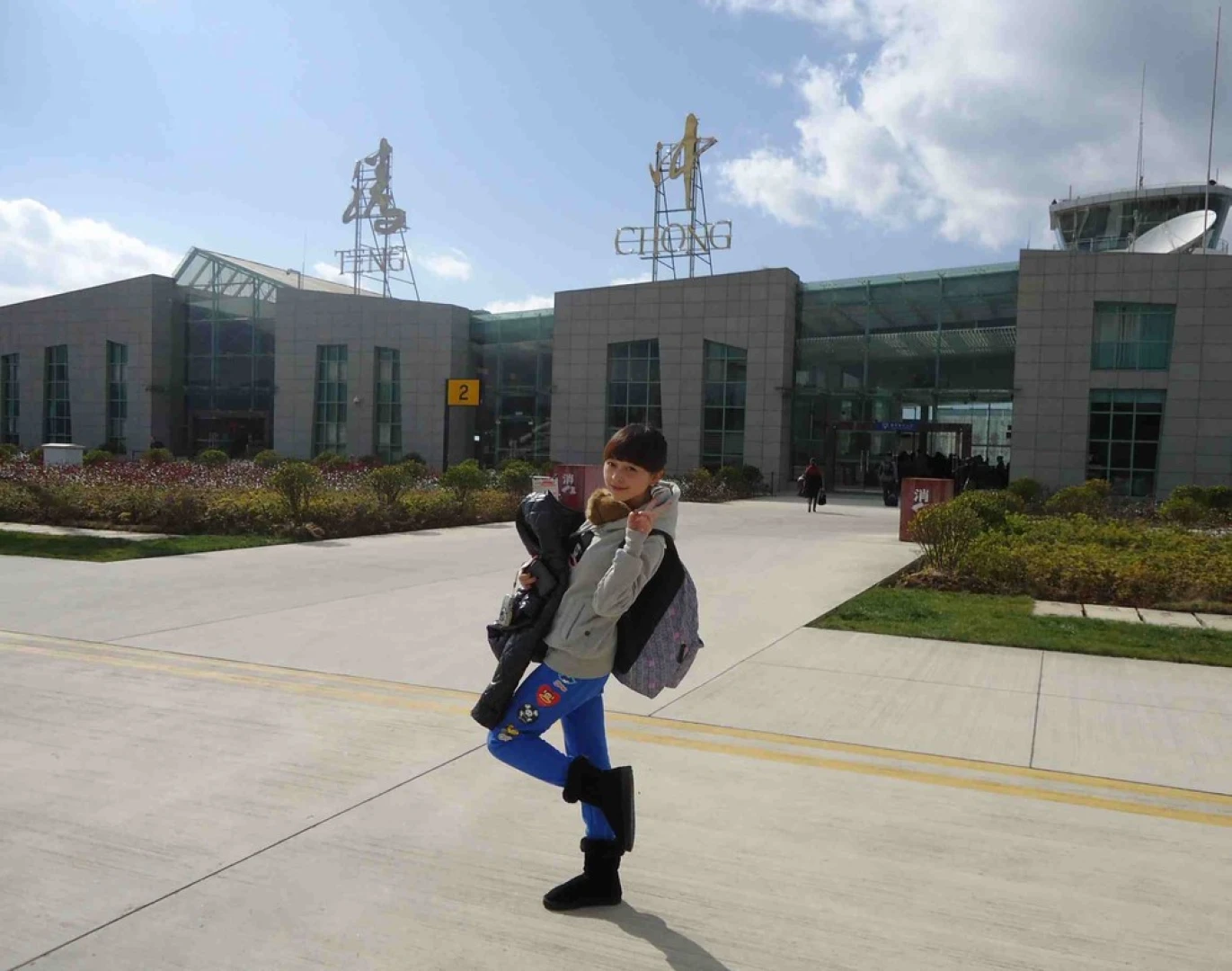
The flight from Chengdu to Tengchong took only two hours. When the plane landed at Tengchong Tuofeng Airport—a charmingly tiny little airport—I looked out the window and saw not a trace of haze. The blue sky and white clouds were so pure they seemed ready to drip with clarity. My mood instantly lifted. This simple joy, perhaps, is the first gift travel gives us.
Yunnan's sky is indeed stunningly beautiful. You almost never see thick cloud cover; the sky is like a washed sapphire, so clean it makes you want to cry.
After leaving the airport, we caught a minivan—10 yuan per person, about 25 minutes to the county seat. The roads were good, and the scenery along the way was refreshing. On the minivan, we met a local Tengchong student studying at Shanghai Jiao Tong University, heading home for winter break. He warmly suggested we get off near the roundabout, saying there were plenty of hotels and restaurants there, and transportation was convenient. There were many minivans around the roundabout, and chartering one for nearby attractions would be easy.

We found a small hotel called "Jingtai" near the roundabout—50 yuan a night. Apart from having no air conditioning, it was decent. After dropping our luggage, Susu and I couldn't wait to explore the county town.
Tengchong's streets were quaint and clean, with sunlight generously spilling into every corner. Flowers were blooming brightly along the roadside, setting a great tone for the trip. The street signs near the county government building carried a slightly political flavor, while the Anti-Japanese Memorial Square reminded me of elementary school trips to sweep graves at People's Park—occupational hazard, I quickly stopped myself, reminding myself I was here to unwind.
Susu is my wonderful travel companion, a year older than me. We've planned a trip to Nepal together in July. Sitting on the grass, thinking of nothing, just letting ourselves go—all worries and troubles vanished in that moment. Tengchong's county town is quiet and leisurely, with a hint of Vietnam about it. The pace of life here is slow, and locals are said to be fairly well-off. On this trip, I witnessed the charm of the "Jade Capital" and even learned a bit about jade—what "gambling on rough stones" (赌石, dǔ shí) means—truly an eye-opener.
We had our first meal at a restaurant called "Chunqiu Wenhua" (Spring and Autumn Culture) next to Tengchong Middle School. We ordered the local specialty "Dajiujia" (The Great Rescue), paired with a piece of rice cake (baba, 粑粑) dipped in a special sauce. The aroma was rich, a bit like instant noodles but more fragrant and authentic. Dajiujia generally costs around 10 yuan and comes in generous portions.
But the first night wasn't pleasant. Tengchong has a typical plateau climate, with large temperature differences between day and night. Our hotel had no air conditioning, and the blanket was thin. I woke up freezing in the middle of the night—cold and hungry, it was a miserable night. The next morning, we decisively dragged our luggage to the nearby "Tenghong Hotel"—80 yuan for a standard room, much better, with air conditioning and decent hygiene. Word has it that during Spring Festival, the same room goes for 300 yuan a night. Traveling in the off-season is definitely the smartest choice.
Dieshuihe Waterfall and the National Memorial Cemetery: Walking Through History and Nature
Day two dawned clear again. Early in the morning, we had a steaming bowl of er si (饵丝, a type of rice noodle)—chewier than rice noodles. We took a taxi to Dieshuihe Waterfall, entrance fee 20 yuan. The waterfall was powerful, but the scenery was only so-so. However, a ten-minute walk from Dieshuihe brought us to the National Memorial Cemetery of the Fallen, which required no ticket.
The cemetery was built to commemorate the martyrs who died in the Yunnan-Burma theater of the War of Resistance against Japan. We bought a chrysanthemum to offer to those抗日 heroes, expressing our respect and remembrance. The cemetery was silent, with a solemn, tragic beauty. Just then, my father called, asking me to look up an old friend of his from his days as a sent-down youth (知青, zhīqīng) in Tengchong—that friend had settled in Yunnan and hadn't returned to Chengdu in over thirty years. My father spent ten years as a sent-down youth in Longchuan, Yunnan. I can't fully grasp that experience, but I wanted to see the places he had lived, to follow in his footsteps.
For lunch, we had a bowl of egg-fried rice—surprisingly delicious and generously portioned. There was also stinky tofu (chòu dòufu), different from what we have at home. The white ones were xiǎo juǎn fěn (小卷粉, small rice rolls), filled with mushrooms and meat.
In the afternoon, we went to Rehai (Hot Sea). We took a minivan from the roundabout, 10 yuan per person, a 20-minute ride. The "Big Boiling Pot" (大滚锅, Dà Gǔn Guō) was steaming with hot air. We boiled eggs in the hot spring water—they tasted great. This is one of Yunnan's "Eighteen Oddities": "eggs sold on strings" (鸡蛋穿着卖, jīdàn chuānzhe mài). In front of the "Pregnancy Well" (怀胎井, Huáitāi Jǐng), a tour guide was leading a group. An auntie kept scooping up water to drink, and the guide nervously said, "Don't drink too much, or you'll have several babies!" Everyone burst out laughing. Susu also took a sip—seems like she had some ideas.
Coming back from Rehai, we had dinner at a local eatery. In Tengchong, restaurants don't use menus—you just stand in front of the fridge and point at what you want. It's best to ask the price for each item.
The Volcanoes and Heiyu River: Meeting Simplicity, and Meeting Myself
On the third day, we planned to visit the Volcanoes, Heiyu River (Black Fish River), and the Columnar Joints. These three spots are along the same route. If you have a group, it's recommended to charter a minivan from the roundabout for around 200 yuan. Since there were only two of us, we opted for a budget approach: we took a bus near the Third Bridge to the Volcanoes for 15 yuan per person, then found a minivan at the Volcanoes to take us to Heiyu River and the Columnar Joints for 30 yuan for both of us.
We met a driver named Mr. Dong, an incredibly kind and simple man. I still have his phone number: 15025040441. He didn't overcharge us at all. On the way back, when it started raining and there was a traffic accident, he took a 30-minute detour on a rough road just to get us to a bus heading back to the county seat. We tried to give him an extra 10 yuan, but he firmly refused, saying the price was agreed upon and he couldn't take more. I was deeply moved in that moment. Living in a city for too long makes you suspicious and guarded, but Mr. Dong's sincerity made me feel a bit ashamed. It reminded me of Lugu Lake, where two Mosuo women treated us to roasted potatoes—just as simple, just as sincere.
At the volcanic crater, there were hot air balloon rides. If you're a couple, I strongly recommend trying it. I've always believed that when you fly into the sky and look down at the vast land below, no problem is unsolvable, and no obstacle is insurmountable.
After leaving the Volcanoes, we went to Heiyu River and the Columnar Joints. The low-temperature hot spring felt warm to the touch, and the water in Heiyu River was crystal clear. The entire scenic area was quiet—just the two of us. To be honest, I was a little worried that bandits might suddenly appear to rob or kidnap us—but no matter, I have guts. We roasted a fish by the river; the meat was tender and fresh, though a bit cruel. An elderly woman was selling roasted sweet potatoes, steaming hot, warming our hearts.
On the way back, it started to rain. Sitting in the car, looking out the window, letting my mind go blank—everything felt calm.
Soaking in Hot Springs and Heshun Ancient Town: Time Slows Down
On the fourth morning, it rained in Tengchong, with thunder too, making me wonder whether it was winter or summer. The rain dampened our spirits a bit. We slept in, then went to eat huángmēn jī (黄焖鸡, braised chicken). The chicken at that restaurant looked like a Sichuan-style big plate chicken and tasted decent, but we later had the real deal in Heshun.
Because of the rain, our plans to visit Sakura Valley and the Wetland fell through. We decided to switch to soaking in hot springs. The bathhouse at Rehai was nice, but 288 yuan per person was too expensive. A driver recommended a place near Rehai called "Huangguajing" (黄瓜箐, Cucumber Gully) Hot Spring—a kind of farm stay. The decor wasn't great, but the hot spring water quality was excellent. For 100 yuan, we got a medium pool for two people, with unlimited soaking. The water was hot enough and had a sulfur smell. After soaking, we'd lie on the ground nearby to steam—it felt incredibly relaxing, warming us from head to toe.
On the fifth day, we went to Heshun Ancient Town. I came to Tengchong mainly to zone out, unwind, and clear my mind. Heshun is very rustic, not as commercialized as Lijiang. Once it gets dark, the streets empty out—everyone goes home and shuts their doors, and even the bars are deserted. But that's precisely its charm.
If you're just staying in the old town, you don't need a ticket. But if you want to visit the specific attractions—like the library, the Great Horse Caravan Inn, or Ai Siqi's Former Residence—you need to buy a ticket for 80 yuan.
In the morning, we checked out of Tenghong Hotel, crossed the street, and had the famous "Haihua Xidoufen" (海华稀豆粉, a savory bean porridge), which had been featured on CCTV. It tasted a bit like youcha (油茶, oil tea) and you could add any condiments you liked. Paired with a fried dough stick or a rice cake, it was absolutely delicious.
Three restaurants in Heshun come highly recommended: Heshun Big Tree Duck (30 yuan per jin, or you can order a small portion for 40 yuan), Sister Jiang's Home Cooking, and Liu's Restaurant (their braised chicken is authentic). We had lunch at Sister Jiang's—the ham was homemade by Sister Jiang herself and was incredibly flavorful.
The ancient town has four major ancestral halls: the Cun, Yin, Li, and Liu clans. The Cun ancestral hall was particularly imposing. There's also a rural library, with original borrowing records still on display. Ai Siqi's former residence is here too—this great philosopher of his generation was born in this tranquil little town.
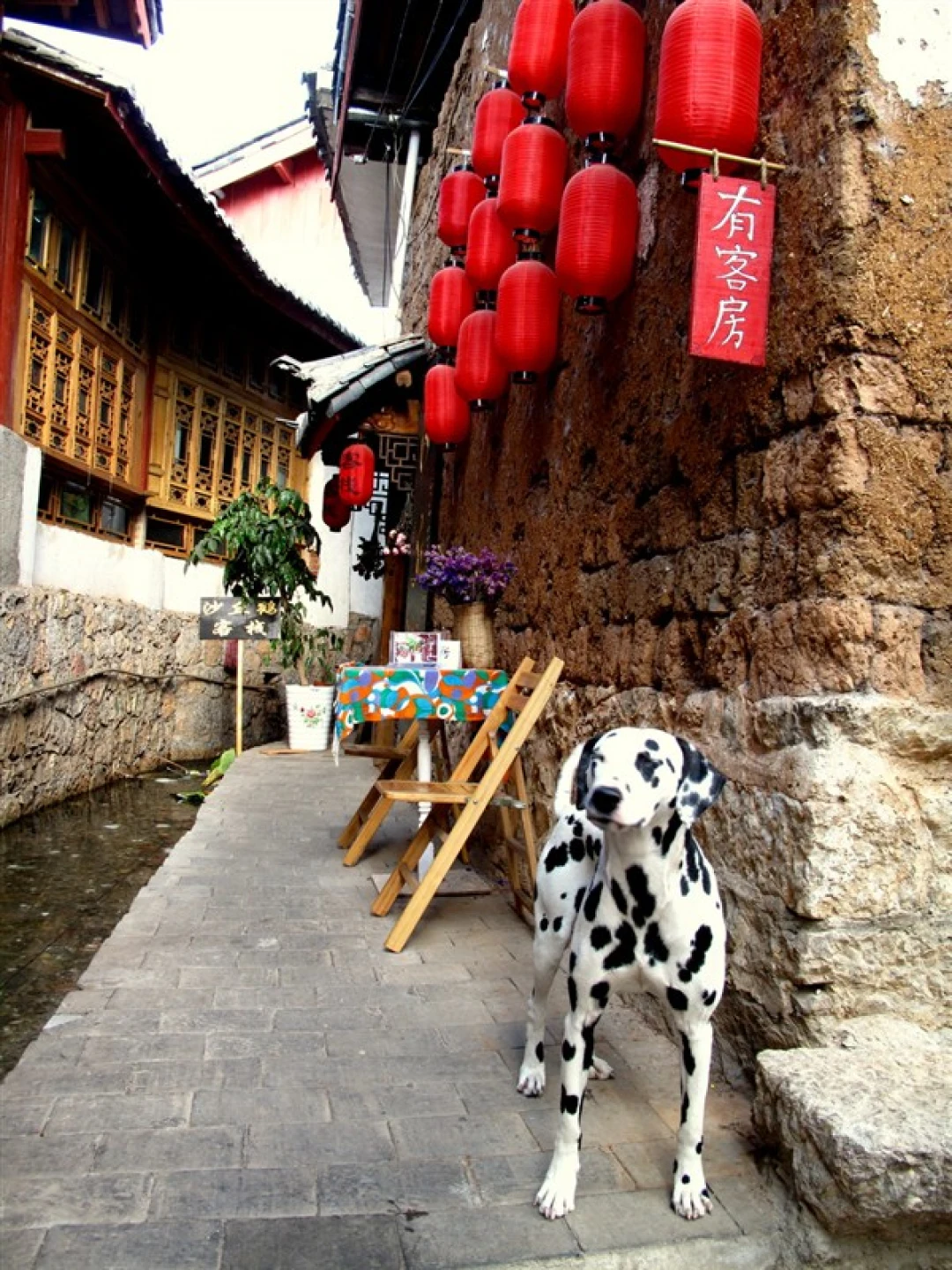
In Heshun, we stayed at a guesthouse called "Ta Ta Gushi" (His and Her Story). It had a modern style, cozy and comfortable—another recommendation from Mafengwo. There was an adorable dog named Kaka. We sat on the terrace, reading, drinking tea, chatting—enjoying this slow-paced life.
The Meaning of Travel: Bringing Sunshine Home
The days in Tengchong ended all too quickly. I really didn't want to leave. This trip once again showed me the beauty and warmth of life. Some say travel is exhausting—and it is—but when you enjoy the process and later recall it, what remains are always beautiful memories.
Tengchong brought me so many surprises. My mood brightened along with the weather. Even returning to Chengdu's gray skies, I no longer feared the gloom.
Finally, here's a cost breakdown: Including airfare, food, accommodation, tickets, and transportation, one person spent about 2,000 yuan, and we had a wonderfully relaxing time. I hope you can visit this border town, this Jade Capital, before it becomes completely popular and commercialized.
The meaning of travel, perhaps, is this—it allows us to rediscover ourselves in unfamiliar landscapes, to find our direction in the lives of others, and after a brief escape, to return to life braver and better, carrying a brighter version of ourselves.
Practical Tips: - Transportation: Direct flight from Chengdu to Tengchong takes about 2 hours. Tuofeng Airport is very small. From the airport, take a minivan for 10 yuan per person to the county seat. - Accommodation: Recommended: Tenghong Hotel near the roundabout, 80 yuan/night for a standard room with air conditioning and good hygiene. - Food: Dajiujia (The Great Rescue), er si (rice noodles), xidoufen (savory bean porridge), huangmen ji (braised chicken), ham. - Hot Springs: Huangguajing (Cucumber Gully) Hot Spring, 100 yuan for a two-person room, excellent value. - Chartered Driver: Mr. Dong, 15025040441, honest and fair-priced. - Best Season: Although winter isn't the most beautiful season, it's less crowded and cheaper—perfect for zoning out and relaxing.
You should also read:
Yunnan Travel Mastery: From Beginner to Pro-Level Player – A Complete Guide
Yunnan Travel Mastery: From Beginner to Pro-Level Player – A Complete Guide "Either travel or read, but your body and soul must be on the road." This quote has been repeated countless times, but very few people truly manage to be "on the road" and…
Continue reading...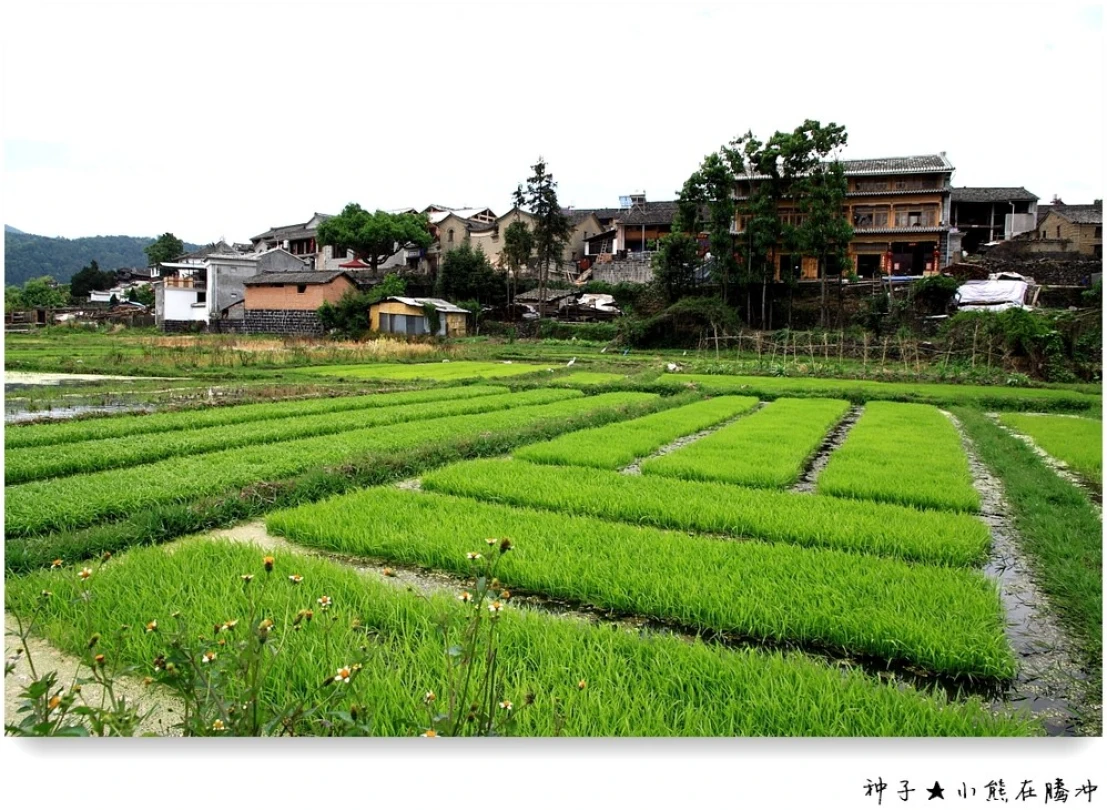
Tengchong·Heshun: Finding Life as It Should Be in a Border Town Where Time Stands Still
Tengchong·Heshun: Finding Life as It Should Be in a Border Town Where Time Stands Still The long journey of over twenty days was over. On my first day back at the office, I was still in a daze. My fingers couldn't find the keys on…
Continue reading...
God’s Abandoned Palette: A Self-Drive Journey Through Yunnan’s Dongchuan Red Land
God’s Abandoned Palette: A Self-Drive Journey Through Yunnan’s Dongchuan Red Land Travel has never been about reaching some distant geographic coordinate. It’s about encountering, along the way, the version of yourself buried beneath the rubble of daily routine. During this May Day holiday, I finally…
Continue reading...