Why Xishuangbanna Has Become the Only Fairy Tale Kingdom in Children's Hearts
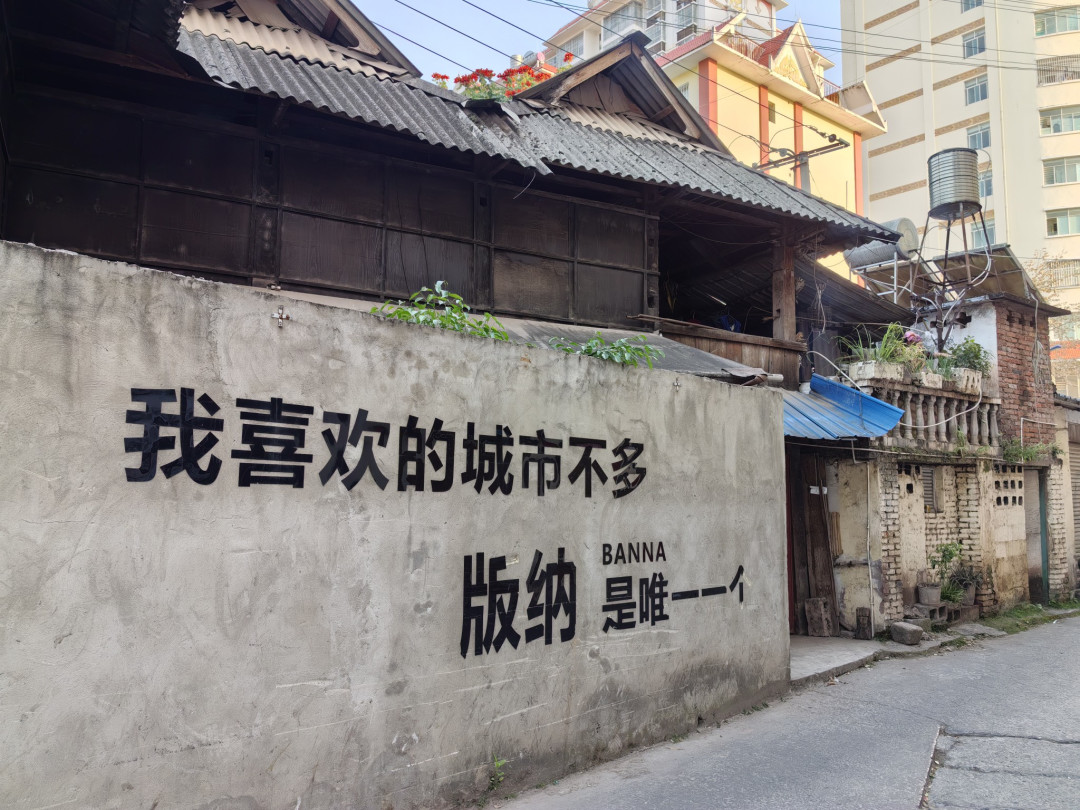
Why Xishuangbanna Has Become the Only Fairy Tale Kingdom in Children's Hearts
As a father who spends most of the year road-tripping with his kids, I've been to a lot of places. Snow-capped mountains and grasslands, ancient towns and coastal cities—my children always set off full of excitement, only to quickly get distracted by the next destination. But there's one place they can't stop talking about, constantly asking, "When are we going back?" That place is Xishuangbanna.
To be honest, I was initially a bit resistant to this "trendy destination." The labels—commercialized, overcrowded, overdeveloped—had me pushing it to the bottom of my travel list. But the kids didn't see it that way. For them, Xishuangbanna isn't a social media hotspot; it's a living, breathing fairy tale world.
On this trip, we avoided the peak crowds of Chinese New Year, leaving a few days early and quietly departing on New Year's Eve to head to Jianshui Ancient Town for some festive atmosphere. We drove the whole way, starting from Chongqing, passing through Kunming and Mengla, heading all the way south, then returning along the old Yunnan-Vietnam railway. Ten days and nine nights—we weren't rushing from place to place; we were helping our kids complete a journey of discovery about nature and life.
The Plant Kingdom: A Living, Breathing Three-Dimensional Textbook
Wangtianshu Scenic Area (Sky Tree Scenic Area) — When Kids Become Explorers Like Dora
In winter, Xishuangbanna's sunshine is almost ridiculously generous. While the north is shivering in snow and ice, people here are walking around in dresses, surrounded by lush greenery. Flowers are in full bloom, plants are thriving, and every breath carries the unique humidity and freshness of the tropical rainforest.
Wangtianshu is a classic tropical rainforest. Honestly, before we left, I was worried—no elephants, no peacocks, no children's playgrounds. Would the kids get bored? But I underestimated their curiosity.
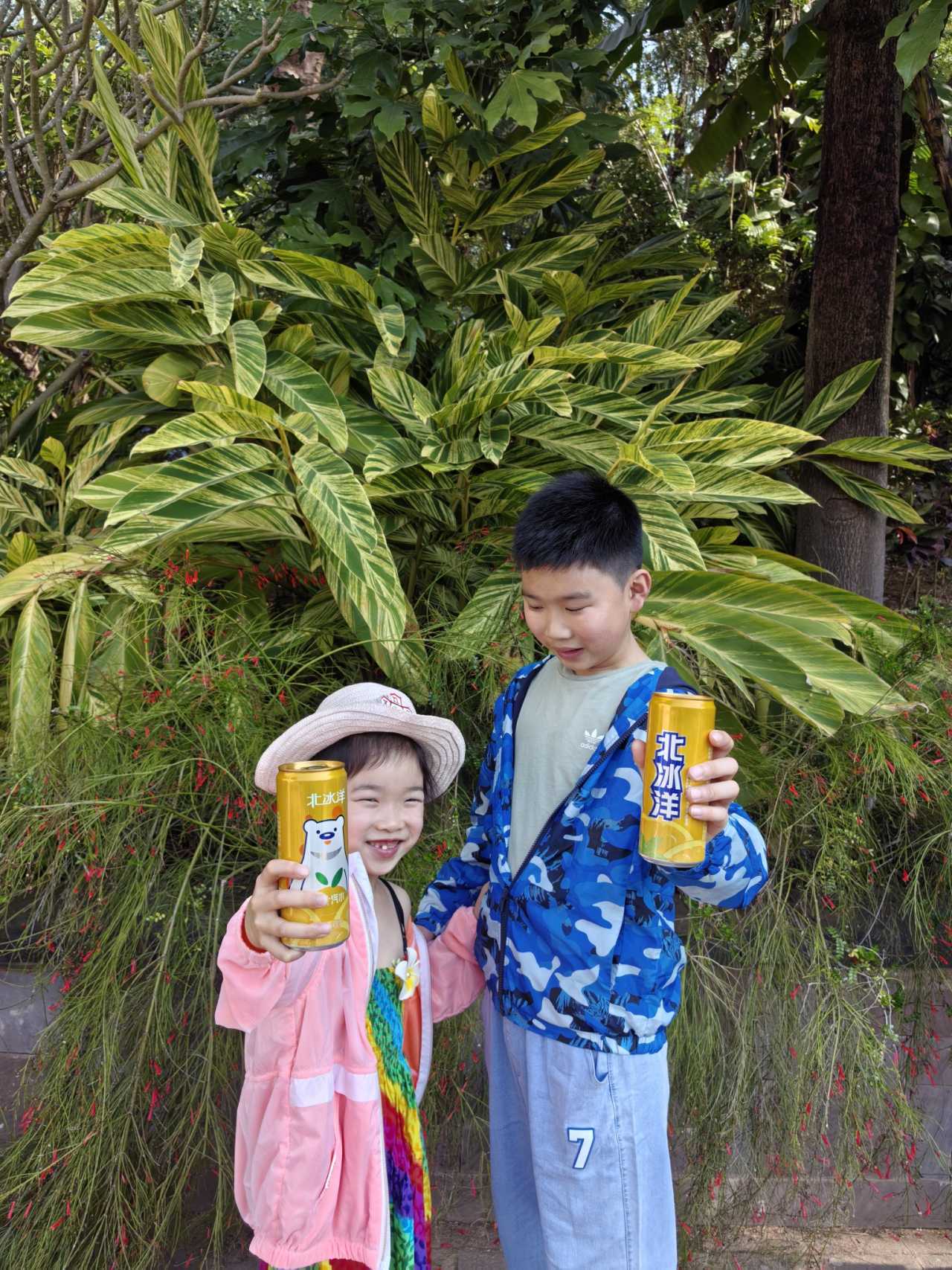
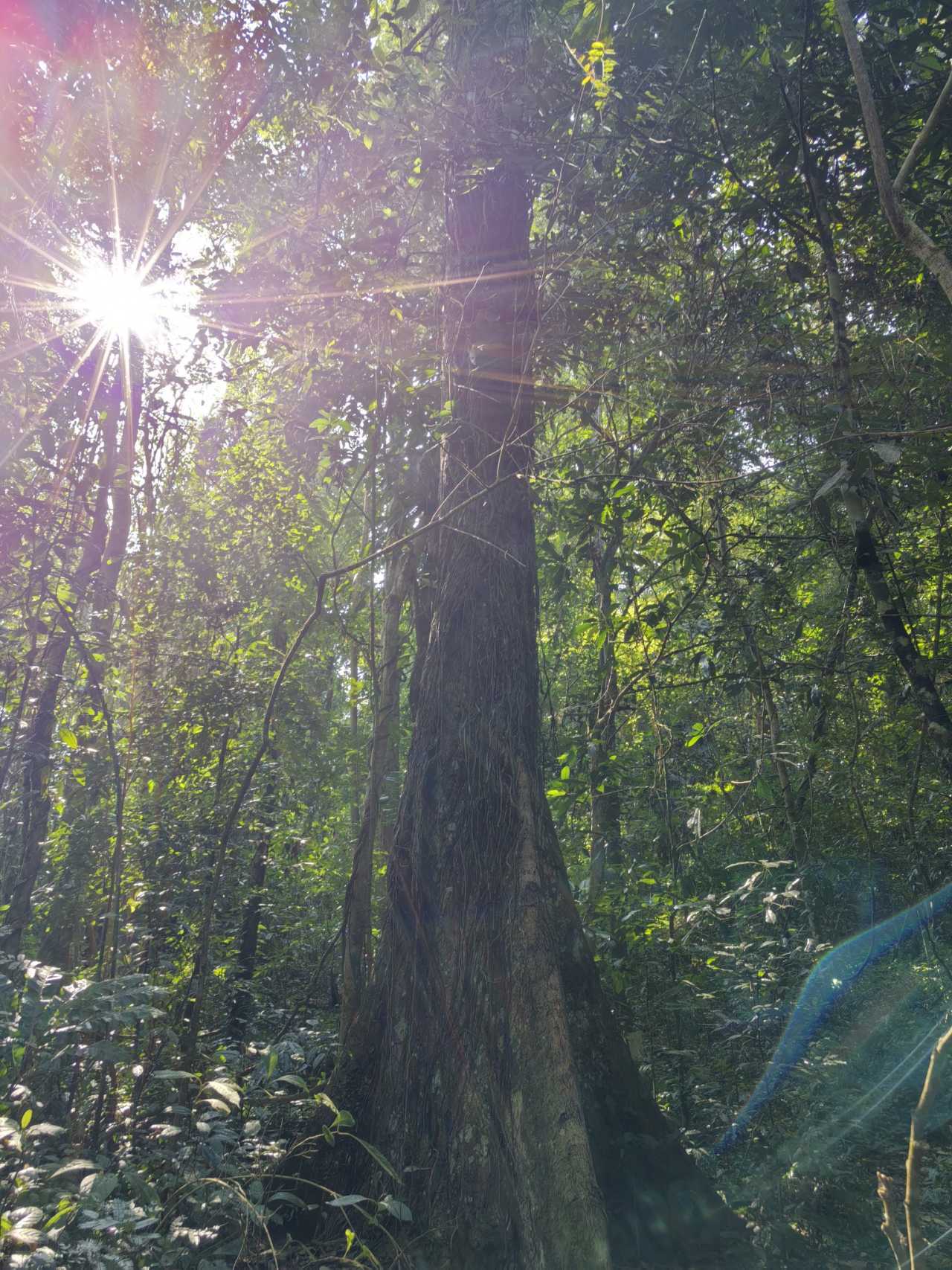
The moment my six-year-old daughter stepped into the rainforest, it was like she'd been bewitched. She held her little camera, fascinated by every leaf and every insect. She crouched down to photograph ants moving their nest, tilted her head up to capture vines twisting around trees, and even lay flat on the ground to snap a picture of some unknown little flower. She told me, "Dad, this is like Dora's adventure world!" And just like that, the whole rainforest became her adventure map—which path should we take? What's this plant called? Which tree is that sneaky fox hiding behind? Everything was new and thrilling.
Meanwhile, my sixth-grade son turned into a little botanist. He carefully read the signs hanging on tree trunks, sometimes gasping in awe, sometimes lost in thought. He ran along the forest boardwalk, saying he felt like he'd traveled back to the age of dinosaurs.
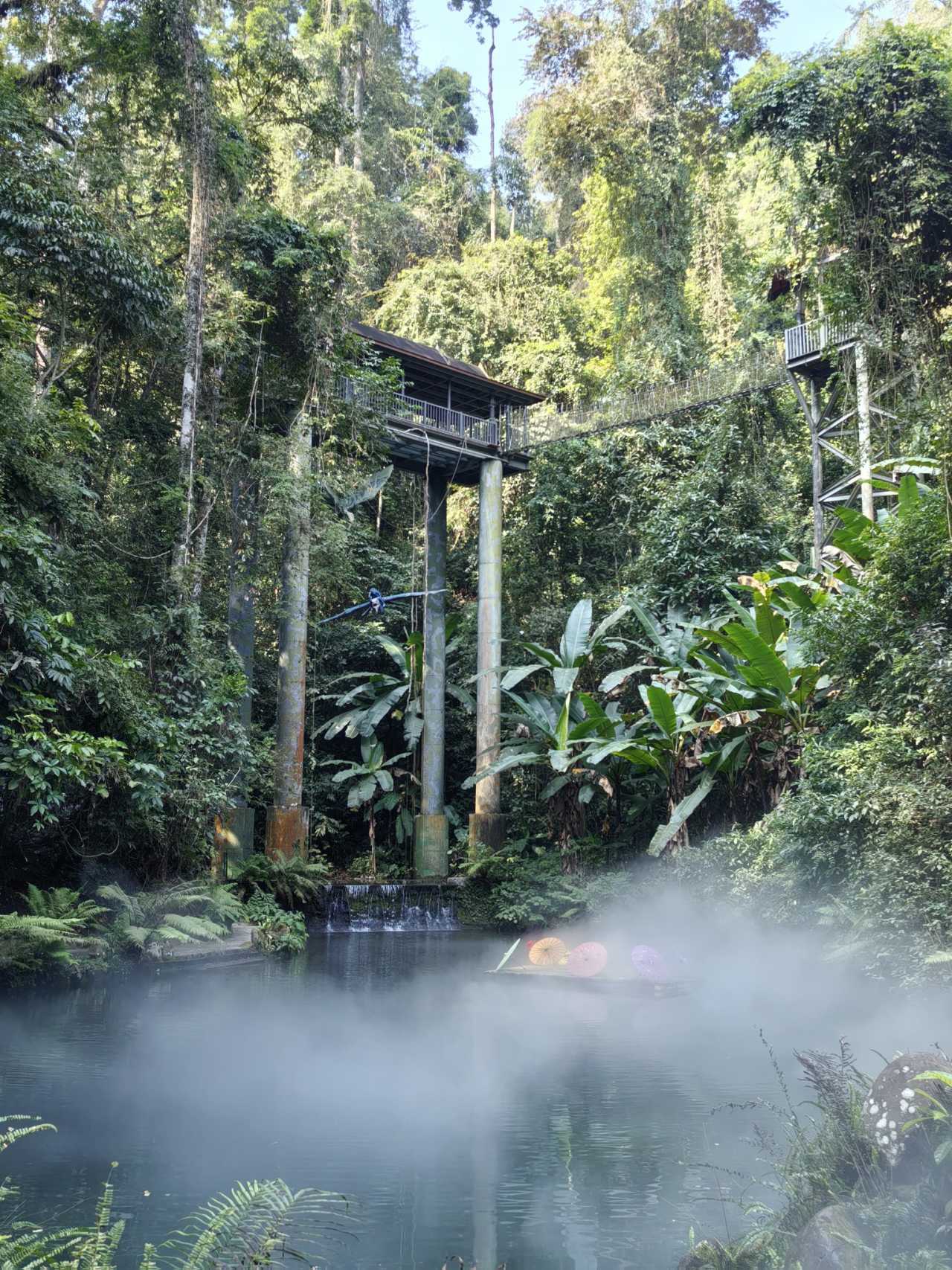
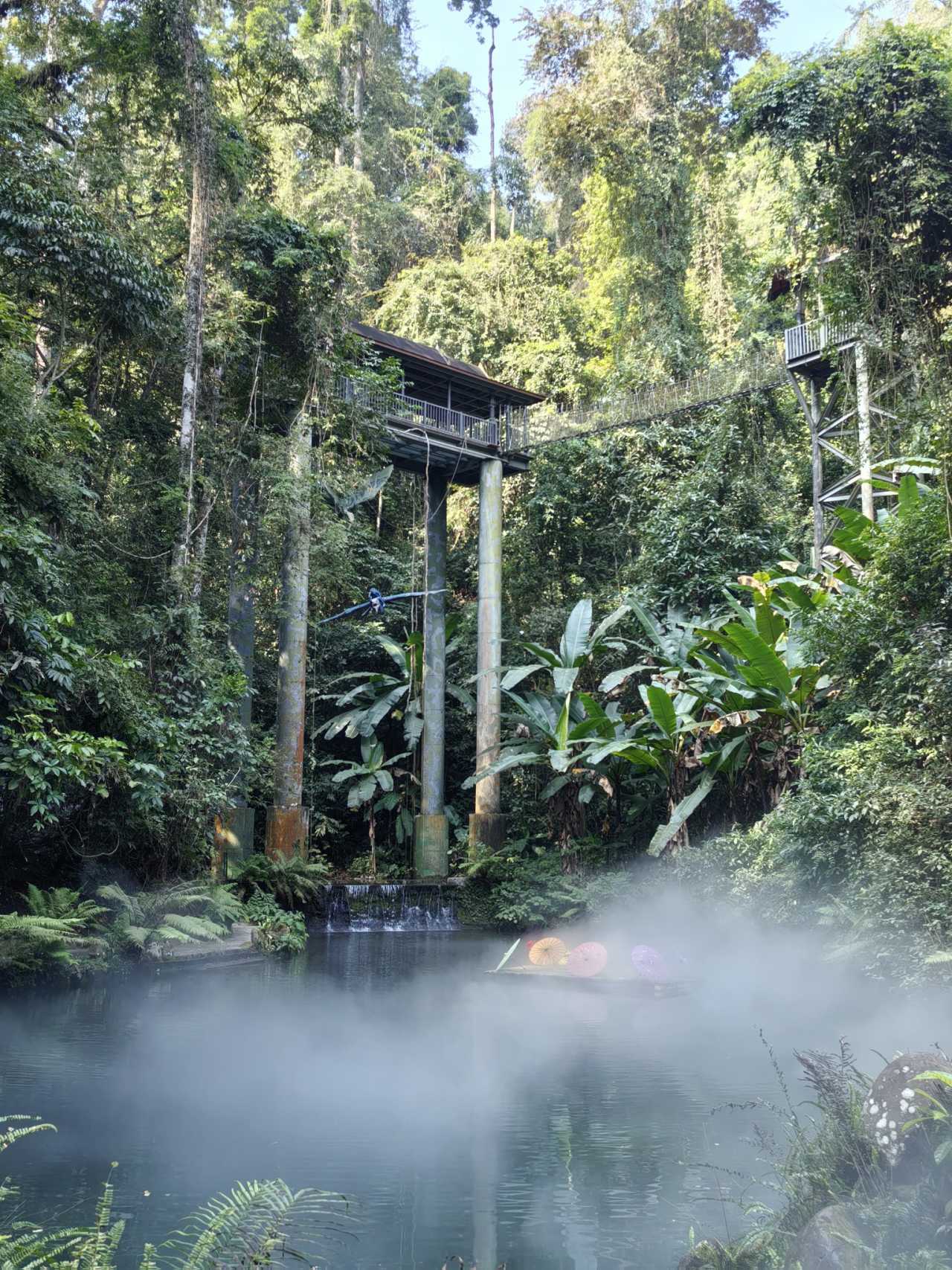
In this rainforest, there are sky trees (Wangtianshu) that soar 70 to 100 meters high—iconic species of Southeast Asian tropical rainforests. A 36-meter-high canopy walkway winds between these towering giants, once walked by countless scientists and adventurers. Years ago, botanist Cai Xitao discovered this rainforest, and Britain's Prince Philip came to witness it, stunning the world.
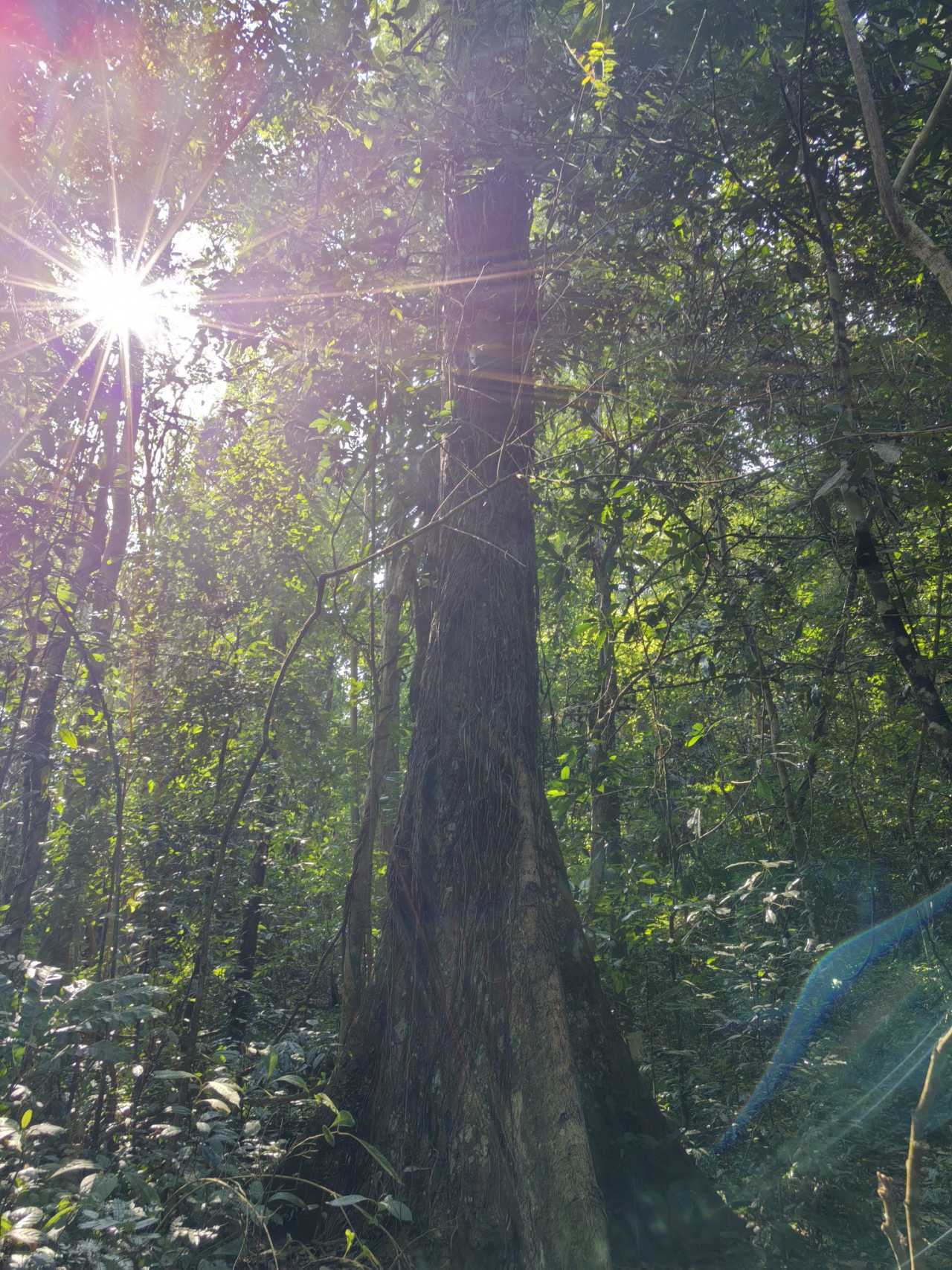
The kids might not understand all that history, but they can feel the magic of the rainforest—the tall, dense trees, the interwoven vines, the epiphytic plants all coming together to create a three-dimensional hanging garden. Sunlight barely penetrates the layers of green leaves; only dappled light falls on the boardwalk.
That's the power of nature—it doesn't need to preach; it just needs to show. And children are born as the best observers.
Xishuangbanna Tropical Botanical Garden, Chinese Academy of Sciences — A Nature Lesson More Vivid Than Any Classroom
If Wangtianshu is an adventure, then the Tropical Botanical Garden is an encyclopedia you'll never finish reading.
The name sounds serious and academic, like you're about to sit through a lecture. But once you step inside, you'll find it's more fun than any amusement park. The garden is huge, divided into an East Zone and a West Zone. We chose the West Zone, where most attractions are concentrated. We hopped on a sightseeing cart and rode through a world of exotic flowers and rare trees.
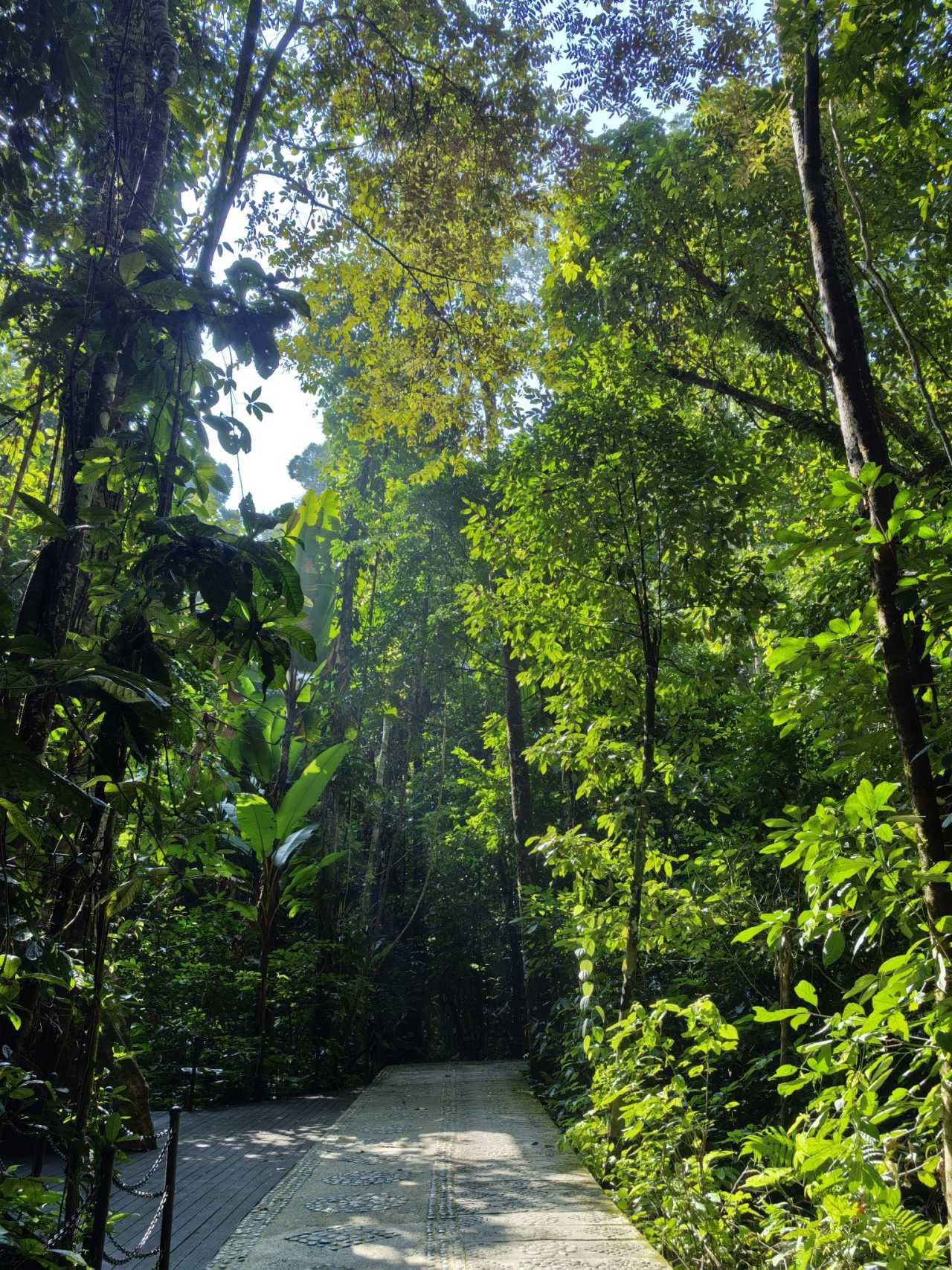
What got the kids most excited was the "Garden of Strange Flowers and Rare Plants." It's home to over 300 kinds of bizarre and beautiful plants: giant water lilies, mimosa (touch-me-nots), dancing grass, bottle palms, elephant-foot trees, Buddha-belly trees, tiger whiskers... Each one made us marvel at nature's creativity.
"Dancing grass" was the kids' absolute favorite. Reading the description, you'd learn it "dances" in response to sound, but how exactly? We tried playing music on our phones—the grass didn't budge. Then the guide started singing softly to it, and the little blades actually began to sway! The kids clapped and cheered, dragging their grandparents over to see.
That's the value of hiring a guide—with the same plants, someone who knows the "inside story" versus just glancing at them gives you two completely different experiences.
Suggested route: Enter from the West Gate → Water Garden (see the giant water lilies) → Palm Garden → Hundred-Flower Garden → Garden of Strange Flowers and Rare Plants → Hundred-Fruit Garden → East Zone.
The Animal Kingdom: More Than Just Watching, It's "Coming Home"
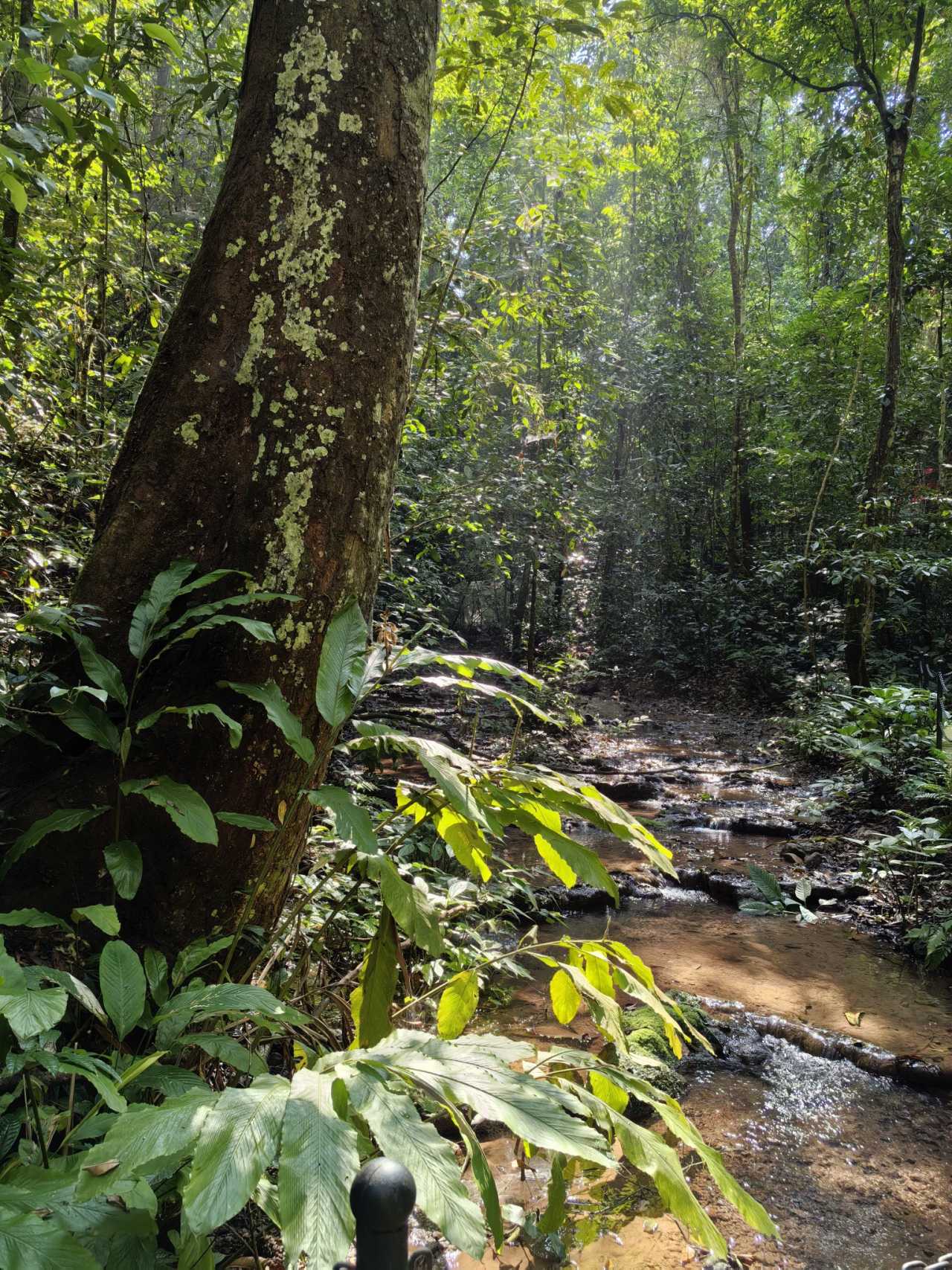
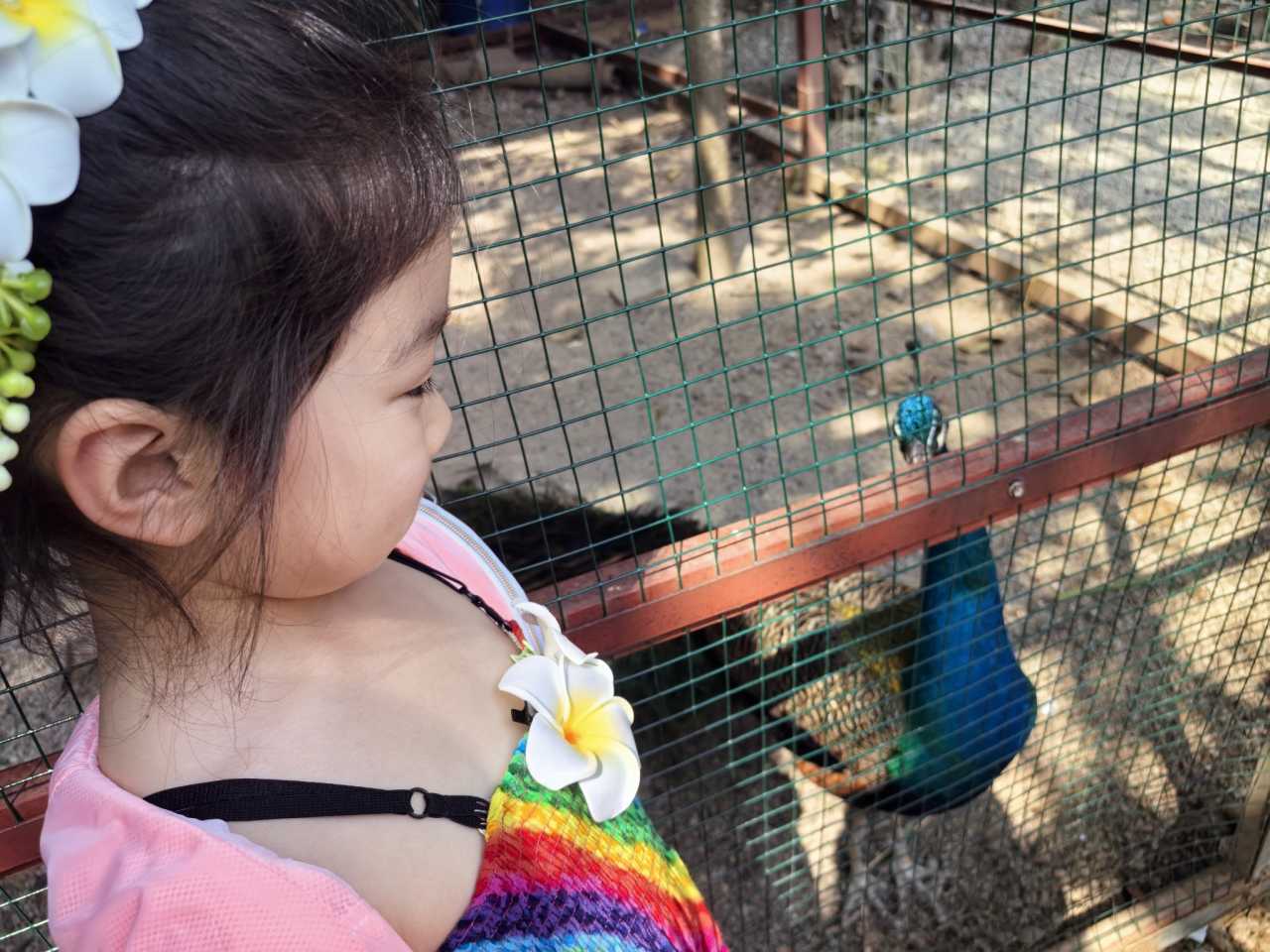
For kids visiting Xishuangbanna, the biggest excitement is seeing elephants and peacocks. I didn't get it at first—don't zoos have these animals too? But the kids said, "It's different. Xishuangbanna is their home."
Wild Elephant Valley (Yexiang Valley) — An "Unexpected" Encounter with Wild Elephants
Wild Elephant Valley is a must-visit on this trip. Some people joke online that the boardwalk for spotting wild elephants isn't for seeing elephants—it's for seeing elephant droppings. Crude, but true—your chances of actually spotting a wild elephant from the boardwalk are slim.
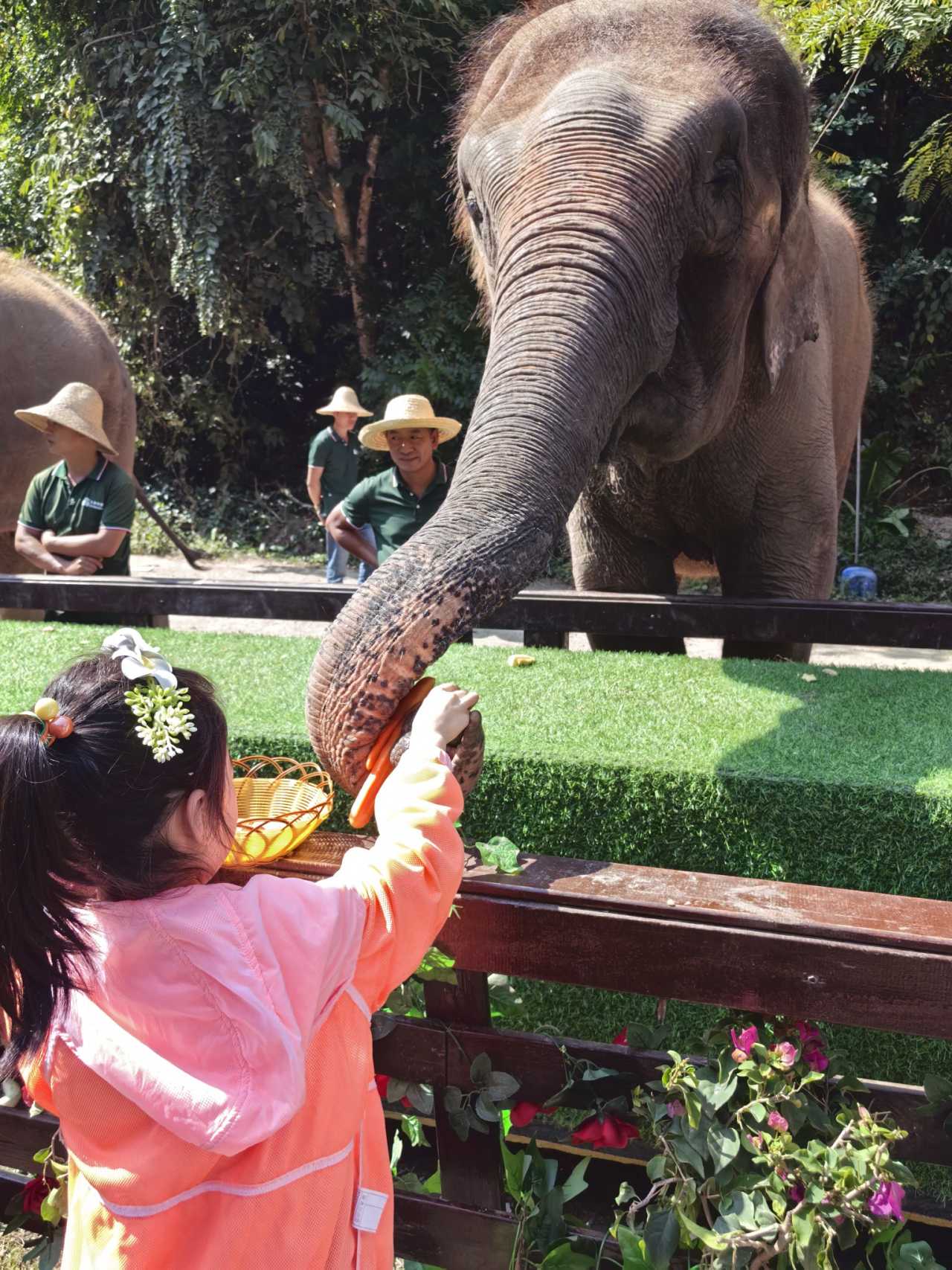
To save time, we entered from the South Gate and headed straight for the elephant performance area. First, we watched the staff's song-and-dance show, then the educational elephant performance, and finally bought food to feed the elephants. The kids got up close to these massive creatures, both excited and cautious.
Practical tips: 1. If you only want to see elephants, enter from the South Gate and time your visit to the performance area near the entrance (check the official WeChat account for show times). 2. To ride an elephant (Rainforest Elephant Trekking), you need to book in advance—at least a month ahead during holidays. 3. If you want to explore the whole park, start from the boardwalk → take the cable car up (to the elephant trekking area) → enjoy the rainforest view → take the cable car down for the performance. 4. Parking is a major headache: During peak season, the parking lots are way too small. Many people park along the road between the North and South Gates. But this is not allowed! This road is a wild elephant crossing area—parking there blocks their path and could even get your car damaged by elephants. Follow the security guards' directions: either drop your family at the South Gate and find parking yourself, or park at a nearby farm stay and take a motorbike taxi back. Travel responsibly—don't cause trouble for the wild elephants.
Butterfly Valley — The Kids' Favorite "Surprise"
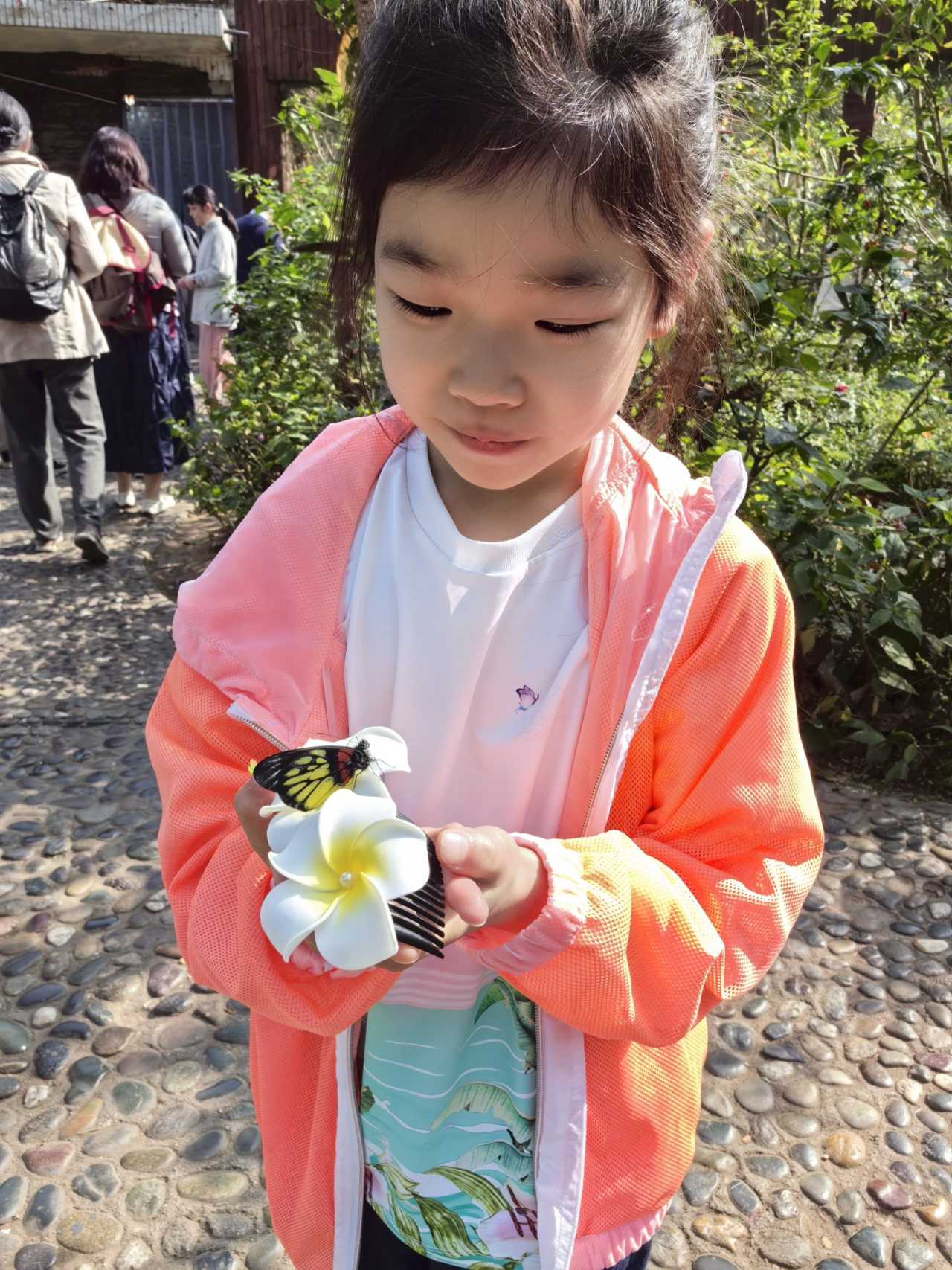
Located inside Wild Elephant Valley, Butterfly Valley was the highlight of the trip for the kids! The butterflies here aren't afraid of people—they land on visitors' clothes and hair, lingering for a long time. Even the adults couldn't resist joining in, trying every trick to attract butterflies. This kind of interaction is more captivating than any amusement park ride.
Manting Park — Stumbling Upon a "Dai King's Parade"

Manting Park was once the royal garden of Xishuangbanna's Dai kings, rich in history. Beautiful lakes, dense forests, exquisite garden architecture, and strong Dai ethnic culture make it a perfect spot for photos—put on a Dai skirt, tie your hair up, tuck a frangipani flower behind your ear, and every shot looks like a magazine cover.
We were lucky to catch a "Dai King's Parade" song-and-dance event, reenacting the spectacular scene of the Dai king leading his royal court through the garden. The kids watched with wide-eyed curiosity, even the nearly lost Dai intangible cultural heritage dance, the "Jinnara Dance," held them spellbound.
Dai Culture: More Than Just Checking In, It's About Living It
Mandui Dai Village — The Lived-In Feel of a Thousand-Year-Old Village
Mandui Village is a Dai village with a thousand years of history, one of four officially open natural villages. Not many people know about it, but it's the only one to win a national civility award, and even former Thai Prime Minister Yingluck Shinawatra and her brother Thaksin have visited.
Travel tips: 1. There's a morning market every day (roughly 8:00 AM–12:00 PM) next to the parking lot, and it's huge. Unfortunately, we arrived in the afternoon and missed it. 2. The village doesn't have many photogenic spots, but if you walk uphill, there are a few old houses worth seeing. 3. Every Dai village has a temple. Mandui's temple sits at the highest point, offering a panoramic view of the village. The entrance makes a great photo spot, but the inside was too dark for us to venture in. 4. There's a street at the village entrance where locals sell specialties. Later, we went to other places, including the Jinghong Farmers' Market, but nowhere was as cheap. If you see something you like, buy it without hesitation!
Gaozhuang & the Starlight Night Market — A Natural 3D Photo Backdrop
Jinghong's Starlight Night Market is famous, but it's also incredibly crowded. Even before the peak season, when other scenic spots weren't too busy, this place was already packed and hard to move through.
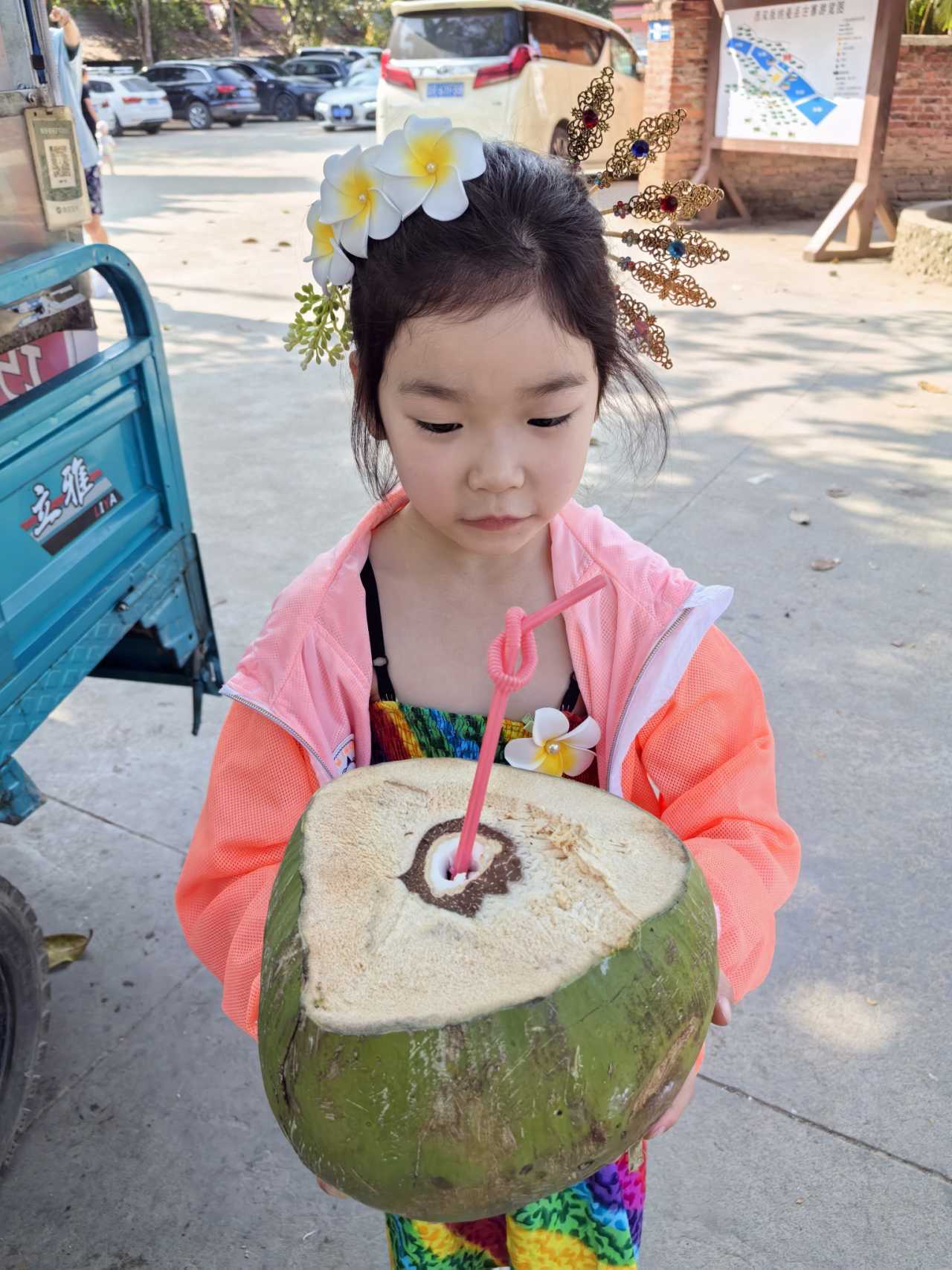
I call Jinghong a "natural 3D photo backdrop" for good reason. The streets are full of people wearing Dai ethnic costumes, especially women and children. My daughter and I, in our T-shirts and jeans, were the ones who looked like "minorities." Every third shop is a costume-and-photo studio, and you'll constantly hear people calling out, "199, 299, 399..." Especially in Gaozhuang, where the streets are lined with photo studios—it's quite a sight.
Gaozhuang (Gaozhuang Xishuang Jing) is the most bustling center for food, accommodation, and transportation in Xishuangbanna, right next to the Lancang River (Mekong). In the evening, I wanted to go watch the sunset by the river, but we never found the chance—a real regret.
The Six-Country Water Market, Starlight Night Market, countless guesthouses and hotels, and restaurants are all in this area. If you're looking for good value, I recommend staying here—food and transportation are very convenient.
Tips: 1. To enter the Starlight Night Market, you need to scan a QR code at the entrance to register, then swipe your ID card to get in (remember to bring your ID). 2. The market is huge. Check a map before you go in and pick a direction, or you'll easily get lost. If you're with a group, you'll get separated in no time. 3. The market is centered around the Great Golden Pagoda. It's great for buying souvenirs, snacks, and getting photos taken. Vendors include locals and tourists from all over. Don't buy blindly—spend according to your budget.
About the Food: A Taste of Dai Cuisine
Mengla Wangxiang Restaurant — Highly Recommended!
Address: At a street corner in Mengla County town (can't be found on Gaode Maps; search the name on Meituan for directions. If you're lost, call: 15894319090) Specialty: Their Meituan set menu covers almost all the local specialties. The kids loved the grilled fish the most.
Jinghong Peacock Feast — The Ritual of Eating with Your Hands
Address: Jinghong Starlight Food Street Specialty: Dai-style hand-grabbed rice, grilled fish, etc. Depending on the set menu, it starts at under 100 RMB. It looks like small portions, but it's actually plenty to fill you up.
Dai-Style Breakfast — "Unlimited Seasoning" for Rice Noodles
The seasoning options for Dai-style rice noodles are astonishing—a whole table full of them, and you choose for yourself! The owner won't help you with the seasoning. I recommend the breakfast shop in Mengla—the flavors are authentic.
In Conclusion: Traveling with the Chinese Textbook
A second-grade Chinese textbook lesson, "Beautiful Xishuangbanna," reads:
"Xishuangbanna is a kingdom of plants... There are sky trees that pierce the clouds, there are 'seal-the-throat' poison arrow trees... There are dancing grasses, there are insect-eating flowers... Xishuangbanna is also a kingdom of animals... Gibbons and black civet cats play with visitors on the mountain paths, and leisurely herds of elephants swing their long trunks as they stroll through the jungle..."
On this trip, we followed the textbook. We saw the "plant kingdom," played in the "animal kingdom," and visited a Dai village. The sun shone bright the whole way, and laughter filled the air.
There aren't many cities that kids truly love, but Xishuangbanna is the one. Not because it's trendy or popular, but because here, they can run, explore, shout, and just zone out. They can go on adventures like Dora, make discoveries like scientists, and live like locals.
Goodbye, Xishuangbanna! The dreamland of children.
Accommodation suggestions: - Mengla: Stay near the scenic area. There are many family-run guesthouses with great value. - Jinghong: Stay near Starlight Food Street for easy access to food and transportation.
A final thought: When traveling with kids, don't chase a perfect itinerary or a long checklist. Give them a rainforest, and they'll find their own adventure story. Give them a patch of grass, and they'll create their own playground. What makes Xishuangbanna special isn't that it's flawless—it's that it makes children believe this world still has plenty of wonders waiting for them to discover.
You should also read:
Journey to the West: The Kingdom of Women — A 7-Day Independent Tour Through Dali, Shuanglang, Lijiang, and Lugu Lake
Journey to the West: The Kingdom of Women — A 7-Day Independent Tour Through Dali, Shuanglang, Lijiang, and Lugu Lake Prologue: A Belated Journey Some trips begin with the temptation of a single photograph; some distant places lie hidden in the heart for years, until…
Continue reading...
[Cotton·Treasure Memory] ❤ Lugu Lake. I Only Wish to Stay for You...
[Cotton·Treasure Memory] ❤ Lugu Lake. I Only Wish to Stay for You... My dream is to travel around the world, holding hands with my loved one, and embracing my friends. Weibo: @Yan Xiaomian | WeChat: Xiaomian's Little World Life always needs a few spontaneous trips.
Continue reading...
Only Longing Remains: A Soul's Elopement to Yunnan
Only Longing Remains: A Soul's Elopement to Yunnan Some journeys aren't about reaching a destination—they're about rediscovering the self buried beneath the rubble of daily routine. When I finally pressed the confirm button on that flight ticket to somewhere far away, I knew that a…
Continue reading...