2019 National Day: Following "A Bite of Shunde" to Discover Shunde – The Most Detailed Food Guide Ever
2019 National Day: Following "A Bite of Shunde" to Discover Shunde – The Most Detailed Food Guide Ever
"Live fully while alive, leave with no attachments." Perhaps the greatest meaning of travel is to savor every flavor to the fullest in the limited time we have. On the eve of the 2019 National Day holiday, I took my family and drove south from Chengdu straight to Shunde, Guangdong. For no other reason than the documentary A Bite of Shunde, which I had watched seven times on repeat. Every frame on the screen seemed to call out to me: Come, come and taste the authentic flavors of Lingnan.
Over five days, four adults and one child, we wove through the alleys and streets of Shunde, eating from morning dim sum to late-night snacks, from private kitchen restaurants to street stalls. This guide is not exaggerated or biased – it's all real experience and practical tips.
Where Exactly Is Shunde? Get the Geography Straight Before You Go
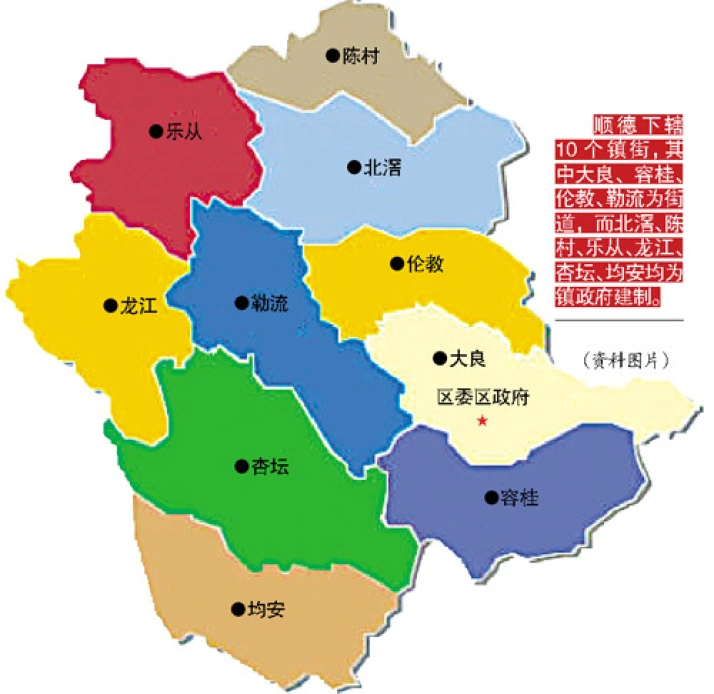
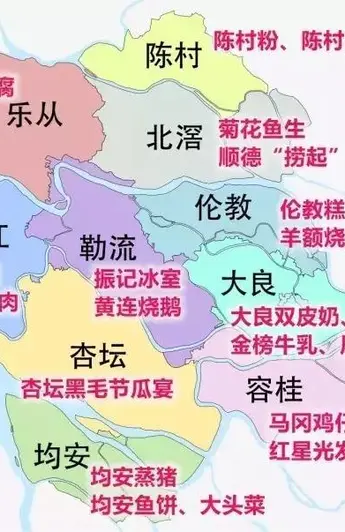
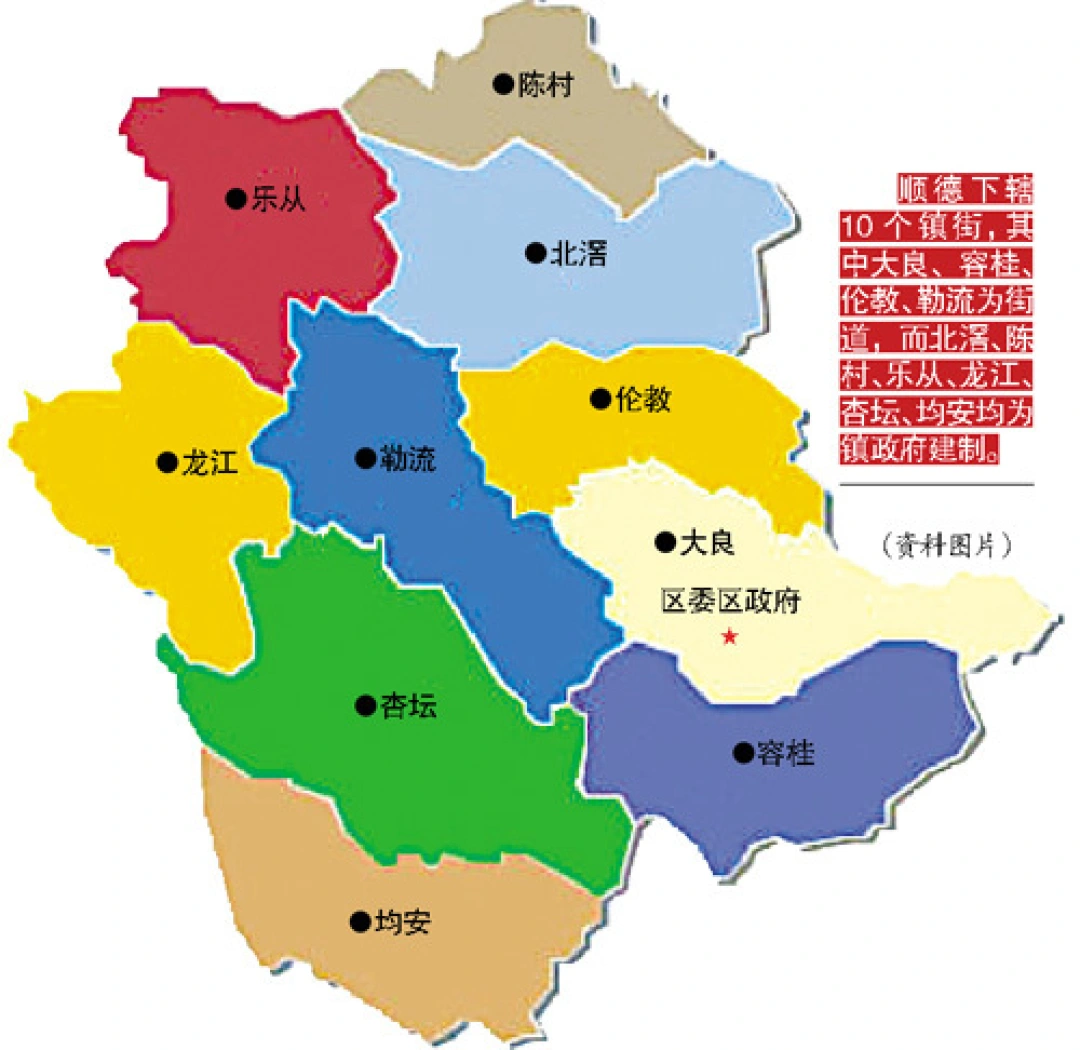
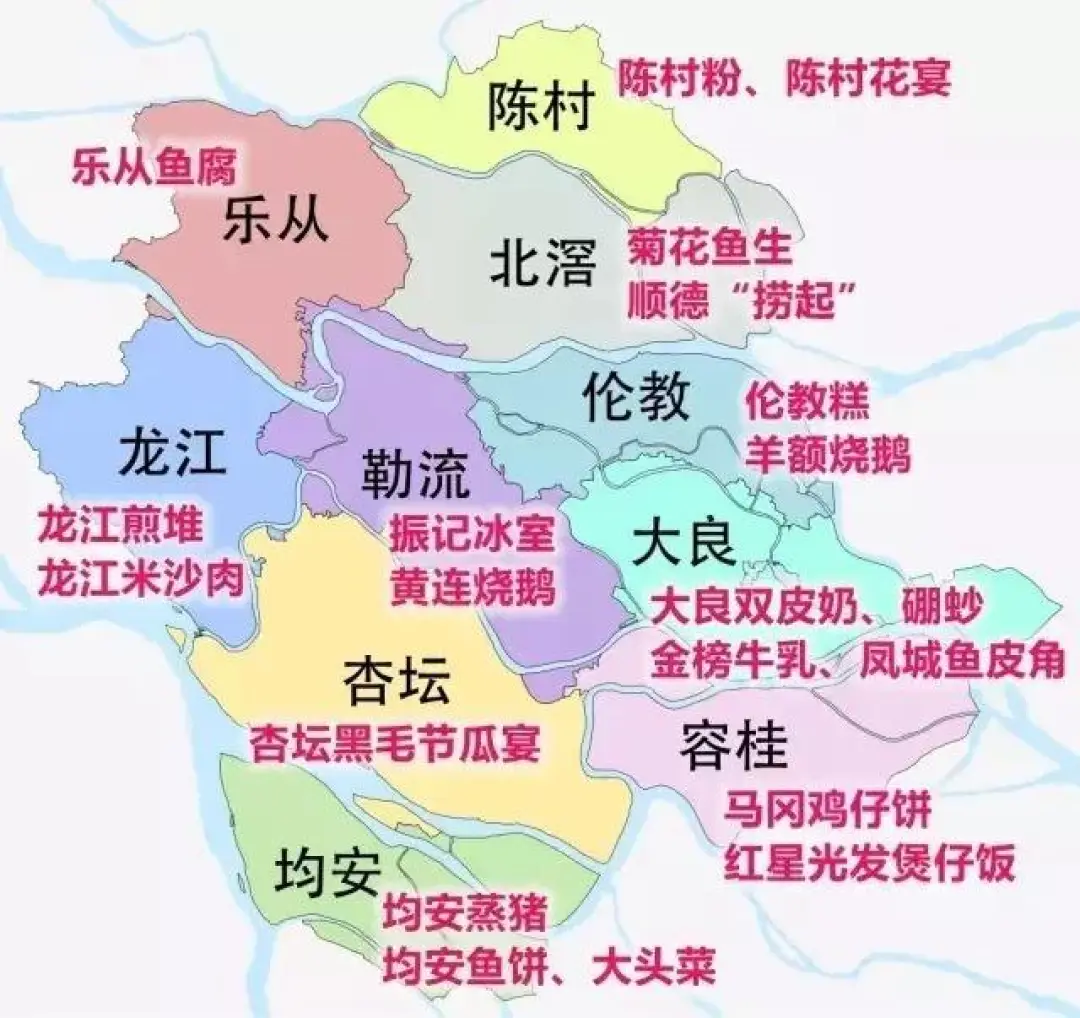
Shunde is not an independent city; it's a district under Foshan city in Guangdong Province. It governs 4 subdistricts (Daliang, Ronggui, Lunjiao, and LeLiu) and 6 towns (Chencun, Jun'an, Xingtan, Longjiang, Lecong, and Beijiao). It's 32 kilometers from Guangzhou, 127 kilometers from Hong Kong, and 80 kilometers from Macau – this geographic position makes it a natural hub for food convergence.
The urban development model in Guangdong is quite different from northern China. Here, the "countryside surrounds the cities," and many towns boast astonishing economic strength. Shunde, for example, had a GDP exceeding 300 billion RMB in 2018, with giants like Midea, Country Garden, and Galanz rooted here. But what truly excites food lovers is that every town has its signature dish: Lunjiao cake (Lunjiao rice cake) comes from Lunjiao Town, Jun'an roast pork from Jun'an Town, Chencun rice noodles are the pride of Chencun, and Daliang double-skin milk pudding is famous worldwide.
Accommodation Tip: If you're driving, I recommend staying at the Holiday Inn in Lunjiao – it opened in 2019, with new facilities and good service standards. But if you don't have a car, it's more convenient to stay in Daliang or Ronggui, since the best food is concentrated in these two old town areas.
What's in A Bite of Shunde?
Here's a list of the specialty ingredients featured in the documentary, so you can follow the trail:
Seasonal Ingredients: - Phoenix eye fruit (ping po, also known as Chinese chestnut): Tastes like chestnuts, harvest season only 40 days (July–August) - Pickled head vegetable (pickled mustard greens): Called "Shunde abalone" - Hairy gourd (jie gua): Similar to winter melon, harvested in June–July - Kudzu root (fen ge): Available in Guangdong from July–August - Yam bean (sha ge, also known as jicama): Botanical name Pachyrhizus erosus

Fish: Mud carp (dried mud carp), grass carp (bian zhong cao yu), icefish (he shun yu), Bombay duck (jiu du yu, also called豆腐鱼 – super tasty), bighead carp (yong yu – not fishy), silver carp (lian yu – fishy), three-mud fish (san ni yu – rich in oil)
Shunde Stir-fry: Cantonese cuisine mainly features steaming, boiling, and stewing, so stir-frying is an outlier. High heat and fast cooking create intense "wok hei" – the breath of the wok. The surface of the ingredients quickly caramelizes, releasing rich aromas while locking in moisture, with no excess sauce. The documentary's "osmanthus sprout stir-fried lobster balls" and "pickled vegetable stir-fried pork neck" are classic examples.
Local Slang: - Hairy gourd = black hairy melon, angled luffa (sheng gua) = loofah gourd, bitter gourd (liang gua) = bitter melon - Pig fallopian tube (zhu sheng chang) = literally "pig birth intestine," pork intestine from the uterine end; bamboo intestine (zhu chang) = the thick, crunchy section near the pig's stomach exit (called "肚尖" in the north); pink intestine (fen chang) = the front section of small intestine; intestine head (chang tou) = the large intestine near the anus - Cow pancreas (niu pang), beef shank (niu zhan – tendon-rich leg meat), cow joy (niu huan xi) = female cow reproductive organ - Giant river prawn (luo shi xia), yellow sand clam (huang sha xian), white clam (bai bei), horse mussel (ma bei – produces pearls), razor clam (cheng zi) - White olive kernel (lan ren) = seed of the white olive tree, like a nut or seed - Beng sha (beng sha, pronounced "beng-sa") = deep-fried dough snack shaped like a golden butterfly
Eating Along the Documentary: Which Restaurants Are Worth It?
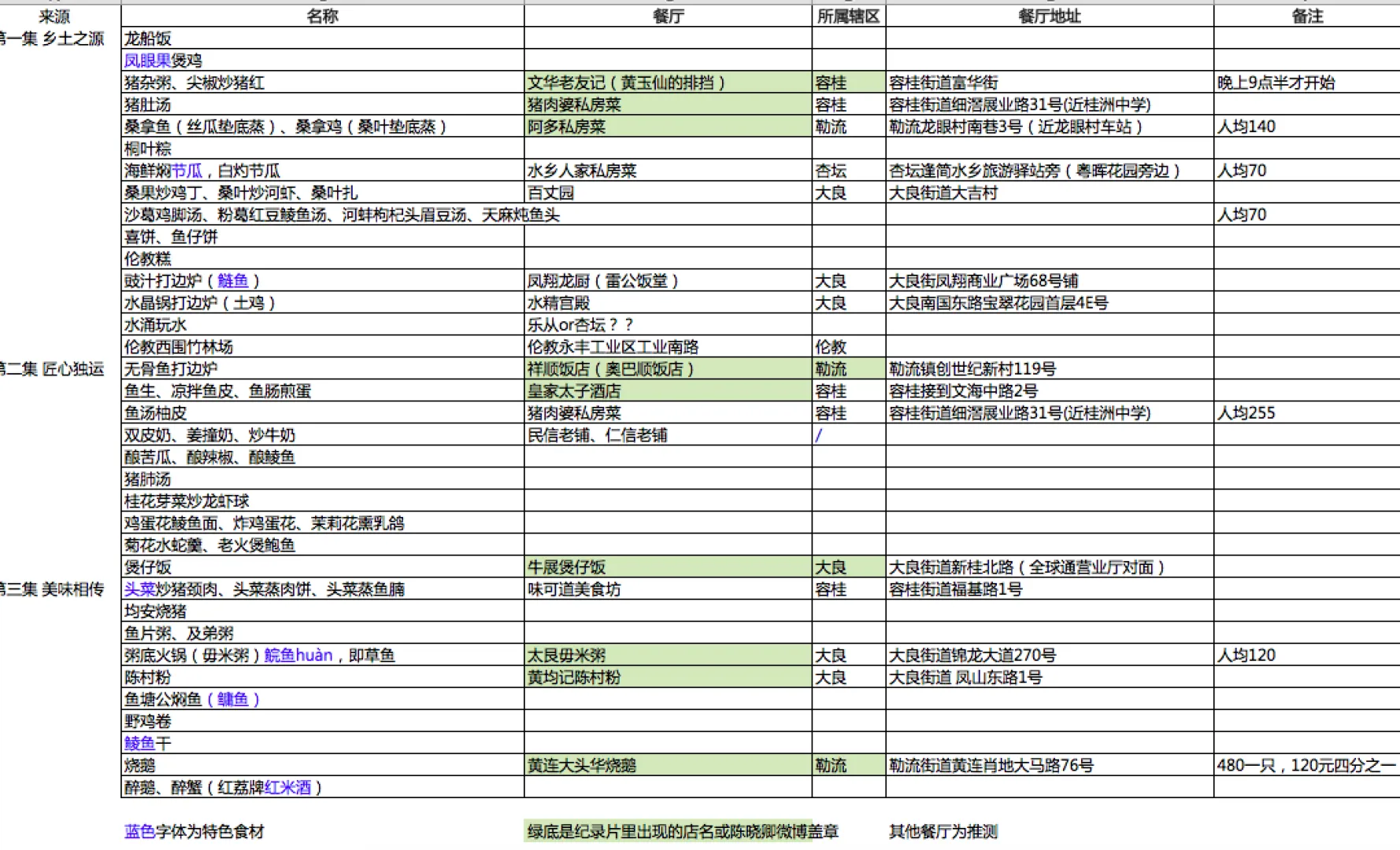
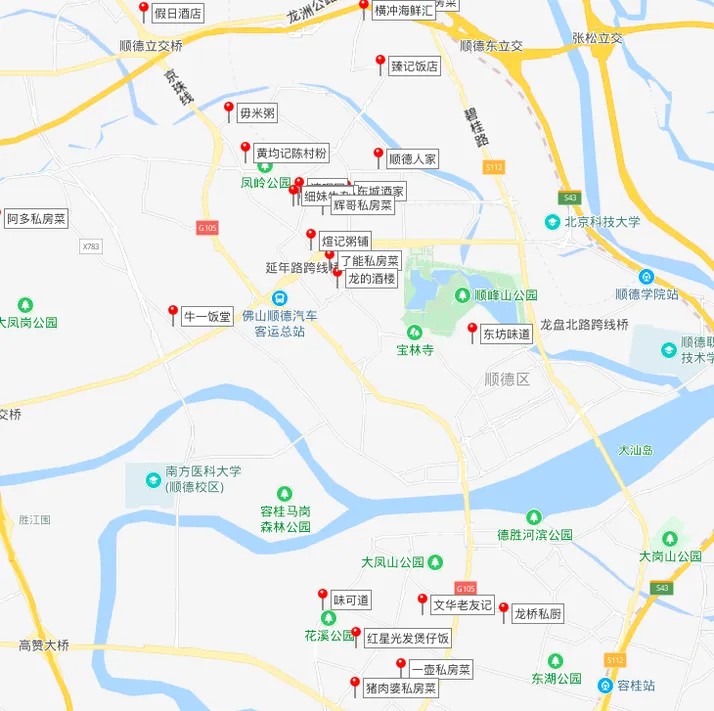
Only four restaurants were directly named in the documentary, plus a few recommended by Chen Xiaoqing on Weibo, making nine in total. But Shunde's food scene is mainly concentrated in Daliang and Ronggui. I've organized them by area and type so you can eat your way through each day with variety.
Maijiazhuang Private Kitchen: Steamed Chicken and Fish
Rating: ★★★☆☆
Located in Chencun, it's convenient if you're coming from Baiyun Airport. Lunch service runs until around 3–4 PM, so it's good if you miss regular meal times. The courtyard is a former residential house, considered a heritage site.
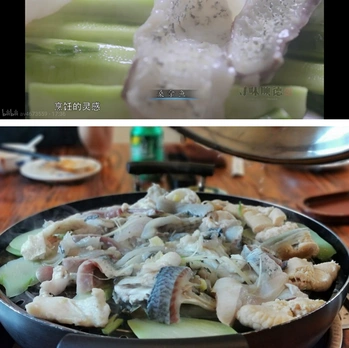
The specialty is steamed dishes – chicken, fish, and seafood – served with a dipping sauce of soy sauce and ginger oil. It gets a bit greasy after a while. The seafood is fresh, the chicken tender and smooth, but the fish isn't as springy as expected. Everything is steamed with lotus leaves, not mulberry leaves as the name might suggest.
Alternative: Aduo Private Kitchen
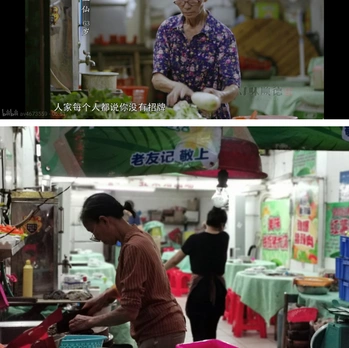
Wenhua Laoyouji: Late-Night Congee Stall
Rating: ★★★☆☆
No phone reservations accepted. Opens at 9:30 PM. When I arrived, there were still seats. After ordering, we had some stir-fried dishes first, and by the time we finished, it was midnight. Even without queuing, the whole meal took two and a half hours.
The tendon-in pork and pig tongue were good – firm and bouncy. The braised pork liver had a chewy texture. But the congee was extremely salty, and the white clams were not fresh with a fishy taste. The chive and pork blood soup was complimentary for every table.
Conclusion: As a late-night snack, it's worth trying if there's no queue, but definitely not worth waiting that long.
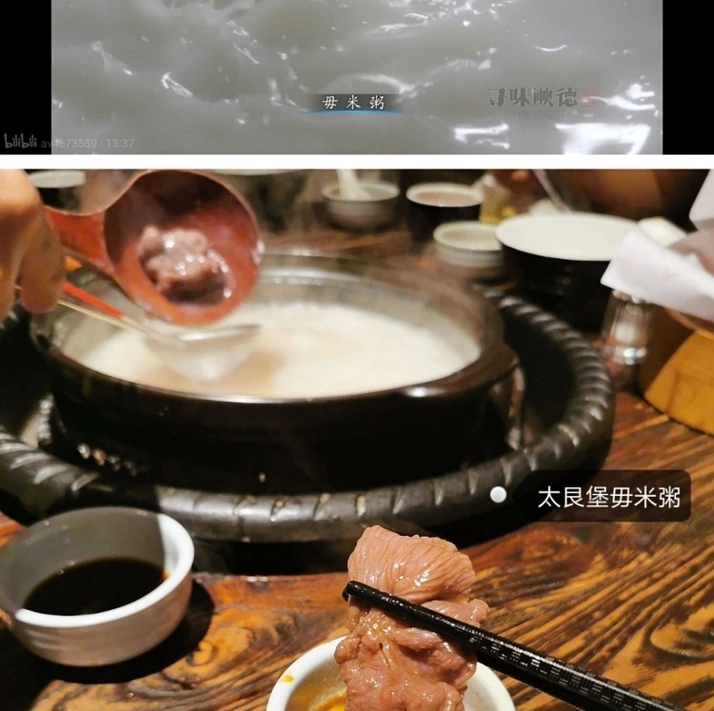
Taigenbu Wu Mi Zhou: The Pinnacle of Congee Hot Pot
Rating: ★★★★★
You must come here! It's way better than Wenhua Laoyouji.
The service is excellent, seafood and fish are fresh, and the congee you drink at the end is naturally sweet. The whole experience is very satisfying. Must-order items: grass carp fillets and beef shank. The five-head abalone is generously sized. Before drinking the final congee, add some shredded greens. The snacks – cuttlefish cakes and pan-fried fish fillets – are also tasty.
Alternative: Zhenji Restaurant
Zhuroupo Private Kitchen: Fame and Controversy
Rating: ★★★★☆
Phone reservations accepted. Two lunch seatings (11 AM and 1 PM). On holidays, book early.
We ordered several signature dishes for four adults and one child. By the end, only the pork belly soup was finished – the rest had leftovers (not because the portions were huge). If you love raw fish, you must try Shunde-style sliced raw fish (yu sheng) – it's very refreshing. The pan-fried bamboo intestine was delightfully crunchy. The fish soup with pomelo peel had a unique texture, like taro, but the flavor was just okay. As for the signature "superior dry-fried giant river prawns," people say they're "so good you'll lick your fingers" – I even licked the shells, but the flavor was so mild it was almost negligible.
Looking at the wall full of awards, I think Zhuroupo must have been delicious once. But with so many diners flooding in, the kitchen has become assembly-line production. Mass-produced food has no soul – the Zhuroupo you eat is definitely not the same as what Chen Xiaoqing tasted.
Gengyuan Private Kitchen: A Minefield in Fengjian Water Town
Rating: Not recommended
Located in Fengjian Water Town, the food is just not good. We ordered four of the top five recommended dishes on Dianping. A dish that some on Zhihu praised highly – dried beef stir-fried with vegetables – was actually sweet? The stuffed mud carp (niang ling yu) wasn't authentic, the shredded fish soup (chai yu geng) and white clams were average, and only the hand-made cuttlefish balls were passable.
Alternatives: Huang Mama Gold Medal Private Kitchen, Shuixiang Renjia Private Kitchen
Hongxing Guangfa Claypot Rice: Cured Meats Are the King

Rating: ★★★★☆
Better to come for lunch – by evening, the beef and pork options might be sold out. The cured meat claypot rice is the best.
Alternatives: Shabao Xiongdi, Niuzhan
Morning Tea (Dim Sum): Shunde Renjia vs. Xiangyunxuan
Shunde Renjia (★★★★☆): Opens at 8 AM. The venue is large, but on holidays you need to arrive early – after 9 AM, there's a queue. It's a mass-market dim sum place: fast service, wide variety, affordable prices.
Xiangyunxuan (★★★★★): Located on the fourth floor of the Xiangyunsa Hotel. The congee is a must-order – it's excellent. The steamed ribs here are better than any I've had in Guangzhou.
Dim Sum Tips: Always order a plain tea – Tieguanyin or Longjing green tea are best, oolong or pu'er are second choices. Never order floral or herbal teas! You can bring your own tea leaves, but the tea seat fee still applies. Small gongfu tea cups are the standard for Cantonese dim sum. A dim sum session lasts at least two hours – unhurried, sipping tea, eating snacks, and chatting. It's truly one of life's great pleasures.
Alternatives: Dongcheng Restaurant (closed due to subway construction, reopening in 2020), Long's Restaurant
Double-Skin Milk Pudding: Huanji vs. Renxin
Huanji Milk: The double-skin milk pudding is decent, but I wonder if the water buffalo milk ever comes without sugar – it's too sweet.
Renxin Old Shop: We ordered several items – all just average.
Believe it or not, the authentic Shunde double-skin milk pudding from its birthplace wasn't as good as what I had in Dongguan. The top milk skin wasn't thick enough, the bottom egg-milk mixture wasn't sticky enough, and the sweetness was overpowering.
Alternatives: Minxin Old Shop, Jinbang Milk Shop, Zhou Daniang Milk, Generation Same Sugar, Zhaoji Heritage
Besides Eating, What Else Can You Do in Shunde?
Qinghui Garden: Worth a Visit
Entry fee is 15 RMB. With photos and sightseeing, it takes about two hours. Compared to the Keyuan Garden (one of the Four Great Gardens of Guangdong), Qinghui Garden is much more grand. It's a 4A-rated scenic spot, well-maintained and managed. Lingnan-style gardens, in my opinion, feel more lively than Suzhou gardens.
Fengjian Water Town: Skip It
No entry fee, but it's a very rustic agritainment spot – not comparable to Wuzhen or Zhouzhuang. We took a boat ride for 150 RMB per boat, but the river water was a bit smelly, as if domestic wastewater was being discharged directly.
Actually, my favorite part of A Bite of Shunde wasn't about cooking – it was the scene of children playing in the creek and eating yellow skinned fruit (wampee). It felt so free and joyful. But the real Fengjian Water Town is far from that image.
Bonus: Two Days in Guangzhou
Guangzhou doesn't have many must-see attractions, but Shamian Island and Enning Road are worth a stroll.
White Swan Hotel: Stunning Views, Average Experience
Built with investment from Henry Fok and the Guangdong provincial government, it opened in 1983 as the first five-star hotel in mainland China. It was designated as a heritage site in 2010.
On holidays, it's a nightmare – the parking lot is overflowing, finding a spot takes forever, and the check-in experience is frustrating. But the views are truly unbeatable, and the service is excellent.
Qiaomei Food: A Time-Honored Brand Worth Trying
A restaurant that's been around for 20–30 years, always with a long queue. The eighteen-spice salt-and-pepper Bombay duck (jiu du yu) is particularly delicious. The three-cup chicken is a must-order. Their signature braised squab (hong shao ru ge) was just okay in my opinion, and skip the salt-and-pepper mantis shrimp.
Huishijia: Michelin One Star, Reasonable Prices
The wait is long – take a number at 3:30 PM to eat at 5 PM. If you miss your window, you might wait another hour or two.
Guangzhou Dim Sum: Yutang Chunuan vs. Beiyuan Restaurant
Yutang Chunuan: Located on the third floor of the White Swan Hotel. Hotel guests get priority reservations. Michelin one-star, and even locals in Guangzhou queue for it. The shrimp dumplings are a must-order. The freshly made sachima (sweet fried pastry) is exceptionally good.
Beiyuan Restaurant: One of the "Three Great Garden Restaurants of Guangzhou" along with Panxi Restaurant and Nanyuan Restaurant. Designed by renowned architect Mo Bozhi. Liang Sicheng once said that Beiyuan Restaurant was his favorite building in Guangzhou.
Final Thoughts: Shunde Wasn't as Delicious as I Imagined
I don't know if it's because I didn't choose the right restaurants, or because Shunde's famous chefs have all moved to big cities, but overall, Shunde wasn't as good as Guangzhou.
My husband and I, along with our friends and their family – all northerners now living in Chengdu – thought we had no barriers when it came to taste. But over these six days, especially the four in Shunde, the food wasn't bad, but it wasn't particularly great either. We were somewhat disappointed.
Before coming to Shunde, I had watched A Bite of Shunde no fewer than seven times. I knew every scene and every line of narration by heart. I love this food documentary, but unfortunately, I didn't find the flavors I had imagined.
Perhaps, when it comes to food, "the higher the expectation, the greater the disappointment." But if you keep an open mind and treat it as an ordinary Guangdong food trip, Shunde is still worth it – not for those overhyped restaurants, but for that bowl of honest congee in the alley, that plate of stir-fry with real wok hei, that cup of overly sweet water buffalo milk.
Live fully while alive, leave with no attachments. The meaning of travel may lie in accepting all the imperfections and then continuing to search for the next surprise.
You should also read:
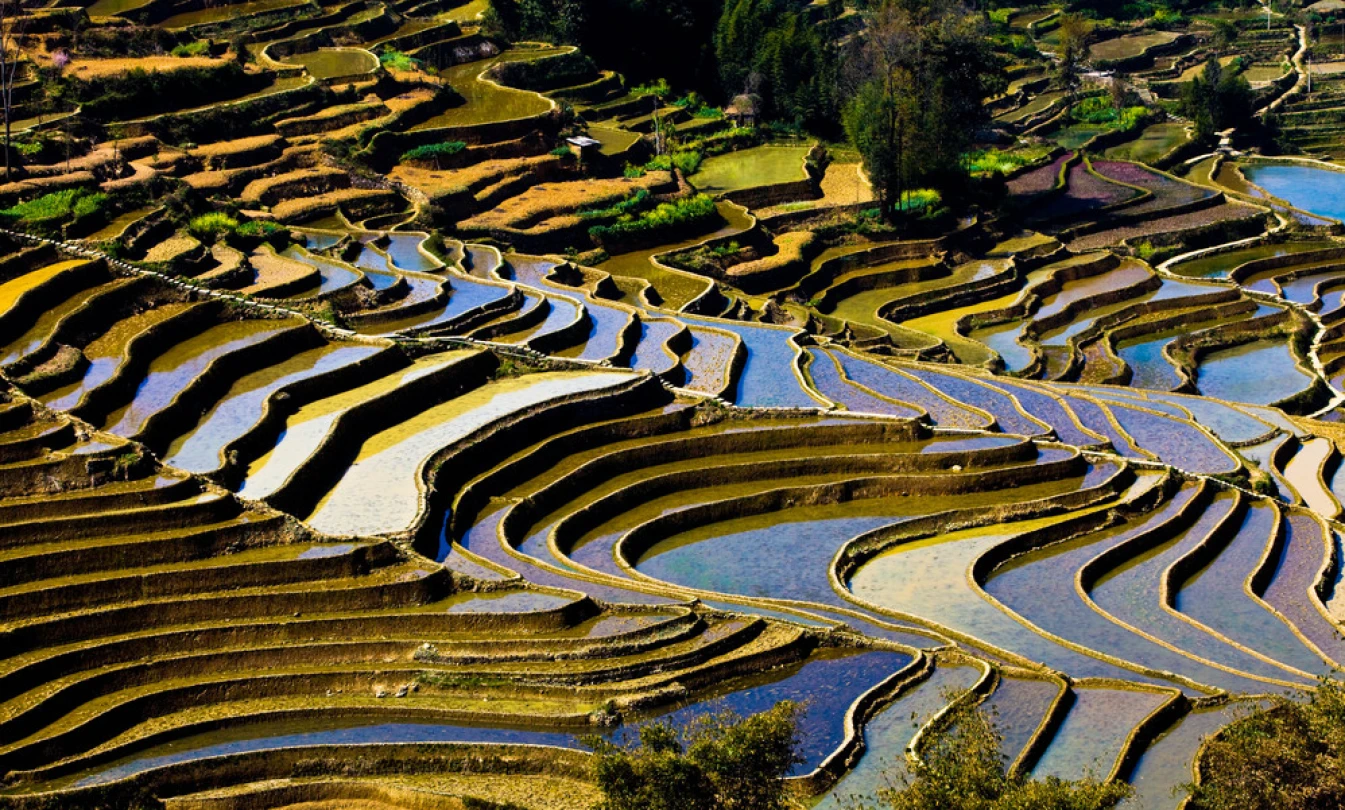
Fly to Yuanyang! — A Complete Photography Guide
Fly to Yuanyang! — A Complete Photography Guide A Spontaneous Photography Journey Every year after the Spring Festival, airfare to Kunming hits its lowest point. This year, the holiday came unusually early, and February is precisely the most captivating season for the Yuanyang rice terraces.
Continue reading...
Xishuangbanna Self-Drive Tour: Into the Tropical Wonderland at the Edge of the Sky (Complete Guide)
Xishuangbanna Self-Drive Tour: Into the Tropical Wonderland at the Edge of the Sky (Complete Guide) Introduction: A Dream Fulfilled Thirty Years Early Some journeys are destined to happen at a specific moment in time. For me, a self-drive trip to Xishuangbanna was originally the first…
Continue reading...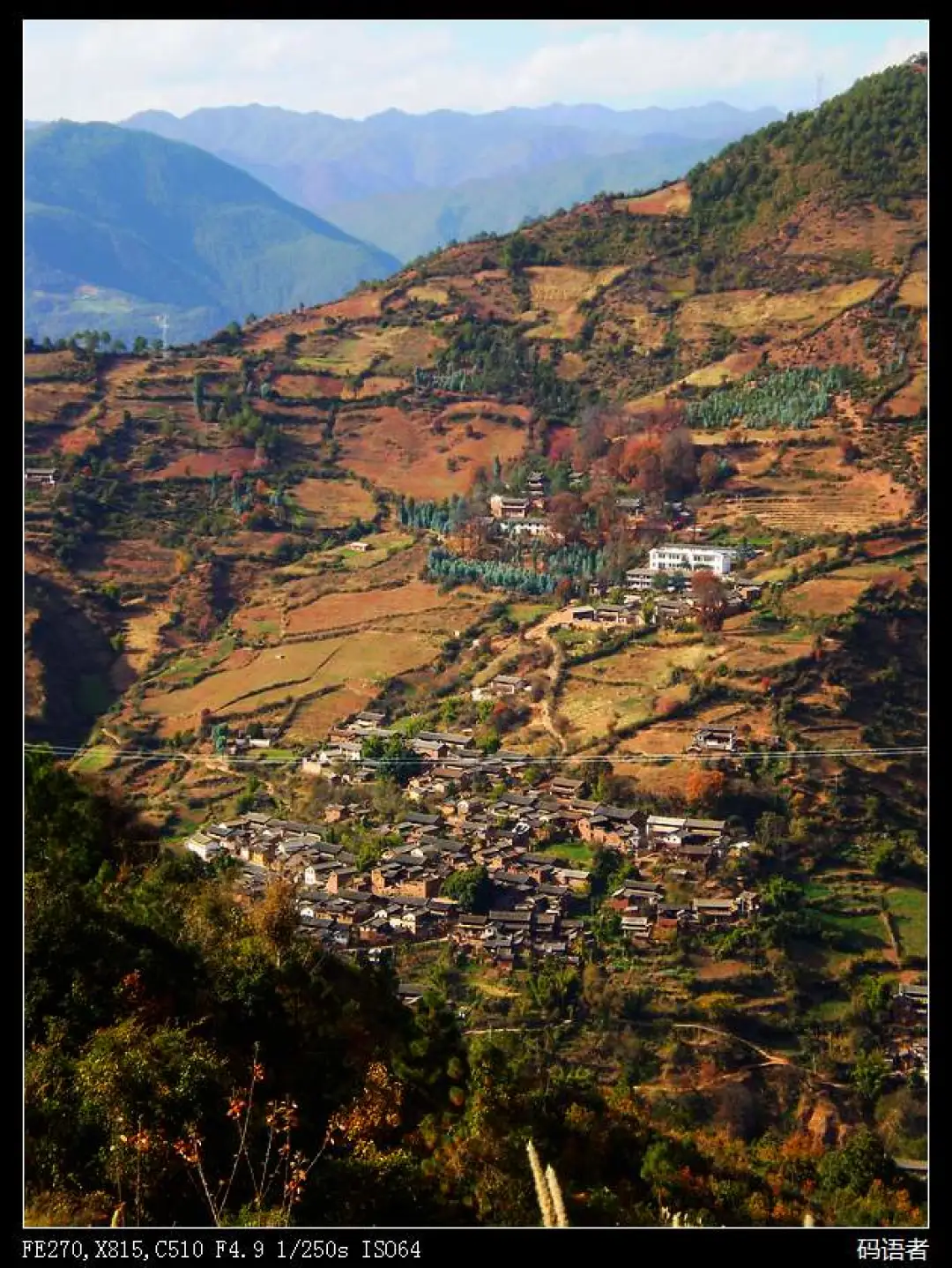
Before the Tongue: Discovering Nuodeng, the Ancient Salt Town Time Forgot
Before the Tongue: Discovering Nuodeng, the Ancient Salt Town Time Forgot There’s a peculiar magic in places that have been left behind by history. They don’t try to impress you. They don’t have polished welcome centers or laminated maps. They just are—worn, quiet, and utterly…
Continue reading...