2024 Autumn Secret Realm Journey: Mangshi, Tengchong, and Ruili – A Six-Day Wander Through Three Border Towns in Yunnan (Part One)
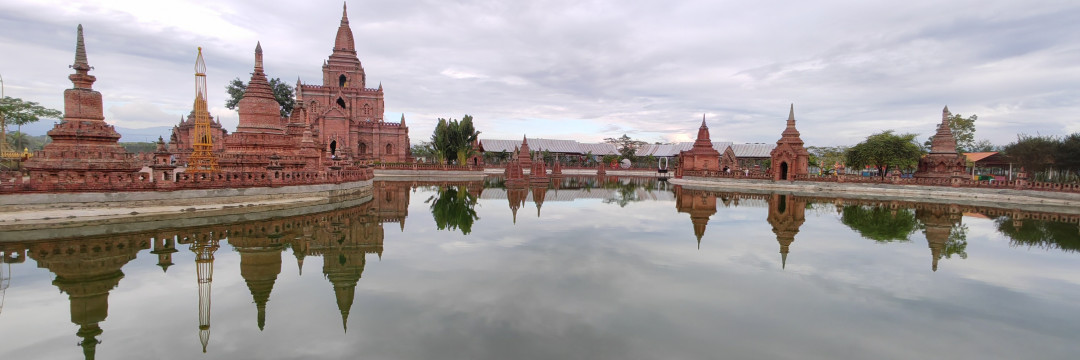
2024 Autumn Secret Realm Journey: Mangshi, Tengchong, and Ruili – A Six-Day Wander Through Three Border Towns in Yunnan (Part One)
Foreword: A Belated Travelogue
As the 2024 calendar flipped to its final month, I finally completed all my travel plans for the year just before the year-end. But what followed was a headache-inducing pile of "unfinished business" — four trips, only one travelogue written. The early-year garden tour in Guangdong, the summer amusement park adventure in Shanghai and Zhejiang, and now this Yunnan border journey — all untouched, not a single word written. Watching time slip away day by day, I decided to break my usual routine and record this most spectacular trip first, before time blurs the names of those wild vegetables, mountain fruits, and mushrooms. Here's to the writing life of a middle-aged person!
As per tradition, let me introduce this trip's "star-studded lineup." Welcome back to Supreme Leader and Madam Regent, the couple who haven't graced us with their presence in four years. A big thank you to Ming-jie and Hui-jie from the beauty squad for joining forces. With four gorgeous women gathered together, the check-in group's visual appeal has soared to new heights — after all, it used to be entirely carried by yours truly.
Trip Overview: Six Days, Three Cities, 90%+ Check-in Rate
This time, we explored the golden triangle of Yunnan's southwestern border: Mangshi, Ruili, and Tengchong. Over six days, armed with the "three no-fears" spirit — no fear of danger, no fear of exhaustion, no fear of overeating — we completed 90.9% of the scenic spots (40 out of 44) and 90.5% of the food experiences (19 out of 21). Special shout-outs go to: Ming-jie, who's afraid of heights, for conquering the hot air balloon; Madam Regent, whose physical condition isn't ideal for climbing, for completing the Gaoligong Mountain hike; and Supreme Leader, a lifelong vegetarian and health-conscious eater, who didn't skip a single dish at the insect feast, wild mushroom banquet, or the peacock-style hand-grabbed rice. This spirit deserves recognition from the entire group!
Chapter One: Mangshi – The First Taste of Southeast Asian Flair

Arriving in Mangshi: A Descent from the Clouds to the Ground
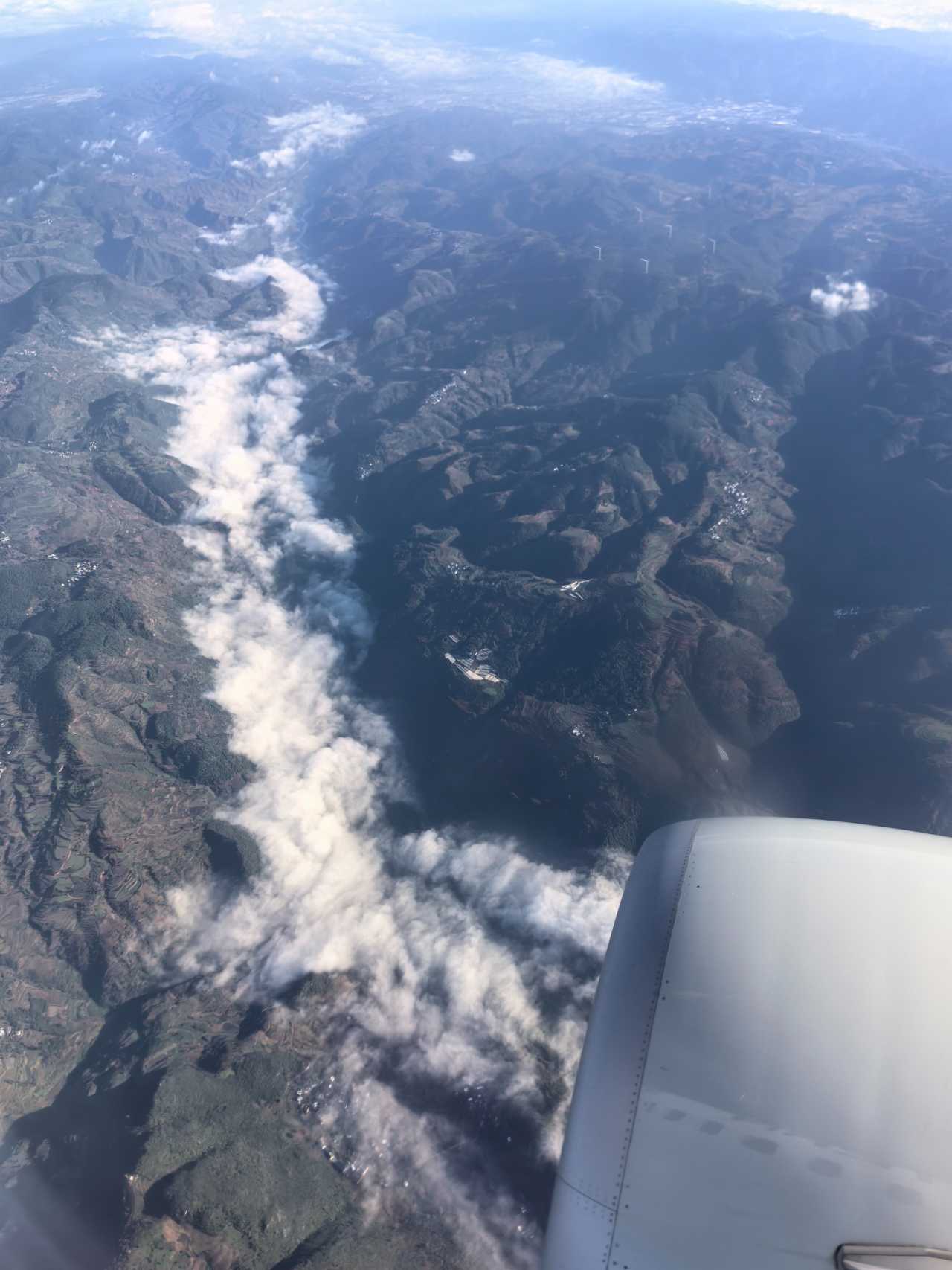
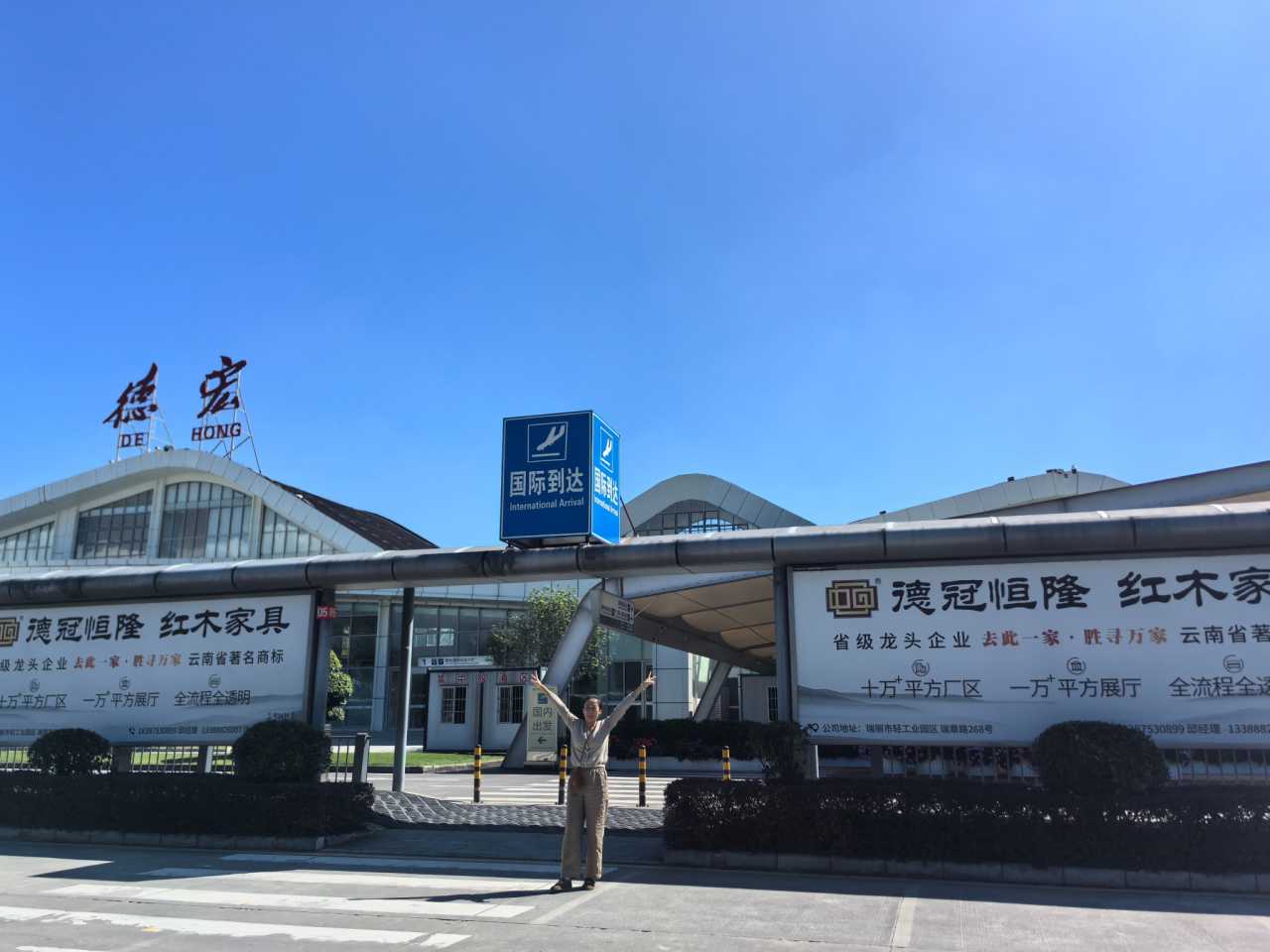
As the plane skimmed low over the Gaoligong Mountain range, the view outside the window was already breathtaking. The moment we landed at Mangshi Airport, the warm, humid air hit us, and I knew this trip was destined to be extraordinary.
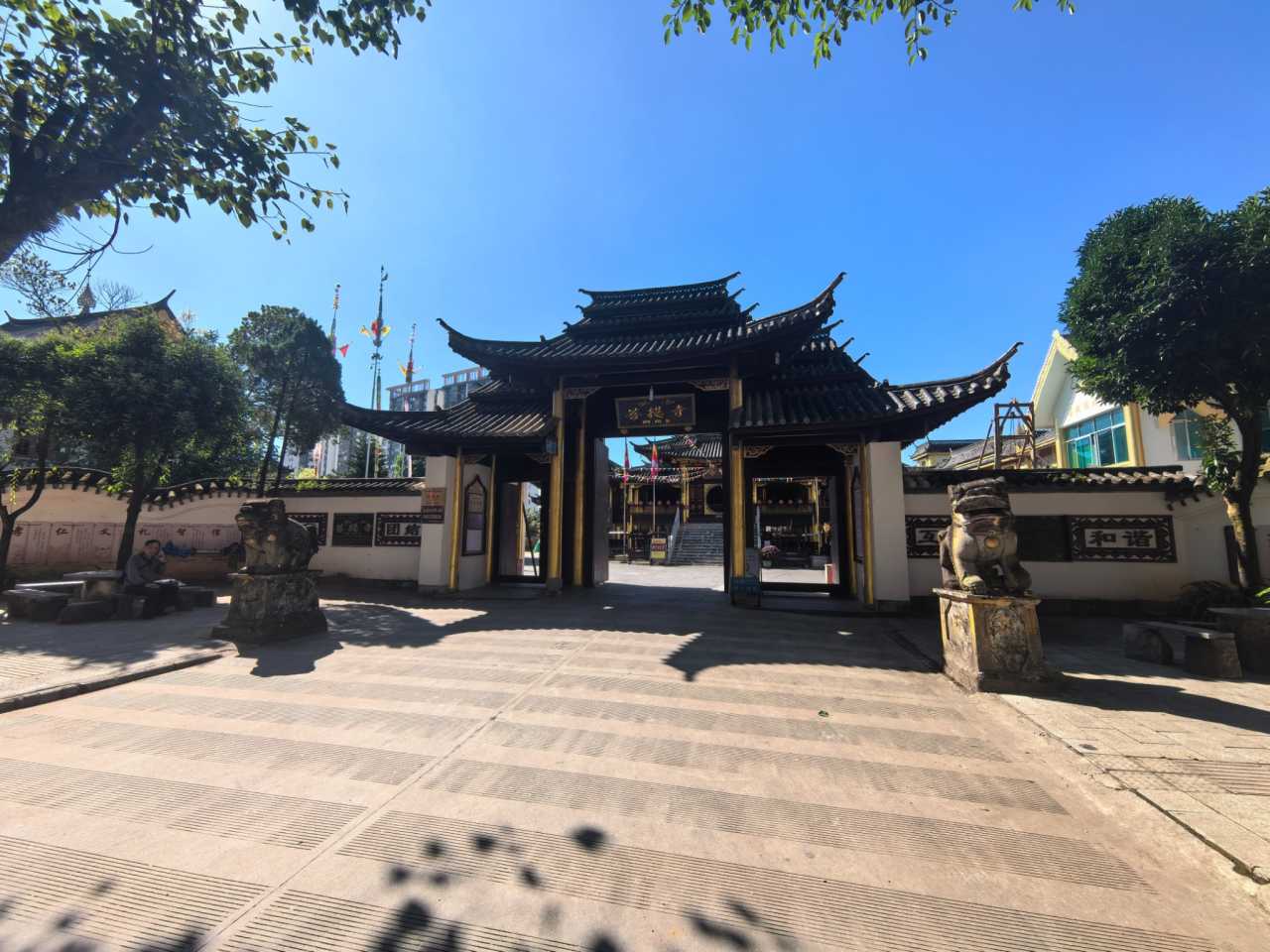
Bodhi Temple and Bodhi Street: A Southeast Asian Oasis Hidden in the City
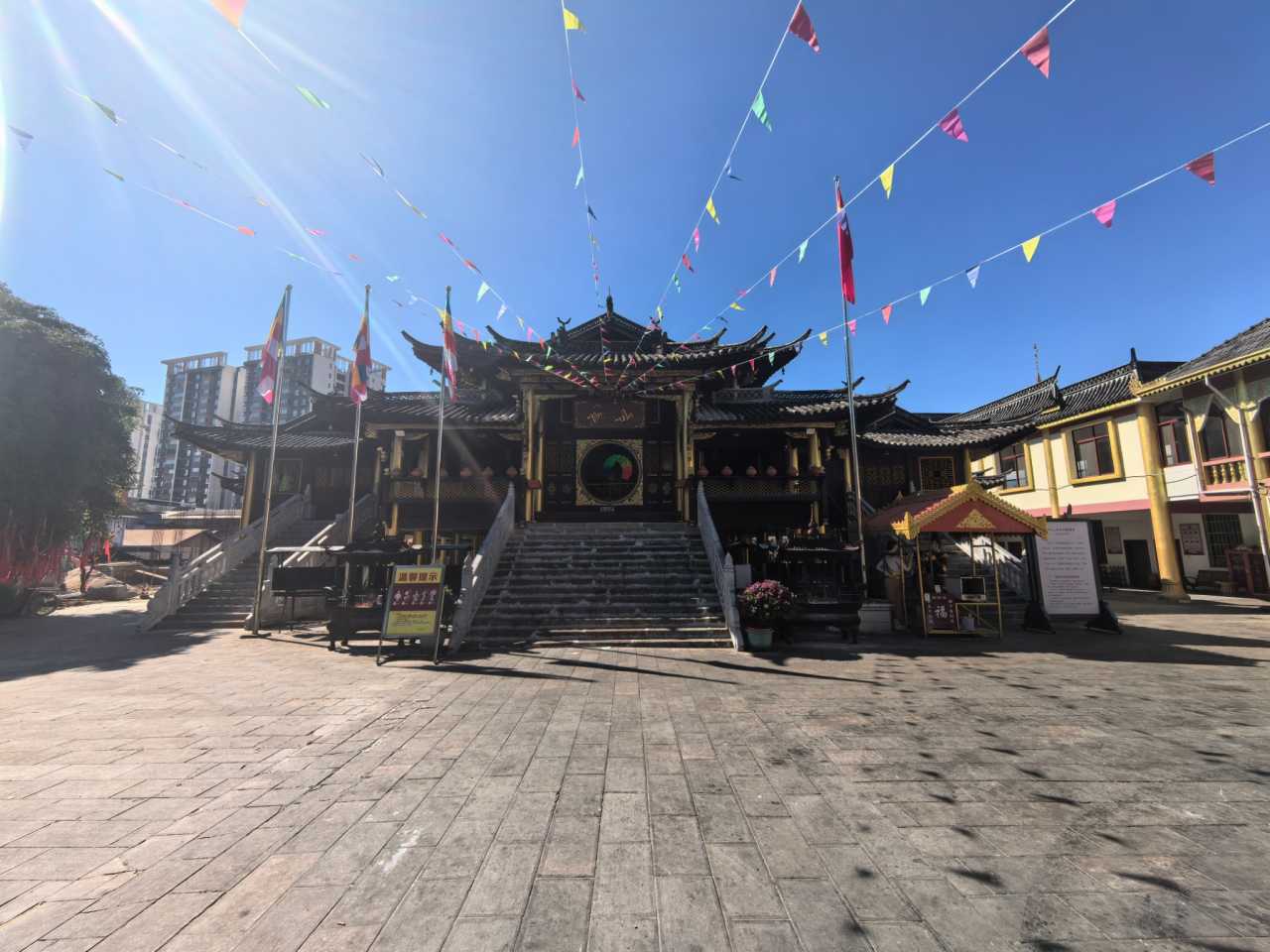
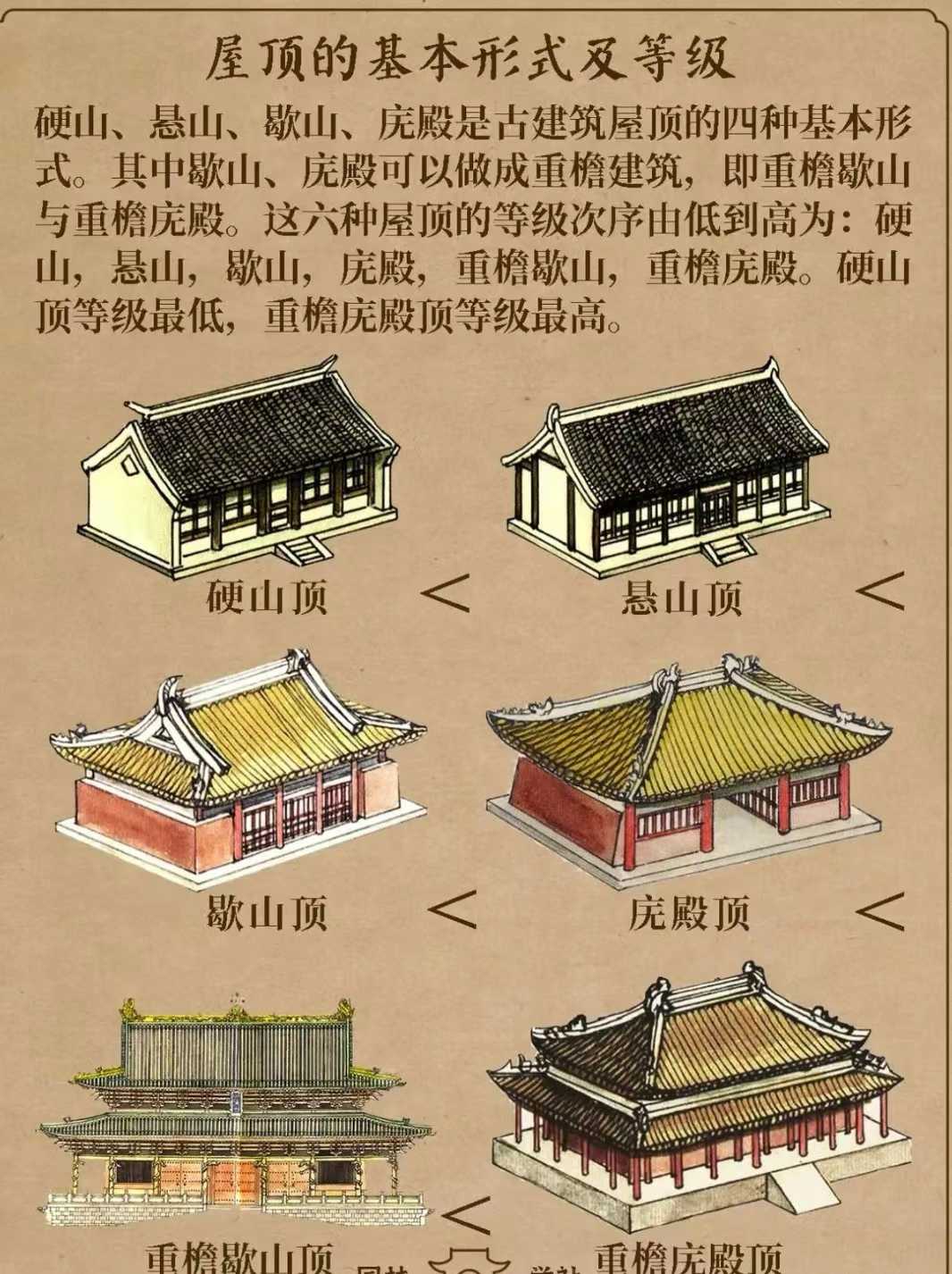
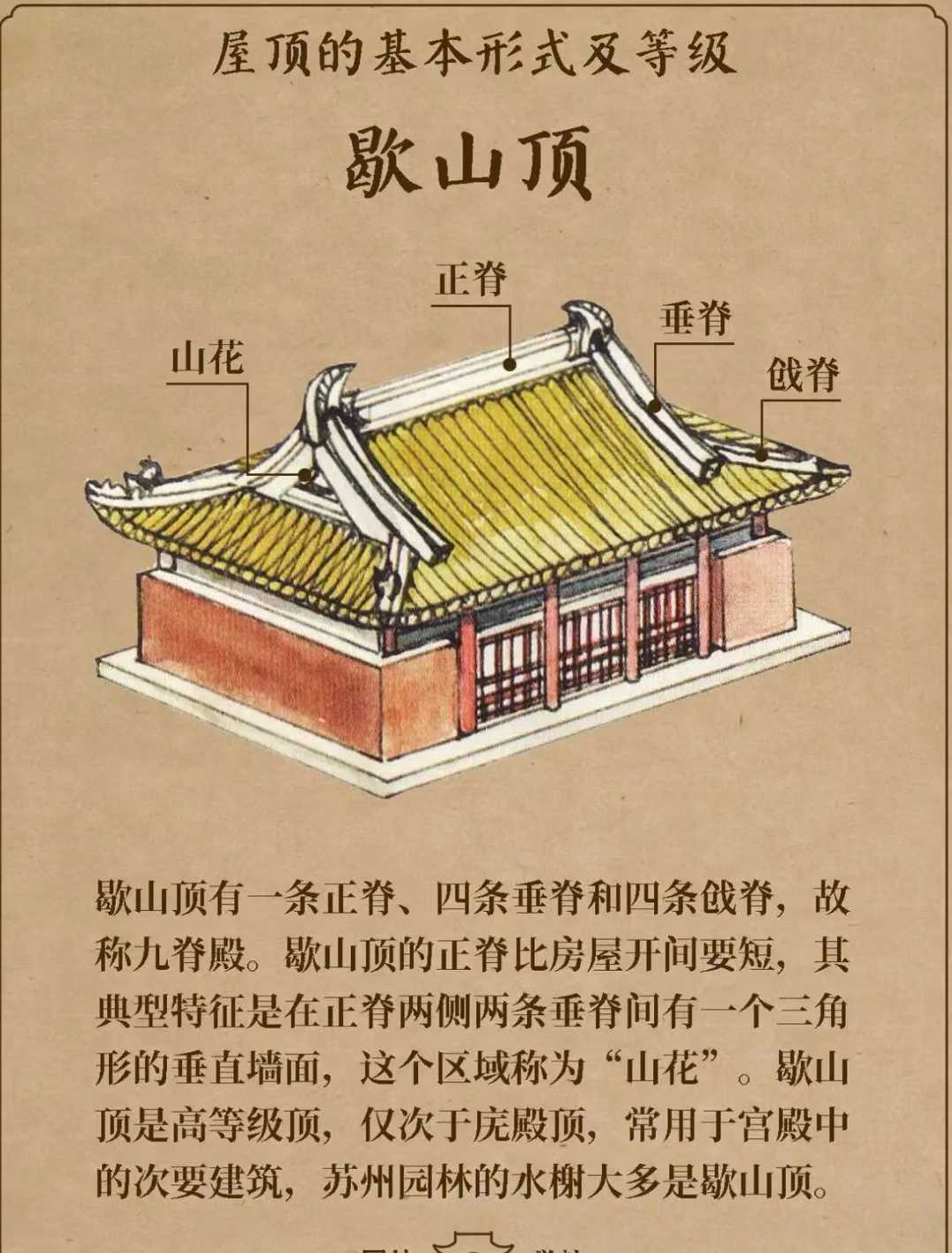
Bodhi Temple is a lesser-known spot in the city center, a Theravada Buddhist temple. What draws you in are the distinctive Dai-style stilted pavilions (干栏式阁楼) and the overhanging gable-and-hip roofs (歇山式屋顶). Speaking of stilted architecture, this is a classic textbook fact from middle school history — China's earliest wooden structures originated from the Hemudu settlement in Yuyao, Zhejiang (I'd marveled at that during a summer visit to the Hemudu site). As for the overhanging gable-and-hip roof design, one look at the diagram makes it crystal clear. Check-in and learn as you go!
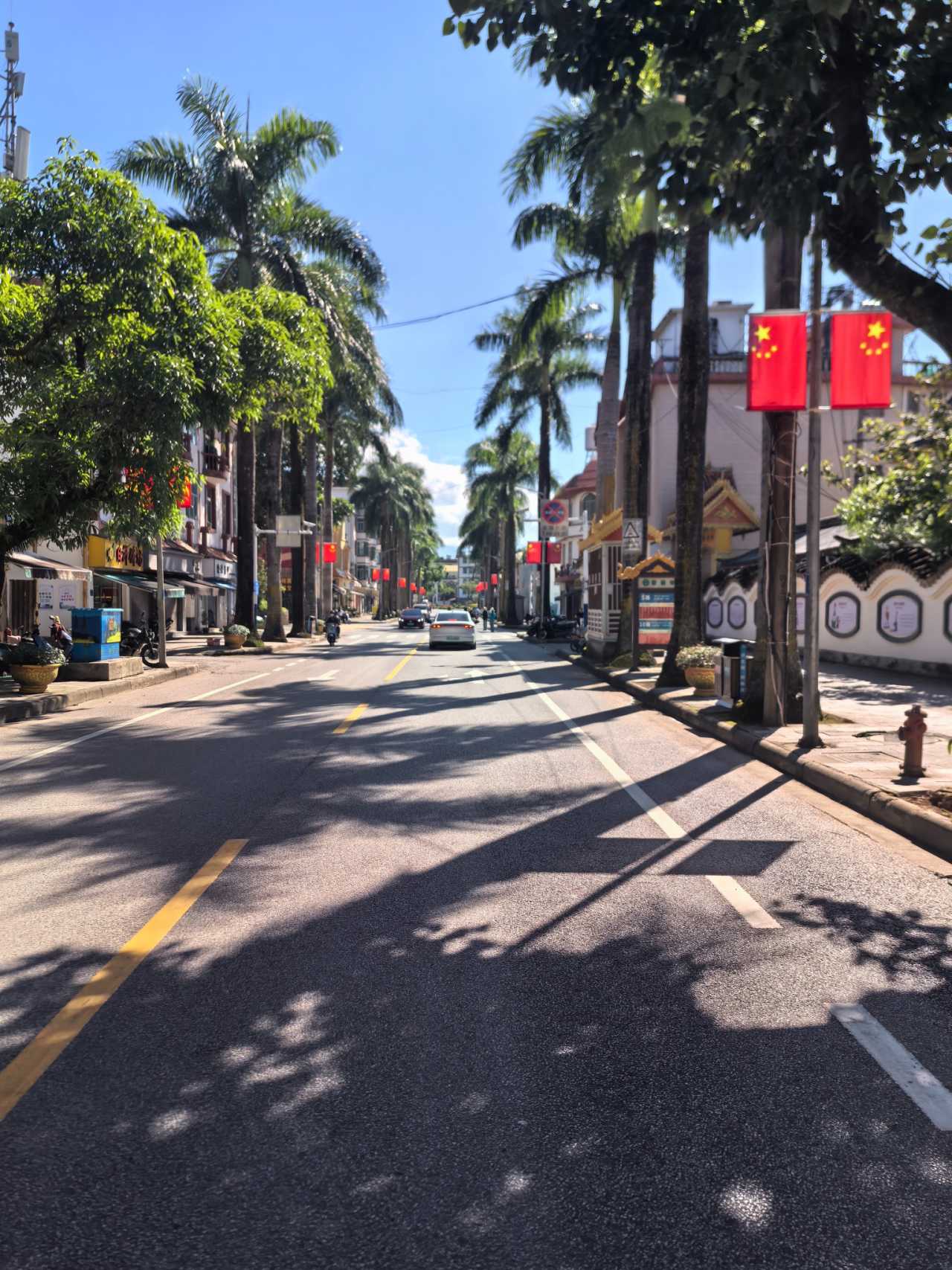
Right outside the temple is Bodhi Street, lined with tall palm trees on both sides, exuding pure Southeast Asian vibes. If you can snap a shot of a low-flying plane taking off or landing (Mangshi's city center is very close to the airport, so planes fly at low altitude), you've got yourself a guaranteed magazine cover-worthy photo.
The Tree-Wrapped Pagoda: A 200-Year Legend
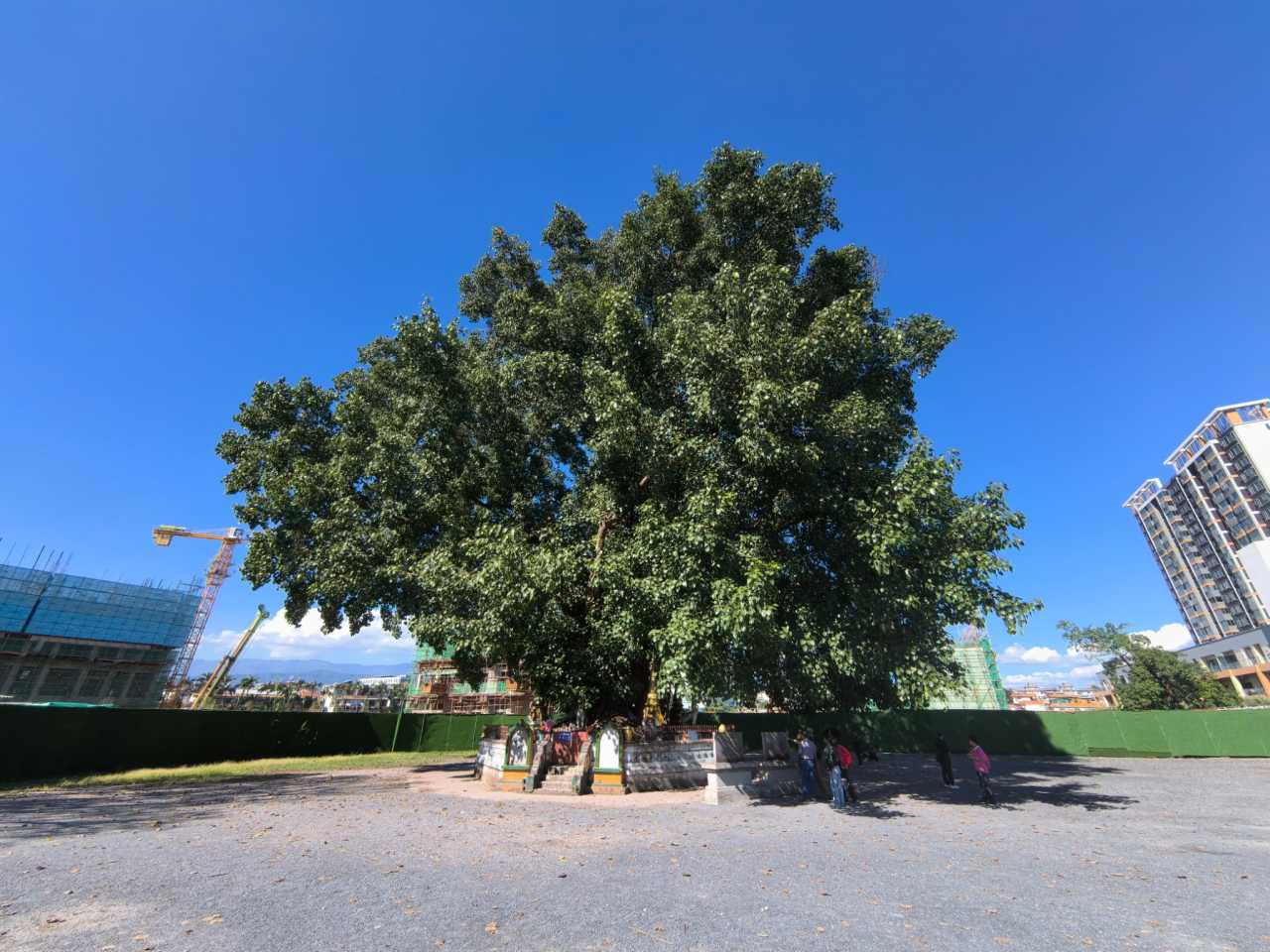
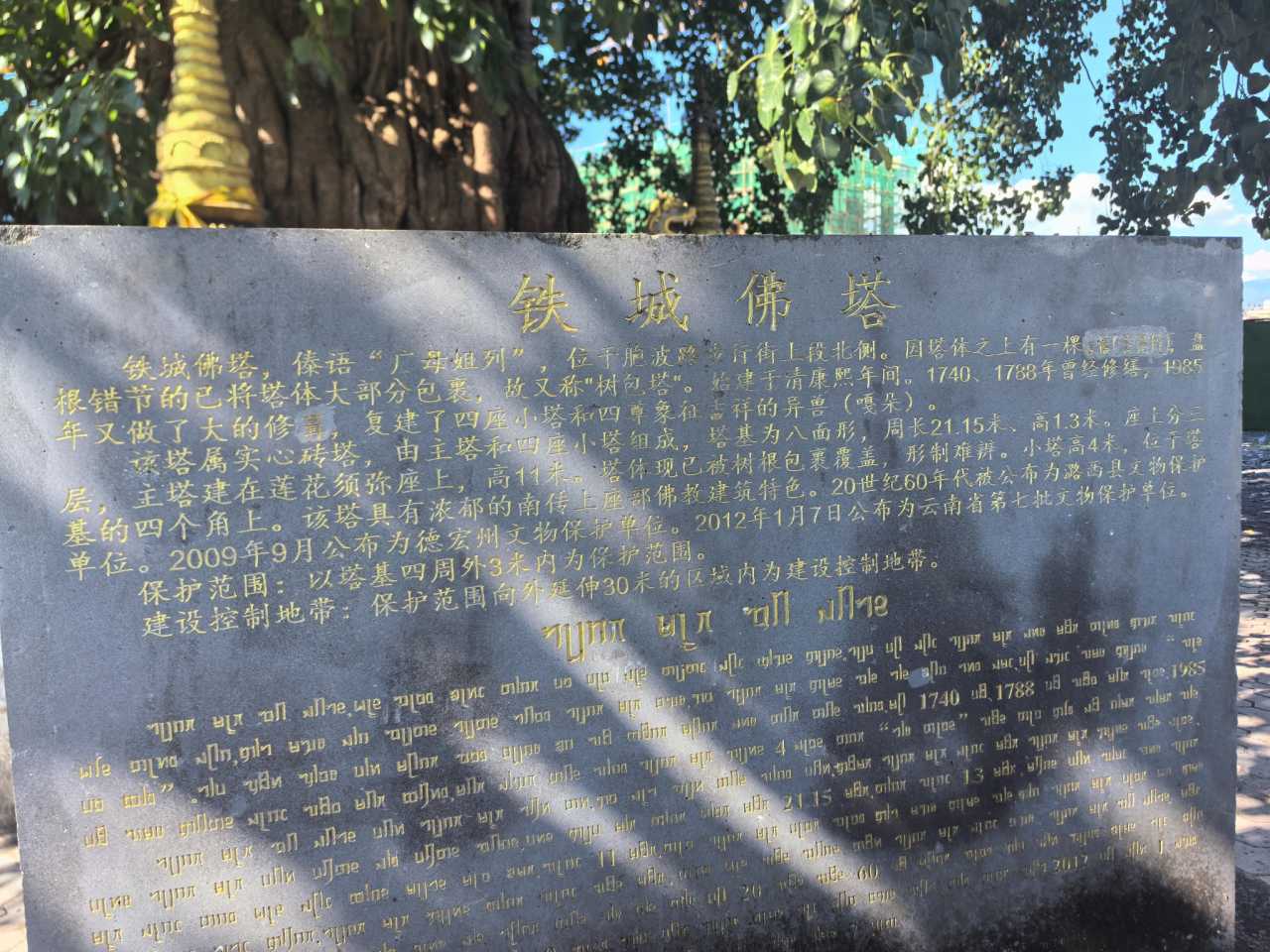
The Tree-Wrapped Pagoda is Mangshi's most legendary attraction. Legend has it that it was built by the 17th local chieftain of Mangshi, Fang Yuzhu, to commemorate a military victory — roughly 200 years ago. Over time, wind and sun caused cracks in the brick pagoda. A banyan seed, carried by wind or a bird, happened to land in one of those cracks. As the banyan tree grew over the years, it gradually enveloped the entire pagoda, creating the unique "tree-wrapped pagoda" phenomenon.
Yunnan is such a magical place. I'd only heard of "gold wrapped in jade" before, but now I've witnessed a "tree wrapped in pagoda." Tomorrow, we're off to see "tree turned to jade" (树化玉) — where the outer bark of wood gets mineralized and transformed into jade. Too bad all I've got at home is a fried egg. When I get back, I'm definitely going to eat one and throw the other to show off!
Menghuan Grand Golden Pagoda: Mangshi's Spiritual Landmark
Perched atop Leiyarang Mountain, the Menghuan Grand Golden Pagoda is Mangshi's landmark and a sacred site for the local Dai people. The pagoda stands about 76 meters tall, with a base diameter of roughly 50 meters, designed as an octagonal, four-gate hollow pagoda. The first-floor hall covers approximately 2,000 square meters, with four Buddha statues facing east, west, south, and north around a central square pillar. The main body is a bell-shaped grand pagoda, crowned with a golden spire weighing about 2.3 tons. This is China's first golden Buddha pagoda and Asia's first hollow Buddha pagoda.
We arrived at 5 PM as planned, not realizing that November sunsets in Mangshi are about two hours later than in Shenzhen. At 5 PM, the sun was still blazing — no chance to catch the golden hour. Still, from the corridor pavilion beside the pagoda, the panoramic view of Mangshi was awe-inspiring enough.
Leiyarang Bookstore: The Hipster Bookshop Wedged Between the Golden and Silver Pagodas
This bookstore sits right between the Golden and Silver Pagodas. The window seats on the first floor are incredibly popular — I managed to grab one for my mom when a fellow reader stepped away to the restroom. The second floor is a charming little loft that requires you to take off your shoes. It has a row of high-stool coffee seats and a tatami-style lounging spot. Two girls were lying there flipping through books, and you could truly feel the quiet beauty of an idle afternoon.
Mangshi Grand Silver Pagoda: A Selfie Paradise
The Silver Pagoda is the Golden Pagoda's sister attraction, completed in 2013. It's a solid pagoda, with its spire made of Dai-style silver. The Silver Pagoda scenic area is a selfie paradise — every step offers a photo opportunity, with plenty of elements to capture: hand-sign statues, pagoda reflections, and the "Mirror of the Sky" installation. Our only regret was not finding the sightseeing cart at first. The walk to the "Mirror of the Sky" had many steps, so only my dad and I made the climb. Meanwhile, the "Four Golden Flowers" (our ladies) were busy with the angled reflective mirrors in the Pagoda Reflection Plaza. To our surprise, they managed to create some creative split-style photos — Tang Bohu admiring the autumn beauties, the real-and-fake beauty pose, and the forced coy look. Endless creativity!
Mengbanaxi Grand Garden: An Underrated Treasure
"Mengbanaxi" means "beautiful paradise" in the Dai language. The garden is lush with various banyan trees and houses a vast collection of rare ancient trees and world-class silicified wood and jade. Its highlights are: rare, strange, ancient, and extraordinary.
At the entrance, you'll find the "Number One Sword in the World" (a Hu-sa Ahchang sword, 6.06 meters long, weighing 2,000 kilograms) and the "Number One Elephant-Foot Drum in the World" (9 meters long, 2 meters in diameter at its widest, total weight 2,220 kilograms). There's also a MiG-15 fighter jet, a gift from Wuhan when it established a sister-city relationship with Dehong Prefecture in 1987.
The garden's treasures are dizzying:
- Raw Jade Boulders: Reportedly worth 300 million yuan, casually placed by the roadside. You've got to touch them — the closest I've ever been to a fortune!
- Water-Mottled Jade (水沫玉): A companion mineral to jadeite, crystal clear, with tiny bubbles inside that look like rippling water
- Tree-Turned-Jade (树化玉): Silicified wood that has turned to jade. The garden has a dedicated exhibition hall, arguably the best of its kind in China
- Exotic Wood Root Carvings: A "Map of China" carved from ebony roots, and wall-mounted natural rhododendron roots spelling out "Yunnan Mengbanaxi Rare Garden"
The educational corridor also introduces Buddhism's "Five Trees and Six Flowers":
- Five Trees: Bodhi tree,高山榕 (mountain banyan),贝叶棕 (palm used for palm-leaf manuscripts), ironwood, and sugar palm
- Six Flowers: Lotus, crinum lily, turmeric ginger, frangipani,缅甸花 (Myanmar flower), and地涌金莲 (golden lotus emerging from the earth)
The Tree-Hole Hot Spring: Supreme Leader's Favorite Spot
Located in Zhefang Town, on the border between Mangshi and Ruili, the Tree-Hole Hot Spring was the biggest surprise of the trip. An ancient banyan tree, still bursting with vitality, has two hollowed-out tree holes at its base (connected inside, roomy enough for six or seven people). The openings are just big enough for an adult to crawl in and out, creating a natural steam room. The hot spring bubbles up from several outlets, none with strong flow, but the water in the two pools stays crystal clear. The water level is just right — anyone crawling into the tree hole can keep their head above water. A match made in heaven!
The medicinal benefits of this wild hot spring were also confirmed: After less than 20 minutes of soaking, my itchy feet completely stopped bothering me.
Friendly Reminder: On the way from Mangshi city center to the Tree-Hole Hot Spring, you might encounter landslide roadblocks. We had to take a detour of over an hour on highways and country roads, only to find that the roadblock had a narrow gap just wide enough to squeeze through. That short 20-30 kilometer drive felt like a rollercoaster ride — we laughed about it for two days afterward.
Dai Ethnic Town: The Final Nighttime Check-in
On our last night, we split into two groups. The "Youthful Beauties" squad — Da Meiren, Ming-jie, and Hui-jie — headed to a trendy hair-washing parlor for a Burmese-style massage. Meanwhile, Supreme Leader, Madam Regent, and I formed the "Check-in Group's High Command" and went to Dai Ethnic Town for nighttime photos. It's essentially a commercial street, but the Southeast Asian-style architecture, all bathed in uniform golden neon lights, is genuinely beautiful.
Chapter Two: Mangshi Cuisine – A Taste Adventure for the Palate
Gan Ying Pickled Chicken Feet: Hype vs. Reality for the First Meal
Our first meal after landing was a bit of a letdown. There were indeed many flavors — over a dozen — and we bought a bit of each to try, but they lacked distinctiveness. The online hype had raised our expectations too high, so it didn't blow us away.
Hu-sa Ahchang Hand-Held Rice Noodles: A Sister Dish to Cross-Bridge Rice Noodles
The unique feature here is that you grab the rice noodles with your hands, wrap them around minced meat and various cold mixed vegetables — it's a whole different experience. I recommend the pigeon meat rice noodles; the beef version tends to get stuck in your teeth.
Menghuan Old Lady's Cold Drink Shop: The泡鲁达 (coconut milk with bread and toppings) Was Too Sweet
Another internet-famous spot. The泡鲁达 (coconut milk with bread and toppings) was way too sweet — not as good as the modified version in Shenzhen. The avocado juice was decent though — real and authentic.
Mian Gui Hua Kai Tea Restaurant: Supreme Leader's Top Pick
This restaurant was Supreme Leader's favorite of the entire trip! It's located just across the street from our hotel, the Atour Hotel (feel free to praise the trip planner here). The decor has a Southeast Asian vibe, and while the restaurant isn't big, it makes clever use of space and decorations. The staff proactively seated us in the only private room (no minimum spend) and patiently explained all the various local specialties when we asked about the menu.
The menu is a collection of Burmese, Dai, and Jingpo ethnic snacks — not only had we never eaten most of them, we'd barely even heard of them. The flavors were unique, the portions generous, and the value for money unbeatable — six of us ate until we were stuffed for just over 260 yuan (about $36 USD).
Recommended dishes:
- "The Emperor's Rescue" (大救驾): A royal dish and one of Yunnan's top ten classic dishes
- Burmese Fried Flatbread (缅甸甩粑粑): Softer and more fragrant than Indian-style roti prata — my personal favorite of the day
- Lemon撒撇 (撒撇, a Dai-style cold noodle dish with herbs and dipping sauce): A traditional Dai delicacy from Yunnan, refreshing and palate-cleansing — my second favorite of the day
- Dai-Style Potstickers with Soul Dipping Sauce
- Jingpo Five-Color Hand-Grabbed Rice
- Burmese Bangsai Handmade Oil Noodles
Lan Lu Breakfast Spot: The Internet-Famous Breakfast Joint with "Three Abundances"
Their specialty is当地饵丝 (Yunnan-style rice noodles) and饵块 (thick rice noodle sheets).饵丝 are thinner, chewier rice noodles, while饵块 are wider sheets. This place's biggest draw is its "Three Abundances":
Abundant Toppings: "帽" (literally "hat") is the local term for the gravy or sauce served over noodles. Every bowl of rice noodles is piled high with slow-braised, melt-in-your-mouth beef brisket. You're basically digging through the beef to find the noodles — a problem I can totally live with.
Abundant Condiments: Nearly twenty different seasonings, spread across an entire long table, all free and self-serve. The most extreme one is wild pepper (山胡椒) — they give you a small branch, and you use a tiny file to scrape the granules off the surface into your bowl. Word of advice: Don't be tempted to try every single seasoning. I learned the hard way — what a waste of my bowl of meat-packed rice noodles!
Abundant Crowds: We went on a weekday during the off-season, and within half an hour, over ten tables had been seated, filling the 700-800 square foot first-floor dining area to capacity.
Pin De Hong Peacock Feast: The Most Polarizing Meal
We saved the most culturally distinctive peacock feast for the last night, and it turned out to be the most polarizing meal of the trip.
Pros: The portions were enormous! We ordered a 180+ yuan ($25 USD) set meal for 2-3 people, added a beef hot pot, and six of us still couldn't finish it. It was very unique — we sat on low stools around a large round table (with a bamboo-woven lazy Susan) and ate hand-grabbed rice. Various side dishes were arranged by color in a bamboo winnowing basket, with a lifelike peacock head ornament in the center. The colorful spread really did look like a peacock displaying its feathers.
Cons: The setting was mediocre. The massive courtyard only had bamboo huts on the edges for dining, and the center was under renovation. Service could use improvement — the staff were friendly but slow. The complimentary after-dinner fruit took at least five reminders to arrive. The most awkward moment? I forgot to pay for the extra dish I'd ordered and almost walked out without settling the bill. The staff had to chase me to the parking lot. My sincere apologies: Leaving without paying was entirely my fault — I genuinely forgot. Sorry!
Baiyun Hair-Washing Parlor: Burmese-Style Massage Experience
Da Meiren, Ming-jie, and Hui-jie tried the Burmese-style hair wash and massage here — 50 yuan ($7 USD) for 45 minutes. According to Da Meiren, the place was fully booked the entire 45 minutes, and the massage was genuinely relaxing.
Chapter Three: Mangshi Accommodation – Great Value for Money
We stayed two nights in Mangshi, at both ends of the trip: the Huazhu Atour Hotel (320+ yuan, about $44 USD) and the Yilonghui Meihao Hotel (170+ yuan, about $24 USD). Both opened in 2024. The accommodations were comparable, but considering the price, the Meihao Hotel offered much better value (and included breakfast). The Meihao also had a huge advantage: opening the window gave you a simultaneous view of both the Golden and Silver Pagodas, which are lit up at night — basically a room with an unbeatable night view!
Chapter Four: Ruili – Borderland Charm
Mangling Single Tree Forest: A Yunnan Banyan Wonder
Yunnan has plenty of banyan trees, and the Mangshi-Ruili-Tengchong area has so many that several intersections simply surround large banyan trees to create roundabouts. The "single tree forming a forest" phenomenon isn't rare locally, but we chose the Mangling site — the fifth-largest single-tree forest in Yunnan — because it was closest to our route.
Passing by the Ruili River, we found a viewpoint with a reed marsh so beautiful it stopped us in our tracks. The four beauties stood under the trees, but the backlighting made it impossible to capture their faces. As for me — I'll come clean: I'm the guy who brings his own sunshine.
To Be Continued: Tengchong and Baoshan Await
Six days in, Mangshi and Ruili were just the appetizer. Next, we'll dive into Tengchong's volcanic hot springs, the golden ginkgo village, and the tranquil Heshun Ancient Town, as well as Baoshan's mushroom and beef hot pot and the lake-view hotel at Qinghua Sea. Stay tuned for Part Two!
Travel Tips:
- Mangshi's sunset is about 2 hours later than in eastern China — plan your schedule accordingly
- The Tree-Hole Hot Spring was the biggest surprise of the trip — highly recommended
- Go easy on the condiments at Lan Lu Breakfast — too many will ruin your bowl of rice noodles
- The Meihao Hotel's view rooms offer incredible value — remember to book a room on the scenic side
- Portions at Pin De Hong are enormous — be conservative when ordering
(To be continued — Next: Tengchong's volcanic hot springs, Ginkgo Village, and Heshun Ancient Town in-depth tour)
You should also read:
Tengchong·Heshun: Finding Life as It Should Be in a Border Town Where Time Stands Still
Tengchong·Heshun: Finding Life as It Should Be in a Border Town Where Time Stands Still The long journey of over twenty days was over. On my first day back at the office, I was still in a daze. My fingers couldn't find the keys on…
Continue reading...
God’s Abandoned Palette: A Self-Drive Journey Through Yunnan’s Dongchuan Red Land
God’s Abandoned Palette: A Self-Drive Journey Through Yunnan’s Dongchuan Red Land Travel has never been about reaching some distant geographic coordinate. It’s about encountering, along the way, the version of yourself buried beneath the rubble of daily routine. During this May Day holiday, I finally…
Continue reading...
Body in Hell, Heart in Heaven: A Pilgrimage Through Tiger Leaping Gorge — A Dialogue Between Heaven and Earth
Body in Hell, Heart in Heaven: A Pilgrimage Through Tiger Leaping Gorge — A Dialogue Between Heaven and Earth Introduction: When the Gorge Splits Open Beneath Your Feet Some say Tiger Leaping Gorge is the closest place on Earth to the border between "hell" and…
Continue reading...