Tengchong·Heshun: Finding Life as It Should Be in a Border Town Where Time Stands Still
Tengchong·Heshun: Finding Life as It Should Be in a Border Town Where Time Stands Still
The long journey of over twenty days was over. On my first day back at the office, I was still in a daze. My fingers couldn't find the keys on the keyboard, my coffee tasted like nothing, and my mind was full of that quiet little courtyard in Heshun Ancient Town—sunlight slanting lazily onto the kettle, the old calendar on the wall yellowing with age, a lazy cat half-asleep on the doorstep, and the distant sound of a village woman beating clothes with a wooden paddle.
It felt like a gentle hangover.
If you, too, are tired of the cacophony of Lijiang—that place where it seems like "the whole world is doing business"—then Heshun might just be the place you've been looking for.
How to Get to Tengchong: A Complete Transport Guide from Dali
Currently, there is no train service from Dali to Tengchong. Apart from flying directly, the most reliable option is to take a long-distance bus. Most travelers first head to Xiaguan, then pass through Baoshan before reaching Tengchong. Below is a detailed travel plan I've put together to help you avoid unnecessary detours.
Boarding Points and How to Get There
The Xingsheng Road Bus Station in Xiaguan is the main hub for buses to Baoshan and Tengchong. You can take bus routes 7, 11, 13, or 23 to get there. If you're staying in Dali Ancient Town, take a minibus to the Tai'an Bus Station on Jianshe Road, then transfer to the Xingsheng Road Bus Station.
Departure Times and Fares
Xiaguan → Baoshan (Express): 15 departures daily, from 8:00 AM to 7:20 PM, approximately every 40 minutes. Fare: 60 RMB. Travel time: about 2 hours (179 km, all on expressway).
Xiaguan → Tengchong (Express): Only two departures daily—10:00 AM and 1:00 PM. Fare: 107 RMB. Travel time: about 5.5 hours (339 km).
Baoshan → Tengchong (Express): Fare: 48 RMB. Travel time: about 3.5 hours. The first hour is on the expressway, followed by 2.5 hours on winding mountain roads with asphalt pavement—narrow and often bumpy. The Baoshan-Tengchong expressway was still under construction at the time, reportedly not opening until around 2013.
Travel Tips
- If you want an early start: Take the 8:00 or 8:50 AM express bus to Baoshan. After arriving, buy your ticket to Tengchong first, then grab lunch at the station and rest a bit before continuing. Splitting the journey takes about the same total time and costs roughly the same as a direct bus, but it reduces fatigue from the long ride and lets you enjoy a proper meal.
- If you miss the 10:00 AM direct bus: Take the 11:00 AM bus to Baoshan, have lunch there, then transfer to Tengchong.
- If you're leaving after lunch: The 1:00 PM direct bus is the most convenient option.
- If you're worried about catching the early bus: Stay the night before at the Dizhi Hotel (Geology Hotel) next to the Xingsheng Road Bus Station. The conditions are decent, and there's a restaurant on-site.
Chartering and Carpooling: A Budget-Friendly Way to Travel and Make Friends
During non-holiday periods in Tengchong, chartering a minivan costs around 250 RMB per day, though some unscrupulous drivers may ask for 300 RMB. If you book for two consecutive days, you can negotiate the second day down to 200 RMB.
We hired a driver named Xiao Wang (Wang Zipeng, phone: 13330590122). He's been in Tengchong for many years, has a great sense of humor, and his van was relatively new (most minivans in Tengchong are in rough shape). He knows the area inside out, always took us on the best routes, and was very punctual.

Carpooling Tip: A group of six is ideal. If you don't have enough people, you can post a note at one of the town's bars—you'll find people to join you quickly.
Classic Routes: - Volcano Park → Rehai (Hot Sea): One day - Beihai Wetland → Cherry Blossom Valley: One day
If you charter a car, you can ask the driver to take you around, help with tickets, or visit the National Memorial Cemetery of the Fallen—whatever fits the schedule. The benefit of carpooling isn't just saving money; it's also the chance to meet new friends. You'll laugh and chat the whole way, making the trip even more enjoyable.
Accommodation Recommendation: Yuanheju (缘和居)—A "Home" for 60 RMB a Night
The place we stayed, Yuanheju, is probably the cheapest guesthouse in the ancient town. The owner, Aunt Zhao, is a local, and her prices are very reasonable—a spacious, clean room with a large bed in a charming old wooden house costs just 60 RMB per night.
For comparison, the Dahuamao (Big Flower Cat) Guesthouse was charging 120–180 RMB per night at the time. The decor was nice, but the first floor could be a bit noisy.
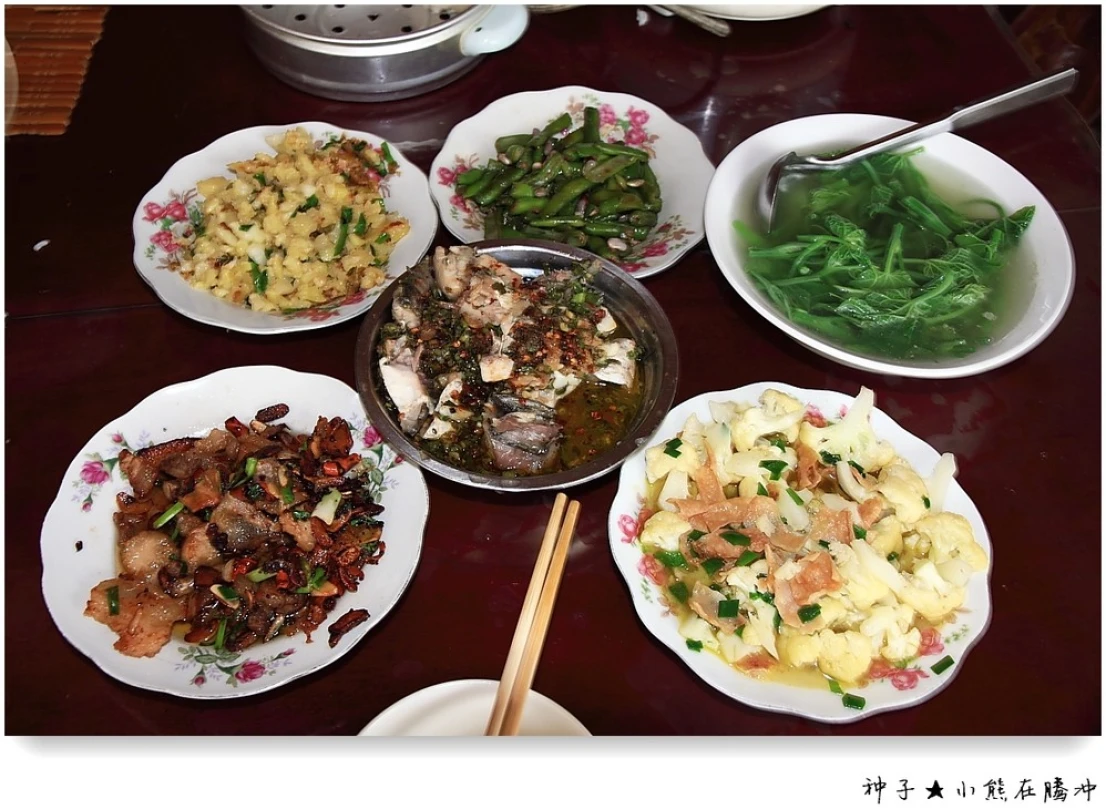
Aunt Zhao used to be the town's Party Secretary and a national "March 8th Red-Banner Pacesetter" (a prestigious honor for outstanding women in China). After retiring, she opened this guesthouse. It's more like a "home" than a business. She took care of us like a mother: she made breakfast every morning, and lunch and dinner were so generous they moved us—five or six dishes plus a soup, all clean and delicious. Dinner cost just 14 RMB per person, and breakfast was 3 RMB.
Aunt Zhao's children are all teachers, including her daughter-in-law. They're highly educated and very knowledgeable about jade. We bought several pieces of jade from them, and everyone later told us they were incredible value.
Contact Information: Phone: 0875-5150792, Mobile: 15094230193 / 15334315161. Address: Dayin Jia Lane, Heshun, Tengchong (next to the Anning Kindergarten).
Food: The Taste of Home at the Guesthouse
Local specialties include "Dajiujia" (a stir-fried dish of rice cakes, meat, and vegetables, literally "the dish that saved the emperor") and "Ersi" (rice noodles in soup). During our stay, we usually pooled together for lunch—vegetable dishes cost 15 RMB each, and meat dishes were 20–30 RMB. But honestly, what we missed most was the home-cooked food Aunt Zhao made for us at the guesthouse. That's a flavor you just can't find anywhere else.
Attractions, Tickets, and Tips
Heshun Ancient Town
The entrance ticket is 80 RMB, which grants access to the library and several other small sites. But we didn't buy tickets—our driver took us straight in when he picked us up. If you want to avoid paying, you can try this approach.
Beihai Wetland
Ticket: 60 RMB. We didn't buy these either. Our driver, Xiao Wang, arranged for a local to take us in for 40 RMB per person. We first went boating on the wetland, then walked around. Walking barefoot on the wetland was incredibly fun. Note: If you buy the official ticket, you're not allowed to step onto the wetland—you can only walk along the perimeter.
Rehai (Hot Sea)
Ticket: 60 RMB (student ID accepted). The main attraction is the "Big Boiling Pot" (a massive hot spring pool). The hot springs themselves cost 268 RMB per person and are quite luxurious. If you stay at the hotel on-site, it's 1,280 RMB per person, including access to the hot springs. If you're going as a couple, consider staying one night and soaking all day.
Cherry Blossom Valley (Yinghuagu)
Ticket: 50 RMB (student ID not accepted). You can enjoy the hot springs here for free—but you must bring your own swimsuit! If you forget, ask your driver to take you into town to buy one first. Ladies' swimsuits cost 38 RMB each, men's 20 RMB. If you buy one inside the valley, a women's swimsuit will set you back 120 RMB.
Volcano Park
Ticket: 40 RMB (student ticket: 20 RMB). The ticket covers three attractions: Volcano Park, Columnar Jointing (a geological formation), and Heiyu River (Black Fish River). To be honest, no one seemed to check tickets at Columnar Jointing or Heiyu River—you can walk in freely.
The hot air balloon ride costs 200 RMB per person. Once you go up, you realize you're tethered by a rope, and it's over in no time. I wish I'd tried the hang glider instead—300 RMB per ride, and it would have been far more thrilling.
National Memorial Cemetery of the Fallen (Guoshang Muyuan) and Dieshuihe Waterfall
From the exit of the ancient town, take a bus for 2 RMB per person to the National Memorial Cemetery. From the cemetery, it's a 300-meter walk to Dieshuihe Waterfall. A taxi back to the ancient town costs 15 RMB.
Moments That Touched My Heart
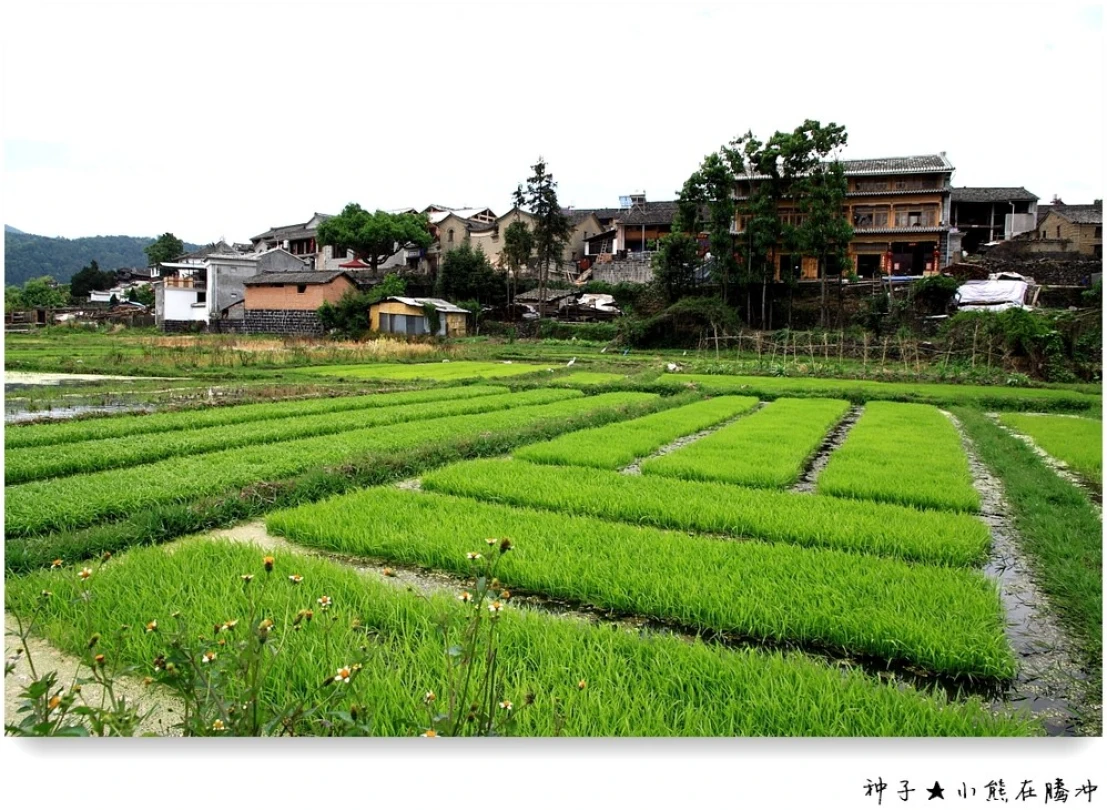
The moment I stepped into Heshun Ancient Town, I was overwhelmed by its peace and tranquility.
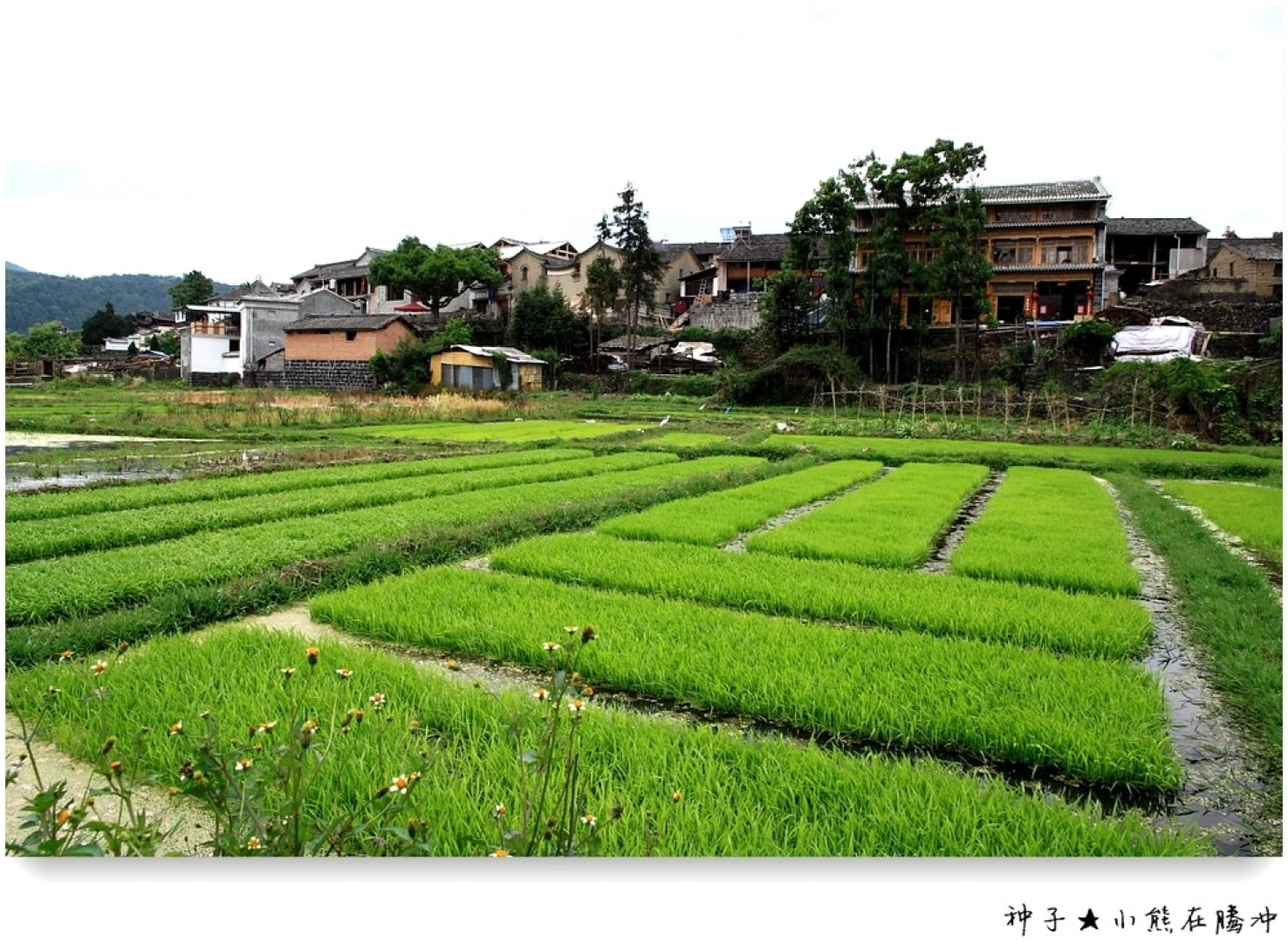
It's nothing like Lijiang. Lijiang has become extremely commercialized—you rarely see local residents; instead, vendors from all over the country hawk their wares. In Heshun, on the other hand, schoolchildren walk home in twos and threes, chatting and laughing; farmers lead their water buffalo home after a day's work; women wash clothes by the riverbank. This sense of everyday life is something you won't find in Lijiang anymore.
Our guesthouse, Yuanheju, was on the edge of the ancient town, and we could see the fields right from the door. Especially at sunset, when colorful clouds drifted across the sky, the beauty was beyond words. But every evening at that time, I was busy eating Aunt Zhao's delicious cooking, so I never managed to go out and take photos—a small regret.
White birds were everywhere, and flocks of ducks swam leisurely by. My husband muttered beside me, "Wow, look at all those Quanjude, Jiujiuyā, Zhou Heiya..." (all famous duck dishes in China). I was speechless.
The geese were adorable, too. You'd never see such a lively, everyday scene in Lijiang.
Sunlight streamed through the courtyard, falling on the kettle, and the old calendar hung on the wall. In that moment, I was reminded of my childhood days living in a single-story house.
Final Thoughts
What moved me most about my trip to Tengchong wasn't the tourist attractions—it was the genuine feeling that "life goes on." Children coming home from school, farmers leading their cattle to the fields, women washing clothes by the river. Every day here feels like a living painting.
If you, too, want to escape the noise of the city for a while and find a place where you can slow down, Heshun might be the answer. Pack a light bag, stay at Aunt Zhao's Yuanheju, eat her home-cooked meals, laugh and chat with your carpooling companions, and sit in a daze as the sun sets. You'll remember that this is what life is supposed to be.
One last piece of advice: If you want to buy jade, ask Aunt Zhao's son—he and his wife are teachers, they know jade inside out, and their pieces come directly from Myanmar, making them much cheaper than what you'll find in Tengchong town. I bought one bracelet and two pendants for a total of 5,500 RMB, and many people told me it was a steal.
As for photos of the National Memorial Cemetery, I haven't included any. Let's show respect for the fallen heroes—let them rest in peace.
This article is original content, with some practical information referenced from traveler shares. Please contact the author for reprints.
You should also read:
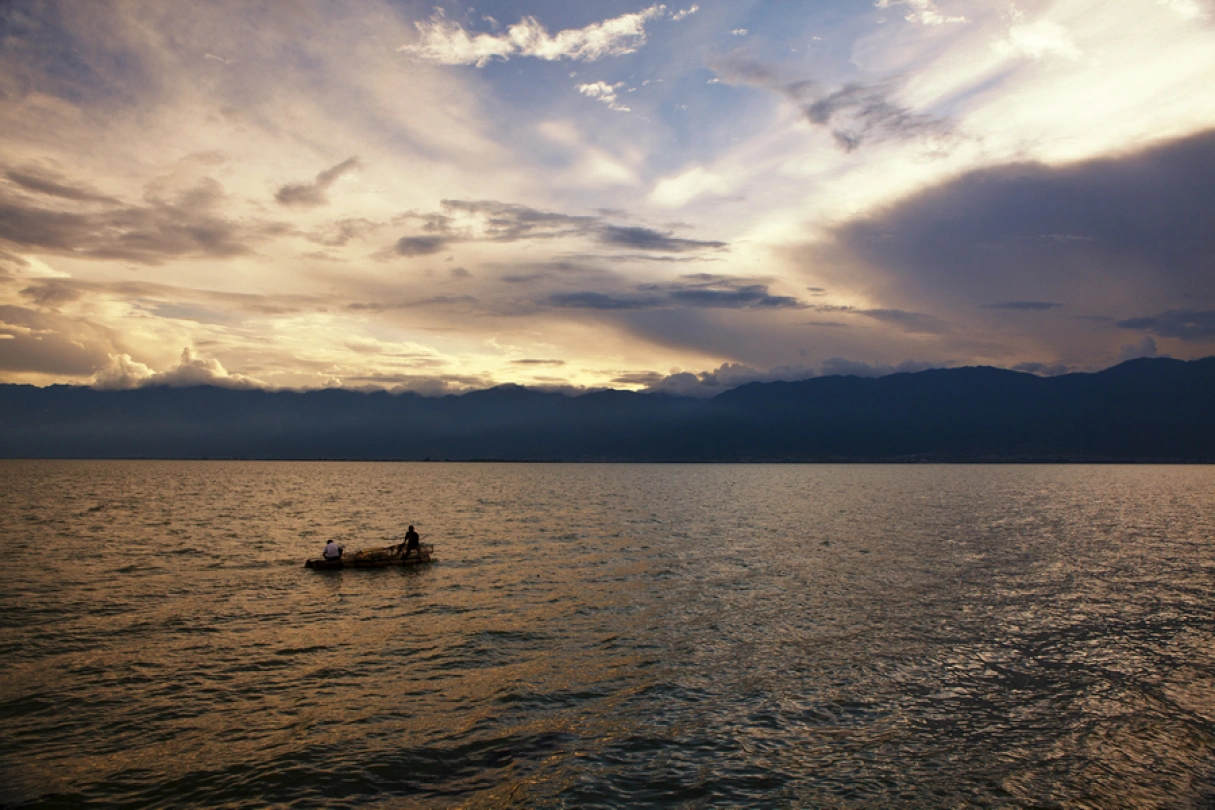
A Journey Through Shuanglang's Guesthouses: Finding Life as It Should Be on the Shores of Erhai Lake
A Journey Through Shuanglang's Guesthouses: Finding Life as It Should Be on the Shores of Erhai Lake Prologue: When Life Hits the Pause Button Have you ever had one of those moments? When the city's towering buildings press down on your chest, when you're swept…
Continue reading...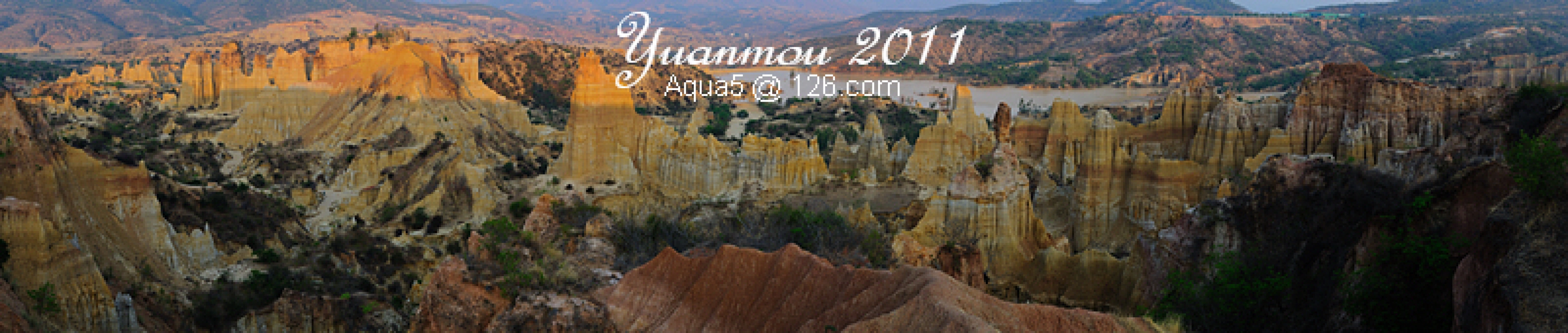
A Journey Through Time: The Earthen Forest of Yuanmou — April 2011 Chuxiong & Yuanmou Self-Drive Guide
A Journey Through Time: The Earthen Forest of Yuanmou — April 2011 Chuxiong & Yuanmou Self-Drive Guide Some journeys are destined to take root in your memory. In April 2011, I set out from Shuhe in Yunnan, heading north toward the Chuxiong Yi Autonomous Prefecture,…
Continue reading...
September: Finding Unexpected Warmth in Yunnan (Kunming, Dali, Shuanglang, Lijiang, Lugu Lake)
September: Finding Unexpected Warmth in Yunnan (Kunming, Dali, Shuanglang, Lijiang, Lugu Lake) Foreword: One Person's Journey, A Crowd's Story Before I set off, like every first-time solo traveler, I printed out a thick stack of travel guides and rehearsed countless possible scenarios in my head—getting…
Continue reading...