2024 Travel Contest: Celebrating Chinese New Year in Yunnan (Part 1) — A Soul-Healing Journey Through Southern Yunnan, From Rice Terrace Dawns to Ancient City Lights
2024 Travel Contest: Celebrating Chinese New Year in Yunnan (Part 1) — A Soul-Healing Journey Through Southern Yunnan, From Rice Terrace Dawns to Ancient City Lights
Author: Moonlight Haze FOTO
Destination: Yunnan
Travel Dates: January 31 – February 8, 2024 (9 days)
Per Person Cost: Family trip; spending varies by preference
Keywords: Yuanyang Rice Terraces, Jianshui Ancient City, Fuxian Lake, Yuxi, Kunming
Introduction: Why Spend Chinese New Year in Yunnan?
If you're tired of the bleak northern winter and want to avoid the crushing crowds at popular tourist spots, Yunnan during Chinese New Year might just be your gentlest answer.
In late January 2024, our family of three set out from Jingxi in Guangxi, driving south through the warm southern landscape, heading straight for Yunnan. This was the third leg of our journey — the first two installments captured our warm winter days in Guangdong and Guangxi, and now this one will take you into the rice terraces of Honghe Prefecture, the alleyways of Jianshui, the lakeshores of Yuxi, and the flower-filled skies around Kunming.
Chinese New Year in Yunnan isn't about crowded temple fairs or sterile hotel rooms. It's about the twilight glow over rice terraces, the grilled tofu in ancient towns, the cherry blossoms by Fuxian Lake, and the everyday warmth hidden in local markets. This travelogue is both my personal memory and, hopefully, a spark of inspiration for your next trip.
1. A Visual Feast: Yunnan Through the Lens
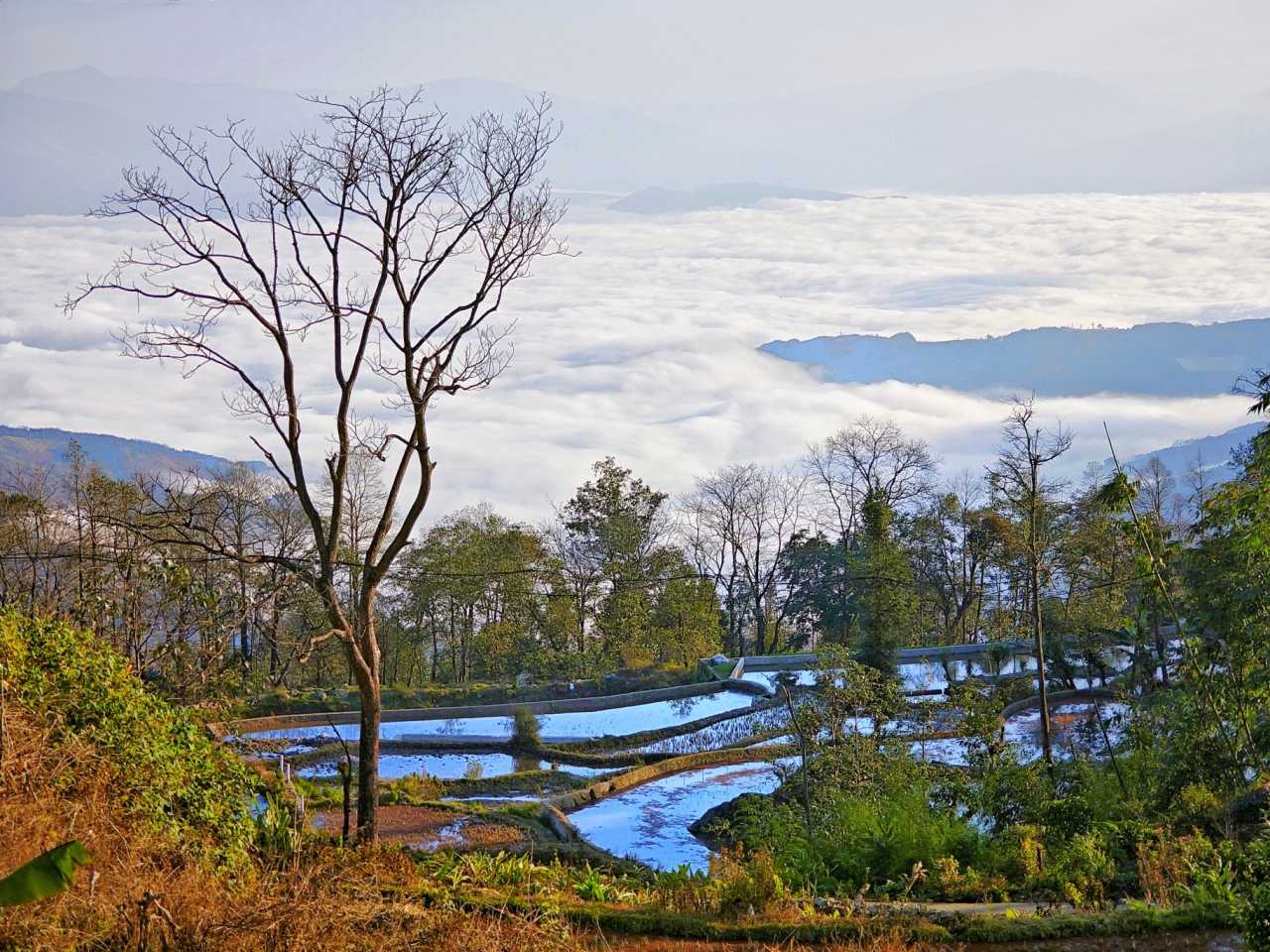
- Multi-colored rice terraces, floating clouds above
- Jianshui Ancient City, a town full of stories
- Fuxian Lake shore, spring blossoms in full bloom
- Red plum and winter jasmine competing for attention
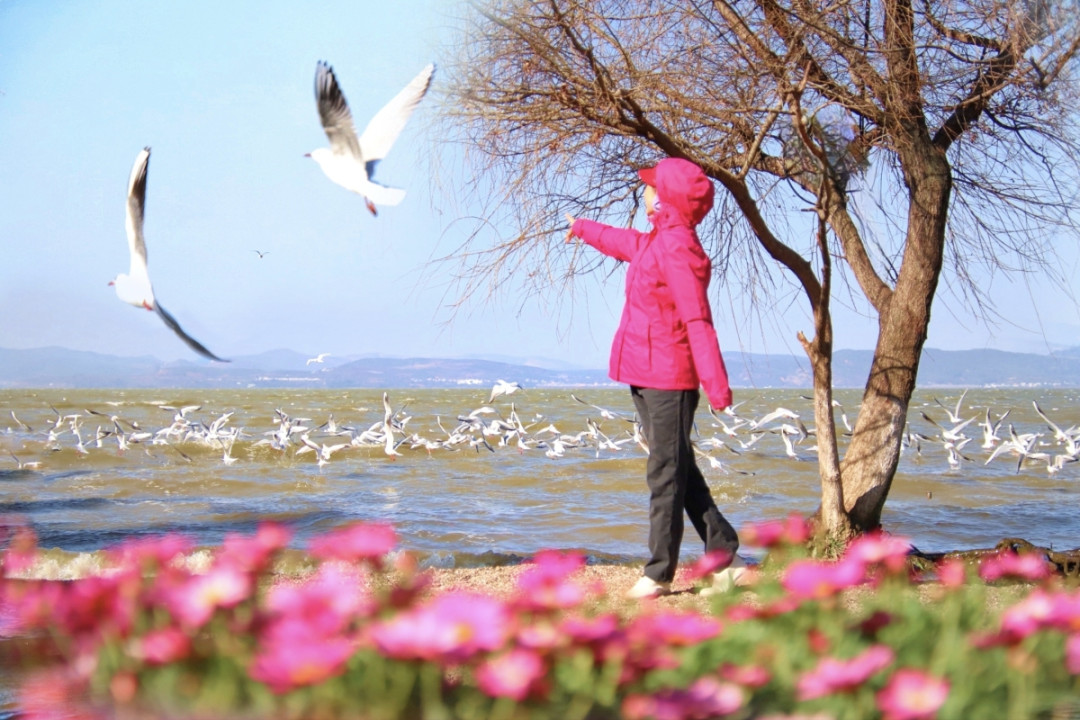
- Dianchi Lake, seagulls dancing with people
- Botanical gardens, sunlight streaming through the trees
- Metasequoia forests, whispering winter's tale
- Fiery reds and golds, sending New Year blessings
- A bird obsessed with flowers — the yellow-vented bulbul, a sprite in the lens
2. Honghe Prefecture: A Duet of Rice Terraces and Ancient Towns
(A) The Jianshui–Gejiu–Yuanyang Expressway: A Shortcut to Scenic Beauty
On June 30, 2023, the Jianshui–Gejiu–Yuanyang Expressway opened to traffic. This highway connects Gejiu, Yuanyang, and Jianshui, stretching 1,530 kilometers with four lanes in both directions and a design speed of 110 km/h. It features 100 bridges and 29 tunnels, with a bridge-and-tunnel ratio of 72% — a true marvel of engineering in mountainous Yunnan.
The most astonishing structure is the Midi Village Spiral Tunnel — the world's first high-elevation-drop spiral tunnel, with a single bore of 40 kilometers and an elevation drop of 118 meters within the same spot. Driving through it feels like a strange "ascending" or "descending" experience, as if you're spinning inside the mountain's belly. Compared to the old days of bouncing along ordinary roads for an entire day, it now takes just a few hours to travel from Jingxi, Guangxi, to Yuanyang, Yunnan — truly achieving "fast access, slow travel."
However, new energy vehicle owners should be cautious: the charging stations along the service areas are outdated, some are broken, and others charge extremely slowly. We lost nearly two hours because of this and had to detour to a town to recharge. If you drive a battery-swap model, you'll save yourself a lot of hassle.
(B) Yuanyang Rice Terraces: A Symphony of Light and Water
Bada Viewing Platform: Dreamlike Moments Before Sunset
After 6 p.m., the ticket office at the scenic area is closed, and vehicles can enter for free. We sped along and made it to Bada Viewing Platform just before the sun dipped behind the western mountains.
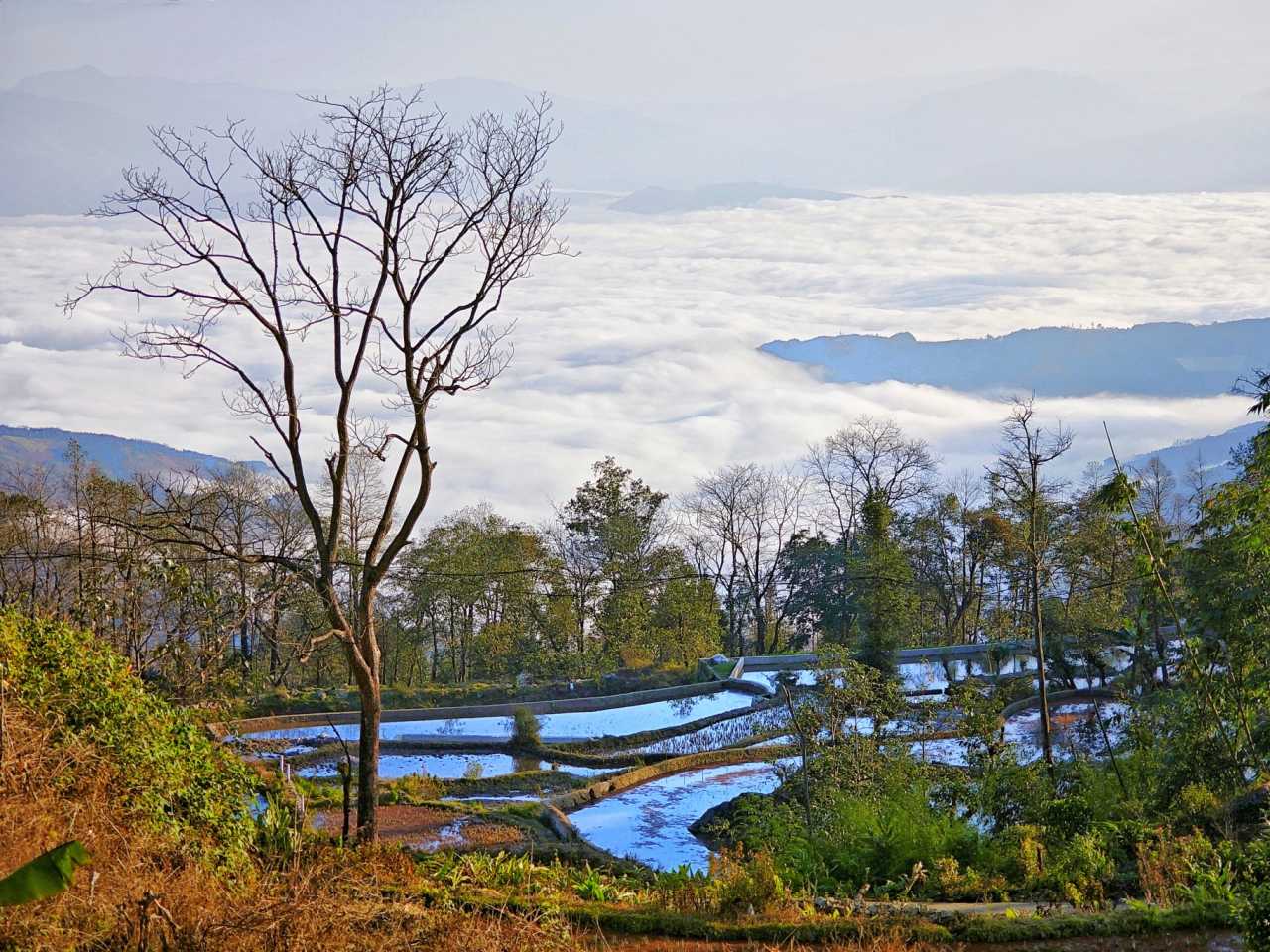
The terrain at Bada is like "two mountains sandwiching a valley," with the viewing platform built on the eastern peak. In the hour before sunset, the sunlight shifts from a white glow to a warm orange, reflecting off the endless terraced water surfaces, creating dreamlike colors. Many people leave as soon as the sun sets, but I want to warn you: wait until the clouds lose their color after sunset before leaving. The reflection of the fading clouds on the terraces creates an even more spectacular scene.
That night, we checked into Yunlan Hotel in Shengcun Village. The online price was 240 RMB, but the on-site rate was just 100 RMB (prices rise during holidays). The room had an electric blanket, but the tap water was yellow — the owner said it was because of rain two days prior. Luckily, he provided bottled spring water, but we couldn't use the tap water for washing. We stayed only one night before moving on.
Duoyishu Viewing Platform: Sunrise and Parking Nightmares
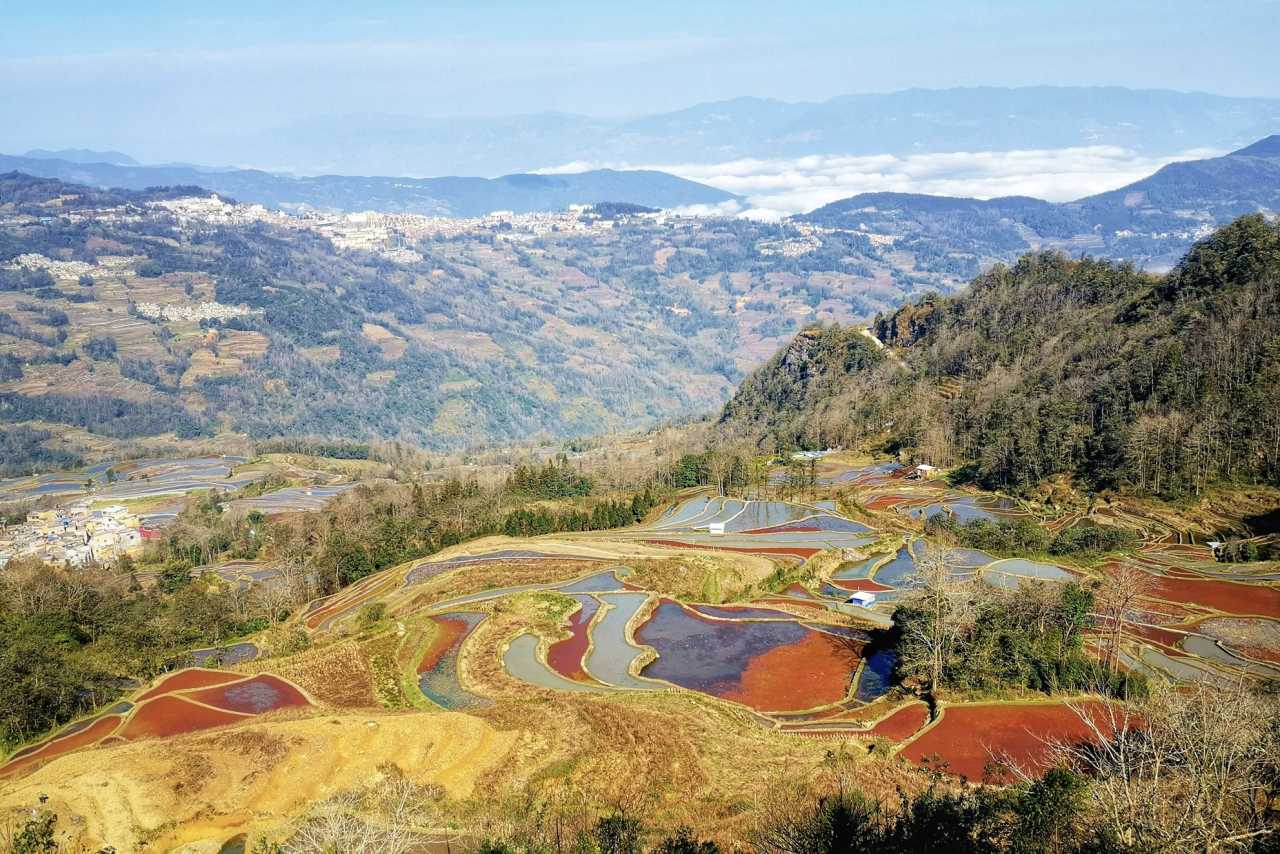
The next morning, we arrived at Duoyishu Viewing Platform half an hour before sunrise. But the ticket inspectors wouldn't let us drive into the parking lot, claiming "others arrived earlier." So we parked on the roadside and entered the platform, only to find a handful of people inside while the parking lot was full. Later, we learned that a new high-end resort hotel had opened nearby, and its guests were likely occupying the parking spaces. Worse still, when we tried to leave, both sides of the road were lined with cars stretching for over a kilometer. We had to call the police to get out — such management is hardly worthy of a UNESCO World Heritage site.
Still, the sunrise that morning was worth it. There were no massive clouds or mist, but the reflections in the water and the colorful terraces were enough to console us for waking up early. Word had it that the previous two days were shrouded in thick fog, with nothing visible — we were lucky in comparison.
Quanfuzhuang: Solitude All to Ourselves
A 15-minute walk from Shengcun, following a villager carrying firewood down a side path to a village road, brought us to Quanfuzhuang. Far from the scenic area's official viewpoints, this spot is surrounded by dense forest, filled with birdsong and cicadas. It's a classic Hani mountain village with the "forest—stream—village—rice terrace" four-element landscape. The two of us had the magnificent terraces all to ourselves, though we hadn't brought our camera and could only capture the moment with our phones.
In recent years, villagers have bought cars, built new houses, and more terraces have been left fallow. The grandeur of Yuanyang is quietly fading. So, see the beauty while you can.
(C) Jianshui Ancient City: A Livable Little Town
Jianshui is one of my favorite small towns in Yunnan. Winters are mild, the air is dry and pleasant, fruits and vegetables are abundant, prices are reasonable, and it's only about 200 kilometers from Kunming, with direct high-speed rail and smooth highways. It lacks the commercialization of Dali or Lijiang, but it has a much more authentic sense of daily life.
Strolling Through the Ancient City: The Chaoyang Gate, Older Than Beijing's Tiananmen
After checking into Xihan Hotel Cultural Tourism Branch (renovated in 2019, with new facilities, convenient parking, and great value), we took a taxi to the east gate of the ancient city. Chaoyang Gate (Yinghui Gate) is an ancient structure 19 years older than Beijing's Tiananmen, which bears a striking resemblance to it. Inside the city, the Confucian Temple and the Zhu Family Garden are worth visiting, but what drew me more were the street vendors — fresh fruit, barbecue stalls, grilled tofu — every corner brimming with everyday warmth.
Daban Well: The Taste of Jianshui
Daban Well (Pubo Spring) was built in the early years of the Ming dynasty's Hongwu reign (1368–1398). Its mouth is over three meters in diameter, and it still gushes water to this day. Locals drive or ride electric scooters to fetch water, which is cool in summer and warm in winter, sweet and refreshing. Thanks to the documentary A Bite of China, the tofu made with Daban Well water has become a viral sensation. We tried Lin'an Grilled Tofu — crispy on the outside, tender on the inside, dipped in chili powder. One bite, and it was pure Jianshui.
Twin Dragon Bridge and the Rapeseed Flower Fields
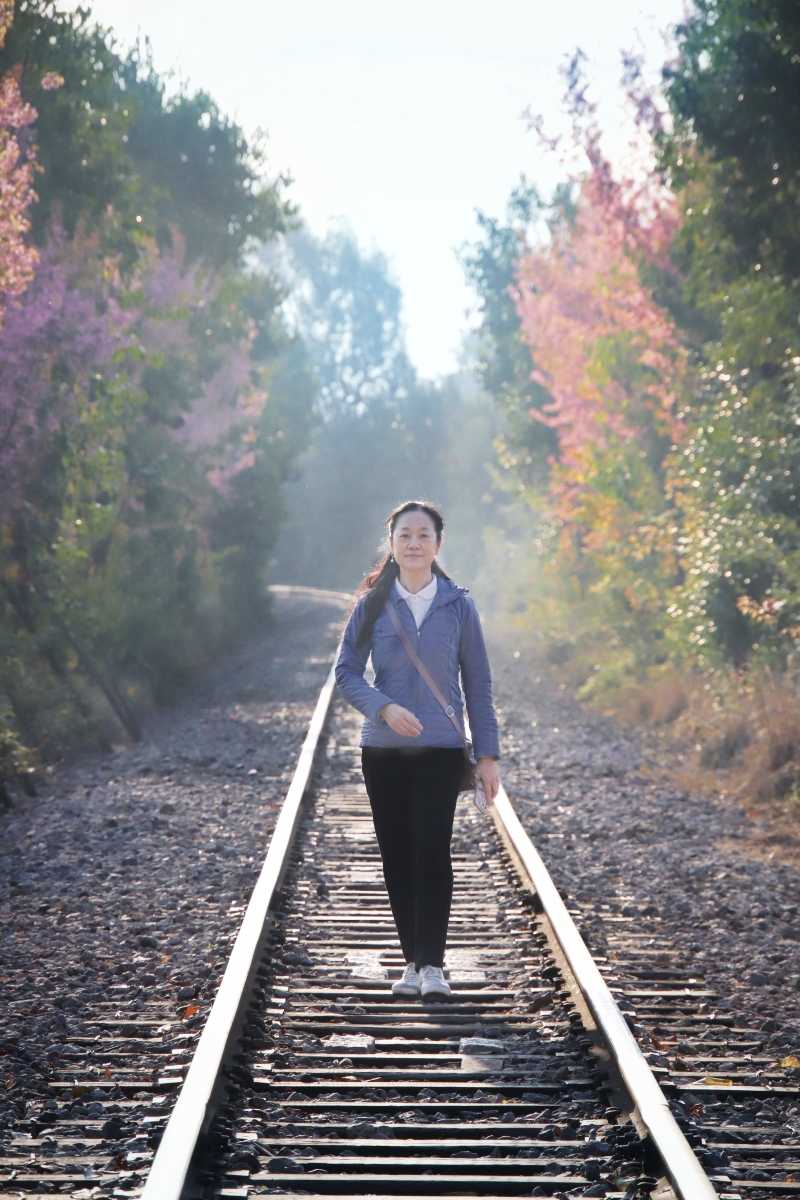
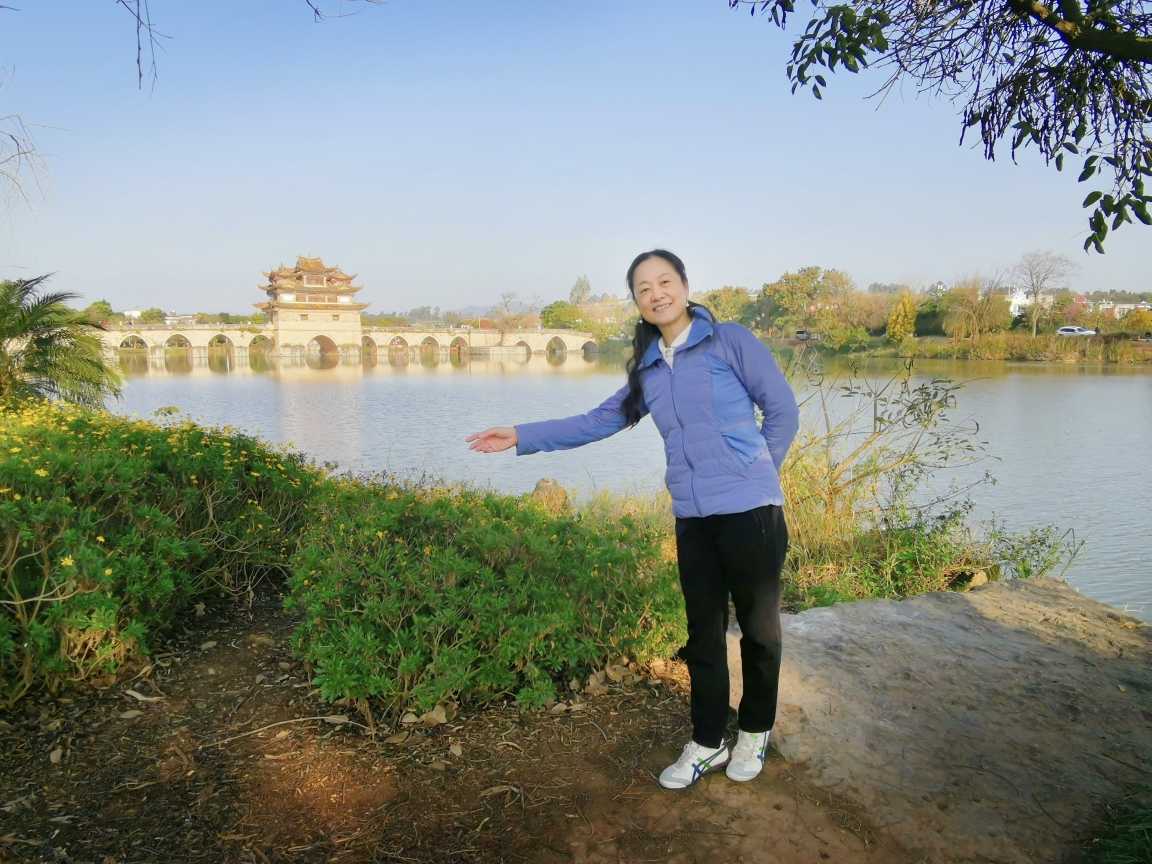
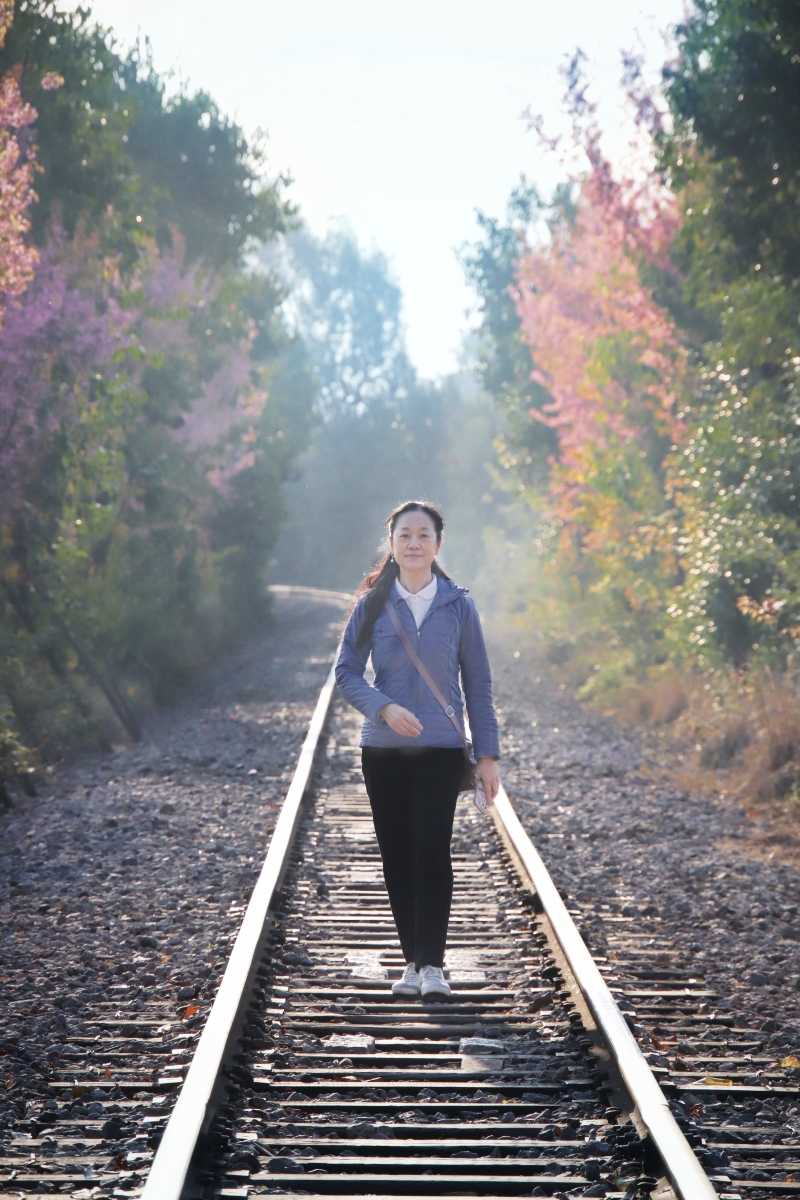
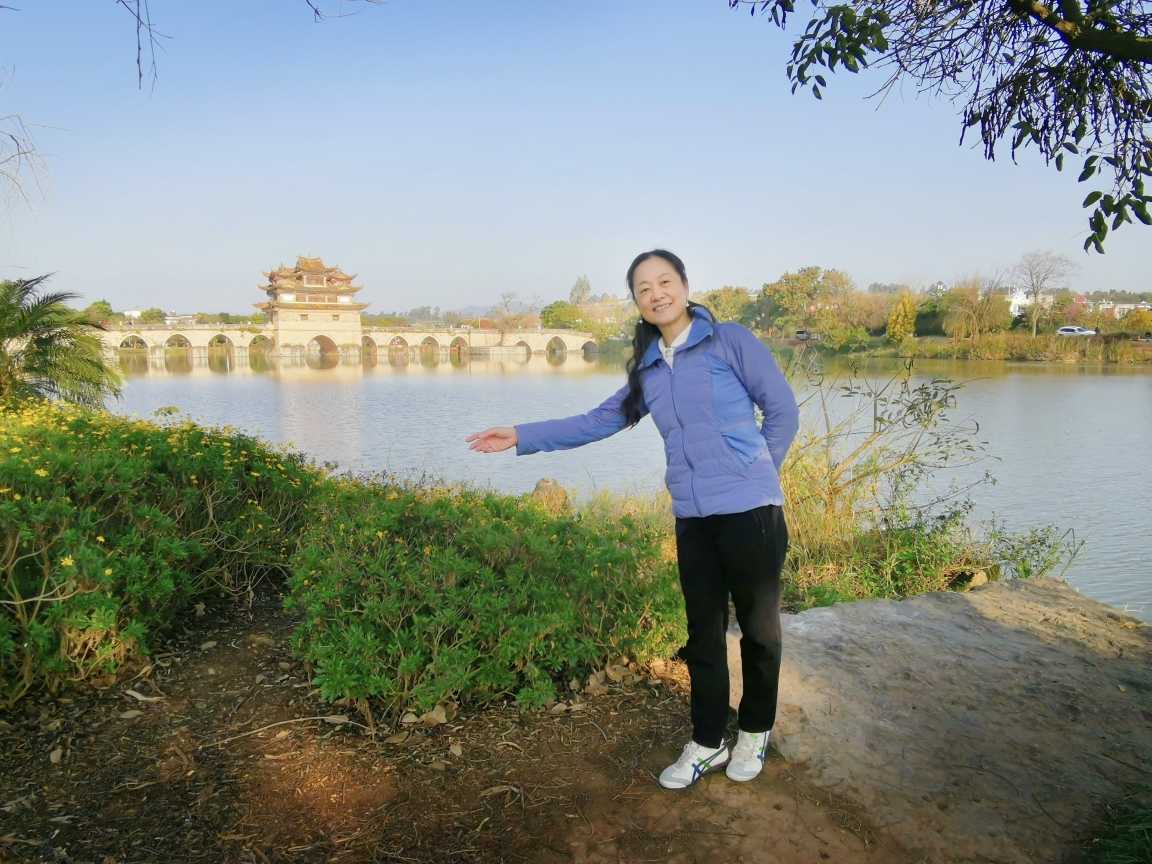
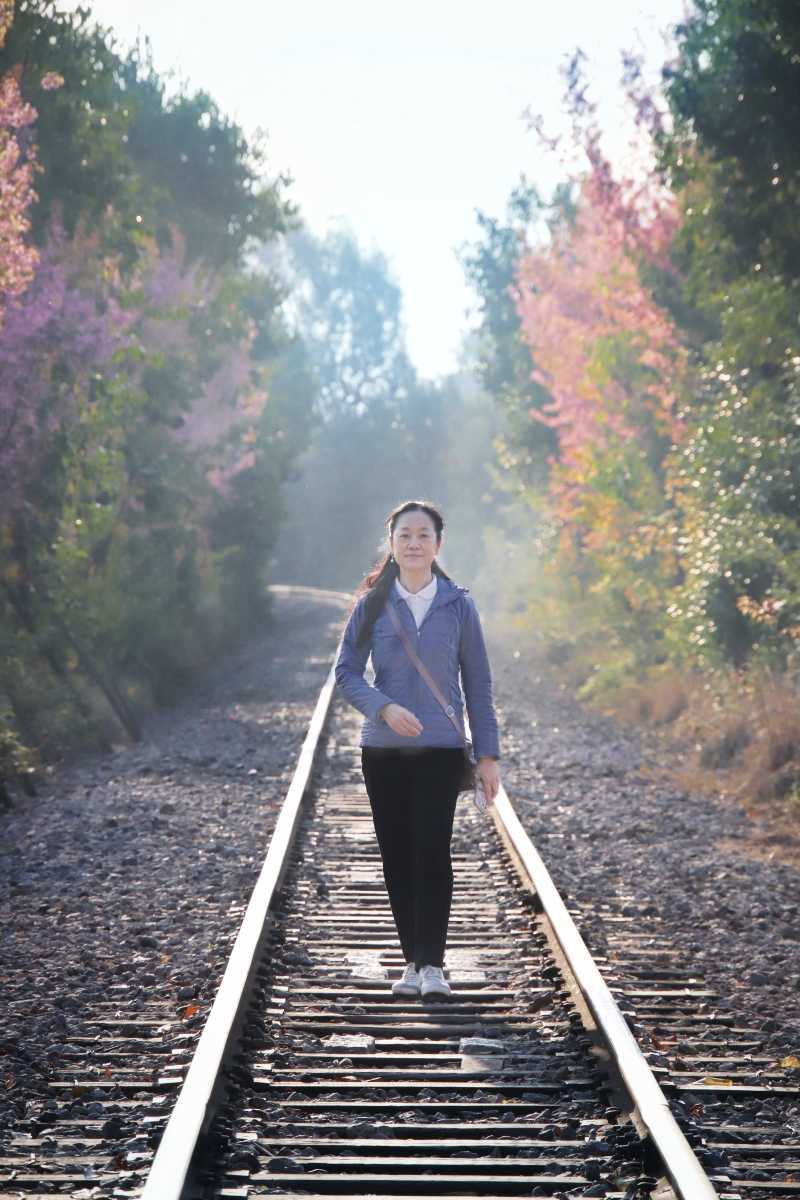
Twin Dragon Bridge (17-Arch Bridge) is Jianshui's crown jewel. First built during the Ming dynasty's Jiajing reign (1522–1566), it spans 148 meters and is listed as a National Key Cultural Relic Protection Unit. South of the bridge lies a vast rapeseed flower field, open to the public for free, dotted with sculptures and photo spots. On the north side runs the century-old narrow-gauge tourist railway, departing from Lin'an Station, passing Twin Dragon Bridge, Xianghui Bridge, and ending at Tuanshan Station. The scenery along the way is beautiful, making it perfect for photography.
Jianshui Confucian Temple: Second Only to Qufu and Beijing
Jianshui Confucian Temple was built in the 22nd year of the Yuan dynasty's Zhiyuan reign (1285). Covering 114 mu (about 7.6 hectares), it is the third-largest Confucian temple in China, after Qufu and Beijing. It follows a north-south central axis symmetrical palace-style layout, with 31 surviving structures. It is listed as a National Key Cultural Relic Protection Unit (fifth batch). Here, we felt the weight of Confucian culture and took plenty of photos.
3. Yuxi: A Small City with a Big Lake and Everyday Charm

(A) The West Bank of Fuxian Lake: A Million Acres of Crystal-Clear Waters
Fuxian Lake's water is so clear and translucent that the ancients called it "a million acres of glass." It is China's largest reservoir by volume, the largest high-altitude deep lake, and the second-deepest freshwater lake. On my two previous visits, I had missed its beauty — once due to overcast skies, once because of a rushed schedule. This time, we finally gave it the time it deserved.
Turning off the expressway onto the west ring road, passing through Star Town, the stunning Fuxian Lake unfolded before us. Along the way, the Lavender Lakeshore, Solitary Hill Golden Beach, Ruby Sand Beach, and Sailing Base — every spot was mesmerizing. The cherry blossom-lined shore near Lucheng Scenic Area, with red flowers against blue water, was especially striking.
(B) Ancient Dian Kingdom in Kunming: Living in a Garden
That evening, we checked into the Dianse Guesthouse in the Linyunli complex of Ancient Dian Kingdom, Jinning District, Kunming. The complex felt like a huge garden, with lush trees and flowers, cascading waterfalls, birdsong, and butterflies. We stayed here for nearly ten days, making it easy to explore Kunming's Dianchi Lake and the sights around Fuxian Lake.
(C) Visiting Yuxi City: Tobacco and Everyday Warmth
Yuxi is famous for its tobacco, but its everyday warmth is even more captivating. We visited Yingyue Hot Springs, Yuquan Temple (home to Southeast Asia's tallest indoor seated Buddha), and Nie Er's Former Residence. We also explored Beimen Market — the most vibrant spot, with strawberries, cherries, tofu, and roasted potatoes, all cheap and delicious.
From Qian Gua Shan Viewing Platform, we gazed at the landmark of Hongta Group — that tall tower, a symbol of Yuxi. Though we didn't make it to Hongta Mountain Park, this easy hike and park visit provided a perfect ending to our Yuxi trip.
(D) The North Bank of Fuxian Lake: Another Glimpse of the Lake
The next day, we drove another 50 kilometers back to the north bank of Fuxian Lake. The ring road now features many small parks and walking paths, offering beautiful lake and mountain views wherever you go. We randomly turned into a small park, strolled along the shore, took photos, and enjoyed the rare tranquility.
Conclusion: Yunnan's Chinese New Year Is Worth Slowing Down For
On this Yunnan trip, we witnessed the dawn and dusk of Yuanyang's rice terraces, tasted the grilled tofu and strawberries of Jianshui, felt the glassy vastness of Fuxian Lake, and wandered through the everyday bustle of Yuxi. No crowded attractions, no rush to get anywhere — just the pleasure of walking slowly, looking carefully, and eating at leisure.
A few practical tips:
- See the rice terraces early: The best light at Yuanyang is at sunrise and sunset, but the site management needs improvement. Plan your parking and accommodation in advance.
- Spend more days in Jianshui: Prices are low, food is abundant, and it's perfect for a slow exploration.
- Circle Fuxian Lake clockwise: Take the east ring road in the morning and the west ring road in the afternoon for better lighting in photos.
- New energy vehicle owners, watch your charging: Charging stations at Yunnan expressway service areas are outdated. Plan your charging stops ahead.
- Stay at Ancient Dian Kingdom: If you're driving, this is a great base for visiting Kunming and Fuxian Lake.
Chinese New Year in Yunnan isn't about northern cold or tourist noise. It's about warm sunshine, fresh air, and the beauty hidden between mountains and waters. I hope this travelogue provides a little inspiration for your next trip to Yunnan.
Preview of Part 2: Parks, scenic spots, and markets in and around Kunming city center... More excitement to come!
This article is original content. Reproduction without permission is prohibited.
You should also read:

Body in Hell, Heart in Heaven: A Pilgrimage Through Tiger Leaping Gorge — A Dialogue Between Heaven and Earth
Body in Hell, Heart in Heaven: A Pilgrimage Through Tiger Leaping Gorge — A Dialogue Between Heaven and Earth Introduction: When the Gorge Splits Open Beneath Your Feet Some say Tiger Leaping Gorge is the closest place on Earth to the border between "hell" and…
Continue reading...
Cloud Travelogue · Dali of Wind, Flowers, Snow, and Moon: A Three-Day, Two-Night Journey of a Free Spirit
Cloud Travelogue · Dali of Wind, Flowers, Snow, and Moon: A Three-Day, Two-Night Journey of a Free Spirit I am a cultured female foodie with a touch of rogue charm. I slung on my backpack, took my lover's hand, and set off on a spontaneous…
Continue reading...
The Meaning of Travel – A Tengchong Story: A Journey of the Heart and Personal Growth
The Meaning of Travel – A Tengchong Story: A Journey of the Heart and Personal Growth Setting Out, Only to Return a Better Self Some say travel is nothing more than leaving a place you're tired of, only to go to a place where others…
Continue reading...