2025 Golden Autumn Self-Drive Tour of Northwest Yunnan: Finding the Meaning of Travel Between Lijiang, Diqing, Meili Snow Mountain, and Lugu Lake
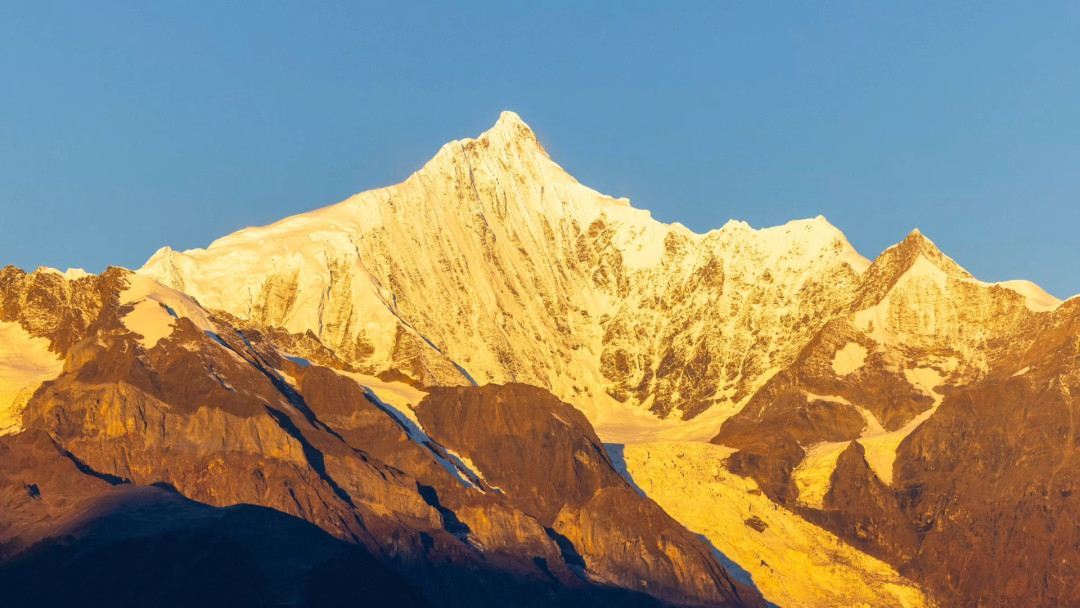
2025 Golden Autumn Self-Drive Tour of Northwest Yunnan: Finding the Meaning of Travel Between Lijiang, Diqing, Meili Snow Mountain, and Lugu Lake
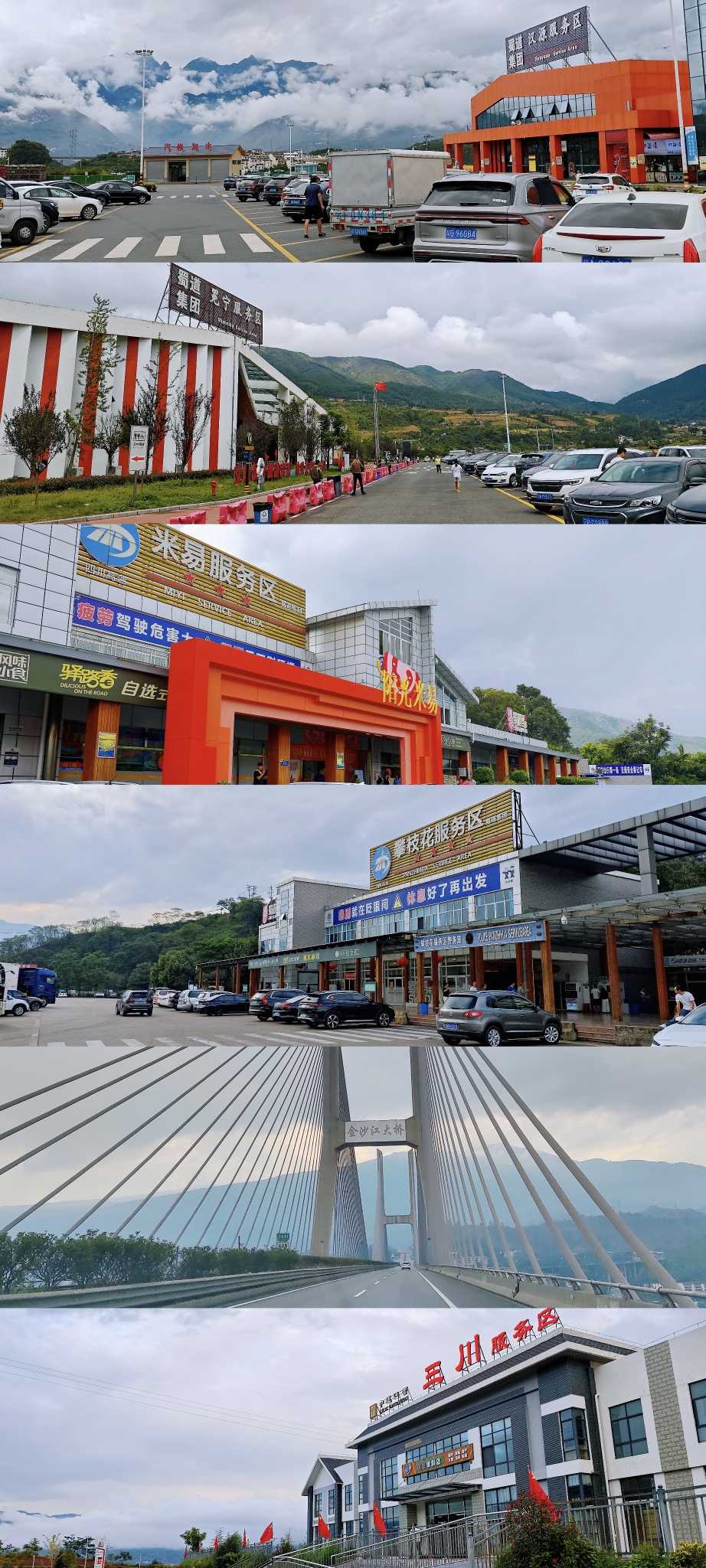
The October wind, carrying the distinct crispness and gentleness of the highlands, swept away the clamor of the National Day holiday. While friends were still scrolling through photos of crowded tourist spots on social media, I had already embarked on a spontaneous self-drive tour through northwest Yunnan. There was no hour-by-hour itinerary, no checklist of must-visit internet-famous spots—just a heart longing to wander on the road, amidst autumn colors, between snow-capped mountains and ancient towns.
This 11-day journey started from Chengdu, passing through Lijiang, Diqing, and Deqin, finally reaching Lugu Lake—a total distance of over 2,000 kilometers. It was both a pilgrimage to natural wonders and a leisurely exploration of history, culture, and self-discovery.
Departure: Post-Holiday Serenity and an 850-Kilometer Drive
On October 8, when most people had just returned to work after the holiday, we chose to set off. It was a carefully calculated move—we could enjoy the last day of National Day toll-free highway travel, saving about 550 yuan (approximately $75 USD) in tolls, while perfectly avoiding the peak crowds and savoring the tranquility of the road.
At 7:30 AM, we departed from Chengdu, heading straight for Lijiang. An 850-kilometer drive is an endurance test for any driver. Fortunately, the scenery unfolded gradually along the way: from the flat plains of western Sichuan to the undulating Hengduan Mountains, and then to the vast Yunnan-Guizhou Plateau. Every stretch of road felt like a flowing painting.
Twelve hours later, when the lights of Lijiang Ancient Town flickered faintly in the night, I knew the prologue of this journey had come to a satisfying end. A steaming bowl of takeout rice noodles and a hot shower were the perfect comforts for our weary bodies.
Day 1-3: Lijiang, Between Day and Night in the Ancient Town
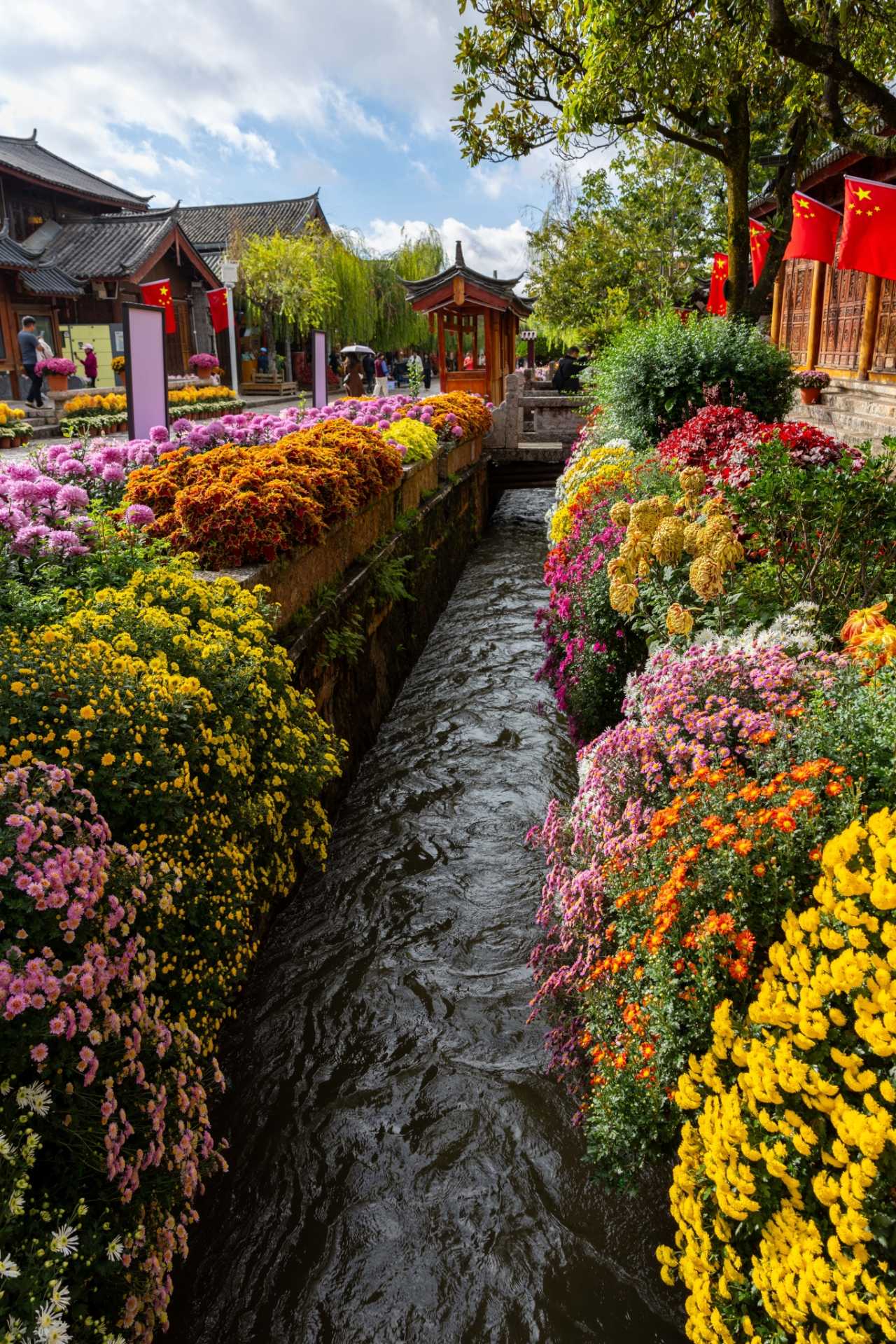
Lijiang Ancient Town: A Gentle Encounter After the Rain
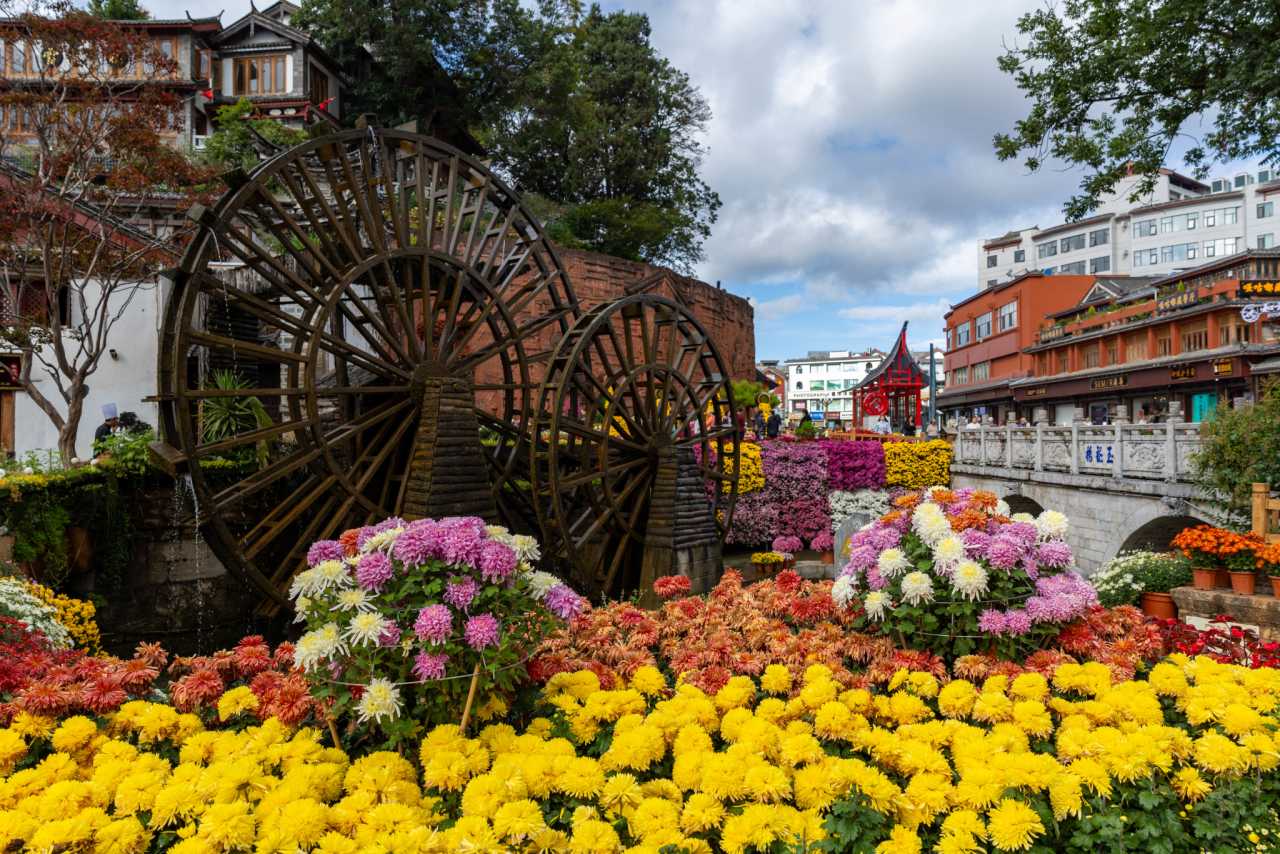
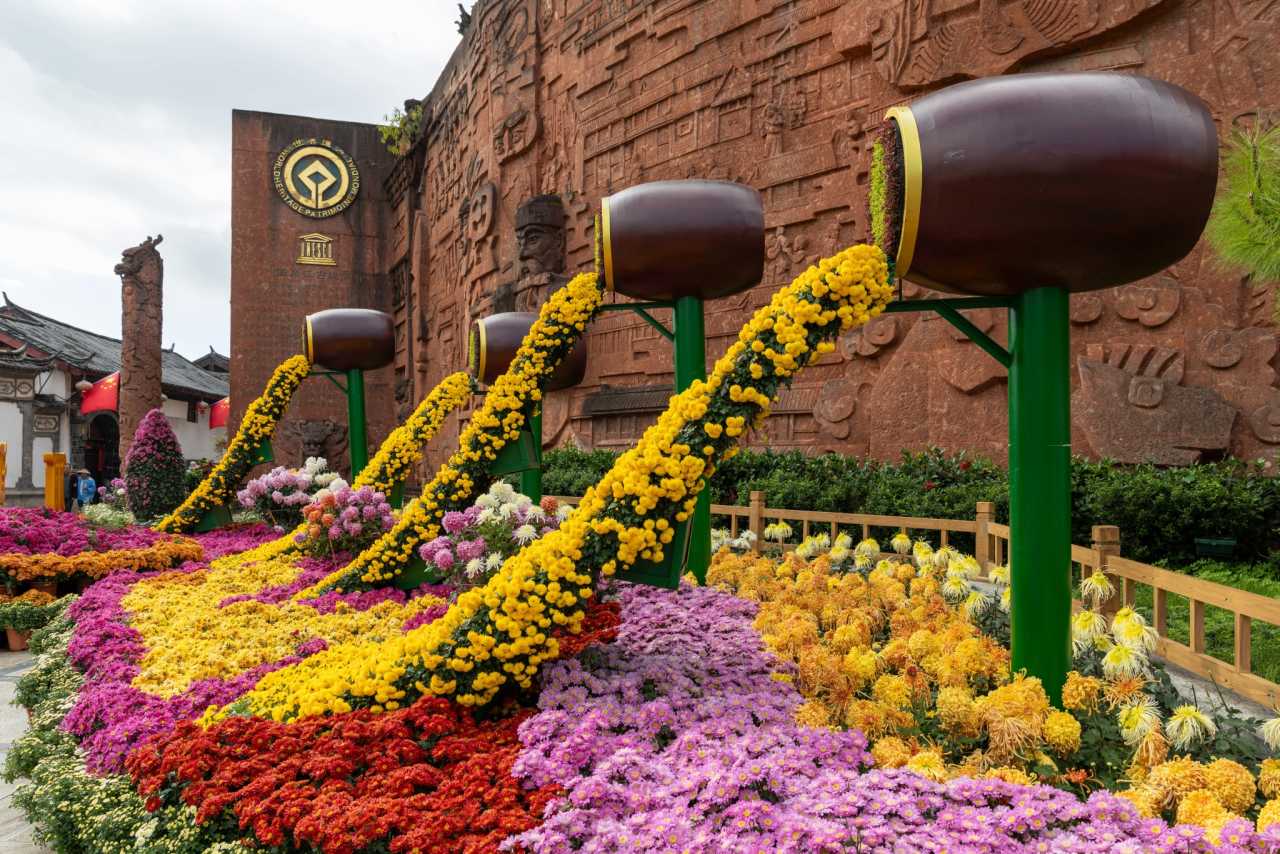
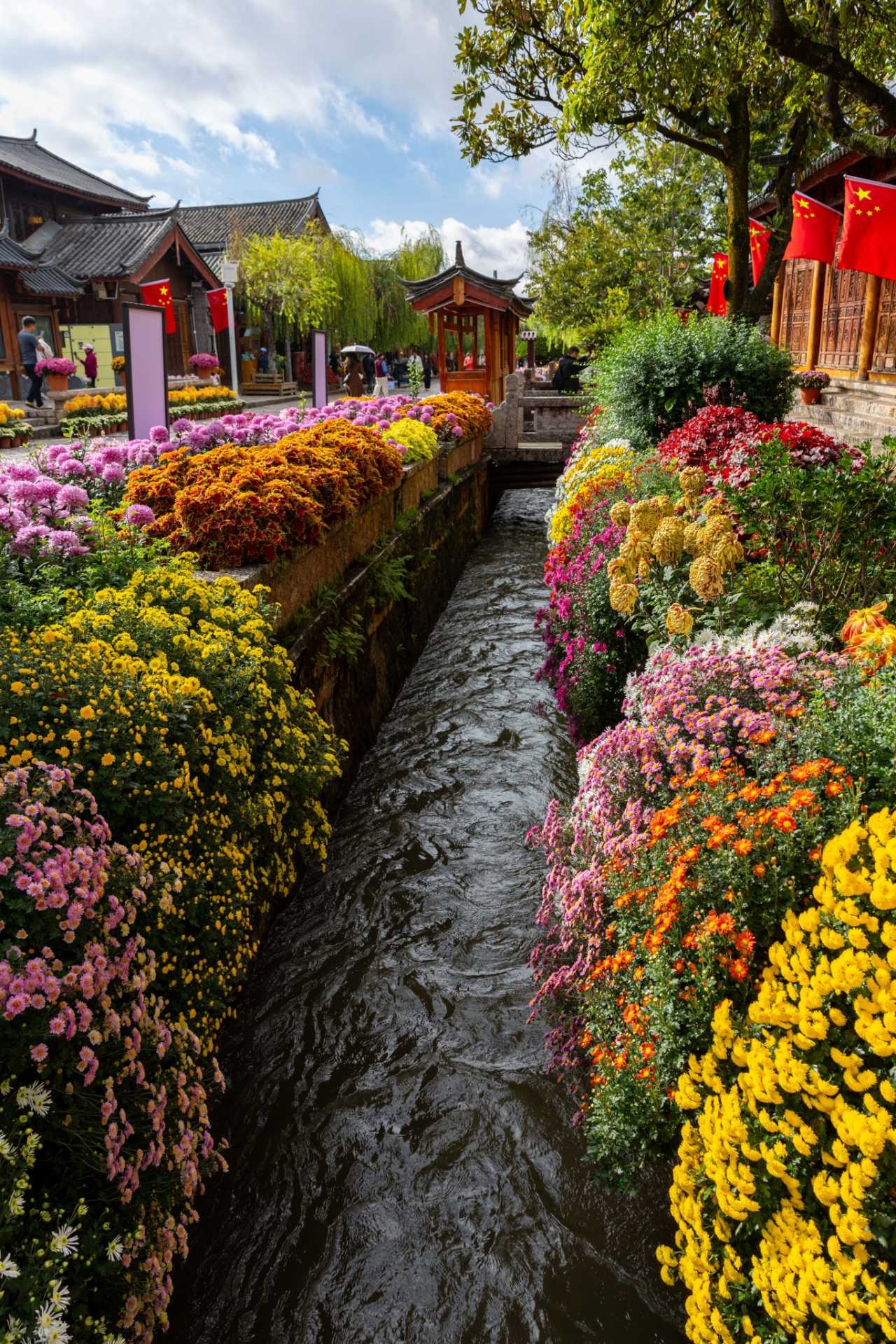
October in Lijiang had just been washed by an overnight rain. Entering through the Big Waterwheel at the west gate of the ancient town felt like stepping through a door in time. The sun after the rain was exceptionally warm, and the air was filled with a fresh sweetness. What delighted me most were the flowers everywhere—by the walls, beside the small bridges, outside the windows—all kinds of blooming plants adorned the ancient town, turning it into a vast garden.
The cobblestone streets, polished to a shine by countless footsteps over the centuries, glistened faintly in the damp air, winding their way into the depths of the old town. Following these stone paths, we reached the center of the ancient town—Square Street (Sifang Jie)—in about fifteen minutes. This was once the bustling trading hub of the Ancient Tea Horse Road. Though the caravans are long gone, sunlight still bathed the square, and Naxi grandmothers, dressed in their traditional "wearing the stars and moon" attire, sat under trees chatting about daily life. The unhurried pace embedded in their ethnic heritage still had the power to slow time down.
Mu Palace: The Naxi Version of the "Forbidden City"
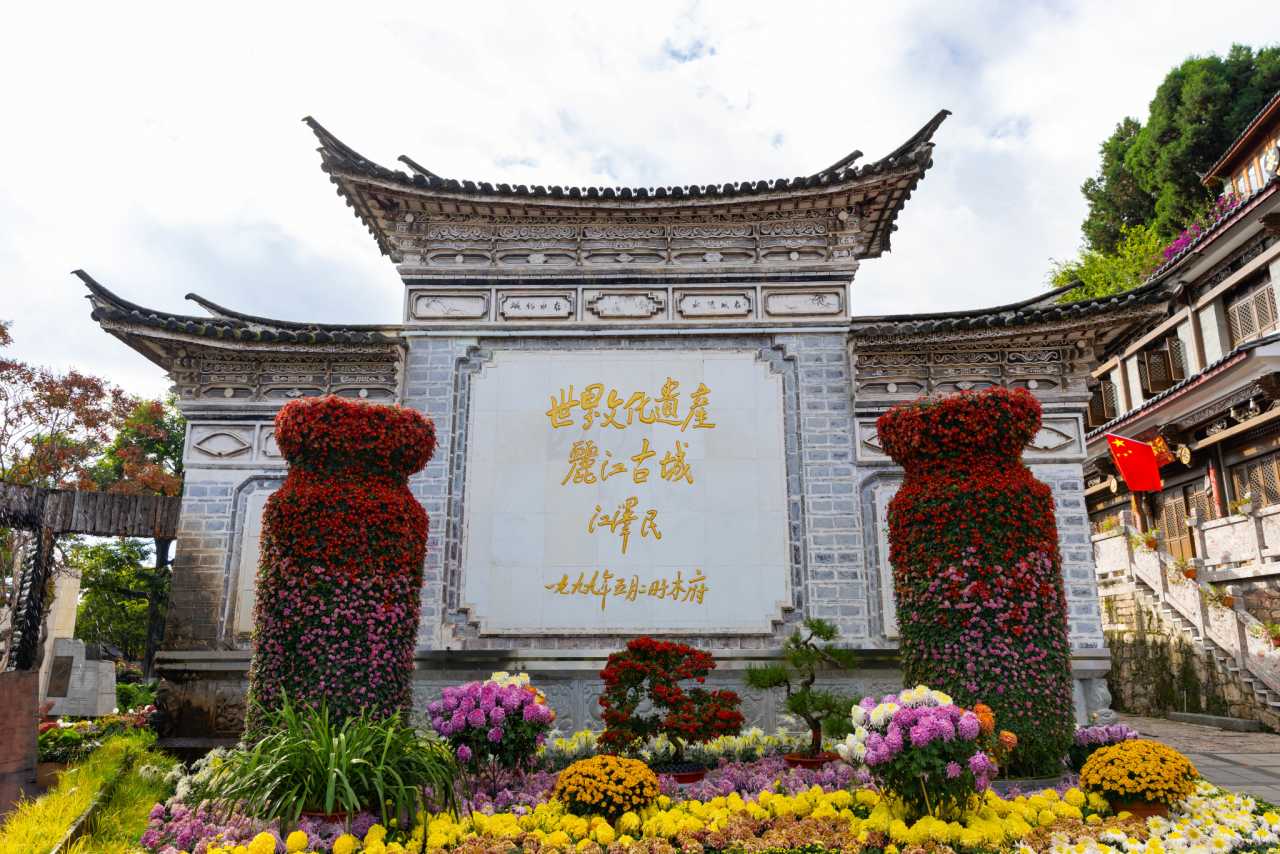
Passing through the archway inscribed with "Tian Yu Liu Fang" (a homophone in the Naxi language meaning "Go read"), we stepped into the former palace of the Mu chieftains of Lijiang—Mu Palace. Known as "the Forbidden City in the north, Mu Palace in the south," this architectural complex differs from the grand majesty of imperial palaces. Backed against Lion Hill, it exudes an aura of "splendor fit for a king."
Climbing along the central axis, we passed the Council Hall, the Ten Thousand Volumes Library, the Dharma Protection Hall, the Guangbi Tower, and the Jade Sound Tower, one after another. Flying eaves, interlocking brackets, carved beams, and painted rafters—all combined Han-style white walls and gray tiles with delicate Naxi wood carvings and Tibetan architectural colors, reflecting the open-mindedness of the Mu chieftains who embraced diverse influences.
The highlight of the visit was climbing to the Sanqing Hall behind the Jade Sound Tower. This is the highest point of Mu Palace. Turning around to look down, the layered rooftops of the halls spread out beneath us in grand splendor. Beyond, the countless gray-tiled eaves of Lijiang Ancient Town stretched to the horizon, and further still, the snow-capped peak of Jade Dragon Snow Mountain (Yulong Xueshan) shimmered in the sunlight. At that moment, I truly understood the regret Xu Xiake, the famous Ming dynasty traveler, felt when he was unable to explore Mu Palace in depth.
Practical Tips: - Tickets & Guided Tours: Admission is 40 yuan (about $5.50 USD), which includes a free guided tour. I highly recommend joining a guide—the historical stories will greatly enhance your experience. - Best Photo Spot: The platform in front of Sanqing Hall is widely considered the best location. You can capture the layered halls of Mu Palace, Lijiang Ancient Town, and the distant snow mountain in one frame. - Nearby Attractions: There is a back door next to Sanqing Hall leading directly to Lion Hill's Wangu Tower (admission 35 yuan / about $4.80 USD). Note: Sanqing Hall itself already offers a panoramic view of the old town. Wangu Tower provides an even higher and wider view—choose according to your needs.
Local Life: From Zhongyi Market to the Night Ancient Town
Emerging from the historical depth of Mu Palace, we came across the Three-Eyed Wells nearby. This ingenious Naxi water usage system consists of three pools arranged from top to bottom: the uppermost for drinking, the middle for washing vegetables, and the lowest for laundry. This convention has been followed for generations, exuding an ancient charm.
At lunchtime, we passed by a wildly popular rice noodle shop and decided to try authentic Yunnan crossing-the-bridge rice noodles (guoqiao mixian). The broth was chicken-based, and a piping hot clay pot was used to cook fresh slices of meat, seasonal vegetables, and rice noodles one by one. The fragrant steam that burst forth was enough to soothe all the fatigue from walking. The rice noodles could be refilled for free. Although the price was a bit steep (38-108 yuan / about $5-15 USD per serving), the taste was indeed good.
In the afternoon, we slowed down and wandered into Xianwen Lane. This long alley was adorned with colorful oil-paper umbrellas hanging overhead. Sunlight filtered through the umbrellas, casting dappled, colorful shadows that felt dreamlike and surreal.
As dusk fell, we took a taxi straight to Zhongyi Market. This is Lijiang's "living museum," brimming with vibrant local life. Stalls were piled high with fresh fruits and vegetables, wild mountain fungi, and various snacks like grilled milk fan (ru shan), rice cakes (er kuai), and Lijiang flatbread (Lijiang baba). The aroma was intoxicating. We mingled with the crowd, eating and strolling, experiencing the most authentic flavors of Lijiang.
When night fully descended, we returned to the ancient town. At night, the old town becomes a stage of lights and music. The white walls, black tiles, small bridges, and flowing water, outlined by warm yellow lights, looked exceptionally gentle and serene. Walking back to the bar street near the Big Waterwheel, we heard激昂的音乐 and tender folk songs spilling out from different bars, creating a strangely vibrant energy. We didn't go inside—we just stood on Xinhua Street, watching the neon lights flicker and the crowds pass by, marveling at how the ancient town could be so different by day and by night, yet so harmoniously coexist.
Shuhe Ancient Town: A Time-Slow Zone on the Ancient Tea Horse Road
On the second day, we slept in and began exploring the outskirts of Lijiang. Today's theme was to follow the contours of Jade Dragon Snow Mountain, from near to far, to touch the more primitive and tranquil pulse of the Naxi people.
Shuhe Ancient Town is located about 7 kilometers northwest of Lijiang Ancient Town. It is a well-preserved important post station on the Ancient Tea Horse Road. Founded during the late Song and early Yuan dynasties, this Naxi settlement still retains Ming and Qing dynasty architectural complexes such as Qinglong Bridge and Square Street. Its residential layout of "three courtyards and one screen wall" has been called by UNESCO a "living Naxi architectural museum."
Following the sound of flowing water, we arrived at Jiuding Dragon Pool. The water plants in the pool swayed with the current, and the water was so clear it brought peace to the mind. Time slowed down here. We didn't deliberately look for spots on the map; we just wandered through the crisscrossing alleys until the aroma of cooking from Feihua Chushui (Flying Flowers Touching Water) pulled us back to reality. Sunlight filtered through the tall willow trees, casting dappled shadows on the mottled stones of Qinglong Bridge. This ancient bridge, over 400 years old, is the soul of Shuhe. Standing here, it seemed we could almost hear the echoes of caravans carrying tea and salt across the stones.
Practical Tips: - Transportation/Parking: Navigate to "Shuhe Ancient Town Parking Lot." - Must-Visit Landmarks: Qinglong Bridge (ancient stone bridge) → Jiuding Dragon Pool (clear spring pool) → Return via Feihua Chushui (commercial leisure area). - Walking Advice: The paths are all cobblestone. Be sure to wear comfortable flat shoes.
Baisha Ancient Town: Gazing at the Snow Mountain Amidst Murals and Coffee Aroma
From Shuhe to Baisha, it's just a short drive. Baisha Ancient Town has a more rustic character. The main street is lined with shops run by locals and some unique handicraft studios.
In Baisha, find a café with a second-floor terrace, order a cup of Yunnan small-grain coffee, and do nothing but gaze at the misty Jade Dragon Snow Mountain in the distance—this is the luxury unique to Baisha.
Yesterday, the guide at Mu Palace mentioned the Baisha Murals, so we came specifically to see them today. Entering the Dabaoji Palace, under the dim light, the colors of the Ming dynasty mural originals had faded with time, but the accumulated depth made their beauty even more profound. Buddhist, Tibetan Buddhist, and Taoist deities and spirits coexisted harmoniously on the same wall—different cultures blending and coexisting here. We stood for a long time, deeply moved.
Admission to the Baisha Murals is 20 yuan (about $2.70 USD) per person. Like Mu Palace, guided tours are available. Besides touring the ancient buildings within the courtyard, the main focus is on viewing the original murals, such as the "Buddha Assembly" painting. Observe the unique scene of Han-style flying apsaras, Tibetan Buddhist deities, and Taoist immortals sharing the same wall. Photography of the original murals is not allowed, so only printed reproductions are available for viewing.
Practical Tips: - Core Attraction: Must-see: the Baisha Murals (inside Dabaoji Palace). Appreciate the artistic treasure blending Han, Tibetan, and Naxi cultures. - Best Experience: Find a café with a second-floor terrace, order a cup of coffee, and leisurely gaze at Jade Dragon Snow Mountain. - Itinerary Planning: Allow 2-3 hours. It's most efficient to visit Baisha together with Shuhe Ancient Town on the same route.
Yuhu Village and Longnv Lake: The Secret Destination at the Foot of the Snow Mountain
Yuhu Village is located in Baisha Town, Yulong Naxi Autonomous County, Lijiang City, about 18 kilometers north of Lijiang Ancient Town. At an altitude of 2,700 meters, it sits at the southern foot of Jade Dragon Snow Mountain. The village is built against the mountain, with winding lanes paved with glacial stones. This was one of the birthplaces of the Naxi Mu chieftains.
Upon arriving at the Yuhu Scenic Area Visitor Center, there is a free parking lot. To go deeper into the village, private cars need to purchase a ticket to enter, or you can take the village sightseeing bus (39 yuan / about $5.30 USD per person). Some villagers also offer rides at a cheaper price. Of course, if you have the energy, walking into the village is also a pleasant experience.
At the village entrance, we took a villager's car straight to Longnv Lake (Dragon Maiden Lake). The first sight was stunning—a meadow, the lake, and the majestic Jade Dragon Snow Mountain formed a perfect composition, an ideal spot for photos and daydreaming. If time permits, consider walking around the lake.
Returning from Longnv Lake, we soon reached the rustic Yuhu Village. Its Naxi name, "Ulu Ken," means "at the foot of the snow mountain," accurately describing its location on the southern slope of Jade Dragon Snow Mountain. The village's most distinctive feature is the glacial stone used everywhere. Local craftsmen, with their wisdom, made the most of these stones—paving roads, building walls, and constructing houses—ultimately creating a "stone village" that is unique in China.
Practical Tips: - Transportation: Park your car at the village entrance visitor center → Transfer to the sightseeing bus (39 yuan / person) or a villager's car → Can go directly to Longnv Lake or transfer at Yuhu Village. - Must-See Highlights (Yuhu Village): Naxi culture, "Stone Village" glacial stone architecture, Dr. Joseph Rock's former residence. - In-Depth Experience (Longnv Lake): Enjoy the snow mountain and meadow scenery, photograph reflections, go horseback riding, hike around the lake. - Time Budget: Allow 2 hours.
The Unfinished Business at Black Dragon Pool
After finishing our visit to Yuhu Village and Longnv Lake, we drove back to Lijiang. Seeing that it was still early, and still holding onto the idea of capturing the "snow mountain reflection," we stopped by Black Dragon Pool Park (Heilongtan) in the northern part of the city.
Entering the park, we headed straight for the classic photo spot at Deyue Tower. The Five-Arch Bridge, Deyue Tower, and Jade Dragon Snow Mountain—this is Lijiang's most famous postcard composition. However, the distant Jade Dragon Snow Mountain was completely hidden by thick clouds, leaving no gap. The magnificent reflection I had imagined was not to be seen.
Since we couldn't photograph the snow mountain, we decided to capture Deyue Tower in the setting sun. The evening light turned golden and soft, bathing the forest in its glow. It was still quite beautiful.
As dusk fell, we left Black Dragon Pool. Hungry and tired, we stumbled upon a yak meat dry pot restaurant. For just 40 yuan (about $5.50 USD) for two, it was delicious and incredibly affordable—a warm and satisfying end to a busy and fulfilling day.
Day 4-5: From Lijiang to Deqin, the Grandeur and Anticipation of the Scenic Highway

The Shangri-La East Loop: A Scenic Highway
Bidding farewell to the mildness of Lijiang, we set off today for Baishuitai (White Water Terrace). Following National Highway 214 to Tiger Leaping Gorge Town, we turned onto the Shangri-La East Loop (also known as the Hukang Highway), a road celebrated as a "scenic highway." The scenery unfolded like a scroll painting.
Not far out of Lijiang, we made our first stop at the Xionggu Observation Deck. The view opened up dramatically. Below, in the deep valley, the Jinsha River wound like a green silk ribbon. We pressed the shutter, capturing the magnificent scene of "two mountains embracing one river" as the grand opening of our East Loop journey.
Passing the Tiger Leaping Gorge Visitor Center, we looked back from the Shuanghong Observation Deck—two massive bridges spanned the Jinsha River's natural chasm like steel dragons flying side by side. The power and beauty of modern engineering merged perfectly with the wild grandeur of the gorge. The imprint of human ingenuity left a breathtaking mark on this surging river.
At the Lower Tiger Leaping Tunnel, we stopped for a photo. Passing through the tunnel, we bid farewell to Tiger Leaping Gorge and the Jinsha River, plunging into the embrace of the vast mountains. The East Loop road has many curves but is in good condition. Soon, Haba Snow Mountain appeared as a reward along the way. Don't miss the "Watching Haba" and "Seeing Haba Again" observation decks—they are ideal spots for photographing and admiring the snow mountain.
We stopped at the Haba Snow Mountain Observation Deck. The mountain was shrouded in leaden clouds, its peak hidden. The village of Haba at its foot is the starting point for treks. Just as we felt a twinge of regret, we noticed countless mani stone piles stacked in formations, like a silent city of prayers. This landscape, built by passing travelers' own hands, was even more moving than the snow mountain itself.
Baishuitai: Searching for the Immortal's Rice Terraces
Baishuitai (White Water Terrace) is located in Sanba Township, Shangri-La City, at an altitude of about 2,380 meters. It is a natural wonder formed by calcium carbonate spring water deposits over millennia, creating a terraced field landscape known as the "Immortal's Rice Terraces." The formation results from the long-term deposition of calcium bicarbonate-rich spring water, sculpting a unique jade-like terraced topography. The layered spring platforms, under sunlight, display dreamlike colors of milky white and blue-green, contrasting beautifully with the surrounding green mountains and villages.
Calling its 30-yuan (about $4 USD) entrance fee a "bargain" would be an understatement. Stepping into the scenic area, the sight before us took everyone's breath away. The entire hillside resembled a giant immortal's palette, or layers of cast white jade terraces. The milky-white travertine pools were stacked layer upon layer, their edges solidified into naturally formed, wave-like rimstone. The water in the pools, due to minerals and light refraction, displayed a gradient of colors from milky white to Tiffany blue to emerald green.
Walking up the wooden boardwalk, each step refreshed our appreciation of nature's extraordinary craftsmanship. Standing at the top and looking down, this spring water, flowing from the mountain for millions of years, had used water as its brush and calcium carbonate as its ink to paint such a magnificent and delicate "Immortal's Rice Terrace" amidst the green mountains. The unique scenery was enough to make us forget all the fatigue of the journey.
Practical Tips: - Road Conditions: Drive along the Shangri-La East Loop (Hukang Highway). There are many curves, but the road is generally in good condition. - Best Time: It is recommended to arrive in the afternoon. The light is softer then, better showcasing the blue, white, and green layers of the travertine pools for better photos. - Clothing Advice: Be very careful to avoid slipping when walking near the pools. Wear shoes with good grip. - Protect the Landscape: Travertine formations are fragile and take a long time to form. Do not step on the milky-white pool rims. Stay on the boardwalk at all times. - Time & Tickets: Allow about 2 hours for the visit. The 30-yuan ticket offers excellent value for money.
On our way out of the scenic area, I snapped a photo of a scene at a small stall—a young boy doing his homework on the roadside boardwalk in the warm light, while his mother, carrying his younger brother on her back, was busy with the stall. Daily life of the villagers, full of the warmth of ordinary life mixed with a sense of earnestness.
Leaving the scenic area, we checked into a guesthouse near Baishuitai. The owner was a straightforward man who had once been featured on CCTV's "Far Away Home" for protecting this beautiful area. Too lazy to find another place for dinner, we ordered two simple home-style stir-fries at his place. The taste wasn't outstanding, but we were hungry, so we finished everything.
Day 5: Heading to Deqin, Betting on Luck for Meili
Waking up in the tranquility of Baishuitai, my mind was occupied with the highlight of this trip—the "golden sunlight on the snow-capped peaks" (rizhao jinshan) at Meili Snow Mountain. I checked the weather forecast: cloudy tomorrow, clear the day after. But I stubbornly believed that Kawa Karpo wrapped in clouds might be more mysterious and precious than under a cloudless sky. So, I decided to head straight to Deqin today, betting on luck for tomorrow morning's encounter.
Departing from Baishuitai, we followed the East Loop over the Xilianpen Yakou (Washbasin Pass) at an altitude of 3,719 meters. The cold rain at the pass signaled that we had entered the highlands. Then, descending all the way to Potatso (Pudacuo), the winding mountain road came to an end. Ahead lay Shangri-La. We passed through without entering, only stopping at a viewing platform on National Highway 214 to catch a distant glimpse of Songzanlin Monastery. Even from afar, its grandeur was impressive.
Driving through the towering mountains, we suddenly spotted a red army flag on a cliff face, drawing us to stop. This was He Long Bridge. The nearby Deqin County Ethnic Museum took us back to those revolutionary times. He Long Bridge and the Deqin County Ethnic Museum (Deqin Red Army Long March Exhibition Hall) are a condensed treasure trove of local culture and revolutionary history. This was an important location where the Red Second Army Corps passed during the Long March, witnessing the strategic turning point of "marching north to resist Japan." As a free attraction along National Highway 214, it is an excellent cultural rest stop during a long drive.
Passing through Benzilan Town, National Highway 214 left the Jinsha River Gorge and wound up the mountain, arriving at the Jinsha River Big Bend Observation Deck. The Jinsha River Big Bend (also known as "Moon Bay") is a breathtaking natural wonder on the northwest Yunnan self-drive route. Located at the border between Deqin County in Yunnan and Derong County in Sichuan, the surging Jinsha River is forcefully blocked by the mountains on both sides, winding around the cone-shaped Rizhui Peak, forming a nearly perfect "Ω"-shaped bend. The observation deck is well-equipped, similar to a service area, with no entrance fee, only a parking fee.
The surprises along the way kept coming. When a magnificent golden gate suddenly appeared before us, we were again drawn to stop, unexpectedly encountering Dongzhulin Monastery. Gandan Dongzhulin Monastery is located in Benzilan Town, Deqin County. Founded in the 6th year of the Kangxi reign of the Qing Dynasty (1667 AD), it is one of the important Gelugpa monasteries in western Yunnan, as renowned as Songzanlin Monastery. The main building is a courtyard-style structure. The profound peace we felt here instantly washed away the fatigue of the long drive, making it the best rest stop of the journey.
Leaving Dongzhulin Monastery, the altitude continued to rise. After passing through the Deqin Tunnel, we turned left as directed, heading straight for Wunongding (Misty Top). At this time, the sky was thick with clouds, and the snow mountain was nowhere to be seen. We came to Wunongding mainly to scout tomorrow's photo spots, mentally rehearsing the magnificent scene of golden light spreading over the peaks at sunrise.
By the time we checked into our guesthouse in Deqin County town, we were ravenous. A bowl of black chicken rice noodles (wuji mixian) with rice was delicious.
Tomorrow, whether the clouds part or not, it's all fate.
Day 6-7: Meili Snow Mountain, A Pilgrimage of Waiting and Faith
Wunongding: A Fleeting Glimpse of Kawa Karpo
At six in the morning, Deqin County town was still shrouded in darkness and cold. After a quick wash and getting ready, we drove from Deqin town to Wunongding, 10 kilometers away.
Twenty minutes later, we arrived at Wunongding. The prime spots we had scouted yesterday were already occupied by earlier-arriving "light chasers," so we found a spot on the side and set up our cameras.
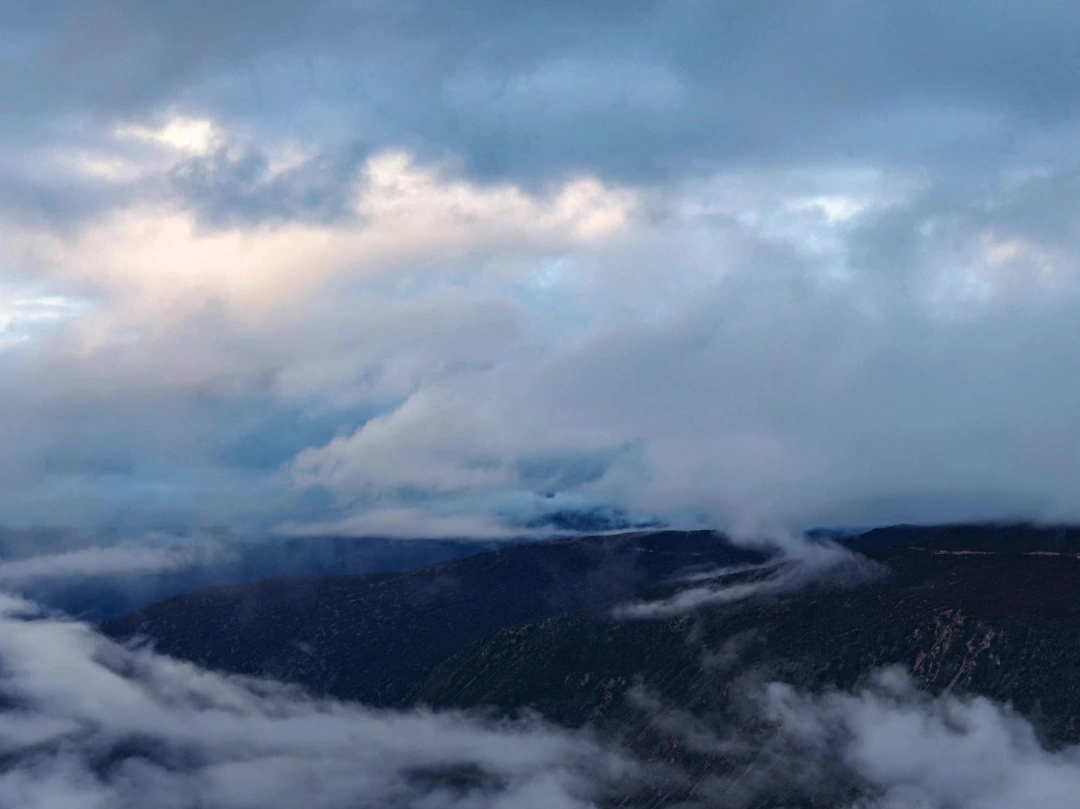
As sunrise approached, all we could see with the naked eye was a thick wall of fog. I knew in my heart that today's golden sunlight on the peaks was not to be.
Nevertheless, we didn't leave. Stubbornly, we used our cameras to record the surging clouds and wind. In the gaps, the peaks of Mianzimu (Goddess Peak) and Kawa Karpo briefly revealed their tips. Though we hadn't seen the magnificent full view we had hoped for, this fleeting glimpse of their true faces was the best gift this trip could offer. We left with reverence.
We decided to stay another day in Deqin. Having traveled so far, why not give fate one more day?
At noon, in a Sichuan restaurant run by a young Tibetan couple, a steaming pot of boiled sliced pork in chili oil (shuizhu roupian) dispelled the fatigue of the early morning. Chatting with the enthusiastic owner, we learned that the Feilai Temple (Feilaishi) Observation Deck had been free of charge since the pandemic, only charging a parking fee. So, we headed to the Feilai Temple Observation Deck.
At noon, the snow mountain was still wrapped in clouds and mist. Kawa Karpo occasionally revealed its true face, and the overwhelming grandeur it exuded was enough to shake the soul. We decided to return here tomorrow morning to wait for the golden light again.
In the afternoon, we rested in Deqin. This small town is like a giant bird's nest, deeply embedded in a crack between two mountains. The entire town hangs on a steep slope. Looking down from above, you can clearly feel the perilous geological environment it depends on. It is said that due to the high risk of geological disasters, the entire county town will be relocated to Yezhi Town, 110 kilometers away, in the future. The peace here now feels like a temporary epic of life in dialogue with nature.
In the evening, the tall mountains on both sides blocked the sun early, plunging the valley town into quietude ahead of time. We wandered around, feeling its unique pulse, coexisting with the land beneath our feet.
This small town, with a permanent population of only a few thousand, has a slow pace of life. Because the town's slope was too steep, we didn't feel like climbing again. For dinner, we still chose the familiar black chicken rice noodle shop next to our guesthouse. In the cold highland night, a steaming bowl of "golden soup" rice (jintang banfan) was the best comfort.
Back at the guesthouse, I organized the photos accumulated over the past few days, recalling the vibrant colors of Baishuitai, the roar of the Jinsha River, and today's precious "fleeting glimpse" of Kawa Karpo. All the waiting was for that golden light that might illuminate the peaks tomorrow morning.
Feilai Temple: The Golden Light Becomes Reality
Yesterday's regret turned into the determination to wake up at five this morning. Before Deqin had even awakened, we set off again, driving 12 kilometers straight to the Feilai Temple Observation Deck.
Arriving at the Feilai Temple Observation Deck just over 20 minutes later, the sky was still dark, but the silhouettes of the Meili Thirteen Peaks were already clearly suspended before us, like a massive ink-wash landscape painting. In the profound silence, we secured a good spot and waited in the biting cold wind.
Time passed minute by minute. The sky began to lighten. Then, a miracle happened—the first ray of golden sunlight, like a divine finger, gently touched the summit of Kawa Karpo. At that moment, the whole world seemed to stand still. The gold flowed slowly along the mountain ridge, igniting the entire snow mountain—from the peak to the mountainside, from the mountainside to the base—like a grand coronation ceremony.
We held our breath, capturing this awe-inspiring moment with our cameras. All the waiting, all the obsession, was perfectly rewarded in this instant. This is the "golden sunlight on the snow-capped peaks" of Meili Snow Mountain—it is not just a natural phenomenon, but a pilgrimage of faith.
Day 8-10: Lugu Lake, Quiet Moments on the Highland Gem
Over Mountains and Valleys, Finally Seeing Lugu
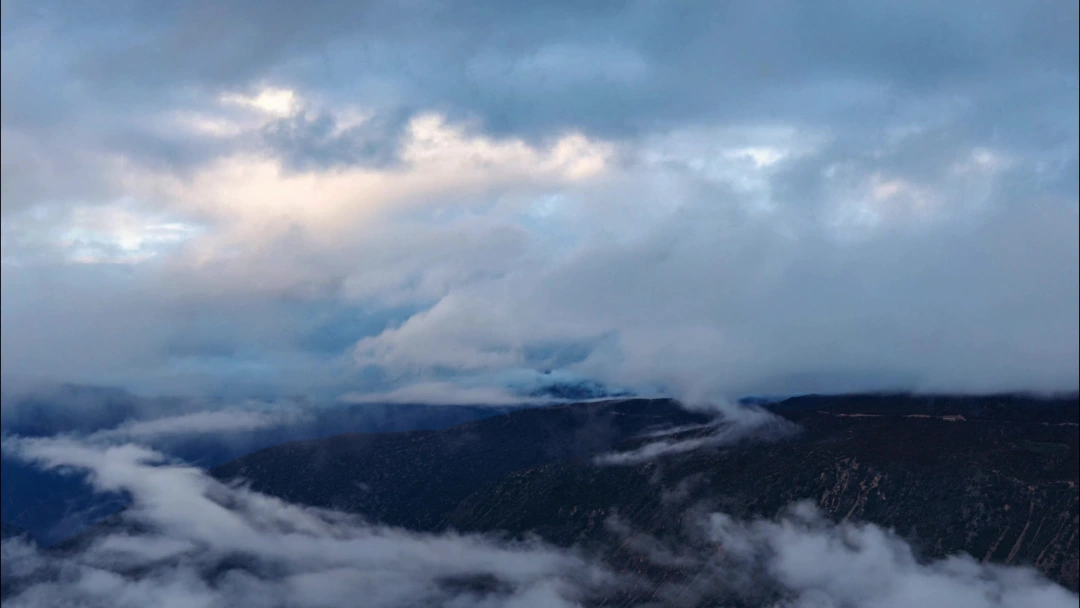
The journey from Shangri-La to Lugu Lake was not easy. The 278-kilometer mountain road required crossing several peaks over 3,000 meters. But when that expanse of azure blue water appeared before our eyes, all fatigue vanished.
Lugu Lake is located on the border between Yunnan Province and Sichuan Province, at an altitude of about 2,690 meters. It is the third deepest freshwater lake in China. The water is crystal clear, with visibility up to 12 meters. The lake contains five islands, three peninsulas, and one causeway-connected island, each with unique shapes, as green as jade.
A Day Around the Lake: From Sunrise to Sunset
We set aside an entire day for circling Lugu Lake. Starting from Daluoshui (Big Luoshui), we went clockwise around the lake, passing through Lige Peninsula, Nisai Village, Xiaoluoshui (Small Luoshui), and Lugu Lake Town.
Lige Peninsula is one of Lugu Lake's most classic viewpoints. The peninsula extends into the lake, surrounded by water on three sides. Traditional Mosuo wooden houses are built on the island. Standing on the observation deck and looking down, the entire Lige Peninsula looks like a gem set in a blue satin—breathtakingly beautiful.
Nisai Village is a Mosuo settlement that retains the most original Mosuo culture. We visited a Mosuo grandmother's house and learned about the origin of the "walking marriage" (zouhun) custom. The Mosuo people still maintain a matrilineal clan society tradition, where women hold the highest status in the family.
Xiaoluoshui is located in Sichuan Province and is one of the quietest corners of Lugu Lake. There are fewer tourists here, and the water is even clearer. It's a perfect place to sit quietly by the lake and daydream, or to take a pig trough boat (zhucao chuan) and feel the tranquility of the highlands on the water.
In the evening, we went to the observation deck in Lugu Lake Town to wait for the sunset. The setting sun cast golden rays across the lake, turning the entire Lugu Lake into a sea of gold. At that moment, time seemed to stand still.
Practical Tips: - Ways to Circle the Lake: You can choose to drive, cycle, or hire a car. Self-driving offers the most flexibility, but some sections of the road are narrow, so be careful. - Best Time: It is recommended to set aside a full day, from sunrise to...
You should also read:
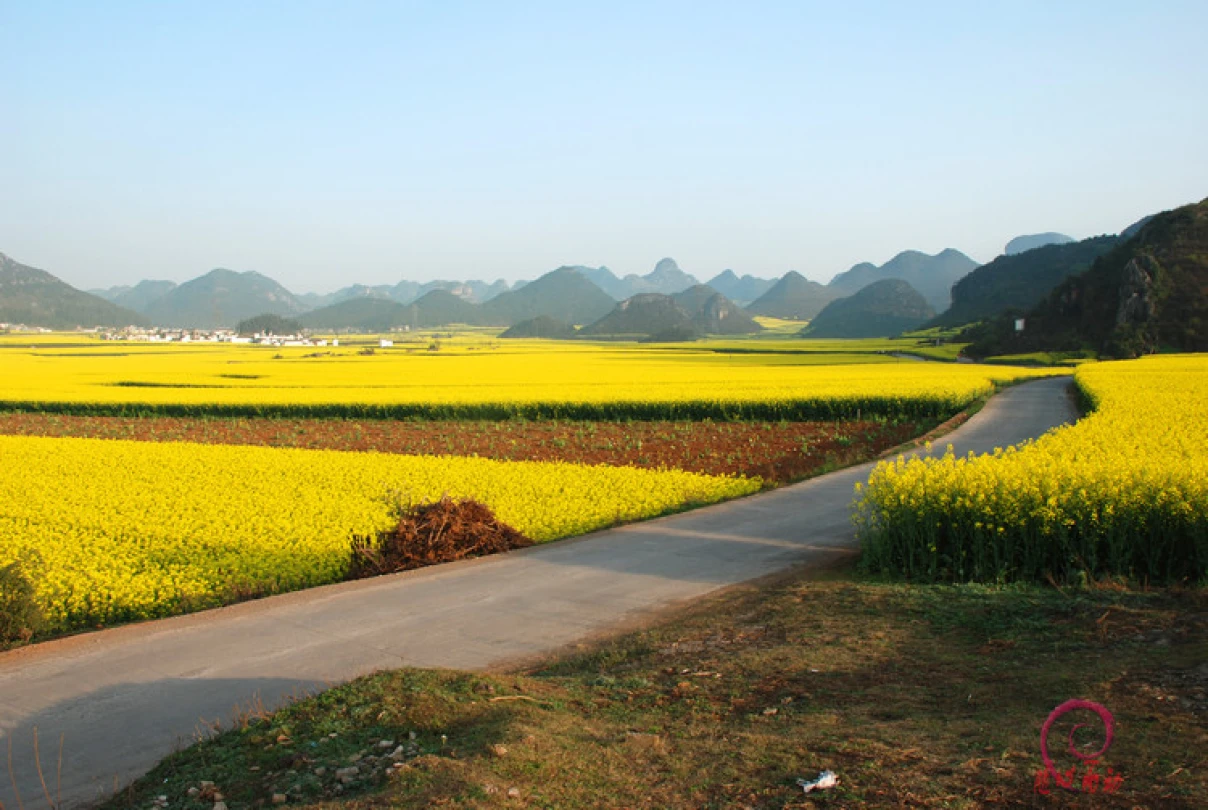
Golden Luoping: A Romantic Encounter with Sunshine and Seas of Flowers
Golden Luoping: A Romantic Encounter with Sunshine and Seas of Flowers Introduction: The Third Time's the Charm Some landscapes are destined to be seen at the right moment. For me, that was exactly the case with Luoping's rapeseed flowers. On February 22, 2011, the Luoping…
Continue reading...
The Meaning of Travel – A Tengchong Story: A Journey of the Heart and Personal Growth
The Meaning of Travel – A Tengchong Story: A Journey of the Heart and Personal Growth Setting Out, Only to Return a Better Self Some say travel is nothing more than leaving a place you're tired of, only to go to a place where others…
Continue reading...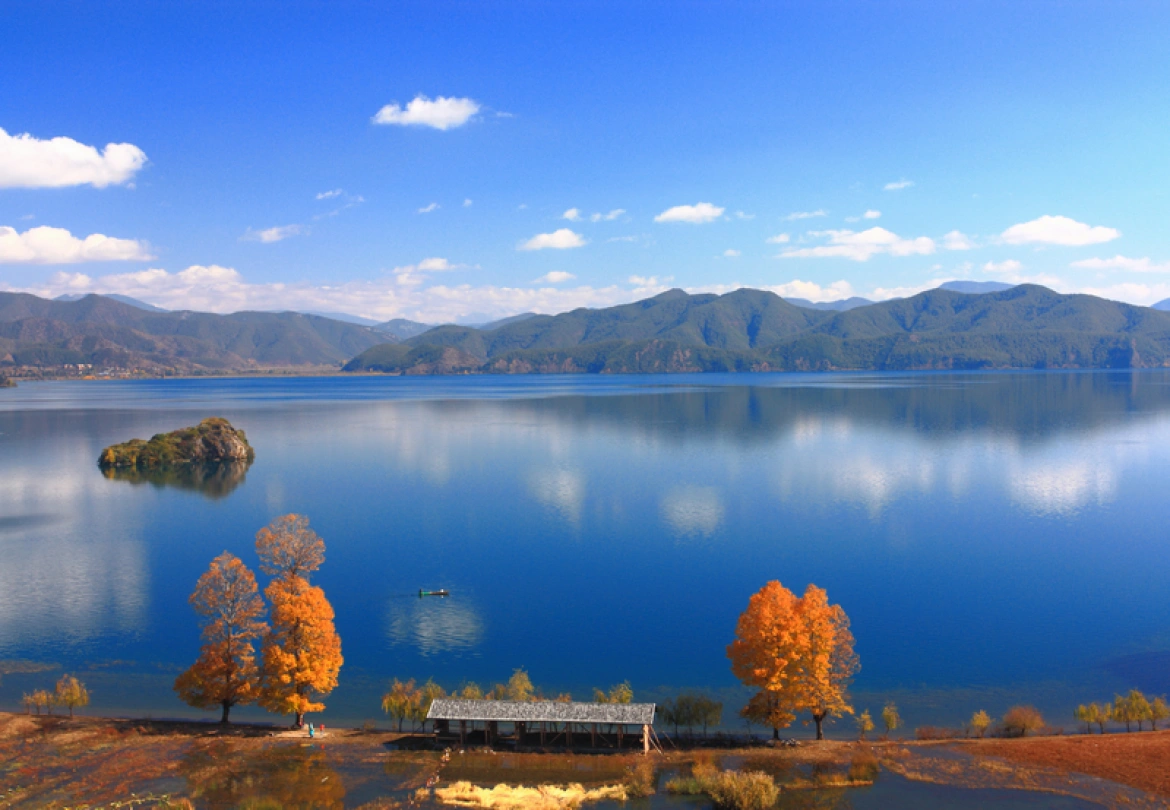
A Spiritual Journey to Lugu Lake in Lijiang: Experiencing the Legend of the Kingdom of Women! (Reproduction and Hotlinking Prohibited)
A Spiritual Journey to Lugu Lake in Lijiang: Experiencing the Legend of the Kingdom of Women! (Reproduction and Hotlinking Prohibited) Off-road自驾, food, hotel and民宿 reviews, Featured Traveler, Tank 300 owner, 200,000 km of self-driving experience. WeChat: y01294987 Ninglang Yi Autonomous County 2010.11.08 · 7 days…
Continue reading...