A Spiritual Journey to Lugu Lake in Lijiang: Experiencing the Legend of the Kingdom of Women! (Reproduction and Hotlinking Prohibited)
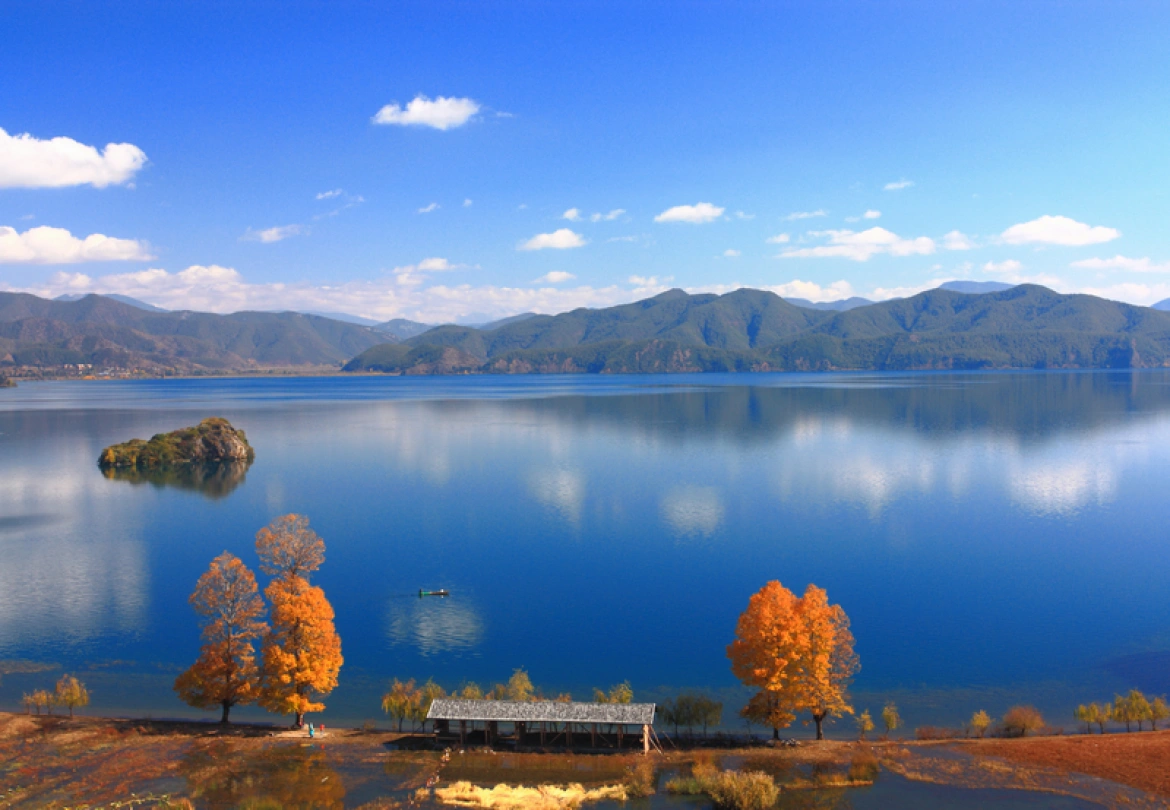
A Spiritual Journey to Lugu Lake in Lijiang: Experiencing the Legend of the Kingdom of Women! (Reproduction and Hotlinking Prohibited)
Off-road自驾, food, hotel and民宿 reviews, Featured Traveler, Tank 300 owner, 200,000 km of self-driving experience. WeChat: y01294987
Destination
Ninglang Yi Autonomous County
Travel Date & Duration
 2010.11.08 · 7 days
Per Person Cost (RMB)
Destination
 Ninglang Yi Autonomous County
Travel Date & Duration
 2010.11.08 · 7 days
Per Person Cost (RMB)
Travel Companions
Couple
Answers to frequently asked questions from fellow travelers:
- Background music for this post: "RUNAWAY TRAIN" by Soul Asylum
- Equipment carried: Canon 450D, Canon 5D Mark II, 17-40mm f/4L, 70-200mm f/4L IS, Benro tripod, one HITECH medium gray graduated filter, and B+W circular polarizer
- How to get from Lijiang to Lugu Lake:几乎所有客栈或旅社 in Lijiang sell minibus tickets. The driver will ask if you want to pay extra for a lake circuit tour.
- Camera bag: Manfrotto,仿Lowepro design
Main Text Below!
A short 7-day trip, yet 3.5 days were spent on the road. We took almost every mode of transportation imaginable. Carrying camera gear on my shoulders the whole time was truly exhausting. After returning, I spent days processing all the RAW files — post-production is no easy task either. Equipment brought on this trip: Canon 450D, Canon 5D Mark II, 17-40mm f/4L, 70-200mm f/4L IS, Benro tripod, one HITECH medium gray graduated filter, and B+W circular polarizer.
Day 1: Beijing → Kunming → Kunming Train Station
We set off. Braving the thin morning mist and slight chill of Beijing, we drove to the subway at 5 AM on November 20, 2010, taking the first step toward that long-dreamed-of destination.
Although we had heard of this place for years, before arriving, both of us were filled with longing, anticipation, and curiosity about the unknown.
The airport is probably the first place in the city to get noisy. By around 7 AM, it was already bustling. The security checkpoint was undoubtedly the liveliest spot. My husband was carrying 14 jin (about 7 kg) of photography equipment, while I was loaded with about 12 jin (6 kg) of luggage. Since we were heading to a long-cherished sacred destination — Lugu Lake — essential gear was a must.
Let me first talk about the equipment. My husband brought: Canon 450D, Canon 5D Mark II, 17-40mm f/4L, 70-200mm f/4L IS, Sony point-and-shoot, Benro tripod kit, medium gray graduated filter + circular polarizer, various chargers, batteries, and two shutter release cables.
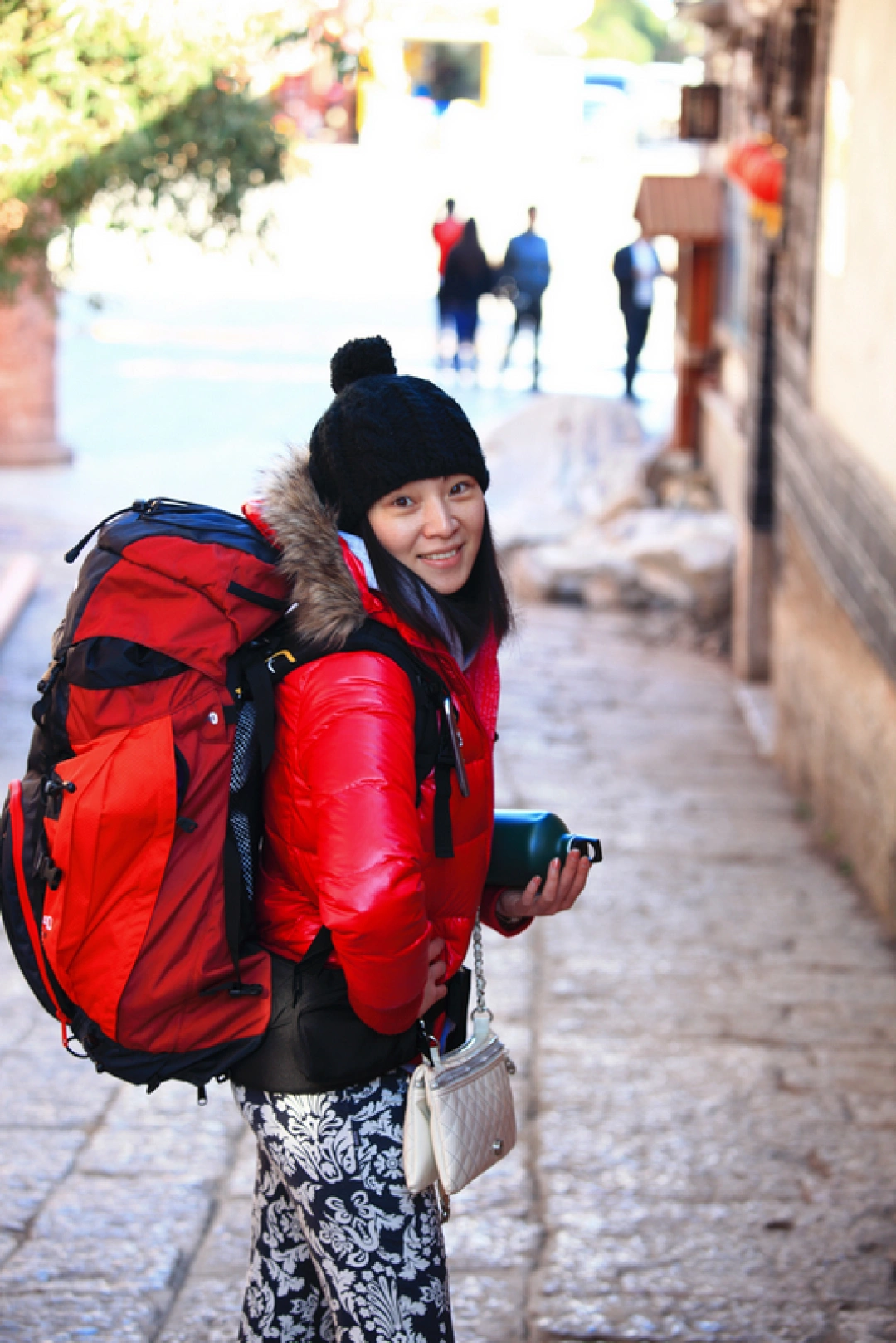
My gear: makeup bag and toiletries, change of clothes for two people, gloves, flashlight, hiking water bottle, and climbing carabiners.
Cash and bank cards were also indispensable.
We took off. Since we were seated in row 6 by the window and blessed with excellent weather, as the plane flew over the skies of Sichuan and Yunnan, I saw magnificent mountain ranges and a sea of clouds through the window. The excitement of departure was uncontrollable. I stood up, grabbed my camera, and snapped a few shots to capture the mood.
Our first stop was Kunming, which didn't hold much expectation for me. Although "Spring City" is Yunnan's most famous title, and the World Horticultural Expo there once amazed the nation, my years of traveling told me that this place had long lost its ancient simplicity and tranquility, becoming just like every other provincial capital.
Since we had to catch the overnight train from Kunming to Lijiang, we had about a dozen hours to wander around Kunming. We bought a map at the airport, scanned it briefly, asked around, and without much thought decided to first store our luggage at the train station and then head to Cuihu Park (Green Lake Park).
The taxi driver was very helpful, sharing local Kunming residents' thoughts and complaining about the ongoing demolition and relocation trends. Luggage storage at the train station was surprisingly cheap — 3 yuan per piece per day. I recommend this to anyone passing through.
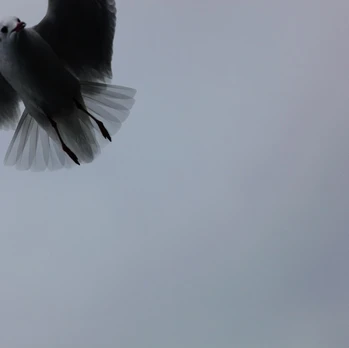
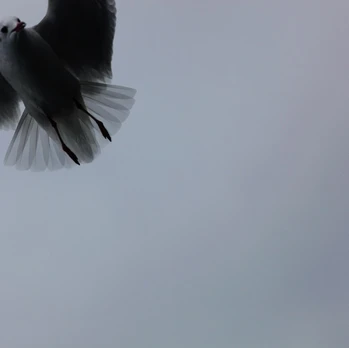
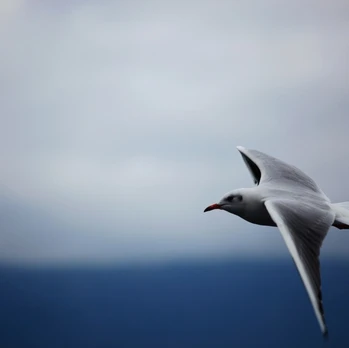
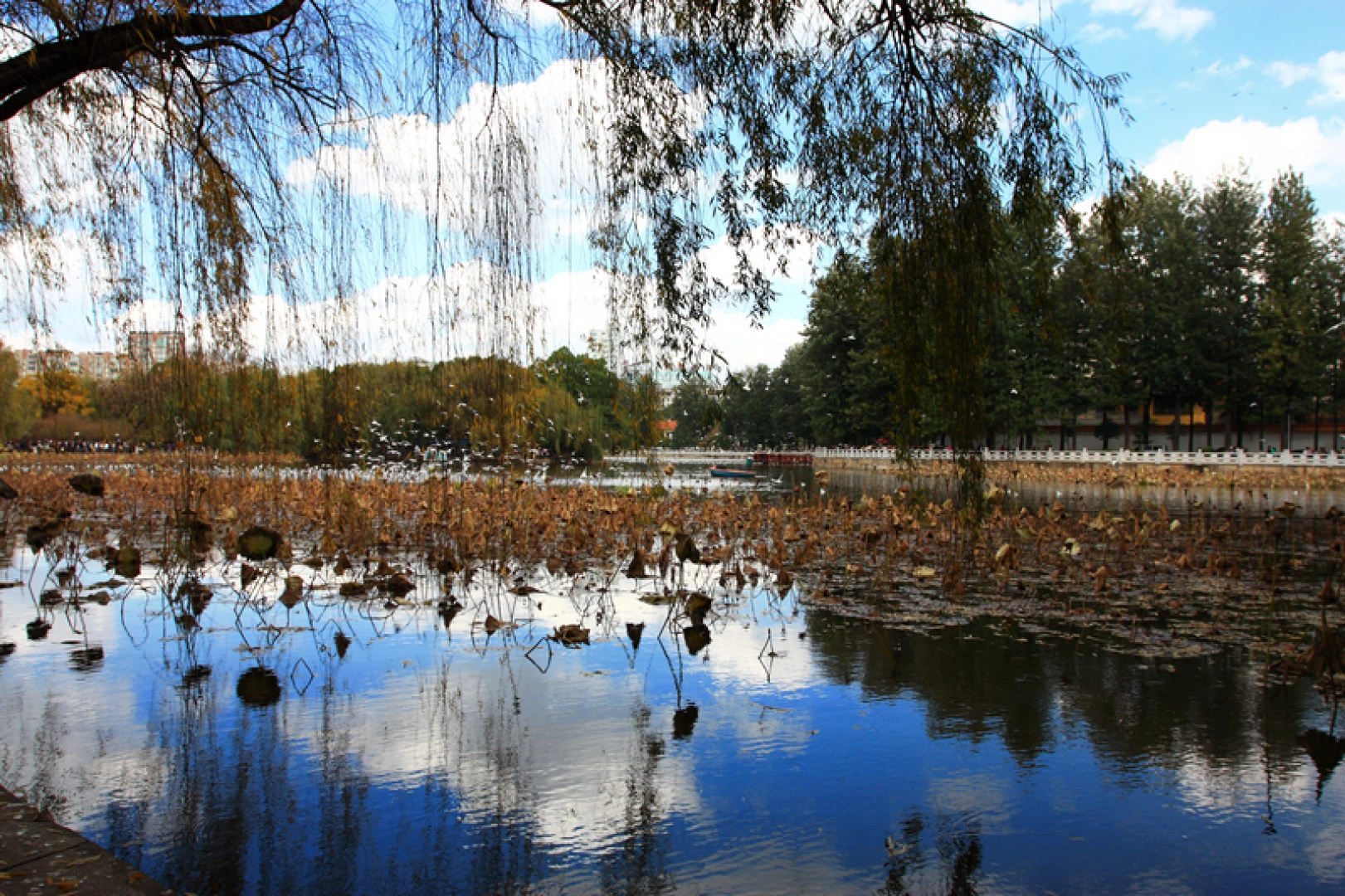
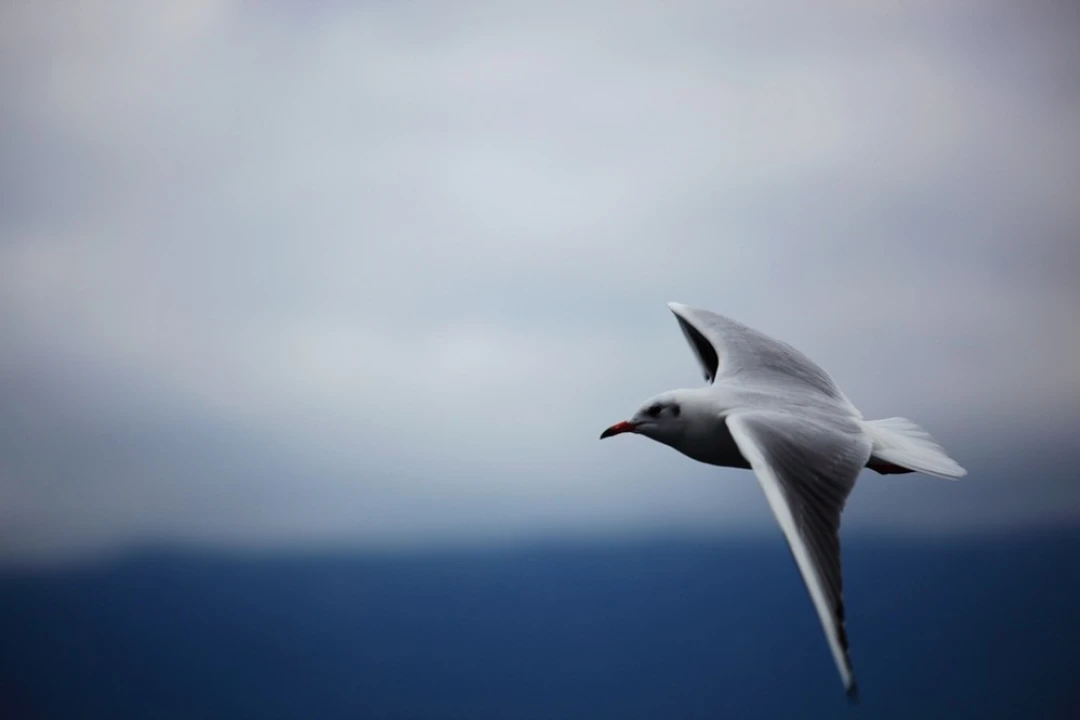
Passing through the city center, which looked like a construction site like many other cities, we gradually approached the bustling Cuihu Park. Kunming isn't big, and Cuihu Park is a popular weekend leisure spot. Countless people, like the migratory birds here, gathered from all directions. Late November is the perfect time to watch migratory birds here. Countless red-billed gulls flew all the way from distant Siberia, adding a brilliant highlight to this otherwise unremarkable park.
This is also a great spot for photography enthusiasts to shoot birds. Flocks of seabirds took off and landed on the lake, sweeping past our heads like the wind. For the first time, I envied people living in Yunnan for being so close to nature.
After walking around the lake with two cameras, I decided to walk through Kunming city center with my husband and head straight to the train station.
I won't describe the walk in detail. Suffice it to say, sights like the Golden Horse and Jade Rooster Archways and various pagodas were utterly uninteresting — nothing more than vanity projects or mediocre tourist spots.
Night fell. We retrieved our luggage and sat slumped in the waiting room, resting our tired feet as we waited for the train to Lijiang.
Kunming's weather was excellent, with flocks of migratory birds — truly worthy of its reputation as a place with spring-like weather year-round.
At Cuihu Park in Kunming, magnolias were in full bloom.
A district government building nearby was imposing, almost dizzying to look up at.
Day 2: Lijiang → Shuhe Ancient Town → Lashihai Lake
I have to mention the Kunming-to-Lijiang train. It consisted entirely of sleeper cars, but they were the most cramped and crowded I've ever seen. Six passengers were squeezed into a compartment the size of a double bed. And when you finally squeezed your way in, you'd find there were no luggage racks like in regular sleeper cars. You had to put your luggage on your bunk or under the lower bunk. Sigh — maximizing capacity and speed; China Railway's business strategy left me speechless.
On the train, we met four fellow passengers around our age. Coincidentally, when my husband and I were looking for accommodation in Dayan Old Town, we ran into them again and ended up staying together at Li Family Inn.
When the train arrived in Lijiang, the sky was still dark. Later I learned that it doesn't get light here until after 8 AM. I had arranged to meet two fellow travelers I'd connected with on Mafengwo, and we planned to take a friend's car to explore Shuhe first.
Led by that friend, we arrived at a small Sichuan restaurant in Shuhe Ancient Town and ordered a large bowl of beef noodles. We also shared a plate of Yunnan's specialty baba (a type of flatbread). Honestly, it was delicious. As I slurped the noodles and looked at the strangely quiet streets of Shuhe in the early morning, I couldn't help but think of Beijing's morning scene. Sigh — a shiver ran down my spine. In Beijing, drivers are stuck in traffic, and passengers are crammed into buses. Beijing — a city that keeps you perpetually on edge, never knowing such peace.
After briefly experiencing Shuhe's tranquility, we took a taxi to Dayan Old Town, about 10 kilometers away. Honestly, I didn't really like Dayan. The reason was simple — too noisy and commercial.
Everywhere, shopkeepers' touts were pulling in customers, and dishonest sales pitches filled the air. Despite being cautious, we were still slightly fooled by Li Family Inn — more on that later.
Since we met the four train companions, there was some "friendly competition" over room selection. I ended up choosing the middle room because its window was unobstructed, while the rooms on either side had one side blocked by the eaves. But no room was ideal. Since women tend to feel colder, and although the inn seemed to have everything, there was no heating or air conditioning — just a pitiful electric blanket. This directly led to me being so cold at night that I experienced "altitude sickness" (sort of)...
In the afternoon, we began the real Lijiang experience in Dayan Old Town. Wandering through narrow but charming alleyways lined with inns, taverns, and tea shops adorned with red lanterns, the place exuded vibrant energy and commercial opportunity. Although almost all the ancient charm had some modern touches, there were still many spots worth lingering. Meltwater from snow-capped mountains flowed through the small canals. The crisscrossing streets were filled with local specialty items. People brushing past you spoke almost every language in the world. Sigh — even if this is an overly commercial town, it's the most beautiful commercial town there is.
As the moon rose over the eastern hills, lanterns lit up the streets. I took my camera to the inn's observation deck and gazed at Lijiang's moonlight and the ancient town's lights. How could "beautiful" even begin to describe it? Perhaps Beijing's Shichahai once offered me such a night, but in the air you could still smell heavy exhaust fumes. Here, there was only the scent of air. Perhaps Guijie's red lanterns once offered me such a night, but in your ears you could still hear the roar of car engines. Here, there was only music and celebration.
After chatting with the innkeeper, our group of six decided to visit Lashihai Lake first. Unfortunately, we fell for a small trick. Since we hadn't done enough homework on Lashihai, we didn't know that the entire horse riding and lake tour should only cost 150 yuan per person. After being taken to the lake by the innkeeper's arranged car, we were charged 220 yuan per person — and that was after using every bargaining trick we knew.
But regardless of the price, riding horses along the mountain Tea Horse Road and boating on Lashihai Lake still gave me a wonderful experience. Riding on the slippery, muddy ancient mountain paths was quite thrilling for the start of our trip.
The mountains weren't tall, but the paths were rough. The mountains weren't particularly scenic, but with mountain streams, a pool of clear water, and Yunnan horses struggling up the ancient path, it had a certain charm.
Lashihai Wetland had a vast water surface — at least compared to Beijing's so-called wetlands. The weather was superb. Fluffy white clouds set off a sky so blue it was almost overwhelming. My wide-angle lens finally got its first real workout, capturing the blue sky, white clouds, green mountains, and clear water in all their glory.
Unfortunately, to fill our stomachs, we had the slowest meal of the trip in the village — it took a full 1.5 hours from ordering to serving.
Day 3: Lijiang → Lugu Lake
Today's only task was heading to Lugu Lake. I'd heard before that the road to Lugu Lake was difficult, taking about 8 hours by car, plus road construction. So I was mentally prepared. Early in the morning, I jumped up excitedly and packed my bags.
The arranged car was supposed to gather near Yuhe Square in Lijiang around 10:30 AM, but for some reason, we didn't contact the driver until 11 AM. Fortunately, we finally got connected and were led onto a minibus. Sigh — too many people, too few seats. Even though we waited early, when we got on, my husband could only sit on the engine cover. The drivers rearranged passengers, but there was still no proper seat. I silently worried whether my husband could endure the legendary bumpy ride.
As luck would have it, we were told there was another minibus with room for two people. Without a second thought, we jumped onto that bus. The driver would become our key guide for Lugu Lake — Zhashibencuo, a genuine Mosuo young man. He was one of the main reasons we had such a fantastic time at Lugu Lake.
At 12:30 PM, the bus finally departed. We made some new friends on board, had great conversations, and the journey was fairly relaxed with laughter. But the real challenge hadn't started yet. Midway, a female passenger was rude to the driver for smoking. The driver got furious and threatened to leave her behind. Eventually, other passengers smoothed things over, and the girl moved to the back. Sigh — miss, when in Rome, do as the Romans do. Besides, long-distance drivers smoke to stay alert. No cigarettes, no safety for us.
The bus entered the mountains. Along the way, we stopped to take photos of Jade Dragon Snow Mountain and Haba Snow Mountain.
Three hours later, we arrived at Ninglang County town. It was only 3 PM. Zhashi urged everyone to eat their fill here, as there would be no place to eat later. Many people didn't understand at first, thinking the driver was trying to make extra money. But later we realized that if we didn't eat, we definitely wouldn't make it. Because Ninglang was experiencing traffic jams, and the roads near Lugu Lake were under construction, we could only depart from Ninglang at 5:30 PM. The earliest we could reach Lugu Lake would be after 9:30 PM... Devastating...
That meal was incredibly satisfying. Large chunks of mountain pork and pig trotters tasted especially delicious after the bumpy ride. Then we discovered a field of corn stalks by the roadside and ran over to play.
Continuing on, the car drove along cliff edges the entire way. Zhashi's driving skills were no joke — he maintained a steady speed of about 60 km/h. On many treacherous sections, I felt everyone in the car holding their breath, not daring to say a word. But we still got stuck on a hillside just 11 kilometers from Lige Island. It was very cold. Many people, including me, didn't dare get out. Two photography beginners traveling with us, however, were full of enthusiasm. They got out to practice long-exposure techniques by the roadside, having a great time.
I knew that below the mountain was the sacred lake we yearned for. But despite the bright moon and stars, I could only make out vague outlines.
Around 10 PM, we finally arrived at Lige Peninsula on Lugu Lake.
We checked into Lige Bian (The Other Shore), an inn closest to the lake's center.
Dropping our luggage, we grabbed flashlights and my Canon 450D with 17-40mm lens, walked through the dark, quiet paths of Lige Peninsula, and headed to Zhashi's home — Zhaxi Inn (Zhaxi is Zhashi's uncle). Zhashi had promised to treat everyone to drinks that evening and specifically invited us.
For the first time, I experienced the warmth and hospitality of the Mosuo people. Although only drinks were free and meals were split, it was still lively and joyful. The fatigue from the journey melted away.
The clear glass held the legendary "Lover's Tears" — unfermented rice wine, sweet and sour with a hint of baijiu (Chinese liquor). We jokingly called it "women's wine" because the men drank the stronger "Mother's Tears."
Lying in bed, looking at the lake less than 5 meters from our balcony, I enjoyed the moonlight, the tranquility, and the anticipation for tomorrow.
Trip Supplement:
On the morning we left Lijiang for Lugu Lake, since the bus wasn't scheduled until 10:30 AM, my husband and I woke up early and wandered around. We accidentally stumbled upon Black Dragon Pool Park. Hey — the early bird catches the worm! We arrived around 7:30 AM, and no one was collecting tickets. This unplanned stop didn't disappoint. In fact, I heard this is Lijiang's iconic landmark.
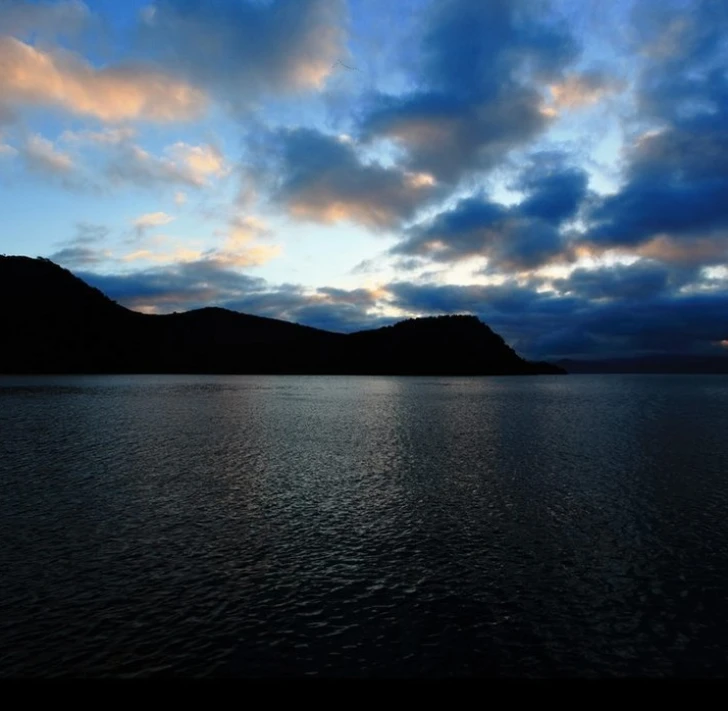
As the sun rose and dawn appeared, Black Dragon Pool gradually transformed from hazy beauty to radiant splendor. We walked toward the sunlight. The dazzling sunbeams reflected off the lake like countless gold coins scattered by a millionaire.
Day 4: Lugu Lake Circuit Tour
Our first night was spent on the legendary lake peninsula of the Kingdom of Women, at the inn closest to the lake's center. How could I easily go to sleep on such a night? Ignoring the travel fatigue, I picked up my camera and tripod and set them up on the balcony just half a meter from the water. For nothing else but the legendary moon over the lake's center (photo already posted).
Speaking of Lugu Lake, I absolutely must mention its early mornings. They are simply too beautiful. The sky gets light about an hour later than in eastern cities. So when I got up at 6 AM as the first person on the island, it was still very dark. No matter — it gave me time to adjust my equipment. I'd heard that it's almost impossible to see a proper sunrise or sunset here (surrounded by mountains), so I didn't expect to capture any spectacular sunrise shots.
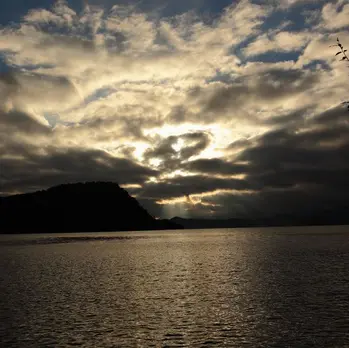
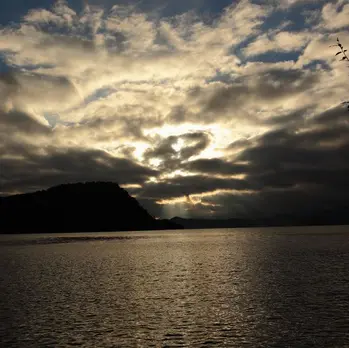
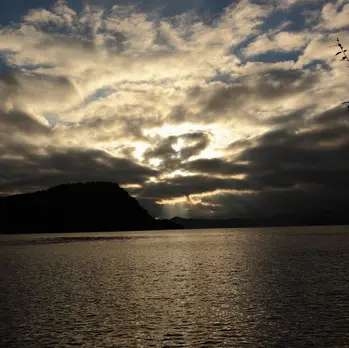
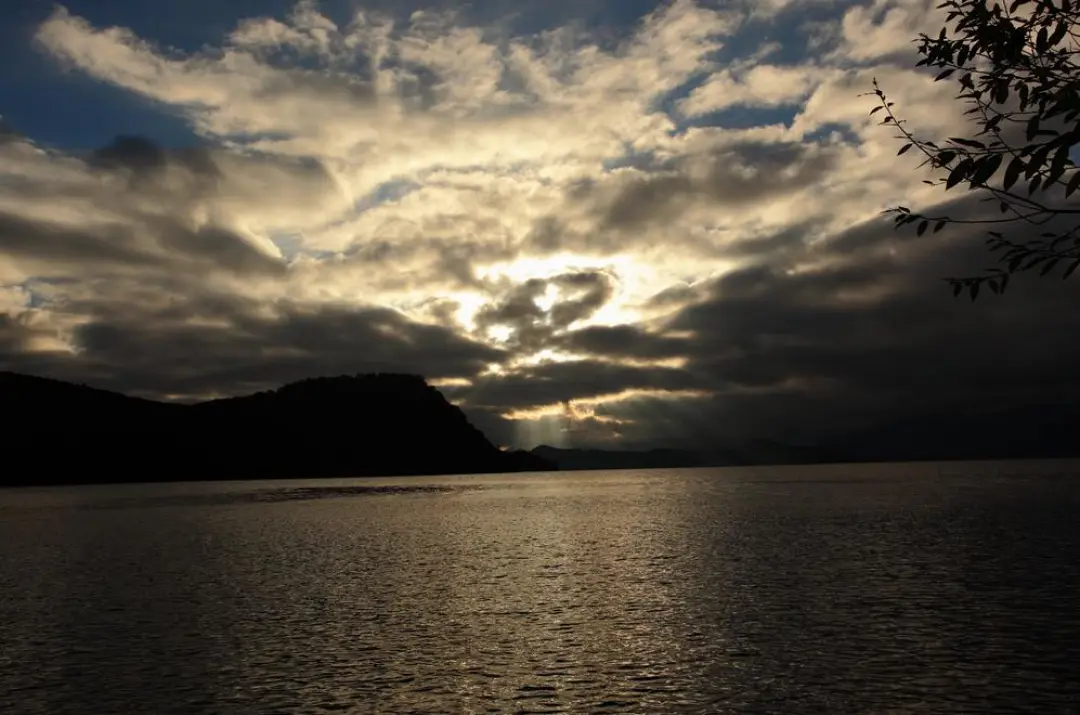
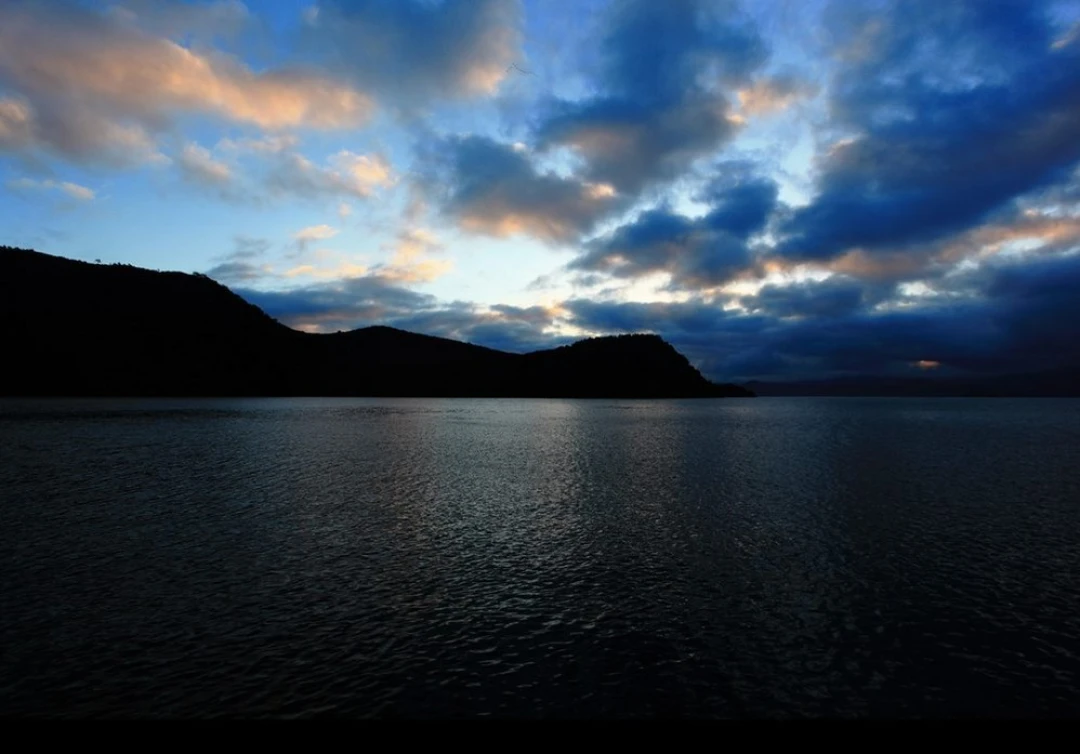
Around 7:50 AM, the east finally showed a hint of dawn. The pitch-black sky immediately transformed into a different scene. As time passed, several photos were saved to my camera. The sky displayed a breathtaking spectacle of radiant clouds. Rays of sunlight pierced through the almost-daily morning clouds and shot into the lake. The colors and feeling were indescribable. Add in an early-rising fisherman's boat, and it was an absolute dream photography subject. I faithfully recorded it all.
At 10 AM, everyone gathered at Zhaxi's house. Two cars set off for the lake circuit tour. The main experience of this trip was constantly getting on and off the bus. Zhashi introduced each best photo spot one by one. The most memorable included our first stop: taking a boat to Heiwa'e Island (also known as Snake Island) in the lake's center; the poplar forest and lakeside scenery at Mukua Pier; and the Grass Sea.
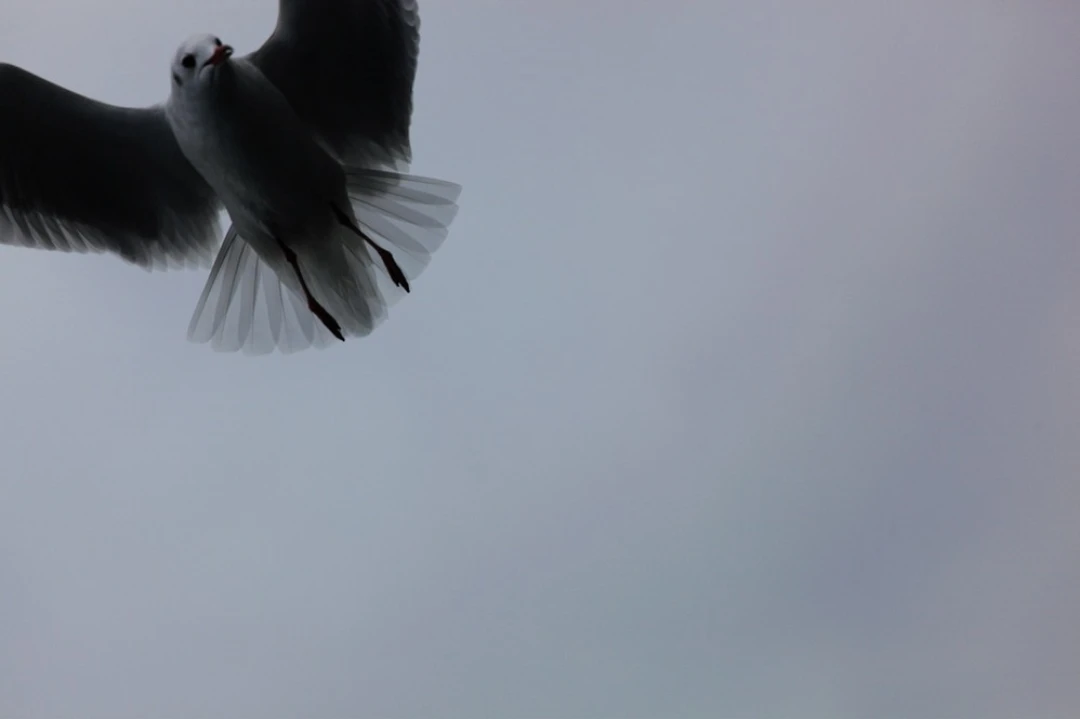
Our first stop was at Daluoshui Village, where we took a pig-trough boat (a traditional Mosuo dugout canoe) to Heiwa'e Island in the lake's center. A Mosuo brother rowed the boat while explaining the Mosuo walking marriage custom. I listened, completely captivated. Flocks of red-billed gulls, attracted by bread in fellow passengers' hands, gathered around our boat. Without hesitation, I raised my camera and captured this rare scene.
From the island, you could roughly see Lugu Lake in all directions — another unmissable photo spot. The island had a small hill in the middle. Beside the temple at the top, small chrysanthemums were in full bloom, creating a striking contrast with the grand landscape.
After stopping at several viewpoints, we arrived at Mukua Pier. The scenery here was exceptionally beautiful: golden poplar forests, azure sky, crystal-clear Lugu Lake water, and pig-trough boats drifting aimlessly on the lake. This was absolutely a place for stunning photos. My camera's shutter clicked endlessly again.
Our lunch and dinner were eaten at a grandmother's house in Xiaoluoshui Village — authentic Mosuo farm food: pork belly, sausages, pickled vegetables, stir-fried green peppers with potatoes, stewed free-range chicken, lake fish soup, and a special green vegetable. Very hearty. And of course, "Lover's Tears" and "Mother's Tears" were indispensable. We chatted happily with fellow travelers from all over the country, ate to our hearts' content.
Coming to Lugu Lake, you can't miss the local bonfire party. Almost everyone here can sing and dance. Although there was a noticeable performance aspect, it couldn't hide the Mosuo people's inherent simplicity and joy.
With the bonfire's warmth still lingering on our faces, we returned to Lige Peninsula. The fulfilling day came to an end. Tomorrow, many travelers would return to Lijiang. But my husband and I, along with two others, would stay for another day to hike deep into Mosuo villages.
Day 5
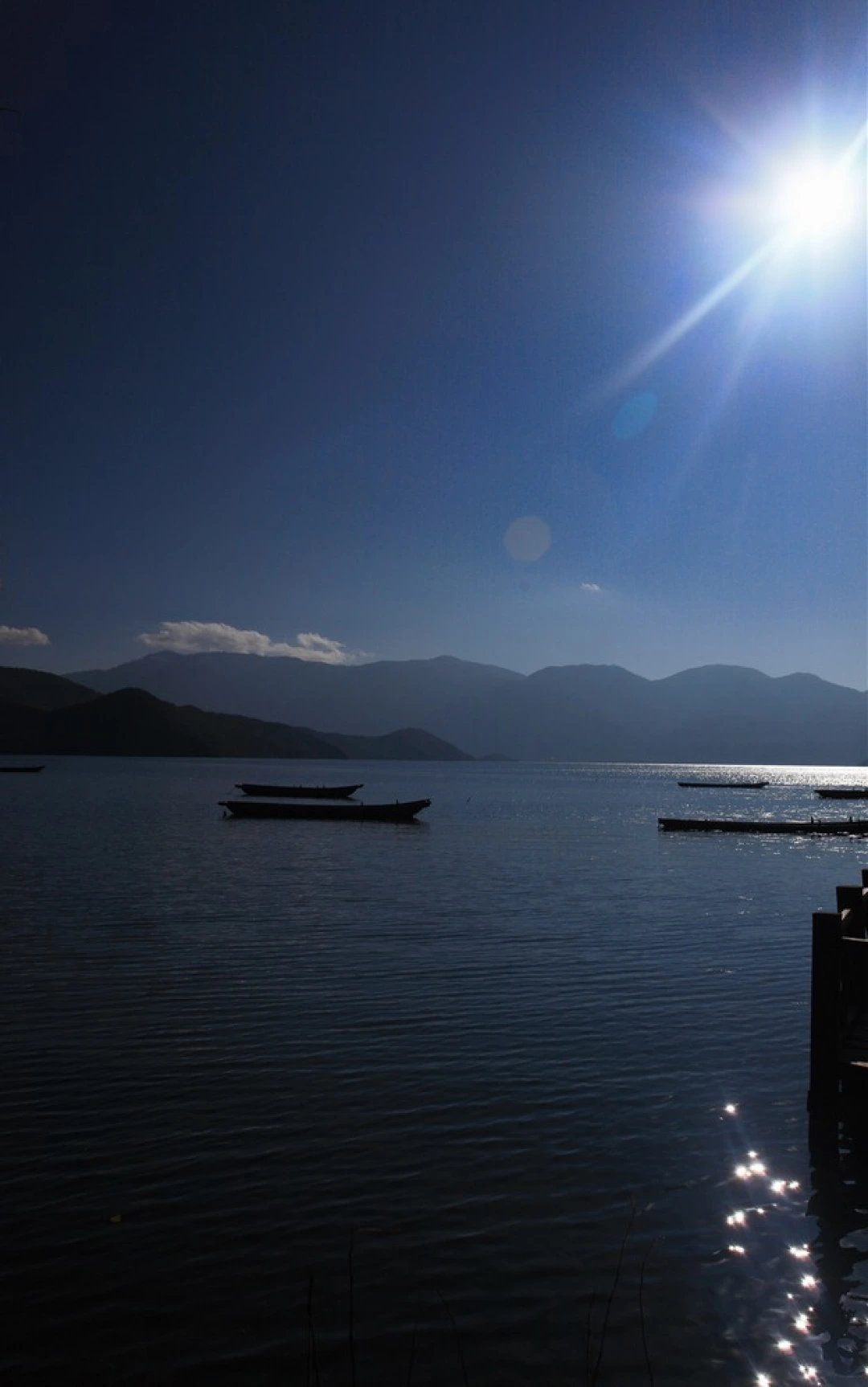
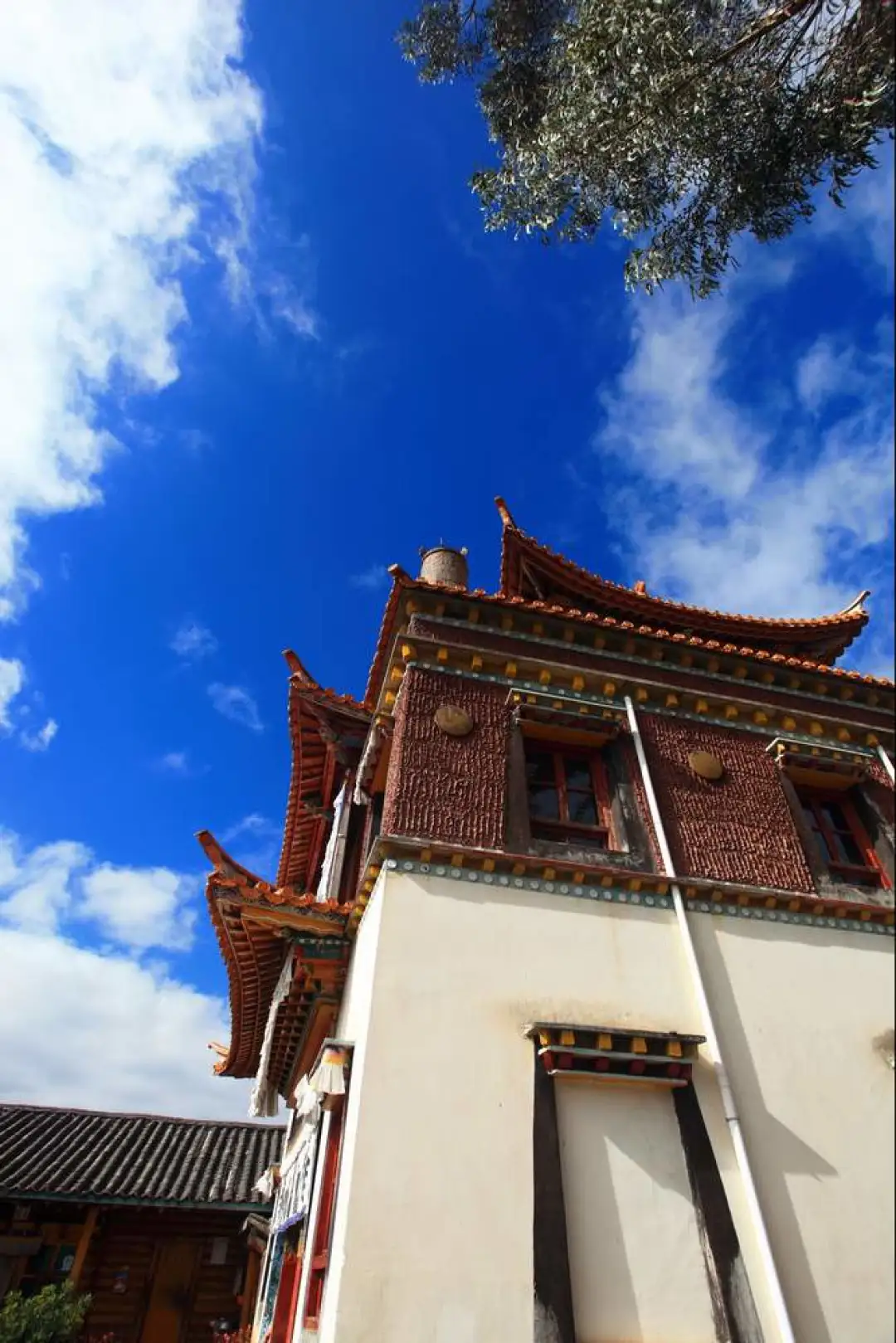
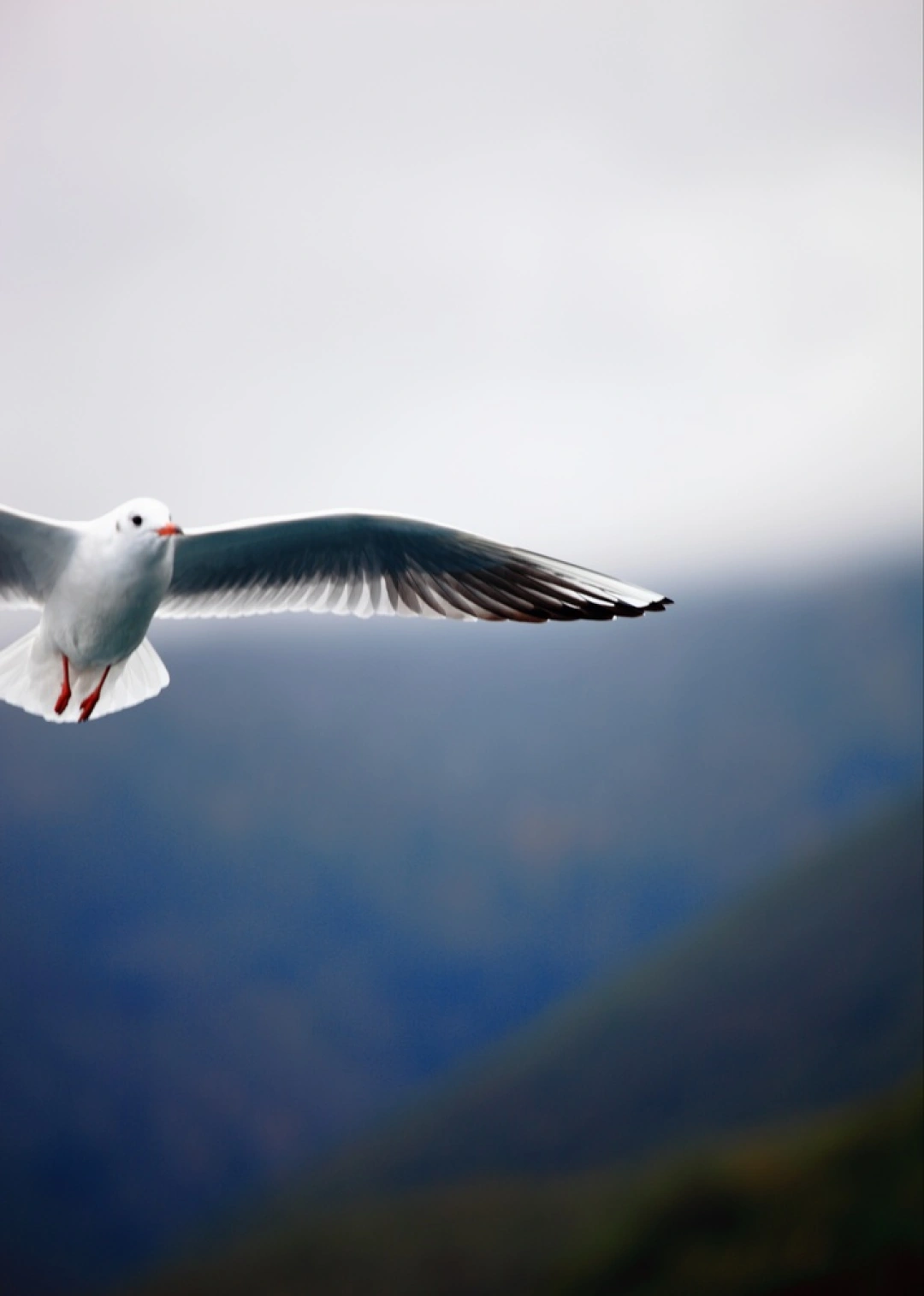
After yesterday's lake circuit tour, we had a general understanding of Lugu Lake's scenery and planned our hiking route. Speaking of hiking, before coming to Lijiang, I had planned to hike Tiger Leaping Gorge. But considering weather conditions and equipment weight, I gave up. So this trip, I only considered hiking around Lugu Lake.
The route was: Lige Peninsula → Nisai Village → Xiaoluoshui Village. Not long, but if we hiked both ways, it would take most of the day.
Early in the morning, as usual, we got up around 7 AM. Although the sky was still dark, when I stood on the balcony again to look at Lugu Lake, I was surprised to find a different scene from yesterday — fog!
Thick fog shrouded the lake's center. Through the mist, I could vaguely see red-billed gulls flying. When the sun just rose behind the eastern mountains, the dense fog couldn't block its light. But the newborn sun also couldn't dispel the accumulated overnight mist, creating a colorful ink painting like a fairyland.
During breakfast at the inn, Lige Bian's four Border Collies were playing on the lakeside platform. The smartest one, named "Coffee," loved to pick up a stick, drop it in front of us, and wait for us to throw it so he could chase and retrieve it. A handsome guest staying at the inn played a little trick and threw the stick into the lake. Coffee jumped into the water without hesitation, happily retrieved it, and looked at you with expectant eyes. So endearing. Since I also own a Samoyed, I'm crazy about dogs. I can't walk away when I see them. I played with them for a long time until my husband urged me to leave.
When the sun was high in the sky, we packed all our belongings and moved to our second inn at Lugu Lake — Colorful Lige. The owner was very welcoming. After checking in, we met Longlong, a professional adventure guide and driver also from Beijing, at the inn's cafe. This guy lived year-round on the Sichuan-Tibet line. From his appearance, he no longer looked like someone from the city — dark skin, long hair, exuding a free, primitive, and untamed vibe. My husband was very envious. He noted Longlong's number for future adventures.
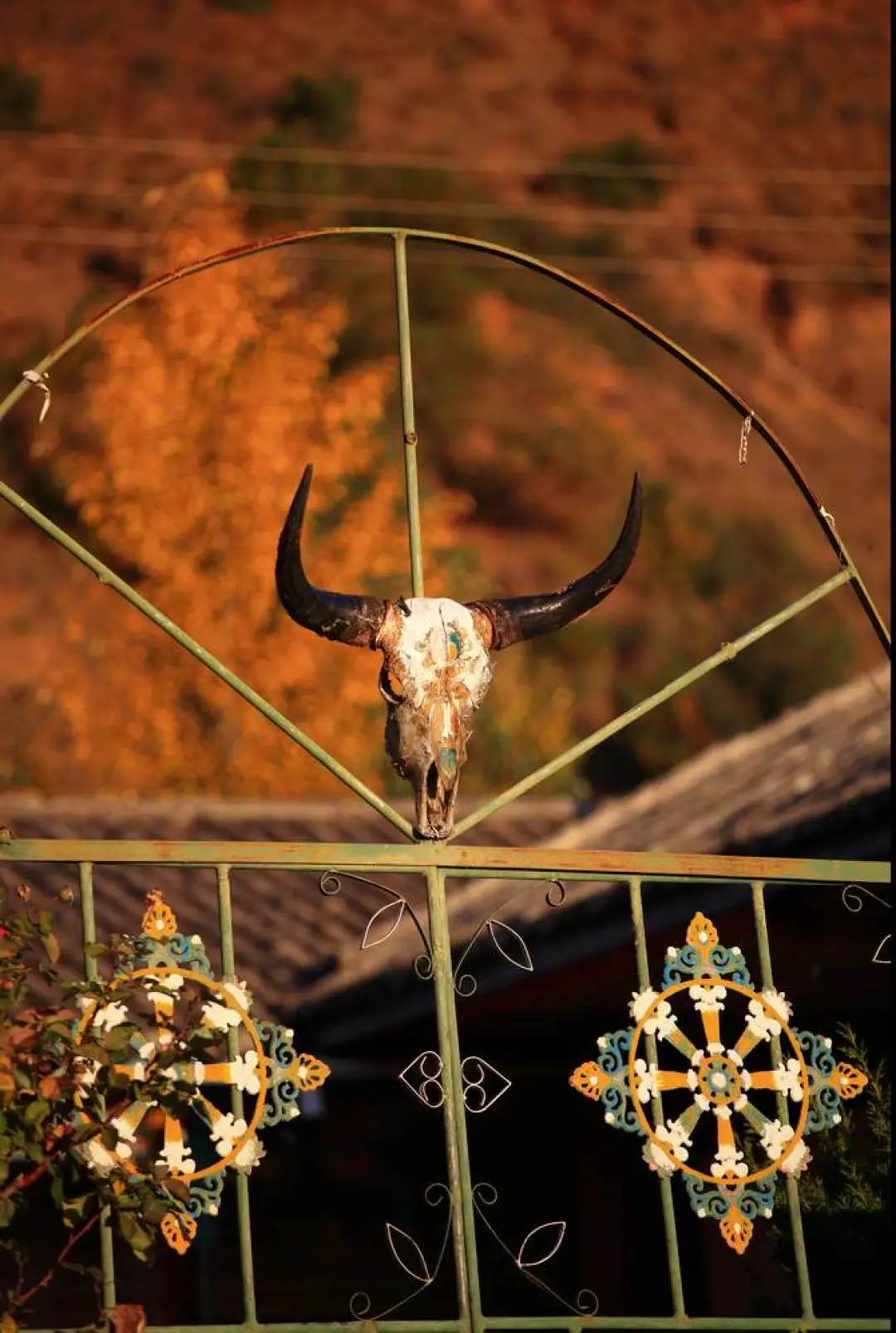
Around 9 AM, the four of us set off.
We circled the mani pile at the edge of Lige Peninsula and entered a mountain path. Before long, we reached a small village. In fact, all of Lugu Lake's villages are nestled in lake bays and mountain hollows, sheltered from the wind and suitable for docking boats and raising poultry.
As we were about to circle the second hill, we noticed two other travelers behind us. Although we didn't know them, we waved them over to join us. At that point, we realized we couldn't find a clear path forward — only dense bushes. Brother Chen was quite fit. Despite wearing dress pants and casual shoes, he climbed quickly. My husband had a good sense of direction. Working together, after a few wrong turns, we finally circled the hill and reached Nisai Village. The famous Lover's Trees stood quietly in the middle of Nisai Village's lake bay.
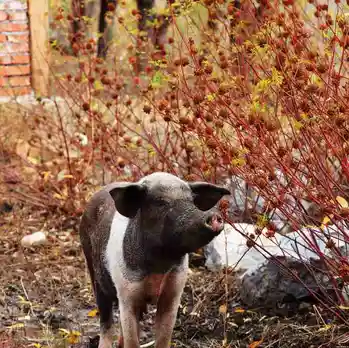
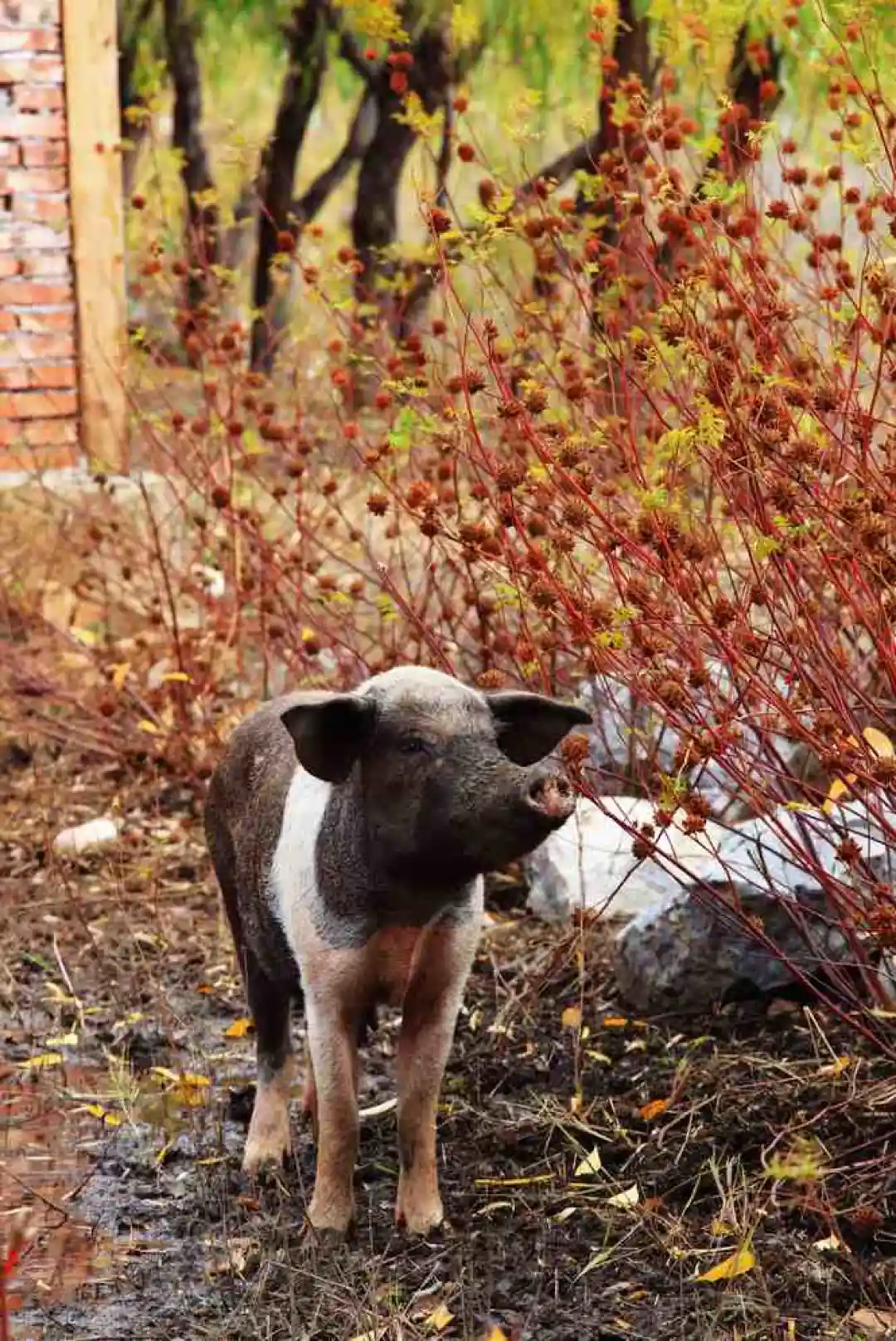
As soon as we entered the fields at the edge of the village, we saw something amusing. Two small spotted dogs were provoking a couple of little black pigs, chasing them until they squealed. The pigs ran off in panic, but the dogs didn't give up, continuing to chase and play. They became true "pig-herding dogs." The scene was absolutely hilarious!
Seeing some Mosuo women in the distance, Brother Chen went to chat with them. The warm-hearted villagers invited us to their home for lunch. The price of 25 yuan per person was reasonable — usually it's 30 yuan. This family's location was superb. We ate in their courtyard, with the vast lake not far away. Accompanied by the curling smoke from a dozen village homes and the strong rural atmosphere, the meal was very satisfying. The two dogs belonged to this family. We fed them while eating and gradually became familiar with the little fellows.
After bidding farewell to the hosts, we continued on. Suddenly, we noticed that the two "pig-herding dogs" willingly followed our group, circling around Brother Chen at the front as if guiding us, or like two little hounds we were leading.
The road to Xiaoluoshui Village was easier, as we walked along a paved road. But there were many uphill sections, and I felt quite exhausted. Along the way, we passed Yang Erche Namu's Museum. Why would she build herself a museum? According to locals, she's not originally from Lugu Lake but from some unknown place dozens of kilometers away.
On the last hillside, Brother Chen unfortunately lost his long-time sunglasses. But he only noticed when we reached Xiaoluoshui Village.
Xiaoluoshui Village was undergoing large-scale construction. Among Lugu Lake's major villages, Lige Village was the richest and most developed, followed by Daluoshui Village. But Daluoshui was already very commercialized and not very close to the lake. Other smaller villages were imitating and developing. Honestly, if I came here in two or three years, apart from the lake itself, I probably wouldn't feel much of the original atmosphere anymore.
We walked around Xiaoluoshui Village and stopped by the lake. The scenery was beautiful. Occasionally, a few leisurely cattle or horses passed by. Add in water birds, small boats on the lake, and the constant sounds of birdsong, horse neighs, and dog barks — it truly felt like being detached from the world.
But by then, I felt that some of us might not have the energy to hike back. So to take care of the women in the group, we decided to hire a car back to Lige.
We found a car but couldn't agree on the price. Fortunately, we called Zhashi. With his help, we got back to the observation deck above Lige Village at a satisfactory price.
Several hours of trekking made up one of the happiest experiences of this trip. Taking off my heavy hiking boots, leaning back in a rattan chair on the terrace, sipping tea, and enjoying the precious, pure sunlight on Colorful Lige's balcony — the feeling was simply awesome! But this was the last afternoon of our Lugu Lake trip.
In the evening, a few friends gathered on the inn's second-floor mezzanine. Drinking tea, chatting, smoking — it felt far more comfortable and free than any cafe or bar in the big city.
Lugu Lake, we're leaving tomorrow. I hope this isn't our last visit here, but I don't want to come a second time. Because I'm afraid that if I come again, I might be disappointed and regretful. I'm afraid that when I return, this place will no longer be Lugu Lake, but Lugu Lake Resort...
You should also read:
Into the Hidden Valley: A Solo Journey Through the Mysterious Dulong River
Into the Hidden Valley: A Solo Journey Through the Mysterious Dulong River Deep in the northwestern corner of Yunnan Province, tucked away from the modern world, lies a place that feels like a secret whispered among mountains. The Dulong River Valley is not just a…
Continue reading...
God’s Abandoned Palette: A Self-Drive Journey Through Yunnan’s Dongchuan Red Land
God’s Abandoned Palette: A Self-Drive Journey Through Yunnan’s Dongchuan Red Land Travel has never been about reaching some distant geographic coordinate. It’s about encountering, along the way, the version of yourself buried beneath the rubble of daily routine. During this May Day holiday, I finally…
Continue reading...
Cloud Travelogue · Dali of Wind, Flowers, Snow, and Moon: A Three-Day, Two-Night Journey of a Free Spirit
Cloud Travelogue · Dali of Wind, Flowers, Snow, and Moon: A Three-Day, Two-Night Journey of a Free Spirit I am a cultured female foodie with a touch of rogue charm. I slung on my backpack, took my lover's hand, and set off on a spontaneous…
Continue reading...