30 Days of Eastern Europe by Bus: Finding the Scars and Rebirth of History Between Bosnia & Herzegovina and Serbia
30 Days of Eastern Europe by Bus: Finding the Scars and Rebirth of History Between Bosnia & Herzegovina and Serbia
Preface: A Visa-Free Journey at a Moment's Notice
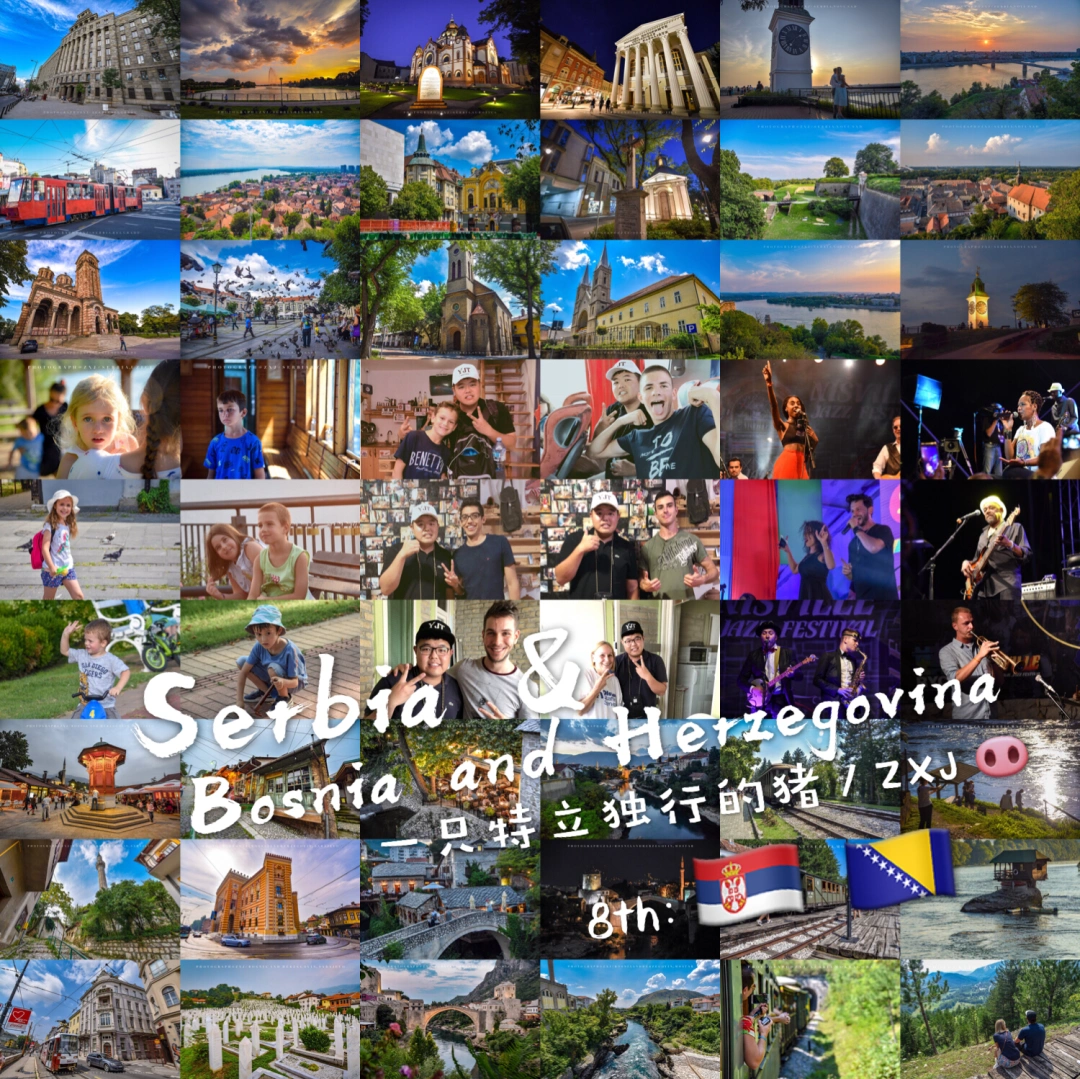
In the summer of 2018, I shouldered my backpack and set off alone on a journey to the Balkan Peninsula. Thirty days, two countries, seven cities, entirely dependent on public transportation—this was not an ordinary European trip, but an exploration deep into historical wounds and national memory.
Why the Balkans? This place, known as the "Powder Keg of Europe," has appeared countless times in history textbooks: the spark of World War I, the rise and fall of Yugoslavia, the brutality of the Bosnian War, the independence of Kosovo... But textbooks never told us about the complex emotions and fates hidden behind these events. Not until Serbia announced visa-free travel for Chinese citizens, followed shortly by Bosnia and Herzegovina, did I realize that this was the perfect opportunity to truly understand this land.
Route Planning: Connecting the Balkans with a Single Bus Ticket

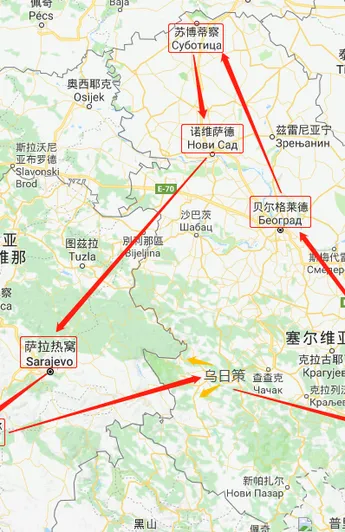
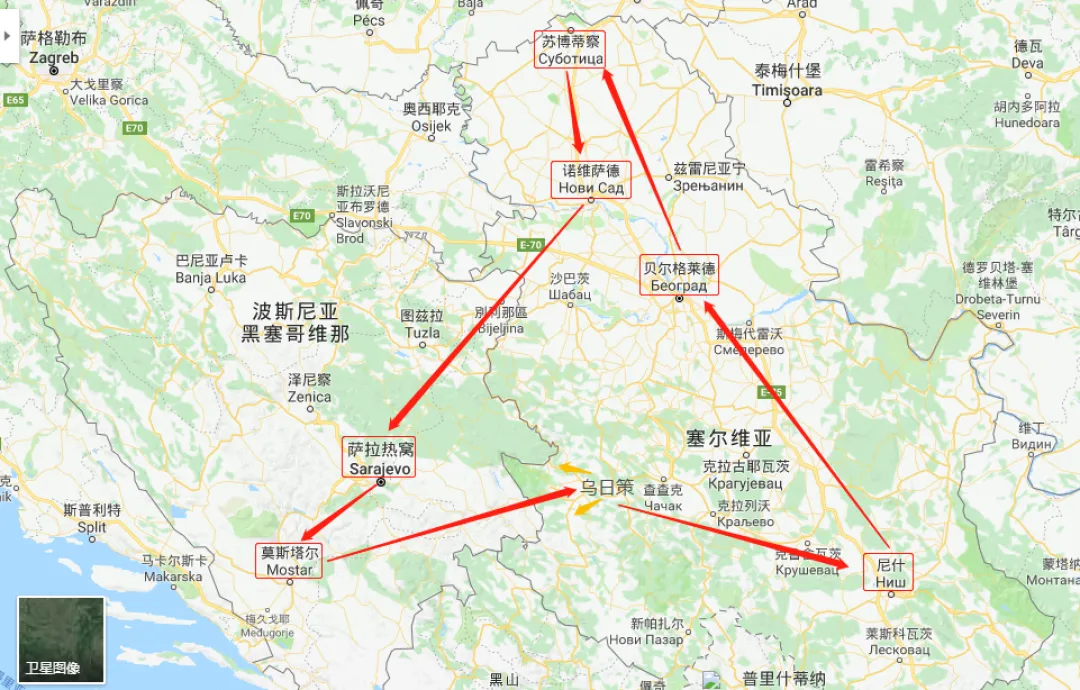
My itinerary was as follows: Belgrade → Subotica → Novi Sad → Sarajevo → Mostar → Užice → Niš → Belgrade. The entire journey relied on intercity buses, with the occasional train. No self-driving, no private car hire—just a collection of tickets and a heart full of curiosity.
Why Choose Public Buses?
Eastern Europe's railway system is relatively underdeveloped, but its road network is remarkably efficient. Intercity buses run frequently, with night services available, allowing you to be on the road almost 24 hours a day. More importantly, taking the bus lets you truly immerse yourself in local life—you'll squeeze in with locals carrying heavy bags, watch the ever-changing scenery outside the window, and hop off at some unknown station to grab a coffee.
A Brief History of the Balkans: Understanding the Past and Present of This Land
Before sharing the travel guide, I want to talk about history. Because if you don't understand the Balkans' past, you can't grasp why every city here bears the marks of war.
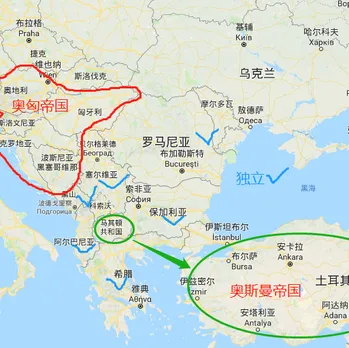
Five Centuries of Ottoman Rule

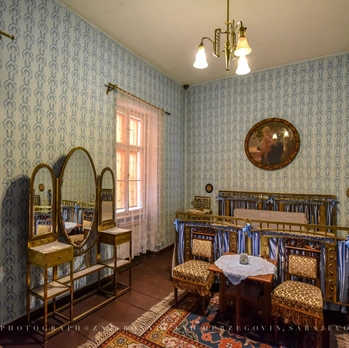
In the 14th and 15th centuries, the Ottoman Turks invaded the Balkans and ruled for a full five centuries. They forced locals to convert to Islam and left behind a wealth of Turkish-style architecture. At the Despica Museum in Sarajevo, you can still see exquisite Persian ornaments and Turkish-style courtyards.
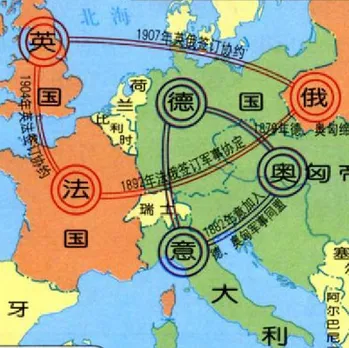
The Spark of World War I
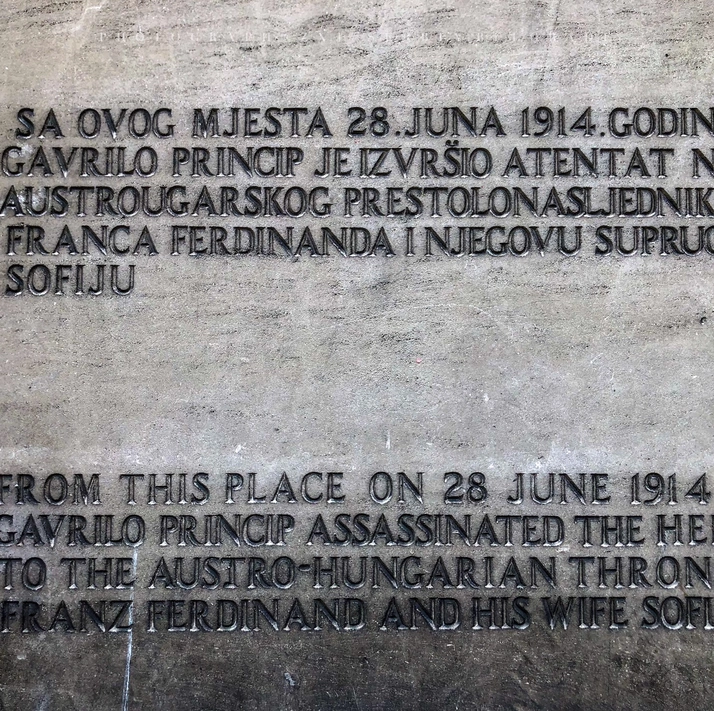
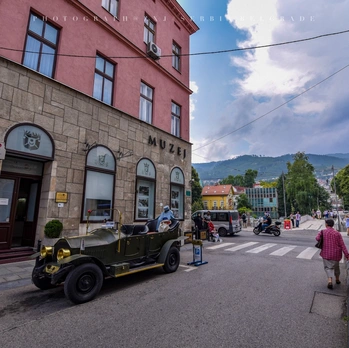
On June 28, 1914, Austro-Hungarian Archduke Franz Ferdinand was assassinated in Sarajevo by Gavrilo Princip, a young Bosnian Serb. This seemingly random event ignited the fuse of World War I. Today, the assassination site has been turned into a museum, with a convertible car permanently parked at the entrance, reminding visitors of the weight of history.
The Rise and Fall of Yugoslavia
After World War II, Josip Broz Tito led the establishment of the Socialist Federal Republic of Yugoslavia, a country composed of six republics that once became the world's fourth-largest economy. However, following Tito's death and the dissolution of the Soviet Union, ethnic tensions began to escalate. Starting in 1991, Slovenia, Croatia, and Macedonia declared independence one after another, the Bosnian War erupted, and Sarajevo endured a siege lasting three and a half years.
The Kosovo War and the Bombing of the Embassy
In 1999, NATO, led by the United States, launched a 78-day air campaign against the Federal Republic of Yugoslavia. Belgrade still preserves the bombed-out remains of the Ministry of Defense building, the Ministry of Interior, and the Serbian State Television headquarters. Most heartbreakingly, the Chinese Embassy in Yugoslavia was also hit by three precision-guided bombs during this bombing, claiming the lives of three martyrs: Shao Yunhuan, Xu Xinghu, and Zhu Ying.
Today, the original embassy site has been converted into a Confucius Institute, but a memorial plaque reads: "We hereby express our gratitude to the People's Republic of China for the support and friendship given to the people of Serbia in the most difficult times, and we hereby commemorate the martyrs who lost their lives."
Pre-Trip Preparation: Details That Determine Travel Quality
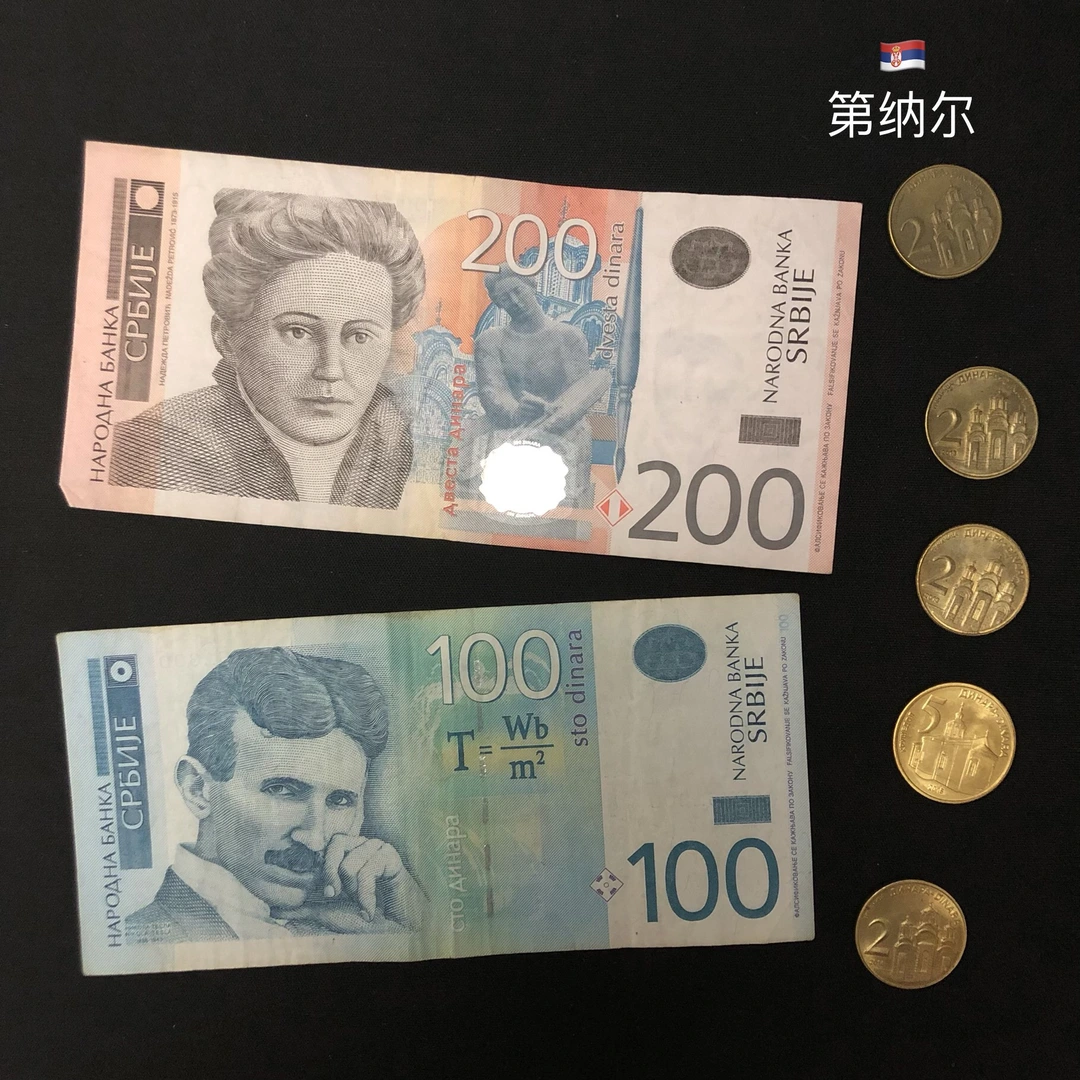
Currency and Payment
Serbia uses the Serbian Dinar (RSD), with an exchange rate of approximately 1 EUR = 11,700–11,800 RSD. Bosnia and Herzegovina uses the Convertible Mark (BAM), with 1 EUR ≈ 1.95 BAM. My quick conversion method: divide the Dinar amount by 15 to get an approximate value in Chinese Yuan, and multiply the Mark amount by 4 for a rough Yuan equivalent.
Important Reminder: These currencies cannot be exchanged in China, so you must exchange for Euros in advance. UnionPay ATMs are extremely scarce—there's one near Republic Square in Belgrade, but almost none in Bosnia and Herzegovina. I strongly recommend bringing a VISA credit card and carrying sufficient cash. Before departure, I exchanged 600 Euros. Over the entire 26-day trip, including card payments and ATM withdrawals, my total expenses were about 2,000 RMB (excluding airfare).
Essential Items Checklist
- Printed Documents: Visa-free policy explanation (in both Chinese and English), accommodation booking confirmations, passport copies, and embassy contact information
- Insect Repellent: Mosquitoes swarm at dusk in summer—they don't bite much but are incredibly annoying
- European Plug Adapter: Both Serbia and Bosnia use two-round-pin sockets
- Travel Insurance: Consider purchasing international travel insurance like AIG's "Worldwide Travel" plan
SIM Cards and Apps
Purchase a SIM card in advance from online stores. Activation method for Serbian SIM cards: insert the card, dial 0601234, hang up, then dial 123#, reply with 1, and restart your phone. For Bosnian SIM cards: insert the card, dial 444, wait for an SMS, then dial , and restart your phone.
Recommended Apps: Google Maps (navigation), Moovit (public transit info), Simple Currency Converter, and Booking.com (accommodation).
Buying Long-Distance Bus Tickets
Intercity buses are the primary mode of transport. Useful websites include Serbian bus schedules and Bosnian train schedules. When purchasing tickets, write the time and destination on a piece of paper and hand it to the staff—they'll inform you of available departures. Note: online schedules are for reference only. If a route has only one bus per day, it's best to skip it, as it could be canceled at any time.
My Actual Travel Log: - Belgrade → Subotica: Frequent departures - Subotica → Novi Sad: About 1 hour - Novi Sad → Sarajevo: Cross-border bus, about 6 hours - Sarajevo → Mostar: Train available, with stunning scenery - Mostar → Užice: Cross-border bus, about 4 hours - Užice → Bajina Bašta (House on the Drina River): Local minibus - Užice → Niš: About 3 hours - Niš → Belgrade: Very frequent departures
City Impressions: Every City Tells a Story
Belgrade: War and Rebirth
The capital of Serbia, a city rebuilt on ruins. Walking through the streets, you'll see bombed-out buildings standing side by side with modern high-rises. The remains of the Yugoslav Ministry of Defense building are still preserved, serving as the city's most striking monument.
Sarajevo: Crossroads of East and West
The capital of Bosnia and Herzegovina, a city blending Ottoman, Austro-Hungarian, and Yugoslav styles. The old town's Copper Street (Kazandžiluk) remains lively, but the cemeteries scattered throughout the city center remind you: this was once a battlefield.
Mostar: Reconciliation Under the Old Bridge
Famous for its ancient stone bridge. During the war, the bridge was destroyed, later rebuilt with the help of UNESCO. Today, it once again stands as a symbol connecting East and West.
Užice: Serbia's Mountain Gem
A small town surrounded by mountains, from where you can visit the famous Drvengrad (Wooden Town) and the Šargan Eight narrow-gauge railway, as well as the House on the Drina River. In the early morning mist, the entire town seems to float above the clouds.
Special Recommendation: An Unexpected Bonus During a Layover
If you choose Etihad Airways with a layover in Abu Dhabi, take advantage of the extended transit time for a one-day UAE trip. Take the A1 airport bus to the city, visit the Sheikh Zayed Grand Mosque, and experience the collision of modernity and tradition. The UAE also offers visa-free entry for Chinese citizens—an unexpected bonus for your journey.
Conclusion: The Meaning of Travel
This 30-day bus journey taught me one thing: true travel isn't about checking off sights, but about understanding history, experiencing culture, and connecting with locals. In Serbia and Bosnia and Herzegovina, I saw the scars of war and the hope of reconstruction. I heard the stories of different ethnic groups and felt their longing for peace.
If you want to embark on a similar journey, remember this: bring an open heart, a sense of reverence for history, and enough cash. The Balkans will not disappoint you—it will change your perspective on the world with its stories.
Final Tips: - Daily budget: approximately 300–500 RMB (including food, accommodation, and transport) - Buy tickets one day in advance and double-check the date on the spot - Carry a coin purse—Bosnian coins have small denominations but strong purchasing power - Learn to say "hello" and "thank you" in the local language—you'll be rewarded with more smiles
May your Balkan journey become an unforgettable memory for a lifetime.
You should also read:
Pilgrimage to Meili, Trekking through Yubeng: The Ultimate Dialogue Between Soul and Body
Pilgrimage to Meili, Trekking through Yubeng: The Ultimate Dialogue Between Soul and Body Prologue: When Dreams Become Reality Some places, just by saying their names, are enough to make your heart race. Yubeng, a hidden village nestled deep within the Meili Snow Mountains, is exactly…
Continue reading...
Setting Off Alone: Finding the Meaning of Travel in Lijiang
Setting Off Alone: Finding the Meaning of Travel in Lijiang Every woman should have at least two things in her life worth braving: one is cutting off her long hair without hesitation, and the other is embarking on a journey alone. In the spring of…
Continue reading...
A Journey Through Shuanglang's Guesthouses: Finding Life as It Should Be on the Shores of Erhai Lake
A Journey Through Shuanglang's Guesthouses: Finding Life as It Should Be on the Shores of Erhai Lake Prologue: When Life Hits the Pause Button Have you ever had one of those moments? When the city's towering buildings press down on your chest, when you're swept…
Continue reading...