8,000 Kilometers of Clouds and Moon: A 20-Day Journey Through the Hidden Realms of Yunnan, Guizhou, and Hunan
8,000 Kilometers of Clouds and Moon: A 20-Day Journey Through the Hidden Realms of Yunnan, Guizhou, and Hunan
Prologue: When Wheels Grind Through the Creases of Time
For the final journey of 2025, I chose to spend 20 days behind the wheel, racing 8,000 kilometers across three provinces—Yunnan, Guizhou, and Hunan. This was no simple road trip; it was a deep conversation with mountains, rivers, and seas—terraced rice fields awakening in the morning mist, tea plantations whispering in the breeze, ancient villages falling silent under the setting sun, and waterfalls thundering in hidden valleys.
Some say travel is an excuse to escape the mundane. But to me, it feels more like a return—a return to the vastness between heaven and earth, a return to that small yet authentic version of myself. As Su Shi wrote in his Ode to the Red Cliff: "We are but mayflies drifting between heaven and earth, a single grain lost in the vast ocean." Each of us is merely a speck of dust in this boundless universe, yet it is precisely these specks that, through pursuit and exploration, weave the most brilliant chapters of life.
My name is Xia Meng, a traveler who measures the world one step at a time. Over the past decade, I have visited every province in China and traveled to 19 countries, writing 187 travelogues on Mafengwo. In this age of viral short videos, I stubbornly cling to words and photographs to capture every moment on the road—because I believe some landscapes deserve to be savored slowly, and some stories deserve to be told with care.
Chapter One: From Xiangyang to Zhenyuan—A Symphony of History and Wanderlust
Xiangyang Ancient City: Stepping Into Guo Jing's Martial World
At 7 a.m., Zhengzhou was still asleep as we set out. Our first stop: Xiangyang Ancient City, the legendary setting of Jin Yong's martial arts novels.
"Outside Xiangyang, horses' hooves urge; beacon fires rise, war drums thunder." As this thousand-year-old city stepped out of the pages of fiction, I could almost hear the battle horns of Guo Jing and Huang Rong defending their homeland. Climbing the Linhan Gate, I watched the Han River coil like a silver ribbon through the landscape, with the distant Xian Mountains half-hidden in the mist. I ran my fingers over the mottled bricks of the city wall—the rough texture felt like a code left behind by time, each crack holding a story.
Practical Tips: - Best Entry Point: Climb the city wall from Linhan Gate (Little North Gate) for the best panoramic view of the Han River. - Must-See Spots: Zhaoming Tower (free, open Tuesday to Sunday 9:00-17:00), Beijie Food Street. - Local Eats: Xiangyang beef noodles (15 yuan/bowl, try the alley-side old shops for authenticity), brown sugar flatbread (4 yuan/piece, crispy outside and sweet inside), local rice wine (pairs perfectly with beef noodles to cut the richness). - Photo Spot: Little North Gate pier at dusk, where the ancient wall and river create a perfect frame.
Zhenyuan Ancient Town: The Underrated "Venice of the East"
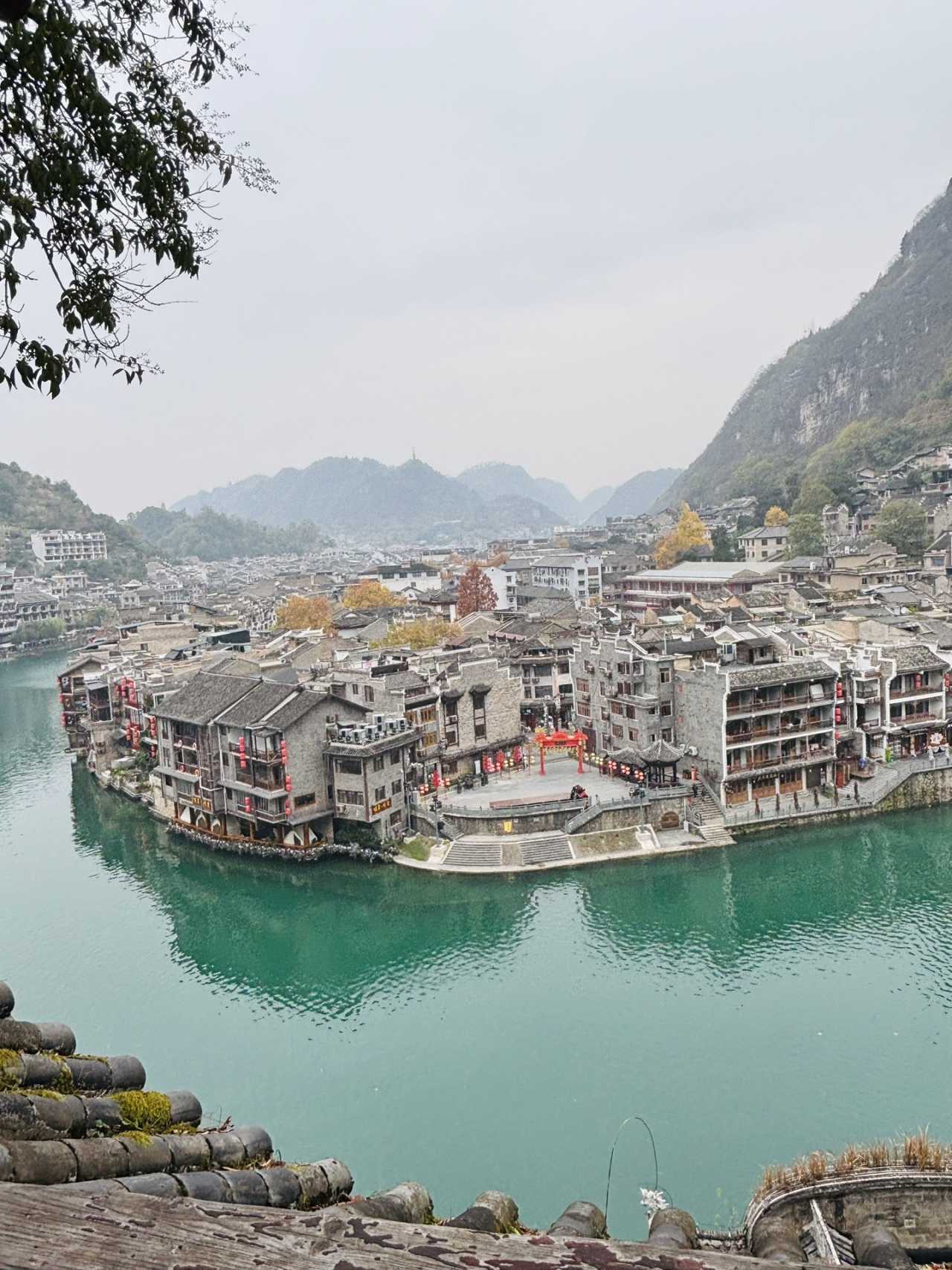
A decade after my last visit, I stepped back into Zhenyuan Ancient Town. Nestled deep in the mountains of Guizhou, this ancient town boasts over 2,000 years of history yet is often overlooked by tourists. The Wuyang River cuts through the town in an S-shape, forming a Taiji-like pattern that has earned it the nickname "Venice of the East."
By evening, we checked into a guesthouse by the water. Sitting in a rocking chair, listening to the gentle flow of the river and watching the lights on both banks flicker to life, time seemed to slow down. The Kuixing Pavilion on Zhusheng Bridge looked especially mysterious under the night sky—this spot also serves as a pilgrimage site for fans of the Chinese anime The Outcast, making it a must-visit for animation lovers.
Must-Do Checklist: - Zhusheng Bridge: A 300-year-old stone bridge, topped by the 150-year-old Kuixing Pavilion. - Qinglong Cave (ticket required): A suspended complex blending Confucianism, Buddhism, and Taoism—a true architectural wonder. - Shiping Mountain (ticket required): A 40-minute climb to the top offers a bird's-eye view of the entire town, plus remnants of the Miao Great Wall. - Wicked Alleys: The town's winding lanes showcase the ingenuity of ancient architecture. - Night Cruise on the Wuyang River: Take a boat to admire the illuminated banks and experience the town's beauty after dark.
Chapter Two: Hidden Passages—From Miao Ruins to a Lost Paradise
Feiyun Cliff: An Unopened Letter from Six Hundred Years Ago
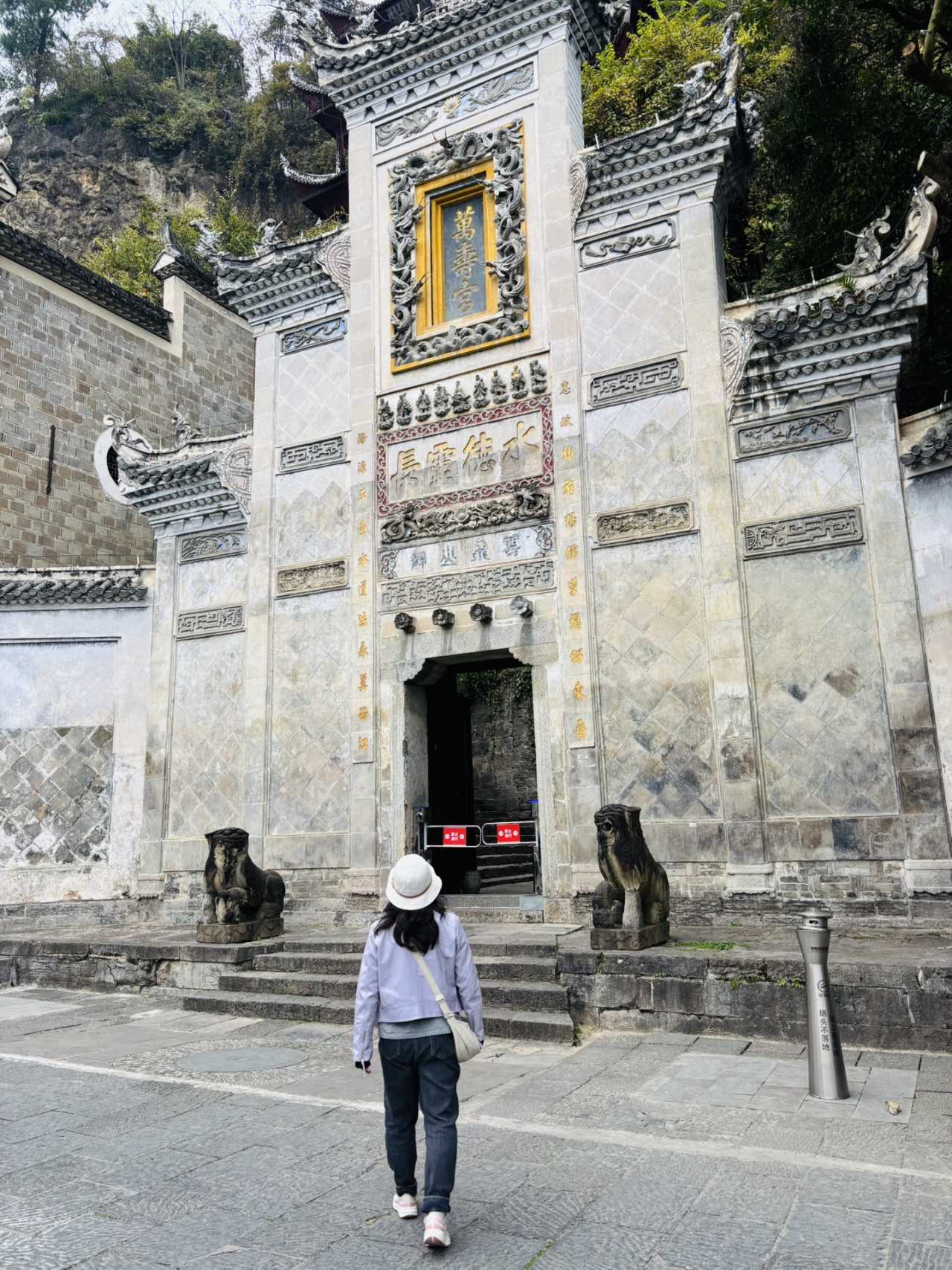
Leaving Zhenyuan, we arrived at a nearly forgotten secret—Feiyun Cliff. This Ming Dynasty relic in Huangping County, southeastern Guizhou, has no entrance fee, no parking lot, only a red-and-white Ming-era stone archway silently telling its 600-year story.
Passing through the archway felt like entering another world. The Karst rock formations above Feiyun Cave rolled like auspicious clouds; the temple built into the cave seemed to grow from the mountain itself. Ancient ginkgo roots pierced through stone steps, intertwining with pillars like symbiotic veins. There were almost no other visitors—just the rustle of leaves swept by the guardian of the stone tablets, and the roar of a stream carrying a waterfall toward the deep valley beyond the mountain gate.
Practical Info: - Location: 12 km northeast of Huangping County, southeastern Guizhou. Navigate to "Feiyun Cliff" by car. - Admission: Free, register with your ID at the entrance. - Rating: ★★★★★ (secluded, peaceful, exquisitely beautiful) - Tip: There are many ginkgo trees on the grounds. Visit in early November for peak color; by December, when we went, the leaves had already fallen.
Bamei: A Thousand-Year Paradise Hidden Behind a Cave
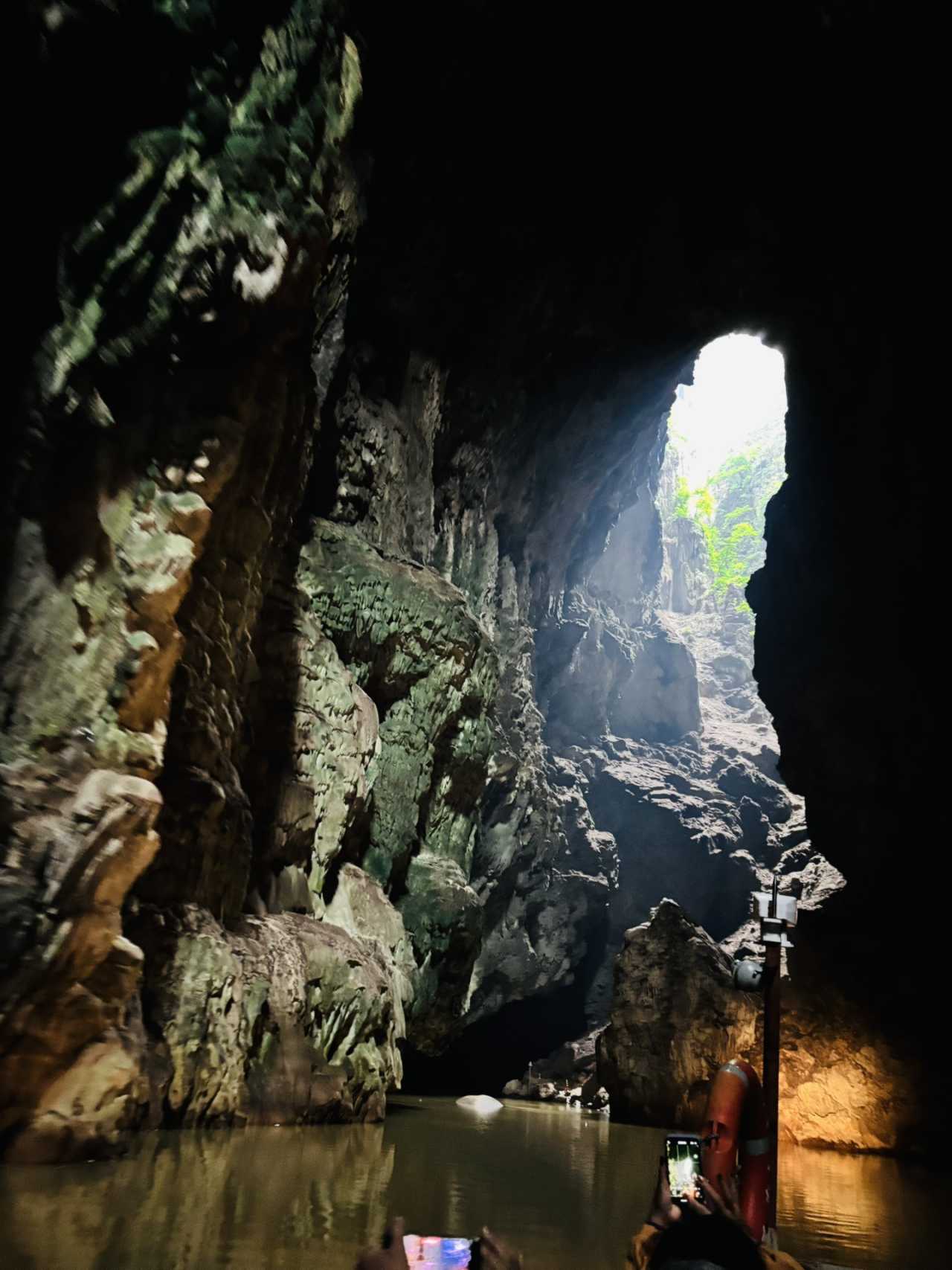
Crossing from Guizhou into Yunnan, our first stop was Bamei in Guangnan County, Wenshan. To reach it, you must take a boat through a 3-kilometer-long cave—a real-life version of The Peach Blossom Spring.
As the boat entered the cave, darkness swallowed us. Only the sound of water and the drip of stalactite droplets echoed around us. For a moment, my mind wandered to scenes from The Lost Tomb and Tibetan Code—I felt like an explorer about to step into an unknown world. When the boat emerged from the other side, the view opened up: rice paddies spread like a green carpet, Zhuang stilt houses sent up wisps of cooking smoke, and women in indigo-dyed clothing pounded laundry by the river. Time, it seemed, had stood still here for a thousand years.
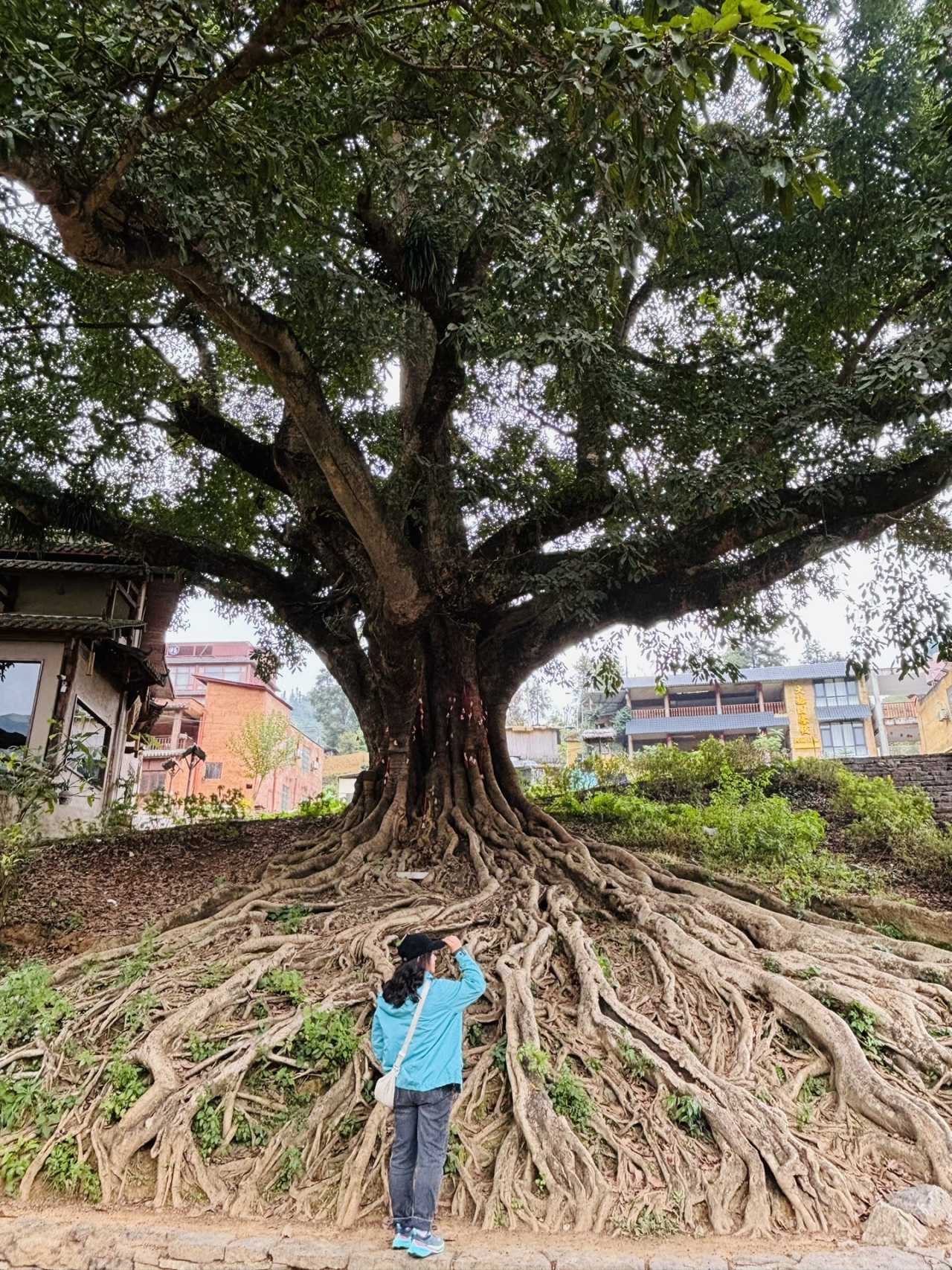
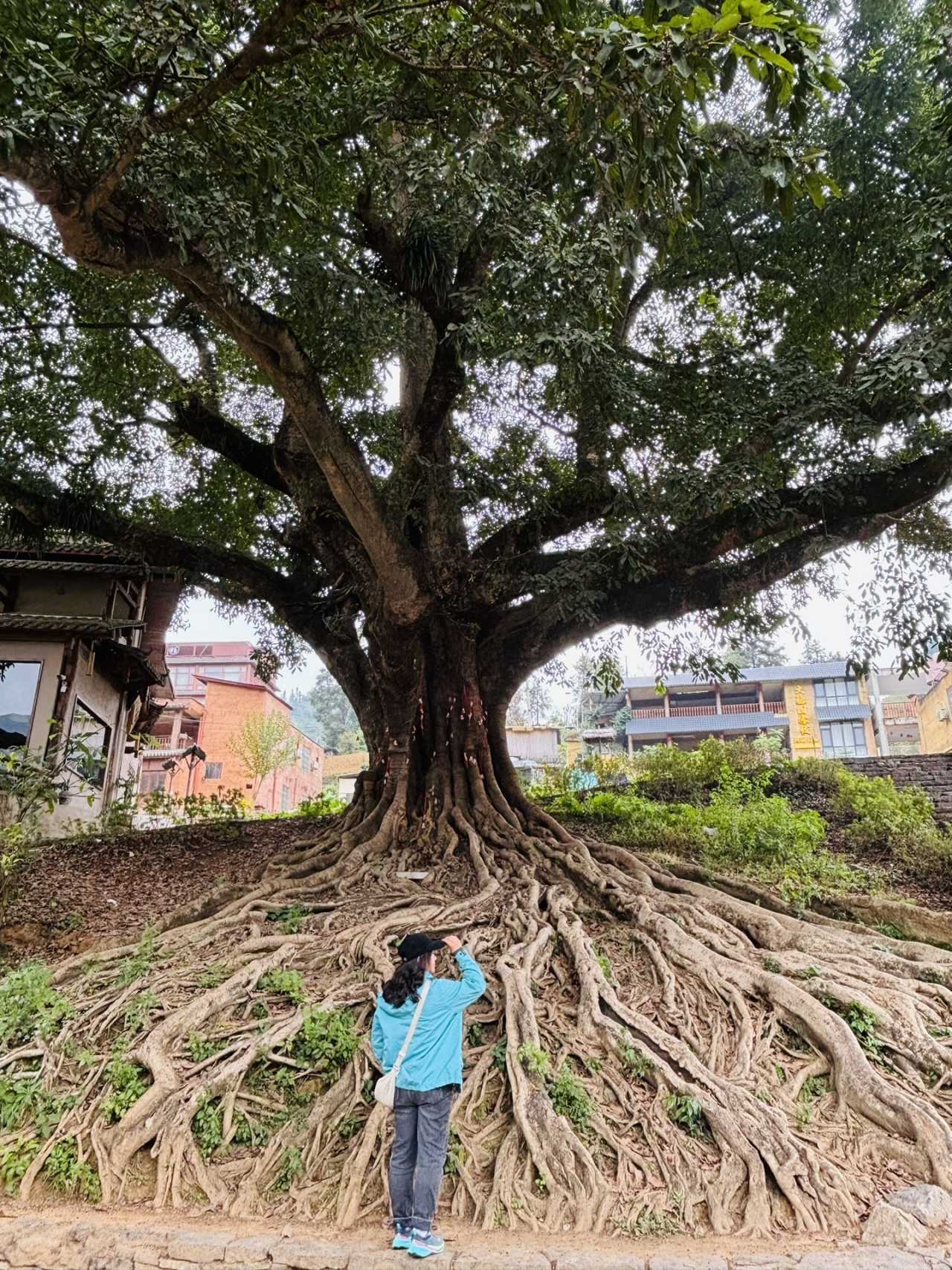
Highlights to Explore: - Three Cave Crossings: Each offers different sights—Lion Guarding the Treasure, a slit of sky inside the cave, and the Stone of Tao Yuanming. - Longevity Tree: A thousand-year-old tree at the village center, revered as a guardian by locals. - Wind and Rain Bridge: A resting place for Zhuang, Dong, and Yao people, also used to welcome guests. - Peach Blossom Island: A triangular sandbar that splits the river into "men's and women's rivers," once the villagers' natural swimming pool. - Local Delicacies: Five-color sticky rice, grilled quail, fried small yellow croaker, Bahan chicken, and chrysanthemum duck.
Chapter Three: Between Mountains and Waters—The Poetry of Puzhehei and Yuanyang Terraces
Puzhehei: An Ink-Wash Painting in Winter
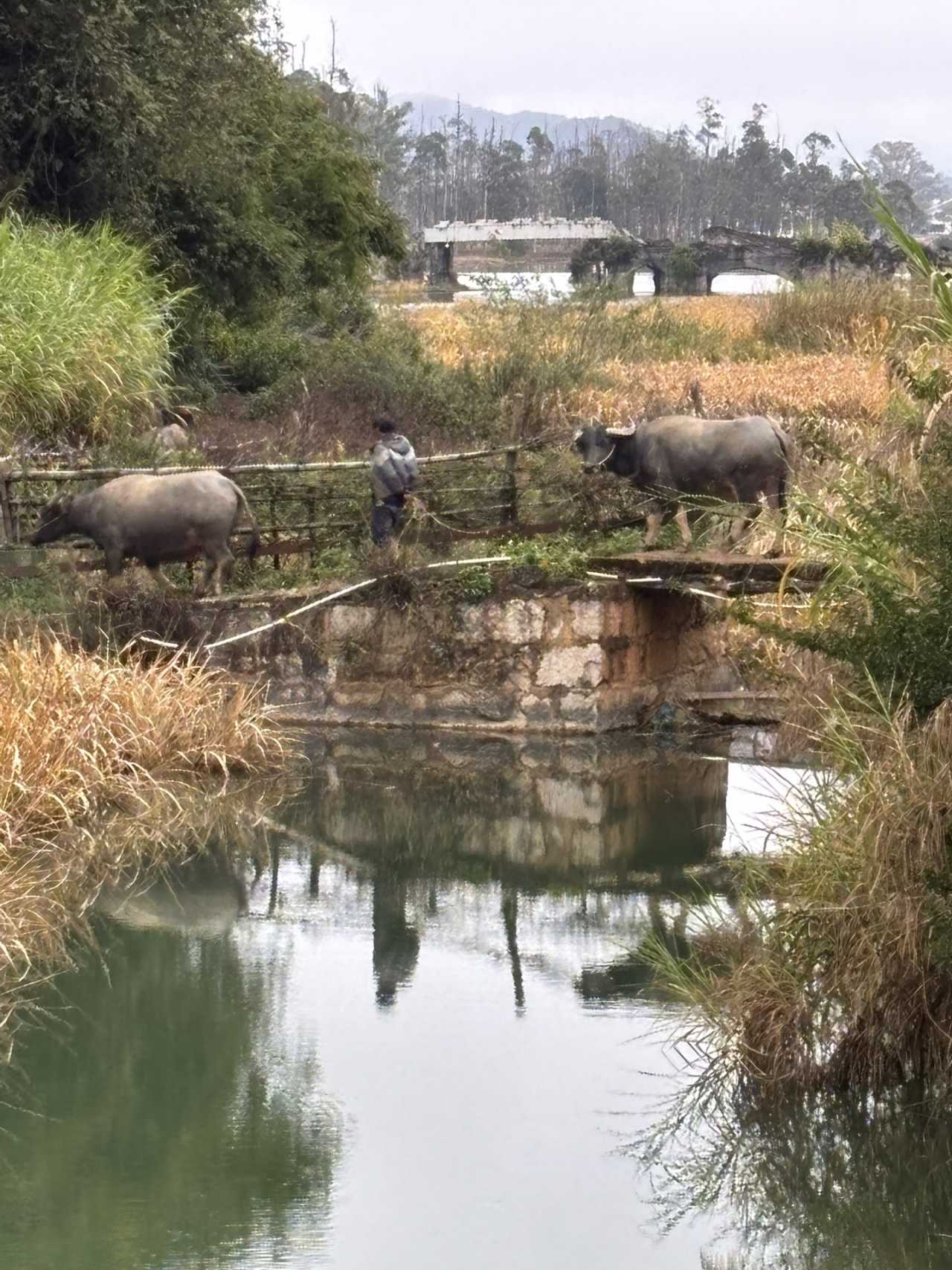
"Encountering the most beautiful Puzhehei in its 'ugliest' season." That was my first impression. In December, Puzhehei lacks the summer hustle but gains an ethereal, otherworldly quality. Morning mist clung to the Karst peaks; a small boat skimmed across the water, startling a few waterbirds, and even the ripples seemed gentle.
Climbing Qinglong Mountain, I looked down at the entire area: lakes and peaks reflected each other, the water like a mirror, clouds and mountains swirling together. Neatly arranged villages sent up wisps of smoke, painting a peaceful pastoral scene. Walking along the ridges, the soil felt soft underfoot, and the breeze carried only the scent of grass, with no hint of cold.
Winter Must-Dos at Puzhehei: - Qinglong Mountain Viewpoint: The best spot for a panoramic view, especially at sunrise and sunset. - Stroll Through Xianrendong Village: Yi-style houses, blue-stone paths, and bougainvillea and succulents everywhere. - Beef Rice Noodles: Try the beef rice noodles (20 yuan) at "Two In-Laws Beef Restaurant" at the village entrance—rich broth, add pickled beans, cilantro, and chili to taste.
Yuanyang Rice Terraces: Poems Written on the Earth
Driving from Puzhehei to Yuanyang, we checked into "Rice Field Side Guesthouse" in Duoyishu Village. At dawn, I opened the window to see layer upon layer of terraced fields glowing gold in the morning light. The Duoyishu viewing platform is the best spot for sunrise—when the first rays hit the water, the surface shatters into a thousand sparks, and all fatigue melts away.
Yuanyang Terrace Highlights: - Duoyishu Viewing Platform: Best for sunrise. - Aichun Blue Terraces: The water's mineral content gives these terraces a unique blue hue. - Pugao Old Village: A well-preserved Hani village where you can experience local life. - Laohuzui Sunset: The terraces at dusk resemble a painter's palette.
Chapter Four: Borderland Charms—From Xishuangbanna to Mengding's Hidden Realms

Xishuangbanna: Dai Culture in the Tropical Rainforest
Leaving Lüchun County, we headed south to Xishuangbanna. Mandui Ancient Village and Manyuan Village were the biggest surprises—these Dai settlements hidden in the tropical rainforest retain their original way of life. Walking through the villages, with temples, bamboo houses, and tropical plants everywhere, I felt like I was in a small Southeast Asian town.
In the evening, we visited the Star Night Market. This is Xishuangbanna's liveliest spot, filled with snacks and handicrafts. I recommend trying Dai-style barbecue, pineapple rice, and coconut jelly—every bite tastes of the tropics.
Menglian: A Border Town's Cultural Mosaic
Menglian, a small town on the China-Myanmar border, has a unique charm. Nayun Ancient Town is one of Yunnan's best-preserved Dai towns, with the Xuanfusi Office, Upper, Middle, and Lower City Temples, and the Main Temple—each site carries layers of history.
What moved me most was Mengma Waterfall. After hiking through a tropical rainforest, the waterfall cascaded down from above, mist filling the air. Sunlight filtered through the spray to form a rainbow—breathtaking. The Menglian Port is nearby, offering a distant view of Myanmar's mountains and a taste of border life.
Menglian Must-Sees: - Nayun Ancient Town: A living museum of Dai culture. - Xuanfusi Office: Learn about the Dai chieftain system. - Mengma Waterfall: A hidden gem in the rainforest. - Menglian Port: Experience the border atmosphere.
Ximeng: The Mysterious Grandeur of Longmoye Sacred Ground
From Menglian, we arrived in Ximeng Wa Autonomous County. The Longmoye Sacred Ground is the holiest site for the Wa people. Entering the grounds, the first thing I saw were thousands of buffalo skulls hanging from trees and stone walls—a scene both shocking and solemn. The Wa believe buffalo are spiritual animals whose skulls protect the community.
Mengsuo Divine Pool is another unmissable spot. This lake, surrounded by primeval forest, has crystal-clear water. Legend says it is the birthplace of the Wa ancestors. Standing by the lake, feeling the quiet mystery of nature, I found my own heart growing still.
Chapter Five: The Road Home—From Wuliang Mountain to Zhangjiajie
Wuliang Mountain Cherry Blossom Valley: A Pink Winter Romance
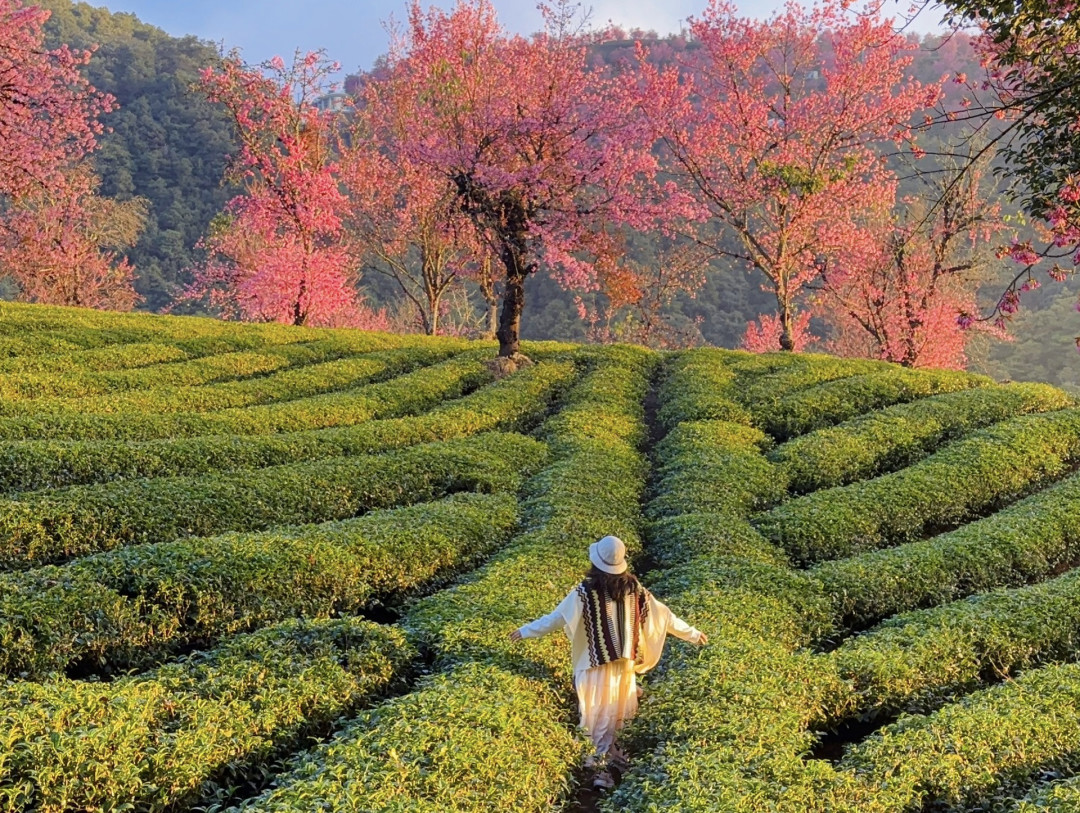
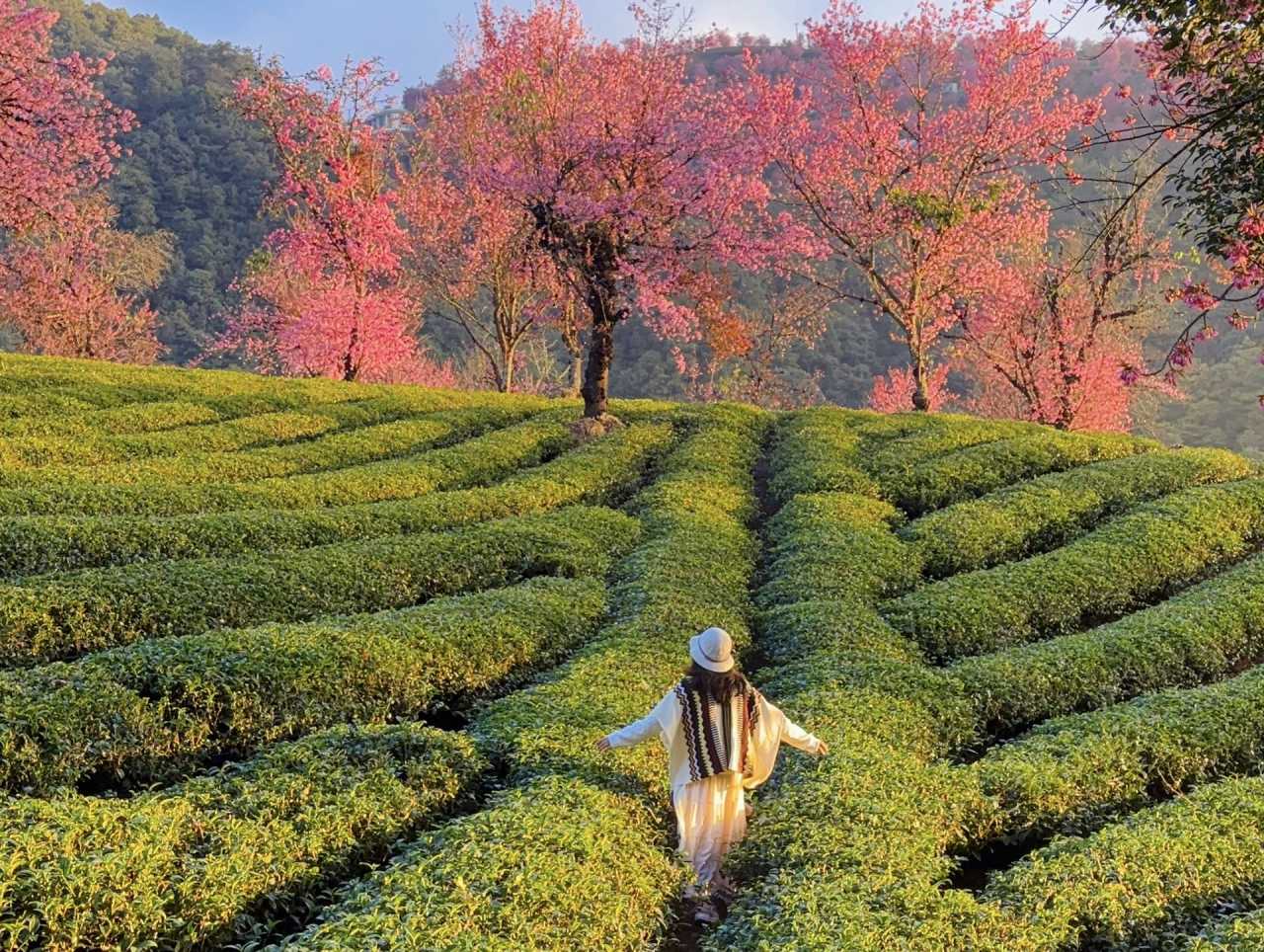
Leaving Mengding, we drove to Wuliang Mountain Cherry Blossom Valley in Nanjian County. This is the most romantic place in winter—wild winter cherry blossoms blanket the hillsides among tea plantations, pink flowers contrasting with green tea bushes. We stayed at "Tea Forest · You She" guesthouse inside the scenic area. Opening the window, I could see the cherry blossoms; in the morning mist, they appeared and disappeared like a dream.
Practical Info: - Best Viewing Period: Late November to mid-December. - Accommodation: Stay in guesthouses within the scenic area for close-up cherry blossom views. - Photography Tips: Early morning and dusk offer the best light for dreamy shots.
Xingyi Wanfeng Forest: The Ultimate Karst Beauty
Crossing back into Guizhou, we reached Xingyi's Wanfeng Forest. This classic Karst landscape features thousands of peaks rising from the ground in a spectacular array. We stayed at Star Glory Hotel, with a room window overlooking the majestic forest.
Wanfeng Forest Highlights: - Observation Platform: The best spot for a panoramic view. - Buyi Scenic Area: Experience Buyi culture. - Nine-Dragon Waterfall: Located in Luoping, Yunnan, adjacent to Wanfeng Forest—visit both.
Zunyi and Wujiang Village: Red Memories and River Landscapes
Zunyi, famous for the Zunyi Conference, carries significant historical memories. We visited the Zunyi Conference Site and the Catholic Church, feeling the weight of those revolutionary years.
Wujiang Village was a surprise. This ancient town along the Wujiang River preserves Ming and Qing architecture, and its night light show is stunning. We stayed at Wancheng Inn—basic conditions, but the window view of the Wujiang nightscape made it worthwhile.
Zhangjiajie Ground Fissure: Nature's Masterpiece
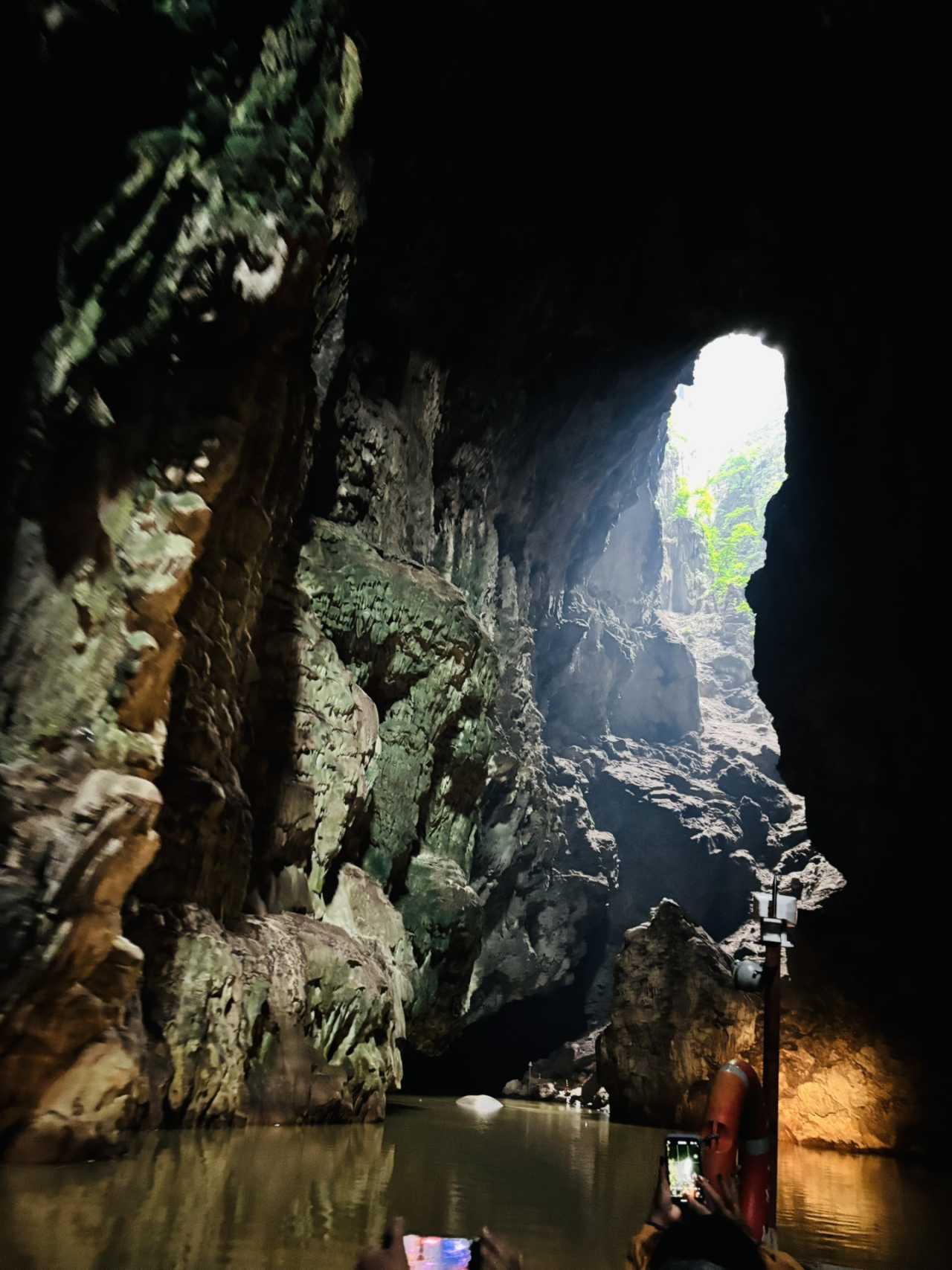
From Wujiang Village, we headed to Zhangjiajie in Hunan. The Ground Fissure is a lesser-known spot but absolutely worth visiting. This crack in the earth plunges hundreds of meters deep, with sheer cliffs on both sides and a stream flowing at the bottom. Walking the plank path, I looked up to see a "thread of sky" and down to crystal-clear water—nature's craftsmanship left me in awe.
Epilogue: Drifting Like a Mayfly Between Heaven and Earth
20 days, 8,000 kilometers, three provinces, countless landscapes. From the martial spirit of Xiangyang Ancient City to the everyday warmth of Zhenyuan; from the 600-year stillness of Feiyun Cliff to the thousand-year paradise of Bamei; from Puzhehei's winter ink-wash to Yuanyang's terraced poetry; from Xishuangbanna's tropical vibe to Menglian's border secrets; from Wuliang Mountain's pink romance to Zhangjiajie's divine craftsmanship—every leg of the journey was a conversation with myself.
"Drifting like a mayfly between heaven and earth, a single grain lost in the vast ocean." Su Shi's lines echoed through the trip. Each of us is merely a speck of dust in this boundless universe, yet it is precisely these specks that, through pursuit and exploration, weave the most brilliant chapters of life.
If you, too, love being on the road, follow my tracks to those corners forgotten by time. The earth is a circle, and I want to travel it—this is not just my dream, but my deepest love for the world.
Xia Meng sees the world, always on the road. See you next December.
All information is based on actual travel experience in December 2025. Costs and opening hours may vary with the season; please reconfirm before your trip.
You should also read:

God’s Abandoned Palette: A Self-Drive Journey Through Yunnan’s Dongchuan Red Land
God’s Abandoned Palette: A Self-Drive Journey Through Yunnan’s Dongchuan Red Land Travel has never been about reaching some distant geographic coordinate. It’s about encountering, along the way, the version of yourself buried beneath the rubble of daily routine. During this May Day holiday, I finally…
Continue reading...
Body in Hell, Heart in Heaven: A Pilgrimage Through Tiger Leaping Gorge — A Dialogue Between Heaven and Earth
Body in Hell, Heart in Heaven: A Pilgrimage Through Tiger Leaping Gorge — A Dialogue Between Heaven and Earth Introduction: When the Gorge Splits Open Beneath Your Feet Some say Tiger Leaping Gorge is the closest place on Earth to the border between "hell" and…
Continue reading...
Cloud Travelogue · Dali of Wind, Flowers, Snow, and Moon: A Three-Day, Two-Night Journey of a Free Spirit
Cloud Travelogue · Dali of Wind, Flowers, Snow, and Moon: A Three-Day, Two-Night Journey of a Free Spirit I am a cultured female foodie with a touch of rogue charm. I slung on my backpack, took my lover's hand, and set off on a spontaneous…
Continue reading...