A 7-Day Journey Through the Yunnan Borderlands: Mangshi, Ruili, and Tengchong
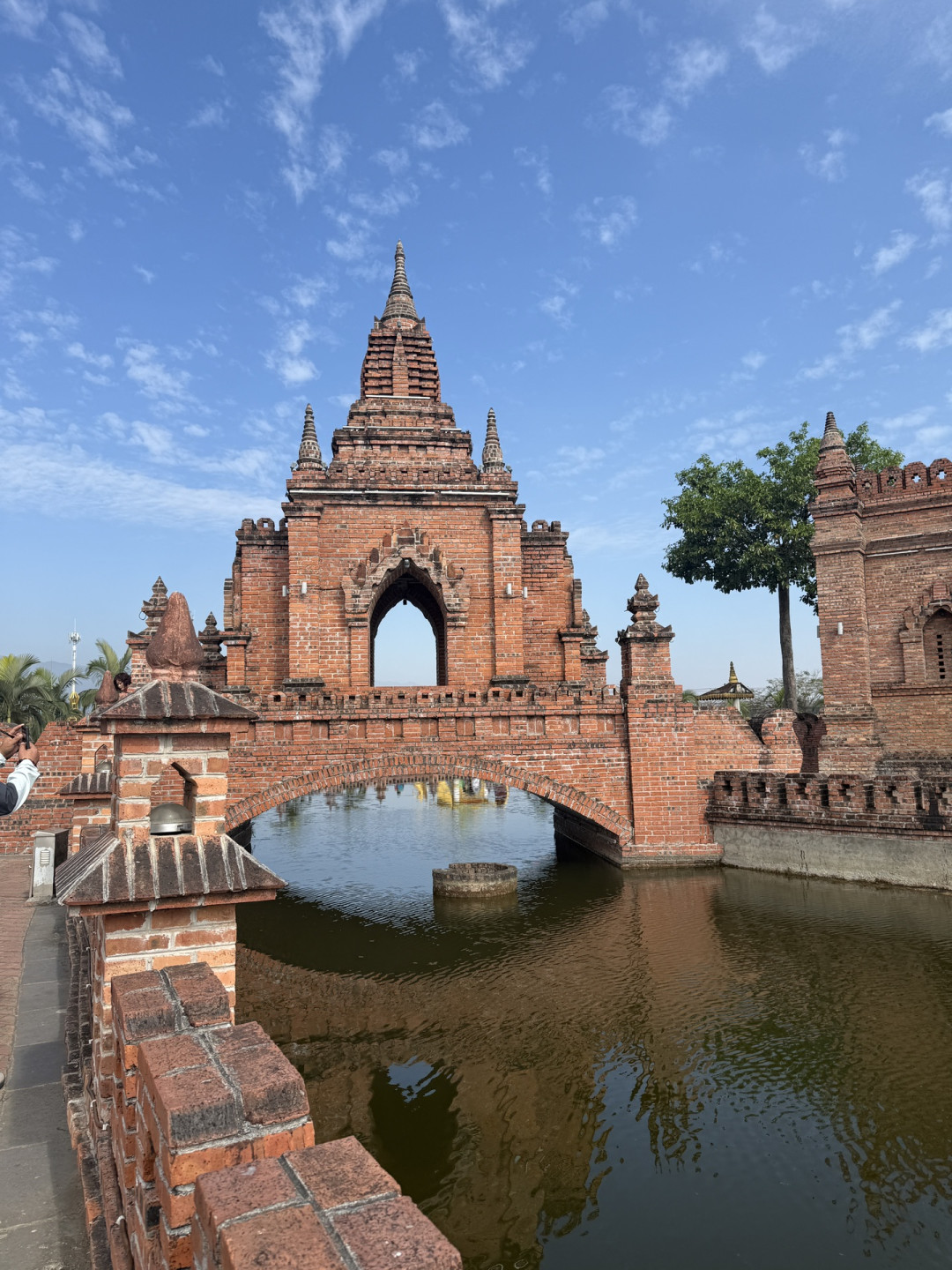
A 7-Day Journey Through the Yunnan Borderlands: Mangshi, Ruili, and Tengchong
While the north still shivers in the cold wind, the border towns of Yunnan are already basking in warm sunshine. A spontaneous trip from Wuxi straight to western Yunnan—we spent seven days traversing the Dai culture of Mangshi, the border wonders of Ruili, and the volcanic hot springs of Tengchong, drawing a warm arc across China's southwestern corner.
Departure: Flying from the Jiangnan Region to the Southwest
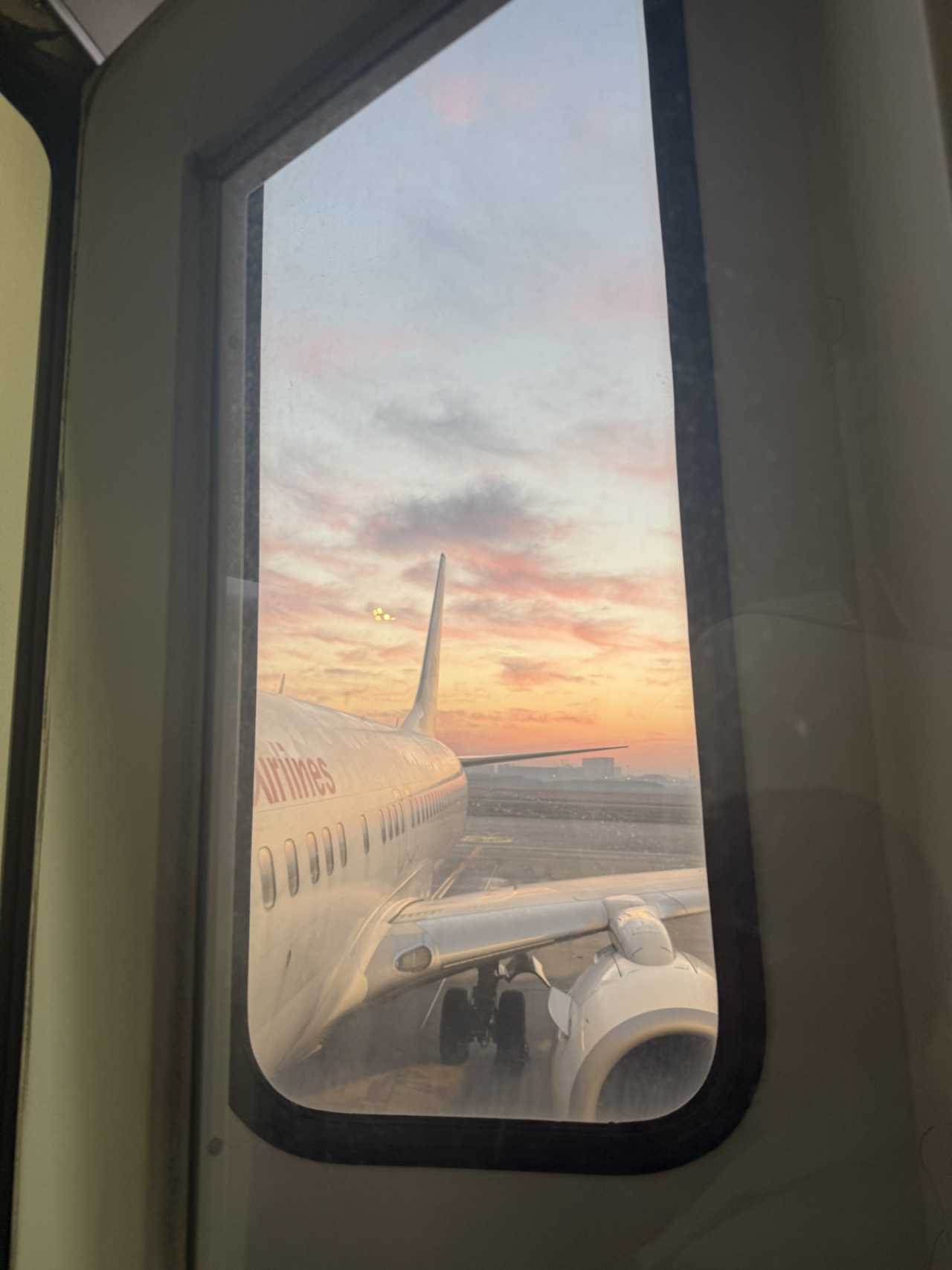
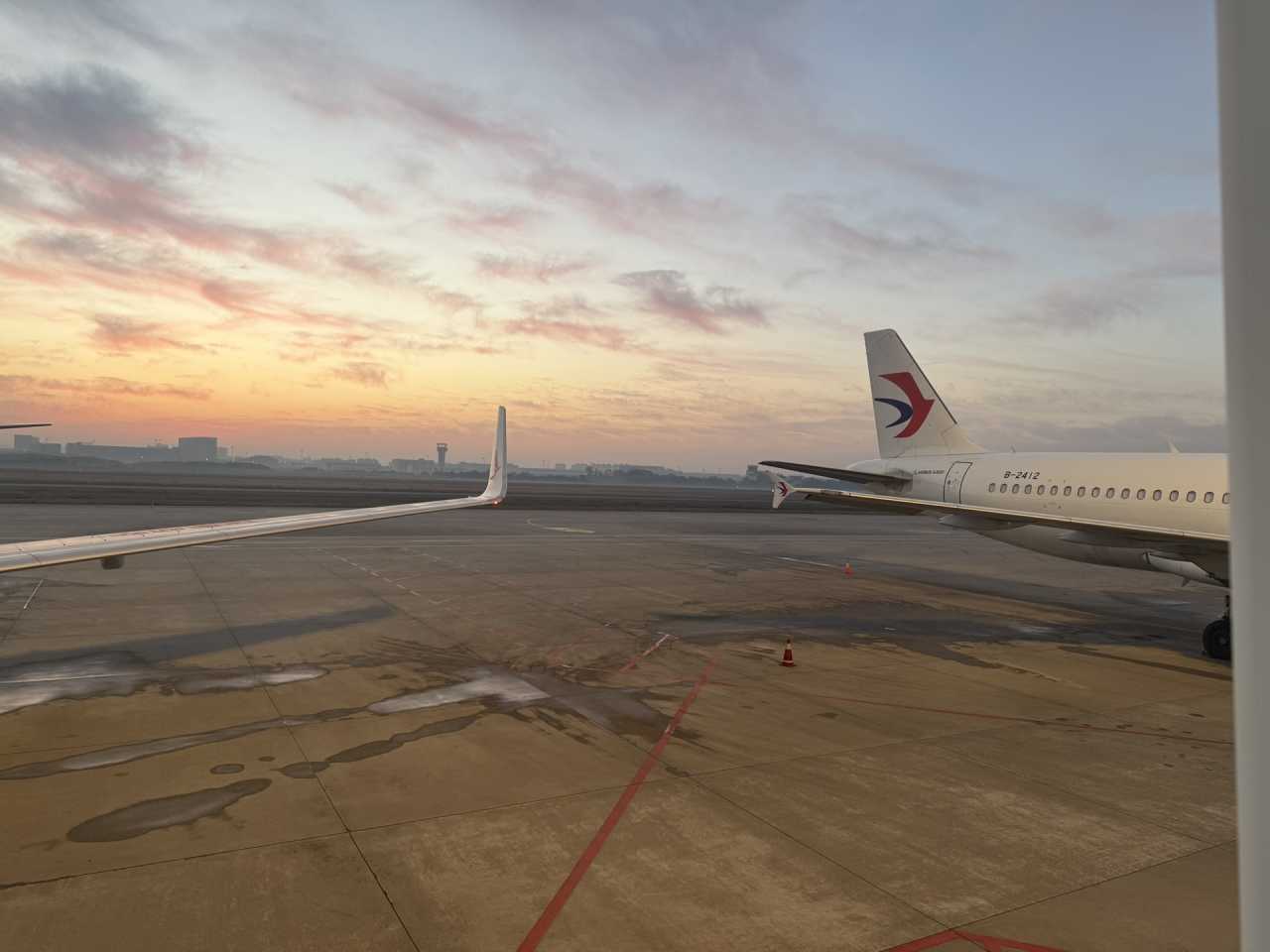
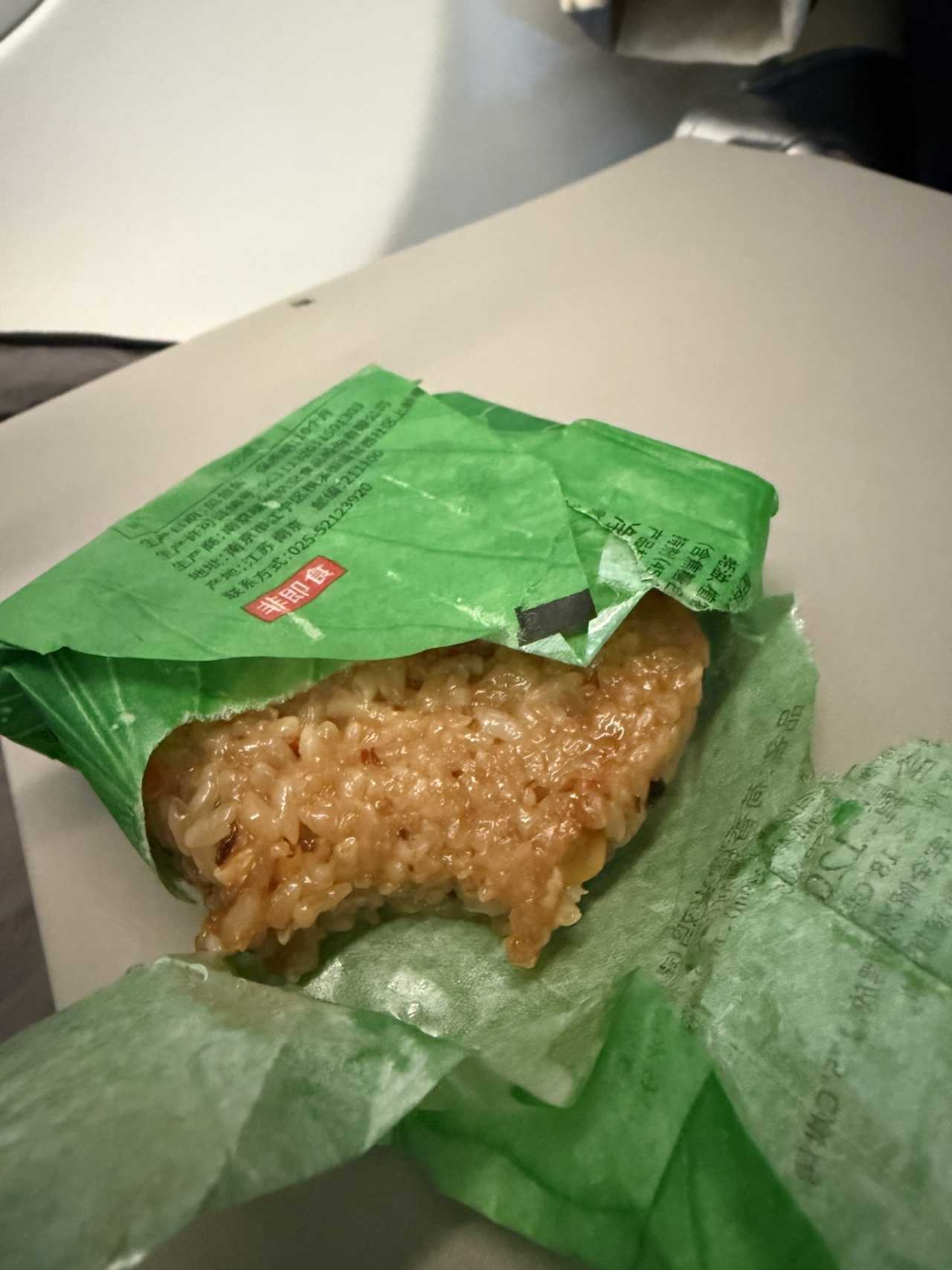
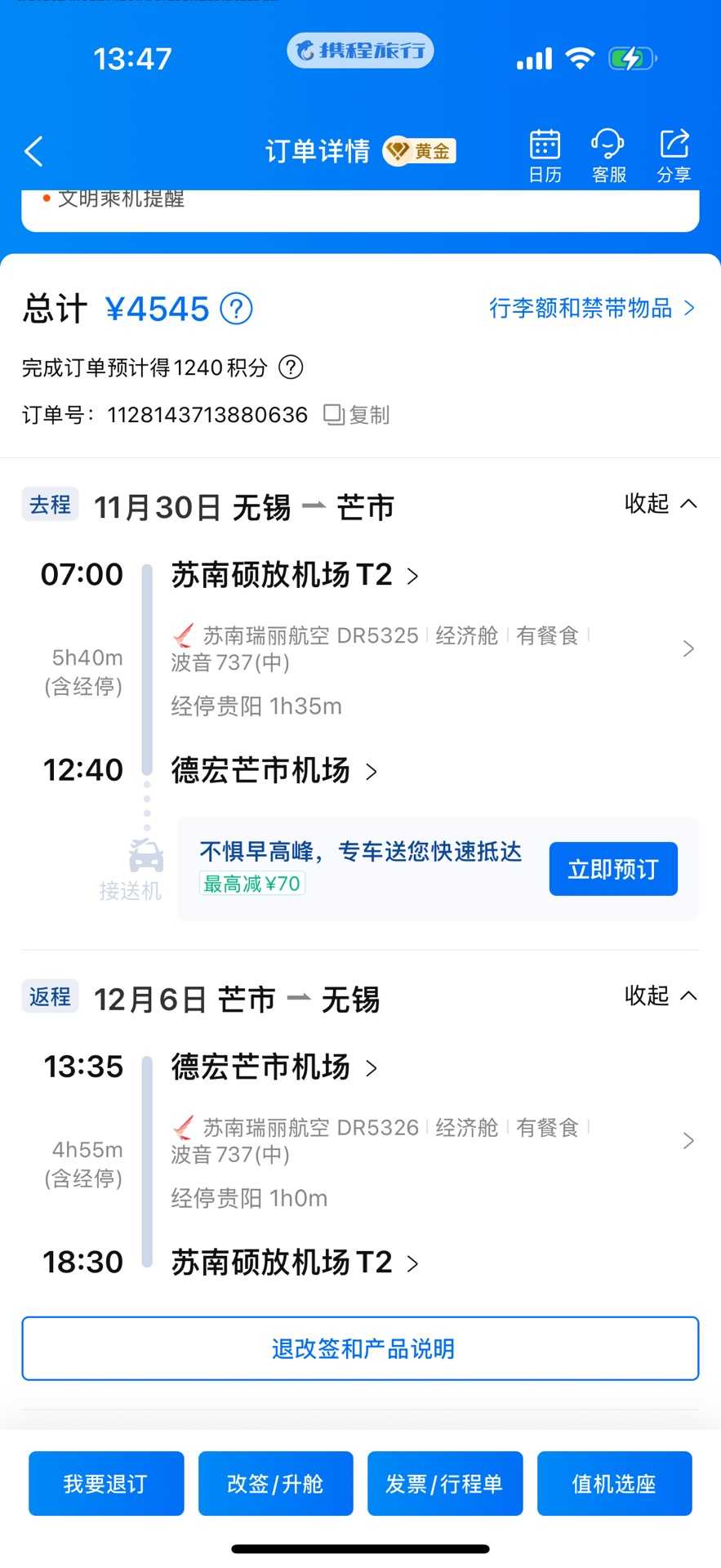
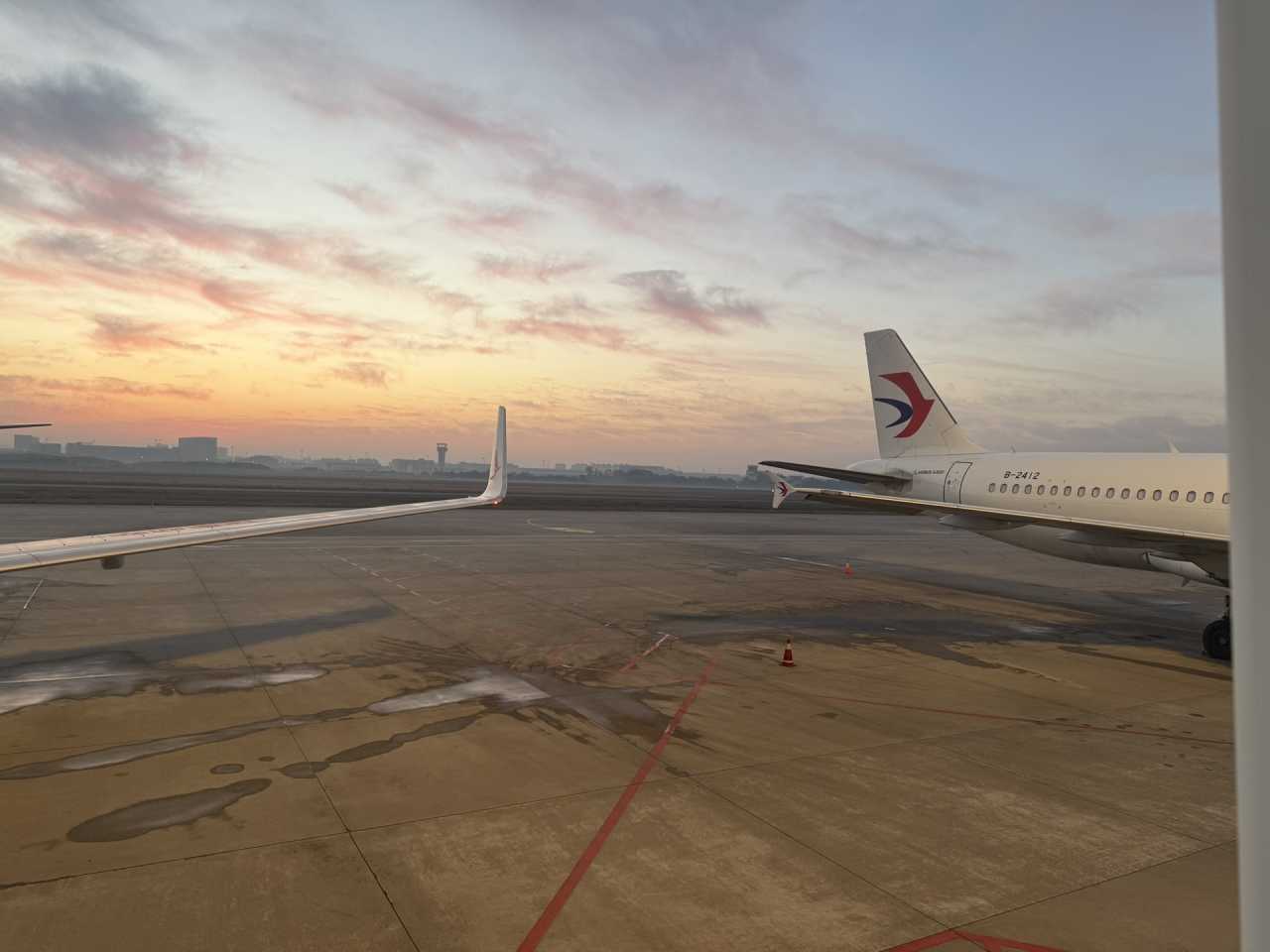
At six in the morning, the sunrise over Wuxi Airport was exceptionally brilliant. The tickets, booked half a month in advance, had no direct flights—we needed a stopover in Guiyang. We took off on time at seven. The in-flight breakfast of sticky rice with chicken and beef noodles provided the first warmth of the journey.
At 9:45, we stopped in Guiyang. We took our carry-on luggage off the plane and waited for an hour without leaving the terminal. The airport was filled with an array of Guizhou specialty snacks. Flight attendants from Ruili Airlines were enthusiastically promoting toys and model airplanes. The leisurely feeling of travel had already begun to spread.
When we landed at Mangshi Dehong Airport, the compact terminal—so small you could see from one end to the other—immediately gave us a sense of the warmth of a border town. On the way to our homestay, the owner drove us past the Manghe Roundabout Pagoda Cluster—commonly known as the "Little Golden Pagodas." These 56 golden stupas symbolize the unity of China's 56 ethnic groups. Tall palm trees swayed on both sides of the road, and the Southeast Asian atmosphere was unmistakable.
Mangshi: The Slow Charm of Dai Culture
First Encounter with the Dai Ancient Town
Our homestay was hidden deep within the Dehong Mangshi Dai Ancient Town. The courtyard was filled with the sounds of birds and the fragrance of flowers, with all kinds of tropical plants growing freely. The interior was decorated in Dai style, and traveling in the off-season made the price especially affordable—1,390 yuan for three nights, split among four people, a surprisingly good deal. The welcome fruit included fresh-squeezed orange juice and tiny thumb-sized watermelons. The little watermelons had a faintly astringent taste, which was actually quite unique.
Burmese-Style Hair Wash: 70 Minutes of Pure Relaxation
We took a taxi to the top-rated "Rongrong Hair Wash." The facilities were so basic that we wondered if we had the right place. Even in the afternoon, it was fully booked. The Burmese girls working there spoke fluent Chinese, and their techniques were gentle yet firm. From shoulder and neck massage to walking on the back, the entire experience never made you wince. The 70-minute session left us feeling drowsy and completely relaxed. At 129 yuan per person via Meituan group-buying, it was incredibly good value.
The Tree-Wrapped Pagoda: Where Nature and Faith Coexist
We walked to the Tree-Wrapped Pagoda—no admission fee required. Legend has it that over 200 years ago, a seed from a bodhi tree fell into the brick crevices of a Dai Buddhist pagoda. The roots grew downward, gradually enveloping and entwining the entire structure. Today, the roots of the bodhi tree wrap tightly around the 11.6-meter-tall pagoda like a giant net. The tree and pagoda have become one, making it impossible to tell whether the pagoda gave birth to the tree or the tree gave birth to the pagoda.
Standing beneath the tree, you can feel the immense power of life breaking through brick and stone, inspiring awe for nature and the passage of time. The bodhi tree and the pagoda have depended on each other for two centuries. The roots coil around the pagoda like dragons, while the branches spread like a canopy blocking out the sun. The solemnity of the pagoda blends with the ancient banyan's rugged vitality.
A Miao Restaurant: A Pleasant Surprise at a Hidden Hotspot
We searched for nearby food and navigated to A Miao Restaurant. The entrance was so shabby we almost walked past it. It wasn't even 5 p.m., and the restaurant hadn't opened yet, but the place was already full of people waiting. While waiting, we tried some Mangshi street food—cold-tossed pig skin and cowhide. Once the signature seasonings were added, the flavors were astonishing. The Dai-style rice rolls were soft and chewy, and the sour-and-spicy dipping sauce was wonderfully appetizing.
The owner insists on handwritten orders and cooks each table's dishes in sequence. Even if multiple tables order the same dish, he won't cook it all in one pot and divide it. This "cooked just for you" ritual made us feel genuinely valued. We ordered mint ribs, stir-fried porcini mushrooms (牛肝菌), sour mango stir-fried with beef, tossed tripe, and stuffed tofu. Seven dishes for 220 yuan—such a good deal it was heartwarming. By the time we left, the line stretched down the street. We had accidentally stumbled upon a viral hotspot.
Exploring Mangshi in Depth: From Local Life to Buddhist Splendor
Manghuang Village: A Treasure in the Palm of Your Hand
We had breakfast at a popular spot—the prices were unbelievably low. I ordered freshly sliced tender beef (吊龙牛肉). For just 15 yuan, the portion was generous and the meat was incredibly fresh. The seasoning station was packed with options, some of which I had never even heard of. Breakfast in Mangshi was overwhelming in the best way.
We walked to Manghuang Village. At the entrance, a giant banyan tree blocked out the sun. Bathed in sunlight, the colorful banyan tree and our happy group made for a picture-perfect scene. Someone in the village was holding a wedding celebration. A procession of various cars drove by, setting off firecrackers in a lively commotion. "Manghuang" means "a treasure held in the palm of your hand" in the Dai language. The village paths were clean and tidy, streams gurgled peacefully, and Dai-style murals could be seen everywhere.
Many of the village houses had been converted into coffee shops and creative boutiques, giving the place an artistic atmosphere. By midday, the entire village was so quiet that only the bougainvillea seemed to be blooming in stillness. At the shop near the exit, the fruit was fresh, and we discovered a local specialty—Mangshi black peanuts. They taste sweet when eaten raw, are rich in nutrients, and are packed with anthocyanins.
Leiyarang Bookstore: The Best View of Mangshi
We took a taxi to the Golden Pagoda, but the road was closed. So we hopped on a bus for 2 yuan and arrived at the Menghuan Grand Golden Pagoda in 10 minutes. Leiyarang Bookstore sits between the Golden and Silver Pagodas and is the perfect spot to watch the sunset. Though we missed the sunset, the bookstore was wonderfully quiet at noon.
Inside, a massive floor-to-ceiling window offered the best panoramic view of Mangshi. I ordered a mangosteen latte—the rich, bold coffee blended perfectly with the sweet, fruity notes of mangosteen. Outside the window, tall, lush tropical plants made it easy to completely unwind. Yún Yún has a habit of sending herself a postcard from every place she visits, which added a touch of ritual to the journey.
Menghuan Grand Golden Pagoda: Asia's Largest Hollow Buddhist Stupa
Admission: 48 yuan per person. "Menghuan" means "City of Dawn" and is a sacred site for Dai Buddhism. Located atop Leiyarang Mountain by the Peacock Lake in Mangshi city, at an altitude of 1,079.6 meters, the pagoda is dazzlingly bright and is considered Asia's largest hollow Buddhist stupa. It is also the iconic landmark of Mangshi.
At the entrance, two guardian golden dragons, each made of five dragon heads in claw-shaped formations, stand with an imposing presence. This is a sacred site of Theravada Buddhism. Visitors must walk clockwise around the pagoda and make offerings with flowers and mineral water instead of burning incense. The bodhi tree in front of the pagoda was brought back from India. It is said to be a third-generation cutting from the same tree under which the Buddha attained enlightenment—truly a sacred tree.
At noon, the Golden Pagoda looked especially magnificent against the blue sky. We walked around it three times, offering our prayers sincerely. Inside the main hall, royal antiques and Buddha statues from Nepal and other countries are on display, making it feel like a small museum. It offered a deep insight into Dai culture and Buddhist art. I bought a small gourd that caught my eye—I'll see if I can polish it to a nice color over time.
Menghuan Silver Pagoda: The Holy Moonlit City
At 2:30 p.m., we had a photoshoot appointment—499 yuan per person. The shoot took place at the Silver Pagoda, which had an admission fee of 38 yuan per person. The Silver Pagoda is pure white and flawless. The main pagoda was built in 2010, stands 66 meters tall, and is composed of 80 smaller stupas. The decorations on the pagoda body and the platform spires were all hand-carved by artisans.
We took a 5-minute sightseeing car ride to the top of the hill. The sunlight fell on the pagoda, reflecting a dazzling halo. In front of the "Mirror of the Sky" stood a mystical silver peacock, elegant in posture, its gorgeous tail feathers like a crescent moon. We shot from afternoon until evening. Once the sun set and the wind picked up, it got chilly, but the Silver Pagoda at night was breathtakingly beautiful. While waiting for our turn, we captured the "blue hour" with a sky full of sunset clouds.
Natural Live Crab: The Freshness of Burmese Mud Crabs
After the shoot, it was past 7 p.m. A taxi driver recommended an old establishment called "Natural Live Crab," hidden in a narrow alley. The crabs came from Myanmar—Burmese mud crabs with plump, full meat. The curry flavor was a bit mild, but the garlic shrimp was also worth trying.
The Flavors of Mangshi: Markets and Food Streets
Hongxing Market: A Crash Course in Yunnan's Produce
We set out at 9 a.m. and walked a few minutes to Chan Sisters Breakfast. I tried seasoning my own bowl with local condiments—the beef rice noodles in red broth were delicious. On the way, we passed a farmer's market and got a real look at Yunnan's fruits and vegetables: wild yam (wild and thick), banana flowers, sticky rice cakes, hairy tofu, Burmese coriander (缅芫荽), fragrant willow leaves (香柳), tree tomatoes (树番茄), and olives (橄榄). I asked about each one patiently—it was a lively lesson in local produce.
Baiste Food Street: A Snack Paradise
At noon, we went to Baiste Food Street. At Fatty's Cold Drinks, the freshly squeezed pomegranate juice was pure and flavorful—too bad the owner added sugar water at the end, which actually spoiled the taste. At Gan Ying's Chicken Feet, we tried a little of each: lemon chicken feet, passion fruit chicken feet, and spicy pounded chicken feet. At A Gu Ji Burmese Flatbread, the cheese banana version was too sweet. The Pa Lu Da (泡鲁达, a Burmese-style dessert drink) had crispy toasted bread, chewy purple rice, and was topped with cold jelly, jelly cubes, and sago.
Mengbana Xi Rare Garden: Four National Records

Admission: 40 yuan. "Mengbana Xi" means "a magical, beautiful, and rich place" in the Dai language. The garden boasts four national records: the largest number and oldest age of ancient trees in the country; the largest collection of tree fossils (over 1,000 tons of silicified wood and tree jade, rare worldwide); the most extraordinary root carvings; and the highest survival rate for transplanted ancient trees.
What fascinated me most was the silicified wood. It dates from the Carboniferous to the Cretaceous periods. When trees were rapidly buried underground, the wood was replaced by silica from groundwater, turning into fossils while preserving the original wood structure and grain. Some of the ancient logs you could casually sit on were worth a small fortune.
In the peacock garden, free-roaming peacocks strolled leisurely. Two were locked in a fierce fight. A staff member said they had been fighting since they were young, competing for the title of "peacock king" their entire lives. One peacock had been startled and injured after being forcibly held by an inconsiderate tourist; the other took the opportunity to attack. I threw a pebble to chase the aggressor away, but the injured one could no longer get up. The staff member later told me it had died and was buried on the spot. I felt terrible—I should have intervened earlier.
Xinwanchang Night Market: The Flavors of the Border
The Dai-style pounded chicken feet were loaded with seasonings. I ordered some to be shipped home later, but the seller lacked experience—the soup wasn't packed separately, and the vegetables were already a bit wilted. The Vietnamese rice rolls and spring roll combo—one with wood ear mushroom and minced pork filling, the other with shiitake mushroom and minced pork—were both tasty. We bought a bunch of food and sat at an empty table in the square to eat. Nothing disappointed. We cleaned up after ourselves—good manners intact.
At the entrance of the night market, there were fruit stalls and plant stalls. A pomegranate as big as a face looked red and inviting but turned out sour. A bead stall sold various plant seeds and fruits; you could pick your own materials and have the owner string them into a bracelet by hand. It wasn't cheap, but it made for a gift with real Yunnan character.
Ruili: The Border Wonder of One Village, Two Countries
One Village, Two Countries: A Dai Village on the Border
We picked up the rental car at 8:30 a.m.—483 yuan for three days. It was a little over an hour's drive from Mangshi to Ruili. Admission to "One Village, Two Countries" was 39 yuan. The border line divides what was originally a single Dai village into China's Yinjing Village and Myanmar's Mangxiu Village.
At the entrance, a spherical sculpture shows China on one side and Myanmar on the other. From the observation deck, you can see Myanmar across the border. The China-Myanmar jade border line is paved with 5,068 pieces of jade, commemorating the establishment of diplomatic relations between China and Myanmar on June 8, 1950. Yellow represents China's broadness and inclusiveness; white represents Myanmar's purity and peacefulness. At 423 meters long, it is the most expensive border line in the world.
The Bagan-style Burmese pagoda cluster recreates the "City of Ten Thousand Pagodas" from Myanmar's ancient capital, Bagan. On a clear day, the pagodas' reflections in the water are crystal clear. The China-Myanmar Pauk-Phaw (fraternal) Lovers' Embankment runs along the village and beside the water, with green bamboo groves on both sides. The border within the village is marked by bamboo fences, village paths, ditches, and earthen ridges. It's common for Chinese melon vines to crawl over Myanmar's bamboo fences and bear fruit, or for Myanmar's hens to cross over and lay eggs in Chinese homes.
Jiegao Border Trade Zone and the Main Buddhist Temple
The Jiegao border trade zone is essentially a small commodity wholesale market, selling goods from China, Myanmar, and Vietnam. All vehicles entering the customs area were fully opened for security inspection.
We drove to the Main Buddhist Temple (总佛寺), passing by the Guanghe Han Dai King's Palace on the way. The palace, though outwardly magnificent, is an unfinished project. After the investor became involved in a legal case and fled, construction came to an abrupt halt. Stepping inside the hall felt like entering another dimension—the room was empty, and the exquisite murals were only sketched in outlines. Everything had been put on pause.
The Ruili Main Buddhist Temple was founded in the mid-7th century by two Theravada Buddhist monks who came from Myanmar to spread the Dharma. The temple houses a uniquely designed hollow Buddha statue. At sunrise and sunset, light and shadow pass through the statue, creating an effect as if the Buddha's radiance is shining upon all.
Tengchong: Volcanic Hot Springs and Primeval Forests
A Night in Heshun Ancient Town
We drove two hours to Tengchong and checked into a homestay by the Wild Duck Lake in Heshun Ancient Town—1,488 yuan for three nights. For dinner, we went to Cuixi Lou, which is both a restaurant and a jewelry shop. The secret-recipe charcoal-grilled chicken had crispy skin and tender meat. The stir-fried palm buds with pork (棕包炒肉) had a slight bitterness. At night in Heshun Ancient Town, you could look up and see stars. Before bed, we soaked in a hot spring, washing away the fatigue of the day.
Hiking the Maomaoqiu Primeval Forest in the Gaoligong Mountains
We set out at 5:30 a.m., while it was still dark. By 6 a.m., there were already many cars on the road—Tengchong residents really start their day early. We had a simple bowl of cabbage rice noodles (白菜饵丝), then drove over an hour to the Gaoligong Mountains. Because a section of the road was under construction, we had to take a detour through village paths. The nerve-wracking close calls with oncoming traffic had us gripping our seats.
We had booked an outdoor guide through Ctrip—500 yuan per person for a 9-kilometer hike. In the primeval forest, moss-covered tree trunks, babbling streams, birdsong, and insect chirps accompanied every step. It was a deep conversation with nature. The guide explained the local plants along the way, giving us a deeper appreciation for this treasure trove of biodiversity.
Final Thoughts: Lessons from a Journey to the Yunnan Borderlands
In seven days, we traveled from the Dai culture of Mangshi, through the border wonders of Ruili, to the volcanic hot springs of Tengchong. The beauty of this trip wasn't just in the popular photo spots—it was in the moments that taught us something:
Mangshi taught us to slow down—the 70-minute escape of a Burmese hair wash, the 200-year vigil of the Tree-Wrapped Pagoda, the stubborn insistence on handwritten menus at A Miao Restaurant—all reminders that travel isn't about rushing from place to place, but about experiencing.
Ruili showed us what borders really mean—the border line in a single village, villagers sharing the same well, the unfinished Dai king's palace—all telling stories of the complexity and warmth of life on the frontier.
Tengchong brought us back to nature—the ancient forests of the Gaoligong Mountains, the hot springs of Heshun, the starry night sky—helping us reconnect with the natural world.
The greatest reward of travel might not be the photos we take, but the unexpected moments that find us: a crash course in Yunnan's fruits and vegetables at a farmer's market, a peacock we couldn't save in time, a handmade seed bracelet from a night market vendor... These small, real fragments are the most precious part of any journey.
If you're thinking of a spontaneous trip, this route through the Yunnan borderlands deserves a place on your travel list.
You should also read:

Body in Hell, Heart in Heaven: A Pilgrimage Through Tiger Leaping Gorge — A Dialogue Between Heaven and Earth
Body in Hell, Heart in Heaven: A Pilgrimage Through Tiger Leaping Gorge — A Dialogue Between Heaven and Earth Introduction: When the Gorge Splits Open Beneath Your Feet Some say Tiger Leaping Gorge is the closest place on Earth to the border between "hell" and…
Continue reading...
Cloud Travelogue · Dali of Wind, Flowers, Snow, and Moon: A Three-Day, Two-Night Journey of a Free Spirit
Cloud Travelogue · Dali of Wind, Flowers, Snow, and Moon: A Three-Day, Two-Night Journey of a Free Spirit I am a cultured female foodie with a touch of rogue charm. I slung on my backpack, took my lover's hand, and set off on a spontaneous…
Continue reading...
The Meaning of Travel – A Tengchong Story: A Journey of the Heart and Personal Growth
The Meaning of Travel – A Tengchong Story: A Journey of the Heart and Personal Growth Setting Out, Only to Return a Better Self Some say travel is nothing more than leaving a place you're tired of, only to go to a place where others…
Continue reading...