A Gentle Breeze in April: A Three-Day Journey Through Tengchong
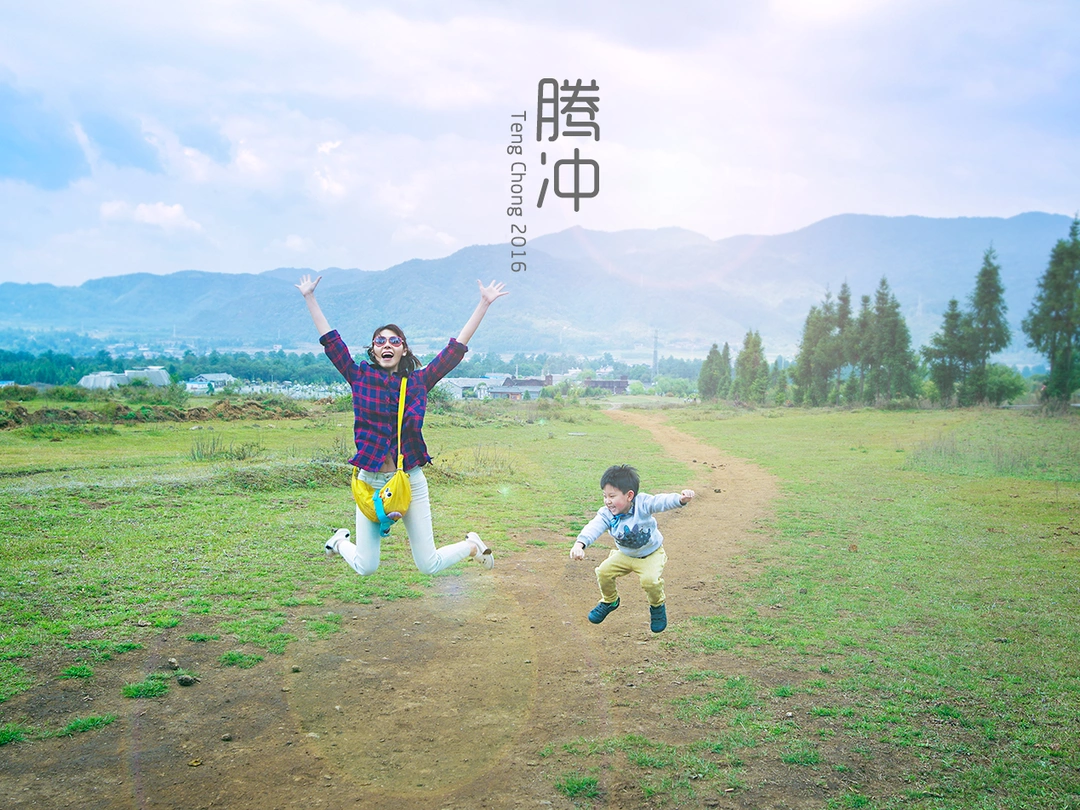
A Gentle Breeze in April: A Three-Day Journey Through Tengchong
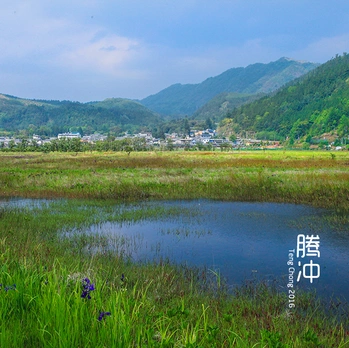
April in Tengchong—the breeze is soft, the sunlight is warm, and even the air carries a gentle sweetness. Nestled in the southwestern corner of Yunnan, this small city lacks the clamor of Dali and the glitz of Lijiang. Yet it possesses a quiet magic that makes you want to slow down and savor life. Silent volcanoes, steaming hot springs, peaceful ancient towns, and lush green fields—everything here feels like a poem carefully polished by time.
If you only have three days, Tengchong won't disappoint you. But if you can stay a little longer, it will embrace you with an even deeper tenderness.
Before You Go: What You Need to Know About Tengchong
Weather and What to Wear

Tengchong is often called a place of "eternal spring," suitable for travel year-round. But this "spring" isn't constant—the temperature swings dramatically between day and night. At midday, under strong sunlight, it can reach 28°C (82°F), perfect for short sleeves. By nightfall, however, the mercury can drop to around 10°C (50°F), making a sweater or a thick jacket essential. No matter when you visit, bring a coat—the evening chill will catch you off guard otherwise.
Getting There
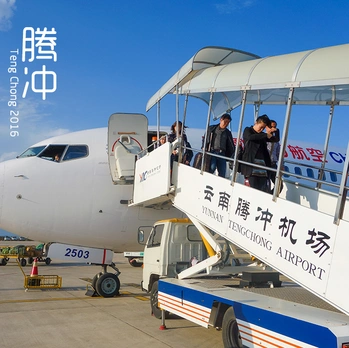
Flights to Tengchong require a layover in Kunming. The flight from Kunming to Tengchong takes less than an hour, with multiple daily departures, making it very convenient. Tengchong's airport is tiny—no jet bridges, no shuttle buses. You simply walk from the plane to baggage claim, which adds to the small-town charm.
We arrived around 6:30 PM, but the sky was still bright. High clouds drifted across the deep blue sky, and the air was so fresh we couldn't help but take deep breaths. Locals told us it doesn't get dark here until around 8 PM. The evening sunlight slanted down, warm and soothing, and we felt ourselves relax instantly.
Where We Stayed: Century Golden Resources Hotel
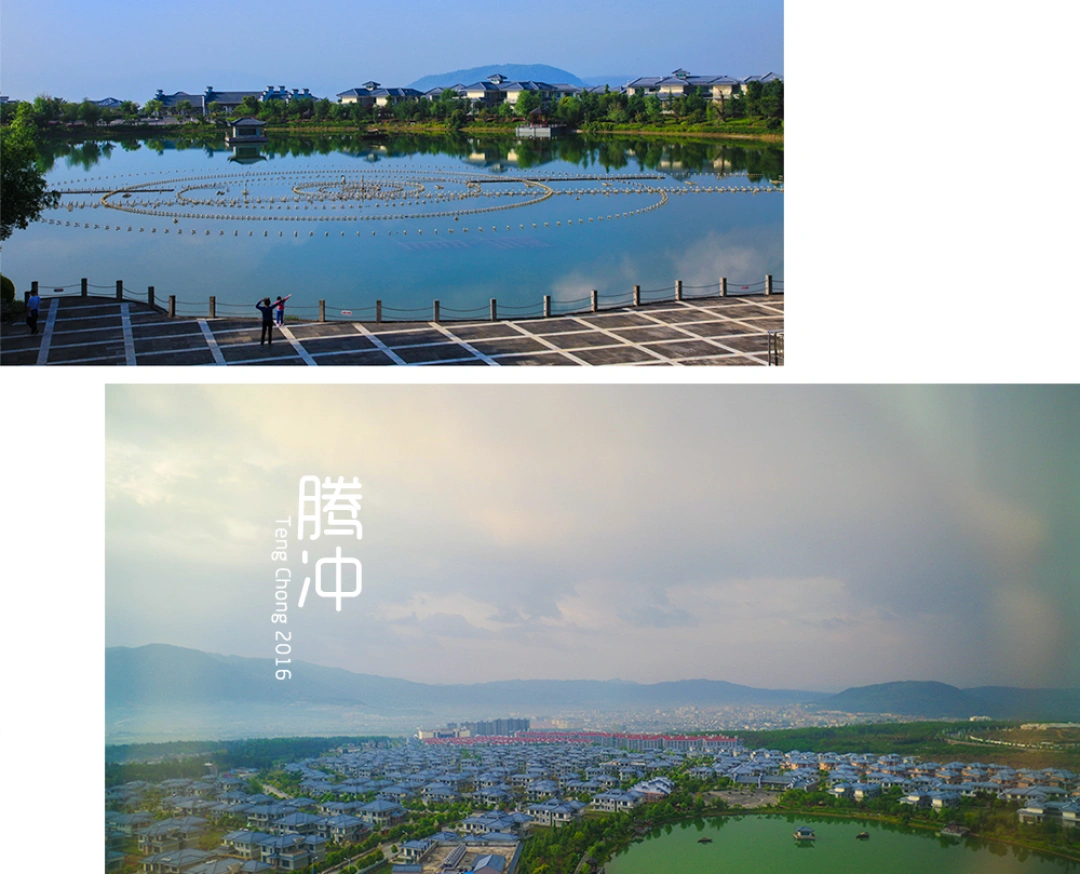
For this trip, we stayed at the Tengchong Century Golden Resources Hotel, a newly built five-star hotel in Tengchong's villa district, conveniently close to major attractions. Though the surrounding area felt a bit sparse, the hotel itself offered excellent value.
The rooms were spacious and bright, with all the amenities you'd expect. What I loved most was the large floor-to-ceiling window beside the bathtub. Outside, rows of villa-style buildings surrounded a circular artificial lake with a fountain. On a lucky day, they even project water-screen movies. It lacked local character, but it made up for it with comfort and peace of mind.
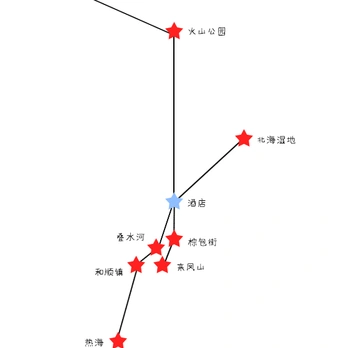
Stop One: Tengchong Volcanic Geothermal Park — A Giant Sleeping for 7,000 Years
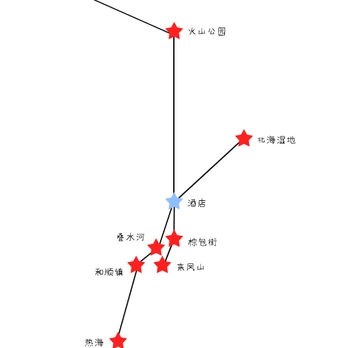
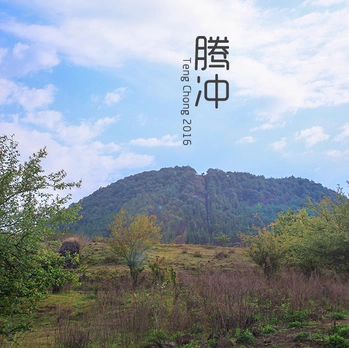
Tengchong is China's most typical area of young active volcanoes and geothermal activity, and one of the country's four major volcanic clusters. There are 97 volcanoes here. As far as the eye can see, every mountain is a volcano. And every single one is a dormant active volcano—the last eruption was 7,000 years ago.
Inside the park, two massive craters are open to visitors: Big Empty Mountain and Little Empty Mountain. They look similar, so if you're short on time or energy, go for Little Empty Mountain—it's easier to climb and just as stunning. If you're feeling ambitious, conquer both.
Practical Information
- Ticket: 40 RMB per person
- Hours: 8:00 AM – 6:00 PM
- Getting Around: You can walk or take an electric cart (10 RMB one way). On clear days, before 10 AM, you can also take a hot-air balloon for a breathtaking aerial view of the volcanoes.
At the entrance, vendors sell souvenirs made from volcanic stone. There's also a small volcanic geology museum that explains how Tengchong's volcanoes formed and evolved—you can finish it in about 15 minutes.
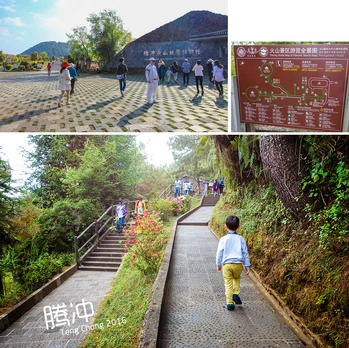
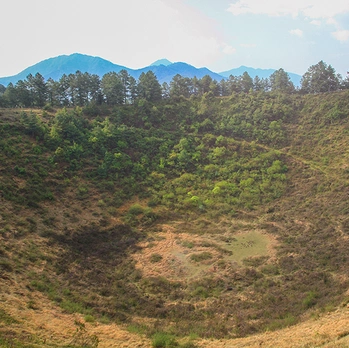
We chose to climb Little Empty Mountain. After a short electric cart ride, we were already close to the crater. The massive crater lay quietly before us, surrounded by tiny wildflowers swaying in the breeze. Walking the rim took about 20 minutes, each step treading on 7,000 years of history.
On the way down, we opted for horseback. It was our child's first time riding, and his face was flushed with excitement, laughter trailing behind us.
Stop Two: Black Fish River — A Gift from Underground
Black Fish River is an underground river that surfaced after volcanic lava blocked the subterranean channel. Crystal clear year-round, it flows at a steady rate and is essentially natural premium mineral water.
In summer and autumn, small black fish sometimes emerge with the current, giving the river its name.
The water's clarity was astonishing. Roadside drink vendors simply dunk their bottles into the river for natural refrigeration—a clever touch.
Stop Three: Rehai Hot Springs — The Earth's Warm Embrace
Tengchong boasts around 80 hot springs, with boiling springs scattered everywhere. The most famous is Rehai (Hot Sea). Steam shrouds the area in a white mist, and you can hear hot springs "whooshing" all around. The highest water temperature reaches 102°C (216°F), making it an ideal destination for geothermal therapy in China.
The most spectacular sight is the Big Boiling Pot. There's also the Pregnancy Pool, the Beauty Pool, and more—each spring has its own name and story.
Must-Try: Cooking Eggs in the Big Boiling Pot
Near the Big Boiling Pot, you can buy a string of eggs or potatoes and place them in a nearby steamer, using the boiling steam to cook them. It takes about 10 minutes—don't open the lid midway. If someone does, add one more minute. The steamed eggs come out perfectly cooked, with a wonderful texture. Buy your eggs at the bottom of the mountain; they cost more at the top.
Soaking: Bathing Valley Hot Spring
After exploring the hot springs and hiking, everyone was tired and hot. We chose Rehai Bathing Valley Hot Spring, just a short walk down from the Big Boiling Pot.
Combo Ticket: 268 RMB, including: 1. Rehai Scenic Area adult e-ticket 2. Bathing Valley Hot Spring admission 3. Big Boiling Pot rice noodle meal
Tip: Bring your own swimsuit—prices inside are steep. Children under 1.2 meters (4 feet) get half-price; babies under 1 meter (3.3 feet) enter free.
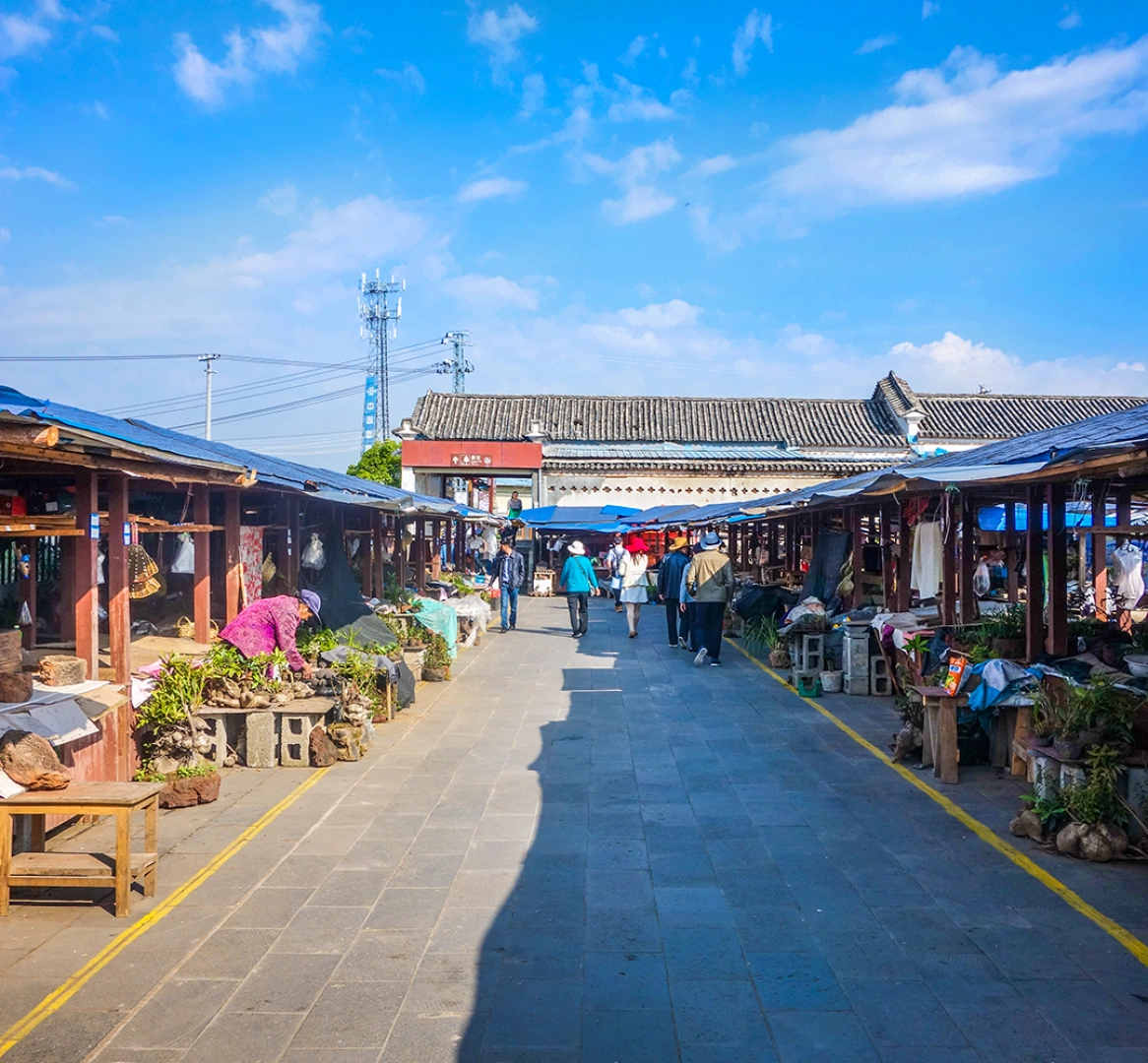
Bathing Valley was beautiful. The changing rooms were spacious and clean. Each pool had a sign indicating temperature and benefits, with a faint sulfur scent in the air. Besides the hot springs, there were geothermal steam rooms, massage services, and geothermal snacks. When we got tired of soaking, we lounged on deck chairs, enjoying complimentary fruit and snacks.
Water stations were everywhere. My favorite was the sour papaya juice—tangy, sweet, and refreshing. They even provided straw hats for sun protection. The service was thoughtful.
The combo ticket also offers the option of Beauty Pool Hot Spring, near the Big Boiling Pot. It has nice views, but online reviews weren't as good—apparently it's more crowded and the pools are less impressive.
After soaking, we enjoyed the included Big Boiling Pot rice noodles. This is a Tengchong specialty—resembling vermicelli but with a unique texture, served in a flavorful broth.
Stop Four: Brown Bag Street — The Thrill of Gambling on Stones
Brown Bag Street is a complex of imitation ancient buildings, combining stone gambling, tea tasting, bar hopping, and food—Tengchong's tourism and leisure hub.
The all-wooden structures line the water, winding gracefully. Small arched bridges cross the stream, waterwheels turn endlessly, bougainvillea blooms, and bamboo groves create a scene reminiscent of the water towns of Jiangnan.
Walking through, you feel the blend of modern and traditional. Shops are filled with jade, agate, and emerald—each piece worth a fortune. In a small square, a tall pole stands with colorful flags, surrounded by burnt charcoal. A bonfire party must have been held here the night before. The pole is used by local ethnic minorities for their "climbing a mountain of knives, descending a sea of flames" performance.
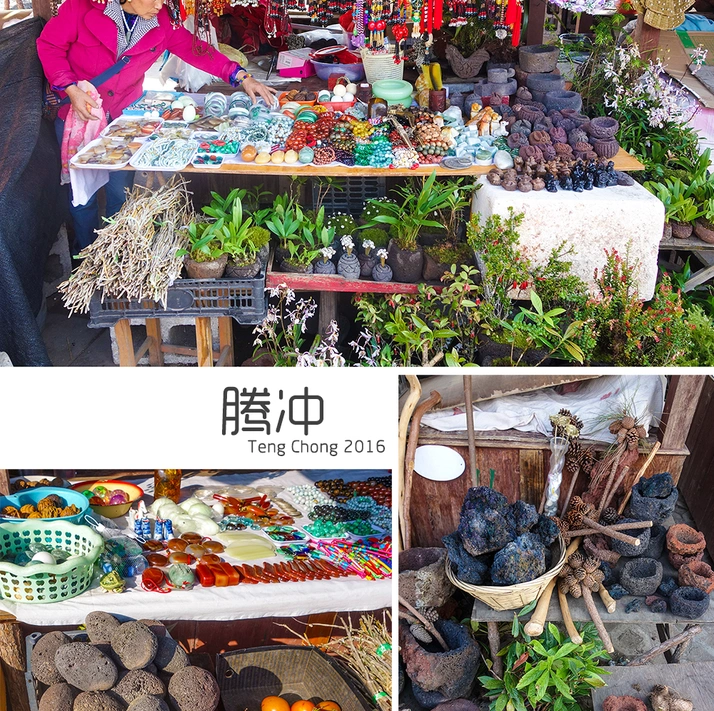
Brown Bag Street comes alive at night. Bars and restaurants light up, and crowds fill the streets. Deeper in, you'll find jade shops, but the real draw is the piles of uncut stones—stone gambling.
The stones vary in size and price. Before buying, you can shine a flashlight on them to see if there's any jade color inside. But no color doesn't mean no jade—it could just mean the stone's crust is too thick to see through.
Stones range from tens to thousands of RMB. Once you buy one, the shopkeeper cuts it open. If it contains valuable jade, you've hit the jackpot! We picked a cheap little stone for our child to experience. He chose it with great seriousness—to him, it was probably like a gacha machine, full of hidden surprises.
When the craftsman cut it open, there was indeed some jade inside. We couldn't tell its quality, but it was enough to make us happy. He polished it, drilled a hole, and threaded it into a hand-held trinket. Our child loved it. We told him, "Rub it every day, and it will eventually become smooth as polished jade."
Stop Five: Dieshuihe Waterfall
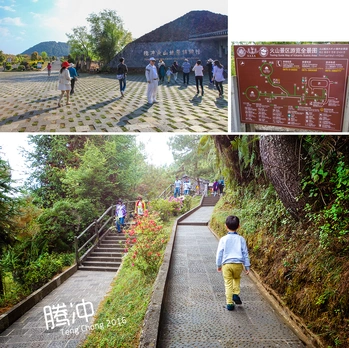
Dieshuihe Waterfall is a small scenic area. You walk down from the top of the falls to the bottom via stairs. It takes about an hour to visit.
The waterfall drops 46 meters (151 feet) and is quite impressive up close. Admission is only 10 RMB, open from 8:00 AM to 5:00 PM.
Stop Six: Laifengshan Forest Park
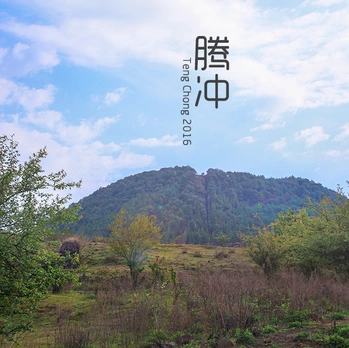
Laifengshan is also a volcano. One of Tengchong's Twelve Scenic Spots, "Laifeng Clear Haze," refers to this place. Climbing from the base to the summit takes about an hour—it's quite a workout.
The park is free. The mountain path is lined with dense trees, with little human intervention. We spotted wild mushrooms and small animals. At the top, there's a pagoda, but it was locked. If you could climb it, you'd likely get a panoramic view of Tengchong. The summit itself was underwhelming—a bit disappointing.
Stop Seven: Heshun Ancient Town — Harmony Among Scholars and People
Heshun Ancient Town is located 4 kilometers (2.5 miles) southwest of Tengchong's county seat. Originally called "River Harmony" because a small river winds around the village, its name was later refined to mean "harmony among scholars and people."
Ticket: 80 RMB per person, including the Heshun Library, Yuanlong Pavilion, Ai Siqi's Former Residence, Wenchang Palace, Curved Building Folk Museum, Yunnan-Burma Anti-Japanese War Museum, and Heshun Alley.
The town has many charming guesthouses, starting at around 100 RMB per night. If you have time, staying a few days would be wonderfully relaxing. The town is beautiful, though a bit commercialized. Near the entrance, there's a famous bar street—a perfect place to sit and daydream.
Stop Eight: Beihai Wetland — A Floating Meadow
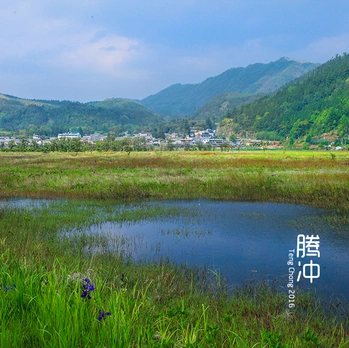
Beihai Wetland is located 12.5 kilometers (7.8 miles) northwest of the county seat. It's one of China's 33 key national wetlands and the only national wetland reserve in Yunnan.
Hours: 9:00 AM – 6:00 PM Ticket: 110 RMB
The plants here grow on the water's surface, creating a soft, spongy ground. It feels wonderful to step on, but for safety and conservation reasons, visitors are no longer allowed to walk on the vegetation.
The wetland is surrounded by volcanoes, teeming with diverse plants and animals. Although you can't step on the grass, you can take a boat ride. Gliding across the lake, you feel like you're in the middle of a floating meadow. Every April, vast stretches of purple Beihai orchids bloom—a breathtaking sight.
Final Thoughts: Tengchong, Worth Savoring Slowly
Three days passed in a blur. There were so many places we couldn't fully explore. Volcanoes, hot springs, ancient towns, wetlands, stone gambling, local cuisine—every facet of Tengchong deserves more time.
Next time, I want to stay for a few days, find a guesthouse, soak up the sun, read a book, and let the gentle breeze carry me through lazy afternoons.
Tengchong is small, but it holds everything you could imagine for a slow, peaceful life.
You should also read:
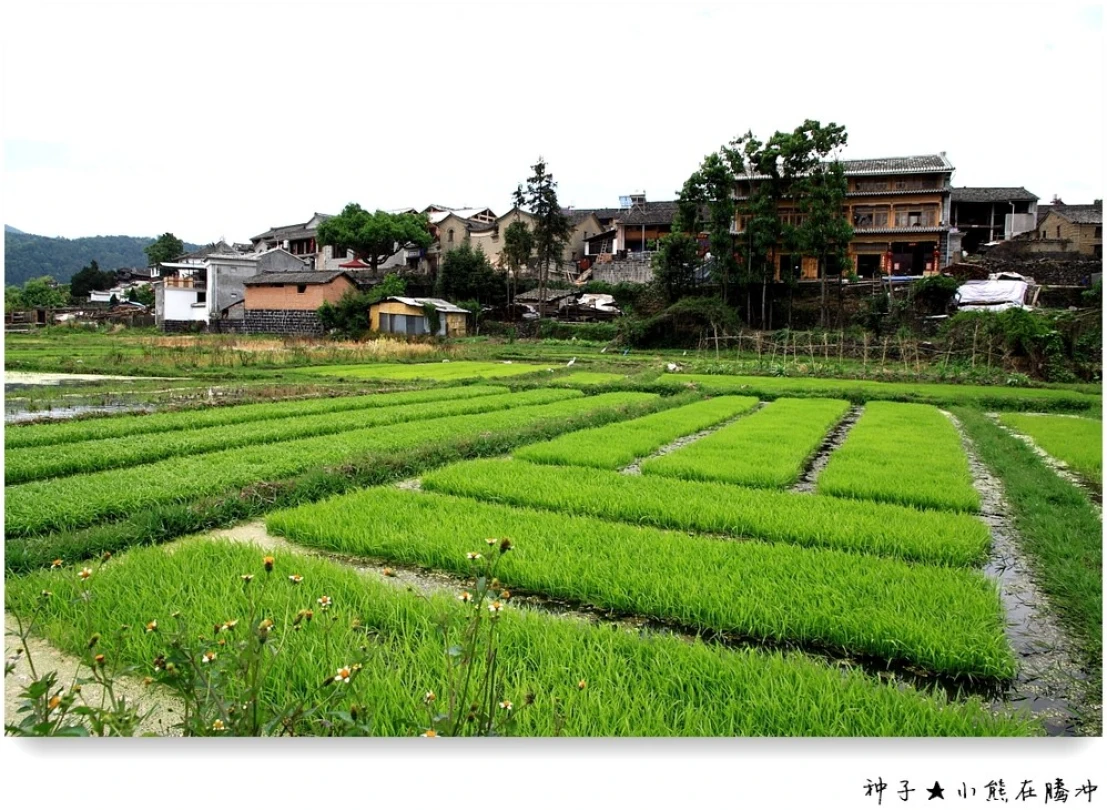
Tengchong·Heshun: Finding Life as It Should Be in a Border Town Where Time Stands Still
Tengchong·Heshun: Finding Life as It Should Be in a Border Town Where Time Stands Still The long journey of over twenty days was over. On my first day back at the office, I was still in a daze. My fingers couldn't find the keys on…
Continue reading...
God’s Abandoned Palette: A Self-Drive Journey Through Yunnan’s Dongchuan Red Land
God’s Abandoned Palette: A Self-Drive Journey Through Yunnan’s Dongchuan Red Land Travel has never been about reaching some distant geographic coordinate. It’s about encountering, along the way, the version of yourself buried beneath the rubble of daily routine. During this May Day holiday, I finally…
Continue reading...
Body in Hell, Heart in Heaven: A Pilgrimage Through Tiger Leaping Gorge — A Dialogue Between Heaven and Earth
Body in Hell, Heart in Heaven: A Pilgrimage Through Tiger Leaping Gorge — A Dialogue Between Heaven and Earth Introduction: When the Gorge Splits Open Beneath Your Feet Some say Tiger Leaping Gorge is the closest place on Earth to the border between "hell" and…
Continue reading...