A Korean Foursome: Your Korean Teacher Takes You to the Most Authentic Seoul & Busan
A Korean Foursome: Your Korean Teacher Takes You to the Most Authentic Seoul & Busan
Travel is never just about seeing sights—it's a ritual of friendship, love, and growth. A promise made in 2016 finally came true two years later: my husband Lao Li, our friends Pei and her husband (the "Pei Couple"), and I—four people, seven days and six nights, from Seoul to Busan—embarked on a Korean adventure that was equal parts work mission and surprise-filled getaway.
I'm Teacher Liu from Hamming Korean, and I spent years studying in Korea, so this land is deeply familiar to me. For this trip, I handled the advance planning and acted as the group's full-time translator; the Pei Couple carried the cameras, capturing every beautiful moment; Lao Li and his friend A-Fei served as navigators and food detectives. We had clear分工 (division of labor) and perfect默契 (chemistry). Besides sharing the journey's highlights, I'll also spill all the practical tips that only "those who've been there" know—guaranteed to have you packed and ready to go after reading!
Pre-Trip Prep: From Visas to Luggage, Don't Miss a Step
Passport & Visa: Don't Let Bureaucracy Slow You Down
First step abroad: your passport must be valid—at least six months remaining, a hard requirement for visa applications.
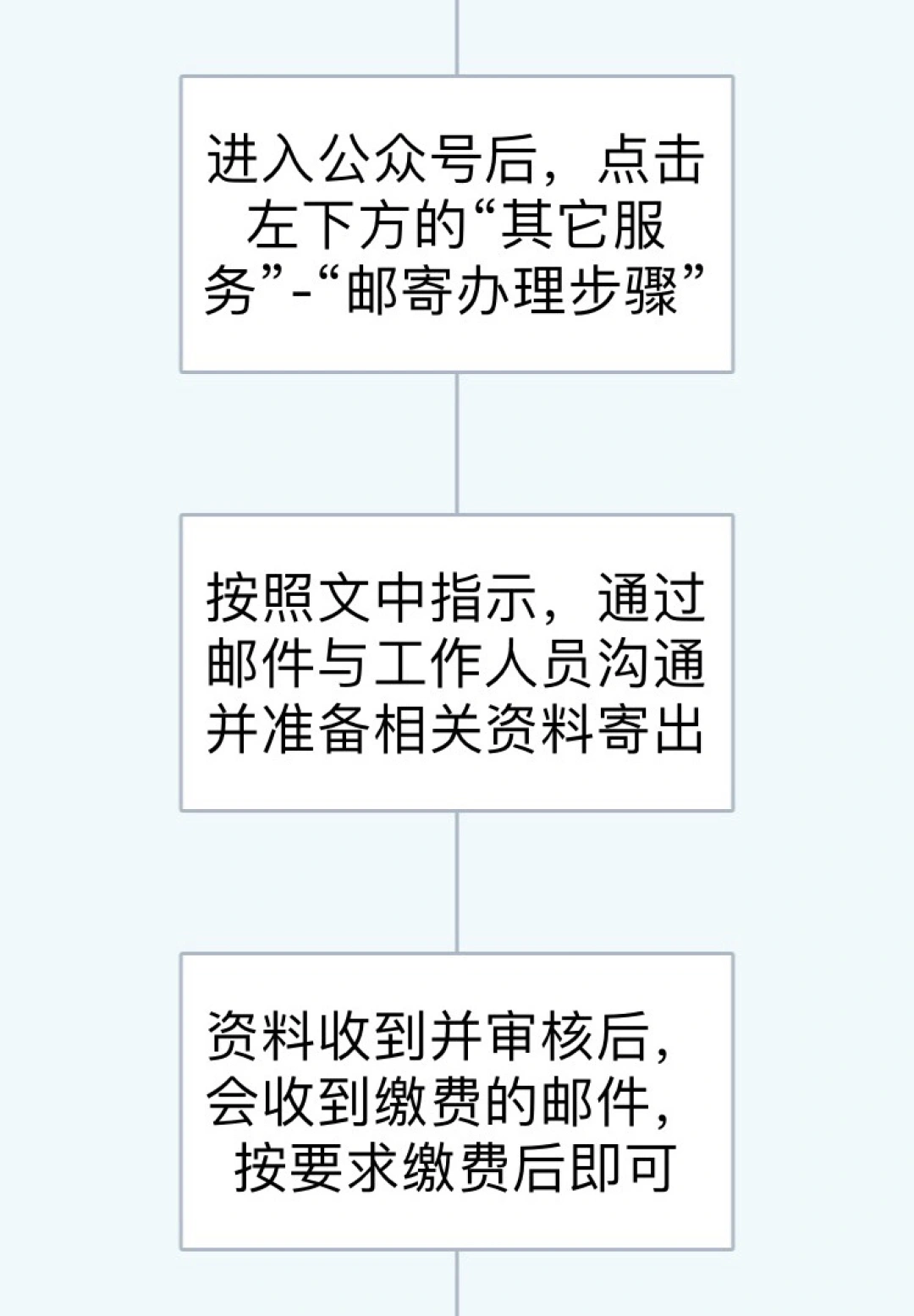
Many people get overwhelmed by the complicated document requirements from travel agencies or Taobao sellers for a Korean tourist visa. Here's a super practical method: The Korea Visa Application Center (Guangzhou) . You can apply by mail, just sending the original and copy of your ID and passport, a bank statement, and two large一寸 (one-inch) photos. You'll get the visa in five working days for 450 RMB per person (C39 single-entry tourist visa). Residents of Guangdong, Guangxi, and Hainan can apply directly; those from other regions need additional proof of residence. Check the official website for details—simple and efficient.
Flights: China Southern's Best Value

Once the visa was in hand, we booked flights immediately. After comparing multiple platforms, we snagged China Southern round-trip tickets from Guangzhou to Seoul on "Fliggy" for 2,029 RMB per person, including travel insurance and flight accident insurance (buy as needed). China Southern's advantage isn't just the price—it's the baggage allowance: each person can check two 43-pound bags, plus carry-on luggage, meaning one person can haul nearly 100 pounds! For those into shopping or代购 (personal shopping services), you know the deal. Of course, flying from Hong Kong or Macau is cheaper, but involves a border crossing, which is a bit more hassle.
Hotels: Book on Mafengwo, Flexible and Worry-Free
Book hotels in advance on Mafengwo—many listings offer "free cancellation," so you can change plans without losing money. But not all hotels provide this service, and cancellation deadlines vary, so read the fine print before booking.
Seoul Top Pick: Myeongdong PJ Hotel (PJ호텔)
This hotel sits between Dongdaemun and Myeongdong, about a ten-minute walk to either. Why not stay right in Myeongdong? Because it's way too noisy! PJ Hotel offers a free shuttle to Myeongdong and Dongdaemun, and a taxi costs only around 20 RMB. There are subway stations 100 meters in front and behind the hotel—"Chungmuro Station" in front (a place I frequented during my study abroad days, which felt nostalgic) and "Euljiro 4-ga Station" behind. The rooms are spacious and bright, the front desk has Chinese-speaking staff, and there's even a "Women-Only Zone" for solo female travelers. Prices range from 400 to 600 RMB per night—great value.
Busan Recommendation: Haeundae MS Hotel (MS호텔)
If you're heading to Busan, definitely book an ocean-view room! The rooms are small, but the sea view from the window is breathtaking. The hotel also offers breakfast, which is rare in Korea. The front desk speaks a little Chinese, so communication is no problem.
Other Must-Haves
- Power Adapter: Korea uses the German-style plug. Buy one online, or your phone won't charge. Some hotels provide them, but it's safer to bring your own.
- SIM Card or Portable WiFi: Buy a seven-day unlimited data SIM card on Taobao (speed is average but sufficient) or rent a portable WiFi device (needs daily charging, a bit annoying).
- Airport Pickup Service: Book on Fliggy—a 9-seat van for 239 RMB is way cheaper than the airport bus (around 90 RMB per person), and you don't have to wait. The drivers are mostly Chinese, so no Korean needed.
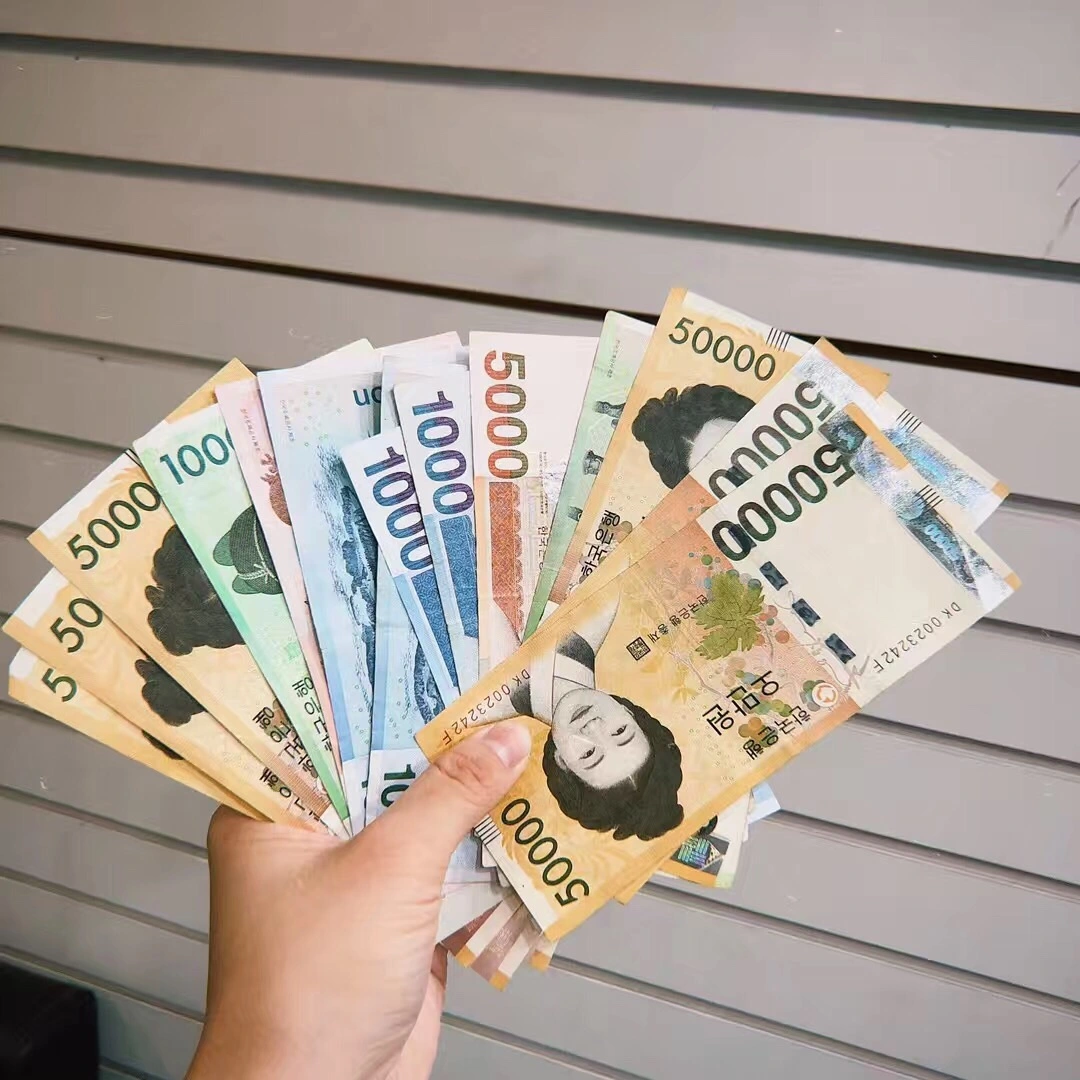
- Currency Exchange: We didn't exchange money in China. Instead, we went straight to Myeongdong after landing—the exchange booths there offer better rates. If you're worried, exchange a small amount at a Chinese bank (like Bank of China) beforehand. Many places in Korea still require cash (Lotte Duty Free accepts Alipay with discounts), and UnionPay cards can withdraw cash at ATMs (with Chinese prompts, at the daily exchange rate, with a small fee).
- T-money Card: Buy a pre-loaded card on Taobao—it works on subways, airport buses, city buses, taxis, and convenience stores. You can also top it up at any convenience store in Korea.
- Navigation App: Download Google Maps or the Korea Tour Map app—essential for finding your way.
Day 1: Guangzhou → Seoul Incheon → Myeongdong, First Taste of Shopping Paradise
After arriving at Incheon Airport, we immediately swapped in our Korean SIM cards and contacted our pickup driver. The driver, a Chinese guy, warmly helped us with our luggage and warned us about possible traffic. An hour and a half later, we arrived smoothly at PJ Hotel.
After a quick rest at the hotel, we walked to Myeongdong—turn right from the hotel's main entrance, and it's a 15-minute walk. Myeongdong is best described as "a massive shopping city": trendy clothes, high-end cosmetics, authentic street food, Lotte Duty Free, all set to pulsating K-pop music and crowds of people. It's easy to get swept up. Some say it's too commercialized, but which famous place isn't? The trick is knowing how to find the fun in it.
First thing: exchange money. Exchange booths are everywhere in Myeongdong, with fair rates. Then we wandered and ate street snacks—떡볶이 (spicy rice cakes), 어묵 (fish cake skewers), 김밥 (seaweed rice rolls)... But a heads-up: clothing stores usually don't allow drinks inside.
Dinner recommendation: 유가네 (Yoogane) Dakgalbi (spicy stir-fried chicken) . This was a place I frequented during my study abroad days. The chicken is pre-marinated, and the staff cooks it on a griddle at your table. Halfway through, they add white rice or ramen noodles and stir-fry it together—absolutely delicious! The side dishes are自助 (self-serve), and the salad is especially refreshing—I swear the dressing has apple juice in it.
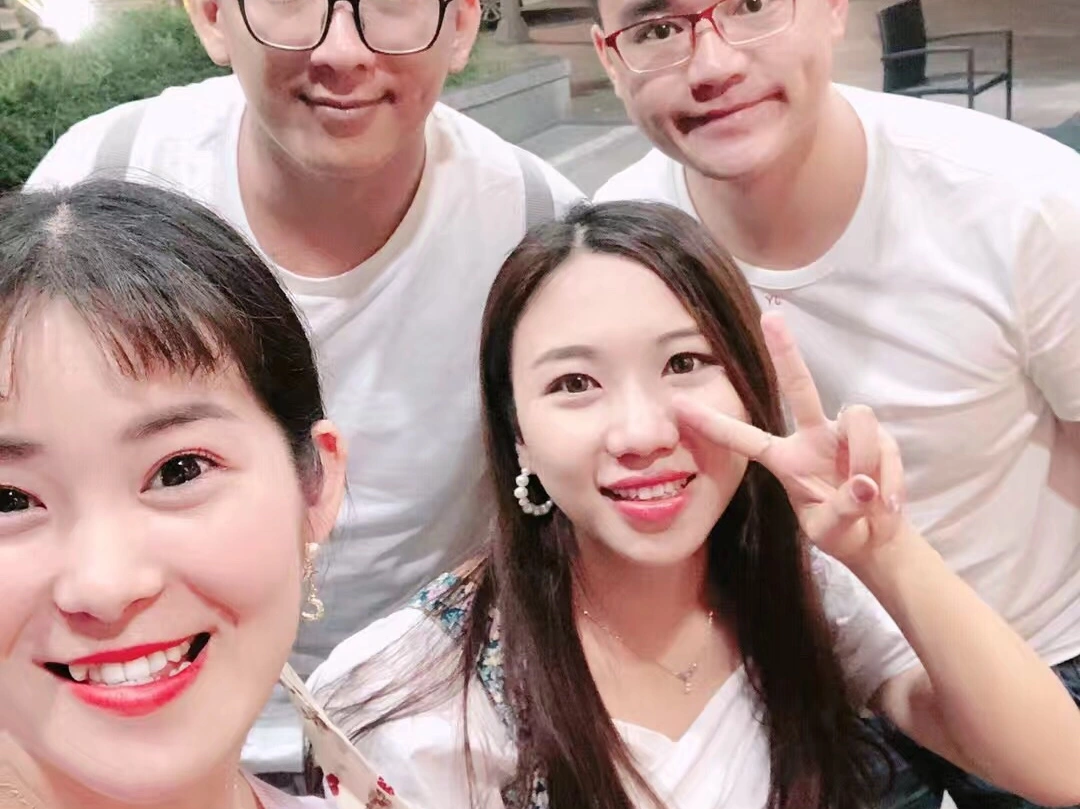
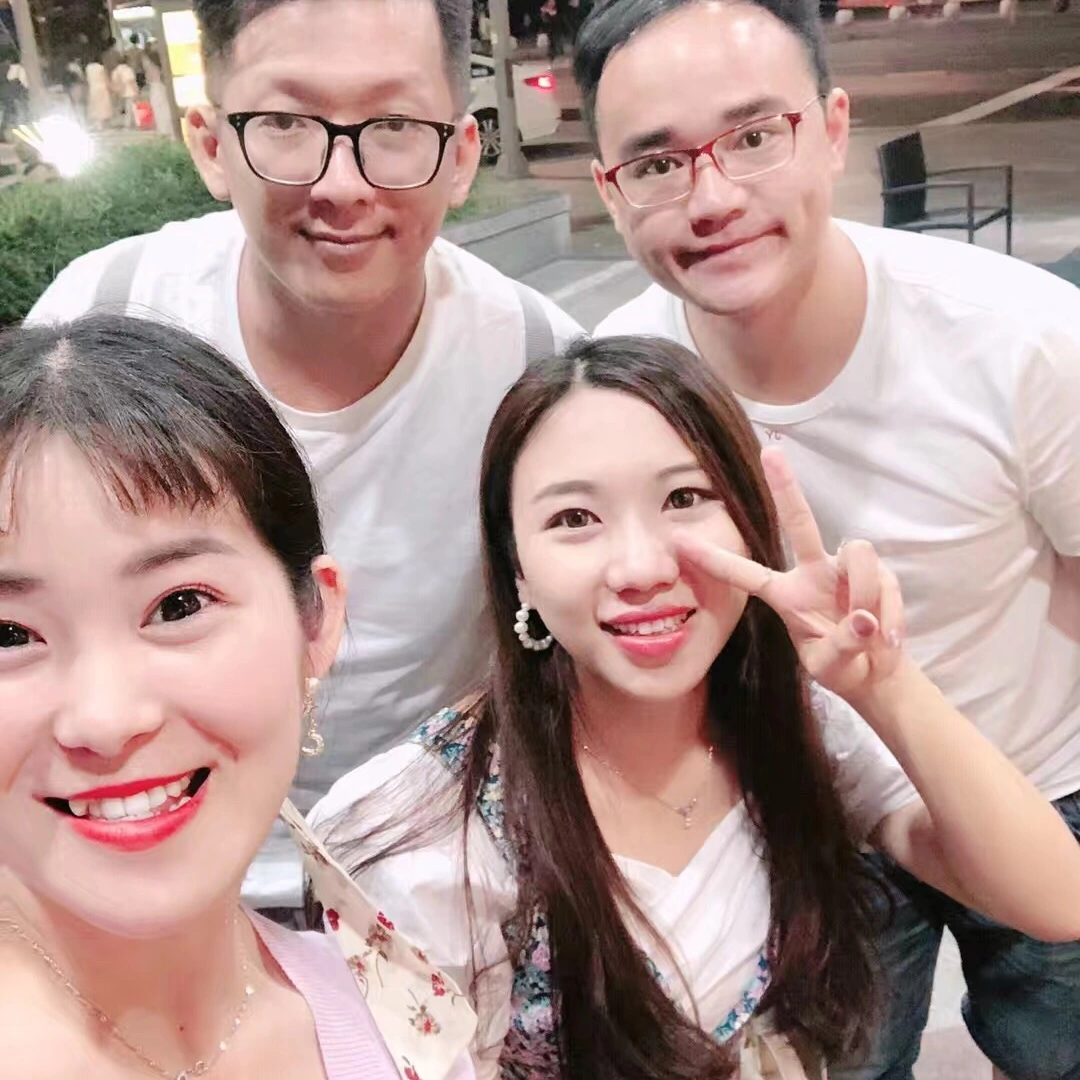
After dinner, we wandered and took photos. Pei has an incredible sense of the camera—taking a photo with her requires courage. Coincidentally, this year marks the tenth anniversary for both Lao Li and me and for Pei and her husband. I'm grateful they captured so many meaningful photos for us.
Shopping must-visit: StyleNanda Pink Hotel. Pei discovered this trendy store, which carries the brand 3ce (you probably know it). The Myeongdong location is themed like a pink hotel, with five floors of cosmetics, clothing, and accessories. Most clothes are between 200 and 500 RMB—simple and stylish. Also, Lotte Duty Free is a must. International brands often have discounts after tax exemption. Check the Lotte website for coupons in advance, or order directly online and pick up your items at the airport departure counter before boarding. We bought 15 boxes of face masks in one go—the prices were so good it felt like we were getting them for free.
On the way back to the hotel, everyone suggested a late-night snack. We found a small place and ordered Korean fried chicken and beer. When I ordered in fluent Korean, the 아주머니 (auntie/owner) was surprised and asked if I was a student abroad. I smiled and said, "I'm a Korean teacher. I studied at Dongguk University before, and now I'm bringing my husband and friends to play." I said this same line many times over the next few days in Korea.
Day 2: Dongguk University Memories, Hongdae Shopping Until Your Legs Give Out
We woke up early on the second day to complete the trip's core mission: visiting Dongguk University to discuss study-abroad partnerships with my old professor. Dongguk University sits at the foot of Namsan Mountain—a key comprehensive university with a hundred-year history. Walking hand-in-hand with Lao Li across campus, I felt incredibly emotional. My professor was very welcoming to our students for further study—a moment of pure accomplishment.
Back at the hotel, we met Pei and her husband for lunch. I recommend the small restaurant behind PJ Hotel to the right, "양푼이찌개마을" (Yangpunijjigae Maeul) . You must order the 비빔밥 (bibimbap)—the white rice comes in a retro lunchbox, full of nostalgia. Five dishes cost only 34,000 won (about 200 RMB)—an incredible deal. A reminder: side dishes (반찬) in Korean restaurants are always free to refill.
In the afternoon, we headed straight to Hongdae. The shopping district around Hongik University is where young Koreans love to hang out. Take the subway to "Hongdae Entrance Station" and just follow the crowd. The area is bursting with youthful energy—street performances everywhere, plus a free market (flea market) that's been the backdrop for many K-dramas.
Pei has a thing for vintage clothing, and Hongdae has plenty of vintage shops, often run by stylishly dressed guys. I got an education too—every piece of clothing seemed to have a story. For dinner, we had Korean barbecue in Hongdae. I recommend "팔이구이" (Pal-i-gui) —great taste, reasonable prices, and super friendly service. The owner even gave us two free bottles of beer. The four of us ate until we were stuffed for less than 400 RMB.
Day 3: Gwangjang Market's Live Octopus Challenge, Namsan Tower's Love Locks
On day three, my internal clock woke me early, so Lao Li and I went to a convenience store for breakfast (there are very few breakfast places in Korea; convenience stores are the easiest option). If you do find a breakfast spot, you'll notice Koreans typically eat 국밥 (soup with rice), which might feel different from our congee or noodles.
We walked to Gwangjang Market. If you've watched Running Man, you'll recognize it. This place isn't just a food paradise—it's also a fabric wholesale and hanbok (traditional Korean clothing) market. Pei bought a piece of floral fabric with a beautiful pattern.
Food recommendation: 산낙지 (live octopus) —washed, chopped, and served with sesame oil and salt. The texture is fresh and worth trying. Also try 마약김밥 (addictive mini kimbap), 육회 (seasoned raw beef), 간장게장 (soy sauce marinated crab), 뼈없는 매운닭발 (boneless spicy chicken feet), and 한국식 빈대떡 (Korean-style mung bean pancake). I also recommend Tongin Market, where you trade with copper coins—it feels very ceremonial, and it's less crowded.
After the market, we wandered around Myeongdong again. Pei had helped me pick out all my outfits before the trip, and they photographed beautifully—travel outfits really matter!
For dinner, we met up with one of my students and a friend in Korea. We went to a "网红店" (trendy hotspot) behind PJ Hotel that sells 돼지국밥 (pork soup with rice) and 순대 (blood sausage). We waited in line forever, but the food was just okay—not really recommended.
In the evening, we went to Namsan Tower to lock a love lock. This is a filming location for My Love from the Star and many other K-dramas, offering a panoramic night view of Seoul. Taxis can't go up Namsan, so there are three options: hike, take the bus (from Myeongdong Station Exit 3), or ride the cable car (7,000 won per person). We chose the cable car—the staff were all very handsome. Early June has big temperature swings, and I forgot my jacket, so I was shivering, but the love lock ritual was non-negotiable—we carefully wrote our wishes, hung the lock, and remembered to throw the key down Namsan Mountain! Security closes the area after 10:30 PM, so go early. We took the bus down—there's a stop about 100 meters down the slope that goes through Myeongdong.
Day 4: Busan Bound—From Pork Soup Rice to Haeundae
Seen Train to Busan? This time, we actually went to Busan! From Seoul to Busan, I recommend the KTX (high-speed train)—short travel time and reasonable prices. Before leaving, a friend booked the Korail Pass for Foreigners online, which allows unlimited KTX rides for three days, but you need to reserve seats in advance, or you might have to stand.
Two and a half hours later, we arrived at Busan Station. Inside the station, there's a fish cake shop that Lao Li and A-Fei found—pretty good. After exiting the station, we found the pork soup rice restaurant we'd eaten at years ago: "본전돼지국밥" (Bonjeon Dwaeji Gukbap) . It's 6,000 won per serving (about 36 RMB), authentic in taste, and many celebrities have eaten here. That feeling of rediscovering something lost is hard to describe.
In the afternoon, we went to Gamcheon Culture Village, known as the "Santorini of Busan." The entire village is covered in murals painted by volunteers from around the world. It's best to visit between 9:00 AM and 6:00 PM to avoid disturbing residents. It's a photographer's dream—definitely go!
Then we took a bus to Jagalchi Market, Korea's largest seafood market. You buy seafood on the first floor and have it cooked on the second. We were in a hurry and didn't go inside—I still regret it. After that, we transferred to Haeundae Beach, checked into MS Hotel, and the ocean-view room was stunning. For dinner, we ate barbecue at "오반장" (Oh Banjang), which we found through Dianping (Chinese Yelp). The food was good, and the owner chatted with us for a long time.
Day 5: Instagram-Worthy Cafés and Dongdaemun Nights
The next morning, we had Korean-style dumplings (만두) and cold noodles (냉면) at a food street behind the hotel to the left, mostly frequented by locals. Then we set out to find the rooftop café that Pei had been dreaming of: "Roof Top Cafe" (Address: 부산 해운대구 청사포로 139-4, 11:00 AM–10:00 PM, closed Mondays). It was a bit tricky to find—we took a taxi for about 40 RMB. The café had an incredible view, perfect for zoning out and taking photos.
That evening, we returned to Seoul and headed straight for Dongdaemun Market. It's Korea's largest wholesale clothing market, still brightly lit late into the night. We shopped until early morning, snagging some great finds.
Conclusion: The Meaning of Travel Lies in Human Connection
Seven days and six nights, from Seoul's hustle to Busan's romance—we gained so much: Myeongdong's noise, Hongdae's youthful energy, Gwangjang Market's lively烟火气 (everyday life atmosphere), Namsan Tower's romantic vows, Busan's sea breeze and food... But most precious of all was the emotion of walking through my alma mater hand-in-hand with Lao Li, the laughter and fun shared with Pei and her husband, and those moments in a foreign land when strangers warmed us with their kindness.
Travel is a ritual. It pulls us out of our daily routines and lets us re-examine our relationship with the world. And Korea—this place where I've lived and loved—will always be worth experiencing for yourself.
Finally, a few key tips: - Apply for your visa through the visa center—saves time and effort - Stay at PJ Hotel—best value - Exchange money in Myeongdong—best rates - Buy a T-money card in advance—hassle-free - Use Google Maps or Korea Tour Map for navigation
Ready? Take this guide and start your Korean adventure!
You should also read:
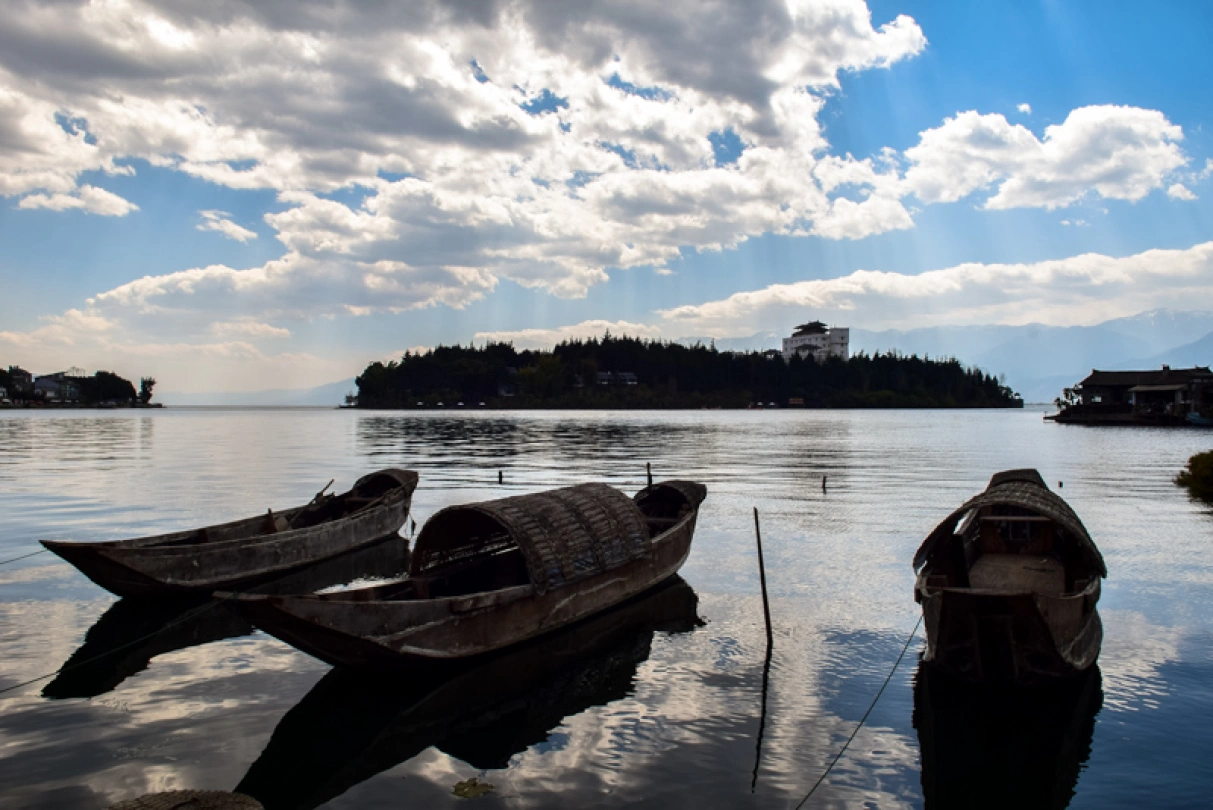
Another Way to Open Dali: Finding Your Own "Heart Blossom Road" by Erhai Lake
Another Way to Open Dali: Finding Your Own "Heart Blossom Road" by Erhai Lake A friend sent me a photo: crystal-blue water, white clouds reflected on the surface, and the Cangshan Mountains in the distance, dark and misty like an ink painting. She asked me…
Continue reading...
Shuanglang, Six Days of Slow Living: Finding Yourself by Erhai Lake
Shuanglang, Six Days of Slow Living: Finding Yourself by Erhai Lake Have you ever had a trip like this? You set off full of anticipation, arrive feeling a bit lost, then in some unexpected moment, you suddenly fall in love with the place. And when…
Continue reading...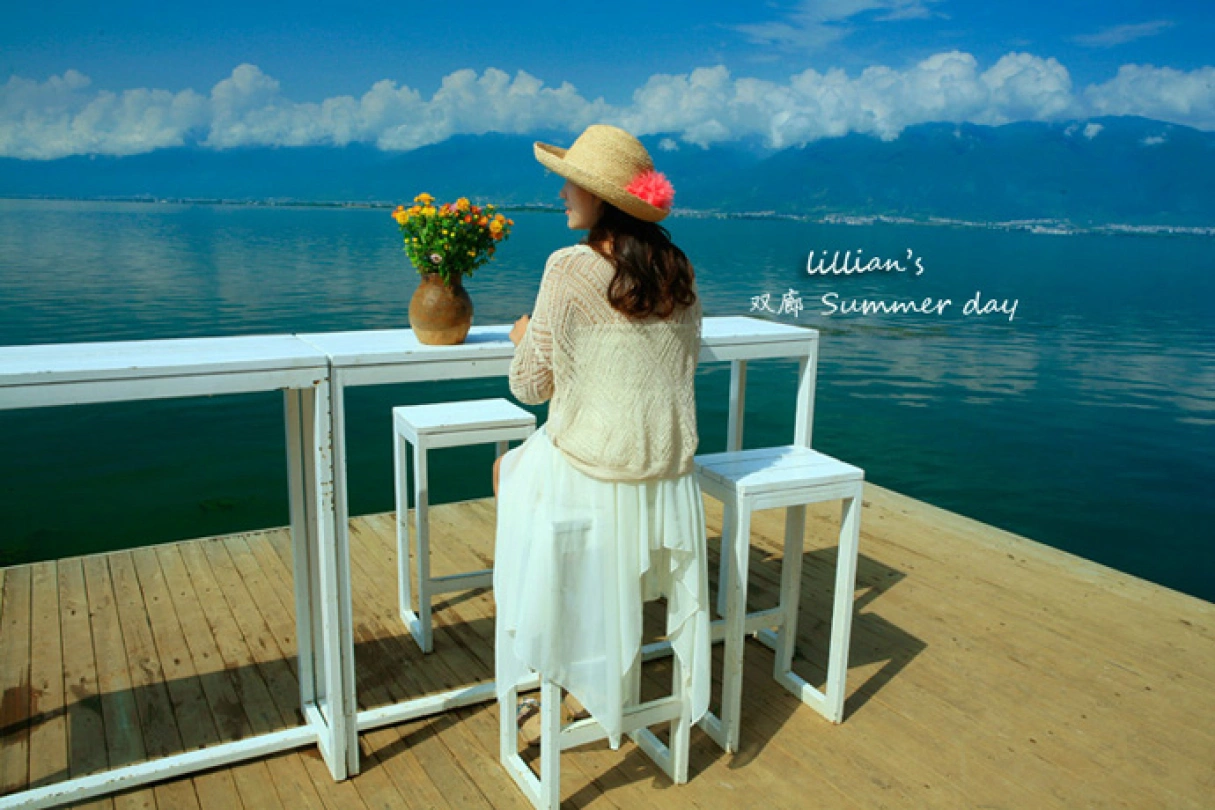
Dali Shuanglang: Meeting Your Laziest Self in the Slow Time by Erhai Lake
Dali Shuanglang: Meeting Your Laziest Self in the Slow Time by Erhai Lake Prologue: A Name, A Journey Some places, just by hearing their name, make your heart yearn. Shuanglang is like that for me. I can't remember when I first heard the name "Shuanglang."…
Continue reading...