Dali Shuanglang: Meeting Your Laziest Self in the Slow Time by Erhai Lake
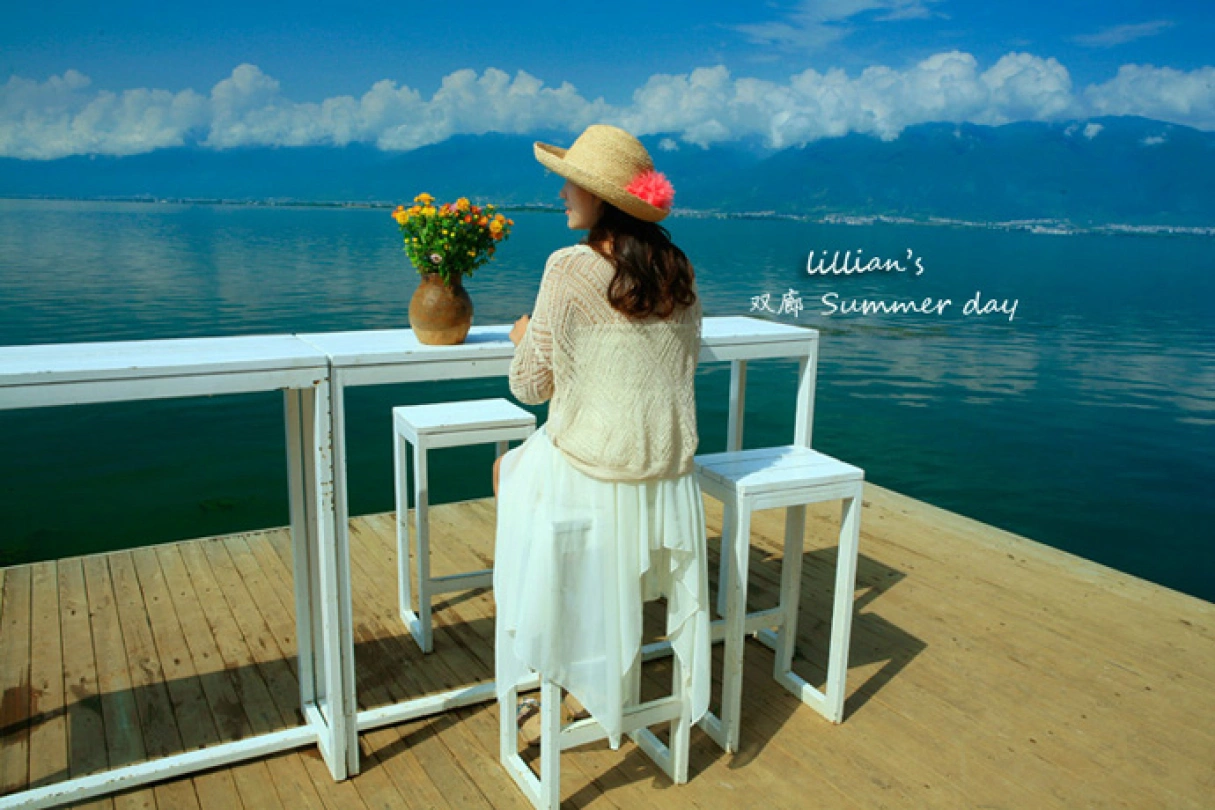
Dali Shuanglang: Meeting Your Laziest Self in the Slow Time by Erhai Lake
Prologue: A Name, A Journey
Some places, just by hearing their name, make your heart yearn. Shuanglang is like that for me.
I can't remember when I first heard the name "Shuanglang." I've always loved Dali—I've been there twice, but always just passed through, never truly stayed. Shuanglang's appearance felt like fate giving me a reason I simply couldn't ignore.
The photos I'd seen—Erhai Lake, Cangshan Mountain, the Bai ethnic villages—were impossibly beautiful. For several nights straight, I was obsessed, scouring travel forums for everything about Shuanglang. The more I read, the more my heart itched. The more I saw, the more I knew I had to go.
And so, a spontaneous trip began.
Departure: Westward from Chongqing
Route Planning
Our route was: Chongqing → Dali → Shuanglang → Shuhe → Shangri-La → Shuhe → Kunming → Chongqing
Self-driving was the best choice for this route. Sure, driving is tiring, but the benefits are obvious—take whatever you want, stop wherever you like. The scenery along the way becomes your private collection, anytime.
Gear Checklist
- Camera: Canon 5D + 50mm F1.4 (barely used) + 24-70mm F2.8 (workhorse lens)
- Accessories: Tripod, CPL polarizing filter
- Camping gear: Tent, air mattress, sleeping bag (never used, but gave peace of mind)
- Skincare essentials: Sunscreen, after-sun repair mask, hydrating mask, straw hat
Friendly reminder: Don't think a straw hat makes you invincible. I'm that person—posing toward the sun, shooting landscapes under the blazing heat, and ending up looking like charcoal. Sunscreen. Really. Really. Really. Important.
Day One: Chongqing → Dali, One Full Day
Left Chongqing at 10 a.m., drove straight to Dali.
Cost breakdown: - Gas: 681 yuan - Chongqing toll: 35 yuan - Guizhou toll: 385 yuan (Guizhou is expensive—suggest taking the Xichang-Yibin route instead, much cheaper) - Dali toll: 129 yuan
Arrived at Dali Old Town at 9 p.m. Don't worry about accommodation—there are inns and hotels everywhere in the old town. No need to book ahead.
Shuanglang: First Glance Unremarkable, Second Glance Enchanting

First Impression: A Quiet Fishing Village
From Dali to Shuanglang was closer than I expected. About an hour's drive—I almost felt time passed too quickly. The lakeside scenery along Erhai was so beautiful I was completely lost in it.
Shuanglang is basically a small fishing village on the edge of Erhai Lake. The Bai people have lived here for generations, fishing for a living. Fishing nets dry by the roadside; villagers work along the shore.
At first glance, Shuanglang doesn't blow you away.
Honestly, I was even a little disappointed at first. Developers have been building inns everywhere, inevitably disturbing its tranquility. But on second thought, it's also brought business opportunities to the locals. If you come later, it might look completely different again.
Shuanglang's true beauty lies hidden in those inns built along the lake. They are Shuanglang's soul.
Staying at Lanting Bieyuan: A Lucky 270° Lake-View Room
Many visitors to Shuanglang like to switch between several inns. Each one has its own character—unique decor, nestled against the mountains and facing the lake, a scenic attraction in itself.
The key that unlocked this trip was my booking of the Lanting Bieyuan 270° lake-view room—Room 306, Guanlan.
Honestly, I just called on a whim. Word had it this inn was booked through October—I had zero expectations. But on August 9th, the guest who originally reserved Room 306 couldn't make it. We just "picked up" that lucky break.
When we arrived at Lanting Bieyuan, it started raining.
The rain gave Shuanglang an extra layer of charm. In the courtyard, a cat was napping lazily, completely undisturbed. I later learned it and another cat were collectively called "Bai Fu Mei" (Rich and Beautiful)—a name as down-to-earth as it gets.
There were hardly any guests. You could quietly read, take photos, or just sit in the courtyard and daydream. The inn is open to visitors—welcome to look around, but please keep quiet. Noisy activities like mahjong or card games aren't welcome here.
The decor was really thoughtful. Totally different from Lijiang—Lijiang lacks Erhai Lake, and with it, that vast, serene stillness.
Shuanglang's Slow Time: Day One
Lunch in the Rain
Snapped a few photos on Lanting Bieyuan's boardwalk, and soon it was lunchtime. The rain got heavier, so we braved it to find food.
Street stalls were everywhere, selling small silverfish, river shrimp, potatoes... Usually a few tables sat nearby, where tourists sat down casually, as if they'd just stepped out of their own homes, not on vacation.
We picked a random restaurant, ordered a few small dishes and a pot of tea, and watched Erhai in the rain.
Must-order: Rushan (fried milk fan)
Rushan is a must-eat in Shuanglang. Credit goes to the local grass in Shuanglang's fields—cows that eat this grass produce rich, high-quality milk. There are many ways to eat rushan, but it's usually fried in sesame oil. Some add salt, some add sugar. I recommend sugar, with just a pinch of salt. Or, as they say, "Eat a little salty, see the world a little lightly."
Afternoon Surprise: Sunshine Arrives
After lunch, we went back to rest, thinking the sun wouldn't show today. I told myself: I don't care if the heavens rain—I'm not leaving Shuanglang until the sun comes out. If it keeps raining, I'll just wait.
Unexpectedly, not long after, the sun appeared.
In Shuanglang, you really don't need to worry about sunshine. We stayed three days. Every night brought thunderstorms and lightning; every next day, blue skies and white clouds.
The sky slowly turned blue. Erhai, reflecting the blue, turned emerald green. The morning glory flowers in the courtyard bloomed toward the sun. Tourists came again to take photos.
Yuji Island: Yang Liping's Sun Palace and the Mystery of Qinglu
The sun was especially bright on the way to Yuji Island. But there was a price to pay—by the time we reached Songzanlin Monastery later, I could only wrap my face completely in a scarf.
The AMIGO French Restaurant at the intersection had amazing pizza. The owner was originally French, but the Lanting Bieyuan owner said he'd already left—someone else might have taken over.
Entering Yuji Island required a ticket—25 yuan per person.
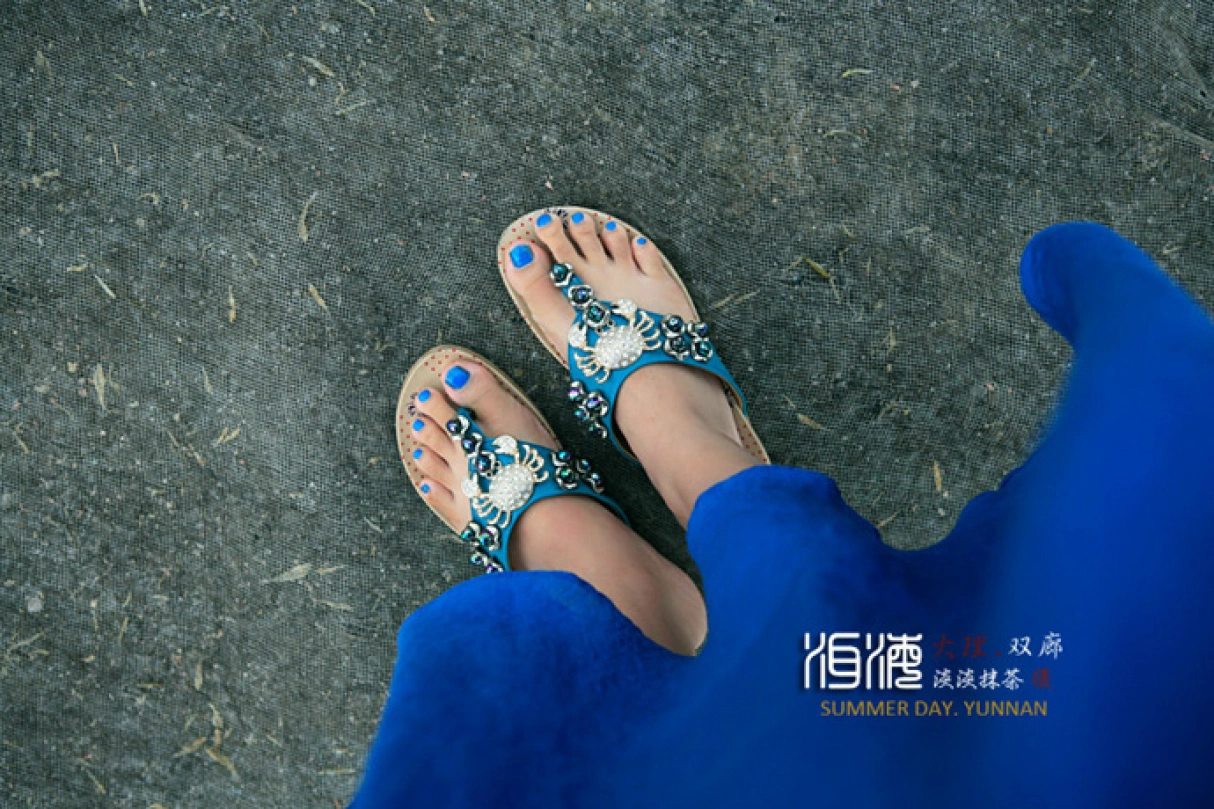
Three famous buildings stand here: Qinglu (Green Cottage), Taiyang Gong (Sun Palace) (Yang Liping's), and Yueliang Gong (Moon Palace) (also Yang Liping's). They're considered Shuanglang's most striking landmarks.
About Qinglu, there's a famous description online:
"Qinglu has a famous owner, Zhao Qing. After building Qinglu, he built Moon Palace on the left and Sun Palace on the right for Yang Liping. These three palaces are the most talked-about sights among Shuanglang locals. Getting into Qinglu isn't easy. Qinglu always selects its guests with the most unworldly standards—not everyone with money or fame can become a guest. Qinglu bans television, smoking, alcohol, meat, noise, revelry, and even mobile phones."
Honestly, I'd read this passage many times, but it never resonated. Either pure art, or pure marketing. Qinglu's price is around 2,000-plus—many can afford it. But that "guest selection" bit—marketing gimmick, or artist's aloofness? Hah. I'm not staying there anyway. Better to be like Yang Liping's Sun Palace—just set a price, you pay, I serve. How straightforward.
So mysterious, no tours, no photos—but 50 yuan for a yogurt gets you in? That artistic atmosphere seems pretty cheap to me.
Dusk: Sunset Over Erhai
After leaving Yuji Island, we drove slowly along the lakeside road, soaking in local life.
Under the sunset, Bai women washed clothes by the lake. Local kids swam, their skin tanned a healthy brown.
We wanted to find the best spot for sunset photos, but the sun set far from Shuanglang town. We didn't capture burning clouds, but we did get Erhai's sunset—not bad.
Back in town, we realized the most beautiful scenery was inside Shuanglang itself. We arrived too late and only managed one shot. Decided to come back the next day.
Shuanglang's Slow Time: Day Two
Morning: Woken by Sunshine
Day two was still about taking it easy. I'd heard summer sunrises weren't visible in Shuanglang, so waking up at nine was fine.
The town had many stalls selling erkuai (rice cakes). Personally, I think Dali's erkuai is the best, but Shuanglang's is good too. Breakfast options also included mixian (rice noodles) and ersi (rice shreds), local specialties. Erkuai cost 3 yuan each, topped with various chili sauces. When the vendor heard we were from Chongqing, he said he'd skip the sweet sauce—we all chimed in: "Extra chili sauce!"
Unexpected Scenery: A Self-Drive Surprise
We kept driving forward, passing a crowded market, and stumbled upon a beautiful scene.
The morning sun slanted across Shuanglang town—perfect timing for photos. Even I, who usually avoids the camera, couldn't stop posing.
My target subject noticed I was photographing him and just ignored me—fine, shoot away.
Haidi Life: A Photo Paradise
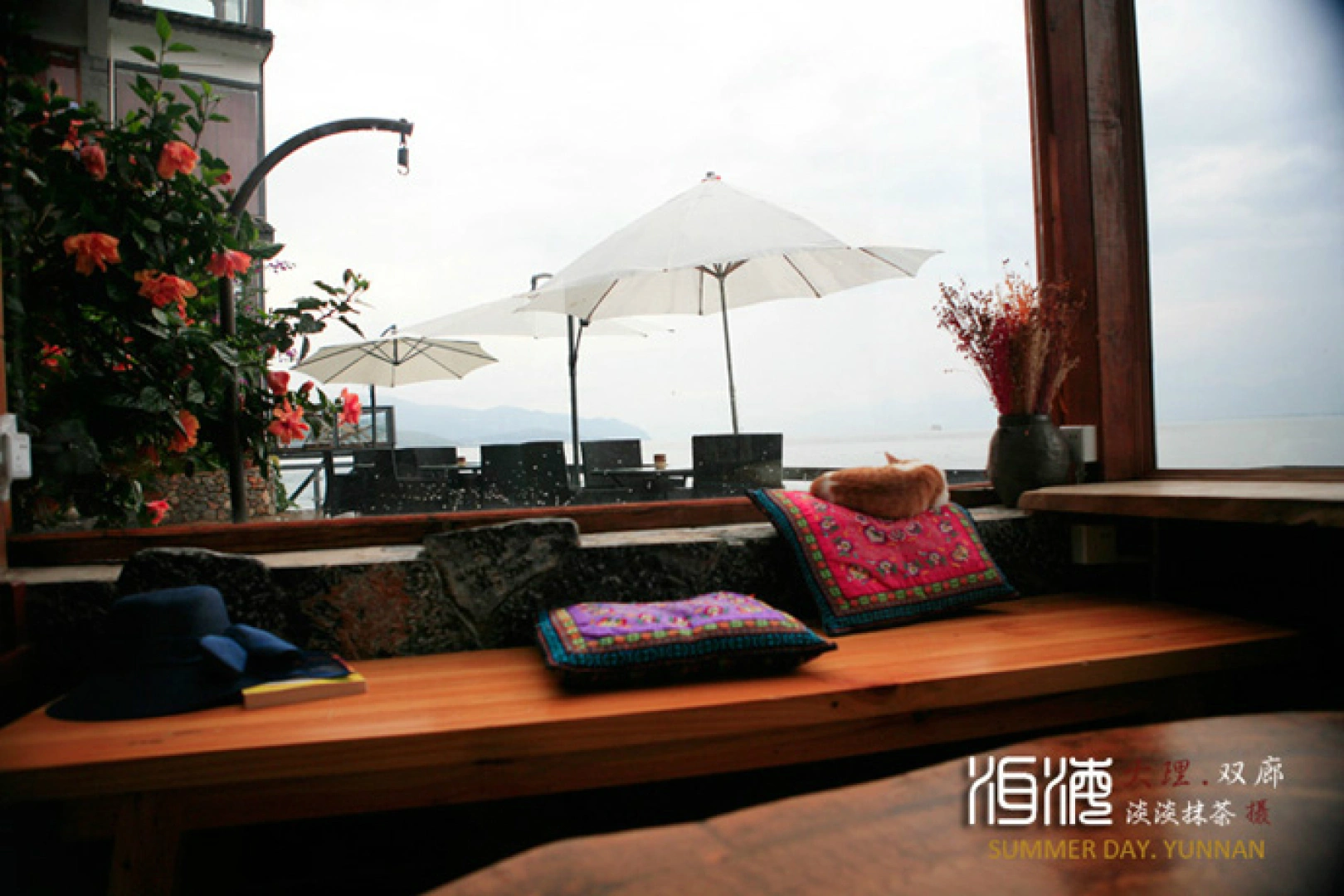
We arrived at Haidi Shenghuo (Sea Bottom Life) inn—a must-visit for anyone in Shuanglang, because it's so photogenic.
This is Haidi Life's public platform. In photos, it looks bigger than it actually is. Shoot to your heart's content—there's no shortage of photographers here, DSLRs everywhere.
Haidi also serves Western food. If you've tried it, let us know how it was.
Back to Lanting Bieyuan: Change Rooms, Drink Tea, Daydream
Before we knew it, it was almost lunchtime again. We strolled back to the inn, waiting for Room 306's guests to check out.
The sun was perfect, quiet and peaceful. We shot some pseudo-"artistic" photos with the other photographers.
I remembered a line from a Shuanglang travel guide on Mafengwo:
"I wasn't a literary person, but coming to Shuanglang made me literary too."
The courtyard flowers were stunning. We packed up and switched rooms. The new room had a ceiling where you could count stars. Lying on the lounge chair, looking at the blue sky, eyes closed—nothing could be more pleasant.
The room came with a tea set, and we happened to have Tieguanyin (Iron Goddess) tea with us. We spent the whole afternoon like that, idly.
Sunset Round Two: Haidi Life's Evening Light
By afternoon, more people had arrived. Everyone was shooting enthusiastically, and we all became friends. As dusk approached, we took our new friends back to Haidi Life for sunset photos.
When the sun angled down, the light was perfect. I'd heard Haidi was great for sunset shots too. If you have time, wait here for the golden light and burning clouds.
We couldn't shoot anymore, couldn't spin, couldn't jump. The sun sank lower, the water shimmering.
Just then, a friend called to say she'd found the best shooting spot at her inn. We went to Banyue Tuolan (Half Moon Trailing Blue) inn's lake-view room—the photos turned out amazing.
Under the sunset, the wind picked up, but it wasn't cold—just cool and refreshing.
Evening came, the sun set. Another photography-loving friend and I sat by the shore, quietly waiting to capture Shuanglang at dusk. Unfortunately, the clouds weren't as good as yesterday—maybe because of the afternoon drizzle—no big patches of burning clouds. Only managed a few decent shots.
Dinner: AMIGO French Restaurant
We didn't get to AMIGO until nearly 8:30 p.m. Their pizza was really good, and the flatbread was worth trying too.
Night: Bath, Stargazing
Back at the inn, I filled the tub with hot water, soaking away the day's fatigue. From the room, we could see stars. The gentle sound of waves lapped against the shore.
And so ended our Shuanglang trip.
Epilogue: Shuanglang, Slow Life
What Shuanglang taught me wasn't how to "play," but how to "not play."
Here, you can do nothing at all—just sit in the courtyard, gaze at Erhai, and daydream. You can wake up naturally, then slowly wander out for a bowl of ersi. You can stroll along the lakeside at dusk, watching the sun sink, bit by bit.
Shuanglang's beauty isn't in its sights—it's in the passage of time.
Facing the sea, with spring blossoms—this isn't just a line of poetry. It's an ordinary day in Shuanglang.
Practical Tips Summary:
- Transportation: Self-driving is best. From Chongqing, take the Xichang-Yibin route—it's cheaper than going through Guizhou
- Accommodation: Lake-view rooms need booking at least a month in advance; non-lake-view rooms can be found on arrival
- Must-eat: Rushan (fried milk fan, with sugar), AMIGO French Restaurant's pizza, erkuai (rice cakes, extra chili sauce)
- Photo spots: Haidi Life's public platform, Banyue Tuolan inn's lake-view room
- Mindset: Don't rush. Slow down. Daydreaming counts as travel too.
Next stop: Shangri-La's promise. See you then.
August 2012, at Shuanglang
You should also read:
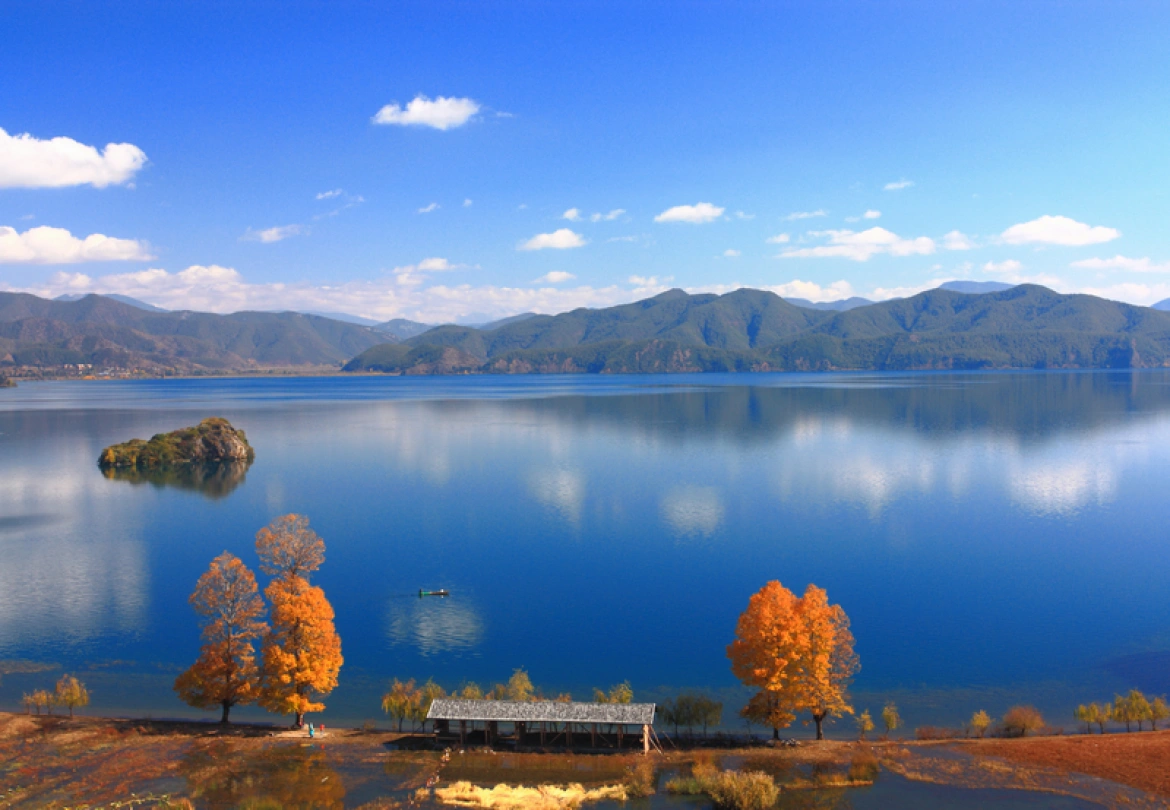
A Spiritual Journey to Lugu Lake in Lijiang: Experiencing the Legend of the Kingdom of Women! (Reproduction and Hotlinking Prohibited)
A Spiritual Journey to Lugu Lake in Lijiang: Experiencing the Legend of the Kingdom of Women! (Reproduction and Hotlinking Prohibited) Off-road自驾, food, hotel and民宿 reviews, Featured Traveler, Tank 300 owner, 200,000 km of self-driving experience. WeChat: y01294987 Ninglang Yi Autonomous County 2010.11.08 · 7 days…
Continue reading...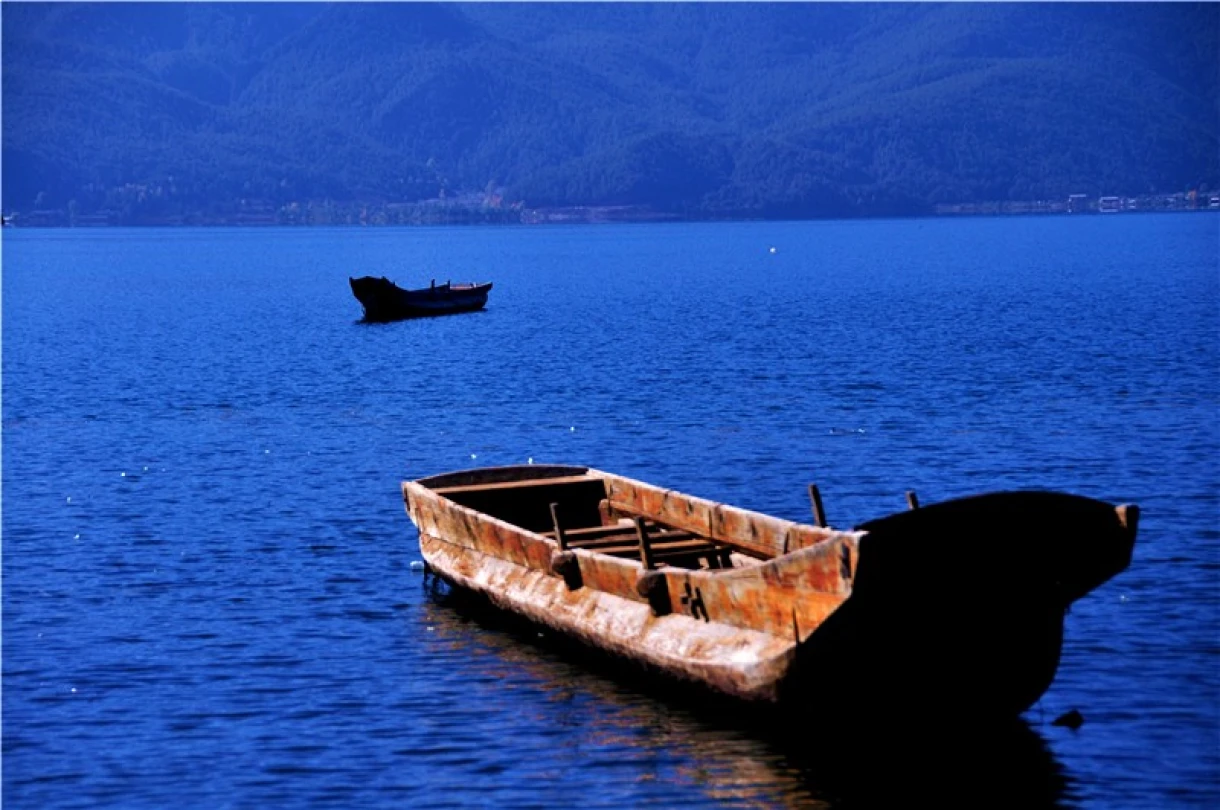
Hiking Around Lugu Lake: Measuring This Mysterious Highland Pearl on Foot
Hiking Around Lugu Lake: Measuring This Mysterious Highland Pearl on Foot Introduction: A Date with the Lake At the border between Yunnan and Sichuan provinces lies a highland lake embraced by mountains, embedded like a sapphire in the folds of the Hengduan mountain range. Here,…
Continue reading...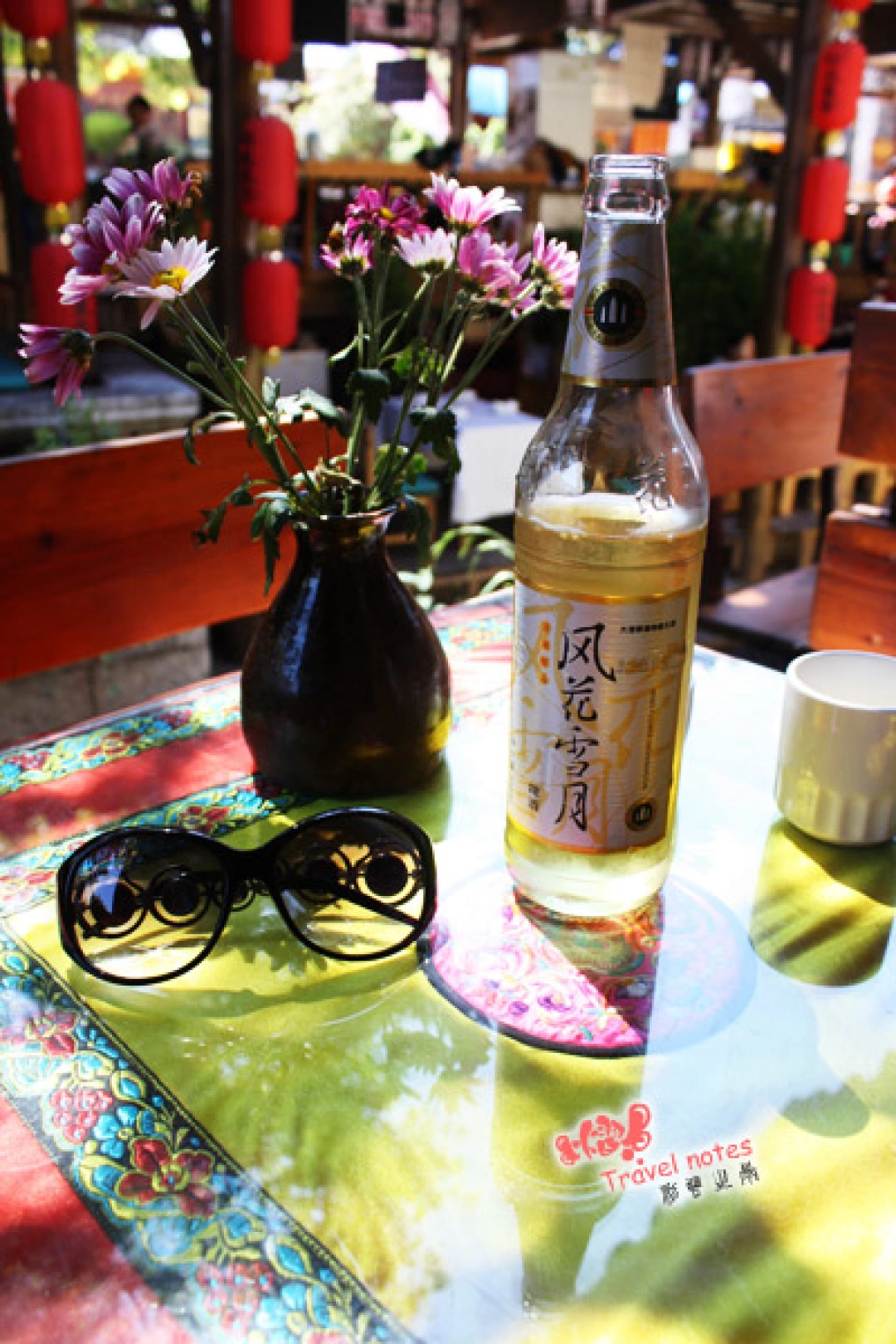
The Slow Life of Lijiang: A Soft Dream on the Yunnan-Guizhou Plateau
The Slow Life of Lijiang: A Soft Dream on the Yunnan-Guizhou Plateau Some places, just by hearing their name, stir a ripple in your heart. Lijiang is one of those names. It's not the kind of destination that demands you tick off a checklist of…
Continue reading...