A New Year in Western Yunnan: A Winter Journey Through Dali, Baoshan, Tengchong, Mangshi, and Ruili
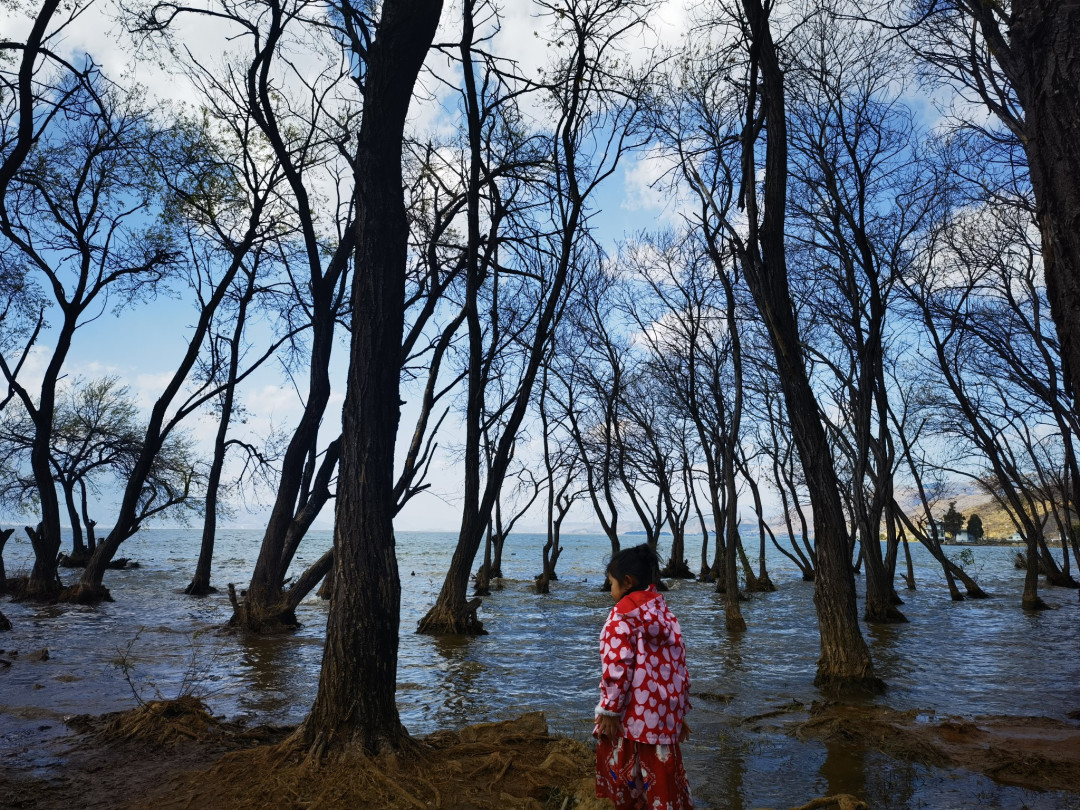
A New Year in Western Yunnan: A Winter Journey Through Dali, Baoshan, Tengchong, Mangshi, and Ruili
Prologue: An Adventure Born from Illness
In February 2024, I set out on a journey through western Yunnan with my five-year-old daughter, A-Fu. This was no meticulously planned trip—it was an adventure I dragged myself into while still recovering from illness. Days before departure, I had been laid up with a fever in Jianshui for several days, forced to abandon my plans for Mengzi and spend an entire day lying in a hotel room. Once the fever broke, my body felt hollow, as if something had been drained out of me. But with the New Year approaching, we had to reach Baoshan before New Year's Eve to reunite with family I hadn't seen in five years.
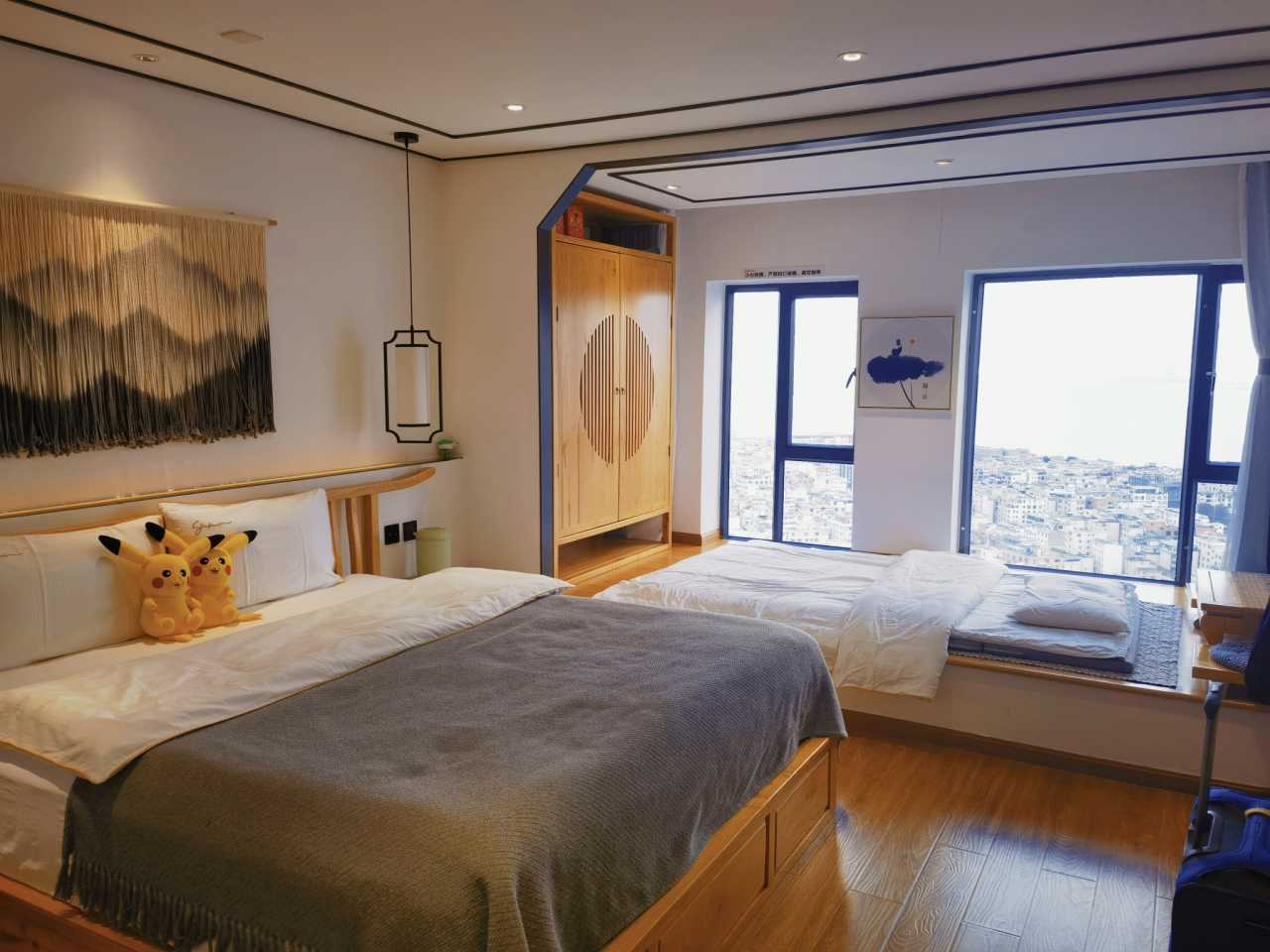
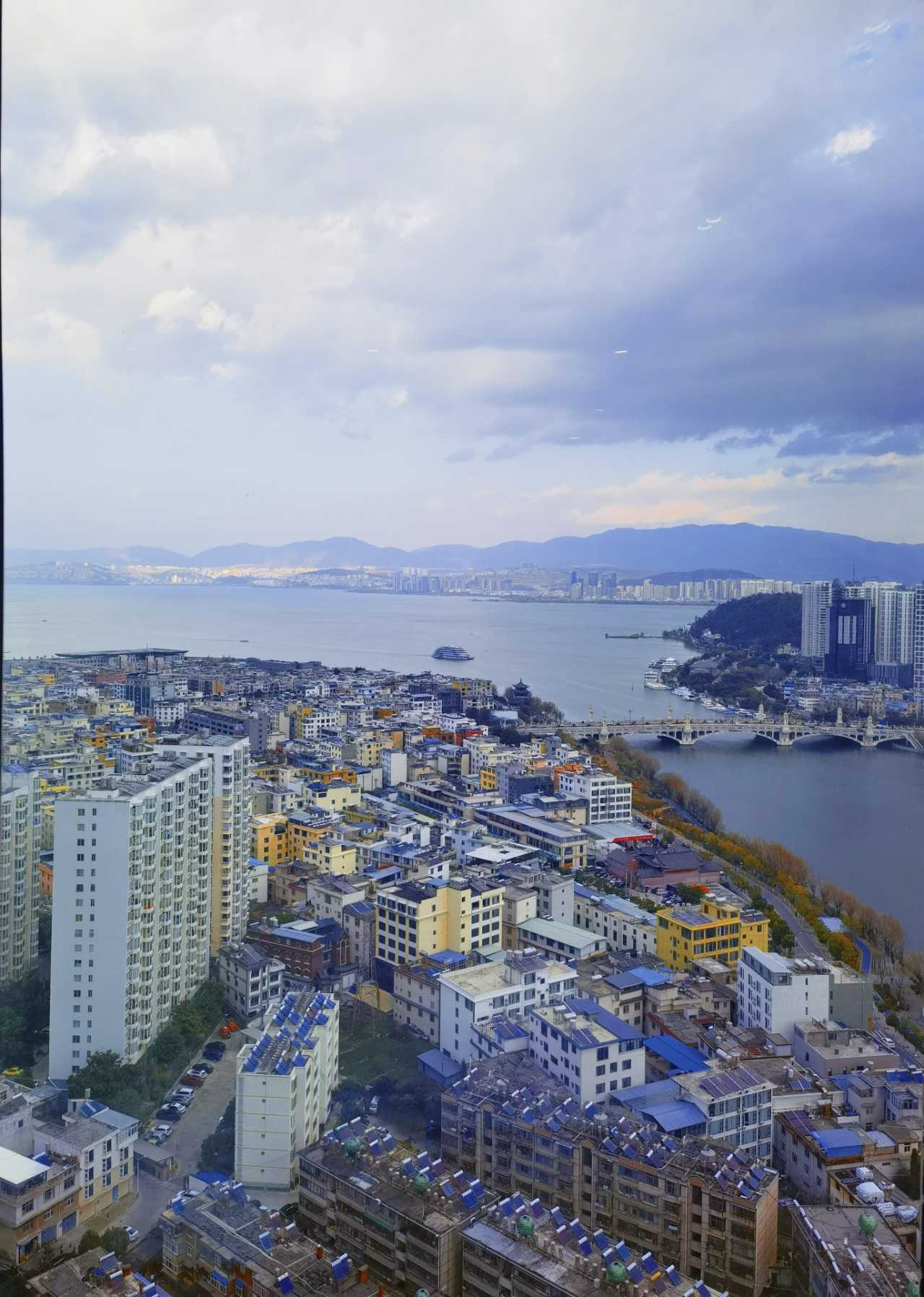
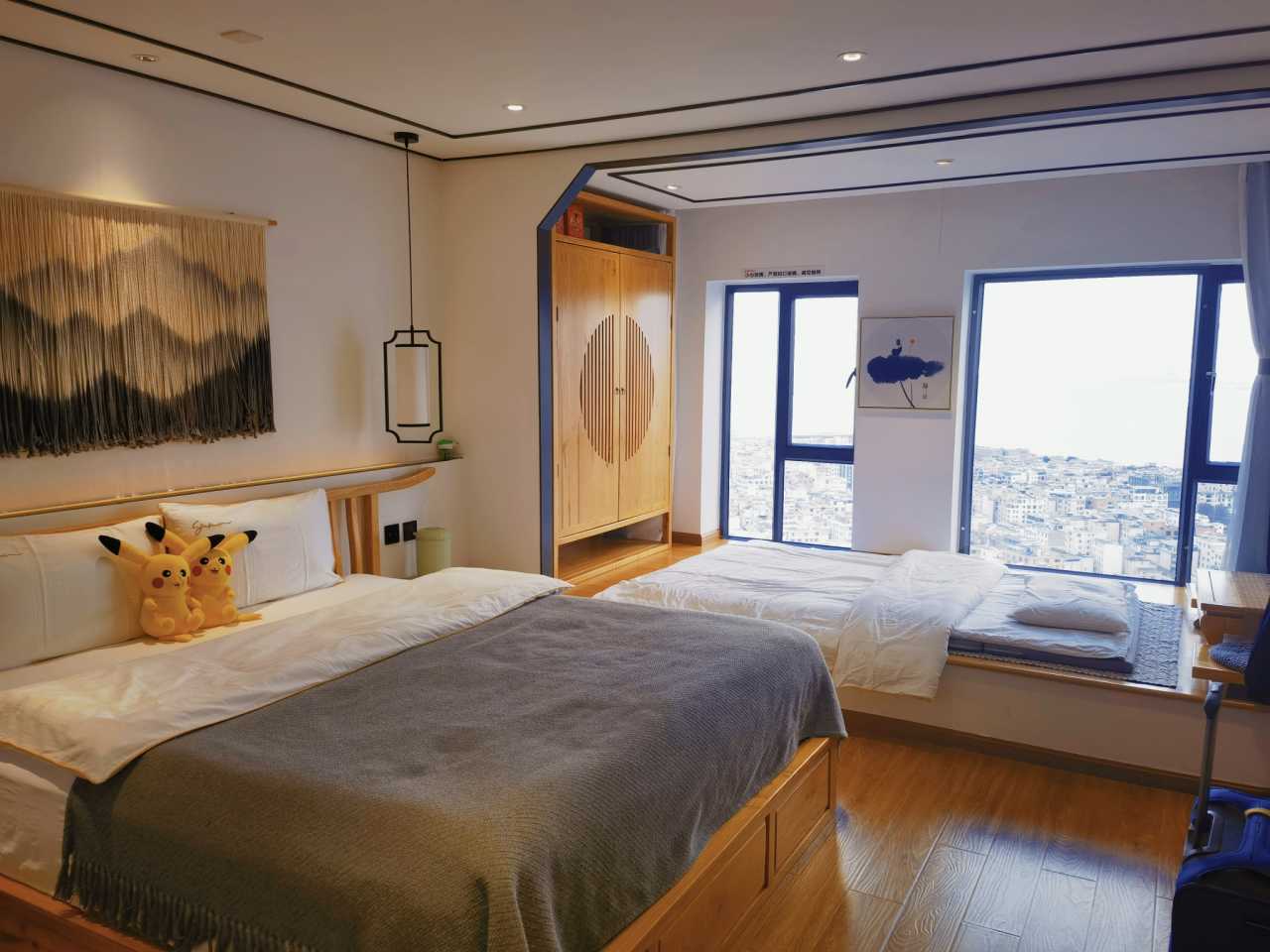
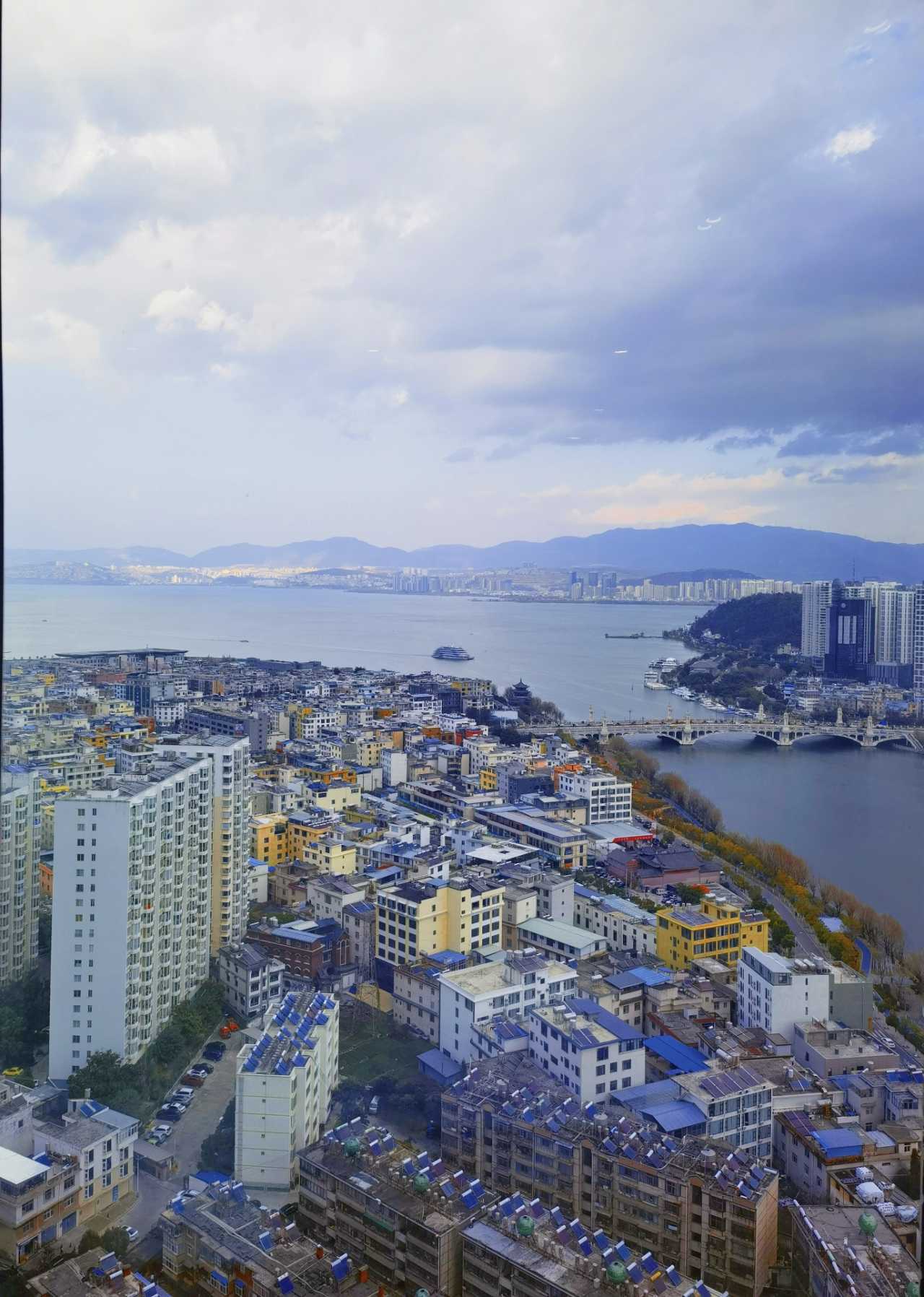
There's no direct high-speed train from Jianshui to Dali, so we had to transfer through Kunming first. My suitcase was stuffed with down jackets—in Yunnan, you're caught in a constant dilemma: take them off and you're cold, put them on and you sweat, and if the wind catches you, you risk a relapse. It was a full-blown wardrobe battle. As I dragged our luggage across a pedestrian bridge, my heart pounded and my breathing grew rapid. Dali sits at less than 2,000 meters above sea level, but my weakened body made me feel like I was experiencing altitude sickness. Fortunately, our guesthouse window faced Erhai Lake. One look at the shimmering water instantly healed all my exhaustion. The owner had thoughtfully prepared flower cakes and yogurt for us. At that moment, I felt alive again.
Chapter One: Dali—The Beauty and Brutality of Wind, Flowers, Snow, and Moonlight
Xizhou Ancient Town: A Rain-Soaked Celebration of "Xi" (Happiness)
The next day, A-Fu's father flew in from Tianjin to join us. We rented a car, and our western Yunnan adventure truly began. Our first stop was Xizhou Ancient Town, the birthplace of Dali's Bai culture and a settlement with a history stretching back to the Sui and Tang dynasties. But the weather had other plans—it started raining halfway there. Not a heavy downpour, but enough to make umbrellas feel fussy and going without them miserable. We chose to tough it out, and regretted it the entire way.
The character "Xi" (喜, meaning happiness) was everywhere in Xizhou: Xizhou popsicles were called "Xi-sticks"; the iconic corner building was packed with tourists snapping photos; even the memorial archway was inscribed with "Timing Archway" (题名坊), listing the names of Ming dynasty scholars who passed the imperial exams—a testament to the town's deep cultural heritage. The rain grew heavier, and we ducked into a milk tea shop, watching through the window as soaked tourists huddled under wooden archways. Suddenly, I understood what it meant to feel "carefree and at ease."
The moment the rain stopped, the sun came out, as if it had waited just to drench us. A-Fu's dad called it Dali's "welcome ceremony."
East Shore Road Trip: A Game of Hide-and-Seek with Wind and Sun
On the third day, we drove along the eastern shore of Erhai Lake. The coastal road was stunning—Erhai Lake on one side, Cangshan Mountain on the other. But winter in Dali is ruled by the wind. When the sun hid behind clouds, the wind made you shiver; the moment it peeked out, you'd break into a sweat. No wonder Dali's streets are lined with stalls selling shawls—they block the wind and the sun.
We stopped at Wencun Village, once a small fishing village, now a trendy photo spot. Rainbow-colored roads were lined with succulents, thriving in the subtropical climate. A-Fu's photography skills surprised me—every shot looked like a postcard. The Sea Chapel, a popular wedding photoshoot location, had a sign reading "Entrance requires purchase of a drink." We had just had coffee in the cold wind, so we could only glimpse it from outside—but even that brief glimpse was breathtaking.
Shuanglang is the highlight of the eastern shore. "Dali's beauty lies in Cangshan and Erhai, and their beauty culminates in Shuanglang"—this saying is no exaggeration. Yang Liping's Sun Palace and Moon Palace are located here. The Sun Palace has been converted into an art space requiring reservations, so we missed it. The Moon Palace is not open to the public—Yang Liping still lives there. Shuanglang has many steps, and with my recent illness, I felt drained after walking just a short distance. But every time I looked up, the scenery was healing. It was worth it.
Erhai Park: A-Fu's Slide Paradise
A-Fu's dad was oddly attached to Erhai Park, visiting it twice and still wanting more. I later found the answer in his videos—there were two large slopes on either side of the park's steps, and A-Fu turned them into slides, going down over and over again. By the end, her down jacket was so dirty it couldn't be washed clean. A child's happiness is that simple.
Chapter Two: Baoshan—A Different Kind of New Year in a Foreign Land
Yiluo Pond: History Amidst Scenic Beauty
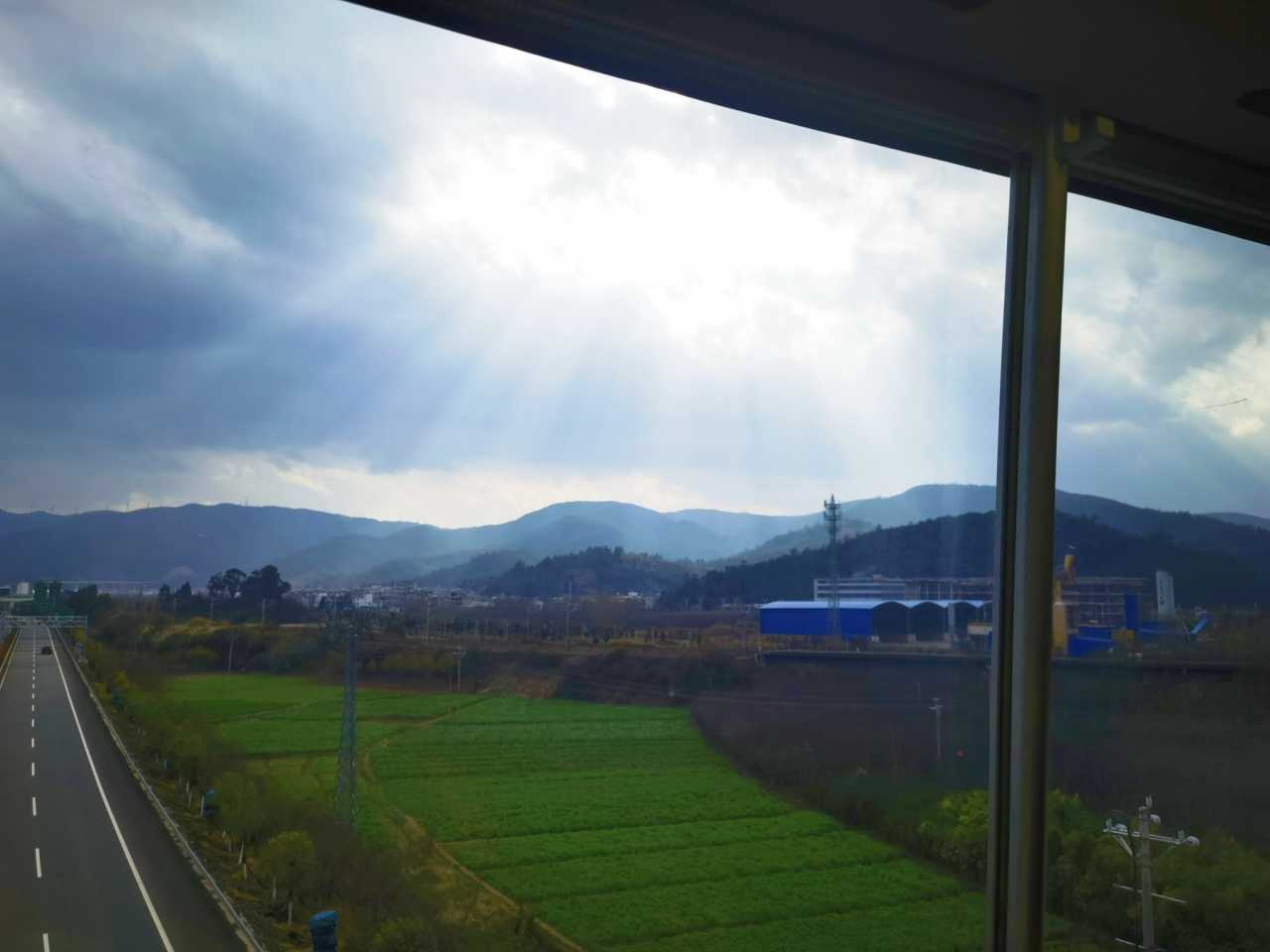
On the 29th day of the lunar month, we drove two and a half hours from Dali to Baoshan. The highway wound through mountains with endless curves. A-Fu's dad drove fast, and I kept muttering, "Slow down." He later joked, "Other people drive fast because their wives aren't beside them saying 'slow down.'"
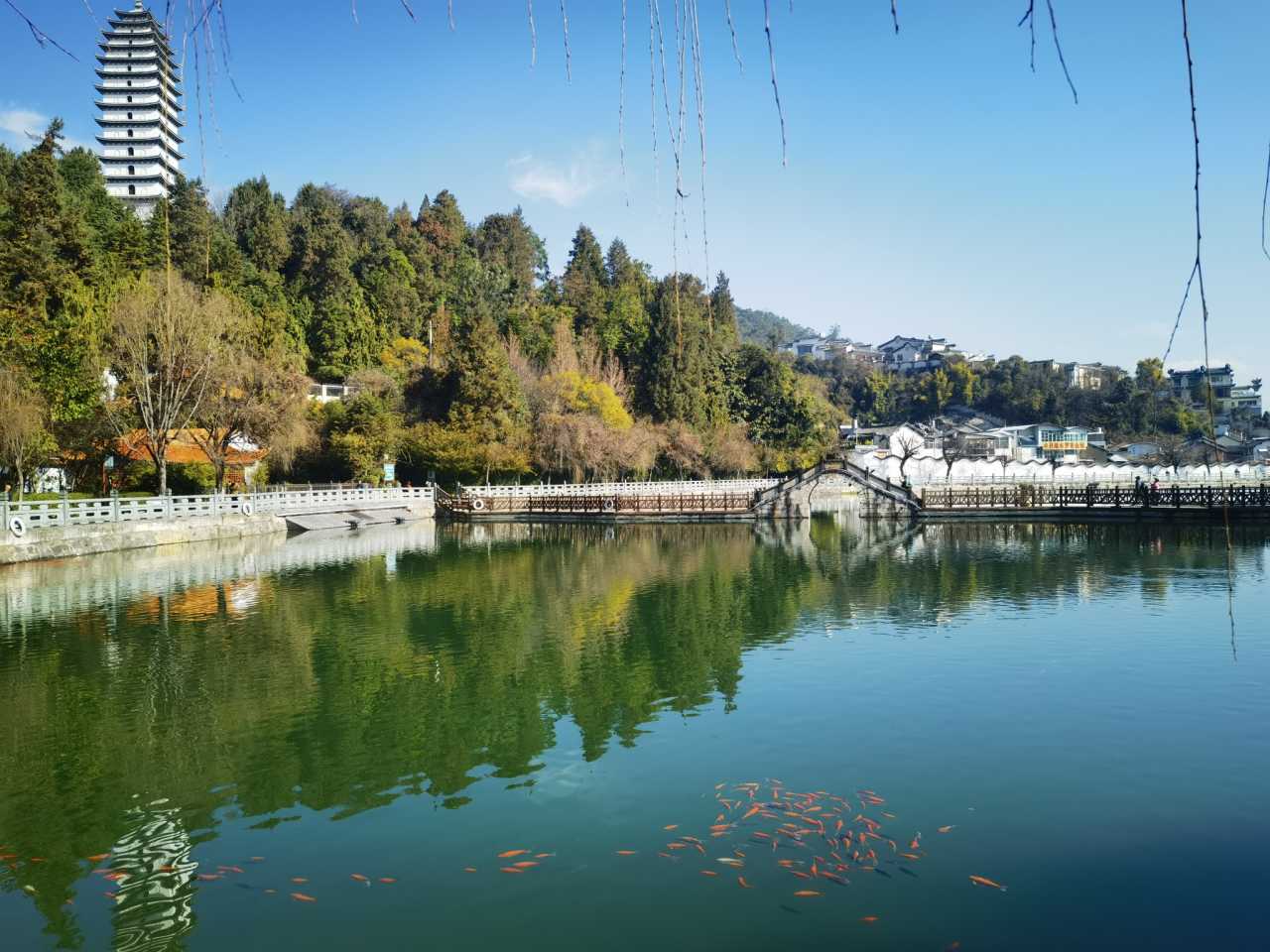
Baoshan was colder than I expected—colder inside than outside. As someone from the north, I was shivering uncontrollably. A-Fu's dad suggested a walk to Yiluo Pond, originally called Jiulong Pond, named after Jiulong, the king of the ancient Ailao Kingdom that existed before the Han dynasty. To my surprise, the place was beautiful—green hills and clear water, with the Wembi Pagoda (a post-Cultural Revolution replica of a Tang dynasty original) in the distance, and the "Monument to the Fallen in the Western Yunnan People's Anti-Japanese War" by the pond, commemorating soldiers who died in the Western Yunnan Campaign. The pond was teeming with fish—throw in a piece of bread, and they'd fight over it. Winter jasmine was already blooming, as if heralding the arrival of spring.
New Year's Eve: Zoo, Family Dinner, and Fireworks

On New Year's Eve, we visited the Baoshan Zoo—my first time at a zoo built into a mountain, where you had to climb stairs just to see the animals. The smell was overwhelming; I nearly threw up. I barely took any photos, too busy fighting nausea. But the kids were thrilled—A-Fu and her little cousin Yuanbao played with abandon.
That evening, we had the reunion dinner. A-Fu's dad hadn't seen his parents and brother in five years, and this Baoshan gathering also introduced little Yuanbao. We had to wear down jackets indoors; I was the only one. Halfway through the Spring Festival Gala, a headache set in. I tried a pain patch, but it didn't help. Lying down made my head throb; sitting up left my back cold. I was caught in a dilemma. Finally, as fireworks exploded and firecrackers crackled outside, the Year of the Dragon arrived—and I fell asleep.
New Year's Day: Doing Nothing and Meituan Delivery
On the first day of the New Year, my headache persisted. A-Fu's dad ordered acupuncture needles via Meituan delivery and gave me a treatment. Throughout this trip, I had been buying medicine nonstop—from Kunming to Jianshui, Jianshui to Dali, and now Baoshan. Meituan's slogan isn't wrong: "Delivery is always fast."
That evening, word spread that there would be a fireworks show at Yongzi Tower, but the crowds were insane. A-Fu's dad took A-Fu to see it, but they came back with nothing—just a sea of people. Lying in bed, I thought: for the first time in over thirty years, I was spending the New Year away from home. Something felt missing. We had paid respects, eaten well, but it just didn't feel like the New Year.
Chapter Three: Tengchong—Slow Time in Heshun Ancient Town
Heshun Ancient Town: 600 Years of Diaspora Memory
On the second day of the New Year, we set off for Tengchong. Heshun Ancient Town, with over 600 years of history, is one of Yunnan's most famous hometowns of overseas Chinese. During the Spring Festival, the town was decked out in festive decorations, perfect for photos. But the crowds were overwhelming, and finding a parking spot took considerable effort.
A-Fu spotted a strawberry field near the entrance and insisted on picking strawberries. Her grandmother, who hadn't seen her granddaughter in years, immediately granted the wish. So for the rest of the tour, grandma carried a bag of strawberries—an extra burden.
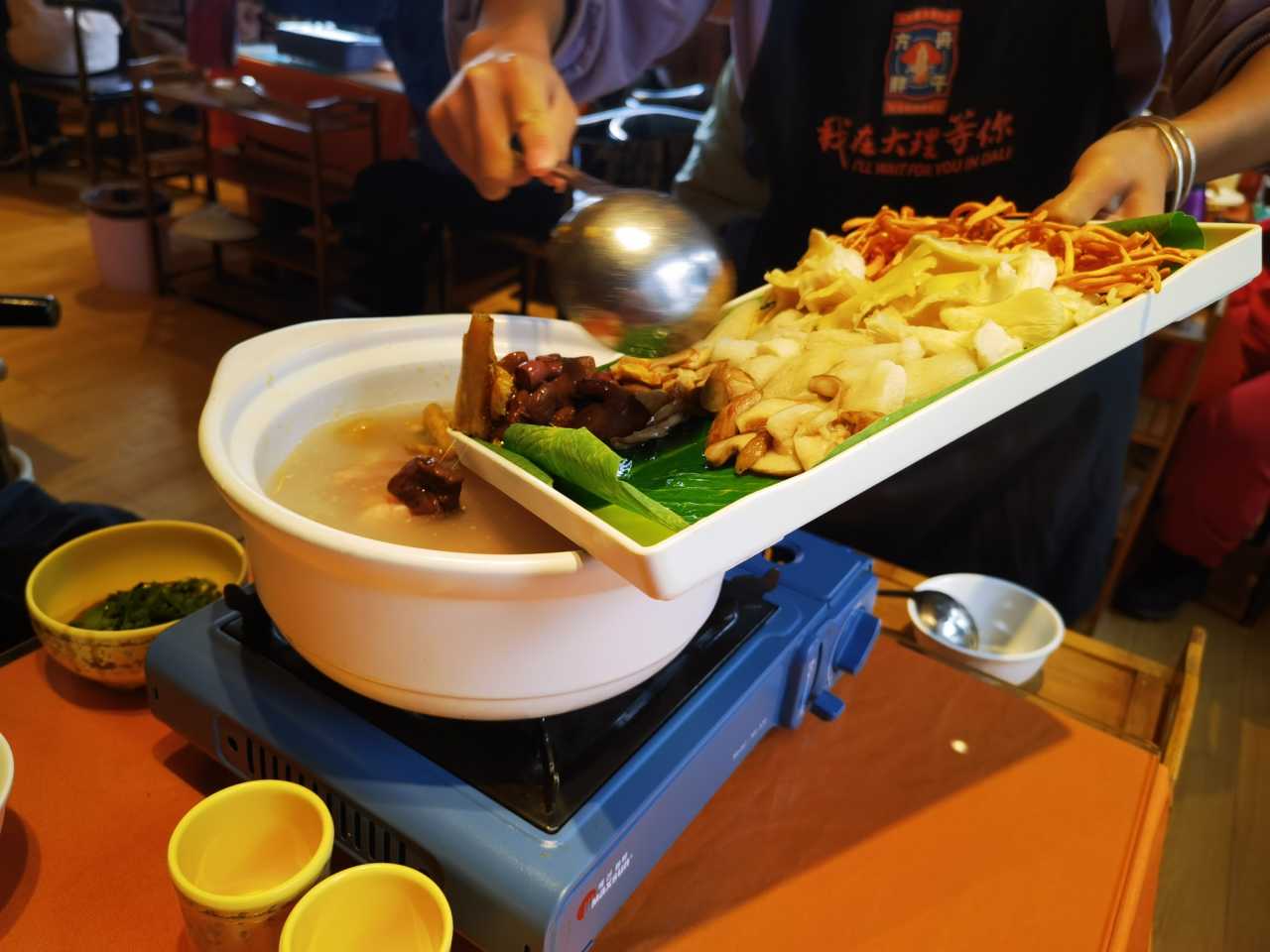
Heshun's streets were filled with the aroma of flower cakes and coffee. One small restaurant's menu caught our eye with the bold words "The Imperial Rescue" (大救驾). It turned out to be stir-fried rice cakes (饵块), said to have once saved the Ming emperor Yongli from starvation. The dish was tasty, but the portion was enormous—we couldn't finish it.
The Family Traditions Corridor and Braided Hair
By Wild Duck Lake, there was a Family Traditions Corridor (家风长廊) engraved with Heshun proverbs: "In poverty, go to the barbarian lands or the factories. After Frost's Descent, find your own direction. When the catalpa tree blooms, the wanderer returns. Three generations without education, and you're no better than a pig." These sayings reflect Heshun's tradition of "going to the barbarian lands" (走夷方)—traveling to Xishuangbanna, Simao, Dehong, and even Myanmar and Thailand for business—and their deep respect for education.
A-Fu had been dreaming of getting her hair braided since Dali, and she finally made it happen in Tengchong. It was the New Year, after all, and grandma granted every wish. A-Fu's dad mentioned that there was a "Thousand-Armed Guanyin" ancient tree cluster nearby, but it required a 2-4 kilometer walk. I decisively declined—still recovering from illness, I couldn't handle it.
Heshun Library: China's Largest Rural Library
Founded in 1928, Heshun Library was established with donations from overseas Chinese in Myanmar. It houses inscriptions by cultural luminaries like Hu Shih and Xiong Qinglai and is hailed as the largest rural library in China. Unfortunately, we didn't have time to visit. This became one of the trip's biggest regrets.
Chapter Four: Mangshi and Ruili—Exotic Flavor on the Border
Mangshi: Slow Life Under the Golden and Silver Pagodas
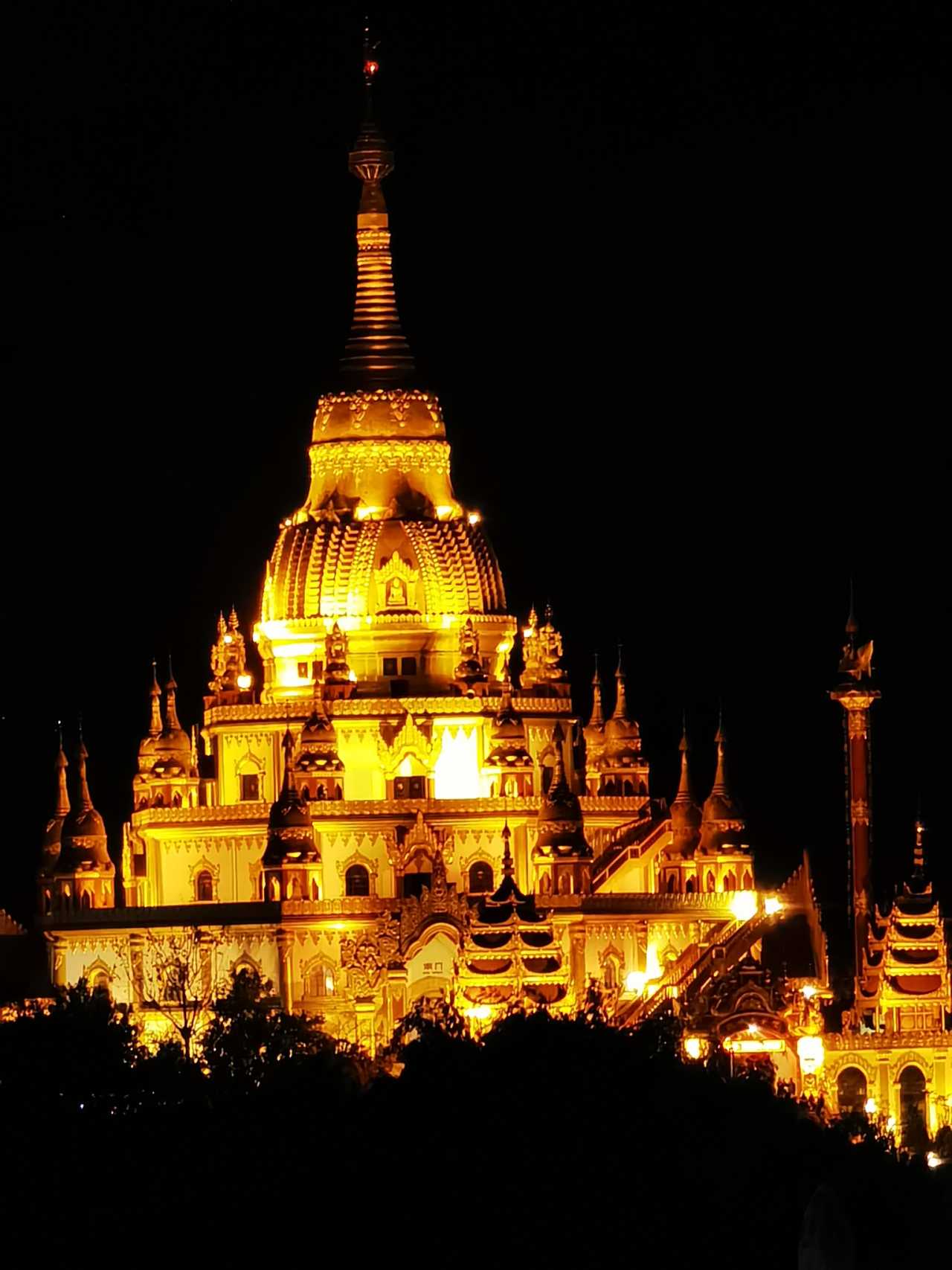
Mangshi's most famous attractions are the Meng Huan Golden Pagoda and the Silver Pagoda. The Golden Pagoda gleams with an imposing grandeur, one of Asia's largest hollow Buddhist stupas. The Silver Pagoda, pure white like jade, sparkles under the sun. Climbing to the top offers a panoramic view of Mangshi—rolling green mountains in the distance, and the rooftops of Dai villages below.
Mangshi's night market is lively, with an array of snacks: 泡鲁达 (coconut milk with crispy bread and sago pearls), 柠檬撒撇 (lemon rice noodle salad), grilled fish, barbecue... The 泡鲁达 is a Yunnan specialty—sipping it feels like being transported to Southeast Asia.
Ruili: One Village, Two Countries—Life on the Border
Ruili is separated from Myanmar by just a river. Many places here are "one village, two countries." The most famous is the "One Village, Two Countries" scenic area, where a single village straddles China and Myanmar. Villagers from both sides share a well and a road. Stand by the border marker, and your phone signal might jump to Myanmar.
Ruili's jewelry market is famous, but it's easy to get cheated if you don't know your gems. We just strolled around, soaking in the unique border atmosphere. A-Fu was fascinated by the snacks Myanmar children were eating, so we bought a few packs. They were surprisingly good.
Epilogue: Winter in Western Yunnan—A Battle Between Wind and Sun
Our twelve-day journey through western Yunnan—from Dali's wind, flowers, snow, and moonlight, to Baoshan's unique New Year atmosphere, to Tengchong's slow-paced ancient town, to the exotic borderlands of Mangshi and Ruili—each stop had its own scenery and stories.
This trip taught me to coexist with wind and sun. Dali's wind could knock you off balance, but it couldn't blow away the beauty of Erhai Lake. Baoshan's cold made you shiver, but it couldn't freeze the warmth of reunion. Tengchong's rain left you drenched, but it couldn't dampen the charm of the ancient town.
A-Fu grew up a lot during this journey. She learned to take photos, to braid her hair, to share toys with her little cousin. And I learned to persevere through illness, to find joy in adversity, and to spend the New Year away from home by turning my longing for family into gratitude for the time we had together.
If you're planning a New Year trip to western Yunnan, keep these tips in mind:
- Stay warm: Yunnan's temperature swings are dramatic. Bring both a down jacket and sunscreen.
- Drive yourself: Attractions are spread out, so renting a car is the most convenient option. But the mountain roads are winding—drive carefully.
- Book ahead: Popular spots like Sun Palace require advance reservations.
- Go with the flow: The weather is unpredictable—rain and sun can switch in an instant. Keep your expectations flexible.
Winter in western Yunnan may not be its most beautiful season, but it's the most flavorful. The wind carries the scent of flowers, the sunlight holds warmth, and the rain brings stories. Next time, I want to return in summer—to see the metasequoia forests turn green, to watch the seagulls leave Erhai Lake and enjoy the quiet, to stroll through Heshun's lotus ponds.
But no matter what, the 2024 Spring Festival in western Yunnan has been etched into my memory. It was the most unique New Year I've ever had.
You should also read:

Into the Hidden Valley: A Solo Journey Through the Mysterious Dulong River
Into the Hidden Valley: A Solo Journey Through the Mysterious Dulong River Deep in the northwestern corner of Yunnan Province, tucked away from the modern world, lies a place that feels like a secret whispered among mountains. The Dulong River Valley is not just a…
Continue reading...
God’s Abandoned Palette: A Self-Drive Journey Through Yunnan’s Dongchuan Red Land
God’s Abandoned Palette: A Self-Drive Journey Through Yunnan’s Dongchuan Red Land Travel has never been about reaching some distant geographic coordinate. It’s about encountering, along the way, the version of yourself buried beneath the rubble of daily routine. During this May Day holiday, I finally…
Continue reading...
Body in Hell, Heart in Heaven: A Pilgrimage Through Tiger Leaping Gorge — A Dialogue Between Heaven and Earth
Body in Hell, Heart in Heaven: A Pilgrimage Through Tiger Leaping Gorge — A Dialogue Between Heaven and Earth Introduction: When the Gorge Splits Open Beneath Your Feet Some say Tiger Leaping Gorge is the closest place on Earth to the border between "hell" and…
Continue reading...