Into the Hidden Valley: A Solo Journey Through the Mysterious Dulong River

Into the Hidden Valley: A Solo Journey Through the Mysterious Dulong River
Deep in the northwestern corner of Yunnan Province, tucked away from the modern world, lies a place that feels like a secret whispered among mountains. The Dulong River Valley is not just a geographical location—it's a living legend. Here, the river roars through gorges carved by millennia, mist clings to ancient forests, and the Dulong people carry the memory of their ancestors on their faces, literally. Their tradition of facial tattooing, now nearly extinct, marks them as one of China's most enigmatic ethnic groups.
This is not a destination for the faint of heart. It's a place where the calendar doesn't matter as much as the weather, where roads vanish under snow for half the year, and where every step forward is a negotiation with nature. But for those willing to endure the hardship, the reward is an encounter with raw, untamed beauty and a culture that has survived against all odds.
Understanding the Dulong River Valley
Geography and Climate
The Dulong River originates in the snow-capped peaks of the Boshula Mountains in Tibet, where it begins as the Keluoluo River. After merging with the Mabiluo River, it becomes the Dulong, flowing for over 250 kilometers within China before crossing into Myanmar, where it joins the Enmeikai River. Within Yunnan, the river runs for about 80 kilometers, draining a watershed of nearly 2,000 square kilometers.
The valley is flanked by two massive mountain ranges: the Dandanglika Mountains to the west, rising to over 4,000 meters, and the Gaoligong Mountains to the east, peaking above 5,000 meters. These parallel ranges create a dramatic topography where climate zones shift from subtropical at the valley floor to alpine at the peaks within a single day's hike.
One of the most unusual features of this region is its precipitation pattern. Unlike other river valleys in Yunnan that experience dry winters, the Dulong Valley receives rain almost year-round. There are actually two rainy seasons: February through April and June through October. May and September often bring brief respites, making them the most favorable windows for travel.
When to Go
Here's the hard truth: the Dulong Valley experiences rain or snow approximately two-thirds of the year. From December through June, the passes are sealed by snow, sometimes reaching depths greater than a person's height. During this period, the valley is completely cut off from the outside world.
The optimal windows for visiting are June and September. During these months, the passes are clear of snow, rainfall is relatively light, vegetation is lush, and the rivers run clear (they turn muddy after heavy rain). Importantly, snakes, leeches, and other unpleasant creatures are less active during these periods, making the trek significantly more manageable. The snow typically doesn't fully melt from the passes until late June.
Getting There and Back

The Journey In
There are no direct buses from Kunming or Dali to Gongshan, the gateway town to the Dulong Valley. You'll need to transfer through Liuku, the capital of Nujiang Prefecture.
Kunming to Liuku (581 km): - The Xiyuan Bus Station in Kunming runs three daily services: a 9:00 AM express bus (air-conditioned, 138.5 yuan), plus 6:00 PM and 7:00 PM departures (128.5 yuan). - The Nanyao Bus Station has one daily departure at 6:30 PM (0871-3544517). - The West Station also runs a 6:00 PM bus (0872-2125532).
Dali to Liuku: Buses run daily from Xiaguan (Dali's transport hub) to Liuku, taking about 8 hours and costing 35 yuan.
Liuku to Gongshan: Buses depart every 30 minutes between 6:20 AM and 12:00 PM, with a fare of 42 yuan per person.
The Journey Out
Returning follows the same route in reverse. Gongshan's bus station (0886-3511496) runs services to Liuku every 40 minutes from 6:00 AM to 10:00 AM, costing 41 yuan. From Liuku, direct overnight buses to Kunming depart at 6:00 PM and 7:00 PM (139 yuan).
The Route: A 16-Day Odyssey
Day 1: Guangzhou to Dali to Liuku
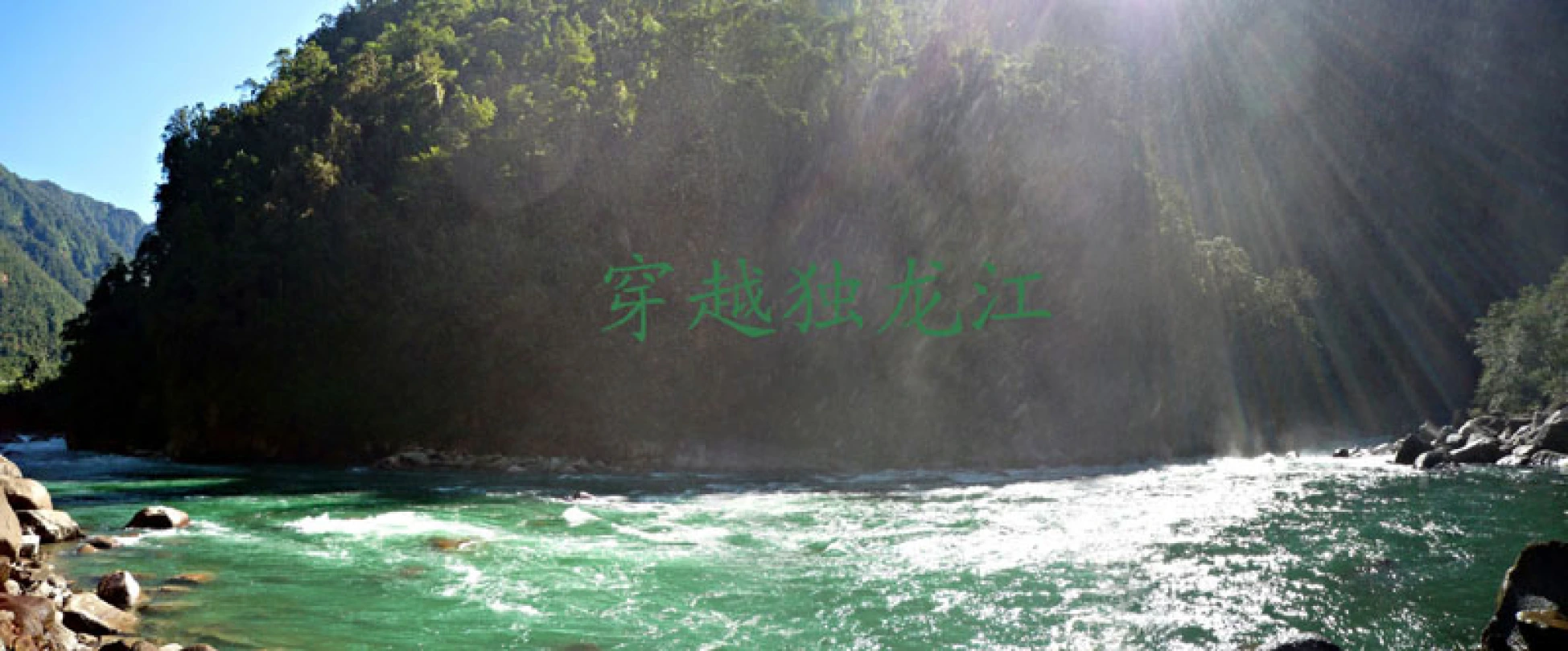
The journey began with an early morning flight from Guangzhou to Dali, arriving just after noon. In Xiaguan, we met the rest of the team: Lao Duan, Yuan Hua, and Qing Ting (our lone female member). One teammate, Po Dao, missed his flight and was forced to take a train—a sign of things to come.
After a rushed lunch and water refills, we boarded a bus for Liuku at 2:00 PM. The driver demanded an extra 5 yuan for the expressway, a minor extortion we accepted without argument. The route took us through a small Hui Muslim town, where a magnificent mosque perched on a hillside reminded us of the region's diverse cultures. We crossed the Lancang River, which in autumn looked indistinguishable from the Yellow River—muddy and swollen. By evening, we emerged from the mountains into Liuku, where the Nujiang River also ran brown, a casualty of development.
After checking into a guesthouse, we endured a dinner accompanied by a local's off-key karaoke performance. Later, we watched the Shenzhou VII spacecraft launch on a street-side TV and strolled along the Nujiang's banks. The night ended with a minor disaster: Lao Duan's secret stash of condensed milk exploded in his backpack, coating everything in a sticky film. He initially thought his new bag had delaminated—a moment of panic that dissolved into laughter.
Day 2: Liuku to Gongshan
We caught a 9:30 AM bus to Gongshan. An hour and a half into the journey, the bus broke down. While waiting, I walked to a nearby village, bought some卤蛋 (spiced eggs) and tomatoes, and sat by the roadside. The eggs were likely laced with melamine—but when you're hungry, you take your chances.
The repair took three hours. We didn't arrive in Gongshan until 9:00 PM. A local recommended a newly opened youth hostel called Lamuladang. After dropping our bags, we headed to dinner. The owner was a talkative woman who engaged Lao Duan, our team's self-proclaimed raconteur, in a battle of wits. He lost. Badly. For the first time in his traveling life, he was rendered speechless, retreating to bed in defeat.
Day 3: Gongshan to Bingzhongluo
Morning found us exploring a small village across the Nujiang River from Gongshan, enjoying panoramic views of the town. By noon, Po Dao finally arrived, looking appropriately disheveled. After lunch and a supply run, we headed to Bingzhongluo, where we were forced to pay a 50-yuan "scenic fee" to see the First Bend of the Nujiang—a sight that felt vastly overpriced given the season's muted colors.
That evening, we visited Bingzhongluo's only bar, run by a man nicknamed "Ma Huang" (Leech). He showed us his photos and warned us about the leech-infested trail from Zha'en to Mudang. His advice was sobering: "Even horses can't make it through there."
A text message arrived with bad news: a female hiker from our online group had fallen and injured her arm on the Dulong trail. She had been rejected from our expedition but went anyway. The news cast a shadow over the evening. We worried about Qing Ting, our only female member, and wondered what we had gotten ourselves into.
Day 4: Bingzhongluo to Zha'en
We rented a truck to Zha'en for 50 yuan per person—double what locals pay, but we had no bargaining power. The road clung to cliffs above the raging Nujiang, each bend revealing a view more dramatic than the last. We passed a marker for the Songta Hydropower Station, a reminder that this wild river may soon be tamed.
At Zha'en (elevation 1,800 meters), we failed to hire horses and had to carry our gear across the river and up the hill. The village was perched on the opposite slope, and we struggled to find our contact, a man named Zala. After Lao Duan walked into two doorframes (head injuries: 2), we finally found the right house.
That night, we slept on the rooftop under the stars. Po Dao managed to trip over a wire four times in the darkness, nearly demolishing the awning. The Milky Way stretched overhead, a reminder that despite all the frustrations, we were exactly where we needed to be.
Day 5: Zha'en to the Dulong River Crossing
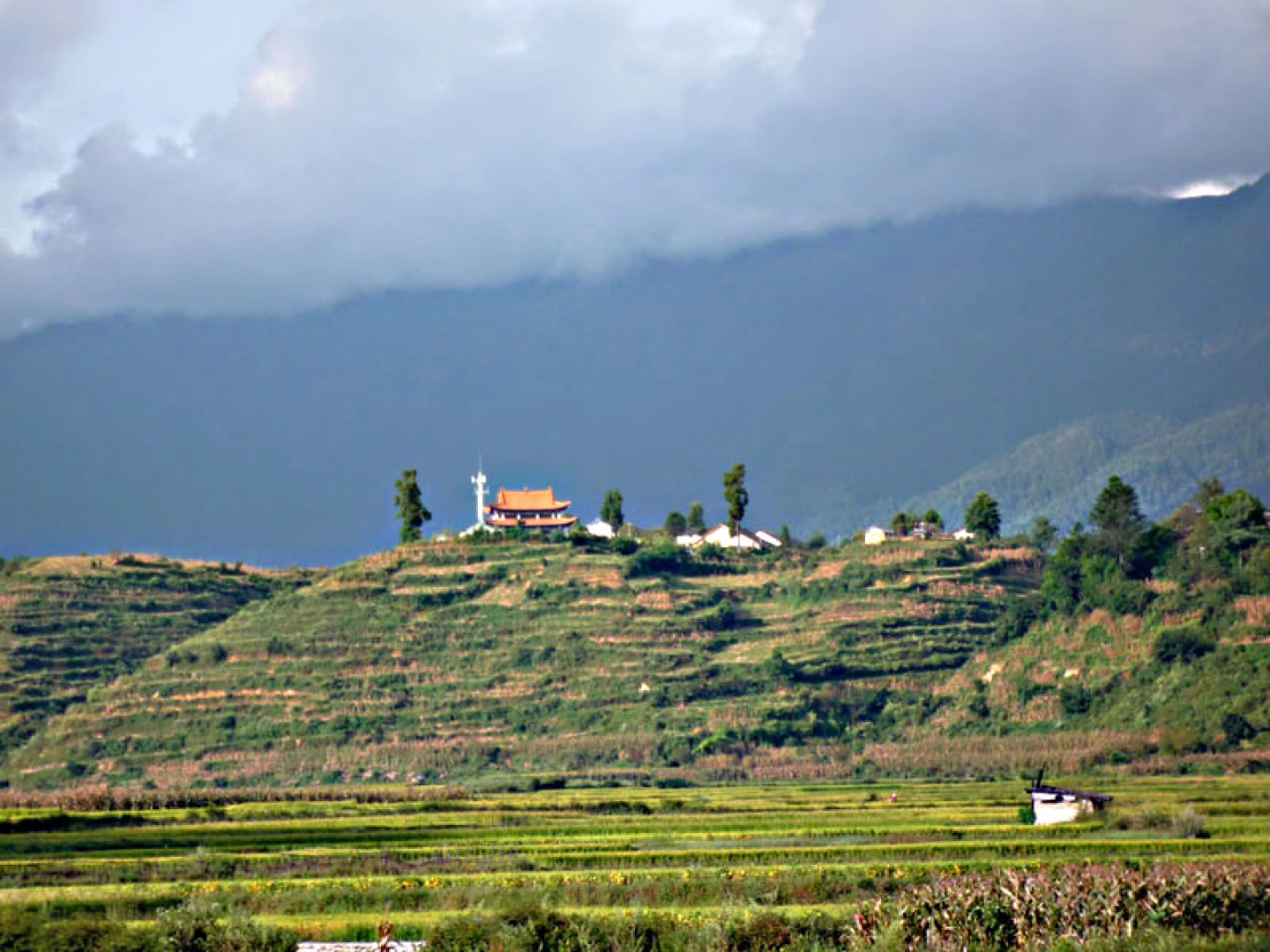
We woke before dawn, packed in silence, and began the descent toward the river. The trail was barely visible—just a faint scar through the jungle, marked by occasional prayer flags that had faded to white. Leeches appeared within the first hour, drawn by our warmth. We stopped every few minutes to peel them off, leaving bloody spots on our ankles.
By midday, we reached the riverbank. The crossing was treacherous: a single log bridge slick with moss, spanning a churning torrent. We crossed one by one, packs held high, holding our breath. On the far side, we collapsed onto a gravel bar, hearts pounding. The real journey had begun.
Day 6: Into the Heart of the Valley
The trail climbed steeply away from the river, entering a forest of ancient rhododendrons and moss-draped oaks. The air grew thin and cold. We passed abandoned settlements—stone foundations and rusted tools, remnants of a time when the Dulong people lived in scattered hamlets rather than the centralized villages of today.
That night, we camped in a clearing. Qing Ting cooked a simple meal of noodles and dried vegetables. We sat in a circle, sharing stories by headlamp. Yuan Hua told us about the Dulong creation myth: how the first man and woman emerged from a gourd, and how the mountains were formed from the bones of a giant serpent. The fire crackled. The forest breathed around us.
Day 7: The Highest Pass
The pass stood at 3,800 meters, a saddle between two peaks that seemed to scrape the sky. The final ascent was brutal—switchbacks through loose scree, each step sending rocks tumbling into the abyss. At the top, we paused. The view was staggering: row after row of mountains, fading into mist, with the Dulong River a silver thread far below.
We descended into a valley of waterfalls. Water poured from every cliff face, creating a constant roar that drowned out all thought. By evening, we reached a small Dulong village, where we were welcomed into a wooden house. The family offered us butter tea and roasted barley flour. We slept on the floor, wrapped in our sleeping bags, listening to the rain on the roof.
Day 8: The Tattooed Faces
We met A-Po, an elderly woman whose face was covered in the traditional Dulong tattoos. Through a translator, she told us her story: as a girl, she had been captured by a neighboring tribe and forced to marry. The tattoos, she explained, were meant to make her ugly so that other men would not want her. Now, she said with a laugh, the tourists pay to photograph her.
Her granddaughter, a young woman in jeans and a hoodie, rolled her eyes. "She tells this story to everyone," she said in Mandarin. "But she also says the tattoos were beautiful, a sign of womanhood. It's complicated." We bought a few handmade crafts and left, carrying the weight of that complexity with us.
Day 9: The Mudang Trail
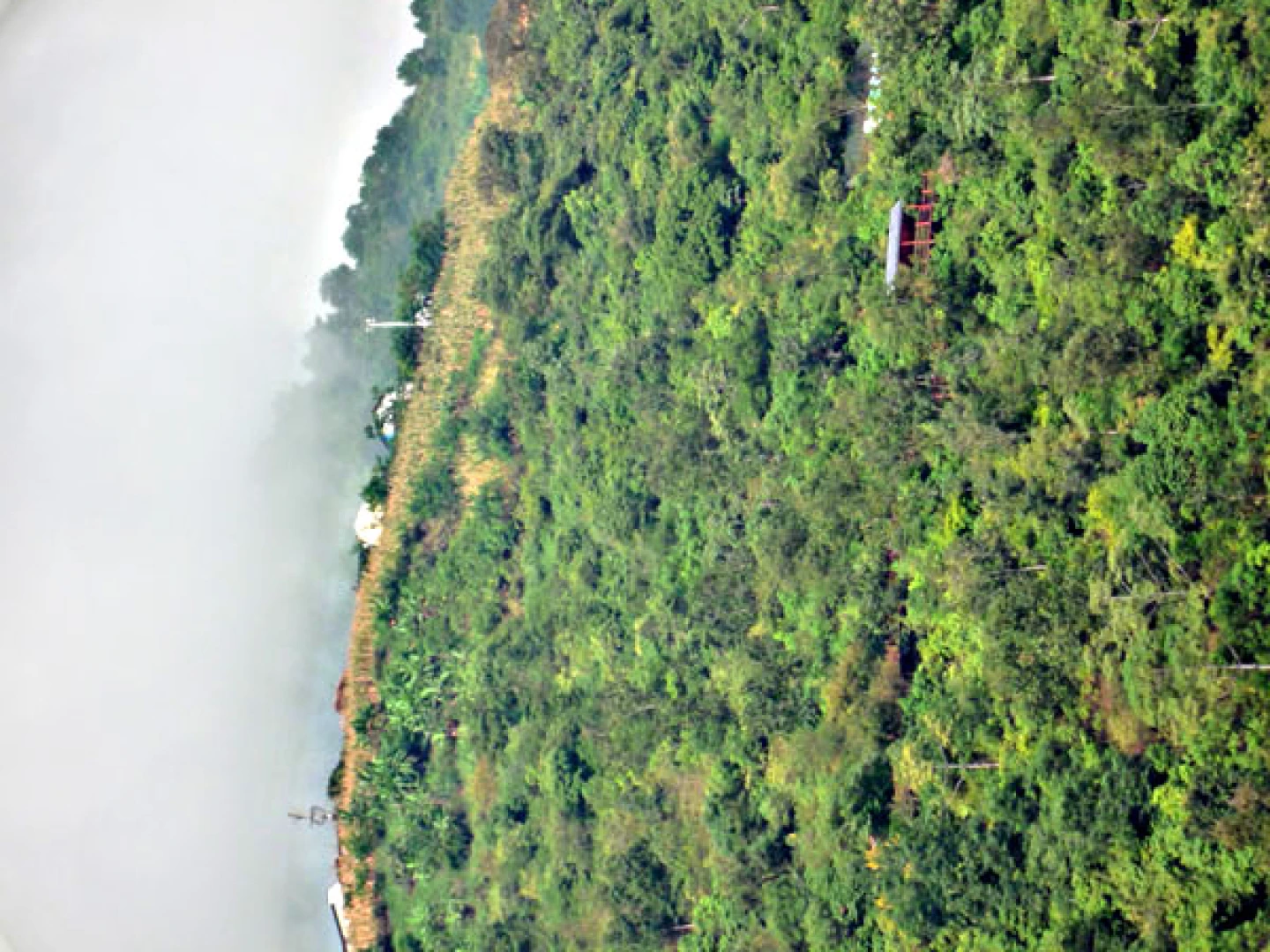
The trail to Mudang was everything the bar owner had warned us about. Leeches dropped from the trees, landed on our necks, and burrowed into our socks. The path was a quagmire of mud and rotting vegetation. We slipped, fell, and got back up. By noon, we were caked in filth.
But the valley opened up in ways we hadn't expected. Waterfalls plunged hundreds of meters into turquoise pools. Wildflowers bloomed in impossible colors. A family of monkeys watched us from a distance, chattering in disapproval. We crossed the river three times on rickety bridges, each crossing a small triumph.
Day 10: Mudang to the Main Road
The final stretch was a gravel road, newly built, that connected the valley to the outside world. A construction truck gave us a ride, bouncing over potholes and landslides. The driver told us about the new tunnel being built through the mountains. "Next year, you won't have to walk," he said. "You can take a bus."
We didn't know whether to celebrate or mourn.
Day 11: Return to Gongshan
Back in Gongshan, we showered, ate hot food, and slept in real beds. The next morning, we split up. Yuan Hua and Qing Ting headed south. Lao Duan, Po Dao, and I took a bus back to Liuku, then onward to Kunming. The journey ended as it began: in a bus station, eating instant noodles, watching the world go by.
Reflections
The Dulong Valley is a place that resists easy description. It is beautiful and brutal, ancient and changing. The faces of the tattooed women are fading, the forests are being logged, and the roads are reaching deeper into the mountains. But the river still roars, the mist still clings to the peaks, and the Dulong people still tell their stories.
If you go, go soon. And go prepared. The valley will test you—your body, your patience, your spirit. But if you pass the test, you will carry a piece of it with you forever.
You should also read:

Solo in Yunnan: A Wanderer’s Guide to the Land of Eternal Spring
Solo in Yunnan: A Wanderer’s Guide to the Land of Eternal Spring There’s something magical about traveling alone. No compromises, no schedules to keep, no one to please but yourself. I’ve been on the road for nearly three months now, and not once have I…
Continue reading...
God’s Abandoned Palette: A Self-Drive Journey Through Yunnan’s Dongchuan Red Land
God’s Abandoned Palette: A Self-Drive Journey Through Yunnan’s Dongchuan Red Land Travel has never been about reaching some distant geographic coordinate. It’s about encountering, along the way, the version of yourself buried beneath the rubble of daily routine. During this May Day holiday, I finally…
Continue reading...
Body in Hell, Heart in Heaven: A Pilgrimage Through Tiger Leaping Gorge — A Dialogue Between Heaven and Earth
Body in Hell, Heart in Heaven: A Pilgrimage Through Tiger Leaping Gorge — A Dialogue Between Heaven and Earth Introduction: When the Gorge Splits Open Beneath Your Feet Some say Tiger Leaping Gorge is the closest place on Earth to the border between "hell" and…
Continue reading...