A Northwest Yunnan Travelogue|Listening to the Wind by Lugu Lake, Searching for History in Jianchuan, Emptying My Mind in Shaxi Ancient Town, and Riding Through the Jade Lake Village
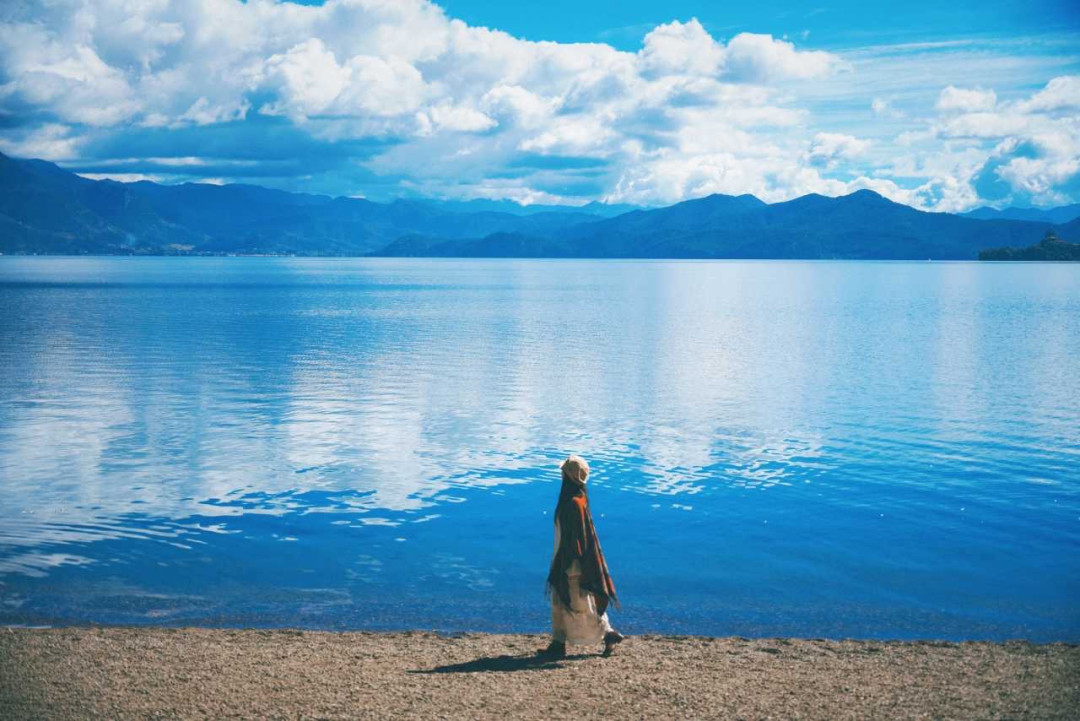
A Northwest Yunnan Travelogue|Listening to the Wind by Lugu Lake, Searching for History in Jianchuan, Emptying My Mind in Shaxi Ancient Town, and Riding Through the Jade Lake Village
A Long-Awaited Reunion
Some places, once seen, take root in your heart and never let go.
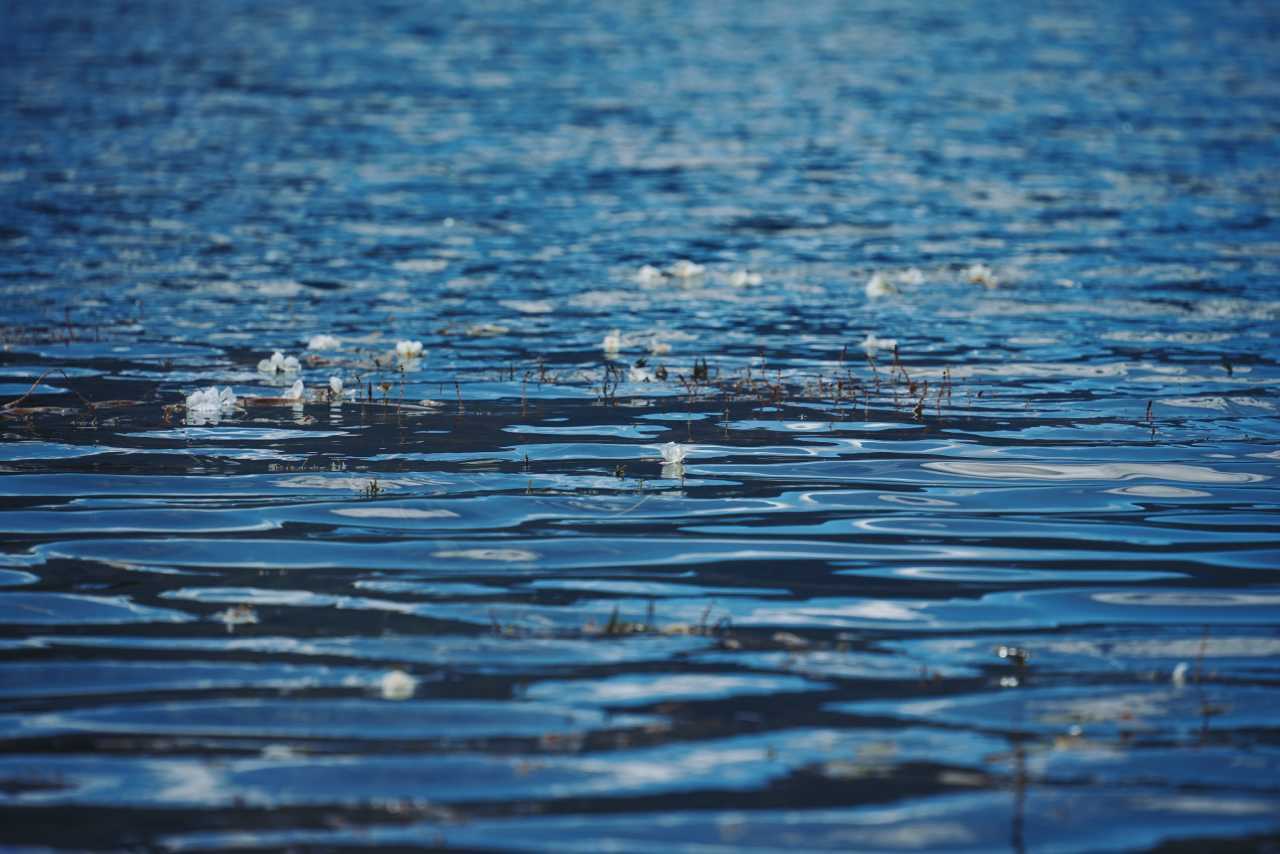
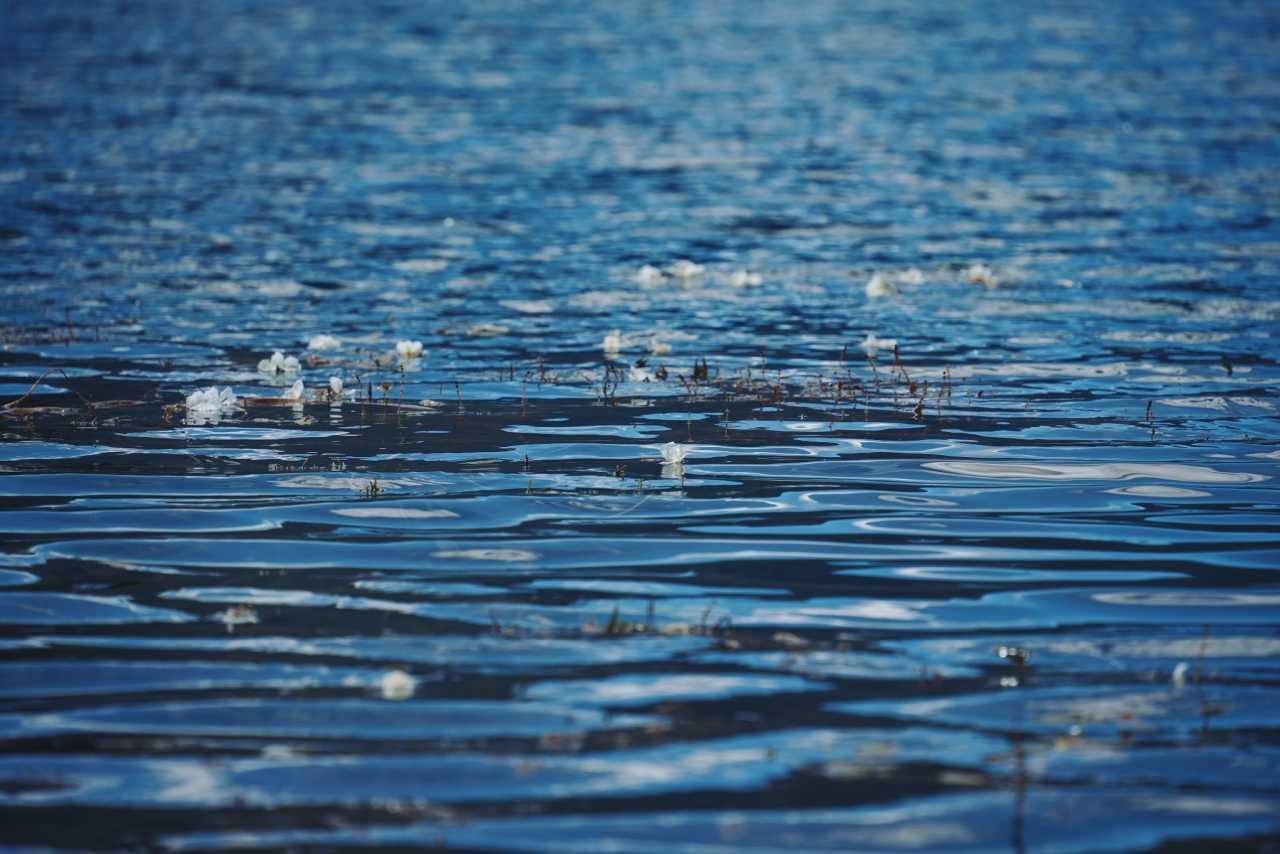
Fourteen years ago, I was a sophomore wandering around with nothing but a student ID and a restless spirit. My Yunnan trip was a spontaneous backpacker route, and Lugu Lake was just a "might as well stop by" entry on my itinerary. But on that misty morning, when the pig-trough boat sliced through the mirror-like water and the white flowers of water lilies (水性杨花) surfaced in the dawn light—that shade of blue carved itself into my bones before I even knew what hit me. In the years that followed, whenever life felt heavy, I'd think of that lake bathed in morning light, like a dream I never wanted to wake from.
This time, I wasn't just passing through. I was going to turn every hidden longing from those years into the road beneath my feet and the views before my eyes.
Itinerary at a Glance: Seven Days, a Deep Dive into Northwest Yunnan
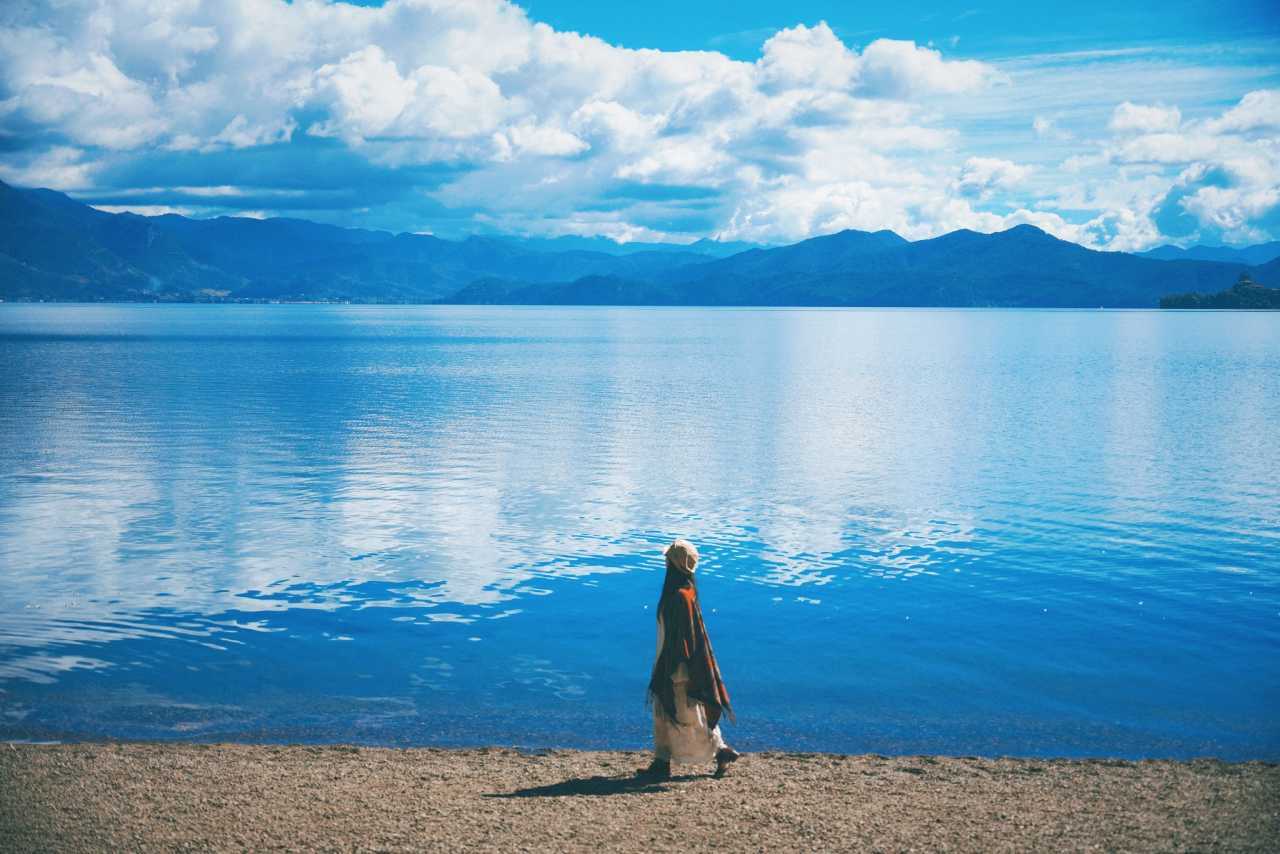
- Day 1: Wuxi → Lijiang → Pick up car → Yujian Coffee → Lugu Lake, Daluoshui Village (Stay at September Sky Inn)
- Day 2: Daluoshui Village walking trail → Clockwise loop around Lugu Lake (Lovers' Beach → Lige Peninsula → Gemu Goddess Mountain → Nisai Village → Luyuan Cliff → Goddess Bay)
- Day 3: Sunrise at Daluoshui Pier → Counterclockwise loop around Lugu Lake (Yuluting Coffee → Viewing Platform → Walking Marriage Bridge → Grass Sea)
- Day 4: Lugu Lake → Shibaoshan Grottoes → Jianchuan Ancient Town (Stay at Yunzhishang Hotel)
- Day 5: Jianchuan Ancient Town → Shaxi Ancient Town → Return car in Lijiang Shuhe → Jade Lake Village (Stay at Pushiji Snow Mountain Hotel)
- Day 6: Dragon Lady Lake → Naxi Firepit Barbecue → Rooftop Coffee → Airport hotel
- Day 7: Lijiang → Changzhou
Chapter 1|Yujian Coffee: The Unexpected Overture
Our plane landed early. After picking up the rental car, my partner and I planned to head straight for Baisha Ancient Town—but a coffee shop hijacked our plans along the way.
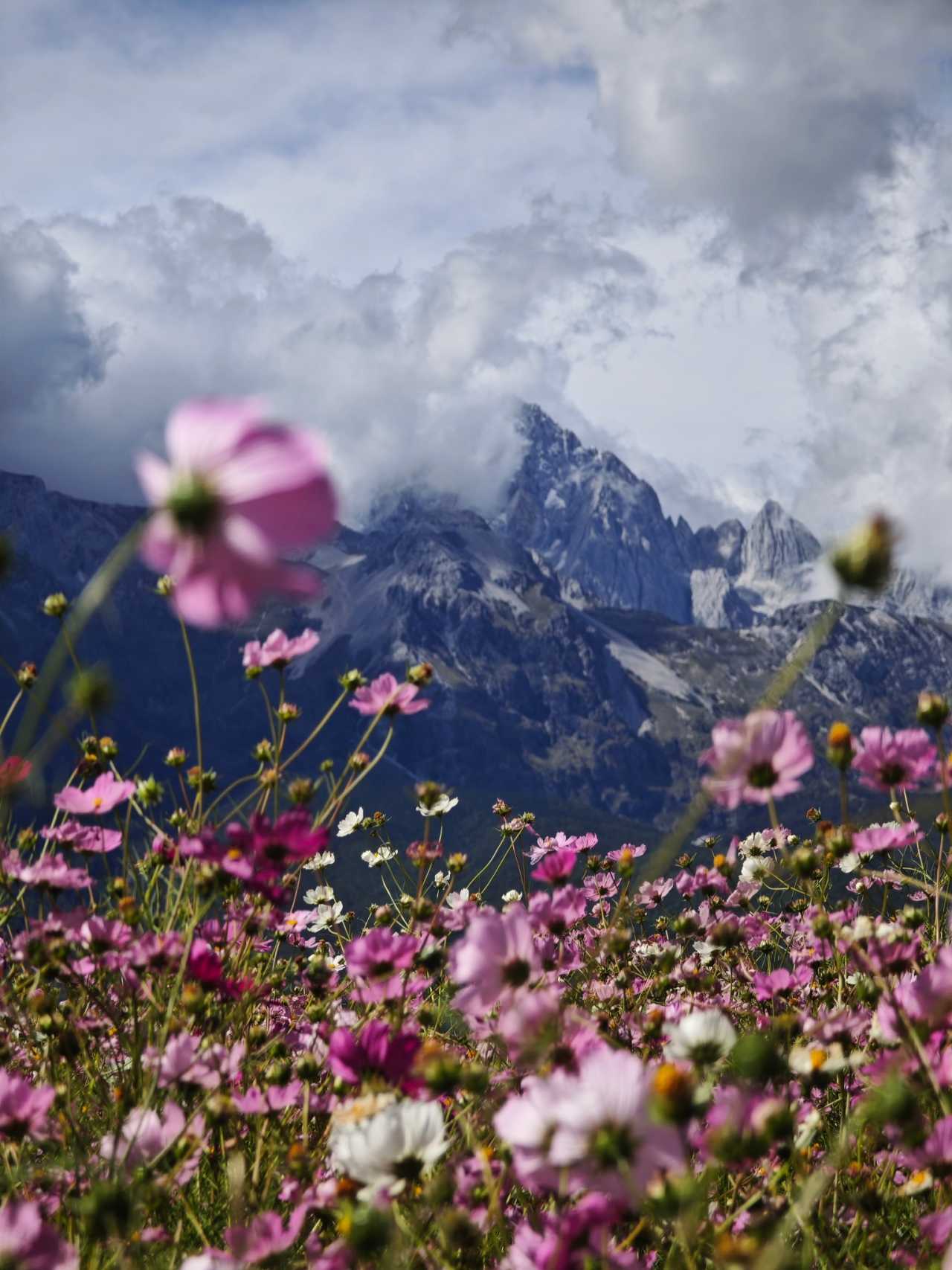
Yujian Coffee isn't so much a café as it is a photography studio hidden in the snow-capped mountains. For the price of two cups of coffee, you get the entire Gemu Mountain as your backdrop. The cosmos flowers were in full bloom, their pink-purple petals wrapped in the highland breeze, while the distant snow peaks stood crisp as a freshly framed painting. We sat there for a long time—doing nothing special, just watching the light and shadow creep across the mountain, occasionally interrupted by an alpaca strolling by, so unhurried it made you forget time itself.
This unplanned stop became the most soothing opening to the entire journey.
Chapter 2|Lugu Lake: That Blue I'd Been Searching For, Fourteen Years
Scenery on the Expressway
From Lijiang to Lugu Lake, we took the G4216 Huaxing-Lijiang expressway, then the S47 Lunan expressway. During National Day week, tolls were waived—saving us nearly 100 yuan—and more importantly, the road was in excellent condition. The Jin'an Jinsha River Bridge spans a deep gorge; looking down from the window, the Jinsha River wound like a ribbon below, flanked by steep cliffs—a classic Northwest Yunnan landscape unfolding before us.
Along the way, we spotted a few small animals darting across the road, adding a touch of wild charm to the three-hour drive.
Daluoshui Village: The Tenderness of a Window Overlooking the Lake
We arrived at Daluoshui Village around nine in the evening. On a whim, we picked a stone-pot fish restaurant called "Junxiang Xiaoyuan" (Mushroom Fragrance Garden) and ordered a set meal for just over 100 yuan—a freshly killed fish, paired with a platter of porcini mushrooms (牛肝菌), matsutake (姬松茸), goose egg mushrooms (鹅蛋菌), and deer antler mushrooms (鹿茸菌), plus water lilies (水性杨花) and tofu. The fish had few bones, and the broth, simmered with wild mushrooms, was so savory I drank three bowls. A quick swish in the soup was all the water lilies needed—silky and tender beyond belief.
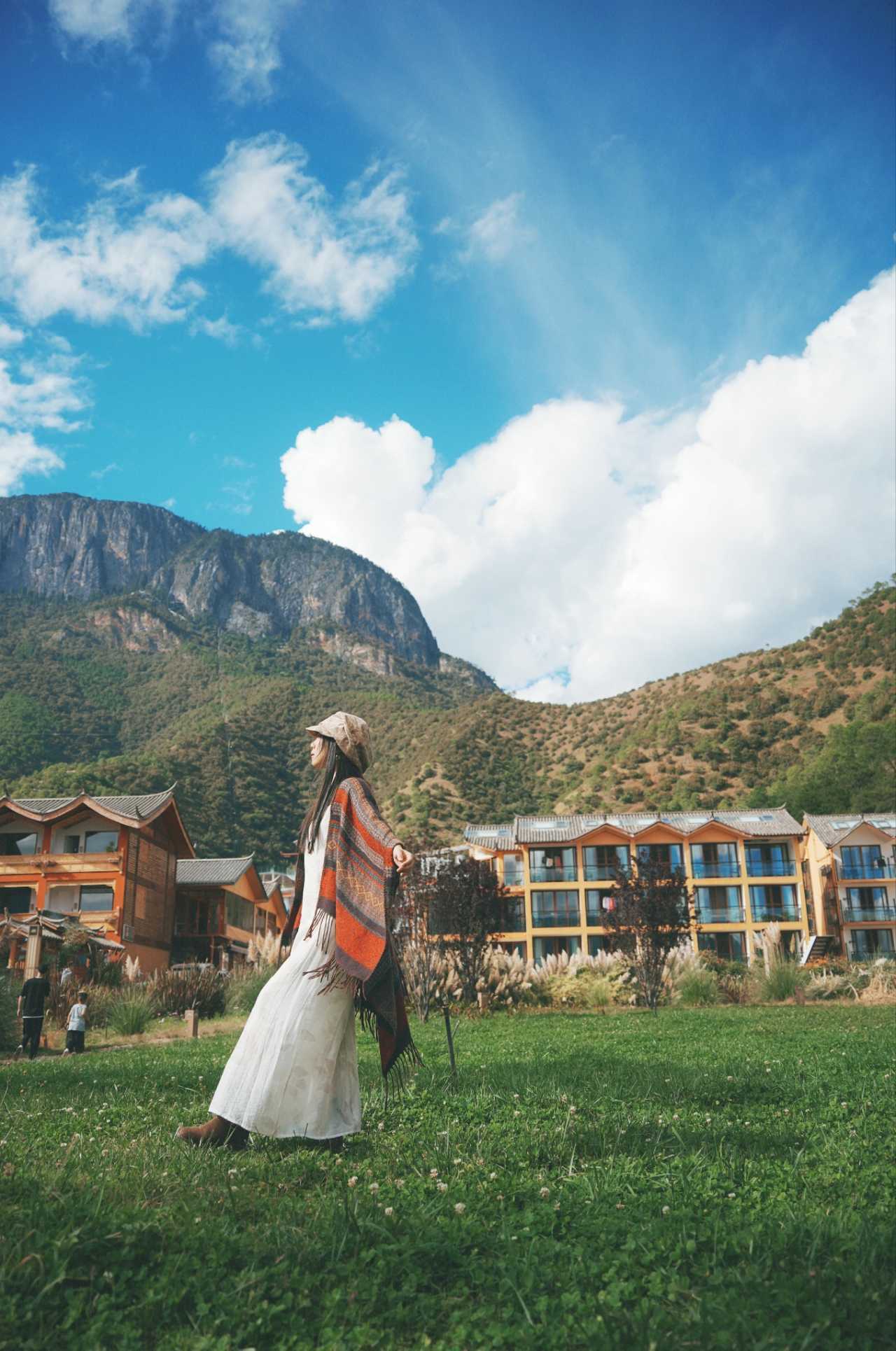
We stayed at September Sky Inn, less than ten meters from the lake. Through the window of our room, the lake and mountains spread out like a living painting. The inn's ground floor doubled as a café and breakfast spot—simple offerings like rice noodles, corn, and eggs—but sitting by the window, watching the lake shimmer, was more than enough. Special mention goes to their chili sauce: fiery red to look at, but not spicy—just pure, fragrant goodness.
Clockwise Loop: Every Frame a Wallpaper
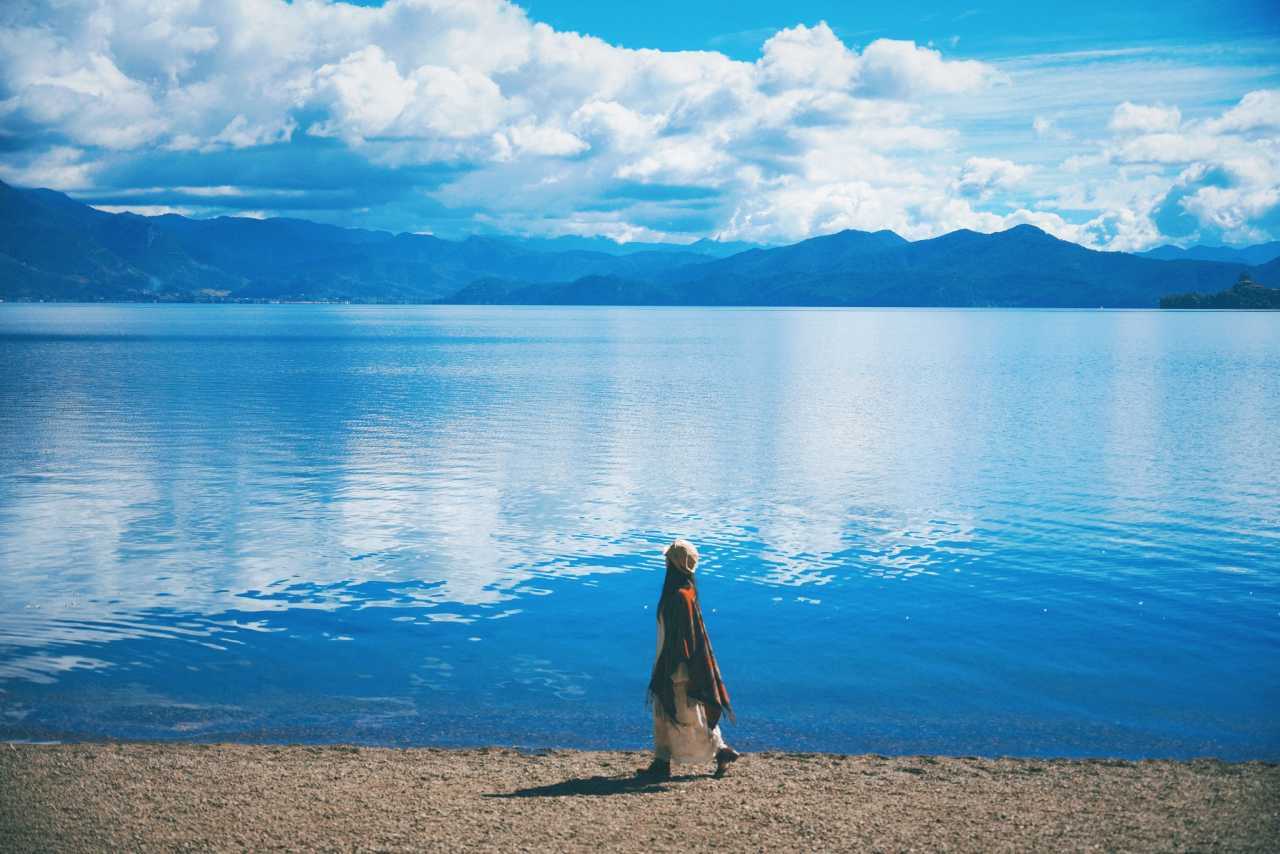
Yunnan Lovers' Beach—The water here was impossibly clear. I wrapped myself in a traditional shawl provided by the inn, walked barefoot on the pebbles, and watched my reflection dissolve into the translucent blue. Distant mountains loomed like ink washes, while nearby ripples caught the light. Even the air felt softer. We stumbled upon a "fat-bellied tree," its round trunk comically charming, drawing a crowd of photo-takers.
Lige Peninsula—From the Lige viewing platform, the peninsula jutted into the lake like a wedge, with gray-tiled wooden houses lining the shore in graceful arcs. Gemu Goddess Mountain loomed in the mist beyond, and the interplay of mountain, island, lake, and village created a layered masterpiece. Walking down the trail, we saw golden pig-trough boats moored at the water's edge—yellow against blue, the most classic color combination in this landscape.
Gemu Goddess Mountain and Nisai Village—Gemu Mountain, the sacred peak of the Mosuo people, rises to 3,754 meters, the highest around Lugu Lake. We didn't take the cable car up, but we heard it's even more thrilling than the Yulong Snow Mountain cable car. At the mountain's foot, Nisai Village is home to a few dozen Mosuo families living along the lake. Traditional log houses nestle among the trees, and cooking smoke mingles with the morning mist. Two ancient pines stand entwined in the village, known as "Lovers' Trees"—a must-see photo spot.
Luyuan Cliff—This is where Lugu Lake's groundwater emerges, with depths exceeding 90 meters. Prayer flags fluttered violently in the highland wind—blue for the sky, white for clouds, red for fire, green for water, yellow for earth. The Mosuo believe that every gust of wind carries a devout recitation of the sutras printed on them.
Goddess Bay—Widely regarded as Lugu Lake's best sunset spot, Goddess Bay is breathtakingly beautiful at dusk. The sun sank behind Gemu Mountain's ridge, painting the clouds in fiery gold and red. The last light spilled across the lake, turning water and sky into a shared warmth, like a moving oil painting. In that moment, I finally understood the saying, "Life is half mountains and rivers, half lakes and seas"—only by immersing yourself in such pure landscapes can your taut nerves fully unwind.
Counterclockwise Loop: Beauty from Another Angle
Sunrise at Daluoshui Pier—In early autumn, sunrise comes around seven. I grabbed my camera and walked alone along the lake path to the pier. Quite a few people were jogging by the shore, and I silently envied them: to run with this view must be pure bliss. When the first rays of light pierced the horizon, the lake became a canvas of broken gold. Boats etched silhouettes against the light, ripples turned sunlight into thousands of amber beads, and even the willow branches were gilded in warm gold. Freezing that moment with a loved one, you realize that a highland lake sunrise is nature's own love poem.

Yuluting·Weitingyou Lakeview Garden Coffee—This café (also a guesthouse) has floor-to-ceiling windows facing the wide lake. The interior is exquisitely decorated, and every corner is Instagram-worthy. The hostess kindly brought us a fruit plate. I told my partner that next time we come to Lugu Lake, we're staying here. A cute little corgi ran around the garden, making it hard to leave.
Walking Marriage Bridge and the Grass Sea—The Walking Marriage Bridge stretches over the Grass Sea wetland, over 300 meters long, first built during the Tusi era. In autumn, the Grass Sea is a brilliant golden ocean; withered reeds sway in the wind, weaving an endless "golden carpet." The word "walking" in "Walking Marriage" is often misunderstood as "wandering," but that's not the case. The Mosuo's walking marriage system is a unique form of union in their matriarchal society: men visit women's homes at night and return to their own during the day, maintaining a free and pure emotional bond.
Chapter 3|Shibaoshan Grottoes: The Compassionate Smile of a Thousand-Year-Old Sculpture
From Lugu Lake, we drove toward Jianchuan, stopping along the way at Shibaoshan.
The sunlight at Shizhong Mountain was perfect, making the grottoes stand out in sharp relief. These sculptures, carved during the Nanzhao and Dali Kingdom periods, hide delicate craftsmanship in the folds of their robes. What moved me most was the gentle smile on the bodhisattvas' faces—not the aloof divinity of gods, but a compassion warm with human touch, as if they could see through all your worries.
The Hanging Temple's wooden pavilions cling to the cliffside, and wind chimes under the eaves tinkled softly in the breeze. Standing at the edge, facing the mountain wind, time seemed to slow down.
Chapter 4|Jianchuan Ancient Town: The "Living Fossil of Northwest Yunnan" Hidden in Time
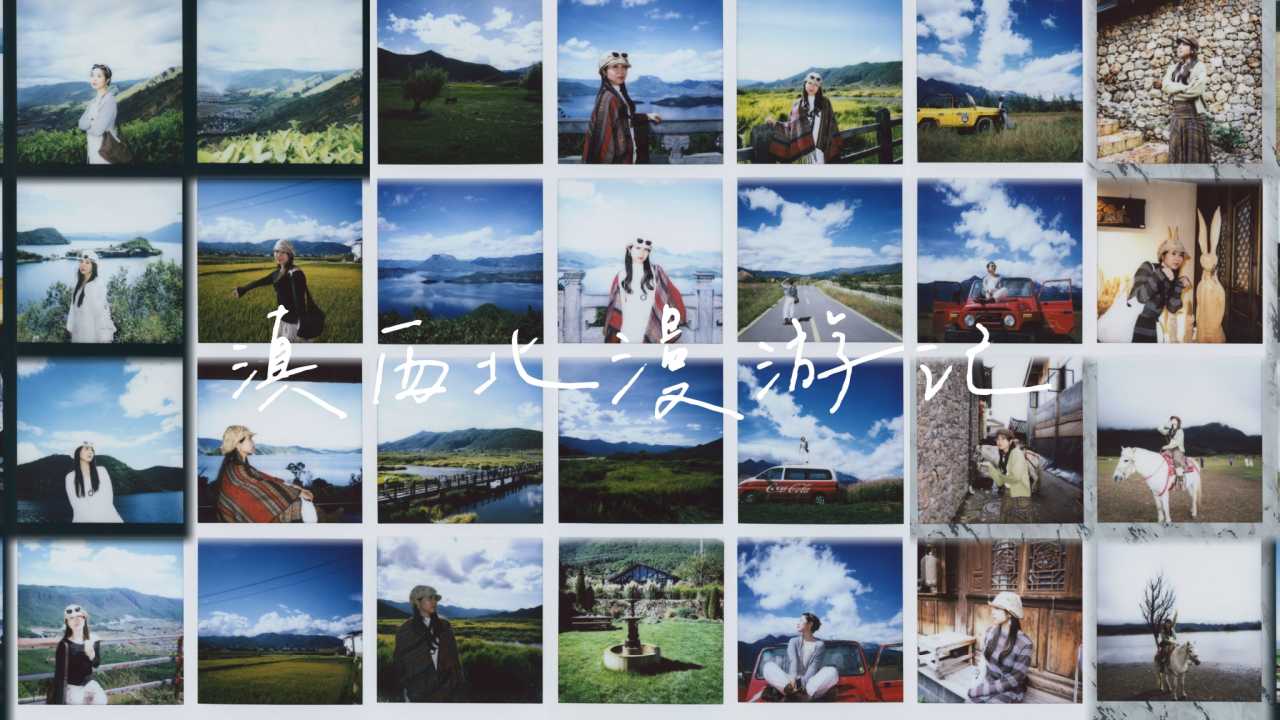
Compared to the commercial bustle of Lijiang Ancient Town, I preferred Jianchuan—a town known as the "Living Fossil of Northwest Yunnan." Once a military fortress for the Tang Dynasty to defend against Nanzhao, it now houses 21 Ming Dynasty courtyards and 146 Qing Dynasty residences, with winding streets and clusters of old houses.
At dawn, when the first sunlight crept over the blue stone slabs, the flying eaves and carved window lattices of Ming-Qing courtyards soaked in the passage of time. Couplets hung under the eaves hinted at the thoughts of people long gone. Pushing open a half-closed wooden door, you might see laundry drying in the yard and a cat napping in a corner. There were no noisy bars or souvenir shops—just the most authentic pulse of daily life.
Chapter 5|Shaxi Ancient Town: The Last Ancient Market on the Tea Horse Road
With the popularity of the TV drama Meet Yourself (《有风的地方》), Shaxi Ancient Town became a hot spot. But stepping into it, I realized its charm goes far beyond any filter.
Sideng Street is the only surviving ancient market on the Tea Horse Road. The blue stone pavement has been polished smooth by centuries of footsteps, and the old shops on both sides still look as they did a hundred years ago. Yujin Bridge arches over the river, and the sound of flowing water mingles with distant horse bells, as if you can still hear the caravans of yesteryear.
Find a small shop on the square, order a cup of tea, and watch the mix of tourists and locals—at this moment, you don't need to think. Just let yourself empty out.
Chapter 6|Jade Lake Village: A Naxi Sanctuary at the Foot of the Snow Mountain
My crush on Jade Lake Village began the moment I saw photos of its "through-beam" stone-and-wood houses. When the mysterious Dongba script appeared in my feed, that crush deepened.
This thousand-year-old Naxi village at the foot of the snow-capped mountain is famous for its unique stone architecture and stunning natural scenery. We stayed at Pushiji Snow Mountain Resort Hotel, whose rooftop terrace faces Yulong Snow Mountain directly. At dawn, when the first light hit the summit, the entire mountain turned gold—the legendary "sunshine on the golden peak."
The hotel is a ten-minute walk from Dragon Lady Lake. The lake is a mirror, reflecting the snow mountain and blue sky. Occasionally, a herd of horses passes by, their hooves breaking the stillness and startling a few waterfowl into flight.
In the afternoon, we tried Naxi firepit barbecue. The pork belly sizzled over charcoal, dipped in a special chili powder, and washed down with a cup of highland barley wine—this is the most authentic taste of Jade Lake Village.
Practical Tips: Smoother Travels
Getting Around
- Lijiang → Lugu Lake: Expressway (G4216 + S47) takes about 3.5 hours, tolls around 96–138 yuan; the ordinary road (Lining Highway) takes about 4 hours, free but with tricky conditions. Beginners should stick to the expressway.
- Lugu Lake Loop: About 76 km total. Split it over two days—one day clockwise, one day counterclockwise.
About Lugu Lake
 - Entry fee: 70 yuan per person (valid for both Yunnan and Sichuan entrances) - Best viewpoints: Lige viewing platform (overlooking Lige Peninsula), Lugu Lake viewing platform (wide lake views), Goddess Bay (sunset) - Boat routes: Daluoshui Pier to Liwubi Island round trip 50 yuan/person; to Xiwa'e Island round trip 100 yuan/person - Note: Lugu Lake has been permanently closed to fishing since 2020, so the fish in stone-pot fish dishes are farmed.
Accommodation
- Lugu Lake: Recommended to stay in Daluoshui Village or Lige Village for lake views from your window
- Jianchuan: Yunzhishang Chain Hotel offers great value
- Jade Lake Village: Pushiji Snow Mountain Resort Hotel is the perfect spot to see the golden peak at sunrise
Other Tips
- Lugu Lake's chili sauce is the soul of the cuisine—looks red but isn't spicy, just fragrant
- For the Goddess Mountain cable car, buy only the round-trip ticket (70 yuan); the slide is unnecessary
- Near the Walking Marriage Bridge, there's a restaurant parking lot for 10 yuan per visit, more convenient than the main parking lot
In the End: The Meaning of Travel
Seven days in Northwest Yunnan—from Lugu Lake's morning light to Jianchuan's twilight, from Shaxi's ancient market trails to Jade Lake Village at the foot of the snow mountain—every stop felt like a poem, too long to finish, too deep to exhaust.
Some say travel is just going from a place you're tired of to a place someone else is tired of. But I think travel is more like a conversation with yourself. Listening to the wind by Lugu Lake, searching for history in Jianchuan, emptying your mind in Shaxi, riding through Jade Lake Village—those corners of yourself that daily life had buried all come back to life.
That dream from fourteen years ago finally became real scenery this autumn.
And I know this won't be the end. Yunnan's mountains, waters, culture, and everyday warmth will always call me back, at some unexpected moment.
After all, to live up to your passions and journey across mountains and seas—that's what life should look like.
You should also read:

Body in Hell, Heart in Heaven: A Pilgrimage Through Tiger Leaping Gorge — A Dialogue Between Heaven and Earth
Body in Hell, Heart in Heaven: A Pilgrimage Through Tiger Leaping Gorge — A Dialogue Between Heaven and Earth Introduction: When the Gorge Splits Open Beneath Your Feet Some say Tiger Leaping Gorge is the closest place on Earth to the border between "hell" and…
Continue reading...
Cloud Travelogue · Dali of Wind, Flowers, Snow, and Moon: A Three-Day, Two-Night Journey of a Free Spirit
Cloud Travelogue · Dali of Wind, Flowers, Snow, and Moon: A Three-Day, Two-Night Journey of a Free Spirit I am a cultured female foodie with a touch of rogue charm. I slung on my backpack, took my lover's hand, and set off on a spontaneous…
Continue reading...
A Spiritual Journey to Lugu Lake in Lijiang: Experiencing the Legend of the Kingdom of Women! (Reproduction and Hotlinking Prohibited)
A Spiritual Journey to Lugu Lake in Lijiang: Experiencing the Legend of the Kingdom of Women! (Reproduction and Hotlinking Prohibited) Off-road自驾, food, hotel and民宿 reviews, Featured Traveler, Tank 300 owner, 200,000 km of self-driving experience. WeChat: y01294987 Ninglang Yi Autonomous County 2010.11.08 · 7 days…
Continue reading...