A Pre-Spring Festival Mother-Daughter Trip to Xishuangbanna: A Custom-Designed Off-the-Beaten-Path Itinerary, Feasting on Food and Scenery
A Pre-Spring Festival Mother-Daughter Trip to Xishuangbanna: A Custom-Designed Off-the-Beaten-Path Itinerary, Feasting on Food and Scenery
As a self-taught travel enthusiast, I've always believed that the best kind of travel isn't about rushing from one attraction to another—it's about measuring every inch of land with your own two feet and remembering every city through your taste buds. This year, just before the Spring Festival, I originally planned to take my husband to Chaoshan for a food adventure. But at the last minute, he couldn't get time off work, so my travel companion became my mom. She wasn't particularly interested in food, but she said she wanted to go to Yunnan. So, listening to my mother, Xishuangbanna—here we come!
Pre-Departure Preparations: From Dilemma to Perfect Planning
Flights and Transportation
With the Spring Festival approaching, flight prices weren't exactly friendly. Direct flights to Xishuangbanna only depart from Pudong Airport, which is expensive and costly to get to. We opted for a budget-friendly route: departing from Wuxi Shuofang Airport, transiting through Wuhan, and then flying to Xishuangbanna. Sure, the layover took more time, but the money we saved meant more delicious food along the way—why not?
Private Driver or Group Tour?
Friends suggested joining a local tour upon arrival, or taking the "Safe Xishuangbanna" bus routes, or booking a private driver online. After careful research, I found that group tours and bus routes were too rigid—too many people, not enough fun. The private driver market was a mixed bag, with prices ranging from over 100 yuan to over 1,000 yuan. Many drivers would drag you to shopping stops or take on side gigs during your sightseeing time, and service usually ended at 6 PM.
After comparing multiple options, I booked what seemed like a reliable driver on Xiaohongshu (Little Red Book)—Brother Guang. He customized a private itinerary for us. As it turned out, this decision was incredibly wise!
Choosing Attractions
I'm the type who wants it all. Initially, I had Starry Night Market, Manyuan Village, Dai Ethnic Garden, Wild Elephant Valley, Primitive Forest Park, Tropical Botanical Garden, Mengyuan Fairyland, Wangtianshu (Sky Tree), and Manting Park all on my list. But Brother Guang gave some professional advice:
- Wild Elephant Valley: You almost never see wild elephants there, and I'm not interested in animal performances. Decisively dropped.
- Primitive Forest Park: The main draw is the peacock release. Long waits for the shuttle bus, and the jungle zip-line had an age limit that my mom exceeded.
- Manyuan Village & Dai Ethnic Garden: Too commercialized. Pass.
In the end, we took a less-traveled but fantastic route.
Day 1: Arrival in Xishuangbanna, First Taste of Night Market Vibes
We left home at 5:30 AM to catch the 8:15 flight. Shuofang Airport is a dual-use military and civilian airport, and we were warned before takeoff that there might be delays—sure enough, we were delayed by over an hour, and the windows had to be closed during takeoff.
By the time we arrived in Xishuangbanna, it was nearly 4:30 PM. Collecting our checked luggage took a while, and we were in the car by almost 5 PM.
Accommodation Recommendation: James Joyce Coffetel at Splashing Water Square
Instead of the bustling Gaozhuang area, we stayed at Splashing Water Square, which faces Gaozhuang across the river. This turned out to be a smart choice—close to Manting Park (walkable), plenty of food nearby, convenient for taxis, and most hotels offer free airport pickup (usually arranged through affiliated drivers).
Pros of James Joyce Coffetel: Chain brand, great location right next to the riverside night market with views of the Lancang River at night, friendly front desk staff, affordable prices, and free airport pickup. Cons: Facilities are a bit dated, and the hot water wasn't great during peak hours.
First Dinner: Zhejia Wild Mushroom Chicken Hot Pot

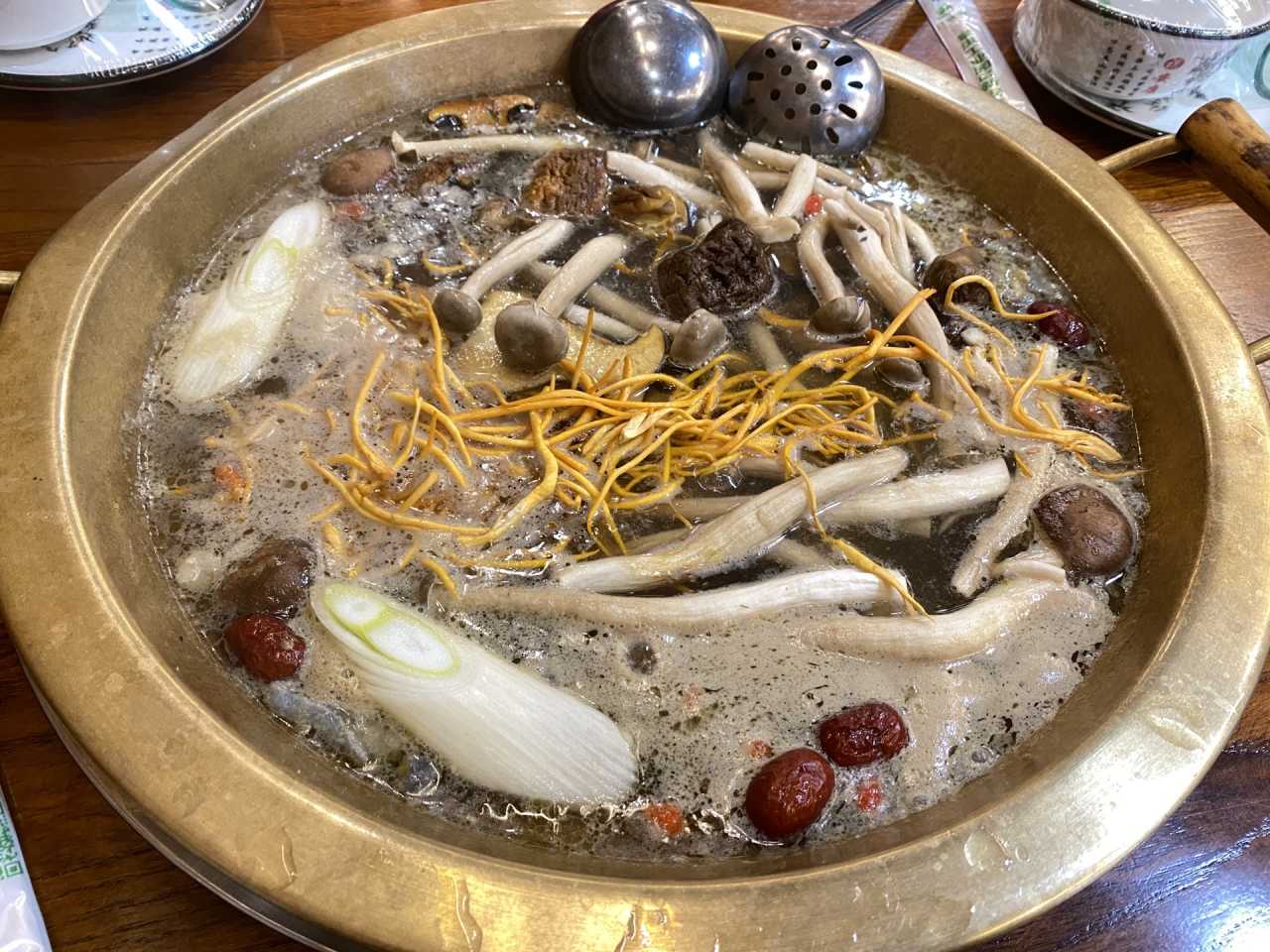
After dropping off our luggage, we headed straight to Zhejia Wild Mushroom Chicken Hot Pot. A group-buy deal for 168 yuan covered two people. The chicken and mushroom broth was rich and aromatic—one bowl warmed us right up.
Failed Attempt & Unexpected Discovery
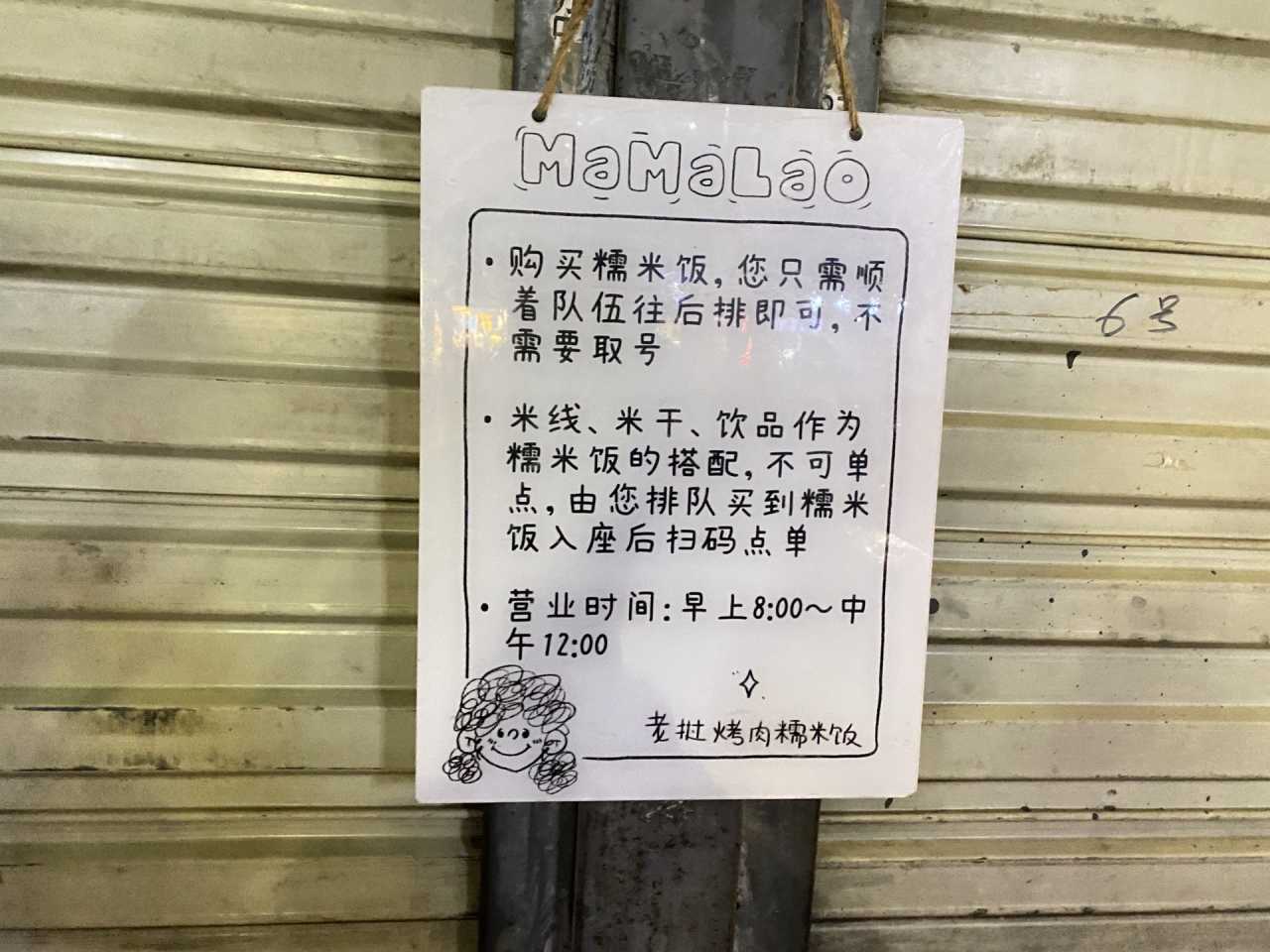
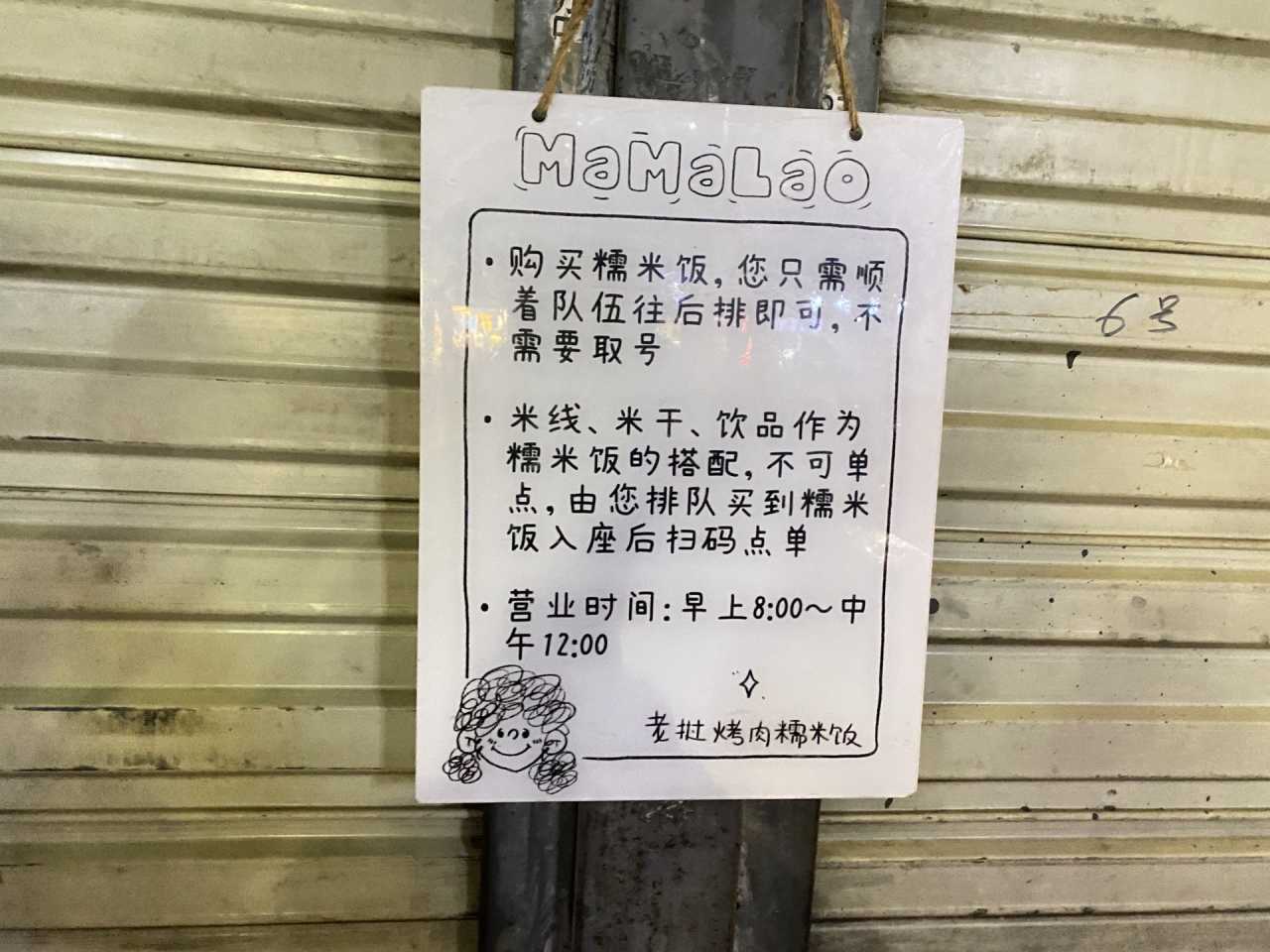
We took a taxi to Mamalao Lao Grilled Pork Sticky Rice, only to find it already closed. If you want to eat here, you have to come early!
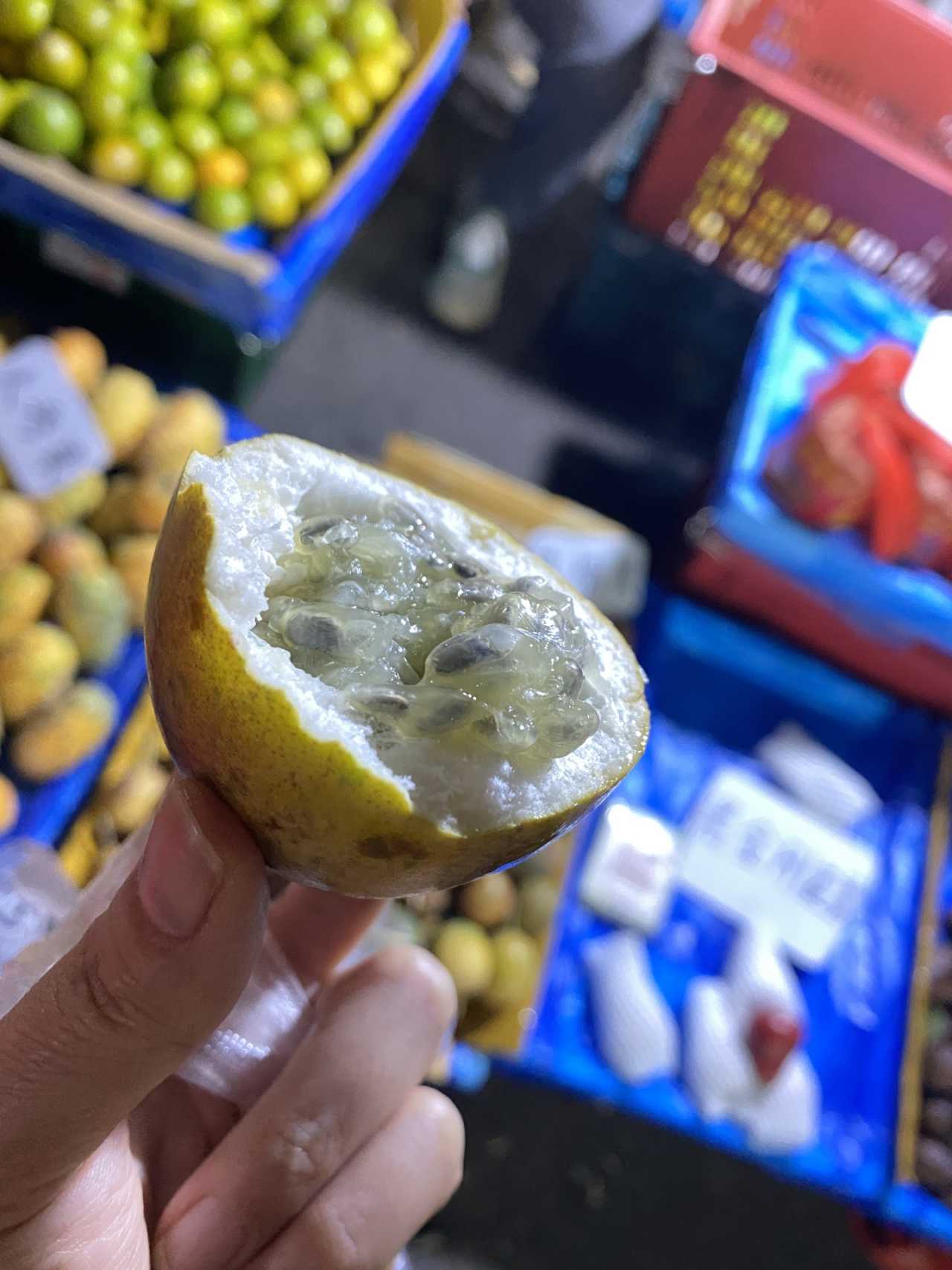
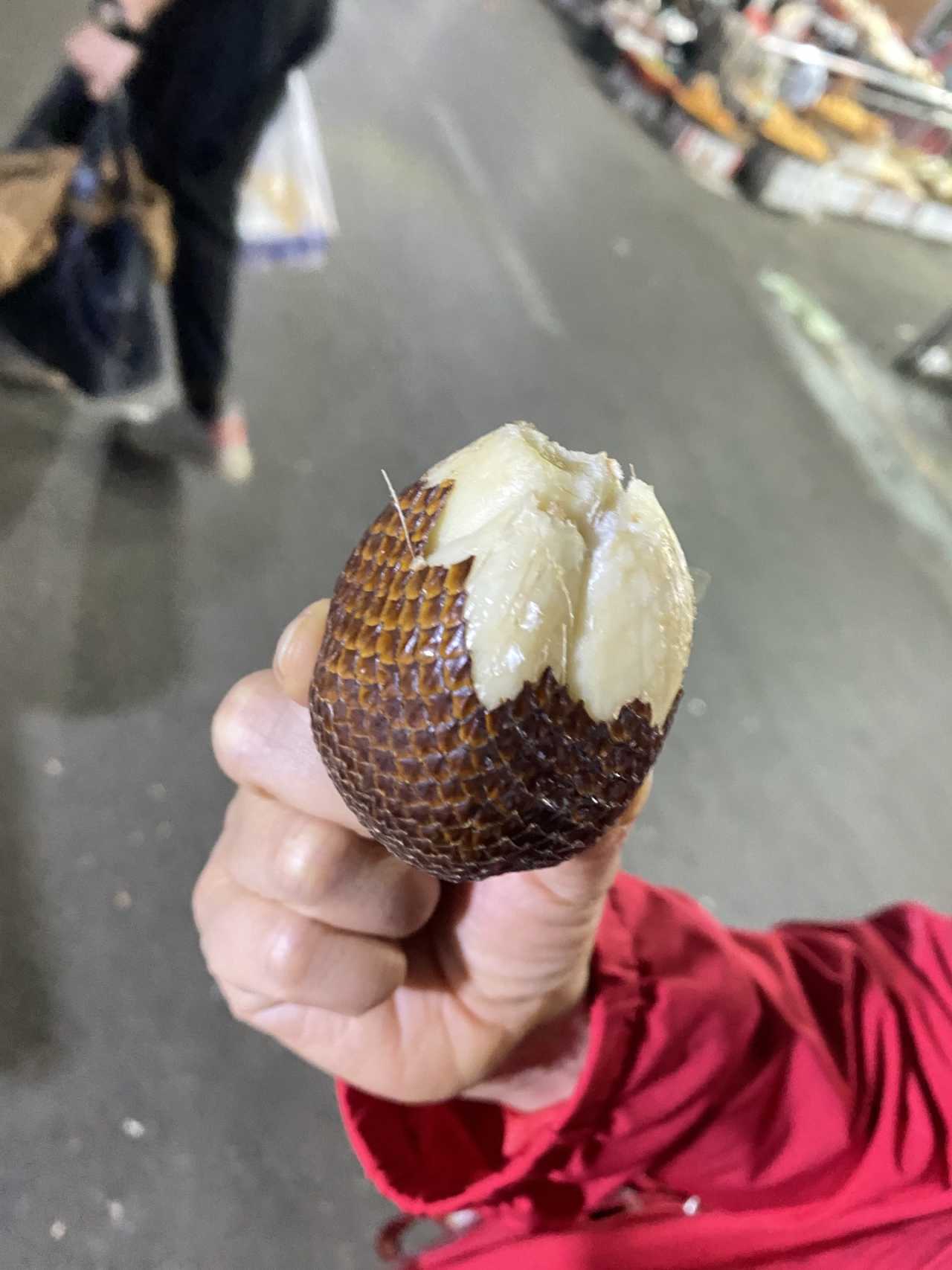
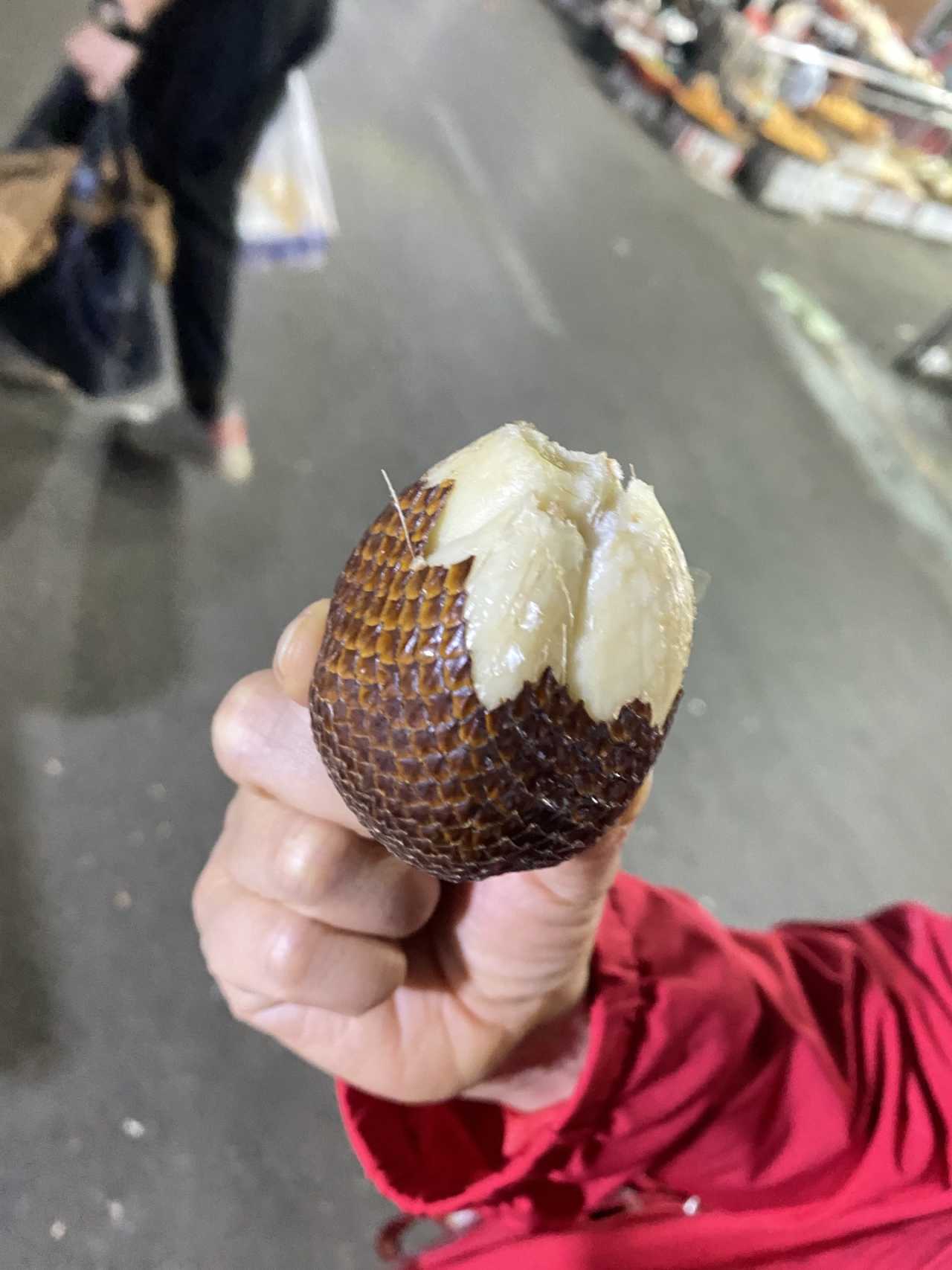
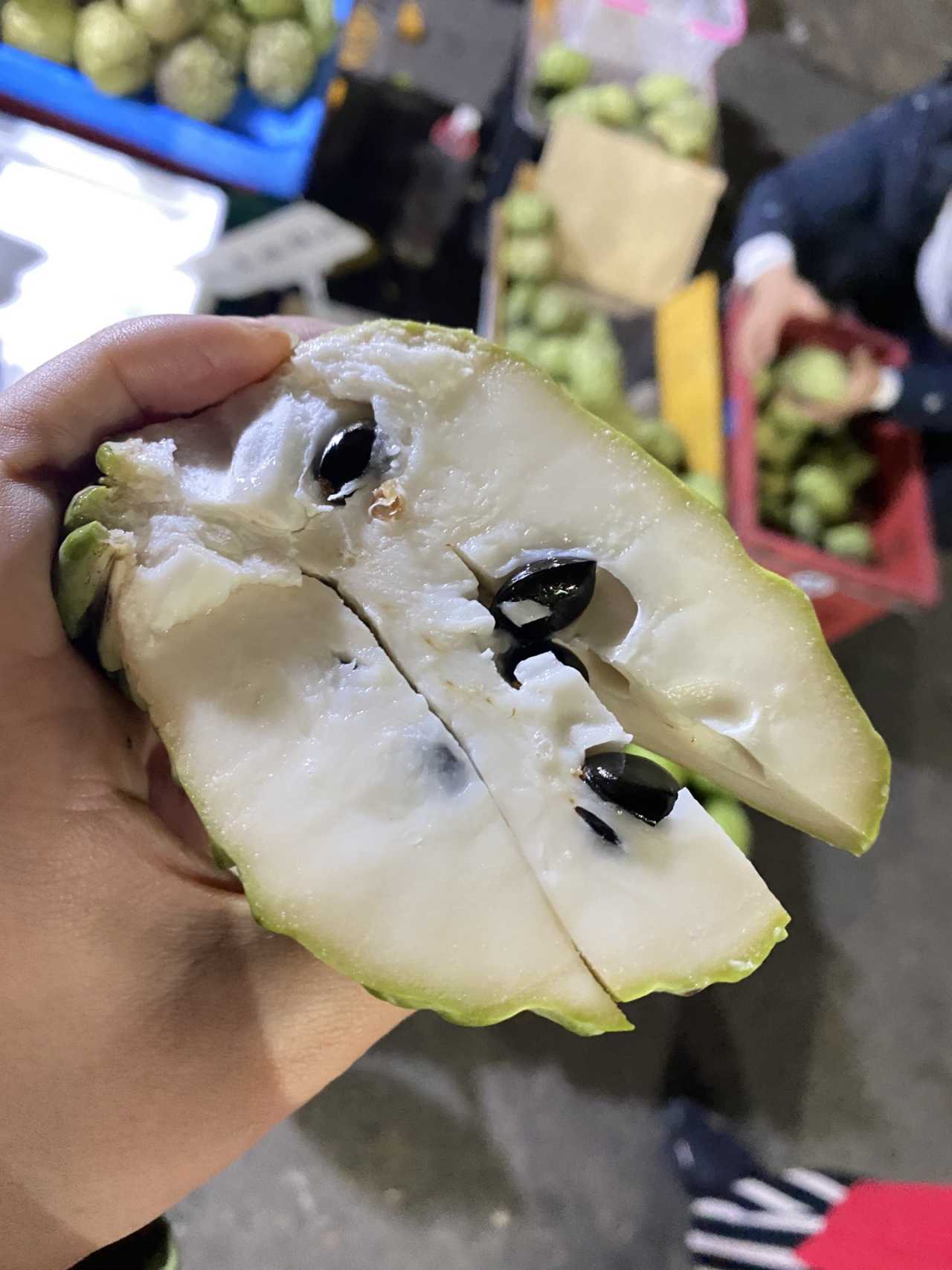
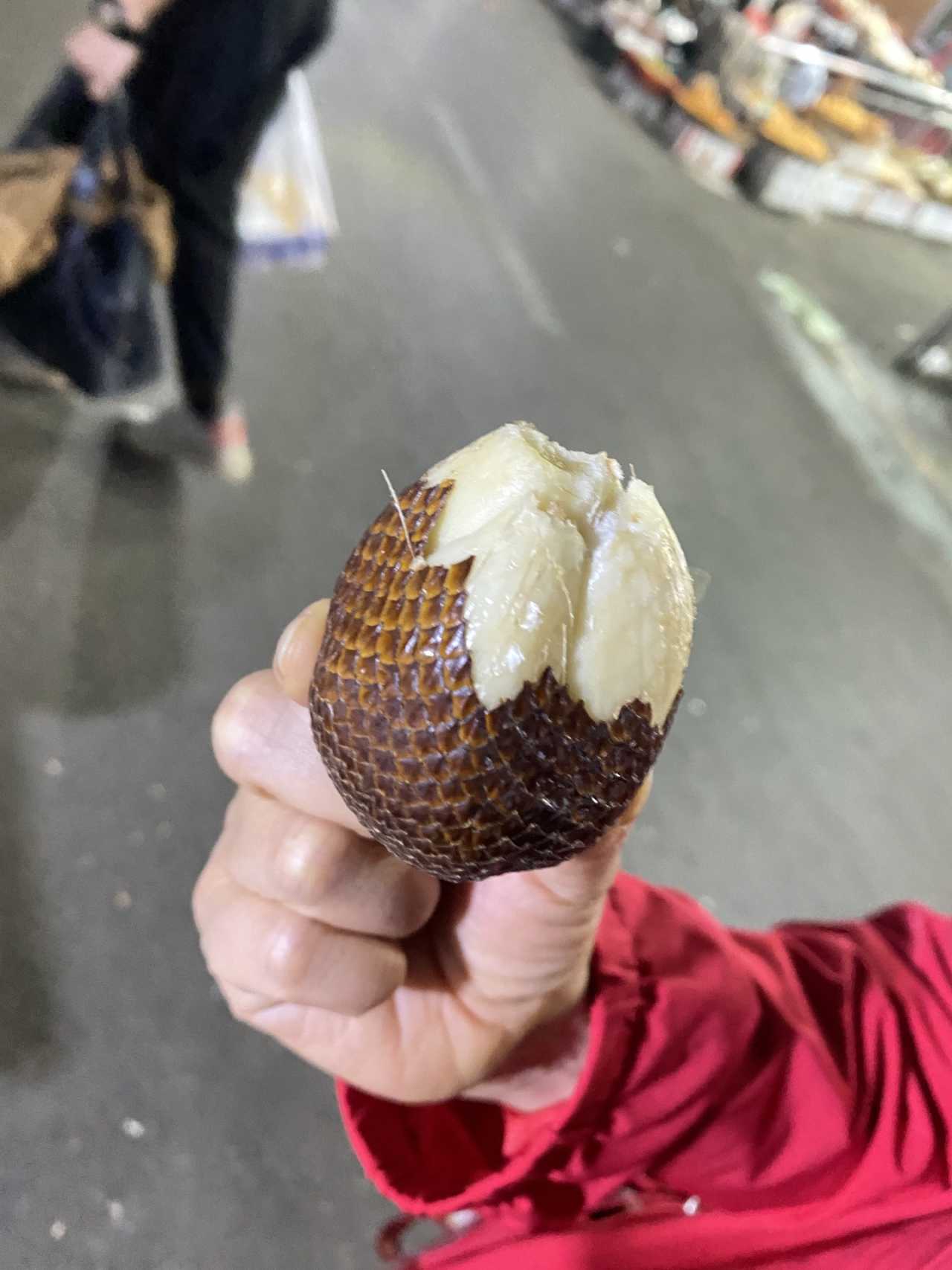
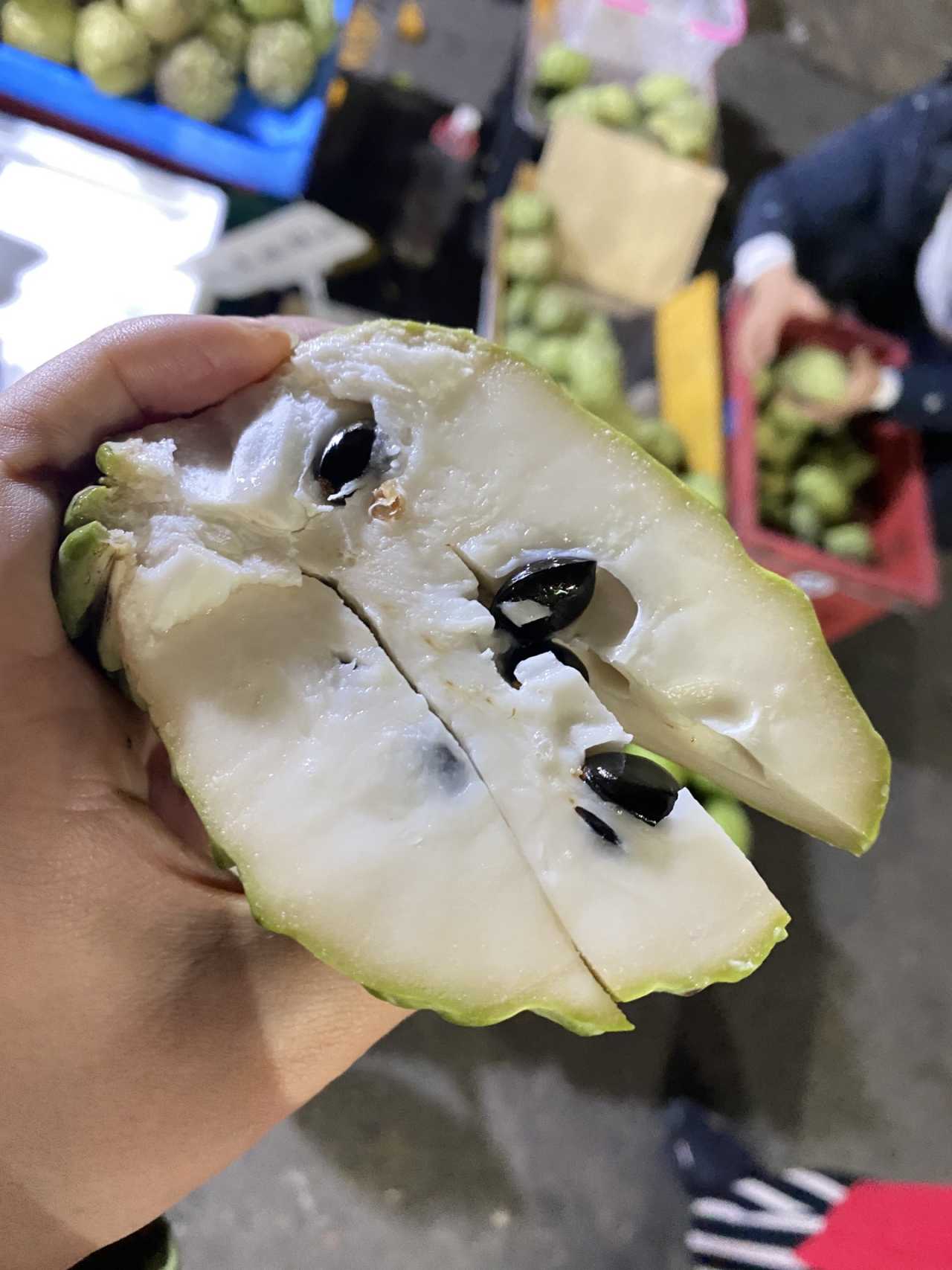
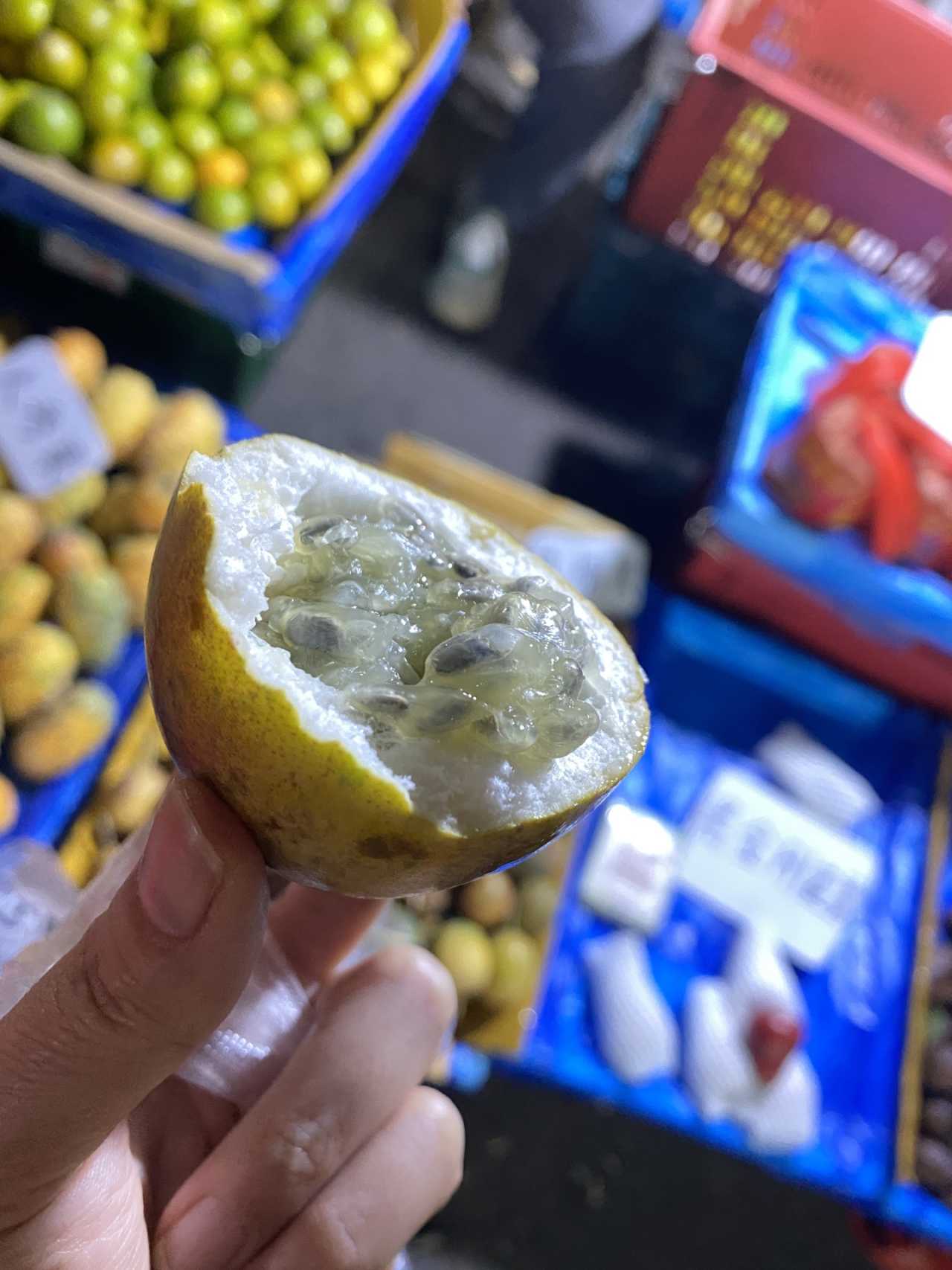
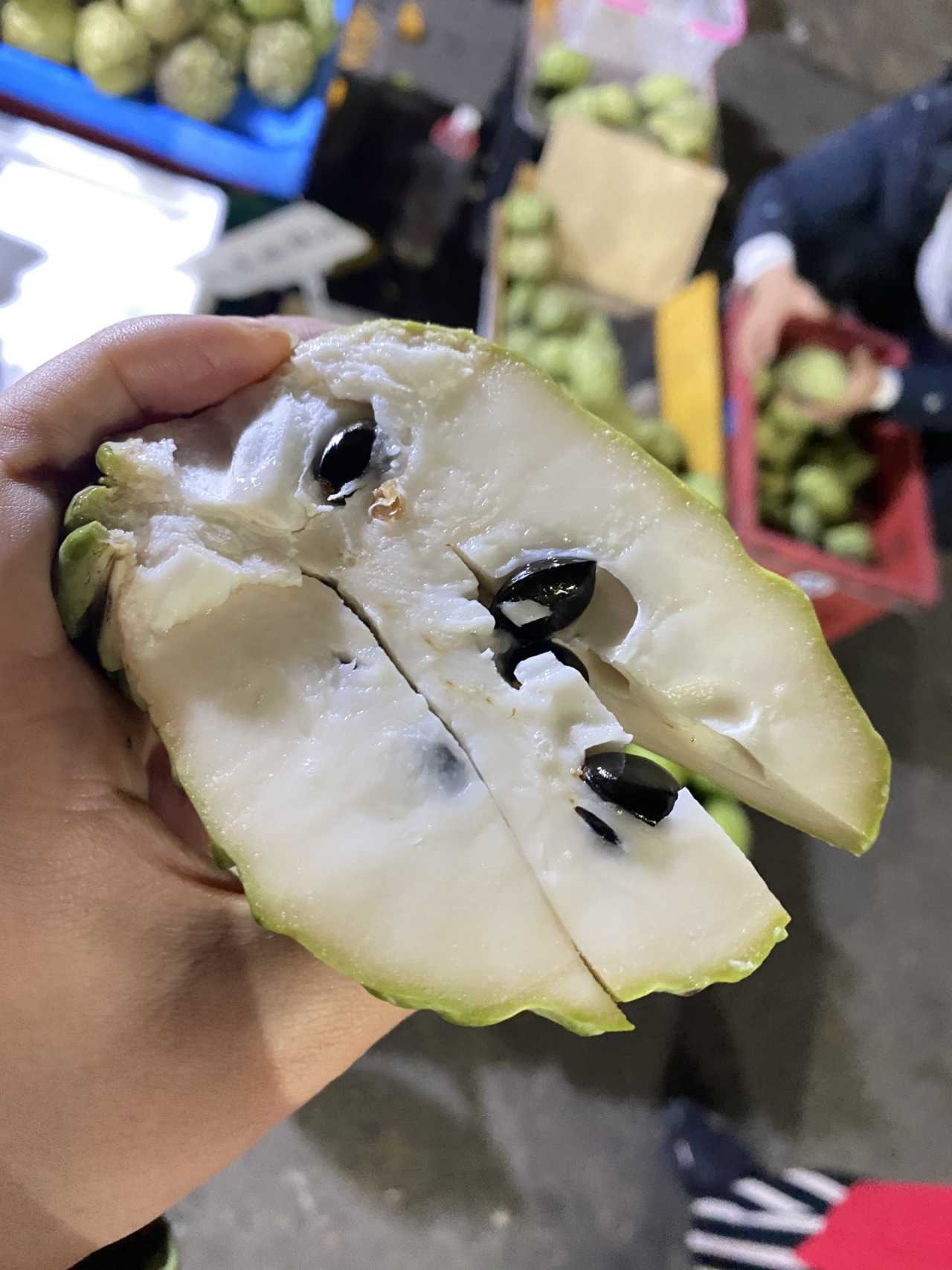
But we didn't leave empty-handed. Across the street, we wandered into Jinghong Farmers Market. The fruit was fresh and cheap, and the vendors were incredibly friendly—you can taste as you buy. Snake fruit, custard apple, passion fruit... My favorite was the custard apple, sweet all the way to the heart.
Luoluo Ice House: So Spicy It Made Us Cry
Next, we checked out Luoluo Ice House. On the way, we passed Peacock Lake Park, where many local aunties and uncles were dancing in the square—the atmosphere was fantastic.
For us, Luoluo Ice House was way too spicy! We each had two bites of the shredded chicken feet and cold noodles, and tears were streaming down our faces. Tissues cost an extra 2 yuan. We had to order a Paoluda (coconut bread drink) to cool down—it was pretty good. The fried glutinous rice balls were supposedly delicious, but they were sold out.
Riverside Night Market: Local Flavor
This is reportedly the night market where locals hang out, stretching 3 kilometers in length. We strolled along, taking in the sights. The most common vendors were Dai-style barbecue, Lao coffee, and fruit juice. The skewers here were enormous—whole chunks of pork belly. Just as we were getting into it, I spotted various insects on display—scared me to death, and I ran off.
I had a grilled corn on the cob (4 yuan, not great), and tried someone else's sweet tamarind and a Balada (neither was my thing). I bought two pairs of local-style flip-flops at 18 yuan each, saving them for tomorrow's photo shoot.
Day 2: Manting Park & Starry Night Market—Dressing Up as Dai Princesses
Breakfast: Wuhao Menghun Beef Offal Rice Noodles
We heard Manting Park has been packed lately, so to avoid the crowds, we got up early. We visited the rice noodle shop recommended by the hotel front desk girl—Wuhao Menghun Beef Offal Rice Noodles. It opens at 7 AM, and we were the first customers of the day. The meat was freshly sliced, and the pea shoots were just picked—fresh and delicious, and not expensive.
Photo Shoot Experience: Flower-Adorned Dai Makeup
We arrived at the photo studio at 7:30 AM. The photography industry in Xishuangbanna is incredibly developed—there are over a hundred studios around Manting Park alone. I did my research well in advance and found this small shop tucked away on the second floor. The owner is also the photographer, very straightforward, no tricks—one price covers everything.
There was a great selection of costumes, all good quality—not the cheap stuff you find at the night market. What surprised me most was that they used fresh flowers for the hair ornaments—Flower Dai Makeup!
The makeup artists, Yanzi and Xiao Cao, were skilled and efficient. In just over an hour, we were fully changed, made up, and styled. Then the photographer took us to Manting Park for a photo shoot. My mom is over 60, so she got a half-price ticket for 20 yuan.
Manting Park & Zongfo Temple (General Buddha Temple)
We walked through the park, taking photos all the way—it was a blast. After the photographer finished and left, my mom and I continued exploring. Wearing traditional Dai attire, we visited Zongfo Temple. The golden, magnificent temple was beautiful. Note: You can't enter with bare shoulders or midriff.
Regret: Didn't Get to Touch an Elephant's Trunk
I wanted to feed the elephants, but when we got to the elephant area around 12:30 PM, they wouldn't sell us tickets. They said the elephants were going back to rest and wouldn't be back until 2 PM. Well, that's one elephant trunk I didn't get to touch...
Lunch: Daimana Hand-Grabbed Rice
Nearby, there was a Dai-run hand-grabbed rice restaurant called Daimana. They had a group-buy deal on Dianping (Chinese Yelp) that was so cheap I couldn't believe it, but the food was good!
After eating, we took a taxi to Gaozhuang. It was hard to get one nearby—there were 87 people in the queue. We walked a bit further and finally managed to get a Didi Express. If you know how to ride an e-scooter, there are plenty of shared e-bikes around Manting Park—a great way to get to Gaozhuang. Unfortunately, I don't know how.
Gaozhuang: Wantai & Thai Massage
Once in Gaozhuang, we headed straight to Wantai to check it out. It wasn't very hot, so we didn't dare try any cold treats. With time to spare, we booked a nearby Thai massage through a group-buy deal. It felt like someone was just twisting and bending me around.
Starry Night Market Photo Shoot: Transformative Makeup
In the evening, we met up with an independent female photographer named Houhou. Her makeup artist, Taozi, worked on my face for less than an hour, and suddenly a "internet-famous" face I didn't even recognize stared back at me from the mirror—transformative makeup! No wonder there are so many beautiful women online.
The shop owner drove us to the entrance of Starry Night Market on her electric tricycle. It truly is Asia's largest night market—everywhere you looked, there were beautiful women dressed as princesses,西域 (Western Region) maidens, Miaojiang warriors, and Thai queens, ranging from 6 to 60 years old. It was spectacular!
It rained that evening and was a bit cold, but the "princesses" were baring their backs and midriffs, braving the chill. I did the opposite—I picked the thickest costume and wore jeans underneath my skirt, even though the photographer said it wouldn't look good. But the photos still turned out beautiful!
We finished shooting around 11 PM. I had wanted to go to the Six Kingdoms Music Festival to experience Dai-style disco, but that would have to be a regret for another time.
Photo Shoot Tips & Pitfalls
There are over a hundred photo studios around Manting Park and over three hundred in Gaozhuang, plus freelance photographers hanging around the attractions. Various models exist: costume shops that do makeup and styling then find freelance photographers, buying clothes at the night market then finding a makeup artist and photographer...
Watch out for low-priced photo packages: false eyelashes, rhinestones, and fresh flowers might cost extra; you might only get a few photos; during on-site photo selection, they'll push you to buy more retouched images; the photographer might be handling multiple clients; and they won't take you to farther locations.
Day 3: Wangtianshu (Sky Tree) & Tropical Botanical Garden—Two Worlds in One Day
This day was packed, all thanks to Brother Guang's BMW SUV. At 7:45 AM, while it was still dark, Brother Guang was waiting at our hotel entrance.
Breakfast: Finally, Mamalao!
First stop—filling our stomachs! We finally got to eat at the long-awaited Mamalao Lao Grilled Pork Sticky Rice. This place is popular for good reason: all kinds of side dishes I'd never seen before—my favorite was the beef patty with sticky rice; a small bowl of beef rice noodles for 6 yuan; and Lao coffee for 2 yuan a cup.
After eating our fill, we dashed across the street to Jinghong Farmers Market to buy the thumb-sized corn I'd been craving. A bundle of 10 yuan, freshly steamed—so fragrant and chewy!
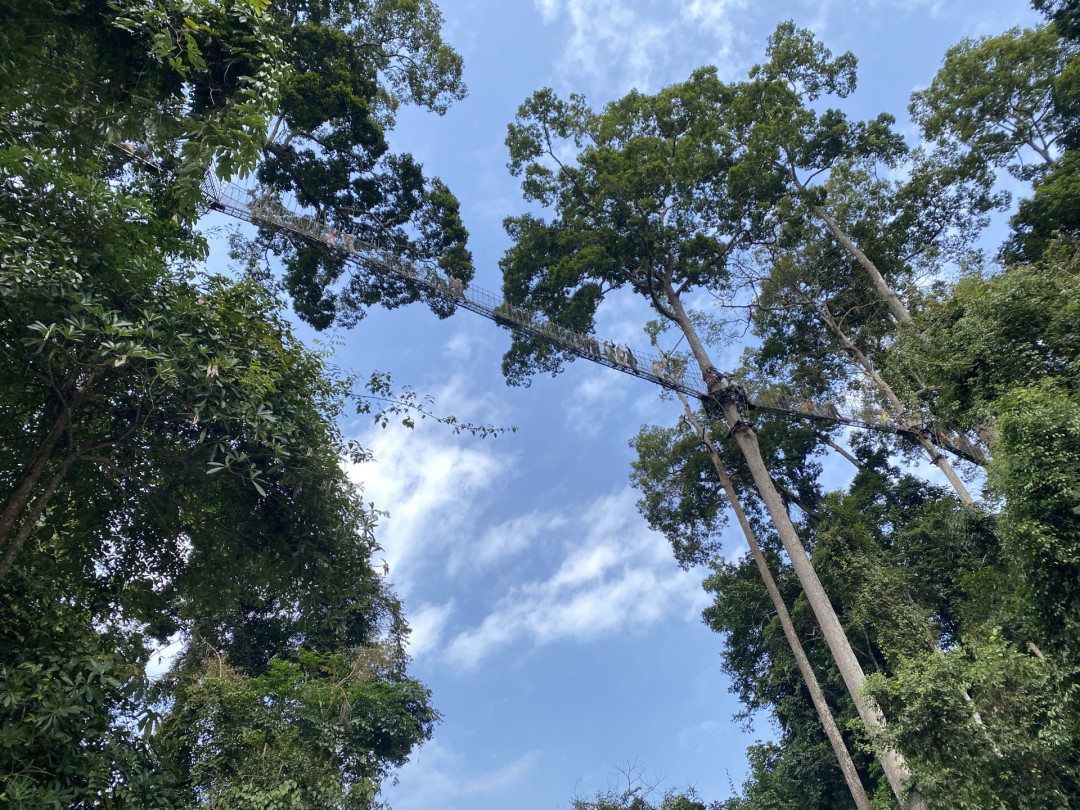
Wangtianshu: The Thrill of Walking in the Treetops
We drove and drove, passing dragon fruit plantations, pineapple mountains, and cornfields. You need to buy your ticket an hour in advance online.
First, we took a boat ride along the Nanla River, then walked the forest boardwalk. I'd recommend hiring a guide. The forest had occasional mist sprays, making it feel like a fairyland. We bought some local bananas to snack on—remember to pick the ugly ones.
Walking in the treetops was a bit scary for me. I didn't dare look down, and my legs were trembling. After finishing, we took a sightseeing car back to the entrance. The bamboo-wrapped meal that came with our group-buy ticket was decent—I tried fried pork skin for the first time, very crispy. At the souvenir shop at the entrance, I had a Pu'er Golden Osmanthus Latte—a blend of tea and coffee.
Tropical Botanical Garden: The Regret of No Guide
We arrived at the Tropical Botanical Garden around 4 PM. We bought tickets plus the West Garden shuttle bus and wanted to hire a guide, but during peak season, all guides were taken. We had to explore on our own. In winter, there were no giant Victoria water lilies big enough to sit on, and without a guide, it was a bit boring. We shamelessly eavesdropped on other guided tours and finally saw the dancing grass—though it didn't actually dance for us.
The hot air balloon, which rises for 15 minutes and costs a fortune, is a great spot for photos. Suddenly, a downpour hit, and we had to take shelter. Fresh juice was 15 yuan a cup—the passion fruit juice was good. Because of the rain and lack of time, we missed several spots.
Botanical Garden Night Tour: A Magical Evening
Thankfully, the rain stopped, so the night tour wasn't affected. You need to book in advance through a mini-program—80 yuan per person, not including the daytime ticket, but your daytime ticket is still valid for entry.
I got to touch a stick insect—it felt like touching a twig! Even though it was winter, with no fireflies and few insects, our guide, Moyu, made it fascinating. I watched a triangular spider weaving its web, golden ants building their nest, searched for stick insects, was lucky enough to find firefly larvae, watched a stink bug cross the road, learned that snails have left-spiral and right-spiral shells and are hermaphroditic... It was a magical night at the botanical garden, so much fun!
The night tour ended around 9 PM. Brother Guang drove us back to the hotel, passing the dragon fruit plantation again. At night, the lights were on, and it looked beautiful.
Dinner: Authentic Dai-Style Barbecue
On the way back, we asked Brother Guang where to find authentic Dai-style barbecue. The owner was a Dai woman, and her daughter-in-law did the grilling. We ordered the lemongrass-grilled tilapia—15 yuan for one, and it was huge! Also, pork belly, grilled baby squash, and grilled long beans. For 110 yuan, the two of us were stuffed.
Is the Tropical Botanical Garden Worth Visiting?
Before coming, I read many reviews—some said the winter garden wasn't worth it, others said it was fantastic. Based on my experience: it's worth it! This is Xishuangbanna's only 5A-rated scenic spot, with excellent ecological preservation. But the key is to hire a guide! Generally, the first group of visitors in the morning can get a guide, or around 1 PM. A guide will help you identify plants, collect seeds, flowers, and leaves—it's endlessly fascinating.
If I were to re-plan, I'd visit the botanical garden first, then Wangtianshu, and do the night tour on the way back.
Day 4: Jinuo Mountain Rainforest Hike & Pu'er Little Panda Manor
Breakfast: Pu'er Vinegar Rice Noodles
In the morning, we tried the Pu'er vinegar rice noodles near our hotel—open 24 hours. The specialty is the free "beauty vinegar," which tastes like apple cider vinegar—I had three bowls. The wide noodles are called "mi gan," and the thin ones are "mi xian." You can have half and half, and this place uses red rice noodles.
Jinuo Mountain Rainforest Hike: A Special Forces Experience
Off we went to Jinuo Mountain! There was a little hiccup—it had been raining recently, and the mountain road was muddy and treacherous, with countless twists and turns. Our car even got stuck in the mud. Several local young men helped push us out, but the left front tire was punctured. Later, we learned we could have had the tour operator send a car to pick us up.
By the time we reached the meeting point, the BMW had turned into a mud-covered horse. First, we bought rubber boots—30 yuan a pair, a cute pink color, but the soles were a bit thin. Walking on rocky paths was uncomfortable, so remember to ask for an extra insole. Disposable raincoats and bottled water were free.
Our guide was a Jinuo ethnic brother named Qipiao, very experienced. He led us through the forest, identifying plants, eating wild vegetables, recognizing wild fruits, and even teaching us some Jinuo language—all I remembered was "mom" is "ama" and "little girl" is "miko."
Under Qipiao's guidance, we crossed mountain ridges, waded through streams, painted our faces with rock pigment, caught tiny crabs, climbed trees for rappelling, and swung on swings and shot arrows. We watched rubber trees drip latex, painted our faces for sun protection, caught little crabs, identified banana trees and mountain peppers... Everything was novel!
The hike lasted about 3 hours, and the intensity was manageable. Finally, we returned to the visitor center to wash up and eat—a rainforest feast! Qipiao enthusiastically invited me to swing on the 30-meter ancient tree swing. I politely declined—I know my limits.
Jinuo Mountain vs. Mengyuan Fairyland: Which to Choose?
The hike was the highlight of the trip—you absolutely must do it! I had originally planned to go to Mengyuan Fairyland, but it's farther away and our schedule didn't allow it, so we settled on Jinuo Mountain.
- Mengyuan Fairyland: The earliest developed area, very mature. Besides hiking, you can also rock climb, drink cliffside coffee, explore caves, and the rainforest meal is served by the stream—very atmospheric.
- Jinuo Mountain: Closer to Jinghong city, but the mountain road to the village is rough, especially muddy when it rains. I'd recommend asking about road conditions and whether the operator can arrange pickup.
When booking, ask about group size. Don't join a big bus tour—better to have a private group. Remember: buy rubber boots, bring your own insect repellent and outdoor gloves (fingerless ones).
Pu'er Little Panda Manor: A Semi-Wild Animal Paradise
After lunch and a short rest, we headed to Pu'er Little Panda Manor. Most of the animals here are semi-wild—they come out during the day to "work" at the forest park and go back to the forest to sleep at night.
Brother Guang helped us buy discounted combo tickets—125 yuan per person for entry and the shuttle bus. The souvenir shop was adorable—I wanted to take home a plush "Fat Jiajia" panda, but my mom said no.
The forest park has well-maintained boardwalks with lush vegetation—a pleasant stroll. There weren't many animals; you see what you see, since they're free to clock in and out as they please. We spent 20 yuan to interact with a white rhino, and saw binturongs, monkeys, barking deer, owls, a peacock displaying its feathers... The little pandas were chubby and adorable—definitely try interacting with them!
Is Pu'er Little Panda Manor Worth It?
Many people complain that it's far, remote, and has few animals. But I thought it was pretty good—what attracted me was the semi-wild concept. Just walking the forest boardwalk is enjoyable. You see whatever animals you see—I'm free, and the animals are free too. I like this kind of coexistence.
Accommodation Recommendation: Great Value Hotel in Pu'er City
The hotel Brother Guang recommended was fantastic! Incredible value for money, and they even gave us a parting gift. After settling in, we went to a restaurant recommended by locals—unfortunately, all the good dishes were sold out. After eating, we went to a foot massage place across the street. While getting our feet worked on, we watched the Shanghai-dialect version of "Blossoms Shanghai" on TV. The massage therapists said they watch it too, but don't understand the dialect.
Day 5: Jingmai Mountain—Catching a Sunset and a Sky Full of Stars
Breakfast: Alleyway Bean Soup Rice Noodles
In the morning, we had bean soup rice noodles from a little alley shop—9 yuan a bowl. My mom had the pea soup, and I had the peanut soup—I preferred the pea soup, rich and fragrant. The fried dough stick is essential—must add it!
Why Not Dai Ethnic Garden and Manyuan Village?
Because Jingmai Mountain, with its thousand-year-old ancient villages, was more appealing to me! During this season, the cherry blossoms on Jingmai Mountain were in full bloom, with spring vibes everywhere.
Entering the mountain involved 17 kilometers of gravel road—a bumpy ride. We arrived at Nuogan Ancient Village. The entire village sits in a depression, quite compact, with 114 households, mostly Dai. Pointed-roof stilt houses, each with ox horn decorations on the roof.
Of course, every household sells tea. Villagers warmly invite you in for a cup. Since we didn't plan to buy any, we felt too awkward to go in. There were also places to eat in the village center—the grilled pork strips were good, and the young guy next door was selling jar-baked milk tea, which was excellent!
Wengji Ancient Village: Sunset with the Blang People
We headed to Wengji Ancient Village, mainly inhabited by the Blang ethnic group. We stayed at the Chahun (Tea Soul) Guesthouse. The third floor had a viewing terrace where you could sip tea and watch the sunset. During peak season, the accommodation wasn't great value—almost 600 yuan for a room with moldy cabinets and poor soundproofing. But the staff were very welcoming, helping to chase away moths and offering free tea.
The sunset at Wengji made time stand still.
Stargazing: Moved by a Sky Full of Stars
After dinner, Brother Guang said he'd take us stargazing at 9:30 PM. The last time I saw stars like this was in New Zealand—five years ago.
The quiet ancient village had no streetlights, only the warm glow from each household. At 9:30, we arrived at the ancient temple, where it was pitch black. We sat on the ground and looked up—a sky full of stars! Some were exceptionally bright, twinkling. I desperately wanted to capture the moment, but my phone couldn't do justice to the beauty of the starry sky.
Final Thoughts: The Meaning of Travel
This trip to Xishuangbanna deeply impressed upon me that a good journey isn't about how many attractions you visit, but about who you're with and how you experience it.
Thank you to Brother Guang for his professional advice, helping us avoid the crowds and the pitfalls. Thank you to my mom for her support, filling this trip with warmth. Thank you to every unexpected surprise—the stick insect in the rainforest, the ancient village under the stars, the firefly larvae during the night tour...
If you're also planning to bring your family to Xishuangbanna, here's my advice:
- Stay at Splashing Water Square—quieter and more affordable than Gaozhuang, and convenient for taxis.
- Find a reliable private driver—don't be cheap; a good driver saves you half the hassle.
- Choose your attractions wisely—don't try to do everything. In-depth travel is more meaningful than rushing through check-ins.
- Do your homework on photo shoots—avoid hidden costs.
- Definitely do a rainforest hike—it's the most unique experience Xishuangbanna has to offer.
- Hire a guide at the Tropical Botanical Garden—otherwise, you'll miss so much.
Finally, the greatest meaning of travel is that it shows us, while we're on the road, that life can be lived differently. May everyone find their own way of traveling and encounter a better version of themselves along the journey.
You should also read:
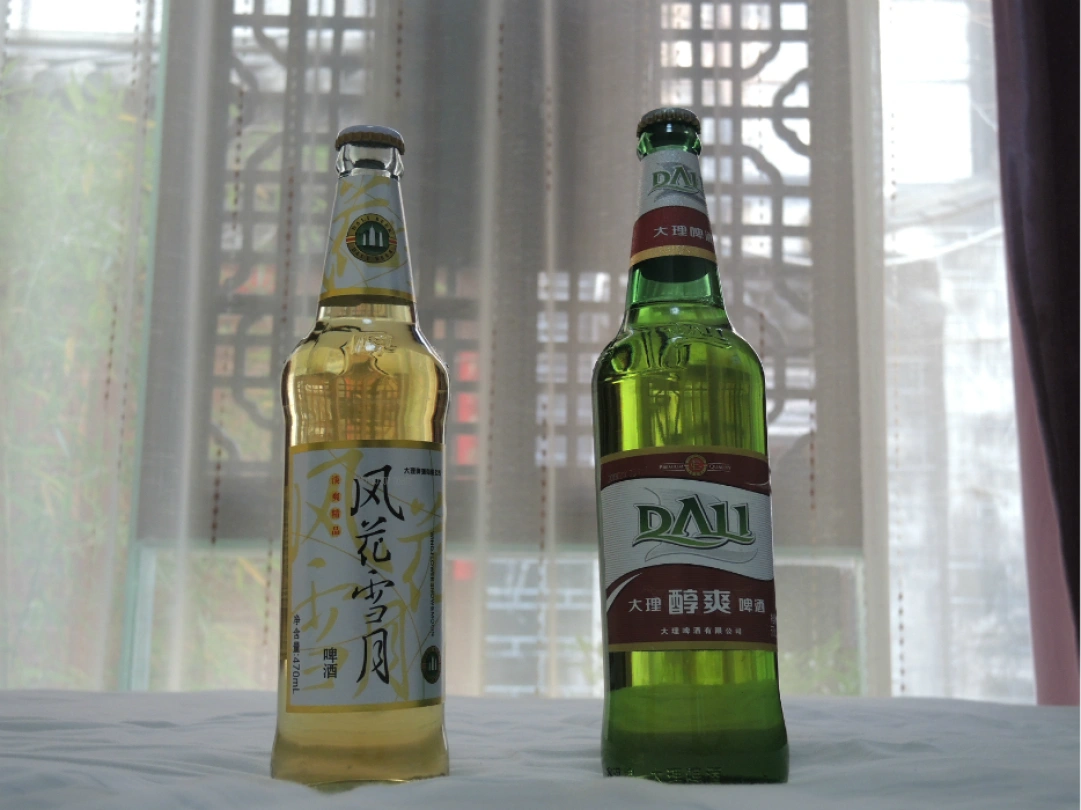
Drunk on Dali's Wind, Flowers, Snow, and Moon — A Stroll Through the Clouds (Part 2) [Food Guide to Shuanglang, Xiaguan, and Xizhou in Yunnan]
Drunk on Dali's Wind, Flowers, Snow, and Moon — A Stroll Through the Clouds (Part 2) [Food Guide to Shuanglang, Xiaguan, and Xizhou in Yunnan] Prologue: A Journey That Leaves Your Heart Behind There are some places you have to see with your own eyes…
Continue reading...
24 Days, 1400 Yuan: A Solo Journey Along the Sichuan-Yunnan Route, Trading Stories for Scenery
24 Days, 1400 Yuan: A Solo Journey Along the Sichuan-Yunnan Route, Trading Stories for Scenery Setting Out, Not to Escape, but to Find Myself The year I graduated from university, I did two "crazy" things: I quit my job, and I set off on a…
Continue reading...
The Meaning of Travel: At Lugu Lake, Encountering a Dialogue Between Scenery and Soul
The Meaning of Travel: At Lugu Lake, Encountering a Dialogue Between Scenery and Soul Have you ever felt that urge—to spread a map open, run your finger across unfamiliar place names, and imagine yourself standing on that untouched land, breathing different air? Travel is never…
Continue reading...