24 Days, 1400 Yuan: A Solo Journey Along the Sichuan-Yunnan Route, Trading Stories for Scenery
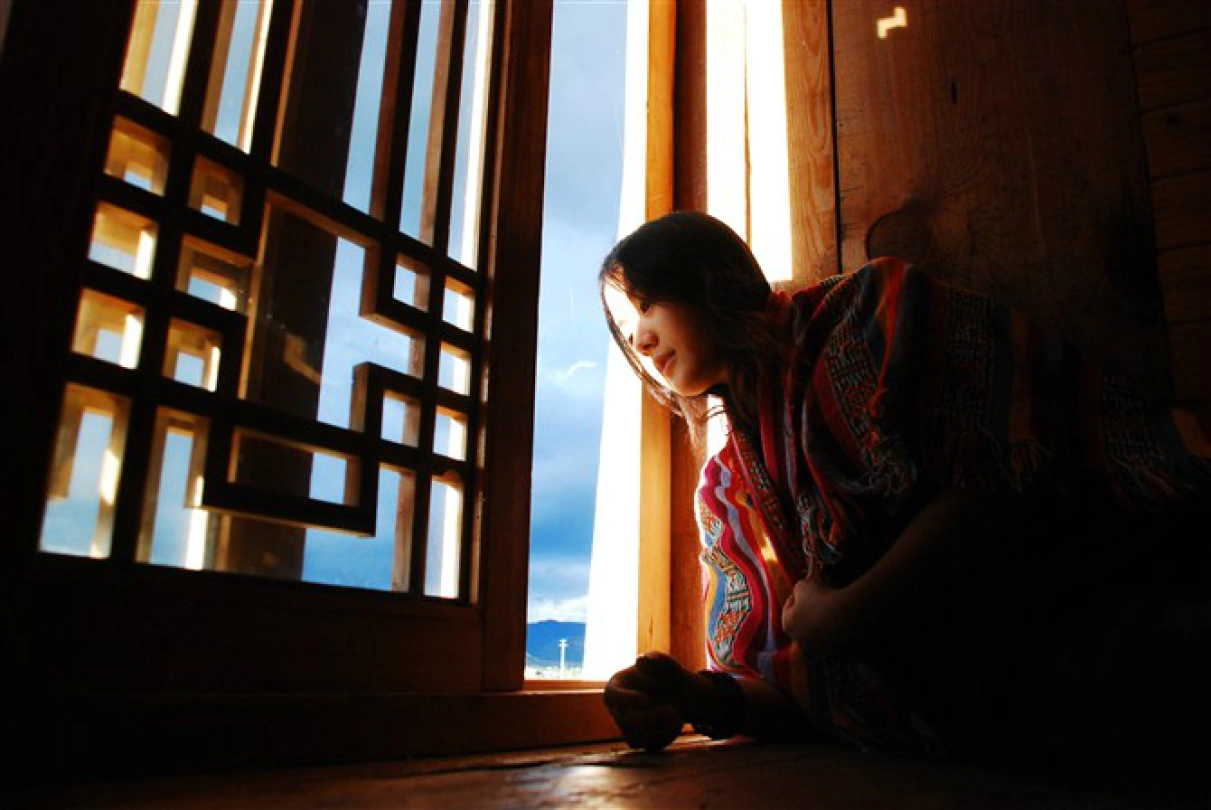
24 Days, 1400 Yuan: A Solo Journey Along the Sichuan-Yunnan Route, Trading Stories for Scenery
Setting Out, Not to Escape, but to Find Myself
The year I graduated from university, I did two "crazy" things: I quit my job, and I set off on a solo trip.
In September 2011, I shouldered a backpack stuffed with anticipation and left Chengdu, heading west along the Sichuan-Yunnan route. Twenty-four days, 1,400 yuan (roughly $200 USD at the time), no return ticket, no detailed plan—just a heart that wanted to rediscover itself on the road.
This isn't a guidebook. There are already plenty of posts online telling you how to save money or hit every tourist spot. I just want to write down a memory—a collection of moments shaped by strangers, landscapes, and the version of myself I met along the way.
Why Go? Because I Didn't Want to Become Someone Who Says "Someday"
In June 2011, my student life came to an end. The sudden shift in identity and the confusion of entering the workforce began to weigh on me—someone who had once been carefree to the point of obliviousness.
One day in August, I came across this passage:
"At 18, they ask you about your dreams, and you say you want to travel the world. At 22, you've finished college, and you say you'll go once you find a job. At 26, your career is stable, and you say you'll go after buying a house. At 30, you have a car and a home, and you say you'll wait until you're married to take your wife. At 35, you have a child, and you say you'll wait until the kid is older. At 40, the child is grown, and you say you'll wait until your parents are taken care of... In the end, you never go anywhere."

The next day, I quit my job. The day after that, I did research, booked tickets, and packed my bags.
"I'm going traveling alone," I told the people around me.
Some said I was crazy. Others said I was brave. My father simply said, "Go see the world out there."
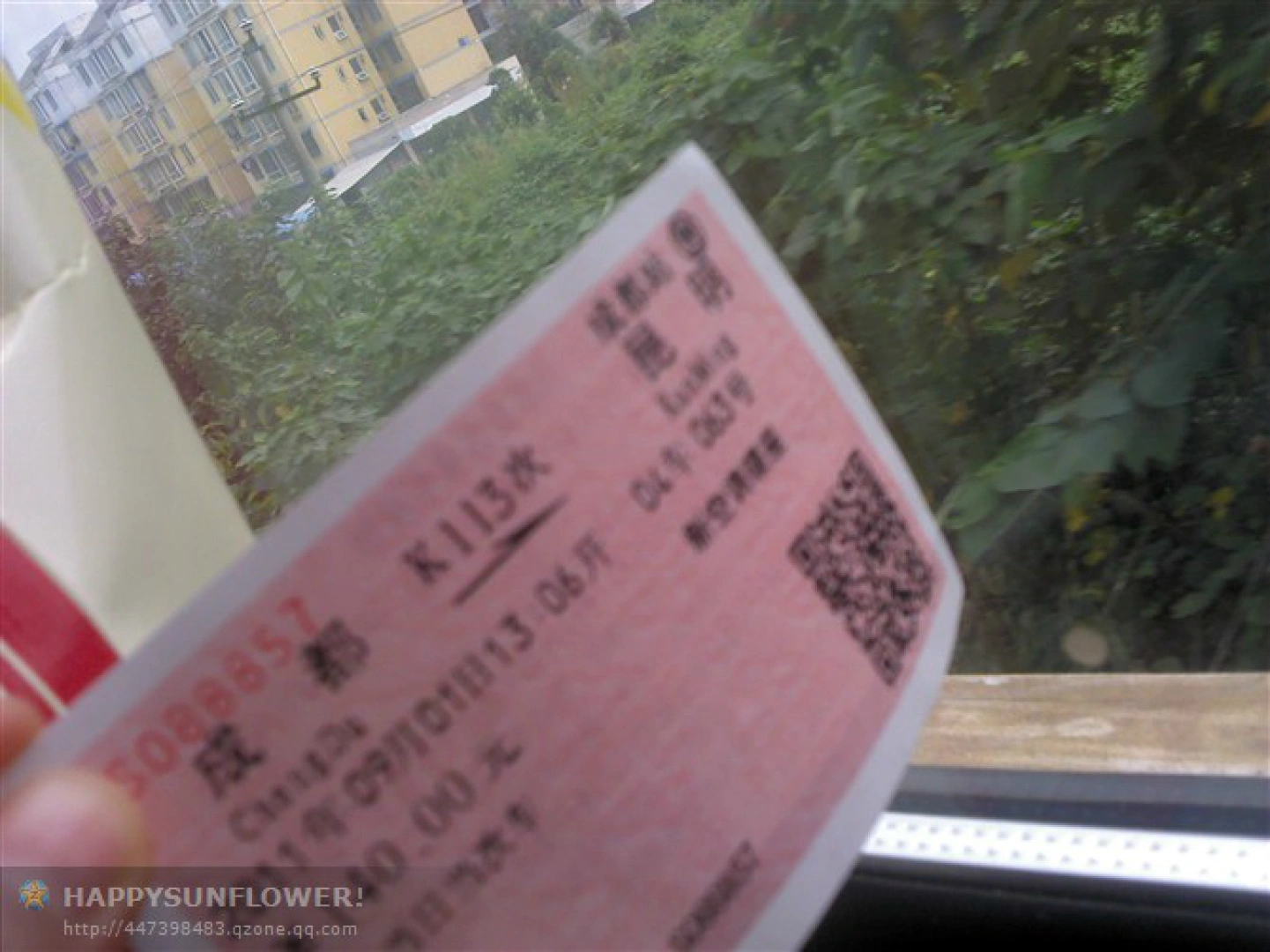
I lied to my mother, telling her I'd be back in a week. But that train ticket had only a departure—no return.
The moment the train started moving, excitement suddenly turned into reluctance. For the first time in 21 years, I was leaving home alone. Something glistened in my eyes. "See you later, Chengdu!" The train rumbled forward with a deafening roar, carrying me into the unknown.
The First Group of Friends: A Story Theater on the Train
A train carriage is a marvelous melting pot of stories. I sat there, full of anticipation and a hint of caution, waiting for tales to unfold.
Across from me sat a couple. The man was a Bai ethnic brother from Dali, serving in the Chengdu military region. The woman was from Sichuan. He was taking her home to meet his parents. They were funny, sweet, and their eyes sparkled with happiness.
Beside me sat a guy with "a scruffy beard and disheveled hair." He wore a tank top and had a towel draped around his neck. After a few exchanges, I learned he was a Yunnan University student who had just returned from a hiking trip.
"I thought you were a working-class uncle! Turns out you're younger than me—little brother!" I exclaimed.
The carriage lights dimmed, and the attendant announced it was time to sleep. The noisy compartment gradually quieted down. My "little brother" and I leaned our heads back against our seats and talked in hushed tones.
He had just finished hiking through a desert with a friend, crossed a snow mountain, and stayed in mountain huts where horses would curiously peek into the tent at dawn. He planned to next set out with just enough money for the fare, carrying a guitar, busking and hitchhiking his way to Tibet.
We talked about travel, love, and the universe. He loved astronomy and hoped to work in the field after graduation. On Mid-Autumn Festival, he texted me, inviting me to pitch a tent at his university, look at the moon, and teach me about the stars. But by then, I was already in Shangri-La and couldn't make it.
The Second Group of Friends: Hello, Dali
I arrived in Kunming at dawn, said a quick goodbye to my train friends, and bought a ticket to Dali. The funny thing was, I had a seat ticket, but the carriage was a sleeper—I shamelessly felt like I'd gotten a little bargain.
The small fold-down seat by the window in a sleeper carriage is a wonderful place for contemplation. Across from me, a little boy sat with his chin in his hand, staring out the window. I secretly snapped a photo—I guessed he was missing home.
Back inside the compartment, I met Shuangshuang, a girl from Fujian who was also traveling alone. She had just quit a job that had been stressing her out, but she didn't seem relieved—she still had unresolved disputes with her former company. She told me about a terrifying encounter with gangsters during a business trip to Guangdong, about a dispute over a small hot spring in her hometown, and funny stories from working in Xiamen.
When I got off the train, I realized I had no change for the bus. I borrowed a yuan from a fellow passenger—and that's how I met Ruo Xiaodi (Little Brother Ruo). Three strangers, and together we began our Dali adventure. Who says traveling alone has to be lonely?
We found a guesthouse near Dali's ancient town. Shuangshuang and I shared a twin room—25 yuan each, clean and tidy. After a quick freshen-up, the three strangers set out to explore the old town together.
To be honest, I wasn't particularly impressed with Dali's ancient town. These days, most historic towns are pretty much the same—ancient sites mixed with fake reproductions, genuine handicrafts mingled with knockoffs, and bars blasting music all night.
But the old town at dawn was a different story. I woke up early, wanting to see it stripped of its commercial veneer. And it was indeed much more refreshing. On a nameless street, every inn had a different decoration. Walking alone through the quiet streets was a pure pleasure.
That afternoon, we agreed to rent bikes and cycle around Erhai Lake. Since I wasn't very good at cycling, poor Ruo Xiaodi had to pedal me up hills and over bumps. Unfortunately, it was the rainy season, and the lake was shrouded in mist—we never got to see the legendary "Erhai Moon."
The country road from the old town to the lake was beautiful—trimmed flowers lined both sides, and the rice paddies in the fields were golden. We stopped there and took countless photos.
The bad weather, combined with my lukewarm feelings about the old town, led us to make a snap decision: head to Lijiang. This so-called "city of romance" hadn't even been on my original itinerary.
The Third Group of Friends: Lijiang's Neon Lights
At the Dali train station, I met three guys from Lijiang—A Fei, Xiao Xin, and Nao Can Jun (Brain-Damaged Guy—that's what they called each other). All three had graduated two years earlier. Two had quit their jobs; one ran his own shop. A Fei was an incredible hiker—he'd done the Tiger Leaping Gorge in sandals. Xiao Xin was a joker. Nao Can Jun was a "walking medicine cabinet," carrying a stash of common remedies.
We caught the last train to Lijiang. The station was still a distance from the old town, and after squeezing onto a bus for nearly two hours, we finally arrived. It was already dark. We found a random guesthouse outside the old town—the conditions were poor, and the price was higher than in Dali. We were annoyed for a few seconds, but curiosity and excitement quickly revived our spirits.
Lijiang was similar to most old towns, but more flashy and raucous than Dali. The thumping bass from the clubs made me feel like I was back in Chengdu's Jiuyanqiao bar district—the only difference was the small stream, bordered by stones, running between the buildings, which gave the place a slightly different feel from a city bar street.
I'm a total country bumpkin at heart. I couldn't stand the noise and urged everyone to escape the loudest bar street.
At the end of the noisy bar strip was a small square. It divided the old town into two worlds—one side released its energy in chaos, the other wandered in tranquility.
While we were busy taking photos, Ruo Xiaodi disappeared. We found him eventually, sipping tea in a tea shop. Ruo Xiaodi was born in the 1990s but had the mindset of a 1960s retiree. His yearly routine was to travel across the country searching for quality tea leaves—sometimes helping farmers harvest and roast tea, sometimes trekking into remote mountain villages to find new sources. Along the way, he taught me about tea and even gave me some he had roasted himself.
I told him that if I ever got tired of working, I'd become his apprentice and go tea-picking with him. After the trip ended, every time he called me, he was in a different place. Later, I heard he'd fallen in love there—he probably stayed for quite a while.
Lijiang's neon lights didn't reveal any beauty beyond my expectations. When I parted ways with Shuangshuang and Ruo Xiaodi, I silently shed a few tears. Then I headed to Shuhe with Xiao Xin and his crew.
The Fourth Group of Friends: Shuhe's Gentle Pace
The moment I arrived in Shuhe, I fell in love with its quiet and unhurried charm.
Ancient buildings stood silently on both sides of the street. In the middle of the road, a small stream carried meltwater from the Jade Dragon Snow Mountain. Travelers rested quietly on stone benches. Shopkeepers placed yogurt and beer in the stream, where they soon became ice-cold.
From a rustic little shop, the melody of Di Da (Tick Tock) drifted out:
Tick tock, tick tock, tick tock, the hour hand never stops turning Tick tock, tick tock, tick tock, the raindrops beat against the water ... Tick tock, tick tock, tick tock, gather your spirits and set out again
We searched for a long time in Shuhe before finding a hostel—a four-bed dorm for 30 yuan per person. It was the most well-equipped hostel I'd ever stayed in: a climbing wall, pool table, reading room, Go board, chess, guitars, public computers, and a lounge area.
We took a horse-drawn carriage to the Tourism College. On a clear day, we were told, you could see the Jade Dragon Snow Mountain from campus. The school grounds were beautiful—blooming Gesang flowers (a type of aster), tiny dandelions, and colorful shrubs. There was a path from the college back to Shuhe, with a small sunflower field and a solitary gate along the way—very atmospheric.
That evening, Xiao Xin treated us to music at a quiet bar in the old town. I ordered a hot milk, and the four of us played a card game I'd learned on the train. The band on stage sang stories that weren't their own. I stole a glance at the lead singer, then quickly looked away. I made up an excuse: "I have a fear of handsome men—I get nervous taking pictures of them."
Back at the hostel, everyone was in the common area reviewing photos and discussing plans. After a brief chat, we went back to our room.
"Hey, let's have a late-night talk session!" I shouted excitedly from the top bunk.
"Great idea," A Fei replied.
And then... we... fell asleep.
Oh, and about that "romantic encounter" everyone's so curious about. Three days after I left Shuhe, A Fei called to tell me they'd had one—except it was with a man. The guy fell for A Fei at first sight, but A Fei firmly rejected him. The admirer then turned to Nao Can Jun, who dodged and weaved. Meanwhile, Xiao Xin was "posing seductively" but got no attention at all. The admirer dismissively said, "Xiao Xin isn't my type."
The Fifth Group of Friends: In the Place Closest to Heaven—Shangri-La
For a place like Shangri-La, you need to have songs by Lao Lang, Xu Wei, and Li Jian loaded on your MP3 player. Every lyric teases your sense of freedom.
The bus ride from Lijiang to Shangri-La was a journey full of surprises. We drove from clear skies into rain, then into light snow. At several narrow points, the road had a cliff just below.
"Wow, beautiful!" a passenger exclaimed. Through the window, a faint rainbow arched across the sky—my first encounter with a rainbow. Sharing the view was a vast field of Gesang flowers. Each blossom stood proudly in the wide grasslands, where the blue sky met the prairie in the distance, and white clouds drifted lazily overhead. I was so mesmerized I felt tears welling up.
"Pretty, isn't it?" said the Yi ethnic girl sitting next to me. She was only 15, heading to Shangri-La to find work—her first time leaving home alone. She was a bit carsick, so I gave her a bottle of water and told her to rest.
"Dad, I've made it to Shangri-La. It's beautiful," I texted my parents when I had signal.
"Then feast your eyes on the scenery!" my dad replied.
In Shangri-La, I met the fifth group of friends: Na Jie (Sister Na), who had long hair and a very feminine aura; the witty Yoyo Ge (Brother Yoyo); YN Ge (Brother YN), who barely spoke but always smiled; and XN Ge (Brother XN), who loved taking photos. We were staying at a guesthouse run by a Tibetan sister named Lachu.
While we were chatting, two girls rushed in—they had just finished hiking the Tiger Leaping Gorge. One of them, named Pan, was a tour guide who saved up money and then hit the road. To make her travels smoother, she'd cut her hair short. "This way I look like a guy—safer," she said with a laugh. Later, I saw on her social media that she'd gone to Tibet—a free spirit, indeed.
The next day, we hitched a ride to Potatso National Park. The entrance fee was steep—180 yuan. For a budget traveler like me, having a fake student ID was a lifesaver!
They say you need a certain fate to truly appreciate a landscape. I had no fate with Potatso. It was sunny when we set out, but by the time we reached the foot of the mountain, the sky had turned gray, and then it started raining. My heart ached over the ticket price as I snapped a few hasty photos.
(There was a hollow tree stump big enough for a person to climb inside)
There are two ways to explore Potatso: hiking or taking the shuttle bus. Hiking takes two days, so we opted for the bus. On the way back, unfortunately, I got my finger caught in the window...
In the End: The Meaning of Travel
Twenty-four days, 1,400 yuan. From Chengdu to Kunming, Dali, Lijiang, Shuhe, Shangri-La, then on to Deqin's Yubeng Village, Daocheng Yading, Xinduqiao, and Kangding.
I didn't write a guide—there are already plenty online. I just wanted to capture a memory of a certain time.
Those strangers I met on trains, in hostels, and by the roadside—they filled my journey with their stories. Dali's Erhai Lake, Lijiang's bars, Shuhe's quiet pubs, Shangri-La's Gesang flowers—the scenery was beautiful, but even more beautiful were the stories we exchanged from the heart.
The meaning of traveling alone isn't about saving money or checking off tourist spots. It's about rediscovering yourself on the road.
You don't need to wait for "someday." Now is the best time to set out.
This article was written in the year I graduated from university. Later, I became a travel experience specialist. Three years after that, I happened to enter a travel competition and was selected as a travel adventure guide. If you also want to see the hidden beauties tucked away in deep mountains and forests, feel free to follow my new posts.
If you have questions, you can message me on Weibo, and I'll reply to each one.
Finally, thank you to all of you who are still reading this article two years later. Your comments and encouragement have been an incredible surprise.
You should also read:
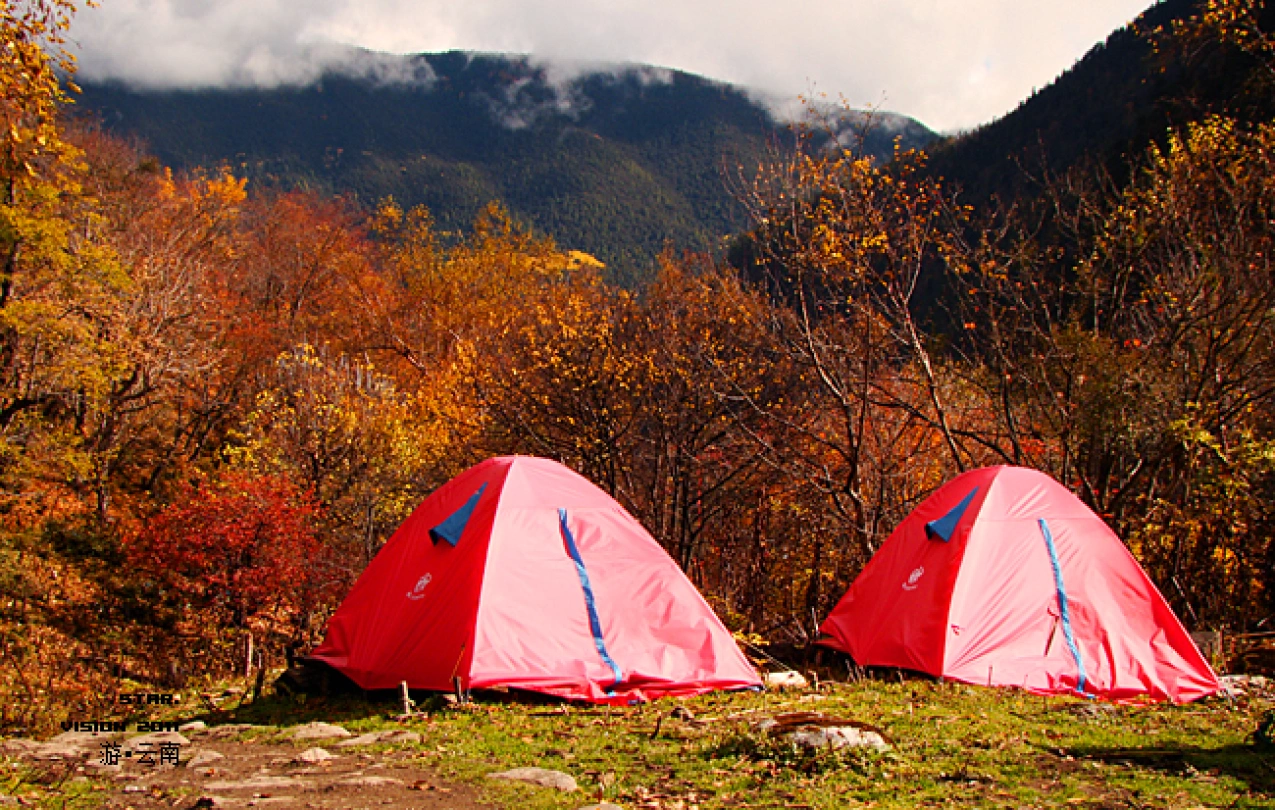
Yunnan! Paradise on Earth – The Yubeng Chapter: A Soul-Cleansing Journey into Seclusion
Yunnan! Paradise on Earth – The Yubeng Chapter: A Soul-Cleansing Journey into Seclusion Prologue: Why Yubeng? If you ask me which place in Yunnan is most worth hiking to, I would answer without hesitation: Yubeng. This is not an answer I give lightly. As a…
Continue reading...
Solo in Yunnan: A Wanderer’s Guide to the Land of Eternal Spring
Solo in Yunnan: A Wanderer’s Guide to the Land of Eternal Spring There’s something magical about traveling alone. No compromises, no schedules to keep, no one to please but yourself. I’ve been on the road for nearly three months now, and not once have I…
Continue reading...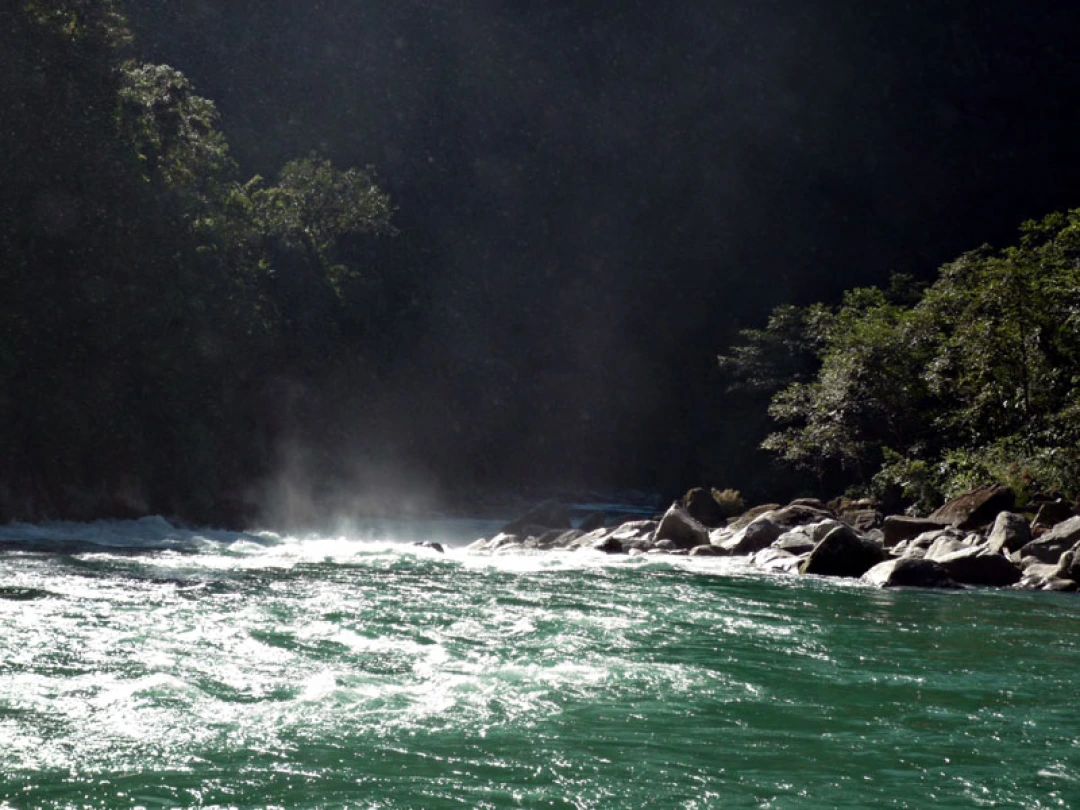
Into the Hidden Valley: A Solo Journey Through the Mysterious Dulong River
Into the Hidden Valley: A Solo Journey Through the Mysterious Dulong River Deep in the northwestern corner of Yunnan Province, tucked away from the modern world, lies a place that feels like a secret whispered among mountains. The Dulong River Valley is not just a…
Continue reading...