A Ramble Through Shangri-La: Witnessing the Golden Light of Meili Snow Mountain Once More, Reclaiming the Sun and Moon in My Heart
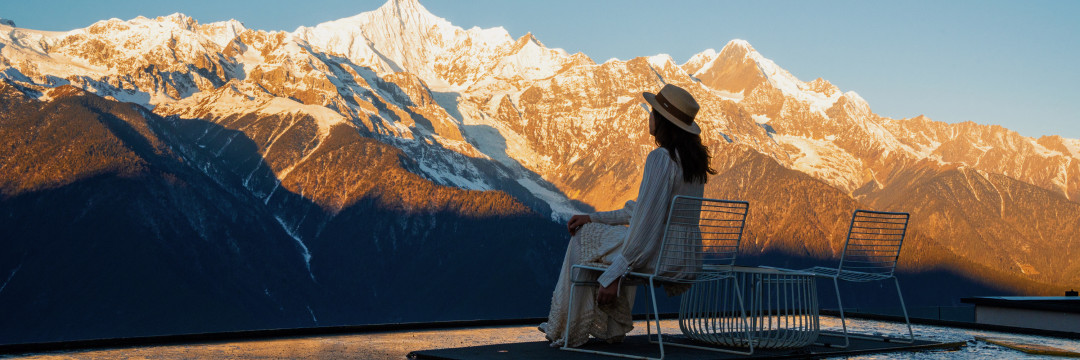
A Ramble Through Shangri-La: Witnessing the Golden Light of Meili Snow Mountain Once More, Reclaiming the Sun and Moon in My Heart
A journey of a thousand miles begins with a single step
Weibo: @TravelPhotographerRanJing WeChat: judysilent
Prologue: A Winter Invitation
Winter is a season made for reminiscence. When the year's hustle finally winds down, we often find ourselves on quiet nights, flipping through the mental photo album of the past year—the roads traveled, the people met, the scenery admired. For me, the best way to remember is to set off on another journey.
In January 2024, I accepted an invitation to Yunnan for the 6th Shangri-La International Birdwatching Festival. This was not my first time stepping onto this land known as "Shambhala," but each return stirs new emotions that take root deep in my heart. Tagore once said, "The sky leaves no trace of the bird's flight, but I have flown." I think this captures the essence of travel—we may not take anything away, but those landscapes and moments have already become part of who we are.
This time, carrying my obsession with the golden sunrise over snow-capped peaks and my deep affection for the snowy plateau, I returned to Shangri-La. I wanted to see if the place that once moved me to tears could still make my heart flutter as it did before.
Napahai Lake: A Gentle Winter Lake

First Glimpse of Napahai
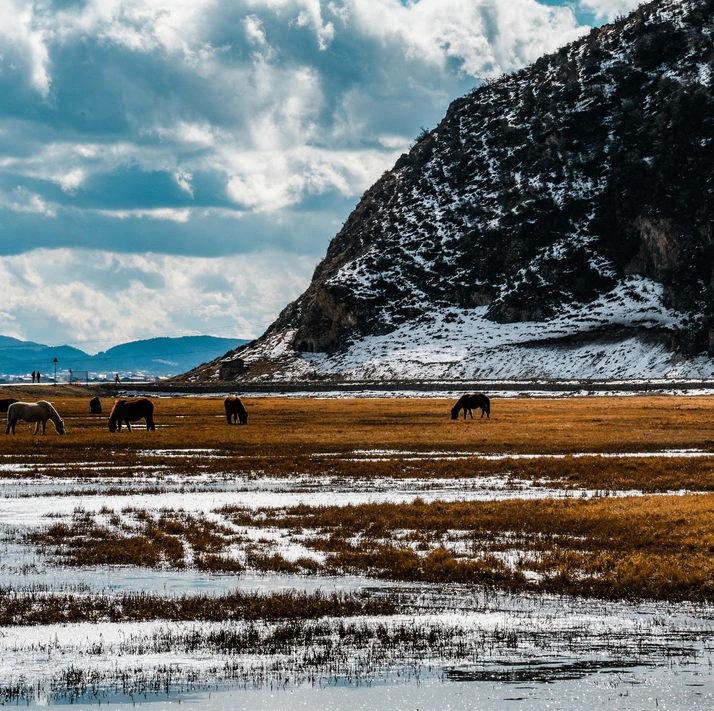
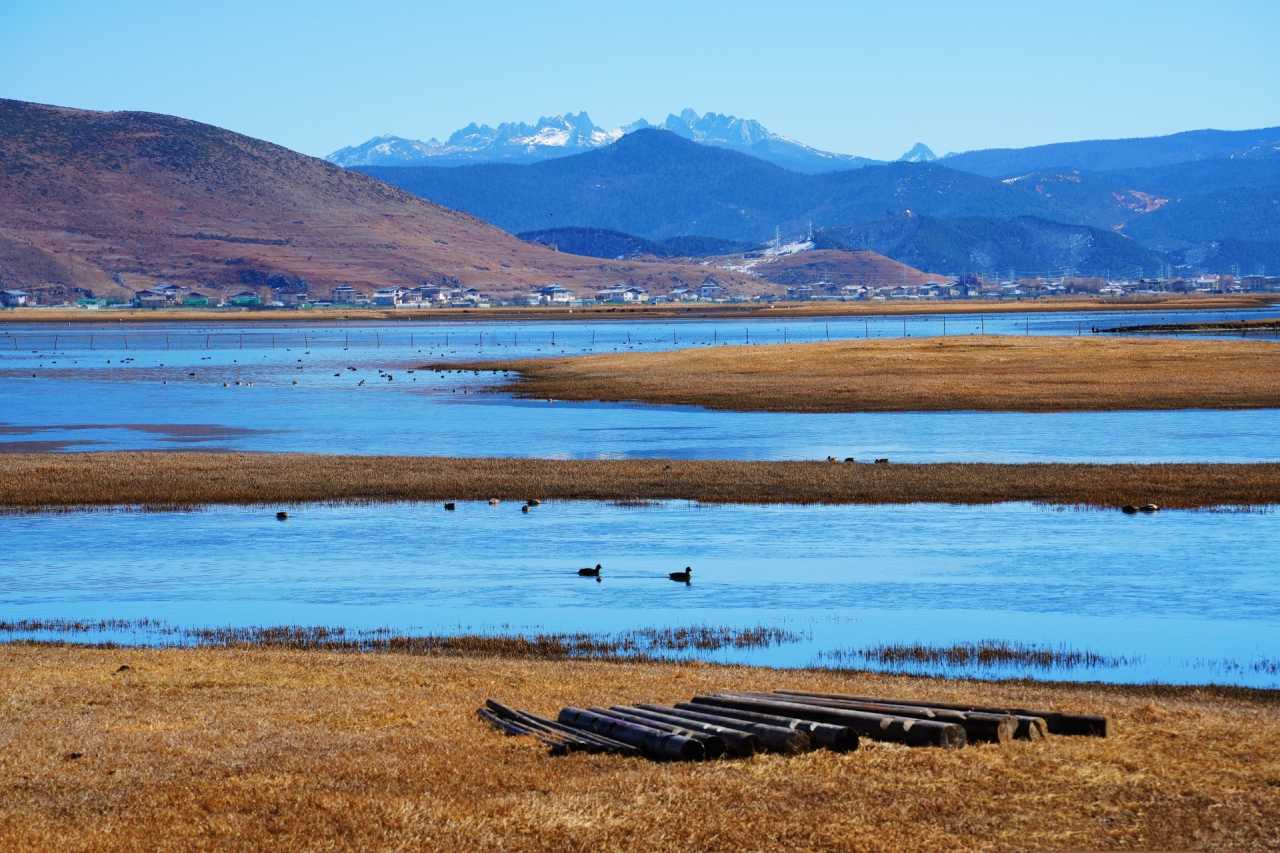
Our first stop upon arriving in Shangri-La was Napahai Lake. The name means "lake by the forest" in Tibetan, and it lives up to its reputation—surrounded by dense vegetation, dozens of streams meander through the grasslands, eventually converging into this alpine lake.
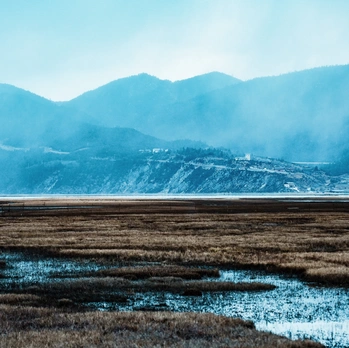
In winter, Napahai sheds the clamor of summer and dons a cool, striking beauty. The lake's surface is as calm as a mirror, reflecting the blue sky and white clouds. Occasionally, a few black-necked cranes pace gracefully, pecking at water plants with an enviable leisure. This is a winter paradise for migratory birds and a heaven for photographers.
Freedom on the Meadow
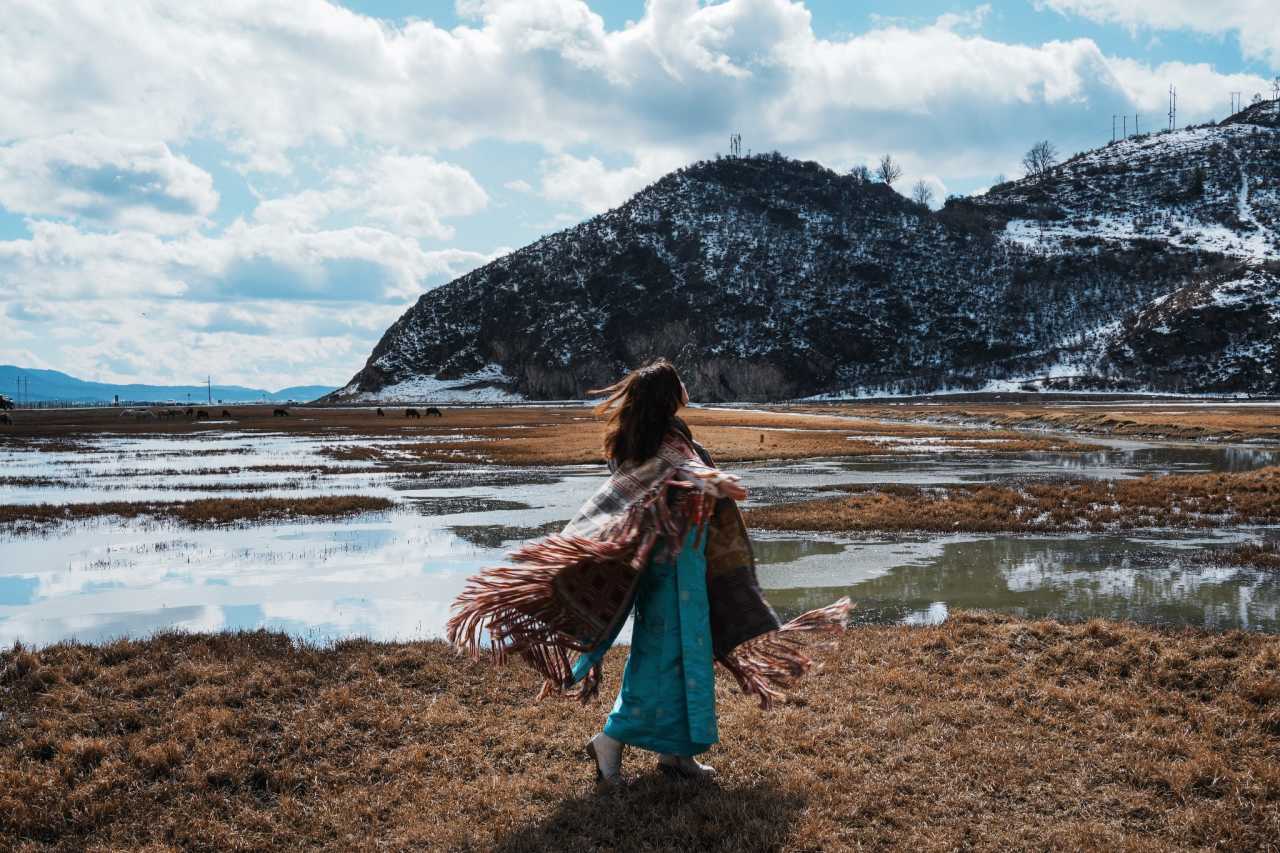
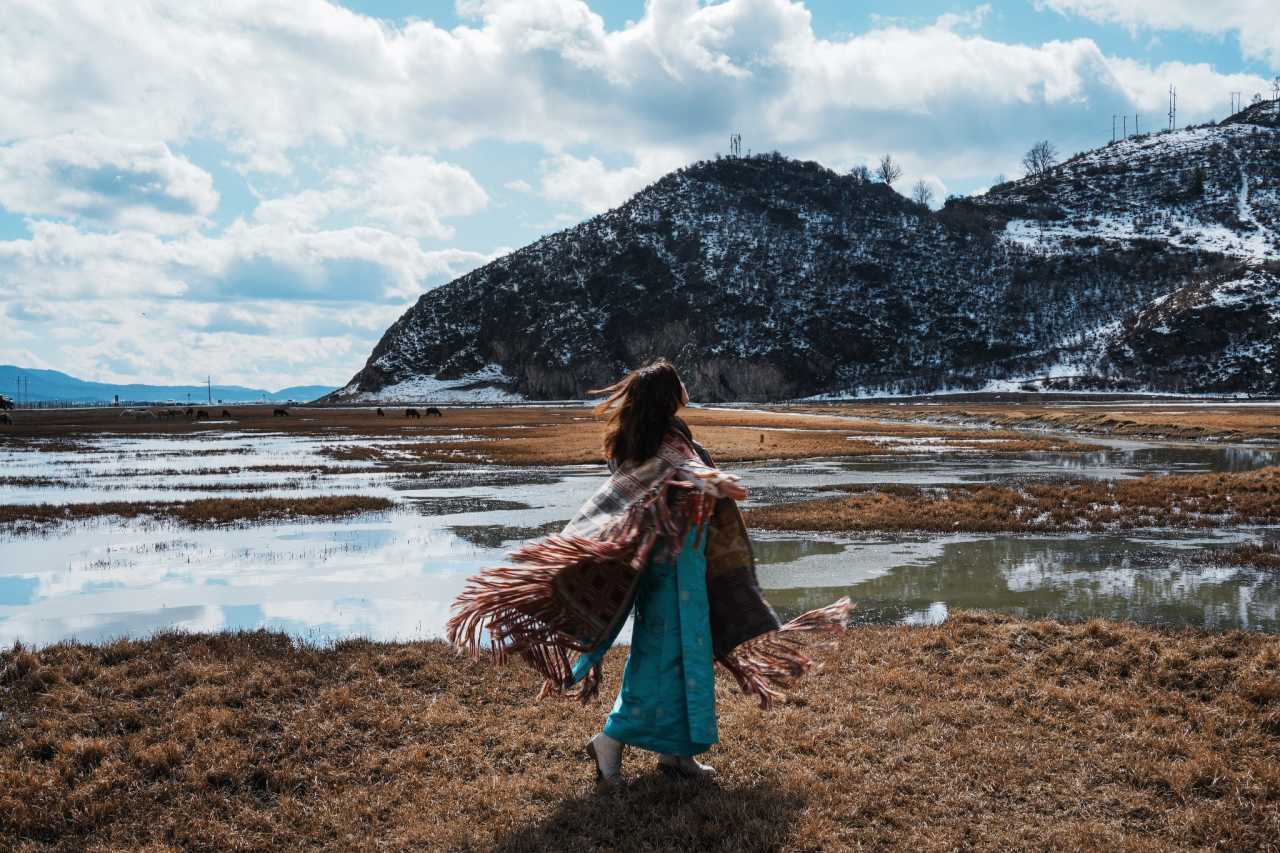
Despite being called a "sea," Napahai is not vast. It feels more like a reserved maiden, beautiful in its purity and simplicity. Winter is the dry season, when the lake recedes, exposing large meadows. This actually gives us more room to explore—stepping on the soft grass, with the moist earth of melted snow beneath our feet and the crystal-clear blue sky above.
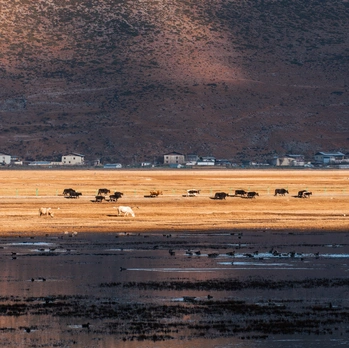
Cattle and sheep become the most natural supporting characters, strolling leisurely across the meadow. They occasionally glance up at you, then lower their heads to continue grazing. Every frame here looks like it was lifted from a Studio Ghibli animation.
Practical Tips
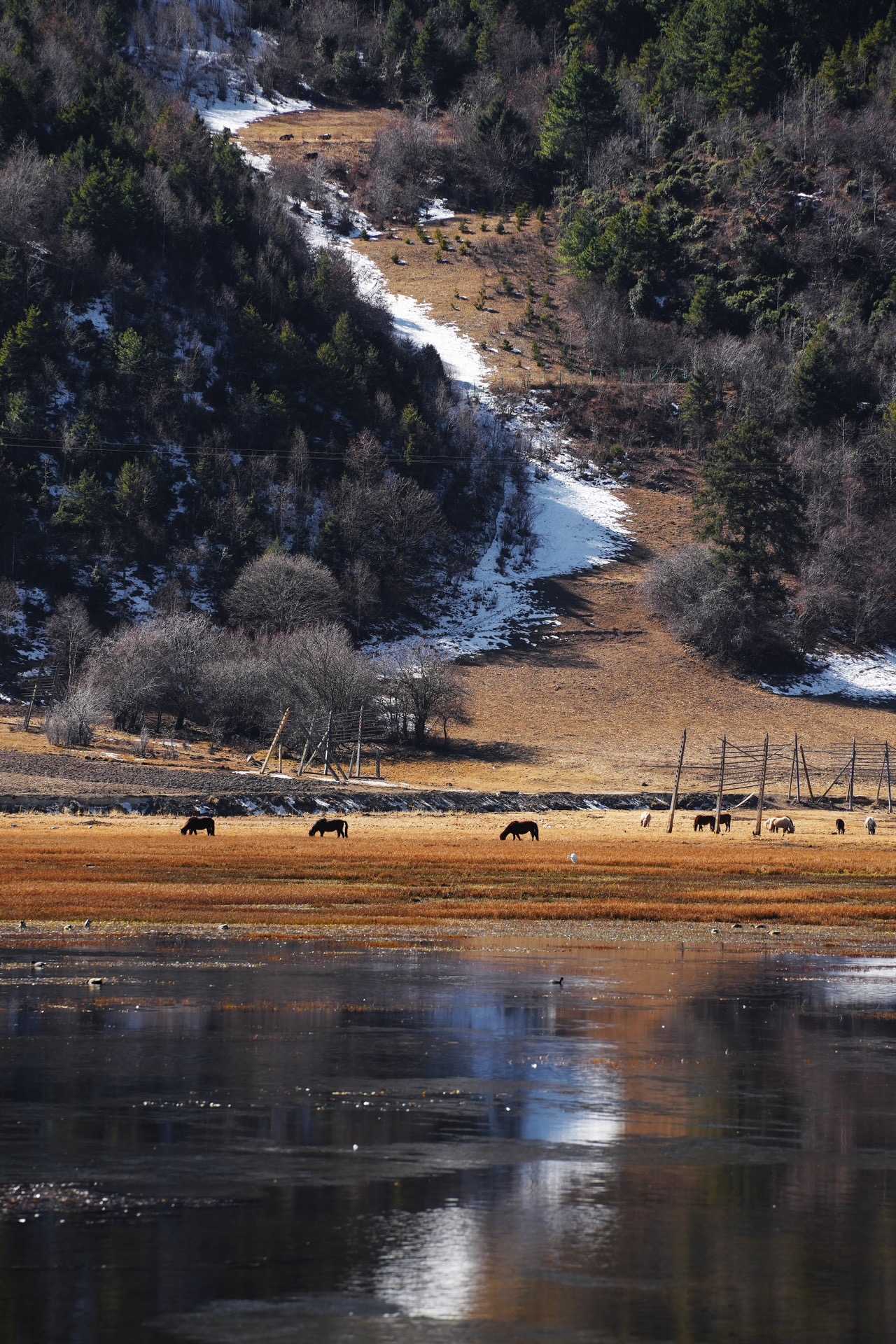
If it's your first time at Napahai, I recommend navigating to "Huanhai Road" rather than searching directly for "Napahai." Going straight to Napahai might take you through local herders' pastures, where extra fees apply. Here's a scenic, less-crowded route I recommend: Napahai—Halfway Boiling Coffee—Tacun Direction—Shangri-La Alpine Botanical Garden—Return to City Center. The entire loop takes about 3–4 hours, plenty of time for a full experience.
Songzanlin Monastery: The Sunlit City of Faith
The Grandeur of the Little Potala Palace
How could you visit Shangri-La without going to Songzanlin Monastery? Yunnan's largest Tibetan Buddhist monastery, covering over 500 mu (about 83 acres), is resplendent and solemn, earning it the nickname "Little Potala Palace." With a history of over 340 years, it belongs to the Gelug school of Tibetan Buddhism, where monks adhere strictly to monastic discipline, cultivating their practice here.
The monastery rises in layered tiers, orderly and imposing, its quintessential Tibetan architectural style inspiring awe. Every hall and every statue tells a story of faith's power.
Gerdong Festival: A Mysterious and Solemn Ritual Dance
We arrived on the day of the Gerdong Festival (the 29th day of the 11th month on the Tibetan calendar). For locals, this is one of the most significant religious festivals of the year. Monks don masks representing the wrathful forms of protective deities, performing a ritual dance to bless devotees, drive away evil, celebrate the harvest, and pray for peace and prosperity in the coming year.
Exaggerated colors, bold lines, near-ferocious expressions, costumes steeped in stories, and ritual implements from mythology—all come together under the low, resonant music, creating an atmosphere of mystery and solemnity. Devotees gather in the square, praying together as they welcome this sacred ceremony.
The City of Sunlight and the City of Moonlight
In Tibetan regions, people hold deep reverence for everything around them. Every gentle breeze may carry a devout prayer. A local monk told me that "Shangri-La" means "the sun and moon in the heart." Each morning, the first rays of sunlight illuminate the golden roof of Songzanlin Monastery, earning it the name "City of Sunlight." Not far away, Dukezong Ancient Town is called the "City of Moonlight." By day, Songzanlin stands solemn and majestic; by night, Dukezong is holy and romantic. This unique geomantic layout is the soul of Shangri-La.
Dukezong Ancient Town: A Millennia-Old City Under the Moon
1,300 Years of History
Dukezong Ancient Town has a history spanning over 1,300 years, making it the best-preserved and largest Tibetan residential settlement in China. Wandering through its alleys, you'll find wood-and-stone buildings rich in Tibetan character. Every door and every window whispers stories of the past.
At night, the town is ablaze with lights—the city walls, alleyways, and crowds winding around Big Tortoise Mountain. Perched on high ground, Dukezong Castle shines especially bright under the illumination. The interplay of daylight and night's darkness gives this moonlit castle a romance that even the evening breeze cannot dispel.
A Photographer's Treasure Trove
If you're a photography enthusiast, Dukezong Ancient Town is a goldmine. Tortoise Mountain Park and Square Street are excellent spots for taking photos. In the early morning, the sunlight and moonlight are equally crisp. The golden ancient temple and the panoramic street views are sights you can't miss. If you stay here, such scenery will surely become the mysterious force that wakes you up early.
Potatso National Park: An Ecological Sanctuary in the Three Parallel Rivers Region
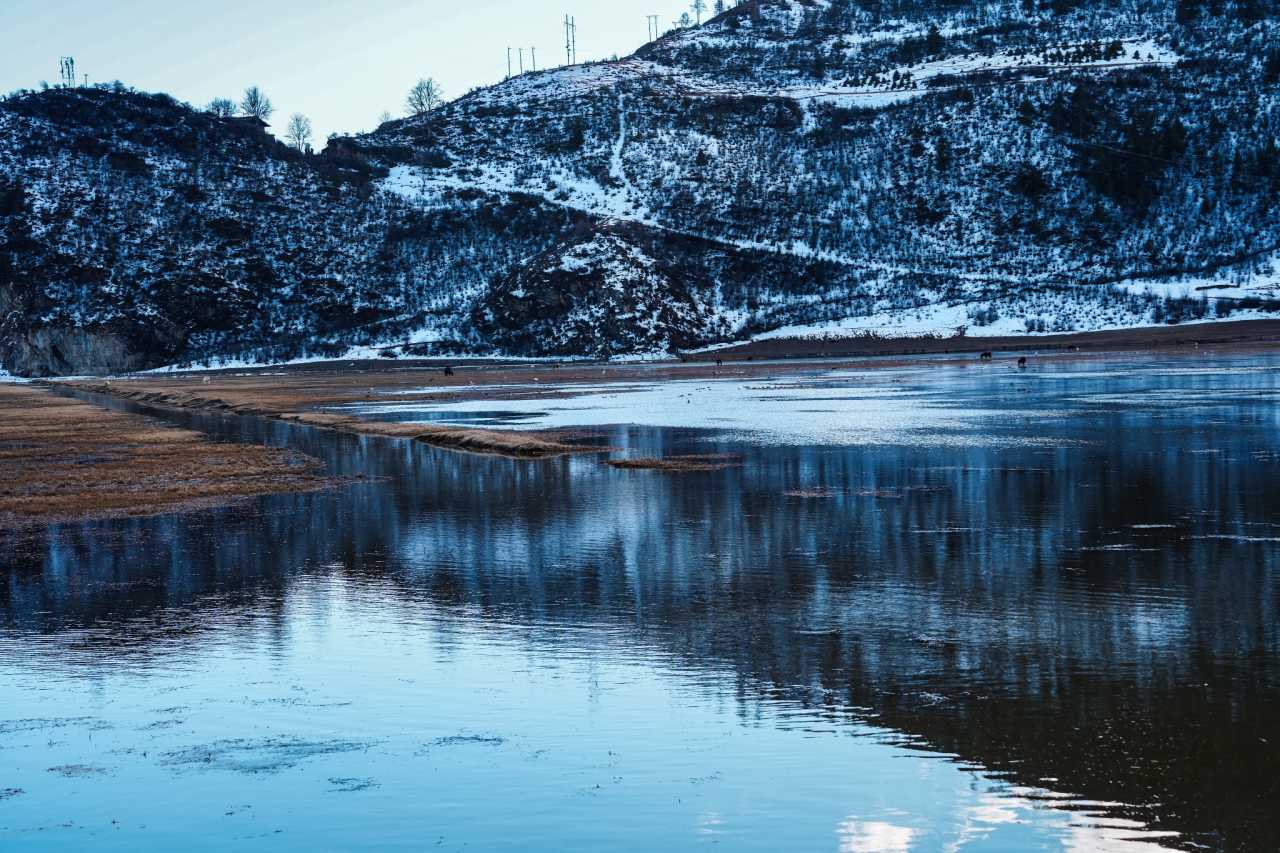
Life Amidst Snow and Ice
Tibetans worship and revere nature, and Potatso is the finest testament to this faith. As the core area of the Three Parallel Rivers landscape, Potatso is a must-visit for anyone exploring Shangri-La's pristine ecology.
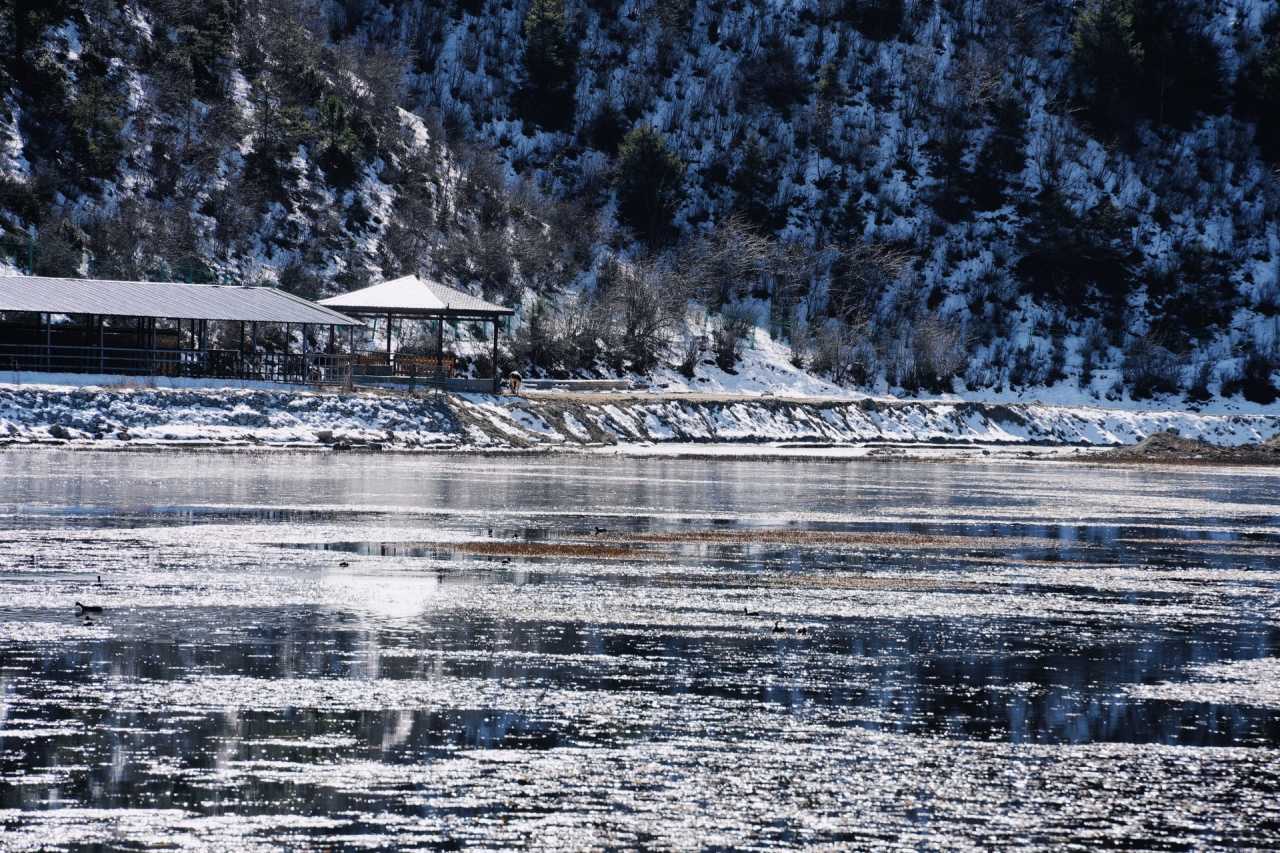
Every ripple in the lakes seems to carry the whisper of ice crystals. A snowstorm had swept through just days before, but this only made the lake's beauty more rare and precious. Walking along the shore, my heart gradually warmed—true passion can melt even frozen steps.
Photo Spots and Moments of Stillness
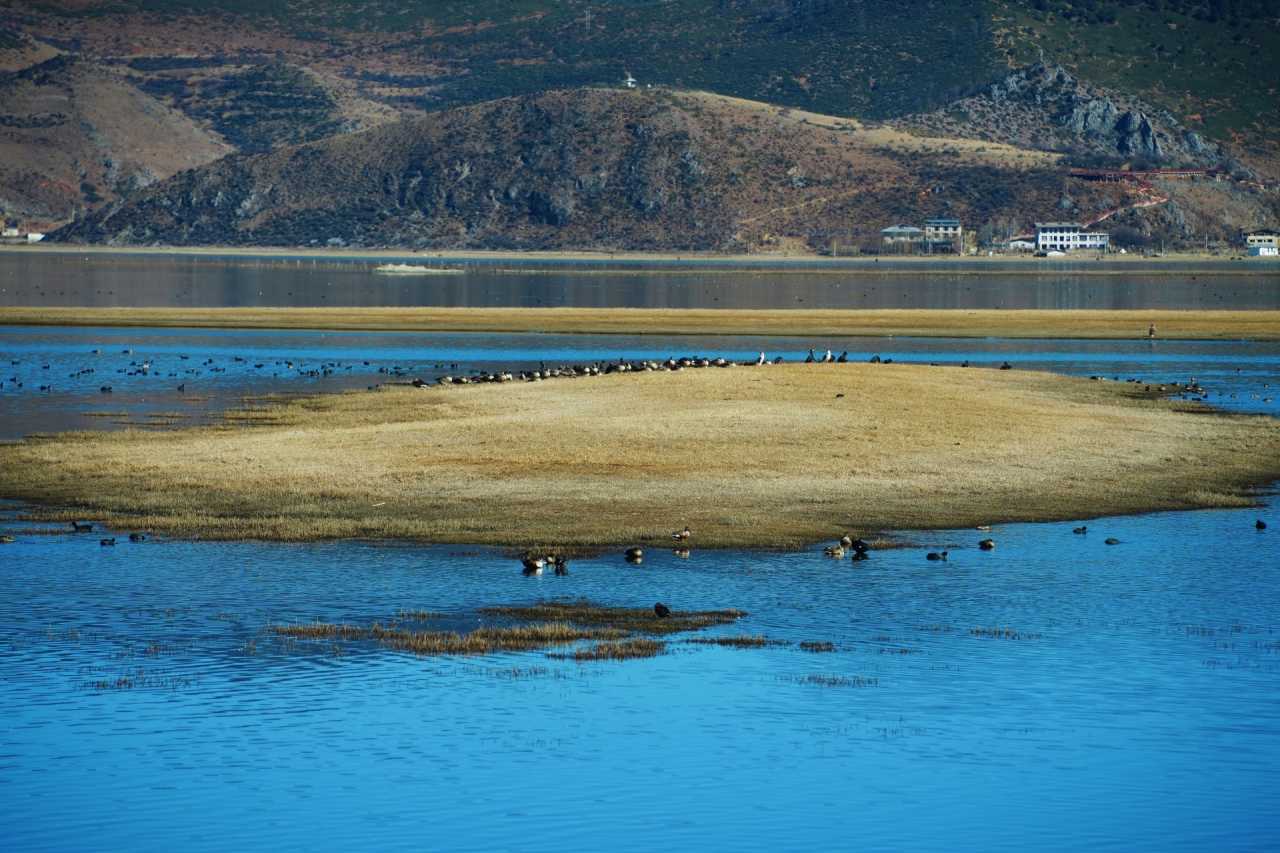
Numerous photo spots line the lake, making it easy to capture great shots without much composition. Wetlands, lakes, forests, meadows, and the blue sky reflected on the water—this is the full picture of Potatso. Standing in the middle of the lake, the openness is the best therapy. Feeling the cold wind wash over your body is like being reborn.
Walking in the snow, looking back at your footprints, listening to the sound of melting ice—it's like a pure musical piece repeating its rhythm. This relaxed pace is winter's unique melody. "Potatso" itself means "to ferry all beings to the other shore of enlightenment." Each season here has its own distinct beauty.
Balagezong: The Shambhala Forged by Sacred Mountains and Waters
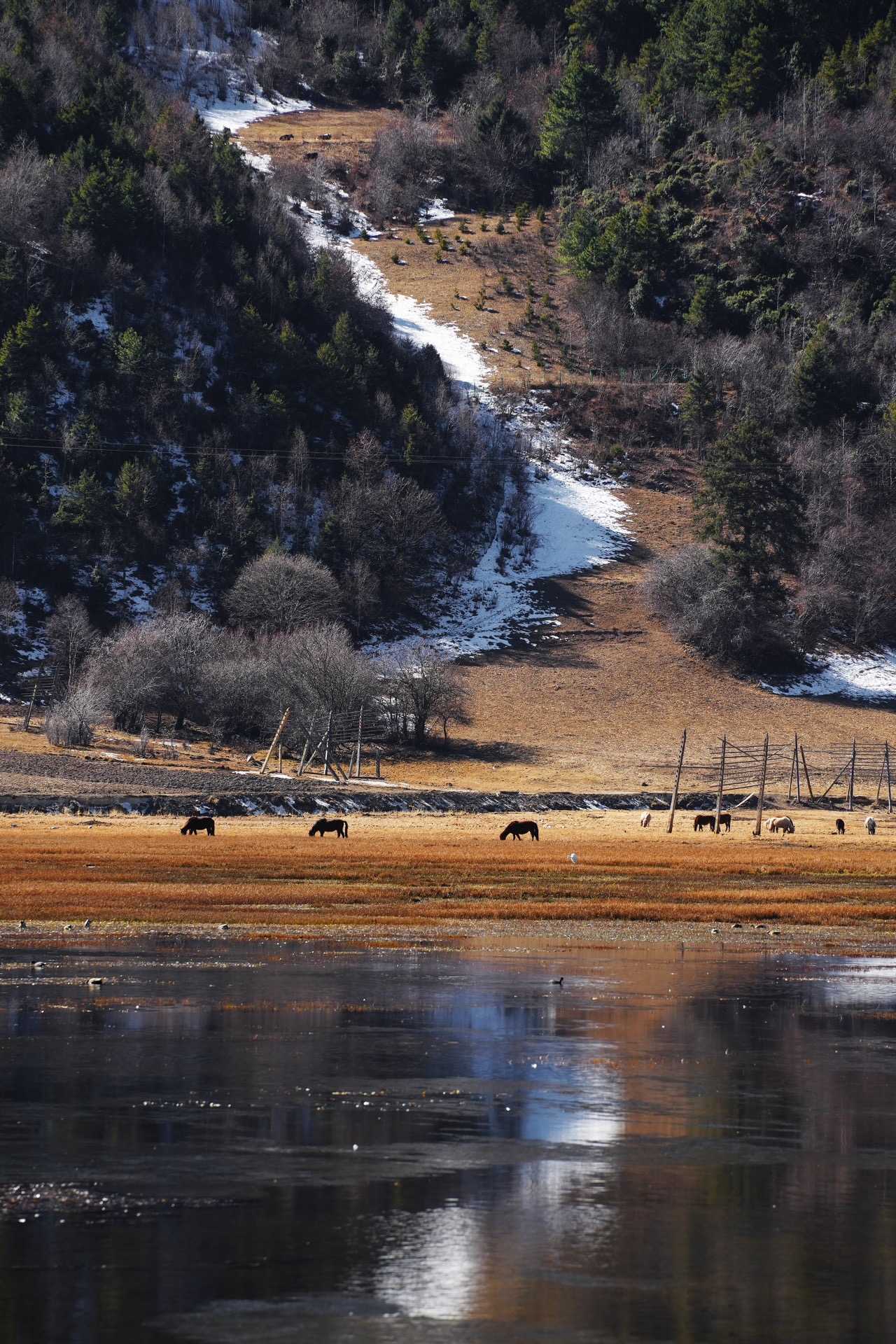
A Stone Castle in the Gorge
Sacred mountains and waters have shaped the mystical Shambhala, and Balagezong is among its most enigmatic places. This area only quietly appeared on maps in 2007, yet its beauty has existed for millennia.
"Gorges within gorges, gorges above gorges, crisscrossing and interconnecting"—this is a hallmark of Balagezong. It boasts the largest canyon in Shangri-La, with undulating black-and-white hills forming a majestic group of stone castles.
The Little Jiangnan's Winter Vitality
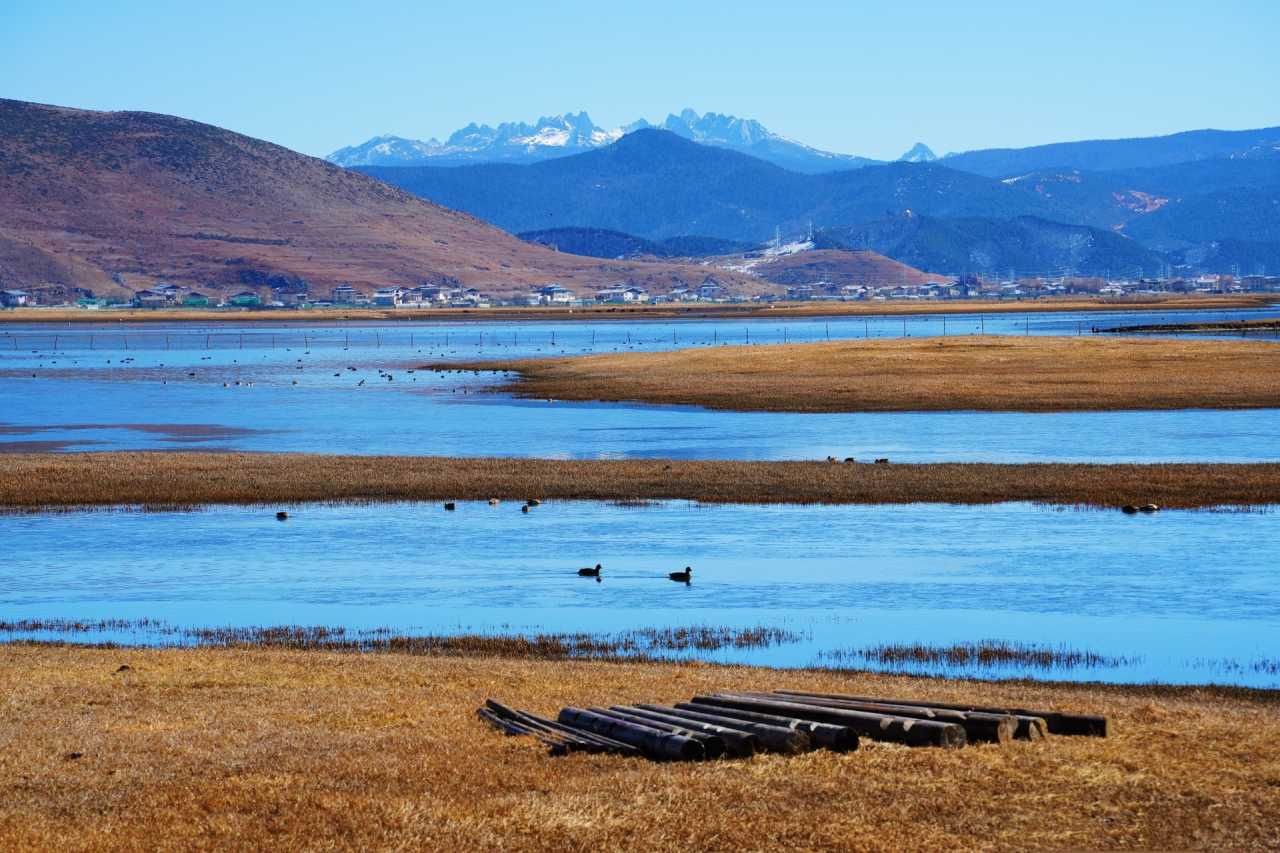
Balagezong is also known as "Little Jiangnan" (a reference to the lush, water-rich region south of the Yangtze River). Beneath the gleaming snow and ice lies boundless vitality. When spring and summer arrive, this place becomes a paradise for birds, animals, and insects—a stark contrast to its current solemnity.
Passing through dense primeval forests, you can see the naturally formed Shambhala Stupa. It nestles against the mountains, merged with the ice and snow. Every stone here holds the sincere prayers of the Tibetan people. With each passing breeze, a string of heartfelt blessings is carried away.
A Place of Legend
Balagezong is steeped in legend—sacred mountain culture, the tales of Khampa tribes, the thousand-year-old Bodhi tree... All these await travelers from afar to unravel their mysteries one by one.
Meili Snow Mountain's Golden Sunrise: A Fourth Encounter, Still Moved to Tears
The Rare Fortune of One in Ten
My final stop was Deqin, for my fourth visit to Meili Snow Mountain. It is said that the golden sunrise over Meili appears only about thirty days a year. Yet every time I've come, it has graced me with its presence. I don't know if this is luck or a deep bond with this mountain.
I still remember September 2018, my first visit to Meili, when I had only set aside one day and one night. The heavens were especially kind, allowing me to see the full majesty of the snow-capped peaks. After all, "nine out of ten people come away empty-handed"—countless travelers journey thousands of miles for a single glimpse, only to be disappointed.
The Moment That Brought Tears
At that moment, the lamas at Feilai Temple were chanting prayers. The sun slowly rose, its light gradually spreading across the snow mountain. The scene of all the tourists gasping in awe is still vivid in my mind. That kind of shock can only be described as "moving to tears." It was the first golden sunrise over a snow mountain I had ever seen, and it holds a special place in my heart.
This time, I still woke up at five in the morning, watching from a sky full of stars to the first rays of dawn, witnessing the mountain in its most beautiful form. Every time I see it, I am moved anew. I hope that under Meili's blessing, I can remain free forever. In this world, there are some things so beautiful that they are worth giving everything for.
Epilogue: The Sun and Moon in Our Hearts Shine Forever
The sun and moon follow their cycles, and fortune has blessed us with Shangri-La. The birdwatching festival has come to an end, but I believe that as long as freedom lives in our hearts, every place we fly over is Shangri-La.
I have always believed that all beautiful things endure forever—like withered flowers that will soon bloom again. Winter memories are always filled with beauty and harvest. It is the endless anticipation in life that encourages us to keep moving forward.
Go forth. May the year ahead bring you roads that are wide and full of boundless surprises.
This travelogue is copyrighted by @TravelPhotographerRanJing. Any reproduction requires the author's permission.
You should also read:

Cloud Travelogue · Dali of Wind, Flowers, Snow, and Moon: A Three-Day, Two-Night Journey of a Free Spirit
Cloud Travelogue · Dali of Wind, Flowers, Snow, and Moon: A Three-Day, Two-Night Journey of a Free Spirit I am a cultured female foodie with a touch of rogue charm. I slung on my backpack, took my lover's hand, and set off on a spontaneous…
Continue reading...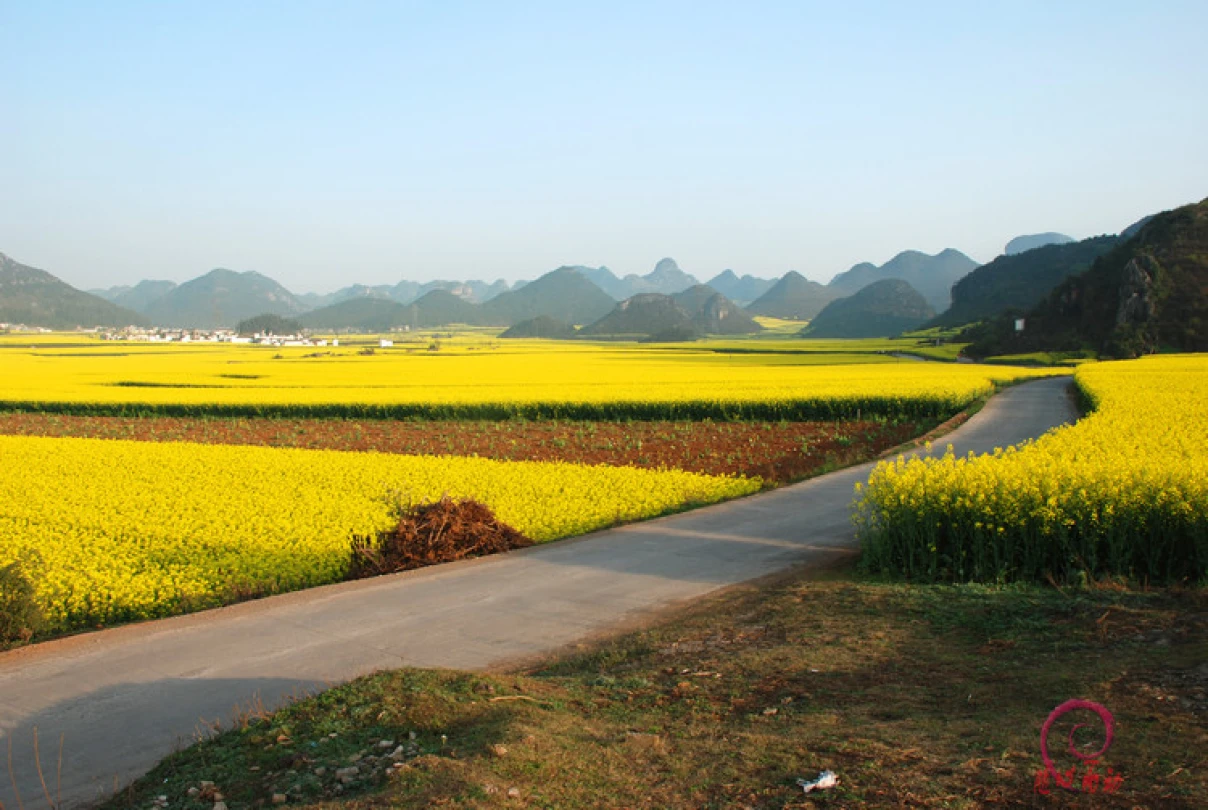
Golden Luoping: A Romantic Encounter with Sunshine and Seas of Flowers
Golden Luoping: A Romantic Encounter with Sunshine and Seas of Flowers Introduction: The Third Time's the Charm Some landscapes are destined to be seen at the right moment. For me, that was exactly the case with Luoping's rapeseed flowers. On February 22, 2011, the Luoping…
Continue reading...
The Meaning of Travel – A Tengchong Story: A Journey of the Heart and Personal Growth
The Meaning of Travel – A Tengchong Story: A Journey of the Heart and Personal Growth Setting Out, Only to Return a Better Self Some say travel is nothing more than leaving a place you're tired of, only to go to a place where others…
Continue reading...