A Slow Journey Through Kunming and Dali, Yunnan: The Mortal World Amidst Wind, Flowers, Snow, and Moonlight
A Slow Journey Through Kunming and Dali, Yunnan: The Mortal World Amidst Wind, Flowers, Snow, and Moonlight
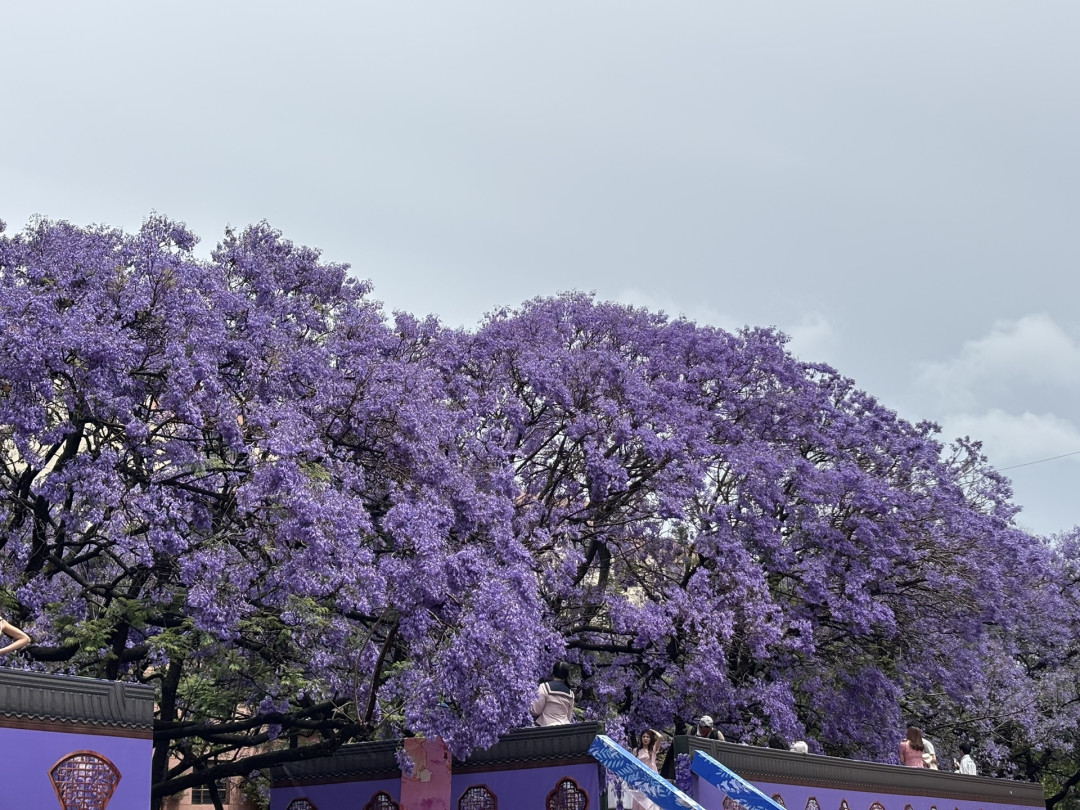
It's been nearly a week since I returned from Yunnan, and my mind still flickers with images of that purple Jacaranda (blue-flowered tree), the wheat fields at the foot of Cangshan Mountain, and the wind blowing off Erhai Lake. To be honest, before I left, I had no real concept of "living in Yunnan." It wasn't until I experienced it myself that I understood why so many people choose to settle there for long stretches—stunning scenery, low cost of living, incredible food, and the vibrant atmosphere of different ethnic groups. This trip took me to Kunming and Dali, six days and five nights—not long, but more than enough to fall in love with this land.
Arriving on the Plateau: A Few Tips, A Little Experience
Let's start with altitude sickness. Both Kunming and Dali sit at around 2,000 meters (6,560 feet) above sea level. While it won't cause severe discomfort for most people, your sleep will definitely be affected. I couldn't sleep soundly my first night, waking up every two or three hours in a daze. It wasn't until I returned to the plains that I realized it was the altitude. If you're planning a trip, don't tough it out—bring some oxygen canisters, or drink a bit of cola, which can also help. Also, your nose and throat will feel dry. Drink plenty of water, and applying some erythromycin ointment will make things much more comfortable.
Yunnan's Ethnic Foundation: Colorful and Vibrant
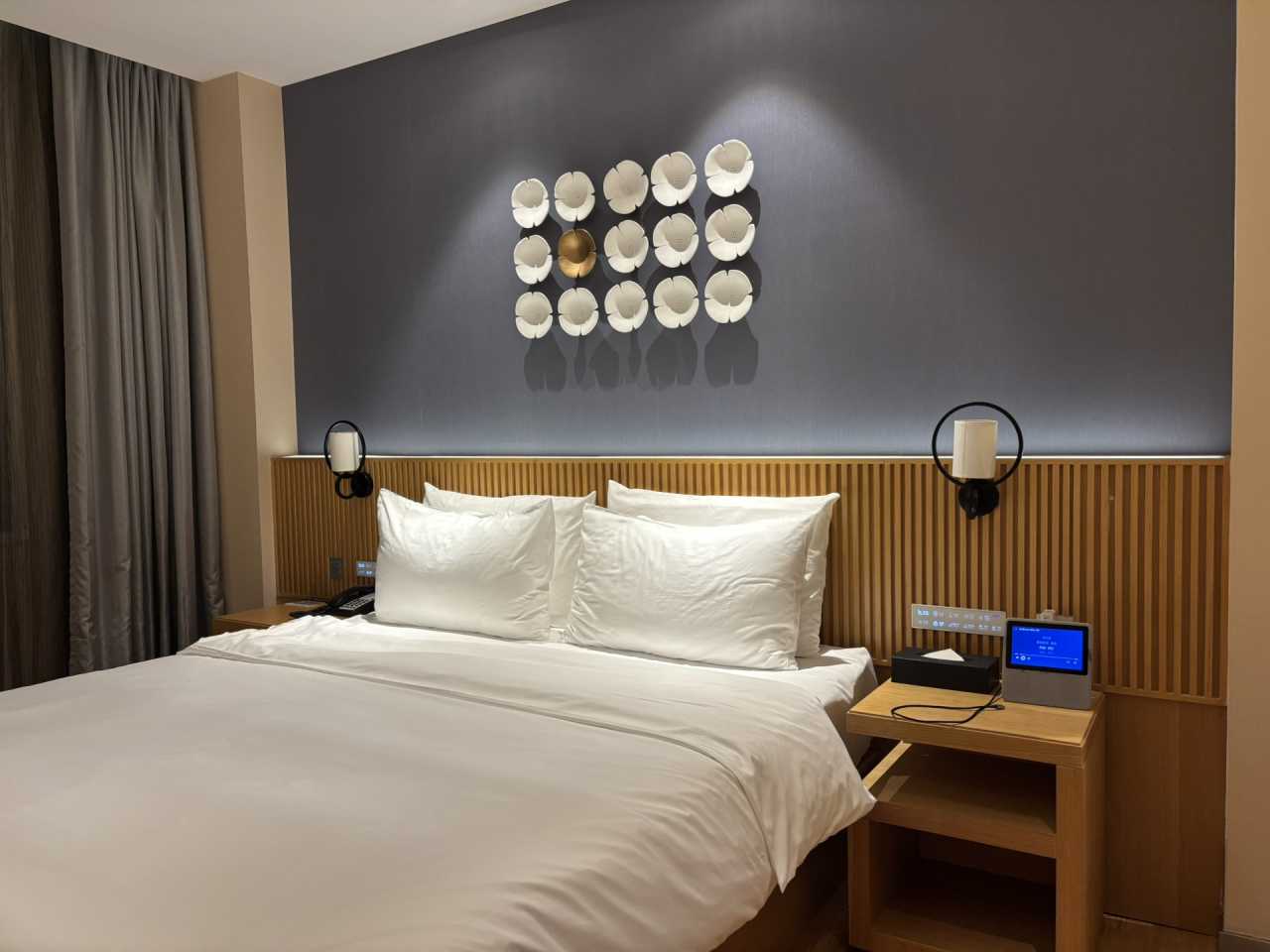
Yunnan is China's most ethnically diverse province, home to 25 indigenous ethnic minorities plus the Han Chinese, totaling 26 groups. The minority population is about 15.636 million, accounting for 33.12% of the province. Getting to know a few of the main groups will make your trip much more interesting:
- Yi (approx. 5.071 million): The largest minority in Yunnan, descendants of the Nanzhao royal clan, most famous for the Torch Festival.
- Hani (approx. 1.633 million): Found in the Honghe and Yuanyang areas, known for their terraced rice field culture, with festivals like the October Year and the Long Street Banquet.
- Bai (approx. 1.608 million): The dominant group in Dali, founders of the Dali Kingdom. They revere the color white, and their specialties include Three-Course Tea, the March Street Fair, and tie-dye.
- Dai (approx. 1.259 million): Inhabiting Xishuangbanna and Dehong, famous for the Water Splashing Festival, peacock dance, bamboo houses, and followers of Theravada Buddhism.
- Miao (approx. 1.253 million): Located in the Wenshan and Honghe regions, known for exquisite silver jewelry and costumes, and celebrate the Huashan Festival.
- Zhuang (approx. 1.210 million): Primarily in Wenshan, celebrate the Third of March Festival, antiphonal singing, and are known for Zhuang brocade.
Through the Millennia: The Story of Nanzhao and the Dali Kingdom
In Dali, you'll constantly hear the names of the Nanzhao Kingdom and the Dali Kingdom. These two ancient states are the key to understanding this land.

The Nanzhao Kingdom (Contemporary with the Tang Dynasty)
To contain the Tubo (Tibetan Empire), the Tang Dynasty supported the southernmost, pro-Tang Mengshe Zhao (which became Nanzhao). In 738 AD, with Tang support, King Piluoge of Nanzhao annexed the other five zhao (tribal states) and established the Nanzhao Kingdom, being titled "King of Yunnan" by the Tang. This kingdom was primarily composed of the Yi ancestors, the Wuman, with its core in Dali. Its capital was first at Taihe City (present-day Xiaguan Town, Dali City) and later moved to Yangjumie City (near present-day Dali Old Town). Xizhou also served as a temporary capital. Nanzhao was militarily powerful, fought many battles with the Tang, and had vast territories. It eventually fell due to a usurpation by a powerful minister.
The Dali Kingdom (Contemporary with the Five Dynasties and Song Dynasty)
This kingdom was established by the Bai ancestors, the Baiman. Its founding monarch, Duan Siping, was from Xizhou. The capital was fixed in Dali Old Town, with Kunming designated as an auxiliary capital. The Dali Kingdom revered Buddhism, disliked warfare, and maintained long-term peaceful relations with the Song Dynasty. However, it was eventually conquered by Kublai Khan's southern campaign. Interestingly, out of the 22 emperors of the Dali Kingdom, 9 abdicated to become monks. Jin Yong's novel "The Demi-Gods and Semi-Devils" (Tian Long Ba Bu) draws on this history—Duan Yu corresponds to Duan Zhengyan (Duan Heyu), the 16th emperor, who reigned for 39 years, became a monk in his later years, and lived to 94. Duan Zhengchun and Duan Zhengming also existed in history—one a romantic prince, the other a virtuous and wise ruler.
The Ancient Tea Horse Road
The most important route, the Yunnan-Tibet line, started in Pu'er or Yiwu in Xishuangbanna, passed through Nanjian, Dali, Lijiang, Shangri-La, Deqin, and Markam, ending in Lhasa, connecting to South Asia. This road was the main thoroughfare for Pu'er tea to reach the world.
Day 1: Landing in Kunming, Stunned by the First Meal
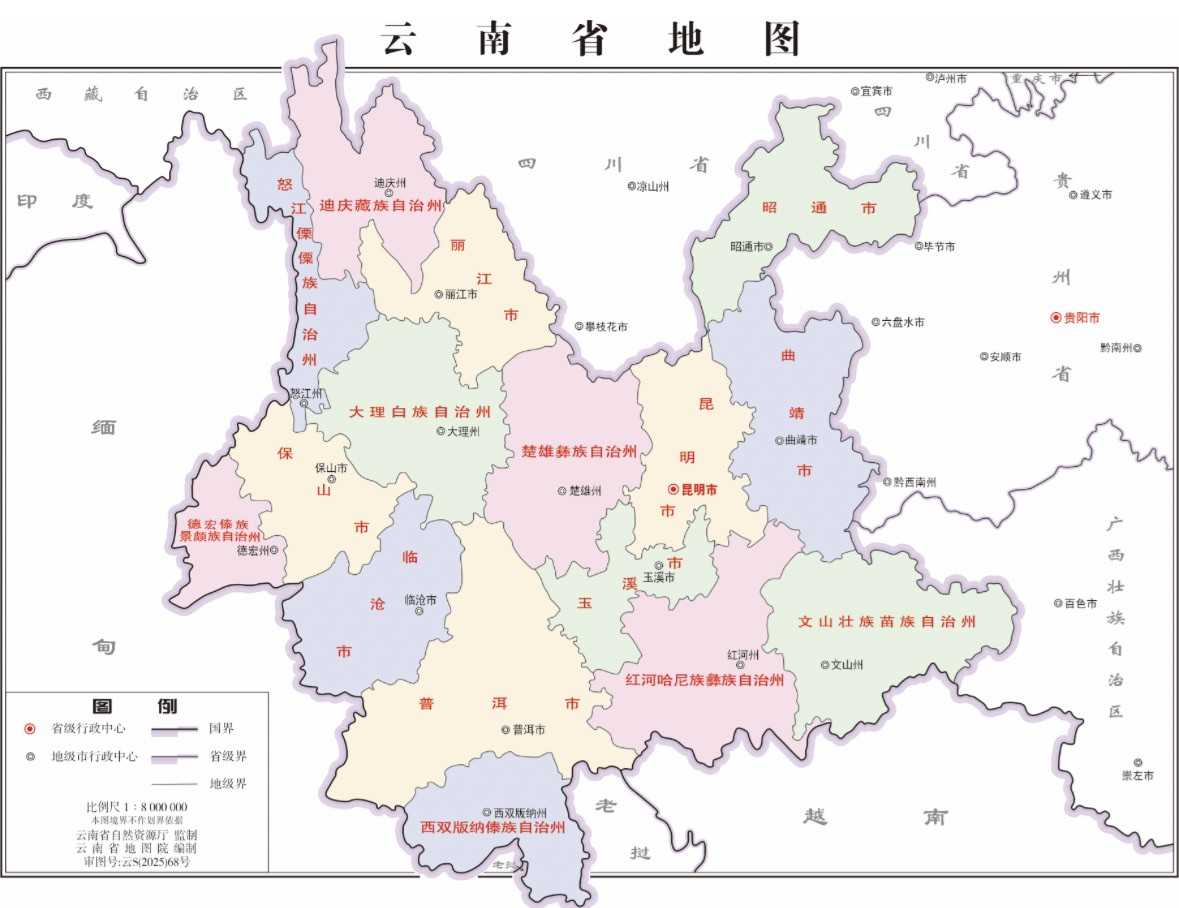
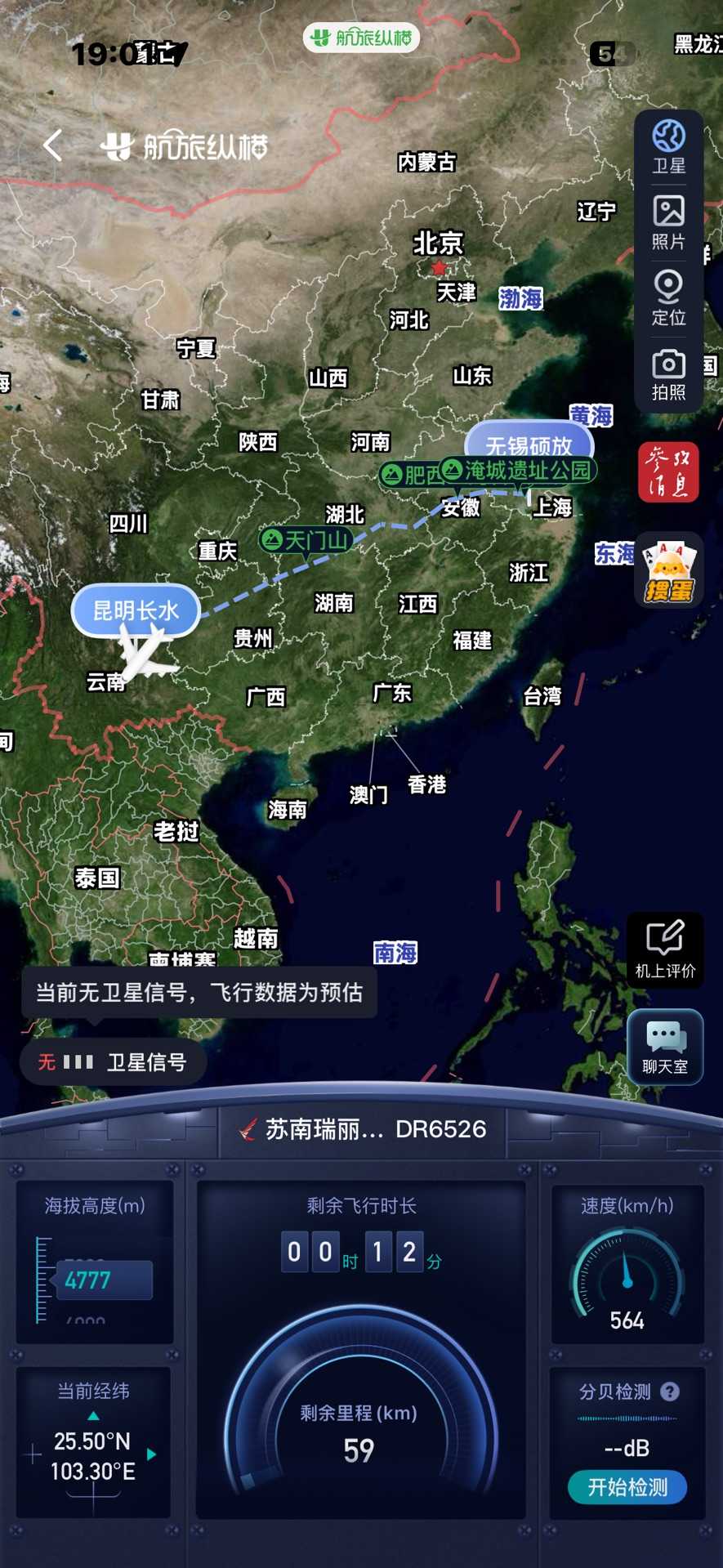
May 1st, 2026. Flew from Wuxi to Kunming. Changshui Airport is huge, so get there early. Checked into the Crystal Orange Hotel near Kunming Wanda Plaza. The location was convenient, close to Nanping Pedestrian Street. During the May Day holiday, the room was about 500 RMB a night. It had a bathtub and complete facilities, but the mattress was too soft and lacked support. Breakfast had limited options, but the mixian (rice noodles) were surprisingly delicious, with four different toppings that changed daily.
My first meal was after 9 PM, and most places were closed. I found a restaurant still open that was on the "must-eat" list—Duo Ge Shui Dai Wei Restaurant (Duogeshui Dai-style Restaurant). Walking in, I was immediately surrounded by ethnic atmosphere. I ordered the sesame-crusted roast beef, which was fragrant and smoky with a grilled flavor; the fried pork skin was thick and chewy; the lemon mixian used super thin noodles, refreshing and appetizing in the lemon broth; the caibao yu (lettuce-wrapped fish) involved wrapping fried fish in lettuce with three dipping sauces—the fish was a bit fishy, but the whole dish was excellent; the stir-fried shuijuecai (water fern) with tomato was a first for me and had a good texture. The portions were large, and the two of us couldn't finish.
Day 2: The Purple Romance of Jacaranda and the Leisure of Cuihu Lake
May is the blooming season for Jacaranda, lasting only about ten days, from late April to mid-May. I went to the most famous spot, Jiaochang Middle Road. When taking a taxi, don't set the destination as Jiaochang Middle Road. Instead, search for "Jacaranda Theme Park" (Lanhuaying Zhuti Gongyuan), or the navigation will lead you to a parking lot.
Vast stretches of purple flower sea—romantic beyond words. People on the street were selling flower crowns: fresh flowers for 10 RMB, dried flowers initially priced at 25 RMB, which I bargained down to 20 RMB. The fresh ones wilted that very night, but the dried ones lasted five days and even attracted a few small butterflies. Jiaochang Middle Road is long, over a kilometer. Stopping, walking, and taking photos easily filled two to three hours. There were many photographers along the road, charging 15 RMB per photo, with retouching done on the spot. I picked five, and they turned out great. You can also take a sightseeing bus to see the flowers from a higher perspective.
Jiaochang Middle Road is close to Cuihu Lake, so I took a taxi there. I tried the must-drink Qilin Yikou Cha (Kirin One-Sip Tea), a glutinous rice-flavored lemon tea—it was just okay. I visited the trendy bookstore Rubber Tree (Xiangpi Shu), which was very small with a queue to enter. Their book selection was very literary, each book tagged with a personal note from the owner. Then I went to Jiahua to buy freshly baked rose huajianbing (flower pastry). The "first-pick rose" (toushui meigui) flavor was the best; the egg tarts and yuntui xiaobing (Yunnan ham small cakes) were just average.
While wandering around Cuihu Lake, I stumbled upon Tie Peng Mixian (Tie Peng Rice Noodles), which I'd seen recommended by singers Ma Di and Li Naiwen just two days earlier. I ordered the choudoufu mixian (stinky tofu rice noodles), which was incredibly unique. The stinky tofu was boiled, giving it a mild fermented smell, paired with a meat patty. The broth was very savory, and even the non-spicy version was delicious. The laonai zhayangyu (old lady-style fried potatoes) came spicy by default; I chose non-spicy and added ketchup, but the potato chunks were too thick to absorb the flavor—the spicy version is probably better.
Cuihu Park is free. As I entered, I saw a crowd gathered around a tree—several small squirrels were hopping through the bushes. The lotuses were blooming in May, white, yellow, and pink, very beautiful. After my walk, I returned to the hotel and ordered takeout. The bohe zhapai (mint fried ribs) and kaixin guo niunai (pistachio milk) from Qiezi Qiaqia (Eggplant Just Right) were both good.
Day 3: The Bustle of Dali Old Town and March Street Fair
Took the high-speed train from Kunming to Dali, about two hours. This year is the Year of the Horse, and Kunming Station had a horse made of flowers—a popular photo spot.
Dali's altitude is over 2,000 meters. Here, the history of the Nanzhao Kingdom and Dali Kingdom felt vivid. I checked into the Meihao Lijie Hotel near the north gate of Dali Old Town, around 500 RMB a night. The lobby had a view of Cangshan Mountain, which was beautiful. But breakfast had very few options, and the shower design was problematic—there was no place to put clothes.
The May Day holiday coincided with the Bai people's annual March Street Fair (Sanyue Jie). Dali Old Town and the March Street Fairgrounds are close, about a kilometer apart, but the roads were incredibly congested, and it was hard to get a taxi. There were Hello electric scooters near the hotel with large seats that could carry a passenger: 30 RMB for two hours, 59 RMB for four, 79 RMB until 9:30 PM, and 108 RMB for the whole day. Later, I rented a DiDi Qingju electric scooter in the old town (single-seat), riding for ten minutes for only 6 RMB.
For lunch, I went to the trendy mushroom hotpot restaurant Yuan Zhi Yuan Wei (Source of the Original Flavor), a filming location for the TV drama "Meet Yourself" (Qu You Feng De Di Fang). I ordered a set meal for two for over 200 RMB, plus an extra serving of stir-fried jian shou qing (a type of mildly toxic but delicious mushroom). Since it wasn't mushroom season yet, everything was frozen. The broth was quite savory, but not mind-blowing—similar to the Yunnan mushroom broth I've had in Wuxi. There was a timer, and we had to wait 20 minutes before eating. The stir-fried jian shou qing was tender and fragrant. The local chicken in the broth was too tough, the Nuodeng ham slices were okay, and the pork loin was tender after just a few seconds in the boiling broth.
After eating, I rode the e-scooter to the March Street Fair, about ten minutes away. The March Street Fair is a grand Bai festival, and locals also come. Prices are very friendly, cheaper than any of the ancient towns I visited later. I tried the jasmine and cactus pear juice—just okay. I bought a pair of fruit-shaped earrings for 10 RMB—cute. A Bai grandmother sold rose yungao (cloud-shaped rice cake) for 15 RMB a jin (half a kilo). I bought a jin from two different vendors; their sweetness levels differed. I had freshly grilled ganba (dried, smoked) meat, choosing the soft beef version. It was hot and had a smoky flavor. I also bought some high-altitude Yunnan huangjing (a medicinal herb), 100 RMB for two jars. At the entrance, a stall selling lamb skewers had a sign saying "fake and we'll pay you a million," but the meat quality was terrible—I took one bite and threw it away.
In the evening, I went to Da Bing's Xiao Wu (Da Bing's Little House). I'd read Da Bing's books when I was younger and wanted to experience the vibe. The person at the door was very rude, ignoring my question about what the drinks were made from. But inside, the atmosphere was great. Young people sat quietly listening to the singer play guitar and sing, occasionally joining in for a chorus. A cup of meigui niang (rose fermented drink) was sweet with little other flavor; the Baileys milk was decent. From 7 PM to 1 AM, a different singer came on every hour. I stayed until 9:30 PM before leaving.
Day 4: A Day Trip Around Erhai Lake, from S-Curve to Ideal邦
Dali's "Wind, Flowers, Snow, and Moonlight" (Feng Hua Xue Yue) refers to Xiaguan Wind, Shangguan Flowers, Cangshan Snow, and Erhai Moon. Erhai is actually a lake, the second largest in Yunnan. The loop around Erhai is divided into the East and West lines. The West line is great for cycling; the East line requires driving or hiring a car. I joined a one-day tour group for 148 RMB per person, which included cycling and several scenic spots.
Departed from Dali Old Town at 9:30 AM, arrived at the Erhai Ecological Corridor's S-Curve near Taoyuan Pier at 10:20 AM. I picked a bike and set off, stopping anytime to take photos. Cycled for 40 minutes. The weather was overcast; the Cangshan Mountain range was a vast expanse of grey amidst the clouds and mist. It was still a bit cold in Dali in May—bring extra layers. On a cloudy day, Erhai Lake just looks like an ordinary lake, grey and hazy—a bit overhyped.
Next, we went to Zhoucheng for the group lunch, which was terrible—skip it if you can. The next stop was Xizhou Ancient Town, a thousand-year-old Bai town and a trading post on the Ancient Tea Horse Road. The wheat fields in Xizhou are very photogenic, with Cangshan Mountain in the background. You can take a small train through them, but the queue was too long during the holiday, so I didn't. I tried Xizhou baba (a type of flatbread), available in sweet and savory versions. I chose the one with scallions and meat—it tasted like a good flatbread. I also saw Duanfuren diaomei (Lady Duan's carved plums) and Bai-style xuehua yin (snowflake silver jewelry). There was a wood carving workshop that was a filming location for "Meet Yourself."
At 3 PM, we arrived at Shuanglang Ancient Town, located on the eastern shore of Erhai. It offers a panoramic view of Cangshan and Erhai, giving rise to the saying, "The best scenery of Dali is at Cangshan and Erhai, and the best scenery of Cangshan and Erhai is at Shuanglang." You can take a sightseeing car to the pier and then a boat to Nanzhao Customs Island. Shuanglang is famous for Yang Liping's Sun Palace and Moon Palace. The Sun Palace is an art space open to visitors. Free entry requires a reservation, which is very hard to get; alternatively, you can enter by having afternoon tea for 128 RMB per person. The Moon Palace is a private residence and not open to the public.
At 4:30 PM, we set off for Lixiangbang (Ideal邦), a trendy spot often called "Little Santorini." You can take a sightseeing car or walk up. Each level has a viewing platform with beautiful views of Cangshan and Erhai. However, the architectural style felt a bit forced—more white than blue. At the top, I took the sightseeing car down, 10 RMB per person. We spent about 40 minutes there. Just as we arrived, the sun came out, making the lake sparkle. Sunlight streamed through the clouds, creating a beautiful Tyndall effect.
Day 5: Tie-Dye Experience and the Blue of Butterfly Spring
The Erhai loop was a bit tiring, so I took it easy today. No trip to Cangshan Mountain; instead, continued the leisurely Erhai tour. I took a taxi directly to Zhoucheng, the largest Bai natural village in China, to experience the Bai intangible cultural heritage of tie-dye (zharan).
I chose the Puzhen Tie-Dye Museum (Puzhen Zharan Bowuguan). First, I toured the museum to learn about the history, then tried the experience. I picked four small dresses to try on. The auntie initially refused to let me, but after I insisted, she agreed to let me use the fitting room. I finally chose two, one for 268 RMB. I selected the patterns: the most basic "blue sky and white clouds" and a small butterfly. A Bai grandmother taught me step-by-step. I had to bunch the dress up and tie it tightly with white string. She had incredible strength; my ties were much looser. I chose the color: options were light, medium, and dark blue. I picked light blue. The dress was soaked and kneaded in an indigo dye vat, then dehydrated, the strings were cut, and it was hung to dry. Tie-dye is like opening a blind box—everything is random. My finished piece had more blue than expected.
Near Zhoucheng is the 4A scenic spot Butterfly Spring (Hudie Quan), a filming location for the movie "Five Golden Flowers" (Wu Duo Jin Hua) and a "love shrine" for the Bai people. Entrance was 40 RMB. The scenic area's sightseeing car came with a free guide service. Even though it was the May Day holiday, there were very few tourists. The Five Dragon Pools had five dragon-head fountains spouting water. I washed my hands three times at each one, a local custom to bring blessings home. The main pool of Butterfly Spring isn't large, but the water was a brilliant, clear blue, like a sapphire or emerald, crystal clear to the bottom. Beside the pool was a hehuan (mimosa) tree and a stone tablet with the characters "Butterfly Spring" inscribed by Guo Moruo. The spring water comes from the melting snow of Cangshan Mountain, filtered through underground rock layers, rich in minerals, hence its transparent color. Lover's Lake had green water, green mountains, and a blue sky—a feast for the eyes. The Butterfly World pavilion introduced various species, and there was a greenhouse with small butterflies. I learned they love to eat watermelon.
In the afternoon, I took the high-speed train back to Kunming, a two-hour journey. The May Day crowds were huge, and I only got my ticket through the waitlist system. I checked into the Kunming Hailibinya Wanda Reign Hotel, which had a Thai-style design and a balcony for drying clothes. Hotel guests could use the hot springs for free. It was very lively. I hadn't brought my swimsuit, so I just sat on the edge and soaked my feet, which was quite pleasant. In the evening, I ordered Yunnan-style barbecue for takeout. From the Desi Jia (De Family) restaurant, the grilled xiaogua (small melon/vegetable) had a fruit-like texture; the grilled chicken legs and wings were from a black-feathered chicken; the grilled chicken feet were too spicy; the grilled beef was absolutely delicious.
Day 6: Time in the Museum and the Aroma of Coffee
My hotel was close to Dianchi Lake. I had planned to go to Dianchi or Dounan Flower Market, but due to poor sleep from the altitude, I decided on the spur of the moment to visit the Yunnan Provincial Museum. I booked an appointment online for the same day and got in easily. They offer free guided tours at 10 AM and 2 PM.
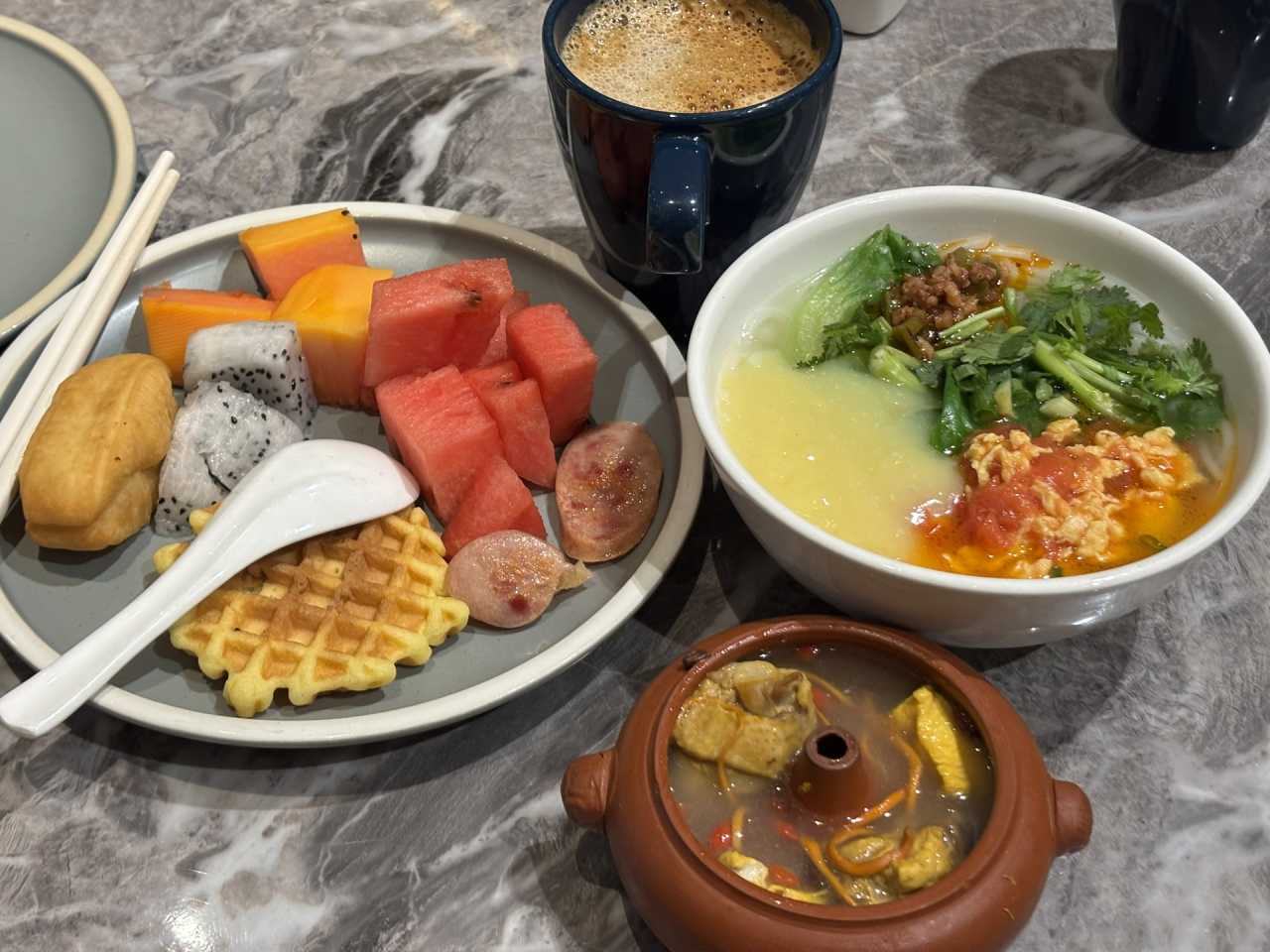
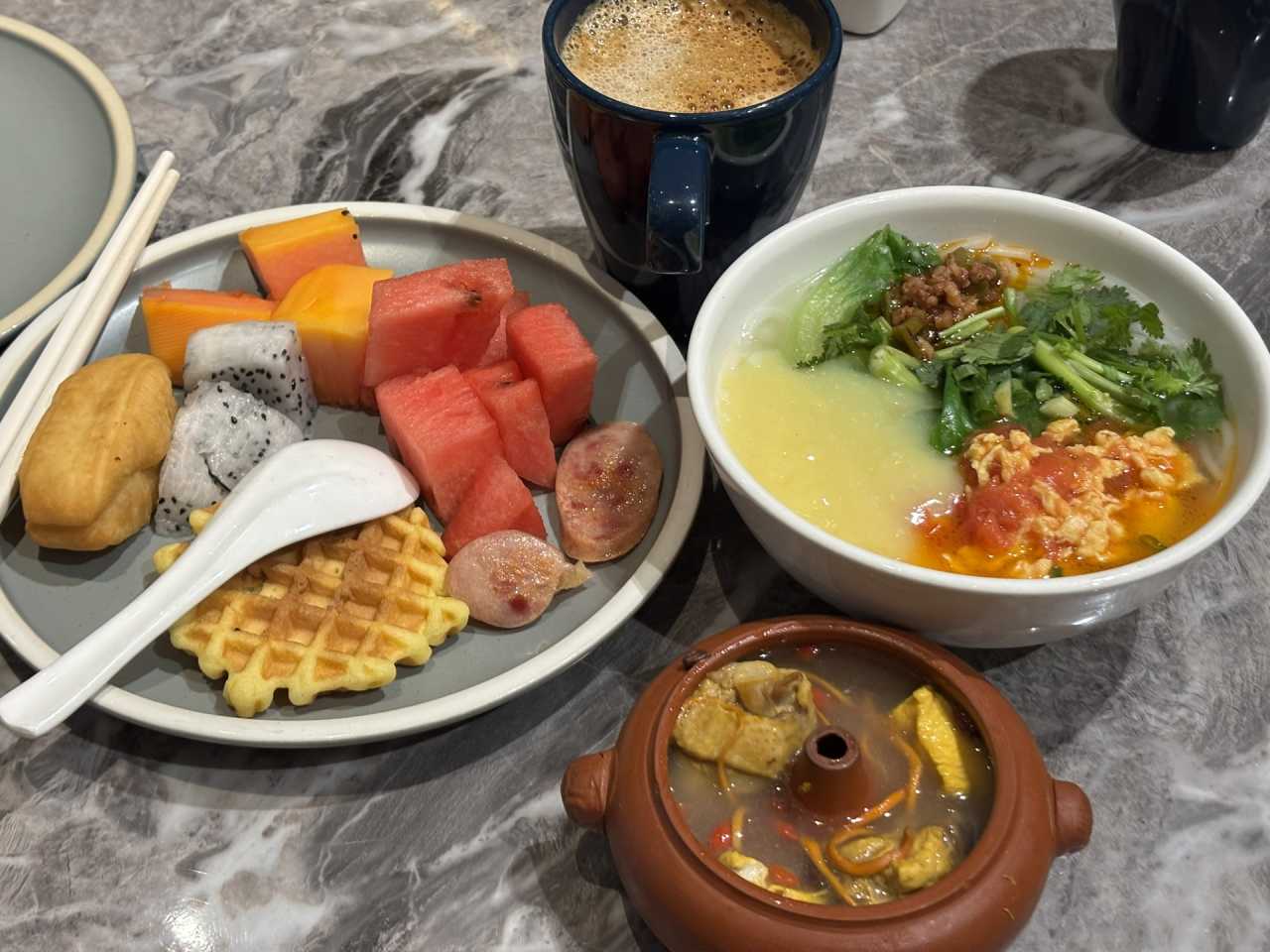
First, I had the hotel's breakfast buffet. I tried shao'erkuai (grilled rice cake), which you toast and fill yourself—it had a strong rice aroma. The mixian soup contained a whole chicken. I took a taxi to the provincial museum, about ten minutes away. The museum tour starts on the second floor: Ancient Yunnan, the Bronze Age Dian Kingdom, the Southern Rise to Power, and then on the third floor: the Buddhist Kingdom of Miaoxiang, Frontier Expansion and Defense, and a Century of Change. The three top treasures are: the Warring States period Niuhu Tong'an (Bronze Ox and Tiger Case), a heavy Dian Kingdom bronze ritual vessel unique in China; the Dali Kingdom silver-gilt Xiangzhu Jinjiquiao (Gem-Inset Golden Garuda), unearthed from the Three Pagodas of Chongsheng Temple; and the Ming Dynasty gold crown inlaid with rubies and sapphires, a noble's headdress adorned with over 50 gems.
After the museum, I went to the nearby New Asia Sports City to find a coffee shop. Yunnan lies between 21°N latitude and the Tropic of Cancer, in the same global "golden coffee belt" as Colombia and Ethiopia. The high altitude and large temperature difference mean the beans ripen slowly, developing richer aromas. I ordered one specialty drink and one pour-over; the flavors were distinct.
After coffee, I crossed the street to eat at Lao Dian Shanzhai (Old Yunnan Mountain Village), a chain on the "must-eat" list. The suan tang yu (sour soup fish) was very distinctive, cooked with passionfruit, tomato, and sour mugua (a type of fruit). It was half a catfish, and the meat was very tender. The cuipi xiao maya (crispy-skinned little duck) was only sold as a whole bird. The skin was crispy, but it didn't feel particularly Yunnanese. I also had a stir-fry of shuixing yanghua (waterborne flower)—the small white flowers I'd seen in Erhai Lake. This plant only grows in extremely clean water, and its texture is both crisp and chewy.
After eating, I headed to the airport, determined to try the legendary "airport trio." The signature dianhong na tie (Yunnan black tea latte) from Shangshan He Cha (Drink Tea on the Mountain) was similar to the popular chayan (tea latte) style, with an authentic Yunnan black tea aroma, but not mind-blowing. The Pu'er rose ice cream from the Dayi Pu'er tea shop required no waiting—rich with floral and tea fragrance. Excellent!
In the End: Slow Down to See Yunnan
The biggest takeaway from this trip is: Yunnan is not for rushing. It's for slowing down, standing a little longer under the Jacaranda, cycling a little further along Erhai Lake, soaking a little longer in the blue of the tie-dye. Prices are low, food is abundant, scenery is beautiful, and the depth of the ethnic culture is truly captivating. If you're planning to go, remember a few things: bring some oxygen canisters, drink plenty of water, don't push yourself; May is the perfect time to see the Jacaranda; Dali's March Street Fair is worth visiting; don't miss the tie-dye and Butterfly Spring; and be sure to take the free guided tour at the museum.
Yunnan isn't a place you can see all at once, but every visit will make you want to come back.
You should also read:

God’s Abandoned Palette: A Self-Drive Journey Through Yunnan’s Dongchuan Red Land
God’s Abandoned Palette: A Self-Drive Journey Through Yunnan’s Dongchuan Red Land Travel has never been about reaching some distant geographic coordinate. It’s about encountering, along the way, the version of yourself buried beneath the rubble of daily routine. During this May Day holiday, I finally…
Continue reading...
Body in Hell, Heart in Heaven: A Pilgrimage Through Tiger Leaping Gorge — A Dialogue Between Heaven and Earth
Body in Hell, Heart in Heaven: A Pilgrimage Through Tiger Leaping Gorge — A Dialogue Between Heaven and Earth Introduction: When the Gorge Splits Open Beneath Your Feet Some say Tiger Leaping Gorge is the closest place on Earth to the border between "hell" and…
Continue reading...
Cloud Travelogue · Dali of Wind, Flowers, Snow, and Moon: A Three-Day, Two-Night Journey of a Free Spirit
Cloud Travelogue · Dali of Wind, Flowers, Snow, and Moon: A Three-Day, Two-Night Journey of a Free Spirit I am a cultured female foodie with a touch of rogue charm. I slung on my backpack, took my lover's hand, and set off on a spontaneous…
Continue reading...