A Solitary Journey on the Yunnan-Tibet Highway: One Person, One Car, Through the Four Seasons of Bingzhongluo-Chawalong-Chayu
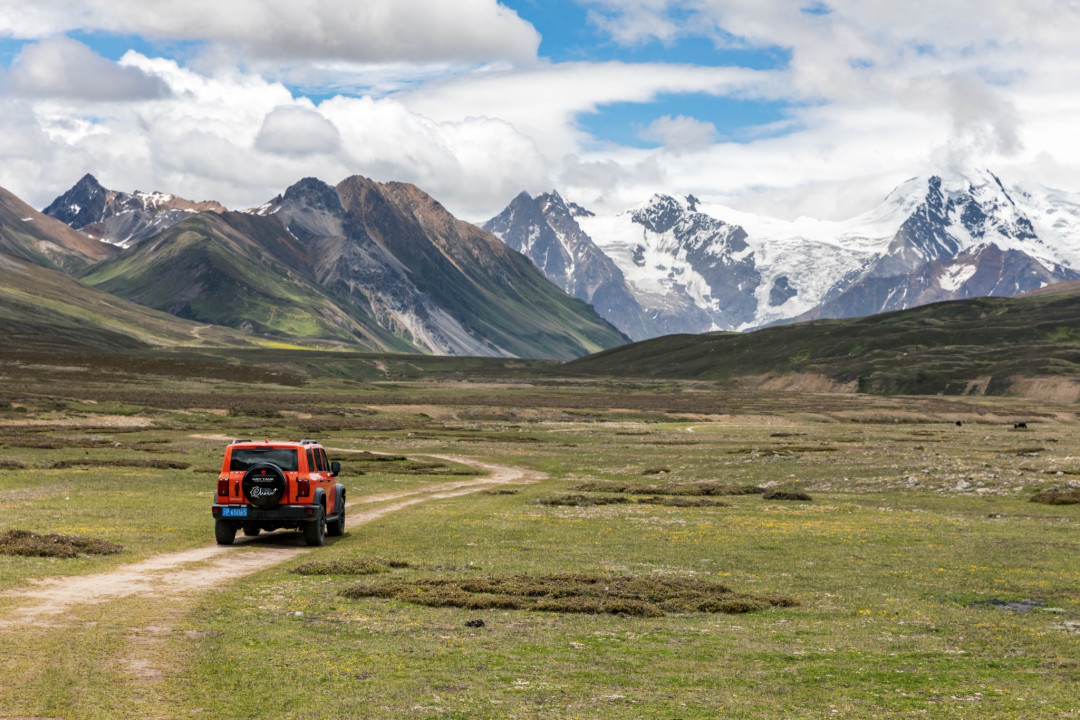
A Solitary Journey on the Yunnan-Tibet Highway: One Person, One Car, Through the Four Seasons of Bingzhongluo-Chawalong-Chayu
For me, self-driving travel is an annual ritual. In the summer of 2021, I planned to spend 40 days exploring Guizhou and Yunnan, but I was called back by a phone call just as I arrived in Guiyang in March. By the time my affairs were settled, it was already mid-June. My hotel bookings in Yunnan were about to expire, and the rainy season in Guizhou didn't exactly inspire enthusiasm—so I simply cut the trip in half, headed straight for Yunnan, and embarked on a spontaneous journey along the Yunnan-Tibet route.
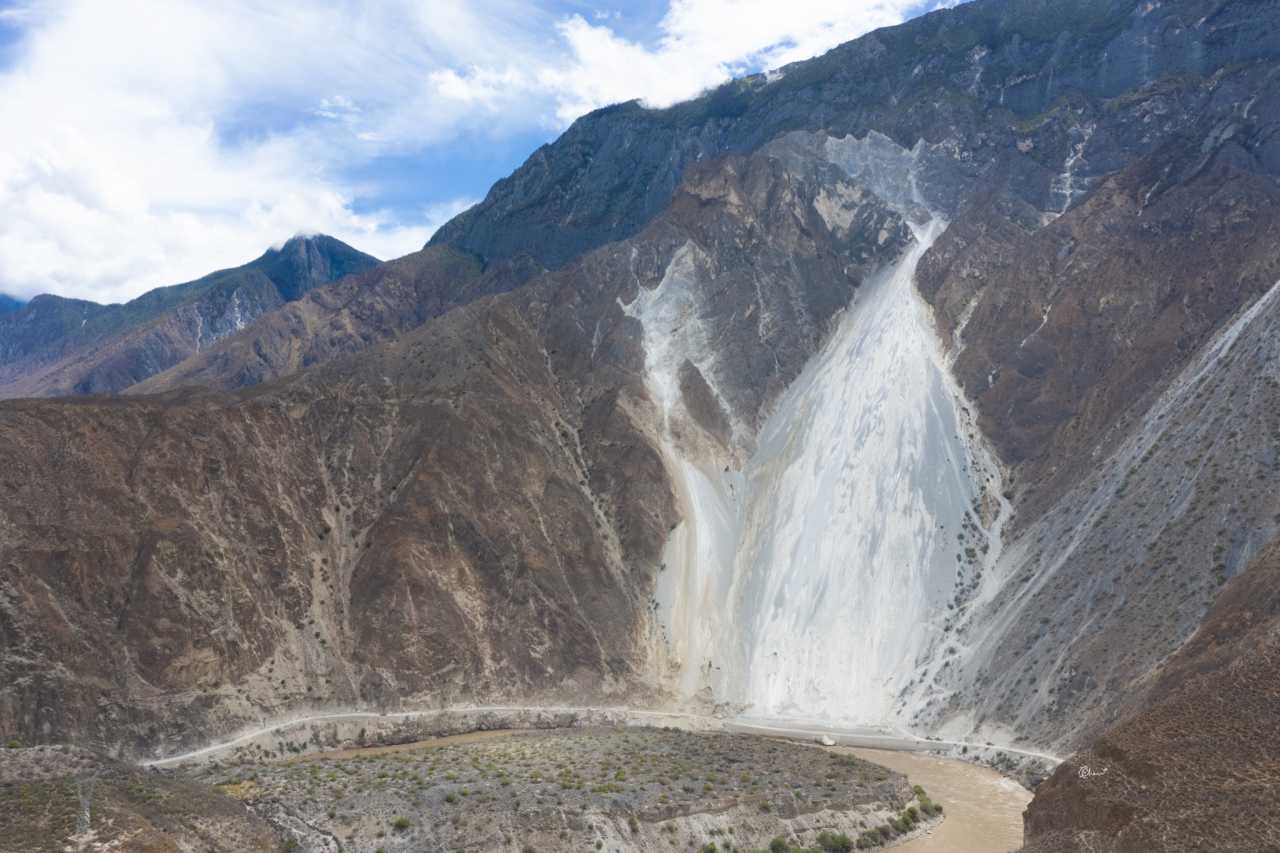
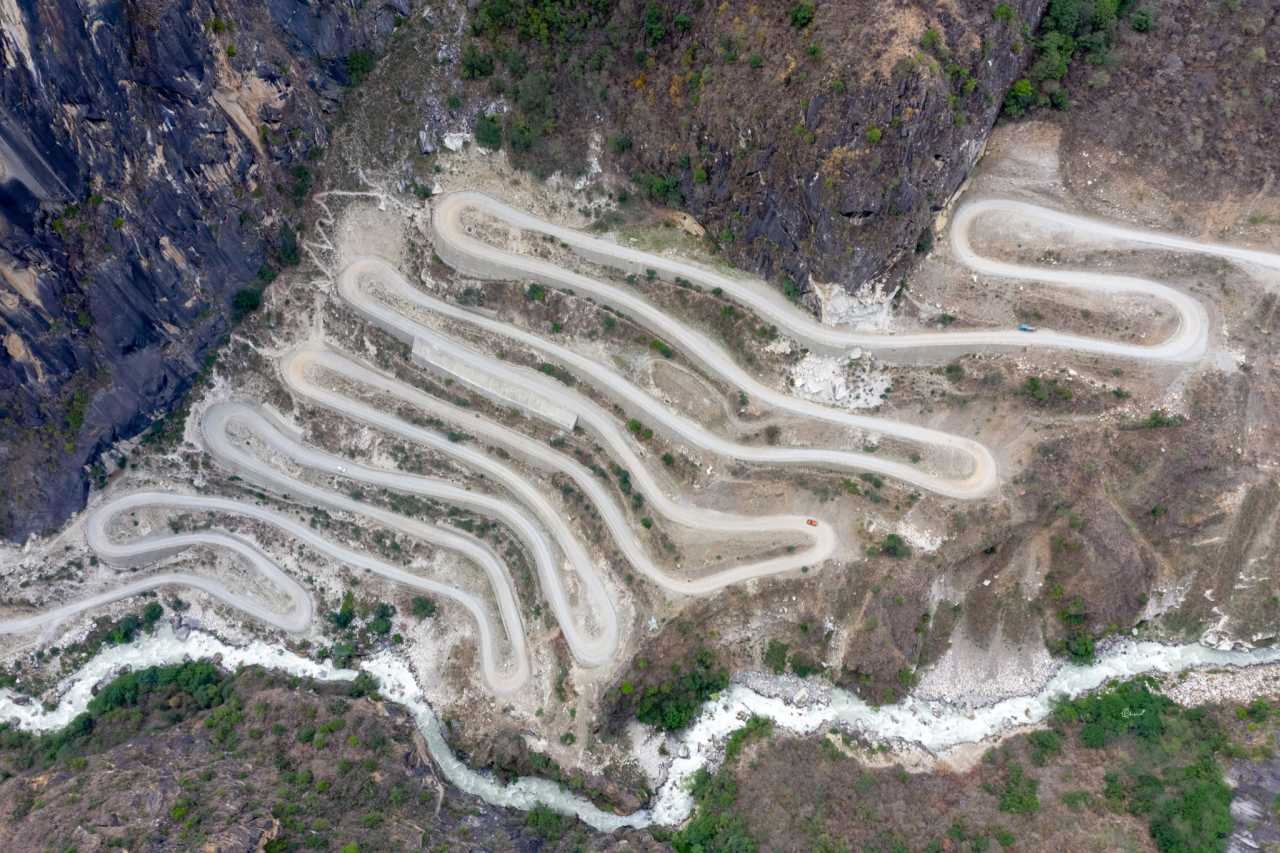
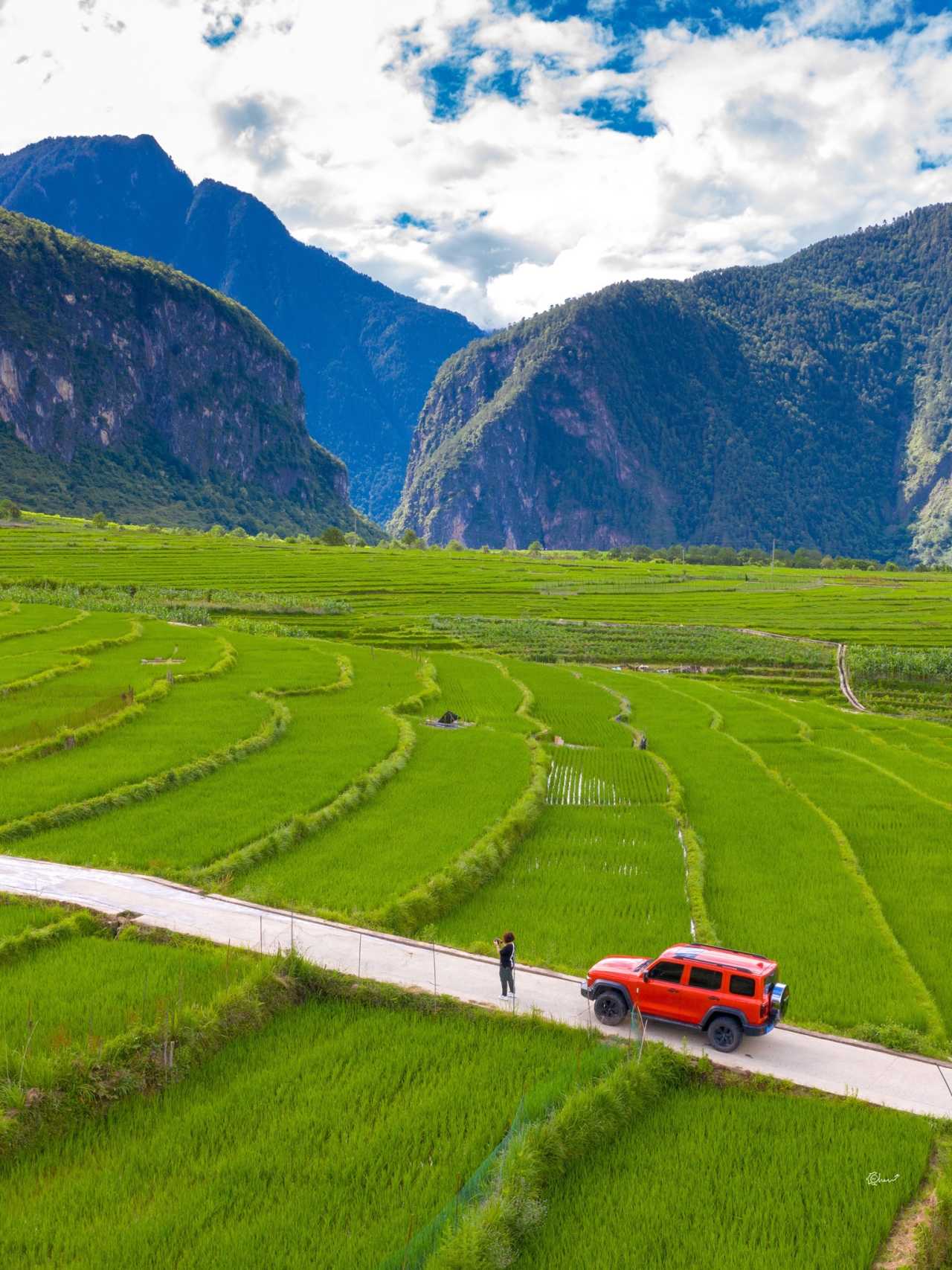
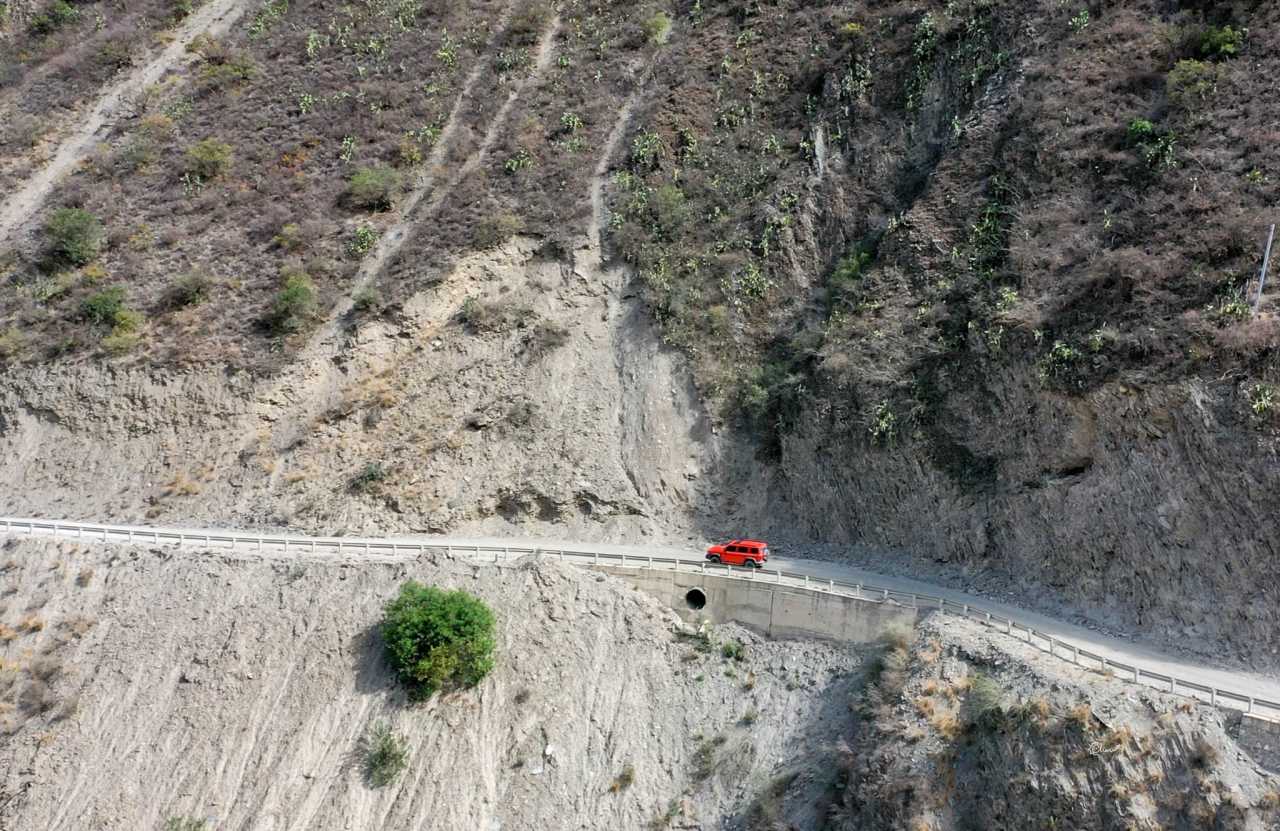
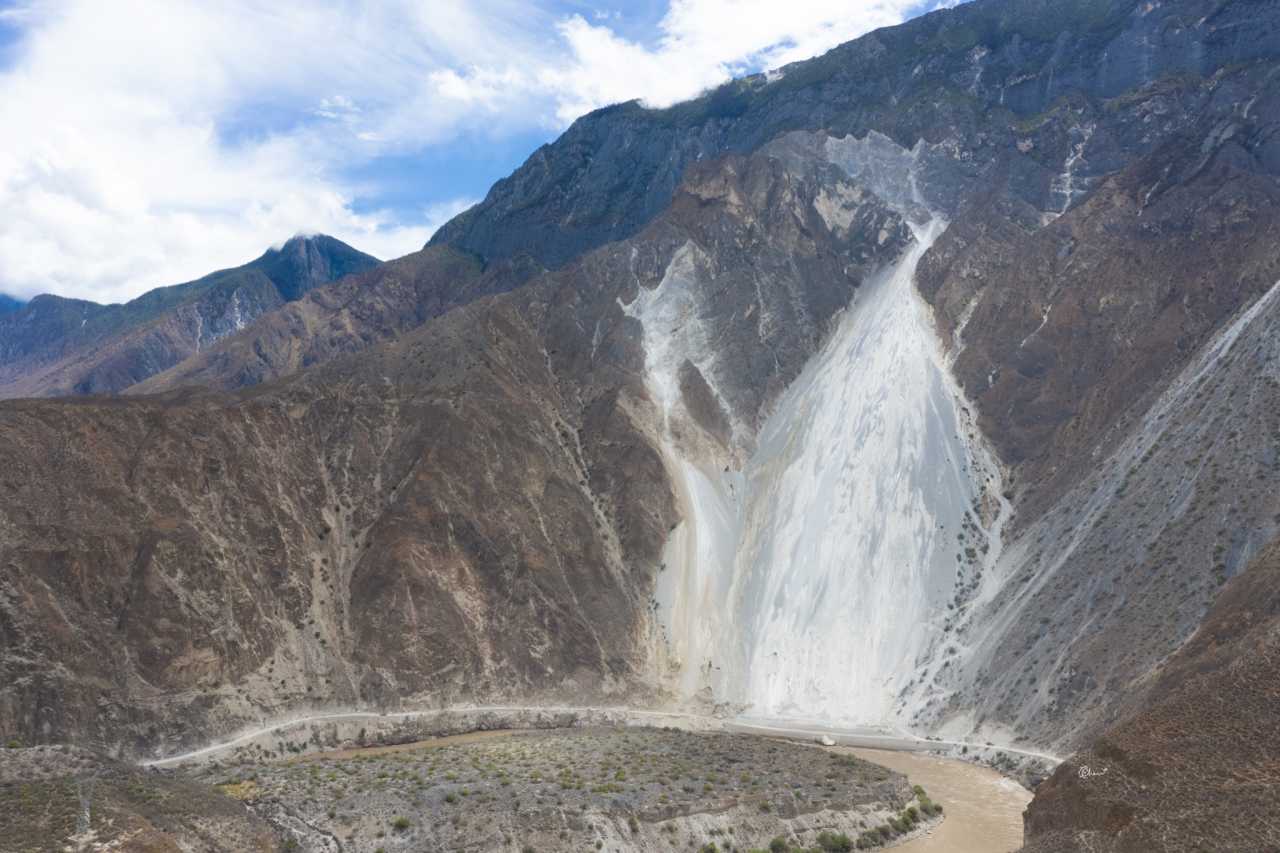
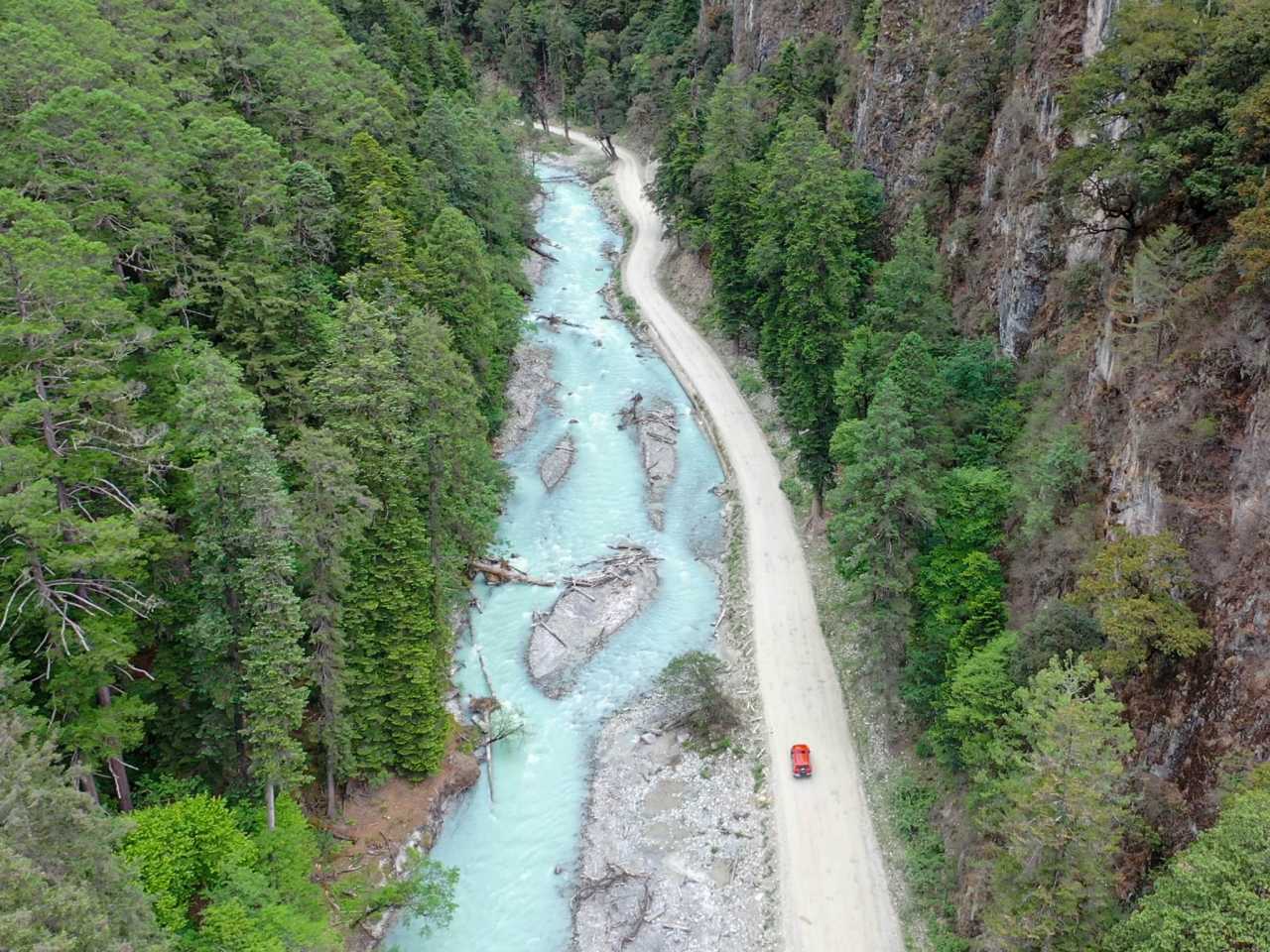
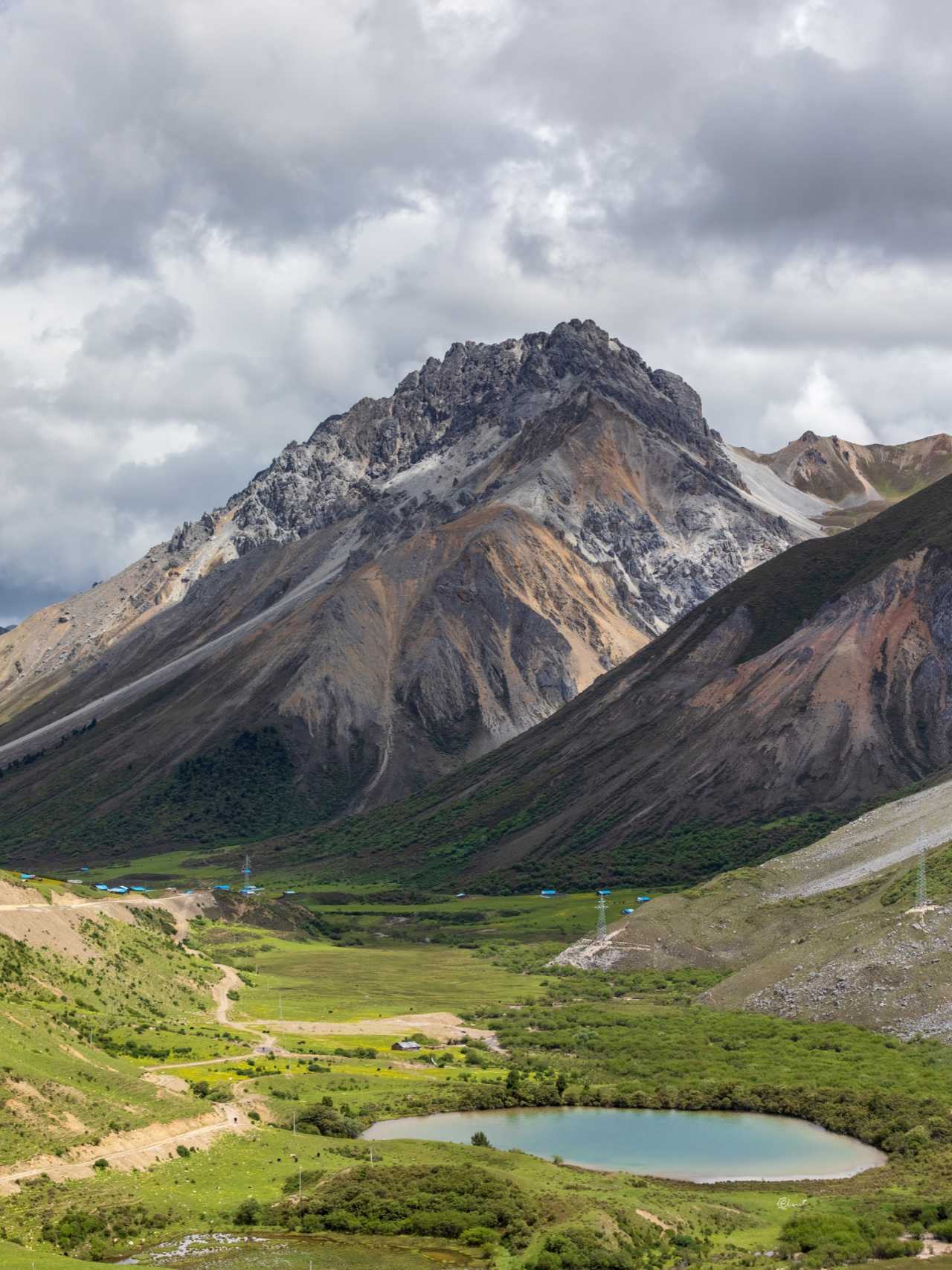
Along the way, I drove past the steep cliffs of the Nujiang River Gorge, crossed the barren dryness of the hot-dry river valleys, plunged into the lush secrets of alpine primeval forests, and gazed up at the majestic grandeur of glaciers and snow-capped peaks. But what left the deepest impression on me was the surreal experience of passing through all four seasons in a single day on the Bingzhongluo-Chawalong-Chayu Highway.
Preparation Before Departure: An Adventure "Arranged by Fate"
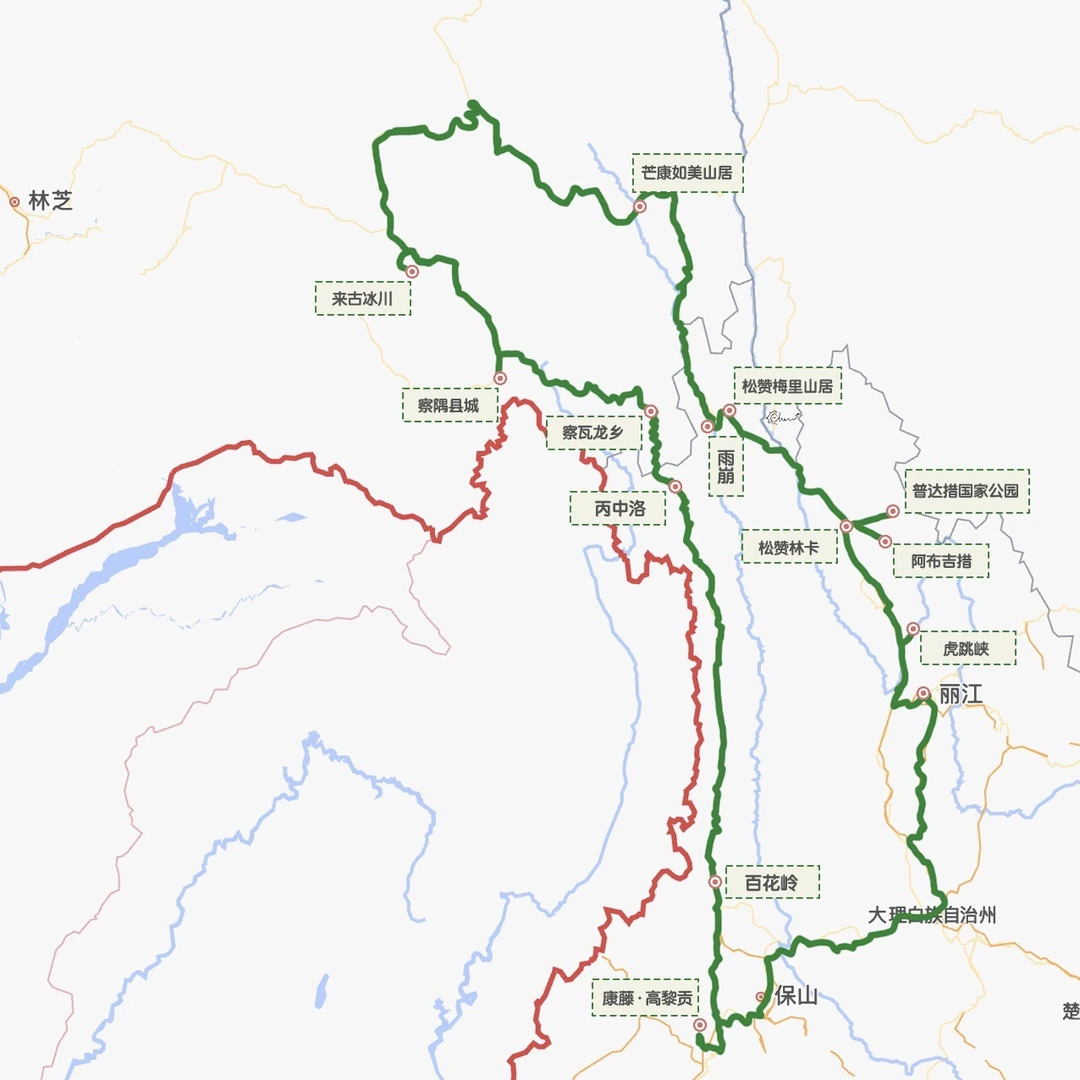
Route Selection: Bingzhongluo-Chawalong-Chayu, Here I Come
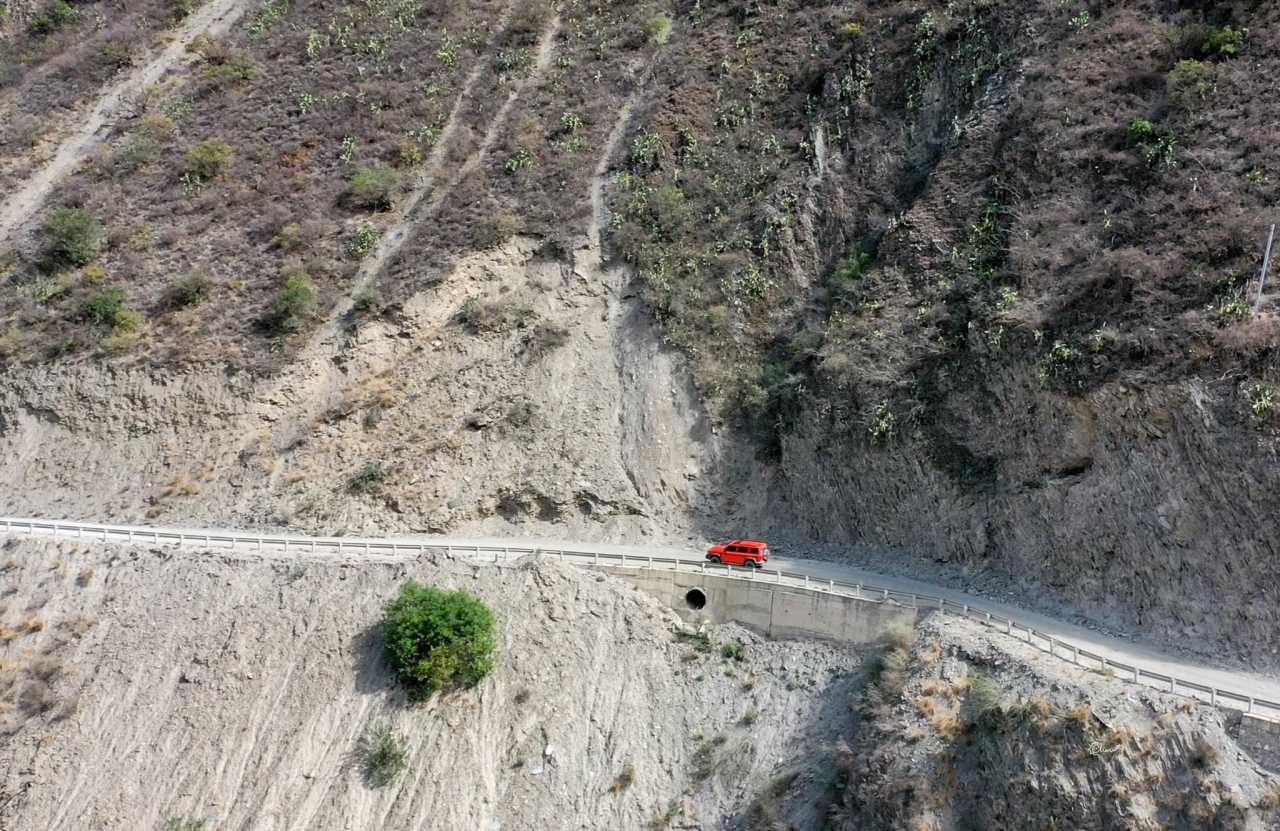
The idea of tackling the Bingzhongluo-Chawalong-Chayu route had been lingering in my mind for years. In June, I came across online rumors that the road was about to undergo construction (which later turned out to be false), but I took it as a sign from the universe—since fate had decided, I might as well go! Most people take this route to reach Lhasa, but my connection with Lhasa hadn't arrived yet, so I decided to treat this trip as an immersive deep-dive experience along the Yunnan-Tibet Highway.
Accommodation and Car Rental: Over Budget, But Worth It
This trip was the most "extravagant" I've ever been with accommodations. For the Gaoligong Mountains, I chose the Camp-Tent Gaoligong; starting from Laigu Glacier, I stayed at the Songtsam hotel chain—mainly to scout the route so I'd know what to expect when I bring my parents here in the future. As for the Bingzhongluo-Chawalong-Chayu section, conditions were much rougher—basically farm stays or village guesthouses, priced around 200 yuan per night.
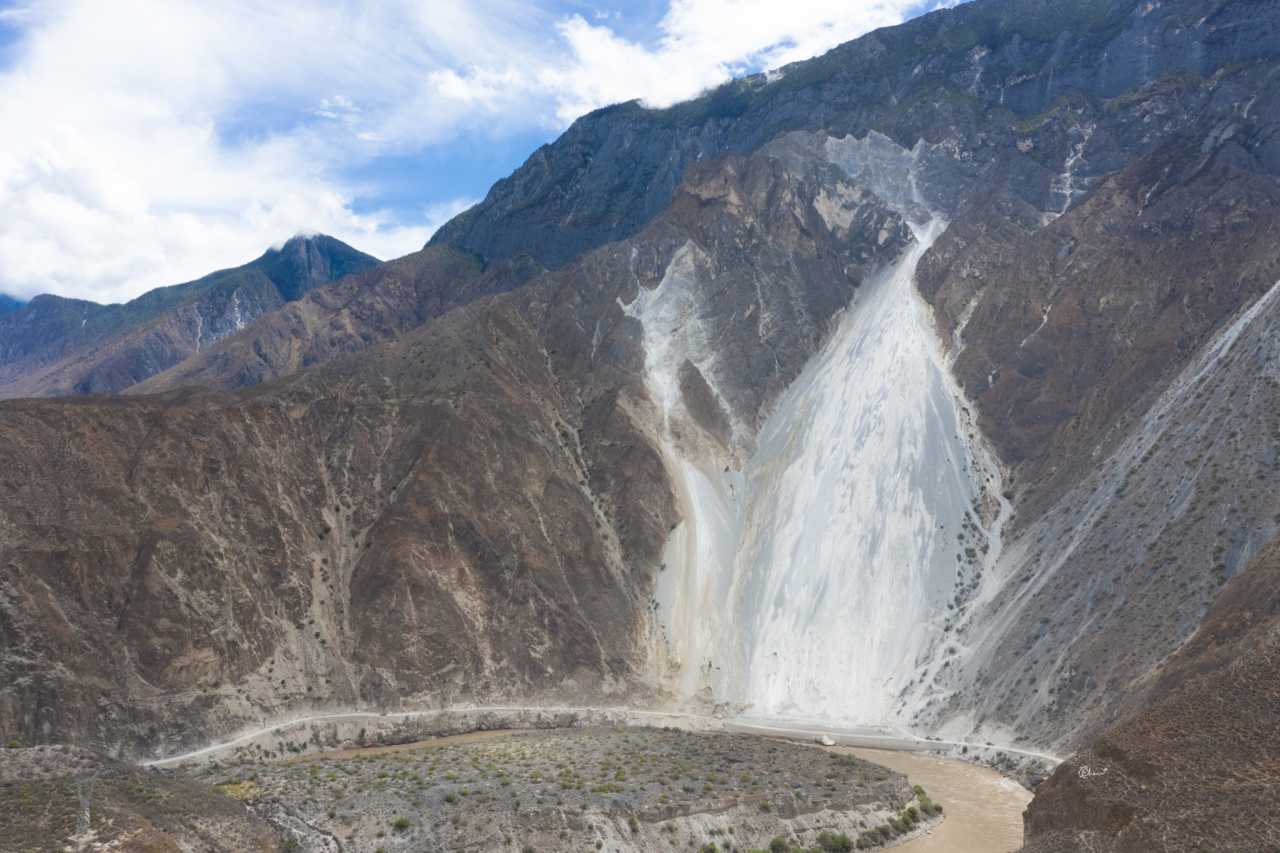
The car rental process was even more agonizing. I initially booked a BJ40, but as soon as the rental owner heard I was heading to Bingzhongluo-Chawalong-Chayu, he immediately recommended a Tank 300, claiming its off-road performance was superior—and it was a brand-new car. The price far exceeded my budget, but after binge-watching a bunch of review videos, I thought: if I ever run into some truly wild terrain, a new car could save my life in a critical moment. In the end, I gritted my teeth and chose this little orange car. The only thing I'd complain about is the trunk light—it's way too dim; at night, finding anything is a game of blind groping.
Practical Tip: If you're taking the Bingzhongluo-Chawalong-Chayu route, fill up your tank in Fugong—it'll last you all the way to Chawalong. Both Chawalong and Zayu county towns have gas stations.
The Gaoligong Mountains: Meeting You Wasn't Easy
An Unexpected Diversion
I arrived at the airport early, boarded, and took off—everything went smoothly, and I breathed a sigh of relief. The plan was to land in Lijiang around 3 PM, pick up the car, and drive straight for six hours to the Camp-Tent Gaoligong. The first five hours of road were fine; the last hour was a dirt road up the mountain. Timing-wise, I figured I'd arrive by 10 PM at the latest. I was already drafting the title of my travelogue in my head: "Night Exploration of Gaoligong." I even mapped out my shooting plan for the next few days.
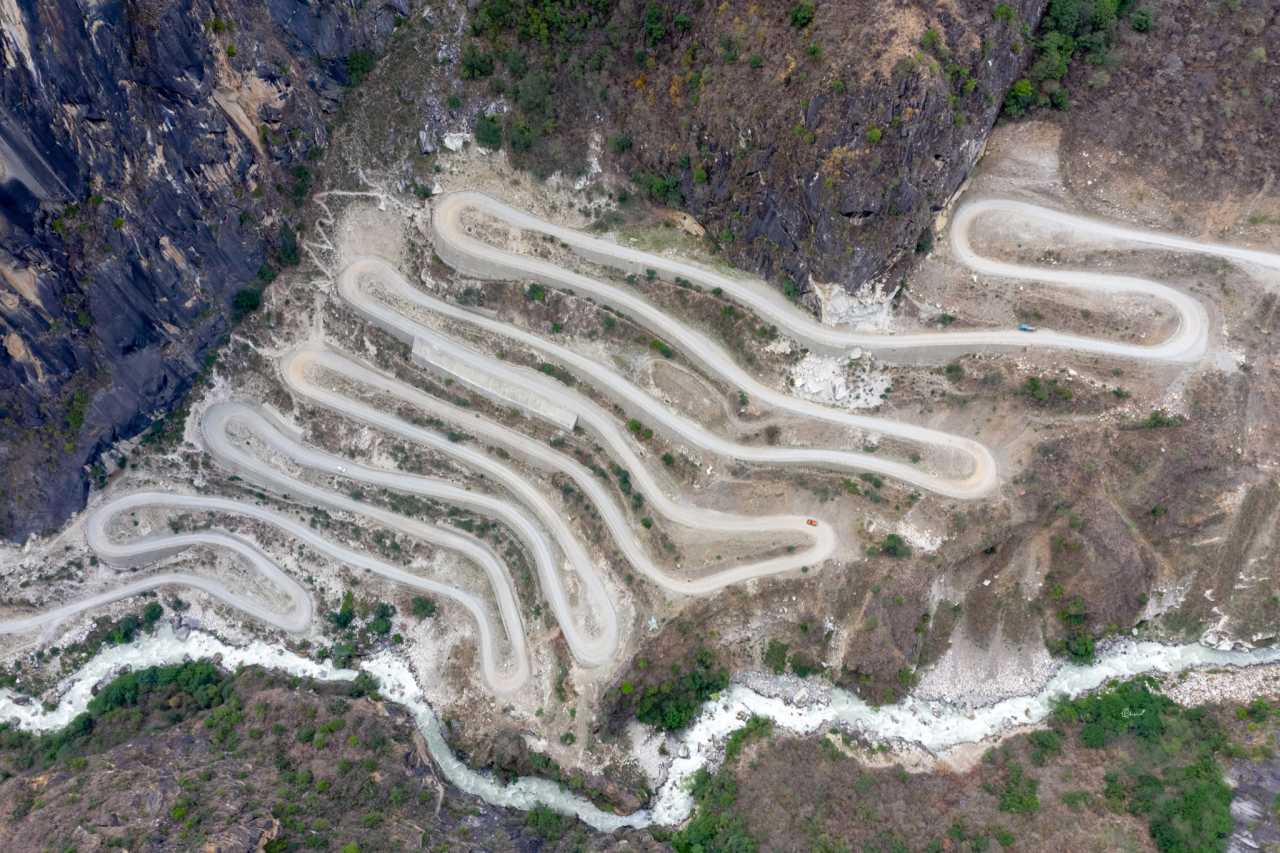
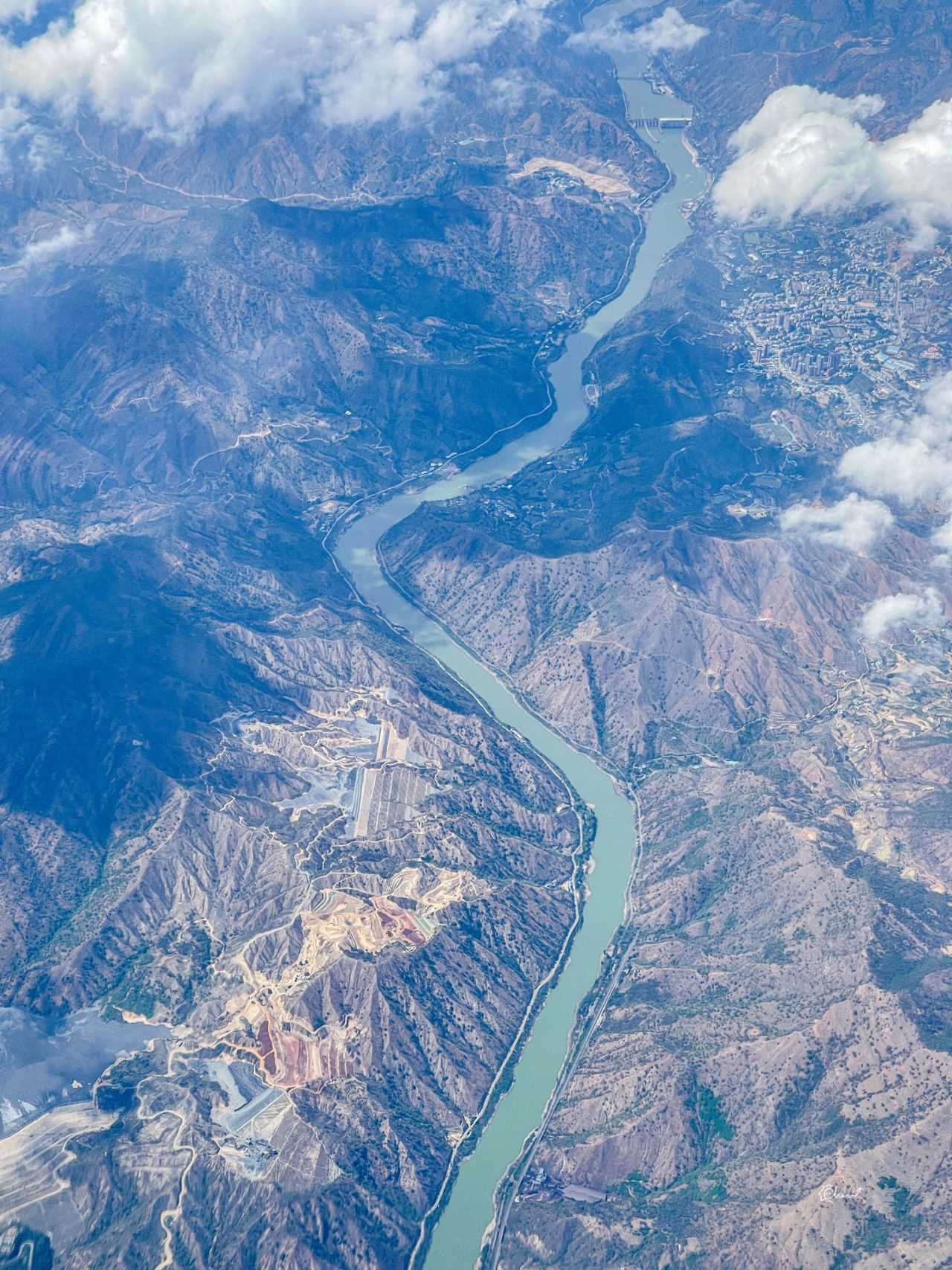
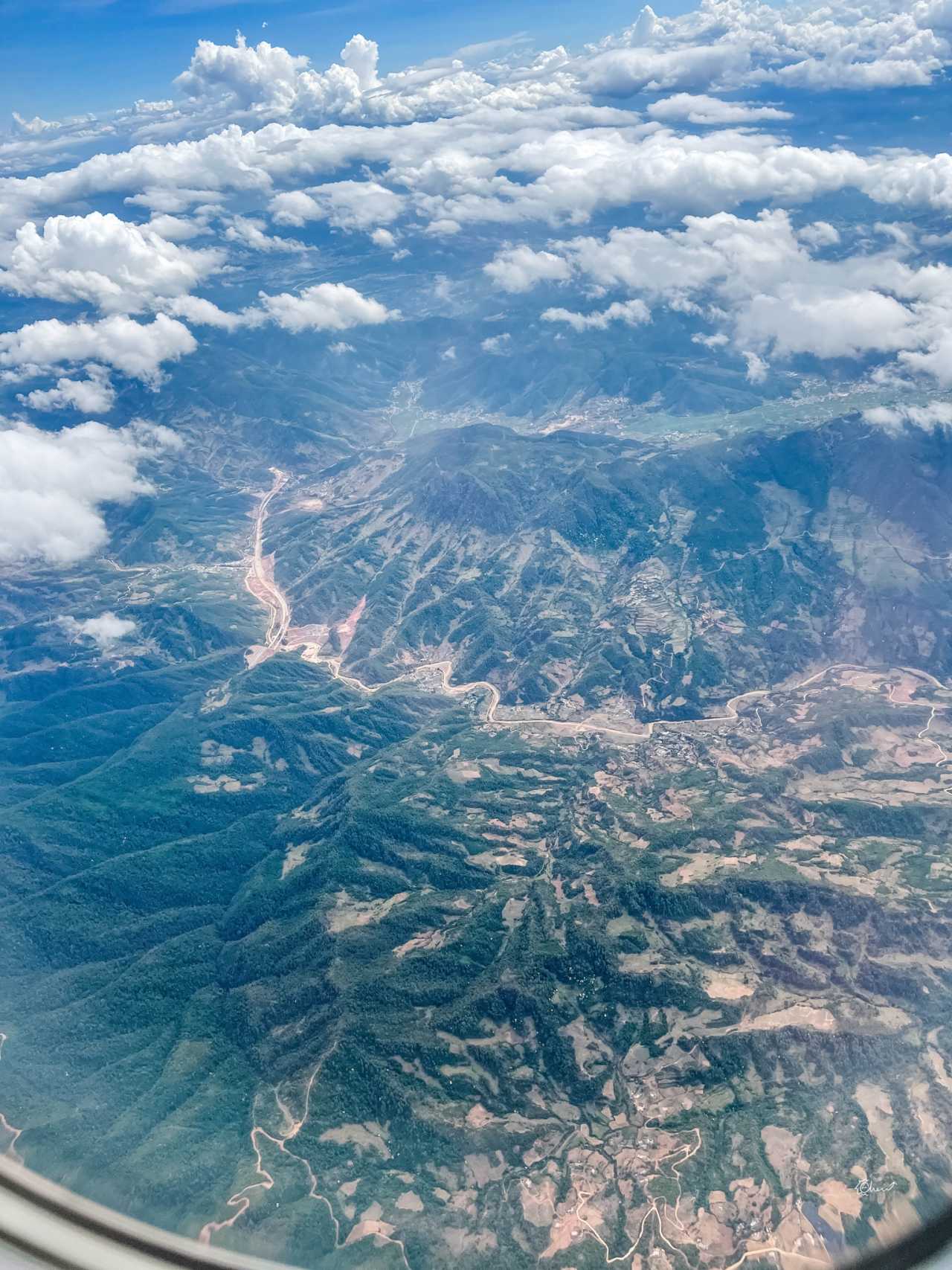
Then I fell asleep. When I opened my eyes again, I saw rolling hills outside the window and thought, Almost there! I grabbed my camera. But the more I shot, the more something felt off—why was the plane circling back? Then the announcement came: "Dear passengers, due to strong winds at Lijiang Airport, the aircraft cannot land. We will divert to Kunming." I was like: ???
The flight attendant said she'd never encountered this situation before. Several people on the plane simply ended their trips right there. I did the math: high-speed rail and buses wouldn't be faster than flying, and drastically changing my itinerary would be even more trouble. Forget it—go with the flow. No matter how carefully you plan, things change. I'll just go wherever the road takes me.
After landing, I quickly contacted the camp and decided to stay overnight in Baoshan and head up the mountain the next day. I also called the rental car guy, who said, "No worries, I'll wait for you!" After 45 minutes, the plane finally took off again. From Kunming to Lijiang is only 45 minutes, but this roundabout detour wasted nearly two hours. If I'd forced my way up the mountain, I wouldn't have arrived until midnight. My plan for a "Night Exploration of Gaoligong" was completely ruined.
First Encounter with "Little Orange"
At 6 PM, the plane finally landed in Lijiang. I grabbed my luggage, exited the airport, and finally saw my "Little Orange"! I'd watched plenty of videos online, but seeing it in person, I was still amazed by its cool yet adorable appearance. I opened the door, loaded my bags, arranged the snacks I'd mailed to the rental guy in advance, and set off! The only thing I'd complain about is the car key—it looks a bit goofy.
Driving off into the sunset, the car was more comfortable than I'd imagined. The cars I'd rented before were all pretty stiff, but the Tank 300 was much smoother. I was very satisfied. By the time I reached the shores of Erhai Lake, it was already dark. I stopped for a bathroom break and continued on.
After five hours of driving, I finally arrived at the hotel. The room was average, but when I lifted the toilet lid, I froze—I've seen rose petals scattered on beds, in bathtubs, but now even the toilet bowl was getting in on the trend? At least the bed was dry, without the clamminess I'd expected. I slept soundly.
The Unexpected Delight of Mango Village
I was woken up by birds at 5 AM, then dozed off again. At 7, I had breakfast at the hotel (average taste) and drove into the mountains. From Baoshan to the Camp-Tent Gaoligong, it's about a three-hour drive, passing by the Nujiang River and then taking the S230 and National Highway 556. As soon as I got off the expressway, I saw fruit trees wrapped in bags lining both sides of the road.
I was guessing what kind of fruit it was when I saw a farmer on a three-wheeled cart, neatly stacked with mangoes. Turns out it was mango season! I passed through a village where roadside stalls were packed with mangoes—I had to stop and take a look.
Besides the roadside vendors, there was also a centralized cold storage facility. With e-commerce booming, these mangoes were probably destined for all corners of the country. As I approached the stalls, I realized the mangoes came in white, golden yellow, and deep green—I had no idea there were so many varieties. I'd never really paid attention before.
When the vendor saw me, she enthusiastically cut one open for me to try. The mango's fragrance hit me instantly. I took a bite, and my eyes lit up—sweet, sticky, not a hint of astringency. Absolutely delicious. It's true: you have to eat fruit where it's grown. I bought one of each variety, planning to do a little taste test. The vendor was very generous and even threw in a few extra.
I wandered around for a couple of laps. The locals, probably not used to seeing outsiders, were incredibly warm. Whenever I asked about a variety I hadn't seen before, the answer was always the same: "Here, have a taste!" One auntie practically forced two mangoes into my hands, saying if I liked them, I should help sell their mangoes all the way to Northeast China. I was in a hurry to get to the camp at first, but after wandering for a while, I realized the camp could wait—this place was pretty interesting too.
Practical Tip: This place is called Baihua Village, the "No. 1 Mango Village" in Baoshan City. Summer is harvest season, so be sure to try the tree-ripened mangoes. Most stalls accept Alipay or WeChat Pay, but older vendors only take cash. The roads are narrow and parking is tricky, so it's a good idea to bring some cash.
Camp-Tent Gaoligong: Living in the Embrace of the Forest
With the car filled with the scent of mangoes, I headed up the mountain. The Camp-Tent Gaoligong is hidden deep in the forest. Before going, you need to report your license plate number to the camp, and the staff will register it with the forestry authorities for access.
Before I set off, the camp staff contacted me to say that the road indicated by the navigation was under construction and I'd need to take another route. From the foot of the mountain to the camp, it's about 10 kilometers, but it takes an hour to drive. She kept emphasizing that the road was rough and slippery, that the car might not have enough power to make it up, and that there was no signal on the mountain—if something went wrong, it would be hard to get help.
Following her instructions, I first arrived at a village, then took a village road up the mountain. There was signal in the village, but it disappeared once I passed it. The mountain road was very narrow—basically one lane. If you needed to pass an oncoming car, you'd have to reverse back to a wider spot. The staff said that since people usually go up in the morning and come down in the evening, traffic was mostly one-way, so you wouldn't encounter many oncoming vehicles.
I could tell how narrow the road was from the reversing camera—it was the first time I'd driven such a tight road, and the radar was beeping from all sides. The road was wet from recent rain, with puddles in the tire tracks, making it a bit tricky. The path was flanked by trees, giving me the feeling of driving through a jungle. Overall, it was a mix of dirt and rocks—not impossible, but you need enough power and high ground clearance, because there were plenty of large rocks and deep ruts that could easily scrape the undercarriage.
As I drove on, the surface turned into black gravel, signaling that I was close to the camp. When I reached the entrance, it was already afternoon. The staff were waiting at the gate, ready to perform a special opening ceremony for me. The camp was like a fortified village—the main gate was usually closed, only opened when guests arrived or left. Cars had to be parked outside; if you needed to get something, a staff member would accompany you through a small door. So unless you were staying for a long time, it was best to travel light.
Modern Comfort Meets Wilderness in a Tent
I climbed the ladder onto the boardwalk, and the entire camp gave me the feeling of "a perfect blend of modern civilization and nature." Twenty tents were raised high on stilts, connected by wooden walkways, with space underneath for plants to grow. Because of the dense vegetation, open flames were strictly prohibited—even lighters weren't allowed inside. To be eco-friendly, the hotel didn't provide disposable toiletries, so you had to bring your own.
The camp was divided into two sections: Tents 1-11 had lower views and were close to the restaurant and library; Tents 12-18 had higher views but required a longer walk, and due to the altitude, climbing the stairs left you a bit breathless. The scenery from the rooms was essentially the same.
The camp had a dedicated library where guests could read or do crafts. Besides indoor activities, the camp also offered guided hikes through the Gaoligong Mountains—this was the main reason I'd chosen to stay here in the first place. But before I even arrived, the hike was canceled. I heard it was because a fire had broken out in Liuku County, leading to a complete closure of Gaoligong. If I wanted to hike, I could only wander through the woods around the camp with a staff member.
A Sumptuous Dinner for One
The staff led me to my tent and said the kitchen was already preparing lunch, which would be ready in about 20 minutes. I used the time to explore the room: wooden floors, leather-trimmed cabinets, folding chairs, and a small wooden table—understated yet luxurious. Each room also had an outdoor sink, adding to the rustic charm. Since the mountain area was cold and rainy, the camp equipped every room with a dehumidifier and an electric heater. When the staff came to turn down the bed for dinner, they'd also turn on these appliances.
Just then, my phone buzzed with a message saying dinner was ready. I headed straight to the restaurant—white ceiling with light green chairs, bright and fresh, simple yet elegant. The accommodation fee included meals, with a standard of four dishes and one soup. Honestly, before coming to Yunnan, I hadn't had high expectations for the food, since I don't really like sour and spicy flavors or rice noodles. But these four dishes and one soup blew me away—the chef's cooking was perfectly to my taste. The only problem was that it was too much food; one person couldn't possibly finish it all.
What impressed me was that the staff would confirm the menu with guests a day in advance. The dishes were all cooked to order, arriving at the table still sizzling. For the next few meals, I ordered fewer dishes and tried the all-vegetarian options. They were also delicious—not greasy, with just the right amount of seasoning. I even tried some vegetables I'd never seen before, like water fern and loofah tips. I highly recommend their glutinous rice cakes (erkuai)—I absolutely loved them. The water fern was freshly picked, but I couldn't shake the feeling that it tasted a bit like shampoo. The loofah tips, on the other hand, were really good.
A Solitary Forest Stroll
After lunch, the weather suddenly cleared up. I decided to explore the camp, fly my drone, and walk off my meal. I thought I'd just bring the drone and leave the camera behind—too much hassle to carry everything. But then I spotted the legendary "osmanthus ears" (a type of fungus) on the boardwalk railing—a tiny row of them, incredibly cute. Mushrooms were also growing all over the wood.
I passed by a strange plant with red fruits that, at first glance, looked like chili peppers. After looking it up, I found out it was a parasitic plant called Taxillus chinensis (Chinese parasitic mulberry).
Note for bird photographers: No matter how tired or inconvenient it is, always bring a telephoto lens. I ran into several different species of birds around a corner, right in front of me, absolutely stunning. But because I hadn't brought my camera, I could only record a blurry video with my phone. By the time I switched lenses and went back, not a single bird was in sight. So I settled for photographing a bee instead—I couldn't let the camera go completely unused.
The weather kept shifting between sunny and overcast. In the evening, the sun finally came out. I rushed outside to take photos while there was still light. After watching the sunset, as the sky darkened, I returned to my tent. The staff had already closed the windows, making the tent completely airtight. The electric heater had warmed the room nicely, and with the dehumidifier running, no matter how windy or rainy it was outside, the inside was warm and dry. The wind in the Gaoligong Mountains was strong at night, causing the tent to sway slightly. From time to time, noises came from the tent roof—I thought monkeys were knocking, but it was just the wind.
Bonus: Mango Taste Test
I slept soundly through the night. I'd originally planned to go hiking before checking out, but it had been raining since the evening, and I'd lost all motivation. After breakfast, I suddenly remembered the mangoes. I borrowed a knife from the staff and conducted a taste test. The names were what the mango vendor had told me—of course, I had to guess based on her Mandarin pronunciation, so please forgive any inaccuracies.
The mangoes I knew before were just the old varieties and golden mangoes; I'd never really seen any others. Here are the results:
- Golden Mango: Mild flavor, sweet-sour leaning toward sour, firm flesh
- Eagle Beak: Mild flavor, similar to golden mango, but with a strange aftertaste—lychee?
- Guifen: Sweet-sour leaning toward sweet, strong mango flavor, soft flesh
- Old Variety: Strong mango flavor, balanced sweet-sour, melts in your mouth, stringy flesh
- Deshenglong: Soft, strong mango flavor, almost no sourness, thick flesh
Sweetness-to-Sourness Scale (from sour to sweet): Golden Mango → Eagle Beak → Old Variety → Deshenglong → Guifen
Firmness Scale (from soft to firm): Old Variety → Deshenglong → Guifen → Eagle Beak → Golden Mango
Personally, I liked Deshenglong and Guifen the most. I really couldn't get into Eagle Beak.
Baihualing: Bird Photography While Lounging
Leaving Camp-Tent Gaoligong, I was about to experience what it felt like to "photograph birds while lounging with your legs crossed." Baihualing is part of the Gaoligong Mountains and is a bird photography paradise, home to over 500 species. Every year after October, bird photography enthusiasts from all over the world gather here with their long lenses and heavy gear.
I visited during the off-season, so not many bird ponds were open. I'd originally planned to stay in Baihualing for two and a half days: one full day hiking to Nanzhaigong House, and one and a half days photographing birds. But with Gaoligong closed to hiking, the trek was out of the question. So I went with the flow—suddenly, I had a lot of free time.
I found the most professional bird guide in Baihualing—Lao Hou. When Lao Hou was a child, the village was poor and meat was scarce. In his words, "Hunting birds was both fun and filling." One day, he met a Taiwanese couple in the mountains who were birdwatching. They asked him to be their guide and paid him for it. When the couple returned to Taiwan, they posted about Baihualing's birdlife online, and more and more bird photography enthusiasts started coming. The village's birdwatching industry took off. The people who once hunted birds became their protectors.
Lao Hou has been a bird guide since he was young, leading many big-name photographers. He's equally skilled at finding birds in the wild or setting up bird ponds. When I booked his place, he first asked if I'd ever photographed birds before. If I were a beginner, he'd arrange for me to photograph as many species as possible. If I had specific birds in mind, I could tell him, and he'd take me to find them.
All-in-One Bird Photography Service
In the morning, the bird pond owner takes you up the mountain. Before entering, you need to register (for forest fire prevention). Once you reach the pond, you just sit there and wait for the birds. The pond owner does some preparation work, then mimics bird calls to attract them. You set up your tripod and press the shutter.
Photographing from morning to night is physically demanding. Even though you're sitting, you have to stay focused at all times—a bird's best pose can disappear in an instant, and you'll have to wait all over again. The color combinations on small birds are incredible—such bold hues, yet they look so harmonious on their feathers.
Running a good bird pond isn't easy either. Even among ponds, the background setup and tree placement require careful thought. You need to create an aesthetically pleasing scene to attract more photographers. I visited two ponds, and Lao Hou's was clearly more thoughtfully designed: it had a flowing stream and a small pool, where birds would come to drink and bathe.
I also captured some interesting moments—like adult birds feeding their young. Looking at the photos, I couldn't help but think: no matter the species, raising children is never easy.
I also encountered some amazing little creatures. At first, I couldn't make it out—just a black, long-tailed thing with a face a bit like a Shar Pei, bigger than a squirrel. After looking it up, I discovered it was a Class II National Key Protected Wildlife species—the giant squirrel, also known as the tree dog.
What about lunch when you're hungry? Go down the mountain to eat? That would seriously underestimate the all-in-one service. You order your meal from the farm stay in advance, and the pond owner brings it up to you. Egg fried rice with pickled vegetables—hey, in the countryside, you can't be too picky.
Stumbling Upon the Hiking Trailhead
After photographing birds, I was curious about the road up the mountain and kept driving to see where it ended. As it turned out, I stumbled upon the trailhead for the hike across the Gaoligong Mountains.
Jiujiezi is the starting point of the hiking route. Once you see the sign, you're in the right place. Parking in the mountains is tricky, and the roads are narrow. It didn't seem like anyone was guarding the trail, but by the time I got there, it was already afternoon—too late to start hiking. I could only scout the spot, giving myself the perfect excuse to come back another time.
Going up and down the mountain used the same road, making it very difficult to pass oncoming cars. The road felt more suited for motorcycles. Wherever there were bird ponds, the road was much better maintained.
Hot Spring Hike: A 5-Hour Jungle Trek
I drove back down the mountain and returned to my room, feeling like I was wasting the beautiful weather. I asked Lao Hou if there was a shorter hiking route. He mentioned one with a waterfall and hot springs. That sounded perfect!
I grabbed my camera and water, took my trekking pole, put on my knee braces, and set off. The starting point of the hike isn't clearly marked on Gaode or Baidu Maps. To get the exact location, follow these steps: 1. Search for "Dexian Farm Stay" on Baidu 2. Zoom in on the map and find the star in the upper left corner—that's the parking lot
The normal route is to go to Yin-Yang Springs first, then to the big waterfall. But Lao Hou specifically advised me to do the reverse to avoid the steepest climbs. The entrance for the reverse route is the stone steps next to the parking lot. The first half of the climb along the stone steps is relatively gentle; the continuous uphill starts after Yin-Yang Springs, and it's not easy either. So I think both routes are probably similar in difficulty.
The hot spring trail is about 5 kilometers round trip, with an elevation of around 2,000 meters. The main attractions are the big waterfall, the hot springs, and the variety of plants and insects—after all, this is the northernmost tropical rainforest ever recorded. Walking along the stone-paved path, my eyes were constantly drawn to the plants on either side: some with cute little flowers, others with spiky leaves, and if you looked closely, you could find mushrooms.
Lao Hou said there were plenty of insects here, but I only spotted one type. He said I wasn't looking properly—clearly, I'd need one of his people to guide me next time. Butterflies would occasionally flutter in front of me, their graceful dance mesmerizing. The tall plants blocked out the sunlight, moss covered the rocks, and the carpet of moss on the ground was adorable.
I walked slowly, stopping frequently to take photos. It took me three hours to reach the big waterfall (it would be faster if you walked without stopping). The waterfall had a strong flow, and there were benches to rest on. The waterfall was quite tall, and the viewing angle was close, so a telephoto lens wasn't very useful. This is where I have to complain about my bird luck—in such a wild place, you'd think I'd at least run into a couple of birds, right? I'd specifically brought my 70-200mm lens, but all I heard were bird calls; I never saw a single one. And since the waterfall was so close, I didn't even get a good shot of it.
Thank goodness for this railing—it allowed me to take a posed photo in the wilderness (dangerous move, please don't try this at home).
I rested a bit and continued on, reaching Yin-Yang Springs in less than an hour. This is where people soak in the hot springs, with a small changing pavilion nearby. My telephoto lens was completely useless—I didn't even get a panoramic shot. From Yin-Yang Springs, it was a continuous uphill climb, with a large swing along the way. By the time I reached Beauty Waterfall, I was too out of breath to even think about taking photos. I just snapped a few with my phone.
The entire trail was at an elevation of around 2,000 meters, and completing it took me nearly five hours. Overall, I'd say it's well worth the walk, especially for plant and insect enthusiasts—you'll find something unique.
Night Owl Hunting
Back in my room, I was completely exhausted. Lao Hou said he could take me to photograph owls at night. I perked up immediately—yes! Absolutely!
At 9 PM, Lao Hou drove me to a nearby village. His eyes were incredible—he spotted an owl at a glance and told me to shoot quickly. But I couldn't keep up; by the time I was ready, the owl had flown away. Lao Hou was so frustrated he almost wanted to take the camera himself. I found it incredibly difficult—eventually, I decided that seeing it was owning it. I'll come back for the owls once I've honed my skills.
The Final Surprise: Pin-Tailed Green Pigeon
The next morning, I packed up to check out. As I stepped outside, Lao Hou pointed to a tree behind the house and said there was a green pigeon on it. I was like: ??? I zoomed in with my 200mm lens but couldn't see a thing. Lao Hou quickly asked if I had my camera. I handed it to him, and he snapped a couple of shots. Later, when I enlarged the photos, it looked like a pin-tailed green pigeon—the same color as the leaves. Even so, Lao Hou had spotted it. Truly impressive.
As I left the village, I passed by a giant agave plant—its flower stalk looked like it could grow into a tree. I got out of the car and realized there were lychees everywhere! As a kid from the north, seeing a whole tree full of lychees for the first time was incredibly exciting. Unfortunately, despite the large lychee orchard, I couldn't find anyone selling them.
Back on the S230, there were roadside stalls selling lychees, with the orchard right across the street—they were probably freshly picked. The lychees were 3 yuan per catty, but they were only sold in large bags. I spotted a small bundle and an elderly woman was introducing them...
Final Thoughts
On this journey, I experienced the panic of a diverted flight, the unexpected delight of Mango Village, the tranquility of a forest camp, the patient waiting at bird ponds, and the sweat and discoveries of hiking. What the Bingzhongluo-Chawalong-Chayu trip taught me wasn't how to plan a perfect trip, but how to find joy in change and discover surprises in the unexpected.
One person, one car, roaming the world—it sounds romantic, but it's full of uncertainties. Yet it's precisely these uncertainties that make every journey unique. The birdsong of Gaoligong, the wind in the Nujiang Gorge, the cold of the glaciers, the heat of the hot-dry valleys—they won't change because of your plans. But you can change the way you experience them.
If you're thinking about taking the Yunnan-Tibet Highway, remember a few things: - Rent an off-road vehicle with plenty of power and high ground clearance—it could save your life in a pinch - If you pass through Baihua Village during mango season, make sure to stop—tree-ripened mangoes are incomparable to anything you can buy online - For bird photography in Baihualing, find Lao Hou—he's professional and reliable - Bring trekking poles and knee braces for hikes; the 2,000-meter elevation climbs are no joke - Most importantly—plans never survive reality. Going with the flow is the true essence of travel.
See you next time, Tibet.
You should also read:
Into the Hidden Valley: A Solo Journey Through the Mysterious Dulong River
Into the Hidden Valley: A Solo Journey Through the Mysterious Dulong River Deep in the northwestern corner of Yunnan Province, tucked away from the modern world, lies a place that feels like a secret whispered among mountains. The Dulong River Valley is not just a…
Continue reading...
God’s Abandoned Palette: A Self-Drive Journey Through Yunnan’s Dongchuan Red Land
God’s Abandoned Palette: A Self-Drive Journey Through Yunnan’s Dongchuan Red Land Travel has never been about reaching some distant geographic coordinate. It’s about encountering, along the way, the version of yourself buried beneath the rubble of daily routine. During this May Day holiday, I finally…
Continue reading...
Body in Hell, Heart in Heaven: A Pilgrimage Through Tiger Leaping Gorge — A Dialogue Between Heaven and Earth
Body in Hell, Heart in Heaven: A Pilgrimage Through Tiger Leaping Gorge — A Dialogue Between Heaven and Earth Introduction: When the Gorge Splits Open Beneath Your Feet Some say Tiger Leaping Gorge is the closest place on Earth to the border between "hell" and…
Continue reading...