A Solo Graduation Trip: Crossing Serbia and Bosnia, Smoking on a Castle, Drinking in a Park
A Solo Graduation Trip: Crossing Serbia and Bosnia, Smoking on a Castle, Drinking in a Park
At sixteen, I sat in a classroom, sunlight slanting across my textbook, but my mind was filled with images of bell towers, knights, and night watchmen. That was Europe—a dream so distant it felt almost unreal. Five years later, I finally shouldered my backpack, flew ten thousand kilometers alone, and turned that dream into reality.
This wasn't a spontaneous trip. It was my farewell gift to my university years, a continuation of the past three years when I'd traveled across much of China and visited a few other countries, and a reckoning with that sixteen-year-old version of myself. While my peers were busy sending out resumes and hunting for apartments, I chose a path that seemed "irresponsible." But I figured, life should have some things that belong only to "you."
Why Serbia and Bosnia?
Serbia and Bosnia—these two names might sound unfamiliar to many. They once belonged to the same country: the former Yugoslavia. After Yugoslavia dissolved, the two became independent nations, sharing borders and well-connected by daily buses.
But what truly fascinated me was their completely different vibes. Serbia lies in the heart of the Balkans, historically a crossroads of Eastern and Western civilizations. Bordering Central Europe to the north and the Mediterranean to the south, it's perfect for summer travel—no oppressive humidity like Southeast Asia, yet you can walk around in shorts and a T-shirt under the sun.
More importantly, both countries are visa-free for Chinese citizens. Just grab your passport, get it stamped, and you're in. Crossing from Serbia into Bosnia, it's just another simple stamp at the border. You get one month in each country, and re-entering resets the clock—very flexible.
Pre-Trip Prep: What You Absolutely Need to Know
Visas and Flights

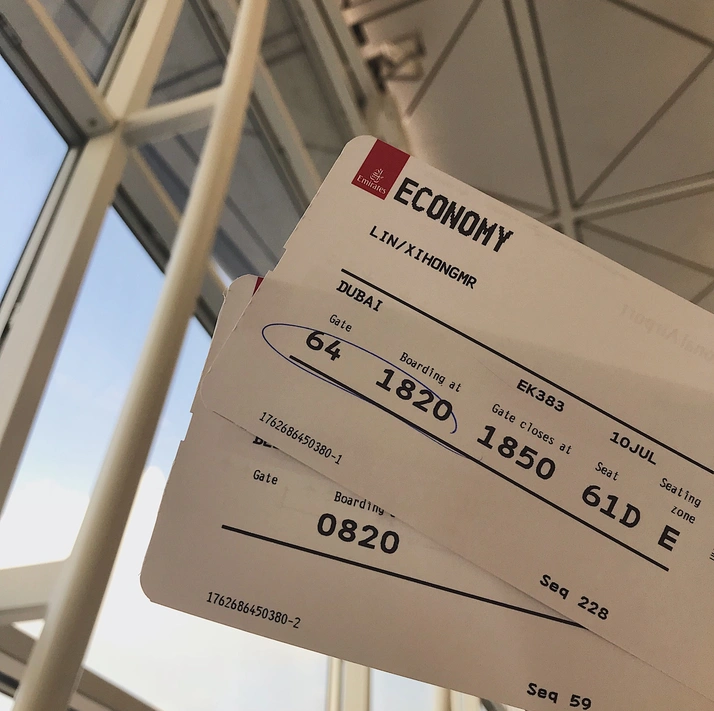
Visa-free access is the biggest perk. I flew from Hong Kong to Belgrade, round trip for 3,700 RMB (about $510 USD), with one layover in Dubai. Book a month or two in advance, and you can get it even cheaper. There are no direct flights from mainland China to Serbia yet; the cheapest departure points are Beijing and Hong Kong. If you're flying from Hong Kong, don't worry about visa issues—just show your flight booking and passport to enter and exit, and you can stay up to seven days.
Accommodation and Communication
For accommodation, I mixed it up. If I wanted to meet new people, I booked hostels (plenty of options on Booking.com). If I needed a good rest, I went for apartments. I'd advise against using Chinese apps for booking—prices tend to be inflated.
For communication, I chose a local SIM card from VIP in Serbia. It cost 300 Serbian dinars (about 20 RMB or $2.80 USD) for seven days, including 4G data. If you're staying more than ten days, buy two seven-day cards—they're cheaper than a 30-day card, which costs 1,000 dinars but offers less data.
Currency and Insurance
Serbia's currency is the dinar, with an exchange rate of roughly 15 dinars to 1 RMB. It's better to exchange euros or US dollars, but small exchange points might not have change for dollars, so bring mostly euros. Credit cards work fine—but since I'd just graduated and my student status was gone, my credit card application got rejected.
Insurance is a must. You can buy it on Taobao for cheap, covering personal safety and lost luggage. When you're out there, having that safety net gives you peace of mind.
Departure: From Hong Kong to Dubai, Then Belgrade
The Last Milk Tea in Hong Kong
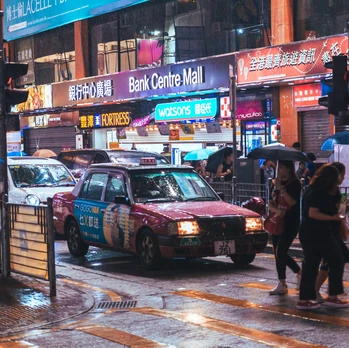
From Zhangzhou to Shenzhen North, the high-speed train cost 165 RMB. Then I took the metro to Lo Wu Border and crossed into Hong Kong. Mong Kok was as bustling as ever, tourists and locals packed together. I went to my favorite Kam Wah Cafe, ordered a cup of milk tea and a lard bun—affordable and authentic. This was my last taste of "Chinese flavors" before departure.
The Cold Air at Dubai Airport
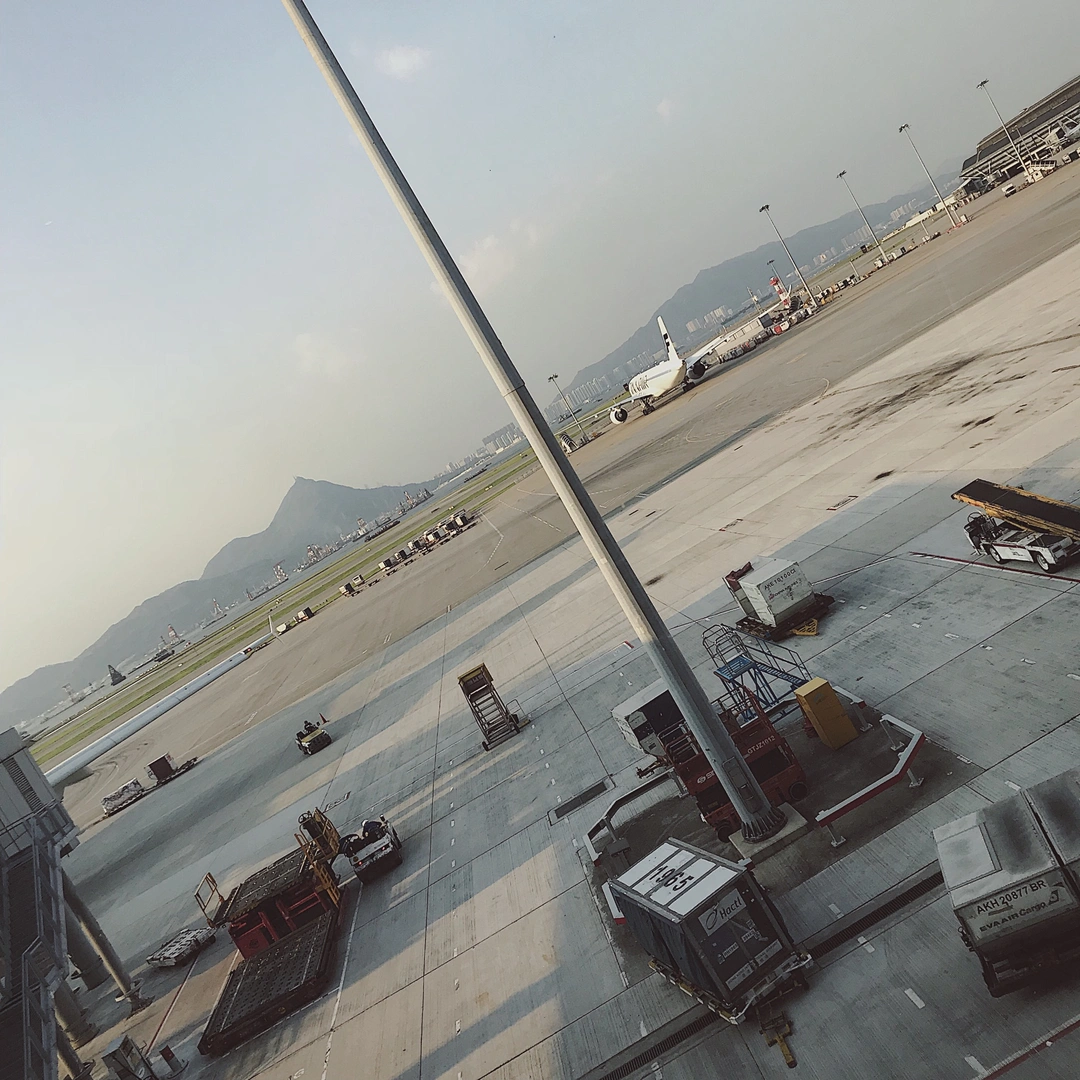
Hong Kong Airport is on an outlying island. From the city center, there are three ways to get there: the Airport Express (24 minutes, 70-115 HKD), the airport bus (10-40 HKD, no change given), or a taxi (250-390 HKD). I left three hours early and took the bus—30 minutes to the airport.
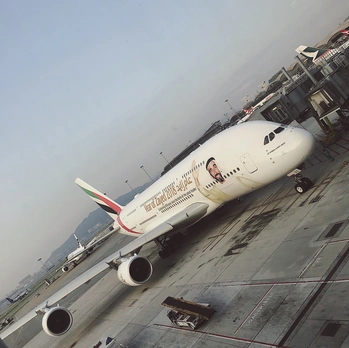
Emirates' service lived up to its reputation. The meal came with everything from bread to dessert, drinks were unlimited (including beer and wine), and you could ask for instant noodles anytime. The flight attendants spoke fluent English, and each flight had one or two Chinese-speaking crew members.
I arrived in Dubai late at night and had an early morning connection to Serbia, so I didn't leave the airport. Check: "slept in the airport" achieved.
Belgrade: The Castle Is Every Belgrader's Secret Hideout
First Impressions on Landing
Belgrade's airport is small—smaller than Xiamen's or Hangzhou's—but it's a major aviation hub in Central Europe. First thing I noticed: Serbians are tall. At 185 cm (6'1"), I was just average here.
Second thing: they really love smoking. As soon as I exited the terminal, the doorway was packed with people lighting up. I pulled out a cigarette and asked someone for a lighter. A big guy laughed, lit it for me, asked where I was from, and even told me which bus to take downtown.
An Afternoon on Knez Mihailova Street
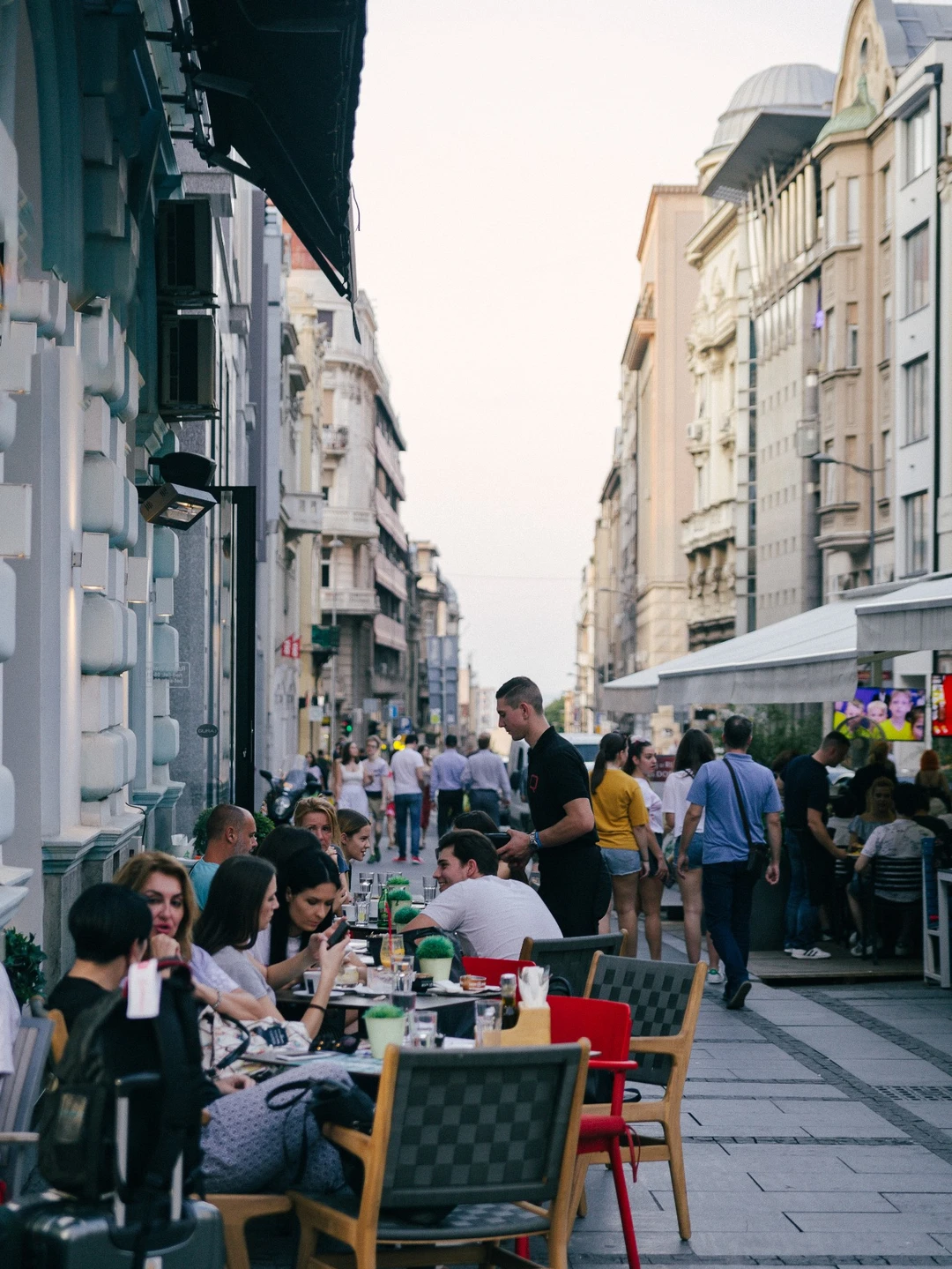
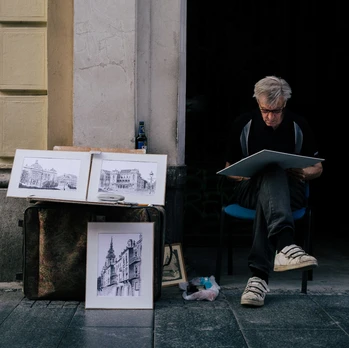
After buying a SIM card, I wandered down Knez Mihailova Street. Street performers were everywhere—painters, singers. With nothing to do in the afternoon, I'd sit at a sidewalk café, watching people pass by. That feeling of being in a foreign land was strange and wonderful.
I ran into a group of young people breakdancing. They told me they were from a school dance club, busking in their free time to earn beer money. Serbian restaurants have an interesting vibe—by day they're cafés, by night they transform into little bars.
Reuniting with an Old Friend
Taro, whom I'd met in Chengdu, had already flown in from Albania. We agreed to meet on Knez Mihailova Street. Last time we'd seen each other was a quick catch-up in Shenzhen after I returned from Thailand. Back in the summer of 2016, we'd met at a hostel on Zitong Street in Chengdu, and later both went to Nepal, giving us plenty to talk about. That hostel's long gone now, and friends have scattered, but reuniting in a foreign country—it felt amazing.
Sunset on the Castle
As sunset approached, we walked up the main street to the castle to watch it. The walls were worn and rough under my fingers. Sitting on the edge of the fortress, looking out at the view, I finally realized—I'd actually made it here.
Surrounded by European-style architecture, I imagined knights riding through centuries ago, night watchmen carrying lanterns past alleyways, an old servant in the bell tower quietly watching the Danube and ringing the chime. This was everything I'd ever dreamed about that era.
I loved this castle. I loved watching the sunset here, watching the golden light spread across the river. Sipping a beer, smoking a cigarette—it felt incredibly peaceful. A Serbian friend I later met told me the castle is every Belgrader's secret hideout. Some young people meet and fall in love here, just like their parents did. The castle holds countless stories.
Steak at the Question Mark Tavern
For dinner, I went to a local-recommended spot: Kafana Question Mark. The sign out front is just a big "?". Legend has it that the tavern originally used the same name as the church across the street, but parishioners demanded a change. The owner couldn't decide on a new name, so he just used "?".
This was Belgrade's first tavern, opened in 1823, and it still looks exactly as it did two centuries ago. The traditional Serbian coffee, served in a copper pot, is worth trying. Expect to spend around 15-20 euros per person. The steak, from the meat quality to the cooking, was flawless. Before leaving Belgrade, I went back one more time, wrote some recommendations in Chinese in my travel journal, and left it with the owner. I hope that note is still there when I return.
Zemun: Golden Sunsets
A Serbian Morning
I woke up early the next day, still jet-lagged. Threw on a jacket, stepped onto the balcony for a cigarette, and decided to go get coffee. A Serbian morning starts with coffee. I found a random sidewalk café—the bread with jam was decent, and the coffee was excellent. A caramel macchiato cost just 150 dinars (about 10 RMB or $1.40 USD), and the quality was way better than Starbucks.
City Walking
After breakfast, Taro and I started walking. Skadarlija Street had a bohemian vibe—if you want to see 19th-century Belgrade, this is the place. Restaurants were covered in flowers, and eating in a setting like that lifts your spirits.
We passed by the ruins of bombed buildings. Locals say they refuse to tear them down—they want to remember history.
The Warmth of Zemun
We took a bus to Zemun. I asked the driver how much, and he just said "three." I thought, no way it's just three dinars. Then a passenger told me the driver actually said "free"—he was giving us a ride without charging. In reality, Belgrade buses aren't free; you're supposed to buy a ticket, and inspectors who board mid-route can fine you if you don't have one. The driver took a risk letting us ride for free.
We headed toward Gardoš Tower, passing an unknown church where locals were chatting in the courtyard—hardly any tourists. As we climbed higher, Belgrade came into view, slowly sharpening. During Ottoman rule, Zemun belonged to the Austro-Hungarian Empire, so its architecture is mostly classical and baroque.
From the highest point in Zemun, you can see New Belgrade and the entire town, with the Danube River flowing slowly beside it—a river that's been flowing for thousands of years.
A Surprise at a Family-Run Restaurant
On the way down, we found a family-run restaurant with an orange door and paintings on the wall. Inside, it was a converted home, full of cozy touches and little decorations. The cheese-baked rice was great, the potatoes were great, and the sausage was way too salty—but that's a Serbian thing: salty stuff is really salty, and sweet stuff is incredibly sweet.
Full and happy, we walked back along the Danube. We passed a small bar where the singer spotted us—two Chinese people in a sea of white faces—and sang a Serbian love song for Taro.
A Cigarette by St. Sava Church
Parliament and Cheap Pizza
Outside Serbia's Parliament Building stood two statues. Old Belgrade keeps this architectural style no matter the purpose, while New Belgrade is all skyscrapers. We walked through a park where people were spending the weekend with their loved ones and kids.
The pizza here was ridiculously cheap—a whole pie for just 14 RMB (about $2 USD)! And it tasted okay, not overly salty (my standards for Serbian food were getting lower by the day).
A Chance Encounter at St. Sava Church
St. Sava Church is the largest Eastern Orthodox church in the world, ranked among the top ten churches globally. After visiting, I was tired and sat down on a bench nearby. Two guys were drinking beer—probably workers from the church construction. One, the dark-haired one, asked if I smoked, tossed me a cigarette, and we started talking.
I felt proud that more and more foreigners know about Chinese cities—not just Beijing and Shanghai anymore, but also Hangzhou, Shenzhen, Guangzhou. The orange-haired guy said he always wanted to visit West Lake in Hangzhou. I promised him that if he came, I'd take him for authentic soup dumplings.
Exit Festival: A Fight Over a Girl
First Impressions of Novi Sad
I woke up early and hit the market. Fruit was absurdly cheap—three peaches for just 4 RMB (about $0.55 USD), and they were huge. I tried a food called "sis" (kind of like a giant hot dog)—not bad.
I took a bus to Novi Sad, just in time for the annual Exit Festival—billed as one of Europe's best music festivals. You can take a train or bus to Novi Sad; I'd recommend the train—it's comfortable.
Novi Sad is Serbia's second-largest city. War destroyed some of its glory, but it never broke it. The architecture is different from Belgrade's—mostly low-rise buildings in various styles, colorful and full of life.
The Solemnity of a Gothic Church
Mary Church was built in 1895, a Gothic Revival structure with a spire reaching 72 meters (236 feet). I walked in just as a service was starting, so I didn't take photos out of respect. Sitting on a pew, I was immediately enveloped by a heavy, solemn atmosphere—a close-up experience of a Catholic mass.
Exit Festival: Escape from a Crazy World
The square was packed with festival-goers; the whole city was buzzing. Exit Festival runs for four days and rivals Glastonbury, Rock am Ring, and others. It started in 2000 as a student movement at the university park, fighting for democracy and freedom in Serbia and the Balkans.
"Escape from a crazy world"—that's where the name Exit comes from. The festival takes place at the Petrovaradin Fortress, a historic military stronghold built along the Danube.
The Girl and the Drunk
I went to the electronic music stage alone, just dancing by myself. There was a girl nearby, also alone. I glanced at her and looked away. After a while, she came over and asked, "Are you here by yourself?" I said yes. She took off her glowing wristband and gave it to me, saying she gave it to people she thought were cool that day—it represented friendship.
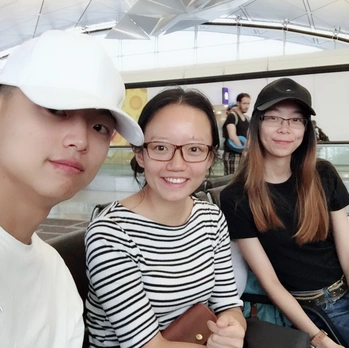
Her name was Katarina. We followed each other on Instagram, two independent people dancing together.
Then a guy reeking of alcohol came over and started bothering her. She called out to me. I stepped over, pulled her close, and demanded to know what he wanted. I said, "She's my girlfriend"—which was obviously unconvincing.
At 185 cm (6'1"), I'm not short by European standards, and this drunk was a head shorter than me, so he felt a bit intimidated. He might have had friends, and he wanted me to step aside and settle it. I wasn't that stupid. I told him we could settle it right there or go find security. The crowd started cheering. The drunk chickened out and walked away.
After a while, Taro found me, and I was ready to leave. Katarina asked if we'd meet again. I said, "It's up to fate." Turns out I'd run into her again later.
The Sweetness of Corn
On the way back, my power bank was dead, Taro had no data, and we had only a few dozen dinars and some US dollars. With those few dozen dinars, we bought two ears of corn. The vendor was selling them for 40 dinars each, but we only had 60. He still gave us two, wishing us a great time in Novi Sad.
That corn was so sweet.
Relying on fragmented memories and a local map, we slowly found our way back to the accommodation. Good thing I have a decent sense of direction—I always note landmarks when I'm out.
A Hangover, Ice Cream, and a Casual Goodbye
Ice Cream for 3 RMB
Waking up the next day without having eaten, I still craved ice cream. I bought one for Taro—40 dinars, about 3 RMB ($0.40 USD), real chocolate, incredibly generous.
While eating the ice cream, I felt someone staring at us. I turned around—an Asian guy. I asked, "Chinese?" He immediately broke into a smile and said he thought we looked Chinese from a distance and wanted to say hi.
We started talking. Turns out he was from Sichuan—Taro's hometown. I'd lived in Chengdu for a while too, so we ended up chatting in a mix of Sichuan dialect and Chinglish in this small European town.
Casual Goodbye, Casual Fate
Since we were all from the same region, we decided to grab lunch together. We picked a random restaurant by the roadside—the food was decent. After the meal, we said goodbye. We both knew we might never see each other again. But we were used to it. Meeting is fate enough.
Casual goodbye, casual fate.
Final Thoughts: What This Trip Taught Me
Visa-free isn't an excuse—it's an opportunity. Serbia and Bosnia are visa-free for Chinese citizens. You can go anytime. Don't let "preparation" become a reason to delay.
Traveling alone doesn't mean lonely. You'll meet street dancers, a girl who gives you a wristband, a guy who lights your cigarette, an old friend in a foreign land. The world is friendlier than you think.
The budget can be friendly. 15 days, 10,000 RMB ($1,400 USD) per person, including round-trip flights. Accommodation, food, and transport are cheaper than in China's first-tier cities. A coffee for 10 RMB, ice cream for 3 RMB, pizza for 14 RMB.
Respect is your passport. Wherever you go, respect their beliefs, culture, and habits—and you'll be respected in return.
Travel isn't escape—it's completion. Completing the dream of that sixteen-year-old, completing the summary of the past three years, completing the part of "you" that's still unfinished.
Sitting in a space of less than ten square meters, reading about the 95,000 kilometers of brilliance in a book. Or having a heart wider than 95,000 kilometers, yet sitting on a chair of less than one square meter.
I chose the former.
What about you?
You should also read:
24 Days, 1400 Yuan: A Solo Journey Along the Sichuan-Yunnan Route, Trading Stories for Scenery
24 Days, 1400 Yuan: A Solo Journey Along the Sichuan-Yunnan Route, Trading Stories for Scenery Setting Out, Not to Escape, but to Find Myself The year I graduated from university, I did two "crazy" things: I quit my job, and I set off on a…
Continue reading...
When Young, You Should Go Far Away: A Solo Soul Journey to Lijiang, Lugu Lake, and Shangri-La
When Young, You Should Go Far Away: A Solo Soul Journey to Lijiang, Lugu Lake, and Shangri-La Ever since I got "neurotic," I've felt so much more energetic — that sentence sounds absurd, but it was the truest reflection of my state of mind before…
Continue reading...
A Solo Journey to Yunnan: Shuanglang Chapter — Meeting Your Truest Self by the Erhai Lake
A Solo Journey to Yunnan: Shuanglang Chapter — Meeting Your Truest Self by the Erhai Lake Introduction: When a Dream Finally Becomes Reality Some say Yunnan is a place meant for solo travelers. It took me three full years to truly understand that. Two years…
Continue reading...