A Summer Journey Through Three Border Towns in Western Yunnan: Tengchong, Mangshi, and Ruili
A Summer Journey Through Three Border Towns in Western Yunnan: Tengchong, Mangshi, and Ruili
Preface: Why Western Yunnan?
With airfare to Xinjiang sky-high and Guangxi's rainy season off-putting, our family of three went back and forth before finally settling on the place we never tire of—Yunnan. This would be our fourth time setting foot on this "land of colorful clouds," and this time, we decided to go farther, more offbeat, and less traveled.
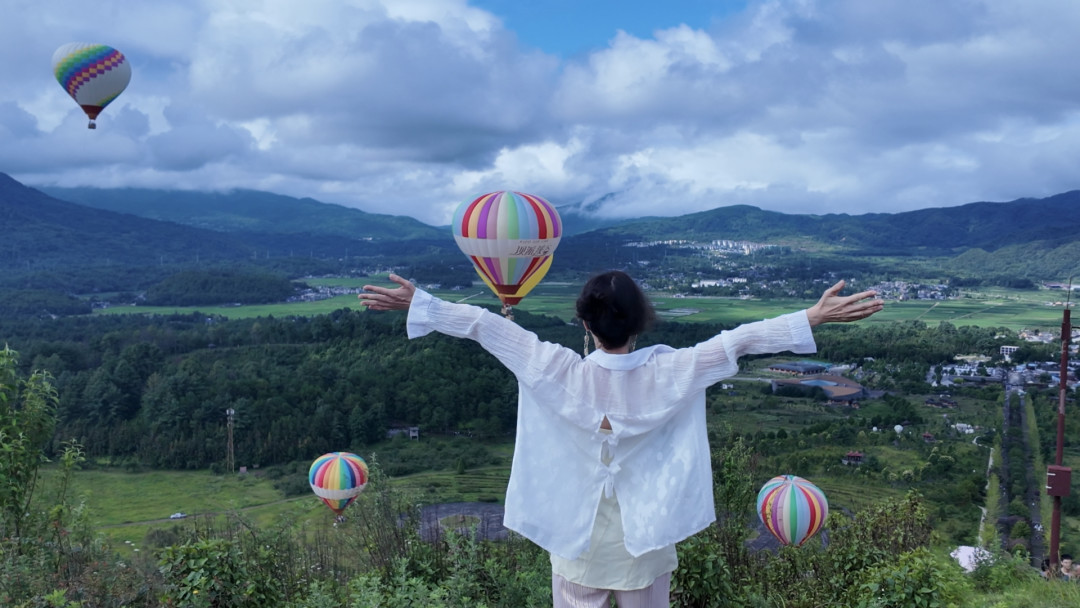
Tengchong's hot springs and hot air balloons, Mangshi's Burmese-style hair wash, and Ruili's border line—these names drew us in like magnets. And of course, there was the unforgettable mushroom hotpot and rice noodles (ersi). Summer in Yunnan is nothing short of a paradise for escaping the heat.
First Stop: Changsha—An Unexpected Surprise at a Transit Hub
Airport Perk: A Free Four-Star Hotel?
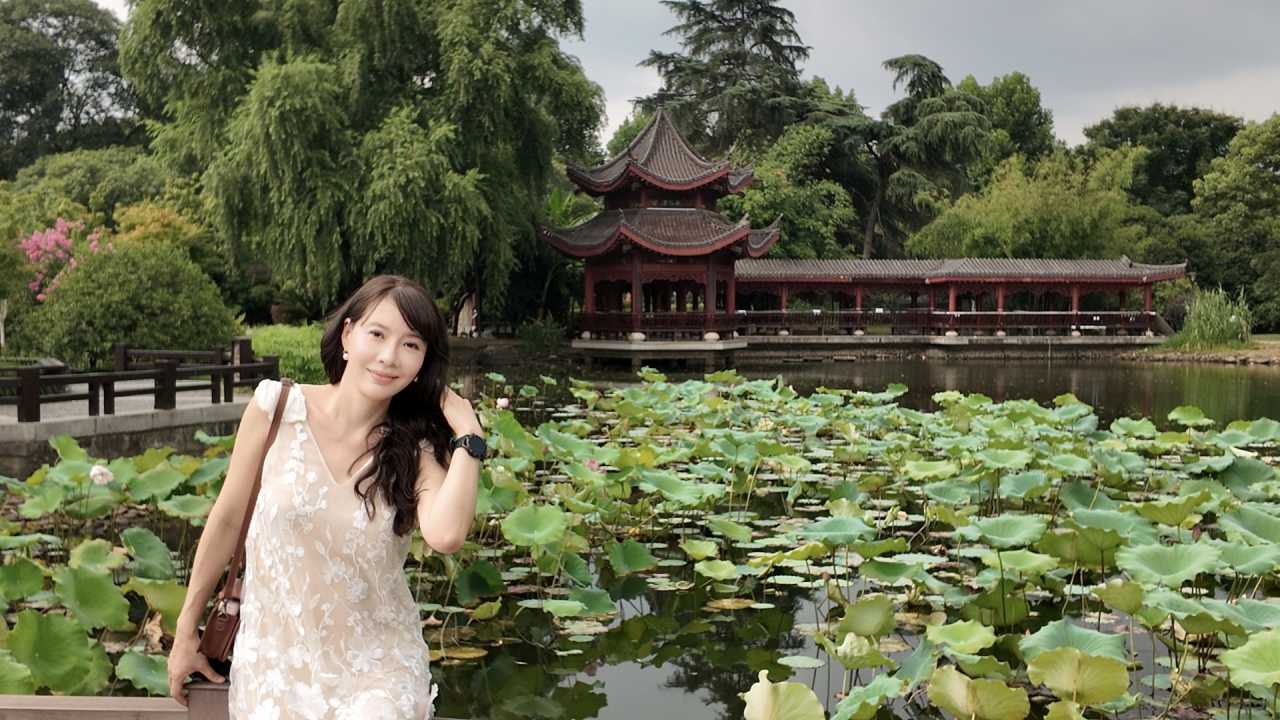
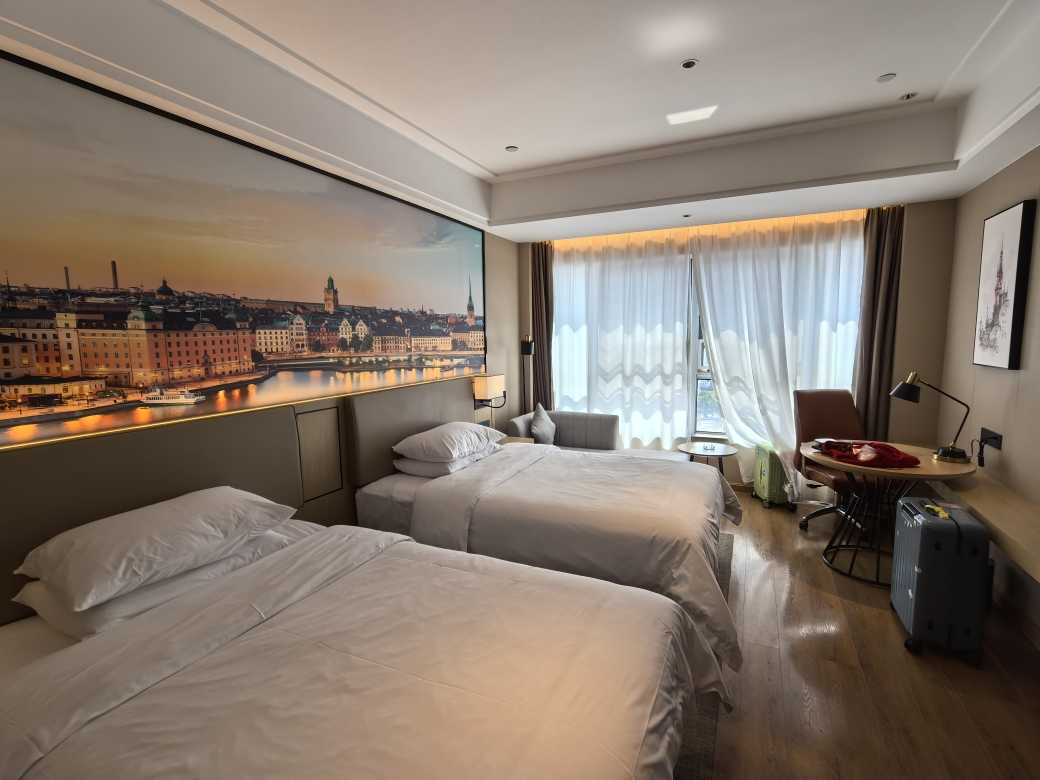
There were no direct flights from Fuzhou to western Yunnan, so we chose to transit through Changsha. What started as a convenient stopover turned into a delightful surprise from Changsha Airport. Passengers with layovers exceeding four hours can apply for free accommodation, and we were arranged a room at the four-star Vienna Hotel not far from the airport. Since the three of us didn't want to share a room, we paid an extra 100 yuan (about $14) to cover the difference. The hotel also offered free airport transfers—a perk that felt like pure gold.
First Taste of Hunan Cuisine: The Hearthside Charm of "Ben Luo Bo"

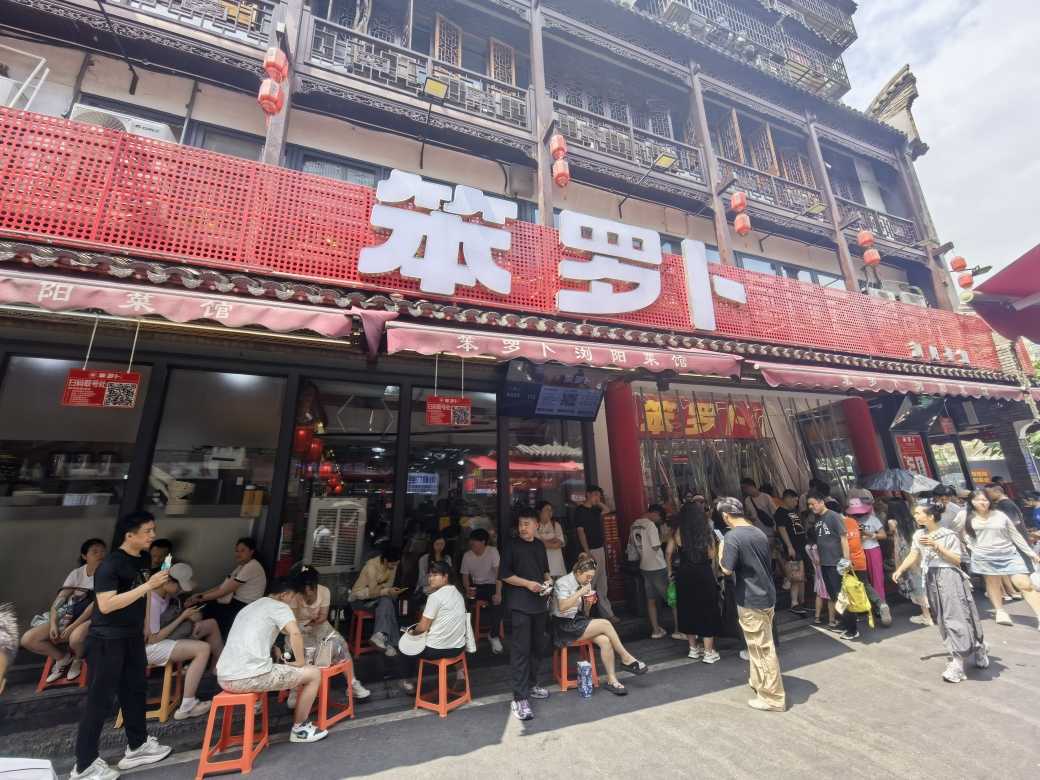
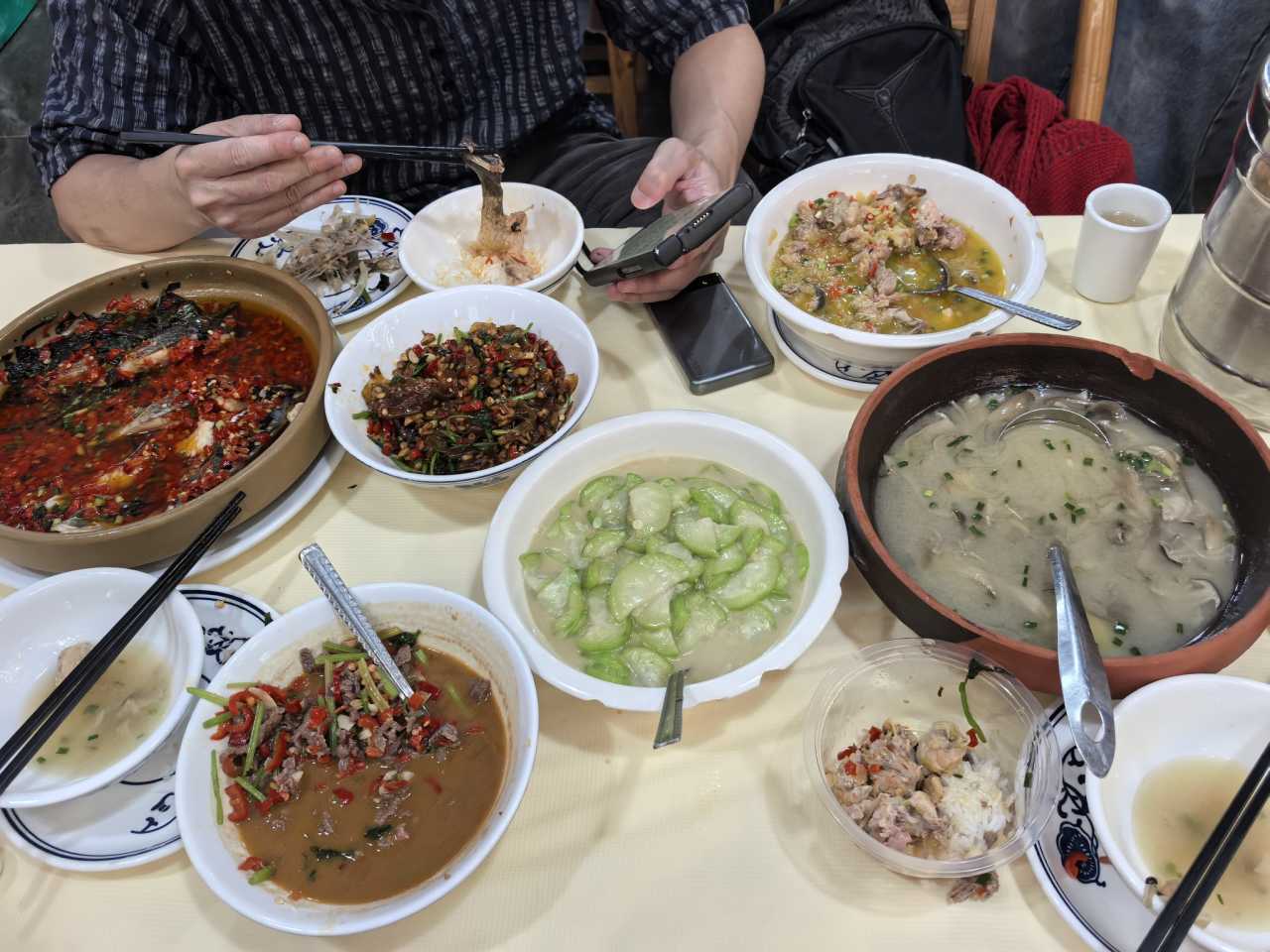
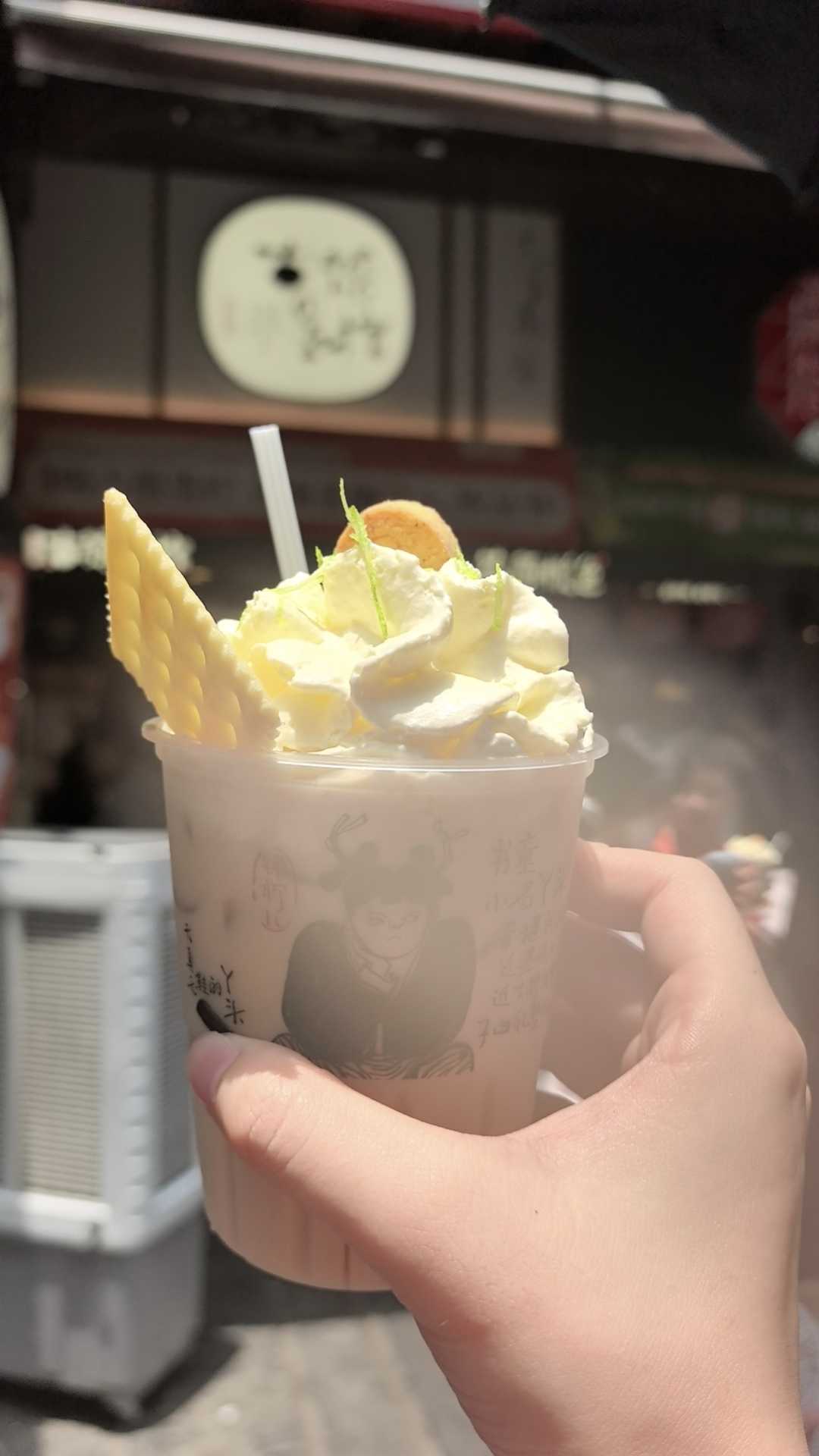
We had planned to visit Yuelu Academy for some culture, but by the time we reached the hotel, it was nearly noon and we were famished. We scrapped the cultural route and headed straight for food. Ben Luo Bo (literally "Stupid Carrot") has many branches in Changsha; we chose the Huangxing Yuying location to avoid the crowds at Taiping Street. When we grabbed a queue number at Wuyi Square metro station, there were over forty groups ahead of us. But in the ten minutes it took us to walk to the restaurant, the number had jumped by fifty. Once there, we were seated in under ten minutes after a short wait—remarkably efficient.
The food was solid, home-style cooking that went perfectly with rice. Three of us ordered six dishes for less than 200 yuan (about $28)—great value for money.
Orange Island Head: A Rainy Photo Op with Chairman Mao's Statue
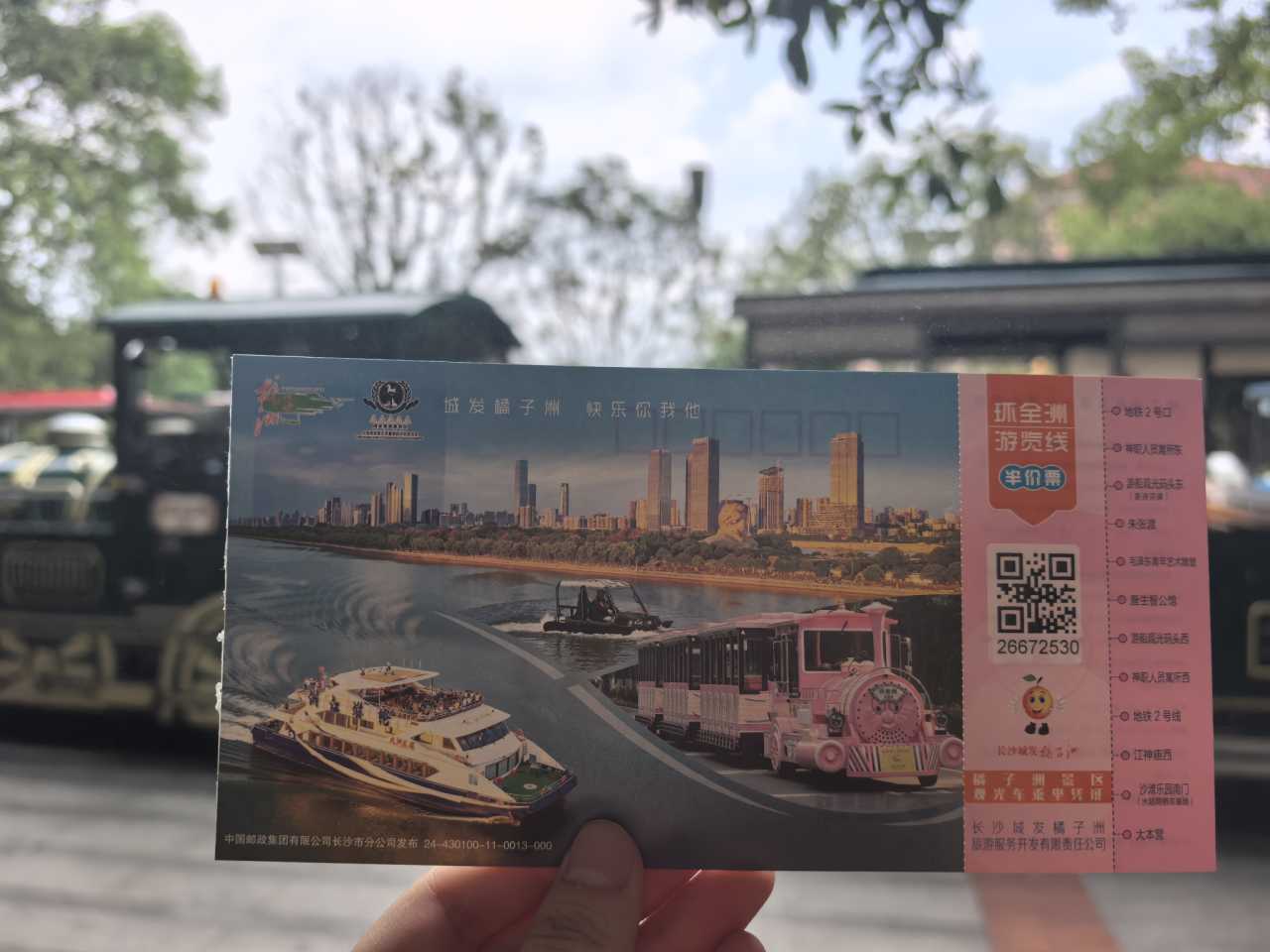
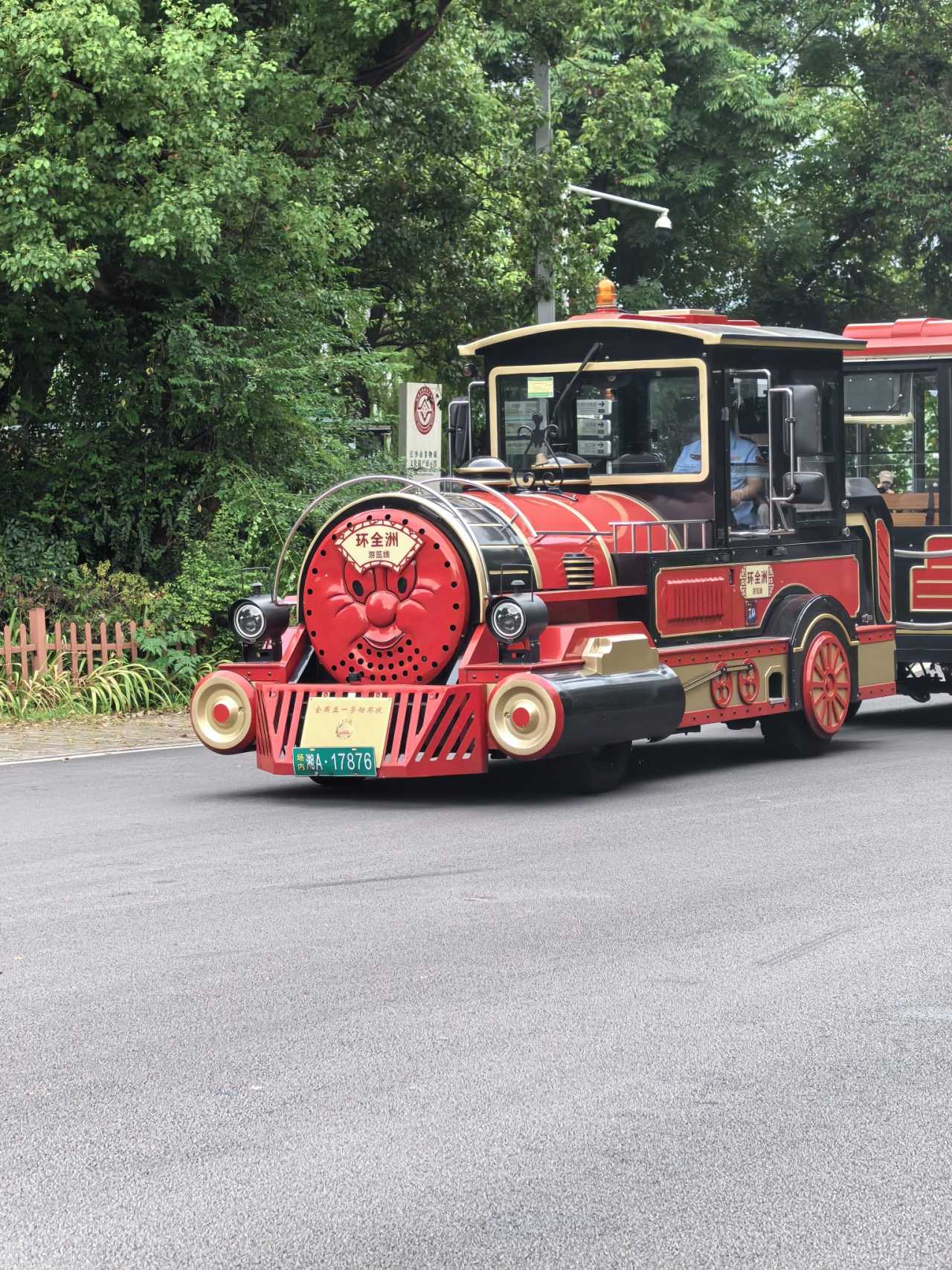
After an afternoon nap, my mom and I headed straight for Orange Island Head (Juzizhou). This free riverside park offers a little train, but student tickets could only be bought at the offline manual counter. The queue ate up some time, but the train ticket came with a thoughtful postcard and a stamp-ready ticket that could be mailed.
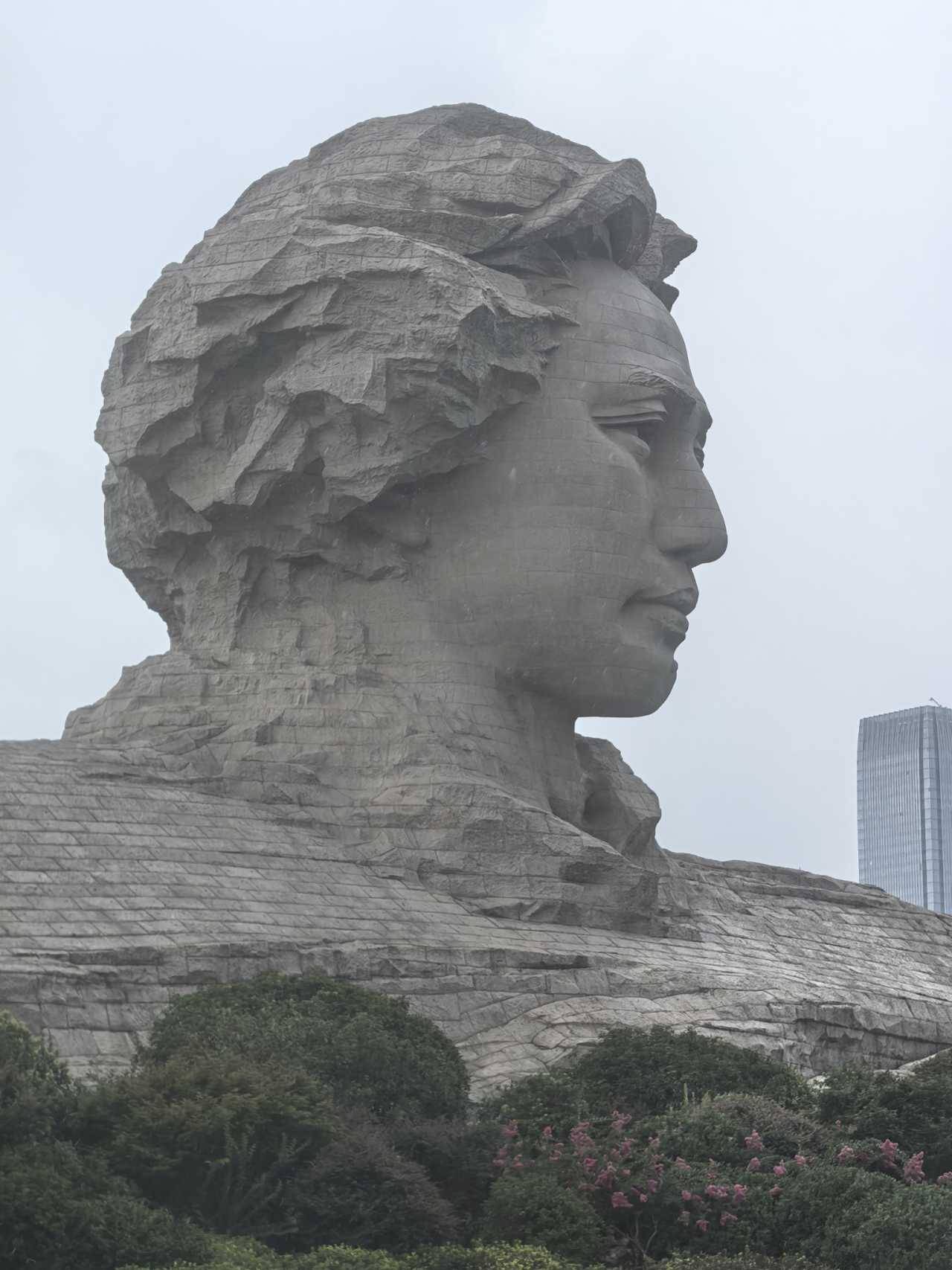
The end point was Chairman Mao's giant head statue. The eyes were carved with remarkable vividness and depth, while the hair at the edges was sketched with just a few strokes—more about capturing the spirit than the exact likeness. We had just snapped a few photos when a light drizzle began. By the time we boarded the return train, it had turned into a torrential downpour. We kicked ourselves for dawdling on the walk but felt lucky we had gotten our photos before the weather turned.
IFS: KAWS in a Downpour and the Changsha Screen
Back at Wuyi Square, we ducked into the IFS (International Finance Square). The basement level was packed, with every store offering generous free samples. We grazed our way through, quietly filling up. The most famous attraction is the KAWS statue on the rooftop, but in the pouring rain, everyone was huddled under umbrellas inside the mall, waiting for a break in the weather. We braved the storm to snap a few quick photos before retreating indoors.
The floor-to-ceiling windows in the rooftop elevator lobby offer a classic shot, capturing both the neighboring Changsha big screen and the KAWS statue. A long line of people waited for their turn, but when the big screen would flash the word "Changsha" was random—pure luck.
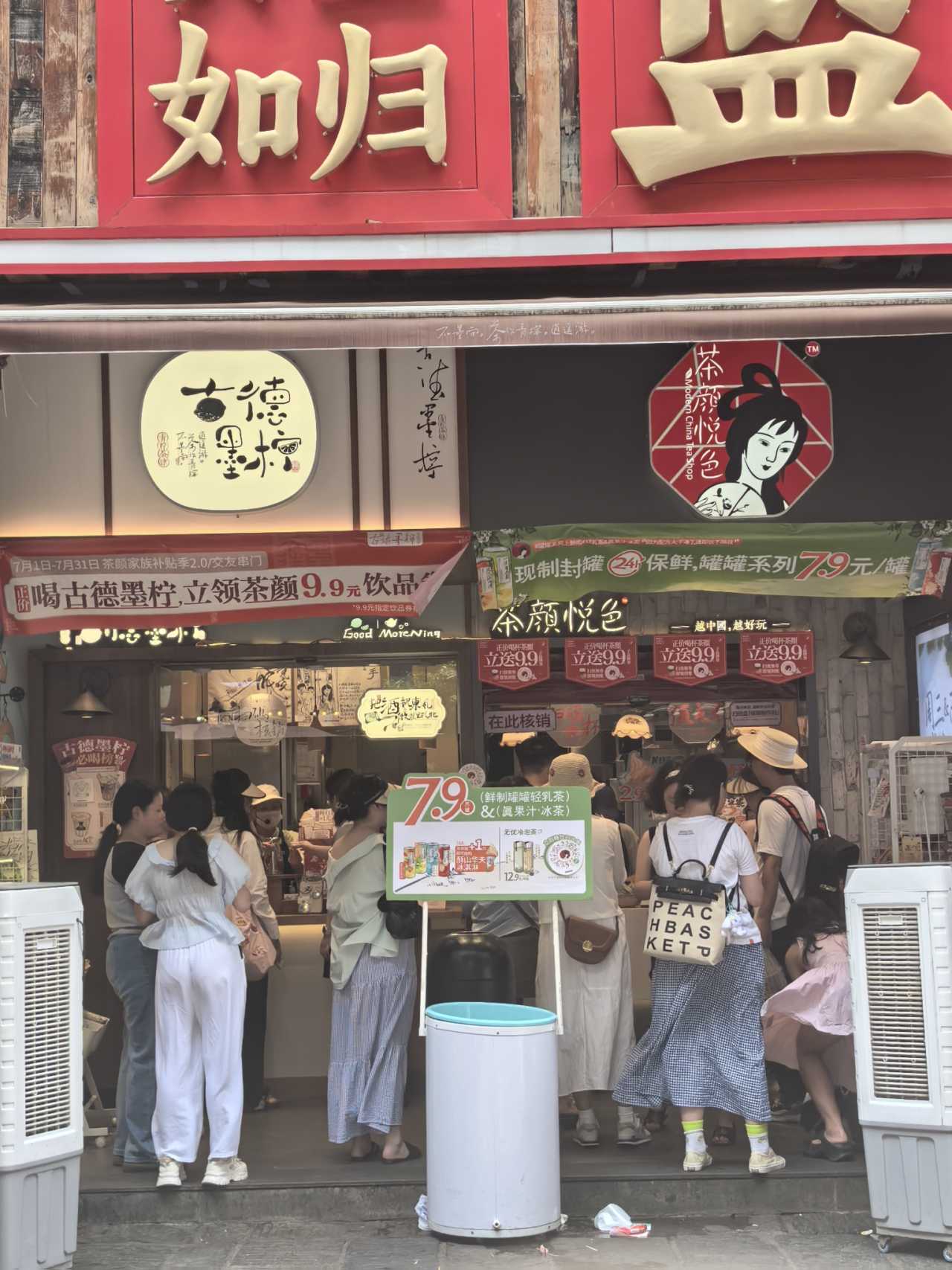
In the evening, my dad had his heart set on crawfish, so we headed to Juwei Quji on the ground floor of IFS. Their signature marinated crawfish had a unique flavor with a hint of herbal medicine, but it was a bit pricey.
Second Stop: Mangshi—Slow Living, Busy Mouths
Early Morning Flight Surprise: The Sun Wasn't Even Awake
The next day, we had another early flight. We missed the hotel shuttle, but luckily the airport was close by taxi. I thought it was so early that the moon hadn't set yet, but after a while, I noticed the white disk in the sky was getting brighter—it was the sun. It was so rare to be able to look directly at the sun; maybe at this hour, even the sun hadn't woken up yet.
Mangshi Airport is a dual-use military and civilian facility, and passengers were required to keep their window shades down during landing. One passenger quietly lifted theirs, and the entire cabin was immediately warned over the intercom. I had imagined the jet bridge would be fully enclosed, but it turned out to be a standard version—looking out either side was no different from any other airport.
Guesthouse in the Dai Ancient Town: The Best Stay of the Trip
We booked a guesthouse in the Dai Ancient Town, and it turned out to be the most satisfying accommodation of the entire trip. The hostess was incredibly warm, delivering a different afternoon tea treat every day. The room was like a suite, spacious with a separate bathtub alcove, a TV, and a sofa. Floor-to-ceiling windows on both sides offered views, and there was a bay window with tea supplies. Outside, there was a large terrace—we had the entire floor to ourselves, essentially a private space. Although it was marketed as a couples' suite, they offered a free extra bed, making it ideal for families. When I asked, the rate was only 400 yuan (about $56) per night—my dad couldn't stop praising it.
Mangshi Garden Market: Mountain Produce and Goldfish
Mangshi is a small city, and the most convenient way to get around is by electric scooter. There was a rental spot near our guesthouse: 30 yuan (about $4) per day. We grabbed one immediately.
We only had two days in Mangshi, so we missed the famous Bingwu Market but made it to the Mangshi Garden Market. It was smaller than I had imagined—just stalls set up around a vegetable market, though there were some special performances. Since I was a kid, I've never been able to walk past a goldfish seller without stopping—it has such a nostalgic, earthy charm. We ended up buying some mangoes and peaches. They were both tart and sweet, and my mom said they tasted like they had been laced with artificial flavoring.
Chan Sisters' Breakfast: A Feast of Rice Noodles (Ersi)
Before the main meal, we grabbed a snack at the famous Chan Sisters' Morning and Evening Eatery. Most people eat it for breakfast; we had it as a filler. The three of us ordered one bowl of clear broth rice noodles (ersi) without any add-ons, and the broth was already incredibly fragrant. Rice noodles are a thousand different things to a thousand people, because everyone mixes their own condiments. It was my first time seeing the full spread of a seasoning station for rice noodles—a virtual "Manchu Han Imperial Feast" of sauces. We added a spoonful of each, and the result was that unmistakable Yunnan spice flavor. We polished off the entire bowl.
Dingjin Wild Mushroom Hotpot: Best Value for Money
Every time we visit Yunnan, we have to have wild mushroom hotpot. The driver who picked us up from the airport recommended Dingjin Wild Mushroom Hotpot, a chain with branches even in Ruili. We went to the main branch on Baixiang Street, which had a better atmosphere. A group-buy deal for three people with a 100-yuan (about $14) set meal was enough to fill us up, and we added some jian shou qing (a type of wild mushroom that requires careful cooking) and gu shu mushroom (ripe-harvest mushroom). Later, in Tengchong, we had a similar mushroom hotpot, but it was noticeably more expensive. Dingjin's chicken broth base was especially fragrant—you could tell it was free-range farm chicken, not some pre-made, processed base. Every time we eat mushroom hotpot, the hardest part is the thirty-minute wait. The aroma of mushrooms and chicken broth melds together as it boils, wafting out in waves, making your mouth water.
Tree-Enveloped Pagoda and Burmese Hair Wash: Nature's Marvel
After eating our fill, we went to experience a Burmese-style hair wash. Since Burmese nationals can only work in border cities, this is a signature experience in Mangshi. We headed to the most popular spot, Baiyun Hair Wash House. There was a wait when we arrived, so we had my dad hold our spot while my mom and I went to check out the nearby Tree-Enveloped Pagoda (Shubao Ta). It's not really a tourist attraction—just a tree in the middle of the city center, with an old pagoda swallowed up by a towering tree. It's a stunning example of nature's power.
When we got back to the hair wash house, our number had already been called. Luckily, the owner, though she grumbled that missing your number meant forfeiting it, quietly let us slide in after the current customer. The hallmark of a Burmese-style hair wash is using the shampoo foam as a lubricant to wash your back. You can also request a face and ear cleaning. The whole process lasts 45 minutes and costs 50 yuan (about $7)—incredible value.
Grandma Gan's "Dark Cuisine": Paloda and Xiaomila Papaya Water
The midday sun was brutal, so we retreated to our guesthouse to escape the heat. Before our nap, we ordered Paloda (a Burmese-style dessert drink with coconut milk, bread, and jelly) and Xiaomila Papaya Water (papaya water with small chili peppers) from Grandma Gan's (Gan Laonai). The papaya water had two small chili peppers floating on top. It was sour, spicy, and astringent—indescribable, really. I didn't like it, so my parents had to finish it off. The Paloda, on the other hand, was packed with a generous amount of toppings. The dried bread soaked up the coconut milk, and it was as delicious as ever. The only awkward part is when you drink all the liquid first and end up with a pile of dry toppings.
Meng Huan Gold and Silver Pagodas: A Sunset Surprise
The weather cleared up in the afternoon, so we decided to move up our visit to the Gold and Silver Pagodas. Both pagodas are on a hill, and without direct sunlight in the late afternoon, cycling through the woods was cool and carefree. Online advice suggested only buying a ticket for the Silver Pagoda, since you can take photos of the Gold Pagoda from outside. We hadn't done our homework and initially thought the white pagoda at the entrance was the famous Meng Huan Great Silver Pagoda. We later realized the real one was at the top of the hill.
At the top, the dreamlike Great Silver Pagoda had three "Sky Mirror" photo spots. Women in traditional Dai costumes, holding umbrellas, queued up, but since there was no one managing the lines, it was chaos, with several people crowding onto a single reflective platform. After getting our classic shots, we walked further to an observation deck that offered a panoramic view of the entire Mangshi city.
Not wanting to backtrack, we took the sightseeing cart road downhill and accidentally discovered a hidden photo spot—on a downhill stretch near the base, you could capture the Gold Pagoda in the frame as well, layered beautifully.
Qianjia Dai Restaurant: Sweet and Sour Stir-Fried Beef with Mango
In the evening, we went to Qianjia Dai Restaurant. We were lamenting that so many restaurants had already closed, but then realized it was almost 9 PM—and the sky was still bright. The restaurant had a comprehensive selection of Dai-style dishes. The stir-fried minced beef with mango was especially good—sweet and sour, perfect with rice. The other dishes also had a distinct Southeast Asian spice flavor. The tables and chairs in Dai restaurants are very low, making eating a bit awkward, but it's a unique experience that immediately brought back memories of our last trip to Xishuangbanna.
Dai Ancient Town Night Market: The Regret of the Giant Bean Pod
After dinner, we returned to our guesthouse. I was itching to explore, so I slipped out to check out the Dai Ancient Town night market. The back door of our guesthouse led directly to the market, but we weren't disturbed by the noise—the location perfectly balanced convenience and tranquility. The back half of the market wasn't very interesting, but the closer you got to the entrance, the more stalls selling fridge magnets appeared.
I immediately spotted a hedgehog fridge magnet made from a plant seed—I hadn't seen anything like it online. The original price was 25 yuan (about $3.50), and after a casual haggle, I got it for 20 (about $2.80). I was thrilled. But the giant bean pod—I had heard about it before coming to Mangshi, but I hadn't seen any at the morning market. I thought I'd have another chance later, so I didn't buy one. As it turned out, this year the giant bean pod was incredibly popular and in short supply. That missed opportunity was gone forever.
Third Stop: Ruili—A Fleeting Glimpse of the Border
The Road Trip: From Mangshi to Ruili
That morning, we left Mangshi for a day trip to Ruili, with plans to check into Tengchong in the evening. Since storing luggage was inconvenient, we hired a private car to shuttle us between the three cities. Our driver first took us to Lianmei Breakfast for a meal—our last taste of the familiar rice noodles (ersi) in Mangshi.
The advantage of a private car was the flexibility to customize our itinerary. At our request, the driver first took us to the Hougu Coffee Factory. The first part was like a museum, telling the story of Hougu Coffee's rise and the coffee-making process. Then came the inevitable sales pitch—free tastings and an opportunity to buy local specialties. My mom and I love coffee, and when my dad heard that drinking coffee could help prevent dementia, he was sold too. We browsed and picked up a few items.
Scenery Along the Way: Jackfruit, Mango, and Macadamia Nuts
On the way to Ruili, our driver was quite talkative. He pointed out that the trees lining the road weren't just jackfruit and mango, but also macadamia nuts. We were skeptical, so he pulled over, got out, and picked two nuts to show us. My mom marveled that she had never realized macadamia nuts grew on trees—the green fruit was completely unrecognizable from the familiar nuts we snack on.
The driver also mentioned a small detail: most of the streetlights in Mangshi are shaped like peacocks, while in Tengchong, they are shaped like elephants. We looked out for it, and sure enough, he was right.
Wanding Port and One Village, Two Countries
We passed by Wanding Port along the way—just a gate, so we quickly snapped a photo and moved on. In the border area, houses from Myanmar and China are mixed together, and families fly their national flags on their rooftops to indicate which country they belong to. Looking across from Wanding Port, we could see Myanmar flags fluttering on the rooftops.
Arriving in Ruili, we started our exploration at the furthest attraction, "One Village, Two Countries" (Yi Zhai Liang Guo). This border park is most photogenic at its entrance, with two pagodas and a globe that shows Myanmar on one side and China on the other. To be honest, the globe's color scheme was a bit tacky.
As we walked further in, we quickly reached the border line. A long line of people was waiting to swing on the "Swing That Swings to Two Countries"—essentially a regular swing placed on the border line that doesn't actually swing into Myanmar. On the other side of the fence, many Myanmar nationals were reaching out to sell cigarettes. Although a sign on the Chinese side warned against passing items across the fence, no one was enforcing it. We weren't paying attention for a moment, and my dad quietly contributed to Myanmar's GDP.
Walking along the border, the Chinese side was mostly souvenir shops and a jade market, neither of which interested us. But then the weather turned—midway through, it started to rain. We guessed the park wasn't very big, and the other area looked bare, so we decided to head back. The driver was surprised we had only stayed for such a short time. Later, while sheltering from the rain at the visitor center, we saw online that the most photogenic pagoda forest in "One Village, Two Countries" was actually hidden deep in the park—and we had missed it. From now on, before visiting any attraction, I'll make sure to research the highlights first.
Epilogue: Western Yunnan's Summer Is Worth Returning To
This trip through western Yunnan—from the surprise layover in Changsha, to the slow living of Mangshi, to the border charm of Ruili—each city had its own unique flavor. Although I haven't had a chance to go into detail about Tengchong's hot springs and hot air balloons, the experiences along the way were more than enough to savor.
The saying about Mangshi—"Not busy, but the mouth is busy"—is absolutely true. Rice noodles (ersi), mushroom hotpot, Paloda, and Burmese-style hair wash—every single one leaves you longing for more. Although Ruili's border line was a fleeting glance, that strange feeling of "one fence apart, two different worlds" is something you can't experience anywhere else.
Summer in Yunnan will always be a paradise for escaping the heat. And these three small towns in western Yunnan are worth slowing down for, to truly take them in.
You should also read:
Tengchong·Heshun: Finding Life as It Should Be in a Border Town Where Time Stands Still
Tengchong·Heshun: Finding Life as It Should Be in a Border Town Where Time Stands Still The long journey of over twenty days was over. On my first day back at the office, I was still in a daze. My fingers couldn't find the keys on…
Continue reading...
God’s Abandoned Palette: A Self-Drive Journey Through Yunnan’s Dongchuan Red Land
God’s Abandoned Palette: A Self-Drive Journey Through Yunnan’s Dongchuan Red Land Travel has never been about reaching some distant geographic coordinate. It’s about encountering, along the way, the version of yourself buried beneath the rubble of daily routine. During this May Day holiday, I finally…
Continue reading...
Body in Hell, Heart in Heaven: A Pilgrimage Through Tiger Leaping Gorge — A Dialogue Between Heaven and Earth
Body in Hell, Heart in Heaven: A Pilgrimage Through Tiger Leaping Gorge — A Dialogue Between Heaven and Earth Introduction: When the Gorge Splits Open Beneath Your Feet Some say Tiger Leaping Gorge is the closest place on Earth to the border between "hell" and…
Continue reading...