A Winter Journey Through Northern Yunnan: Erhai's Glimmer, Cangshan's Snow, Jade Dragon's Ascent, and Meili's Golden Dawn

A Winter Journey Through Northern Yunnan: Erhai's Glimmer, Cangshan's Snow, Jade Dragon's Ascent, and Meili's Golden Dawn
Six years ago, I traveled the classic Kunming-Dali-Lijiang route in high summer. Though the weather didn't cooperate, the rose-tinted lens of a graduation trip gilded every scene with youthful radiance. This autumn-winter season, at the request of my elders, I dusted off those memories and crafted a meticulously detailed itinerary. Acting as a "concierge-level" travel companion, I led a group of retirees on a classic Yunnan journey—the perfect introduction to the high plateau. Over ten days, from Kunming to Shangri-La, we chased clear skies, snow-capped peaks, and pristine lakes, ultimately receiving far more than we had anticipated.
This article serves both as a practical guide and a record of our winter wanderings through northern Yunnan. If you're short on time, reading the "Foreword + Suggested Itinerary + Notes" will suffice for trip planning. If you crave a more nuanced experience, feel free to follow along with our actual journey and feel the warmth of each landscape.
Foreword: Choose the Right Season, and the Plateau's Beauty Will Unfold
After much persuasion, my retired companions settled on the classic Yunnan route: Kunming, Dali, Lijiang, and Shangri-La. The entire trip, including transportation, spanned ten days—about the maximum for any extended travel. Initially, we booked flights for late October, but the rainy season lingered, weather forecasts looked grim, and the Jade Dragon Snow Mountain cable car was closed for maintenance. We paid the change fee and rescheduled, finally settling on November—just as the prolonged overcast skies began to clear.
About the Weather: On the Yunnan Plateau, weather is the decisive factor. Choose the right season, pair it with a solid itinerary, and you'll have a multifaceted, unforgettable experience. If your schedule allows, check the forecast a week ahead during the off-season and book tickets for stable sunny or partly cloudy days. The period just after several days of rain or snow has cleared often brings sustained fine weather—an ideal window for departure. Of course, opting for the dry season after October means missing summer's lush greenery, but the majestic white snowcaps and crystal-blue lakes more than compensate. Otherwise, the plateau's beauty under overcast skies is frankly underwhelming—better to save your budget for another trip.
Additionally, off-season attractions come with uncertainties: Jade Dragon Snow Mountain's main cable car undergoes monthly maintenance closures; the main access road to Songzanlin Monastery was under renovation late this year; and cable cars, viewing platforms, and hiking spots can shut down due to wind, rain, or snow. So, monitor official accounts or public announcements across multiple platforms—it's crucial to avoid wasting time. In short, choosing the right departure time is even more important than thorough preparation.
About Accommodation: With a solid itinerary, chain hotels offer reliability. But for retirees who benefit from local knowledge, I recommend well-reviewed guesthouses—the owner's personal touch, problem-solving, and carpool arrangements can be invaluable.
About Transportation: For non-drivers, direct flights are best. The flight from Shangri-La to Kunming passes two snow mountains—perfect for aerial photography. High-speed rail is most convenient between Kunming and Dali, and between Lijiang and Shangri-La. For other segments, long-distance buses, direct shuttles, or taxis will suffice.
Suggested Itinerary Overview
Nov 7 – Kunming: Arrive by air, stay near Cuihu Park. Visit Cuihu Park in the evening (dinner).
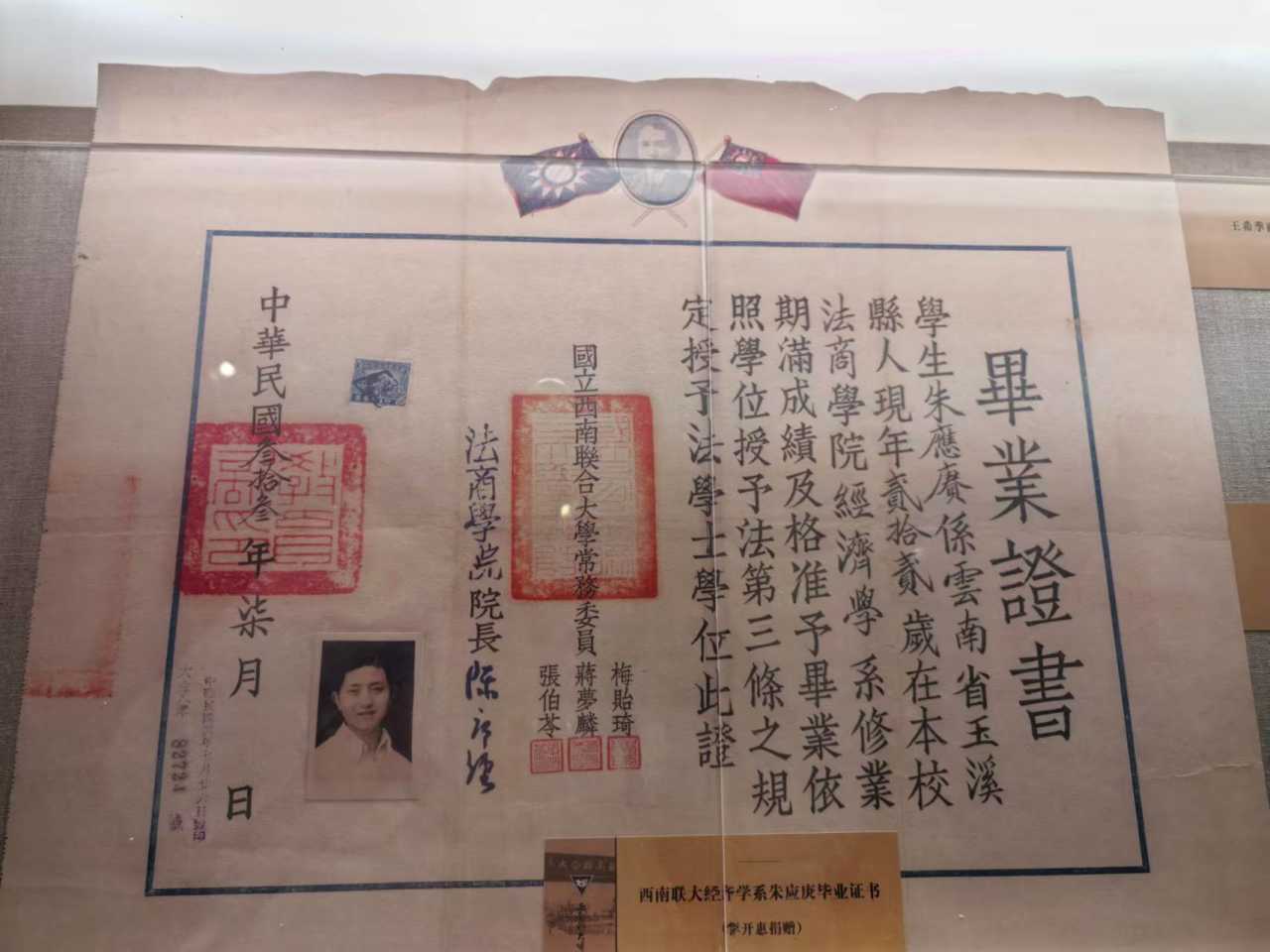
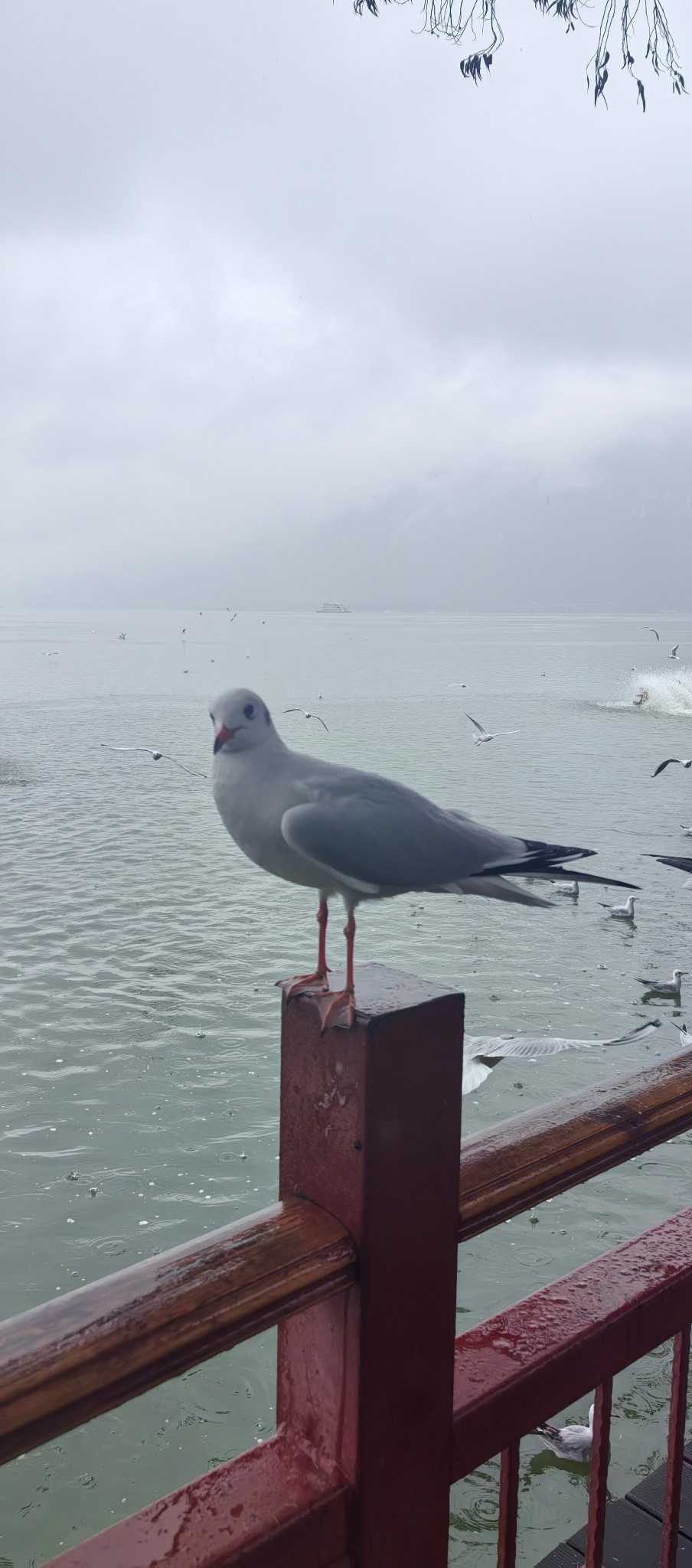
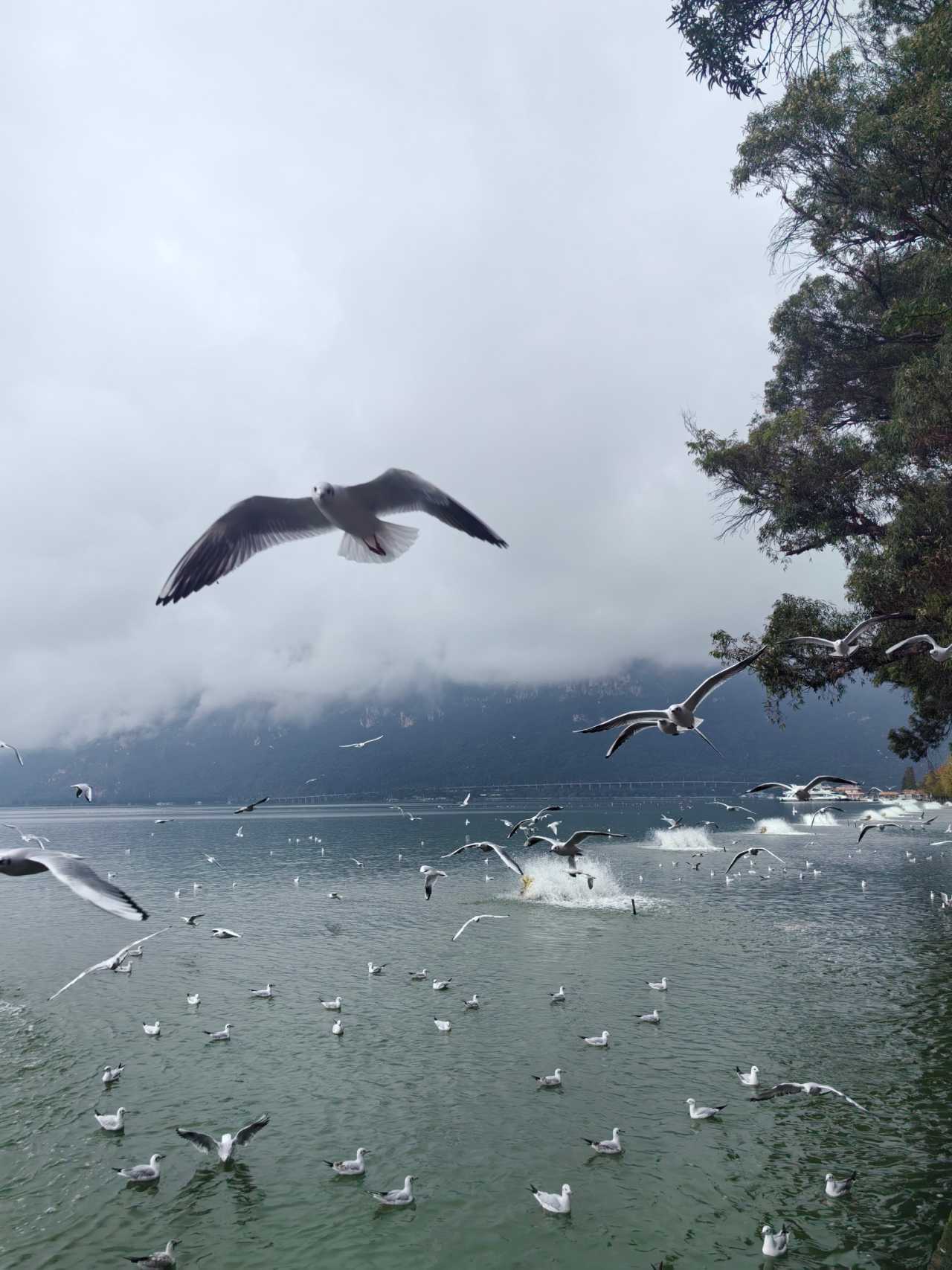
Nov 8 – Kunming: Morning: visit Yunnan Normal University (site of the National Southwestern Associated University), lunch on Wenhua Alley. Afternoon: Haigeng Park to see black-headed gulls. Evening: stroll through Kunming Old Street and Jinma Biji Archway, dinner at Nanqiang Night Market. If time permits, visit Yunnan Military Academy or Yunnan University.
Nov 9 – Dali: Morning high-speed rail to Dali, stay near the South Gate of the old town. Lunch in the old town. Afternoon: take the Erhai Lake circular bus on the west line to Shuanglang. Evening: return via the east line, watch sunset over Cangshan and Erhai.
Nov 10 – Dali: Morning bus to Xizhou Ancient Town, visit rice fields, Corner Tower, and Yan Family Mansion. Afternoon: cycle the west Erhai route (Caicun to Longkan Pier). Evening dinner in the old town.

Nov 11 – Dali → Lijiang: Morning: explore the North Gate market and the exterior of Chongsheng Temple. Lunch in the old town. Afternoon bus to Lijiang, stay near the South Gate of the old town. Evening: wander Lijiang Old Town.
Nov 12 – Lijiang: Full-day trip to Jade Dragon Snow Mountain (Ganhaizi, Glacier Park, Blue Moon Valley). If time allows, visit Shuhe Ancient Town.
Nov 13 – Lijiang → Shangri-La: Morning: visit Zhongyi Market and Mu Mansion. Lunch in the old town. Afternoon high-speed rail to Shangri-La, stay near the East Gate of Dukezong. Evening: explore Dukezong Old Town.
Nov 14 – Shangri-La: Morning: Potatso National Park. Afternoon: Napahai Lake loop. Evening dinner in Dukezong.
Nov 15 – Shangri-La: Morning: Songzanlin Monastery. Lunch in Dukezong. Afternoon bus to Feilai Temple, stay near the viewing platform. Evening: watch sunset over Meili Snow Mountain.
Nov 16 – Return from Shangri-La: Early morning: watch the Golden Sun illuminating Meili Snow Mountain. Morning: circumambulate at Feilai Temple. Midday return bus to Shangri-La, afternoon flight out.
Actual Travel Diary
Day 1: Kunming, the Early Winter Chill of Cuihu
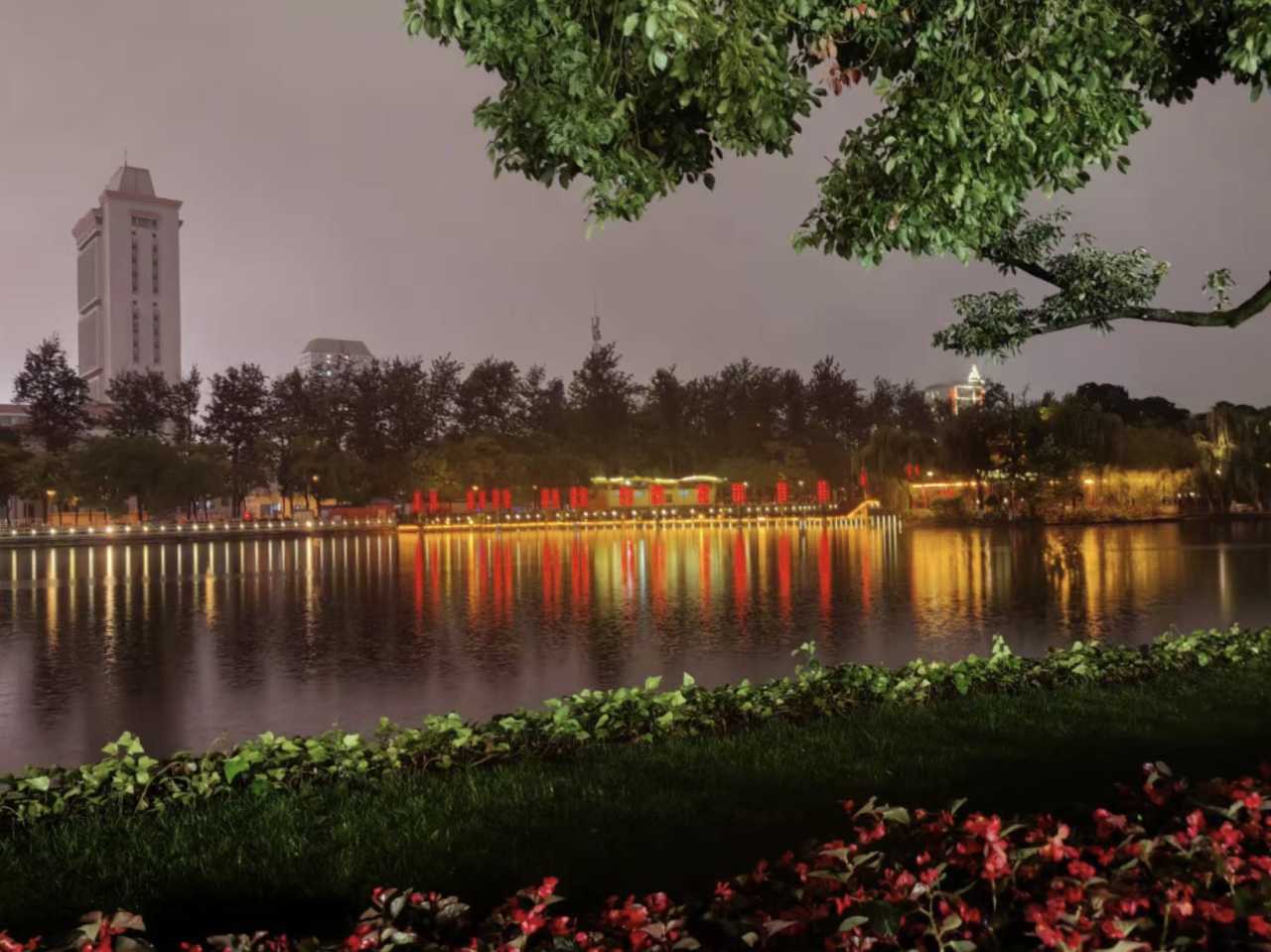
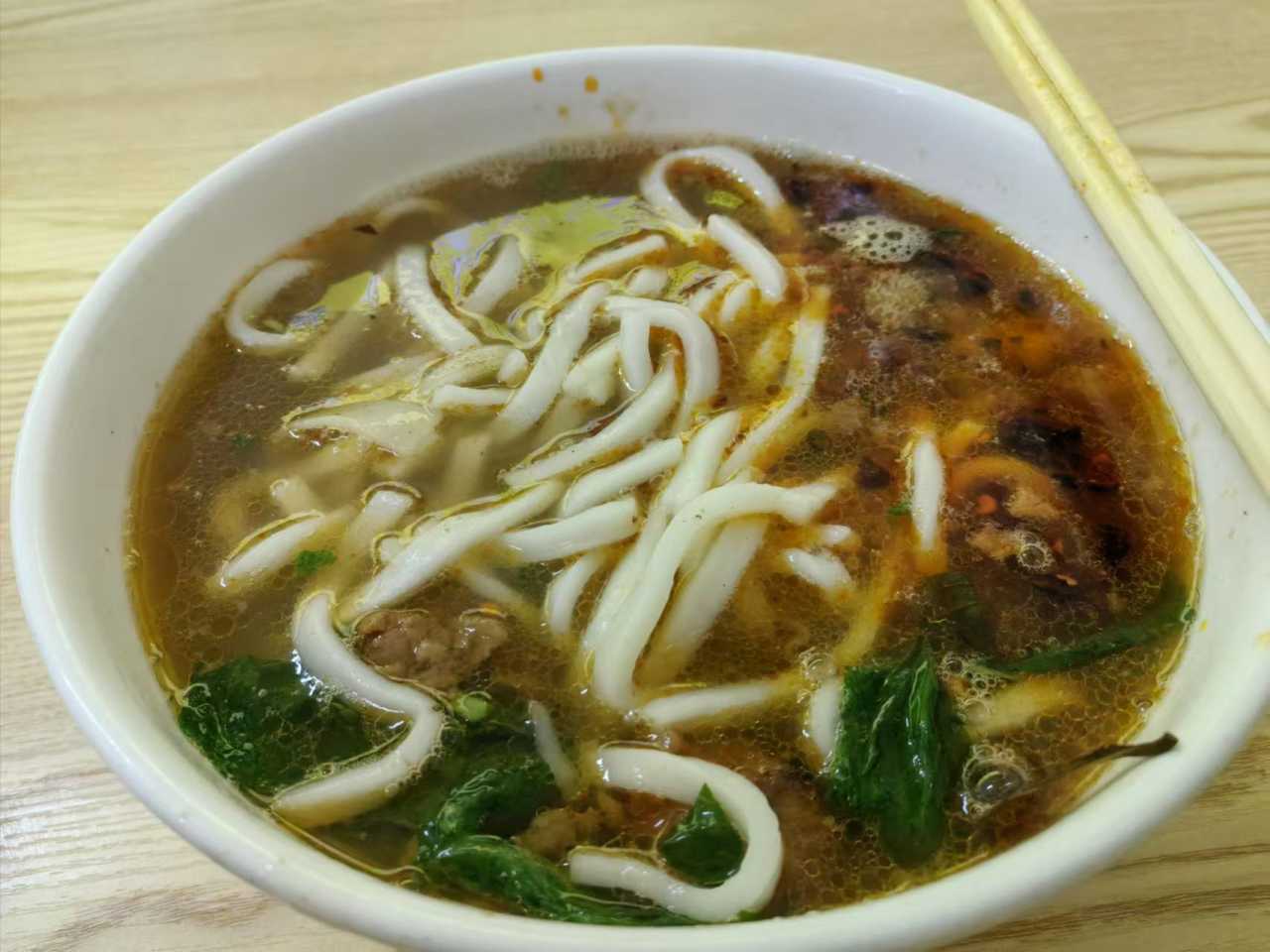
After a few hours' flight into Kunming, the persistent overcast and rain still held strong. Under the combined assault of low temperatures and drizzle, a quick stroll through Cuihu Park was all we managed before retreating to our lodging. Without historical context or the company of black-headed gulls, Cuihu felt rather ordinary. Still, a steaming bowl of 饵丝 (rice noodles, similar to thick rice vermicelli) in that wretched weather was deeply comforting.
Day 2: Kunming, Yunnan Normal University, Dianchi Lake, and the Old Streets
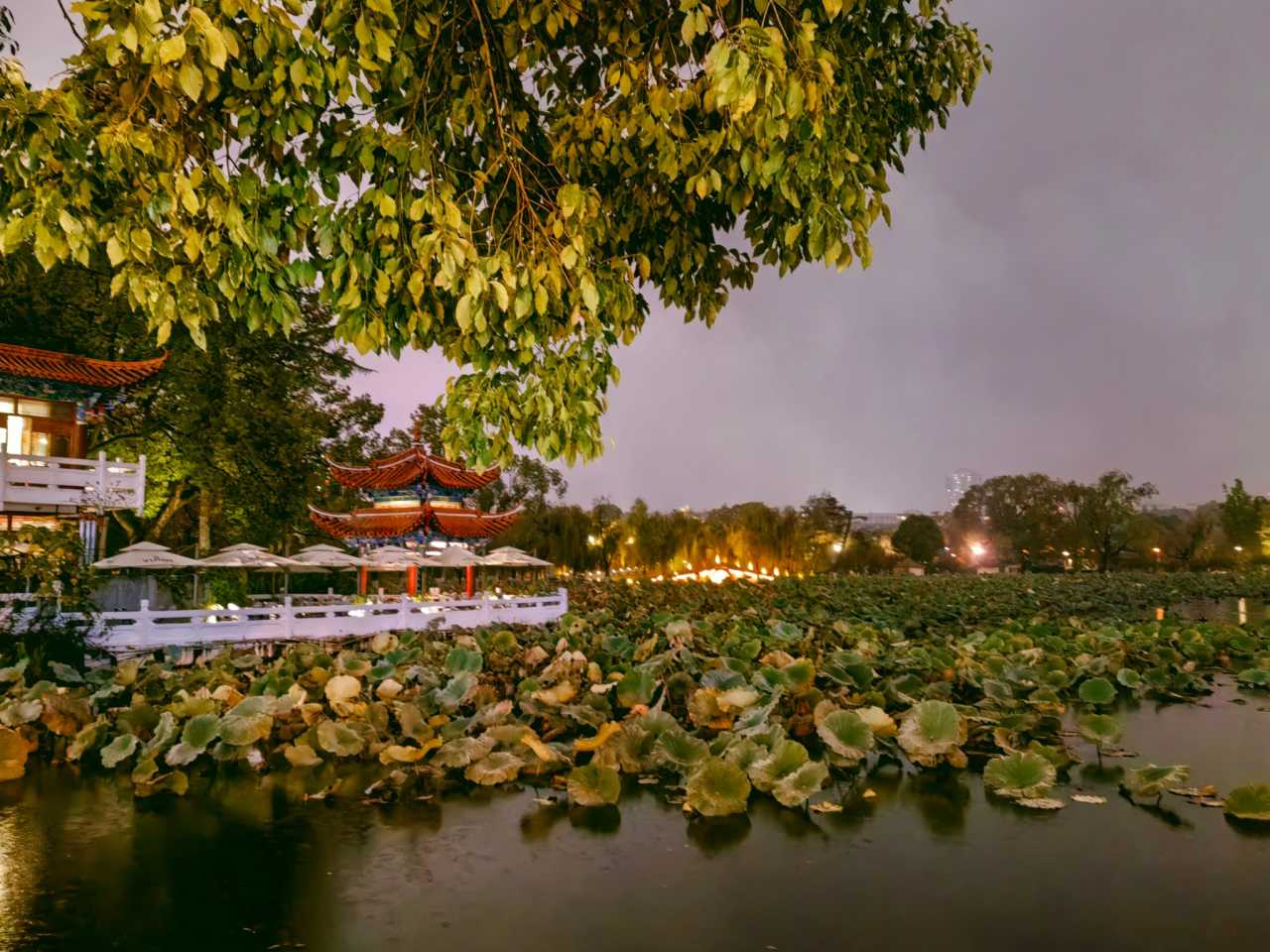
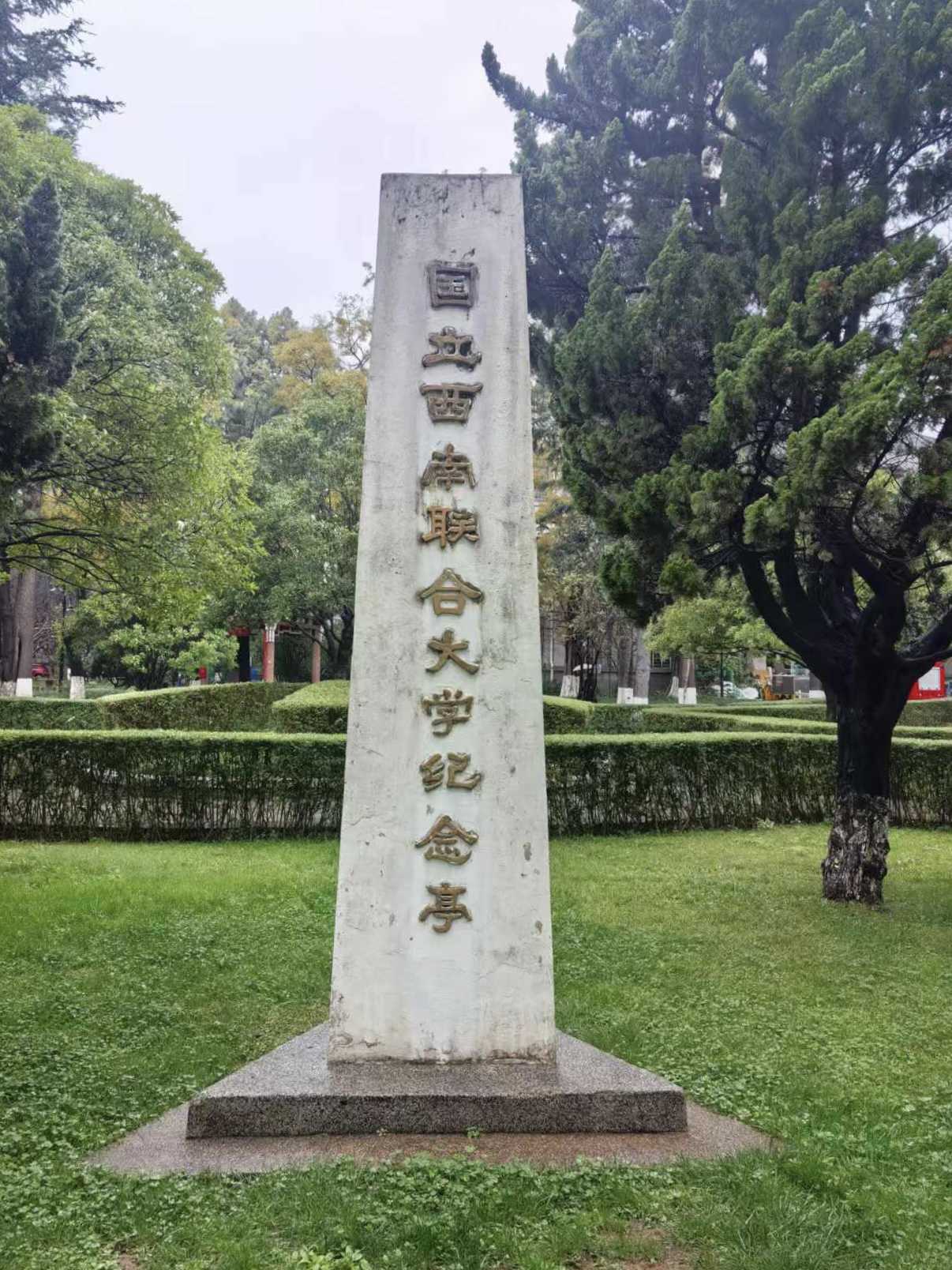
The previous evening, I booked a visit to the site of the National Southwestern Associated University via their official WeChat account. We slept in, ate rice noodles, and walked to Yunnan Normal University. After about an hour's tour, we grabbed lunch nearby and took a taxi to Haigeng Park. The lake looked unappealing under the gray sky, and holding an umbrella dampened the mood. Fortunately, the cooling weather had brought the black-headed gulls in. We hurried through Kunming Old Street, stopped by Jinma Biji Archway, bought some flower cakes, and called it a day.
Day 3: Dali, Cangshan's Snow in Shuanglang and the Sunset over the East Erhai
Following tips from online forums, I chose the official "Worry-Free Dali Tour" three-day circular bus pass for Erhai Lake. It included unlimited rides around the lake, electric shuttle services within Dali Old Town and Shuanglang, and direct buses to nearby attractions. Normally priced at over 100 RMB, it was cheaper if booked a day in advance. During Singles' Day, I caught a live stream on Xiaohongshu the morning we arrived in Dali and snagged the package for under 100 RMB per person.
We took an early high-speed train to Dali. After the guesthouse owner picked us up and settled us in, it was already 11 AM. Following lunch, we boarded the west-line bus to Shuanglang at noon. The nearly two-hour ride offered views of Cangshan on the left and Erhai on the right, with pastoral scenery all along. Shuanglang is vast. We took the complimentary shuttle to the far end, and there—for the first time—I saw the first snow of autumn-winter 2024 on Cangshan, set against the shimmering, crystalline surface of the lake. The gloom of the previous days instantly evaporated.
For the return trip, we chose the 6 PM east-line bus, sitting on the right side of the upper deck that hugs the water. But the route was too long; the sun had already set before we reached Xiaoputuo Island. Back in the old town by 8 PM, exhausted, we had a disappointing mushroom hotpot dinner—I regretted not eating in Shuanglang.
Day 4: Dali, Xizhou's Rice Fields and a West Erhai Cycle
We rose early and took the west-line bus for an hour to Xizhou. Not far from Zheng Yi Gate, we found the unharvested rice fields, their light-and-shadow contrast set against the backdrop of Cangshan—a pastoral idyll. After a brief visit to the Corner Tower and Yan Family Mansion, it was already 2 PM by the time we finished lunch. Given our limited energy, we skipped the planned cycle from Haishe to Panxi and instead took the bus back to the old town to rest. At 5 PM, we took a direct shuttle to Caicun, rented shared e-bikes, and rode to Longkan Pier. Stopping and starting, we took an hour to cover the route, then hailed a taxi back for dinner.
Having seen many old towns, my threshold keeps rising. For the average traveler, Dali Old Town is best used as a base to rest after a day out.
Day 5: Dali → Lijiang, the Exterior of Chongsheng Temple and the Bustle of the Market
We got up early and caught the first shuttle from Bo'ai Gate to the North Gate area, soaking in the lively market atmosphere—a stark contrast to the noisy old town at night. I tried Dali milk and a rice cake snack (饵块, a grilled rice flour cake) from a Bai vendor—both were excellent. Sunny Dali is absolutely stunning: walking through the market, looking up, you see the tall, lush, snow-capped Cangshan.
At 10:30, we walked from the North Gate to the entrance of Chongsheng Temple. The photo op at the gate was well worth it. With that, our Dali trip concluded. We took the 12 PM direct shuttle back to the old town, had lunch, and boarded a direct bus to Lijiang Old Town. The timing of the clearing skies was perfect—as soon as we got off at the South Gate of Lijiang, we could already see a corner of the snow mountain in the distance.
Day 6: Lijiang, the Glacial Wonders of Jade Dragon Snow Mountain
The difficulty of securing tickets for the Jade Dragon Snow Mountain main cable car was well known. I'd tried in advance—it was indeed tough. Not wanting to miss this rare opportunity, I ultimately joined a group tour arranged by our guesthouse owner. He managed to snag 3:30 PM cable car tickets the night before, but this kind of lottery system is nerve-wracking—if possible, book a guaranteed tour in advance.
We set off at 9 AM, ate lunch inside the scenic area, then took a bus from the visitor center to "Shuiyue Ge" (Water Moon Pavilion). We spent two hours slowly walking through Blue Moon Valley, pausing to inhale oxygen to conserve energy. After 3 PM, the crowds for the main cable car surged. We put on our down jackets and started queuing 20 minutes early. The sky was cloudless, visibility was perfect—every detail near and far was laid out before us; we could even see Xiannairi Mountain in Daocheng in the distance. The lingering snow on Jade Dragon's "mine-like" slopes made the mountain's original name feel apt, and gave us lowlanders the joy of playing in the snow up close.
We were incredibly lucky: a heavy snowfall had just cleared a few days earlier, and the 4,680-meter viewing platform had only been swept and reopened to the public at noon the day before our climb. For first-timers on the plateau, Glacier Park is moderately challenging—with enough rest, slow steps, and timely oxygen refills, it's perfectly manageable.
Day 7: Lijiang → Shangri-La, Mu Mansion and Dukezong by Night
A day of brilliant sunshine. We ate a simple breakfast at Zhongyi Market, then stood at the entrance gazing at Jade Dragon's imposing form. We headed to Mu Mansion—the most recommended attraction in Lijiang Old Town. The ticket included a guided tour. From the mansion's courtyards, we could see Jade Dragon in the distance, and we also climbed to higher vantage points for panoramic views.
Two hours later, after lunch, we took the high-speed rail to Shangri-La. To save time, we chose the one-hour train, missing Tiger Leaping Gorge—though in the dry season, its spectacle is less impressive than during the rainy season. Upon arrival, we headed straight to our guesthouse near the East Gate of Dukezong. After resting and freshening up, we strolled through Dukezong in the evening, visited the giant prayer wheel and white pagoda, and joined in the Guozhuang dance. The old town is filled with handmade crafts, beef and dairy products, and the barley milk tea was surprisingly good.
Day 8: Shangri-La, Potatso's Autumn Colors and Tranquility
I bought a combo ticket for Potatso National Park (including direct shuttle and entry) in advance via the "Shangri-La Leisurely Life" platform. We set off in the chilly morning; the ride took about an hour. Even though online reviews call Potatso a bit underwhelming, it's a must-see for any first-time visitor. Snow mountains, autumn foliage, lakes, and wildlife all complemented each other. Four hours was enough to leisurely cover all three attractions, including the hiking trail.
We returned to the old town early. I'd planned to try my luck at Songzanlin Monastery (under renovation), but seeing the dusty shoes of other tourists, I gave up. We had an early Tibetan dinner. Tsampa (roasted barley flour) was a first for me—it tasted quite good.
Day 9: Shangri-La, Napahai Lake and the Sunset at Feilai Temple
I'd done my research and planned to circle Napahai Lake by public bus. From Red Sun Square, we took Bus 12, Route A out and Route B back. Even though the lake was low in the dry season, the winter grasslands of Yila were still serene. The bus wasn't too crowded—perhaps other tourists had the same idea.
Although our guesthouse owner offered a day-trip carpool to Meili Snow Mountain (departing at 3 AM to see the Golden Sun), I wasn't comfortable with night driving, and I wanted to take it easy to avoid altitude sickness. So I booked a bus ticket to Feilai Temple in advance via the "Diqing Transportation" WeChat account, left our large luggage at the guesthouse in Dukezong, planned to stay one night, and return. Following advice, I tried to sit behind the driver, but when the bus is full, seats are assigned by number—buying early gives you a front seat, which helps with motion sickness.
Departing from Shangri-La, we passed Napahai, Songzanlin Monastery, Helong Bridge, the Jinsha River, Baima Snow Mountain, Deqin County town, and finally arrived at Feilai Temple. As we approached, we could already glimpse Shennü Peak (Goddess Peak) through the haze. The drop-off point offered an unobstructed view. We got off at 6 PM; sunset in Yunnan is around 6:30 PM. The daylight was already fading, and the lingering light behind the snowy peaks cast a chill.
Our accommodation was very close to the viewing platform. At 8 PM, unable to resist the beauty, I put on my down jacket and went outside to see the snow mountains under the stars. It was around the 15th day of the lunar month; the moon was full and bright in the clear night sky, its light reflecting off the snow with a regal glow. I later learned that during this period, whenever the weather is clear, photography enthusiasts travel from afar to capture "Moonlight on the Silver Mountain"—you have to wait until around 11 PM, requiring serious passion and stamina.
Day 10: Shangri-La, Meili's Golden Sun and the Return Journey
According to the viewing platform notice and weather app, sunrise was around 7:45 AM. Even in the off-season, to secure a good spot—and to see the mountain at different times—I went out to wait around 7 AM. Before the sun appeared, the huge, bright moon still shone brilliantly on the peaks.
As night gave way to light, a dreamlike, unicorn-like color appeared in the sky after the setting moon's glow. Around 7:50 AM, gold began to tinge the tip of Kawagebo Peak—the most beautiful 15 minutes had finally arrived. The golden light spread ever wider, accompanied by the faint sound of bells. Beyond excitement and awe, everyone was speechless. Within minutes, Miancimu Peak, hidden in mist, revealed itself. By 8:10 AM, the snow mountains shifted from fiery red to platinum white to milky white—this round of the Golden Sun was drawing to a close. As it happened, Tibetan locals began to dance, their melodious songs echoing. Bathed in golden light, Meili seemed even more sacred.
When I looked again at 10 AM after sunrise, Meili was just an eye-catching white, the snow vying with the blue sky for prominence, its graceful form towering into the clouds. Only by standing close to a snow mountain can you feel the immense pressure of a giant before you—"majestic" and "magnificent" are utterly inadequate. The icy tongue of Kawagebo seemed to flow into the valley, while Miancimu, cloaked in white snow, shed the mystery of its dawn veil and took on a benevolent, watchful gaze.
Before leaving, I spent ten minutes circumambulating Feilai Temple, praying, and taking one last look at the snow mountains. As on the way here, I bought a return bus ticket to Dukezong on the platform. En route, we passed the Jinsha River Big Bend. Standing high above, I gazed down, reluctant to leave. Back in the old town by 2 PM, we quickly grabbed some barbecue to fill our ravenous stomachs.
In our final hours, we wandered through the small shops of Dukezong, visited an Intangible Cultural Heritage Experience Center to learn about Tibetan culture, smelled Tibetan incense, and regretted not trying Thangka painting. We joined the Guozhuang dance one last time. Although flights from Shangri-La often require a layover, the aerial view of Jade Dragon Snow Mountain from the plane was a final gift—a last look at the snow mountains that we plains-dwellers hold dear in our hearts. It was a journey well worth taking.
Notes: Practical Tips
Kunming
- Reserve tickets in advance via the "National Southwestern Associated University Site and Museum" WeChat account (free guided tours at 10 AM)
- See black-headed gulls at Haigeng Park
- Local foods: rice noodles, 饵丝 (thick rice vermicelli), 饵块 (grilled rice flour cake), flaky stuffed buns, flower cakes, Xuanwei ham
Dali
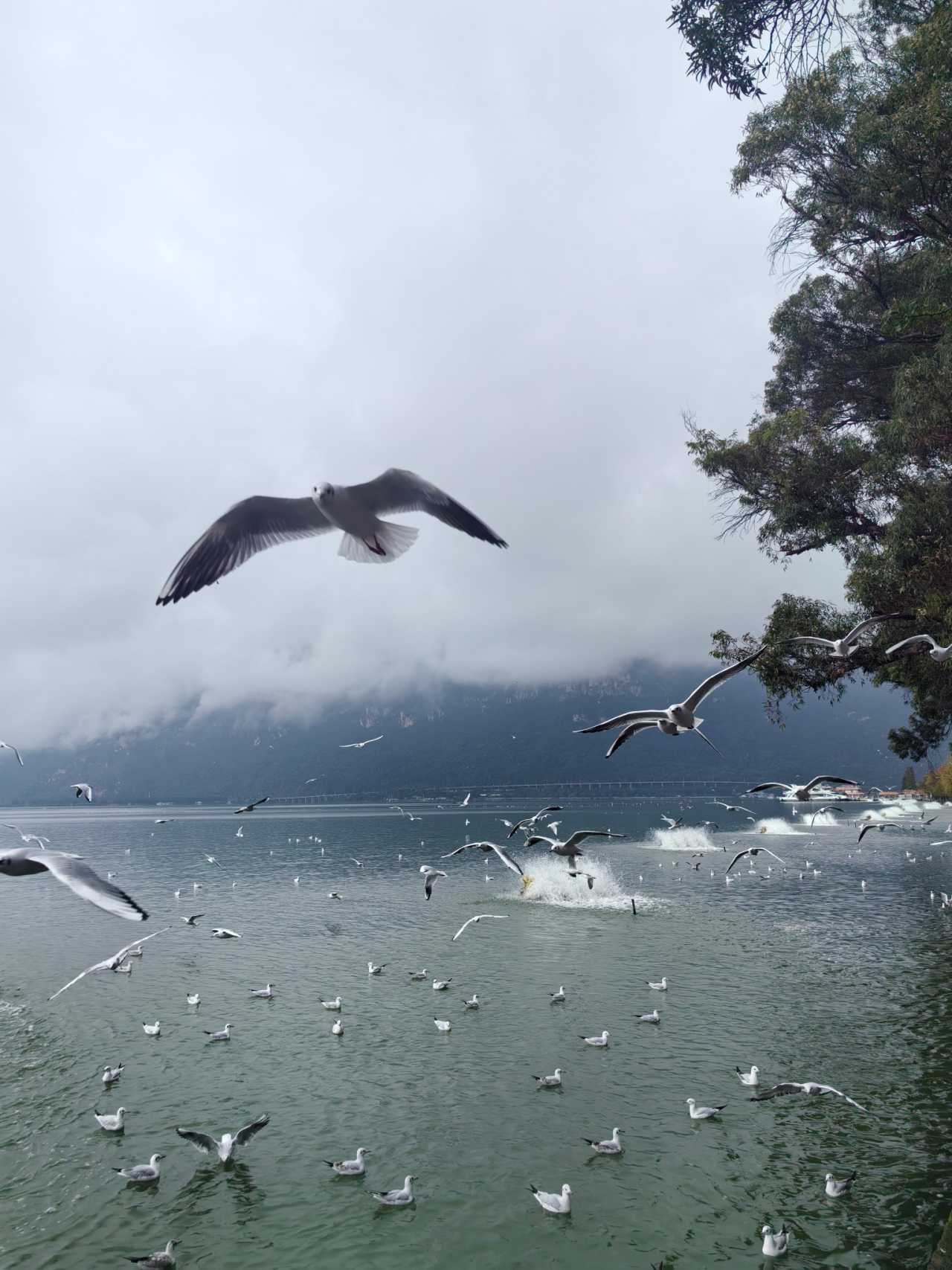 - Take Bus 4 from the high-speed rail station to the South Gate of the old town - For circling Erhai Lake, choose the official bus, shared e-bikes, or ride-hailing apps; take a one-way shuttle in Shuanglang - Purchase the "Worry-Free Dali Tour" official 3-day bus pass one day in advance (around 100 RMB in off-season) - In Xizhou, visit Yan Family Mansion (20 RMB); no need for the sightseeing shuttle - Local foods: Xizhou flatbread, dairy fan, Bai ethnic restaurants, pea jelly, flaky stuffed buns, 饵块 (grilled rice flour cake)
Lijiang
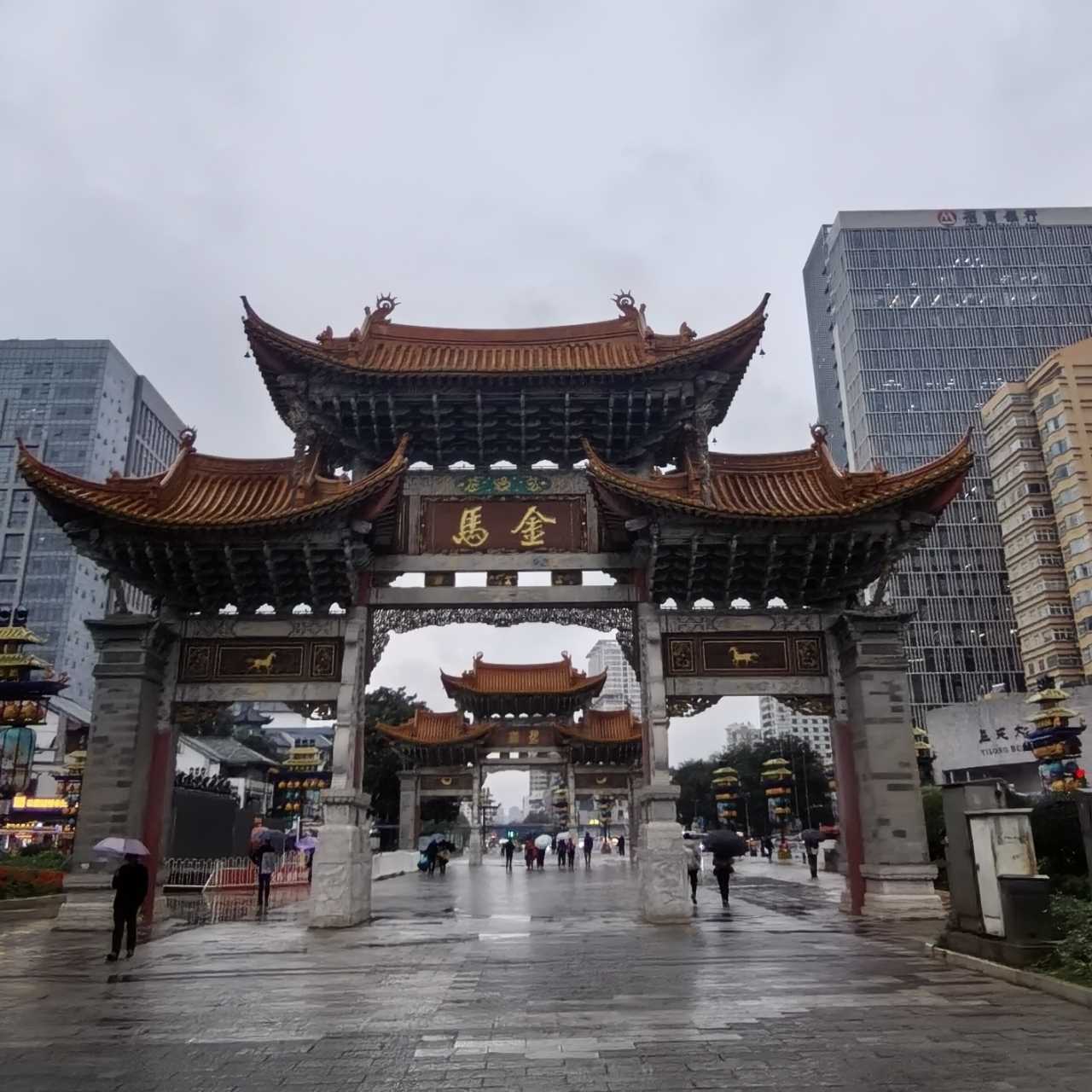 - Monitor the "Jade Dragon Snow Mountain Scenic Area" WeChat account for cable car operation notices - Use the "Lijiang Tourism Group" mini-program to buy Glacier Park main cable car tickets at 8 PM the night before - For Blue Moon Valley, get off the shuttle at "Shuiyue Ge" station; walking is not strenuous - Mu Mansion (40 RMB)—follow the guided tour - Local foods: mushroom hotpot and other local restaurants
Shangri-La
- On the high-speed rail from Lijiang to Shangri-La, sit on the right side (passes Jade Dragon Snow Mountain and Tiger Leaping Gorge)
- Dukezong Old Town has square dancing from 6–8 PM—join in
- Songzanlin Monastery (70 RMB) requires a shuttle bus and climbing stairs
- Potatso National Park (170 RMB) takes 4 hours to tour; get off the shuttle at the second stop
- Napahai Lake: take Bus 12 from Red Sun Square for the loop
- Book scenic area shuttle tickets via the "Shangri-La Leisurely Life" platform or at the East Gate
- Use "Diqing Transportation" WeChat account to buy bus tickets from Shangri-La Bus Station to Feilai Temple (3–4 hours)
- Feilai Temple is closer to the mountains but doesn't show the full range; Wunongding is farther with fewer clouds and a complete view
- Local foods: tsampa with butter tea, yak meat hotpot
Gear
 - Three-in-one waterproof jacket, thin knitwear, autumn/winter trousers - Winter down jacket (for snow mountains), thermal underwear - Waterproof leather boots, autumn/winter sports shoes - Knit hat, sun hat, scarf, sunglasses, lightweight backpack - Sunscreen, hydrating face masks, motion sickness pills, stomach medicine, cold medicine - Thermos, hand warmers, oxygen canisters (buy after arrival) - Avoid drinking tap water at high altitudes
Other
- For accommodation in Dali, Lijiang, and Shangri-La, refer to hotel recommendations; avoid lodging on cobblestone streets in the old towns
- For meals, search review platforms for restaurants outside the old towns, closer to residential areas
- Be cautious about washing your hair at high altitudes to avoid catching a cold

Conclusion: Winter in Northern Yunnan—A Heartfelt Dialogue with Snow Mountains and Lakes
Over these ten days, we set out from Kunming, journeyed westward, traversed rain and clear skies, and finally reached our culmination in the Golden Sun illuminating Meili Snow Mountain. The shimmer of Erhai, the snow on Cangshan, the glaciers of Jade Dragon, the golden peaks of Meili—each scene felt like a letter written to winter, every line filled with the purity and grandeur of the plateau.
For retirees, this route offers moderate intensity and dense scenery—an ideal introduction to the high plateau. And for all travelers, choosing the right season and preparing well will yield an unforgettable experience on this land.
Winter in northern Yunnan is not desolation—it's another kind of vitality: snow mountains awakening under the sun, lakes glimmering in the breeze, and we, in our journey, finding a way to converse with nature.
You should also read:

God’s Abandoned Palette: A Self-Drive Journey Through Yunnan’s Dongchuan Red Land
God’s Abandoned Palette: A Self-Drive Journey Through Yunnan’s Dongchuan Red Land Travel has never been about reaching some distant geographic coordinate. It’s about encountering, along the way, the version of yourself buried beneath the rubble of daily routine. During this May Day holiday, I finally…
Continue reading...
Body in Hell, Heart in Heaven: A Pilgrimage Through Tiger Leaping Gorge — A Dialogue Between Heaven and Earth
Body in Hell, Heart in Heaven: A Pilgrimage Through Tiger Leaping Gorge — A Dialogue Between Heaven and Earth Introduction: When the Gorge Splits Open Beneath Your Feet Some say Tiger Leaping Gorge is the closest place on Earth to the border between "hell" and…
Continue reading...
Cloud Travelogue · Dali of Wind, Flowers, Snow, and Moon: A Three-Day, Two-Night Journey of a Free Spirit
Cloud Travelogue · Dali of Wind, Flowers, Snow, and Moon: A Three-Day, Two-Night Journey of a Free Spirit I am a cultured female foodie with a touch of rogue charm. I slung on my backpack, took my lover's hand, and set off on a spontaneous…
Continue reading...