A Winter Wonderland at 29°C: The Ultimate Six-Day Guide to Exploring Xishuangbanna's Green Paradise
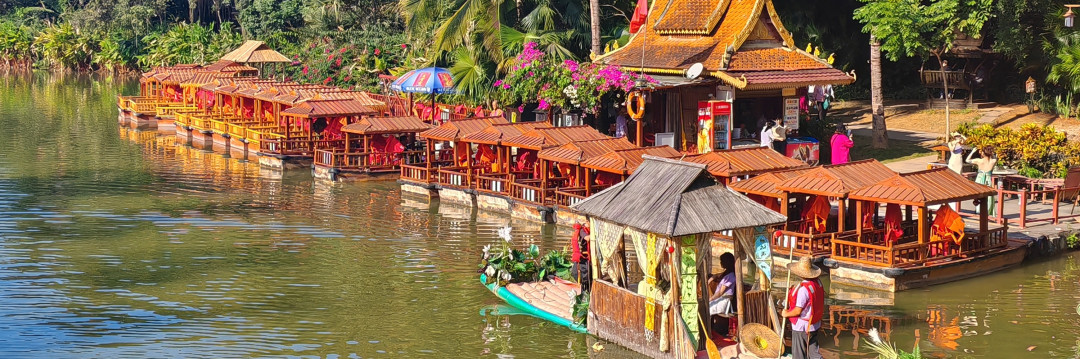
A Winter Wonderland at 29°C: The Ultimate Six-Day Guide to Exploring Xishuangbanna's Green Paradise
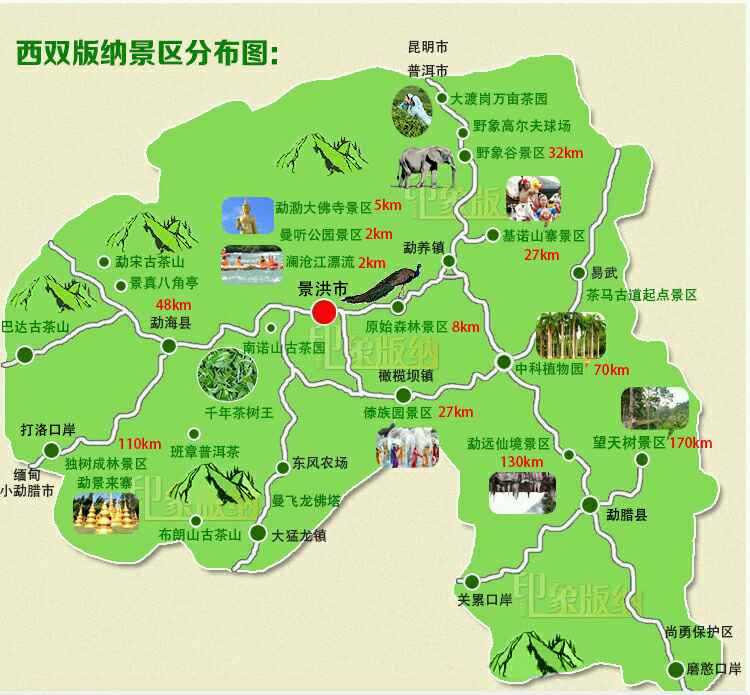
When the north is blanketed in snow, do you dream of a warm winter escape? In December 2023, as Beijing saw its first snowfall, I took my family on a journey to the southernmost tip of Yunnan—Xishuangbanna. Here, there is no bitter cold, only the gentle warmth of 29°C sunshine, towering ancient trees, exotic flowers and plants, and a rich Southeast Asian atmosphere. The locals call it "Mengbalanaxi," meaning "an ideal and magical paradise." Over six days and five nights, we traveled through tropical rainforests, Dai ethnic villages, and Buddhist temples, got up close with elephants, watched peacocks take flight, and savored authentic Dai cuisine. This article is your complete guide, covering everything from itinerary planning to tips for avoiding common pitfalls.
Why Xishuangbanna?
As a child, I was captivated by this southernmost city of Yunnan. Here, there are only spring and summer—no winter. Sunshine blankets the land, tea mountains and sea of clouds intertwine with tropical rainforests. It is synonymous with romance and fantasy, infused with a strong Southeast Asian charm that makes it hard to leave once you arrive. In December 2023, we finally set off from Beijing, taking the high-speed train southward through Yuxi and Pu'er. After a three-and-a-half-hour ride, we arrived in Xishuangbanna at noon.
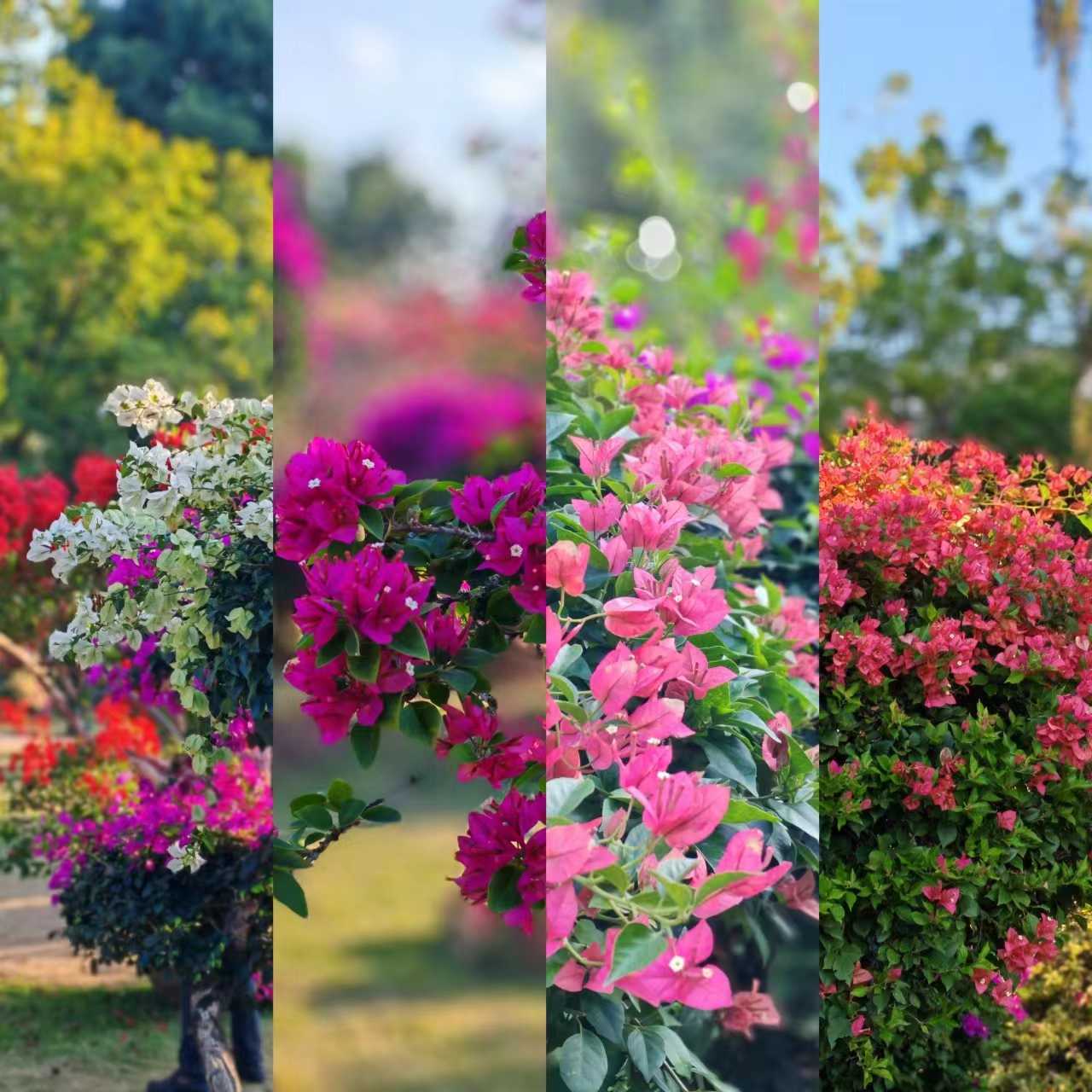
Stepping out of the train station, we were greeted by towering palm and banana trees. The flying eaves and spires of Theravada Buddhist temples sparkled in the sunlight. Along the roadsides, white and gold elephant statues were everywhere—as the totem of the Dai people, the elephant is the soul of this land. The entire city exudes a tropical vibe of tall trees and vibrant flowers, making you feel as if you've stepped into Thailand or Laos.
Six-Day, Five-Night Classic Itinerary Overview
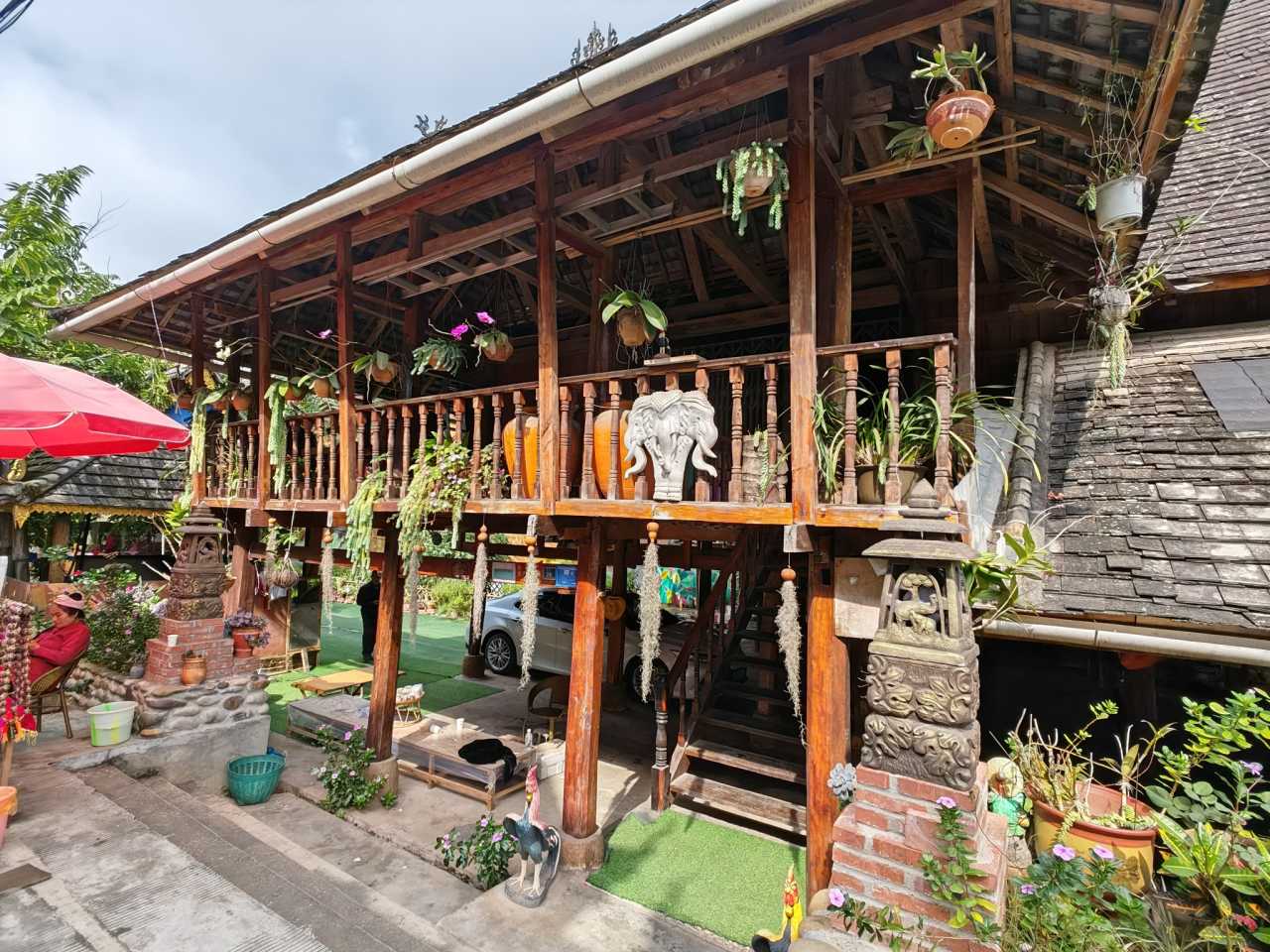
Our itinerary balanced scenic beauty and culinary delights, following the principle of "easy to explore without exhaustion." The attractions were arranged along three routes—east, west, and north. Here is the daily highlight schedule:
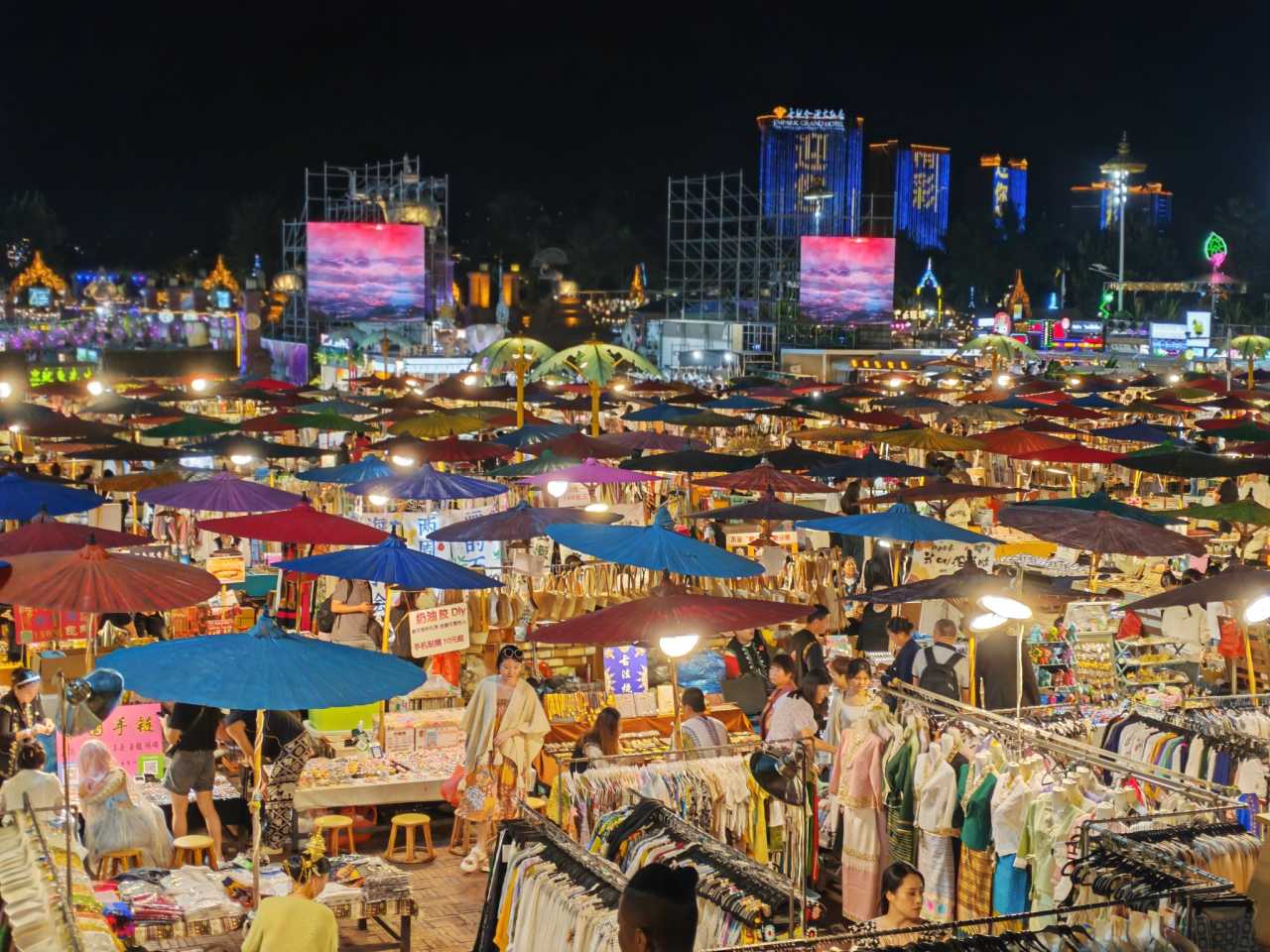
- DAY 1: Kunming South Station → Xishuangbanna; afternoon visit to Manting Park and the General Buddhist Temple; evening stroll along the Riverside Night Market
- DAY 2: Northern Route—morning at Wild Elephant Valley, afternoon at the Primitive Forest Park; evening enjoy a Peacock Feast in Gaozhuang and visit the Starry Night Market
- DAY 3: Eastern Route—full day at the Xishuangbanna Tropical Botanical Garden; evening enjoy authentic Dai cuisine in Manlongkuang and admire the river view at White Sand Beach
- DAY 4: Eastern Route—morning at the Dai Ethnic Garden, afternoon at Manyuan Village; evening Thai food in Gaozhuang and visit the Water Six Kingdoms Market
- DAY 5: City Area—morning at the Tropical Flower Garden, lunch at Wanda Resort, afternoon photo shoot at Manting Park, evening photo shoot in Gaozhuang
- DAY 6: Xishuangbanna → Kunming South Station; afternoon at Kunming Dounan Flower Market; evening flight back to Beijing
Must-Do Experiences in Xishuangbanna
- Wear Dai traditional clothing and take a "Dai Princess" photo shoot at Manting Park
- Feed elephants at Wild Elephant Valley and feel their rough trunks
- Watch the peacock release at the Primitive Forest Park, with hundreds of peacocks flying overhead
- Listen to a lecturer at the Xishuangbanna Tropical Botanical Garden explain rare plants
- Sit on giant Victoria water lilies and experience the wonder of "walking on water"
- Challenge yourself with a jungle zip-line adventure through the rainforest
- Hike through the tropical rainforest and enjoy an Aini ethnic rainforest feast (with banana leaves as plates)
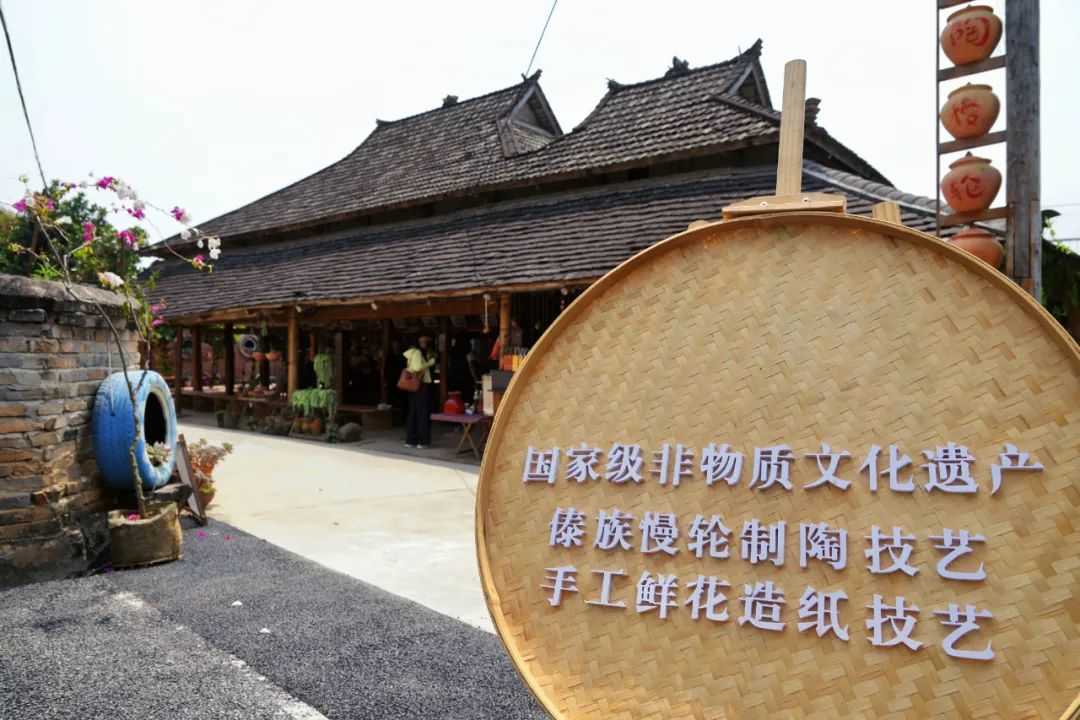
- Try traditional pottery-making on a slow wheel in a Dai village and learn to write on palm-leaf manuscripts
DAY 1: Manting Park and the General Buddhist Temple—A Thousand-Year-Old Dai Royal Garden
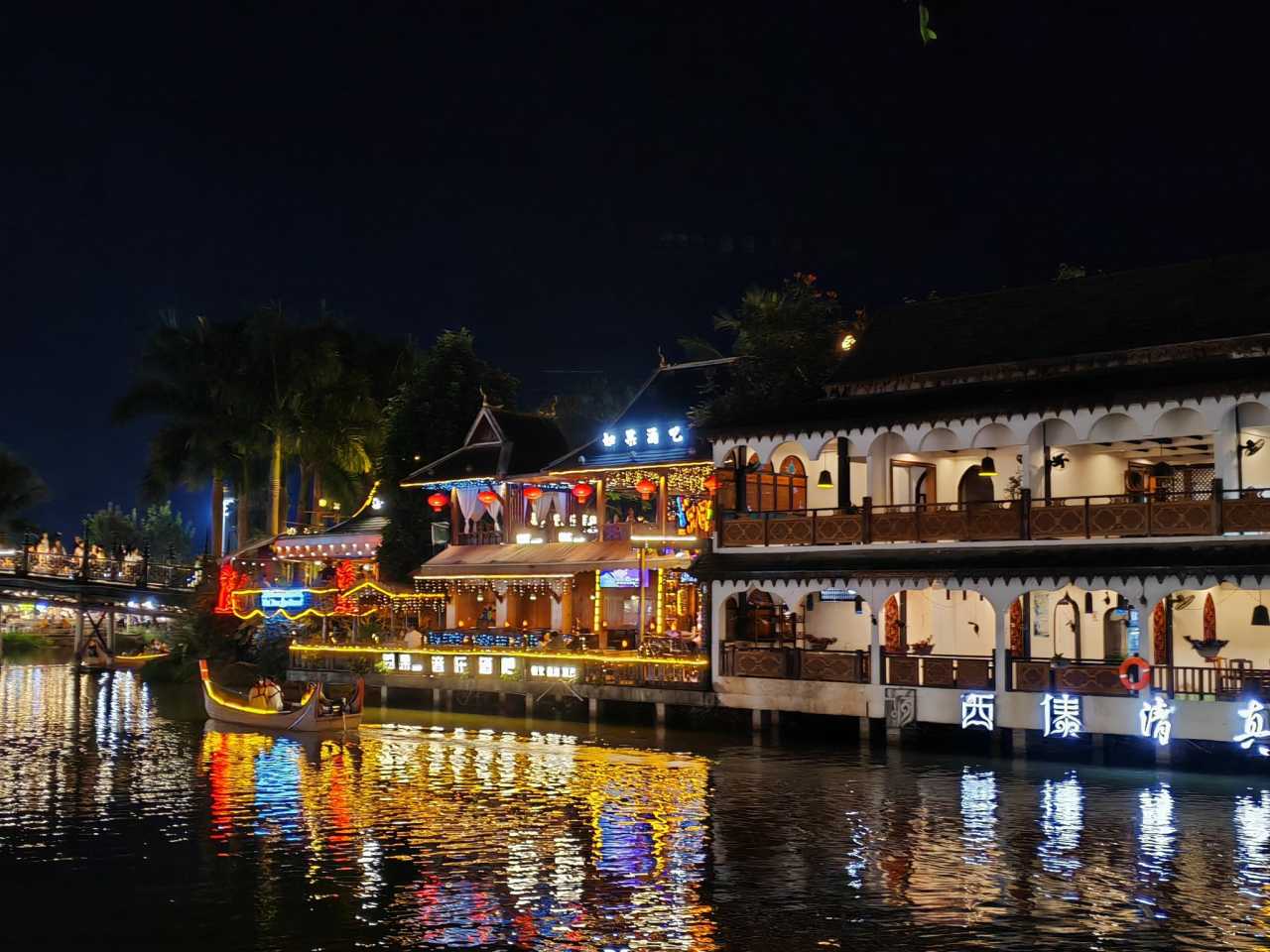
We stayed at a hotel near the Water Splashing Square, with a window overlooking the square and the twin towers of Banna. Both daytime and nighttime views were stunning. From here, it was only a five-minute walk to the Riverside Night Market, with numerous restaurants nearby, making travel very convenient. After lunch, we changed into skirts and hats and headed straight to Manting Park.
Manting Park: The Charm of the "Garden of Souls"
Manting Park is the oldest park in Xishuangbanna, with a history of over 1,300 years. It preserves more than 500 ancient ironwood trees. Locals call it "Chunhuanyuan," meaning "Garden of Souls." Legend has it that a Dai princess once visited and was so captivated by the beauty that she lingered, giving the park its name. The architecture is distinctly Southeast Asian, embodying three themes: "Dai royal culture, Buddhist culture, and Dai folk culture."
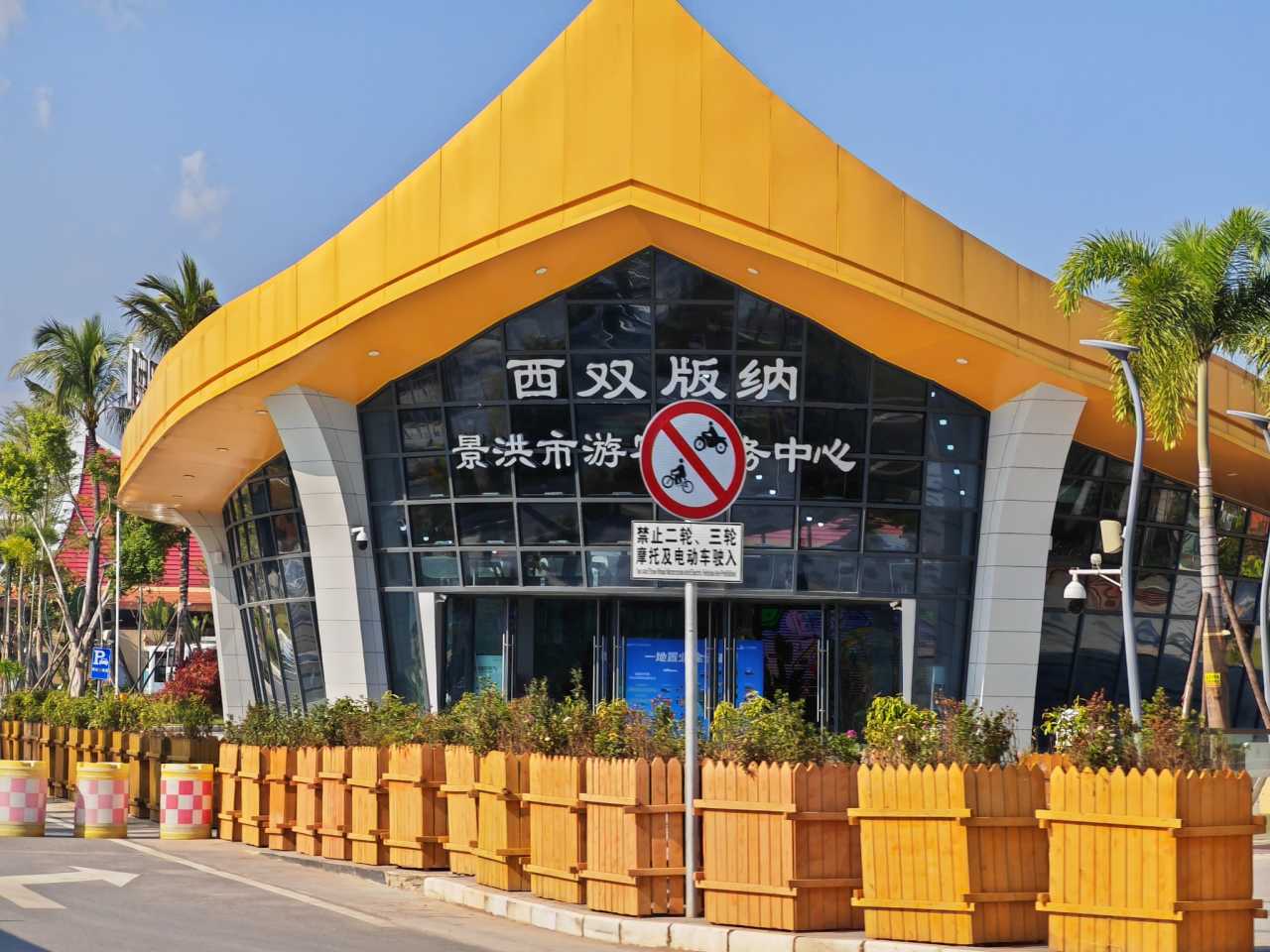
Entering the main gate, the first thing you see is a bronze statue of Premier Zhou Enlai participating in the Water Splashing Festival. To the left are two bodhi trees planted by a Thai princess, symbolizing Sino-Thai friendship. Further ahead stands the resplendent Dai Royal Palace, which houses an assembly hall. The entire structure is solemn and majestic, showcasing the dignity and luxury of the ancient Dai kings.
Walking along the shaded path, the tropical plants in the imperial garden are a feast for the eyes. In the 6,000-square-meter black-hearted wood forest, exotic flowers and trees burst with color. The Chengxin Pagoda by the lake is a striking red structure with a golden spire, making it a popular photo spot. The Release Lake is the largest of its kind in Southeast Asia, and the Jingzhen Octagonal Pavilion in the center of the lake adds an exotic touch. In the northern winter, this place enjoys mild weather, with bridges over flowing water.
Elephant Show: Three shows daily (10:00 AM, 2:50 PM, 4:30 PM). The program includes weighing, spraying water and dirt, and standing on hind legs to pick up fruit baskets—all amusing and entertaining. When an elephant sprayed water at the audience with its trunk, the front rows scattered, while we laughed heartily.
Photo Tips: Manting Park offers better photo opportunities than Gaozhuang or the Starry Night Market. Recommended spots: the Royal Palace, the steps of Chengxin Pagoda, the shores of Release Lake, the forest paths of the imperial garden, the White Pagoda, and the Earth Goddess hand-washing basin. You can hire a photographer from a studio to enter the park (you'll need to pay for their ticket), find a freelance photographer inside (try a test shot first), or the most economical option—bring your own Dai costume, do your own makeup, and have a friend take photos.
The General Buddhist Temple: A Beautiful Forest Sanctuary

The north gate of Manting Park leads directly to the General Buddhist Temple, which has a history of over a thousand years. In the Dai language, it is called "Wabajie," meaning a beautiful and tranquil forest sanctuary like the "Jetavana Grove." The architecture is grand and majestic, with gold and silver pagodas exquisitely decorated, typical of Theravada Buddhist style. Note: Smoking is prohibited inside, and no revealing clothing is allowed—if you wear a strapless Dai costume, you must cover up with a jacket. The temple is free to enter, but if you want to return to Manting Park, make sure to keep your park ticket.
From the main gate of the General Buddhist Temple, a five-to-ten-minute walk brings you to Manlongkuang, a local dining area filled with authentic Dai restaurants.
DAY 2: Wild Elephant Valley and the Primitive Forest Park—A Close Encounter with Animals
Wild Elephant Valley: Home of the Asian Elephant
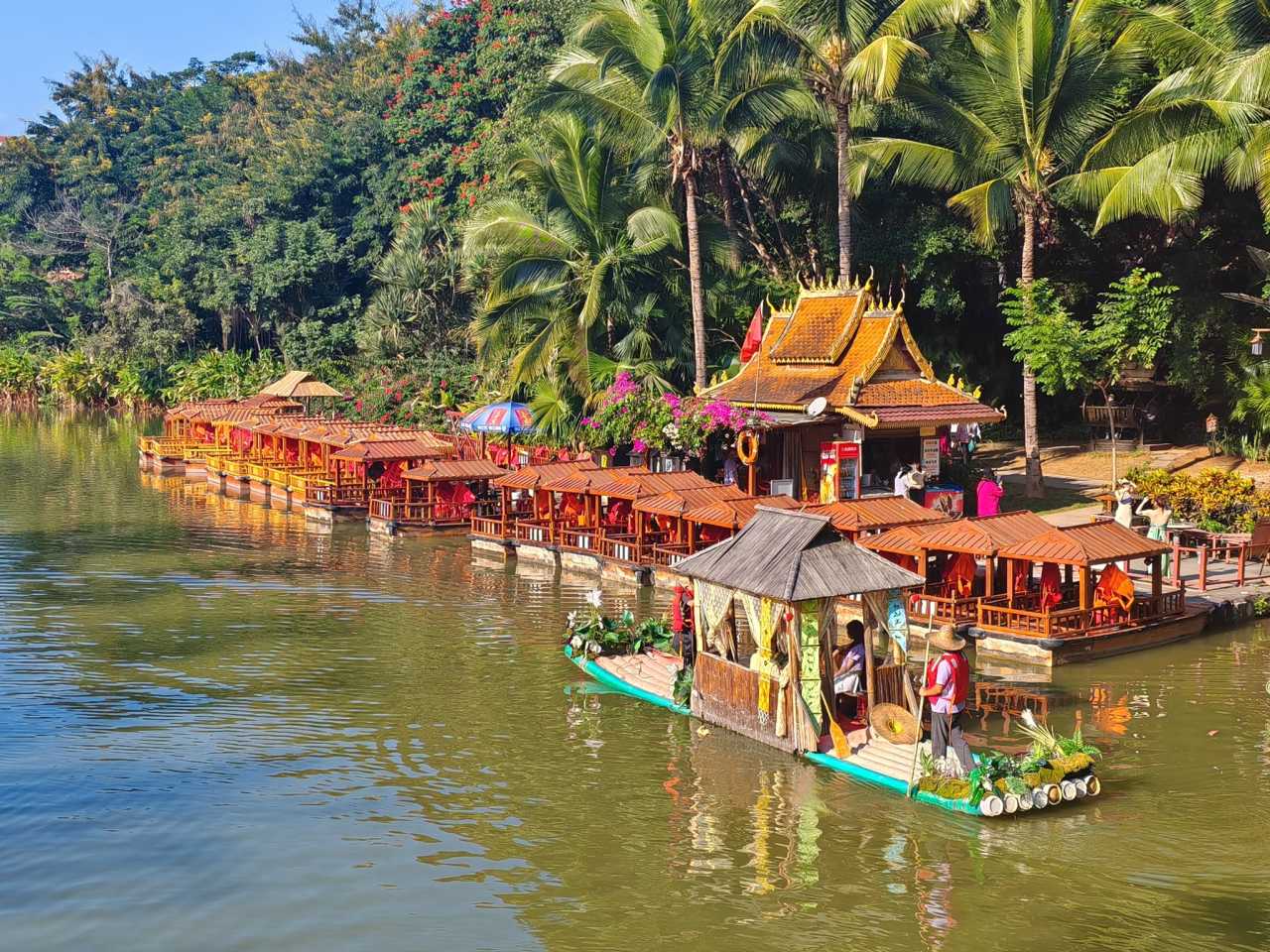
Wild Elephant Valley is a UNESCO Man and Biosphere Reserve. Of the more than 300 wild elephants in China, about 250 from over 40 family groups are active here. Upon entering the scenic area, lifelike elephant sculptures invite photo-taking. In the lotus pond, pink lotuses still sway gracefully in winter.
Butterfly Garden: China's first artificially bred butterfly garden. Fewer butterflies in winter, but those resting on flowers are still lively.
Hundred Birds Garden: You can take photos with multiple peacocks, including white and green ones. Photographer shots cost 20 yuan each, or 30 yuan for use of your own phone, with no limit on people or shots.
Elephant School (5/5 stars): This is the most exciting show, where elephants demonstrate various skills. In the interactive area, you can feed them (food costs 20 yuan per portion, with proceeds used to rescue wild elephants). For seating, choose the area opposite the entrance—that's the front. Show times: 10:10 AM, 12:00 PM, 2:30 PM, 4:30 PM.
High-altitude Elephant Observation Boardwalk (5/5 stars): Stretching 2,280 meters, it has two phases. The observation platform at the end of Phase 2 has a water source, making it the most likely spot to see wild elephants. One-way ticket: 50 yuan (about 35 minutes); round trip: 70 yuan. In winter, the chance of seeing wild elephants is low, so we skipped the cable car and headed straight to the Primitive Forest Park.
Elephant Meal Recommendation: The "Elephant Rainforest Restaurant" inside the park offers an "elephant meal"—a platter of fruits and vegetables that elephants love most. It's a buffet-style meal at 50 yuan per person, with a fixed portion of grilled fish and chicken, and unlimited fruit.
Primitive Forest Park: The Spectacle of Peacock Release
The park has a forest coverage rate of 98.6%, making it the best-preserved primary forest south of the Tropic of Cancer. We chose to dine at the Peacock Villa restaurant, eating while waiting for the show. The restaurant serves Dai cuisine and a Peacock Feast set meal, with grilled chicken, fish wrapped in lettuce, hand-grabbed rice, sticky rice, and fruit arranged on lotus leaves—both beautiful and delicious.
Peacock Release (5/5 stars): Five shows daily (10:00 AM, 12:10 PM, 1:10 PM, 2:30 PM, 3:30 PM, 5:20 PM), each lasting 20 minutes. It's recommended to arrive half an hour early to secure a spot; on holidays, arrive 40 minutes early. The show begins with a Dai song-and-dance drama telling the love story of a prince and princess. A fountain creates a water curtain in the lake, and two peacock boats slowly emerge. After the drama, a Dai girl blows a whistle, and hundreds of peacocks fly down from the villa, creating a stunning spectacle. After the show, you can buy feed and enter the area to feed and photograph them.
Tour Route: Park entrance → Peacock Release → Aini Village → Nine-Dragon Waterfall → Rainforest Square. The electric cart is divided into three segments: three tickets uphill and three downhill. Plan accordingly.
Aini Village (4/5 stars): The Aini people are a branch of the Jinuo ethnic group. The Wishing Bridge here is great for photos. There's also a "foot-pinching dance" that starts when enough visitors are present—very interactive.
Rainforest Square Water Splashing Party (5/5 stars): The last stop, Rainforest Square, features a water-splashing activity and "Dai-style disco." The interactive atmosphere is explosive, filling the venue with unprecedented joy. This is also the entrance for the jungle zip-line. If you're not up for the challenge, you can feed monkeys at the monkey garden (20 yuan per portion of food).
DAY 3: Xishuangbanna Tropical Botanical Garden—The Emerald of the Plant Kingdom
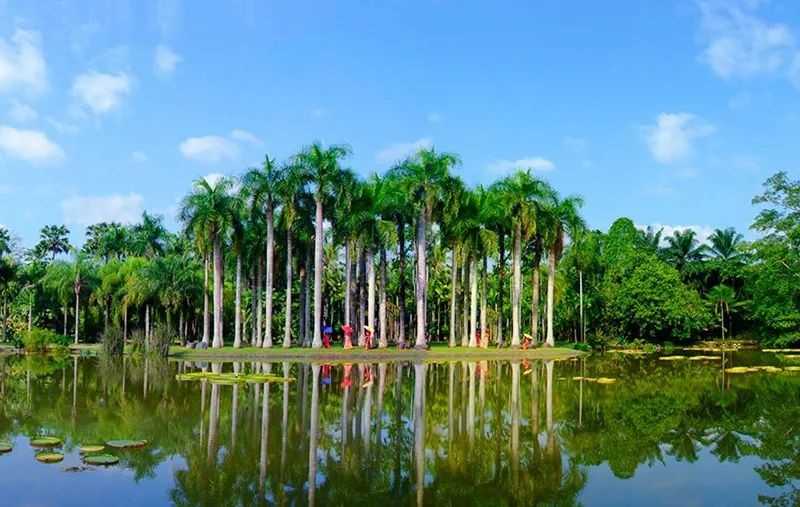
Located in Mengla County on the banks of the Luosuo River, the Xishuangbanna Tropical Botanical Garden, part of the Chinese Academy of Sciences, has an average annual temperature of 21.5°C. Founded in the 1950s by renowned botanist Professor Cai Xitao, it covers 1,100 hectares and is home to over 13,700 species of tropical plants. It is hailed as "the dazzling emerald in the crown of the plant kingdom."
The most anticipated experience here is sitting on giant Victoria water lilies—the image of a child perched on a lily pad has become iconic. I recommend setting aside an entire day to follow a park lecturer and learn about rare plants, marveling at the wonders of nature. In the evening, return to Manlongkuang for authentic Dai cuisine, then head to White Sand Beach to enjoy the riverside nightscape.
Practical Guide: Transportation, Accommodation, and Dining
Getting Around
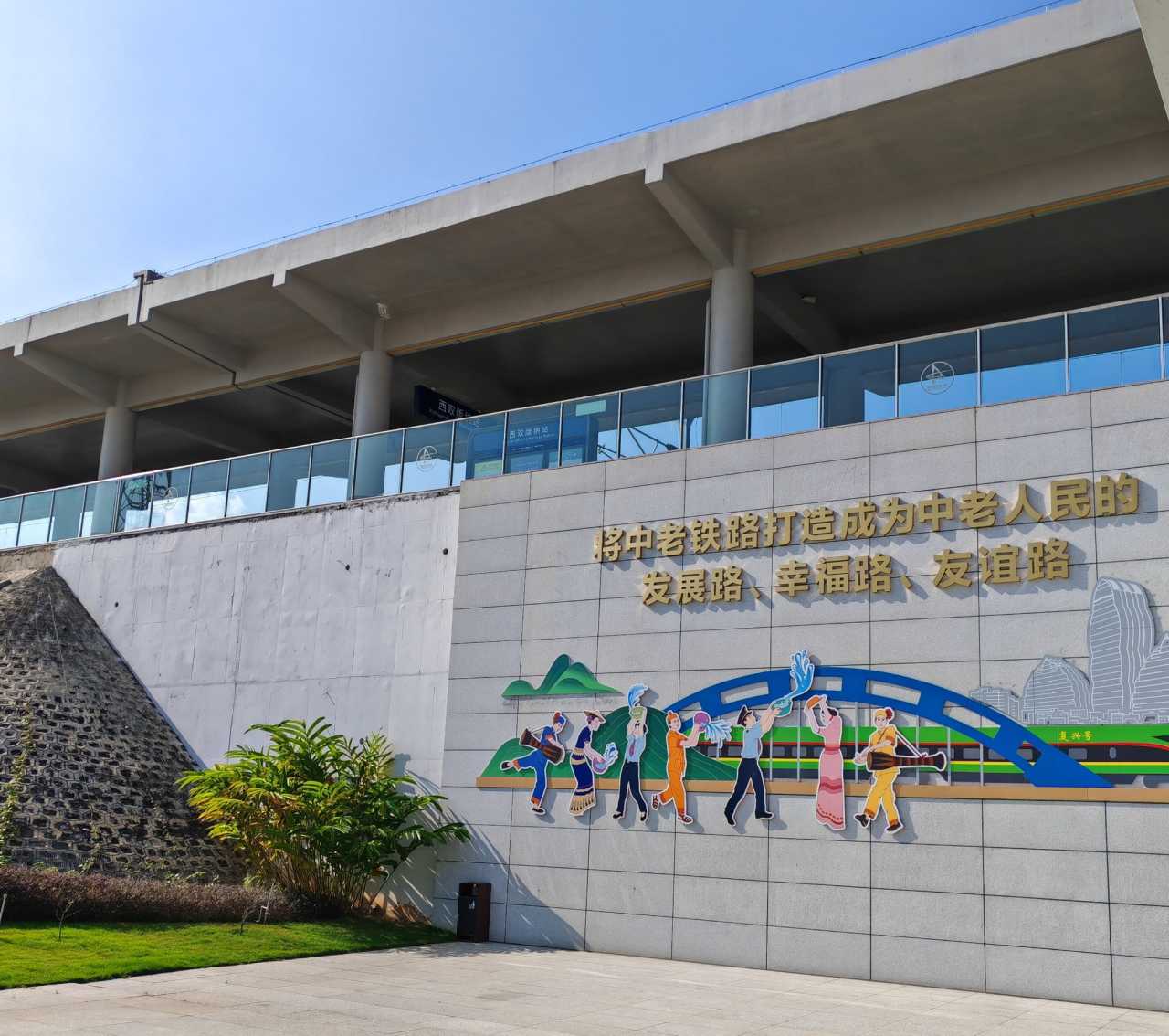
- High-speed rail: Kunming South Station to Xishuangbanna Station, about 3.5 hours, with beautiful scenery along the way.
- City transportation: Attractions are scattered. Use the "Anxin Banna Travel" or "Banna Good Travel" tourist shuttle buses; chartering a car or driving yourself offers more flexibility.
- Taxis: Within the city (e.g., Gaozhuang, Water Splashing Square), taxis are convenient, costing 10–20 yuan to most attractions.
Accommodation Recommendations
- Near Water Splashing Square: Convenient transportation, close to the Riverside Night Market, with plenty of dining options—ideal for those who enjoy a lively atmosphere.
- Gaozhuang Xishuangjing: Close to the Starry Night Market, with a vibrant nightlife—perfect for younger travelers.
Food Recommendations
- Peacock Feast: The Peacock Feast set meal in Gaozhuang (grilled chicken, fish wrapped in lettuce, hand-grabbed rice, etc.) is both visually stunning and delicious.
- Dai Cuisine: Dai restaurants in Manlongkuang are frequented by locals, offering authentic and affordable food.
- Elephant Meal: The "Elephant Rainforest Restaurant" at Wild Elephant Valley offers unlimited fruits and vegetables, adding a fun twist.
- Riverside Night Market: A variety of snacks, grilled foods, and tropical fruits—perfect for an evening stroll.
Conclusion: An Ideal and Magical Paradise
Over six days, we felt as if we had stepped into an endless summer. From the thousand-year-old imperial garden of Manting Park to the close encounters with elephants at Wild Elephant Valley; from the peacock release at the Primitive Forest Park to the lush greenery of the Xishuangbanna Tropical Botanical Garden—Xishuangbanna, with its warmth and vibrancy, healed all our winter fatigue.
If you too dream of a spontaneous warm winter getaway, take this guide and head to this "ideal and magical paradise." A winter at 29°C awaits your exploration.
Key Tips: - Manting Park and the General Buddhist Temple are connected; keep your ticket for re-entry - For the elephant show at Wild Elephant Valley, choose seats directly in front - Arrive half an hour early for the peacock release - Set aside a full day for the Xishuangbanna Tropical Botanical Garden and follow a lecturer's tour - Book a Dai costume photo shoot in advance; Manting Park offers the best backdrops
If you have any questions, feel free to leave a comment, and I'll answer them one by one.
You should also read:
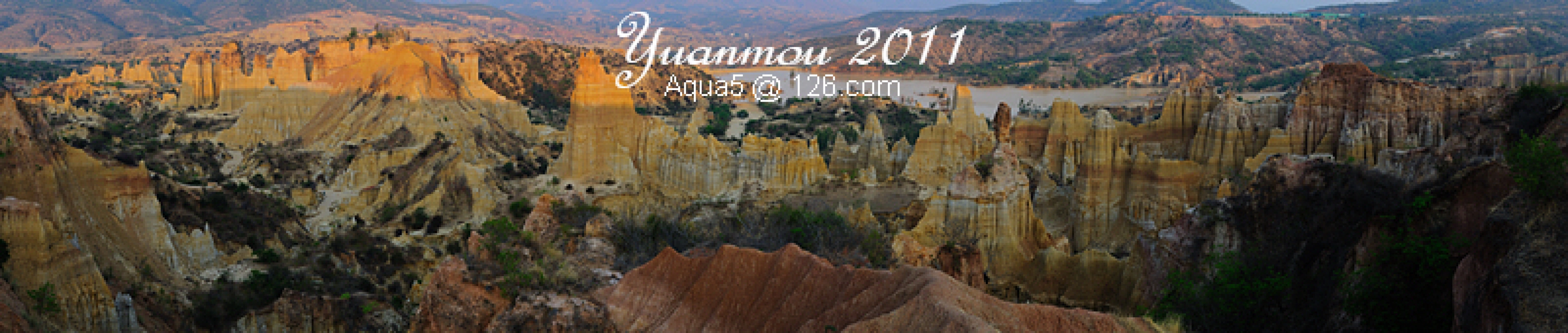
A Journey Through Time: The Earthen Forest of Yuanmou — April 2011 Chuxiong & Yuanmou Self-Drive Guide
A Journey Through Time: The Earthen Forest of Yuanmou — April 2011 Chuxiong & Yuanmou Self-Drive Guide Some journeys are destined to take root in your memory. In April 2011, I set out from Shuhe in Yunnan, heading north toward the Chuxiong Yi Autonomous Prefecture,…
Continue reading...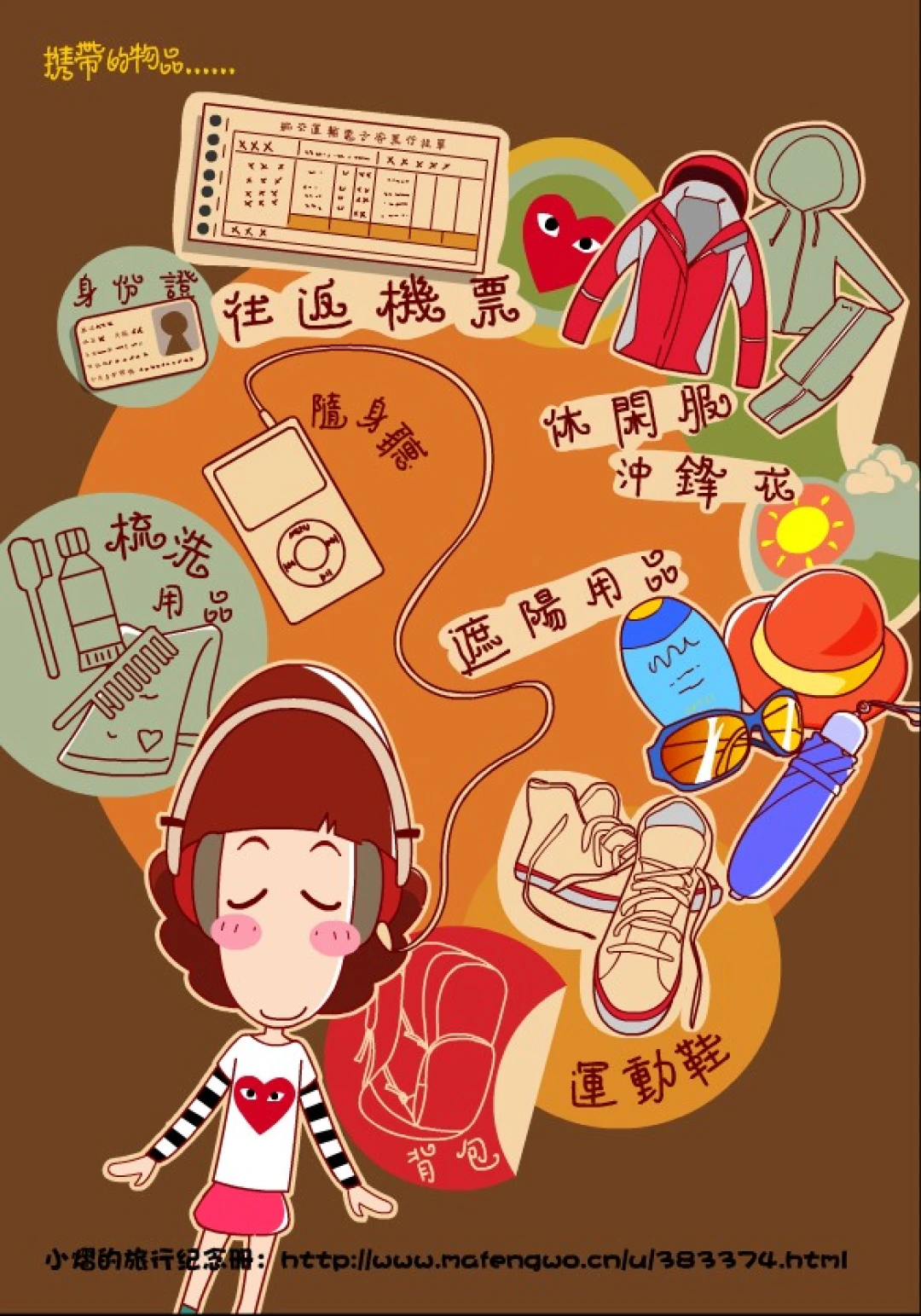
Dreamland – Lijiang: A Talking Comic Travel Guide
Dreamland – Lijiang: A Talking Comic Travel Guide Prologue: When Lijiang Takes Root in Your Heart Some places leave a mark on you forever. They're like an old song on repeat, suddenly playing in your mind on an ordinary afternoon. For me, Lijiang is that…
Continue reading...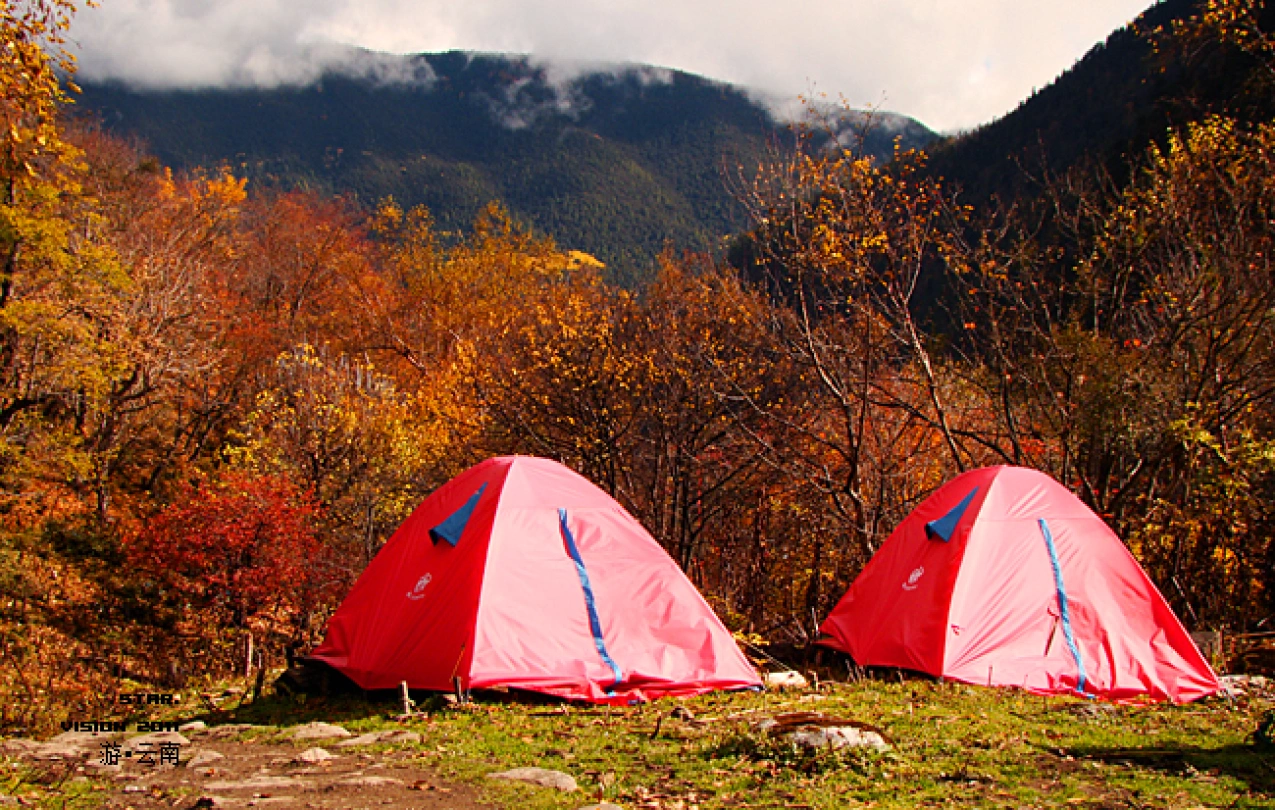
Yunnan! Paradise on Earth – The Yubeng Chapter: A Soul-Cleansing Journey into Seclusion
Yunnan! Paradise on Earth – The Yubeng Chapter: A Soul-Cleansing Journey into Seclusion Prologue: Why Yubeng? If you ask me which place in Yunnan is most worth hiking to, I would answer without hesitation: Yubeng. This is not an answer I give lightly. As a…
Continue reading...