After Living in Lijiang for a Month, I Finally Understood the City's Romance and Freedom
After Living in Lijiang for a Month, I Finally Understood the City's Romance and Freedom
Many people ask me: What's so great about Lijiang?
Is it the Sifang Street (Square Street) in the old town that never gets old? Is it the Jade Dragon Snow Mountain that you can see just by looking up? Or is it those folk music bars hidden deep in the alleys?
To be honest, before I actually settled down there, my impression of Lijiang was stuck on these labels. Until early 2021, when our family of three, along with our elderly parents, lived in this highland ancient city for a full 35 days — from just before the Spring Festival all the way through to after the Lantern Festival.
We spent a month slowly peeling back Lijiang's layers, and only then did we discover that the soul of this city isn't found on any check-in list.
Why Lijiang?
At the end of 2020, the pandemic plunged Lijiang's homestay industry into an unprecedented winter. Many inns, struggling to stay afloat, started recruiting long-term guests. Meanwhile, we happened to be living in the Jiangnan region, where it rained endlessly, and we had long been yearning for Lijiang's sunshine.

So, with a spur-of-the-moment decision, we packed our bags and headed straight for Lijiang to celebrate the New Year.
That decision turned out to be one of the best we've ever made.
First Impressions of Lijiang: Sunshine, Flower Scents, and Slow Living
The day we arrived in Lijiang, reality gave me a rude awakening — altitude sickness. I was vomiting, had diarrhea, and was running a high fever. It took me several days to recover. Fortunately, Lily, the manager of our homestay, kept bringing me oxygen canisters and brewing brown sugar water. By New Year's Eve, I was finally back on my feet.
That night, Lily revealed her hidden chef skills and cooked up a lavish New Year's Eve dinner. As I ate that meal, still recovering from my illness, warmth spread from my stomach all the way to my heart.

There's a saying in Lijiang: "Waking up naturally is the minimum respect you can show this city." And it's absolutely true.
Every morning, sunlight streamed through the lattice windows, mixed with the fragrance of magnolia flowers from the courtyard. Our whole family would slowly get up, grab our little bamboo baskets, and head to Zhongyi Market to hunt for ingredients we couldn't even name, then come back and "beg" Lily to turn them into delicious meals.
Our daughter Liubao's favorite activity was watering the flowers and trees in the courtyard. She'd mutter as she watered: "Little tree, drink up quick, drink lots so you can grow tall! Little flower, take a bath, and you'll be even prettier afterward..."
On sunny days, she'd spray the water into the air, and we could see rainbows. These little things were completely new experiences for a child raised in the city.
At night, after the elderly and the kids had gone to bed, my husband Mai and I would drag Lily, who was supposedly on a diet, to order some skewers and braised snacks, and we'd drink and chat until the wee hours.
These seemingly trivial daily routines were precisely the warmest reasons we fell in love with Lijiang.
Lijiang's Lantern Festival: Rediscovering Lost Festivity
During the Spring Festival, Lijiang didn't have any special celebrations beyond hanging lanterns everywhere. But we happened to catch the city's Lantern Festival and the "Bangbang Hui" (Stick Fair).
On Lantern Festival day, I saw someone on social media saying their child asked what the Lantern Festival was all about, because they'd never experienced fireworks, lantern shows, lantern riddles, or temple fairs. The adult could only awkwardly reply: "The Lantern Festival is just a day for eating tangyuan (sweet rice balls) and watching TV."
Honestly, we ourselves hadn't had a proper Lantern Festival in years. But this year in Lijiang, we finally felt the festive atmosphere again.
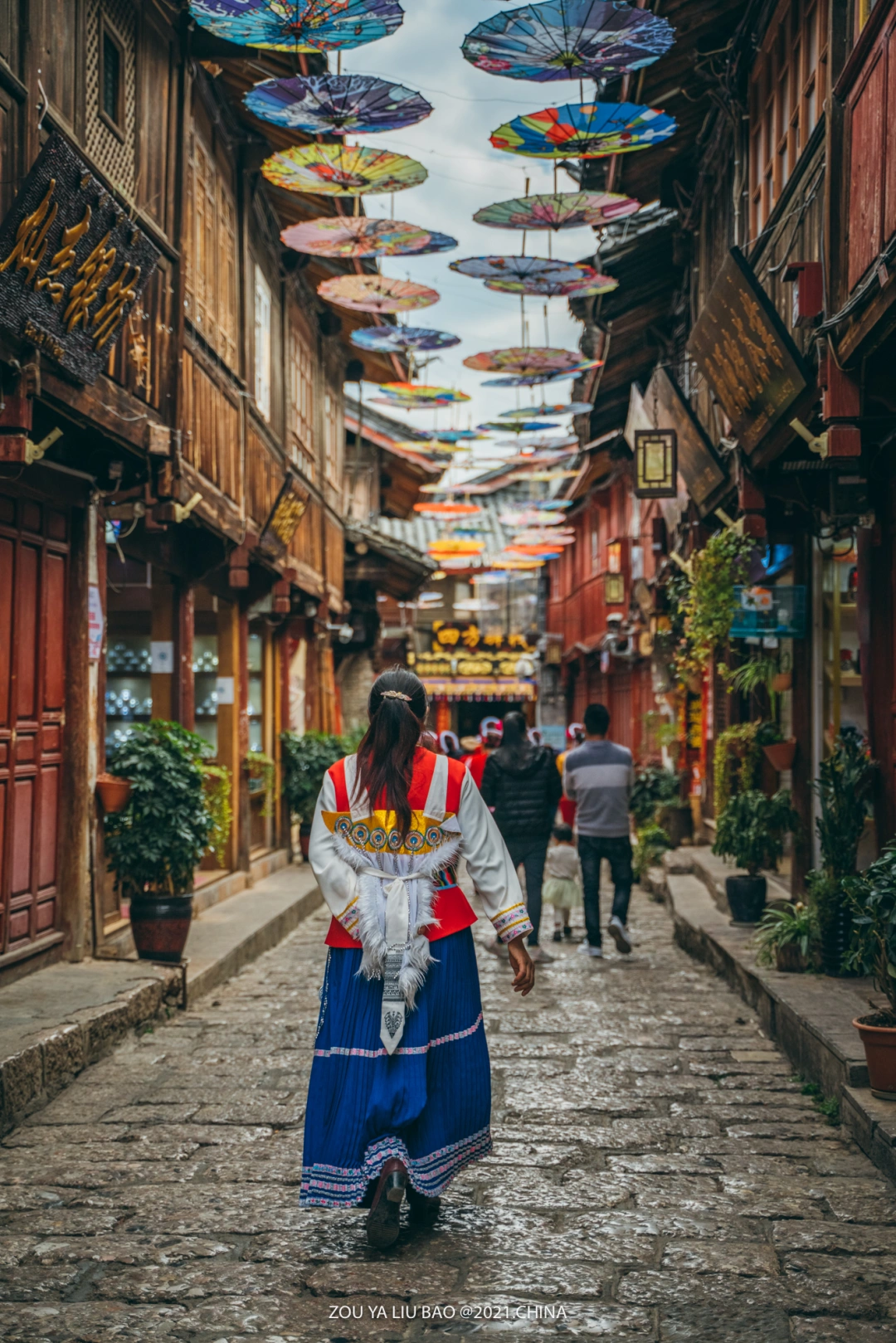
During the day, the old town gathered many ethnic minority women from surrounding areas, all dressed in elaborate traditional costumes as they strolled through the ancient streets. We carried Liubao on our shoulders, followed a lantern parade for a while, and in the evening, we released floating lanterns on the water.
The "Bangbang Hui" was an even bigger eye-opener.
Originally, the Bangbang Hui was a trading fair for bamboo and wooden farming tools held by the Naxi people to prepare for spring plowing. But nowadays, it's mostly a market for seedlings and potted plants. Lijiang people love flowers — every household grows plants — so the Bangbang Hui naturally draws the entire city.
This year at the fair, the most expensive bonsai (a Chinese rattan) sold for a staggering 1.68 million yuan. Poverty really does limit my imagination.
As outsiders wandering through the Bangbang Hui, we felt like Granny Liu entering the Grand View Garden. We had no idea what most things were, and we couldn't communicate with the locals. After circling around for a long time, we only figured out that one particular flower was used for boiling water to treat colds. In the end, we bought some large pine nuts for 20 yuan a catty (about $1.50 per pound) and spent the rest of the walk cracking them open without finishing. We also bought some crabapple dried fruit to soak in water, strongly recommended by a local auntie.
Lijiang Old Town: More Than Just Small Bridges and Flowing Water
Lijiang Old Town, also known as "Dayan Ancient Town," is one of China's four great ancient towns and one of only two ancient towns in China to be successfully inscribed as a UNESCO World Heritage Site in their entirety.
In the Naxi language, Lijiang Old Town is called "Gongben Zhi" — "Gongben" means granary, and "Zhi" means market. As the name suggests, it has been a bustling marketplace since ancient times.
Although it's located in the west, the town has the small bridges and flowing water typical of Jiangnan. Surrounded by flowers year-round, it's even more vibrant than Jiangnan.
If I had to recommend three must-see attractions in the old town, they would be Black Dragon Pool, Mu Mansion, and Sifang Street.
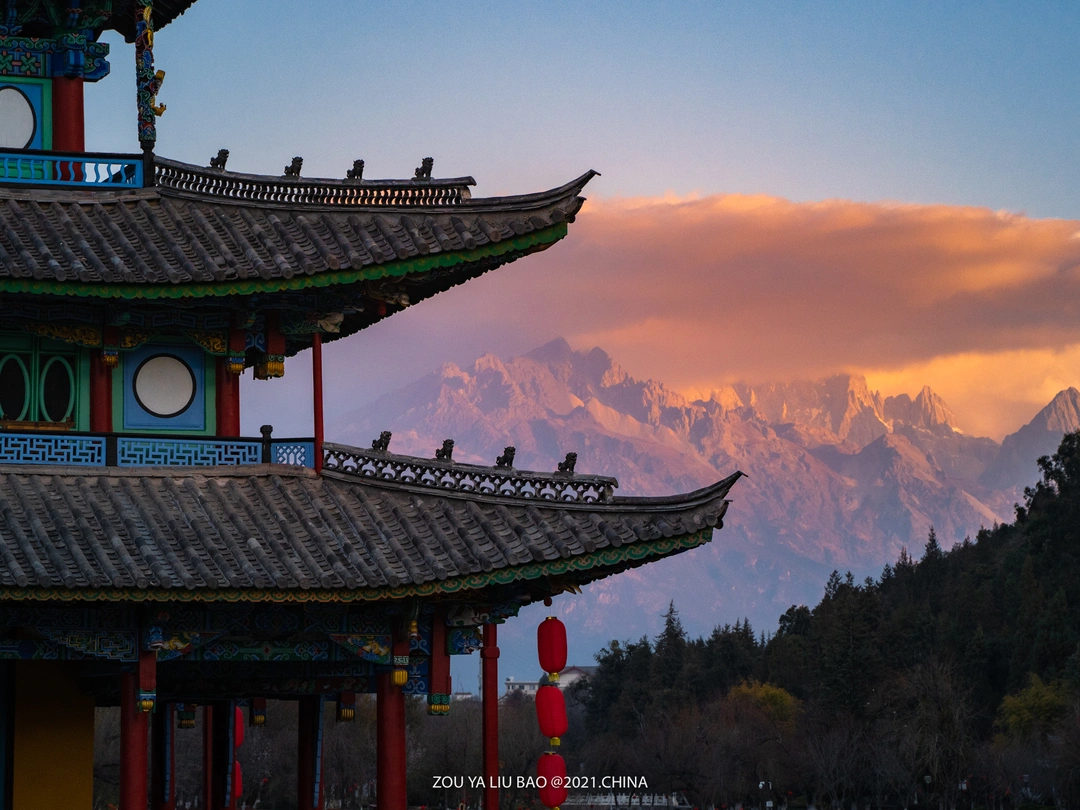
Black Dragon Pool: Golden Mountain at Sunrise
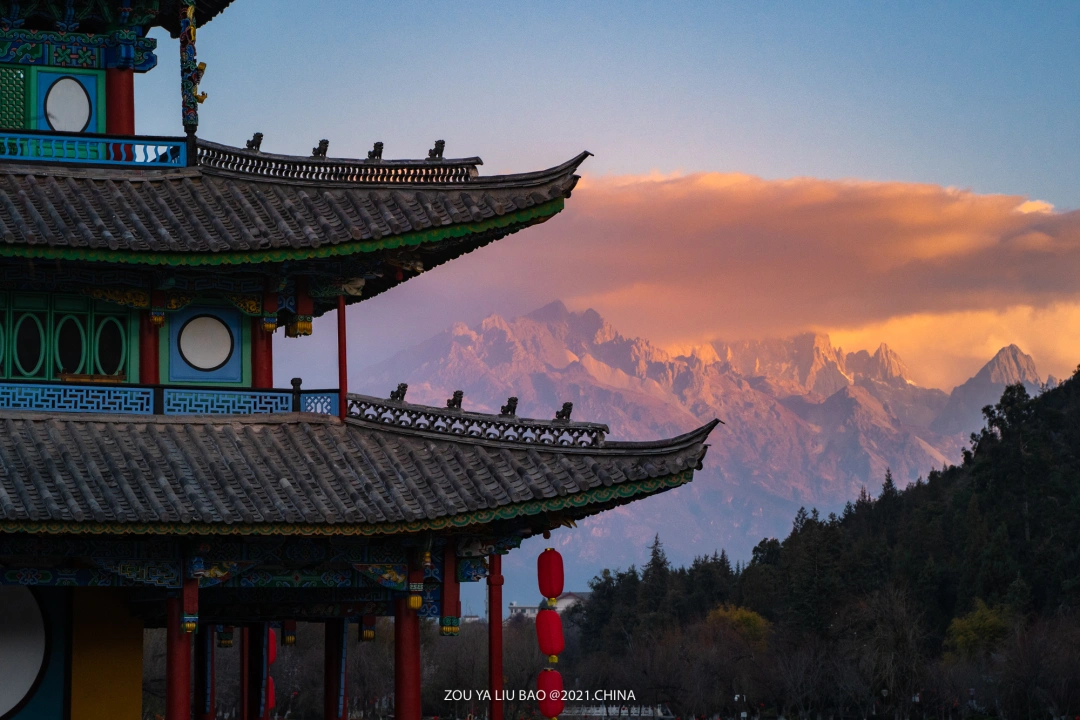
You absolutely must go to Black Dragon Pool in the early morning and watch the "Golden Mountain at Sunrise" from in front of Deyue Pavilion (Moon-Viewing Pavilion). People online always say that witnessing this phenomenon brings good luck for a long time. I'm sharing that luck with you, dear reader of this article.
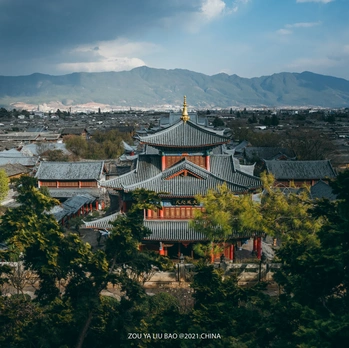
Mu Mansion: The Little Forbidden City
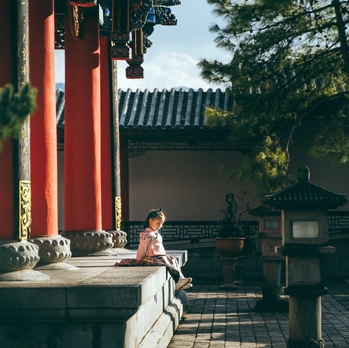
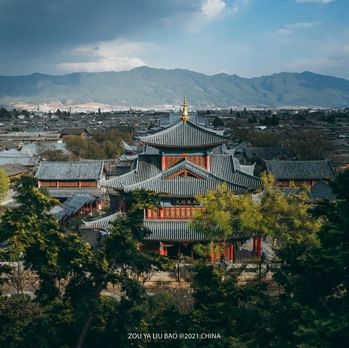
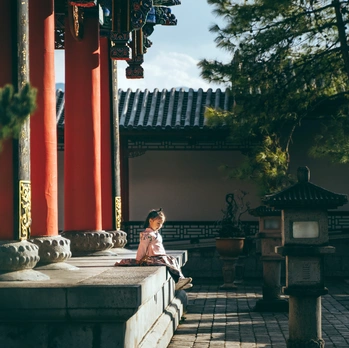
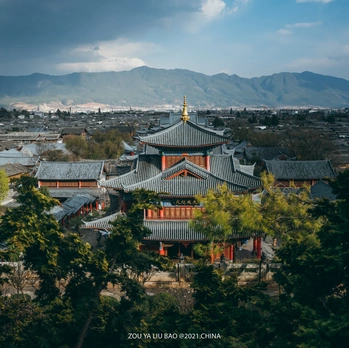
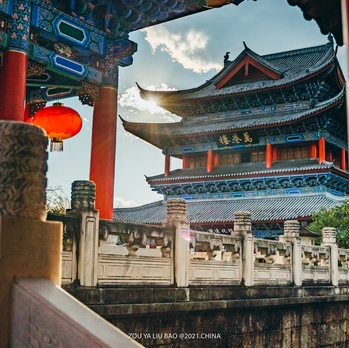
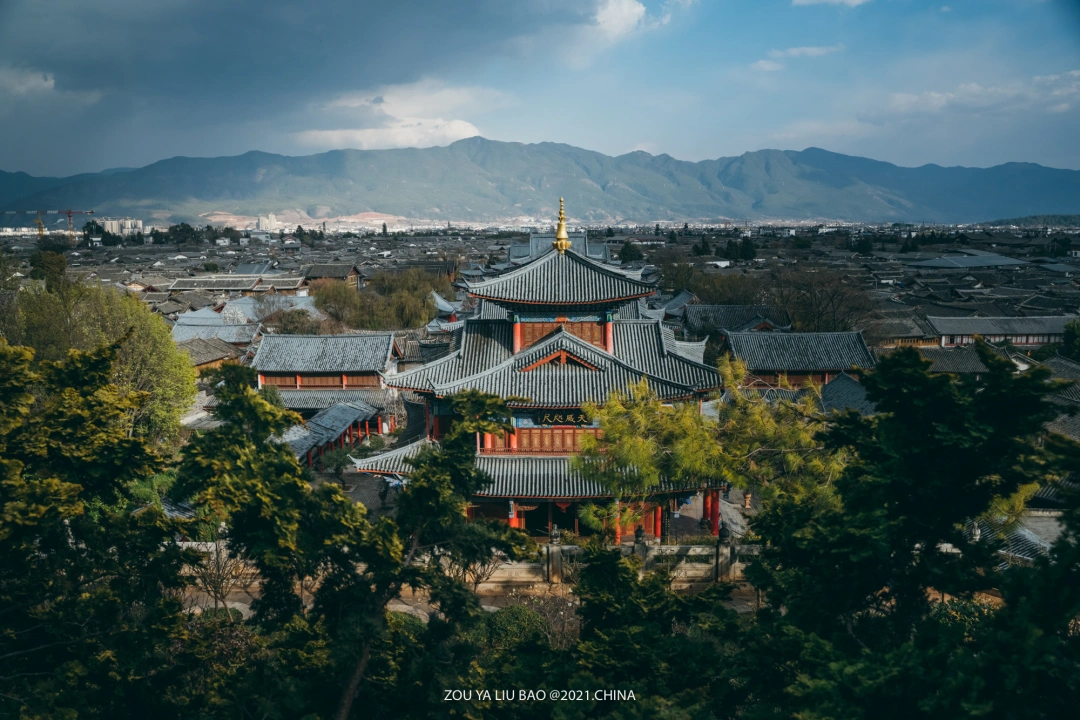
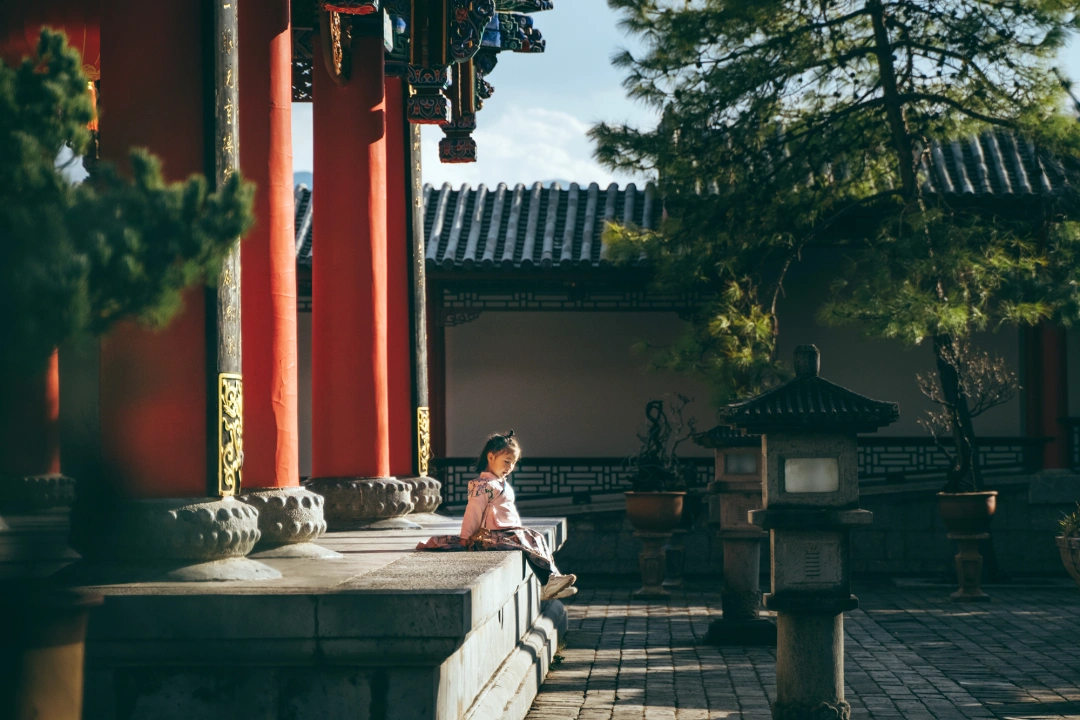
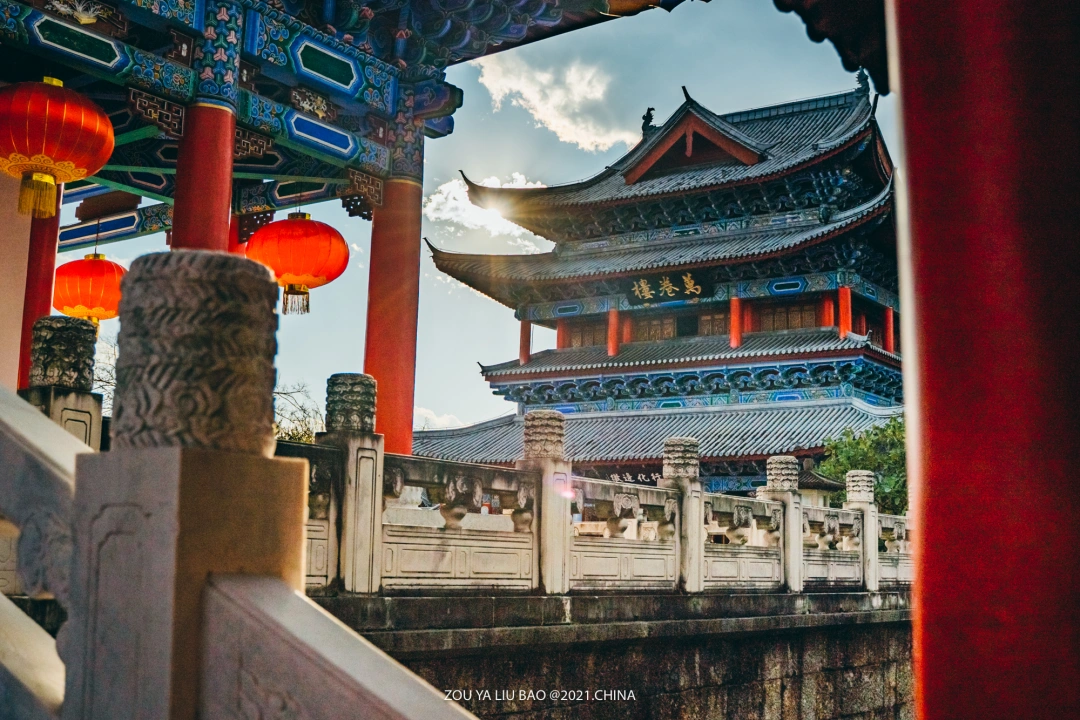
Mu Mansion is one of the few attractions in Lijiang Old Town that charges a separate admission fee, but it's the heart of the ancient city. Locals proudly say: "In the north, there's the Forbidden City; in the south, there's Mu Mansion."
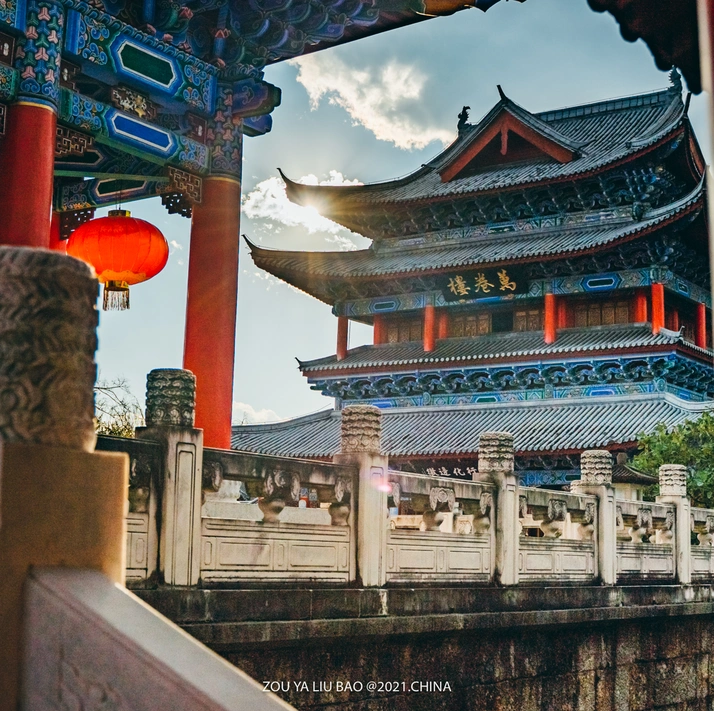
The mansion's buildings face east, greeting the rising sun and embodying grandeur. They fully reflect the rustic and bold charm of Ming Dynasty architecture while incorporating local craftsmanship styles from the Naxi and Bai ethnic groups. Just the architecture alone is worth the 40-yuan admission fee (which includes a guided tour).
Oh, and from the hill behind Mu Mansion, you can overlook the entire city of Lijiang — perfect for photos.
Sifang Street: Singing and Dancing
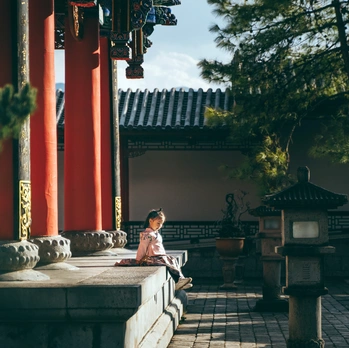
Head to Sifang Street in the evening. When the lights come on, a bonfire is lit in the square, and people dressed in Naxi costumes dance the Guozhuang (circle dance) around it. Visitors naturally join in, forming a large circle and dancing to the music. It's wonderfully joyful.
Secrets in the Ancient Architecture
As you walk through the old town, you'll see fish-shaped decorations everywhere. These are called "suspended fish" (xuanyu). The tradition began when an official, trying to refuse bribes, hung a fish someone had given him under his eaves to show his integrity. The Naxi people later adopted this decoration widely. Since most Naxi buildings are made of wood and earth, the suspended fish is also a prayer for protection against fire.
On many rooftops, you'll find a cat-like ornament called a "tile cat" (wamao). If a house's main door faces a temple, a tall building, or another person's house — considered unlucky — placing a tile cat on the roof is believed to ward off evil.
Living Pictographs
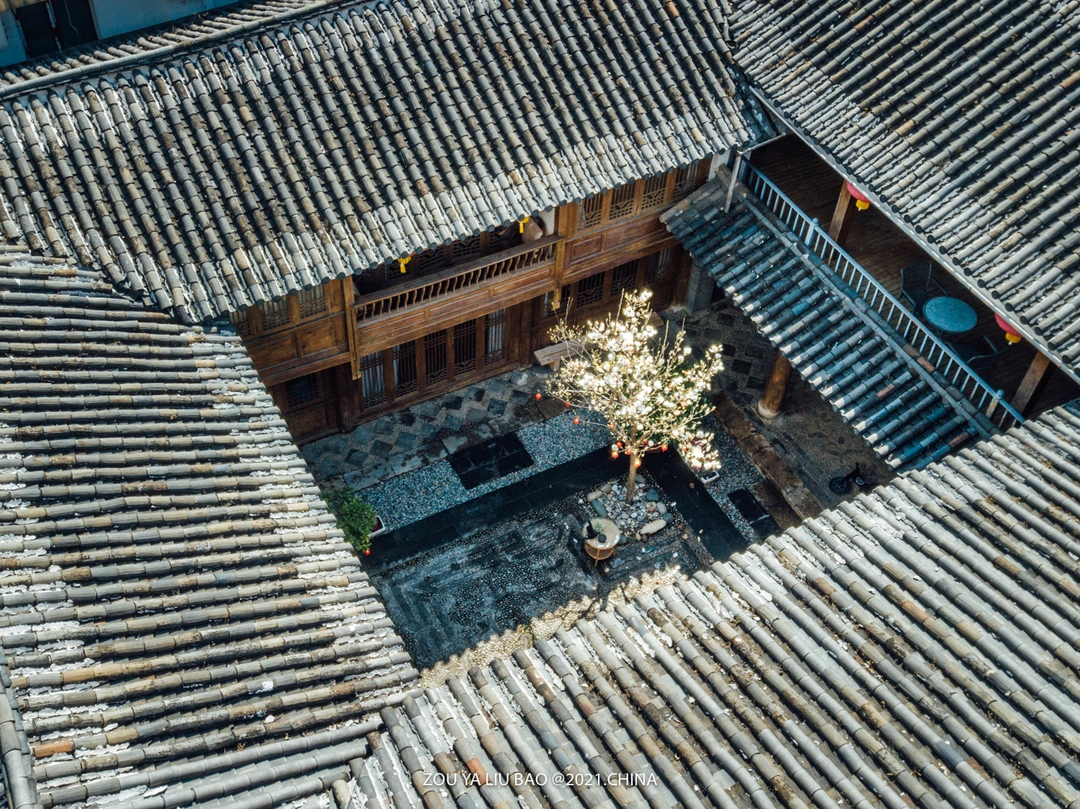
Dongba script is the only living pictographic script in the world, often called a "living fossil" of writing. It's visible everywhere in the old town. We asked Liubao to try recognizing some of the pictographs, and she could actually identify a few!
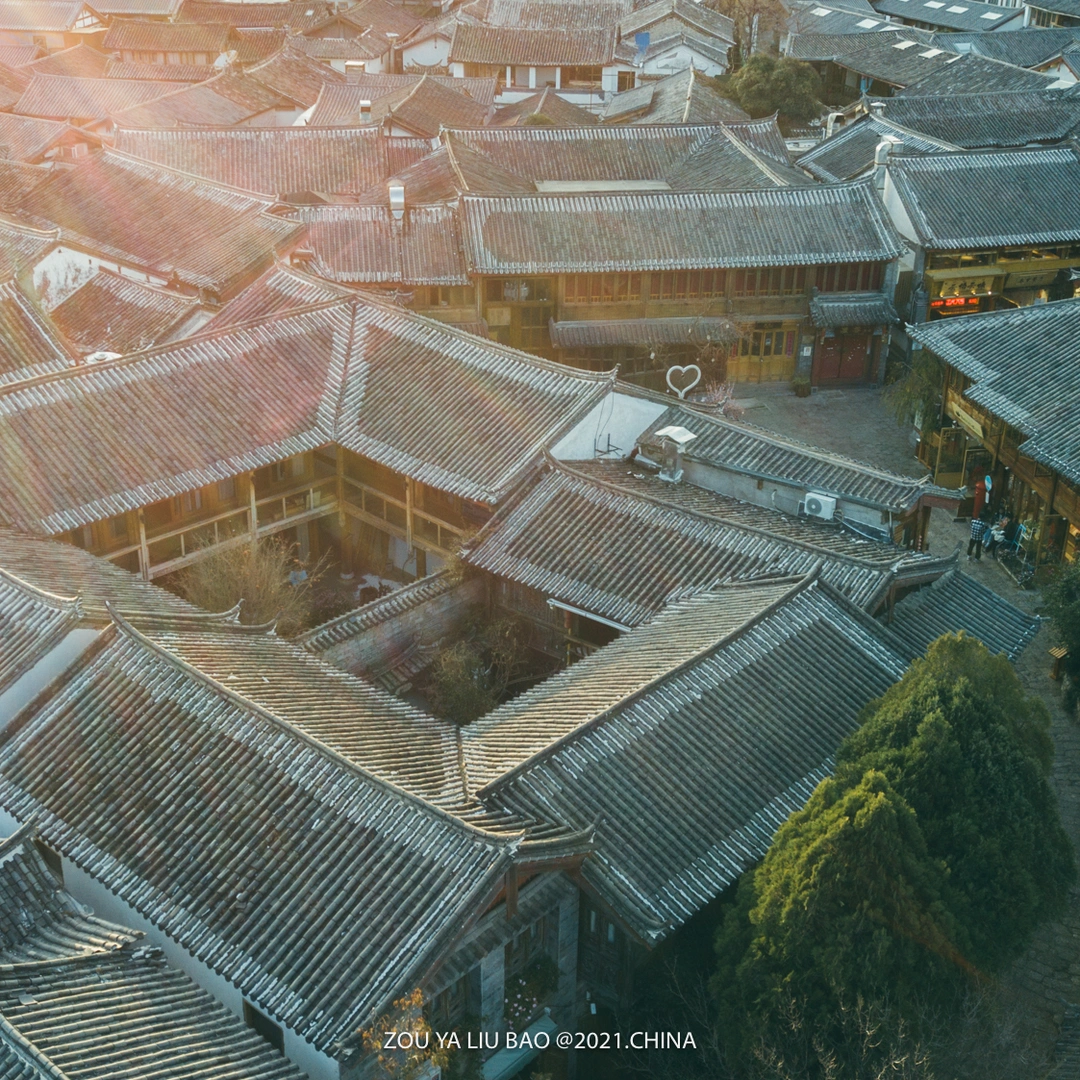
Dongba paper is also an intangible cultural heritage item. It's the paper used for writing Dongba scriptures — thick, resistant to insects, and capable of lasting nearly a thousand years under natural conditions.
Lugu Lake: Solitude and Freedom
Lugu Lake was very quiet at the beginning of the year, but that also meant more freedom. We stayed at Jianglu Youlan (Craftsmanship Blue) in Daluoshui Village, just a few steps from the lake.
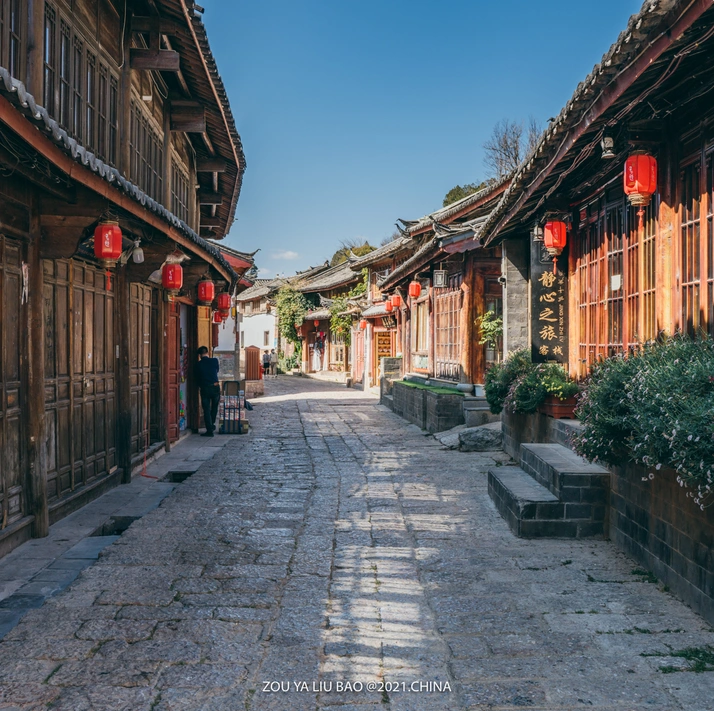
It was cold, so Liubao stayed inside the homestay, staring out the window. Over two or three days, she only spotted one other child. With her super social skills, she quickly became best friends with that little girl.
We also had a small incident during check-in — the night we arrived at Lugu Lake, the entire village had an electrical maintenance shutdown. After dark, it was dark for a long time. But whether it was chatting with family and new friends around the fireplace in the hotel lobby, or walking under the cold moonlight while listening to the lake's waves lapping the shore, everything felt warm and memorable.
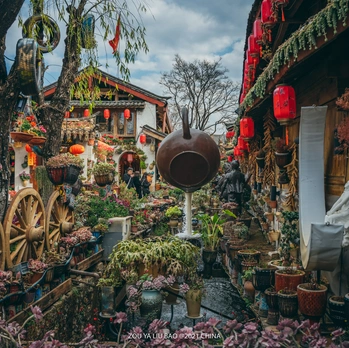
If you visit Lugu Lake, don't miss the evening Mosuo traditional bonfire party. Tickets are 30 yuan, starting around 7 PM, lasting about an hour.
When we left, we drove around the lake, visiting the famous "Walking Marriage Bridge" (Zouhun Bridge) and the "Grass Sea" (Caohai). But when we stopped at an unnamed spot to enjoy the view, local children gathered around, sniffles and all, holding small bags of fruit and insisting we buy. When we refused, they muttered something we couldn't understand. Later, we asked Lily at the homestay, and she said we'd been cursed. That left a bad taste in our mouths.
The weather at Lugu Lake is also incredibly unpredictable. On our drive around, we experienced bright sunshine, then a sunshower, and just as we were leaving, it started snowing heavily. But by the time we parked to take photos of the snow, it had stopped abruptly.
Baisha Ancient Town: The Last Bastion of Naxi Heritage
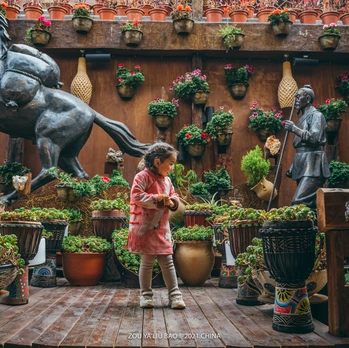
Before Lijiang Old Town existed, the political and economic center of the Lijiang Naxi people was Baisha Ancient Town. This is the most authentic Naxi village, preserving the original Naxi way of life.
Baisha Murals
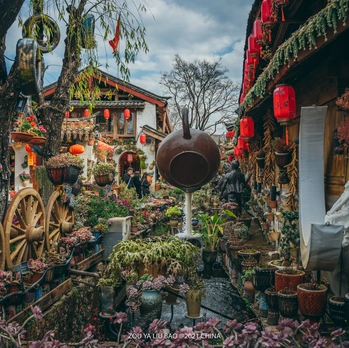
When in Baisha, you can't miss the Baisha Murals. Most of these paintings date from the Ming and Qing dynasties, with 55 still preserved today. Although several main halls were under renovation, photography is prohibited in the open halls to protect the murals. So, seeing the originals isn't as good as viewing the replicas in the exhibition hall.
Naxi Ancient Music
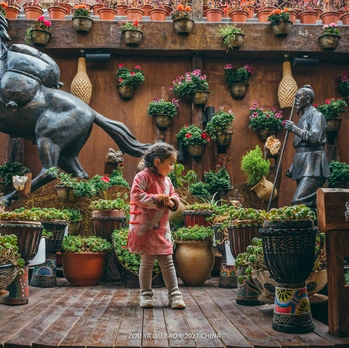
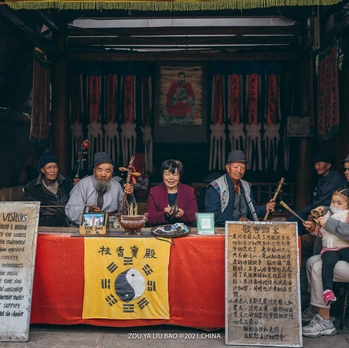
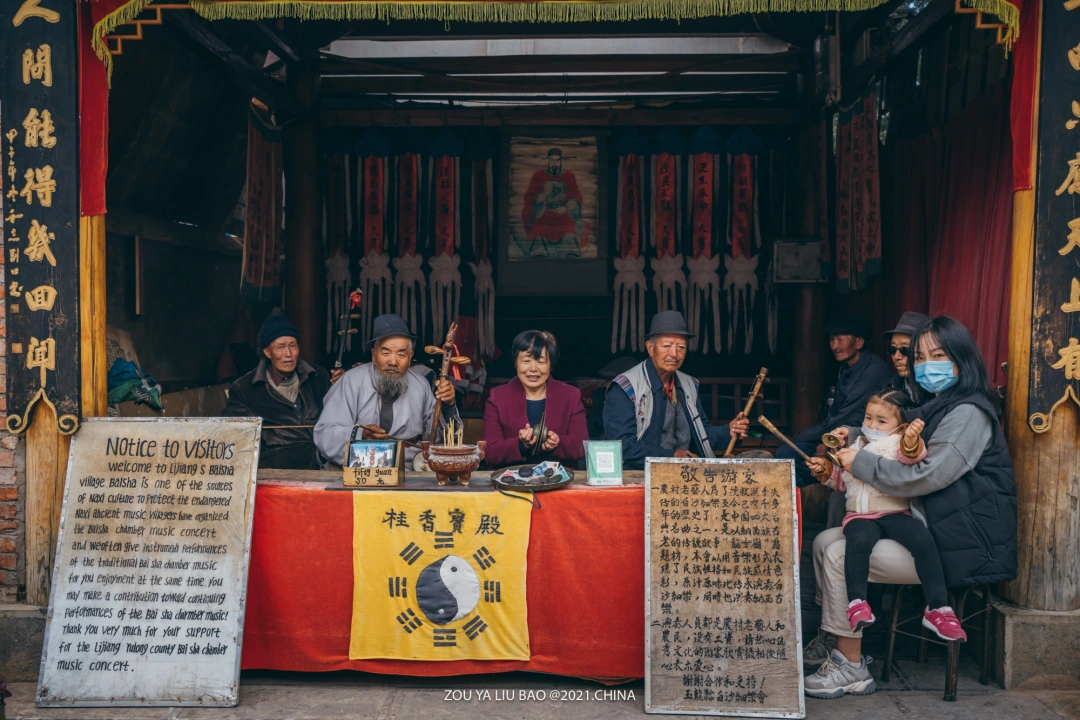
I thought I'd miss the Naxi ancient music performance, but we stumbled upon a Baisha Xiyue (a type of Naxi ancient music) performance on the streets of Baisha.

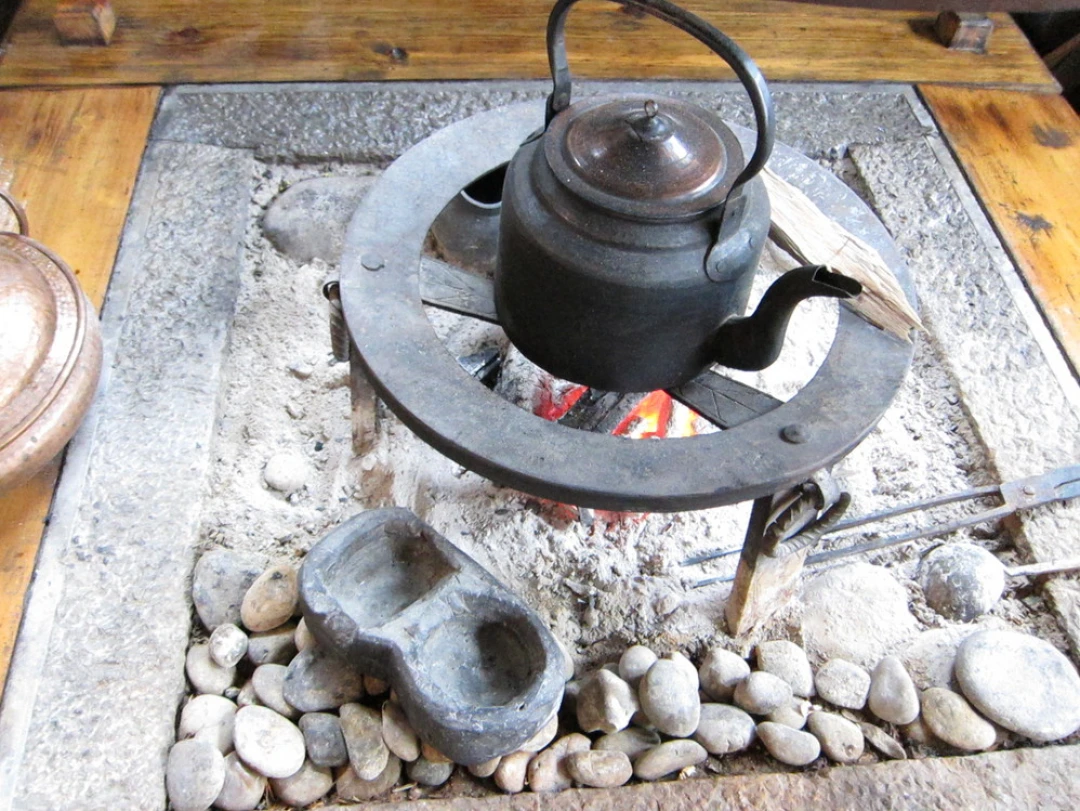
The performers were several elderly people, averaging over 70 years old. When we arrived, the performance hadn't started yet, and the elders enthusiastically invited us into their small shed to warm ourselves by the fire. When the performance began, they invited us to join in, and my mother even got the center seat.
The elders make a living from these performances, so be sure to give them a small donation after watching.
The Last Coppersmith
Baisha Ancient Town once had over 150 handcrafted copper workshops. Now, only one remains: Jishan Copper Art. The owner, He Shanjun, is a representative inheritor of Yunnan Province's intangible cultural heritage. We were lucky enough to join a tour group that had made a reservation, so we experienced traditional Naxi copper craftsmanship together. Poor Liubao — her mom got her into trouble, and she ended up with a blood blister on her little hand from hammering.
Yuhu Village: Better Remembered Than Revisited
On our first trip to Lijiang, Yuhu Village left a deep impression on Mai and me. So this time, we deliberately brought my mom and Liubao to revisit it.
Yuhu Village is located about ten kilometers north of Lijiang Old Town, at the southern foot of Jade Dragon Snow Mountain. Its other name is "Wuluken," meaning "village at the foot of the snow mountain." The original residents were people who cared for the deer kept by the Naxi king's palace.
But visiting in winter this time, I found the paradise I remembered so vividly had become utterly ordinary. The beautifully crafted wooden elementary school that I thought was stunning had been abandoned, replaced by the most generic concrete-box school building.
Sometimes, memories really are better left untouched.
Final Thoughts
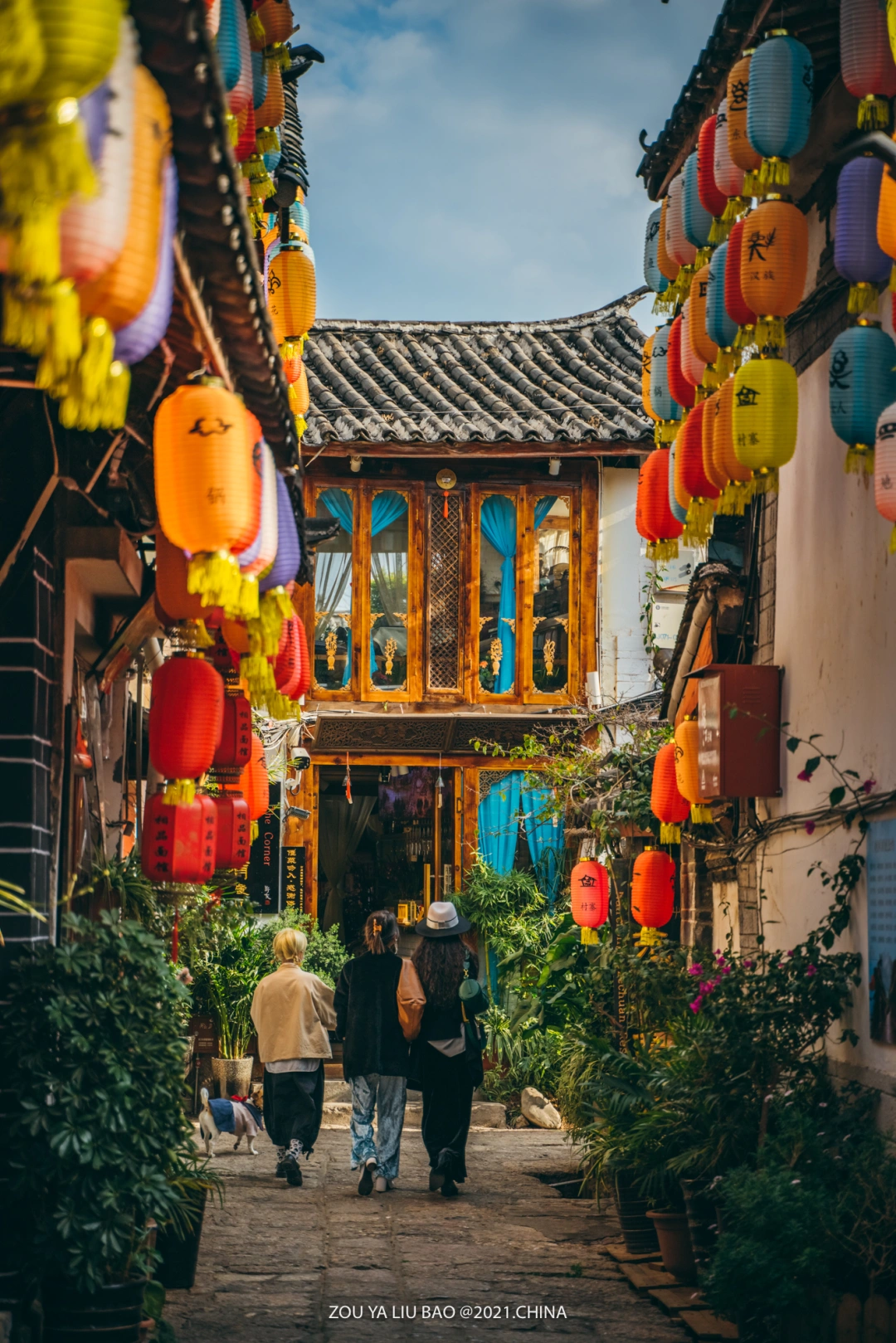
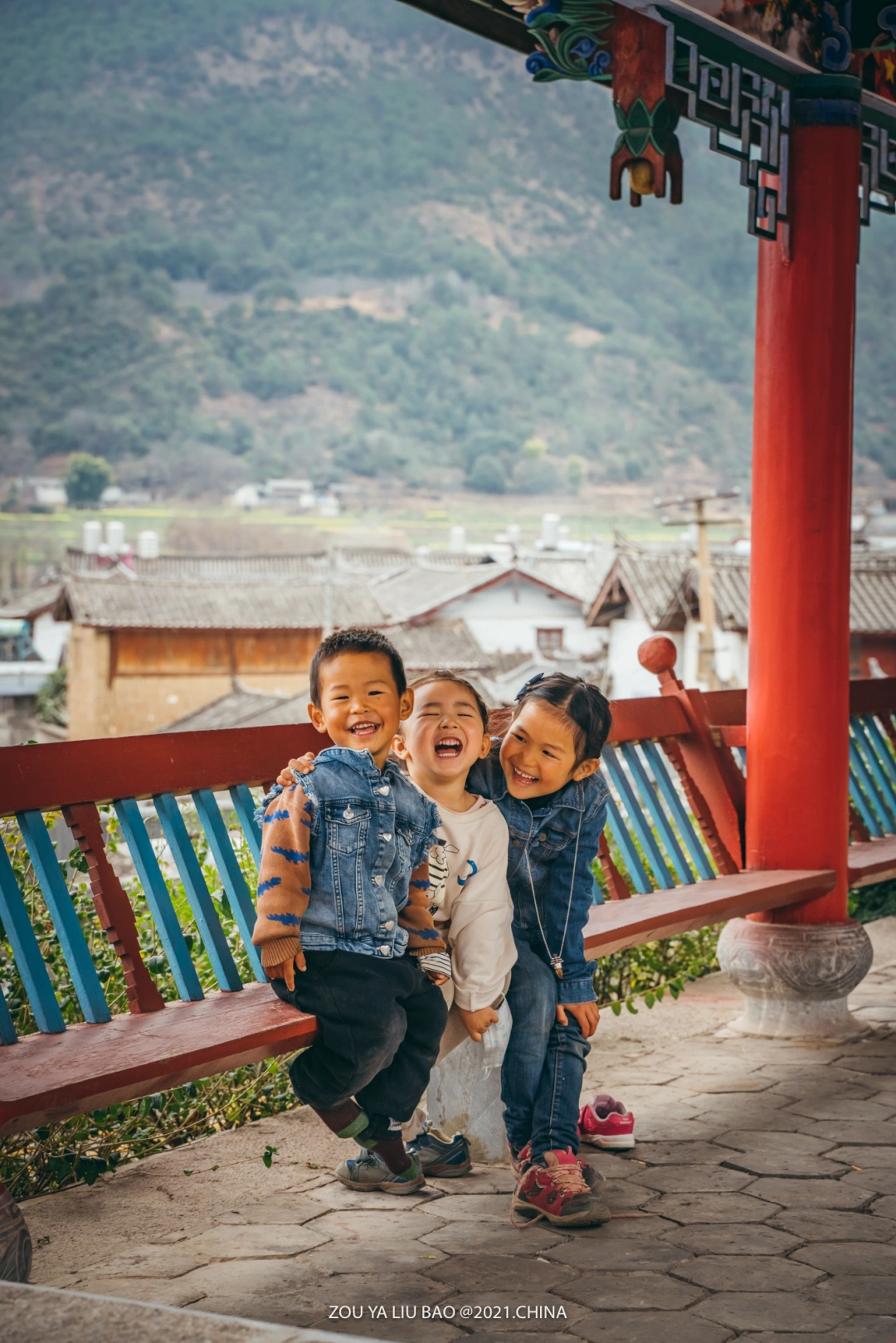
This travelogue about Lijiang is mostly about the aspects of the city that day-tripping tourists rarely experience. It has nothing to do with romantic encounters; it's pure freedom.
Maybe it was Lijiang's sunshine that soaked through us, warming us all the way to the core.
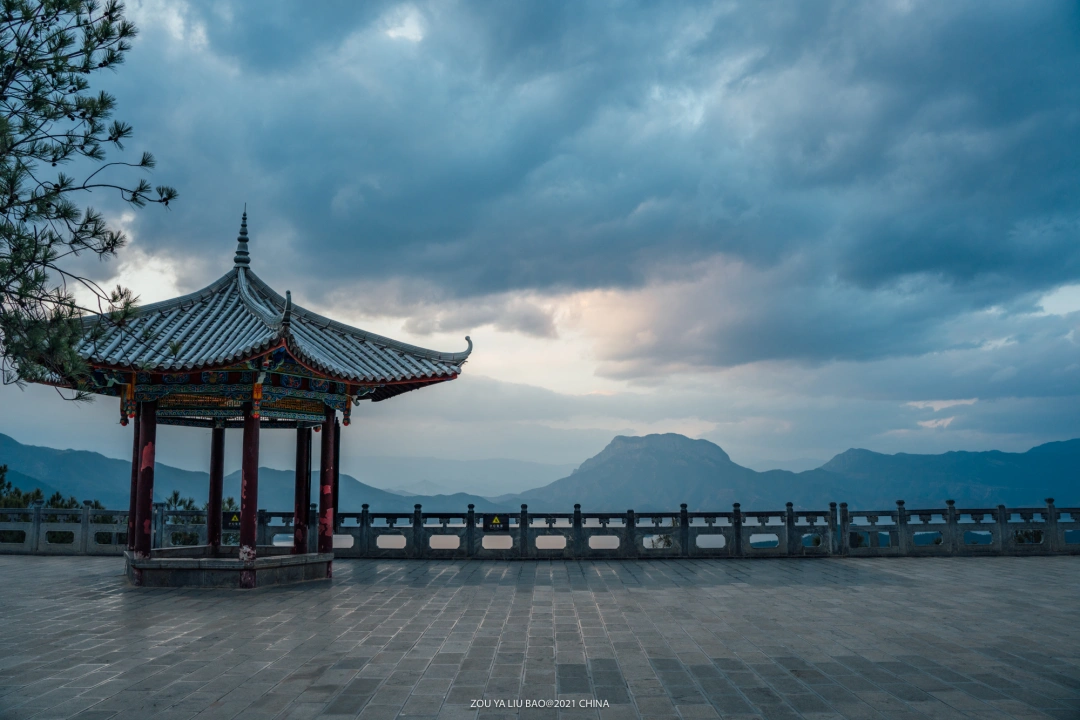
We spent a month getting to know Lijiang, and everything about this city will stay with us for a lifetime.
Practical Information Summary

Must-Visit Attractions: - Lijiang Old Town: Black Dragon Pool (for Golden Mountain at Sunrise), Mu Mansion (40 yuan admission, includes guided tour), Sifang Street (evening bonfire dance) - Lugu Lake: Daluoshui Village, Mosuo Bonfire Party (30 yuan/person), Walking Marriage Bridge, Grass Sea - Baisha Ancient Town: Baisha Murals, Naxi Ancient Music, Jishan Copper Art
Food Recommendations: - Ama Yi (Grandma Yi): Featured on A Bite of China, try the three-ways salmon - Dian Yuan Private Kitchen (Dian Yuan Si Chu): Between the Big Stone Bridge and Small Stone Bridge, great value set meals - Yun Xueli (Cloud Snow Beauty): Highland beef hotpot in a copper pot - Zhongyi Market: Grilled rice cakes (kao er kuai), grilled milk fans (kao ru shan) - Zhaotong Special Small Meat Skewers (Zhaotong Texiao Xiaorouchuan): Duck head, the best late-night takeout option - Lugu Lake: Ama Mushroom and Chicken Hotpot (Ama Shiyongjun Tuji Huoguo) - Baisha Ancient Town: Naxi Mixed Stew Pot (Naxi Chun Zaguo Cai) — the pork hock is melt-in-your-mouth tender
Local Specialties: - Pu'er tea, snow silver jewelry, matsutake mushrooms, morel mushrooms, flower cakes (flower-filled pastries), Yunnan brown sugar
Tips: - Altitude sickness varies by person; avoid strenuous activity for the first two days after arrival - The old town has no city walls (because the Mu chieftain didn't want the character for "trapped" — which contains a "wall" radical) - The seven embroidered circles on Naxi women's capes symbolize "working under the stars and moon" (pi xing dai yue) - Lijiang locals love Pu'er tea; try different vintages of raw (sheng) and ripe (shou) Pu'er - The Bangbang Hui (Stick Fair) takes place around the 15th day of the first lunar month — it's a unique Lijiang market
You should also read:
Dreaming of Lijiang, Dreaming of Shangri-La: A Journey That Lets Your Soul Breathe Deeply
Dreaming of Lijiang, Dreaming of Shangri-La: A Journey That Lets Your Soul Breathe Deeply Life is like a long trek. We're always rushing through the concrete jungle, searching for a glimmer of light in the monotony of our days. Then one autumn, I heard the…
Continue reading...
A 9-Day Yunnan Journey: From Lijiang to Dali to Tengchong – A Trip Toward Self-Reconciliation
A 9-Day Yunnan Journey: From Lijiang to Dali to Tengchong – A Trip Toward Self-Reconciliation Some say travel is simply going from a place you're tired of to a place other people are tired of. It stings to hear, but it's painfully true. Yet there's…
Continue reading...
Dreamland – Lijiang: A Talking Comic Travel Guide
Dreamland – Lijiang: A Talking Comic Travel Guide Prologue: When Lijiang Takes Root in Your Heart Some places leave a mark on you forever. They're like an old song on repeat, suddenly playing in your mind on an ordinary afternoon. For me, Lijiang is that…
Continue reading...