A 9-Day Yunnan Journey: From Lijiang to Dali to Tengchong – A Trip Toward Self-Reconciliation
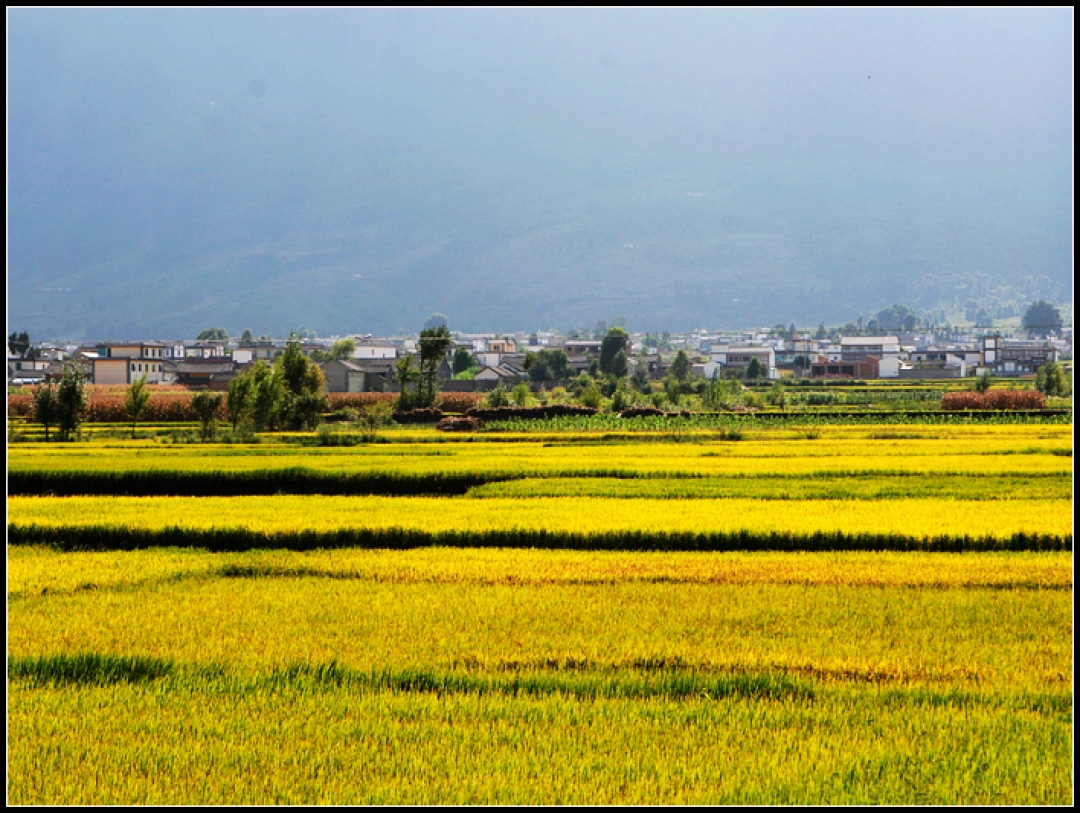
A 9-Day Yunnan Journey: From Lijiang to Dali to Tengchong – A Trip Toward Self-Reconciliation
Some say travel is simply going from a place you're tired of to a place other people are tired of. It stings to hear, but it's painfully true. Yet there's something about this absurd "life swap" that gives us the perfect excuse to escape our daily grind.
In September 2023, I spent nine days traveling west from Kunming, passing through Lijiang and Dali, and finally reaching Tengchong. No grand plans, no meticulously crafted itinerary – just a heart that wanted to temporarily empty itself. My laptop barely left my backpack, but my phone's photo gallery filled up with Yunnan's clouds, flowers, mountains, and water, along with the warmth of chance encounters in unfamiliar cities.
Kunming: First Night Surprises and a "Zen" Taxi Driver
September 12th, Mid-Autumn Festival. I snagged a discounted ticket for 550 RMB (excluding tax) from my city to Kunming. I landed in the evening, and walking out of the airport, I discovered something remarkable – Kunming's taxis were almost absurdly relaxed. One would roll up every three to five minutes, while the waiting line grew longer and longer.
After a full 70 minutes of waiting, I couldn't take it anymore. I turned to a woman waiting ahead of me and asked, "Could I possibly hitch a ride with you into the city?" She smiled and said, "Let me drop you off first. I'm on a business trip, so I'm in no rush." And just like that, my first memory of Yunnan was a stranger's kindness.
That night I stayed at a Hanting Hotel on Chuanjin Road, catching a Mid-Autumn promotion at 100 RMB a night. Downstairs was a grilled fish stall – 15 RMB per fish, crispy on the outside and tender inside, paired with a 1.5 RMB mango drink. Pure contentment. The next day, while taking a taxi, I chatted with the driver. He said with complete nonchalance, "Kunming has about 6,000 taxis total. Right now, maybe 500 drivers are playing mahjong and another 1,000 are resting." It dawned on me – it wasn't a shortage of cars; it was a shortage of drivers.
Lijiang: The "City of Romance" Swallowed by Commercialism
I hadn't planned to go to Lijiang, but a friend called and strongly recommended it. So the next morning, I hit the road.

From Kunming to Dali, there's a highway. But past Dali, it's all national roads – winding mountain passes and endless bumps. Yet the scenery outside the window made the exhaustion fade: low-hanging clouds, rolling hills, and occasional glimpses of the snow-capped Jade Dragon Snow Mountain, like an unfinished ink-wash painting.
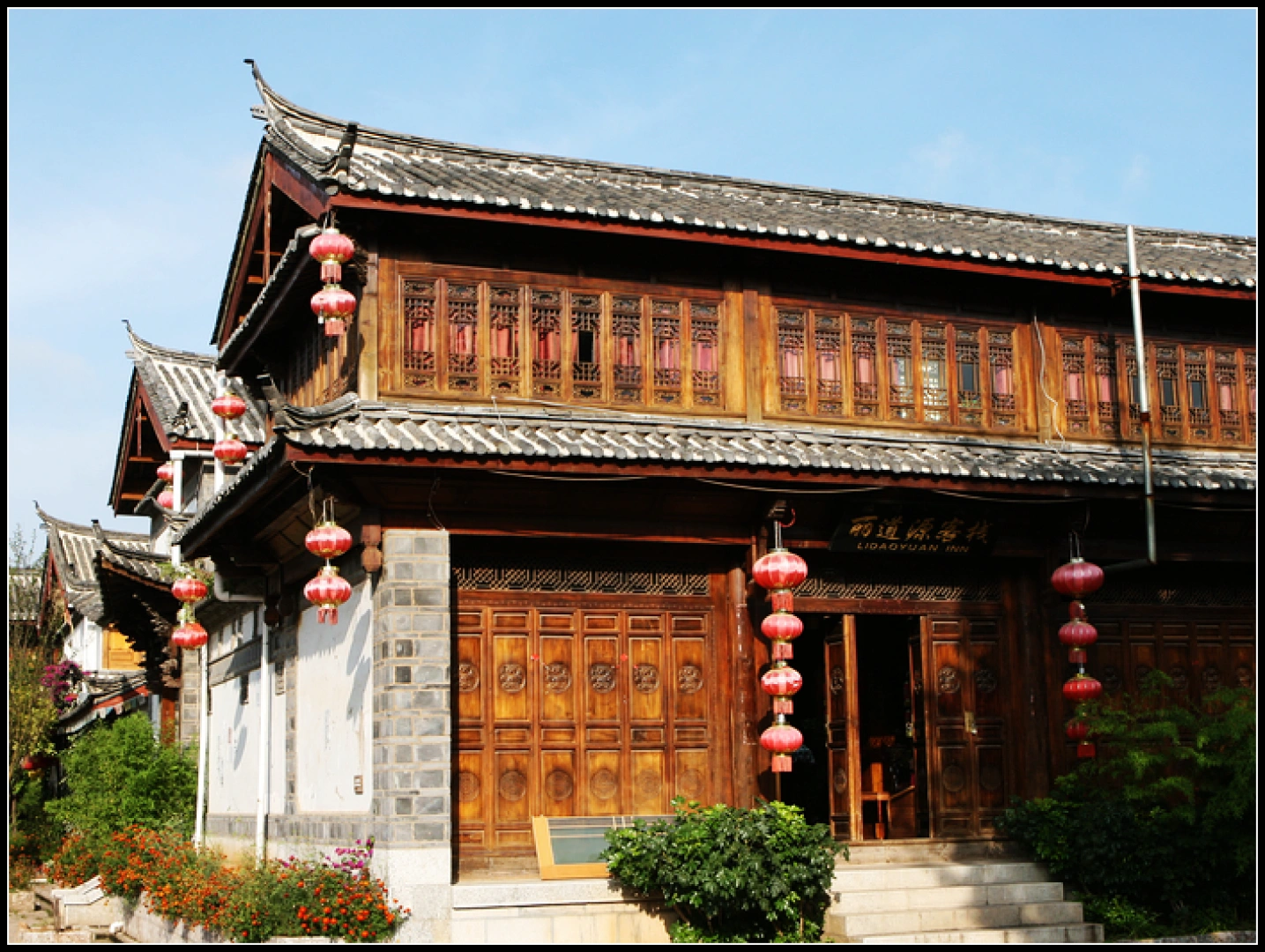
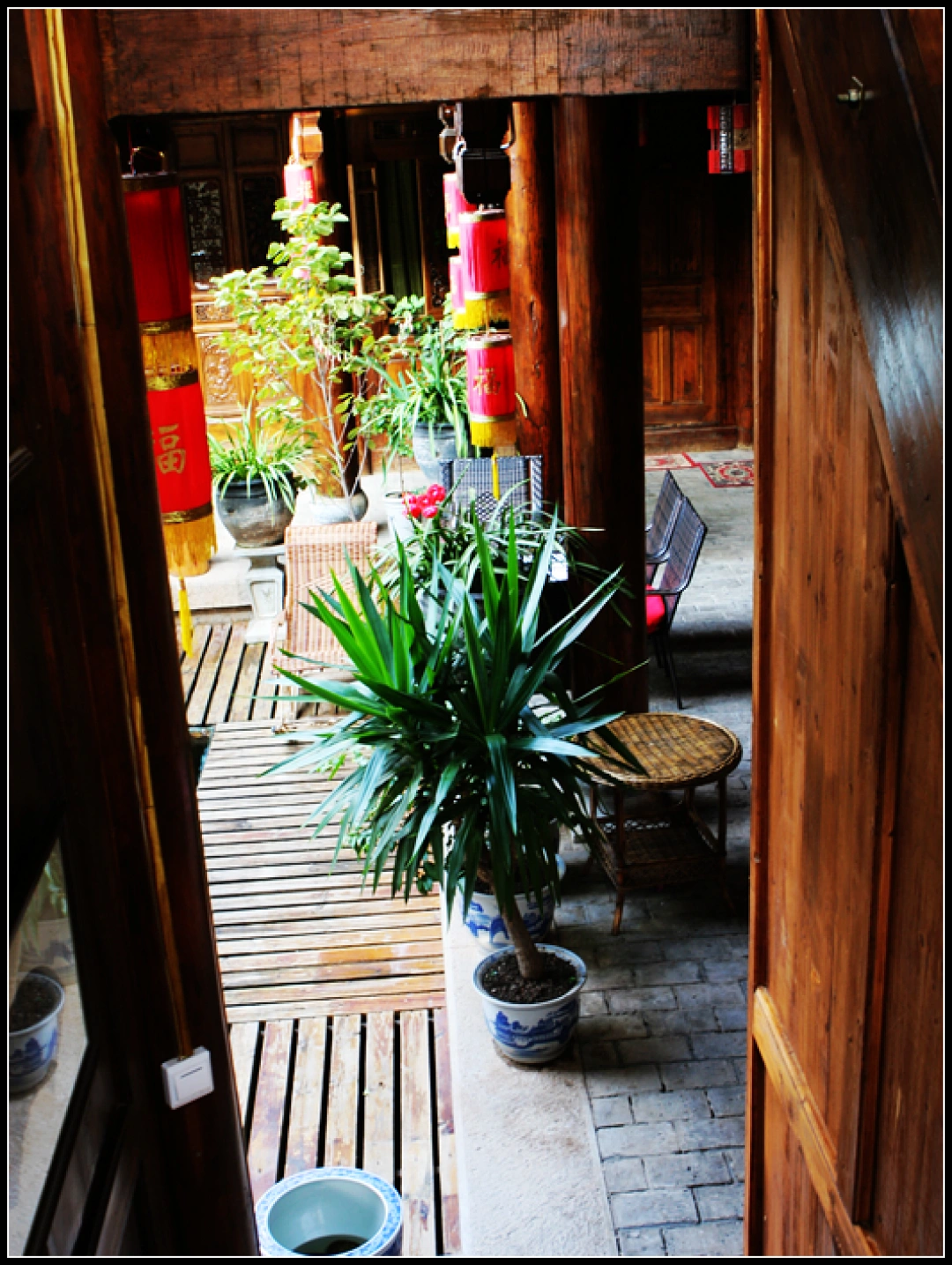
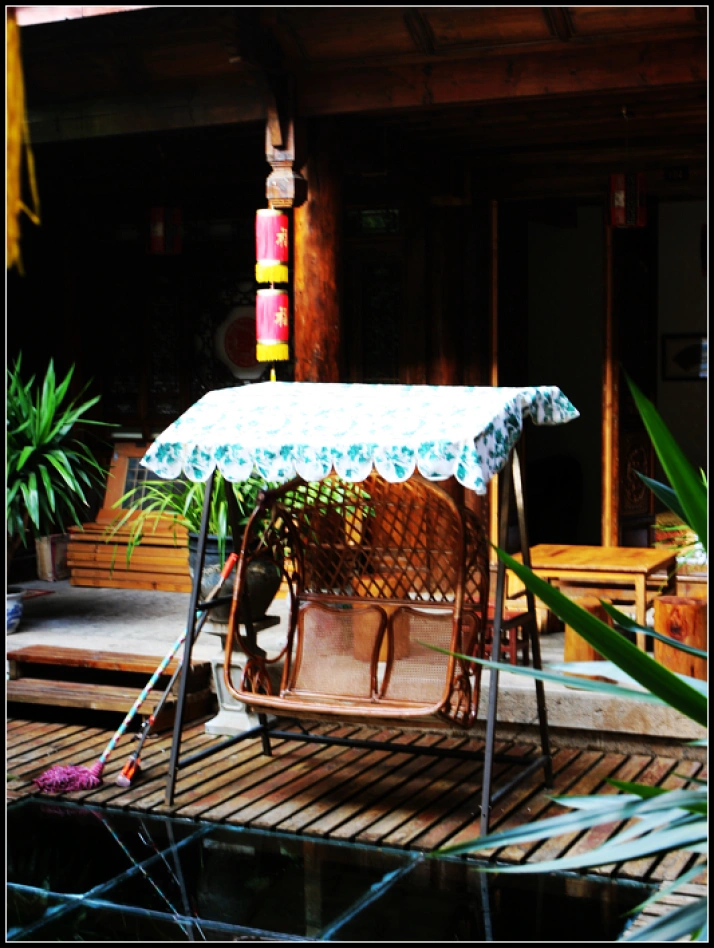
I stayed two nights in Lijiang at a guesthouse for 248 RMB a night. The courtyard was lovely, full of flowers. But honestly, Lijiang didn't leave a great impression. At the Sakura Restaurant on Sifang Street, a plate of so-called "snow mountain fish" cost 188 RMB. When it arrived, it turned out to be ordinary sea bass. A total rip-off. The next day, I wised up and found a place near my guesthouse. They served salmon fresh from the tank – sashimi and crispy fried skin were decent, and the prices were fair.
That evening, I wandered into the bar street. Two bottles of beer cost 120 RMB, and after paying, I was told, "You must leave by 9:30 PM." Lesson learned. Lijiang's legendary "romance" probably only exists in marketing copy. Behind every smile here hides a razor-sharp blade. The ancient city maintenance fee was 80 RMB, and "coincidentally" they checked for it right when I checked into my guesthouse. Hipsters love this place. I don't. I'm too old for this circus.
Dali: Slow Down, and You'll Find Life
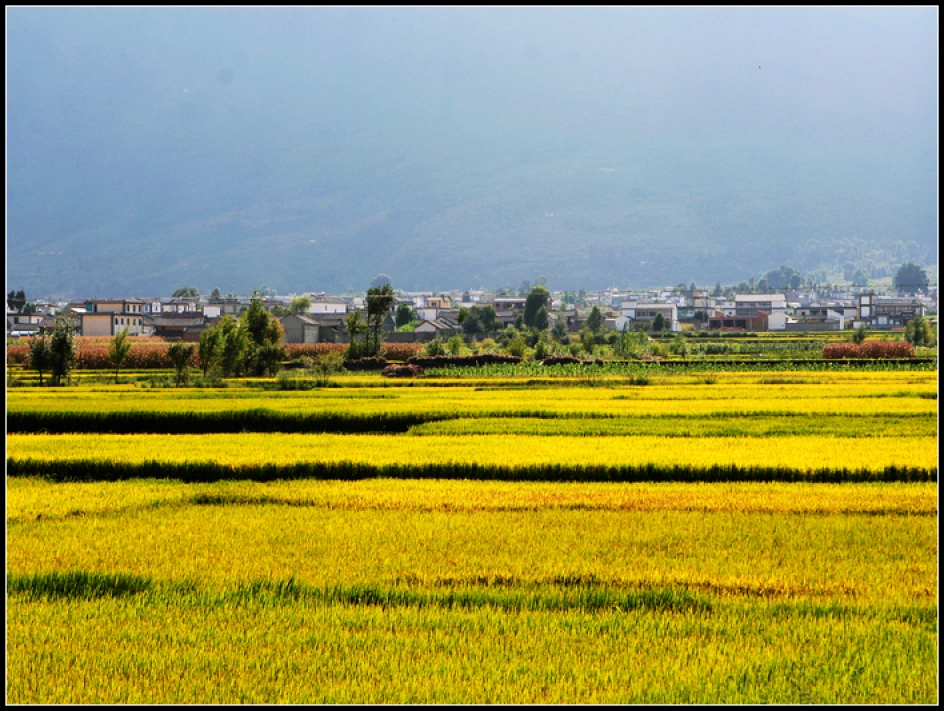
From Lijiang to Dali is only 160 kilometers, but due to speed limits, the bus took over four hours. Speed limits of 40, 20, 10, even 5 km/h... I seriously suspect the traffic cop who set these limits used to drive a hand tractor.
But Dali – Dali was worth every bump.
"Cat Fruit" Guesthouse: A Place You Never Want to Leave
In Dali, I checked into the "Cat Fruit" guesthouse (猫猫果儿). It was run by a young couple from Hangzhou. A standard room was 120 RMB, a king-size bed room 150 RMB. No toiletries provided – you had to buy them next door. The courtyard had datura plants, their white flowers trembling in the sunlight. And a strange chili plant that grew into little lantern shapes.
The owner's collection filled an entire room – old records, vintage cameras, each with a story. There was a sweet little dog named "Nai Qiang" and a toddler just learning to walk, crawling all over the yard. I drank several cups of Yunnan small-grain coffee there, chatting with the owner, watching the clouds, and daydreaming.
One afternoon, a young woman burst in carrying a basin of homemade crayfish, offering it to everyone. Turns out she was also from Hangzhou – she'd come to Dali and never left. Every year has its remarkable characters, but this year seemed especially full of them.
Dali's Daily Life: Bicycles, Erhai Lake, and Grilled Milk Fan
The next morning, I had a bowl of fermented rice soup with eggs at a small shop near the guesthouse. The free-range eggs were incredible. Then I rented a bicycle for 20 RMB a day and rode to Erhai Lake.
Erhai was fenced off – you needed a ticket to board a boat. I refused. Instead, I wandered down small paths. The villagers were incredibly welcoming, pointing out ways to reach the lakeshore. The Bai ethnic houses were exquisite, with giant hibiscus flowers in their courtyards, blazing red.
At noon, I ate at a roadside restaurant. Steamed Erhai crucian carp, perfectly seasoned and cooked. The owner told me the rice here was special because they only grew one crop a year. After eating, I kept riding, passing Caicun Pier, where people were resting, eating, and taking photos. Everything moved slowly – so slowly that time seemed to stop.
When I returned the bike, the old man saw I'd only ridden for about four hours. "You only rode that long?" he said. "Just give me 10 RMB." I was so touched I almost adopted him on the spot.
The One Regret: Never Finding Prince Duan
My only regret in Dali was not finding where Prince Duan (from the Demi-Gods and Semi-Devils novel) lived. I asked several people, but no one knew. Oh well – something to look forward to next time.
Tengchong: Crossing the Gaoligong Mountains, Entering Another World
From Dali to Tengchong, you have to cross the Gaoligong Mountains. The mountain roads were rugged, but the views were breathtaking. Once in Tengchong, I headed straight to Heshun Ancient Town, and the first thing I did was eat.
Heshun: A Double Blow of Tranquility and Flavor
The first dish was palm flower, known locally as "zongbao" (棕苞). Shredded into hair-thin strips, mixed with tomatoes, green peppers, and carrots – it was a symphony of sweet, sour, bitter, spicy, and salty flavors all at once. I loved the complexity.
A sudden downpour started while I was eating. When it stopped, the sky cleared. I stepped out of the restaurant and saw a pond full of lotus flowers, moss an inch thick. The lines from writer Wang Zengqi's poem came to mind: "Beyond the lotus pond, few passersby; moss grows an inch deep in the rustic inn. A cup of cloudy wine as noon passes; wet wood-scent flowers in the heavy rain." Heshun was exactly that kind of place.
A Lazy Tour of Tengchong: Volcanoes, Meadows, and Wild Monkeys
The next day, I teamed up with a fellow guest named Brother Liu from Beijing. We hired a driver, Xiao Wang, an enthusiastic young guy. Our itinerary could only be described as the "Lazy Person's Special" – Climb hundreds of steps to a volcanic crater? No thanks, just snap a photo at the entrance. Walk two hours to see columnar jointing? Skip it, take a picture from the observation deck. Xiao Wang was losing his mind.
We did go down to Heiyu River, only because Xiao Wang promised it would "just take a few minutes." There, I saw wild monkeys up close for the first time. We also ate a few small black fish by the river – mediocre at best.
The most awe-inspiring sight was Beihai Meadow. Thousands of years of accumulated grass roots floated on the water, solid enough to walk on. Xiao Wang took us around to a village opposite the main entrance and found a local woman to row us into the lake on a boat – 50 RMB. The meadow was covered in red flowers (September is peak season). It started raining. I asked the rowing woman, "Don't parents worry when their kids swim here?" She gave me a look and said, "What's there to worry about?" In that moment, I realized how overly precious I had become.
Rehai Hot Springs: Hot Springs, Eggs, and a Sly Driver
On the third day, we went to Cherry Blossom Valley and Rehai. Cherry Blossom Valley was deep in the Gaoligong Mountains, and you could soak in hot springs there. The road there was so bumpy it felt like a massage chair, but the hot springs were incredibly soothing. On the way back up the mountain, you could ride a horse – 50 RMB per person for a surprisingly long stretch, thrilling but safe.
When we got to Rehai, Xiao Wang absolutely refused to go in with us. He bought us a string of eggs instead. Once inside, I realized how clever the guy was – Rehai was really hot! You could boil eggs in the boiling pools. We steamed buns by the pool and soaked our feet in the hot spring water – 30 RMB per person, pure bliss.
Going back down the mountain required a lot of walking, and even the river water was hot. I kept my mouth shut, afraid of getting scalded. In the distance, there were hot spring resorts costing tens of thousands of RMB per night. We "lazy types" could only glance from afar and keep moving.
Epilogue: A Rainbow Over Heshun and a Final Seaview Room
The day before leaving Tengchong, I woke up early, grabbed my camera, and walked the town one last time. Every alley had a resting area where people chatted or just stared into space. Suddenly, a rainbow appeared, arching over the ancient town. I pressed the shutter, feeling a pang of reluctance.
Back at the guesthouse, I ate a bowl of er si (rice noodles) that Aunt Zhao had cooked early that morning, then set off back to Dali. We stopped for lunch in Lujiangba – Dai ethnic style, with fruit at 2 RMB per jin (about 1.1 lbs). When was the last time you heard a price like that?
On my final day, I stayed at the "Listening to the Sea, Bathing in Moonlight" guesthouse (聆海沐月) in Xizhou, Dali. This seaside room had been booked solid for days before I finally got it. The courtyard wasn't as refined as Cat Fruit's, but the lake view was unbeatable. Dinner was 20 RMB per person – a communal table of 7 to 8 people, with excellent home-style cooking.
On my last night in Yunnan, I sat on the balcony, gazing at Erhai Lake, thinking of nothing. No unread messages on my phone. My laptop still rarely opened. Life is a journey with no return ticket – whether happy or sad, it all heads toward the same destination. But at least in this moment, every second belonged entirely to me.
Practical Tips (Key Takeaways)
- Kunming Taxis: Don't count on getting one at the airport. Book a ride-hailing app or take the metro.
- Lijiang Ancient City Fee: 80 RMB. You might "coincidentally" get checked when checking into your guesthouse – be mentally prepared.
- Dali Accommodation: Highly recommend "Cat Fruit" guesthouse (120-150 RMB/night), run by a Hangzhou couple – warm and refined.
- Erhai Cycling: Rent a bike for 20 RMB/day – you can haggle. Don't buy tickets for the scenic area; ask villagers for paths to the lakeshore.
- Tengchong Beihai Meadow: Don't enter through the main gate. Ask a local driver to take you to the opposite village, then find a woman to row you into the lake (30-50 RMB).
- Rehai Hot Springs: Bring eggs to boil. Foot soaking is 30 RMB per person – very relaxing.
- Heshun Ancient Town: Stay one night. Walk early in the morning when it's least crowded – that's when it's most beautiful.
- Transportation: From Lijiang to Dali, travel during the day for the scenery. From Dali to Tengchong, you'll cross the Gaoligong Mountains – lots of mountain roads, so prepare for motion sickness.
This travelogue is based on personal experience. All information is for reference only. May you, too, find your own simple joy on the road.
You should also read:
Two Girls' Graduation Trip: Dali and Shuanglang – A Poetic Farewell to Mountains and Sea
Two Girls' Graduation Trip: Dali and Shuanglang – A Poetic Farewell to Mountains and Sea Preface: Catching the Tail of Youth, Heading South During our senior year of college, my roommate and I – two girls studying in Beijing – decided to bid farewell to…
Continue reading...
Cloud Travelogue · Dali of Wind, Flowers, Snow, and Moon: A Three-Day, Two-Night Journey of a Free Spirit
Cloud Travelogue · Dali of Wind, Flowers, Snow, and Moon: A Three-Day, Two-Night Journey of a Free Spirit I am a cultured female foodie with a touch of rogue charm. I slung on my backpack, took my lover's hand, and set off on a spontaneous…
Continue reading...
The Meaning of Travel – A Tengchong Story: A Journey of the Heart and Personal Growth
The Meaning of Travel – A Tengchong Story: A Journey of the Heart and Personal Growth Setting Out, Only to Return a Better Self Some say travel is nothing more than leaving a place you're tired of, only to go to a place where others…
Continue reading...