Dreaming of Lijiang, Dreaming of Shangri-La: A Journey That Lets Your Soul Breathe Deeply
Dreaming of Lijiang, Dreaming of Shangri-La: A Journey That Lets Your Soul Breathe Deeply
Life is like a long trek. We're always rushing through the concrete jungle, searching for a glimmer of light in the monotony of our days. Then one autumn, I heard the call of Lijiang — that place countless people have visited and never wanted to leave. Driven by curiosity and anticipation, in October 2010, I set foot on this legendary land.
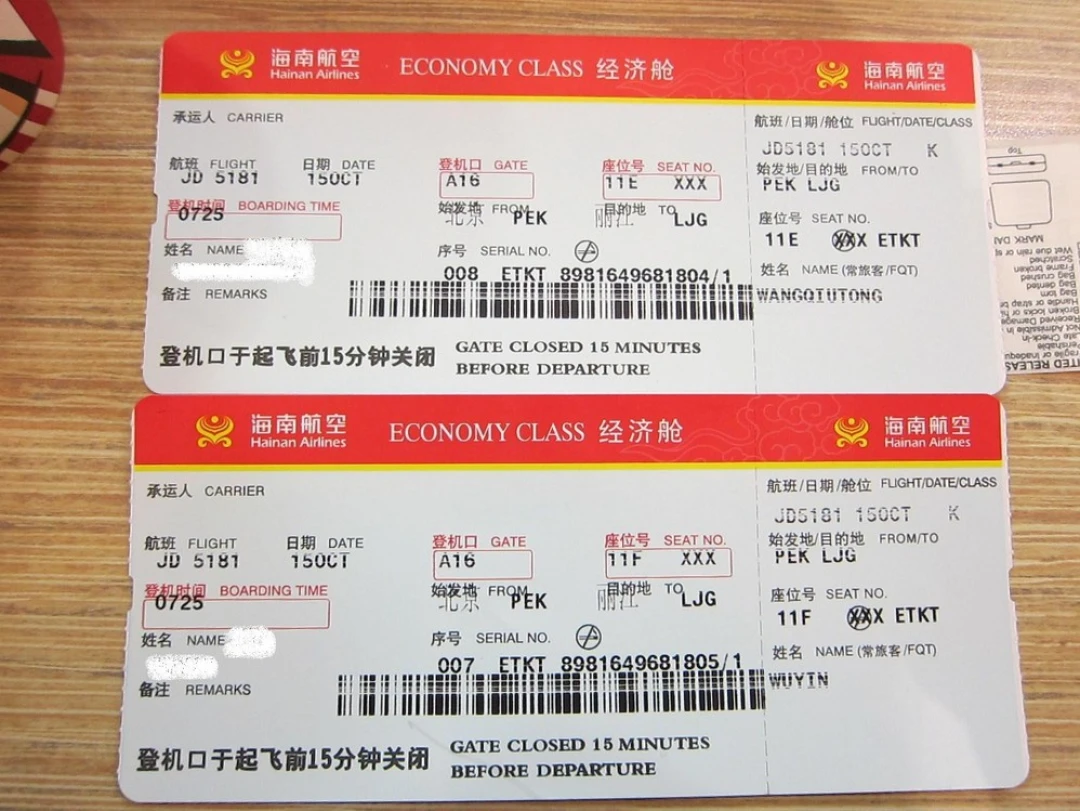
Before departing, like every first-time visitor to Lijiang, I obsessively gathered travel guides. A friend recommended a guesthouse called "Nafuju" (Naxi Blessing Courtyard), praising the owner's warmth and reliability. For a traveler like me, new to the area, such a recommendation was a reassuring anchor. I booked a flight with Capital Airlines, flight JD5181, at a twenty percent discount. October in Lijiang brings wide temperature swings between day and night; rainy days carry a biting chill. Thick clothing and rain gear are essential — we didn't bring an umbrella and ended up caught in two downpours. Don't forget your camera equipment either — there are more stunning sights than you can capture. Most importantly, set your mind to "empty mode" before you go. Lijiang has no patience for anxious souls.
First Glimpse of Lijiang: From Unease to Serenity
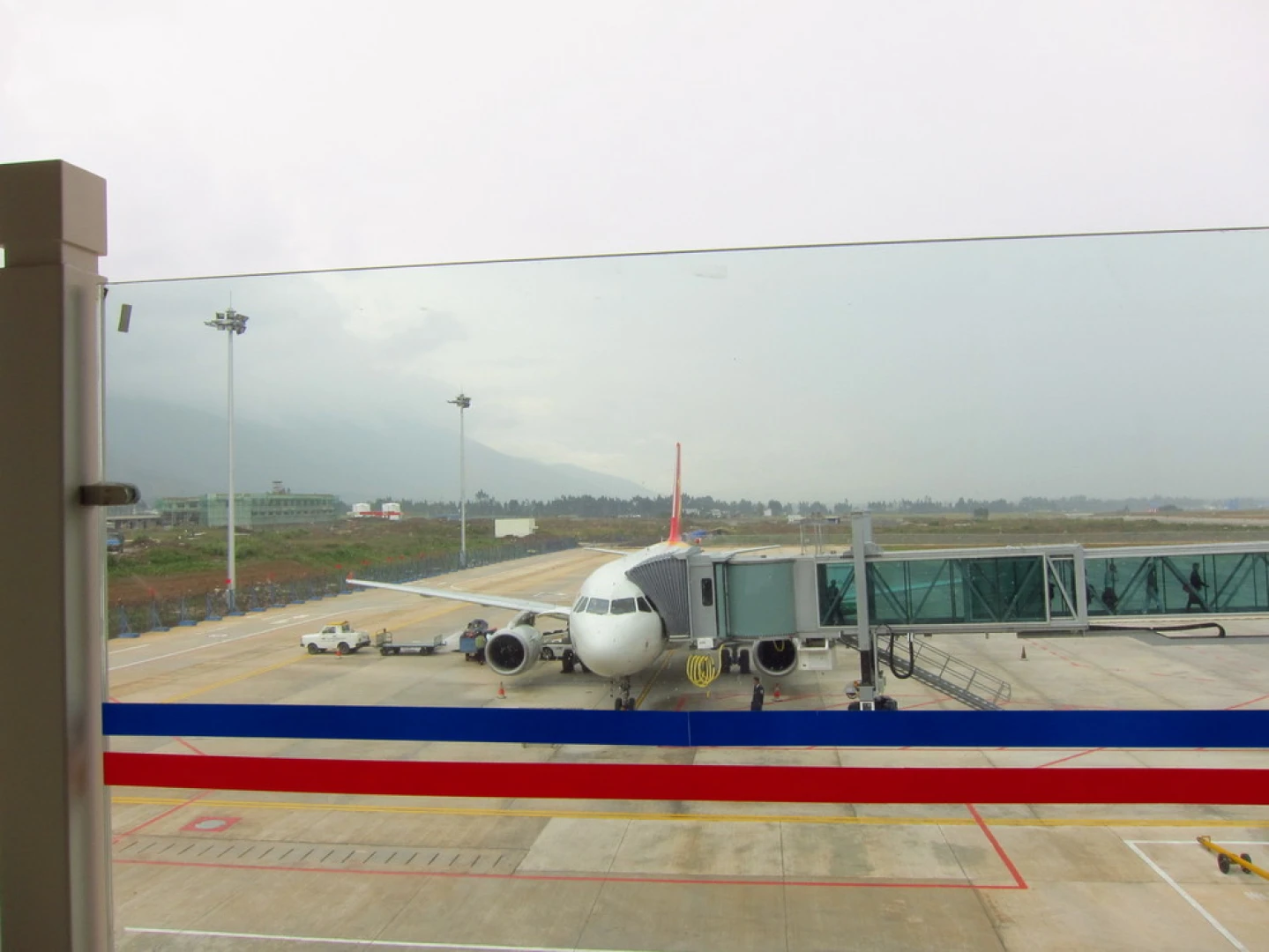
Lijiang Airport is tiny — so small that the moment you step off the plane, you feel an overwhelming sense of peace. The air carries the freshness of recent rain. A local taxi picked us up and drove us onto the road. Outside the window, the soil was red — that distinctive color of Yunnan. The driver said it would take another forty minutes. Watching the unfamiliar scenery, my heart was a mix of hope and doubt: Would this trip really be as wonderful as my friend had promised?
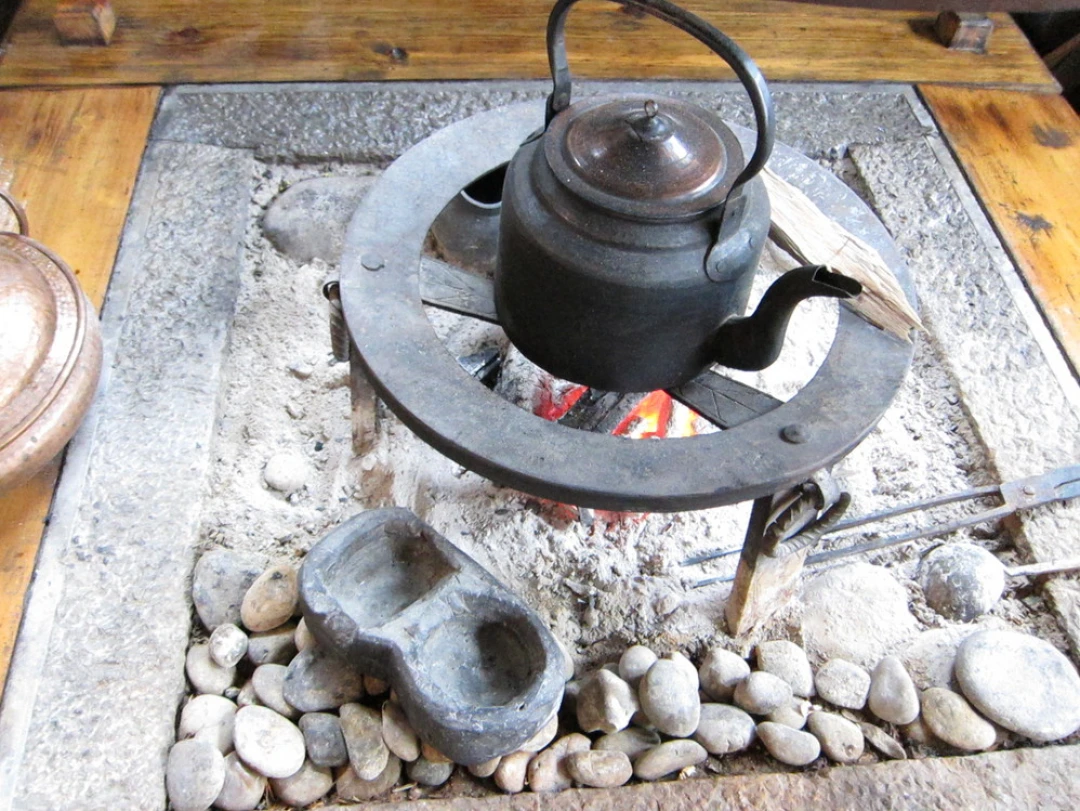
The car circled around the ancient waterwheel of Dayan Old Town, climbed a small hill, and stopped right at the guesthouse entrance. The moment I stepped inside, I was captivated: flagstone paths, lush greenery, and little scenes carefully crafted by the owner in every corner. The living room still had a traditional Naxi fire pit, with a kettle bubbling away. The owner was an unassuming Naxi man, trained in design, who had once worked in Singapore — this guesthouse was his own creation. From the second-floor terrace, you could see the entire ancient town, and on clear days, even catch a glimpse of the Jade Dragon Snow Mountain. We stayed in the room at the far end of the first floor — a comfortable large bed, American Standard bathroom fixtures, and even brand-name bath products. The best features were the fireplace and the lighting design, rustic yet warm. The owner also gave me a hand-drawn map — he'd drawn it himself! At that moment, I was filled with respect. The room cost 280 yuan (about $40) per night, a friend's rate, a hundred yuan cheaper than peak season.
Strolling Through the Old Town: Letting Fate Be Your Guide

In the afternoon, the owner suggested we explore the old town. I eagerly asked about plans for the next day. He said slowly, "Sleep in tomorrow, wake up naturally, and then we'll talk. That's how you do Lijiang." Later, I realized that here, itineraries are always decided that same morning — there's no rush at all.
We wandered through the old town under our umbrella. A light drizzle fell, and the air was thick with the scent of wet grass. Mosuo handwoven scarves, Dongba paper, pottery, silverware, Pu'er tea — every little shop seemed to hold a story. Passing bars with names like "One Meter of Sunshine" and "Cherry Blossom House," I told myself: Don't search for them deliberately. Let fate guide you.
At night, the old town's lights came on, casting a warm golden glow under every eaves. The rain continued, but it only softened the atmosphere. I tried local snacks at a rice noodle shop and downed a few cups of highland barley liquor. The food stalls on Qiyi Street were lively, with freshly baked walnut cakes filling the air with fragrance. In a bell shop, I fell in love with a mushroom-shaped bell with an ox-horn clapper — its sound was simple and pure. Later, I bought a silver bell in Shuhe Old Town; its tone was gentle and the price fair. Tired from walking, we found a restaurant with live music, ordered barbecue and "Wind, Flower, Snow, Moon" beer, and listened to the guitar. This, I thought, is what life should feel like.
Riding the Ancient Tea Horse Road: The Thrill of the Bumpy Trail
The next day, we slept until after ten — in Lijiang, sleeping in isn't a sin. When we stepped out, the owner was still by the fire pit, smoking, drinking tea, and browsing the internet — utterly relaxed. We decided to head to Lashihai Lake and ride horses along the Ancient Tea Horse Road. The owner arranged a car for us, including pickup, horse riding, boating, and lunch — all for 150 yuan (about $21) per person. Convenient and budget-friendly.
After a half-hour drive, we arrived at Lashihai Wetland. The afternoon sun was perfect — the sky a brilliant blue, the clouds a soft white. I chose a sturdy horse, while my travel companion (LP) picked a tall, majestic one. The horseman was a dark-skinned man who whistled and hummed tunes the whole way. We followed a muddy path up the mountain, the horse's hooves splashing mud that nearly hit us. Going uphill, we leaned forward and gripped the reins tightly; some slopes were steep enough to make your heart race. Halfway up, Lashihai looked like a veiled maiden. After more than twenty minutes, we reached the summit — and in that moment, all the effort was worth it. Lashihai lay before us in its entirety, so beautiful it left us speechless. The descent was even more treacherous. We leaned back, our insides feeling like they were being jostled loose. The horse carefully picked its way down the earthen steps, each one feeling like a tightrope walk. Only when the slope eased did I finally breathe again. On the last stretch, the horse suddenly broke into a gallop. I let go of all my tension and flew through the wind for nearly a kilometer — a freedom beyond words.
Back at the lake, we took a boat out to the center. Drifting on the water, we forgot every worry. Having ridden and boated, this trip to Lashihai made me fall in love with the feeling of crossing mountains on horseback.
Shuhe Old Town: Quiet Surprises
At four in the afternoon, we made a detour to Shuhe Old Town. It was just a ten-minute drive from Lashihai. Compared to the bustling crowds of Dayan Old Town, Shuhe was much quieter. Horse-drawn carriages moved slowly along the stone streets, and dogs lazed by shop doors. The Naxi "three-well system" was still in use — the first well for drinking, the second for washing vegetables, the third for cleaning. Tradition had never faded.
I got lost and asked a silver shop owner for directions. Though I didn't fully understand, I felt the warmth of the locals. An old man wrote characters on the ground with a brush, claiming to be somewhat famous. Another man, dressed as Zhang Fei (a legendary general from the Three Kingdoms period), was selling beef jerky. Along the bar street, bars of all sizes lined both sides of the river — most were quiet, perfect for daydreaming. I tried Lijiang baba (a local flatbread), but it wasn't to my taste. Among the Naxi snacks, the pan-fried tofu was delightfully crispy.
The biggest surprise was the former residence of the Wang family, leaders of the horse caravan guild. It was a two-story old house that still exuded the grandeur of its time. The elderly caretaker wouldn't allow photos, so I could only take a picture at the entrance — a small encounter with the legacy of the Ancient Tea Horse Road. As dusk fell, cooking smoke rose in the distance, from either a guesthouse or a farmhouse. We found a bar with live music on the bar street and ordered almond tea — it was mediocre, and the food was expensive — but with the music and drinks, the atmosphere was just right.
Deep Exploration: Mu Palace and Naxi Culture
On the third day, we again slept until we naturally woke. A light drizzle fell outside, so we decided to explore the old town in depth. The owner helped us book tickets for the evening's Naxi Ancient Music performance — 160 yuan (about $23) each. I later learned we could have gotten a slightly better deal, but it wasn't a big difference.
We walked along Qiyi Street to the official gate, where Dongba script inscriptions read blessings like "Grow old together" and "Eternal love." At a Dongba paper shop, I bought postcards and stamped them with Dongba script seals. The young Naxi men and women working there were so welcoming that I wanted to linger.
Mu Palace is called the "Forbidden City of Lijiang." An elderly woman sold us discounted tickets, saving us about fifteen to twenty yuan. Following a free guide, I learned about the glorious history of the Mu clan chieftains — though I can't recall all the details, the murals, scriptures, ancient trees, and courtyards all conveyed a profound sense of history. Standing on the small hill behind Mu Palace, overlooking all of Lijiang, the courtyard houses spread out like a chessboard — a sight so beautiful it touched the soul.
Leaving Mu Palace, we found a yogurt shop whose walls were covered with notes from fellow travelers. We ordered one bowl of red bean yogurt and one of plain — both were delicious. It was serendipity, not something a guidebook could give. The Naxi Wedding Courtyard was a bit disappointing — aside from the red decorations, there wasn't much to see. After soaking in a bit of wedding cheer, we moved on.
Epilogue: What Lijiang Taught Me
In my few days in Lijiang, I learned to go with the flow. No more rushing to sights, no more worrying about schedules. I followed my instincts. The muddy mountain paths of Lashihai taught me that the most beautiful views come after perseverance. The quiet of Shuhe Old Town showed me that slowing down lets you hear your own voice. The history of Mu Palace made me revere the power of cultural heritage.
Lijiang isn't a place to "check off" — it's a place to "live." Sleeping in, drinking tea, daydreaming, chatting with locals — that's its true charm. If you want to go, remember three things: bring rain gear and warm clothes, adjust your mindset, and then leave your plans to fate.
Dreaming of Lijiang, dreaming of Shangri-La. There, the sky has floating clouds, but life can be simple. Persevere through hardship, find joy in the ordinary, and then, one day, let your soul breathe deeply.
You should also read:

God’s Abandoned Palette: A Self-Drive Journey Through Yunnan’s Dongchuan Red Land
God’s Abandoned Palette: A Self-Drive Journey Through Yunnan’s Dongchuan Red Land Travel has never been about reaching some distant geographic coordinate. It’s about encountering, along the way, the version of yourself buried beneath the rubble of daily routine. During this May Day holiday, I finally…
Continue reading...
Cloud Travelogue · Dali of Wind, Flowers, Snow, and Moon: A Three-Day, Two-Night Journey of a Free Spirit
Cloud Travelogue · Dali of Wind, Flowers, Snow, and Moon: A Three-Day, Two-Night Journey of a Free Spirit I am a cultured female foodie with a touch of rogue charm. I slung on my backpack, took my lover's hand, and set off on a spontaneous…
Continue reading...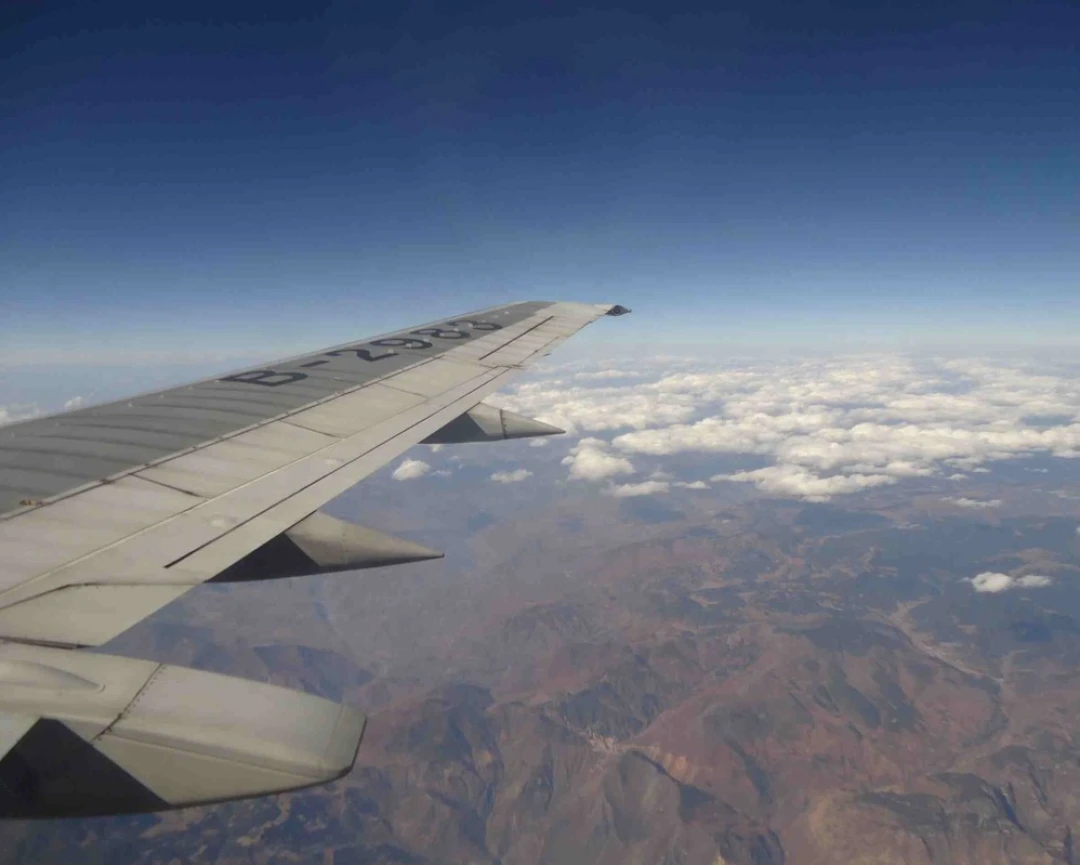
The Meaning of Travel – A Tengchong Story: A Journey of the Heart and Personal Growth
The Meaning of Travel – A Tengchong Story: A Journey of the Heart and Personal Growth Setting Out, Only to Return a Better Self Some say travel is nothing more than leaving a place you're tired of, only to go to a place where others…
Continue reading...