April in Xishuangbanna: The Ultimate Guide to a Water-Splashing Carnival and Tropical Paradise
April in Xishuangbanna: The Ultimate Guide to a Water-Splashing Carnival and Tropical Paradise
When those water-splashing festival photos flood your social media feed, tugging at your heartstrings, do you find yourself, like me, unable to forget that land of exotic charm? Last year, watching a friend beam with joy amid the splashes of the Dai New Year, I made a silent vow: this year, I must experience this "soaking" celebration firsthand. So, my two besties—Yaya and Wenwen—and I clicked instantly, kicking off a month-long preparation for our Xishuangbanna adventure. They say the scenery of youth feels different, but I say: while your blood still runs hot, just go.
Pre-Trip Prep: A Month of Meticulous Planning
Transportation and Accommodation
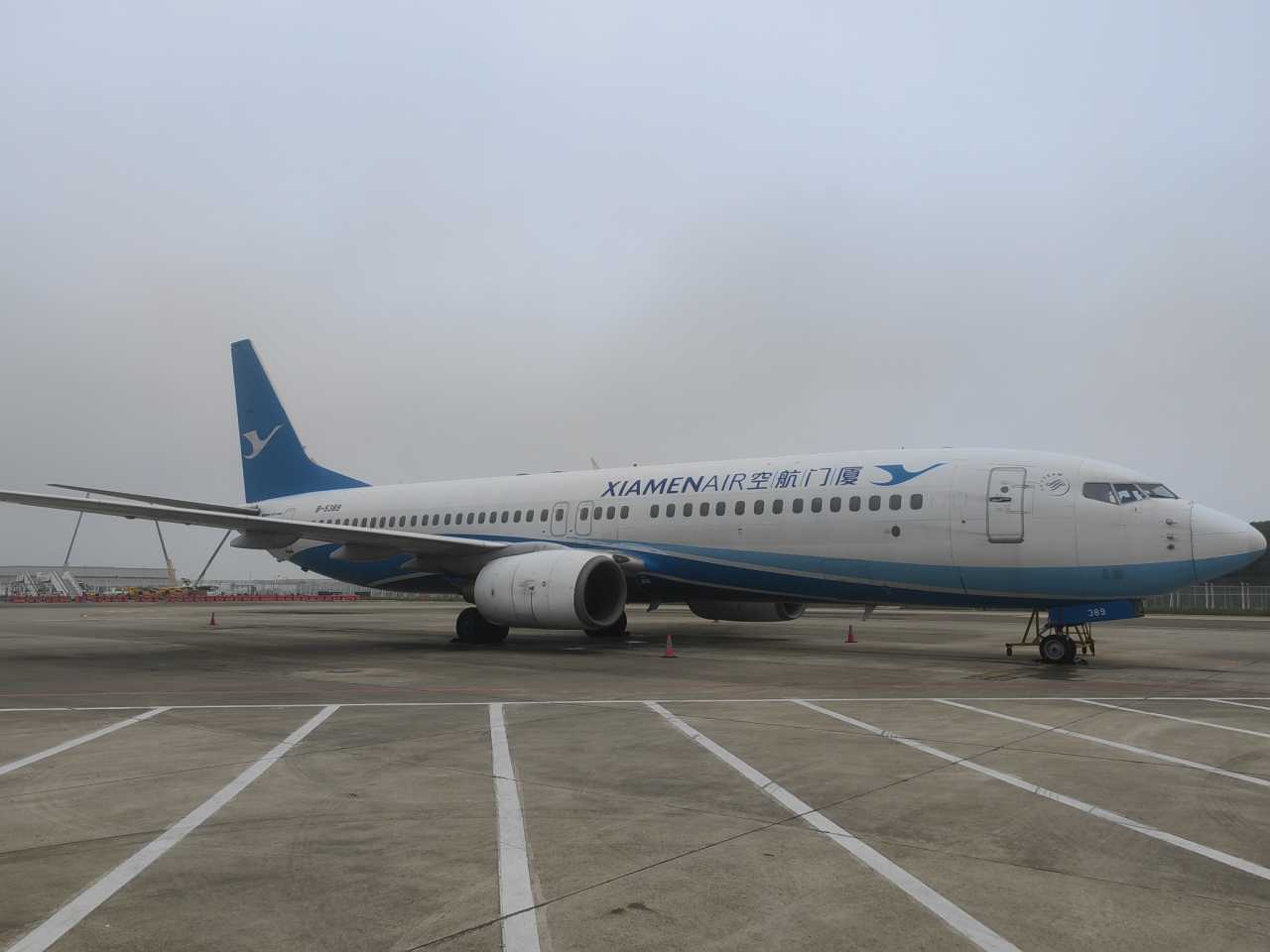
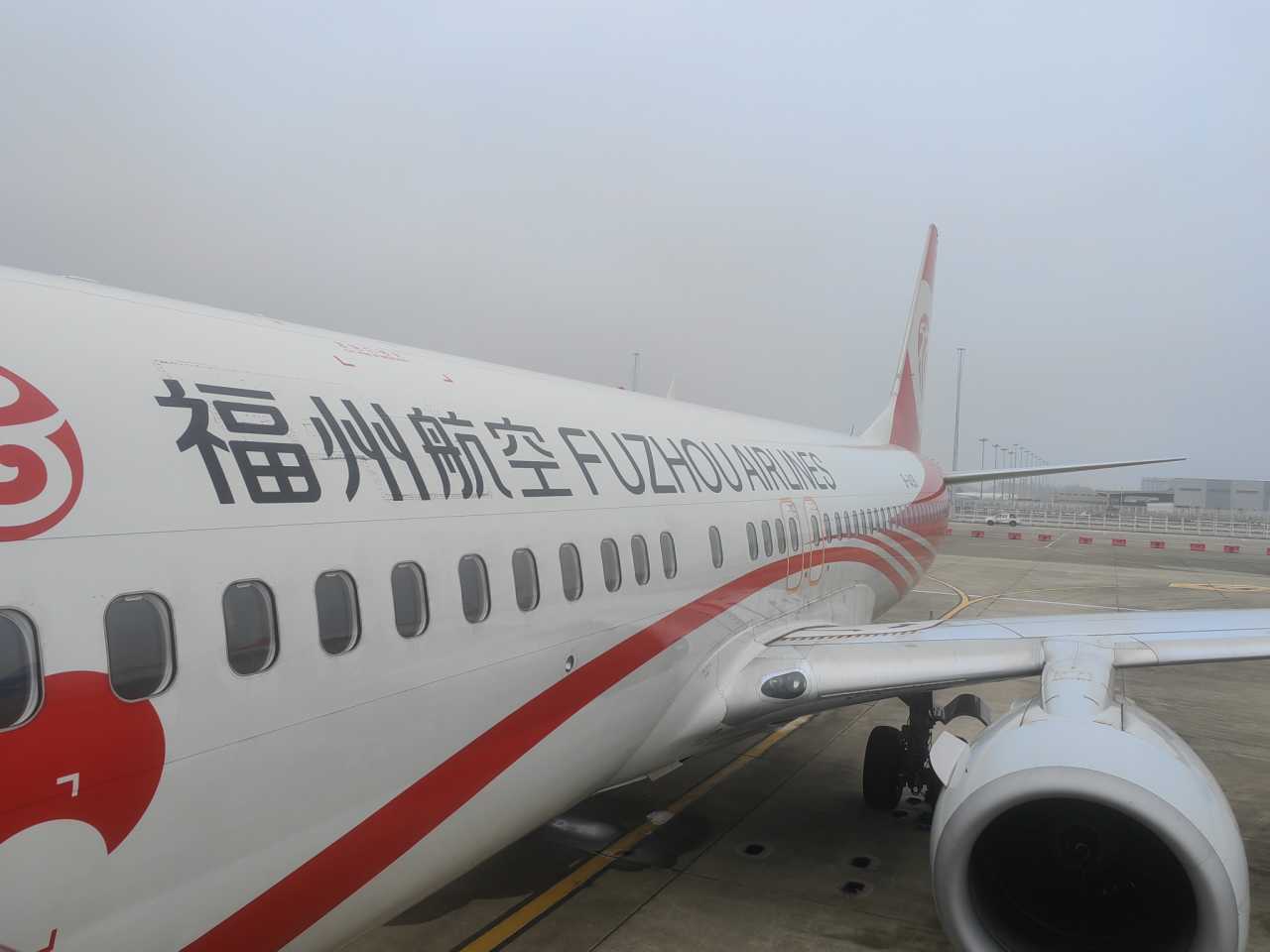
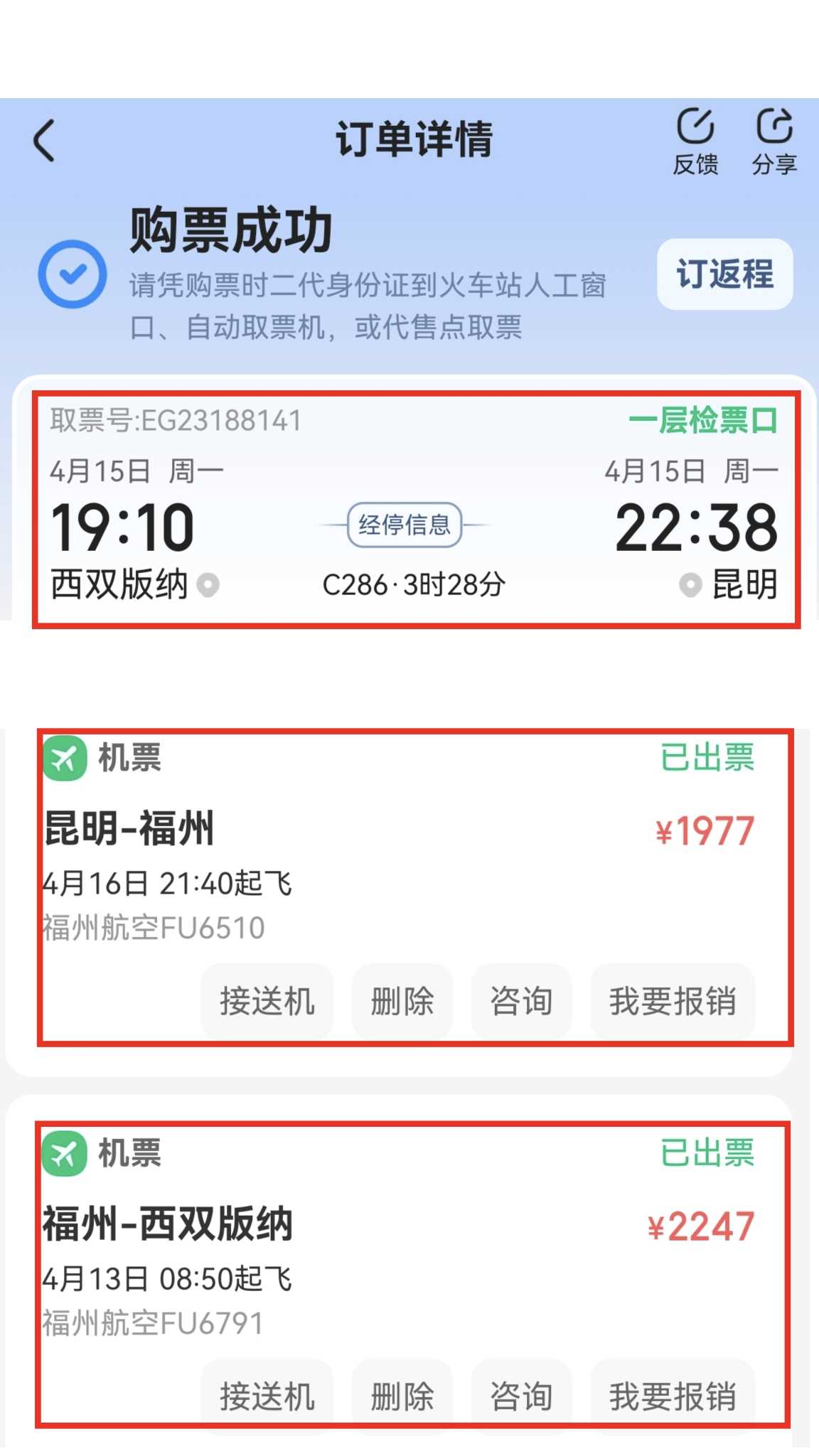
We chose to depart on April 13th, locking in our flights and high-speed train tickets a month early on the "Zhixing Train Tickets" app. The costs for three people were clear, and splitting them made for great value. For getting around after arrival, we mainly relied on Gaode Taxi and Baidu Maps Taxi—comparing prices across platforms always saves a few cups of bubble tea money.
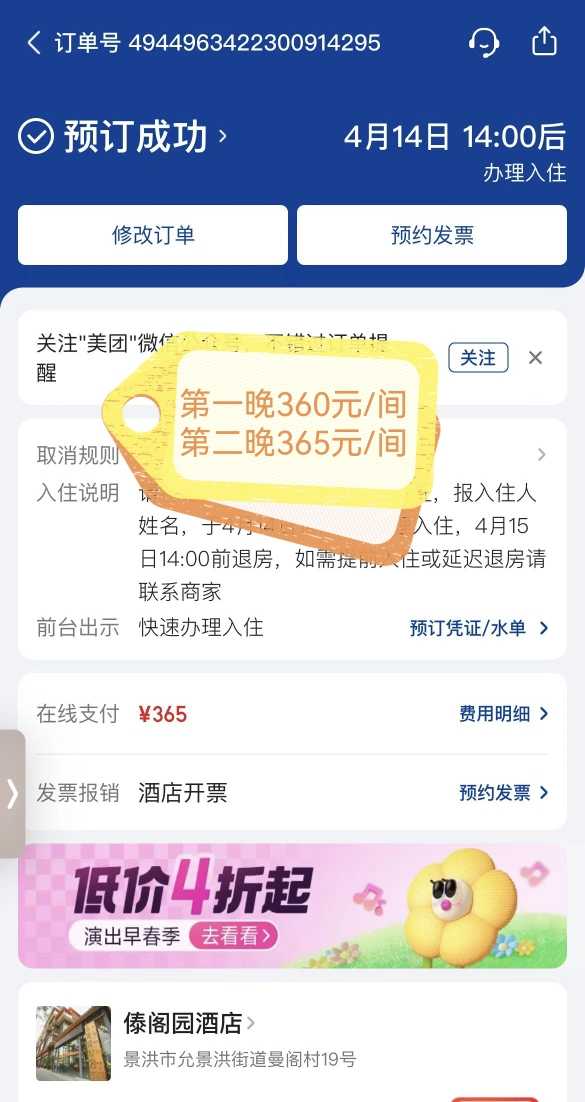
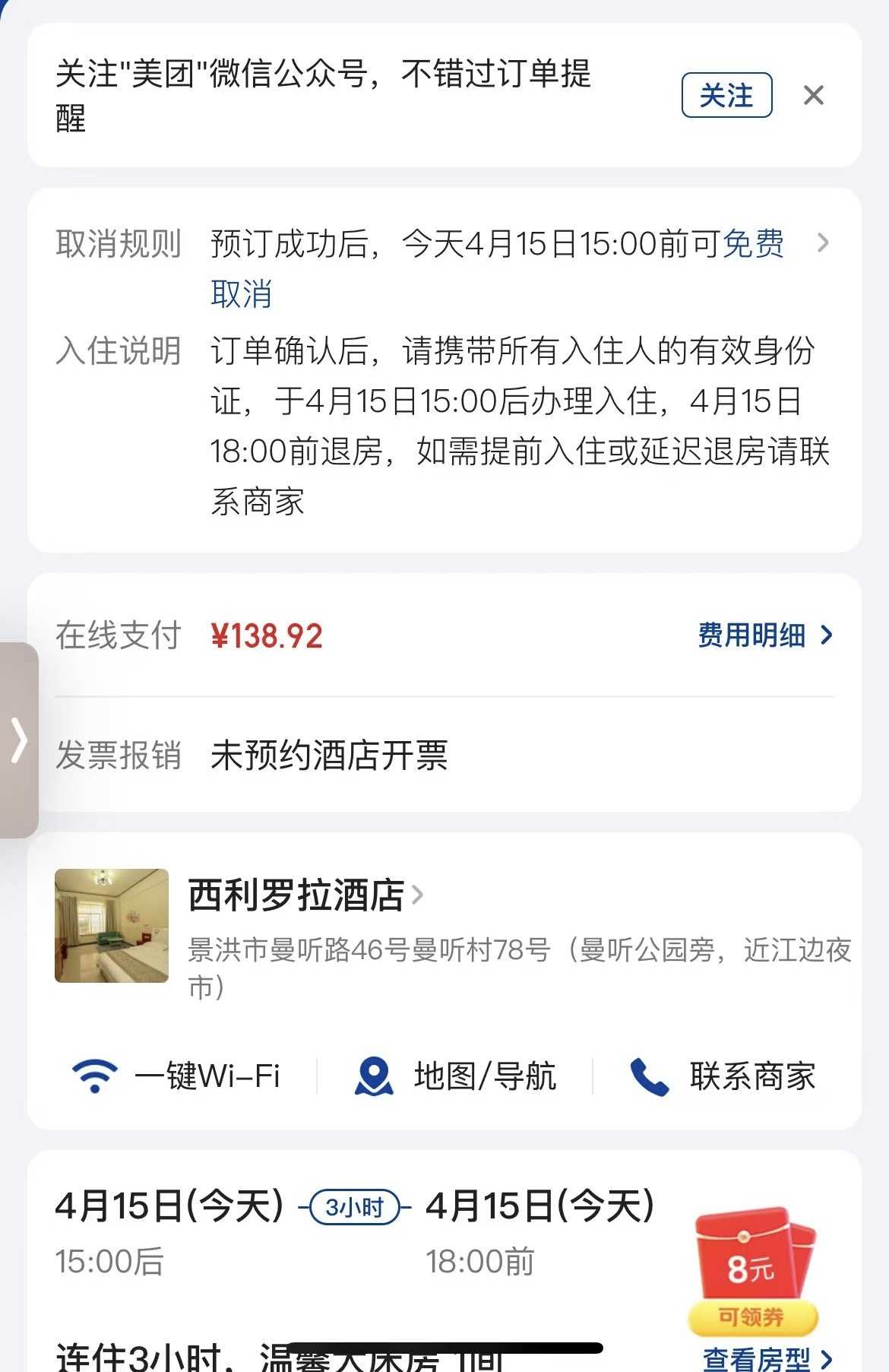
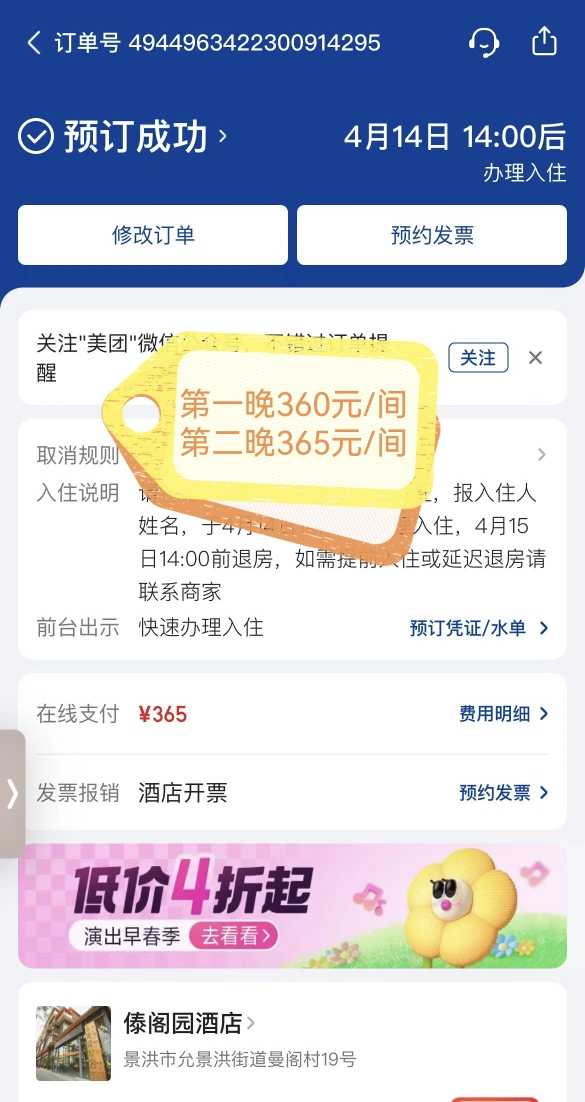
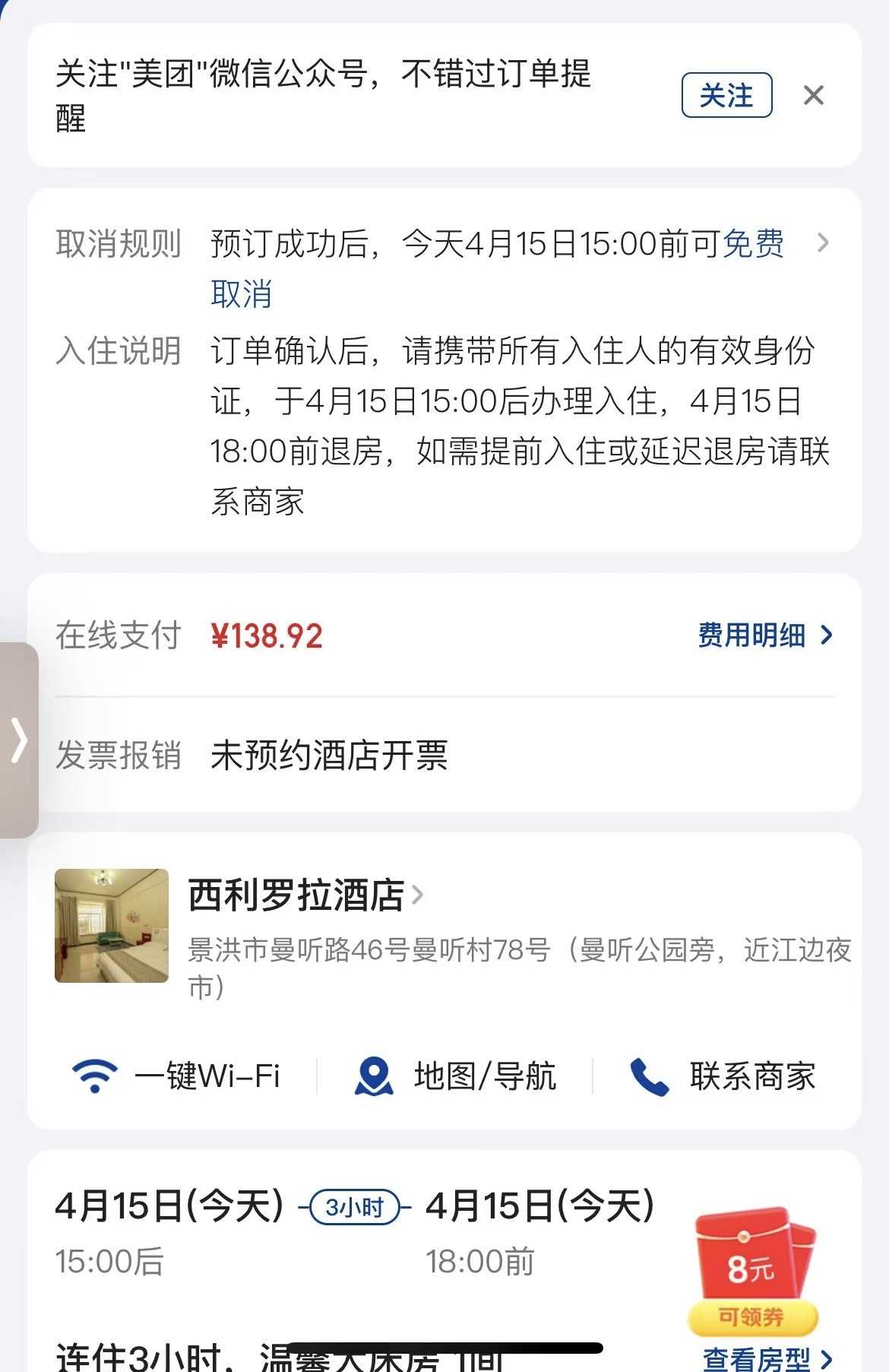
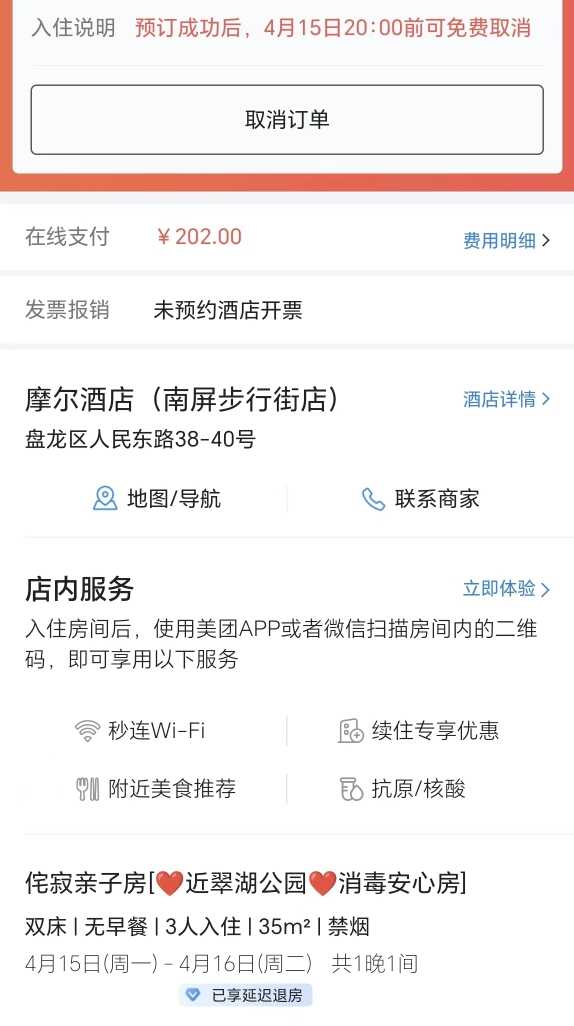
For accommodation, we alternated between two hotels in Xishuangbanna: "Dai Garden Hotel" (傣阁园酒店, a boutique-style inn) and "Xililora Hotel" (西利罗拉酒店, a modern resort). In Kunming, we stayed at "Moore Hotel" (摩尔酒店, a budget-friendly option). Book early—during the Water-Splashing Festival, rooms are scarce and prices skyrocket.
Core Itinerary
Our goal was crystal clear: get splashed! So our sights were centered on Jinghong city, with a main route through Gaozhuang Xishuangjing (告庄西双景, a cultural tourism complex), Manting Park (曼听公园, the royal garden), and the Water-Splashing Square (泼水广场), interspersed with visits to the Great Golden Pagoda Temple (大金塔寺) and the Starry Night Market (星光夜市). The schedule was tight but not rushed—after all, "getting soaked" was the main event.
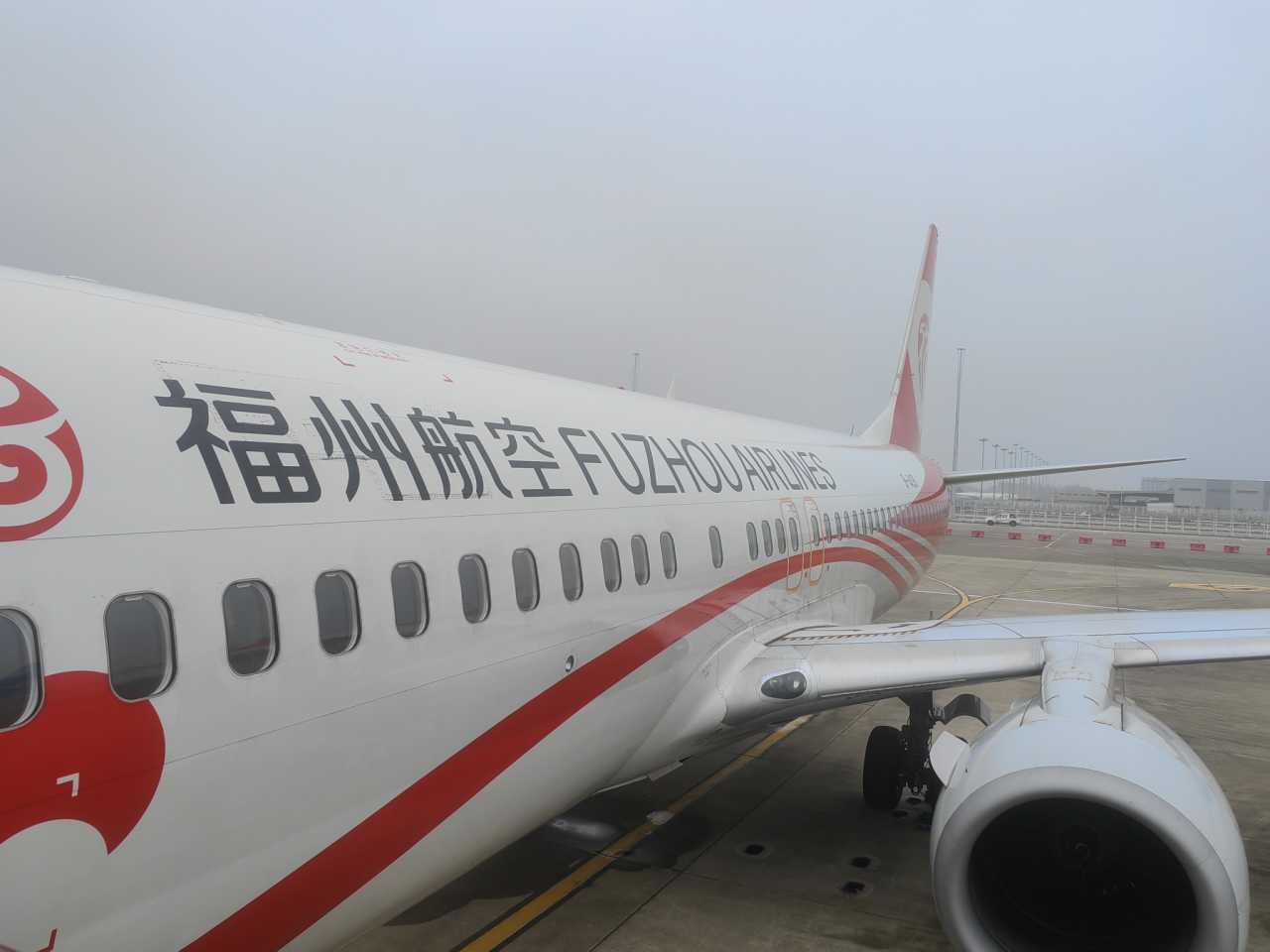
A 1,000-Mile Journey: From Fuzhou to Banna's Summer
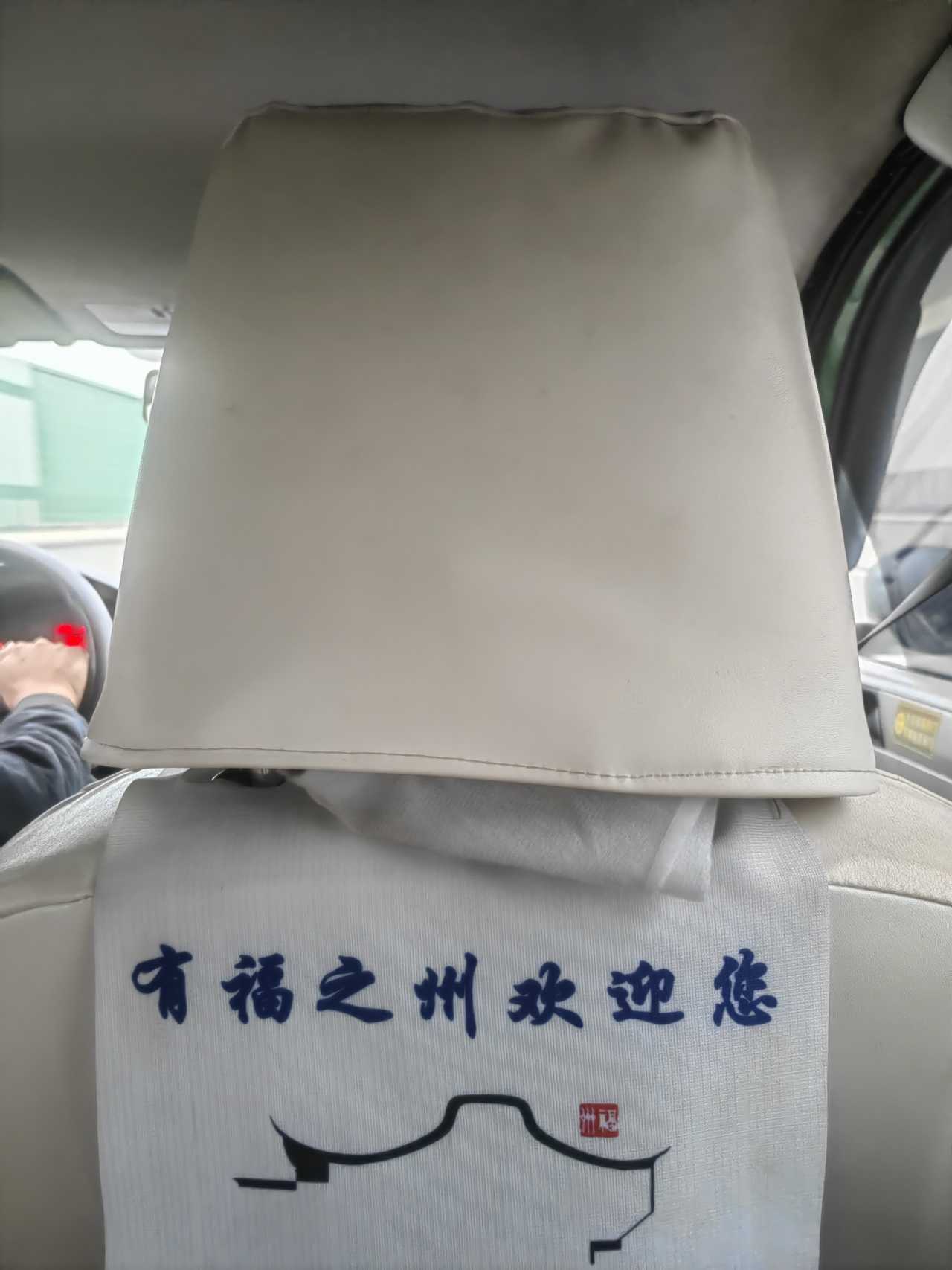
On departure day, we were too excited to sleep before dawn. We booked a Hello Chuxing (哈啰) carpool to the airport—the cheapest ride option. Sitting in the back seat, I spotted the words "Welcome to the City of Blessings" on a taxi, silently praying: Xishuangbanna, please embrace us warmly too!
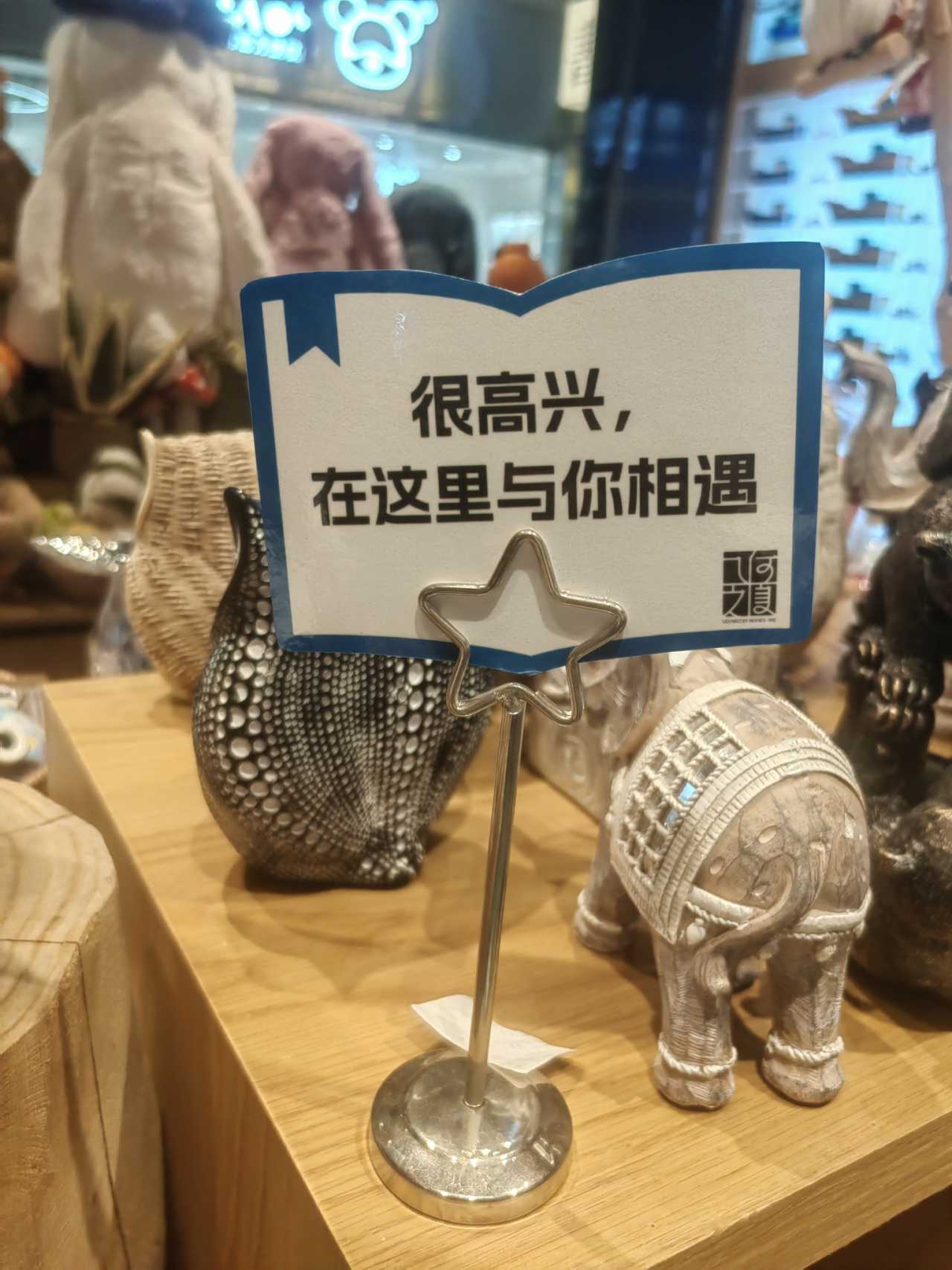
While waiting at the airport, we stumbled upon a bookstore. I've always had a soft spot for short, powerful phrases, so I snapped a photo of a poetry card that caught my eye. Before boarding, we laid out snacks on the tiny tray table like kids on a school trip—cards printed by Haidilao (海底捞, a popular hotpot chain) with blessings, plus various treats—drawing envious glances from the kid next to us. But when I tried to share, parents politely declined, probably wary of food from strangers.
First Arrival in Banna: Tropical Vibes Hit You
"Xishuangbanna" is Dai language: "Xishuang" means twelve, and "Banna" refers to an administrative unit that provided feudal taxes—literally "twelve thousand rice paddies." This is one of Yunnan's eight autonomous prefectures, with its capital at Jinghong City. As China's best-preserved tropical ecosystem, it's known as the "Kingdom of Plants," "Kingdom of Animals," and "Biological Gene Bank," boasting the country's only tropical rainforest nature reserve. It hosts one-sixth of China's plant species and one-quarter of its animal species, plus it's the second-largest natural rubber production base and the birthplace of Pu'er tea. With one 5A-level scenic spot and nine 4A-level ones, this land is a perfect blend of tropical rainforest and ethnic minority culture.
Just after landing, a minor hiccup: a young woman cut in line while we were hailing a taxi. Yaya tried to stop her but failed, dampening our spirits. But once we checked into the Dai Garden Hotel and saw the suite's real-life photos, the gloom vanished. After swapping into oversized earrings, we rushed out to find food—only to discover that at 3 PM, most nearby restaurants were closed. Out of options, we bought a 10-yuan watermelon from a street stall to tide us over, then headed straight for Gaozhuang.
Gaozhuang Xishuangjing: A Surprise Baptism into the Water Battle
Gaozhuang Xishuangjing, meaning "Nine Pagodas and Twelve Villages" in Dai, aims to recreate the bustling glory of ancient Jinghong. Located at the core of the Lancang River Ethnic Tourism Resort, it's the first stop for millions of tourists arriving in Banna. Blending the essence of Dai and Thai cultures, it creates a unique "city within a city" charm.
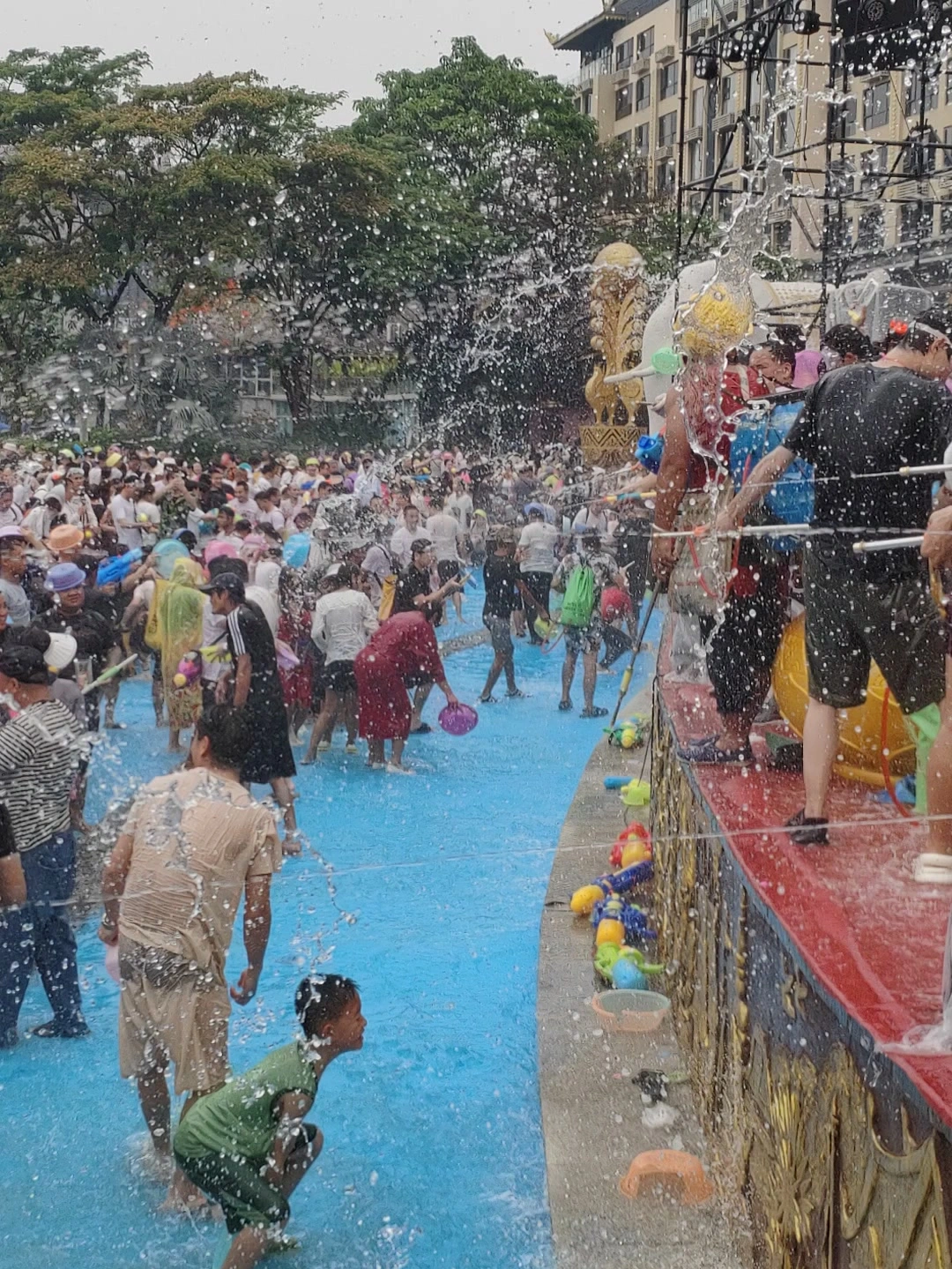
We'd only planned to find a restaurant in Gaozhuang, but the moment we stepped in, we got drenched unexpectedly. Later, locals told us: tourists had already started partying on the 13th, while the traditional Water-Splashing Festival is actually on the 15th. Commercialization has somewhat altered the festival's spirit, but this unexpected "baptism" had its own quirky fun.
We ducked into a roadside restaurant, heads covered, where cold dishes with sour and spicy flavors instantly soothed our flustered nerves. After eating, we quickly stocked up on gear—beach shorts, water guns, goggles, and waterproof bags—everything we needed. The gear vendor, a burly guy from Northeast China, said if we bought a gun from him, water refills were free; otherwise, water cost extra. Even locals complained about this, but for the carnival, we didn't care.
Right after buying, before we could get "soaked," we snapped a few quick photos. The next second, a passerby shot water at me, making me lose my composure—but I couldn't stop laughing. On the main road, a parade float rolled by slowly, a bit like the "God Procession" (游神, a folk tradition) in Fujian. The crowd splashing water under the sunset—what the eye saw was far more stunning than what the camera could capture.
The Great Golden Pagoda Temple and Starry Night Market: Overlooking the World Below
The Great Golden Pagoda Temple (大金塔寺) is a Jinghong landmark, with a history tracing back to the Dai ancient kingdom of Ayu (阿育王), over a thousand years old. The pagoda stands 66.9 meters tall, with a square base 30 meters wide, a circular body 18 meters in diameter, and a lotus-shaped spire, all gleaming gold—symbolizing the Dai people's resilience, harmony, and purity.
The temple is free to enter, but no revealing clothing allowed. On the second floor, there's a guide who offers water and bracelets. From the observation deck, you can see the entire Starry Night Market—billed as Asia's largest night market, and it lives up to the hype. As evening sky colors shift, the market's lights flicker on one by one, buzzing with life. Vendors come from all over, selling handicrafts, ethnic clothing, and gemstone jewelry; it's much cleaner than the Riverside Night Market (滨江夜市).
The Kongming Lantern Night: All Good Things Come Unexpectedly
Releasing Kongming lanterns (孔明灯, sky lanterns) is a traditional Dai New Year activity. Our driver recommended we go watch, and the scene was so spectacular it left us speechless. Kongming lanterns, also known as wishing lanterns or blessing lanterns, are believed by the Dai to carry away bad luck and misfortune, bringing peace and good fortune. Watching thousands of lanterns slowly rise into the sky—at that moment, all words felt inadequate. The sudden appearance of a colorfully lit boat on the river added the perfect finishing touch to the scene.
Starry Night Market Food: A Culinary Healing
Sticky rice was soft and sweet; grilled oysters were a night market staple; Vietnamese rice rolls (越南小米卷, thin rice rolls with filling) had a texture like cheung fun (肠粉, Cantonese rice rolls), refreshing and tasty. Under the colorful lanterns, every bite carried the unique flavors of the tropics.
The Western Princess and the Dai Queen: A Double Life Through the Lens
How could you visit Xishuangbanna without a set of ethnic-themed photos? We chose a shop inside the scenic area: 319 yuan for two outfits and two locations. But the pricing was murky: they said 299 at the door, then the front desk added more; makeup charged extra—20 yuan for a new sponge, 60 yuan for shoulder makeup, 60 yuan for a second makeup change—ending up at 379 yuan. But the results were satisfying; other shops charged 499 yuan for just one set.
The first outfit was a "Western Princess" (西域公主, a Central Asian-style gown). Clad in a black long dress, I was instantly praised as "stunning enough to topple a city." My mind wandered to lines like "I've heard the Western Princess is best at bewitching hearts" and "When the lanterns first light up, songs and dances fill the air"—as if I'd time-traveled to the glorious Chang'an of the Tang Dynasty. The second was a "Dai Queen" (傣王妃), blending in with local features, complementing the exquisite Dai architecture—every frame in front of the camera was steeped in regional charm.
A small tip: have your own ideas before shooting. First, follow the photographer's directions, then check the photos on the spot. If you're not satisfied, insist on a reshoot—otherwise, even post-production editing can't save it.
Late-Night Massage and Ear Cleaning: Relaxation and Rip-Offs
After the photo shoot, it was past 1 AM. We wandered to the Riverside Night Market, intending just a quick late-night snack, but ended up chatting and deciding on a foot massage. We found a foot bath shop, soaking our feet while eating rice noodles (like ho fun, 粉干, flat rice noodles), paired with ear cleaning—cleaning the ear canal and relaxing the nerves—which was genuinely comfortable. But when the bill came, various add-ons soured the mood—a classic "rip-off that kills you." Worse, we couldn't find a ride online. Luckily, we flagged down a taxi, and the driver happened to be heading our way, giving us a ride back to the hotel.
Guoxili Laotian Hotpot: A Safe Bet
Wenwen found this highly-rated restaurant on Dianping (大众点评, a review app). It was closed when we tried yesterday, but today we finally got in. The fried rice is a must-order—absolutely amazing! Just buy a Meituan (美团) combo meal; if you need more, order separately—great value.
Temple Tour: Serenity Amidst the Gold
Mange Buddhist Temple (曼阁佛寺) is Jinghong's oldest Buddhist temple, located north of the Lancang River Bridge, hidden among tamarind and bodhi trees. Free to enter, a 10-minute walk from the hotel, and takes only 20 minutes to explore—perfect for a quick stop.
The General Buddhist Temple (总佛寺, also known as Jinghong Great Golden Pagoda Temple) is also free, with architecture gleaming in gold and silver. I spotted a Dai girl cleaning, and a quick snap turned into a "dopamine girl" (多巴胺少女, a trendy term for vibrant, joyful style) photo. Two friends in similar outfits bounced around, full of life and youth. Manting Park's gates were already closed, so we missed it—but the moment a peacock fanned its tail was still breathtaking.
Riverside Night Market: A Long Stretch of Bustle
When we couldn't get a taxi, we scanned Meituan electric scooters. The Riverside Night Market stretches from Binjiang Park to the New Bridge, open year-round from 7 PM to 11 PM, a favorite among locals too. Dai-style barbecue, fresh-squeezed juices, banana balada (香蕉巴拉达, a fried banana pancake)—you could eat from one end to the other without getting bored. But the market was so long we gave up halfway, heading to the riverbank instead to enjoy the breeze.
Xishuangbanna Bridge is a single-tower cable-stayed bridge, 600 meters long, with a lighting design themed "Peacock Spreading Its Tail," dazzling at night. Across the river, the Peacock Building (孔雀大楼) stands 199.99 meters tall, the area's tallest structure; three buildings lean together, symbolizing a love story in the gentle Dai countryside.
The Peacock Feast: A Culinary Ethnic Fusion

On our last day, we decided to have a Peacock Feast (孔雀宴). We found a well-rated restaurant on Meituan: an 88-yuan set meal featuring representative dishes from five local ethnic groups—Dai (傣族), Jingpo (景颇族), De'ang (德昂族), Lisu (傈僳族), and Achang (阿昌族). The peacock's head symbolizes the Party and government; the five layers of the tail represent the five ethnic groups. Ingredients are all locally sourced from Dehong, such as Zhefang tribute rice (遮放贡米, a premium rice variety), bamboo rice (竹米, bamboo seeds), tree moss (树毛衣, edible lichen), tree butterfly (树蝴蝶, a type of fungus), and sour ants (酸蚂蚁, edible ants). Colorful and surprisingly delicious—no duds at all.
After eating, we tried to head back to the hotel from Gaozhuang. No online rides were available, and street taxis quoted fixed prices. A tuk-tuk asked for an outrageous amount, but we finally flagged down a new car; the young driver wanted 30 yuan, and we bargained down to 20. I kept my hand on the emergency call button (110) the whole way, worried something might go wrong—but it turned out I was overthinking. We arrived safely, a perfect ending.
Manting Park and the Water-Splashing Square: The Ultimate Carnival
On the final day, we rented an hourly room near the Water-Splashing Square to store luggage and prepare for the train. We changed into our gear, filled our water bags, and set off with attitude! The front desk lady recommended a food street, where we had an early lunch (combining two meals into one to save money and time). Our water bag leaked, spilling all over the floor—we mopped it twice—but the place's flavors were worth recommending.
Manting Park (曼听公园) is the former royal garden of the Dai kings, over 1,300 years old, with a 40-yuan entrance fee. It houses over 500 ancient ironwood trees (古铁刀木林) and embodies Dai royal culture, Buddhist culture, and folk traditions. The park's water-splashing activities involve performers with full gear, held annually.
Leaving Manting Park, we walked to Jinghong's Water-Splashing Square. On the 15th, from 10 AM to 3 PM, the area is closed to vehicles—only pedestrians allowed. Along the way, we got into water fights everywhere; we were prepared, so getting soaked was fine. Once at the square, my water bag came in handy—amid the splashing water, everyone was all smiles. The sacred water washes away illness and misfortune, bringing blessings and joy—that's the true essence of the Water-Splashing Festival.
Final Thoughts: What This Trip Taught Me
Xishuangbanna's Water-Splashing Festival is far more than just a water fight. It's a living heritage of Dai culture, an ultimate showcase of tropical charm, and above all, a precious memory created with close friends. From a month of meticulous planning to unexpected surprises a thousand miles away; from the chaos of getting splashed to the emotion of watching Kongming lanterns rise—every moment is worth cherishing.
If you're planning a trip, remember: book transportation and accommodation early; bring quick-dry clothes and waterproof bags; negotiate prices before photos to avoid hidden costs; embrace the unexpected, because the most beautiful sights often come unplanned. Most importantly, come with an open heart to feel the warmth of this land.
While you're young, just go. Xishuangbanna's sunshine, splashes, and smiling faces are waiting for you.
You should also read:
A Journey Through Time: The Earthen Forest of Yuanmou — April 2011 Chuxiong & Yuanmou Self-Drive Guide
A Journey Through Time: The Earthen Forest of Yuanmou — April 2011 Chuxiong & Yuanmou Self-Drive Guide Some journeys are destined to take root in your memory. In April 2011, I set out from Shuhe in Yunnan, heading north toward the Chuxiong Yi Autonomous Prefecture,…
Continue reading...
Dreamland – Lijiang: A Talking Comic Travel Guide
Dreamland – Lijiang: A Talking Comic Travel Guide Prologue: When Lijiang Takes Root in Your Heart Some places leave a mark on you forever. They're like an old song on repeat, suddenly playing in your mind on an ordinary afternoon. For me, Lijiang is that…
Continue reading...
Yunnan! Paradise on Earth – The Yubeng Chapter: A Soul-Cleansing Journey into Seclusion
Yunnan! Paradise on Earth – The Yubeng Chapter: A Soul-Cleansing Journey into Seclusion Prologue: Why Yubeng? If you ask me which place in Yunnan is most worth hiking to, I would answer without hesitation: Yubeng. This is not an answer I give lightly. As a…
Continue reading...