Autumn's Grand Spectacle: A Journey Through China's Most Enchanting Fall Landscapes
Autumn's Grand Spectacle: A Journey Through China's Most Enchanting Fall Landscapes
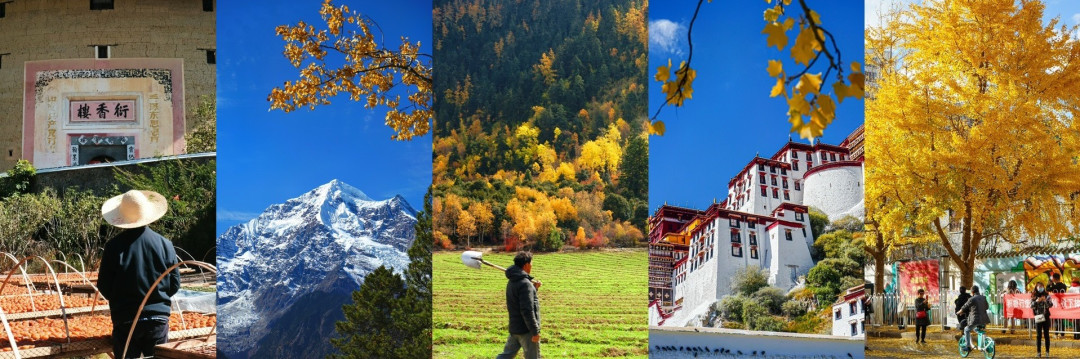
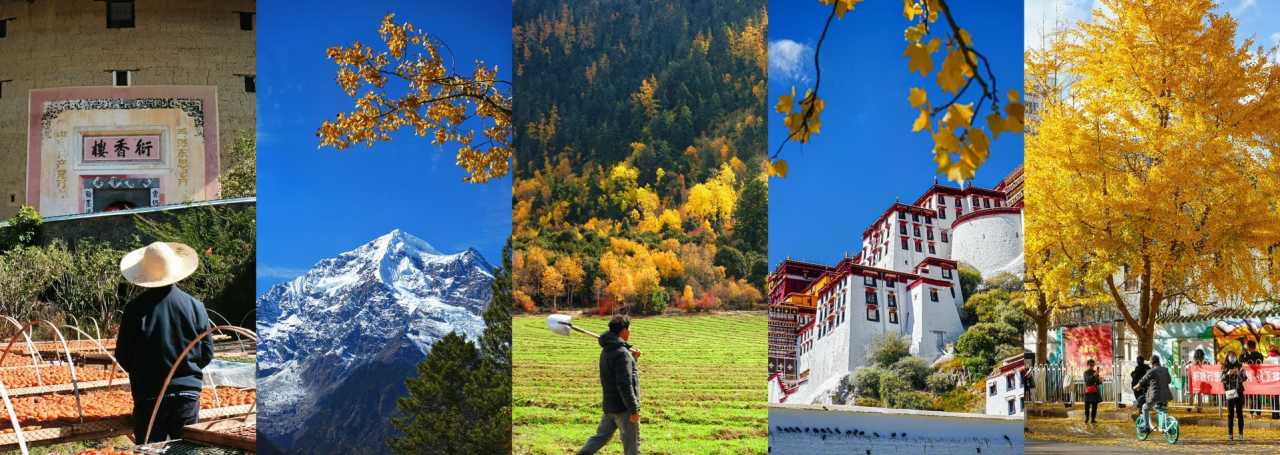
There's something magical about autumn that no other season can replicate. Perhaps it's the way golden light filters through amber leaves, or how the crisp air carries whispers of adventure. As a travel photographer and outdoor enthusiast whose work schedule conveniently aligns with fall and winter, I've been fortunate enough to chase autumn across China for years. Each destination painted a unique portrait of the season—some bold and fiery, others quiet and melancholic. Today, I'm taking you along on this journey through six distinct autumns, from the high plateaus of Tibet to the coastal edges of Fujian.
Yunnan: Where Autumn Wears a Thousand Faces
I've visited Yunnan three times during autumn, and every single trip left me spellbound. The province's diversity means you can experience completely different versions of fall within a single journey—from the serene waters of Lugu Lake to the golden avenues of Kunming.
Lugu Lake: A Love Letter to Autumn
Lugu Lake isn't just a destination—it's an obsession. The "Oriental Daughter Kingdom" stole my heart not only for its breathtaking scenery but for the people I met there. I ended up staying nearly half a month, completely captivated.
The Mosuo people who inhabit this region maintain one of the world's last matrilineal societies. Their "walking marriage" tradition, where men visit their partners at night and return to their own homes by morning, feels like something from a forgotten fairy tale.
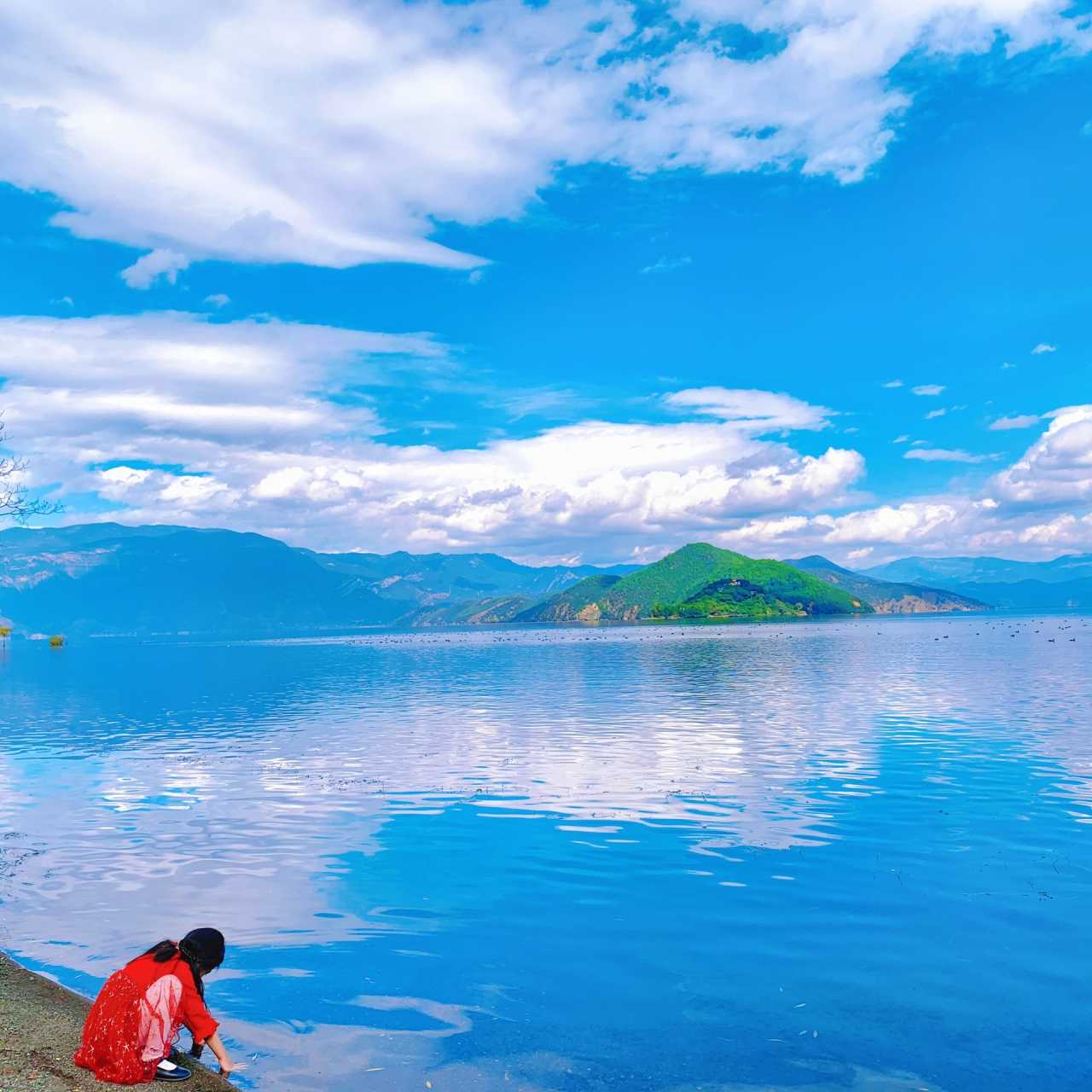
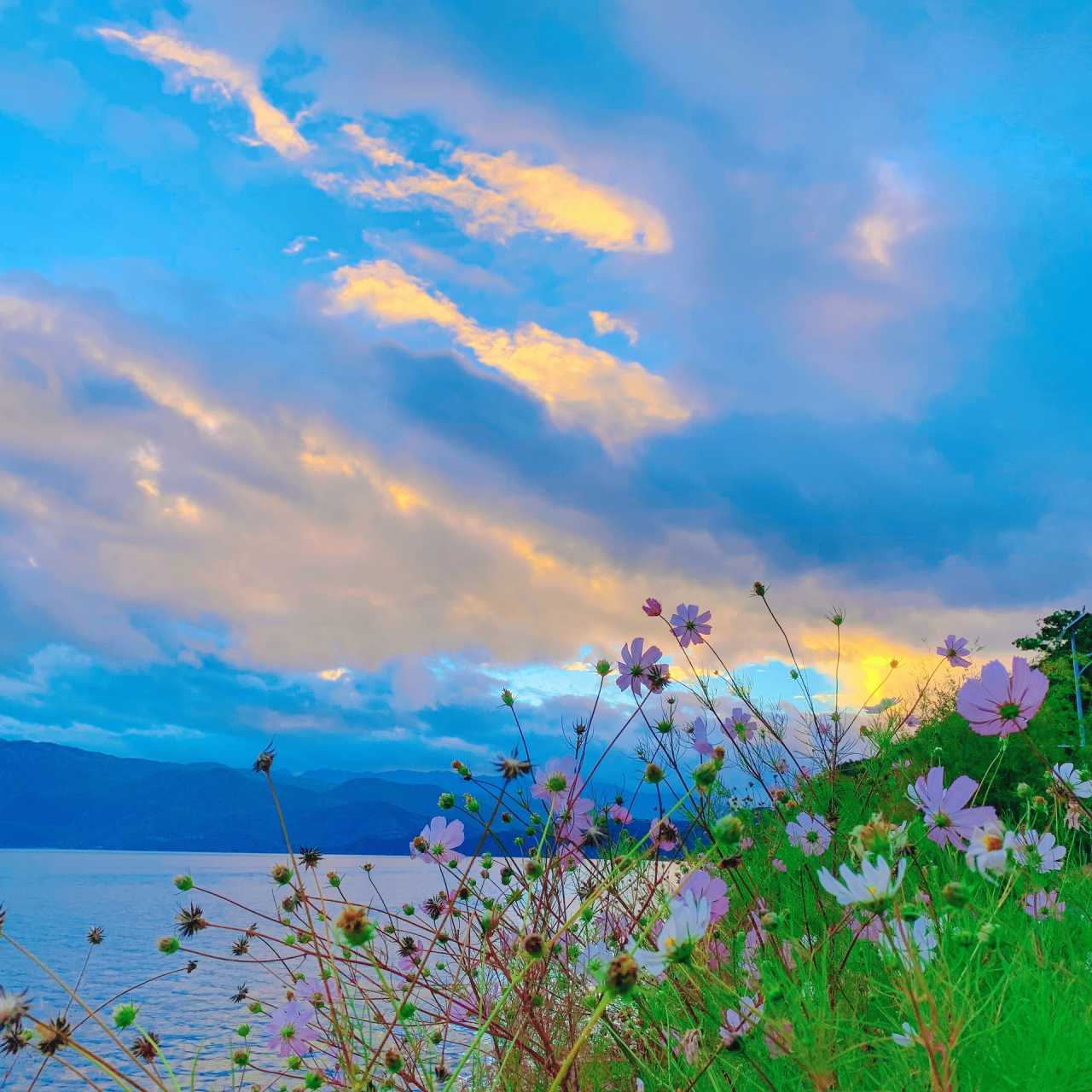
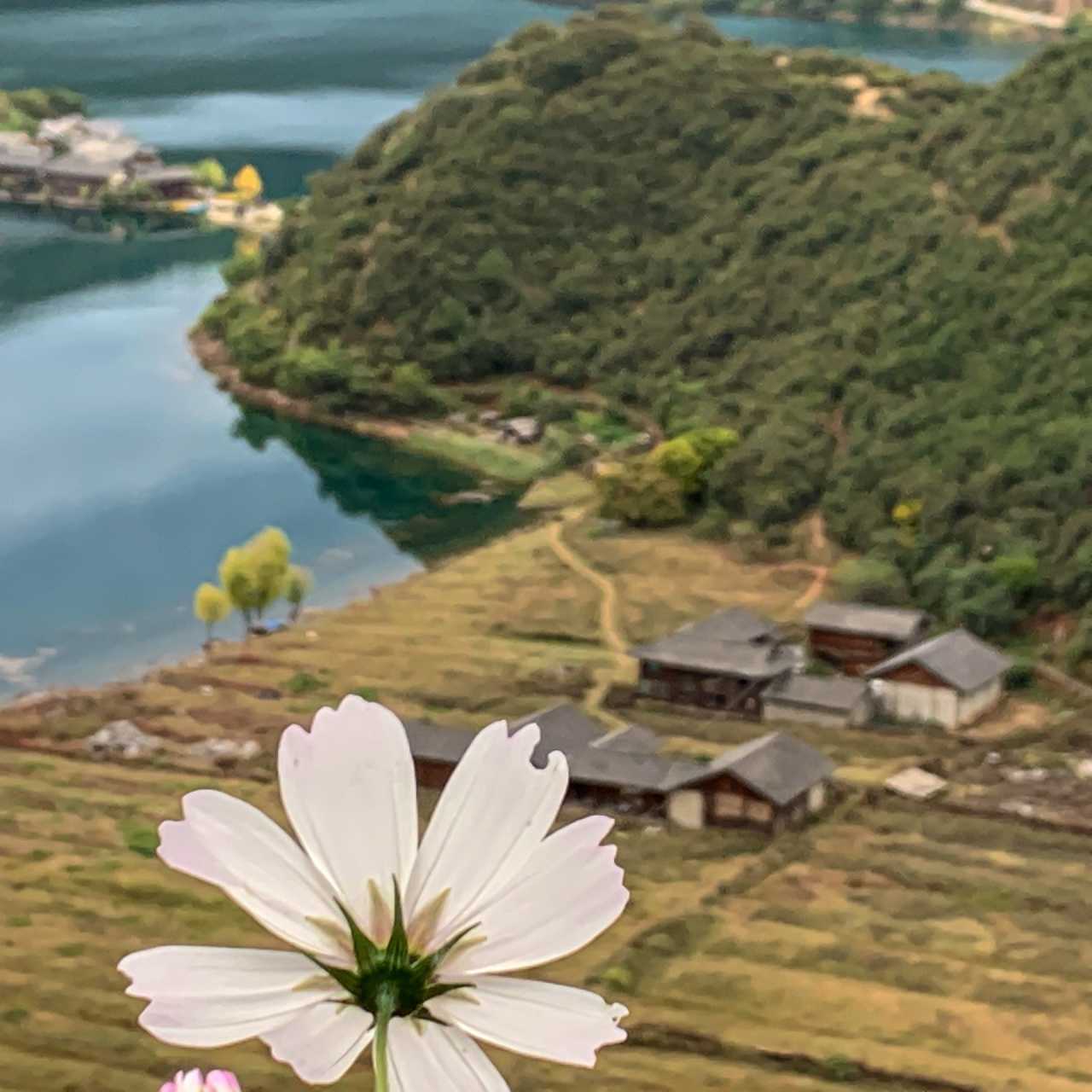
Autumn blesses Lugu Lake with perfect weather. The shoreline bursts with colorful blooms, and I decided to hike the most scenic section—from Daluoshui Village to Dazu, then onto Caohai. This is where I found Awa's guesthouse and his wonderful family. We worked together on their farm, foraged for wild fruits, collected walnuts from the roadside, and shared meals and stories late into the night.
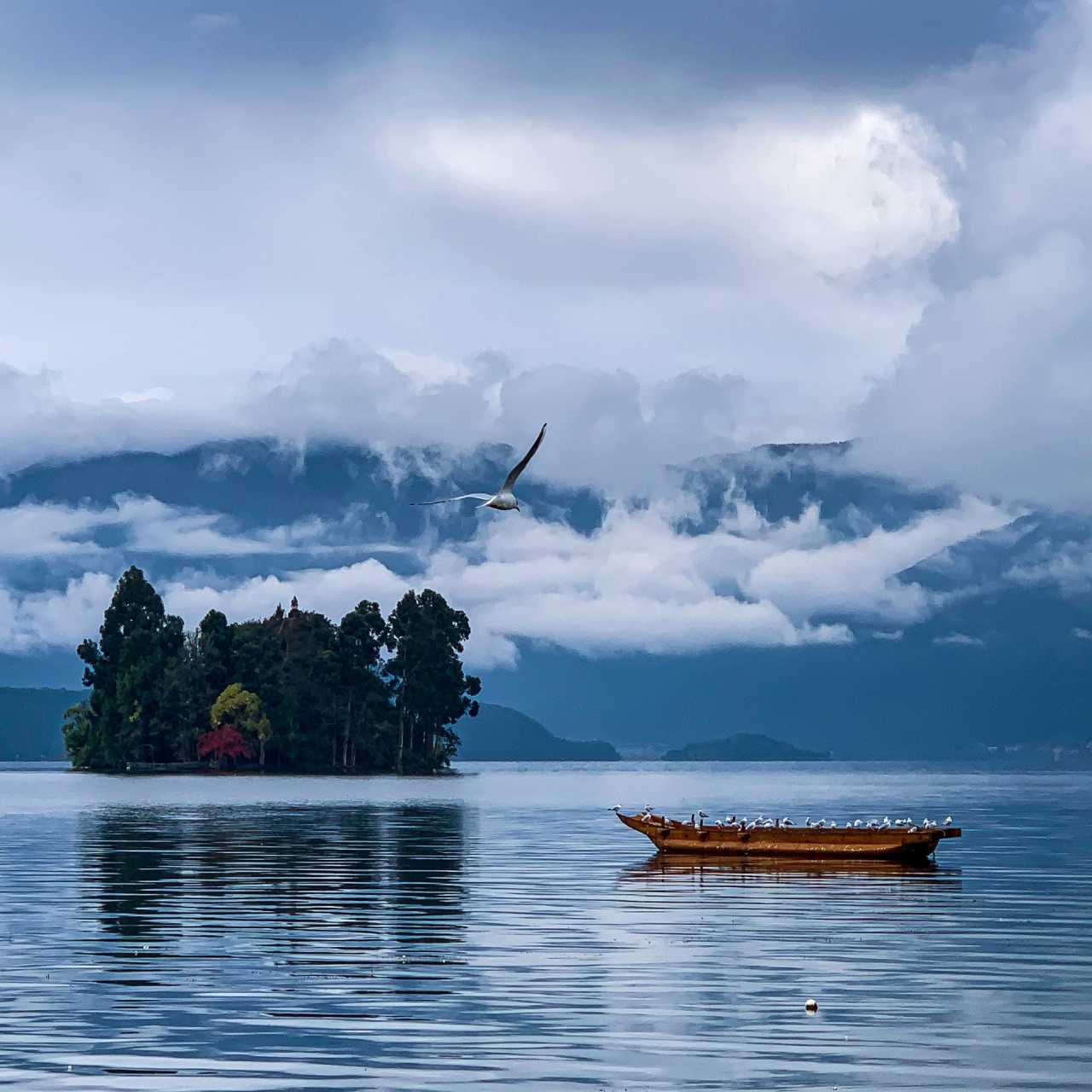
The mornings were pure poetry: seagulls gliding over misty waters, traditional pig trough boats floating like shadows, and islands emerging from the fog like brushstroke paintings. Even my phone photos from years ago still capture that magic perfectly.
Practical tip: The lake's beauty is photogenic from any angle. If you're hiking, focus on the Daluoshui-to-Dazu section for the most rewarding views.
Old Town Lijiang: Autumn Hiding in Plain Sight
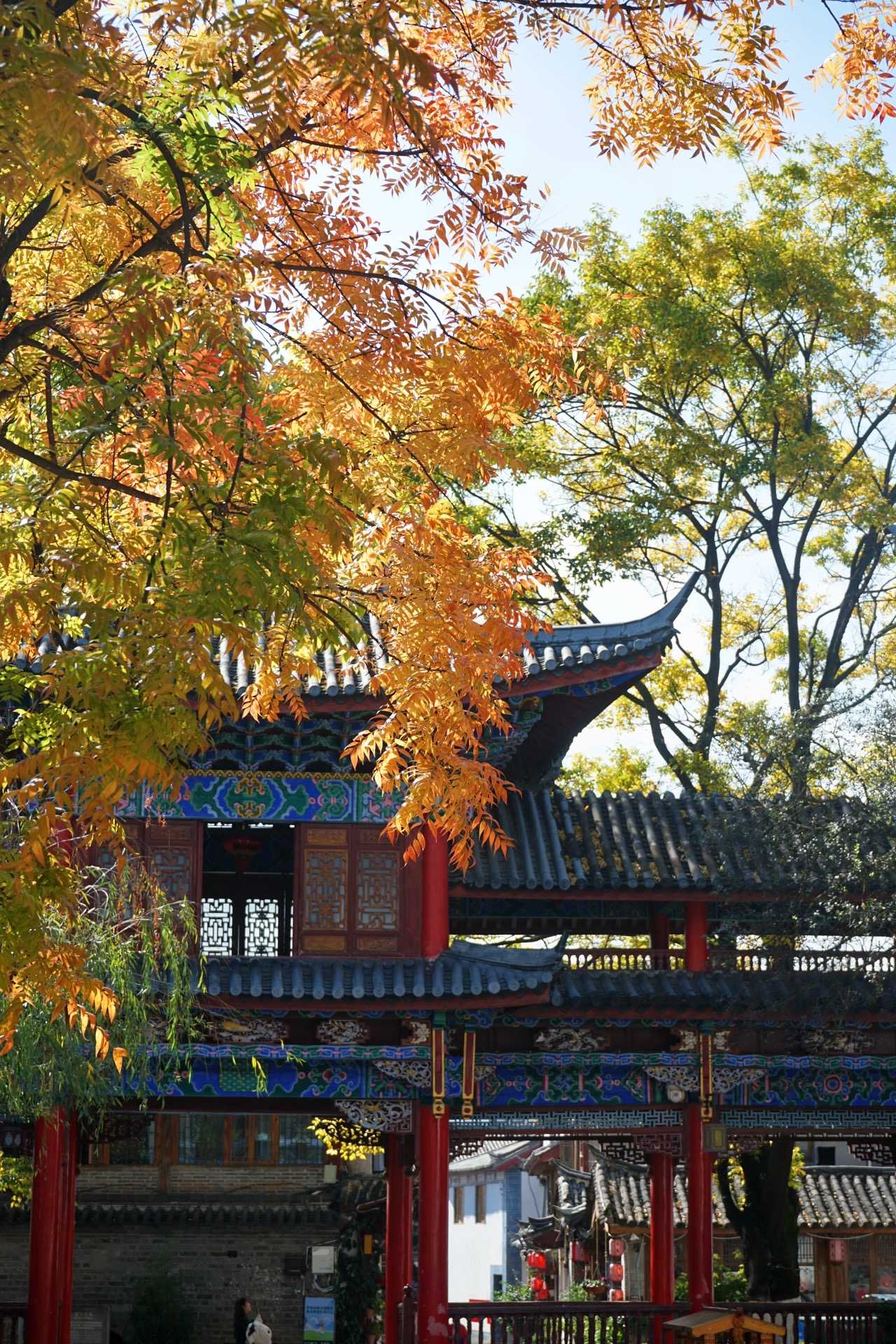
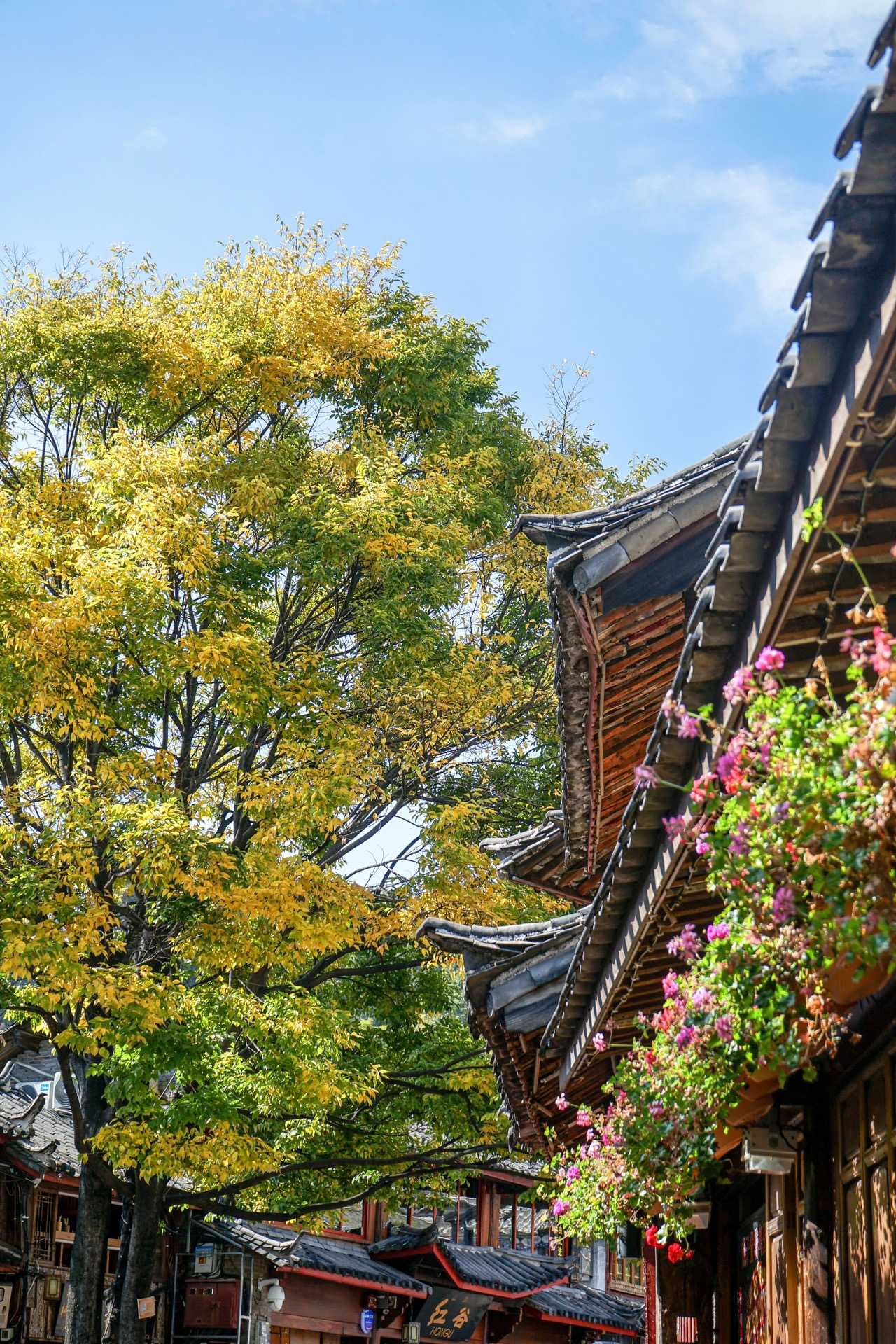
Lijiang's ancient town reveals its autumn personality in quiet corners. Morning hours offer peaceful exploration before crowds arrive. Climb Lion Hill for a panoramic view of tiled roofs embracing fall colors, with Jade Dragon Snow Mountain standing majestically in the distance.
Orchid Street transforms into a golden tunnel when its ginkgo trees don their autumn armor, complementing the traditional Naxi architecture perfectly. The Jade River Square's iconic waterwheel keeps turning, while Dongba prayer bells chime in the breeze.
Don't miss: Dashijiao Bridge and Xianwen Alley, where oil-paper umbrellas create a dreamlike atmosphere perfect for photography.
Dali's Ecological Corridor: Nature's Palette Unleashed
The ecological corridor along Erhai Lake serves as a buffer between humanity and nature, connecting traditional Bai villages like pearls on a string. The section from Caicun Wharf to the famous S-bend offers pure visual ecstasy.
The waterfront metasequoias put on a spectacular show—deep yellows, orange reds, and ochre tones mixing with the azure lake and white clouds. One particular tree stopped me in my tracks: its leaves displayed every season simultaneously, from fresh green to deep crimson.
The golden rice fields nearby complete the picture, heavy heads bowing in the autumn breeze against a backdrop of white-walled villages. Just remember to stay on the paths—those grains represent someone's livelihood.
Deqin's Yubeng Village: A Pilgrim's Autumn
Yubeng—where paradise exists on one side and Yubeng on the other. This hiking mecca offers the best chance to witness the legendary "golden mountain" phenomenon on Meili Snow Mountain, where sunrise paints the peaks in liquid gold.
I tackled four trails here, but only two showed autumn's full glory. The Xidang-to-Yubeng route (about 10 kilometers) punished me with relentless climbs and descents, but the mid-slope forests compensated with carpets of gold and crimson leaves. Every step felt like walking across autumn's own symphony.
Pro tip: Nong Canyon's dry-hot valley offers a completely different 12-kilometer route with vibrant fall colors. Bring trekking poles—some descents are treacherously steep.
Kunming's Wenlin Road: The Golden Corridor
Wenlin Road, named for the scholars who once gathered here during Ming and Qing dynasties, transforms into a 700-meter golden tunnel each November. Over 120 ginkgo trees, decades old, create a canopy of yellow that carpets the street.
The first time I visited Kunming, I missed this treasure entirely. On my second trip, I discovered it by accident. The rustling leaves underfoot whisper autumn secrets, while vintage coffee shops and art galleries line the route, making it a perfect afternoon destination.
Watch out for: Traffic. Photographers often step into the road for that perfect shot.
Kunming's Haigeng Park: Where Seagulls Meet Autumn
Every October, Kunming keeps its promise to the black-headed gulls migrating from Siberia. Haigeng Park and Dam become the stage for this annual reunion. The birds circle overhead, interact with visitors, and add life to Dianchi Lake's autumn scenery.
The Dragon King Temple near Gengxi Wharf offers excellent gull-viewing without the crowds. Just bring a hat—guano drops randomly.
The park's wooden boardwalk lined with plane trees creates stunning photo opportunities. Yellow leaves dance in the wind against the lake's improved waters (much cleaner than during my first visit years ago).
Tibet: Autumn at the Roof of the World

If you visit Tibet in autumn, prepare for a sensory overload: colorful forests, crystal-clear lakes, majestic snow mountains, and vast grasslands painted in gold. This is also prime time for witnessing the elusive "golden mountain" phenomenon, with fewer crowds and better value.
Lhasa: Where Faith Meets Fall
Lhasa's autumn is a feast for both eyes and soul. The Potala Palace receives its annual whitewashing—a tradition dating back 300 years. Combined with yellowing trees in the square and Zongjiao Lukang Park, the effect is spectacular.
But my heart belongs to Norbulingka, the Dalai Lama's summer palace built in 1751. This "precious garden" houses the largest and finest artificial garden in Tibet, at the highest altitude for such architecture. Autumn transforms its greenery into a riot of colors, with golden leaves complementing the red-and-white palace walls.
The biggest surprise? A single red rose blooming against a white wall—a moment of pure serendipity.
Hidden gem: Tongniu Park near the Potala Square, where green grass coexists with fallen yellow leaves, creating a spring-autumn fusion.
Shigatse: Accidental Beauty
On my way from Lhasa to Ngari, I stopped in Shigatse and discovered autumn in an unexpected alley near Tashilhunpo Monastery. Tall trees lined the narrow path, their golden leaves falling onto weathered old houses still inhabited by locals.
A shy child waved at me; the moment felt like stepping into a painting. I found a quiet spot, sat down with my music, and soaked in the sun—preferring this accidental discovery over any famous attraction.
Nyingchi's Yarlung Tsangpo Grand Canyon: A 20-Kilometer Masterpiece
Nyingchi demands attention in two seasons: spring for peach blossoms, autumn for colors that defy belief. I hiked 20 kilometers from Suosong Village to Dalin Village, and every step revealed nature at its most extravagant.
The canyon walls blazed with gold and crimson, while morning mist wrapped around Suosong's back hills like silk. The Yarlung Tsangpo River thundered below, its turquoise waters contrasting sharply with the fiery foliage. Local farmers were harvesting highland barley, their rhythmic movements adding a human touch to this grand landscape.
Insider tip: Start your hike early to catch the mist lifting off the canyon. The light between 7 and 9 AM is nothing short of magical.
Namtso Lake: Autumn's Mirror to the Sky
Namtso, meaning "Heavenly Lake" in Tibetan, sits at 4,718 meters above sea level. Autumn transforms this sacred lake into a mirror reflecting the most intense blue sky you'll ever see. The surrounding grasslands turn golden, dotted with yaks and nomad tents.
The drive from Lhasa to Namtso takes about four hours, crossing the 5,190-meter Lagen La Pass. The autumn colors along the way—willow trees turning yellow against the stark Himalayan backdrop—make every kilometer worthwhile.
Warning: Altitude sickness is real here. Acclimatize in Lhasa for at least two days before attempting Namtso.
Sichuan: Where Autumn Paints with Fire
Sichuan's autumn is not subtle. It's a riot of color, a symphony of gold and red that seems almost impossible. From the sacred peaks of western Sichuan to the bamboo groves of the south, this province offers some of China's most dramatic fall landscapes.
Jiuzhaigou Valley: The Fairyland in Fall
Jiuzhaigou needs no introduction. Its turquoise lakes, multi-tiered waterfalls, and snow-capped peaks are legendary. But in autumn, the valley transcends into something otherworldly. The maple, birch, and oak trees that line the valley explode into shades of crimson, amber, and gold, reflecting in waters so clear they seem like stained glass.
I visited in late October, and the crowds were manageable. The shuttle bus system makes navigation easy, but I recommend walking the plank trails between key spots—Nuorilang Falls, Five Flower Lake, and Mirror Lake—to fully absorb the sensory overload.
Pro tip: Book accommodation inside the valley if possible. The early morning light on the lakes, before the day-trippers arrive, is worth every penny.
Tagong Grasslands: Autumn on the Plateau
Tagong, a small town on the Sichuan-Tibet Highway, sits at 3,700 meters. Its grasslands turn golden in autumn, with yaks dotting the landscape like black pearls. The Tagong Monastery, with its golden roofs and prayer flags, adds a spiritual dimension to the scenery.
I spent a night in a local tent, drinking yak butter tea and listening to the wind howl across the plain. The stars that night were so bright they seemed within reach.
Don't miss: The sunset view from the hill behind the monastery. The golden light on the grassland is pure magic.
Mount Siguniang: Autumn's Cathedral
Mount Siguniang (Four Sisters Mountain) in Xiaojin County is a hiker's paradise. The Changping Valley offers a relatively easy trek through forests that turn into a kaleidoscope of colors. The views of the four peaks—each named after a legendary sister—are breathtaking.
I hiked to the base camp at 4,200 meters, where the alpine lakes reflected the fiery autumn foliage. The silence there was profound, broken only by the occasional crack of a glacier.
Gear tip: The weather can change rapidly. Pack layers, including a waterproof jacket and warm hat.
Fujian: Autumn by the Sea
Fujian's autumn is different—gentler, more intimate. The province's coastal landscapes, ancient tulou (earthen buildings), and tea plantations offer a quieter but equally enchanting fall experience.
Wuyi Mountains: Tea and Autumn Leaves
The Wuyi Mountains, a UNESCO World Heritage site, are famous for their dramatic peaks, meandering Nine-Bend River, and world-class oolong tea. Autumn brings cooler temperatures and fewer tourists, making it the perfect time to explore.
I took a bamboo raft down the Nine-Bend River, watching the cliffs turn golden with autumn foliage. The tea plantations on the slopes were being harvested, and the air smelled of roasted leaves.
Tea lovers: Visit a local tea house to sample Da Hong Pao (Big Red Robe), the region's most famous oolong. The autumn harvest produces some of the year's best leaves.
Gulangyu Island: Autumn's Elegance
Gulangyu Island, a short ferry ride from Xiamen, is known for its colonial architecture, piano museums, and quiet lanes. Autumn softens the island's tropical feel, with banyan trees and frangipani providing dappled shade.
I spent a day wandering the car-free streets, discovering hidden courtyards and listening to piano music drift from open windows. The Sunlight Rock viewpoint offers panoramic views of Xiamen's skyline and the Taiwan Strait.
Avoid: The main tourist street near the ferry terminal. Explore the residential areas for a more authentic experience.
Nanjing Tulou: Autumn in the Round
The Fujian tulou (earthen buildings) of Nanjing County are architectural marvels—massive, circular fortresses built by Hakka communities centuries ago. Autumn casts a warm glow on these ancient structures, their earthen walls blending with the golden rice terraces.
I stayed overnight in a tulou guesthouse, sharing dinner with the family who had lived there for generations. The courtyard, lit by lanterns, felt like stepping back in time.
Photography tip: The best shots are from the hillside opposite the tulou cluster, capturing the full circular form against the autumn landscape.
Xinjiang: Autumn's Wild Heart
Xinjiang's autumn is vast, dramatic, and untamed. The province's diverse landscapes—from the Tianshan Mountains to the Taklamakan Desert—offer some of China's most spectacular fall scenery.
Kanas Lake: Autumn's Crown Jewel
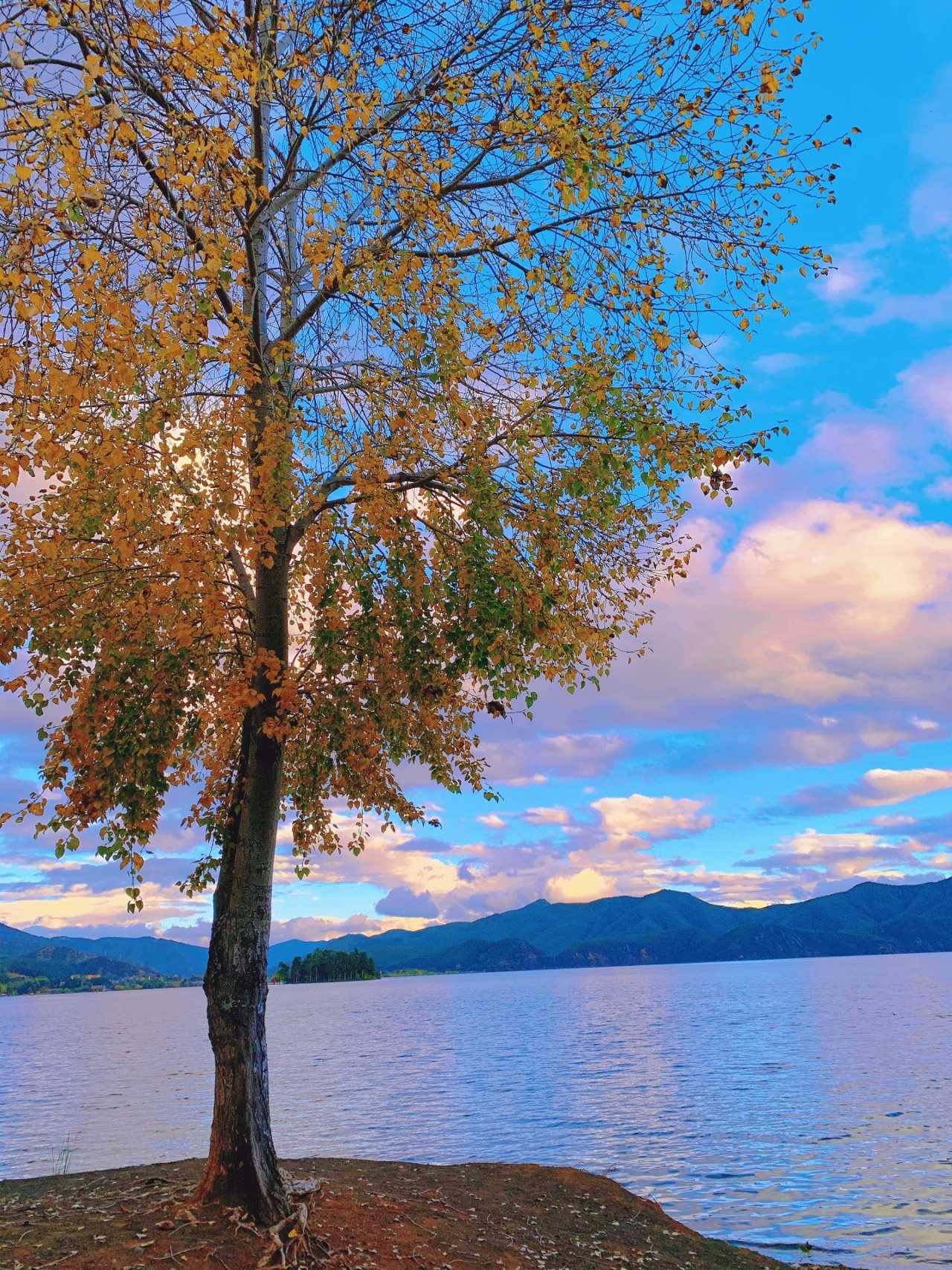
Kanas Lake in northern Xinjiang is often called "the last pure land on earth." In autumn, the lake's turquoise waters contrast with the surrounding taiga forests, which turn gold, red, and orange. The reflection of snow-capped peaks in the still water is almost surreal.
I took the boardwalk along the lake's eastern shore, stopping at every viewpoint. The Fish Pavilion observation deck offers a bird's-eye view of the lake's famous "dragon tail" curve.
Best time: Late September to early October, when the colors peak but before the first snow closes some roads.
Hemu Village: Autumn in the Tundra
Hemu, a Tuva Mongolian village near Kanas, looks like a fairy tale in autumn. The wooden cabins, smoke rising from chimneys, and golden birch forests create a scene straight out of a Russian novel.
I woke at dawn to photograph the village from the hillside viewpoint. The morning mist hung low, and the first rays of sun turned the birch leaves into liquid gold. Yak herds grazed in the meadows, their bells chiming softly.
Accommodation: Stay in a local homestay for the full experience. The family-style dinners of lamb and naan bread are unforgettable.
Taklamakan Desert: Autumn's Other Face
The Taklamakan Desert, China's largest, offers a different kind of autumn beauty. The poplar trees along the desert rivers turn golden, their leaves rustling in the dry wind. The contrast between the yellow leaves and the endless sand dunes is stark and beautiful.
I drove the desert highway from Luntai to Minfeng, stopping at the Tarim River bridge to photograph the poplar groves. The silence of the desert, broken only by the wind, was meditative.
Survival tip: Bring plenty of water and a reliable GPS. The desert can be disorienting.
Jiangxi: Autumn's Golden Legacy
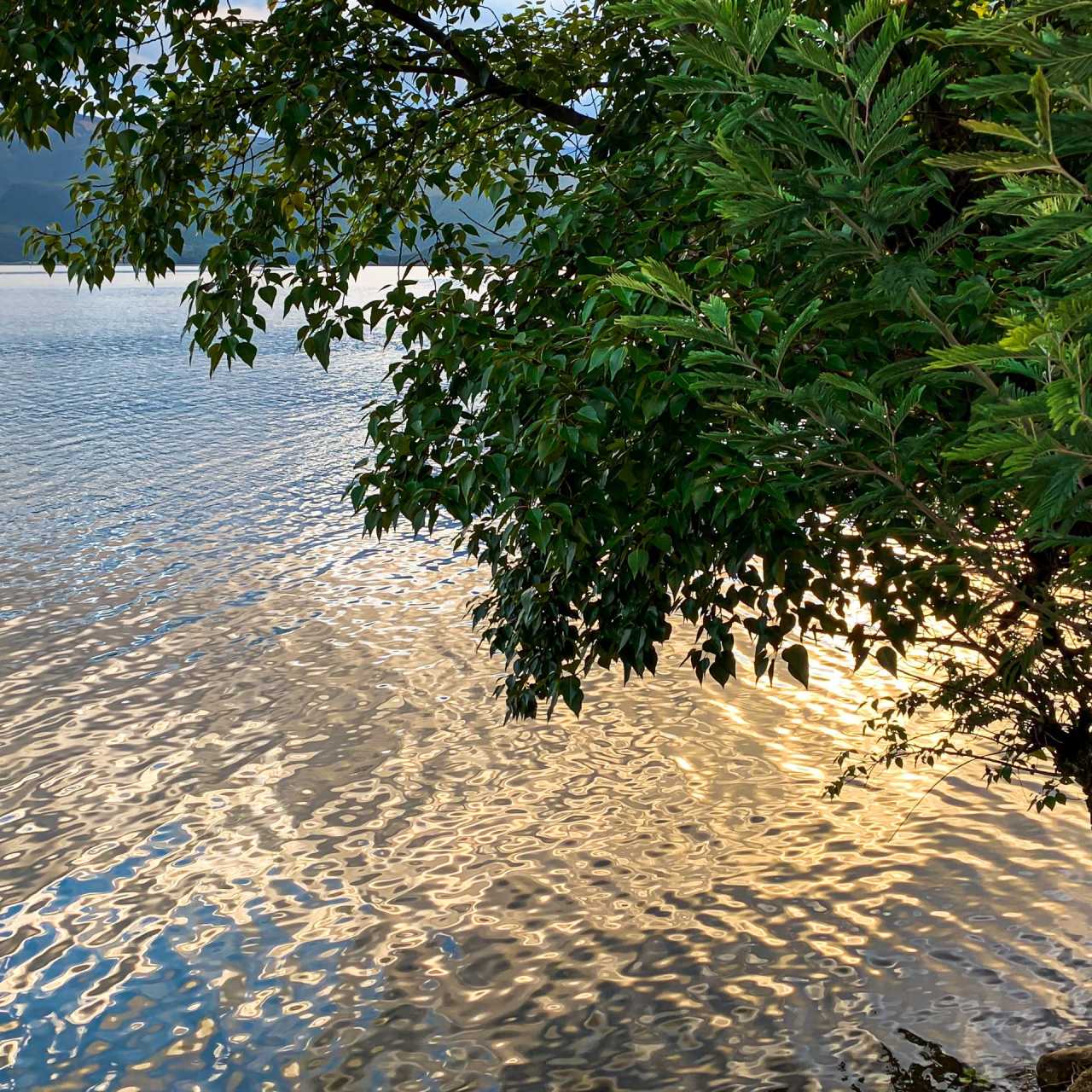
Jiangxi's autumn is steeped in history and culture. The province's ancient villages, misty mountains, and porcelain heritage offer a refined fall experience.
Wuyuan: Autumn in the Countryside
Wuyuan County is famous for its well-preserved Huizhou-style villages, set against rolling hills and terraced fields. Autumn brings the harvest season, when villagers dry chili peppers, corn, and persimmons on their rooftops—a tradition known as "晒秋" (sun-drying autumn).
I visited Huangling Village, where the colorful drying racks create a patchwork of red, orange, and yellow against the white-walled houses. The view from the hilltop observation deck is iconic.
Photo opportunity: The morning light, with mist rising from the valley, is ideal for capturing the village's autumn charm.
Lushan Mountain: Autumn's Misty Retreat
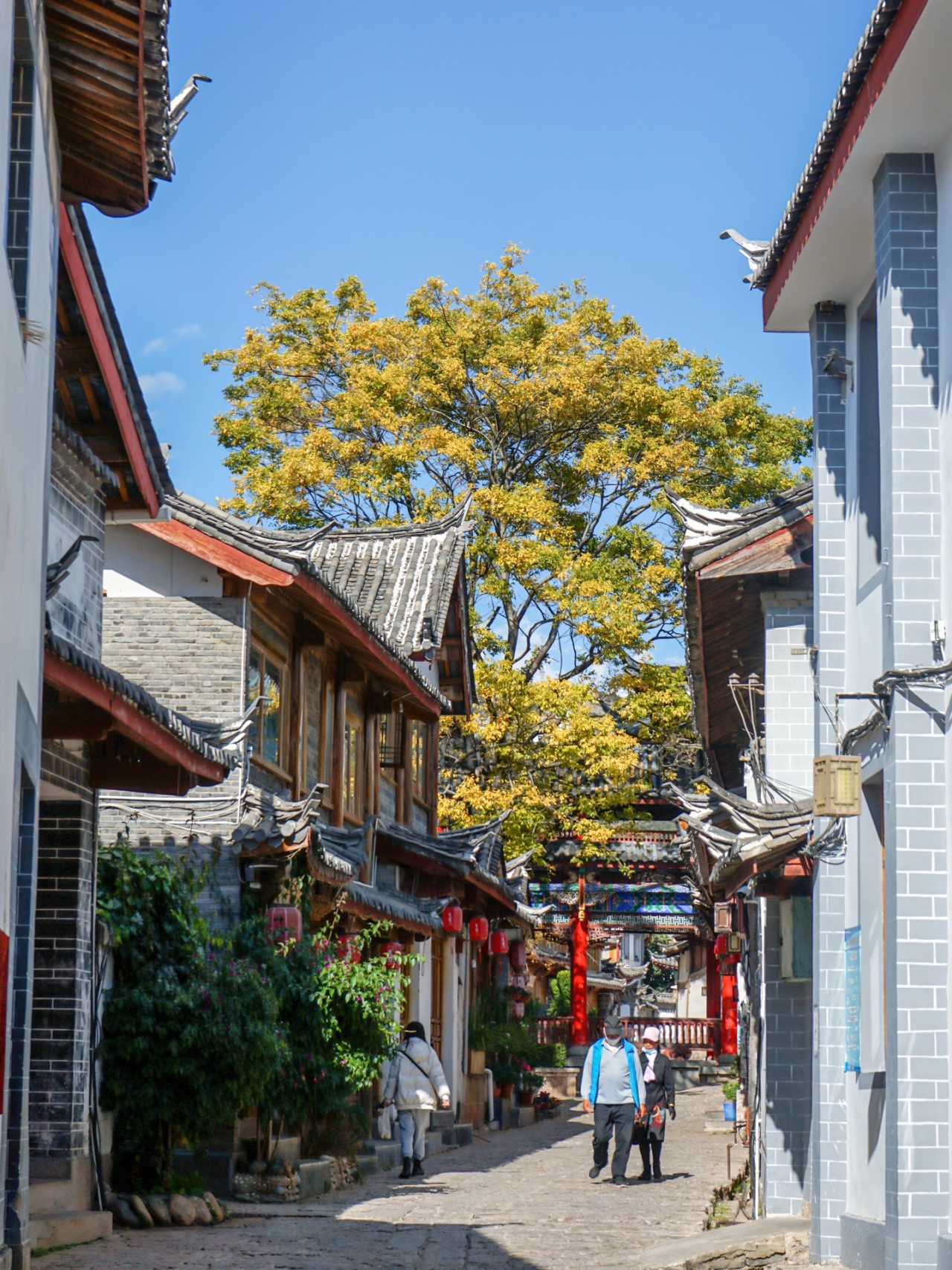
Lushan Mountain, a historic retreat for poets and scholars, becomes a haven of tranquility in autumn. The maple forests turn crimson, and the mountain's famous clouds—which inspired countless Chinese paintings—drift through the valleys.
I hiked the Five Old Men Peak trail, stopping at the White Deer Cave Academy, a Confucian school dating back to the Tang dynasty. The autumn colors, combined with the ancient architecture, created a sense of timelessness.
Don't miss: The sunset from Hanyang Peak, where you can see the Yangtze River winding through the plains below.
Jingdezhen: Autumn in the Porcelain Capital
Jingdezhen, the "Porcelain Capital" of China, offers a cultural autumn experience. The ancient kilns, porcelain museums, and artisan workshops are less crowded in fall, making it easier to explore.
I visited the Imperial Kiln Museum, where the autumn light filtered through the modern building's ceramic lattice. The nearby Sanbao Village, with its artist studios and pottery workshops, was a delight.
Souvenir tip: Buy a small piece of blue-and-white porcelain directly from a workshop. The quality is far better than what you'll find in tourist shops.
Final Thoughts: Autumn's Endless Journey
Autumn in China is not a single season—it's a thousand different seasons, each with its own personality, colors, and stories. From the high plateaus of Tibet to the coastal villages of Fujian, from the wild landscapes of Xinjiang to the ancient towns of Jiangxi, every destination offers a unique window into this magical time of year.
What makes autumn so special is its fleeting nature. The colors peak for only a week or two, then fade. The golden leaves fall, the winds turn cold, and winter arrives. But the memories—the crisp air, the fiery forests, the quiet moments of discovery—stay with you forever.
So pack your camera, lace up your hiking boots, and chase the autumn. It's waiting for you, in all its golden glory.
You should also read:
Into the Hidden Valley: A Solo Journey Through the Mysterious Dulong River
Into the Hidden Valley: A Solo Journey Through the Mysterious Dulong River Deep in the northwestern corner of Yunnan Province, tucked away from the modern world, lies a place that feels like a secret whispered among mountains. The Dulong River Valley is not just a…
Continue reading...
God’s Abandoned Palette: A Self-Drive Journey Through Yunnan’s Dongchuan Red Land
God’s Abandoned Palette: A Self-Drive Journey Through Yunnan’s Dongchuan Red Land Travel has never been about reaching some distant geographic coordinate. It’s about encountering, along the way, the version of yourself buried beneath the rubble of daily routine. During this May Day holiday, I finally…
Continue reading...
Body in Hell, Heart in Heaven: A Pilgrimage Through Tiger Leaping Gorge — A Dialogue Between Heaven and Earth
Body in Hell, Heart in Heaven: A Pilgrimage Through Tiger Leaping Gorge — A Dialogue Between Heaven and Earth Introduction: When the Gorge Splits Open Beneath Your Feet Some say Tiger Leaping Gorge is the closest place on Earth to the border between "hell" and…
Continue reading...