Begin Again: Returning to Lugu Lake – A Journey of the Heart
Begin Again: Returning to Lugu Lake – A Journey of the Heart
There are places that leave fingerprints on your soul. For me, Lugu Lake is one of them. I call it my third homeland, a title not given lightly. For nearly three years, I had promised myself I would go back. But life, with its endless stream of excuses and obligations, kept delaying the reunion. The deep blue of that water haunted my dreams, calling me home.
Then came an unexpected gift: Beijing's Victory Day parade celebrating the end of World War II granted an extra holiday on September 2nd. With just two days of leave, I could stitch together an eight-day escape. Some might argue that eight days could take you abroad for less money. But they wouldn't understand the pull of this place. I have a Lugu Lake complex, as the Chinese saying goes—a deep, inexplicable attachment that only those who have fallen in love with a place can truly grasp.
If you're planning your own journey, feel free to reach out. I've walked these paths countless times.
The Simple Itinerary
My plan was refreshingly uncomplicated: one destination, Lugu Lake. But geography dictates that the easiest route still passes through Lijiang, making it an inevitable transfer point.
The Schedule:
- Aug 29: Beijing direct flight to Lijiang, staying at Wuli Xiang Inn
- Aug 30: Wandering Lijiang, visiting a friend's renovated pigsty-turned-courtyard
- Aug 31: High-speed bus from Lijiang to Lugu Lake, staying at Zizai Jialan Inn in Langfang
- Sep 1: Visit to Qiansuo Primary School, same inn
- Sep 2: Charter car tour around the lake, staying at Zizai Qingrenshu Inn in Nise
- Sep 3: Self-driving exploration, staying at Moshang Huakai Inn in Lige
- Sep 4: Lugu Lake → Ninglang → Lijiang
- Sep 5: Strolling Lijiang
- Sep 6: Lijiang direct flight back to Beijing
Getting from Lijiang to Lugu Lake: What You Need to Know
The road is the only option, and it's not easy. The section between Lijiang and Ninglang is under construction, forcing all vehicles to detour through Yongsheng or the Ahai Hydropower Station. Here are your choices:
- A. Public Express Bus: The classic option, taking 8–9 hours. Expect two transfers: from a large bus to a 19-seat minibus after Yongsheng, then back to a large bus at Ninglang. It drops you at Daluoshui Village, from where you'll need to hitchhike or charter a car to reach Lige or other spots.

B. Dedicated Minibus: Typically 10-seater business vans that take the Ahai detour. Shorter travel time, but less legroom and still winding mountain roads.
C. Direct Minibus to Ninglang: Similar to option A but without the mid-route transfer. You'll still need to find transport from Ninglang to the lake. Generally not recommended.
D. Charter Car: The most flexible option, taking the Ahai route. Best to hire an experienced local driver from Lijiang.
Beijing to Lijiang: A Flight with a Twist
A few days before departure, I checked the Lijiang weather forecast. My heart sank. Rain. Every single day. Having lived by Lugu Lake for a year and a half, I'd seen it in all seasons. Still, I desperately hoped for sunshine, for that iconic blue water. The forecast stubbornly refused to cooperate. I packed a light down jacket—Lugu Lake can get chilly in the rain.
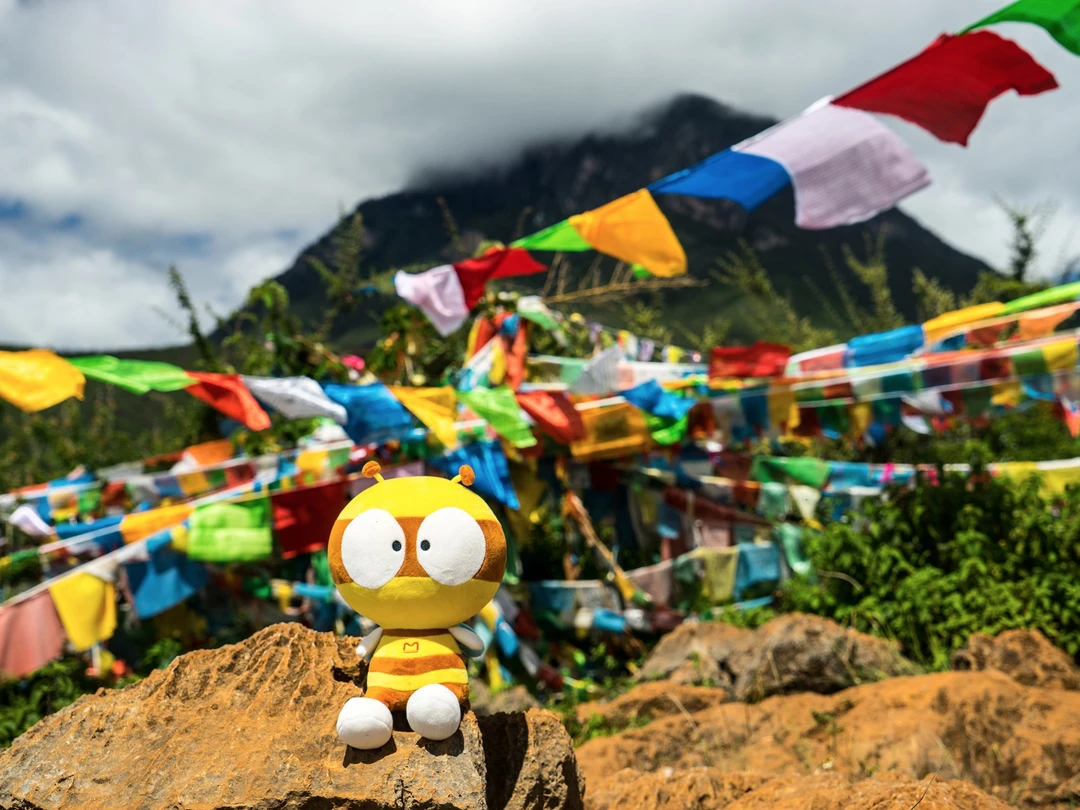
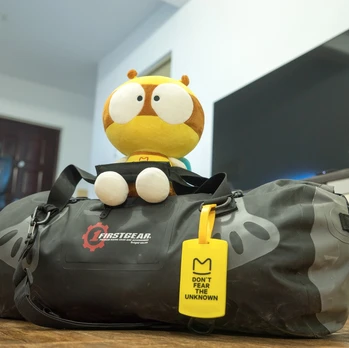
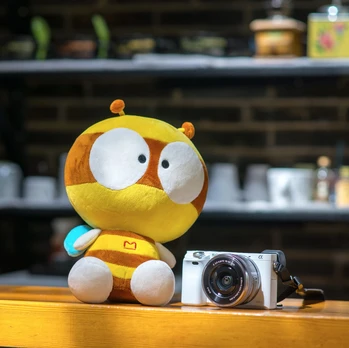
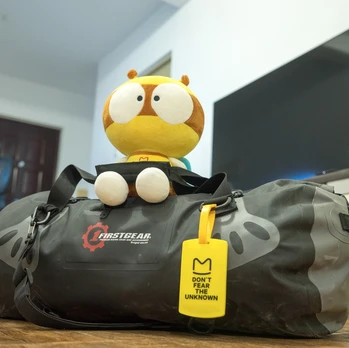
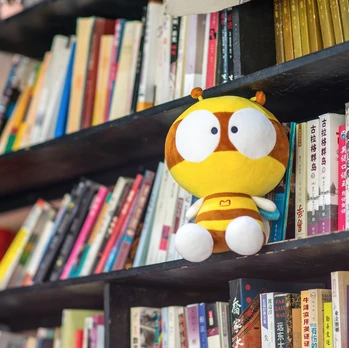
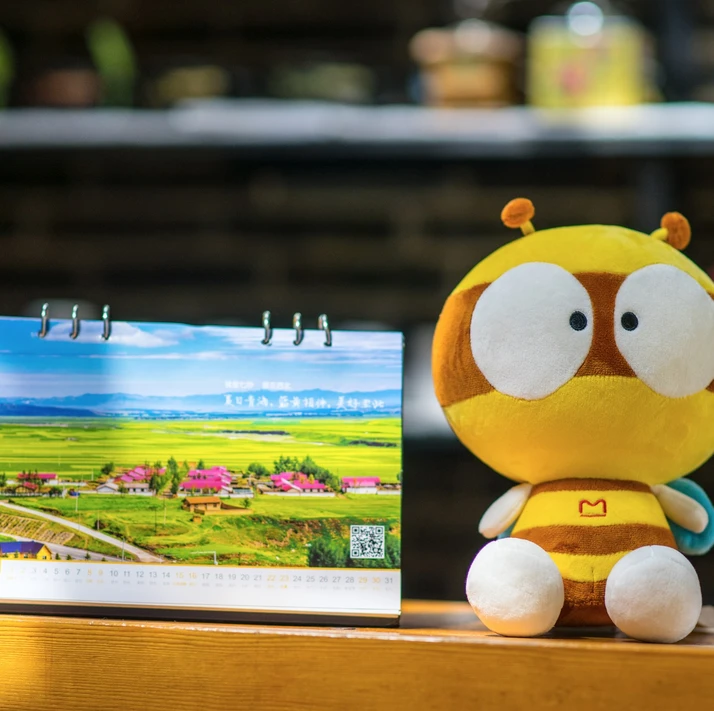
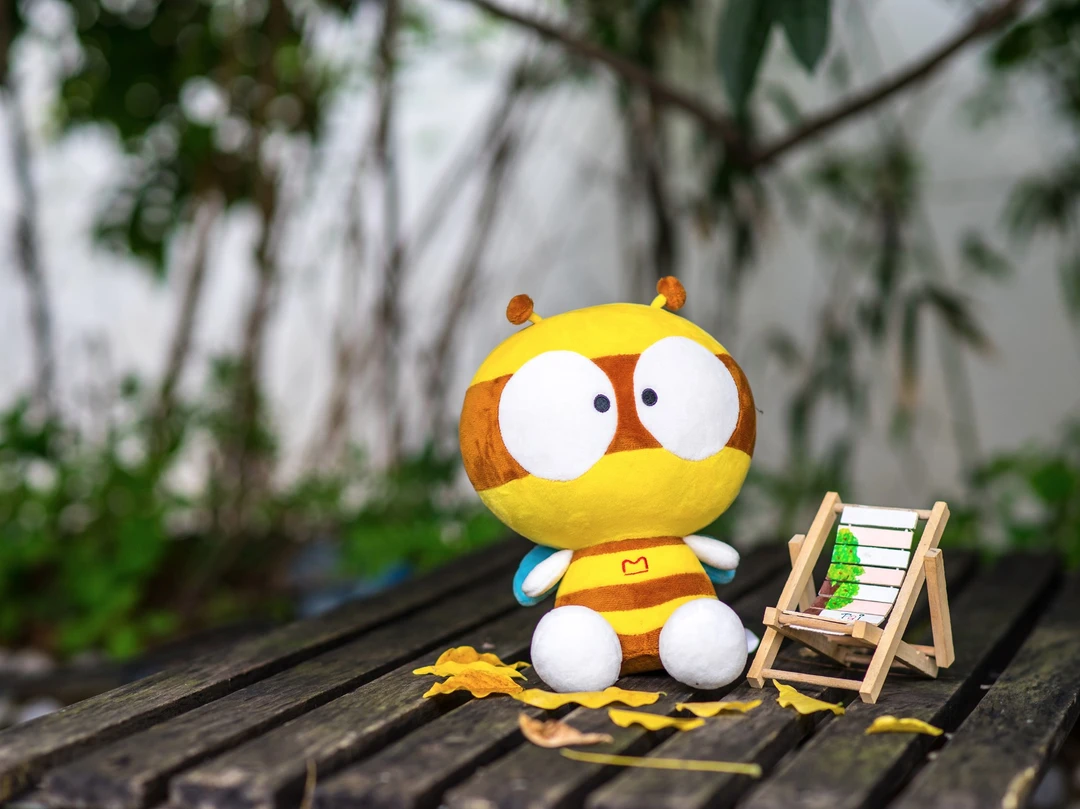
My travel companion? The latest Mafengwo luggage tag (don't ask how I got it) and a little plush bee mascot that sat proudly on my backpack.
The alarm was set for 4:00 AM. The 6:30 flight, combined with Beijing's heightened security for the parade, demanded an early start. I'd even booked a taxi the night before. Good thing I did—I never heard the alarm. The taxi driver's call at 4:15 saved me. By 4:30, I was in the car.
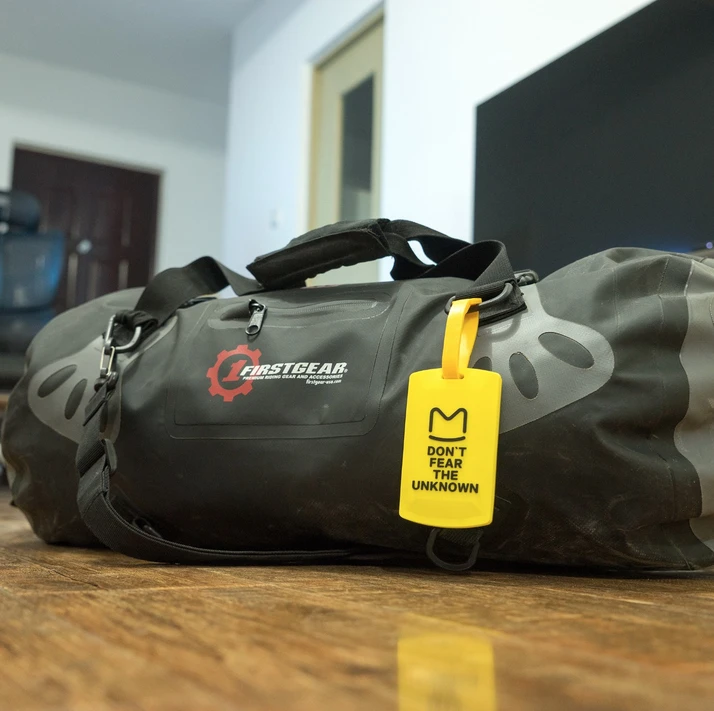
The airport was a zoo. Long queues for luggage drop-off, but security moved quickly. The only awkward part? I couldn't bear to stuff my little bee into the checked bag, and my carry-on was too small. So there I was, a grown man, wandering through the terminal clutching a plush toy. No one offered to take a photo. Not even a curious glance.
The morning flight departed on time. I dozed off to music, only to be jolted awake by the announcement: "The aircraft will land at Lijiang Sanyi Airport in 30 minutes." Then, suddenly, the plane pulled up. "Lijiang cannot accept landings due to weather. We will divert to Kunming Changshui Airport."
Great. A direct flight turned into a stopover.
Forty minutes later, we were airborne again. By 1:00 PM, I finally touched down in Lijiang. Rain was still falling. But I wasn't here to explore—Lijiang was just the gateway.
Day 2: Lazing Around Lijiang
I woke at 9:00 AM to a brief break in the clouds. It didn't last. Still, a friend called, inviting me for lunch—chicken soup in the Xiangshan Market area. Lijiang's famous preserved pork ribs had lost their appeal for me. Instead, we settled into a trendy new format: hot pot and barbecue at the same table. A clay pot simmered with chicken soup while we grilled meat on the side. Warm, comforting, perfect for a drizzly day.
It was also mushroom season. We ordered fresh matsutake, a local delicacy, and grilled Lijiang's signature stuffed tofu.
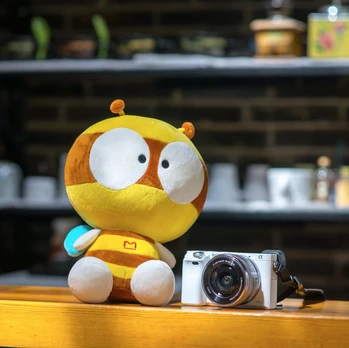
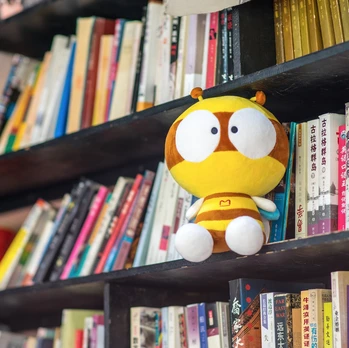
After lunch, we visited my friend's courtyard in a village at the foot of Wenbi Peak. The highlight? It used to be a pigsty. Now, after serious renovation, it's a charming little retreat, complete with a vegetable garden, a dog, a cat, and plans for two geese. I didn't take many photos of the house itself—I was too busy posing my little bee mascot everywhere.
Lijiang to Lugu Lake: The Long Road Home
This day was brutal. The bus ride is grueling, no matter which route you take. The road from Lijiang to Ninglang snakes through mountains, with perilous sections that demand constant vigilance. Just weeks before my trip, a driver I knew had crashed—his van tumbled off a cliff, killing four and injuring a dozen.
The bus itself was an endurance test. After Yongsheng, we switched to a 19-seat minibus (larger vehicles are banned from the narrow roads). At Ninglang, we changed again to a full-sized bus. Through the window, I watched clouds wrap around the mountains like scarves. It was exhausting. But every bump and turn was worth it—just to see her again.
By 5:00 PM, we reached the Lugu Lake viewpoint. I looked out. "What the...? Where's the lake?!" All I saw was fog. Thick, impenetrable fog. My third homeland was playing hard to get.
From the Daluoshui bus station, I hailed a minivan to Langfang Village, the newest and quietest development area on the lake. Few tourists, few inns. Perfect for someone who just wanted to be still.
Staying at Zizai Jialan Inn
This inn opened in May of that year, so everything was brand new. "Luxurious" barely describes it. Each room had a 50-inch LeTV with IPTV, a private router with lightning-fast WiFi, and excellent hot water—a blessing after a rainy day. Every room faces the lake, separated only by a narrow road. The courtyard features three canopy-covered nooks for lounging, chatting, or stargazing on clear nights.
The inn also has a seven-month-old golden retriever-Labrador mix named Lafite. He's a master of cuteness.
Breakfast is simple but reliable: porridge, small steamed buns, and boiled eggs. Not gourmet, but free and reassuringly homemade.
Returning to Qiansuo Primary School
Behind Lion Mountain lies a place most Lugu Lake visitors never hear of: Qiansuo. It's not a scenic spot. It's not on any tourist map. Administratively, it belongs to Yanyuan County, Liangshan Prefecture, Sichuan Province. The school is Qiansuo Complete Primary School—grades one through six.
I taught here for a year. It was one of the most meaningful periods of my life.
Two years after leaving, I returned annually to see the children. Some had moved on to high school, others to vocational schools. At least they were stepping out into the world.
The Journey to School
I hired a car through the innkeeper—a local driver who knew the mountain roads well. We left Langfang at 8:00 AM, winding through fog-shrouded hills. The road to Qiansuo is unpaved in places, carved into the mountainside. It's a route that demands respect: one wrong turn, and you're looking at a long drop.
After an hour, we arrived. The school looked exactly as I remembered: the same faded blue gate, the same concrete playground, the same flagpole standing tall against the gray sky. Children were already in class. I could hear their voices echoing through the halls, reciting lessons in Mandarin and the local Mosuo dialect.
I walked into the teachers' office. Familiar faces lit up. "You came back," they said, as if it were the most natural thing in the world. And for me, it was.
I spent the morning visiting classrooms, handing out small gifts I'd brought from Beijing—pencils, notebooks, and a few storybooks. The children were shy at first, then bursting with questions. "Is Beijing big? Have you seen the president? Do you eat noodles every day?"
I stayed for lunch in the school canteen: rice, stir-fried vegetables, and a simple egg soup. It was humble, but it tasted like home.
Around the Lake: A Day of Discovery
The next morning, the fog finally lifted. I woke to a view I'd been waiting three years for: Lugu Lake, shimmering in the early light, surrounded by mountains that seemed to hold their breath. The water was impossibly blue—a blue that photographs never quite capture, a blue that settles into your bones.
I chartered a car for a full-day tour around the lake. The route is roughly 50 kilometers (31 miles) in circumference, but with stops, it takes all day.
Highlights of the Lake Circuit
Goddess Mountain (Gemü Mountain): The sacred peak of the Mosuo people. Legend says it's the embodiment of the goddess Gemü, protector of the lake. I didn't hike to the top this time—the trail is steep and my legs were still recovering from the bus ride—but I paid my respects from the lakeshore.
Zhaojia Pier: A wooden dock extending into the water, perfect for photos. The morning light painted everything in gold. I sat there for twenty minutes, just watching the ripples.
Lover's Beach: A stretch of pebbled shore where local couples come to watch the sunset. I arrived too early for the sunset, but the solitude was its own reward.
Lige Village: The most developed tourist hub on the lake. It's lively, with restaurants, bars, and souvenir shops. I stopped for lunch at a small family-run eatery: grilled lake fish, stir-fried wild vegetables, and a bowl of steaming rice. Simple. Perfect.
Nise Village: Quieter than Lige, with fewer crowds and more traditional Mosuo houses. I stayed here at Zizai Qingrenshu Inn, another lakeside property with stunning views. The innkeeper, a young Mosuo woman, told me stories about her grandmother, who remembered the lake before tourism arrived.
Self-Driving Exploration
On September 3rd, I rented a small SUV and drove myself around the lake. Freedom. No schedule, no driver, no itinerary. Just me, the road, and the lake.
I discovered hidden coves, abandoned fishing boats, and a tiny temple perched on a hillside. I stopped whenever the view demanded it—which was often. I ate lunch at a roadside stall: grilled corn and a bottle of local yogurt. I didn't see another tourist for hours.
By evening, I reached Moshang Huakai Inn in Lige. The name means "blossoms by the roadside," and the inn lives up to it. The courtyard is filled with flowers—roses, lavender, jasmine—their fragrance mixing with the cool lake air. I sat on the terrace until the stars came out, nursing a cup of local tea.
The Long Road Back
September 4th meant leaving. The journey from Lugu Lake to Lijiang is a reverse of the route in: bus to Ninglang, transfer, bus to Lijiang. Eight hours, give or take. I spent most of it staring out the window, memorizing the mountains.
In Lijiang, I had one more day to wander. I visited the Old Town, walked along the canals, and bought a few souvenirs. But my mind was still at the lake.
September 6th, I flew back to Beijing. The city felt loud and gray after the purity of Lugu Lake. But I carried the blue of that water inside me, like a secret.
Final Thoughts
Lugu Lake isn't for everyone. The journey is hard. The weather is unpredictable. The comforts are basic. But if you go with an open heart, it gives back tenfold.
I don't know when I'll return. Life will find new excuses, new obligations. But I know this: the lake will wait. It always does.
If you have questions about visiting Lugu Lake—routes, accommodations, or just want to hear more stories—feel free to ask. I've walked these paths, and I'm happy to share.
You should also read:

Body in Hell, Heart in Heaven: A Pilgrimage Through Tiger Leaping Gorge — A Dialogue Between Heaven and Earth
Body in Hell, Heart in Heaven: A Pilgrimage Through Tiger Leaping Gorge — A Dialogue Between Heaven and Earth Introduction: When the Gorge Splits Open Beneath Your Feet Some say Tiger Leaping Gorge is the closest place on Earth to the border between "hell" and…
Continue reading...
Cloud Travelogue · Dali of Wind, Flowers, Snow, and Moon: A Three-Day, Two-Night Journey of a Free Spirit
Cloud Travelogue · Dali of Wind, Flowers, Snow, and Moon: A Three-Day, Two-Night Journey of a Free Spirit I am a cultured female foodie with a touch of rogue charm. I slung on my backpack, took my lover's hand, and set off on a spontaneous…
Continue reading...
The Meaning of Travel – A Tengchong Story: A Journey of the Heart and Personal Growth
The Meaning of Travel – A Tengchong Story: A Journey of the Heart and Personal Growth Setting Out, Only to Return a Better Self Some say travel is nothing more than leaving a place you're tired of, only to go to a place where others…
Continue reading...