Between Flowing Clouds and Waters, Weaving Dreams Under Sun and Moon — A 19-Day Journey Through Yunnan
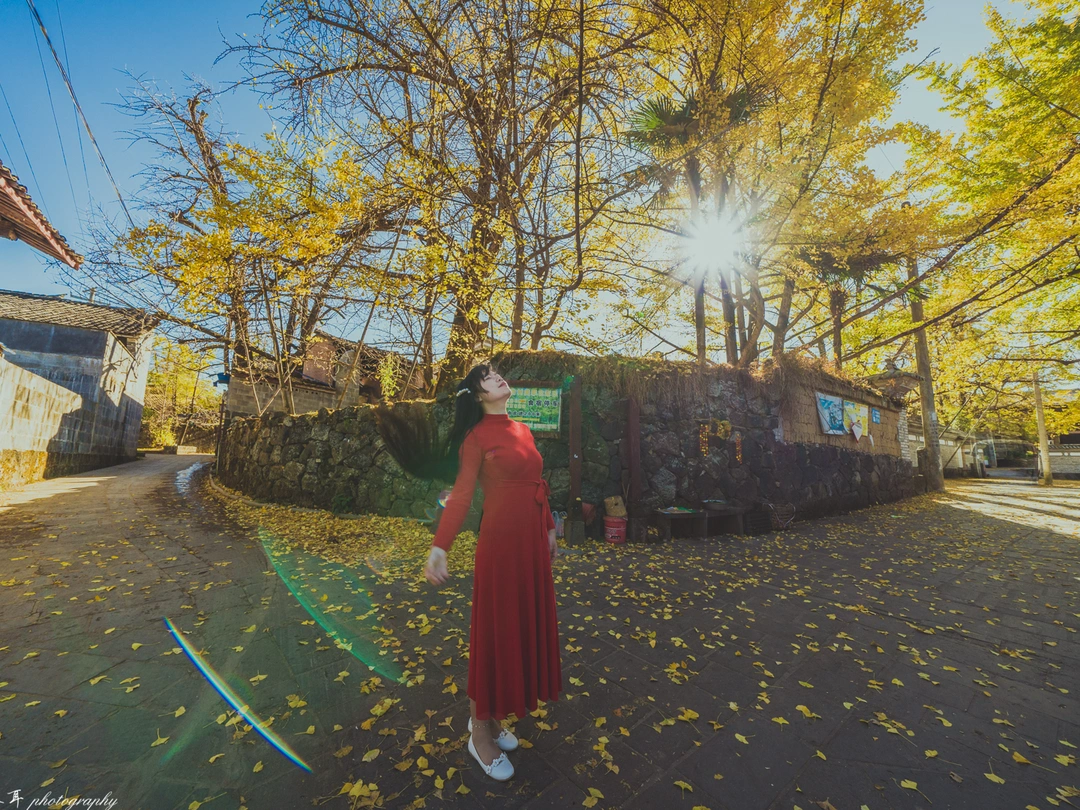
Between Flowing Clouds and Waters, Weaving Dreams Under Sun and Moon — A 19-Day Journey Through Yunnan
Prologue: A Poetic Winter Expedition
On November 27, 2017, while the northern lands of China were already wrapped in a blanket of snow, our family of four — accompanied by a little dog named Xiaokui — set off on a journey across Yunnan. Nineteen days and nights, 4,500 kilometers, one car, four people, one dog — these numbers add up to far more than a simple road trip. They describe a journey that sank into the quiet poetry of life and wove together a tapestry of vivid dreams.

Winter in Yunnan possesses a strange magic. It is not as biting as the north, nor as gentle as the south. It exists somewhere between reality and fantasy — mountains veiled in indigo, trees shrouded in mist, fields glowing amber gold, skies a crystalline blue. We traveled through drifting clouds and flowing waters, weaving our own dreams under the turning of sun and moon.
This travelogue does not chase trends or seek attention. It simply records, with a calm and steady hand, those moments that made our souls tremble. The article is divided into three chapters — Hidden Wonders, Classics, and Off-the-Beaten-Path — drawn from personal experience, blending nature, culture, food, and practical tips. I hope it presents you with a vivid, three-dimensional portrait of Yunnan.
Chapter One: Hidden Wonders — Miracles Carved by Time
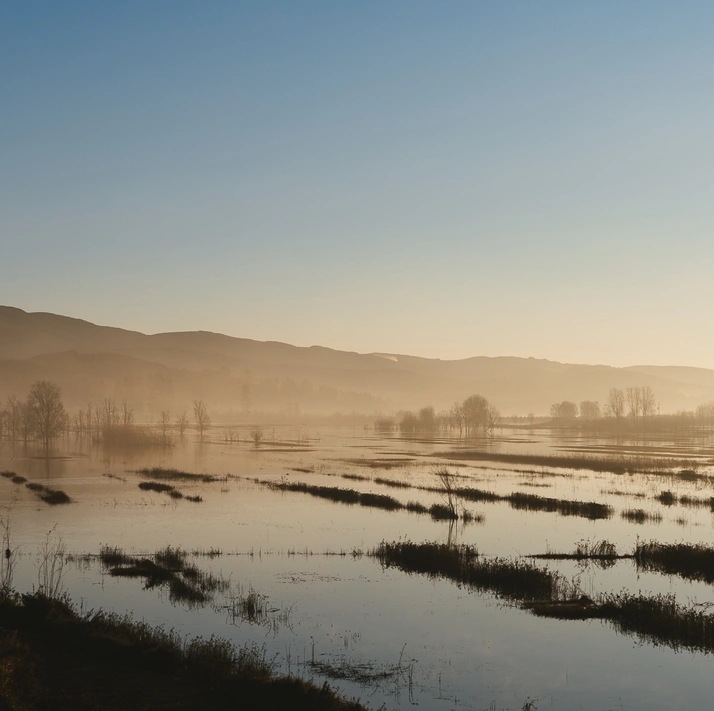
Yuanmou Earth Forest: A Thousand Ravines, Light and Shadow Intertwined
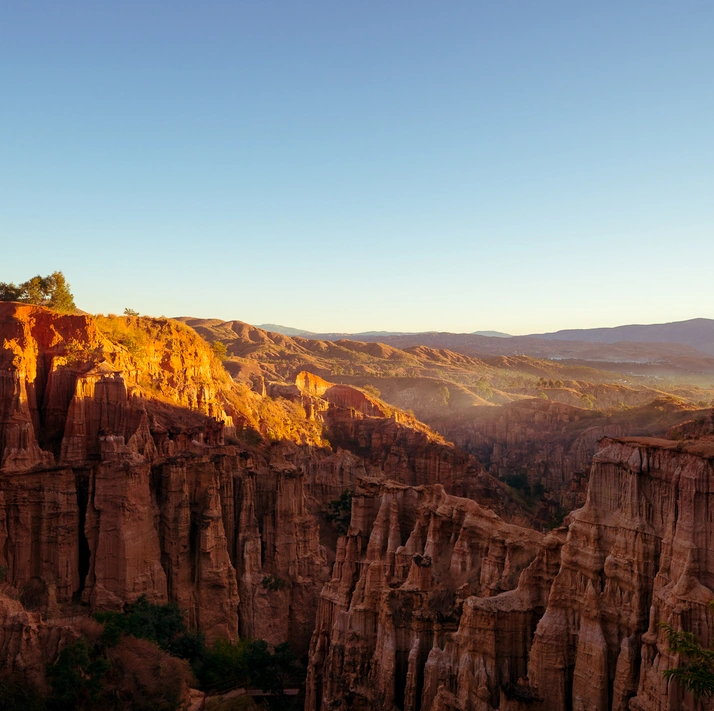
Before we set out, I held high expectations for the Yuanmou Earth Forest. I longed to see how sunlight kisses the red earth contours, sculpted by wind and rain over millions of years. I yearned to capture every fleeting moment as light and shadow danced across those weathered textures.
So we set off before dawn, chasing the stars.
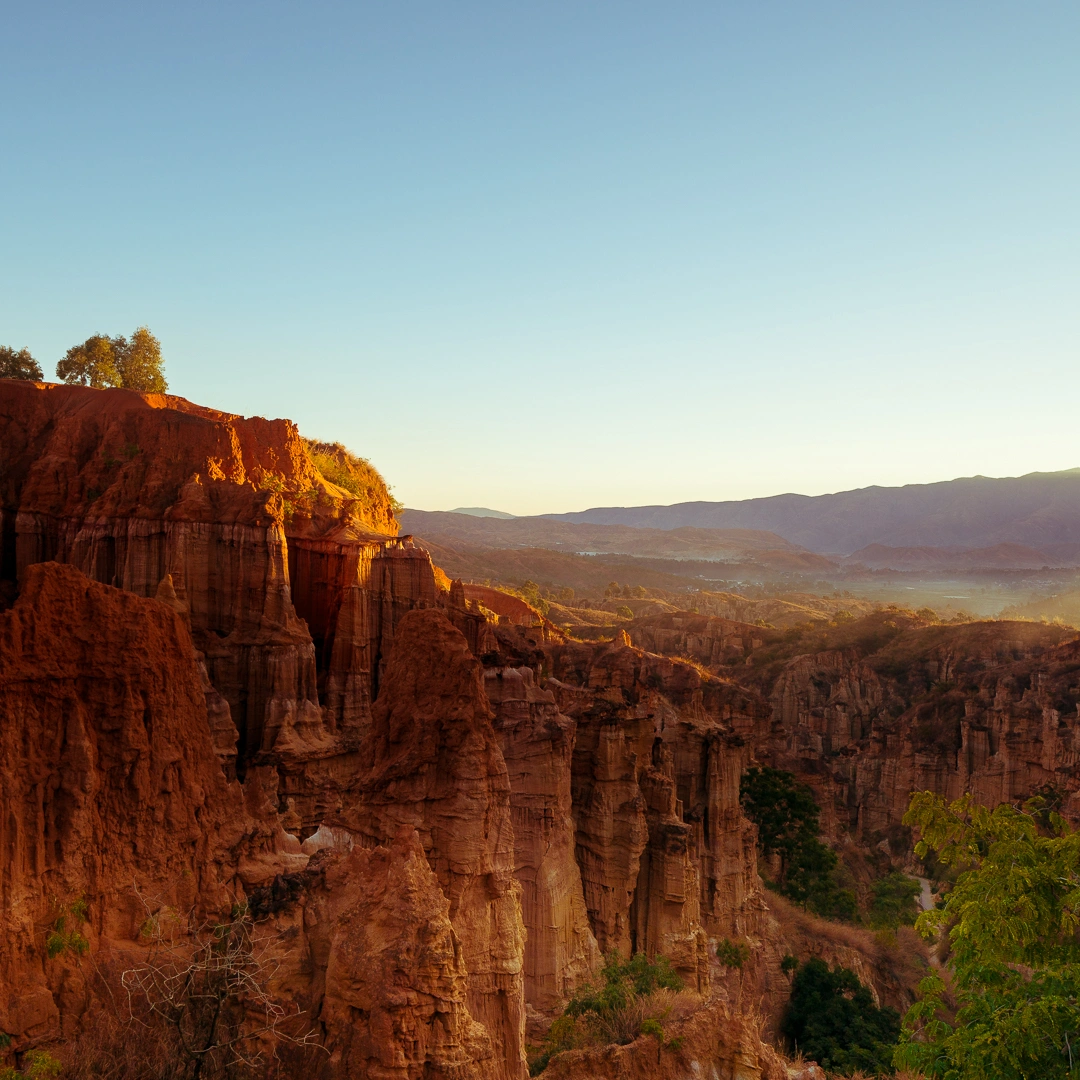
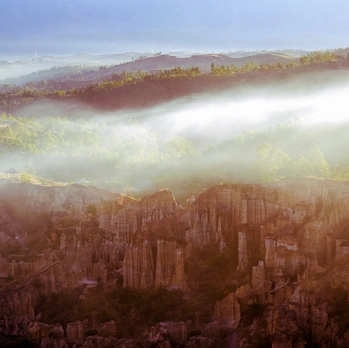
Luckily, the heavens gifted us a perfect morning. When the first rays of sunlight peeked over the mountain ridges, casting that exquisite early light across the earth forest, I almost forgot to breathe. In that moment, the cold moonlight and frosty air melted away the chill from a thousand peaks. The warm, gentle glow of dawn outlined the shapes of countless ravines. Morning mist drifted like a dreamscape, and seas of clouds rolled beneath our feet — it all felt like a fleeting illusion.
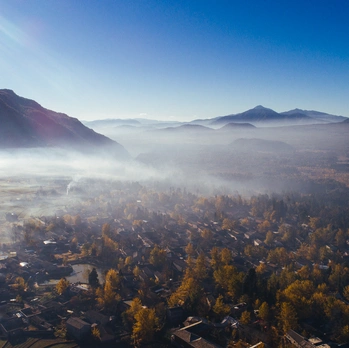
Viewed from above or below, the earth forest reveals two completely different faces. Standing on the observation deck, you feel its grandeur and majesty. But when you descend into its depths, walking through those gullies carved by time, you are struck by its desolation and solitude.
The Yuanmou Earth Forest is spread across several locations. The most famous are Wumao Earth Forest and Langbapu Earth Forest. You can buy a combined ticket, but they are far apart — even by car, it takes about an hour to get from Wumao to Langbapu. If you have the chance, do not miss Langbapu Earth Forest. In my opinion, its formations are older, its rocks more奇特 (peculiar), its cliffs more precipitous, and its colors more vibrant.
Sunlight painted Langbapu Earth Forest in a riot of colors. Each peak of earth told a different story beneath the blue sky. Some stood alone — unsupported, abrupt, and proud — as thin as paper, as sharp as a blade. The sky above was so blue it was utterly cloudless. Remember, this was the middle of winter.
The afternoon sun beat down fiercely. The small river running through the earth forest was nearly dry. Apart from us, no one else walked through this ancient, sweltering kingdom. As light and shadow shifted, we felt as though we were scaling walls and leaping across rooftops, traveling through some unknown point in time. There was no sound except the rhythm of the wind — it howled, "whoosh, whoosh," straight into our ears.
The fierce sun gradually softened into a slanting light, and the slanting light turned into the glow of evening. The peaks reflected a beauty as tragic as blood-red sunset. We quickened our pace, trying to catch up with the passing of time, to embrace this fleeting, exquisite beauty from as many angles as possible. When we finally climbed to the top of a high peak and looked down at the lake surrounded by the earth forest, it shone like a brilliant pearl — sacred and pure amidst the desolation.
We welcomed the beauty of Wumao Earth Forest in the morning sun, and bid farewell to the beauty of Langbapu Earth Forest in the evening glow. Every second, the earth forest transformed into a different pose. When the last light finally faded from its colorful coat, a drone still hovered overhead, watching the silence descend.
Looking back at the path we had walked — winding, meandering, stretching into the unknown music of the night sky. And the earth forest still stood between heaven and earth, unmoving. In the river of time, the earth forest will slowly change, and we will slowly age. But every moment we captured will eventually be sublimated into eternity, forever preserved in our hearts.
Practical Tip: The areas around the earth forest are ordinary villages with limited supplies. But the local specialty, which the restaurant owner calls "Yunnan Sausage" (a homemade cured sausage), is worth trying. If you get the chance to visit Wumao Earth Forest, don't forget to taste it.
Tengchong Ginkgo Village (Baxin Village): Purest Gold, Boundless Blue
For me, the dream of Tengchong began with a shade of pure gold. I have always refused to use the word "golden" to describe that color — I believe the word "pure" carries a deeper sense of attachment to time.
The feeling of "traveling through clouds and weaving dreams" first took hold of me precisely because of winter in Tengchong. You could say it was a place where dreams began.
But when we finally arrived at that remote border village, we were not greeted by the yellow carpet and blue sky I had imagined. Instead, we were welcomed by a humble dinner full of rustic, countryside flavors. Stir-fried eggs with bright yellow ginkgo flowers. Freshly picked vegetables, still green. Nothing fancy, but full of flavor.
Good times wait for no one, so Tengchong's first stop was naturally Ginkgo Village.
The rooster crowed at dawn. White mist drifted outside our window. When we stepped out, the countryside was covered in frost and dew, as if we had stepped into a pure white fairy tale of ice. Even our car received this special "gift" — the windows were covered in frost flowers, shimmering and dreamlike in the sunlight.
So it turns out that a world of cold, icy beauty can also be as warm as the morning sun.
Turning back suddenly, behind the icy eaves and frost-covered tiles, we could not hide the crisscrossing patches of pure gold — ginkgo leaves weighing down the branches, slowly melting the cold under the morning sun. Cooking smoke rose, gradually blurring the mountain streams, forests, and fields.
Every inch of this land had been watered by the sweat of hardworking local farmers. Running freely across the vast fields, letting our passion burn fiercely, then turning into birds soaring between heaven and earth — we saw the masterpieces that people had created for the land.
Vibrant colors, crisscrossing paths, ribbons of earth — the landscape showed us endless potential and creativity. The farmland was neat and orderly; the forests were wild and boundless. On the other side, an endless expanse of pure gold and deep blue met at the horizon. Winding roads plunged into the clouds, as if leading to those faintly visible volcanic craters in the sky.
A Thought on Commercialization: Many people complain that Ginkgo Village is too commercialized — "Every family runs a shop," "Ginkgo Village is not worth visiting anymore." But I can't help asking — what exactly do people think the village "should look like"? Should it be like decades ago, with men plowing and women weaving, treating tourists like air?
City dwellers have improved their lives, but polluted their environment. So they flock to the countryside, hoping to add a splash of color to their lives through a brief escape. Villagers see city people coming, so they boil water, kill chickens, stir-fry vegetables, and cook meals — increasing their income and enriching their lives. Neither side is wrong. This is what the village "should look like."
The ginkgo trees are still there, just dotted with a few bright red lanterns. If you don't like the crowds, just walk a few more steps. The village's side roads crisscross in all directions, but few people venture down them. If you truly want to take photos in peace, just leave the main road.
And Baxin Village is exactly that kind of quiet place. It's about a one-kilometer walk from Ginkgo Village (Chenjiazhai), taking about fifteen minutes. The further you walk toward Baxin Village, the fewer tourists you see. By the time you enter the village, you'll hardly see any outsiders at all.
In Chenjiazhai, every household opens its doors to welcome guests — lively and bustling. In Baxin Village, every family keeps its doors tightly shut — a place of pure tranquility. Spring couplets, door gods, weathered wooden doors, old ginkgo trees in the courtyards — all of this makes Baxin Village unique.
An old woman picking up ginkgo leaves from the ground to use as bookmarks told us that the mountains right next to Baxin Village border Myanmar. In the old days, horse caravans frequently traveled between the two places, and the village served as their post station. Back then, Baxin Village was naturally prosperous. But now, the glory has faded, and the past has left no trace.
If you seek pure tranquility, remember the name "Baxin Village."
After leaving through another village entrance of Baxin Village, more scenery awaited us. The road was straight and wide, lined with tall pine forests stretching endlessly into the distance. Under the setting sun, the pines rustled in the wind, and their shadows danced. Here, with no interruptions, feel free to let yourself go, to soar freely.
Until "the empty mountain stood with ancient pines, the setting sun shone on a distant figure," until "the clouds slowly hid the mountains, and a small bridge appeared faintly in the distance" — only then did we return to our farmhouse courtyard.
Chapter Two: Classics and Serendipity (Excerpt)
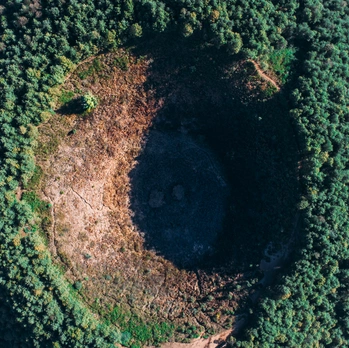
Tengchong Rehai (Hot Sea): Jade Smoke Wafting, Thick Mist Rising
If Ginkgo Village was a feast for the eyes, then Rehai was an adventure for the senses. "Jade smoke wafting, hiding traces of duckweed; thick mist rising slowly, weaving dreams" — this was my most direct impression of Tengchong's Hot Sea.
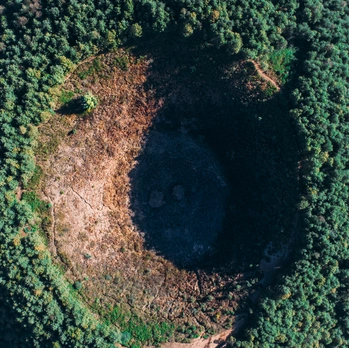
As warm steam erupted from deep underground and spread through the valley, the whole world seemed shrouded in a mysterious veil. The faint smell of sulfur hung in the air, a reminder of the active, living earth beneath your feet.
Practical Tip: There are several hot spring pools within the Rehai Scenic Area. It's recommended to set aside half a day. If you want to experience the fun of cooking eggs with geothermal heat, buy raw eggs at the entrance and bring them to the "Big Boiling Pot" (Da Gun Guo) to cook them — it's a local tradition.
Kunming Dianchi Lake: Breaking Through Clouds to See the Sun, Soaring Over Mirages into Clear Skies
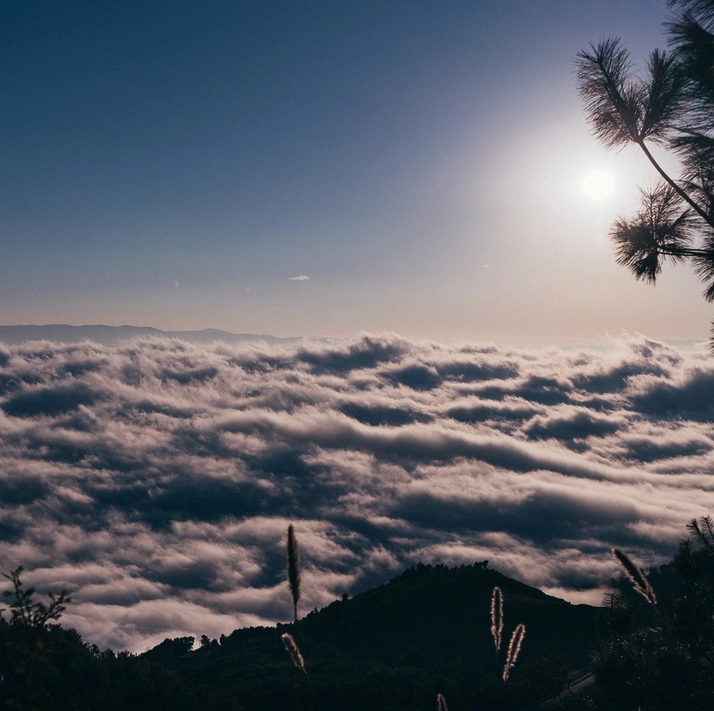
Winter in Kunming has its own unique charm. By the shores of Dianchi Lake, the black-headed gulls arrive as promised, flying all the way from distant Siberia to spend the winter here. "Breaking through clouds to see the sun, soaring bravely; flying over mirages into clear skies" — these gulls fly freely under the blue sky and white clouds, becoming the most beautiful scene of winter in Kunming.
Practical Tip: The best time to see the black-headed gulls is from November to March. When feeding them, please use special gull food and do not feed them human food like bread, as it can harm their health.
Chapter Three: Off-the-Beaten-Path — Forgotten Corners
Nuodeng Village: Cold Jade Skies, Warm Carved Towers

Nuodeng Village is a place forgotten by time. "Cold jade skies, towering and deep; warm carved towers, genuine and true" — the buildings here retain the style of the Ming and Qing dynasties. The bluestone paths wind and twist, as if every stone is telling a story from hundreds of years ago.
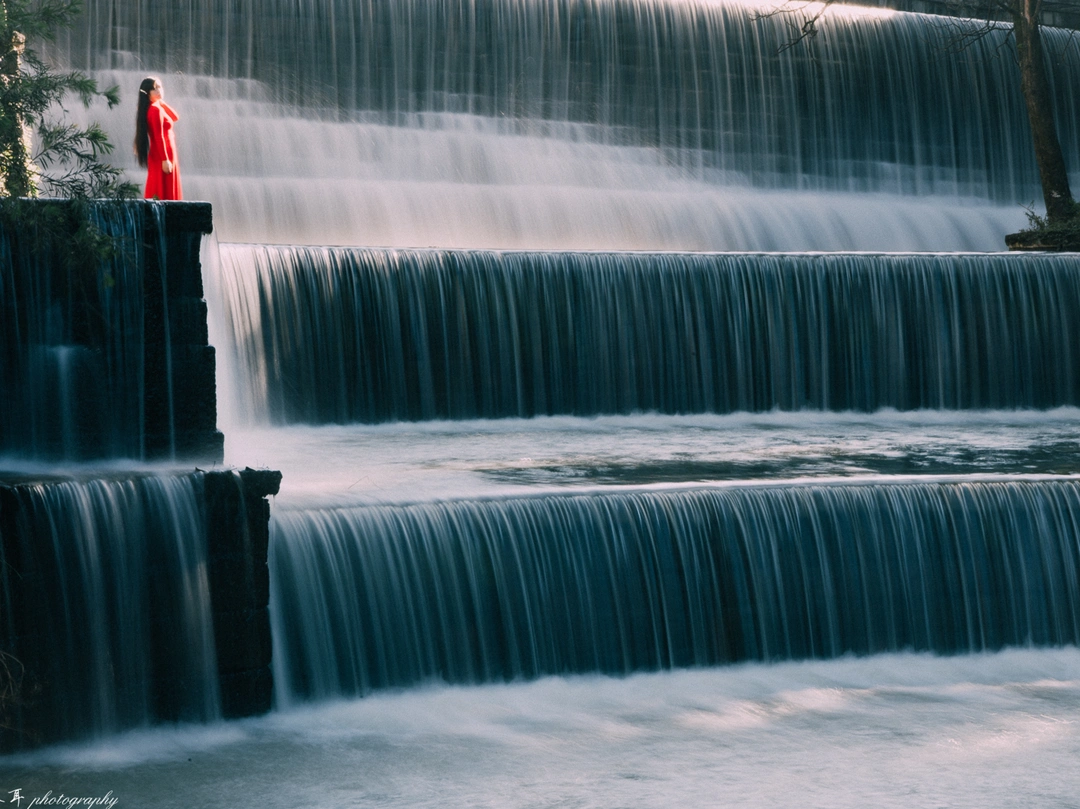
The village is not large, but every corner is worth stopping at. In the early morning mist, cooking smoke rises gently, intertwining with the dawn light to create a peaceful painting. The local ham is famous far and wide. If you come, you must try it.
Practical Tip: Nuodeng Village is located in Yunlong County, Dali. Transportation is relatively inconvenient, so it's recommended to drive there yourself. Accommodation is basic, but the simplicity and warmth of the local guesthouses will make you forget any inconvenience.
Heshun Ancient Town: Elegy for Withered Trees, Pure as Ice and Jade
Heshun Ancient Town is one of the few "living" ancient towns in Yunnan. "Elegy for withered trees, mourning the passing of time; pure as ice and jade, who will pity?" — There is no excessive commercialization here. Just the daily lives of the local people.
Walking along the stone paths of the ancient town, you will see elderly people basking in the sun in front of their doors, children chasing and playing in the alleys. Everything here is so natural, so real.
Practical Tip: The ticket for Heshun Ancient Town is valid for three days. It's recommended to stay for one night to experience the beauty of the town at dawn and dusk. In the early morning, the ancient town has almost no tourists, making it the perfect time for photography.
Final Chapter: Weaving Dreams Through Clouds, Forever in the Heart
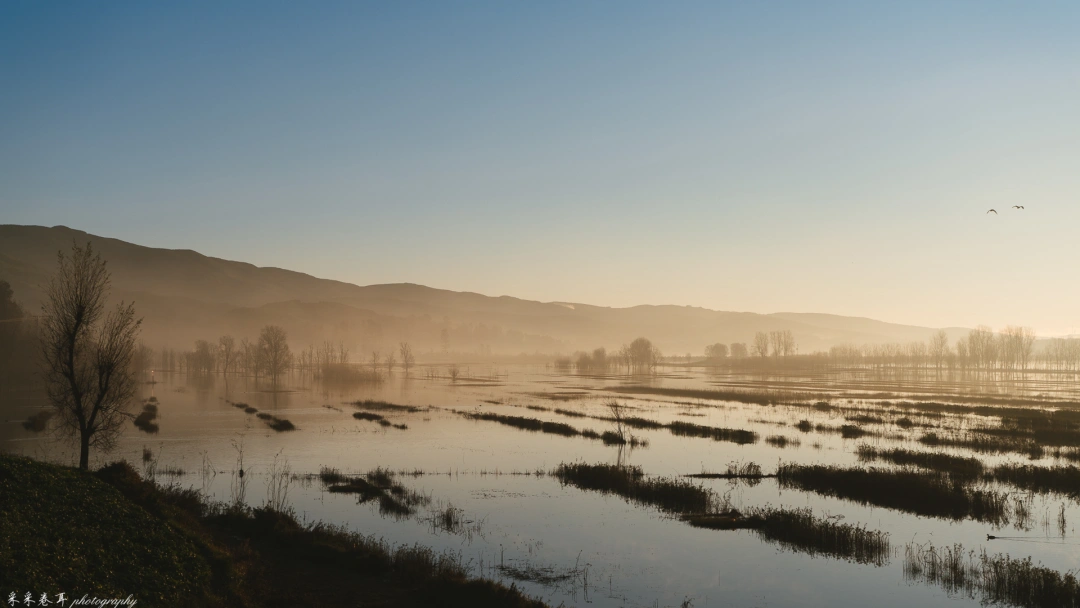
Nineteen days of travel — not too long, not too short.
We saw the thousand ravines of the Yuanmou Earth Forest. We felt the pure gold and deep blue of Tengchong's Ginkgo Village. We touched the ethereal jade smoke of Rehai. We listened to the calls of the gulls at Dianchi Lake. We walked the bluestone paths of Nuodeng Village. We stayed in an old courtyard in Heshun Ancient Town. And in a small village restaurant in Yuanmou, we tasted that homemade "Yunnan Sausage" the owner was so proud of.
Every moment deserves to be remembered.
The meaning of travel is not about how many places you've been or how many photos you've taken. It's about those moments that make you stop and hold your breath — those moments that make you feel alive, that remind you that you still love this world.
In the river of time, the earth forest will slowly change. The ginkgo leaves will fall again. And we will slowly age. But every moment we captured will eventually be sublimated into eternity, forever preserved in our hearts.
Between flowing clouds and waters, weaving dreams under sun and moon. May you and I both find our own poetry and distant lands on our journeys.
Practical Guide Summary:
| Destination | Best Season | Recommended Stay | Transportation | Must-Try Experience |
|---|---|---|---|---|
| Yuanmou Earth Forest | November - March | 1-2 days | Self-drive | Combined ticket for Wumao + Langbapu |
| Tengchong Ginkgo Village | Mid-November - Early December | 2-3 days | Self-drive | Seek tranquility in Baxin Village |
| Tengchong Rehai | Year-round | Half day | Self-drive / Charter | Geothermal boiled eggs |
| Kunming Dianchi Lake | November - March | Half day | Bus / Taxi | Feed the black-headed gulls |
| Nuodeng Village | Year-round | 1 day | Self-drive | Taste the local ham |
| Heshun Ancient Town | Year-round | 1-2 days | Bus / Taxi | Stay one night in a guesthouse |
Estimated Per-Person Cost: Approximately 6,000 - 8,000 RMB (including transportation, accommodation, meals, and tickets)
Travel Advice: Yunnan's terrain is complex, so self-driving is the best option. However, mountain roads are winding and narrow, so it's recommended to have an experienced driver. The temperature difference between day and night is significant in winter, so bring warm clothing.
Every photograph, every word, is an original creation from the heart. May this travelogue accompany you as you tread through a world of blooming flowers.
You should also read:

Body in Hell, Heart in Heaven: A Pilgrimage Through Tiger Leaping Gorge — A Dialogue Between Heaven and Earth
Body in Hell, Heart in Heaven: A Pilgrimage Through Tiger Leaping Gorge — A Dialogue Between Heaven and Earth Introduction: When the Gorge Splits Open Beneath Your Feet Some say Tiger Leaping Gorge is the closest place on Earth to the border between "hell" and…
Continue reading...
Cloud Travelogue · Dali of Wind, Flowers, Snow, and Moon: A Three-Day, Two-Night Journey of a Free Spirit
Cloud Travelogue · Dali of Wind, Flowers, Snow, and Moon: A Three-Day, Two-Night Journey of a Free Spirit I am a cultured female foodie with a touch of rogue charm. I slung on my backpack, took my lover's hand, and set off on a spontaneous…
Continue reading...
The Meaning of Travel – A Tengchong Story: A Journey of the Heart and Personal Growth
The Meaning of Travel – A Tengchong Story: A Journey of the Heart and Personal Growth Setting Out, Only to Return a Better Self Some say travel is nothing more than leaving a place you're tired of, only to go to a place where others…
Continue reading...