Beyond the Red Hot Pot: Unearthing Chengdu's Unconventional Food Scene
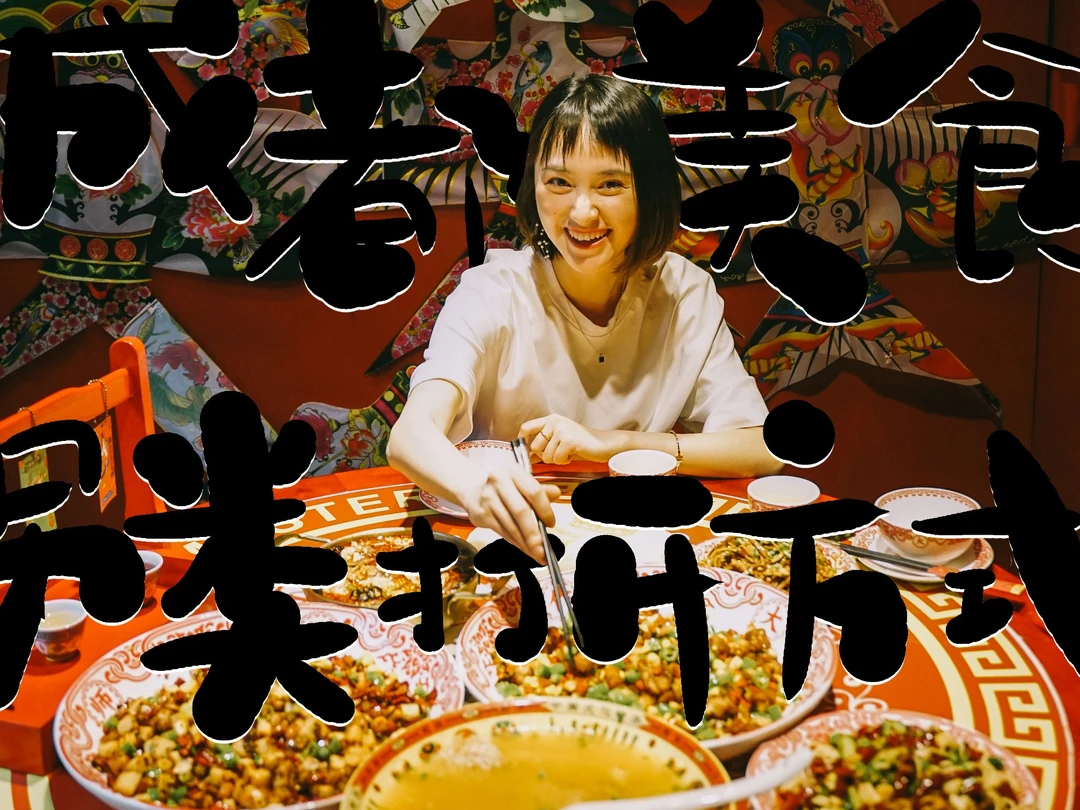
Beyond the Red Hot Pot: Unearthing Chengdu's Unconventional Food Scene
Let's bust a myth right now: no, not every household in Sichuan owns a panda. And while we're at it, let's dismantle another misconception about Chengdu's food culture—the idea that every meal is a fiery hot pot, that every dish must numb your lips with Sichuan peppercorns, and that true authenticity only lives in grimy hole-in-the-wall joints with queues stretching around the block.
The reality? Chengdu's culinary landscape is far more rebellious, inventive, and delightfully weird than any stereotype suggests. This is a city where a fashion-forward denizen in Taikoo Li won't bat an eye at someone's eccentric outfit, where the streets are casually dotted with rainbow flags, and where the food scene mirrors this same radical inclusivity.
Here, skewers in a hot pot can be as massive as lamb kebabs. The "spicy" pot doesn't have to be red. Frog dishes draw inspiration from ancient seismographs (yes, really). And creative Sichuan cuisine has mutated into something that honors tradition while striding confidently into uncharted territory.
During this National Day holiday, while most of Chengdu fled the city for adventures elsewhere, I stayed behind with a few friends. We became temporary nāng nāng (aunties)—eating our way through the city, sipping afternoon tea, and treating ourselves to massages. What we discovered was an entirely different dimension of Chengdu's food culture—one that refuses to play by the rules.
The Skewer That Dared to Be Different: A Giant Among Men
The best food in Chengdu rewards those who walk just a little further.
Tourists flock to Kuanzhai Alley or Chunxi Road, mesmerized by the flashy san da pao vendors pounding glutinous rice balls with theatrical flair. But locals know better. The real treasures—the egg-filled dan hong gao (egg-filled sponge cake) sold by elderly vendors on pushcarts in Yulin, the caramelized tang you guo zi (sugar-oil pastries) hidden behind a crumbling wall near the Second People's Hospital (sadly, now closed)—require an extra block or two of effort.
The same logic applies to Taikoo Li, that temple of high fashion and Instagrammable facades. Most visitors stop at the upscale restaurants surrounding Daci Temple. But those in the know take a sharp turn south, diving into the labyrinth of Dongdajie, Sansheng Street, and Tangba Street. This is where Chengdu's real food paradise begins.

Tucked away on a corner of Dongdajie sits Yigen'er Qiangzi (literally "One Giant Skewer"), a skewer hot pot joint that rewrites the rules of the genre.
Here's the thing: Chengdu's skewer scene is a complex ecosystem. There are hand-held skewers, cold-pot skewers, bo bo ji (chicken in chili oil), and ma la tang (numbing spicy soup). But I had never—never—seen skewers the size of lamb kebabs until I walked through these doors.
The owner exudes a quiet confidence. "Everything's good," he shrugs when asked for recommendations, as if further explanation would be beneath him. And honestly? He's not wrong. But if I had to highlight standouts, it would be the Overlord Skewer Series and the various beef skewers.
Take the Overlord Pork Ribs, for instance. These aren't just any ribs. They're cut from the prime section of the pork belly, marinated in a secret spice blend, then coated in red oil and chili flakes. The process is so meticulous that I failed to snag any on my first trip to the skewer station.
For those who crave bolder flavors, the Overlord Intestines and Beef Brisket are revelations. The secret? They're first simmered in a proprietary master stock—a fragrant, complex broth that infuses every fiber with umami. Then they hit the bone broth pot, and finally, they're dipped into a fiery condiment. The result? A four-word review: mind-altering deliciousness.
Speaking of the broth—this isn't your average soup base. The restaurant proudly displays a sign reading "8-Hour Bone Broth" above their open kitchen, where massive pots bubble away. Made from pork bones, chicken frames, duck bones, and fish, it's a milky, rich elixir that doesn't rely on MSG or artificial flavorings.
We ordered the mild spicy pot. It was bold without being harsh, aromatic without being greasy. After seven or eight minutes, the oversized intestines had absorbed the broth like sponges, delivering a flavor bomb with every bite.
Pro tip: Don't skip the garlic-flavored ribs as a side dish. Trust me.
📍 Address: 166 Dongdajie, Xia Dong Dajie Section
💰 Average Spend: 65 RMB (approximately $9 USD)
🔥 Must-Order: Overlord Ribs, Overlord Beef Brisket, Overlord Intestines, Cilantro Beef, Pickled Chili Beef
⚠️ Warning: Portions are generous. Pace yourself—you don't want to tap out on your first stop.
The Frog That Turned Yellow: A New Contender in the Red Pot Arena
My father loves frog meat. He calls it "fitness food" for its lean, muscular texture. I love it too, but for different reasons—the silky tenderness, the way it absorbs flavors like a sponge, the sheer pleasure of eating something so delicate.
But let's be honest: the frog hot pot scene has been dominated by red chili broth for so long that it's become predictable. Enter Luhe Men (Lucky Gate), a challenger that dares to be different.
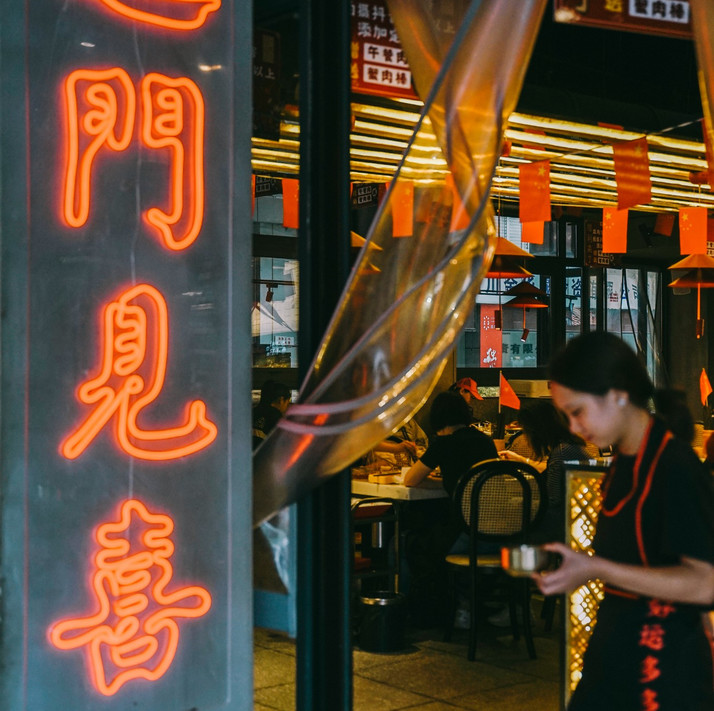
Walking into Kuanzhai Alley, you're assaulted by the sensory overload of tourist traps—vendors shouting, san da pao (pounded glutinous rice balls) crashing onto metal surfaces, the smell of fried snacks filling the air. But if you turn toward Zhongtongren Street, past the Chengdu Art Academy, you'll find this gem just outside the tourist zone.
The restaurant is refreshingly clean and well-lit—a deliberate choice to attract diners who appreciate ambiance as much as flavor. But don't let the polished look fool you. This place means business.
"Three jin of frog, please," we ordered. (One jin equals about half a kilogram, or just over a pound.)
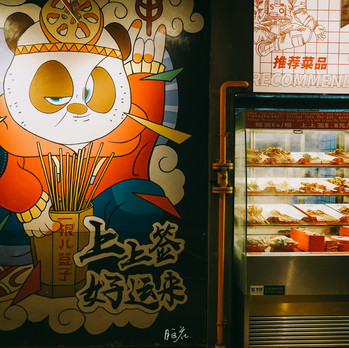
And then came the spectacle.
A massive dragon head emerged from the kitchen, spewing frogs into the pot like a mythological creature dispensing fortune. The inspiration? The owner, a native of Jianyang, drew from the local Qinglong Temple's dragon motif. It's a theatrical touch that feels both absurd and magnificent.
Our neighbor, an older gentleman from out of town, winced as the frogs cascaded down. We're at the top of the food chain, buddy. Embrace it.

The broth is the real star here. Don't be fooled by its golden hue—this isn't some bland "health pot." Those yellow peppers, sourced from the Lingnan region of Fujian, are reportedly even spicier than bird's eye chilies. Combined with house-pickled radish and fermented greens, the broth delivers a tangy, fiery, layered experience that's entirely different from the numbing heat of a traditional red pot.
Six minutes. That's all it takes. Set the timer, and when it rings, the frogs are perfectly cooked—tender, intact, and ready to be devoured.
Dip them in the original broth as your dipping sauce. The heat level is entirely up to you.

But the surprises don't stop there. Two dishes left us genuinely stunned.
The Crab Stick with a Secret: At first glance, it looks unremarkable—just a crab stick tied with a piece of crunchy gong cai (a type of preserved vegetable). But one bite and you'll understand. The porous crab meat soaks up the broth like a sponge, while the gong cai adds a satisfying crunch. The secret? These sticks are made from 100% crab meat, no starchy fillers.
The Fish Roe Shrimp Paste: Served with the fish roe and shrimp paste separated, you mix them yourself before cooking. The result is a textural masterpiece—silky smooth shrimp balls punctuated by popping fish roe, each burst releasing a briny wave that amplifies the shrimp's natural sweetness.
To cool down the heat, try their Caramel Tofu Pudding—a silky, sweet respite that cuts through the spice like a dream. And the Passion Fruit Lactobacillus Drink? Tart, fizzy, and refreshingly probiotic. It's the kind of palate cleanser you didn't know you needed.
📍 Address: 8 Zhongtongren Road, Qingyang District
💰 Average Spend: 78 RMB (approximately $11 USD)
🔥 Must-Order: Secret Yellow Pepper Pot, Frog, Fish Roe Shrimp Paste, Deep-Sea Crab Sticks, Tender Basa Fish, Chunky Meat Luncheon Meat
🍮 Don't Miss: Caramel Tofu Pudding, Passion Fruit Lactobacillus Drink
Final Thoughts: Why Chengdu's Food Scene Refuses to Be Pigeonholed
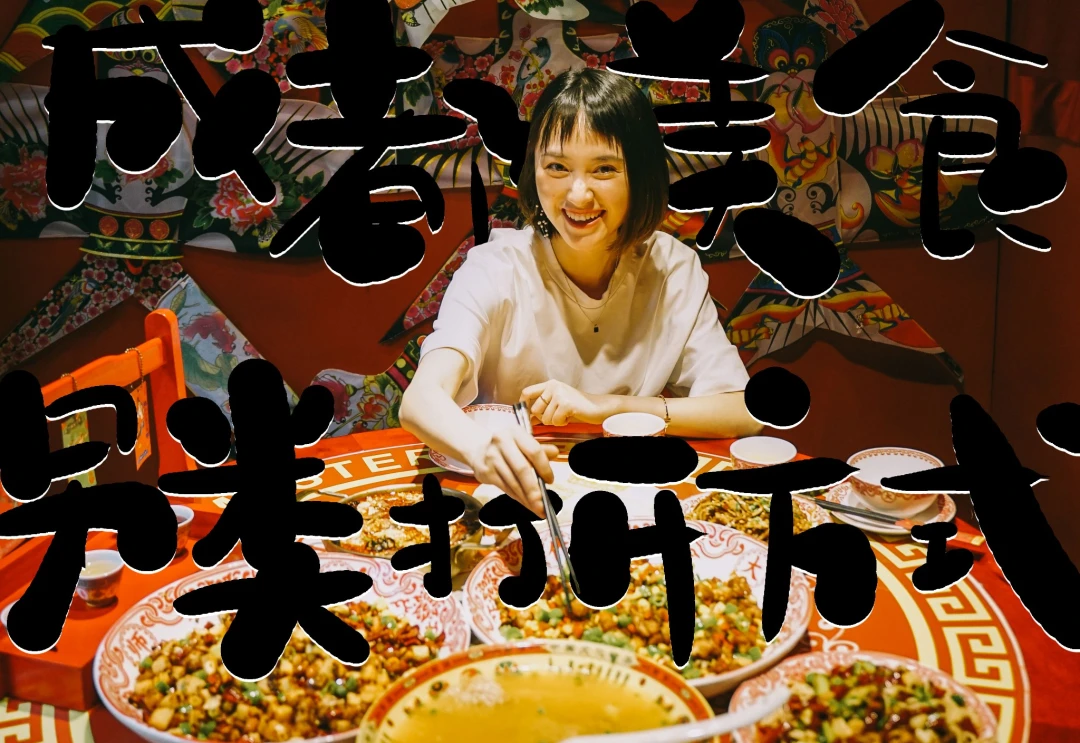
Chengdu's culinary identity isn't about rigid tradition—it's about fearless reinvention. The city's chefs and home cooks alike approach food with a playful irreverence, bending rules without breaking the soul of Sichuan cuisine.
That giant skewer joint? It's not trying to be authentic in the way a tourist might expect. It's trying to be delicious, and it succeeds wildly. That yellow pepper frog pot? It's a love letter to local ingredients and regional pride, wrapped in a theatrical package that feels entirely of this moment.
This is the Chengdu I know—a city that serves up tradition with a wink, that pairs fiery heat with cool innovation, that refuses to let its food become a museum piece. So the next time someone tells you that real Chengdu food has to be a certain way, remember: the city itself disagrees. And it's having a much better time for it.
Now go. Walk that extra block. Order that absurdly large skewer. Try the yellow pot. And when you do, raise a glass to the beautiful chaos of a food scene that refuses to play by the rules.
You should also read:
Beyond the Horizon: Chasing Light and Faith Through the Mountains of Shangri-La
Beyond the Horizon: Chasing Light and Faith Through the Mountains of Shangri-La There are places that exist not just on maps, but in the marrow of our dreams. Shangri-La is one of them. For decades, the very name has conjured images of mist-shrouded peaks, serene…
Continue reading...
Nine Days of Rain, Three Parts Scenery, Seven Parts Food: A Yunnan Adventure with My Best Friend
Nine Days of Rain, Three Parts Scenery, Seven Parts Food: A Yunnan Adventure with My Best Friend Five years ago, my best friend and I planned a trip together. We spent a full two weeks, day and night, researching routes, mapping out attractions, scouring travel…
Continue reading...
【Homepage Feature】Gemu's Tears – Lugu Lake, a "World Beyond the World"
【Homepage Feature】Gemu's Tears – Lugu Lake, a "World Beyond the World" Family Trip This is my first time being featured on the homepage. I'd like to thank the editors at Mafengwo for their recognition, and all the fellow travelers who supported my travelogue! Thank you…
Continue reading...